Category: E-Tailing

Retail News Asia is committed to providing both local and global retailers with the latest E-Commerce & Etail news throughout the Asian market. This on a daily base.

  • E-commerce giants rake in losses as market share war continues

    E-commerce giants rake in losses as market share war continues

    In for the long haul, online retailers are willing to ignore losses, focusing on promotions to attract more customers.

    Hoang has recently been able to buy a few electronic items online at a mere VND500,000 ($20), a fraction of what they would have cost at regular stores.

    He has been doing most of his shopping online in recent years, usually by hunting around for items sold at discounts of 50-80 percent.

    He said: “A few months ago I bought a shirt on sale for only VND5,000 (21 cents). I paid VND25,000 for shipping.”

    Customers like Hoang are the targets of Vietnam’s major e-commerce players. To attract more customers in an ultra-competitive market, these online shops are willing to spend large sums on promotions.

    In the first quarter online retailer Shopee Vietnam had around 30,000 orders a day, most of which were shipped free, according to a report by its owner SEA Ltd.

    Lazada also regularly offers discounts of up to 50 percent.

    But in this process these stores are bleeding, with Lazada, Shopee and Tiki all reporting losses.

    Lazada had an accumulated loss in 2016 of VND2.7 trillion ($115 million), the largest among online retailers in Vietnam.

    Tiki had a loss of VND600 billion ($26 million) in the same year, while Shopee reported a similar loss last year.

    SEA Ltd. said that most of the losses are due to the expenses on advertising and promotions.

    But it is a war that would go on for a long time, Truong Van Quy, CEO of marketing academy EQVN, predicted.

    To attract customers, they are willing to ignore their losses, he said, pointing out that even Amazon had to spend a large amount of money for 15 years just to attract users.

    For an online retailer to break even it first needs to have dozens of millions of customers within five to 10 years, he said.

    This was why Chinese e-commerce giant Alibaba bought Lazada last year for $2 billion, and injected another $2 billion into the company last March, he said.

    Tiki received an investment of $50 million from China’s second biggest online e-commerce firm, JD.com, earlier this year, while Shopee injected another VND1.2 trillion ($51 million) into its business, he added.

    Industry insiders said the sector has huge potential with the expanding middle class and smartphone usage.

    The World Bank has forecast that Vietnam’s $200-billion economy is likely to grow to a trillion dollars by 2035.

    More than half of its population, compared to only 11 percent today, is expected to join the ranks of the global middle class with consumption of $15 a day or more.

    Across the country, the ratio of people using smartphones among mobile phone subscribers reached 84 percent in 2017, up from 78 percent the previous year, according to the 2017 Nielsen Vietnam Smartphone Insights Report.

    Online sales in Vietnam have expanded rapidly in recent years, currently accounting for 3.39 percent of the country’s retail market. The total retail market grew 10.9 percent last year to $173.27 billion, as reported.

  • Meituan Dianping to set Hong Kong IPO valuation at up to $55 billion

    Meituan Dianping to set Hong Kong IPO valuation at up to $55 billion

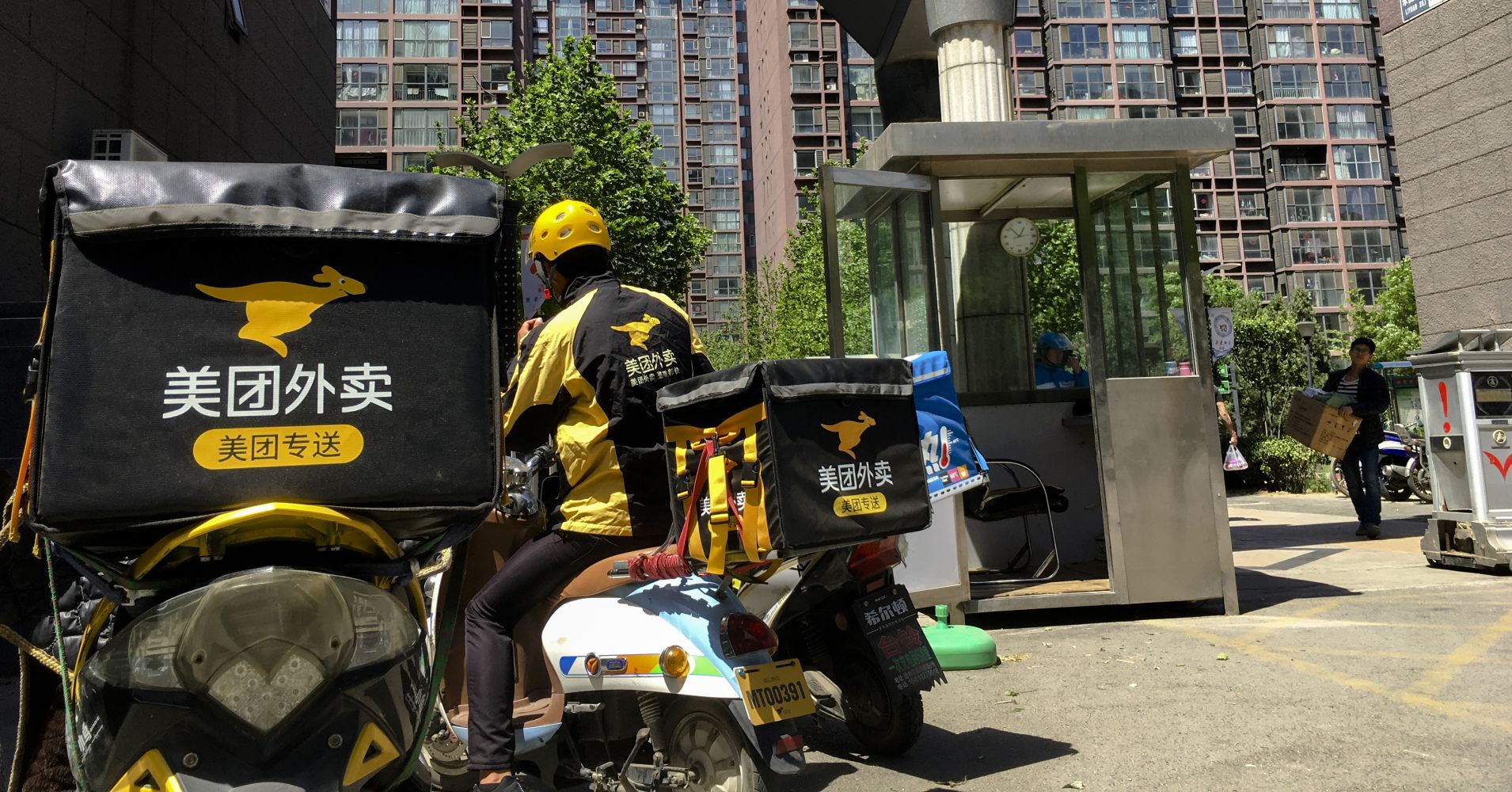
    China’s Meituan Dianping, an online food delivery-to-ticketing services platform, has set an indicative price range of HK$60 to HK$72 ($7.64-$9.17) per share for its initial public offering (IPO) in Hong Kong, valuing itself at up to $55 billion, four people with direct knowledge of the matter said.

    Meituan, already one of China’s most valuable internet firms, could raise as much as $4 billion before the exercise of a “greenshoe” or over-allotment option, whereby additional shares are sold depending on demand.

    The company is discussing a valuation of $46 billion to $55 billion and planning to secure a total of $1.5 billion from five cornerstone investors, including its main backer gaming and social media company Tencent Holdings, and global asset manager OppenheimerFunds, the people said.

    Oppenheimer will commit $500 million and Tencent $400 million, they said.

    Other cornerstone investors include U.K.-based hedge fund Lansdowne Partners ($300 million), U.S. hedge fund Darsana Master Fund ($200 million) and Chinese state-owned conglomerate China Chengtong Holdings ($100 million).

    The five cornerstone investors did not immediately respond to requests for comment. Calls to Darsana went unanswered.

    The Beijing-based firm filed plans for the city’s second multibillion-dollar tech float this year after smartphone maker Xiaomi’s blockbuster IPO of nearly $5 billion.

    It plans to use the process to upgrade its technology, develop new services and products and pursue acquisitions among other things, according to its IPO filing.

    Meituan is also – after Xiaomi – the latest company with a dual-class share structure to file for a Hong Kong listing, under the city’s new rules designed to attract tech companies.

    However, in late July Hong Kong Exchanges and Clearing (HKEX), the operator of Hong Kong exchange, said it would delay changes that would allow companies to hold shares with more voting rights, as more time was needed for investors to become accustomed to recent rule changes.

    Meituan was valued at around $30 billion in a fundraising round late last year.

    Xiaomi started trading in July after a closely watched but disappointing initial public offering that valued it at almost half the $100 billion that industry analysts had initially estimated.

    Meituan has been likened to U.S. discounting platform Groupon.

    Founded in 2010 by serial entrepreneur Wang Xing, it completed a $15 billion merger with Dianping in 2015, akin to U.S. online review firm Yelp Inc. It offers a broad range of services including movie ticketing, food delivery, hotel and travel booking as well as ride-hailing.

    Competitors include food-delivery platform Ele.me, backed by e-commerce firm Alibaba Group Holding, and leading ride-hailing firm Didi Chuxing, backed by Japan’s SoftBank Group.

    Bank of America Merrill Lynch, Goldman Sachs Group and Morgan Stanley are sponsors of Meituan’s IPO.

    China Renaissance is the financial advisor.

  • HK’s Globber plans global website

    HK’s Globber plans global website

    Hong Kong-based scooter maker Globber has partnered with retail technology specialist Red Ant Asia to develop a visual-led interactive website for 16 markets across Asia-Pacific, North America, and Europe.

    Built using the PrestaShop e-commerce platform, the site is designed to simplify the purchase of a scooter and related products. It features an interactive quiz that links directly to product detail pages; an interactive product comparison feature; recommendations for users, and a product spec comparison page with a drop-down list – allowing comparison of features across two to three products, which has effectively reduced product queries by 95 per cent.

    The site also offers a built-in scooter spare parts form aiming to modernise and simplify the approach to ordering new parts.

    Providing a single platform for Globber’s global team as well as local distributors, the new site supports Globber’s mixed market sales strategy and its international reputation.

    Emma Cox, Globber’s brand manager, said the team at Red Ant Asia understood the markets inside out that the company wanted to target.

    Globber has been selling scooters for toddlers, kids, teenagers and adults since 2014, and now retails in more than 74 countries.

  • Alipay blooms outside Mainland China

    Alipay blooms outside Mainland China

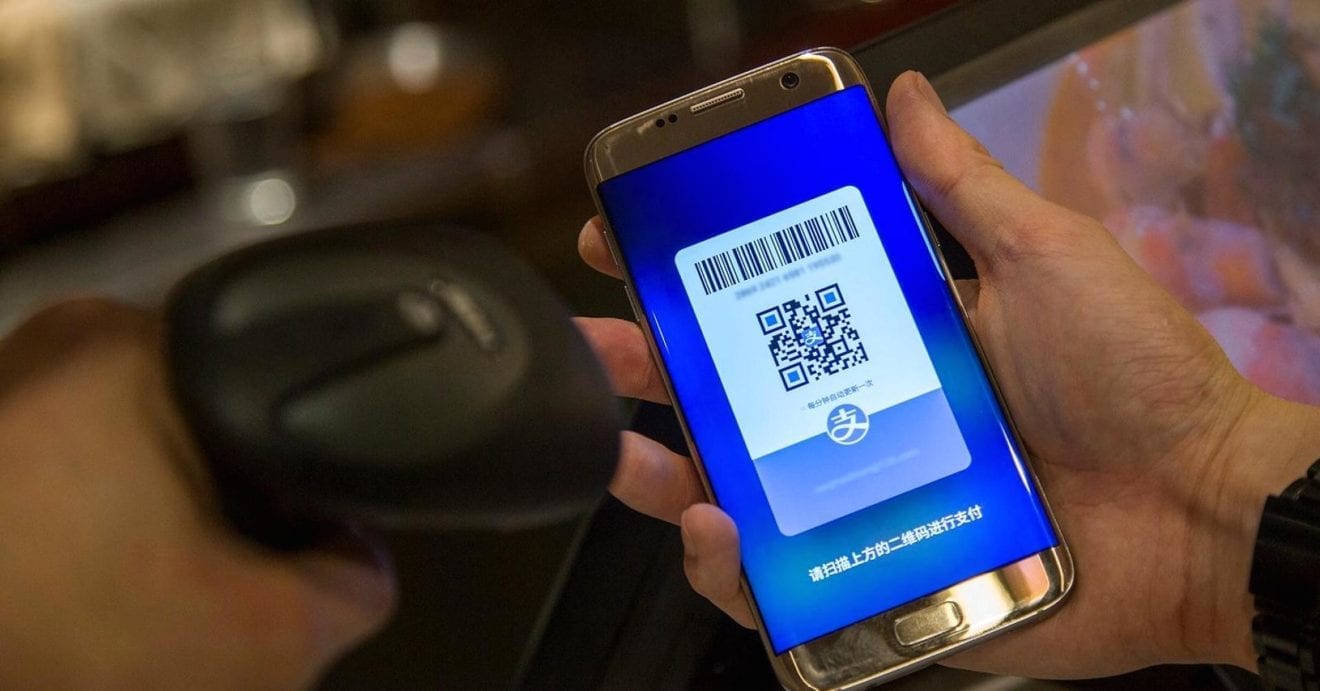
    Alibaba’s Alipay payments outside Mainland China has skyrocketed during the country’s holiday season.

    According to Ant Financial, during July and August of this year, Alipay processed 2.6 times the number of in-store overseas transactions as it did during the same period last year.

    And while Asian countries topped the rankings, double-digit transaction-volume growth was recorded in countries in northern and western Europe, including Denmark, Luxembourg, Norway, Sweden and Switzerland.  The number of Alipay transactions in Russia increased by more than 5000 per cent, as Chinese travellers flocked to the host country of this year’s FIFA World Cup.

    In rankings for transaction volumes, Hong Kong overtook Thailand to take top spot, Australia and Singapore overtook Taiwan; and and Malaysia overtook the US.

    Top 10 overseas markets for Alipay Transaction Volumes July-August

    1 Hong Kong

    2 Thailand

    3 South Korea

    4 Japan

    5 Macau

    6 Australia

    7 Singapore

    8 Taiwan

    9 Malaysia

    10 USA

    Top 10 countries by Alipay transaction volume growth

    (Based on Summer 2018 vs. Summer 2017)

    1 Russia 50x

    2 Luxembourg 39x

    3 Switzerland 18x

    4 Cambodia 14x

    5 Sweden 12x

    6 Norway 11x

    7 Greece 7x

    8 Canada 7x

    9 Malaysia 5x

    10 Portugal 5x

    Average total spending per user increased 43 per cent to RMB2955 (US$432) from last year’s RMB2073 (US$303). The average total spending per user was highest in France (RMB11,386 or US$1666), followed by South Korea and Denmark. European countries accounted for more than half of the Top 10 countries in terms of average total spending per user.

    Top 10 countries by average total spending per user

    1 France

    2 South Korea

    3 Denmark

    4 Italy

    5 UAE

    6 Greece

    7 Spain

    8 Australia

    9 UK

    10 Japan

    Those born in the 1970s, 1980s and 1990s accounted for 85 per cent of all those who used Alipay overseas during the summer months of 2018.

  • Indonesia’s E-Commerce Market Will Grow to $65b by 2020

    Indonesia’s E-Commerce Market Will Grow to $65b by 2020

    Online sales of physical goods in Indonesia are projected to increase more than eightfold to $65 billion annually by 2020, a study by global business consultancy McKinsey & Company shows.

    The report titled, “The digital archipelago: How online commerce is driving Indonesia’s economic development,” concludes that government support, large numbers of young, digitally savvy consumers and increased participation by micro, small and medium enterprises in e-commerce will drive the digital economy and boost online sales over the next five years.

    “We think there will be leapfrog growth for Indonesia’s e-commerce sales in the coming years, which is boosted by the number of internet users,” McKinsey Indonesia president director Philia Wibowo said in Jakarta on Wednesday.

    According to the Indonesian Internet Service Providers Association (APJII), there were 143 million internet users in the country last year, with about 44 percent of them using mobile devices to go online.

    McKinsey noted that e-tailing, or business conducted online through e-commerce firms such as Blibli, Tokopedia, Bukalapak and Lazada, will likely amount to $40 billion by 2020, while transactions on social media platforms, including Facebook, Instagram, Line, WhatsApp and Blackberry Messenger, may reach anything between $15 billion and $25 billion.

    Total e-commerce sales in Indonesia amounted to around $8 billion last year, with $5 billion of that from e-tailing.

    McKinsey also noted that 83 percent of internet users are expected to make online purchases by 2020, compared with 74 percent currently.

    The business consultancy interviewed 60 experts, ranging from chief executives of publicly listed companies, small and medium business owners, startup owners, former ministers to heads of government agencies, across the archipelago.

    The company also surveyed nearly 3,500 people, including 700 online merchants, 500 offline merchants, 2,000 online buyers and 250 dropshippers.

    “We conducted this research because we saw that there are rarely surveys out there that offer comprehensive reports on e-commerce. This particular sector has a real impact on the country’s economy,” Philia said.

    This is McKinsey Indonesia’s first e-commerce survey.

    Social Impact

    McKinsey said e-commerce has had a positive impact on job creation and social equity in Indonesia.

    As the largest e-commerce market in the region, Indonesia could generate about $20 billion in online sales by 2020, compared with $2.5 billion today.

    This projection shows that online sales in the coming years will also come from regions in Indonesia that are currently untapped.

    The business consultancy projects that e-commerce will support 26 million jobs both directly and indirectly by 2020, compared with 4 million now.

    Meanwhile, buyers can also save money through e-commerce. People living outside Java can expect to pay between 11 percent and 25 percent less for goods online, compared with brick-and-mortar shops.

    Buyers living in Java can save between 4 percent and 14 percent, McKinsey said.

    The business consultancy said e-commerce can also improve gender parity and financial inclusion.

    Challenges

    McKinsey noted that there are five key challenges if Indonesia wants to boost its e-commerce sector.

    The government should ensure that logistics and infrastructure are reliable. Indonesia still trails behind many other countries in terms of infrastructure development and it ranked in 63rd place among 160 countries globally in 2016, according to the World Bank data.

    Online payment systems meanwhile also play an important role in the growth of e-commerce. However, only 49 percent of Indonesians currently have access to financial services, compared with 85 percent in Malaysia and 82 percent in Thailand.

    McKinsey said while the internet is key to building a strong digital ecosystem, only around 60 percent, or 36 million small and medium business in Indonesia currently have an online presence. Of those, only about 15 percent have online ordering and payment systems, which shows an urgent need for small business owners to implement reliable technology and payment systems.

    Aside from that, McKinsey said Indonesia also faces a technical skills shortage. The country only produces eight science, technology, engineering and mathematics graduates per 1,000 citizens, while China produces 34 and India 20.

    Supportive Policies

    McKinsey further noted that supportive government policies also play an important part in boosting the country’s digital economy.

    Indonesia revised its negative investment list in 2016 to allow 100 percent foreign direct investment in e-commerce, if the investment exceeds Rp 100 billion ($6.8 million).

    The government is also committed to improving the country’s infrastructure, prioritizing the building and upgrading of ports and roads to lower logistical costs.

    “The focus on infrastructure projects must be continued, especially to improve access to rural areas,” Philia said.

    The government further established several agencies to support the digital economy, including the Bank Indonesia Fintech Office last year and the National Creative Economy Agency (Bekraf) in 2015.

  • Pomelo Fashion launches online shop in Malaysia

    Pomelo Fashion launches online shop in Malaysia

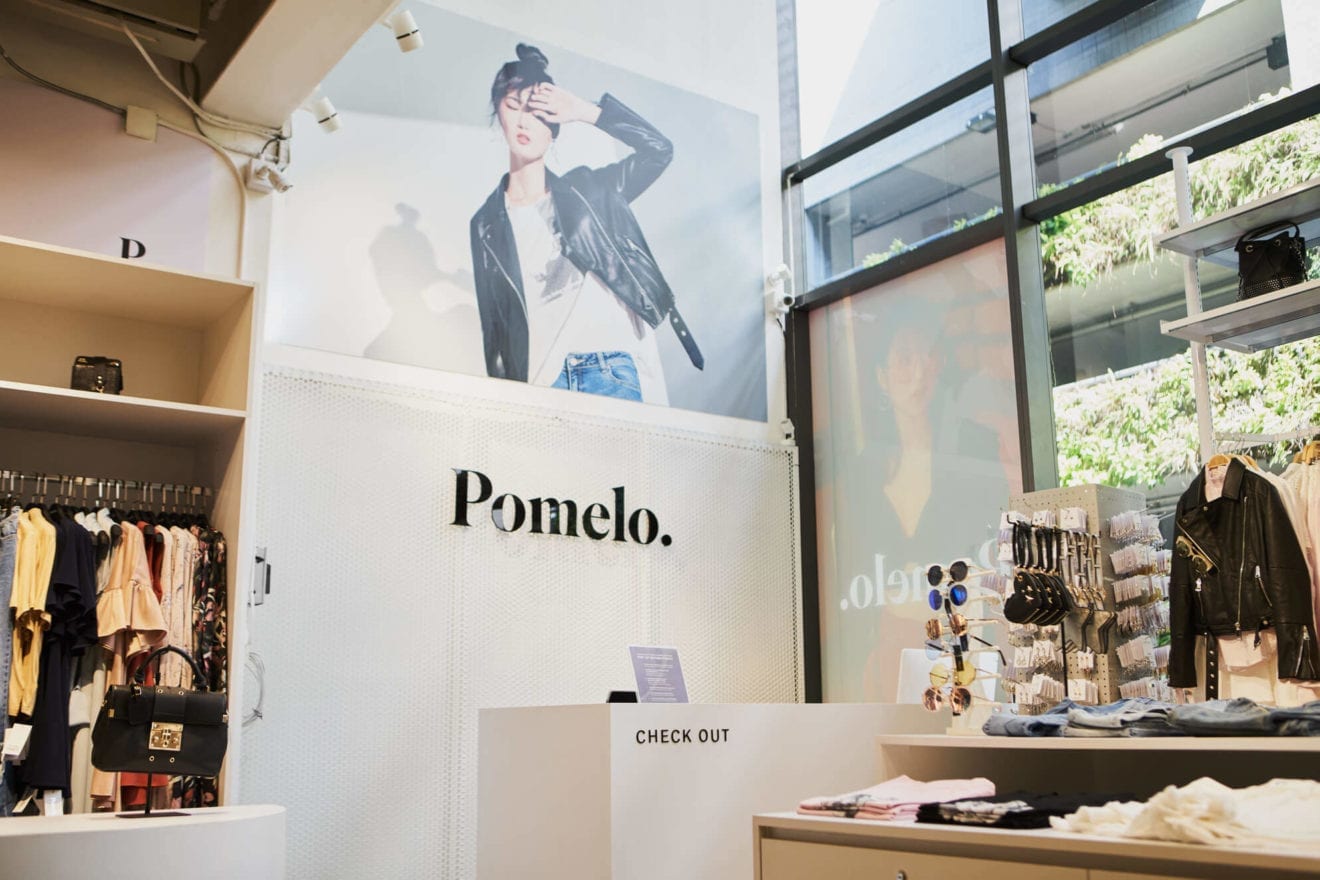
    Digital fashion brand Pomelo pursue its plan to expand its online-to-offline business model in Southeast Asia as it today announces its expansion into Malaysia to further strengthen its e-commerce presence in the region.

    Fashion consumers across Malaysia can now enjoy access to the brand’s latest offerings on a dedicated Pomelo Malaysia website and Pomelo App at any time.

    Driven by the online shopping behavior in Malaysia, the brand aims to meet the needs of the market with its ever-growing assortment of fashion products, enhanced delivery services and multiple payment options to provide them with the best possible online shopping experience.

    Pomelo stays true to its On trend. Online. On the go. philosophy offering its Malaysian consumers a wide assortment of trends for all styles and occasions.

    Indeed, added to their over 100 new weekly styles, seasonal and festival collections will be available to consumers including Ramadan, Chinese New Year, and Pomelo’s sustainable line Purpose.

    Southeast Asia is a booming market which reflects on the habits of the region’s inhabitants. In an effort to fit to today’s customers’ lifestyle, Pomelo invested in operations and logistics to bring its client a seamless and convenient online shopping experience. With this aim in mind, the company offer shoppers across Malaysia speedy delivery and easy returns.

    For the first time, Pomelo is launching 700 drop off locations all over Malaysia, with plans of expanding to nearly 2,000 locations – allowing customers ultimate convenience when making returns. Customers will get to enjoy free returns all year round as well as multiple payment options including cash on delivery (COD).

    Southeast Asia remains a strategic market for Pomelo and since its first launch in 2013, the brand has continued to expand in the region, with dedicated sites in Malaysia, Singapore, Thailand, Indonesia, and Australia.

    The brand also has an international site enabling fashion consumers to access the great assortment of Pomelo products in over 50 countries across the globe.

  • Black Diamond Sends Walmart Cease And Desist Letter

    Black Diamond Sends Walmart Cease And Desist Letter

    Walmart is learning a tough lesson in the challenges of expanding its business into a premium category after a dispute with upmarket outdoor-wear brand Black Diamond.

    The dispute is rooted in the US retail giant’s acquisition of outdoor gear retailer Moosejaw for $51 million. Walmart thought the acquisition would help it reach a new customer demographic it does not traditionally engage with, while Moosejaw saw the investment as an opportunity to scale its business up from its 10 physical stores and single online platform.

    Black Diamond, which makes premium-quality outdoor wear, had sold its products through Moosejaw’s stores and online prior to the company’s sale. But Black Diamond was incensed this week to find its products being promoted on a new subsite of Walmart’s online shop, Premium Outdoor Store curated by Moosejaw. It sent Walmart a letter demanding it cease and desist promoting its products on any Walmart-branded site, the clear inference being an association with Walmart undermined the Black Diamond’s premium status.

    The legal letter demanded Walmart stop using its name and trademarks “in a manner likely to confuse consumers into believing that Walmart is an authorised dealer of Black Diamond or that the new outdoor Walmart.com site is otherwise associated with or sponsored by Black Diamond”.

    The company accused Walmart of “infringing use of several hundred copyrighted photographs, the rights to which belong exclusively to Black Diamond”.

    “We did not see or approve the statement which Walmart released Monday and have never sold to Walmart,” Black Diamond president John Walbrecht said in a statement. “Black Diamond remains committed to our specialty retail partners and we do not plan on deviating from this strategy.”

    A Walmart spokesperson said it would never activate a brand [online] without its permission.

    “The decision to be part of this new experience will continue to be up to each brand, and our hope is that brands, and even other retailers, share our commitment to driving a truly inclusive outdoor industry,” the spokesperson said.

    “As we grow the Premium Outdoor Store, we will continue to look for leading brands and retailers that want to reach a new, wider audience.”

    Black Diamond’s products appear to have since disappeared from the Walmart online store.

    Quoting retail industry observers, a close association with Walmart “is a mixed bag for upscale brands because they enjoy loyalty from younger, wealthier shoppers who don’t necessarily look favourably on an association with Walmart’s corporate reputation, and might expect prices to come down”.

    Black Diamond says its action against Walmart is driven by a commitment to specialty retailers which stock its products.

  • IKEA Korea to start Online Sales this Saturday

    IKEA Korea to start Online Sales this Saturday

    IKEA Korea will open an online mall, on September 1, in line with its Swedish headquarters’ efforts to increase its online sales worldwide, the global home furnishing company‘s local subsidiary said.

    “We will officially launch our e-commerce channel September to offer better accessibility to customers nationwide, because we have only two stores in Korea,” IKEA Korea’s country retail manager Andre Schmidtgall said at an IKEA pop-up store in Seoul.

    According to IKEA Korea, a distribution center has already been established to improve inventory and distribution management efficiency. The online shopping platform will offer a comprehensive range of products with a few exceptions such as foods.

    The company is also considering various ways to cater to urban residents.

    The chief executive said his company is moving to open more “customer touchpoints” in downtown areas around Korea to better understand their needs, as IKEA Group CEO Jesper Brodin said during his visit to Korea in April.

    Including the opening of pop-up stores in Seoul, an IKEA Korea taskforce is conducting various tests to consider the possibility, according to Schmidtgall.

    IKEA’s aggressive expansion in Korea is expected to weigh on domestic rivals such as Hanssem and Hyundai Livart, although the furniture makers have ostensibly taken a positive attitude toward the market competition so far, saying the rivalry can improve their productivity.

    “Hanssem will face more difficulty in recovering its stock prices, following the opening of IKEA’s online marketplace,” KB Securities analyst Jang Mun-jun said.

    Schmidtgall, however, said the company still put emphasis on offline stores, citing the stores can display a wider range of products and allow the retailer to directly meet customers and respond promptly to their needs. He promised IKEA will continue to open additional outlets in Korea.

    IKEA Korea, which runs stores in the Gyeonggi Province cities of Gwangmyeong and Goyang, held a groundbreaking ceremony recently for its Giheung-gu store in Yongin in the same province.

    “We are eager to expand our customer touchpoints and reach more of the many people in Korea through the launch of e-commerce and IKEA Giheung, construction of which is set to be complete at the end of next year,” Schmidtgall said.

    IKEA Korea also said it posted 471.6 billion won (US$425 million) in sales between September 2017 and August 2018, up 29 percent year-on-year. It did not disclose its operating profit.

  • India’s BuyMore signed agreement with HK company to boost sales

    India’s BuyMore signed agreement with HK company to boost sales

    Indian e-commerce aggregator BuyMore has partnered with retail consulting firm Hong Kong Circle Tech to assist Chinese retailers seeking to sell their products in India.

    The deal will see Circle Tech’s Chinese retail clients listed on BuyMore’s 10 e-commerce websites, a move anticipated to significantly boost e-commerce trade in both countries.

    The partners will initially introduce 450 Chinese brands and US$5 million worth of products to India, which replaced China as the most promising retail market in the world last year.

    BuyMore’s MD & co-founder Sidharth said that more than 80 per cent of lifestyle and electronic products used today originate from China. “This shows that the market has a lucrative opportunity we can enact upon.”

    CEO & co-founder Abhinandan said: “We are hoping to reduce brand monopoly that currently exists in the Indian market. With our leading AI technology we will help Chinese factories streamline their production and cut production costs so that the Indian consumers can benefit from the cost cutting. India is price sensitive and we aim to give quality products at great rates by bringing in Chinese brands.”

    BuyMore will provide free warehousing, listings and cataloguing services to participating Chinese brands.

  • India’s ecommerce Myntra plans to go offline

    India’s ecommerce Myntra plans to go offline

    Indian online retailer Myntra is planning a network of offline stores.

    The fashion subsidiary of Flipkart, sees physical stores as an opportunity to build trust and awareness in the company’s online offer an to engage with existing customers.

    According to a report, Myntra plans to open as many as 100 offline stores selling cosmetics over the next two years. The first is likely to open in Bengaluru, within the next six months.

    Myntra-Jabong CEO Ananth Narayanan says the company will recruit franchisees to run the beauty and cosmetics stores.

    Bengaluru has been chosen for the first store because it is the city in which Myntra is headquartered. Sites in shopping centres and high street locations are being sought in large Indian cities.

  • Lazada offers credit lines to sellers in Singapore

    Lazada offers credit lines to sellers in Singapore

    It’s been almost two and a half years since Alibaba initially invested in Lazada, and the Chinese e-commerce giant has now invested at least $4 billion total in the company, including a $2 billion infusion this past April. At that point, Alibaba saw great potential in a region of the world where online sales represented only 3% of all retail sales.

    Partnering with Finaxar on a seller financing program shows how Lazada and its majority owner are continuing to build up this Southeast Asia marketplace to take advantage of that growth opportunity. If the strength of an online marketplace lies in the number and variety of sellers, brands and products that can be found there, it makes sense for the operator of that marketplace to support firms in growing their businesses.

    Lazada is not the first player in the space to offer financing. For example, just last month, eBay partnered with Square Capital on a program to offer eBay sellers access to more funds for working capital. Just a few weeks before that announcement, Payability unveiled a program to give sellers who participate in multiple different online marketplaces faster access to needed financing.

    Sellers in online marketplaces often may be too busy to think about their own growth road maps, and they may lack large enough sums to pursue growth even if they do have a roadmap. Seller financing, whether direct loans, credit lines or in some other form, can give them an opportunity to invest more in their own inventory growth, marketing and operations.

  • Logitech partners with Lazada to bring Logithech G Pro products

    Logitech partners with Lazada to bring Logithech G Pro products

    Logitech took their equipment to the next level by announcing their Logitech G PRO series, earlier this week. This line of gear focuses solely on maximizing performance as it was designed by and for the world’s leading esports professionals.

    The main showcase of this release was the Logitech G PRO Wireless Gaming Mouse and the Logitech G Pro Gaming Headset and following the trend of its simplistic title, the peripherals are simple in design yet powerful in performance.

    The mouse brings over all the positives from the previous Logitech G Pro Wired Gaming Mouse with certain aspects of the equipment tweaked, improving the overall feel of the peripheral. The mouse itself only weighs in at 80 grams and carries a HERO (High Efficiency Rated Optical) 16K sensor, allowing the user to reach 16,000 DPI with extremely accurate and precise mouse movement.

    The mice features Logitech G’s exclusive LIGHTSPEED wireless technology and promises a 1ms response rate, ensuring that competitive gamers need not worry about the slow connectivity of typical wireless mice. For competitive gamers, another major issue with wireless mice is the battery life, and Logitech G understands this. That’s why the Logitech G Wireless mouse has a 48 hour battery lifespan (60 hours with no lighting).

    “We listened to the pros and took away all the other necessary things and kept the essentials for professional gaming, focusing on performance,” KP Sim, Logitech’s Country Lead for Malaysia shared.

    The headset carries the same philosophy as the mouse and trims out on all other aesthetics such as RGB lights. The headset is lightweight, strong and extremely comfortable as it carries a pair of premium leatherette ear pads. As Logitech’s main focus is to produce tournament grade equipment, the headset brings a pro-grade back electret condenser microphone for crystal-clear communication.

    KP Sim emphasized that the PRO series was designed in close collaboration with pro gamers to ensure the peripherals are tournament ready. “The PRO headset was developed in close collaboration with TSM, G2 Esports and London Spitfire players. Our design includes features such as a tournament-grade mic and a comfortable leatherette for perfect headset for esports and pro gamers.”

    With the release of the wireless mouse and headset, the full set for the Logitech G PRO series is now complete and gamers can now pre-order them through Lazada!

    Lazada is the exclusive partner for Logitech G and will be the sole distributor of the PRO line of products! So if you want to get your hands on any one of these awesome peripherals, you can head on over to their website.


  • Online boosted 361 Degrees sales growth

    Online boosted 361 Degrees sales growth

    Sportswear retailer 361 Degrees International believes sponsorships of the Asia Games in Indonesia this month, and a focus on e-commerce are helping it attract younger customers.

    The Hong Kong-listed, Mainland China retailer of sports apparel, says sales increased 7.8 per cent in the first half year to RMB2.798 billion (US$411 million), with profit attributable to shareholders up 5.3 per cent to RMB335 million.

    361 Degrees sponsored the debut of esports as a demonstration sport at the Jakarta Palembang Asian Games and has a broader involvement in the fast-growing market.

    “As the youngest leading sports brand in China, 361 Degrees has been committed to establishing a youthful brand image,” said chairman Ding Huihuang.

    In the first half of this year, 361 Degrees launched sportswear and accessories products jointly with QG Club, a mainland esports championship team.

    “In the future, the group will promote the 361 Degrees brand among esports customers, cooperate with more esports teams, increase the esports product lineup, explore multiple sales modes such as physical store sales, and add an esports zone on e-commerce platforms to approach younger generation with the esports and blaze a trail for attracting young generation consumers,” he said.

    Meanwhile, 361 Degrees’ e-commerce business increased by 185.5 per cent to RMB328.9 million, representing 10.9 per cent of the group’s turnover in the first half of this year, compared with just 4.1 per cent in the same period last year.

    In the second half of this year, the group says it plans to continue to optimise its sales network and strengthen cooperation with e-commerce platforms such as Tmall, JD and Vipshop to promote the combination of online and offline sales channels.

  • India fastest growing market for Uber Eats globally

    India fastest growing market for Uber Eats globally

    US-based Uber said India is the fastest growing market for its food delivery platform Uber Eats and the service is being rapidly expanded to cover more Indian cities.

    Uber had launched Uber Eats in India in May last year and recently expanded the service to five more Indian cities — Tiruchirappalli, Surat, Nashik, Ludhiana and Mysore — to now cover 28 cities.

    “India continues to be the fastest growing market for Uber Eats in the Asia Pacific region and globally. As urbanisation picks up in the country, we look for opportunities to take our service to newer cities and expand our network, especially in tier II cities, which we believe, offer tremendous potential for the food tech industry,” Bhavik Rathod, Head of Uber Eats India said in a statement.

    While the company did not disclose specific numbers, it said the number of orders on its platform has “more than quadrupled” in the last three months and recorded nearly 50 percent month-on-month growth.

    Interestingly, Vijayawada and Madurai were the first two cities where Uber Eats was launched before the rides service. Uber CEO Dara Khosrowshahi had recently said the company is “deliberately investing” in products like Uber Eats and “high-potential” markets in the Middle East and India, even though its losses widened year-on-year in the June 2018 quarter.

    According to a report: Globally, the Uber Eats business is growing 200 percent per year and has a US $6 billion run rate. Uber Eats was started in 2014 as a small delivery pilot in Los Angeles and was later launched as a separate mobile app in Toronto in December 2015. In India, Uber Eats competes with the likes of Zomato and Swiggy as well as FoodPanda, which is owned by Uber’s rival, Ola.

  • Emart’s 2nd-gen Pepper is chattier than before

    Emart’s 2nd-gen Pepper is chattier than before

    An upgraded version of Emart’s humanoid Pepper robot will start roaming the aisles of the retailer’s Seongsu branch in eastern Seoul starting tomorrow.

    Pepper is a humanoid robot developed by Japan’s SoftBank Robotics. Its main function is emotional perception and communication with humans at stores or at home. Emart developed programs tailored to using Pepper as an assistant to customers.

    The company said Monday the robot will serve as a guide for customers at the Seongsu branch’s imported food section three times a day between tomorrow and Sept. 12.

    This is the second test run for Pepper. Emart first sent the robot to its Seongsu store in May. The difference from three months ago is that Pepper can now move by itself.

    Pepper’s conversation skills have also received an upgrade. In May, Pepper was able to respond to simple questions on promotion events and offer product information after recognizing products with its camera.

    The new Pepper is smarter. It now has an artificial intelligence-based chat function that helps it engage in longer conversations. The robot also has access to data from SSG.com, the ecommerce website of Emart’s parent company Shinsegae, so it can make suggestions from various product categories. “For example, Pepper can spot a consumer lingering around the imported food corner, step up to them to ask which dish they plan to cook and propose a sauce that would best suit their needs,” said Emart in a statement.

    Many retailers are finding ways to use technology to downsize their workforce. The most common form of automated retail is electronic kiosks. Many eateries, from chains like McDonald’s to local non-franchise eateries, have machines for taking orders.

    Service robots like Pepper are becoming increasingly popular. Delivery app Baedal Minjok launched the robot server Dilly at a Pizza Hut branch earlier this month to transfer pizza from the kitchen to tables. In January, local coffee franchise Dal.komm Coffee launched b;eat, an automated coffee-making robot, which it installed at 10 of its coffee shops across Korea.

    “The primary purpose for the service robots that are coming out nowadays is to offer an entertaining point to enhance the consumer experience at their stores,” said Ryu Han-seok, an IT columnist. “Brick-and-mortar retailers haven’t had anything attractive and differentiating to show to consumers recently.”