Category: E-Tailing

Retail News Asia is committed to providing both local and global retailers with the latest E-Commerce & Etail news throughout the Asian market. This on a daily base.

  • Amazon invests US $400 million more in its Indian arms

    Amazon invests US $400 million more in its Indian arms

    The US-based world’s largest e-tailer Amazon invested an additional US $400 million (Rs 2,700 crore) in two of its Indian subsidiaries, said business intelligence platform Paper.vc on Monday.

    “Our tally of Amazon’s total investment in its Indian subsidiaries, including this, is US $3.6 billion (Rs 25,241 crore),” Paper.vc founder Vivek Durai said.

    According to documents Amazon filed with the regulators at a meeting on August 6 in Bengaluru, the board of directors of Amazaon Seller Services Ltd approved allotment of 270 crore equity shares of Rs 10 face value for Rs 2,700 crore to the Singapore-based Amazon Corporate Holdings Ltd and an additional 124,753 shares to Amazon.com Incs Ltd without premium.

    “The board of directors of Amazon Retail India Ltd on July 31 agreed to allot 10 crore equity shares of Rs 10 face value for Rs 100 crore to its shareholders (Amazon Corporate Holdings and Amazon.com) without premium on rights basis.

    Ahead of the retail giant Walmart taking majority stake (77 percent) in India’s e-tail major Flipkart for US $16 billion in May, Amazon invested Rs 2,600 crore in its India operations.

    “The Amazon board has consented to allot 260 crore shares of Rs 10 face value aggregating Rs 2,600 crore to the shareholders on rights basis in the ratio of their shareholding,” said Amazon Services Ltd in a filing with the Registrar of Companies (RoC) on May 8.

    Amazon Chief Executive Jeff Bezos had earlier committed to invest a whopping US $5 billion in India to cash in on the rapid growth in e-commerce business.

  • Lazada, Shopee, 11Street top e-commerce ranking in Malaysia

    Lazada, Shopee, 11Street top e-commerce ranking in Malaysia

    Lazada, Shopee and 11Street have been ranked the top three companies in terms of the most visited website in Malaysia in the second quarter (Q2) of 2018, according to iPrice Group’s Map of E-Commerce (MoE) list.

    Based in KL, iPrice Group is a privately owned online shopping aggregator. According to its portal, the MoE ranks Malaysia’s top 50 e-commerce players based on their average quarterly traffic, mobile application ranking, social media followers and number of staff. The data was collected in July 2018.

    Lazada came out top in traffic ranking with 27.99 million visitors and the number of Facebook followers with 25.5 million followers. It took second place for app downloads and Twitter with 31,035 followers.

    Shopee took second place in traffic ranking with 12.3 million visitors, while 11Street came in third place with 6.4 million visitors.

    However, iPrice said that Shopee inched closer to Lazada’s monthly traffic by two fifths in Q2 2018. In Q1 2018, Shopee’s was one over five to Lazada’s monthly average visitors.

    Fashion Valet and CJ Wow Shop entered the top five most visited Malaysian-based e-commerce platform in Q2 2018, while Lelong remained as the most visited Malaysian-based e-commerce platform with 5.2 million visitors.

    The top three most visited Malaysian-based e-commerce platforms were Lelong, GoShop (818,000 visitors) and Hermo (758,000 visitors).

    In the fashion, health and beauty category, Hermo, Fashion Valet, Poplook, Babydash and Naelofar Hijab are the five most visited Malaysian-based e-commerce platforms as of Q2 2018.

  • 11street Malaysia will take advantage of the new partnership

    11street Malaysia will take advantage of the new partnership

    Online marketplace 11street Malaysia is being overhauled following a partnership with PUC Ventures.

    The e-commerce retailer says the changes will enhance the user experience and further contribute to the Malaysian digital economy.

    The revamp will involve improved payment options and shopper experience; better logistics systems; a new mobile app; an influencer and celebrity store, as well as a platform for micro-influencers and convenient e-voucher sales management for sellers.

    The platform aims to offer new advantages to sellers by bringing together overseas buying and selling channels to encourage SME growth.

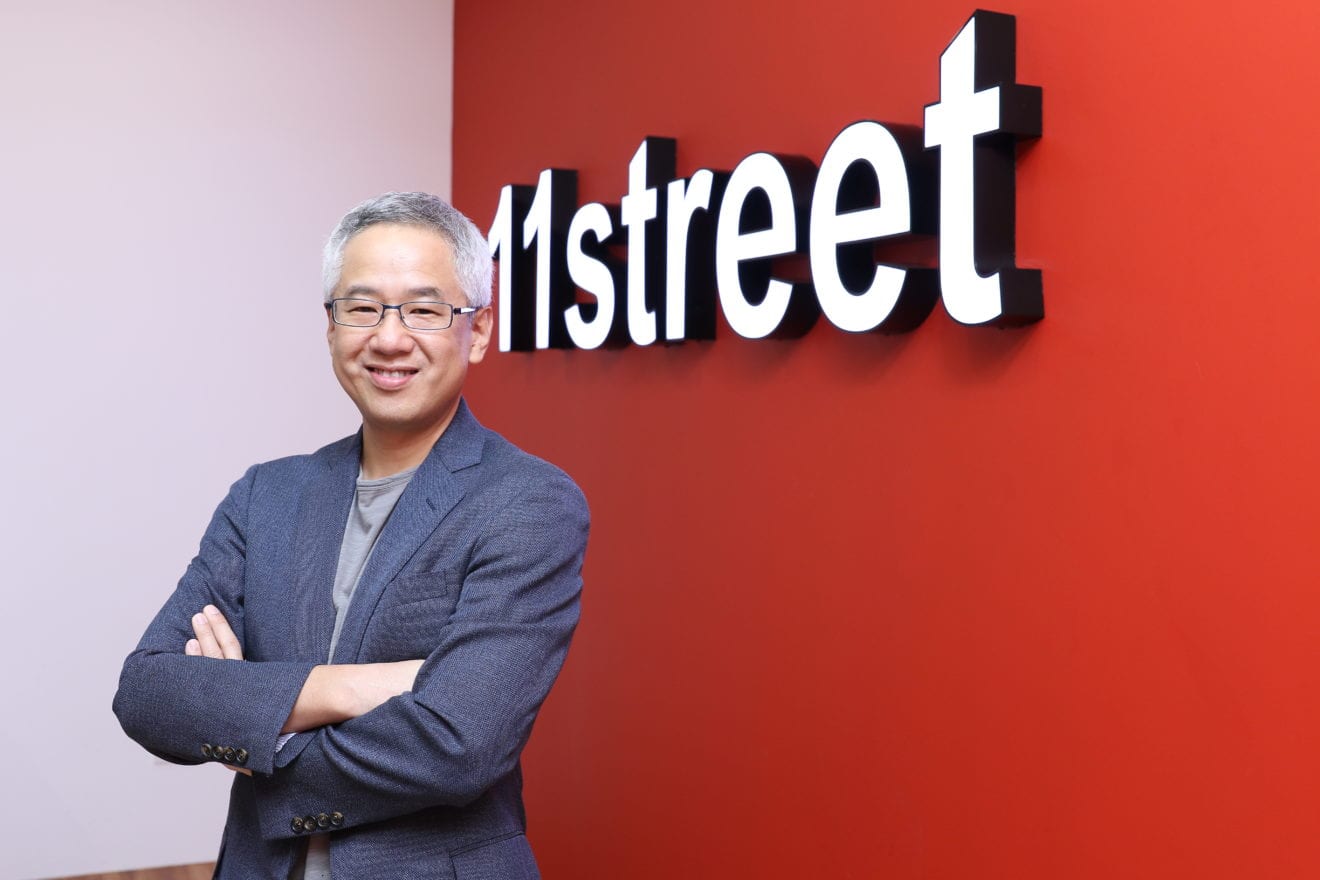
    11street CEO Cheong Chia Chou said: “As everything in our world becomes digitised, there is a need for a stronger e-commerce ecosystem where a customer’s physical digital journey can be fully integrated. Businesses are pushed to ride the wave of this rapid industry expansion to ultimately grow their businesses at a larger scale for better profitability and presence.”

    The partnership was made to expand integration and interoperability across platforms involved in Malaysian e-commerce. A statement released by the firm noted that the Malaysian digital economy has grown exponentially with 15.2 million online shoppers in Malaysia spending an average of RM321.15 (US$78.35) per year.

    The e-commerce industry revenue is expected to show a compound annual growth rate of 17.9 per cent over the next four years.

  • Online grocery shopping made easy with Shopee Mart

    Online grocery shopping made easy with Shopee Mart

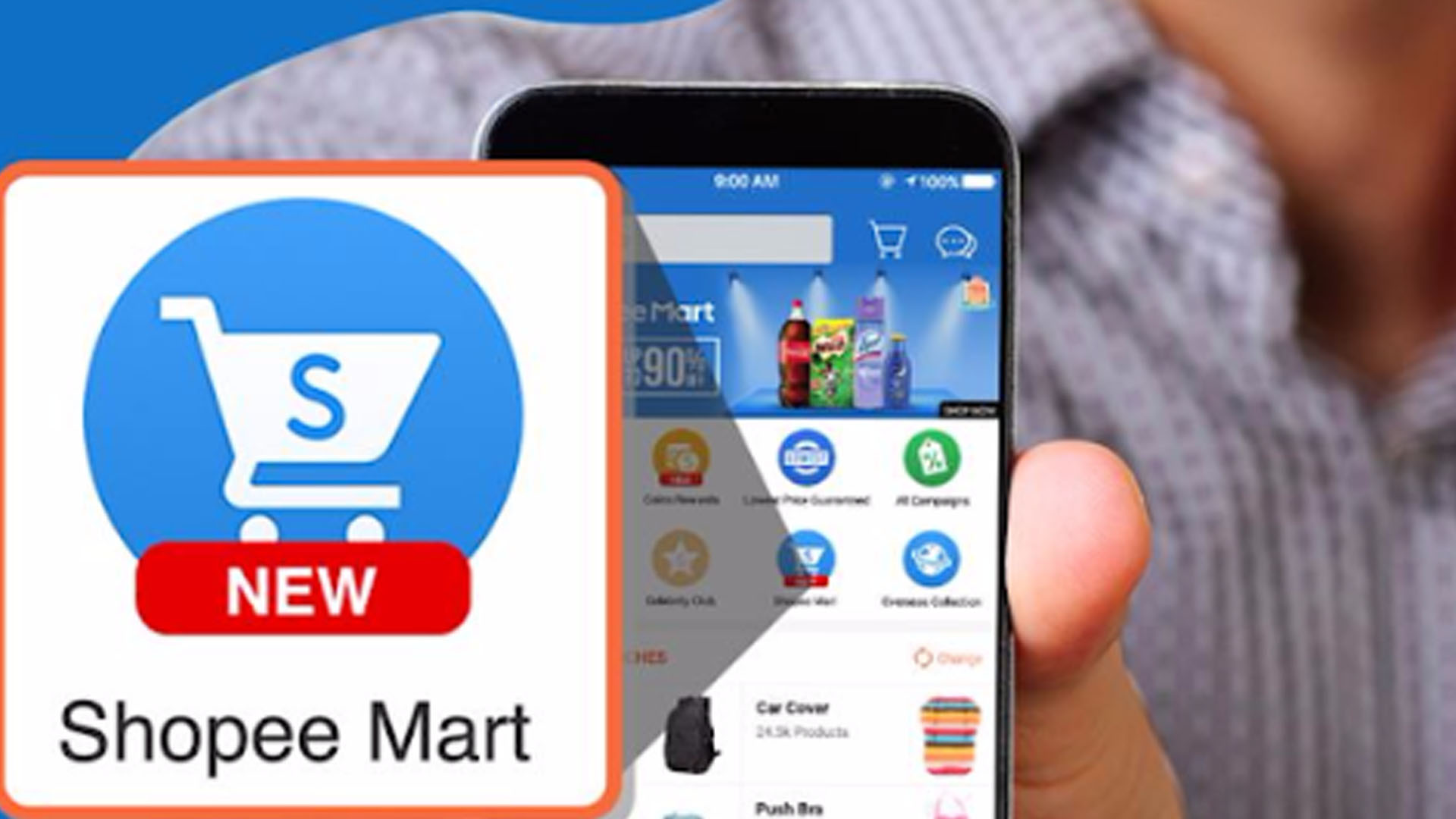
    E-commerce platform Shopee Philippines has launched Shopee Mart, selling groceries online via smartphones.

    As Shopee grows its Asian footprint – it is now operating across Southeast Asia and in Taiwan – it is expanding the services offered in selected markets. Groceries was a logical extension in the Philippines.

    A raft of consumer packaged goods brands have signed up to the platform, including Nestle, Unilever, Lysol, Coca-Cola, Nivea, Colgate, Pampers, Garnier, Mamypoko and Olay.

    The grocery foray was launched with a special offer to consumers of up to 90 per cent off selected grocery items, ranging from food and beverages to toiletries and skincare products from Monday through Wednesday this week.

    “At Shopee, we … are committed to continuously innovating our platform in order to meet the different needs of our users,” said Shopee Philippines director Jane Lim.

    “For the launch of Shopee Mart, we hope to be able to cater to users who prioritise the ease and convenience of doing their grocery shopping online, and will continue to work closely with brand partners to bring them even more value-added deals and exciting campaigns going forward.”

  • Carousell seals partnership with Xend, elevates the PH buying and selling experience

    Carousell seals partnership with Xend, elevates the PH buying and selling experience

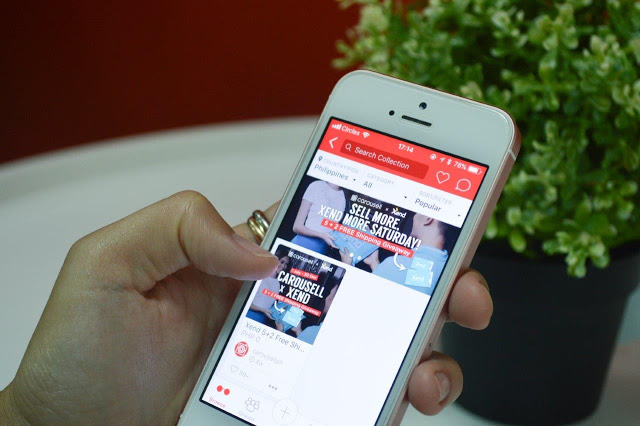
    In a strategic bid to accelerate Philippine social commerce growth in a thriving ecosystem, Carousell, one of the world’s largest and fastest growing classifieds marketplaces, has recently launched its major team-up with Xend, the country’s top e-commerce logistics firm.

    Jamie Lee, Carousell’s Senior Manager for Growth Markets pointed out that the partnership deal allows the platform – now with 158 million listings across 7 markets – to enrich the experience of its Philippine-based users and better engage them through a strong logistics partner of choice.

    “We are excited to work with Xend to make buying and selling more convenient. Shipping has been one of the most requested features from our users in the Philippines and Xend provides a unique, cost-friendly logistics solution for our users. With this strategic partnership, we hope to create more value for our community and deepen our presence in the Philippines,” Lee explained.

    Xend Founder & CEO Bjorn Pardo meanwhile said that they are thrilled to forge this partnership as it allows both players to step-up their game in the e-commerce space at scale.

    “The Philippine e-commerce landscape has fundamentally evolved. Sellers and shoppers are now more discerning and adoptive of coherent, frictionless experiences. This collaboration enables us to consolidate the mobile commerce segment and mobilize each others’ resources towards more customer-centric solutions,” said Pardo.

    The deal will jointly offer preferential privileges to Carousell users who use Xend to have their sold items delivered, as well as mount co-branded promotions in each others’ channels, both online and offline.

    With over 9.5 million listings on the Philippines marketplace, fashion and beauty remain as the most popular categories among its users in the Philippines. Xend, on its part, has already breached the 25 million mark for deliveries locally and abroad, and is known for its close to 500,000 user-base, Asia Pacific’s first Facebook Messenger booking bot, and a 6,000-strong integrated land and sea logistics network with PhilTranco, FastCat, Jam Liner, Ceres, and Quick Reliable.

    “It’s all about unlocking localized synergies and generating incremental value. As a next-tier innovation, Xend and Carousell will be collaborating to offer district-oriented meet-up points that leverages the Xend Group’s “pick-up and drop-off” (PUDO) hubs of 350 Neighborhood Partner outlets and possibly the stores too of 7-Eleven, one of our formidable strategic partners,” said JT Solis, Xend’s Vice President for Partnerships & Business Development, who led the negotiation and structuring of the deal.

  • Crocs Philippines Launches Brand Ecommerce Website

    Crocs Philippines Launches Brand Ecommerce Website

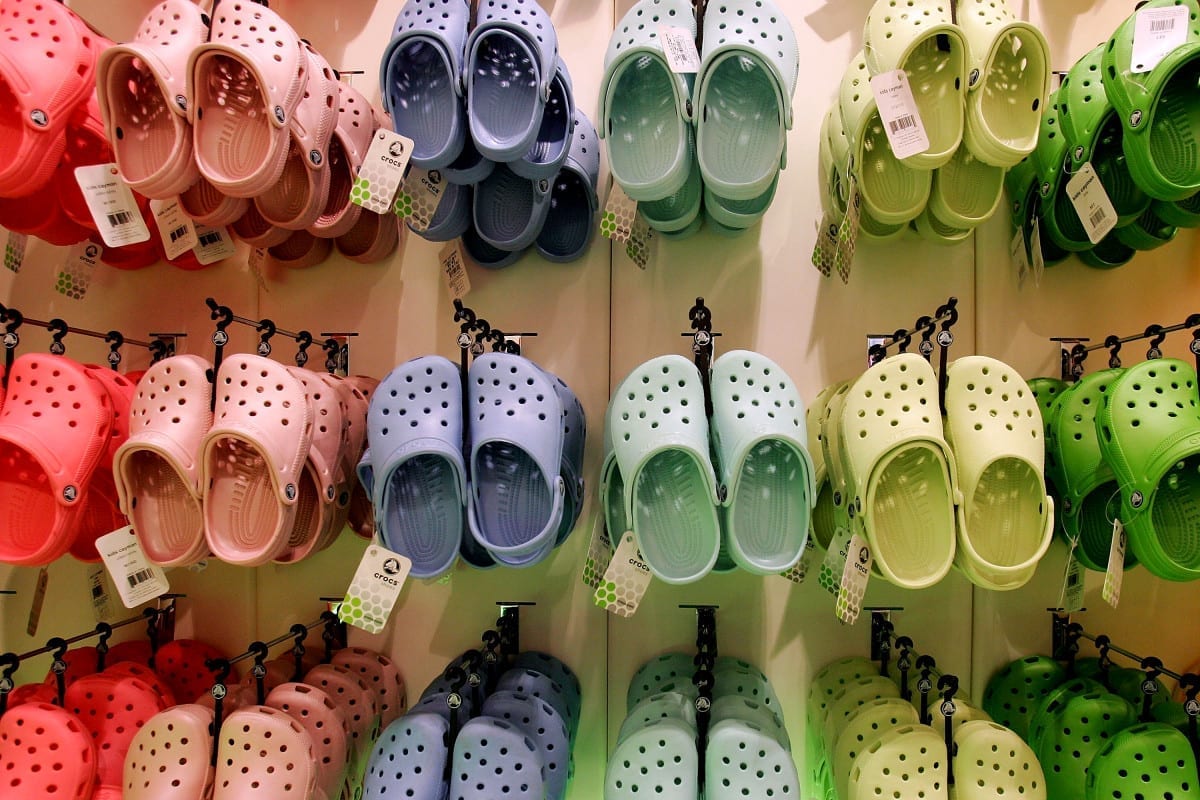
    Catering to the growing demand of online shoppers in the Philippines, Crocs Philippines, the world leader of innovative footwear, officially announces the launch of its ecommerce website. Crocs Philippines has been working with aCommerce, the region’s leading brand ecommerce enabler to provide a frictionless online shopping experience for fashion-loving Filipinos.

    The team at aCommerce helped align the website to Crocs’ unique, stylish and playful market, with the new online shop including features such as:

    Find the Perfect Shoes

    Unlike your usual drop-down filter for colors and style, Crocs’ Find the Perfect Shoes incorporates visual and graphics to provide a fun and efficient way for shoppers to find their perfect pair of Crocs.

    Store Finder

    Online shoppers will also be able to locate Crocs’ stores nationwide with a Store Finder, a step towards offering a true omni-channel shopping experience in the near future.

    Crocs’ local ecommerce website also includes a section of ‘#ComeAsYouAre’, which is the company’s global campaign launched last year to celebrate the uniqueness of individuals and help more people get comfortable in their own shoes. This section of the website allows Filipinos to join Crocs’ global ambassadors like Drew Barrymore, YOONA and Henry Lau in sharing selfies, shoefie or favorite Crocs photos via @CrocsPH with hashtags: #CrocsPH #ComeAsYouAre.

    “Having worked with aCommerce to launch and operate our flagship store on Lazada Philippines, it was easy to extend our collaboration with aCommerce to launch our brand webstore. Since our Lazada launch, more shoppers are enjoying the comfort of Crocs especially in places where our concept stores are not yet present. We are excited to see further growth working with aCommerce.” Mark Christian Chan, President of Crocs Philippines.

    “With the success of their Lazada shop-in-shop, the team at Crocs came to us for help with their brand.com website. Having their own direct-to-consumer brand website offers opportunities to collect customer data, provide a customized online experience, and execute CRM strategies beyond what e-marketplaces are able to offer,” said Mandy, Group Director of Direct-to-Consumer Ecommerce at aCommerce.

    In the near future, Crocs will also partner with aCommerce on digital marketing services, such as performance marketing and influencer marketing to boost online sales. Currently, Crocs has a total of 57 stores in the Philippines. Its first ecommerce presence was established in April 2018, with aCommerce helping to launch the Crocs Lazada shop-in-shop.

  • Amazon India opens its largest fulfilment centre in Haryana

    Amazon India opens its largest fulfilment centre in Haryana

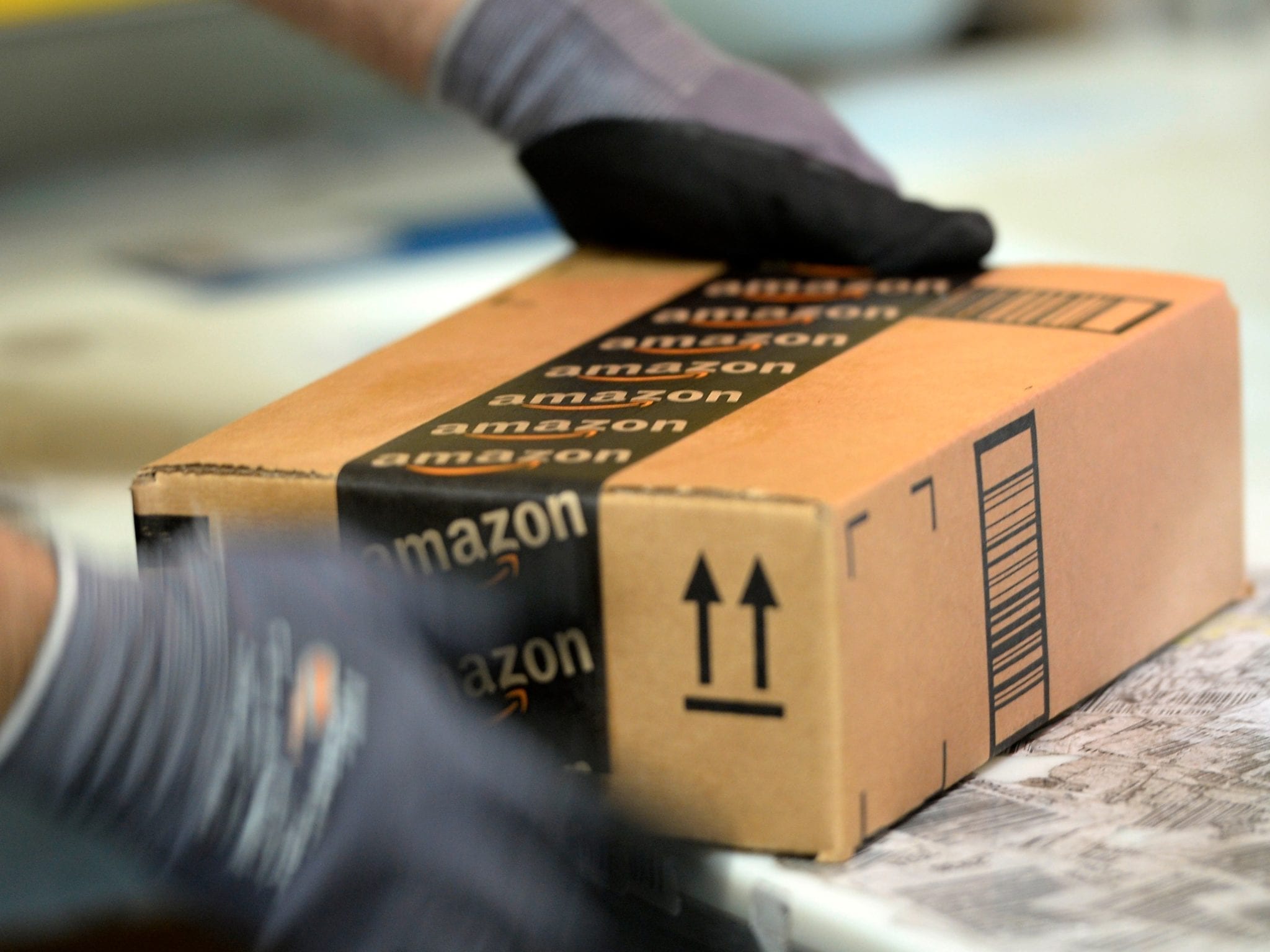
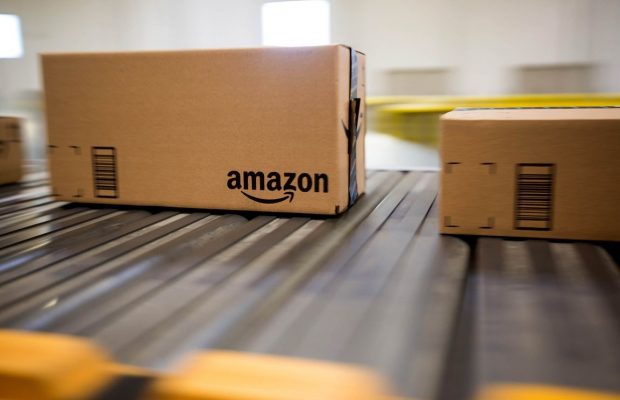
    Expanding its infrastructure footprint in India, online retail major Amazon India on Tuesday opened its largest fulfilment centre (FC) in Haryana with a view to enhance customer experience ahead of the festive season.

    Spread over close to 300,000 square feet with over 1.5 million cubic feet of storage space, the centre situated in Panchgaon will enable faster delivery to customers in the region, the company said in a statement.

    “With the launch of our largest fulfilment centre in Haryana, we now have a storage capacity of more than five million cubic feet in the state. The FC will enable sellers to use the local infrastructure, save capital and help them grow,” said Akhil Saxena, Vice President, Customer Fulfilment, Amazon India.

    The centre is expected to provide support to the local economy by enabling the growth of ancillary businesses such as packaging, transportation, logistics and hospitality across the state.

    It will cater to customer demand for products in categories such as smartphones, consumer electronics, appliances, fashion and consumables, Amazon India said.

  • Brookstone files for bankruptcy for the second time

    Brookstone files for bankruptcy for the second time

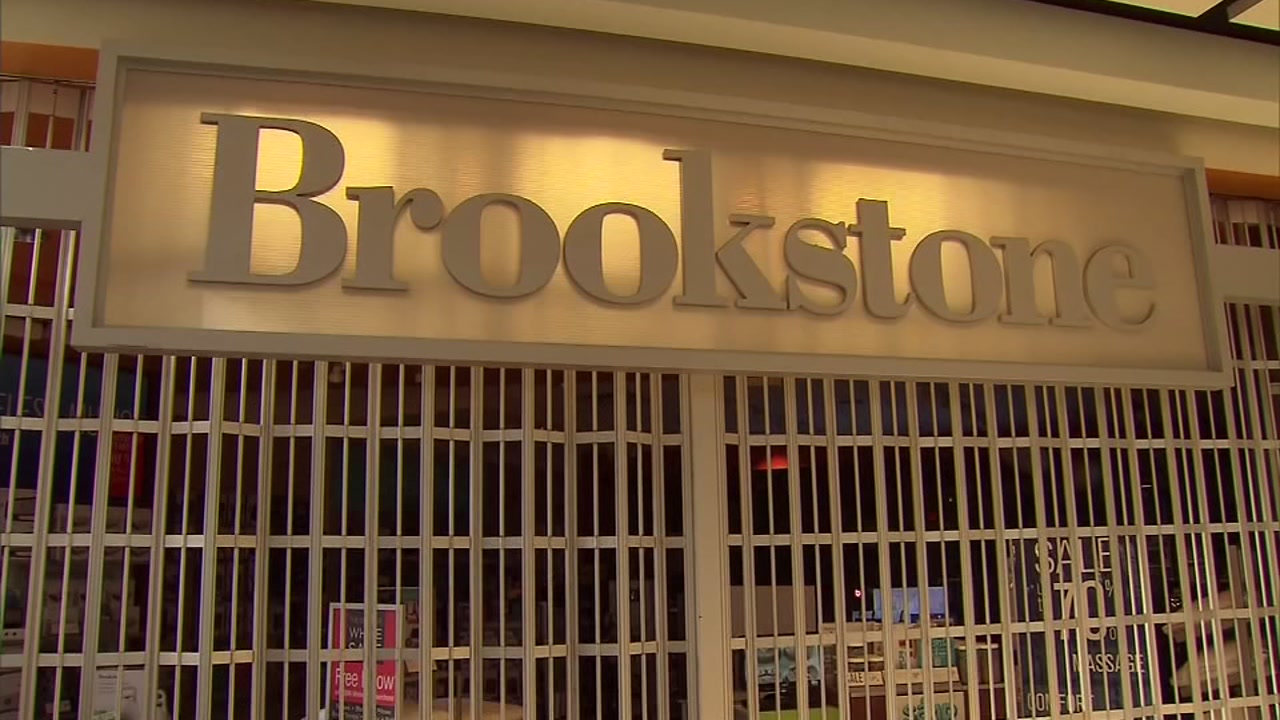
    Quirky gadget retailer Brookstone has filed for Chapter 11 bankruptcy protection – again.

    But the company has a clear strategy for its survival: closing its 101 remaining mall-based stores in favour of focusing on expanding its airport retail concept – which now numbers 35 stores – selling goods online and wholesaling.

    Brookstone has secured US$30 million in bankruptcy financing from Wells Fargo and Gordon Brothers. It said the mall-based store business was no longer viable “following continued deterioration of traditional retail mall traffic”.

    But its airport, online and wholesale operations are “operating successfully and should prove attractive to a buyer with the financial resources and vision to carry our company into the future,” said CEO Piau Phang Foo in a statement.

    Brookstone was founded in 1965, selling “hard-to-find tools” through Popular Mechanics magazine as a direct-marketing business. It opened its first brick-and-mortar store in 1973.

    In 2014 it was placed in Chapter 11 before being rescued by China’s Sailing Capital and Sanpower Group for $174 million.

  • Cafe24 to partner with Shibuya109 in O2O concept

    Cafe24 to partner with Shibuya109 in O2O concept

    Cafe24 and Shibuya109 have joined together to promote Korean fashion products in Japan and Japanese products on the global online marketplace.

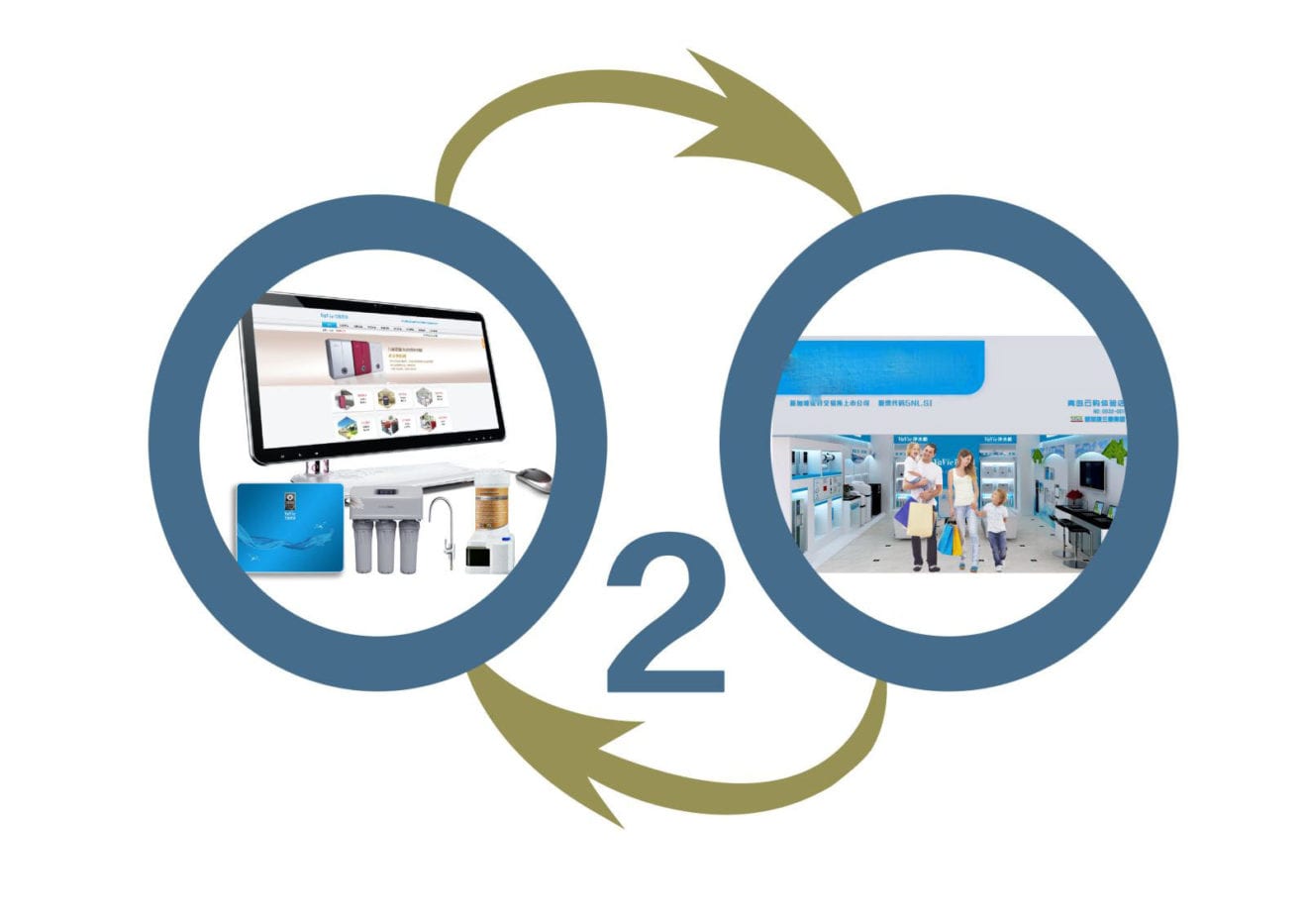
    The South Korean online retail platform Cafe24 has found an ideal partner in iconic Japanese fashion mall Shibuya109 to promote international sales of products from both countries in an O2O initiative which involves an exchange of business infrastructure and expertise.

    The two firms will jointly open a pop-up shop in the Shibuya109 online to offline integrated store Imada Market later this year.

    Cafe24 expects that the partnership will make localised offline store selection, product sales and integrated marketing services available for Korean brands seeking to rapidly enter the Japanese market.

    Shibuya109 President Tomoo Kimura said, “It is exciting to be able to introduce Cafe24’s K-fashion brands through Shibuya109’s Imada Market. Shibuya109 will work to build a lasting relationship with Cafe24 to help Japanese brands go global.”

    Shibuya109 fashion mall was founded in 1979, and sells to a young target market. The brand opened in Hong Kong’s Harbour City in 2016.

  • The RealReal store showcases newest O2O innovation

    The RealReal store showcases newest O2O innovation

    Luxury consignment retailer The RealReal has opened a brick-and-mortar concept store on the US West Coast.

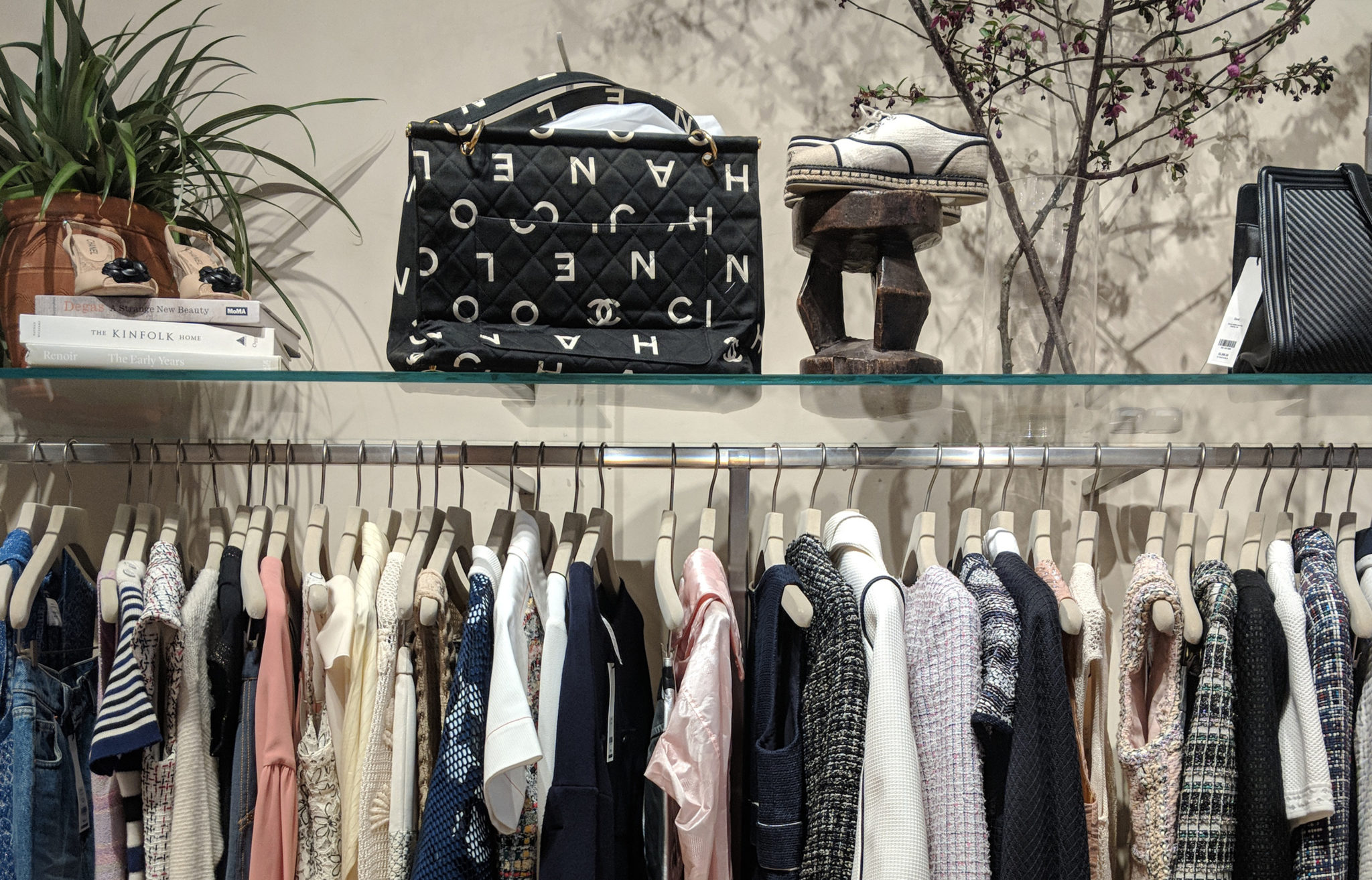
    The 12,000sqft Los Angeles store encompasses The RealReal’s entire brand offering, from one-of-a-kind luxury goods through to accepting consignment through to face-to-face consultations with its luxury experts. It includes a separate 5500sqft men’s department featuring a “sneakerdome”, watch bar and tailoring area, as well as a 1500sqft “handbag vault”.

    The concept store has installed a proprietary technology solution called RealReal 360, which provides a unified view of all inventory and customer behaviour across channels – brick-and-mortar, desktop, mobile, e-commerce centers, and luxury consignment offices.

    RealReal CEO and Founder Julie Wainwright said, “With the continued success of our SoHo flagship and pop-up shops, we’re excited to expand our brick-and-mortar footprint and give The RealReal another permanent home – on the West Coast. We’re excited to give shoppers and consignors in LA and surrounding areas access to our omnichannel business, unique brick-and-mortar experience and services, and team of experts.”

    The store offers free valuations, seamless consignment drop-offs, personal styling services, expert workshops, item repairs, alterations, and authentication of all luxury goods.

    View the gallery below (4 images) :

  • Amazon India announces ‘Amazon Freedom Sale’ from August 09-12

    Amazon India announces ‘Amazon Freedom Sale’ from August 09-12

    Amazon India is all set to celebrate the country’s spirit of independence with the ‘Amazon Freedom Sale’ from 12 am (midnight) on August 9 to 11:59 pm on August 12, 2018.

    With over 20,000 deals on Smartphones, Consumer Electronics, Fashion, Large Appliances, Groceries & Daily essentials, TVs and more, customers can enjoy shopping from over 170 million products across hundreds of categories on Amazon.in.

    Customers can look forward to new launches and exciting deals across brands such as OnePlus, Huawei, Honor, Samsung, Vivo, RealMe, 10.Or, Marks & Spencer, UCB, GAP, Shoppers Stop, Levis, Pantaloons, Red Tape, Sanyo, Casio, Puma, UCB, Prestige, LG, Bajaj, Pampers, Lego, Lakmé, Nivea, Philips, Pedigree, Bombay Dyeing, JBL, Sony and many more. Amazon Echo devices, Fire TV Stick and Kindle e-readers will be available at great discounts on all four days of the sale.

    “As the most trusted and visited shopping destination in India, we look forward to celebrating every occasion with our customers. The Amazon Freedom Sale has been curated to offer everything customers are looking for this season and more! With new launches, great deals, extra cashback, no cost EMI and convenient exchange options, customers can look forward to a grand celebration on Amazon.in,” said Manish Tiwary, Vice President – Category Management, Amazon India.

    This Amazon Freedom Sale, customers can save more with an additional cashback of 10 percent when they pay using SBI debit and credit cards. Millions of eligible customers can also enjoy EMI on using their debit card from select banks.

  • Kroger launches direct-to-customer e-commerce platform Ship

    Kroger launches direct-to-customer e-commerce platform Ship

    The Kroger Co. has announced the introduction of Kroger Ship, its new direct-to-customer e-commerce platform.

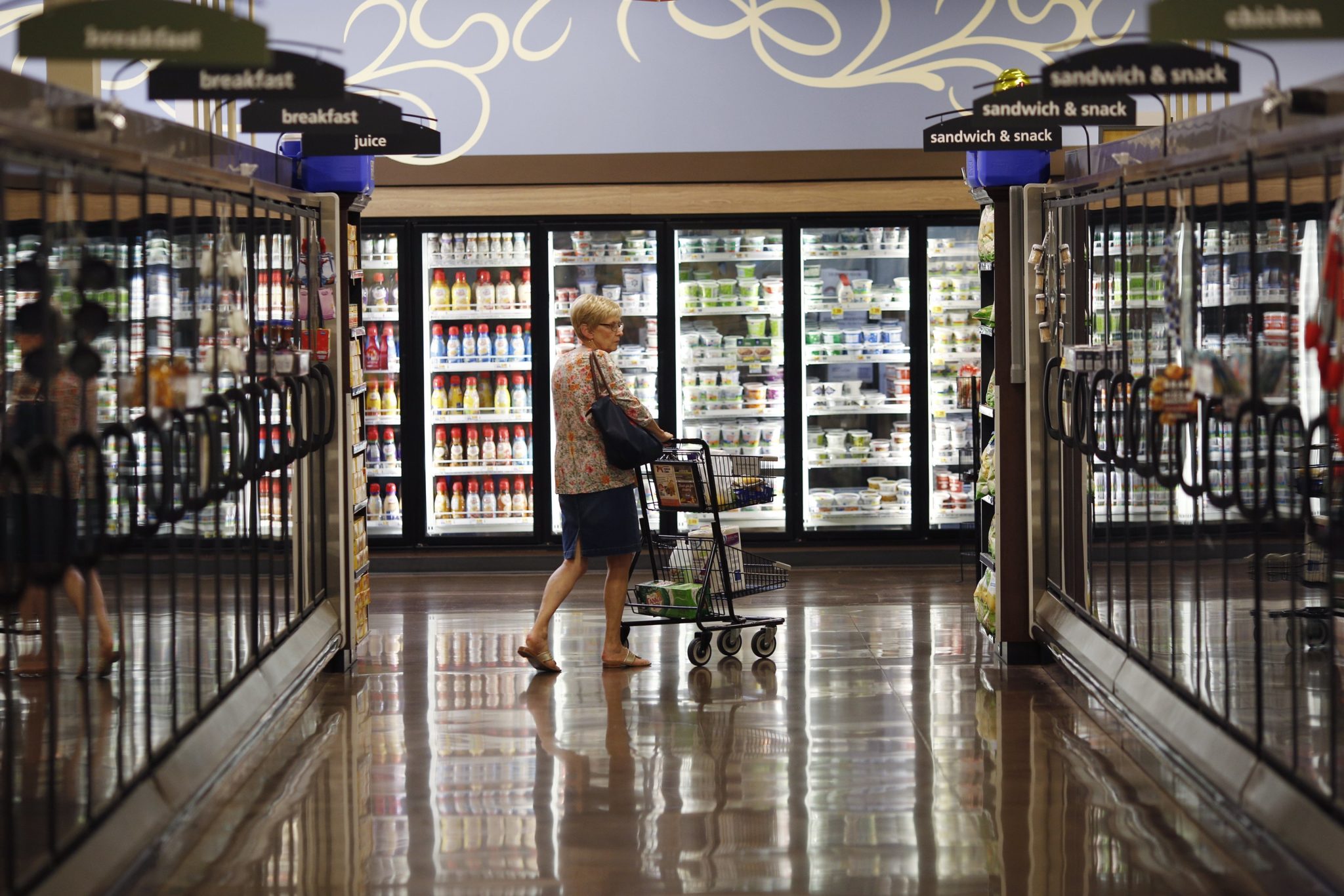
    “Kroger Ship is our next step in creating a seamless experience that allows our customers to shop when and how they want,” said Yael Cosset, Kroger’s Chief Digital Officer. “Our new service is just one more way we are redefining the customer experience as part of Restock Kroger, bringing more convenience and options to shoppers across America. Kroger Ship complements and joins our 2,800 grocery stores, 1,250 curbside pickup locations, and delivery service from 1,200 locations.”

    Kroger Ship is launching in four markets: Cincinnati, Houston, Louisville, and Nashville. The retailer anticipates quickly rolling out the ship service to additional markets over the next few months. During the first phase of Kroger Ship, customers can shop from a curated selection of 4,500 our brands products, which are not available anywhere else online, and more than 50,000 center-aisle groceries and household essentials that matter the most, influenced by 84.51° data and insights.

    The service offers competitive ecommerce pricing and fast and free doorstep delivery by a package carrier on orders over US $35, otherwise shipping is US $4.99 per order. Ship customers will experience exclusive money-saving opportunities, including promo codes and pricing deals along with the convenience of a set-and-save subscription model. During the launch phase, customers will receive free shipping—no minimum purchase required—and 15 percent off their order with a one-time-use promo code.

    “Kroger Ship brings together the best of our digital, technology, logistics, 84.51°, merchandising, and Our Brands teams to deliver our customers convenient and curated food inspiration,” added Cosset. “Kroger’s ecommerce platform expands our offering beyond the physical store to include even more products. Along with staples and customer favorites, Kroger Ship will carry bulk and additional sizes, and focus on Our Brands, local and international food and flavors, specialty items, and health and wellness products – making it easier than ever before to be your family’s hero at mealtime, or anytime.”

    “Kroger is building on our expansive logistics and fulfillment infrastructure to support the rapid rollout of Ship,” said Frank Bruni, Vice President of Supply Chain and Procurement. “With the support of Our Brands, and Kroger’s manufacturers and suppliers, our vision is to build a seamless e-commerce system that offers our customers an ever-growing number of products and allows Kroger to ship nationwide, serving America through food inspiration and uplift.”

  • New e-commerce policy draft may curb deep discounts by India online retailers

    New e-commerce policy draft may curb deep discounts by India online retailers

    Any group company of an online retailer or marketplace may not be allowed to directly or indirectly influence the price or sale of products and services on its platform, a recommendation in the initial draft of a national e-commerce policy suggests.

    The policy draft has been circulated among stakeholders for discussion and could completely restrict e-tailers from giving deep discounts. The draft has also suggested to introduce a pre-set timeframe for offering differential pricing or deep discounts by e-commerce players to customers.

    The suggestions are part of the strategy to address anti-competitive issues in the e-commerce sector effectively, says a report.

    “The restriction imposed on e-commerce marketplace, to not directly or indirectly influence the price of goods and services, would be extended to group companies of the e-commerce marketplace.

    “A sunset clause, which defines the maximum duration of differential pricing strategies (such as deep discounts) that are implemented by e-commerce platforms to attract consumers, would be introduced,” the draft reads, according to a report.

    Further the draft recommended to permit 49 per cent foreign direct investment (FDI) in inventory-based business-to-customer model of e-commerce. Currently, FDI in such businesses is prohibited and it is allowed only in marketplace model.

    It stated that sale of country-made goods through online platforms would be promoted by permitting limited inventory-based business-to-customer model, where 100 per cent made in India items would be sold through Indian owned e-retail companies.

    The initial draft has also talked about adopting a common definition of e-commerce for the purpose of domestic policy making and international negotiations as currently there is no commonly accepted definition.

    At present, industry ministry, consumer affairs, department of IT, WTO, OECD and UNCTAD have separate definitions.

    The draft has proposed that “e-commerce may be understood to mean buying, selling, marketing, selling, marketing, distribution, or delivery of goods, services and digital products (like e-music, e-books, software) through electronic means”.

    It also called for steps to develop capacity for and incentivise data storage in India though creation of facilitative data infrastructure.

    The incentives could include according infrastructure status to data centres and server farms besides extending tax benefits and rebate in customs duties.

    The draft, said that the development of cutting-edge and innovative technologies in India would be promoted by ensuring access to data.

    In context of international trade negotiations, policy space for granting preferential treatment and imposing customs duties on e-transmission to digital items created in India would be retained.

    Further, it recommends steps for increasing use of Rupay. The steps could include identifying deficiencies in infrastructure, providing budget, branding, and addressing quantitative deficiencies in service for wider use of Rupay.

    It suggested to set up a ‘social credit database’ through PPP to promote digital lending and use of blockchain technology for further financial inclusion.

    To enhance participation of MSMEs in e-commerce, it has called for several steps including setting up of e-retail platform, addressing issues of financing for online participation, incentivising platforms and aggregators to engage MSMEs.

    The initial draft has recommended the Competition Commission to consider amending some threshold rules to mandatorily examine competition-distorting M&As below the existing ‘de minimis’ level.

    E-commerce companies may be asked to mandatorily make full disclosure to the consumer regarding the purpose and use of data in a simplified way, and also share main features of their terms and conditions besides disclosing clauses governing their arrangement with the vendors.

    It has also suggested setting up of a central consumer protection authority to act as a nodal agency for intra-government coordination, mandatory registration of all e-commerce operators, registration of complaints.

    “The legal framework governing unsolicited commercial SMSs and calls would be strengthened. A law/regulation to govern unsolicited commercial e-mails would be framed,” the draft stated.

    It said that the grounds for seeking disclosure of source code to government would be expanded to include situations of unfair trade practise, fraud.

    “The policy space to seek disclosure of source code would be retained, by not taking any commitments on this issue in international trade negotiations,” the draft said.

    The relevant GST provisions would be modified to create a level playing field between online and offline delivery of goods and services, besides providing GST refund for goods exported by courier would be considered.

    “A single legislation to address all aspects of ecommerce would be enacted and a single regulator would be set up to consider issues like FDI implementation,” the initial draft said.


  • S. Korean retail sales rise in first half on increased online sales

    S. Korean retail sales rise in first half on increased online sales

    South Korean retail sales rose 7.4 per cent in the first half of this year based on solid performance in e-commerce.

    Data from the Ministry of Trade, Industry and Energy showed online sales running 16.3 per cent higher than during the same time last year, while offline sales rose just 2.7 per cent.

    Grocery shopping via online malls with home delivery saw a major rise this year, with a 20.8 per cent increase in sales over last year.

    Similar rises were reported for convenience stores, department stores and online marketplaces, although a 1.8 per cent drop hit large discount store chains.

  • Amazon Q2 profit jumped high

    Amazon Q2 profit jumped high

    Online giant Amazon has released its financial results for its second quarter ending June 30, with net income for the quarter increasing from US$197 million to US$2.5 billion; a 1,186 per cent increase.

    Additionally, the company found an operating income increase of 375 per cent, from US$628 million to US$3 billion.

    The company notes quarterly highlights relating to product launches, such as Fire TV Edition smart TVs released in Best Buy, as well as the integration of Alexa into many of its existing products, such as Fire HD 8 and 10 tablets, and external products such as vehicles from BMW, Ford and Toyota.

    “Despite its enormous size and previous run of strong growth, Amazon has had no problem in delivering another good set of numbers,” said Neil Saunders, managing director of GlobalData Retail.

    “It’s strong revenue growth, which saw product sales up by almost 30 per cent over the prior year, underlines its growing grip on the retail market and its ability to persuade an increasing number of customers to buy an increasing array of things from it.”

    Saunders notes that while the company makes growth look easy, the results are indicative of significant efforts on at least three fronts.

    “Firstly, it innovates and tries new things like no other retailer… other retailers would do well to take a leaf out of Amazon’s playbook on this front,” he said.

    “Second, across all of the things it tries and tests, Amazon is extremely customer-centric. It rarely innovates by increments, but instead looks to find problems consumers face and then uses technology in creative ways to help solve them.

    “Third, Amazon has created a compelling ecosystem which permeates many aspects of people’s lives.”

    Looking forward to the third quarter, the company expects net sales to be between US54 – 57.5 billion, a growth of 23 to 31 per cent over last years Q3, while operating income is expected to reach between US$1.4 to $2.4 billion, compared with US$347 million.

    In Australia, the company’s recent Prime Day promotion drove record traffic to its Australian marketplace, leading to the two biggest days of sales since the e-commerce giant launched in Australia.

    “Prime only recently launched in Australia yet we were thrilled to see the number of Australian members visiting amazon.com.au to make the most of the great savings available to them on Prime Day,” said Rocco Braeuniger, Amazon Australia’s country manager.

    Small and medium businesses, which make up the majority of sellers on Amazon’s global marketplaces, had already exceeded more than $1 billion in sales just 10 hours into the sale.