Category: E-Tailing

Retail News Asia is committed to providing both local and global retailers with the latest E-Commerce & Etail news throughout the Asian market. This on a daily base.

  • War in the food delivery market on its way

    War in the food delivery market on its way

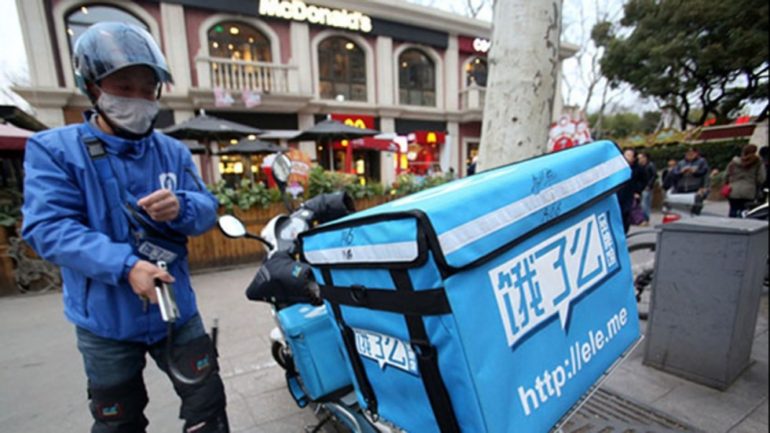
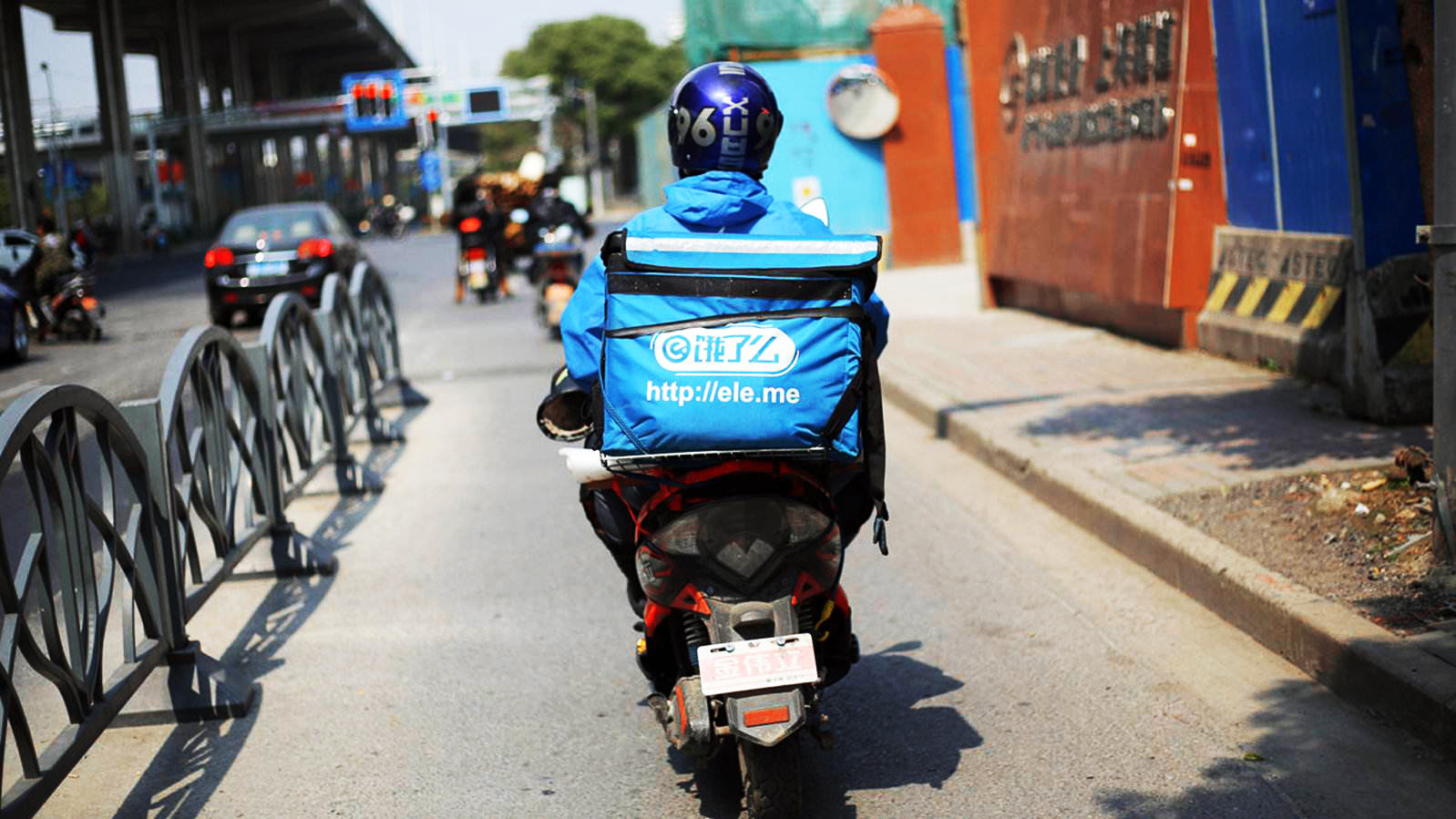
    Chinese e-commerce giant Alibaba is preparing to spend big on the country’s food-delivery market, setting aside hundreds of millions of dollars this summer to regain the lead from Tencent-backed rival Meituan Dianping.

    SEE ALSO : Alibaba Group-owned Ele.me to further expand into the food delivery business

    The Hangzhou-based company will splash a whopping 3 billion yuan ($450 million) in the next three months to help Ele.me, the food-delivery platform it acquired for $9.5 billion in April, capture a greater share of the market from Meituan, Ele.me CEO Wang Lei says in an interview with Forbes. Ele.me, whose name means “Are you hungry?” in Chinese, will hand out more meal subsidies, boost payments to its logistics personnel and expand into more segments like express delivery to become No.1 in China’s 205 billion yuan ($30 billion) online food-delivery market, Wang says.

    “This is a huge market that is only at early stage development,” he says. “We have a really clear strategy, and that is capture a more than 50% market share in the short to medium term.”

    To that end, Wang says Alibaba is launching what he calls a “summer war” on Meituan, which had 46.1% of China’s online food takeout market last year, ahead of Ele.me’s 39.5%, according to consultancy Trustdata. In June, Beijing-based Meituan filed for an initial public offering in Hong Kong, seeking a valuation of $60 billion as part of its plan to raise more capital for further expansion. In an e-mailed statement, a Meituan spokesman said the company “has a track record of competing effectively against its competitors.” The company also said “the competitive landscape of on-demand delivery in China is led by Meituan Dianping, which saw its market share increase from 31.7% in 2015 to 59.1% in the three months ended March 31, 2018.”

    ut analysts say Alibaba’s investment seems likely to be effective—in the near term at least. In this potentially lucrative but hugely competitive market, customer loyalty is hard to come by, with the majority of customers often opting for the platform that offers the cheapest meals. For years, Ele.me and Meituan have doled out discounts to attract users, and the aggressive spending has led to heavy losses on both sides. Now, by offering fresh discounts, Ele.me can win back some short-term market share, says Zhang Yi, head of consultancy iiMedia Research.

    “In China’s food delivery market, as long as you are willing to spend, there will be results,” he says. “Customers will always go to the platform that has the best discounts.”

    Meanwhile, Ele.me is reportedly tapping private investors to raise another $2 billion in its fight against Meituan. Wang won’t comment on the report, but says the company has an open attitude towards outside funding.

    What’s more, to forestall Meituan’s progress, Alibaba also plans to connect users of its shopping sites and entertainment units with Ele.me. That means viewers of its Youku Tudou video platform will be offered Ele.me coupons and Ele.me’s members can access some of Youku’s paid channels for free.

    “Food delivery is a market we must take,” Wang says. “We will keep investing, and there is no limit to our budget.”

    And he considers the rising spending worthwhile. Aside from opportunities in the rapidly expanding food-delivery market, which iiMedia estimates will reach $36 billion by year end, Ele.me can also help to promote Alibaba’s payment services. The delivery platform currently uses Alipay, the e-wallet developed by Alibaba affiliate Ant Financial, as the default payment method. Meituan, by comparison, lists its own e-wallet Meituan Zhifu as the first payment option on its site.

    More importantly, Ele.me will become a cornerstone of Alibaba’s new-retail strategy, Wang says. To find new avenues of growth, the company is seeking to revamp China’s entire retail sector by analyzing customer data more efficiently and integrating online and offline shopping. Founder Jack Ma envisions delivering orders placed in both physical stores and online shops to consumers’ doorsteps within 30 minutes, freeing customers from the need to carry their shopping bags elsewhere. With its three million-strong delivery personnel that are already delivering meal orders within half an hour, Ele.me can support Alibaba’s logistics operation, he says.

    SEE ALSO : Amazon is hungry: food delivery to your door

    “In the future, we will open up Ele.me’s delivery capacity to more merchants on our shopping sites,” Wang says. “When you order something online, it may well be delivered within the same day, or even the same hour.”

  • Jabong announces the 4th edition of its ‘Big Brand Sale’, targets big growth

    Jabong announces the 4th edition of its ‘Big Brand Sale’, targets big growth

    India’s leading online fashion brand, Jabong, has announced the dates of its much awaited Big Brand Sale (BBS). The 4-day shopping extravaganza will be held between the July 27-30, with discounts ranging from 55-80 percent, across all product categories. The fashion major is offering 4 lakh styles from over 3,000 international and Indian brands at very attractive discounts. Over 1 lakh styles are for the first time on over 50 percent discount, in addition to over 80 percent off on more than 15,000 styles.

    The 4-day fashion festival on Jabong will see never before deals on premium brands like U.S. Polo Assn., Calvin Klein, Next, Adidas, Nike, Guess, Superdry, Mango, Fossil, Dorothy Perkins, Lee Cooper, Vero Moda, Jack& Jones, Puma, Blackberrys, Lakme, Lavie, Sangria and many more.

    Ananth Narayanan, CEO, Myntra-Jabong said, “The Jabong Big Brand Sale is our marquee property that aims at celebrating premium fashion in a unique way. We have witnessed a significant growth in the last 3 editions, and we are expecting 100 percent growth this edition over last year’s Big Brand Sale in July. We are anticipating 25 million sessions across platforms, acquiring 4X new Jabong customers as compared to same edition last year.”

    Speaking about the Big Brand Sale, Gunjan Soni – Head of Jabong, said, “Jabong customers are fashion forward and have a taste for international, premium and exclusive styles. The Big Brand Sale is a unique sale which has a disproportionate focus on global brands and is in line with Jabong’s affluent consumer base. It is a great opportunity for them to acquire their favourite brands at great discounts ranging from 55-80 percent. Over 1 lakh customers will also get exclusive VIP slots to shop before millions of other shoppers, leading to 15X sale during the slot hours vs. a normal day. We are prepared to provide a great shopping experience to over 13 million customers over the 4 days of BBS, leading to 4X traffic during peak hours compared to a normal day. This time we are also offering 100 percent cashback (in Jabong points) to all our customers to make their shopping experience on Jabong much more exciting.”

    Jabong promises an extraordinary fashion experience to its customers and is launching an exclusive on-demand stylist service on Whatsapp for these 4 days. Jabong customers can Whatsapp their wardrobe picture to get curated looks and personalized fashion advice from an in-house fashion expert.

    For each edition of BBS, Jabong encourages its customers to wishlist their favourite products to avoid missing out on buying them at great discounts. Sale prices will be revealed at 7 pm on July 24, and customers can continue to wishlist till 7 pm on July 26. Jabong will start allotting the VIP slots to select consumers who can buy the wishlisted products from 7-11 pm on July 26, before the sale goes live. Shoppers can also earn their slots by wishlisting or playing amazing games on the Jabong app.

    In addition, Jabong is offering 10 perent cashback using HDFC credit and debit card of up to Rs 750 on a minimum spend of Rs 3,000. New customers will get free shipping on their first orders.

    The Jabong Big Brand Sale is India’s biggest fashion bonanza of the biggest brands. Bigger and better than the previous edition, the current edition of BBS will offer an out-of-the-world experience to its customers. Jabong also launched its 360-degree marketing campaign on July 21 to support this property.

  • Alibaba invests in digital advertising with recent acquisitions

    Alibaba invests in digital advertising with recent acquisitions

    In a matter of days, Alibaba is investing in two separate China-focused digital advertising firms, as the e-commerce giant continues to increase the span of its company portfolio in 2018.

    Alibaba confirmed that it has agreed to acquire a minority stake in China’s Focus Media Information Technology, effectively tapping into the online marketing sector with the news.

    The transaction will see Alibaba take a 6.63% stake in Focus Media, costing the Chinese firm some 9.63 billion yuan (US$1.4 billion) in the process. In a filing, the Shenzhen-listed firm said the deal would see Alibaba become Focus Media’s strategic investor.

    Founded in 2003, Focus Media operates in China’s interactive digital and advertising landscape.

    In the latest move into digital marketing, media reports were released over the weekend outlining Alibaba’s acquisition of WPP’s Chinese unit.

    Sky News reported on Saturday that Alibaba has partnered with Tencent and China Media Capital Holdings for early-stage talks to buy a minority stake in the advertising giant’s local subsidiary.

    For an estimated 20% minority stake, which is much higher than Alibaba’s share in Focus Media, the deal is said to be worth approximately $2.5 billion.

    Alibaba looks collate its Chinese agency operations into a new holding company and retain majority ownership and control, said Sky News.

    WPP is the world’s leading advertising group. The group has been facing headwinds in recent months, with the news that company founder, Martin Sorrell, has left his post at the helm back in April, on misconduct allegations.

    His replacement is yet to be disclosed.

    Alibaba continues to ramp up its investments in 2018, a continuum from the year prior. The spending comes as Alibaba fights increased competition from Chinese rival JD.com. The latter this year has partnered with social media giant Tencent on offline retail, marketing and payments.

    For the last fiscal fourth quarter, Alibaba said in May that March-quarter revenue grew 61% to 61.9 billion yuan ($9.73 billion) from a year earlier, beating analyst estimates of a 53% increase.

  • Ele.me big ambition ready to dominate China’s food-delivery market

    Ele.me big ambition ready to dominate China’s food-delivery market

    Ele.me aims to grab a majority share of China’s food-delivery market in the near future, CEO Wang Lai, (pictured), said this week.

    Moving into Alibaba’s ecosystem has already created new and immediate opportunities for Ele.me and the 3 million-strong delivery force registered through its platform, Wang said. While core food delivery is likely to provide strong growth longer-term, insights offered by various Alibaba apps and platforms, coupled with a growing need for last-mile delivery in Alibaba’s overall New Retail strategy, offer hints of what’s to come.

    Alibaba took control of Ele.me in May. In June, after plugging the delivery company into its ecosystem, Ele.me delivery orders for categories including supermarkets, convenience stores under Alibaba’s Ling Shou Tong program, fresh fruits and flowers climbed 110 per cent from a year earlier. In the future, Wang said there’s the chance for tie-ups with other Alibaba business units and collaboration with nationwide food chains as a delivery partner.

    Ele.me has already begun benefiting from consumer insights derived from Taobao, Tmall, Alipay, Youku and other platforms and apps in the Alibaba ecosystem, which drives traffic to Ele.me and helps it understand the needs of Chinese consumers.

    As for Ele.me’s core food-delivery market, the Alibaba unit recently launched a RMB3 billion summer promotion campaign that’s already starting to show results in several Chinese cities. In Hangzhou, Ele.me added 100,000 customers to its membership program early this month. In Changsha, during just the first two weeks of July, gross transaction volume climbed by almost 15 per cent over the same period in the previous month.

    The summer campaign kicked off with discounts and coupons for late-night snacks delivered during the recently ended FIFA World Cup 2018 tournament. The World Cup deals spurred what Ele.me said was a “rapid rise in food delivery” in early July, with momentum sustained since then.

    But it is the sector’s longer-term prospects that excite Ele.me’s CEO. Chinese customers spent around RMB4 trillion on food in 2017, according to China Cuisine Association data. Less than 10 per cent of that went toward food delivery, which has become one of the fastest-growing and most-competitive areas in China.

    “We view the limited penetration of delivery in the food and beverage sector to-date as a tremendous opportunity for growth,” Wang said.

    Ele.me also complements Koubei, Alibaba’s local services platform. By combining Ele.me’s on-demand delivery service with Koubei’s consumer-acquisition and in-store engagement capability for restaurants and service establishments, Alibaba can offer an integrated online/offline experience to consumers, in line with the group’s overall New Retail strategy.

    “The local-services market is a must-win for Alibaba as part of its New Retail strategy, and we look forward to Alibaba’s continued financial and technological support to win this market,” said Wang. “As the spending power of Chinese shoppers continues to grow, the local-services sector becomes critical for Alibaba to build customer and merchant engagement and fulfill its mission of accelerating the digital transformation of traditional retail.”

  • Tanduay partners with Shopee to launch online fashion store

    Tanduay partners with Shopee to launch online fashion store

    Rum distiller turned fashion-brand Tanduay has launched an online store in partnership with Singaporean e-commerce platform Shopee.

    The new international e-storefront features some fashion products formerly only available at the Tanduay store in Century Park Hotel.

    The fashion foray is an unusual execution of using apparel to build brand awareness and thus expanding the potential customer base for an unrelated product (in this case alcohol).

    Chief marketing officer of Tanduay Paul Lim said, “Online shopping has continued to gain traction in the region with the increasing internet and smartphone penetration. We are excited about the opportunities that our partnership will open for our business.

    “As of now, the move is consistent with our core strategies to reach a growing global market of online shoppers.”

    Tanduay’s brand manager Edzel Ty noted that all of the brand’s marketing insights point towards the future of commerce online.

    The brand’s rum was recently named number one globally by Drinks International, displacing Bacardi.

  • Japan’s Inagora inks agreement with Thailand’s CP

    Japan’s Inagora inks agreement with Thailand’s CP

    Japan-based e-commerce platform Inagora is teaming with Thailand’s CP (Charoen Pokphand) Group to boost its China business.

    The joint venture is also researching expansion into Southeast Asia.

    Inagora targets Chinese shoppers seeking Japanese goods. It boasts 4 million registered users and an inventory of about 40,000 SKUs, ranging from food and household goods through to more luxury items. Last year, its turnover totalled about US$98 million.

    Inagora opened a brick-and-mortar store in Zhengzhou this month as it broadens its market reach and eyes new markets. Japanese trading house Itochu and others invested about $68 million into the business last year to help fund expansion.

    By teaming with CP, whose operations include the 10,500-strong 7-Eleven convenience-store network in Thailand, Inagora hopes to start offering Chinese shoppers products from other markets. It may also look to sell Japanese and other Asian products to people living in Southeast Asia.

  • Beauty Garage launches in Singapore

    Beauty Garage launches in Singapore

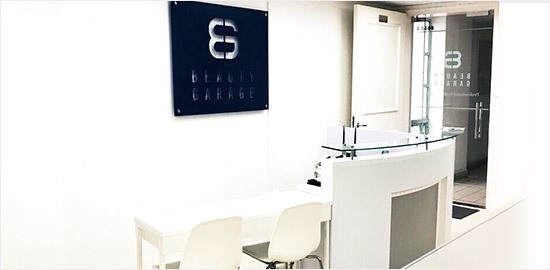
    Japanese beauty product mail order service Beauty Garage has opened e-commerce sites and showrooms in Singapore and Malaysia.

    Beauty Garage Online Shop Singapore, the company’s first overseas base, opened mid July as an e-commerce platform and a showroom store selling wholesale merchandise. The Singapore service was established by partnering with beauty merchandise wholesale/seminar business Haru Singapore into a group company through third party allotment of capital increase. Haru’s roadside shop has been renovated to house the new showroom.

    A spokesperson for the company said “In the future, we will use the experience and expertise that Beauty Garage has cultivated in the Japanese market [over] a long time, not only to aggressively develop new customers and expand our handling products, but also [to] establish logistic bases in the Southeast Asian market. We will develop the strength of ‘IT × logistics’ as a trading company globally.”

    Beauty Garage Malaysia plans to open e-commerce sites and showroom stores in August.

  • Know more about Amazon’s 5-minute shopping trip

    Know more about Amazon’s 5-minute shopping trip

    Thanks to Amazon and Whole Foods, a new kind of locker talk could be sweeping the grocery sector, and it centers on how much can be bagged in a five-minute window.

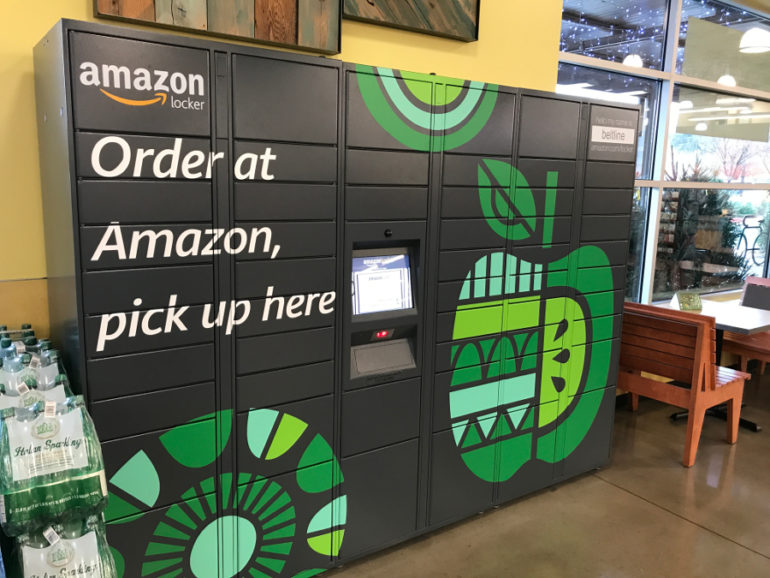
    Micro-shopping trips, defined as trips that take less than five minutes, are becoming increasingly common thanks to grocery services that let customers order online and pick up in-store. The development made national news when such trips were reported to have climbed 8.7% at Whole Foods stores after Amazon acquired the grocery chain in August 2017, according to research by data-analyzing firm InMarket. The increase is attributed to its Amazon Lockers, where shoppers can pick up preordered items.

    These super-short trips can result in higher-proportioned revenue because shoppers who place pickup orders, encouraged by the prospect of a quick in-and-out visit, remain prone to split-second purchase decisions.

    “As good as delivery is getting — one-day delivery, sometimes one-hour delivery — that still can’t compete with the one-second immediacy of being in store and picking up that avocado … because I thought about it in that moment,” explained Todd Dipaola, chief executive and founder of InMarket.

    This explains why retailers from Walmart to Kroger are adding pickup options to attract time-strapped shoppers.

    Evidence that shopper lockers and similar pickup options lead to shorter trips exists in the breakdown of micro-trips at Whole Foods. Micro-visits at stores with Amazon Lockers rose by 11%, according to InMarket. At stores in the same cities without lockers, such trips rose by 7%.

    It counters what retailers strive for, which should be longer trips, but when shoppers have at their fingertips the means to shop wherever and however they want, food sellers are forced to acquiesce. However, smart merchants can find advantages in the micro-trips, from more efficient store formats to improved targeted marketing.

    Consider: 34% of shoppers who use click-and-collect shopping features (order online, pick up in-store) buy more than intended, according to research by WSL Strategic Retail. More important: 89% of those who use it are satisfied with the experience, largely because of the convenience.

    How big a segment is this? Right now, about 40% of U.S. shoppers use click-and-collect for groceries, according to Nielsen research, and the figure is expected to increase as the service becomes more available. Nielsen and the Food Marketing Institute estimate that Americans’ total online grocery spending will reach $100 billion between 2021 and 2023.

    Walmart Towers Over Convenience, Target and Kroger Click On

    As click-and-collect options expand, shopper loyalty shifts from brand to service, which often means ease. Among the services aimed to attract shoppers:

    Walmart Towers. In the first quarter of 2018, the superstore chain generated nearly $3.2 billion in e-commerce sales, according to its earnings report, and it is prioritizing online sales growth over that from new stores. Walmart operates 1,100 online grocery pickup locations and plans to add 500 pickup kiosks, or towers, by the end of 2018. It installed nearly 200 of the towers, which shoppers access by scanning barcodes into the kiosk computers, in 2017.

    Kroger’s ClickList. Online sales rose 66% in the first quarter of 2018, Kroger reported, crediting its ClickList in-store pickup service. The chain is even retrofitting some stores to accommodate ClickList, which enables users to retrieve orders at designated drive-thru areas. Among its features is a “favorites” list that tracks a shopper’s most commonly purchased items for faster reordering.

    Target Drives Up. Target is aiming for micro-parking with its Drive Up service, which it recently extended to 270 locations in the South. Through the app-enabled option, customers can place orders and wait to have their items brought directly to their cars by a store team member. Orders arrive within two minutes of the consumer pulling into the store parking lot.

    The 5-Minute Window Is Open for Business

    But how can a parking lot encounter, or any of these designated pickup options, translate to added purchases? It all hinges on understanding what the shopper is trying to accomplish.

    Here are ways merchants use what they offer to better cater to shoppers in a five-minute window.

    Be complementary. In addition to tracking frequently ordered items, Kroger can change suggestions week by week based on the items its ClickList shoppers purchase. With this history, it can alert shoppers if they will soon need to replenish detergent or benefit from complementary products. Promotions sent while the shopper is online can translate to larger digital baskets, while special promotions timed for at-store pickup can encourage the shopper to run in for a discounted item (particularly when those items are near the pickup area and can be easily retrieved).

    Shorten other causes for a trip. Shoppers do not always enter a store to pick up an order or even fulfill a list. Sometimes they have to return or exchange a purchase, grab a cup of coffee or simply use the restroom. Beauty vending machines that sell lipstick, cologne, shaving items and hair accessories can be placed by the restroom (two birds; one stone). As for transforming the pesky return process into an easy, quick shopping trip, Walmart’s Mobile Express Returns app allows shoppers to make super-fast returns in dedicated express lanes — and it gets them into the store, perhaps to buy a few dinner ingredients.

    Cover the last foot. This is where retailers really are tasked with understanding the shopper’s pain when picking up an online order, because they often have a lot going on. If a consumer is saddled with kids who are hungry after a day at school and a lengthening mental to-do list, she simply does not want to traverse the store for another thing. So retailers can bring the things she needs to her. Nearby grab-and-go snacks, prepared meals and even wine could find their way into her bag — if an easy payment option is available.

    Necessary for any of these efforts to work is understanding the shopper’s pain points and remembering that while convenience is essential for micro-tripping, not all shoppers insist convenience be fleeting. Lockers may help retailers bag sales, but they won’t capture loyalty — that takes locking in on shopper lifestyles.

  • Qoo10’s acquisition is finally done

    Qoo10’s acquisition is finally done

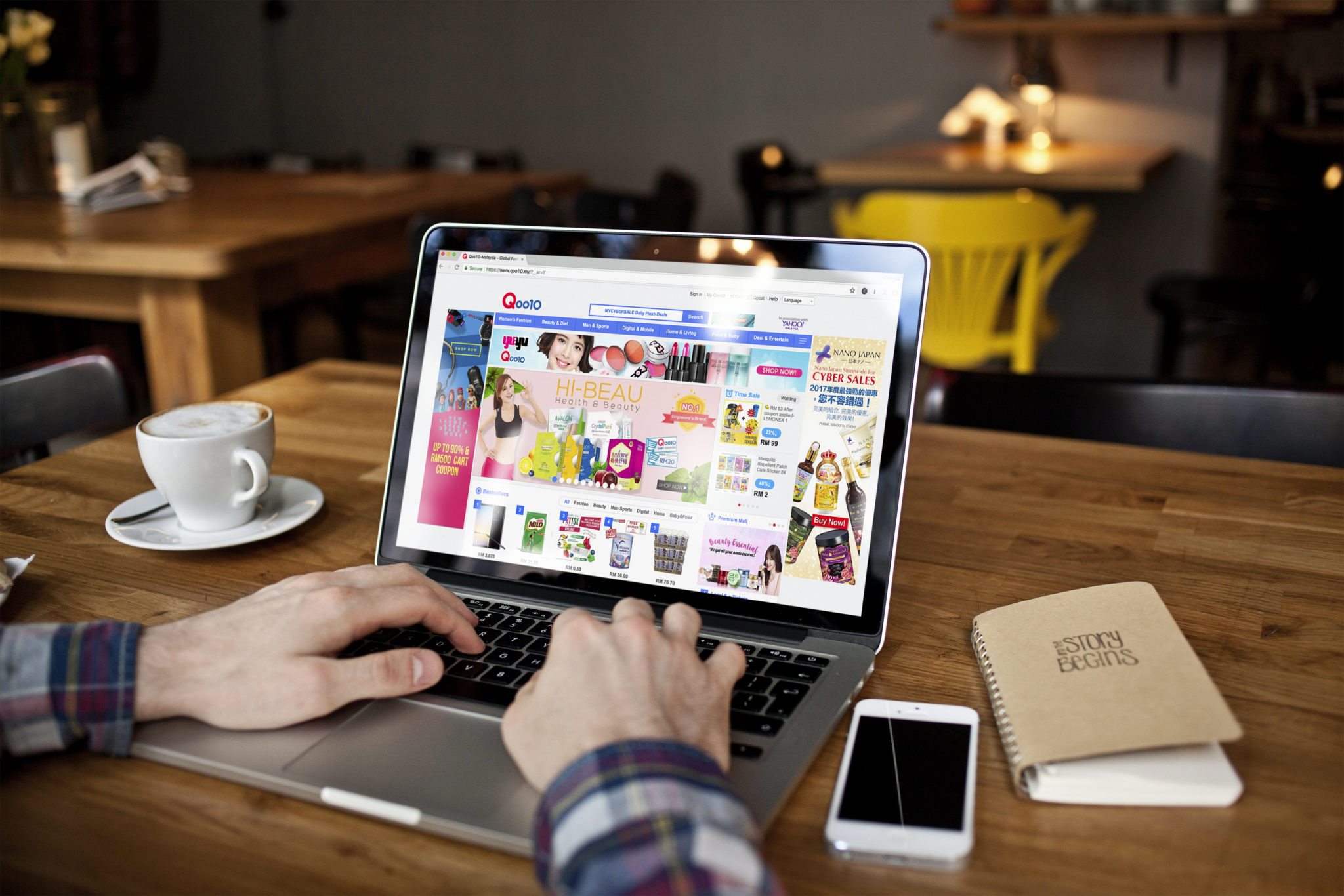
    US-headquartered eBay has bought out its partners in the Japanese e-commerce business Qoo10.

    According to regulatory filings seen by US media, eBay has paid US$306 million in cash for Qoo10’s Singapore-headquartered parent Giosis and relinquished its existing equity holding.

    In July 2015, eBay was a partner in a founding round lead by Singapore Press Holdings, and also including Saban Capital Group, UVM 2 Venture Investments LP, Brookside Capital and Oak Investment Partners, which raised $182 million. eBay was an original founding investor.

    At the time, Qoo10 operated six online e-commerce marketplaces across Asia – in Singapore, Japan, Indonesia, Malaysia, Hong Kong and China. It had 17.6 million registered users across the region and a combined turnover of more than US$408 million in 2014.

    eBay’s investment this month would value Giosis at $573 million, given the cash paid combined with eBay’s shareholding of $266 million.

    Earlier this year, when flagging the proposed purchase, eBay CFO Scott Schenkel projected Qoo10 would generate about $1 billion in gross merchandise volume per year, a fraction of eBay’s circa $100 billion expected this year.

  • Prime members in India enjoyed the biggest Prime Day yet

    Prime members in India enjoyed the biggest Prime Day yet

    Prime members in India joined members in 16 other countries to celebrate Prime Day, Amazon’s exclusive shopping event for Prime members. The 36 hours during Prime Day saw members in India shop and stream as never before, taking advantage of 200+ exclusive new product launches, thousands of deals, and video and music selections specially curated for Prime Day.

    More new Prime members joined the program in the one week leading up to Prime Day than any week since the launch of Prime in India. Additionally, more members than ever enjoyed Prime Video and Amazon Prime Music content, with the week leading up to Prime Day having the highest number of streamers ever.

    “Prime Day offers us a unique opportunity to thank Prime members with a celebration of our best deals, exclusive selection as well as new Prime Video and Prime Music content,” said Amit Agarwal, Senior Vice President and Country Head, Amazon India.

    Agarwal adds, “Extending Prime Day to 36 hours this year allowed us to further reward members with unbeatable deals, access to exclusive new products and unforgettable experiences that highlight the many benefits of a Prime membership. We also want to thank our sellers, brands and our content partners who helped to make Prime Day bigger and better.”

    Amazon Prime Day 2018 Shopping Highlights (Compared to normal business days in June 2018)

    – Prime members shopped for deals and streamed content across hundreds of cities in India, including Lucknow, Ludhiana, Jamshedpur, Ahmedabad, Noida, Thane, Kochi, Ernakulam, amongst others.
    – Customers in India purchased over 5X as many Fire TV devices this Prime Day than last Prime Day. July 17 was the best day ever for Echo devices on Amazon.in.
    – Wireless grew over 5X, offering members brands like OnePlus, Redmi, Huawei and Honor.
    – Large Appliance grew 9X and included selection from Bosch dishwashers and washing machines.
    – Everyday essentials saw 3X overall growth with Amazon Pantry finding strong customer favour. Members enjoyed brands like Nestle’s new breakfast cereal NesPlus, Saffola Oats, Dettol Liquid Handwash and Nivea Fresh Active Deodarant.
    – Fashion saw an over 2X growth with new brand launches including brands like Marks & Spencer and New Balance.
    – Consumer Electronics grew over 4X, with a Buy One Get One deal from TCL TVs and new launches of Sennheiser Wireless Noise Cancellation headphones and Bose QC 25 headphones.
    – Prime members topped up their Amazon Pay balance 7X more than on a regular day.

    Small and Medium-Sized Business Spotlight

    Prime Day 2018 was a success for small and medium-sized businesses who put their passion and unique skill sets on display. Prime members around India purchased thousands of products from these entrepreneurs, startups, artisans and mom-and-pop shops. Over 50,000 participating small and medium-sized businesses saw an average growth of 240 percent this Prime Day over an average day in June. Amazon Launchpad start-ups saw an average of 6X growth.

    In the new Prime exclusive launches, RoadGods (Xator backpack), Leaf Wearables (Beast headphones), Spruce Shave Club (beard oil & beard wash), Fego (motor bike air suspension seat) and Smartivity (DIY educational toys) were among the most popular products.

    “We are extremely happy with how Prime Day turned out for us. Our brand saw a spike of over 2X in sales and units sold over business as usual! This is very encouraging for us and the artisans working with us.”- Ravi and Gunjeet Singh, Two Moustaches

    “Prime Day 2018 has been phenomenal for RoadGods. The response to our new products ‘Xator’ and ‘Blue Ghost’ have been extremely encouraging. We saw a 2X growth in our overall business in just 36 hours! ” – Apoorv Mangalam RoadGods

    “Being a new start-up on Amazon Launchpad, this was our first Prime Day experience and we couldn’t have asked for more. Our brand saw more than 10X sales growth over business as usual in less than two days. And the cherry on the cake was to get mattress orders from all across the country, from Faridabad to Mysore.” – Ankit Garg, Wakefit

    Brand Spotlight

    “Red as a colour emotes a sense of self-confidence and positivity, and with the OnePlus 6 Red Edition, we aim to deliver a vivid sensory experience that will last for years. Amazon’s Prime Day is a great opportunity for our community to get their hands on this special edition in India. Last year, we received record sales for OnePlus 5 during Prime Day and this year, OnePlus 6 Red has crossed that mark by miles.” said Vikas Agarwal, General Manager – India, OnePlus

    “The launch of NesPlus through a digital-first approach marks an important milestone in the brand’s journey. We are extremely overwhelmed by the response that NesPlus has received for Prime Day across the towns and cities of India. NesPlus became no. 1 in the gourmet section of grocery and sold 1 unit every 3 seconds within hours of being on sale. With consumers increasingly opting for solutions online, it has become vital for all brands to move towards an integrated plan of action. Over a million customers have already interacted with the brand so far through the various online initiatives, specially the Virtual Reality integration. We are very excited to partner with Amazon for the NesPlus journey in India.” said Aparna Chopra, Business Executive Officer, Nestlé Breakfast Cereals

    Unique Prime experiences Across India

    In the weeks leading up to Prime Day 2018, Prime members saw Amazon unbox real-world experiences across the country. Amazon India had featured a virtual reality (VR) experience for customers in India’s top metros. Tens of thousands of customers in Delhi, Mumbai, Bangalore, Chennai and Kolkata visited top malls before July 17 to experience hundreds of new products launching exclusively on Prime Day. Additionally, pop-up installations and augmented reality experiences fueled customer excitement in the run-up to Prime Day 2018.

  • First time’s charm – Amazon’s Prime Day success in Singapore

    First time’s charm – Amazon’s Prime Day success in Singapore

    Prime day, Amazon’s own one-day-only retail holiday, was introduced in 2015 to overtake the well-established Black Friday and Cyber Monday and become the sales event of the year.

    The student has now surpassed the master as the number of ordered items by prime members in Singapore went through the roof for the exclusive shopping event surpassing those of Cyber Monday, Black Friday and the launch of Prime Now.

    Prime Day is a one-day only global shopping event exclusively for Prime members. Amazon Prime is a paid membership programme currently charged S$2.99 a month, with the option of a 30-day free trial. It offers members free international shipping, exclusive shopping and entertainment benefits. Crucial benefit of the program in Singapore is the free two-hour delivery service on a wide range of products for orders over S$40.

    This year, Amazon welcomed the Singaporean market to celebrate Prime Day. The kickoff was given at midday on July 16 where prime members were given 36 hours to shop with exclusive advantages.  Members enjoyed deals on a variety of categories including groceries, beauty products, consumer electronics and home appliances. Coca-Cola Zero, Kleenex toilet tissue and Play-Doh playsets were among the best-selling items for the event. Members also received thousands of units of free gifts and samples and enjoyed significant savings through credit card promotions.

    Henry Low, director of Prime Now Asia-Pacific said they “were excited to bring Amazon’s epic shopping event to Singapore for the first time this year to say “thank you” to our members”. A very-well received thank you as more members in Singapore joined Prime on 17 July than on any other single day since its launch.

    Prime Day is now officially Amazon’s biggest global shopping event in its history, another notch on the company’s belt.

  • Q2 revenue hikes for eBay

    Q2 revenue hikes for eBay

    US e-commerce platform eBay revenue rose by 9 per cent during the second quarter to June 30, to US$2.6 billion.

    Gross merchandise volume (GMV) rose 10 per cent, reaching $23.6 billion, or 7 per cent on a foreign-exchange neutral basis. Net income was $638 million.

    “In the second quarter, we continued to execute our strategy, making improvements to the core eBay experience,” said president and CEO Devin Wenig. “At the same time, we pursued significant opportunities in advertising and payments.

    “As we look ahead to the second half of 2018, we expect acceleration in our core business and continued strong growth in earnings.”

    eBay says the number of active buyers on its platforms increased by 4 per cent globally to 175 million.

  • Amazon Prime Day fizzles yet retailer expects membership growth

    Amazon Prime Day fizzles yet retailer expects membership growth

    Amazon is hoping for record Prime Day sales and sign-ups to Prime memberships in Australia, even after its website crashed at the beginning of the event.

    The online retailer experienced ‘technical glitches’, as well as some disappointed Australian consumers, during the flash sale, sparking the twitter hashtag, #PrimeDayFail.

    Amazon extended Prime Day to 36 hours from 30 hours last year and added four countries, including Australia, in its drive to increase Amazon Prime membership.

    Despite the glitches, Amazon claimed the first 10 hours Prime Day grew even faster, year-over-year, than the first 10 hours last year, exceeding US$1 billion in sales globally. Best-selling items included the Fire TV Stick with Alexa Voice Remote, Instant Pot 6 Qt 7-in-1 Multi Use and Echo Dot.

    According to various reports, spending jumped 89 per cent in the first 12 hours of the event compared with the same period last year.

    Amazon’s Black Friday equivalent had been expected to achieve US$3.4 billion of spending, up more than 40 per cent from last year. And despite the tech issues, Amazon’s stock gained 1.2 per cent to $1843.93 as of close of trade on July 17.

    The impact on Australian retailers has yet to be reported. However, Amazon retail’s arrival in Australia late last year proved underwhelming, with many consumers reporting the online retailer as worse than expected according to fresh research undertaken by Starcom. Local consumers were also disappointed when their US accounts were blocked as of 1 July, forcing them to use the Australian version.

    Since then, Starcom said Amazon.com.au has made up ground, with its improved pricing, product offerings and two-day distribution.

    “It is our belief Amazon’s free and fast delivery proposition is core and essential for long term Prime membership, but it is the little bursts of excitement, whether from access to amazing deals or favourite photos and music, that inspire people to take action and actually sign up,” Starcom director audience and measurement solutions, Nicole Conroy, said.

    “Based on our initial analysis and knowing that in the US more new customers joined Prime on Prime Day 2017 than on any single day in Amazon history12, we believe Amazon Prime Day will be a critical factor in boosting membership numbers in Australia.”

    Mindshare’s research into ‘The Amazon effect’ in June found overall online shopping traffic has grown 9.1 per cent off the back of Amazon’s launch, with local consumers turning away from overseas ecommerce sites in favour of locally based options.

    Amazon also grew traffic by 24 per cent post-launch, or between February-April 2018 and February-April 2017, attracting an additional 1.3 million visitors per month. This compared to an 11 per cent decline in Web traffic the previous year.

    However, local retailers hurt by Amazon’s arrival are commonly operating in categories of traditional strength for the US giant, such as gaming, books and consumer electronics. In Australia, these brands included EB Games, Booktopia, Harvey Norman, Supercheap Auto, Cotton On Group, eBay and Priceline, which all experienced a dip in traffic year-on-year.

    Globant VP of technology, Nicolás Ávila, saw Amazon Prime Day as a symbol of how Amazon transformed a great customer experience into a loyalty program.

    “Instead of building a loyalty program that is based on points, Amazon decided to charge a premium for clients willing to pay for a premium offering,” he commented. “Companies like Amazon, Apple and Disney have shown that building an emotional connection with customers comes from not focusing on the conversion, but instead improving the overall customer journey and removing friction points through new products and technology.”

    Avionos president, Scott Webb, said Amazon has continued to evolve its positioning, adapting to changing consumer expectations and retail industry trends.

    “What started as basically a flash sale to drive site traffic has now grown into a multi-channel blitz of Amazon’s private-label brands and in-store promotions, particularly with Whole Foods in the mix,” he said. “Prime Day has now infiltrated the brick-and-mortar market and even looks a bit like sales put on by traditional retailers, like Nordstrom’s Anniversary Sale or Macy’s Independence Day Sale – just more adapted to today’s online shoppers.

    “This has been a growing change in Amazon’s business model because today, it’s not enough for retailers to compete only online. We’re seeing Amazon continue to recognize this changing dynamic as it further blurs the line between online and offline commerce offerings. I think this is one of the first of many years that we’ll see Amazon expanding its Prime Day offerings into the physical space.”

    Episerver director of product strategy, personalisation, campaign and analytics, Jeff Cheal, said Amazon has set the standard customers have come to expect from a seamless and convenient shopping experience.

    “While Amazon has done well to cultivate strong brand loyalty, our experience and research shows that customers are quick to jump ship if an online shopping experience doesn’t live up to these new standards, even with sites they are previously familiar with,” he said.

    “If site performance stands in the way of a consumer’s shopping experience, especially during a banner sales event, users won’t quickly forget this. If Prime members can’t shop for the deals they were promised on Prime Day – Amazon’s highly-publicized bell ringing event – it means Amazon has fumbled in delivering on the very premise that has made it into the retail juggernaut it is today.”

  • Future is for e-commerce, JD.com says

    Future is for e-commerce, JD.com says

    E-commerce has changed the face of retail. A drone can handle delivery, and payments and orders are all done with a smartphone.

    These changes are now coming to South East Asia, said an executive of a prominent Chinese retailer.

    Gloria Li, Corporate Vice President of JD.com, which is described as the largest retailer in the online and offline space, believes “after several years [from now], the penetration of e-commerce in South East Asia market will increase.”

    The expected increase is due to two facts — customer behaviour and the efficiency of the e-commerce, she said during a meeting with a group of visiting media representative recently to Beijing.

    First, the young generation is “gradually getting everything from the internet … Secondly, we are seeing more efficiency in e-commerce versus traditional retail because e-commerce has no boundary. You can access products from either phone or iPad, or PC or, sometimes, smart hardware like a smart refrigerator,” she said.

    JD.com in China is an example of the “amazing speed” of the growth of e-commerce.

    Its 2017 revenues were estimated at $55.7 billion (Dh. 205 billion), recording a 40 per cent increase from the previous year, Li said.

    The company, which started 15 years ago, has today 500 warehouses across China, 301.8 million customers, and 82 per cent of them are ordering via mobile.

    Two years ago, the company started delivering products through drones, particularly in rural areas. It has other methods such as robots too.

    Today, it is the third largest internet company globally after Amazon and Alphabet, according to the company.

    JD.Com, which was listed on Nasdaq in 2014, started expanding beyond China two years ago. It first reached Indonesia, which was quite similar to what the Chinese market looked like a few years ago, Li said. The Chinese retail company then began doing business in Thailand and in Vietnam, she said.

    Delivery using drones does not only depends on technology, but also on laws and policies in other countries, said Li. “We have not entered the ME market yet. It is a very young company,” she said of JD.com.

    “At the same time, we are also seeking opportunities to outreach other markets in the world in the future, like Europe, US, and maybe Africa,” said Li in the interview conducted in the company’s headquarters in the Chinese capital.

    In the company headquarters, JD.com offers customers the opportunity to buy by themselves from stores and display areas. There is a store for different products, including electronics, cosmetics, and accessories.

    There is also a mini supermarket, where entry is allowed using the mobile phone. Cameras located on the ceiling of the small grocery follows the customer and registers the picked up items. At the exit, the money charged using the personal information used for the phone number, and no cash or credit cards are used.

    Commenting on the security procedures against any hacking or piracy, Li said “we have a dedicated team focusing on security and data privacy. This is the most important thing for the customer”.

    During the purchase process, the cameras follows a certain feature of the buyer, such as the colour of the cap or jacket, while the personal information kept private in the system, she explained.

    The JD.com executive refuted the claim that technology is eliminating humans’ opportunities for work.

    “When the company started 15 years ago, it had 38 people. Now, it has 170,000 people. This shows that we recruit on an average 10,000 a year.”

    Human workforce is needed for many tasks such as delivery, monitoring and tracking orders at the warehouses. Humans direct robots, she said.

  • Noon.com comes to Asia

    Noon.com comes to Asia

    Middle Eastern e-commerce firm Noon.com is coming to Asia.

    The venture of Dubai billionaire Mohammad Al Abbar and Saudi Arabia’s Public Investment Fund (PIF) announced its launch in Asia, with two units in China and an office headquarters in mainland China.

    The $1 billion Internet retailer said one of the units will serve as sourcing offices, and will be located on the mainland, while the other will bow in Hong Kong.

    “China’s booming e-commerce market has one of the most active marketplaces in the world,” said Noon.com founder, Mohammed Alabbar.

    “Noon is fully embracing the opportunity to work closely with leading Chinese manufacturers to bring a high quality, value driven assortment to the region. We’re also looking to partner with top brand owners and marketplace platforms to help us curate a wider and more diverse assortment of products for our customers in the Middle East.”

    Dubai-based Noon.com, a seller of fashion, accessories and footwear, as well as groceries and household items, among other items, is a new comer to the e-commerce scene.

    Destined to rival U.S. e-commerce giant Amazon.com, its October 2017 debut came close behind Amazon’s acquisition of the region’s biggest online retailer, Dubai-based Souq.com, for $650 million.

    Noon.com currently delivers to Saudi Arabia and the United Arab Emirates, the region’s largest economies.

    Last month, the firm said it had signed a partnership agreement with Ebay to allow online shoppers to buy products from the United States and other parts of the world.