Category: E-Tailing

Retail News Asia is committed to providing both local and global retailers with the latest E-Commerce & Etail news throughout the Asian market. This on a daily base.

  • JD changing model to tech company

    JD changing model to tech company

    For the first 12 years of its existence, JD’s business model has largely been based on retailing.

    But now the company is morphing into something quite different, explains Winston Cheng, president international, at JD.

    “For the next 12 years where we want to be is a technology company or technology focused. So the first 12 years as a retailer we were Gross Merchandise Volume-focused. The second 12 years is going to be about helping brands and retailers and others build their online presence, build their brands and have more efficient marketing,” Cheng said.

    “Then we will help them on the supply chain, because there’s increasing pressure on their business – not only are same-store sales under pressure, but also pricing. So they need to make sure they’re producing the right things.”

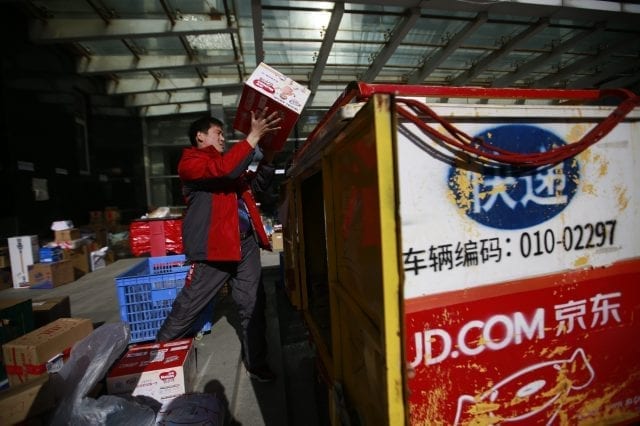
    Data is driving the new JD approach. Already, JD serves more than 300 million customers per year (82 per cent of them via mobile). For each of those customers, the company has more than 10,000 tags representing online shopping behaviour, browsing habits and history of when, where and how they shop. Now the company’s challenge is expanding that knowledge into consumers’ offline shopping behaviour.

    Shop with JD and the company knows things like how much you are spending in the store. What you are putting into the basket, what you’re taking out. They can see your decision making as you proceed to shop, even if you’re saving an item for the future when it may be on special or a sale is coming.

    “So we want to be able to match that with offline data,” explains Cheng. “We want to help offline retailers collect that data.” And then, seamlessly merge it with online data for a full picture of a customer.

    “So with so much data, how do we integrate the social data, the transaction data and the offline data? And how do we get the offline data? [A retailer’s] offline data is sometimes limited: they may or may not know only when a customer makes a transaction. But we want to help the customer as they enter the store, as they’re browsing and as they are making decisions, spending how much time in front of a certain SKU and touching and feeling. We want to be able to get all of that data for offline stores as well.”

    Mix all that data together and you can build an invaluable picture of demand and transaction history that can be used by supply chain managers.

    JD wants to tell participants along the supply chain what products they should make, where they need to be – and when.

    “Then we can help them connect with the customer and we help them deliver to the customer. We share that data to help them with their total supply chain solution.”

    Local knowhow

    Cheng, who is responsible for global business initiatives as well as international investments and mergers and acquisitions for JD said that one of the company’s strengths, despite its size, is understanding local culture and “local knowhow” when it enters new markets, both in Asia and abroad (where it has recently entered Spain).

    “That’s why we tend to partner with local [companies]. You need to be local – your traffic is local, the language is local, so everything becomes localised.”

    And the range must be tailored market by market. The range of SKUs offered in Indonesia, for example, has to be different to Mainland China and other Asian markets.

    “Retail is local, whether it’s online or offline. So you could do cross border to go into a market [but] will that reach a certain scale? Also, today people have higher and higher expectations. They want anything, anytime, anywhere, right away.” Thus cross-border solutions won’t work in many markets because customers don’t want to wait long enough for delivery.

    Asean is home to 600 million people, which makes it the third or fourth largest market in the world. “But so many countries make up Asean – they have different cultures, different tastes, different languages. Even Indonesia with 280 million people – there are so many islands in Indonesia to satisfy. So from a logistics standpoint, it’s very difficult.”

    Hong Kong misunderstood

    Meanwhile, JD is planning to ramp up its focus on Hong Kong’s online retail market, hinting the scale of e-commerce there is more significant than people believe.

    The Mainland China-headquartered online retailer plans more emphasis on cross-border e-commerce in Hong Kong.

    “We believe it’s a very natural extension in terms of consumer tastes,” he said.

    Given JD’s expertise in logistics, the company stands to deliver products and services in the territory “very easily”.

    Furthermore, while there has been widespread discussion about why e-commerce accounts for less than 5 per cent of the city’s total domestic retail spending, Cheng argues people are missing the point.

    “First of all, the absolute number is actually quite imperative. The absolute dollar number is actually not a small market, it’s quite big. The [market] penetration is low, but that’s an opportunity. I think it’s just that people have been so used to the old way of doing things, they continue to do it that way.”

    Cheng believes younger Hongkongers are ready to embrace e-commerce, especially when it comes to shopping for items that are really “a chore” to buy like dry groceries.

    “They … want to finish these chores easier, right. It’s not exciting to have to go and buy your toilet paper or your bottled water, for example. You should be able to just tap those things and order them.

    “But I think certain things like, you know, making sure that this fruit looks exactly like the picture, is very hard to satisfy.”

    So Cheng believes while consumers want to continue to ‘touch and feel’ goods like fresh produce, when it comes to ordering cups or a mobile phone, that is no longer so important.

    “You know the specs and features.”

  • Suning, SAP partner over smart retail

    Suning, SAP partner over smart retail

    Chinese e-commerce giant Suning has signed a memorandum of strategic cooperation with German software company SAP to conduct technology cooperation in retail, logistics and sports sectors.

    The two parties will conduct joint research in artificial intelligence, Internet of Things, big data, cloud computing and other frontier technologies to promote the development of the digital economy, according to a statement released by Suning.

    They plan to build a smart retail service platform to empower China’s retail sector as well as a logistics platform to improve operational efficiency and user experience.

    The two companies also aim to establish a digitalized platform for Chinese football clubs and youth training systems to support the development of the sport in China.

    The Chinese e-commerce platform saw sales of German brands reach 1.5 billion euros last year. It now has about 1,000 types of German products on its overseas shopping platform.

  • Zozo unveils body measurement suit for perfect-fit clothes online

    Zozo unveils body measurement suit for perfect-fit clothes online

    Japanese online fashion retailer Zozo is expanding its offer of tailor-fitted clothing with skin-tight bodysuits that help users upload their measurements online.

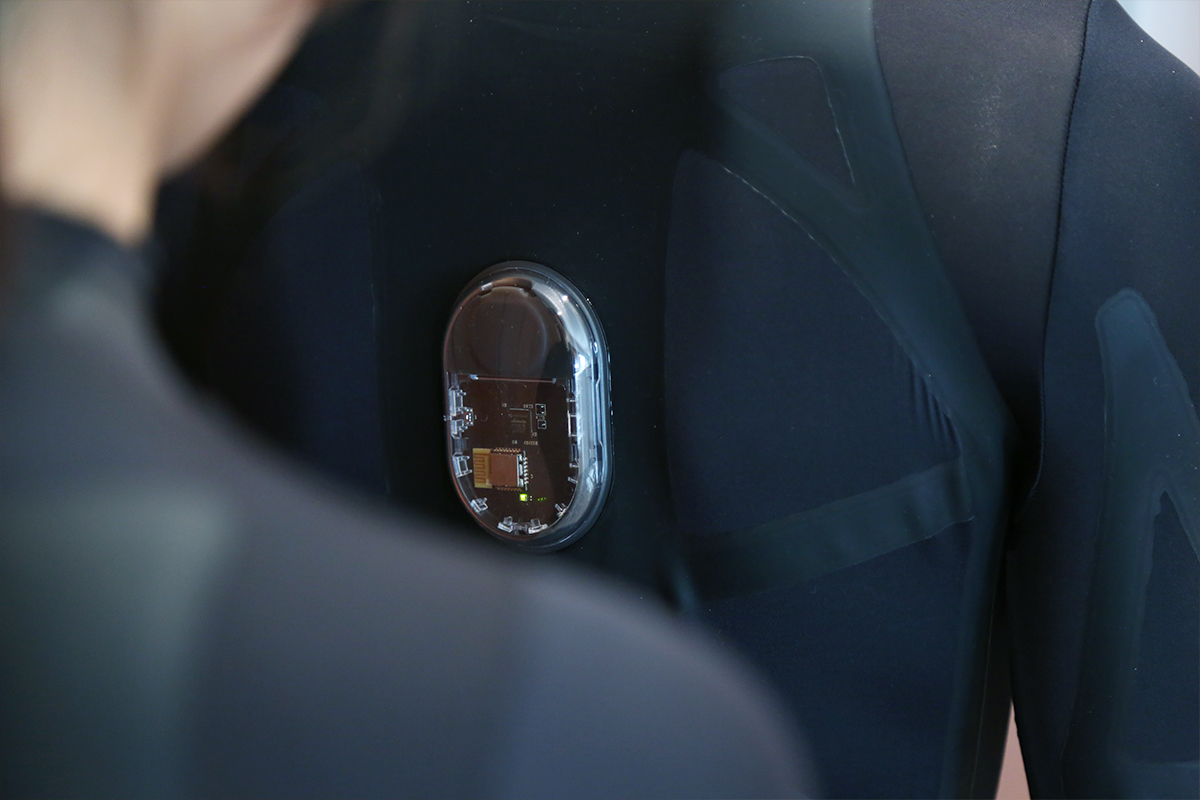
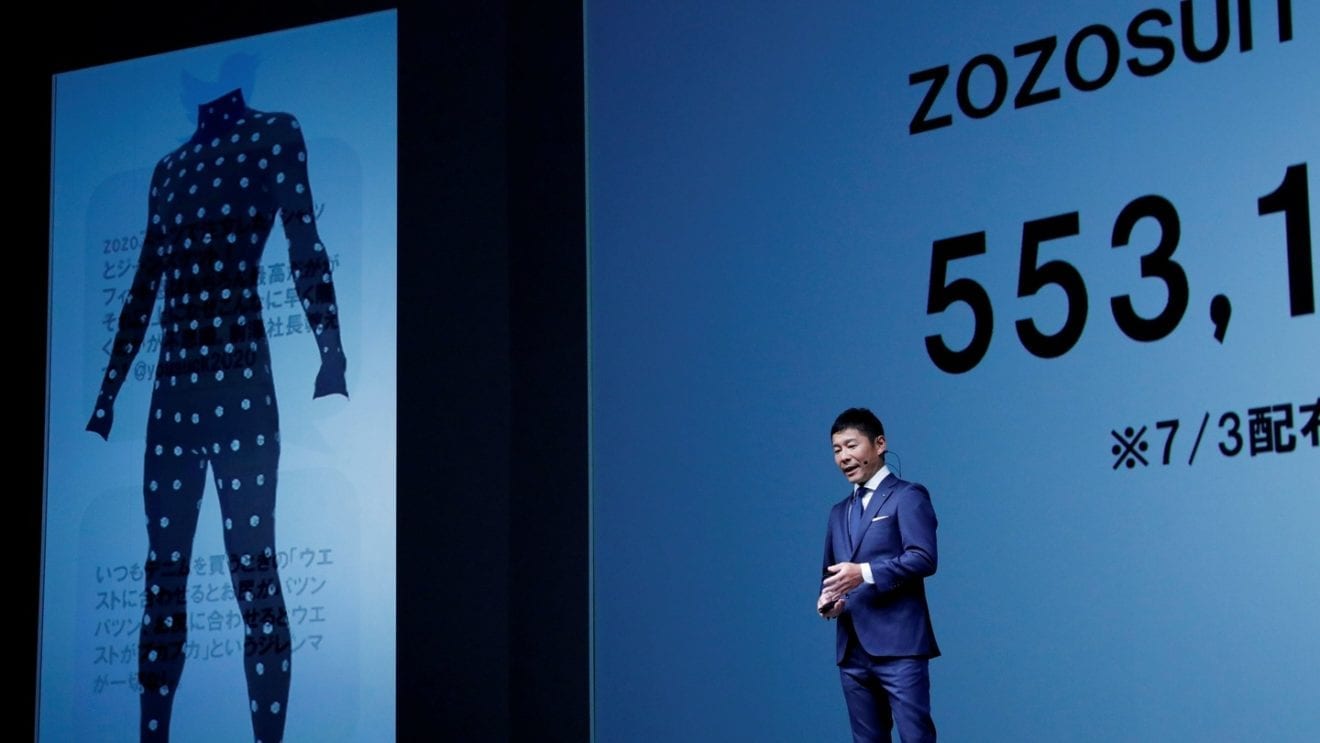
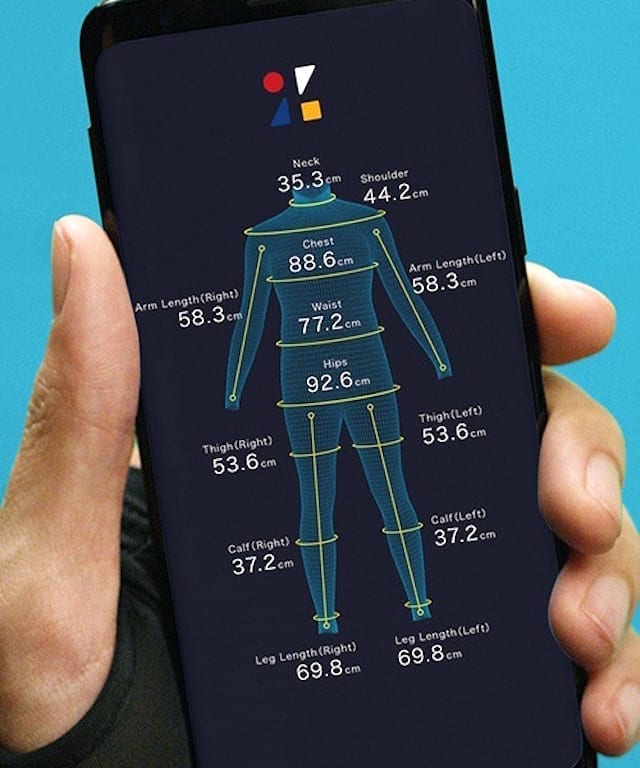
    Called the Zozosuit, the garment is covered in polka dots reminiscent of motion-capture leotards. Shoppers don the suit and photograph themselves wearing it, uploading the picture via a smartphone app for Zozo’s software to calculate their exact body shape.

    Zozo, which sells clothes from other brands, envisages bespoke items as being the way forward for online fashions. The platform has already added business suits and formal shirts to its range, which can be tailored to fit customers based on Zozosuit data.

    Zozo CEO Yusaku Maezawa said: “The time where people adapt to clothing is over. This is a new era where clothes adapt to people.”

    The move coincides with Zozo’s potential partnership with clothing manufacturer Shima Seiki, whose whole-garment knit-on-demand technologies can produce seamless items of clothing to order. The firm is also making efforts to expand its business in other countries.

    The company will ship 1 million Zozosuits to customers within the next fortnight.

  • Luggage brand VIP eyes online expansion

    Luggage brand VIP eyes online expansion

    VIP, a world-renowned company that specializes in offering secure, cutting-edge luggage and baggage products to its customers for over four decades has chosen BuyMore, a brand of Counfreedise Retail Services Ltd, India’s leading e-commerce aggregator for the online retail sector in India to expand their online reach. Counfreedise will help VIP in getting listed on its base of 10 e-commerce websites in the Indian marketplace and 8 websites across 12 countries around the world.

    VIP will also avail the brands services of multi-portal selling, warehousing and big data analytics in order to benefit the best of the online retail environment. BuyMore will also serve as a one-stop solution provider for VIP for increasing transparency in inventory management, pricing and accounting through its comprehensive ERP solution (Enterprise Planning Software). VIP aims to take the benefit of BuyMore’s services and expand its reach to the unchartered territories through their online presence.

    With this association, Counfreedise Retail Services Ltd, which already boasts of over 350 brand associations, has its eyes set on exceeding the Rs 100 crore turnover mark for the 2018-19 fiscal. It has also launched its new mobile application BuyMore Seller App which reduces vendors workload as they can manage their e-commerce business while on the go. With the help of the app, vendors can track details of the sales, payments and stock, know exactly the number of products selling online, get insights on last week’s payments and next payment date and estimate the stock value of the products selling through Buymore.

    Akshath Tiwari, Ecom Manager, VIP said, “Counfreedise is the pioneer in advanced retail software solutions in India and that is why they were our preferred choice when we decided to go the online route. Our association with them will enable us to start and manage effectively our eCommerce operations and reach audience that has been out of our reach till now. VIP and Counfreedise share similar values and we look forward to sharing the benefits that our association will bring.”

    Abhinandan Mahesh, Director and CEO of Counfreedise Retail Services Ltd, commented, “Today, Counfreedise is technologically robust with Artificial Intelligence (AI) being integrated with most of our eCommerce and retail software solutions. We have developed over 50 indigenous software solutions to help brands track and estimate sales, minimize returns post-purchase, automate tedious financial processes and automate and integrate most of the processes in our warehouses. All this will only bolster our tie-up with VIP and help us capitalise the best of online customer base for them.”

    Sidharth Mahesh, Managing Director of Counfreedise Retail Services Ltd, states, “We are glad to associate with VIP and add it to our already existing brands’ list. This association and agreement is fuelled by our renewed confidence about our infrastructure and technologically advanced software solutions. With our BuyMore Seller product suite, we aim to provide VIP the best of retail and eCommerce solutions that will help them gain market leadership.”

    Counfreedise recently also announced its transformation to a public limited firm from a private one. The company will be filing for listings at the BSE and the NSE in the coming months. The price of their shares is estimated to be at a premium 18 to 25 times the face value. It is India’s first firm to go public in its domain. The company aims to raise issues with the total market capitalisation of Rs 250 crore. The investment raised would be used in building and managing warehouses and managing state of the art software systems.

  • L Catterton Asia, JD.com Invest In Secoo

    L Catterton Asia, JD.com Invest In Secoo

    LVMH-linked L Catterton Asia and JD have jointly invested US$175 million into Asian luxury fashion platform Secoo, via convertible notes.

    L Catterton and JD together will have the right to appoint a director and an observer to Secoo’s board of directors. But in a broader tie-up, Secoo will have access to L Catterton’s network of luxury leaders and strengthen relationships with leading luxury brands in the L Catterton stable, including Pepe Jeans and eyewear brand Gentle Monster.

    “We are excited about this strategic partnership with L Catterton Asia and JD,” said Richard Li, Secoo’s chairman and CEO. “L Catterton is the leading consumer-focused investment firm in the world, and JD is China’s largest retailer and the leading e-commerce giant in China. By establishing relationships with leading partners in the consumer, luxury goods and e-commerce spaces, Secoo is poised to gain invaluable name recognition and further boost the company’s reputation in the international luxury consumer space.

    Through this partnership, Secoo will be able to leverage L Catterton and JD’s operational expertise and vast resources to expand and deepen our market presence not only in China, but across the globe.”

    Shengli Hu, president of JD fashion & lifestyle, said the partnership will help JD enhance its luxury capabilities and provide the best possible luxury shopping experience to consumers in China.

    “Chinese consumers are increasingly discerning about their luxury purchases, demanding more variety and choice than ever. As we look to continue to meet this demand, we see many potential areas for future collaboration with Secoo.”

    Secoo sells a wide collection of authentic, upscale products and lifestyle services on Secoo.com, mobile applications and offline experience centers, offering more than 300,000 SKUs, covering over 3000 global and domestic brands.

  • Tmall Fashion, Eurovet to Support Global Lingerie Makers

    Tmall Fashion, Eurovet to Support Global Lingerie Makers

    The fashion unit of Alibaba Group-owned B2C marketplace Tmall and Eurovet, the world’s leading organiser of trade shows for lingerie, swimwear and active brands, are teaming up to help industry players sell into China.

    Tmall and Eurovet signed a memorandum of understanding in Paris on Saturday, pledging to “leverage the respective expertise and international reach to explore innovative ways to collaborate”. The partnership will also work to educate trade-show participants to better understand the unique characteristics and preferences of shoppers in the world’s second-largest consumer market.

    Headquartered in Paris, Eurovet is the largest trade show company in the global undergarment and swimwear industry, with shows in its home city, New York and Las Vegas. It has had a presence in China for 15 years, and two shows are planned, in Shanghai in late September and Hong Kong in March next year.

    “Together, our two companies will explore joint initiatives to accelerate the local and international underwear business and ultimately support companies and brands accessing and thriving in the Chinese market,” said Anita Lu, VP of Tmall Fashion.

    With the expansion of China’s middle class and its growth in purchasing power, analysts say many of the country’s consumers, especially women, are getting choosier about their undergarments. Instead of seeing bras and underwear as just functional pieces, women are buying them to feel both comfortable and sexy. According to Euromonitor, China’s retail undergarment market is likely to reach $33 billion by 2020, an estimated 32 per cent jump from 2017.

    Chinese consumers’ growing love affairs with high-end bras and panties have also stoked global brands such as Victoria’s Secret, La Perla, Maidenform, Wolford, Aubade and Zimmerli to open their own Tmall flagship stores in recent years.

    “At the end of the day, lingerie is more than an outfit. It’s a way to express inner desire,” Lu said. “The younger generations of Chinese women, in particular, are looking to be more independent and free in their choices and lingerie is a good way for them to express themselves but also to take care of their body.”

    The Tmall and Eurovet partnership will also allow trade-show participants to harness Tmall’s insights to better engage with Chinese consumers, streamline the shipping and logistic process, improve supply-chain management and communicate with their local partners, said both companies. This know-how will better empower foreign brands to run a smoother and more efficient operation in China, they said.

  • Tiki.vn attracts investors despite $26 million in accumulated losses

    Tiki.vn attracts investors despite $26 million in accumulated losses

    A prominent case in instance is that of Tiki.vn, a popular e-commerce platform in the country.

    Tiki Jsc. (Tiki) started off as an online book store in 2010 before venturing into e-commerce. Just six years later, the firm was valued at $45 million, following domestic tech firm VNG injecting some $17 million in a 38 percent stake acquisition deal.

    However, at the end of that year, 2016, Tiki’s financial statement showed accumulated losses of nearly VND308 billion ($13.39 million). Tiki had posted revenues of nearly VND62.4 billion ($2.71 million) in 2016, a six-fold increase over 2015. However, this was accompanied by a loss of around VND179 billion ($7.78 million) because of high operational costs.

    In its annual report for 2017, VNG showed Tiki making a loss of VND282 billion ($12.26 million) for the year, raising its aggregate losses to VND590 billion ($25.65 million).

    Despite its losses, Tiki has remained attractive to investors as a leading brand in the market. In mid-January this year, JD.com Inc., a giant retailer in China, injected an unspecified sum into Tiki. The Chinese firm had announced last November that it would pump $44 million into the Vietnamese e-commerce platform, making it Tiki’s largest shareholder.

    Unlike other types of firms, startups like Tiki are not valued on the profit it makes, but on other key elements like market growth, market share, sales, average purchase value, and customer retention rates.

    Tiki, which ships goods across the length and breadth of Vietnam, has annual sales of about $240 million, according to the Financial Times. And it is not the only e-commerce firm recording continual losses in Vietnam.

    Ralf Matthes, managing director of market research company Infocus Mekong said that e-commerce platforms are in the red largely because of their fragmented logistics chains.

    He said that with up to 80 percent of consumers paying cash on delivery, the logistics required in just collecting payment leads to losses.

    E-commerce firms in the country were also drawn into a cash-burning battle as they spent on massive sales and marketing campaigns to promote their platforms, he said.

    The Vietnam E-commerce Association (VECOM) said that the local e-commerce market grew 25 percent last year and that this growth is expected to continue through 2020.

  • Secoo and Italia’s Richard Ginori tie up in partnership

    Secoo and Italia’s Richard Ginori tie up in partnership

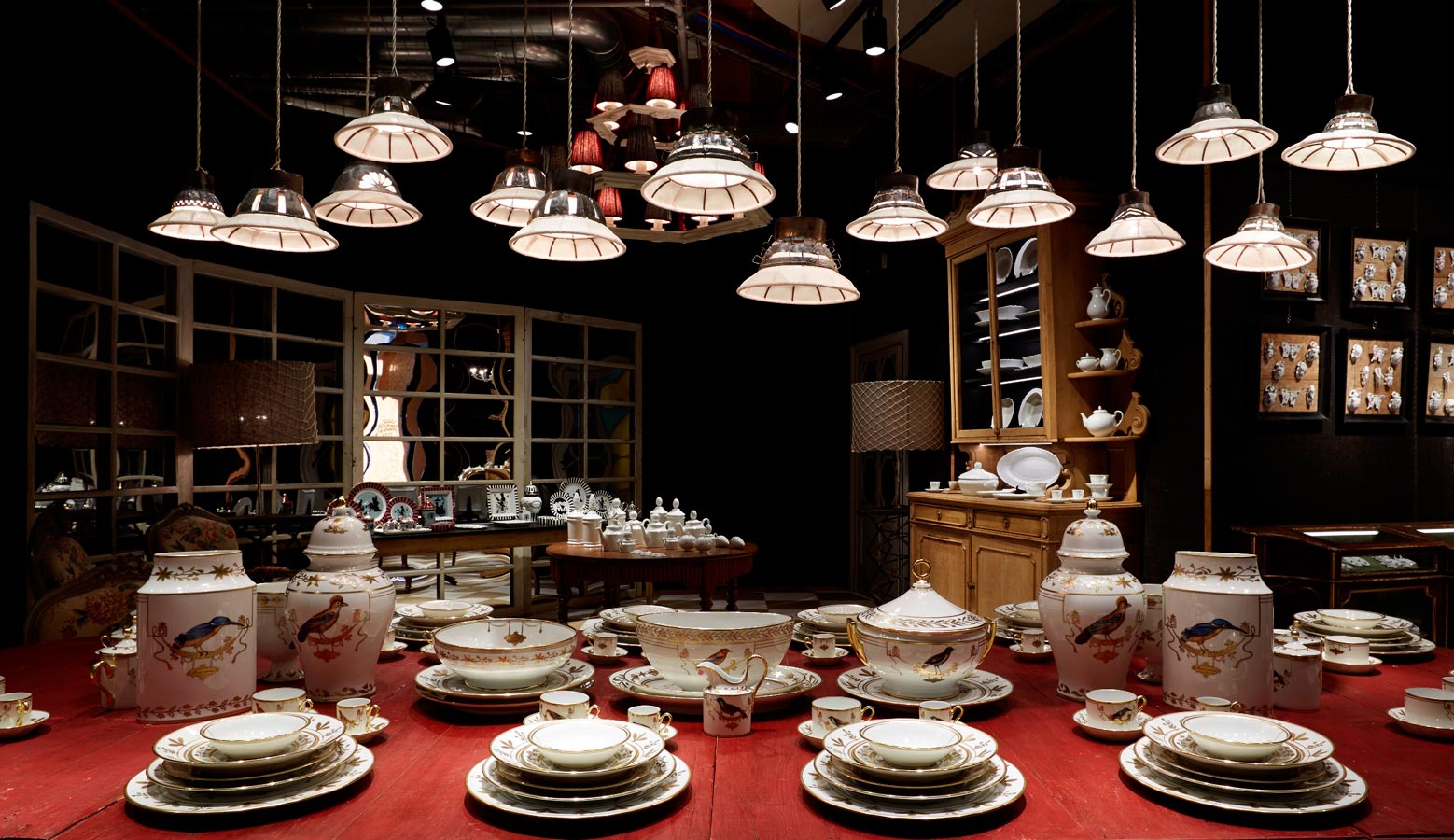
    Luxury retail platform Secoo has announced a partnership with Italian porcelain manufacturer Richard Ginori exclusively for the Chinese market.

    The heritage brand, founded almost 300 years ago, is one of the region’s most prestigious manufacturers of fine porcelain tableware and artistic porcelain.

    Li Rixue, Secoo’s founder and CEO, said: “The entry of Richard Ginori carried out our business strategy of further tapping into China’s robust luxury consumer market demand. With our consistent focus on both the diversity and quality of the products and services that we offer to our customers, we are confident that we are well positioned to capture emerging opportunities driven by the consumption upgrade in China and unlock values to our customers.”

    The move serves as part of Secoo’s strategy to become a leading premium lifestyle platform and luxury e-commerce site.

    Secoo customers can select from a wide range of porcelains offered online and collect the product from the brand’s offline experience centers in nine major Chinese cities.

  • JD.com Could Be Returning to Russia

    JD.com Could Be Returning to Russia

    JD.com, the second largest e-commerce player in China, could be returning to Russia soon according to a recent Kommersant report. JD previously entered the Russian market in 2015, but retreated a year later after struggling with cross-border logistics issues, merchant partnerships, and high marketing expenses.

    JD’s previous effort featured partnerships with payment providers Qiwi and Yandex’s Yandex Money, logistics provider SPSR-Express, and online retailer Ulmart. This time around, JD.com could partner with AlfaGroup’s X5 Retail Group, which owns a nationwide network of Pyaterochka discount stores, Perekrestok supermarkets, and Carousel hypermarkets.

    JD will let Russian customers purchase products online, and those goods will be delivered to Pyaterochka, Perekrestok, and Carousel stores for pickup. The partnership seems like a win-win deal for both companies — JD can piggyback its online operations off X5’s network of stores instead of launching new logistics services, and X5 adds more non-food products to its stores.

    The deal should also lower marketing costs for JD with co-marketing campaigns: Ads for JD’s products are appearing in Pyaterochka stores, and will likely appear in Perekrestok and Carousel stores in the near future. The partnership could also revive JD’s previous relationships with Yandex and Qiwi, which both hold partnerships with X5.

    Why does JD.com need the Russian market?

    JD and its bigger rival Alibaba have been looking for growth opportunities beyond the Chinese market. The two companies are already clashing across Southeast Asia, where JD’s marketplace faces stiff competition from Alibaba-backed Lazada.

    Both companies are also targeting Western markets. JD recently announced its plans to expand into Western Europe, and a new partnership with Alphabet’s Google will help it sell products to American shoppers. JD also lets Chinese shoppers buy overseas products from various countries through its cross-border e-commerce platform, JD Worldwide.

    Alibaba’s AliExpress platform, which lets Chinese sellers reach overseas buyers, is popular in Russia and Eastern Europe. 14% of European shoppers (including 69% of Russian shoppers) bought goods on AliExpress last year. That makes it the second biggest e-commerce platform in Europe after Amazon, which controlled a quarter of the market. Alibaba also recently launched a dedicated version of Tmall for Russian shoppers.

    Alibaba’s popularity in Russia is troubling for JD, which seemingly surrendered the market to its rival with its premature exit. It’s also bad news for JD’s top investor, Tencent, which also reaches some Russian users with WeChat, the top mobile messaging app in China. In China, JD relies heavily on its integration with WeChat — which has over a billion monthly active users — to display ads, sell products, and accumulate shopper data.

    The Russian market is trickier. Its mobile messaging market is dominated by apps like VK, WhatsApp, Skype, and Viber, which don’t have comparable relationships with JD.

    Russia has a relatively high internet penetration rate of 71%, and about half of Russians shop online. Yet e-commerce transactions could only account for 3% of the country’s retail market this year, which suggests that many shoppers still rely on brick-and-mortar retailers.

    Those numbers suggest that the Russian market is still ripe for a major e-commerce disruption. Alibaba will be a tough competitor for JD, but partnering with X5 Retail is a smart move since Russian shoppers still rely on brick-and-mortar stores. If JD can attract more partnerships, its second attempt could prove more fruitful than its first.

  • Razer Pay launched in Malaysia

    Razer Pay launched in Malaysia

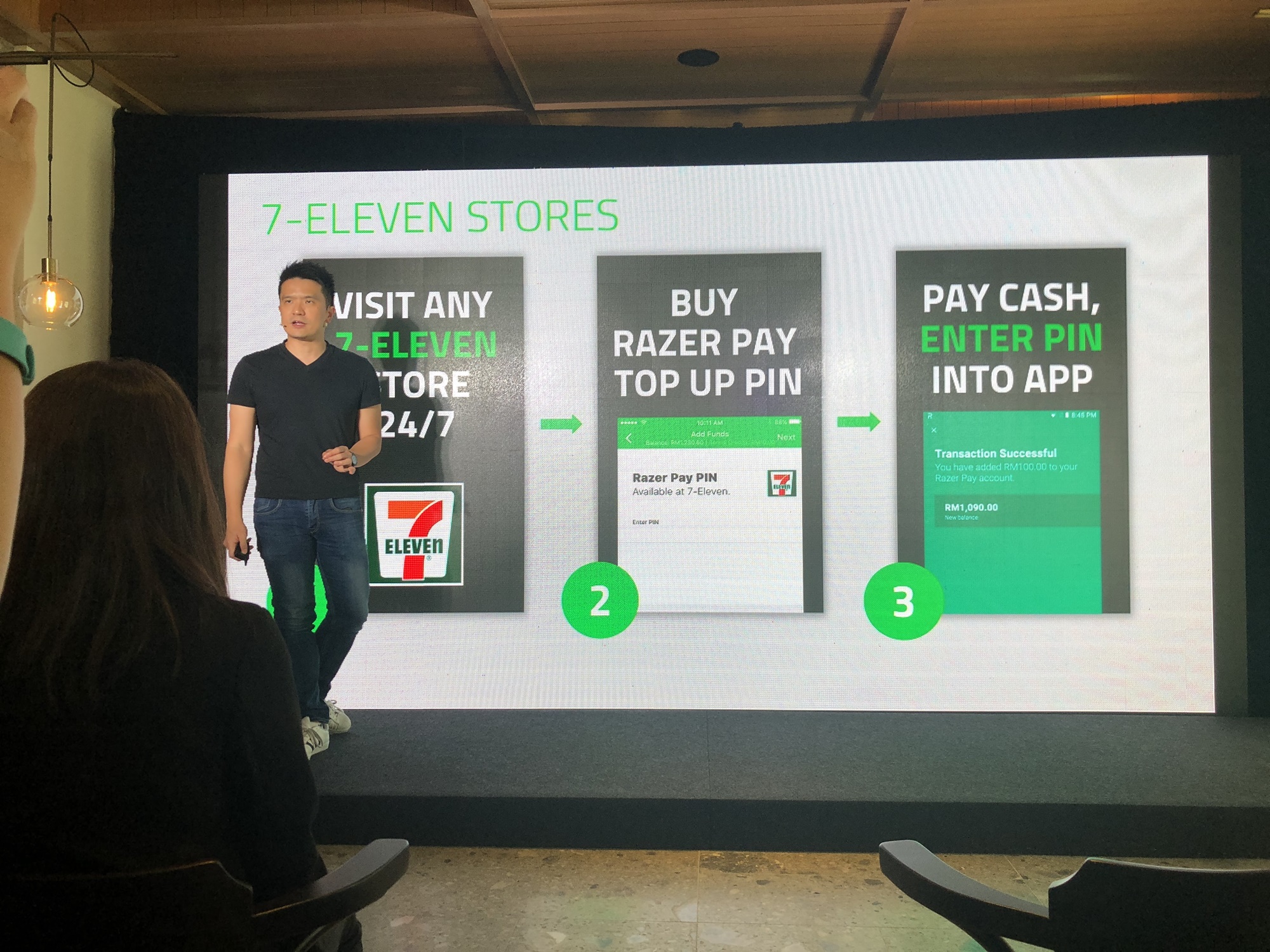
    Leading lifestyle brand for gamers, Razer and Berjaya Corp Bhd (BCorp) today launched the Razer Pay e-wallet in Malaysia.

    Razer Pay is the e-wallet designed for youth and millennials, allowing users to top up easily, transfer money quickly and pay everywhere.

    As a partner to Razer Pay, BCorp has pledged to donate up to RM5 million to the Tabung Harapan Malaysia fund.

    From today until Aug 30, 2018, BCorp has committed to donating RM10 with each first time use of the Razer Pay wallet at participating Berjaya outlets.

  • Amazon India launches 3rd fulfilment centre in Bengal

    Amazon India launches 3rd fulfilment centre in Bengal

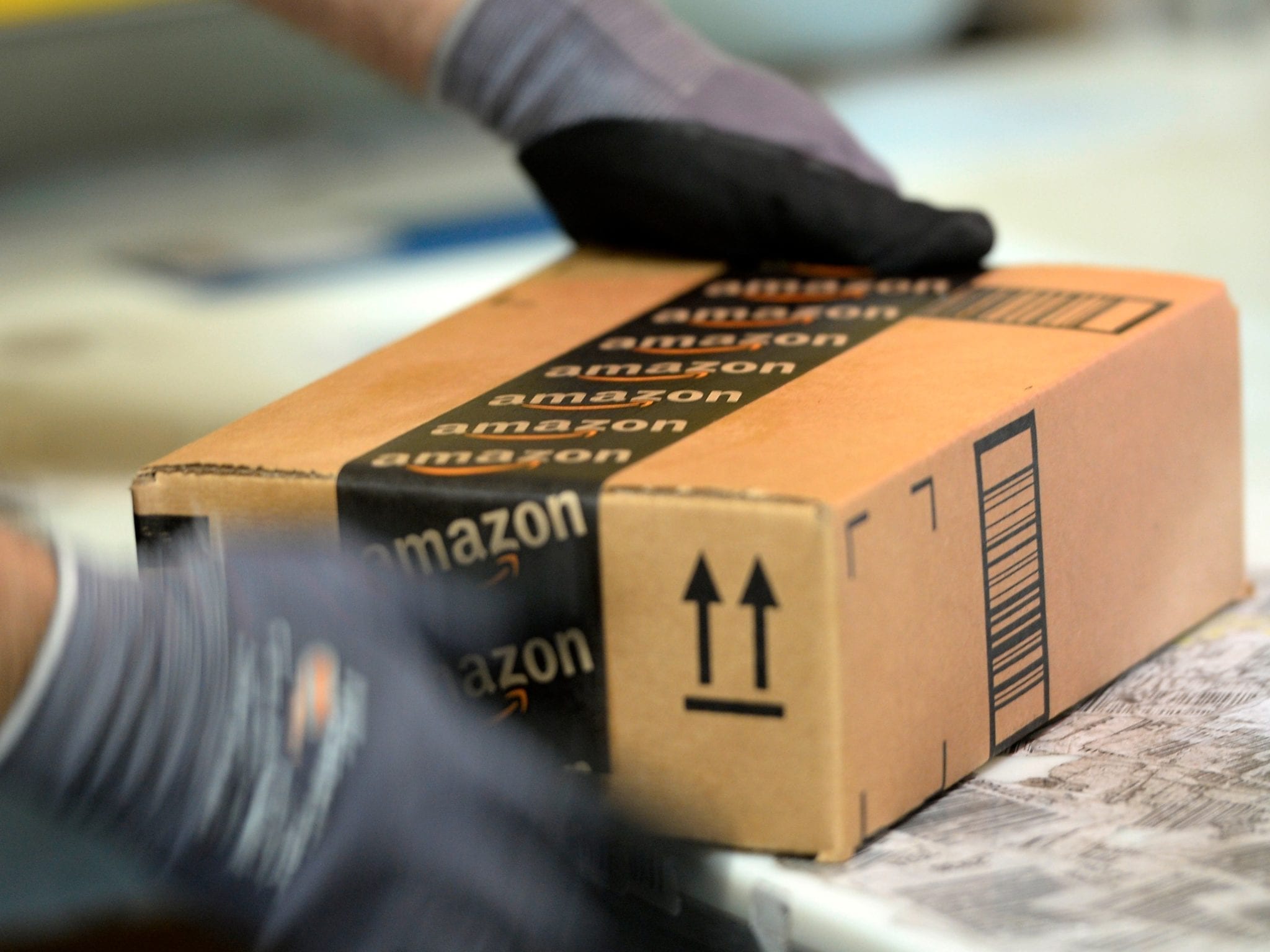
    Spread over 140,000 square feet with over 600,000 cubic feet of storage space, this centre is one of the five announced for 2018.

    “We have been consistently investing in our infrastructure and delivery network, so that we can increase our speed of delivery.

    “With the launch of our third fulfilment centre in the state, we strongly believe that we will be able to better serve our customers with one-day and two-day delivery,” its Vice President (Customer Fulfilment) Akhil Saxena said, adding Prime membership in the state has been on the rise.

  • Potboy pioneers online-to-offline groceries sale

    Potboy pioneers online-to-offline groceries sale

    Home grown online grocer, Potboy Grocery, is organising an online-to-offline (O20) groceries sale, the first of its kind in Malaysia, in bringing the online customer to offline retail.

    PB Grocery Group Sdn Bhd, Co-founder Eddie Chew said the event enables offline customers to purchase groceries online and without having to be physically present at the actual exhibition hall of the event.

    “We want to educate customers on cashless transactions and e-payment as an alternative shopping method, and at the same time, give them the convenience of shopping.

    “Customers can enjoy buying groceries at the event without having to worry about carrying the items because we can deliver them to their doorstep for free and at no minimum purchase,” he said.

    Chew said the free delivery and no-minimum order privileges also applied to online transaction-buyers.

    The O2O event will be held for three days starting July 6 at P2, Jaya One, Petaling Jaya from 10 am to 10 pm.

    A crowd of about 18,000 crowd online and offline are expected to attend and generate RM2 million in sales.

    Forty famous suppliers, among others, Coca-cola, Nestle, F&N, Hershey’s, Homesoy, Brand’s, Jasmine, MamyPoko, and other household brands will participate, offering a discount of up to 75 per cent.

    “We are offering goods at a very competitive price during this event, and way better, lower compared to the retail price,” he said, adding, 300 goodies bag would be given away daily for early birds.

    Founded in Malaysia in 2016, Potboy Groceries is owned and operated by PB Grocery Group and currently based in the Klang Valley.

    Potboy Grocery is also the trusted grocer for Suria KLCC, Astro, Getha, Sumbertech Ventures and others.

  • L’Oreal China and Alibaba team up on green packaging

    L’Oreal China and Alibaba team up on green packaging

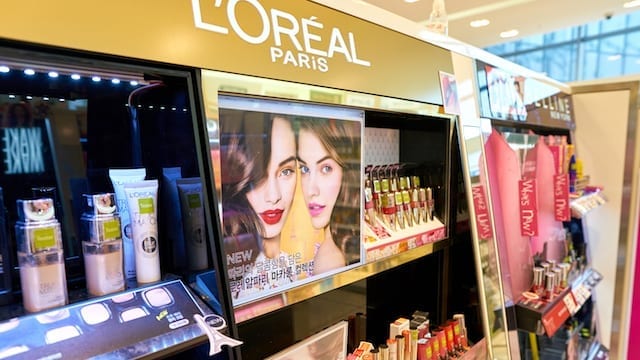
    L’Oréal China and Alibaba Group signed an agreement committing to using environmentally packaging in order to reduce waste in China.

    The agreement, which will be rolled out over the next five months, includes a pledge from L’Oréal to switch to FSC-certified sustainable paper, zipper paper, zipper paper cartons, or paper adhesives to decrease the use of plastic materials for its brand portfolio, according to the joint announcement.

    For Chinese multinational retailer Alibaba, the move highlights their strategy called new retail. As entrepreneur and author Ashley Galina Dudarenok explained, Alibaba seeks to redefine commerce by enabling seamless engagement between the online and offline world. Alibaba’s consumer-facing marketplace Tmall formed a partnership last month with the Marine Stewardship Council. Tmall’s goal is to have 20% of their sales carry the MSC label by 2020.

    The new partnership with L’Oréal China provides customers with high quality products and helps create “green, healthy, and sustainable social values,” said Jet Jing, the head of Tmall. “The upgrade of consumption is both an upgrade in quality of life as well as consumer awareness.”

    In May, Alibaba’s smart logistics arm Cainiao formed an alliance with 13 L’Oréal brands where participants commit to sustainable measures such as the use of biodegradable packaging materials. That same month, L’Oréal and sustainability consulting firm Quantis co-founded the Sustainable Packaging Initiative for Cosmetics (SPICE), aiming to reduce the environmental footprint of cosmetics products.

    Also in May, Cainiao announced plans to replace traditional paper stickers on 40 billion parcels by 2020 through the use of e-shipping labels, a measure that could save more than 3 million trees.

    Last year, as L’Oréal China celebrated its 20th anniversary, the company said they had made progress in several areas of sustainable development. “Substantial efforts have been made to reduce packaging weight,” the company reported. That meant a reduction in plastic used, changes in the composition of plastics used, the use of refillable glass containers as well as the elimination of paper instruction leaflets.

  • Walmart India gets half of biz via out-of-store sale channels

    Walmart India gets half of biz via out-of-store sale channels

    US retail major Walmart is now getting nearly half of its business through non-store or out-of-store sales channels, which include B2B e-commerce, associates’ driven sales and call centres, a company official has said.

    According to a report: While, the rest half of its business still comes through in-store walk-ins, where its members visit its stores and purchase.

    Besides, Walmart India is also going to open another fulfilment centre soon at Lucknow after opening its first such facility in Mumbai last year.

    “Almost 50 percent of our business comes through in-store walk-ins where our kirana members can discover new products and in-store demos also allow them to experience new food products made by our supplier partners, mostly small and regional,” Rajneesh Kumar, Chief Corporate Affairs Officer, Walmart India said.

    He further said: “We have been helping these kiranas through our B2B Omnichannel efforts and rest of the business comes through ‘out of store’ sales, which include B2B e-commerce, sales associates driven sales (who take the tablets carrying virtual stores to help take orders from our members) and call centres.”

    Walmart had started B2B e-commerce in July 2014 from its Lucknow and Hyderabad ‘Best Price Store’ and was later extended to other stores.

    It was among one of the first companies in India, which had adopted the omni channel retail system by integrating online and offline formats here.

    “This way not only our members are able to focus on running their stores more efficiently and serving their customers better but also get the convenience of placing orders from their stores, easy payment solutions and doorstep delivery, while growing their business,” Kumar further said.

    Walmart, as per its strategy to strengthen presence in the Indian market and also compete head-on with global rival Amazon, had last month announced a mega deal to pick up 77 percent stake in Flipkart.

    Walmart India, a wholly owned subsidiary of Walmart Inc, operates 21 cash and carry stores here under the brand name of ‘Best Price’ in 9 states across the country.

  • Zilingo hopes to get $50 million more fund

    Zilingo hopes to get $50 million more fund

    Southeast Asian fashion startup Zilingo is set to raise a further US$50 million as it strengthens its operations in Singapore, Indonesia and Thailand and beyond.

    Zilingo was founded in October 2015 by Dhruv Kapoor and Ankiti Bose, who were inspired by the clothing stalls in labyrinthine markets they saw while backpacking across Indonesia and Thailand. Their idea was to connect a fragmented landscape of fashion supply for buyers across Asia.

    Now the company aggregates small fashion retailers in the three Southeast Asian markets on a single platform. With more than 10,000 merchants now on board, the site has evolved into a service attractive to both B2B and B2C customers.

    Users can upload and manage their inventory in any language, using any currency, connecting them through 25 interfaces with logistics, warehousing and payment providers, as well as services like loans, cataloguing and insurance.

    “Nowhere in the world has a horizontal e-commerce company also cracked fashion,” says Bose. “It’s a unique, high-margin category that is highly dependent on fast-moving cycles and has its own nuances. Unlike buying detergent or electronics, fashion is much more about your choice, individuality and trends. It requires a different approach than the rest of e-commerce.”

    Besides selling in Indonesia, Singapore and Thailand, Zilingo ships to four further countries and has supply bases in Bangladesh, Cambodia, China and Vietnam.

    The latest fundraising follows a $54 million round in March.