Category: E-Tailing

Retail News Asia is committed to providing both local and global retailers with the latest E-Commerce & Etail news throughout the Asian market. This on a daily base.

  • Hong Kong Boutique Hotel Step Up Their Game with Restaurant to Room Service

    Hong Kong Boutique Hotel Step Up Their Game with Restaurant to Room Service

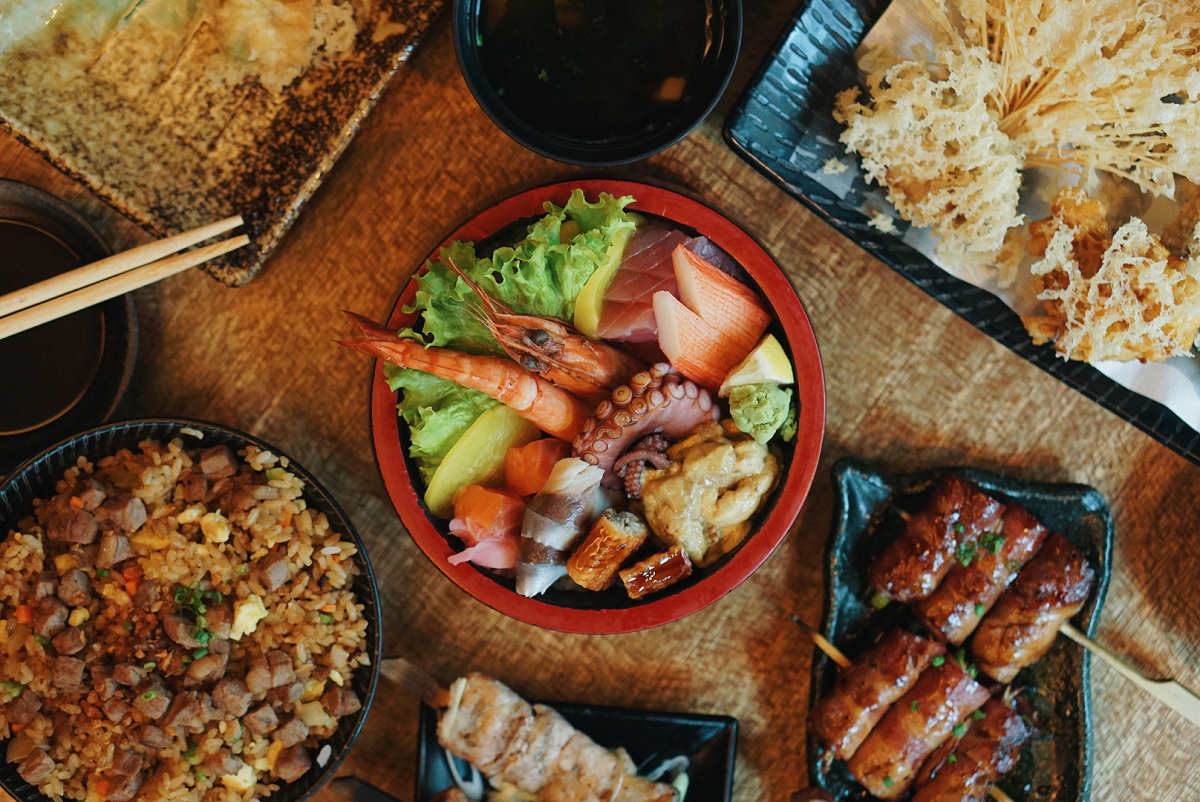
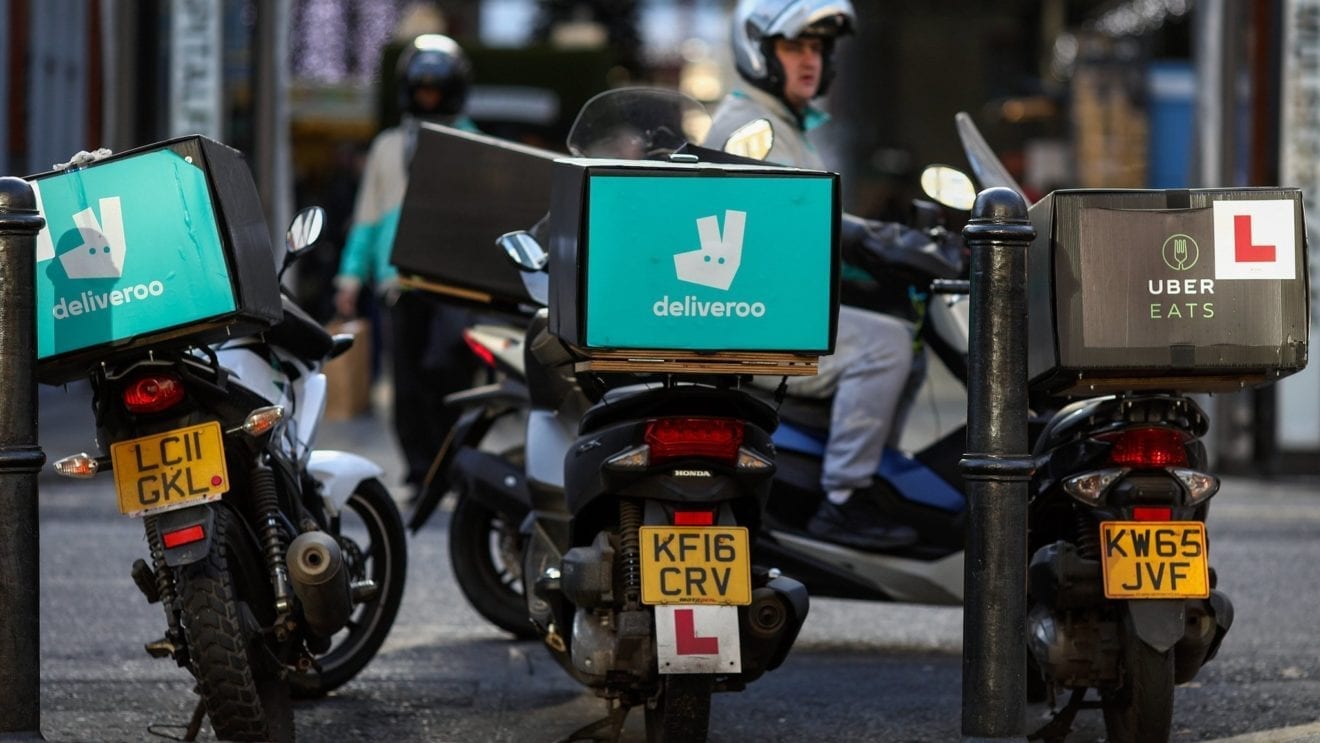
    Ever get slightly disappointed by the poor selection (or lack) of food at a hotel’s room service menu? Well lucky for you, your indulgent cravings for mouth-watering dishes are being answered as Deliveroo joins forces Madera Group to provide on-demand restaurant to room service.

    Madera Group have strategically partnered with the leading food platform in Hong Kong to have inroom Deliveroo menus where guests can simply ring up guest services to order. With Deliveroo’s wide selection of restaurant partners, this means that guests can get their hands on a buffet of amazing cuisines including favourites such as 208 Duocento Otto, Yu Mai and Honeymoon Dessert with a mere phone call. The cost is simply added to the final bill upon check-out. There really is no way to top that level of room service!

    Lucas Lai, Head of Madera Hospitality Management at Madera Group comments, “As an award-winning luxury boutique hotel, we understand the ever-changing wants of the modern day traveller so it makes sense for us to partner up with Deliveroo to further enhance our guest experience, to provide all-day room service.”
    Brian Lo, General Manager of Deliveroo Hong Kong adds, “Customers love the convenience of at-home delivery so we are bringing our on-demand offering and amazing food selection straight to their hotel

    door. We are delighted to partner with a well-established player in the hotel-apartment sector and widen local restaurants to tourists and business travellers alike.”

  • Alipay and Singapore Tourism Board join hands to boost Chinese tourist spending

    Alipay and Singapore Tourism Board join hands to boost Chinese tourist spending

    Alipay, the world’s leading mobile and online payment and lifestyle platform operated by Ant Financial Services Group, together with the Singapore Tourism Board (STB), have launched a series of joint marketing initiatives aimed at raising destination awareness of Singapore and driving tourist spending among Chinese visitors.

    Alipay and STB signed a Memorandum of Understanding (MOU) in September 2017 to enhance Chinese tourists’ overall experience in Singapore. Under the MOU, both parties agreed, among other things, to explore co-investing in joint-marketing initiatives to encourage Chinese tourists to spend with Alipay while in Singapore.

    Since signing the MOU, Alipay has experienced double-digit growth in user spending. China has also become Singapore’s top market in 2017 for both tourism receipts and visitor arrivals, contributing S$4.2 billion in tourism receipts and 3.2 million visitor arrivals.

    The marketing activities are designed to incentivize Alipay users, through rewards and discounts, to spend across different types of tourism businesses such as retail, F&B and attractions, further boosting their spending in Singapore. Alipay and STB will also create tailored itineraries that are aligned with STB’s new Passion Made Possible brand. These itineraries will encourage Alipay users to pursue their passions by exploring and discovering new attractions, dining and shopping experiences. It will also give them more reasons to visit and spend more in Singapore.

    Additionally, the partnership will deepen STB’s understanding of Chinese visitors’ consumer behavior and spending patterns, leveraging Alipay’s insights.

    “With China being Singapore’s top source market for both visitor arrivals and tourist spending last year, we are pleased to partner with Alipay as their keen insights and deep understanding of Chinese consumers will help us to continue to grow in this critical market.

    We hope to continue to broaden over time our partnership with Alipay to explore more innovative marketing initiatives in the areas of content, digital and technology to further enhance the Chinese visitor experience,” said Ms Jacqueline Ng, Director, Marketing Partnerships & Planning, STB.

    “Singapore is a favorite destination for Chinese travelers. According to research released by Nielsen last year, it is one of Chinese tourists’ top ten preferred travel destinations in the world. Alipay is very pleased to be working together with the Singapore Tourism Board to ensure the consistent smart lifestyle for Chinese travelers in Singapore that they experience at home. At the same time, we are excited to connect more merchants in Singapore with Chinese tourists and be discovered by them through the app.” Said Cherry Huang, General Manager, Cross-border Business for South and Southeast Asia, Alipay.

    Alipay is committed to helping more local merchants be discovered by Chinese tourists and better supporting the needs of the Chinese travelers by providing a more efficient and convenient payment method via its platform.

    Mobile payment is gaining momentum among Chinese travelers overseas. According to the recent Nielsen reporti, 65% of Chinese tourists used mobile payment platforms during their overseas travels, more than six times in comparison to non-Chinese tourists (11%). Over 90% of Chinese tourists would consider using mobile payments when traveling overseas if more overseas merchants accepted them.

  • Eatigo and Tripadvisor hold hand to keep its leadership in Southeast Asia

    Eatigo and Tripadvisor hold hand to keep its leadership in Southeast Asia

    Eatigo, the leading restaurant reservation platform in Southeast Asia, has received a follow-on investment from its existing strategic investor, TripAdvisor, bringing its total raise across all its investors to date to over US$25M. The pre-series C investment for Eatigo comes as TripAdvisor’s restaurants business unit and its subsidiary, TheFork, look to help expand Eatigo’s presence and services across the Asia Pacific region.

    On the heels of a successful entry into Hong Kong, the Philippines, Malaysia and India in 2017, Eatigo will use the funds to launch in several more markets and extend its product offering. Over the past year, the company has grown rapidly to claim a leading position in every market it operates in.

    “Eatigo is excited to continue its strong relationship and collaboration with TripAdvisor. These new funds will be integral in allowing Eatigo to consolidate and extend the reach of our leadership and expertise in helping customers reserve the perfect table,” said Eatigo’s CEO and Co-founder Michael Cluzel.

    Eatigo operates in 6 countries, has over 4 million users, and offers the largest inventory of discounted restaurants offers in the region with over 4,000 restaurant partners, from upscale hotels and fine-dining establishments to popular restaurant chains and neighbourhood budget eateries.

    TripAdvisor Restaurants was established to better support the needs of diners and the 4.6 million restaurants listed on the travel site. TripAdvisor’s 2014 acquisition of its subsidiary, TheFork, provided the ideal complement to the site’s millions of restaurant listings by positioning it as an immediate online reservations leader in the dining and hospitality industry. Today, TheFork operates out of 11 countries globally and supports reservation services for more than 50,000 restaurants. In the Asia Pacific region, TheFork operates the Dimmi brand in Australia.

    “As we look to further our presence in the Asia Pacific region, we believe our latest strategic investment in Eatigo will continue to support a great business and strong management team,” said Bertrand Jelensperger, senior vice president of TripAdvisor Restaurants and founder of TheFork. “TripAdvisor’s continued partnership with Eatigo will help us both better serve millions of diners and restaurant owners who are increasingly turning to online channels.”

  • Walmart to boost digital footprint

    Walmart to boost digital footprint

    Aiming to make shopping faster and easier for millions of customers, cash-and-carry major Walmart on Tuesday announced a five-year strategic partnership with Microsoft.

    Already using Microsoft services for critical applications and workloads, Walmart will now embark on a broad set of Cloud innovation projects that leverage Machine Learning (ML), Artificial Intelligence (AI) and data platform solutions for a wide range of external customer-facing services and internal business applications.

    “Walmart’s commitment to technology is centred around creating incredibly convenient ways for customers to shop and empowering associates to do their best work,” Doug McMillon, CEO, Walmart, said in a statement.

    “Whether it’s combined with our agile cloud platform or leveraging machine learning and artificial intelligence to work smarter, we believe Microsoft will be a strong partner in driving our ability to innovate further,” McMillon added.

    Walmart has selected full range of Microsoft Cloud solutions, including Azure and Microsoft 365, for enterprise-wide use to help standardise across the company’s family of brands.

    “The world’s leading companies run on our Cloud, and I’m thrilled to partner with Walmart to accelerate their digital transformation with Microsoft Azure and Microsoft 365,” said Satya Nadella, CEO, Microsoft.

    Under the partnership, Walmart and Microsoft engineers will collaborate on the assessment, development and support phase of moving hundreds of existing applications to Cloud native architectures.

    To grow and enhance the online experience, the company will migrate a significant portion of walmart.com and samsclub.com to Azure, including its Cloud-powered check-out, thus, enabling Walmart to grow and reach more global markets than before.

  • E-commerce booms in Vietnam but top firms stay in the red

    E-commerce booms in Vietnam but top firms stay in the red

    Vietnam’s e-commerce sector grew by more than 25 percent last year and can maintain this growth rate in the next two or three years, according to the Vietnam E-Commerce Association (VECOM).

    It says online sales is set to hit $10 billion by 2020, accounting for five percent of the country’s total retail sales.

    Yet the four top firms that have built up the nation’s e-commerce so far, Lazada, Tiki, Shopee and Sendo, have repeatedly reported accumulated losses.

    Market observers explain that in a “primitive market with high growth rates,” top companies are not afraid to accumulate losses in order to entrench themselves in positions of strength by focusing on expanding their market share at “at all costs.”

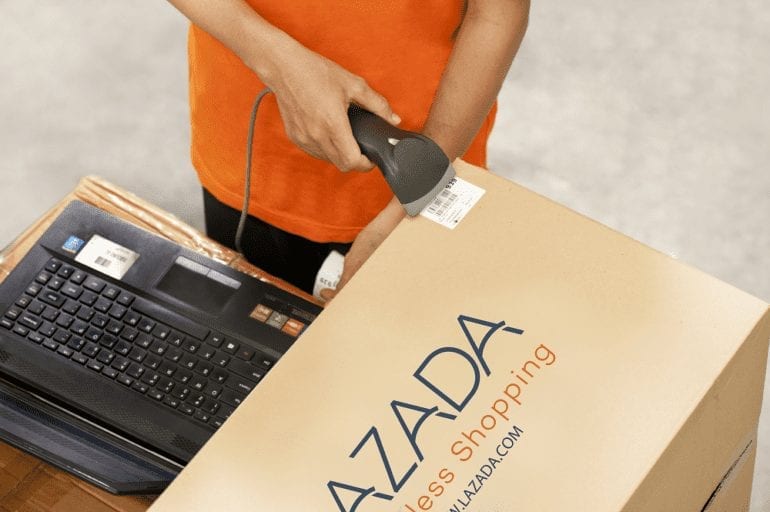
    Singapore-based Lazada entered Vietnam in 2012 when it was still owned by Germany’s Rocket Internet.

    In April 2016, China’s Alibaba Group Holding Ltd bought a controlling stake in Lazada for about $1 billion to support its expansion plans in Southeast Asia.

    In June 2017, Alibaba Group increased its investment in Lazada by an additional $1 billion, raising its stake from 51 percent to 83 percent.

    Lazada Vietnam reported a loss of VND977 billion ($42.2 million) in 2015 and over VND1 trillion ($43.3 million) in 2016. It attributed losses to big spending on management and sales promotions.

    By late 2016, its charter capital stayed at just VND15 billion and loans accounted for most of the working capital it was using.

    However, Lazada is still an attractive investment option, with Alibaba announcing in March that it would double its investment in the e-commerce firm to $4 billion.

    A project of Garena, a consumer Internet platform provider based in Singapore, Shopee is second in the list of e-commerce firms suffering big losses in Vietnam.

    In 2016 when it first entered Vietnam, Shopee posted losses of VND160 billion, but this had risen to more than VND600 billion last year.

    By the end of 2017, the total asset value of Shopee had risen ten times to more than VND730 billion as its parent firm raised its total capital by VND30 billion to more than VND1.14 trillion.

    Compared to Lazada and Shopee, which have giant firms backing them, Tiki and Sendo are quite modest, meaning they had made smaller losses.

    Tiki started off as an online book store in 2010 before venturing into e-commerce. Just six years later, the firm was valued at $45 million, following domestic tech firm VNG injecting some $17 million in a 38 percent stake acquisition deal.

    Tiki had posted revenues of nearly VND62.4 billion ($2.71 million) in 2016, a six-fold increase over 2015. However, this was accompanied by a loss of around VND179 billion ($7.78 million) because of high operational costs.

    In its annual report for 2017, VNG showed Tiki making a loss of VND282 billion ($12.26 million) for the year.

    Despite its losses, Tiki has remained attractive to investors as a leading brand in the market. In mid-January this year, JD.com Inc., a giant retailer in China, injected an unspecified sum into Tiki. The Chinese firm had announced last November that it would pump $44 million into the Vietnamese e-commerce platform, making it Tiki’s largest shareholder.

    The last of the top four is Sendo owned by Vietnamese tech giant FPT.

    Sendo raised more than VND400 billion in the two years of 2015 and 2016 and the company reported losses of VND60 billion in 2015 and VND136 billion in 2016.

    However, there its equity stands at more than VND227 billion thanks to a stock issue in 2016.

    In a report last April cited Bain, a U.S.-based global management consulting firm as saying online businesses were booming in Southeast Asia.

    Bain estimated that the region had 200 million digital consumers, or people who bought goods or services online, out of an adult population of 405 million. Vietnam, with a population of 93.7 million, accounted for 35 million of these consumers.

    Vietnam’s youthful population is among the keenest users of mobile devices in the region, while the country’s consumers spend more time online than most of their neighbors, several studies have pointed out.

    Research firm Nikkei estimated that Vietnamese people spend nearly 25 hours online per week, on a par with or just behind Singapore and the Philippines.

  • Grofers India to enter FMCG segment; targets Rs 2,500 crore revenue by FY19

    Grofers India to enter FMCG segment; targets Rs 2,500 crore revenue by FY19

    Grofers closed FY 18 with Rs 950 crore of sales and is targeting for a stronger growth trajectory in 2019, with a 50 percent contribution from its private brands.

    The company has launched seven new brands under two categories Budget and Popular G-Brands.

    “With this, Grofers’ private labels expands to 250 food and non-food products for its consumers. With this significant business expansion, Grofers aims to drive the next wave of growth for e-commerce sector by bringing the next 100 million customers to its platform,” it said in a statement.

    Grofers’ range of private label is priced approximately 5 to 50 percent lower than the market price for popular brands in these categories, it claimed.

    The brand is bullish on growth with a revenue target of Rs 2,500 crore and roll out of over 500 SKUs for FY19, it added.

    Its presence would be in food products including tea, fruit jam, muesli, tomato ketchup, corn flakes, rose shahi sharbat and household categories of detergents, household care, oral care, tissues and disposables, kitchen tools and accessories, furniture and storage, among others.

    “Our foray into the FMCG segment uniquely differentiates and positions us in the e-grocery business. This vertical expansion is key to drive our next phase of growth in India. In the last five years, we have received an overwhelming response from our customers and experienced tremendous growth,” Albinder Dhindsa, Co-Founder and Chief Executive Officer, Grofers said.

    “Through many industry-first initiatives, we have been instrumental in bringing new customers to the e-commerce fold with 15 per cent of this customer base being our monthly unique shoppers. Our focus is to service the families of India who are yet to experience the world of e-commerce and our target is to bring the next 100 million new customers to e-commerce industry through our platform,” he added.

  • Amazon servers crash in Prime Day event

    Amazon servers crash in Prime Day event

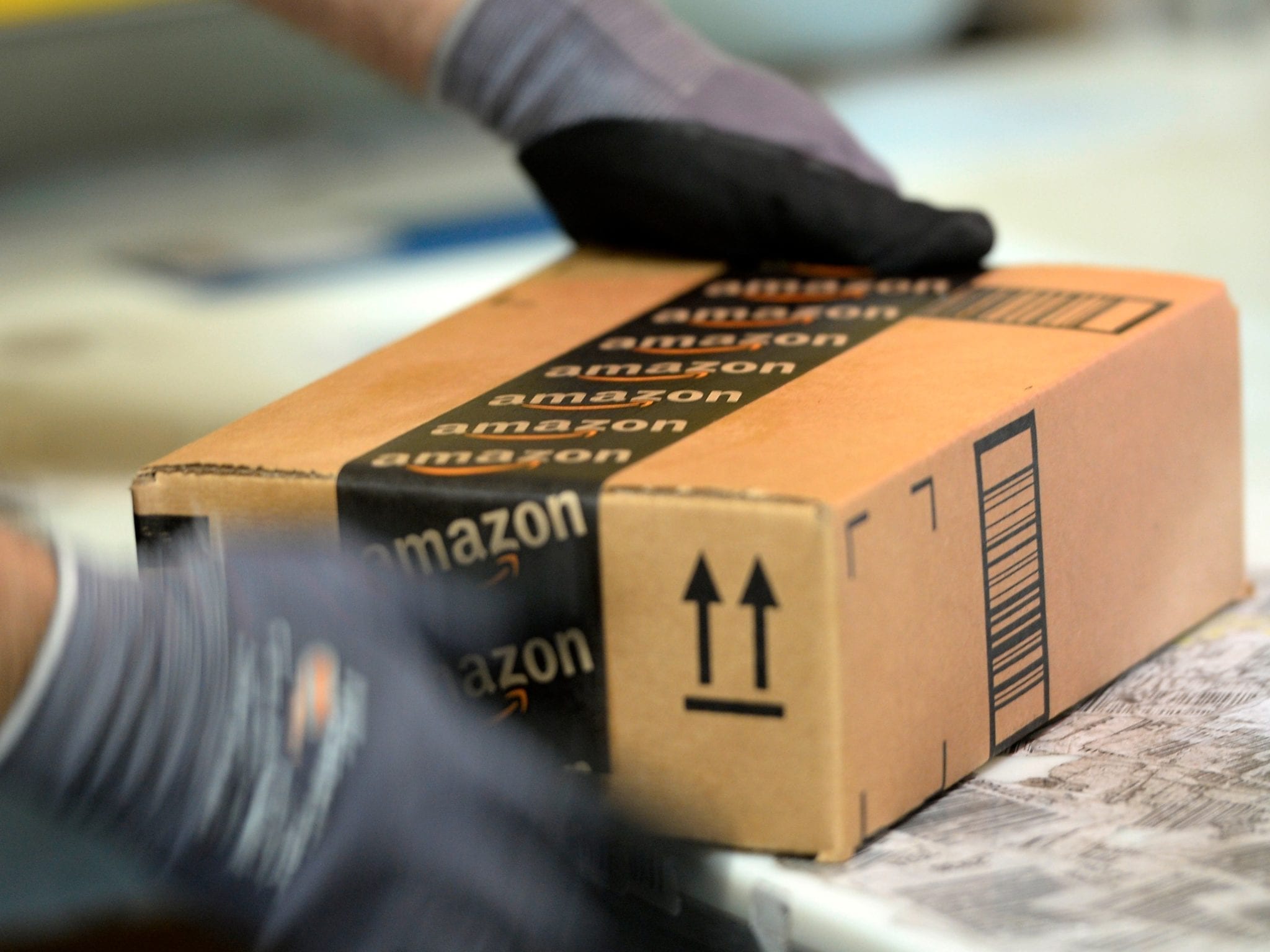
    Amazon’s annual shopping event, Prime Day, kicked off overnight, promising steep discounts on a wide range of items.

    But shoppers were left disappointed in the early hours of the sale, when the e-commerce giant’s website and app crashed, reportedly due to the high volume of traffic.

    “The good news is that after extensive marketing and hype, Amazon has clearly pushed demand for its Prime extravaganza to an all-time high – maybe even more than it anticipated,” said GlobalData Retail’s managing director, Neil Saunders.

    According to Downdetector.com, a website that monitors site outages, Amazon began experiencing problems shortly after the event kicked off. Downdetector’s outage map indicates that users around the world had trouble accessing the site, though most glitches appear to have occurred in the US.

    Saunders noted the irony of Amazon’s website crashing, since the company provides technology for other websites to handle large volumes of traffic.

    “The failure of Amazon’s systems and sites is rare: the online behemoth is one of the most advanced digital retailers and is usually able to cope with even extremely high levels of demand,” he said.

    “There is no doubt that this will erode sales and deter some customers from buying. The outage is especially problematic as many of Amazon’s Prime deals are promoted for a set window of time – something that could cause a great deal of frustration for potential customers.”

    US$3.4 billion on the line

    According to Coresight Research, Amazon was expected to bring in US$3.4 billion from Prime Day, up more than 40 percent from last year.

    While it is too soon to say what impact the outage will have on the company’s revenue, Saunders believes Prime Day is likely to be a financial success even with the glitch.

    In a perverse way, the site crash itself is an indicator of the event’s popularity. But with local Prime Day deals available to Australian shoppers for the first time this year, some wonder whether the event holds the same appeal in Australia as Amazon’s home market of the US.

    A review of 435 Prime Day deals on Amazon.com.au by Market Track Global found that the average discount on items is 35.4 per cent.

    Market Track Global noted that the deepest discounts so far are for the Braun TributeCollection Bench Blender at 82 per cent off and the NUK Thermo Express Bottle Opener at 80 per cent off, but many of Amazon’s own products are also steeply discounted:

    “In the early going, you’re seeing a lot of deals for Amazon-branded and Alexa-connected products, and the discounts are compelling. We looked at about 15 early deals for Amazon and AmazonBasics brands and shoppers are saving over 40 per cent off on average for these products.”

    However, the most significant measure of Prime Day’s success in Australia may not be the number of transactions made on the site over the course of 36 hours, but rather the number of people who sign up for Prime during the event.

    Research firm Starcom noted that the biggest jumps in Prime membership have traditionally occurred during key shopping events like Black Friday, Christmas and Prime Day.

    “Based on our initial analysis and knowing that in the US more new customers joined Prime on Prime Day 2017 than on any single day in Amazon history, we believe Amazon Prime Day, set to take place on July 16, will be a critical factor in boosting membership numbers in Australia,” Starcom’s director of audience & measurement solutions, Nicole Conroy, said.

    According to Starcom’s research, 52 per cent of visitors to Amazon’s Australia site said they are likely to join Prime, which offers members free shipping and returns, access to exclusive deals and digital content, among other benefits, for an annual fee of $59.

    Starcom also found that those who sign up for Prime tend to spend 4.6 times more, buy three times more frequently and feel more connected to Amazon than non-prime members.

    Given the slow initial uptake of Amazon in Australia, the e-commerce giant has a strong incentive to boost Prime membership and, subsequently, sales Down Under.

  • Lazada Vietnam appoints Chinese CEO

    Lazada Vietnam appoints Chinese CEO

    Chinese national Zhang YiXing, 36, will take over from Alexandre Joel David Sylvain Dardy, who was the CEO since 2014.

    The change in leadership was announced by Lazada Vietnam’s legal representative, the Recess Company.

    In 2016, Chinese e-commerce giant Alibaba purchased 83 percent of Lazada’s stocks for $2 billion. In March, Alibaba injected another $2 billion into Lazada to boost its Southeast Asian expansion.

    Founded in 2012, Lazada currently operates in Indonesia, Malaysia, the Philippines, Singapore, Thailand and Vietnam, and has 560 million consumers in the region.

  • China’s e-commerce explosion is creating massive cultural change in its rural areas

    China’s e-commerce explosion is creating massive cultural change in its rural areas

    The good leap ahead: China’s lack of big-box shops has allowed the nation to leapfrog the age of brick-and-mortar retail and head straight to on-line ordering. In america, “e-commerce is a desert,” says Jack Ma, cofounder of Alibaba. “In China, it’s turn into the primary course.”

    Reaching all of China: The Chinese language authorities and e-commerce giants like JD.com are investing closely in creating infrastructure to ship to rural areas of the nation. By drawing on locals to supervise deliveries and function model ambassadors, corporations can encourage potential clients to embrace the brand new applied sciences.

    The air supply community: Drones have been key in serving to JD.com get its merchandise to rural clients. Based on the New Yorker, small cities like Zhangwei now get about 4 drone deliveries a day. Demand for drone piloting courses is hovering, too, as folks look to capitalize on the pattern.

    By the numbers: China might need the most important e-commerce market on this planet—twice the dimensions of the US—however lots of of hundreds of thousands of individuals in rural areas aren’t but procuring on-line. As giants like JD.com attain into far-flung areas, that’s altering quick: China’s e-commerce market is predicted to double within the subsequent two years.

  • China’s E-Commerce Giants Aren’t Worried About Trade War

    China’s E-Commerce Giants Aren’t Worried About Trade War

    How does the CEO of China’s second largest e-commerce company feel about the escalating U.S.-China trade war?

    Richard Liu, founder and CEO of JD.com–an online retailer with 300 million annual active customers, $56 billion in revenues in 2017, and investors including Tencent, , and –doesn’t like it. But he’s not worried either.

    “I can tell you it’s okay, ” Liu said on Monday. If his customers think the price of American goods has become too high, JD.com can find products, whether it be meat, apparel, or some other item, from Europe or Japan or Korea (among other places) to sell to them instead. “We can find another choice,” he said, adding that he didn’t think the trade war would benefit either party.

    Whatever the case, Liu noted that consumer experience–which comes down to quality, price, and service–remains JD.com’s top priority. It’s that focus that motivated his company’s early and significant investment in drone delivery; it currently uses a daily fleet of 500 drones that has over 100,00 hours of flying time.

    Whatever the product (so long as it costs at least roughly $10) and wherever the customer, JD.com delivers it for free and in less than 24 hours. Competing in Chinese retail–and against its chief rival Alibaba–without that sort of service, said Liu, would be a “disaster.” Liu hinted that may be struggling to achieve that speed in China.

    JD.com, which thrives partly because of “shopping circles”–social media-enhanced shopping–on China’s leading social platform WeChat, plans to enter the American retail market soon.

  • Alibaba’s Ele.me to further expand into the food delivery business

    Alibaba’s Ele.me to further expand into the food delivery business

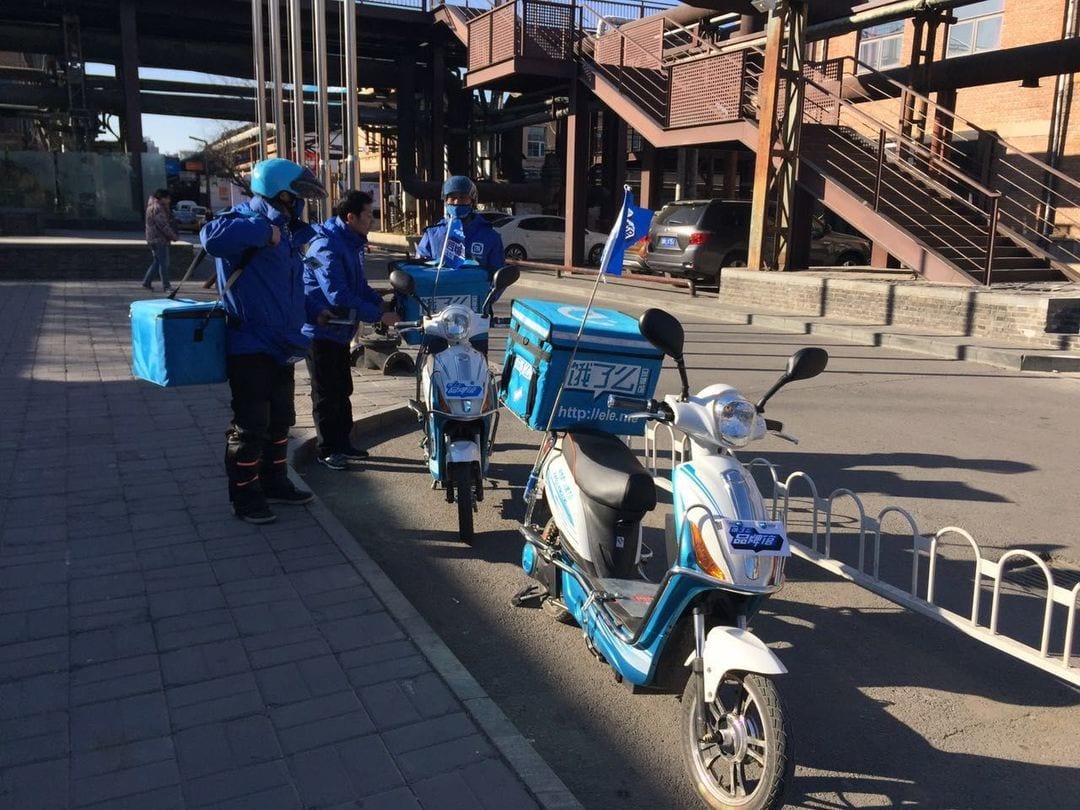
    Ele.me’s announcement comes three months after Alibaba acquired full control of the food delivery app, for an undisclosed price, valuing the business at US$9.5 billion.

    “The determination of Alibaba gives Ele.me confidence,” Alibaba vice-president Wang Lei, who is also Ele.me’s CEO, said in the statement. “Ele.me is not only going to win this summer’s battle [in food delivery], it will also take the crown in the local services and new retail sector. We have sufficient capital and traffic,” he added.

    Alibaba is not the only player eyeing the food delivery business. Meituan-Dianping, China’s on-demand service giant that filed for a Hong-Kong IPO two weeks ago, controls 59.1 per cent of the market, according to the China-based market research firm iResearch.

    Didi Chuxing, China’s ride hailing giant, is the latest entrant in the already competitive food delivery business with a stand-alone platform called “Didi Foodie” launched in April. Didi Foodie currently operates in four mainland Chinese cities, including Nanjing, Taizhou and Chengdu, using heavy subsidies to reduce the cost of a customer order of rice to as low as two yuan (US$0.3), including delivery.

    Ele.me’s pledge to invest billions of yuan also demonstrates Alibaba’s ambition to amass more bricks-and-mortar assets and further develop its short-distance logistics system. Fengniao, Ele.me’s logistics system, has established around 3,000 distribution stations across the country. Ele.me’s supply chain will also be connected with Tmall, one of the two Alibaba’s e-commerce sites, according to the company statement.

    The cash injection would provide every delivery employee with a monthly salary increase of about 1,000 yuan (US$149), the company said. The average monthly salary for food delivery workers in China’s first-tier cities was 6,829 yuan in 2016, according to a report by 58.com, a local job listing website.

  • GS Retail set footprint in US e-commerce

    GS Retail set footprint in US e-commerce

    South Korean retailer GS Retail has announced a KRW33 billion (US$29 million) equity investment in a US online retailer.

    The company has purchased stock in Thrive Market, in a move intended to secure a foothold in America’s thriving organic food sector. It is GS Retail’s first overseas investment.

    Thrive’s core business is to sell organic products to its subscriber base, posting annual sales growth of 40 per cent since it launched in 2015.

    A spokesman for GS Retail indicated that the firm expects Thrive to post solid growth in future, with expected sales of over KRW200 billion (US$178 million) for the current financial year.

    GS plans to market Thrive products through its existing GS25- and GS-branded retail chains within a year.

  • E. & J. Gallo Winery to Launch Tmall Flagship Store

    E. & J. Gallo Winery to Launch Tmall Flagship Store

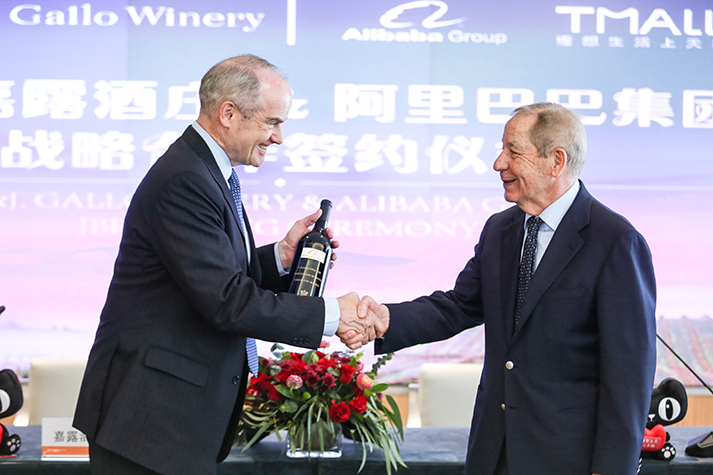
    E. & J. Gallo Winery, the world’s largest family-owned winery has signed a three-year strategic partnership with Alibaba Group.

    As part of the partnership, Gallo will open a flagship store this September on Alibaba’s Tmall, China’s largest B2C platform for both international and Chinese brands and retailers. Gallo and Tmall have partnered together in the past for some of Gallo’s entry-level wine brands, but the new flagship store will feature more than 20 of Gallo’s premium wine brands in order to meet the growing demand from China’s increasingly sophisticated consumers for high-quality wine.

    According to a new report from Vinexpo, China was the world’s third largest importer by value at $16.41 billion in 2017. By 2021, the wine market in China is expected to grow 40% to $22.97 billion which would make it the second most valuable wine market in the world.

  • Centara Makes Life Easier for Chinese Travelers by Accepting WeChat Pay for Online Bookings

    Centara Makes Life Easier for Chinese Travelers by Accepting WeChat Pay for Online Bookings

    Centara Hotels & Resorts, Thailand’s leading hotel operator, has announced that it is now accepting WeChat Pay transactions on its websites for online room reservations. This is in addition to the 15 hotels that already deploy nearly 100 EDC devices for QR code scanning on WeChat Pay, making it the largest hotel group in Thailand offering Chinese tourists omni-channel payment solutions. Bills for accommodation, restaurants and spa treatments can be paid directly from smartphones. The company expects to have WeChat Pay at all Centara Hotels & Resorts globally by the end of 2018, thus providing convenience to customers, especially Chinese guests.

    Thirayuth Chirathivat, Centara Chief Executive Officer, said: “A seamless payment experience for consumers using any channel is an element of our platform for expansion, which should see us double both revenue and the number of our properties over the next five years. As consumer behavior evolves, Centara has adopted an omni-channel strategy to stay relevant and to provide a great customer experience. We embrace these types of disruptive opportunities to better serve our guests and stay on top of the industry.”

    Chinese tourists account for almost one third of all foreign travellers to this country. Thailand is welcoming an ever-increasing number of Chinese visitors, for whom the kingdom remains the top travel destination. This year, the Ministry of Tourism and Sports expects more than 10 million Chinese tourists to travel to Thailand.

    WeChat Pay is the payment solution of WeChat, one of the largest social networks in China. WeChat Pay has become the main cashless payment method for daily small transactions in China and has more than 800 million active users in its database.

    “The number of Chinese tourists booking with Centara keeps growing. They are a significant customer base for all businesses in Thailand. Centara’s Chinese website receive hundreds of thousands of visits from Chinese users. Almost half the visits come from a mobile device. Earlier this year we signed an agreement with TreePayCo.,Ltd., a payment platform facilitator to develop a system that allows Chinese customers to use their mobile phones to make e-payments outside of China for accommodation and services at Centara properties. WeChat Pay users and Chinese travellers can stay and enjoy the whole trip with Centara with only a few quick taps on their smartphone. Today’s consumers are connecting their omni-channel experiences with the likeability of the brands. In order to maintain our brand leadership, we are committed to providing seamless guest satisfaction across touchpoints.”Thirayuth added.

    Other than the 2 main websites, Centara’s 15 hotels also welcome WeChat QR code payment. These are: Centara Grand and Bangkok Convention Center at Central World, Centara Grand at Central Plaza Ladprao, Centara Grand Mirage Beach Resort Pattaya, Centara Grand Beach Resort Samui, Centara Grand Beach Resort & Villas Hua Hin, Centara Grand Beach Resort & Villas Krabi, Centara Grand Beach Resort Phuket, Centara Villas Samui, Centara Villas Phuket, Centara Kata Resort Phuket, Centara Karon Resort Phuket, Centara Mae Sot Hill Resort, Centara Hotel Hat Yai, Centra by Centara Government Complex Hotel & Convention Centre Chaeng Watthana and COSI Samui Chaweng.

  • Older consumers do their shopping online

    Older consumers do their shopping online

    Consumers in their 50s and 60s are an emerging force in e-commerce as older customers with plenty of money to spend. Data confirm they are increasingly shopping online and via mobile apps.

    Data from e-commerce website Auction released showed that online purchases by consumers in their 50s and 60s have more than doubled compared to five years ago.

    Comparing the sales record from the year’s first half, consumers in their 50s spent 130 percent more than they did in 2014. Shoppers in their 60s increased their online spending by 171 percent.

    Combined, shoppers in their 50s and 60s accounted for 27 percent of all Auction customers in the first half of this year. In 2014 their share was just 17 percent.

    “We see more proactive PC and smartphone users among people in their 50s and 60s and their increase is wielding influence over the e-commerce market, which in the past was mainly about consumers in the 20s and 30s,” said Seo Eun-hee, who is in charge of Auction’s marketing team.

    Seo added that the growing purchasing power of older customers is a sign that e-commerce is no longer a channel confined to specific generations.

    Auction’s report also analyzed which products were popular with older consumers.

    Although it is generally thought that younger shoppers are more willing to spend money on themselves – the “you-only-live-once (YOLO)” lifestyle – Auction’s data suggested that is no longer the case.

    Belying the traditional Korean image of the prudent, family-centered older generation, shoppers in their 50s and 60s are apparently splashing out on clothes, luxury goods and travel. Sales of tickets for flights, cruises, golf vacations and tour packages rose more than 114 times. Fashion items sold almost eight times more this year compared to 2014 while sales for luxury-branded goods nearly tripled.

    More seniors were also looking for simpler alternatives to home-cooked meals as purchases of instant food and home-meal replacements also tripled during the same period.

    Smartphones are one factor that has boosted the number of older consumers shopping online. Mobile versions of e-commerce sites are generally simpler and intuitively easier to understand than those of PCs.

    In late June, e-commerce website WeMakePrice announced that “senior” is one of the four keywords that define the e-commerce trend in this year’s first half.

    Purchases by consumers above 50 rose 36 percent year-on-year during this period. The number of members of the website in this age group also increased 2.6 percent year-on-year.

    Like Auction, the list of products most purchased by senior consumers had high price tags: bars of gold, laundry machines and refrigerators. In fact, seven among last year’s 10 bestselling products of consumers aged above 50 were home electronics, whereas in 2016 there were two and in 2015, zero.

    This increase is notable in that it signals senior consumers now have more trust in the products they buy online.