Category: E-Tailing

Retail News Asia is committed to providing both local and global retailers with the latest E-Commerce & Etail news throughout the Asian market. This on a daily base.

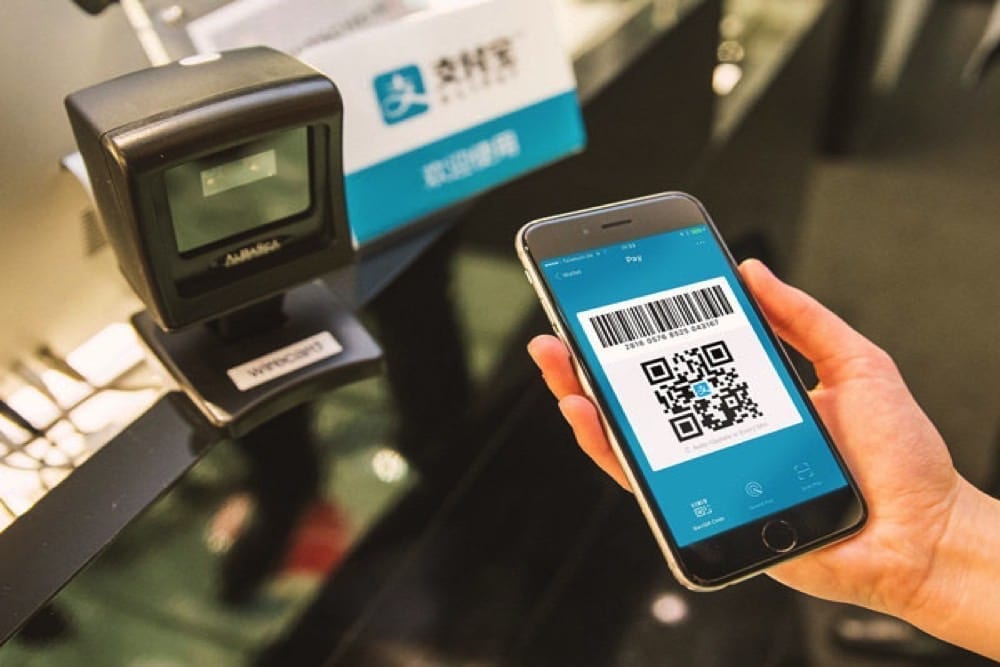
  • Alipay rolls out in four more Southeast Asian countries  for Chinese visitors

    Alipay rolls out in four more Southeast Asian countries for Chinese visitors

    Alipay, the world’s largest mobile and online payment and lifestyle platform operated by Ant Financial Services Group, has further grown its cross-border business in Southeast Asia, adding four new countries to its network. This takes the total number of countries where Alipay services are available to Chinese visitors and local merchants in this region to eight. With the expansion, merchants in Cambodia, Myanmar, Laos and the Philippines are now connected to 520 million active users in China via Alipay’s in-app marketing platform.

    Cambodia

    Alipay is now accepted in Phnom Penh, Siem Reap and Sihanoukville across shopping, F&B, entertainment and hospitality sectors. Notable merchants include Sajibumi, which operates the food and beverage concessions at Siem Reap International Airport and Phnom Penh International Airport, Sokimex petrol kiosks, Legend cinemas, etc.

    Alipay will also be rolled out in duty free stores managed by DUFRY at Phnom Penh International Airport,Siem Reap International Airport, and NagaWorld, the largest entertainment complex in Cambodia.

    Myanmar

    Myanmar is the latest country in the region to launch Alipay as a payment option. It is now accepted in popular shopping, F&B and tourist attractions in Yangon, including Sule Shangri-La Yangon, Rangoon Tea House, Yangon Yangon Bar, etc.

    Laos

    Alipay is now available in all department stores in Vientiane Shopping Center in addition to other convenience stores and F&B locations along the Mekong River in Vientiane and Luang Prabang.

    Alipay is also available across  the country in Jiffy Mart and Sokxay Mart convenience stores and at the fast food chain, EFG Group. Chinese shoppers at Haven Duty Free at Vientiane International Airport and at Don Chan Palace Hotel can also pay with Alipay.

    The Philippines

    Resorts World Manila (RWM) started accepting Alipay in February 2018. For the initial roll-out, RWM has Alipay-equipped terminals in Maxims Hotel, Newport Cinemas and Snack Bar, the VIP Concierge, the Gaming Redemption outlet, and its 12 signature restaurants.

    Commenting on the expansion, Cherry Huang, General Manager, Cross-border Business for South and Southeast Asia, Alipay, said: “We have a mission to enable the smart lifestyle for Chinese consumers and bring the same convenience that they enjoy at home to the overseas countries they travel to. We plan to achieve this through our continuous efforts to expand our partner and merchant ecosystem. Cambodia, Myanmar, Laos and the Philippines are exciting new additions to our network, as more and more savvy Chinese visitors opt to experience the rich history and culture of ASEAN. In 2017, all four countries collectively attracted over 2 million Chinese visitors. We look forward to connecting more merchants, even the smallest ones, through our partner ecosystem so that they are able to benefit from the boom in Chinese tourist arrivals.”

    Mobile payment is gaining momentum among Chinese travelers overseas. According to the recent Nielsen report, 65% of Chinese tourists used mobile payment platforms during their overseas travels, more than six times in comparison to non-Chinese tourists (11%). Over 90% of Chinese tourists would consider using mobile payments when traveling overseas if more overseas merchants accepted it. Alipay is committed to better supporting the needs of Chinese visitors by providing a more efficient, convenient payment method via its platform.

    Beyond an improved payment experience, Alipay’s in-app “Discover” function also allows merchants to market to Chinese visitors before, during and after their trips, boosting brand exposure of merchants amongst China’s rapidly growing overseas visitors.

    To date, Alipay operates its cross-border business in eight countries in Southeast Asia: Singapore, Malaysia, Thailand, Vietnam, Cambodia, Myanmar, Laos and the Philippines. It is working with more than 250 financial institutions and payment solution partners in its ecosystem to enable cross-border payments for Chinese traveling globally.


  • Lazada comes with idea to simplify selling system

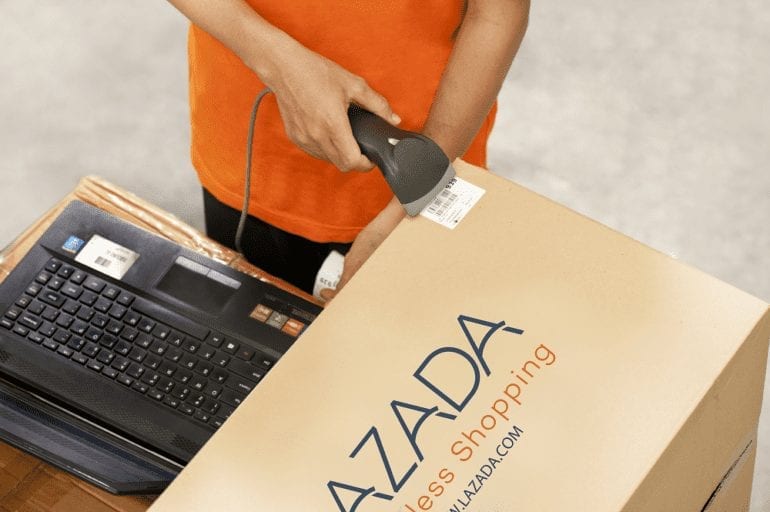
    Lazada comes with idea to simplify selling system

    To help Southeast Asian entrepreneurs ride the e-commerce boom, Lazada has rolled out measures to make doing business online easier, faster and more financially rewarding.

    Already in effect, the moves benefit new sellers and about 135,000 merchants already on Lazada’s platform.

    One of the highlights is Seller Rewards, a powerful framework that recognises sellers for outstanding performance. The higher the ratings, the more rewards or benefits the seller enjoys such as:

    ● Higher visibility of products when users search and browse the site
    ● Access to shipping services and price subsidies extended by Lazada
    ● Access to promotional campaigns spearheaded by Lazada
    ● Access to preferred sellers programs; or premium seller program in Malaysia and Seller Prioritas program in Indonesia.

    Customers can rate sellers based on how they apply best practices to deliver a positive customer experience, such as quality checks on products sold, using recommended packing materials to avoid damage, and preventing purchase cancellations through third-party negligence.

    As another plus, sellers will no longer be financially penalised for policy breaches. However,  errant sellers may be delisted by Lazada.

    Instead of three to four days for anyone to start their business on Lazada, the process can now be completed in mere minutes. The simplified sign-up form requires registrants to provide just their email address, telephone number and address. They can start logging up sales 15 minutes after creating an account.

    Lazada group chief operations officer Aimone Ripa di Meana says the seller-friendly initiatives are part of the company’s efforts to empower entrepreneurs to grow their business online. “By incentivising sellers and giving them more leeway to sell efficiently and effectively, we want to ensure Lazada’s marketplace is the best place for sellers to reach out to more consumers.”

    Launched in 2012, Lazada is present in Indonesia, Malaysia, the Philippines, Singapore, Thailand and Vietnam. It helps more than 135,000 local and international sellers as well as 3000 brands serving 560 million consumers. Lazada Group is majority owned by Alibaba Group Holding.

  • Sellsuki awarded THB1 million in Visa’s Everywhere Initiative

    Sellsuki awarded THB1 million in Visa’s Everywhere Initiative

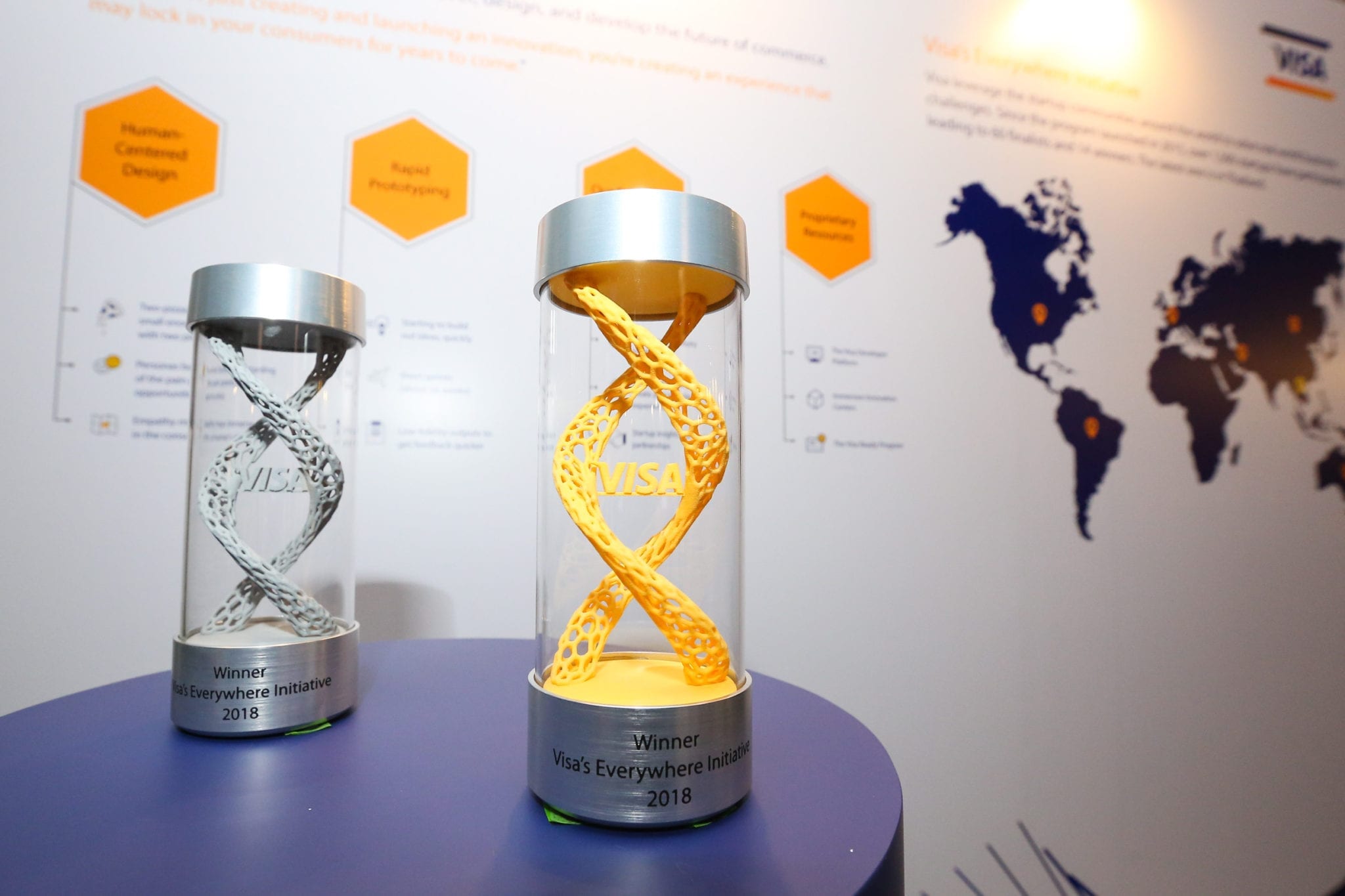
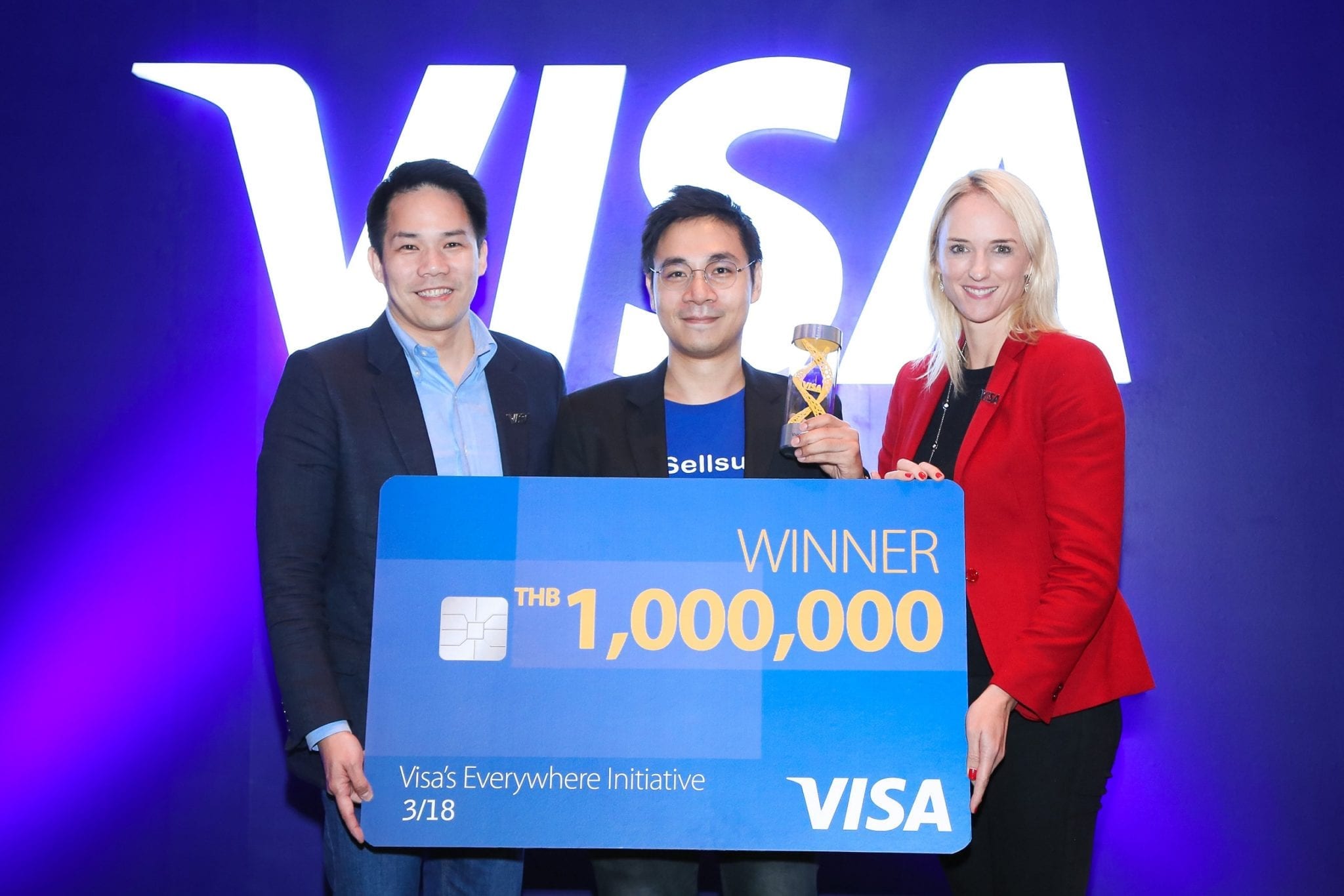
    Visa, the world’s leader in digital payments, announced the winner of its first Visa’s Everywhere Initiative competition in Thailand, awarding Sellsuki the grand prize of THB1 million in funding, in addition to mentorship, exposure to Visa partners and access to facilities and experts at Visa’s Innovation Center in Singapore.

    The winner of the VEI goes to Sellsuki, a social-first omnichannel retail platform that helps merchants to manage their own sales channels with end-to-end integrations on a variety of logistics. In cooperation with Visa, Sellsuki will make use of Visa’s APIs via adopting the use of digital payment services onto their platform, in order to help foster the most well-rounded e-commerce ecosystem.

    Visa’s Everywhere Initiative (VEI) is a global innovation program that challenges start-ups to build the next big thing in payments and accelerate the future of commerce, leveraging Visa’s world-class network. The 2018 global program kicks off with the Thailand competition.

    Of more than 80 submissions, a total of nine finalists were selected for the three opportunity statements:

    How can start-ups innovate to create relevant and rewarding digital payment experiences for international tourists visiting Thailand?

      1. UTU
      2. Angel Life
      3. Instarem

    How can start-ups leverage social media platforms to accelerate commerce & scale access to financial services?

    1. 2C2P
    2. Jumper
    3. Sellsuki

    How can start-ups innovate to make digital payments easy to access and capable of adding value for merchants?

    1. Seekster
    2. Digio
    3. Silo

    Silo won the People’s Choice Award and THB200,000 in prize money.

    Suripong Tantiyanon, Country Manager, Visa Thailand said: “There is a strong momentum in Thailand’s fintech scene evident in the quality of the application we received. At Visa, we believe innovation hinges upon collaboration and co-creation, by bringing different parties together to jointly produce an outcome that brings value to all. Engaging with the start-up community through Visa’s Everywhere Initiative is therefore crucial in growing the payments ecosystem and enabling new ways of innovation. We look forward to working with these companies, helping them to harness Visa expertise and APIs, to scale their solutions to the next level.”

    Visa’s Everywhere Initiative was created in 2015 to harness the creativity and talent within the startup community worldwide. To date, nearly 2,100 startups have participated, and have collectively raised over $2 billion in funding. The program has selected more than 131 finalists and 36 overall winners. More than 40 countries and regions that have hosted Visa’s Everywhere Initiative including the US, China, Australia, New Zealand, Europe, the Middle East, and Latin America.

  • Alibaba CEO invests 20 million dollars in Rent the Runway

    Alibaba CEO invests 20 million dollars in Rent the Runway

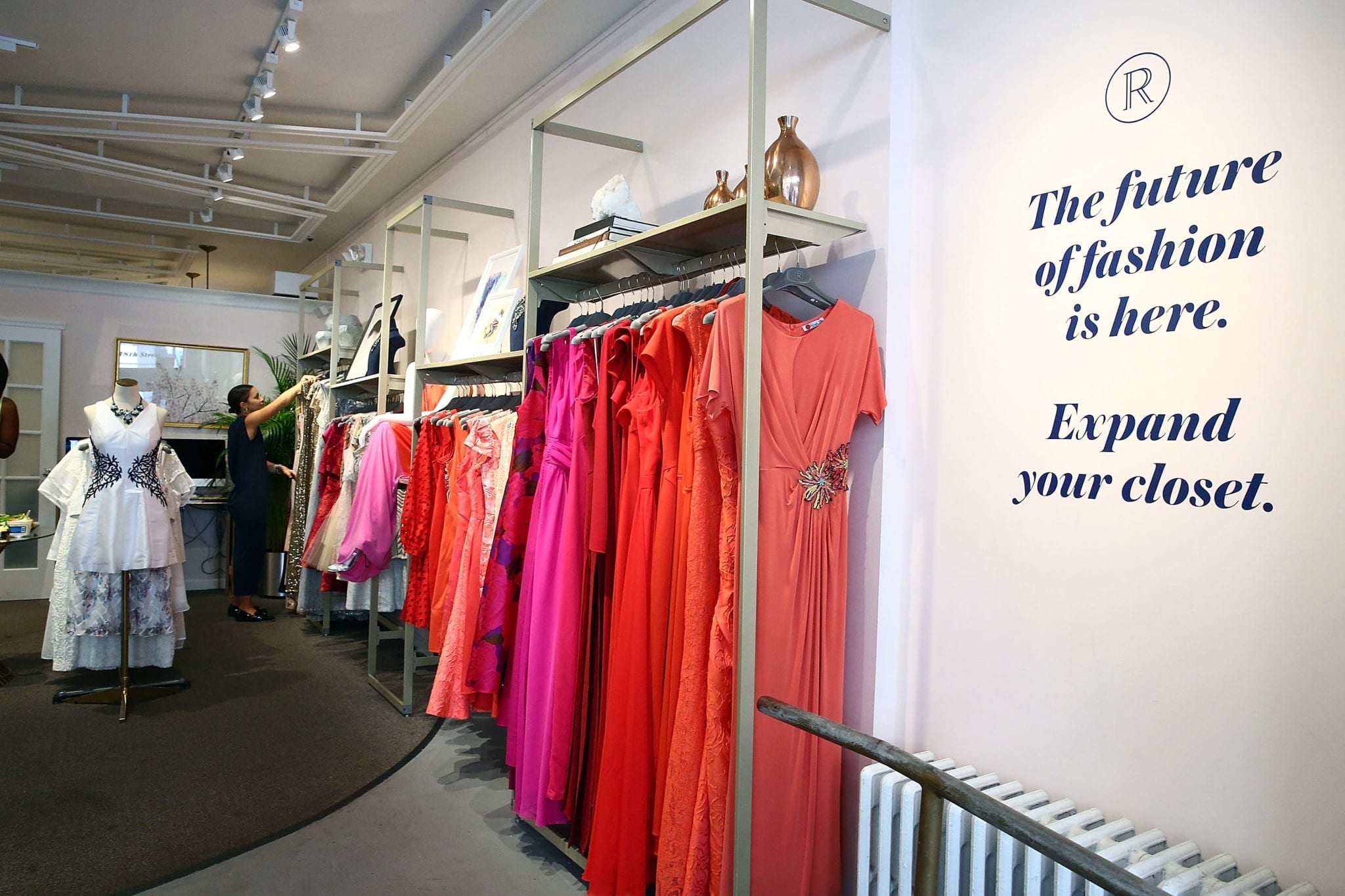
    An Alibaba affiliate has invested US$21 million in online fashion rental service Rent the Runway.

    Rent the Runway CEO Jennifer Hyman says that over time the company has built a great relationship with the team at Blue Pool Capital, an asset-management firm established by Alibaba founders Jack Ma and Joe Tsai.

    The funding values Rent the Runway at nearly $800 million. In December 2016, it closed a $60 million series-E funding round led by Fidelity Management and Research Company.

    “Launched in 2009, Rent the Runway seemed to struggle a few years ago amid the complex logistics as a renter of high- to mid-fashion apparel,”

    As the company evolved, it has also tested the limits of its own revolutionary premise – that people will begin to think of their wardrobes as existing ‘in the cloud’, making them virtually infinite.

    “It is a step beyond the original concept of renting special-occasion dresses and shoes – the Cinderella approach – to renting casual wear and office wear on a routine basis.”

    The stance is a direct challenge to fast fashion, which relies on inexpensive ownership and a closet’s high turnover.

  • Facebook launches Hong Kong Marketplace

    Facebook launches Hong Kong Marketplace

    Facebook Marketplace has launched in Hong Kong, allowing users to easily find, buy and sell goods locally.

    Already 550 million people buy and sell in groups on Facebook each month. With Marketplace, it is easier to both sell and buy. Users can view the public profiles of buyers and sellers, their mutual friends, and how long they have been on Facebook.

    FeedMarketplace shows items relevant to users’ interests and available in their community. Similarly, by tapping on the Marketplace icon, users can post products for sale directly or cross-post from a buy-and-sell group.

    Users can search for specific items and filter results by location, category or price. Images can be tapped to show more details, and items can be saved for later perusal.

    Interested buyers can directly contact the seller by message and make an offer. Facebook does not handle payments or deliveries.

    To sell an item, users simply take a photo, describe the item and set their.

    Hong Kong joins 64 countries where Marketplace is available.

  • Jack Wills becomes new brand in Zalora Asia

    Jack Wills becomes new brand in Zalora Asia

    British clothing brand Jack Wills has made its Asian online debut on Zalora.

    Its outlet on Zalora will offer more than 200 curated items of womenswear, menswear and accessories,
    “We are excited to have Jack Wills exclusive online across our markets,” says Zalora chief commercial officer Saskia de Jongh. “Through our website, mobile site and app, as well as our logistics network, Jack Wills will expand its reach to more fashion consumers beyond capital cities and store footfall.”

    “This partnership will continue to build on Jack Wills’ ever-growing popularity in this part of the world, supported by our established network of stores in Hong Kong and Singapore,” says Jack Wills wholesale and international director Greg Roberts.

    The Jack Wills’ spring/summer collection, Times of Change, reflects a British heritage-inspired style that showcases simple yet elegant and versatile wardrobe staples with layering essentials, florals and bright colours, says the retailer.

    Established by Peter Williams as a single shop in the seaside town of Salcombe by Peter Williams in 1999, Jack Wills is known for heritage-inspired classics with a contemporary twist. It has become an international brand with 80-plus stores in the UK, US, Hong Kong, Singapore and the Middle East, and ships to 126 countries.

  • BOI Philippines approves 2 online retailers

    BOI Philippines approves 2 online retailers

     The Board of Investments (BOI) has pre-qualified Zalora Shopping and CJO Shopping Co. Ltd., the first two online retailers to be registered under the country’s domestic retail trade law.

    So far, the BOI has already registered a total of 25 foreign retailers with total investments of R40 billion. These retailers have created 29,000 jobs since 2000.

    BOI Director for legal and compliance services Marjorie O. Ramos-Samaniego, who announced the recently pre-qualified online retailers at the Euro-PH Advocacy Forum on Retail Competition, said both firms were subjected to the current rules under the Republic Act 8762 or the Domestic Retail Act of 2000. The law requires minimum capital requirement of $2.5 million.

    Since they have no physical stores, the online retailers’ warehouses will count as their store where under the law a retailer is required to invest $830,000 per store.

    In February, 2017, the Ayala Group Acquired 49 percent stake in BF Jade E-Service Philippines, which owns and operates Zalora Philippines, the country’s largest online fashion platform offering a wide range of fashion and lifestyle products.

    Last year, Zalora said it was investing in a new warehouse that is five times bigger than its existing facility in Carmona, Cavite to accommodate more volume on strong orders from online shoppers. CJ O Shopping Co., Ltd operates as an online shopping company in South Korea and internationally. It provides various shopping channels, such as TV home, T-commerce, Internet, and mobile shopping, as well as catalogue and e-Catalog services.

    The company offers various product lines, including fashion, luxury goods, beauty, household appliances, jewelry, kitchen, household goods, and travel and baby products. CJ O Shopping Co., Ltd was founded in 1995 and is based in Seoul, South Korea.

  • Honestbee’s Shared Cart is the next big step in food delivery ordering

    Honestbee’s Shared Cart is the next big step in food delivery ordering

    Honestbee, Asia’s leading online delivery service for food and grocery concierge, is creating a real buzz by introducing a new feature called Shared Cart to its food delivery service.

    Shared Cart is fast, free and easy to use.

    How it works:

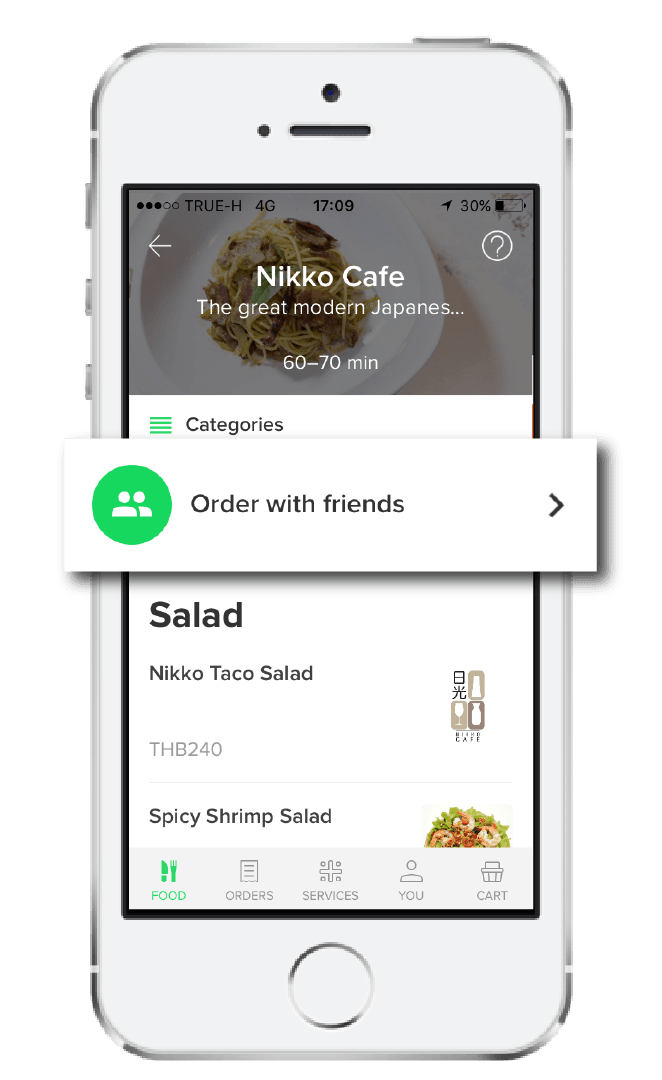
    1. An honestbee food user selects a restaurant then clicks on the ‘Order with Friends’ button. Now the “Shared Cart” is created!
    2. They get a link they can share via any messaging app they like.
    3. Anyone who has the link can add food orders to the shared cart for the next 30 minutes.
    4. Combined into one single payment and delivery

    Users of the Shared Cart will add their own food choices to a shared order using the honestbee app on their own desktop or mobile device. The menu items for these users in the same group are sent to a restaurant as one combined order and the food is delivered in one single quick delivery. Plus, as it’s a combined order, customer will only need to pay one delivery fee since it’s considered as one order. Saving you time and money!

    The Shared Cart will save time, energy and delivery costs in office or group of friends.

    Here are the advantages from using honestbee’s Shared Cart:

    • No more headaches trying to coordinate complicated group orders or being resented for writing down the wrong order;
    • No more missing out on ordering;
    • No more multitudes of sticky notes;
    • No more tracking down busy execs who are always “in a meeting”;
    • No more interruptions of productive meetings

    The honestbee food delivery Shared Cart also promises food-delivery-freedom for Bangkok’s millennials.  Couples can order separately on their way back from work in time for their meetup. Friends can chill-out, and order food without having to stop what they are doing and debate what to order. Shared Cart fits with today’s busy, modern and mobile lifestyles. On top of that, the service is free in delivery.

  • RateX expansion plan after latest investment

    RateX expansion plan after latest investment

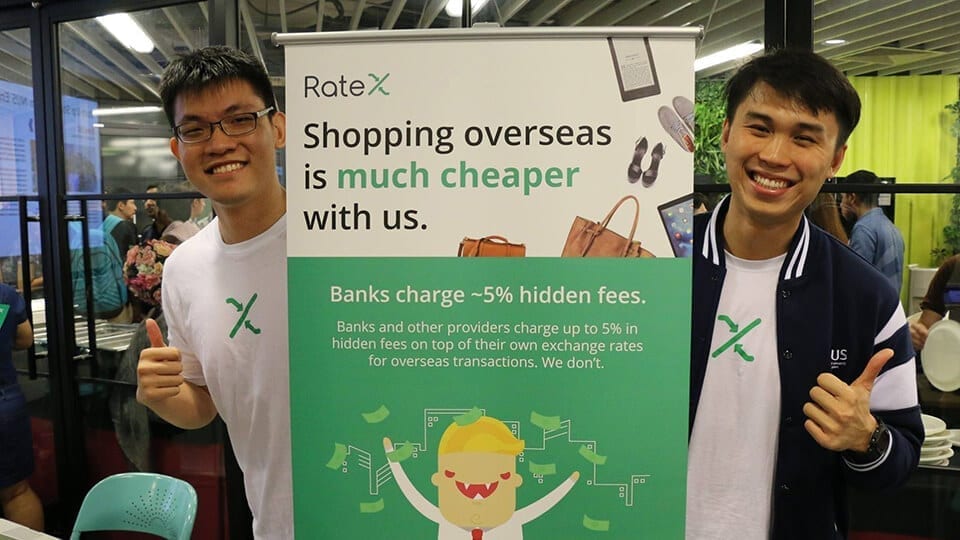
    Singapore-based payments startup RateX has raised S$3 million (US$2.3 million) in a pre-series A funding round.

    RateX is a free browser extension that automatically provides shoppers with the lowest exchange rate without transaction fee for overseas purchases through e-commerce platforms. It also allows users to automatically apply coupon codes upon checkout.

    RateX seamlessly integrates with such e-commerce platforms as AirAsia, Amazon, Expedia, Lazada, Singapore Airlines and TaoBao. It also works with payment processors Adyen and Alipay. It works as a browser add-on to Google Chrome and Firefox.

    RateX says its users have saved more than S$264,000 through lowered exchange rates and transaction fees, and $396,000 through discount coupons.

    “At a time when online commerce is booming, we want shoppers to pay less for their overseas purchases,” says RateX CEO/co-founder Jake Goh. “We are doing this by solving e-commerce and financial inefficiencies inherent in cross-border commerce. These include markups around transaction fees and foreign-exchange rates.”

    Research firm Frost & Sullivan says Southeast Asia is the world’s fastest-growing internet market. The gross merchandise value of e-commerce will rise to US$65.5 billion by 2021, up from $14.3 billion in 2016. Meanwhile, about 89 per cent of Singapore shoppers use websites beyond Singapore, with the average online shopper in Singapore spending around US$1066 each year on e-commerce transactions.in

    “Our users can now save up to 20 per cent on their purchases.” says Goh. “We are achieving this while bringing affiliate sales to our merchant partners – a win-win situation for all.”

    RateX is currently available for Singapore users on Firefox and Google Chrome desktop browsers. It has also just launched its mobile app (RateS).

    Its latest funding will be used to drive the launch of RateX’s mobile app in Singapore and Taiwan this month, as well as RateX’s expansion into Taiwan and Indonesia this year.

    Participating investors include Alpha JWC Ventures and Insignia Ventures Partners alongside other angel investors.

  • The new Mexx eyes China, India

    The new Mexx eyes China, India

    Resurrected fashion brand Mexx is considering entering the China and India markets over the next two years.

    Meanwhile, the once Turkish-headquartered label has rolled out a mini-collection including fashion for men, women and children, with a comprehensive footwear collection to follow. Its spring collection next year will be a full brand launch integrating accessories and bags, with a clear Mexx signature and brand DNA, says the company.

    Mexx will relaunch the brand in retail in Canada, France, Austria and the Netherlands in autumn. Those markets will be followed by Belgium, Germany, the Middle East, Russia and Egypt in Spring 2019. Flagship stores are planned for Paris, Antwerp, Amsterdam, Berlin and Munich starting in Spring 2019. “Possible market entries in India and China during the course of 2019/2020 are being discussed,” the company said.

    With the relaunch, Mexx aims to become the leading brand in the upper-low segment, positioned just under Massimo Dutti.

    For fragrances, Mexx will continue with its licence partner Coty.

    E-commerce is one of the highest priorities in the brand’s distribution strategy. As well as developing its own platform, Mexx will team up with platforms such as Amazon and the Otto Group.

    For physical distribution, Mexx is taking a decentralised approach aimed solely at markets where it has been present for more than 25 years. The main channel focus is on controlled distribution through franchise and department store environments, major multi-brand chain stores and a limited number of smaller stand-alone multi-brand stores.

    An important element of the relaunch is a fresh and innovative store concept with its format reduced to a 200sqm lifestyle box.

    “We see immense potential for Mexx to play a highly relevant role in today’s fashion landscape,” says Mexx International CEO Leo Cantagalli.

    Mexx was founded in the 1970s by fashion designer Rattan Chadha and his business partner Adu Advaney who supplied private label clothes to department and wholesale stores in the Netherlands. By 1980, this had resulted in the creation of two well-known Dutch clothing brands – Moustache for men and Emanuelle for women. The two brands merged in 1986 to create Mexx, with the company name coming from M (from Moustache) and E (from Emanuelexx, plus XX (an abbreviation for “Kiss! Kiss!”). The brand achieved revenue of over $1 billion.

    However the company collapsed in 2016 and the global IP of Mexx was acquired by a new Dutch entity Mexx International BV in August last year.

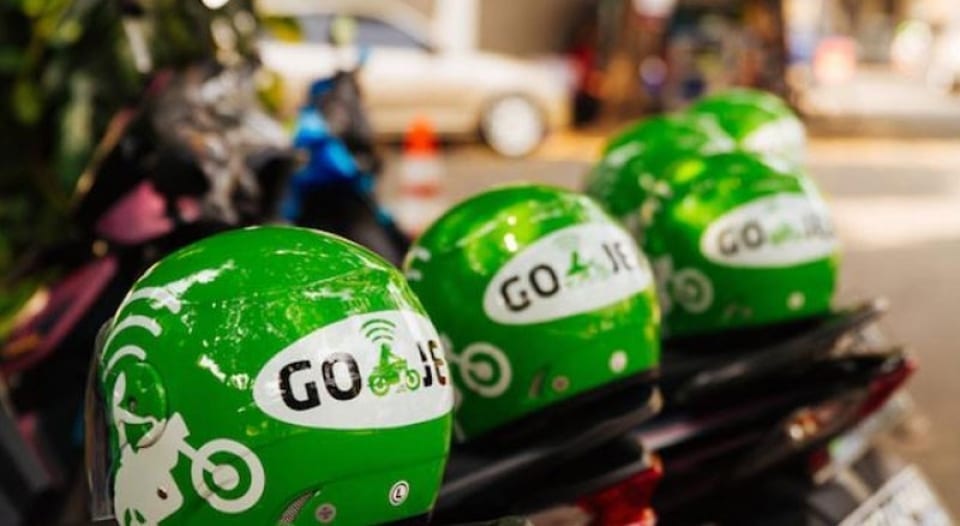
  • Indonesia’s Go-Jek Considering IPO, Timeframe Undecided

    Indonesia’s Go-Jek Considering IPO, Timeframe Undecided

    Indonesian start-up Go-Jek is considering an initial public offering, president Andre Soelistyo said on Monday (05/03), but details on timing and float size haven’t been decided yet.

    Andre met with Indonesia Stock Exchange chief executive on Monday to discuss the potential share sale, including a regulatory requirement to be profitable within two years of listing.

    “We discussed what technology companies need [to do an IPO] and how [the exchange] can provide access,” he said.

    Andre also raised the possibility of a dual-listing after Indonesia, but said a decision on where hasn’t been made.

    Go-Jek is yet to appoint an underwriter for the plan, Andre said, in a sign that details around IPO size, company valuation and how much of the firm will be listed are some way off.

    Go-Jek delivers everything from meals and groceries to cleaners, masseuses and hairdressers across Indonesia’s capital city Jakarta, all at the touch of a smartphone app — helping it become a crucial workaround in a city with some of the worst traffic in the world.

    Bankers have listed Go-Jek’s potential IPO as a key float to track in Asia’s ride-hailing and mobile payments market, which has caught the attention of global investors.

    Go-Jek raised a higher than targeted $1.5 billion in a fundraising round from several investors including Google, Temasek Holdings and Chinese technology giants Tencent Holdings and JD.com, sources said last month.

    The latest round of investments valued Go-Jek at about $5 billion, the sources said.

    Rivals Grab and Uber are backed by Japan’s SoftBank Group.

    Go-Jek plans to expand its business beyond Indonesian borders by setting up operations in the Philippines in early 2018, with other Southeast Asian countries to follow later that year, it’s chief technology officer said in December.

    On top of that, Go-Jek has said it will roll out new services soon, including installing charging stations in retail outlets that users can access through their app. The company also plans to launch a laundry pick-up and delivery service to their already extensive services.

  • Tmall taps 10 beauty brands for omnichannel growth

    Tmall taps 10 beauty brands for omnichannel growth

    Tmall will this year work with top beauty brands such as Estee Lauder and Lancome to help them surpass RMB 1 billion (US$157.9 million) in annual sales on the platform.

    The increased focus on the beauty sector will also see Tmall deliver an updated suite of New Retail solutions so that all merchants can better serve Chinese consumers, the Alibaba Group-owned B2C shopping site says.

    Tmall plans to partner closely with about 10 beauty brands in particular, also including SK-II and Olay, to help them break that sales threshold. New Retail initiatives include a new “try-before-you-buy” feature, where users pay a 10 per cent deposit to test a product with the promise of a simpler and faster refund process.

    “Our partnership with brands will cover every corner from online to offline,” Tmall president Jet Jing said. “We will be consistently involved in daily operations ranging from product innovation, brand building, channel management, supply chain to customer operations.”

    Tmall Supermarket would also expand its one-hour delivery service to more customers, as faster service is also a part of New Retail, Jing said. However, the biggest changes won’t come until the 11.11 Global Shopping Festival, which is typically when Alibaba rolls out its New Retail initiatives.

    The initiatives were announced during the Tmall Beauty Awards in Shanghai, where more than 1000 beauty professionals, from both international and home-grown brands, gathered for the annual event. This year, Estee Lauder, SK-II, Giorgio Armani Beauty and Givenchy each took away a “Super Brands Award,” for their outstanding performance in brand influence, marketing creativity and consumer engagement. Newcomer Givenchy on March 1 broke the single-day sales record, selling more than 58,000 lipsticks and generating over RMB 16 million – all in the first 12 hours of the day.

    Since launching in 2015, the awards largely have spotlighted New Retail-driven innovations. Featured technology at this year’s awards included the “Cloud Shelf” and the latest iteration of the augmented reality-powered “Magic Mirror,” which allows users to virtually try on new hairstyles, lipstick, eyeshadow and blush. Tmall said it would partner with with French cosmetics company L’Oreal to install Magic Mirrors in 50 of the beauty giant’s physical stores in China.

    Tmall hosts more than 3000 beauty brands on its platform, according to a report released by Tmall and Chinese research firm CBNData last year. Some of the newest entrants include LVMH-owned Givenchy, L’Oreal’s Giorgio Armani Beauty and Estee Lauder’s Darphin.

    “After two years of very successful acceleration in China, we felt this is the right timing to join Tmall to push artistry and premium-ness of the brand,” said Andrea Yann, GM of the China market at Giorgio Armani Beauty. “Our plan is really to understand from [Alibaba’s] database what are the main beauty concerns of Chinese women to solve their beauty issues, be very personalised still being [seen as] very artistry and premium.”

    Andrea Yann, GM of the China market at Giorgio Armani Beauty, speaks on stage.

    Younger more focused on beauty

    According to a report released by Tmall and market research consultancy Kantar, what they want is a more elaborate skincare regimen. Thirty-five per cent of respondents said they have added more steps to their beauty routines, and therefore are spending more on skincare products and cosmetics. Tmall attributed 53 per cent of the sales of beauty products on Tmall to consumers making more purchases per person.

    Beauty consumers in China – the world’s largest and fastest-growing beauty market at $22 billion – are also becoming younger than ever, the report noted. In 2017, users born after 1990 made up over 40 per cent of shoppers on Tmall Global, the site’s cross-border e-commerce channel, overtaking those born in the 1980s as the main consumption force on Tmall Global, the site’s cross-border e-commerce channel.

    Consumers born after 1990 like to try new products from new brands and less familiar origin countries, the report said.

    Embracing the new

    “In China, there’s more willingness to try new products at a faster rate than what you would see in different markets,” said Danielle Bailey, head of Asia Pacific research at digital agency L2.

    “It’s not that [Chinese beauty consumers] are less loyal, but their desire to explore is much higher,” she said. “This makes it more challenging for brands to sell to the market, but also creates new opportunities.”

    Tmall’s latest report also showed momentum for homegrown brands, particularly for skincare, where they accounted for 56 per cent of sales last year – up from 54 per cent in 2016. However, foreign brands still dominate the cosmetics category with 56 per cent of total makeup sales.

    Chinese brands are trying to boost their profiles by launching new prestige product lines or creating new products within an existing line, said Bailey. “It will be interesting to see if local brands can successfully transition to that space. It’s still a bit unclear because Western brands tend to be associated with better quality,” she added.

    From a product development standpoint, the pace of innovation in Asia has forced brands in the West to shrink development timelines to stay relevant, said Bailey. Where Western companies may take two years to release a product,” he said, “in Korea, some brands are launching new product every three months.”

    Time-to-market is indeed very important for beauty brands, said Ye Guohui, GM of Tmall’s new retail division.

    “Conducting market research alone can be very time-consuming, taking up to over a year,” he said. “But brands in China can leverage Alibaba’s data capacities to really shorten that timeline, and accelerate product development.”

  • Amazon to enter Vietnam

    Amazon to enter Vietnam

    The world’s leading e-commerce player, Amazon, is planning to enter the Vietnamese market, announced the Việt Nam E-commerce Association (VECOM).

    Amazon will also support Vietnamese enterprises in exporting online through the platform, VECOM chairman Nguyễn Thanh Hưng said.

    Accordingly, Amazon will kick off a co-operation programme to support Vietnamese small- and medium-sized enterprises to sell and export goods through its ecosystem at the Việt Nam Online Business Forum 2018, which will be held on March 14.

    According to an evaluation of VECOM and prestigious research companies in the world, the growth of Vietnamese e-commerce is at a high rate. VECOM estimates the growth rate of 22 per cent per year.

    The Vietnamese e-commerce scale is predicted to reach US$10 billion in the next five years, making Việt Nam a lucrative market to many e-commerce enterprises in the world.

    Before Amazon, Lazada entered Việt Nam and dominated some one third of the country’s online shopping market. Later, Alibaba paid $1 billion to buy stakes at Lazada to enter the Southeast Asian market, including Vietnam.

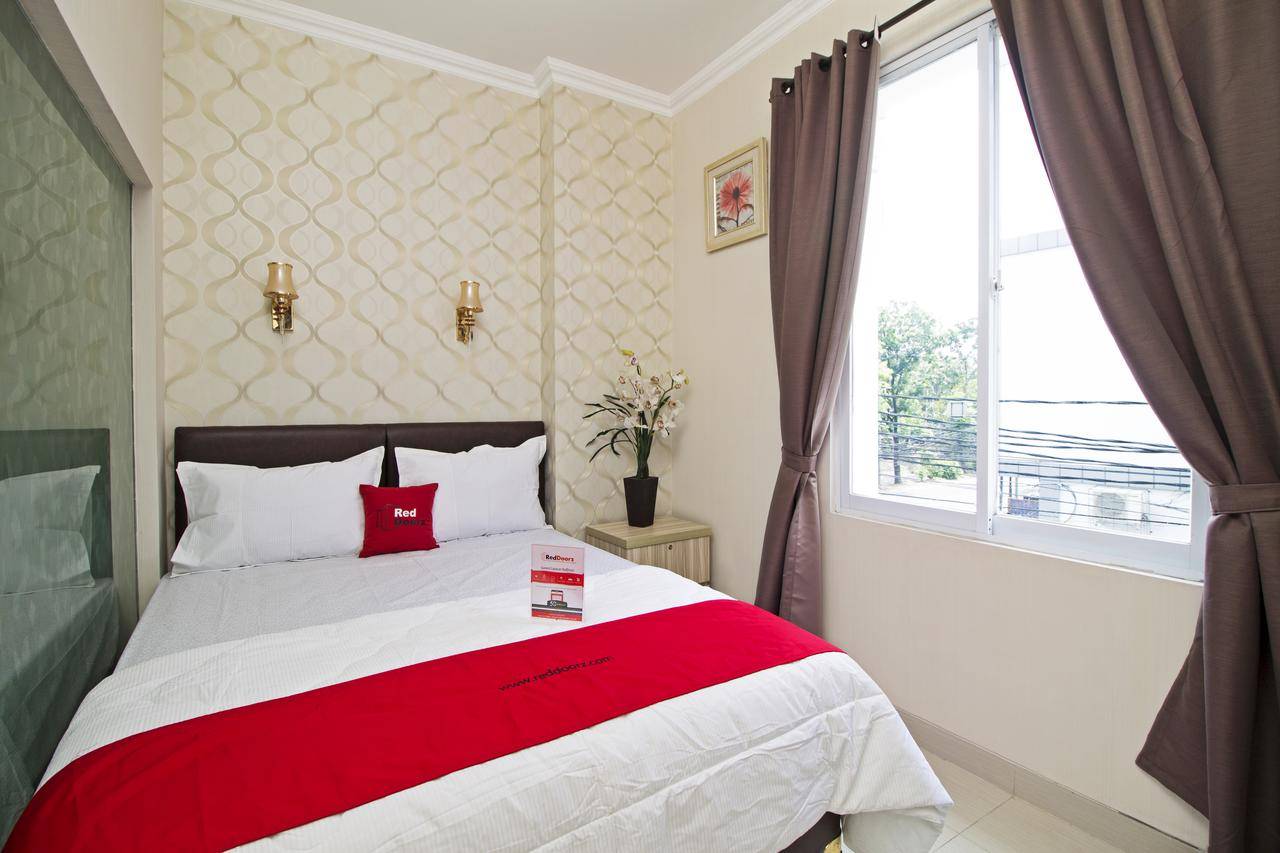
  • RedDoorz Raises $11m to Fund Expansion in Indonesia, SE Asia

    RedDoorz Raises $11m to Fund Expansion in Indonesia, SE Asia

    Singapore-based online hotel booking platform RedDoorz announced on Tuesday (06/03) that it has secured $11 million in funding from several global investment capital firms as part of efforts to strengthen and expand its business in Southeast Asia.

    The company, established in 2015, received funding from several sources, including United States-based Susquehanna International Group, the International Finance Corporation (the World Bank’s investment arm), the Asia Investment Fund, Singapore’s InnoVen Capital and Jungle Ventures, which has been involved in previous funding.

    New investors also include Hong Kong-based DeepSky Capital and Hendale Capital, and Singapore’s Feng He Group, among other participants.

    “With a solid team, right investors and good market targets, we are confident that we will be able to grow greatly in the region,” Reddoorz founder and chief executive Amit Saberwal said in a statement.

    He said Indonesia has great potential as the country with the largest number of internet users in the region, along with a growing online and e-commerce market, citing a joint study by Google and Singapore’s Temasek Holdings, released in May 2016.

    The study projected that regional online travel accommodation market will increase to nearly $90 billion by 2025, compared with $5.6 billion in 2015. Indonesia is expected to account for about a third of that projected growth.

    The company said it will use the fresh capital to acquire 100 new properties fully operates by RedDoorz, and 1,000 properties managed by the company’s partners across Southeast Asia, within the next 18 months.

    RedDoorz currently has 500 properties in the region and it has served more than 700,000 customers since its establishment.

    In Indonesia alone, the company offers about 3,000 rooms in 16 cities for rent on its platform. The company currently employs 160 staff in the archipelago.

    RedDoorz recently launched a 65-room fully leased and operated property, located between East Coast Road and East Coast Park in Singapore.

  • Retail News Asia Honoured with the “Best Global Retail News Platform 2018” Award

    Retail News Asia Honoured with the “Best Global Retail News Platform 2018” Award

    Retail News announced today that it has been named the Best Global Retail News Platform 2018 in the AI Business Excellence Awards. Hailed as the “Internet’s highest honor” by KPMG, EY, PwC and Deloitte, The Business Excellence Awards, is the leading international awards organization honoring excellence on the Internet. The judging panel is compromised of the three directors here at AI Global, they have a combined total of 40 years of work within this industry and know it very well.

    The reason why AI uses an in-house judging panel is because they fully understand the process and also know what our standards are in terms of award winners.  They have been judging the award programs for the past 8 years. AI’s judging panel works very closely with a research team which is comprised of 4 researchers who are in charge of gathering information for each case study and presenting each case file to the judges. This is the 6th year of the Business Excellence Awards, hosted by Acquisition International, and you can view all the details of last year’s awards on their homepage.

    Launched over 8 years ago, AI has rapidly risen to and now has a circulation of 108,000 people in over 170 countries and regularly attracts editorial submissions from some of the biggest players on the global corporate landscape.

    AI is a monthly magazine that seeks to inform, entertain, influence, and shape the global corporate conversation through a combination of high quality editorial, rigorous research and an experienced and dedicated worldwide network of advisors, experts and contributors.

    Alongside the monthly issue AI hosts annual award programs which aim to highlight and provide recognition to the companies and individuals who have worked hard to get where they are today. The AI awards are only given 100% based on merit and not based on the judgment of a number of votes received.

    RetailNews is committed to providing both local and global retailers with the latest breaking retail news throughout the Asian market. This on a daily base. We have resources for everyone from the independently owned business owners, online-only retailers, and major chains expanding their reach throughout the Asian market, says Sven – founder of Retail News.

    We Are Stronger Together

    You can quickly and easily search for the latest breaking retail news by country, or come here to keep an eye on the latest local, global and seasonal trends.

    On Retail News you can network, engage, and share invaluable information with other retailers. Our retailers come from a wide range of industries and expertise, meaning that whatever the question may be—we have you covered!

    We are extremely honored with this recognition and my team has been working extremely hard the last 3 years to bring us to a level where we are operating now, Sven added. With nearly 8 million visitors a month, 23 daily retail updates, Retail News is believed to be the Retail industry leader.