Category: E-Tailing

Retail News Asia is committed to providing both local and global retailers with the latest E-Commerce & Etail news throughout the Asian market. This on a daily base.

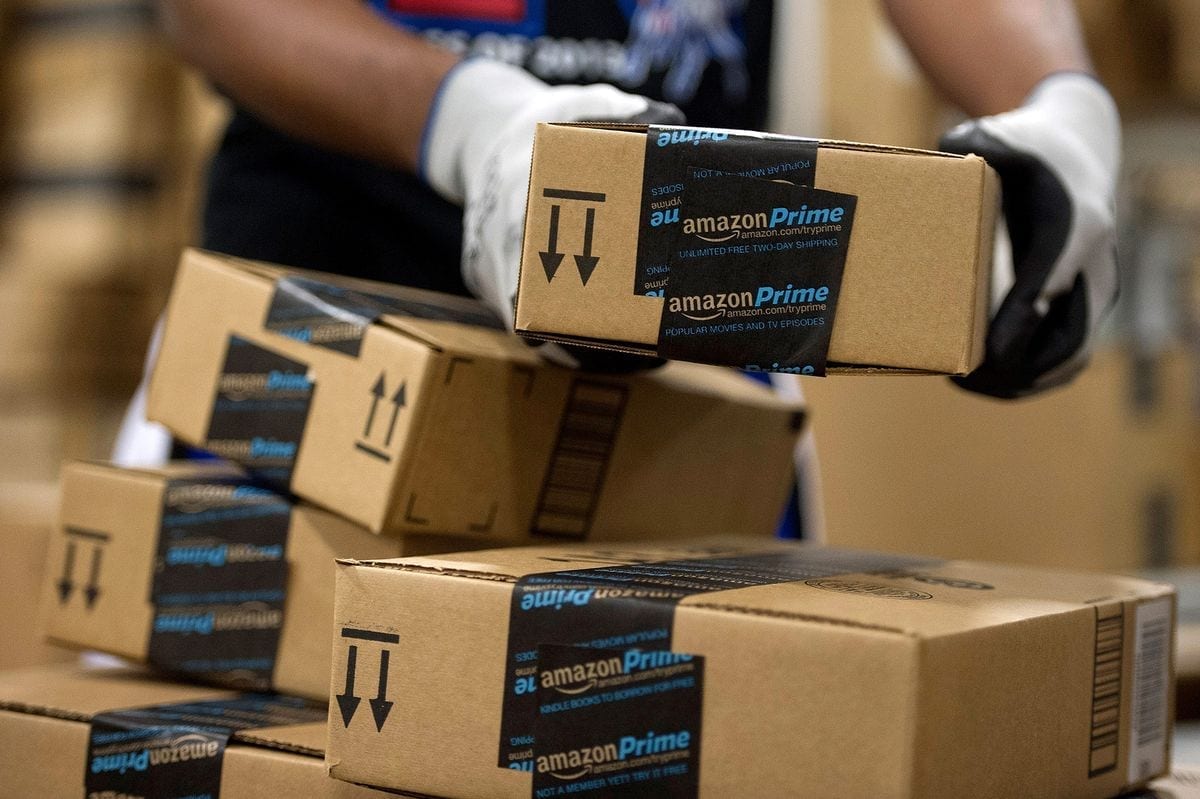
  • Amazon posts largest profit in its history on sales

    Amazon posts largest profit in its history on sales

    Amazon’s quarterly profit reached a record US$1.86 billion in the three months to December 31, fuelled by millions of new customers to its Prime fast-shipping club.

    There was also a provisional $789 million boost to its bottom line from the US government’s tax bill which was passed in December.

    “This was another blow-out quarter for Amazon,” said GBH Insights analyst Daniel Ives. “The retail strength was eye-popping as the company had a banner holiday season and looked to capture roughly 50 per cent of all e-commerce holiday season sales.”

    “Our 2017 projections for Alexa were very optimistic, and we far exceeded them,” said founder and CEO Jeff Bezos.

    Neil Saunders, MD of GlobalData Retail, said that with 38.2 per cent sales growth in the final quarter, Amazon was one of the clear winners over the holiday season.

    “Admittedly this number is flattered by the inclusion of Whole Foods revenue, but even when this is stripped out, Amazon still increased sales by an impressive 27.9 per cent. Given this is above the trajectory of recent growth, it is safe to say that Amazon shows no signs of slowing down.”

    Saunders said the figures clearly show Amazon’s primary growth opportunities now lie in services.

    “Prime and subscription revenue, for example, increased by 46 per cent over the prior year. This is an impressive uplift and demonstrates Amazon is pulling more and more consumers into its ecosystem of content and services.”

    Allied with the increase in Prime membership is the rise in sales of Echo devices.

    “Our data show these were popular gifting and self-purchase items over the holiday period. Amazon now has a clear edge over other smart device manufacturers. This, and the fact Prime offers far more benefits and services than rivals, means Amazon should be able to withstand increasing competition from Apple, Google, and others as they launch and upgrade their smart speakers and connected home products

    Growth from services, as well as the addition of Whole Foods, is helping to strengthen Amazon’s bottom line. This quarter, net income increased by a stellar 147.8 per cent while operating profit rose by a very respectable 69.5 per cent.

    “This is in spite of increased investment and higher losses from the international operation. Notably, the better profit outcome also masks the pressure on margins from increased delivery and fulfillment costs: these rose by 56.9 per cent over the prior year and as a proportion of product sales rose to 21.7 per cent from 18.7 per cent in the same period last year.

    “Although Prime revenue offsets some of the fulfillment costs, this income is also used to fund content production, and various other benefits members enjoy. As such, we believe Prime makes only a small contribution to covering Amazon’s fulfillment costs. However, over the longer term, we believe this contribution may increase as Amazon starts to raise the price of membership.”

    Saunders said that while Amazon has grown sharply, it is still nowhere near its potential. “There are categories, like home and apparel, where it is underpenetrated and with tweaks to its proposition should be able to make further gains. There are markets around the world, like Australia, where Amazon is just getting started and has significant scope to boost sales. There are areas, like healthcare, that it is seeking to disrupt in the future. And there is Whole Foods, where some progress has been made – but which has yet to feel the full force of Amazon’s innovative approach.

    “In other words, Amazon has a lot more runway to grow.”

  • Alibaba to thank New Retail for Its record sales

    Alibaba to thank New Retail for Its record sales

    Continuing momentum in Alibaba Group’s New Retail business helped drive a 56 per cent year-on-year growth in sales for the quarter to December 31.

    The performance of the New Retail category – which combines its online (non-marketplace) and fast-growing offline retail businesses, including investments in Sun Art Retail and other established businesses – was a core highlight of the quarter, according to CEO Daniel Zhang.

    “Alibaba had another great quarter driven by the continued strength of the Chinese consumer and the wide and innovative range of services we provide for merchants and consumers,” he said.

    “We are excited by the continued momentum in New Retail, which came to life during another record-breaking 11.11 Global Shopping Festival. We expanded the scale and footprint of our New Retail initiatives with the vision of delivering true convergence of the online and offline consumer experience through mobile and enterprise technology.”

    Maggie Wu, CFO, said the group’s core business generated significant free cash flow of US$7.1 billion during the quarter, “enabling us to invest in New Retail, cloud computing, digital entertainment and globalisation”.

    Revenue from core online commerce (marketplace) activities rose 57 per cent to US$11.257 billion and from cloud computing by 104 per cent to $553 million. Digital media and entertainment sales rose 33 per cent to $832 million.

    The number of annual active consumers on Alibaba Group’s China retail marketplaces reached 515 million, an increase of 27 million from the year to September 30.

    Net income was $3.586 billion with operating margin was 31 per cent and adjusted EBITA margin for the core e-commerce business 53 per cent.

    Group highlights

    Alibaba summarised group highlights in its earnings statement, including:

    Taobao: Artificial Intelligence (AI) drove user engagement, with the Taobao app’s intelligent personal recommendations and innovative content formats continuing to drive strong growth in user engagement, conversion and annual active consumers. “We continue to invest in machine learning technologies which we apply to use cases that match consumer intent and product selection to deliver the best consumer experience.”

    Tmall: Tmall recorded 43 per cent year-on-year growth in physical goods GMV during the quarter, reflecting robust growth across all major categories including apparel and accessories, consumer electronics (mobile phones) and FMCG. “Tmall continues to be the platform of choice for the world’s top brands, with Givenchy, Giorgio Armani Beauty and Volvo establishing Tmall flagship stores and Longines, Hennessy, Dom Perignon and Baccarat joining our Luxury Pavilion in this quarter.”

    11.11: Last year’s annual November 11 Global Shopping Festival exceeded the previous year’s records, with GMV settled through Alipay on Alibaba’s marketplaces up 39 per cent year-on-year to $25.9 billion. “The continuous success of this record-breaking event is enabled by our resilient and scalable technology, as well as payments and logistics infrastructure that is capable of operating at massive scale.”

    New Retail: Rapid expansion through partnerships and innovative technologies included the opening of five new Hema fresh grocery stores in Shanghai, Beijing, Ningbo and Suzhou, taking the network to 25 at year end. “Hema exemplifies the convergence of online and offline retail by leveraging our in-store proprietary technology, digitised supply chain system, consumer insights and mobile ecosystem to provide a seamless experience for consumers.”

    In November, Alibaba formed a strategic alliance with Sun Art Group, the leading hypermarket and supermarket chain by revenue in China with over 440 stores nationwide. “Through this partnership, we aim to equip traditional retailers with our proprietary technology and know-how in online offline convergence to implement their digital transformation. In addition, the partnership with Sun Art will also enable us to accelerate the expansion of our New Retail offerings with national scale.

    International:  Alibaba’s cross-border and international retail businesses continue to show strong growth. Revenue from international commerce retail business reached $727 million in the, representing 93 per cent year-on-year growth, driven by its Southeast Asian platform Lazada and its global retail marketplace AliExpress. “While the markets for Southeast Asia and cross-border commerce remain very competitive, they are in the early innings of the game. We are optimistic about the long-term secular growth prospects of our international markets and will therefore continue to make significant investments for market share growth and focusing on the best customer experience.”

    Cainiao Network: Alibaba’s logistics division, Cainiao Network, processed 812 million orders during the 11.11 event. Cainiao Network operates an electronic shipping label system that standardises shipping data into structured formats, which enables efficient pick-and-pack operations for merchants and sorting and routing operations for delivery partners. “The advantages of this system have resulted in broad adoption by merchants and logistics service providers, both on and off our platforms, putting us in position to serve the growing consumption economy in China and roll out our New Retail strategy.”

    Cloud Computing:  Cloud computing revenue grew 104 per cent year-over-year to $553 million, driven by both robust growth in paying customers and revenue mix toward higher value-add product.  “In the December quarter, Alibaba Cloud launched 396 new products and features and continued to introduce proprietary AI technologies to tackle real-world challenges, such as traffic planning and optimising efficiency in manufacturing and airport operations. Alibaba Cloud continues to expand its customer base across a variety of industries.”

    Alibaba Cloud customers include Watsons China, carmaker Geely, and Beijing Capital International Airport.

    Digital Media and Entertainment: During the quarter, Youku video’s daily average subscribers more than doubled year-on-year, driven by several original drama series and shows that became popular hits with users.

    AI and innovation: Alibaba says its AI-powered voice assistant, Tmall Genie, surpassed 1 million unit sales since its official launch in July and the end of the year. “Tmall Genie is supported by a growing collection of sales and services and is an effective vehicle for offering a comprehensive set of every-day living applications within the Alibaba ecosystem,” the company said.

    In January, Alibaba’s Institute of Data Science Technologies (iDST), its AI research arm, developed a deep-learning neural network for natural language processing that scored higher than humans on a Stanford reading-comprehension test, the first time a machine has outperformed humans on such a test. “This development underscores Alibaba’s commitment to technology research which we believe builds the foundation for our growth in the long run.”

    Ant Financial: Alibaba Group agreed to take a 33 per cent equity stake in Ant Financial that will strengthen its strategic relationship pursuant to the series of agreements reached with Ant Financial in 2014. “We believe deepening our relationship through an equity stake in Ant Financial will bring key strategic benefits to us, including advancing our New Retail strategy with mobile payments, increasing user acquisition and retention through collaboration with the Alipay digital wallet (Alipay Wallet), and enhancing the execution of our international expansion.”

    The number of Alipay Wallet’s daily active users more than doubled during the quarter on a year-on-year basis.

  • Singapore lags Japan and China with e-commerce use

    Singapore lags Japan and China with e-commerce use

    In contrast with data about digital transformation and government’s engagement in promoting digital solutions for retail, Singaporeans have not fully embraced e-commerce.

    Credit Suisse data show that Singapore falls behind China, US, and Japan in terms of e-commerce usage.

    In 2017, Singapore e-commerce comprised 5% of the country’s total retail.

    Meanwhile, e-commerce comprised 23% of total retail in China and 8% of retail in the US.

    Singapore still beat other ASEAN countries, however. The proportion of e-commerce in total retail in Indonesia is at 3%, nearly 2% in Malaysia and Thailand, and 1% in Vietnam and the Philippines.

    Those data also do not match with marketers’ opinions that frame those markets as a huge opportunity given the slow development of retail physical infrastructure. The fact that most brands are present in the main cities only, and cannot reach the remote areas yet, places e-commerce  as a complementary service to compensate the offline retail.

    However, those data show that there is still a long way to go. Definitely, millennials in those areas are tech-savvy, but the lack of sophisticated infrastructure slow down the process.

    Credit Suisse said with 158 million middle class consumers, ASEAN is often seen as the next frontier for the e-commerce market, but e-tailing — online retailing — is still at China’s levels in 2010.

    The firm said the entry of Chinese tech giants could change the ASEAN e-commerce scene significantly.

  • Finland becomes the first country to offer Chinese travelers a completely cashless experience

    Finland becomes the first country to offer Chinese travelers a completely cashless experience

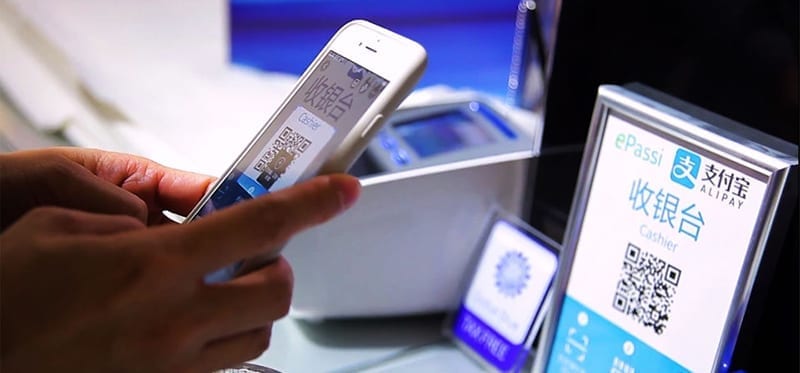
    Alipay, the world’s largest mobile payment and lifestyle platform, operated by Ant Financial Services Group, today announced that a group of Chinese travelers have concluded the first ever cashless journey to Finland, with all transactions throughout their trip made via their Alipay accounts. From booking flights, making local retail purchases in Helsinki, and dining out, to visiting museums, experiencing recreational activities, and managing transportation, as well as receiving an instant tax refund at the airport, Finland becomes the first country outside China where Alipay users can make all payments with their smartphones, and enjoy their trip without worrying about cash and language barriers, just as they would at home in China.

    To encourage future seamless, cashless journeys, Alipay has also teamed up with Lähitaksi, one of Finland’s major taxi companies. Alipay will be made available on all 1,250 Lähitaksi taxis in Helsinki and the city’s surrounding towns before the Chinese Lunar New Year holidays later this month.

    “More and more Chinese travelers have been asking whether our taxis accept Alipay, which is why we decided to launch this payment method and provide our Chinese passengers a better experience during their time in Helsinki,” said Heidi Säynäjoki, Marketing Manager of LähiTaksi. Since 2017, Alipay has also been made available at the Airport Taxi in Helsinki and in taxis and buses operated by local taxi company Santa Line across Finland’s northernmost region, Lapland.

    The group of eight Chinese tourists who visited Finland were selected from an online social media campaign initiated by Alipay at the end of 2017. The selected group commenced on a 6-day trip, visiting the cities of Rovaniemi and Helsinki in mid-January to experience the cashless journey, flying Finnair and staying in Nova Skyland Hotel in Rovaniemi and IHG’s Holiday Inn Helsinki’s City Centre, leveraging Alipay’s in-app outbound tourism service platform to find nearby merchants, collect coupons and enjoy exclusive offers. All the merchants accept Alipay for online reservation and onsite spending. Finnair became the first airline in the world to accept mobile payments for in-flight purchases when it began accepting Alipay on flights between Helsinki and Shanghai in January 2017.

    Zoe Cai, 28, a housewife and frequent overseas tourist from Guangdong Province, said, “I didn’t expect us to be able to use Alipay almost everywhere in Finland. I brought some cash with me, but the only place I got to use it was in a supermarket in Rovaniemi. At first, we were surprised when so many merchants accepted Alipay, but after this experience, we may be surprised if a merchant doesn’t accept Alipay when we travel next time.”

    Retail shops in popular overseas destinations have benefited from the rise of China’s middle-class over the last decade. An increase in disposal income has led to a greater interest to travel abroad, where Chinese tourists enjoy experiencing different cultures, exotic cuisines and new adventures. Alipay has now become a must-have tool for overseas merchants to provide Chinese tourists with a seamless traveling experience.

    Paavo Virkkunen, Executive Vice President of Finland’s national tourism board Visit Finland, said, “Alipay was first made available in Finland in December 2016. I am glad to see it is widely accepted among Finnish merchants today, and it demonstrates Finland’s commitment to ensure that Chinese visitors leave our country with an unforgettable experience.” Official statistics of Visit Finland show that China is Finland’s fifth largest source of tourist arrivals. ePassi is Alipay’s local partner in providing tailor-made solutions for various types of Finnish merchants to accept Alipay across the country.

    Alipay is focused on upgrading the overseas Chinese travelers’ experience throughout their visit, enabling a cashless journey via mobile payment, thus omitting language and currency barriers. It offers Chinese consumers their most preferred payment method and offers greater convenience during their travels, particularly when making transactions with overseas bricks-and-mortar merchants. Alipay is now accepted by merchants across 38 countries and regions who connect with travelers via the Alipay marketing platform and accept payments in stores and online.

  • Thailand Central Group to pursue online growth

    Thailand Central Group to pursue online growth

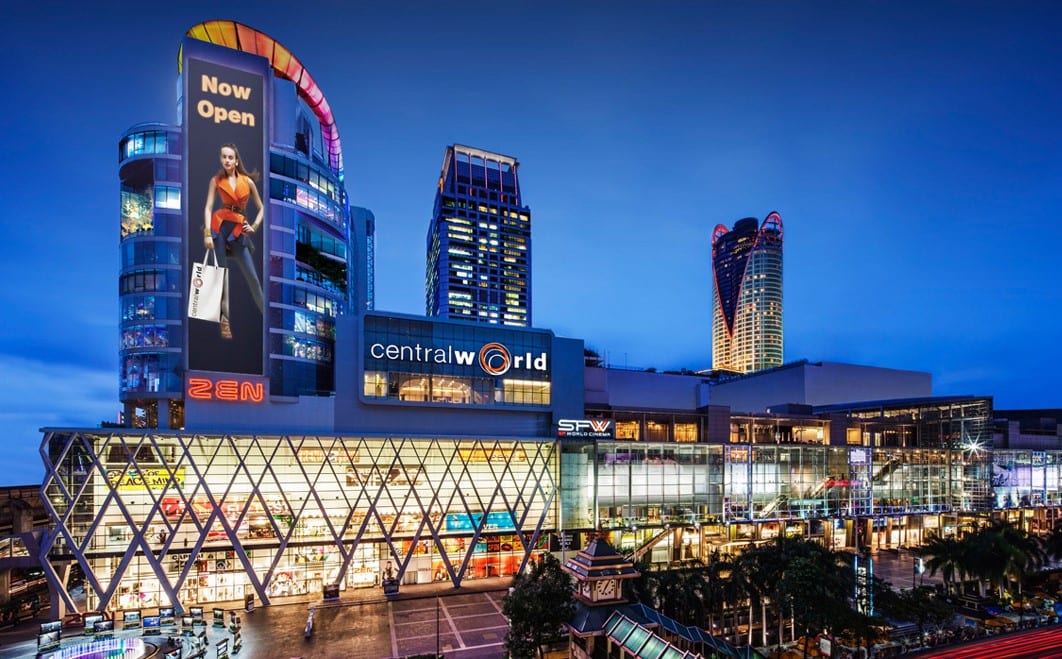
    The company with the biggest grip on Thailand’s brick-and-mortar retail market is expecting a partnership with China’s JD.com Inc. to pursue online growth.

    Central Group, which controls Thailand’s biggest operator of shopping malls and department stores, expects online sales to account for as much as 15 percent of its revenue in five years, from 2 percent now. The partnership with JD will help it compete in South East Asia’s booming e-commerce market and also open up businesses opportunities in China, Chief Executive Officer Tos Chirathivat said in an interview.

    With an empire that also includes hotels, supermarkets and restaurants, Central Group is counting on online growth to help drive sales. The company first announced its $500 million joint venture with JD in September 2017, teaming up with China’s second-largest e-commerce operator. Tos estimates that online retail in Thailand could rise fivefold to 10 percent of the market as the country of nearly 70 million develops and access to the web spreads through smartphones.

    “We obviously want to be the leading player in the 10 percent so it doesn’t really matter what kind of percent of the group it is,” Tos said in the Jan. 3 interview at his Bangkok office. “The important thing is to be the leader in the market itself.”

    Central Group and JD are competing in an increasingly crowded market, with Alibaba Group Holding Ltd. expanding in South East Asia through Lazada while Amazon.com Inc. kicked off with a beachhead in Singapore last year.

    Southeast Asia is home to more than 600 million people and the region’s internet economy, which includes e-commerce, online travel and ride-hailing, may grow fourfold by 2025 from an estimate of $50 billion in 2017, according to a joint research report by Google and Temasek Holdings Pte.

    While Central Group is a privately-held investment arm of the Chirathivat family, the company controls a number of publicly traded businesses. Central Pattana Pcl is a mall developer, Central Plaza Hotel Pcl operates resorts and restaurants, Robinson Pcl has a chain of department stores and COL Pcl does office supplies.

    All four gained in 2017, with Central Pattana surging 50 percent in 2017, Central Plaza jumping 47 percent and COL more than doubling, all outperforming Thailand’s benchmark SET Index.

    Outside the country, Central Group owns Italian luxury department store La Rinascente, Danish retailer Illum and in 2016 acquired the Big C hypermarket chain in Vietnam.

    Central Group is targeting annual revenue growth of 13 percent in 2018 based on the company’s five-year strategy plan, said Tos. That number may be higher with mergers and acquisitions, and the company could consider deals in the billions of dollars if the opportunity is right, he said.

    Local sentiment is helping the company, with consumer spending in Thailand picking up after the October cremation of late King Bhumibol Adulyadej ended the nation’s yearlong mourning period.

    “If the trend continues like this then this year should be good,” said Tos.

  • YouTube most dominant video platform in APAC

    YouTube most dominant video platform in APAC

    According to the research firm, YouTube has a penetration of 81 per cent across the region, higher than anywhere else in the world and the global average, which stands at 78 per cent.

    Nearly half of of digital video viewers, or 576.8 million people, will regularly watch video via the YouTube app or website this year, a number that is expected to grow by 13.4 per cent this year.

    Both India and Indonesia were said to be the fastest growing mobile video markets in the region this year, increasing by 25.3 per cent  and 18.2 per cent respectively.

    EMarketer pinned YouTube’s rapid ascension on the growth of video mobile usage over the past five years. The number of people watching videos on their mobile is expected to increase by 14.5 per cent this year after encountering double-sigit growth over recent years.

    However, China, a market where YouTube is banned, remains the gaping hole in YouTube’s APAC growth.

    There, video viewership remains dominated by Youku, Tencent, iQiyi, LeTV and Sohu, while penetration is expected to reach 65.8 per cent in 2018.

    “YouTube usage is on the rise and has become the most popular video streaming service throughout Asia-Pacific, except in China where it is censored,” said Oscar Orozco, senior forecasting analyst at eMarketer.

    “While regional Netflix adoption is still low, awareness and intent to subscribe is growing. We expect Netflix adoption will continue to expand, while at the same time providing much-needed competition and influence on local streaming providers.”

  • EZbuy to have more product offering

    EZbuy to have more product offering

    Singapore’s first global shopping platform EZbuy says it plans to almost double its product offering to 6 million items from brands and sellers in Korea, Taiwan and the US.

    It will bring on board a further 100,000 merchants by the end of the year.

    Its Korea Marketplace offers more than 10,000 items such as streetwear, cosmetics and personal care products. Traffic growth in Singapore for the K-beauty collection has increased more than 100-fold since its launch last year. Top-selling brands include 3CE, April Skin, Etude House, Laneige and Pony Effect.

    The Taiwan Marketplace offers the Buy-For-Me service both on the website and mobile app. Its top products include Biffido, ChiaTe, I-mei, Kiki, Kuaiche and OK Tea (food and snacks); Gracegift, OB Design and Stay Real (fashion, bags, shoes and accessories); and Hanaka Flower, Kose, MKUP and Oguma (health and beauty).

    EZbuy says demand has soared for consumer goods from the US. Best-selling brands on its USA Marketplace include Coach, Forever 21, Gap, Kate Spade and Under Armour (fashionwear and accessories); ColourPop and Sephora (cosmetics); and Mother and Kids (beauty and health supplements).

  • Innisfree Vietnam to set footprint in online presence

    Innisfree Vietnam to set footprint in online presence

    Innisfree Vietnam today launches its first official online store, on Lazada.

    The South Korean cosmetics brand is offering its full range of products on the site, including bodycare, make-up tools, skincare and men’s categories.

    Online customers will be offered frequent promotions as well as gifts for bulk orders, says Innisfree.

    In its two years, Innisfree Vietnam has opened three stores in Vietnam, all in Ho Chi Minh City.

  • Calling Thailand’s brightest start-ups: entries open for Visa’s Everywhere Initiative

    Calling Thailand’s brightest start-ups: entries open for Visa’s Everywhere Initiative

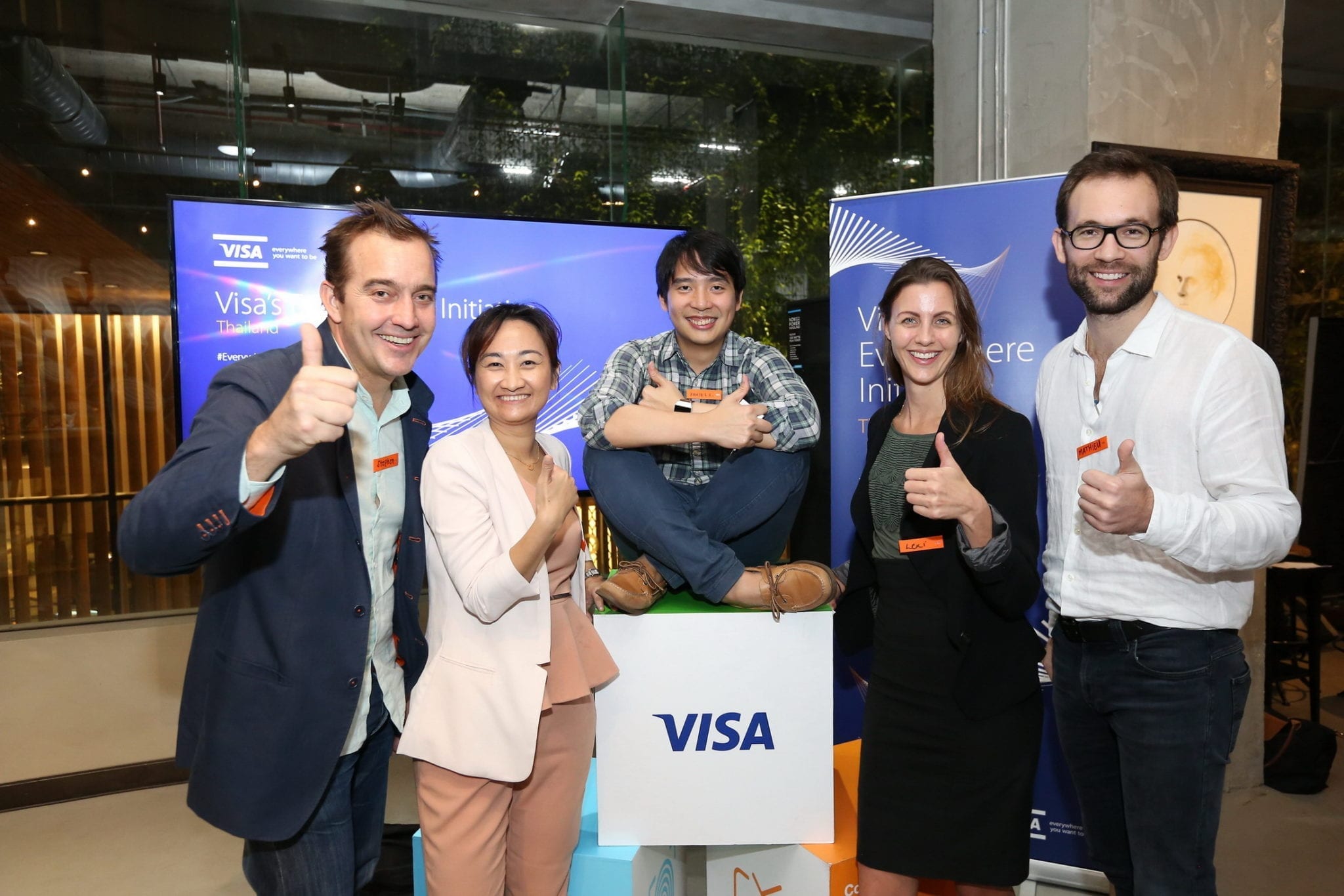
    Visa, the world’s leader in digital payments, has today launched the inaugural Visa’s Everywhere Initiative in Thailand, aiming to attract Thailand-based start-ups who are tackling some of the toughest payment-related problems in the commerce industry.

    Visa’s Everywhere Initiative is a global innovation program that challenges start-ups to build the next big thing in payments and accelerate the future of commerce, leveraging Visa’s world-class network. The 2018 global program kicks off with the Thailand competition.

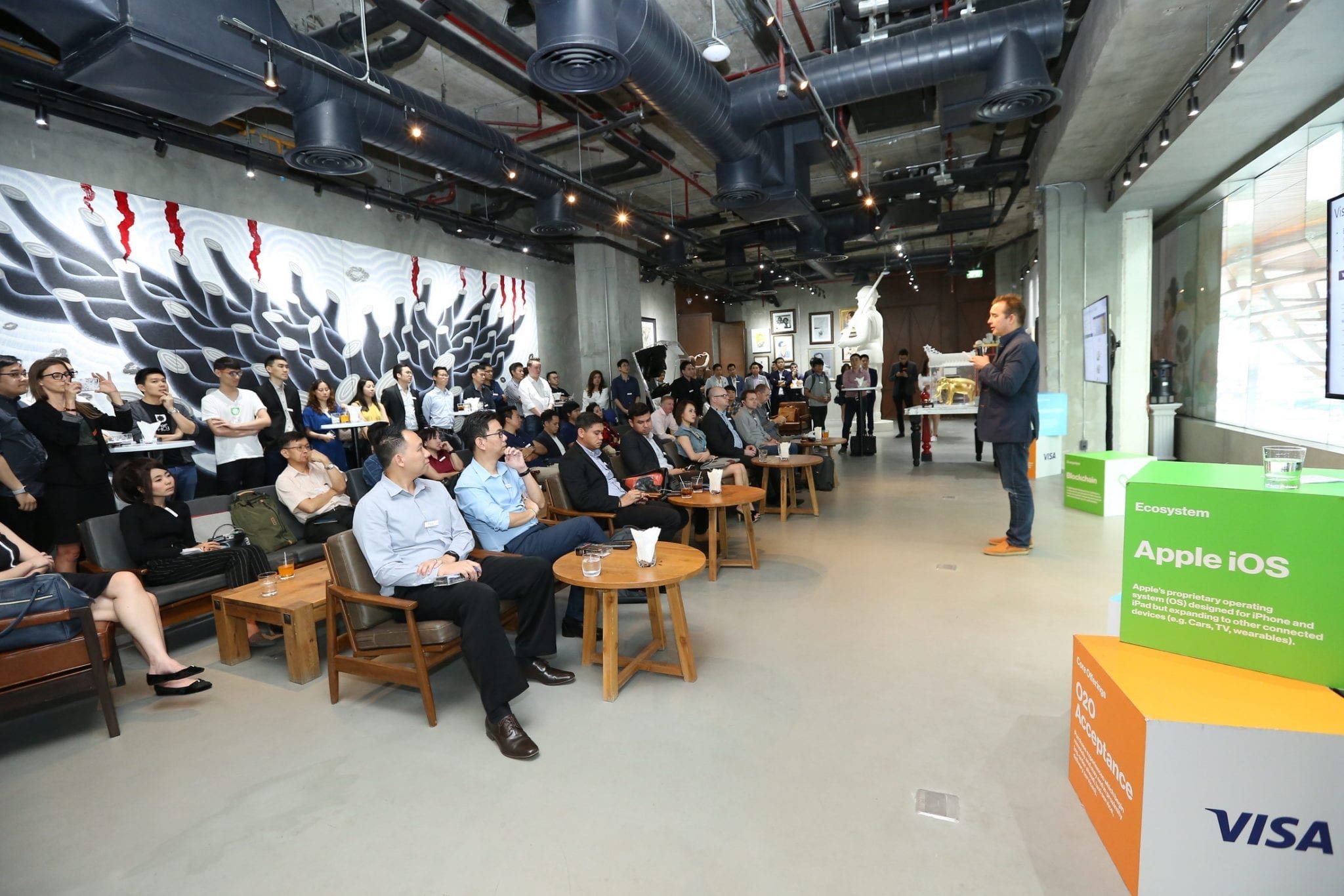
    Suripong Tantiyanon, Country Manager, Visa Thailand announced the program’s three challenges to the start-up community at Visa’s Everywhere Initiative Open House in Thailand. The winner of this challenge will receive THB 1 million in funding as well as mentorship, exposure to Visa’s partners, as well as access to facilities and experts at Visa’s Innovation Center in Singapore.

    The competition is open for entries from yesterday to February 9. To enter, start-ups must submit a solution for one of the three challenge briefs incorporating Visa APIs, a suite of Application Program Interface available through Visa Developer Platform.

    Suripong Tantiyanon, Country Manager, Visa Thailand said: “The goal of Visa’s Everywhere Initiative is to accelerate the digital economy by providing Visa capabilities to enterprising innovators in Thailand. Using Visa Developer Platform, Visa wants to enable co-creations among many of our banking and technology partners. We look forward to seeing many creative solutions in this year’s competition.”

    The program received great interest from the startup community, with many signing up for the Visa’s Everywhere Initiative Open House.

    The program’s challenges are:

    • How can start-ups innovate to create relevant and rewarding digital payment experiences for international tourists visiting Thailand?
    • How can start-ups leverage social media platforms to accelerate commerce and scale access to financial services?
    • How can start-ups innovate to make digital payments easy to access and capable of adding value for merchants?

    The finalists will be invited to pitch their solutions to a panel of industry leaders, including Visa executives, on March 9 in Bangkok. The grand prize includes THB 1 million in funding, mentorship, exposure to Visa partners and access to facilities and experts at Visa’s Innovation Center in Singapore.

    Jessada Sookdhis, President of Thai Fintech Association, said: “We are delighted to support Visa’s Everywhere Initiative, which will help enrich the burgeoning fintech ecosystem in Thailand, bringing solutions to the greater population by solving real needs, and driving wider adoption of electronic payments.”

    Visa’s Everywhere Initiative was created in 2015 to harness the creativity and talent within the startup community worldwide. To date, nearly 2,100 startups have participated, and have collectively raised over $2 billion in funding. The program has selected more than 131 finalists and 36 overall winners. More than 40 countries and regions that have hosted Visa’s Everywhere Initiative including the US, China, Australia, New Zealand, Europe, the Middle East, and Latin America.

  • Luxury on WeChat : The keys to succeed in 2018

    Luxury on WeChat : The keys to succeed in 2018

    Today, China leads the world in technical innovation and WeChat is its most iconic ambassador.

    With more than 900 million daily active users (as of September 2017) and close to 40 billion messages exchanged daily, WeChat is now more than ever the daily life tool for Chinese netizens.

    On the business front, Chinese consumers represent +32% of all luxury goods sold worldwide, with Chinese travelers accounting for an increasing share, and WeChat represents the perfect tool to connect with these consumers. Today’s leading luxury brands have anchored WeChat at the center of their O2O strategy in China, operating on three main pillars: Social, CRM/Data, and E-Commerce.

    On the social front, luxury brands strongly improved their digital creativity (HTML5, Canvas, Gaming, VR, Mini Program, etc.) and combined social campaigns with KOL engagement and significant media buying investment to increase impact. In 2017, we saw a clear shift away from traditional media spending in favor of digital media where the ROI is more immediate and transparent.

    Furthermore, luxury fashion brands have taken a page from FMCG brands and begun to implement CRM integration, message segmentation and advanced user tagging based on social behavior and consumption data. Some of them have gone a step further and developed WeChat loyalty programs aimed to increase user engagement and drive repetitive spending.

    Finally, 2017 witnessed the rise of 3rd party luxury platforms (Luxury Pavillon, Toplife, Viplux, Secoo), coupled with the emergence of the WeChat mini program and an increased investment by brands into their own .CN websites.

    WeChat provides the perfect ecosystem for luxury brands to court the Chinese consumer, from immersive branding campaigns to boutique appointment systems and integrated WeChat e-commerce.


  • Meitu try on e-commerce to boost revenues

    Meitu try on e-commerce to boost revenues

    China’s beauty-enhancing app developer and smartphone maker Meitu is looking to boost revenues by expanding further into e-commerce, leading a $5 million funding round in Goxip, a Hong Kong-based online shopping platform.

    Juliette Gimenez, CEO and co-founder at Goxip, said that the Chinese photo-editing applications maker was the biggest contributor to its series A funding round, making it the first e-commerce company in which Xiamen-based Meitu has invested.

    “Meitu will be a strategic partner,” Gimenez said. In addition to the investment, the two companies would cooperate in various ways, including on Goxip’s expansion in the lucrative mainland China market, she said

    Gimenez said she started talking to Meitu’s executives, including founder Cai Wensheng, about six months ago, when the selfie app company was seeking to diversify.

    Meitu, whose image-processing applications are reportedly used to edit more than half of China’s selfies on social media, now labels itself a “mobile internet company.”

    “We will not comment on one single project,” Meitu’s spokesperson said. However, she added: “Meitu’s investment strategy has always been revolving around new technology, beauty and user growth.”

    Last year Meitu rolled out two e-commerce platforms. MeituDIY allowed users to design and create personalized outfits using artificial intelligence and to purchase the items from its platform. The other application, MeituBeauty, specializing in cosmetics and skincare, allows shoppers to try out the products by uploading their selfie.

    The investment in Goxip is also expected to accelerate Meitu’s overseas expansion.

    Goxip partners with more than 500 international online retailers. Its data base comprises more than 36,000 luxury brands and 5 million items, according to its website. The fashion retail platform allows users to search similar products by uploading photos.

    Despite a market cap of 48.97 billion Hong Kong dollars ($6.26 billion), Hong Kong-listed Meitu has not made a profit since it was founded in 2008. But its business segment including online advertising, e-commerce and virtual item sales turned profitable for the first time in the first half of last year, according to its financial filings.

    In December 2017, Meitu acquired a stake in Hong Kong-based media company PressLogic, which uses data and technologies including machine learning to better target advertising on social media.

  • PCCW launches e-commerce platform Habbitzz to plug Hong Kong market

    PCCW launches e-commerce platform Habbitzz to plug Hong Kong market

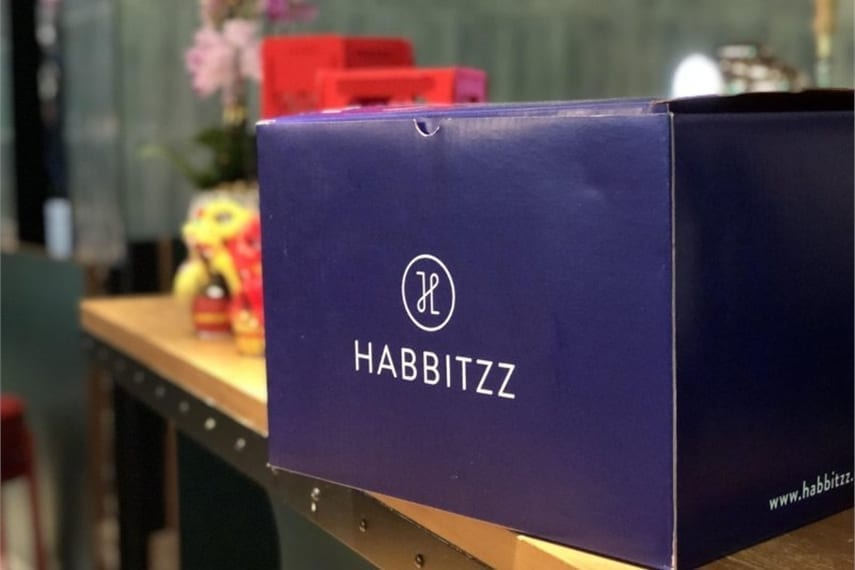
    Hong Kong tech company PCCW is about to launch a B2C e-commerce platform, Habbitzz.

    Kicking off on March 6, it will feature 15,000 SKUs from more than 1000 international brands covering alcohol, babycare, electronics, fashion and beauty, sports and lifestyle, and travel.

    “Think of us as the Amazon of Hong Kong, but remove all the low-end products,” says Habbitzz CEO Alex Bono, who is also senior VP of e-commerce for PCCW solutions, the IT and outsourcing services division of the conglomerate.

    PCCW has been preparing the venture for nine months, and says it came up with the name Habbitzz because it wants Hong Kong consumers to move beyond their more traditional habits of shopping.

    Bono says the goal is to have 100,000 products and services by this time next year, with a broader O2O strategy in the works by 2019 or 2020.

    Alongside the main business of Habbitzz Retail – the webstore reselling products from both mainstream and niche merchants – are two other business lines: Habbitzz Express (warehouse and logistics support) and Habbitzz Services (CRM, data analytics and payment gateway technology).

    “At speed”

    Bono says PCCW is letting Habbitzz have “more freedom to execute at speed”.

    “One year in, this startup will be like five years in a corporation like PCCW that is accustomed to big, finalised products,” he says.

    PCCW had previously tried to grow e-commerce “in a corporate way” with its e-commerce-as-a-service package. In November 2015, PCCW Solutions also ventured into e-commerce logistics. With LTF Asia, it jointly launched a network of automated lockers, House of Parcels, to store online orders for customer pick-up.

    For Habbitzz, Bono has hired almost 100 employees based in Hong Kong and the Philippines including data scientists, software engineers, merchandisers, product managers, search-engine technologists and design specialists.

    Habbitzz’s main local rival, HKTVMall, launched in 2015 and today handles 7600 daily orders, taking in an average of HK$537 an order from 180,000 products out of 2700 brands.

    “There will be categories in which Habbitzz will overlap with HKTVMall, but we aim for premium positioning,” says Bono. “We will definitely not hold any cheap brands.”

    He says Habbitzz is aiming for same-day or even a four-hour delivery window.

  • Alipay partners Global Tax Free to roll out tax refund service in Singapore

    Alipay partners Global Tax Free to roll out tax refund service in Singapore

    Alipay, the world’s largest mobile and online payment platform operated by Ant Financial Services Group, along with Global Tax Free today announced that Chinese travelers visiting Singapore can now have tax refunds deposited directly into their Alipay accounts after completing all procedures at the airport. Singapore is the first country in Southeast Asia to offer this service to Chinese tourists.

    The move follows the signing of a memorandum of understanding (MoU) between Alipay and Global Tax Free (GTF) last September.

    “The Singapore Tourism Board (STB) is pleased to support the launch of Alipay as an additional mode of refund beyond cash and credit card. This will offer Chinese shoppers, who are frequent users of digital payment systems, a more seamless and enjoyable shopping experience in Singapore,” said Ms Ranita Sundra, Director, Attractions, Dining & Retail, STB.

    The new tax refund service is easy to use (see image below) and offers a shorter waiting time over credit card refund, which requires a lead time of up to 10 days. Through Alipay, Chinese shoppers can now enjoy a faster and more seamless refund process, as they can get their refunds in Chinese Yuan credited into their Alipay accounts immediately after completing the necessary procedures at the airport. Alipay also offers a strong and favourable exchange rate that further enhances the overall shopping experience for Chinese visitors in Singapore.

    China is one of Singapore’s key markets for tourism. Based on statistics published by the Singapore Tourism Board, 2.86 million Chinese travelers that visited the nation in 2016 accounted for S$3.5 billion in Tourism Receipts, of which 43% was contributed by shopping.

    Alipay has rolled out the tax refund service in 20 countries worldwide, including South Korea and Germany. Singapore is the first country in Southeast Asia to implement the Alipay tax refund scheme.

  • Indonesia to Start Implementing Stricter Regulation for Ride-Hailing Services in February

    Indonesia’s Transportation Minister Budi Karya Sumadi confirmed on Thursday (25/01) the government will start implementing its newly-revised regulation for app-based ride-hailing services in February.

    The new ministerial regulation for services like Uber and Grab was set in October last year. It has been trialled in some major cities including Jakarta, Bandung (West Java), Semarang (Central Java), Surabaya (East Java) and Medan (North Sumatra).

    The new regulation will impose operational area limits for app-based taxis and require their drivers to obtain a public transportation driver’s license. Each driver will also have to join up with a company or a co-operative with at least five members.

    Cars used by app-based taxis will have to undergo regular test to keep their certificate of roadworthiness, or KIR, and each car should have a sticker saying it is being used as a ride-hailing cab.

    “In England, Uber cars have that kind of sticker, that’s easily seen on the street,” Budi told reporters at Kuningan City Mall in Jakarta on Thursday (25/01).

    “The ultimate goal for this regulation is to provide better safety for passengers,” he said.

    Many online taxi drivers have been complaining about the new regulation since it was first introduced in October.

    According to them, the hardest requirement to meet in the new regulation is re-registering the car as a public transportation vehicle and doing the KIR test regularly.

    “The regulation has to be fair,” Budi said. “It’s for everyone’s benefit. But public safety is our top concern. The regular KIR test, for example, is to make sure the cars are in tip-top shape,” Budi said.

    Last Monday, hundreds of online taxi drivers marched to the Transportation Ministry headquarters in Jakarta.

    The drivers promised a bigger street protest next Monday, Jan. 9, in front of the presidential palace.

    The government has also said it will impose tiered sanctions for drivers who disobey the rules, from suspending their license, fines of up to Rp 500,000 ($37) to a two-month jail sentence.

  • Shinsegae to ramp up e-grocery business with $940 million from private equity

    Shinsegae to ramp up e-grocery business with $940 million from private equity

    South Korean retail heavyweight Shinsegae has drawn a US$938 million investment to help it build a major e-commerce business.

    Shinsegae has signed an initial funding agreement with BRV Capital and private equity company Affinity Equity Partners as it strives to make the most of a rapidly expanding Korean online shopping market.

    Shinsegae says it will carve off the online business divisions of Shinsegae Department Store and its discount store chain operator E-Mart and merge them to establish a separate affiliate dedicated to the group’s e-commerce business.

    “Our goal is to launch the new affiliate within this year,” Choi Woo-jung, head of the group’s e-commerce business, said in a press release. “Further details, including the name of the company and its structure, will be decided down the road.”

    Shinsegae plans to carry out new business projects, including mergers and acquisitions, through the spun-off company and raise it as the business group’s key distribution channel with an annual revenue of 10 trillion won by 2023.

    Shinsegae’s e-commerce business has been posting double-digit growth since the launch of an integrated online mall for its subsidiaries, SSG.com, in 2014, it said. The online platform logged 1.5 trillion won (nearly $1.4 billion) in sales in the first nine months of 2017.

    The retailer’s move to expand its e-commerce business comes in line with a steep rise of purchases made over the Internet in South Korea as the use of smartphones has fully caught on with local consumers.

    Transactions made with personal computers and other mobile devices reached 7.55 trillion won November last year, up a solid 21.7 per cent from a year earlier, according to data from Statistics Korea.