Category: Electronics

Retail News Asia is committed to providing both local and global retailers with the latest Electronics news throughout the Asian market. This on a daily base.

  • Samsung reportedly makes surprise decision about which chip will power the Galaxy S11 line

    Samsung reportedly makes surprise decision about which chip will power the Galaxy S11 line

    Traditionally, Samsung powers its latest flagship phones in the vast majority of markets with chipsets it designs and produces itself. In the U.S., China, and Japan, Galaxy S and Galaxy Note handsets typically employ the latest Qualcomm Snapdragon SoC. That’s because Qualcomm’s chips work better with the 4G networks in those regions. For example, earlier this year Samsung packed the Snapdragon 855 into U.S., Chinese and Japanese versions of the Galaxy S10 series. In other markets, these phones were equipped with the Exynos 9820 chipset.
    Now, the reverse could happen with the new Galaxy S11 line rumored to be unveiled in San Francisco on February 18 of next year. According to a report in South Korea’s The Elec, the Snapdragon 865 Mobile Platform will be employed in Galaxy S11 devices in all regions except one. Samsung Galaxy S11 models launching in Europe next year will be powered by the Exynos 990 SoC; elsewhere, these units will have the Snapdragon 865 Mobile Platform under the hood. The reason? According to the report, Samsung executives noted that the Snapdragon 865 outperforms the Exynos 990. The latter was unveiled by Samsung in October and the manufacturer said that the chip offers a 20% performance boost over the Exynos 9825 SoC. Interestingly, both the Exynos 990 and Snapdragon 865 are manufactured by Samsung using its 7nm EUV process. We should note that Samsung has stopped developing its own custom cores.

    One difference between the Snapdragon 865 and the Exynos 990 involves the CPU cores being used. The former features ARM’s latest and most powerful Cortex-A77 while the latter includes the older Cortex-A76. In addition, the new flagship Snapdragon chipset’s Neural Processing Unit (NPU) for AI functionality runs up to 15 Tera Operations Per Second (TOPS) compared to 10 TOPS for the Exynos 990. The Image Signal Processor (ISP) on Qualcomm’s chip has support for 200MP cameras while Sammy’s chip supports cameras up to 108MP. Interestingly, Samsung has decided to use MediaTek’s 5G processor on some of its low to mid-range models.

    You might recall that Samsung had to adjust which chip to use on 2015’s Samsung Galaxy S6 in the U.S., China, and Japan. That’s because the Snapdragon 810 SoC was fond of overheating. So Samsung decided to employ the Exynos 7420 chipset in Galaxy S6 units that normally would have featured the Snapdragon 810. But that adjustment lasted all of a year before Samsung reverted to its previous pattern.
    We expect the Samsung Galaxy S11 family to include a 6.2-inch Galaxy S11e, 6.5-inch Galaxy S11, and a 6.8-inch Galaxy S11+. All three displays are expected to refresh at 120Hz allowing for buttery smooth scrolling and improved animation. The Galaxy S11+ should come with five camera sensors on the back including a 108MP primary (producing 27MP images with pixel binning), an ultra-wide camera, a telephoto camera with 2x optical zoom, a telephoto camera with 5x hybrid zoom and a Time of Flight depth sensor. Using a combination of sensors the Galaxy S11+ could offer 50x hybrid zoom and 100x digital zoom.
    It should be interesting to see what Samsung does in 2021 when TSMC will manufacture the 5nm Snapdragon 875 Mobile Platform and Samsung turns to its 5nm process to produce the successor to the Exynos 990. At 5nm, both chips will be packed with billions of transistors making them more powerful and energy-efficient than next year’s chips. The 2021 integrated circuits will contain as many as 171.3 million transistors per square millimeter. Both TSMC and Samsung have roadmaps taking their chip manufacturing down to 2nm over the next few years.

  • Apple patents technology for AR audio headphones

    Apple patents technology for AR audio headphones

    Imagine listening to a conference call on a headset and knowing the position of everyone in the room just by listening to the sound. Apple apparently is planning on developing AR audio headphones and has just received a patent covering related technology from the U.S. Patent and Trademark Office. Called Intelligent augmented audio conference calling using headphones, the patent mentions how augmented reality headsets take metadata generated from audio signals and “associates each of the audio signals with a spatial position in a virtual representation of the conference call.”

    As Apple explained in the patent documentation “Multiparty conference calls often have callers participating from different locations which may be all over the world. In situations without video feedback, it is especially difficult to identify a speaker. Often, when callers can’t be identified or heard, interaction during such conference calls may be awkward. Embodiments discussed herein aim to provide a more intuitive, clear teleconference experience.” If a conference call is made up of callers from different locations, a virtual room is created and a position in the room is assigned to each person as they join the call. If the listener on a conference call turns his head toward someone in the virtual conference room, the audio will adjust to match how it would have sounded had the listener really been in the room.

    In the patent, Apple mentions something it calls “the ‘Cocktail Party’ mechanism in the listener’s brain.” The company explains that this is “a key psychoacoustic process enabling an improved sound source segregation.” Apple continues by mentioning the advantages to the listener and says, “It is therefore advantageously possible to more easily identify individual talkers and to increase speech intelligibility, without the need for visual cues or the need for a caller to state a name before talking during the conference call. Furthermore, it is advantageously possible to provide a virtual audio environment that is more natural sounding as compared to conventional technologies.” The company believes that knowing who is speaking and where that person is in a room makes it easier to participate in such a call. It will also help the listener understand what is being said during an audio-only conference call. And even if a listener cannot recognize the voice of the person talking, he still can tell who it is based on the speaker’s position in the room.

    In one scenario mentioned in the patent documentation, Apple envisions that a caller being assigned to a position in a virtual conference room is placed in a group that could be made up of family members or based on the geographic location of the caller or even the strength of the caller’s signal. In a situation where there are two different and separate groups, one might be “placed” to the left of the listener while callers from the other group are “placed” to the right of the listener.

    It’s an intriguing technology that if commercialized, could help Apple sell a ton of AR headphones to corporations. And there might even be some use for the technology by consumers listening to podcasts, streaming radio (including audio-based news apps) and more. This technology could eventually be used with video games. Or, as Apple points out on all of its patents, the patented technology might never see the light of day. Not that Apple isn’t high on AR; it is. Earlier this month we told you that the company reportedly plans on offering a mixed reality headset in 2022 with the long-awaited AR glasses to appear the following year.

    The patent was originally filed back in June 2017 and was previously published last December before being awarded to Apple.

  • OnePlus launches Experience Store in India

    OnePlus launches Experience Store in India

    Chinese smartphone brand OnePlus has launched an experience store in Coimbatore, India.

    It is one the firm’s planned network of 100 experience stores that are expected to be opened in 50 cities within the territory by next year, with a particular focus on tier two cities. OnePlus has around 25 experience stores established so far, as well as around 70 service centres. The new outlet also features its own service centre.

    Additionally, OnePlus has more than 2000 service centres in large-format retail stores throughout India.

    OnePlus India’s regional head of marketing Darshana Bala said the new store launch is in line with the company’s plan to augment its offline impression all over India, according to a SiliconIndia report.

    OnePlus has been eyeing the Indian market since its launch in 2014. It has a close to 40 per cent market share in the premium sector.

  • Asus Experience Store opens in Singapore

    Asus Experience Store opens in Singapore

    Singapore’s first Asus Experience Store has opened on the third level of Bugis Junction.

    The 3000sqft concept area contains three separate areas: a Republic of Gaming-branded store for gaming equipment, the main showcase space for laptops and peripherals and an assistance centre for service and technical advice.

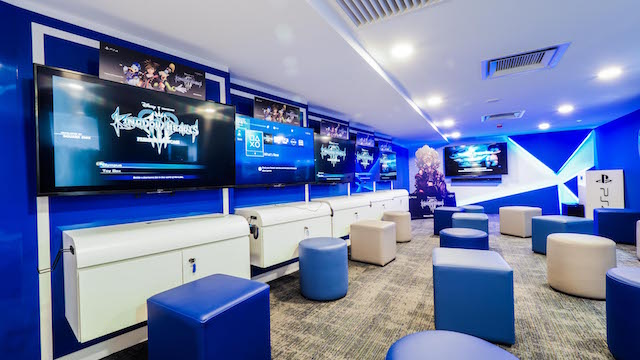
    The gaming store contains a six-station gaming network called the Battlezone, which visitors can book online to use for free. The brand hopes to hold regular events in the space to help foster the local gaming community.

    The Asus computer outlet contains the brand’s full range of workstations and hosts workshops in image and video post-production.

    Included in the Asus Experience Store is space specially dedicated to workshops where customers can learn how to post-produce images and videos or hear professional talks about Asus products.

  • Niantic increases Pokemon GO storage limit

    Niantic increases Pokemon GO storage limit

    Great news for Pokemon GO players, especially veterans who’ve played the game for a very long time, as Niantic has just announced another limit storage increase for its mobile game. This means that Trainers will now be able to catch and store no less than 3,000 Pokemon without having to transfer any of them.

    Keep in mind that you will still have to pay for the extra storage space, just like you did until now. Pokemon GO has a free storage limit of 300 Pokemon and 350 items, but you can purchase additional storage space up to 3,000 Pokemon and 2,500 items.

    Last year, Niantic increased the Pokemon GO storage limit from 1,500 to 2,000, and once again to 2,500 several months ago. Well, it looks like many players have already hit that limit forcing Niantic to further expand storage limit.

    In case you’re wondering how much it will cost you to hit the 3,000 Pokemon limits, you can do the math considering 200 Pokecoins will get you 50 slots (Pokemon or items). Of course, you can buy Pokecoins for real money or get them via in-game rewards and bonuses.

  • Hanssem opens Nexus flagship in Seoul

    Hanssem opens Nexus flagship in Seoul

    South Korean furniture maker Hanssem affiliate Nexus has launched a new flagship store in Seoul.

    The 3300sqft store targets Korea’s burgeoning luxury lifestyle consumership from its location in Nonhyun-dong, retailing 16 ultra-luxury and exclusively imported European brands. It also offers consulting services by professional decorators and interior designers.

    “It is time for us to export our interior design ability, just like we grew from a fashion importer to exporter,” said Hanssem Nexus CEO Lee Young-sik.

  • Commune to start retailing premium Samsung TVs

    Commune to start retailing premium Samsung TVs

    Singapore furniture retailer Commune has become the first non-electronics authorized retailer for selected premium Samsung TVs.

    The exclusive partnership is a first-of-its-kind for both Samsung and Commune. It is unusual for an upmarket interiors store to stock TVs – in this case, Samsung products that double as wall-mounted artworks when not screening video content.

    “Commune is honored to collaborate with Samsung, whose design-centric lifestyle TVs complement our modern contemporary furniture collections and home interiors,” said Commune Lifestyle COO & CMO Gan Shee Wen. “Like Samsung TVs, our furniture encapsulates quiet modernity, unifying function and effortless form with intelligent craftsmanship.”

    Consumers now have the opportunity to visit Commune stores in Singapore and see for themselves how the high tech premium Samsung TVs can seamlessly blend with modern furniture.

    “We are delighted to partner Commune to bring Samsung’s premium lifestyle TVs, The Frame and The Serif, to their stores,” said Samsung Electronics Singapore director, consumer electronics business Steven Koh. “Where design meets technology, this collaboration reinforces our commitment to providing consumers with enhanced sophistication and harmonious balance between form and function.”

  • Vingroup unit partners with Google to make TVs

    Vingroup unit partners with Google to make TVs

    VinSmart, a unit of private conglomerate Vingroup, will produce smart televisions in partnership with Google, the company announced Wednesday.

    The partnership will allow the electronics producer to develop its Vsmart TVs on Google’s Android operating system.

    VinSmart is set to release the first five models, which have 4K resolution and Google Assistant in Vietnamese, next month.

    The TVs, which will have Dolby sound systems, will be made in Hanoi’s Hoa Lac Industrial Park.

    After Google, VinSmart will look for international partners to develop more smart products meeting global standards under a Vietnamese brand, Vingroup’s deputy director Le Mai Tuyet Trinh said in a statement.

    Tech expert Tran Manh Hiep said that VinSmart TVs will find it very difficult to compete in the high-end segment dominated by Samsung and LG. He said it is better that the Vietnamese company focuses on the affordable segment.

    VinSmart, established in June last year, has already introduced eight smartphone models, and exported them to Spain, Myanmar and Russia. It had announced in May that it has plans to expand this to India, Thailand, Laos and Cambodia this year. The company also said that it was looking into making air conditioners and refrigerators.

  • Xiaomi India becomes nation’s largest single-brand retail network

    Xiaomi India becomes nation’s largest single-brand retail network

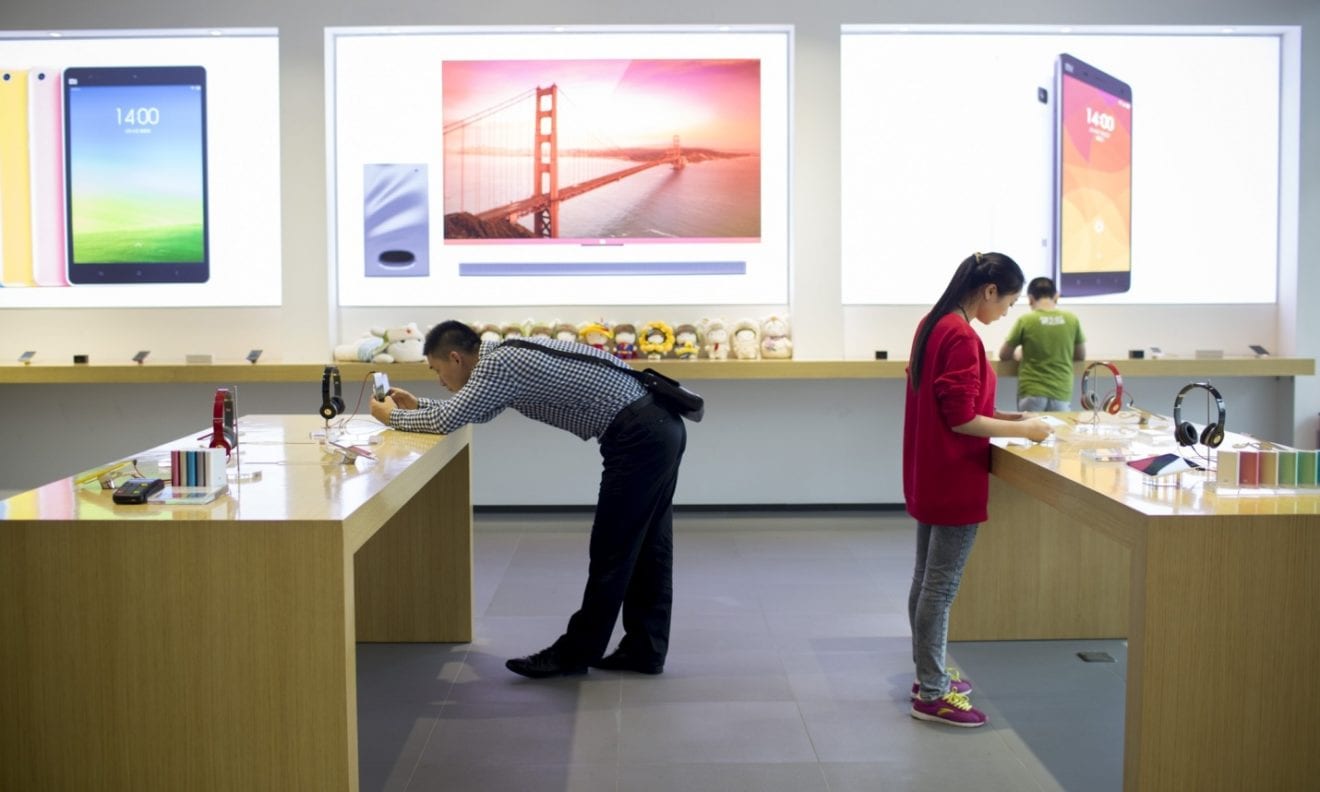
    Xiaomi India has been recognized as the largest exclusive brand network in the territory.

    The finding was released in a study by retail and channel solution provider Channelplay, and coincides with the launch of the brand’s 2500th Mi Store in India. Xiaomi India now has Mi Stores in more than 790 cities.

    The results of the study showed that Xiaomi’s retail network is 44-per-cent larger than Samsung; 108-per-cent larger than Domino’s; and 117-per-cent larger than Bata in terms of exclusive brand retail presence.

    “We started our offline journey in India in 2017, and our expansion gained momentum last year,” said Xiaomi India COO Muralikrishnan B. “We have crossed the milestone of 2500 Mi Stores in less than a year across 790+ cities and towns and extremely proud to be bringing the best specs, with the highest quality at an honest price with an exceptional retail experience to our Mi fans in all rural areas.”

    Earlier this year, a Counterpoint Research Market Monitor named mi.com as the top single brand online smartphone channel in India.

  • Vingroup begins making smart televisions

    Vingroup begins making smart televisions

    VinSmart, the smartphone producing unit of Vietnam’s biggest private conglomerate Vingroup, has revealed its first 55-inch smart TV.

    The smart TVs are currently being manufactured in a factory in Hanoi’s Hoa Lac Industrial Park, and are set to be released around December this year, according to a Vingroup source who wished to remain anonymous.

    They will run on the Android TV operating system, which is currently being used by smart TVs produced by Japanese electronics-maker Sony, according to information leaked on tech forums on Wednesday.

    Users will be able to install applications from the Google Play Store, as well as issue voice commands in Vietnamese.

    The new smart TV has garnered thousands of comments on internet forums, many of which said it should be affordable so that it can compete with existing products of Sony and South Korean electronics-maker LG.

    VinSmart was established by Vingroup in June 2018, and produced its first smartphones just six months after. It has produced a total of eight models thus far. Last month, the company began selling four of its Vsmart models in Russia.

  • iPhone 11 orders double that of iPhone X in Vietnam

    iPhone 11 orders double that of iPhone X in Vietnam

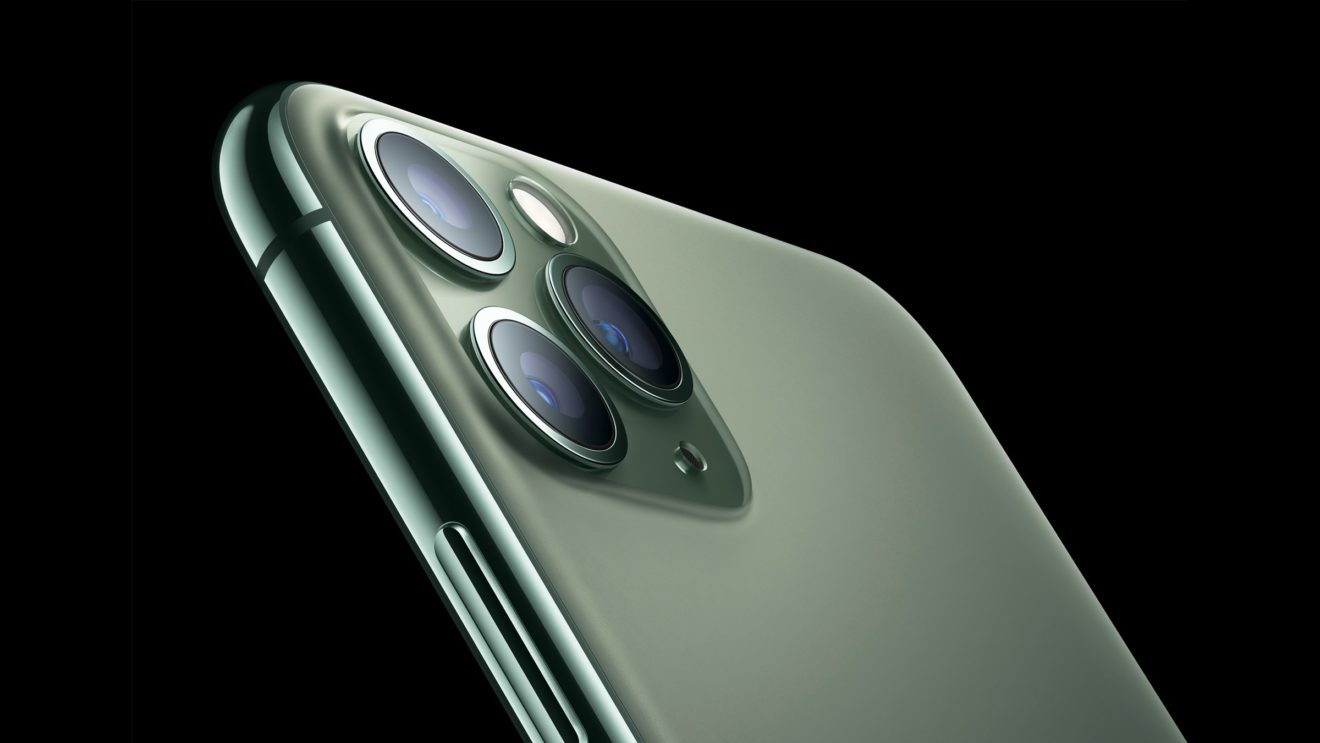
    Orders for iPhone 11 models soar to twice that of iPhone X last year, with more customers preferring authorized resellers for post-sale services. As of October 31, data from electronics chain FPT showed that customers have put down deposits for 12,300 iPhone 11 models, 2.5 times that of iPhone XR, XS and XS Max last year.

    In major chain Mobile World, customers have put down a deposit for 6,000 new iPhone 11 models, three times that of iPhone X last year. Another chain, CellphoneS, received 2,500 orders with deposits, twice that of last year.

    The iPhone 11 was officially released in Vietnam on Friday via authorized resellers. FPT said it could deliver up to 5,000 devices on Friday alone. Industry insiders say official iPhone 11 orders have reached a new peak in Vietnam, with the total number of these three major chains already surpassing 20,000 devices, higher than in previous years.

    Many Vietnamese are used to buying iPhones via unofficial channels, mostly hand-carried on overseas flights. There is a change in this trend, with the increase in official channel orders showing customers care more about post-sales services such as the one-year warranty from Apple. Data from the chains also show that iPhone 11 Pro Max is the most favored model, accounting for half of all orders, followed by iPhone 11. Only 10 percent of buyers ordered the iPhone 11 Pro.

    At authorized resellers, the iPhone 11 is priced from VND22 million ($951), the iPhone 11 Pro, VND31 million ($1,340) and the iPhone 11 Pro Max, VND38 million ($1,643). Apple’s market share in Vietnam fell to 5.6 percent in September, its lowest level this year, with buyers apparently waiting for the new iPhone 11 models, according to a report by market research firm GfK.

  • Park-themed Sony Singapore store opens in Westgate

    Park-themed Sony Singapore store opens in Westgate

    Sony Singapore has opened a park-themed store at the Westgate shopping center.

    The Japanese technology and electronics company says the store has been designed to connect with customers through their lifestyle by offering consumer products from the photography, videography and audio categories through to home entertainment.

    “Each area of the store is designed to offer a different feel that is closely related to customers’ lifestyle,” said the company in a statement.

    The highlight of the new store is the provision of all things video-related such as information, products and accessories. At the Vlog Studio, customers can hone their video skills by learning video tips and tricks they can apply when shooting their videos live. Product consultants will also be on hand to provide advice on video taking if required. The Vlog Studio will feature regularly changing themed setups, starting with a park theme currently.

    Sony Singapore says the way products are displayed befits the overall park-themed nature of the store.

    “We aim to provide customers with a calm, relaxing environment to audition the products. For example, the Bravia display area features park benches as seats for families to admire the televisions and soundbars while music lovers can listen to new personal audio products … and be immersed in nature surroundings.”

  • Apple market share plunges to year’s lowest level in Vietnam

    Apple market share plunges to year’s lowest level in Vietnam

    Apple’s market share fell to 5.6 percent in September, its lowest level this year, with buyers apparently waiting for its next product.

    This kept its iPhone in fourth place, behind Xiaomi, which had a 10.7 percent share, according to a report by market research firm GfK.

    Samsung remained on top (40.7 percent) followed by Oppo (24 percent). Vivo was in fifth place (5.4 percent), selling 1.07 million phones.

    Xiaomi, which held fourth place in June, saw consistent growth since then to climb into third place in July, where it has remained.

    This was the third straight month of fall in market share for Apple, which was down 1.6 percentage points from June and 2.4 percentage points from January.

    Industry insiders said the Vietnamese tendency to wait for the upcoming iPhone model, set to be released in early November, is the reason for the falling sales, besides intense competition from Samsung and Oppo with their new products and promotions.

    On Wednesday major smartphone seller Mobile World said 10,689 people have put down deposits of VND1 million ($43.25) to prebook the iPhone 11, iPhone 11 Pro or iPhone 11 Pro Max.

    Another smartphone retailer, FPT Shop, has received 16,390 bookings.

    The two authorized Apple resellers are scheduled to deliver the phones on November 11.

    In the first nine months, Samsung and Oppo had market shares of 39.6 percent and 28.7 percent respectively followed by Apple (7 percent) and Xiaomi (5.9 percent), according to the report.

    A report released in January by We Are Social, a social media marketing and advertising agency, said around 75 million people in Vietnam, or almost 80 percent of its population, use smartphones.

  • Apple updates HomePod with important new features

    Apple updates HomePod with important new features

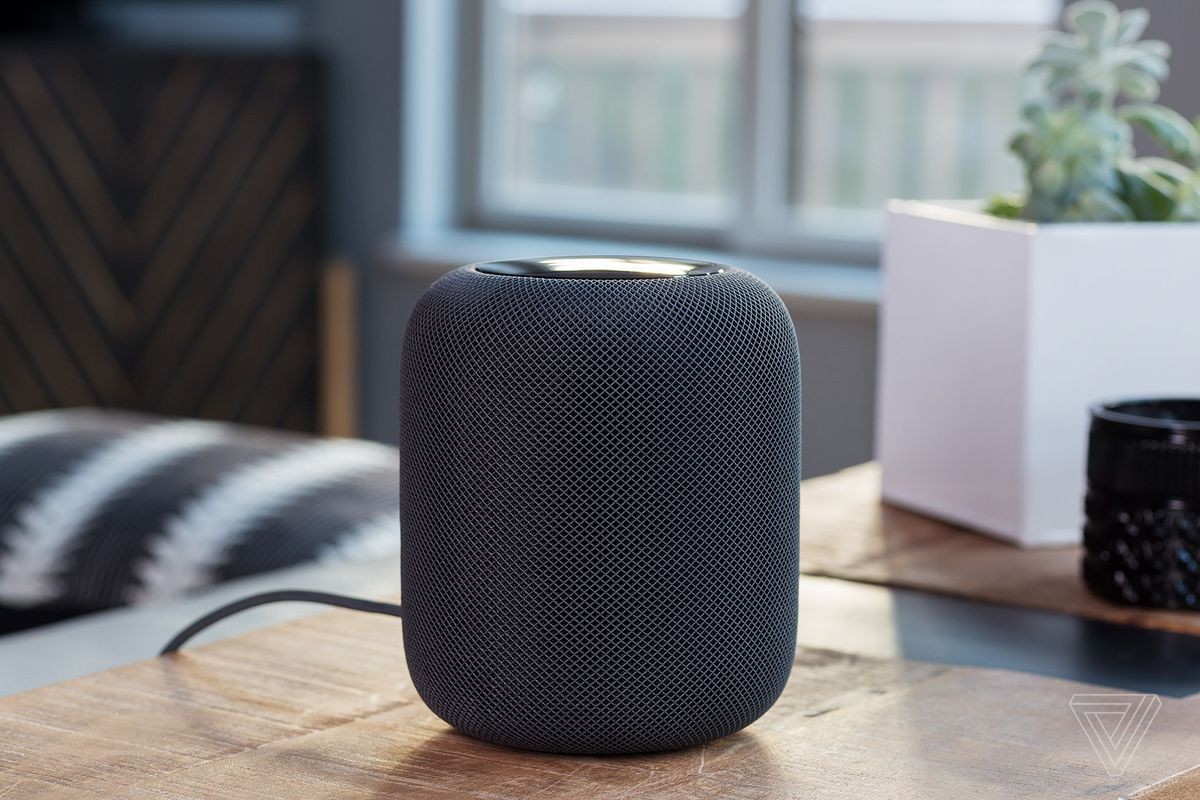
    Until Apple releases a HomePod Mini, we’re stuck with the regular one that comes at a higher price. Those who already cave in to Apple and bought one will be happy to know a new software update is now rolling out to all HomePod units out there.

    The update brings a handful of new features and improvements such as the ability for Apple’s smart speaker to recognize the voices of different family members (up to six) so that it can provide a tailored experience for everyone.

    With the new handoff feature, HomePod users will be able to switch between the smart speaker and the iPhone much easier. The only thing you must do is keep your iPhone closer to the HomePod until a notification pops up on your display.

    Also, after the latest update, you will be able to add music to your HomeKit scenes. Finally, the update introduces Ambient Sounds that should allow you to play relaxing high-quality soundtracks before you go to sleep. You can also set sleep timers to fall asleep to music or Ambient Sounds.

  • Seven more Oppo flagship stores planned for SE Asia

    Seven more Oppo flagship stores planned for SE Asia

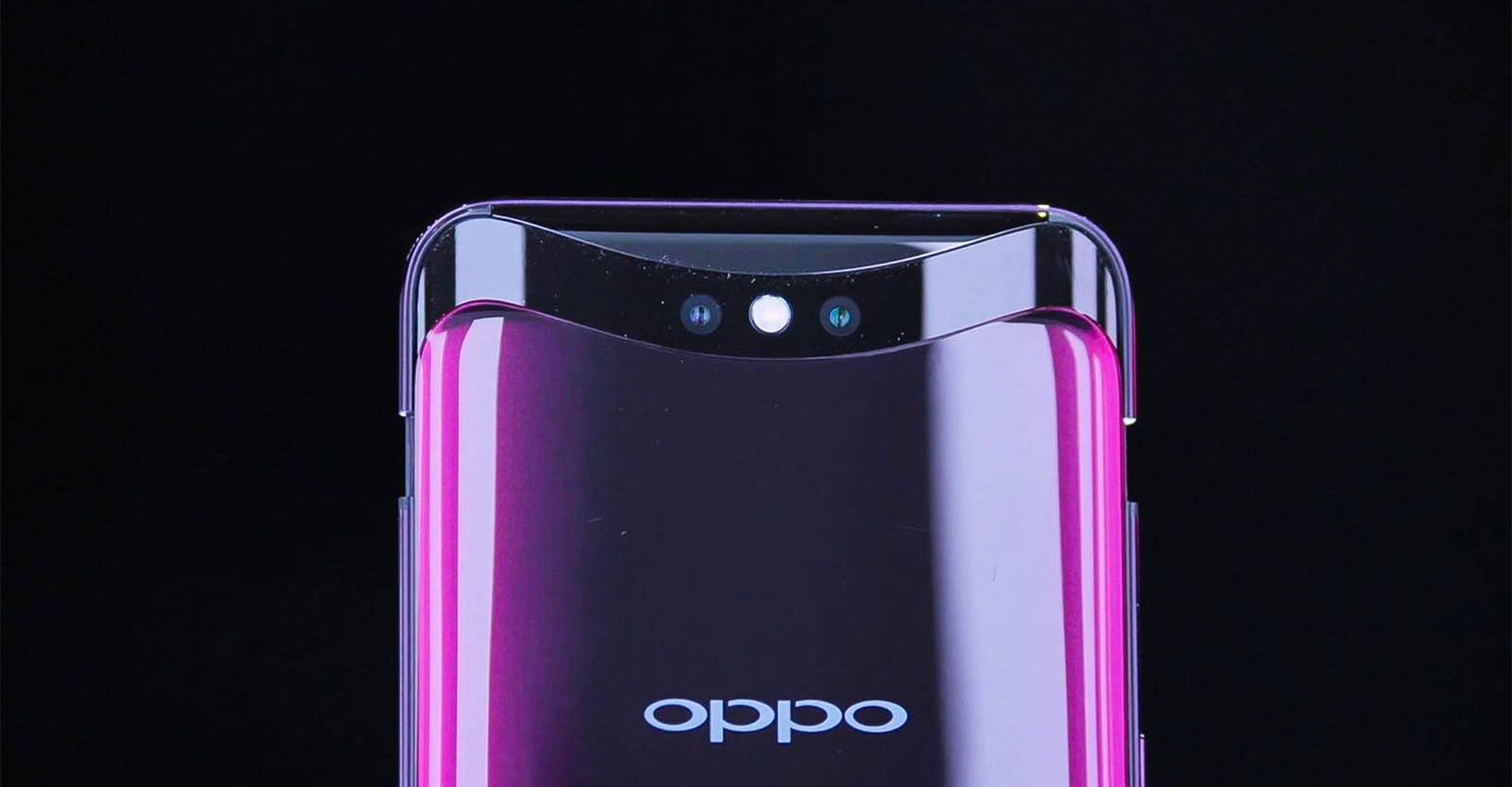
    Six more Oppo flagship stores are planned across Southeast Asia by next year as the Chinese smartphone brand ramps up its brand profile in the region.

    The company says it will open stores in Thailand, Malaysia, Indonesia, Vietnam, Taiwan, and the Philippines, in addition to its newly opened super flagship store at the Emquartier shopping mall in Bangkok.

    The brand describes its Oppo flagships as spaces where it can interact more with customers and showcase futuristic products with IoT, AR and 5G experiences including smart wearables and cloud gaming.

    The brand says it has been generating sales through more than 52,000 retail points and 44,000 sales representatives for the past decade. But now it is entering a new era in which it aims to upgrade the overall consumer in-store experience, hence the Oppo flagship openings.

    “Oppo is now already one of the top players in the region. It is important that we continue to evolve with consumers and the industry in order to stay competitive,” says Oppo Asia Pacific president Jimmy Yi.

    “The next frontier of our strategy is strengthening the premium experience and continue to innovate consumer experiences both offline and online,” he added.