Category: Electronics

Retail News Asia is committed to providing both local and global retailers with the latest Electronics news throughout the Asian market. This on a daily base.

  • JB Hi-Fi New Zealand falters while group grows

    JB Hi-Fi New Zealand falters while group grows

    Electronics retailer JB Hi-Fi has seen shares jump 8.3 percent following a strong first-quarter showing, with total group sales growth of 4.7 percent and comparable sales growth of 3.7 percent.

    However, the business’ New Zealand arm didn’t reach the highs of first quarter FY19, with total and comparable sales growth of 3.8 percent compared to 4 percent total and 9.8 percent comparable in the prior corresponding period.

    The business reaffirmed it would reach its FY20 sales target of A$7.25 billion, including $240 million in New Zealand.

    “As we have said before, retailing is a dynamic and exciting industry and JB Hi-Fi and The Good Guys are market leaders in their respective sectors,” JB Hi-Fi Group chief executive Richard Murray said at the group’s AGM on Thursday.

    “In JB Hi-Fi and The Good Guys, we believe we have two unique and relevant brands, particularly in the eyes of our customers.

    “With a customer-focused business model built on a diverse product offering, deep relationships with our suppliers, a high-quality multichannel offer and exceptional customer service, we are confident we will maintain our market-leading competitive position.”

    The retail group experienced pressure from shareholder groups last week over the implementation of its remuneration report, which the Australian Shareholders’ Association and ISS Governance Services recommending a vote against the report.

    However, the vote passed on Thursday, with 82 percent voting to adopt the revised report and 17 percent voting against – avoiding the 25 percent against vote that would have triggered a first strike against the JB Hi-Fi board.

    Last year, 21 percent of JB Hi-Fi shareholders voted against the report, prompting fears of a potential first strike at this year’s meeting.

  • Oppo Thailand opens Bangkok flagship Store

    Oppo Thailand opens Bangkok flagship Store

    Consumer electronics firm Oppo Thailand has opened a flagship at the Emquartier Mall in Bangkok

    The store was launched by Oppo Thailand executive VP Khun Chanon Chirayakul and The Emporium Group senior VP Manathet Annawat, who announced the brand’s intentions to penetrate a more premium market with higher levels of experience and service.

    The store offers a superior retail experience heavy on IoT and 5G innovations and a premium aesthetic interior design, allowing customers to experience interactions ranging from big-screen to smartphone-screen scale technologies. Drones, cameras, Bluetooth speakers, wireless headphones, flash chargers, AR/VR smartwear and robots make up part of the product range on offer.

    The Oppo Thailand Super Flagship offers exclusive services to users with a one-hour repair service, software upgrades and delivery service for customers.

  • Apple AR glasses launch in 2020 reiterated as more details emerge

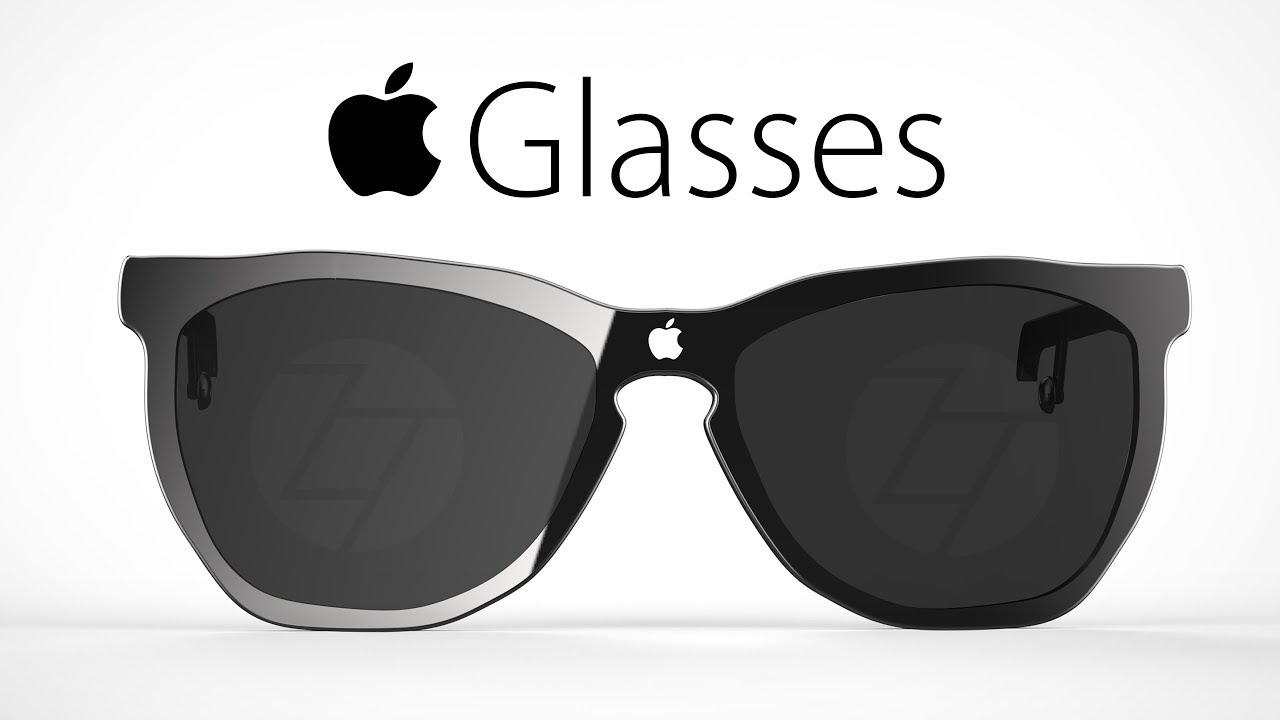
    Apple AR glasses launch in 2020 reiterated as more details emerge

    Apple is betting heavily on augmented reality is the next big thing and a new report by Bloomberg suggests the public could soon see the results of years of development.

    According to Mark Gurman, Apple is targeting next year for the release of its highly anticipated AR glasses. These will reportedly feature a pair of holographic displays and synchronize with the user’s iPhone to display useful information such as text, emails, or the weather. Rumors also suggest Apple Maps integration will be supported in addition to multiple games. The latter means Apple Arcade subscribers may be able to play a range of AR-backed titles while wearing the glasses.

    Apple is said to be hiring experts in both graphics and game development to ensure a range of titles are available at launch. This should help position the glasses as the instant leader in the category and hopefully replicate the long-term success of the Apple Watch. Speaking of which, Apple is reportedly considering a dedicated App Store for its AR glasses similar to the one that was recently launched for its smartwatch. From here, owners of the glasses will be able to download the range of compatible games in addition to a long list of other apps

    Like Gurman, analyst Ming-Chi Kuo believes Apple’s AR glasses will arrive next year, although he goes one step further by predicting a release halfway through 2020. This means the official announcement may happen in early 2020, perhaps alongside the iPhone SE 2 and iPad Pro (2020).

    Long-term, Apple hopes its AR glasses will eventually replace the iPhone, but in the meantime, it’ll focus on pushing its AR technologies through its other devices. Specifically, the next-gen iPad Pro is reportedly going to include a dedicated 3D sensor for AR content while next year’s iPhone 12 Pro series is expected to follow suit in September with the same sensor.

  • Samsung China’s first flagship opens, in front of Apple store

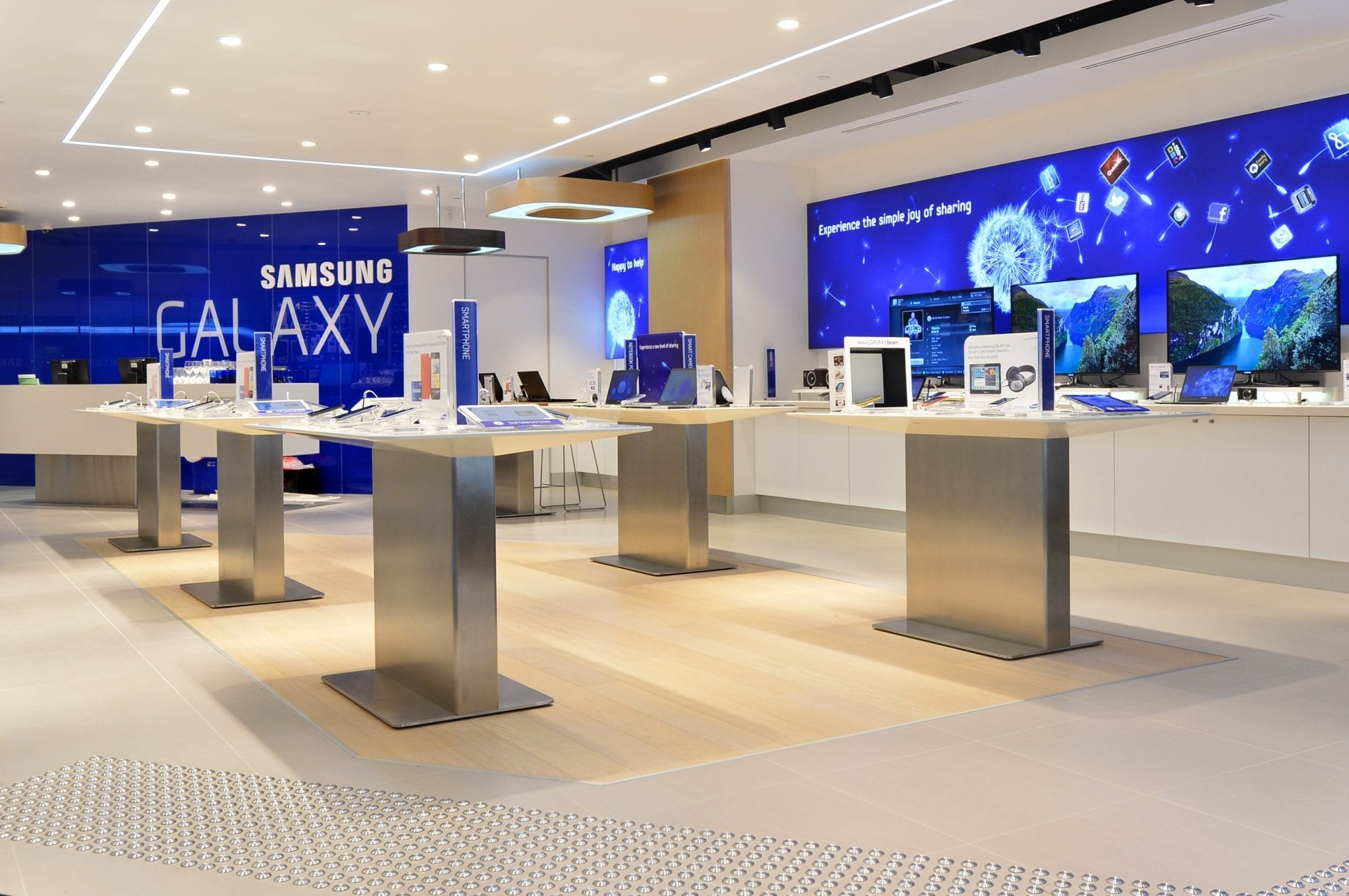
    Samsung China’s first flagship opens, in front of Apple store

    Samsung China has opened its first flagship experience store in the market – and it is right opposite its archrival.

    The almost 1000sqm Shanghai store is the brand’s largest in Asia, and stands opposite Apple’s Nanjing East Road store. The store has two sections and stocks Samsung’s full range of mobiles as well as featuring a 5G experience zone for customers to participate in large-scale cloud games and watch HD video broadcasts.

    Samsung has recently readjusted its strategy in the territory, shifting all mobile device manufacturing to India and China. The experience store is the latest development in the new strategy.

  • Amazon launches Kindle Kids Edition

    Amazon launches Kindle Kids Edition

    Amazon just announced the Kindle Kids Edition, an e-reader geared towards children. Though the internet giant has sold Fire tablets marketed under the Kids Edition label, this is the first time Kindle e-readers have gotten the same treatment. The bundle is available for pre-order now.
    The Kindle Kids Edition comes with the base 10th-generation Kindle, along with one of four colorful, kid-friendly covers and a two-year replacement guarantee. The e-reader is a good match for kids with its portable size and month-long battery life. This model also comes with special software features for younger readers, such as Achievement Badges for reaching reading goals, Word Wise for automatic definitions of more difficult words, and an enhanced book search designed for kids.
    The bundle also includes one free year of FreeTime Unlimited, Amazon’s all-in-one subscription for children’s content. The subscription gives access to a curated selection of books, movies, TV shows, audiobooks, and more content, as well as powerful parental control features. Recently, Amazon also announced that the service will also start working on Echo devices, Fire TV sticks, and Fire TVs.
    Given that FreeTime Unlimited normally costs about $3 a month for Prime members, the free subscription adds a good deal of value for potential buyers. The Kindle Kids Bundle is set to start shipping at the end of October.
  • Xiaomi’s next Mi Band could come with NFC support in the states

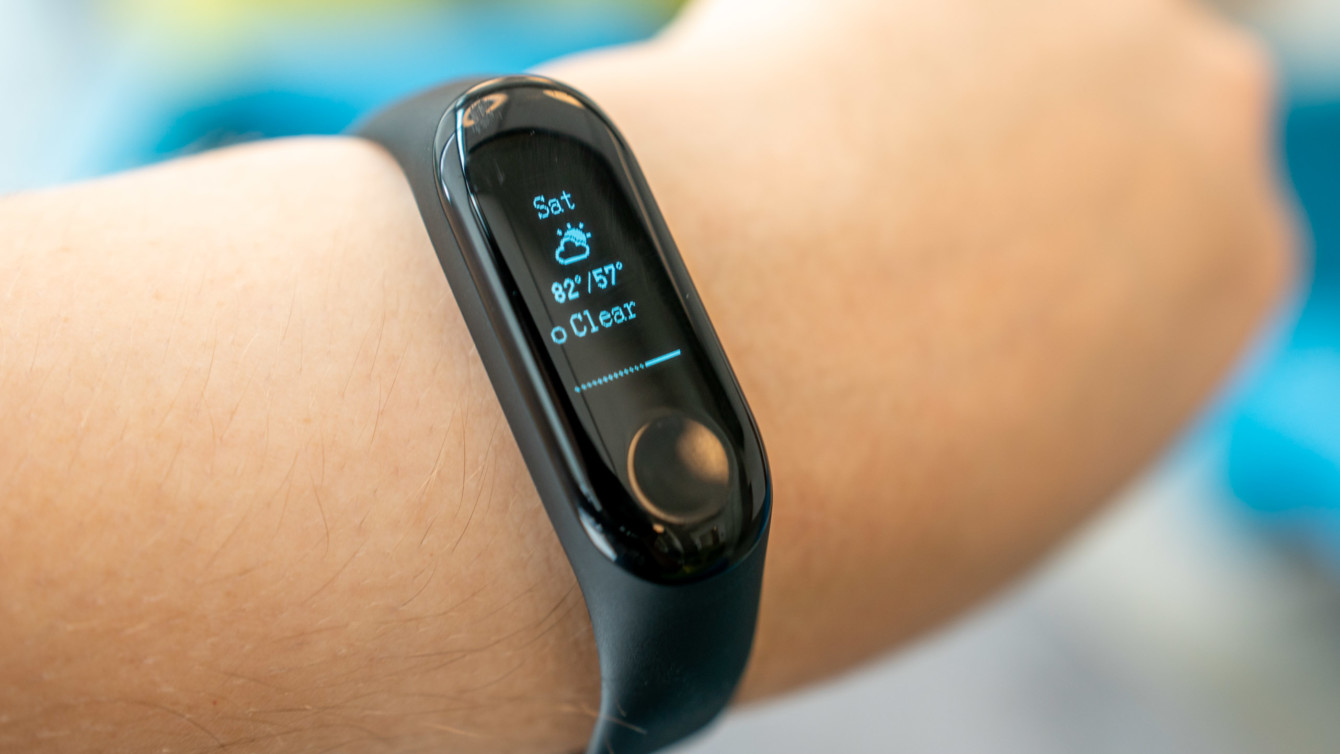
    Xiaomi’s next Mi Band could come with NFC support in the states

    Xiaomi has a good thing going with its Mi Band fitness tracker. IDC said that last year, the manufacturer shipped 23.3 million units of the Mi Band 3, up 44% over 2017’s deliveries. The device accounted for 13.5% of the wearables market in 2018 behind only the 26.8% share belonging to the Apple Watch. And when the Mi Band 4 was released this past June, 1 million units were sold in the first eight days. At one point, Xiaomi was ringing up over 5,000 units an hour.
    Ever since the first Xiaomi Mi Band was launched in June 2014, demand for the product has been strong. That’s because it offers a number of useable features at a very reasonable price. And it is one of the few Xiaomi products that can be purchased in the states. For example, the Mi Band 4 is available from Walmart for less than $33. And for that price, you’re getting a band that will not only monitor your heart rate, but will also track your sleep, activities, and alert you to phone calls, app notifications, and texts.

    The Mi Band 4 also can act as a stopwatch, an alarm clock, and a timer. And while the device uses Bluetooth 5.0 connectivity, a variant is available in China with support for NFC. That allows users in the country to make mobile payments through Alipay. The version of the Mi Band 4 offered in the U.S. is the one without NFC. But next June, that is going to change according to a report from TizenHelp. The report cites a source who states that the Mi Band 5 will offer NFC service to those both inside and outside of China. Besides allowing users to make mobile payments, NFC support would allow th

    The Mi Band 4 is equipped with a with a .95-inch color AMOLED display carrying a 120 x 240 resolution. The fitness tracker is equipped with 512KB of memory along with 16MB of storage and is water-resistant to a depth of 5ATM (169 feet). The battery runs as long as 20 days between charges and the device is compatible with phones running Android 4.4 or higher and iOS 9.0 and higher.
    The new report adds that the Mi Band 5 will have a more rugged, durable design and will be released during the second quarter of 2020. One feature that was rumored for the Mi Band 4 but failed to make the cut just might be found in the next iteration of the fitness band; that would be an electrocardiogram (ECG). The big breakout feature on the Apple Watch Series 4, an ECG monitors the user’s heart looking for an abnormal rhythm that could be a sign of atrial fibrillation (AFib). The latter can lead to blood clots, strokes, heart failure, and death. Just recently we told you the story of yet another person whose life was saved by the Apple Watch, with the ECG monitor providing the heroics this time. The company that builds the Mi Band for Xiaomi, Huami, has already built a smartwatch with an ECG. While the Amazfit Verge2 does track heart rhythms, its sensor has not been approved by the FDA.
    Besides working on the Mi Band 5, Huami could be developing a new smartwatch for Xiaomi that will run on Google’s Wear OS. The name of the new timepiece is rumored to be the Xiaomi Mi Watch and the device might also be offered in the United States. Hidden code found in the latest version of the Wear OS app revealed the possible existence of this device.
  • Tiitan Holdings plans to open 50 stores in India

    Tiitan Holdings plans to open 50 stores in India

    Hong Kong-based digital accessories firm Tiitan Holdings plans to invest US$5 million to set up its first 50 branded outlets in India by March next year.

    The company announced its foray into India in collaboration with distribution firm Mak Mobility – which also makes and sells fitness band Aq-Fit under its sister firm in the territory.

    “This alliance will help us in reaching the customers in India and boost our strategy of increasing our pan-India presence and thereby reaching to customers,” said Tiitan Holdings co-founder Piyush Sharma. “Also, this collaboration will help both the companies to further leverage its innovative product range to customers across India.”

    Tiitan Holdings has plans to make its smart accessories – bluetooth speakers, headphones, intelligent charger, wireless power bank, etc, – at Mak Mobility’s manufacturing facilities.


  • Luxury cellphone Vertu returns to Vietnam

    Luxury cellphone Vertu returns to Vietnam

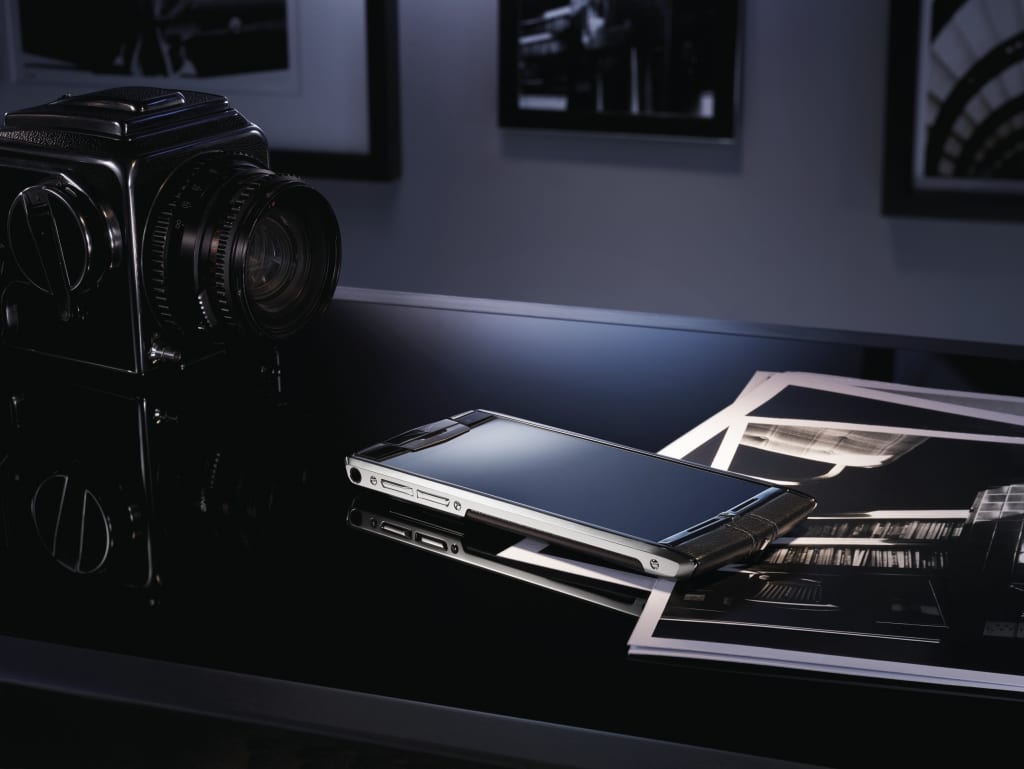
    After a two-year hiatus, British luxury phone maker Vertu has announced resumption of sales at its Ho Chi Minh City store next month. Vertu Vietnam, a local unit of the phone maker, said genuine Vertu phones will once again be sold in Vietnam, first from an District 1 outlet in Ho Chi Minh City in October, then a Hanoi outlet the following month.

    Vertu luxury cell phones had been sold in Vietnam since 2006 by electronics distributor FPT Trading, formerly known as FPT Telecom Products Distribution Co., Ltd., through three outlets in Vietnam. In late 2017, the stores closed after Vertu ceased production in the U.K.

    The company had filed for bankruptcy in its home country, having racked up debts of some £138 million, but its business was still thriving in Vietnam.

    A representative of FPT Trading said that when Vertu’s U.K. factory was shut down, customers in Vietnam were still ordering its super-luxury phones.

    Vertu will now distribute its phones through Vertu Vietnam, a Hanoi headquartered company established in May 2019.

    Before Vertu announced its return to Vietnam, traders had observed that demand for Vertu handsets in the country had never died down.

    “Normally, we rarely see Vertu phones, but in events or places with lots of rich people, you can find 80-90 percent of them using them. For them, the latest technology is not a top priority. They use Vertu because of the phone’s anti-tapping protection features, the brand name and the fact it is crafted from luxury materials,” said Nguyen Phi Dung, a dealer in luxury hand-carried Vertu phones.

    Models that cost between VND100–150 million ($4,300 – $6,450) used to be the most popular, but customers have even bought handsets costing VND500 million to over VND1 billion ($21,500 – $43,000), Dung added.

    Vertu was founded by Finnish phone-maker Nokia in 1998, but changed hands several times later. In 2012, it was sold to Swedish investment corporation EQT; and in 2015 to Hong-Kong based investment fund Godin Holdings.

    In March 2017, Vertu was sold to Baferton Ltd., owned by Turkish businessman Hakan Uzan. However, just four months later, Uzan had to close Vertu’s U.K. factories, having failed to save it from bankruptcy.

    However, in October last year, Vertu made an unexpected return to China with a new Aster P, priced at $5,167 for black and white models, and $14,146 for its yellow model.

  • Sharp considers suing Vietnam’s Asanzo

    Sharp considers suing Vietnam’s Asanzo

    Sharp Electronics Vietnam is considering suing Asanzo for allegedly counterfeiting evidence to prove it owns technology that actually belongs to the Japanese brand.

    The subsidiary of electronics giant Sharp said this in a statement Thursday after Asanzo said earlier this week that it has a business partnership with a company called Sharp-Roxy Hong Kong, a business alliance between Sharp and Roxy Electronic Company Ltd.

    However, Sharp Vietnam says the Sharp-Roxy Hong Kong business alliance was terminated on October 31, 2016, therefore it would be impossible for Sharp-Roxy Hong Kong to issue a partnership document to Asanzo on September 12, 2019.

    “It is obvious that the document introduced by Asanzo in their press conference on Tuesday is counterfeit,” Sharp Vietnam’s statement said.

    This action seriously damages the Sharp brand, and it is currently exploring the possibility of legal action against Asanzo, it added.

    An Asanzo release has responded that it was “surprised” by Sharp’s statement.

    Asanzo chairman Pham Van Tam told VnExpress that the document in question was sent to Asanzo by a Chinese partner who is a tier one supplier to Sharp-Roxy Hong Kong.

    “We are working with the Chinese partner and Sharp Electronics Vietnam on this matter and will inform the press later,” Tam said.

    Asanzo, a Ho Chi Minh City-based home appliances maker that dominates the rural market, is being investigated for importing components from China and replacing “made in China” stickers with Vietnamese ones.

    The investigation, which has been going on for three months, came after local newspaper Tuoi Tre reported in June that the company did not manufacture any of the components for its products and imported everything from China.

    Asanzo has countered that it imports about 70 percent of components from China and makes other parts, like TV plastic cases and remote controls, in Vietnam.

    Asanzo, founded in 2013, has the fourth largest market share in Vietnam’s TV market. It has also expanded into the refrigeration, consumer electronics, home appliances, and smartphone segments.

    In just three years, it accounted for 70 percent of the TV market in rural areas and 16 percent nationwide.

  • Samsung arm increases ownership in Vietnam IT firm

    Samsung arm increases ownership in Vietnam IT firm

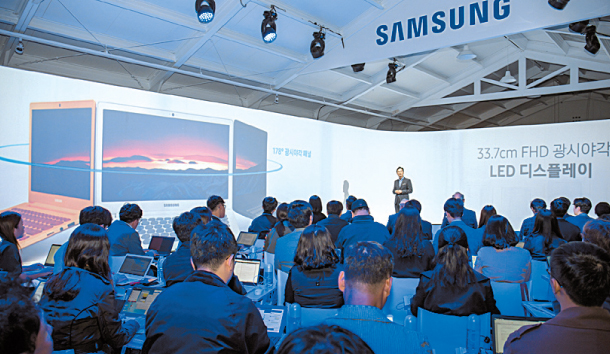
    South Korea’s Samsung SDS has bought a five- percent stake on the market in leading IT services provider CMC Corporation.

    Its combined 30 percent stake now, after buying a 25 percent stake comprising newly issued shares last month, is reportedly worth over $40 million.

    CMC said it would use most of the proceeds for developing Internet of things (IOT) and artificial intelligence (AI) technologies with Samsung SDS, the systems development subsidiary of Samsung Electronics.

    CMC Chairman and CEO Nguyen Trung Chinh said this commitment from Samsung would propel CMC into the global league in the next five years and double its overseas sales to more than 30 percent of total sales by 2023.

    CMC also aims to integrate its IT systems with Samsung SDS’s and use IOT and AI to automate production lines, a model that would be implemented first in Vietnam before being exported to other markets, he said.

    Samsung SDS had announced in late July it would buy a 25 percent stake in CMC through a private placement, which it hoped would accelerate its foray into Vietnam’s fledgling cloud market and other markets in Southeast Asia.

    Samsung Electronics has two smartphone factories in the northern provinces of Bac Ninh and Thai Nguyen, which produce more than 150 million units a year, or half of Samsung’s all global sales.

    It also has a home appliances factory in Ho Chi Minh City. Last year Samsung products accounted for over $60 billion of Vietnam’s exports, or around 25 percent of its total.

    Founded in 1993, CMC is one of Vietnam’s largest IT services companies with revenues of VND5.23 trillion ($224 million) in 2018.

    The Hanoi company has eight subsidiaries and 3,000 employees, and it works mainly in system integration, software development, cloud computing, and IT infrastructure management.

    The strategic partnership would also help CMC’s goal of reaching $1 billion in sales by 2023, Chinh said.

  • Thinkware dash cams opens flagship store in Singapore

    Thinkware dash cams opens flagship store in Singapore

    Dash cam firm Thinkware is opening a flagship store in Singapore.

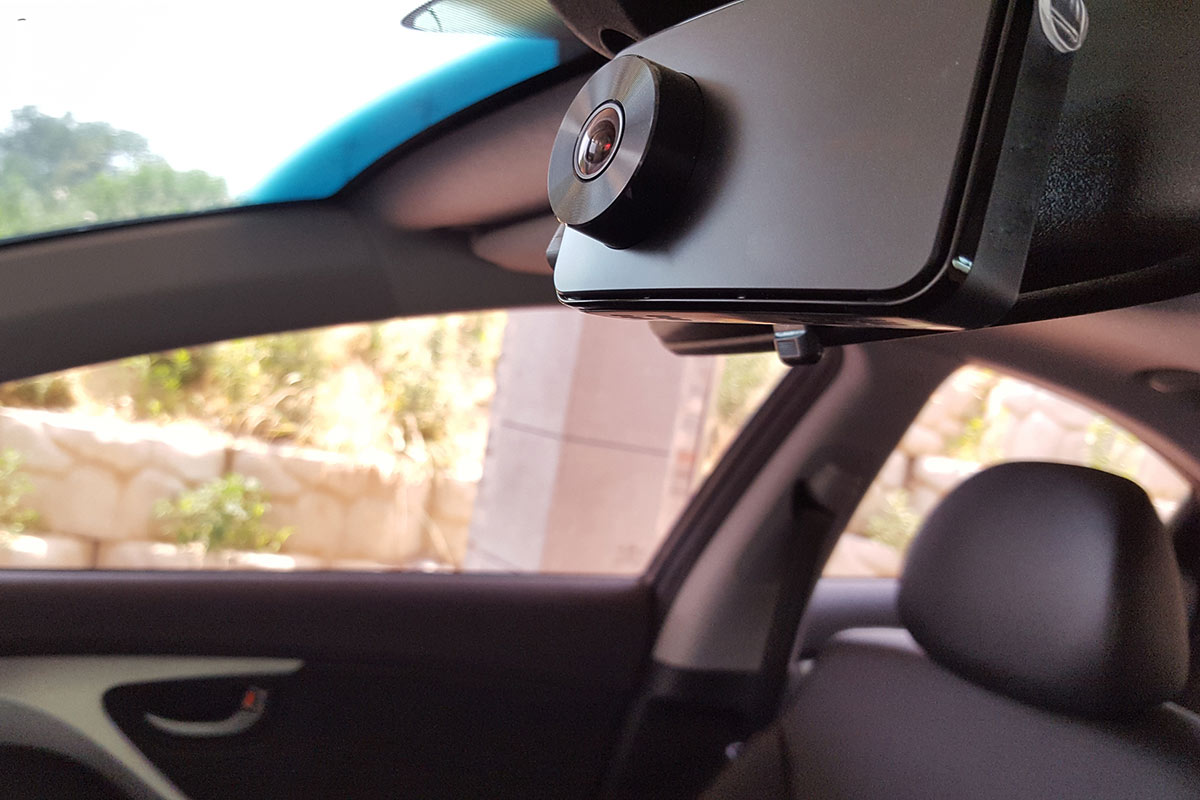
    The Thinkware Singapore store will provide a suite of services including troubleshooting, warranty services, dash cam maintenance and repairs. In addition to after-sales services, Thinkware will also exhibit its top dash cams at the venue – including the X700 and latest U1000 models that feature the firm’s Cat-M1 Internet of Things technology and Thinkware Cloud. Customers will also be able to access other enhanced recording and supplementary smart car technologies such as alarm systems and Apple carplay head units, among others.

    The Serangoon North Ave launch comes at a time when the company is on its international business expansion phase within the automotive industry.

    “Thinkware has long been a trusted name in dash cam technology and we believe that Singapore is an ideal market with dash cams steadily growing in popularity amidst advancements in connectivity, recording quality and improved vehicle safety,” said Thinkware Singapore MD Kenneth Low. “We are excited to bring the very first Thinkware premium store to Singapore and look forward to serving our customers.”

    Thinkware is the highest selling dash camera company in the competitive Korean market and its devices are available across 800 cities worldwide.

  • Qualcomm could unveil its next-gen flagship chip on September 24th

    Qualcomm could unveil its next-gen flagship chip on September 24th

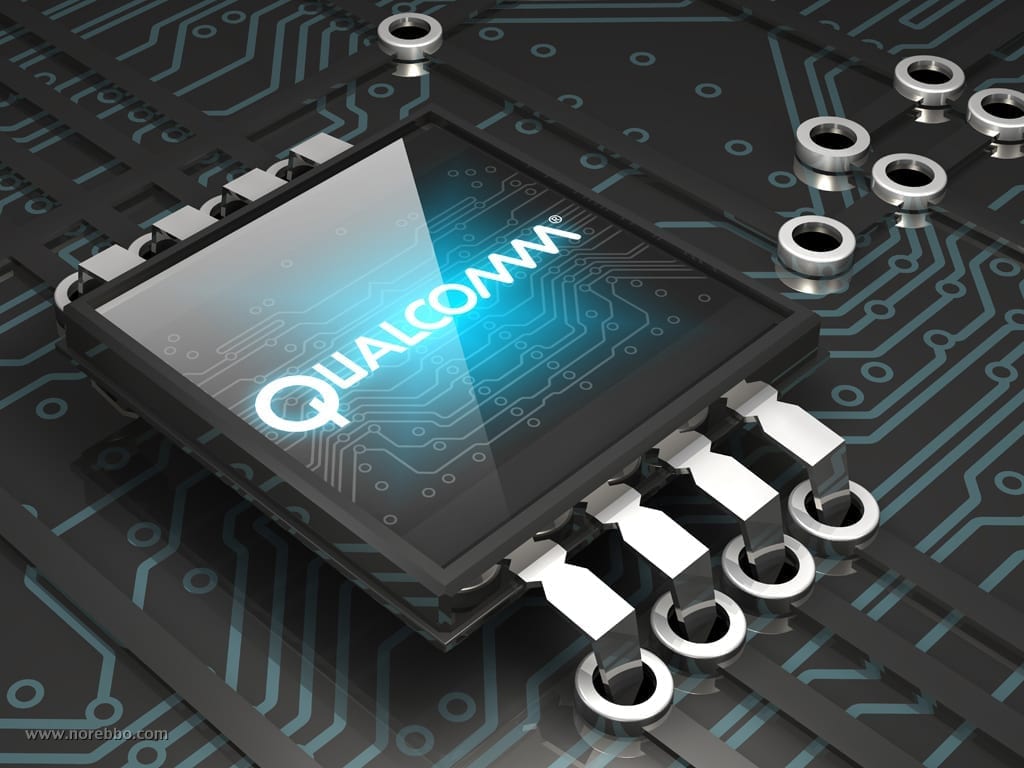
    There is speculation that the chip designer will unveil the Snapdragon 865 Mobile Platform. Expected to be found inside high-end Android devices next year, the new chipset will be manufactured by Samsung using its 7nm EUV process. The smaller the process number, the more transistors fit inside the chip making it more powerful and energy-efficient. And extreme ultraviolet lithography (EUV) is a more precise method of marking up a chip die for transistor placement. Qualcomm’s current top-of-the-line-chipset is the Snapdragon 855+, an overclocked version of the Snapdragon 855 Mobile Platform that offers a 15% improvement in graphics capabilities.

    However, there could be another reason for the announcement. As it turns out, some new Android handsets are expected to be unveiled on Tuesday including a pair from Xiaomi (Xiaomi Mi 9 Pro 5G and Xiaomi Mi MIX Alpha), the Sony Xperia 5 and the Realme X2. Taking this into consideration, the buzz around the water cooler suggests that one or more of these devices could be the reason for the teaser that Qualcomm posted yesterday for the upcoming event. All of the aforementioned phones will employ a Snapdragon SoC with the 855+ expected inside the Mi 9 Pro 5G and possibly the Mi MIX Alpha. The regular Snapdragon 855 SoC will power the Xperia 5 with the Snapdragon 730G chip driving the X2. There must be a connection between the number “3” used in Xiaomi’s teaser and the three smartphone manufacturers we’ve been discussing in this paragraph.

    While Samsung is doing the fab work and manufacturing the Snapdragon 865, Qualcomm will be returning to Taiwan Semiconductor Manufacturing Company (TSMC) for 2021’s Snapdragon 875 Mobile Platform. The world’s largest independent foundry, TSMC rolls chips off the assembly line for companies that design their own chips, but don’t have the facilities to make them. For example, both Apple and Huawei design their own SoCs like the A13 Bionic and Kirin 990 respectively. But both rely on TSMC to churn out the chips they’ve designed.
    As for the Snapdragon 865, traditionally Samsung’s new Galaxy S phones have been the first with a global release to sport the latest Qualcomm Snapdragon chipset, and that most likely won’t change next year. The very first phone to be powered by the Snapdragon 855 Mobile Platform was the Xiaomi Mi 9, but this device was not offered worldwide.
    2019 has been quite a tumultuous year for Qualcomm. It started with the chip designer in the midst of a feud with Apple and both companies were getting ready to square off in court multiple times. Qualcomm also was the defendant in an antitrust case brought by the FTC. The non-jury trial in January was presided over by Judge Lucy Koh (of Samsung v. Apple fame). During the proceedings, Apple and other firms testified against Qualcomm’s sales practices including its “No license, no chips” policy, the computation of royalties based on the retail price of a phone, and its failure to license its standards-essential patents in a Fair, Reasonable and Non-Discriminatory (FRAND) manner.
    Things took a turn for the better in April (as far as Qualcomm is concerned) just as a court battle with Apple was wrapping up; the two outfits agreed on a settlement. All legal action between the companies was dropped and Apple paid Qualcomm an undisclosed amount believed to be $4.5 billion; in return, Apple received a six-year license (with a two-year option) and a multi-year chip supply agreement.
    And so Qualcomm sailed along, but only for a month. In May, the verdict was in and Judge Koh ruled that Qualcomm had engaged in anticompetitive behavior. Losing this court case could force the chip designer to overhaul its current business practices. And while Judge Koh refused to grant Qualcomm a stay that would allow it to continue the status quo until all of its appeals have been exhausted, last month the Ninth U.S. Circuit Court of Appeals granted the stay.
    If Qualcomm does not get Judge Koh’s ruling overturned on appeal, it faces the long, complex and difficult task of renegotiating all of the current contracts it has with phone manufacturers. The chip designer asked for the stay because it did not want to go through this process, win on appeal, and then have to come to terms on a whole new set of contracts.

  • Noel Leeming launches safety plans

    Noel Leeming launches safety plans

    Technology and appliance retailer Noel Leeming has announced it is now offering enhanced purchase protection for the life cycle of its products.

    The new Noel Leeming Protection service plan offers customers the ability to lock-in accidental damage cover, theft protection, automatic replacement and blockage cover for items under $500, just to name a few.

    “This means that customers can now be covered for most eventualities that can affect the use of their technology and appliances, providing peace of mind that they won’t be without their item for long,” the retailer said.

    Customers can buy the plan as an add-on to their technology or appliance purchase either online or through one of Noel Leeming’s 77 retail stores.

    Tim Edwards, Noel Leeming CEO, said being able to offer customers a full suite of add-ons to their purchase is a great way to enhance customer confidence in their decision-making.

    “We’ve noticed that consumers nowadays are interested in a more holistic solution, looking for protection programs that better support the way they use their technology and appliances,” Edwards said.

    “We’re confident that this product goes over and above any competitor’s offer, is market-leading, and a New Zealand first in consumer purchase protection.”

    Edwards said feedback from customers has been overwhelmingly positive since the product offering was introduced.

    Hemaka Perera, director for Southeast Asia at Assurant, said the new Noel Leeming Protection offering has been built with the customer in mind and goes over and above the industry standard.

    “We are thrilled to partner with Noel Leeming in offering a new product that sets the standard for product protection,” Perera said.

  • HTC Exodus is getting native support for Bitcoin Cash

    HTC Exodus is getting native support for Bitcoin Cash

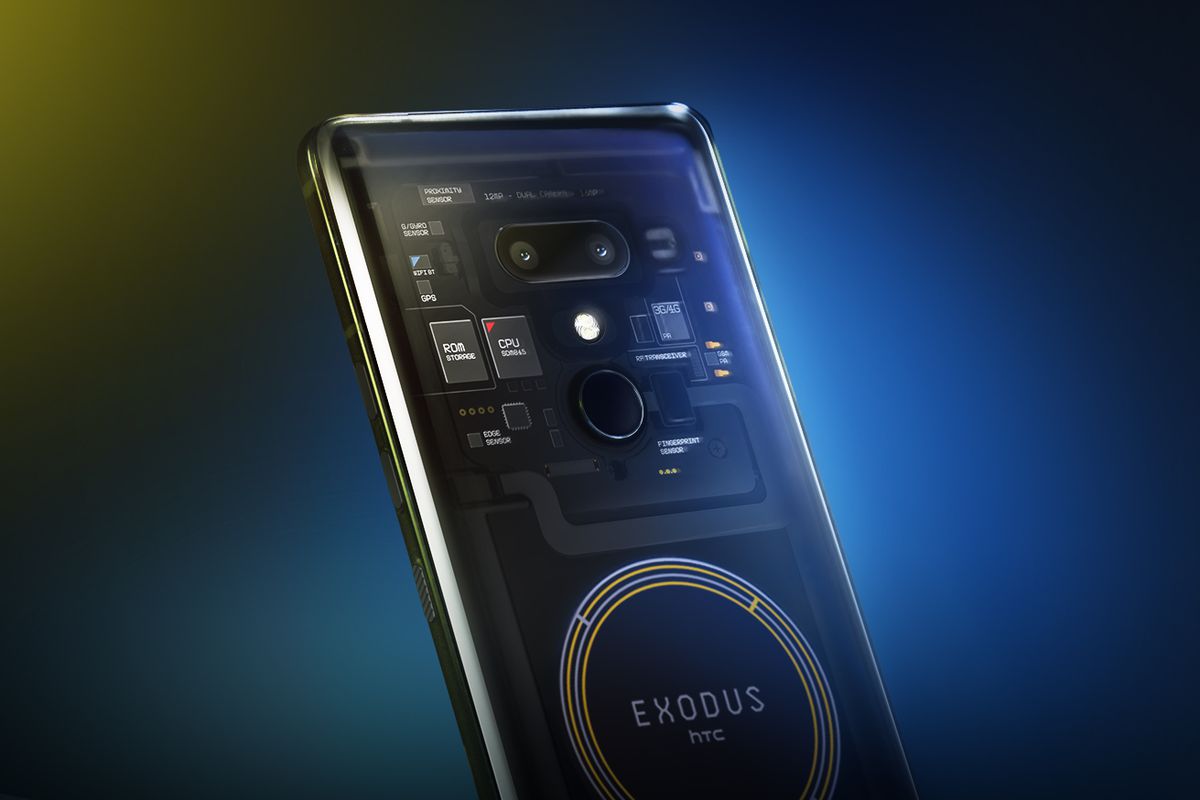
    HTC has just announced it has partnered with Bitcoin to offer Exodus owners native support for Bitcoin Cash. HTC’s blockchain smartphone is the first phone to provide Bitcoin Cash support without having to download a wallet from an app store.

    Those who already own an Exodus 1 smartphone will receive a software update that will give them access to a Bitcoin.com wallet app pre-loaded on their devices. In a statement, HTC’s chief decentralization officer Phil Chen says that this is the first step in a long journey that his company and Bitcoin.com plan to take together.

    HTC and Bitcoin.com have big plans for the future, as the companies want to offer special discounts when paying for phones in BCH, as well a selling the Exodus phones on store.bitcoin.com.

    Last but not least the partnership announced today will enable Bitcoin Cash to be used as peer-to-peer electronics cash for all HTC Exodus users around the world.

  • One new Apple HomePod feature is coming this month

    One new Apple HomePod feature is coming this month

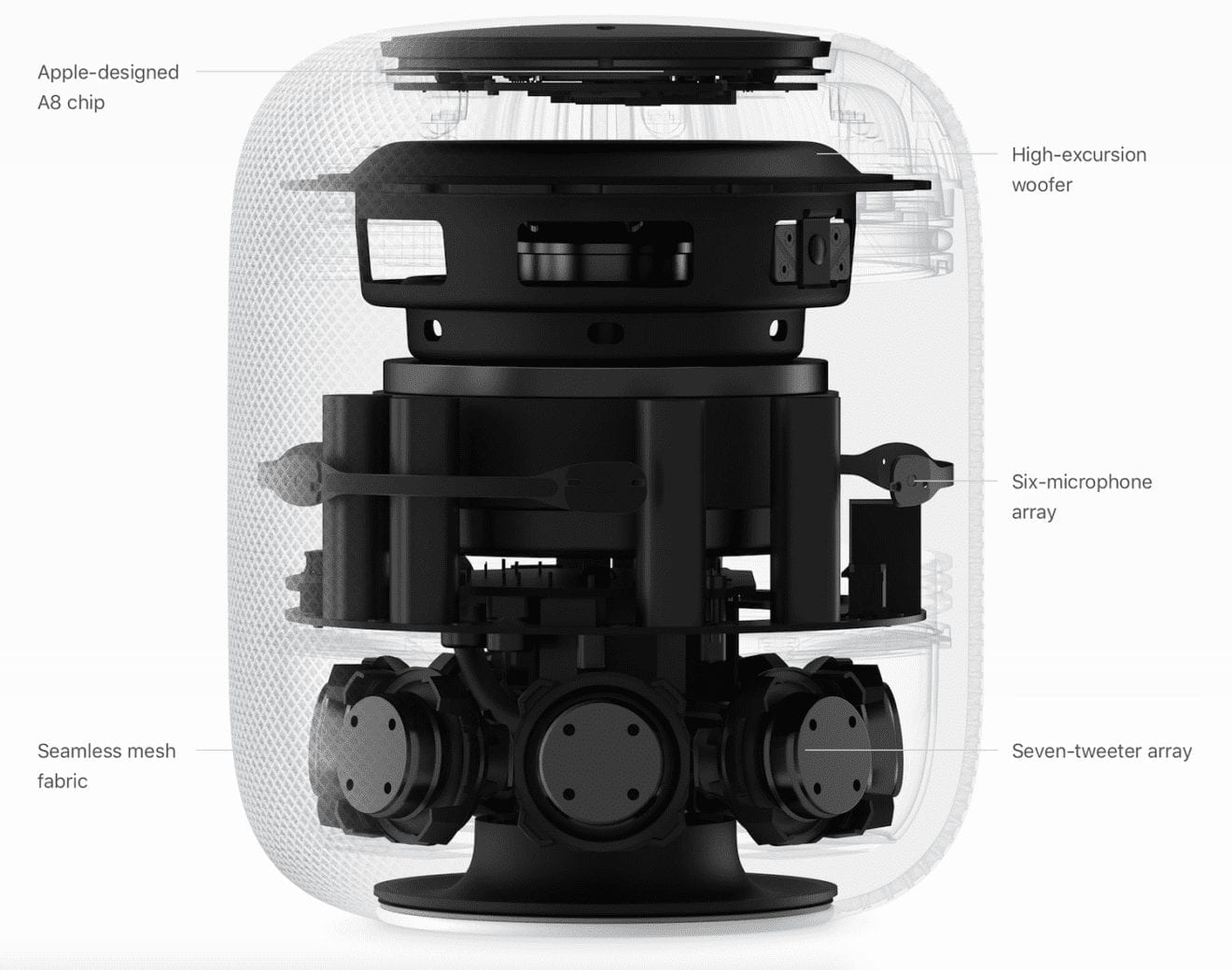
    Apple had three new iPhones, a refreshed iPad, and an upgraded Watch to showcase at its big Cupertino event earlier this week, but one product that wasn’t even mentioned in passing during a keynote that ran for nearly two hours is the company’s first (and still only) smart speaker. Unveiled in 2017 and commercially released at the beginning of 2018, the HomePod has pretty much been left in a limbo of late from both a hardware upgrade and software update standpoint.

    With no news or rumors of a sequel or spin-off on the horizon, hardcore Apple fans had hoped to at least get an ETA for a few long-overdue features promised all the way back in June. Unfortunately, the company continues to keep things as vague as always, updating the HomePod’s official product webpage with descriptions of the multi-user support and handoff functionality, which are still due to come at some point “later this fall.”

    You probably shouldn’t expect them to roll out in the next month or so, as radio streaming is apparently ready to go live on September 30. That means you’ll be able to tune in to a whopping 100,000 live, local, and global radio stations starting in a couple of weeks just by asking Siri.

    Interestingly, there’s also an all-new feature planned for a HomePod debut “later this fall”, which will allow you to relax by playing soothing pre-loaded “Ambient Sounds” like ocean waves, forest birds, rainstorms, and “more.” Meanwhile, in case you’re not familiar with the multi-user functionality Apple’s competition has pretty much always offered, that’s going to enable a “personalized experience” for “each person in the family”… eventually. In other words, different HomePod users will be able to keep their personal music preferences, messages, reminders, lists, and calendars separate.

    Finally, with the handoff feature, the Siri-powered smart speaker will seamlessly take calls, songs, and podcasts over from your iPhone or iPad simply by holding the two devices close to one another.