Category: Electronics

Retail News Asia is committed to providing both local and global retailers with the latest Electronics news throughout the Asian market. This on a daily base.

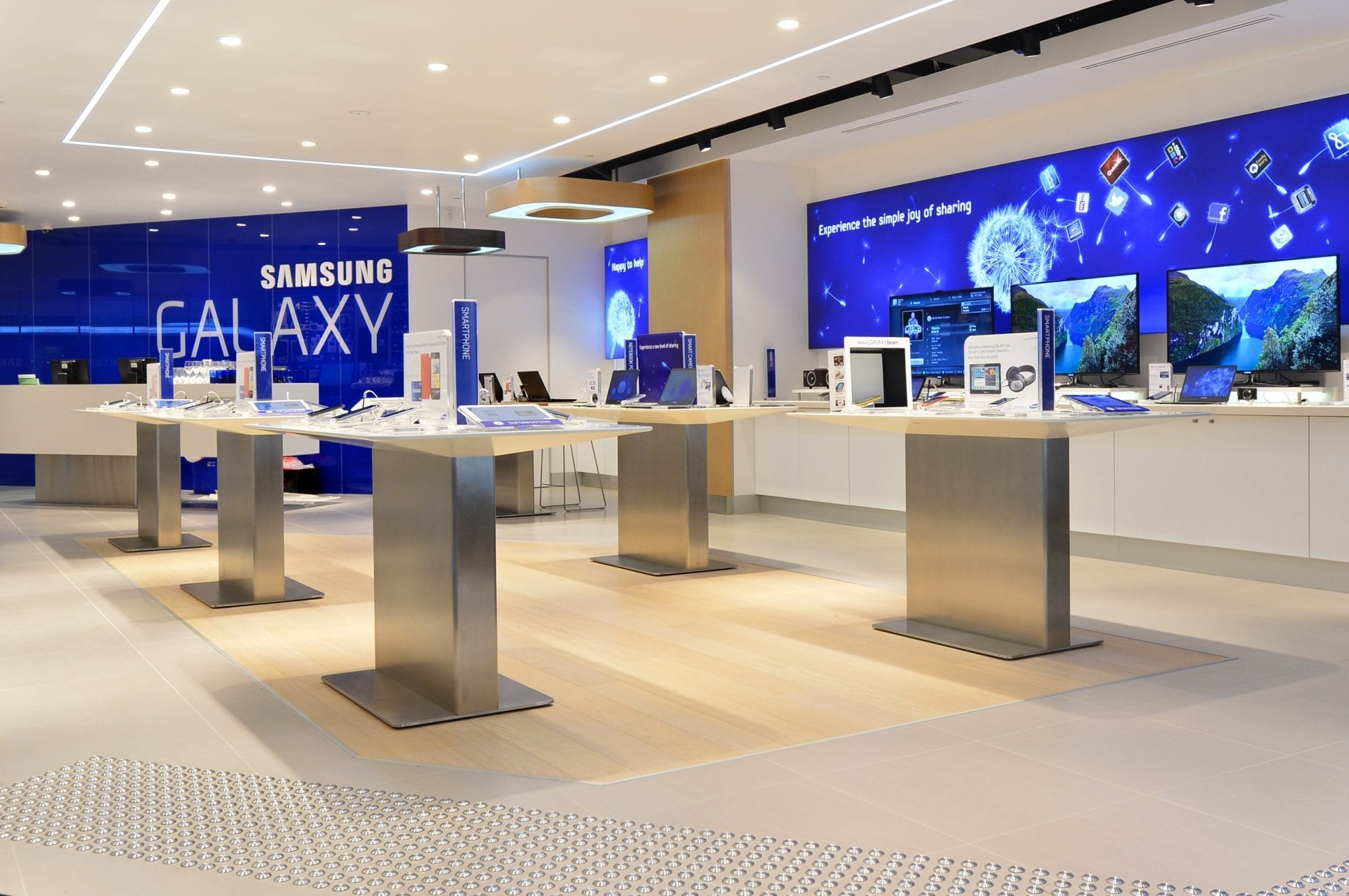
  • Samsung discontinues its mirroring app for smartphones

    Samsung discontinues its mirroring app for smartphones

    Samsung is notifying customers that the SideSync app will be discontinued next month. The South Korean company cites changes “in internal operation policy” for the removal of the app, which has more than 50 millions of downloads in the Google Play Store.

    Ironically, Samsung added support for Android 9.0 Pie early this year, which suggests that the decision to discontinue SideSync was probably taken more recently. For those unaware, the SideSync app lets users share their smartphone’s screen and data with a tablet or PC. Instead of SideSync, Samsung now recommends Galaxy smartphone users to download Samsung Flow, an app that does exactly what the soon to be discontinued SideSync app does.

    Dear SideSync customers, SideSync is no longer available as of [09:00 AM, 15, October 2019, GMT+9], according to a change in internal operation policy. Though SideSync service is no longer running, you can continue to use the mirroring through Samsung Flow. Thank you for using SideSync. We will endeavor to continue providing you with high-quality services.

    Effective October 15, Samsung SideSync will no longer work, so if you want to be able to share your smartphone’s screen with your PC or tablet, you’ll have to switch to Samsung Flow.

  • Google’s Daydream VR platform is probably dead

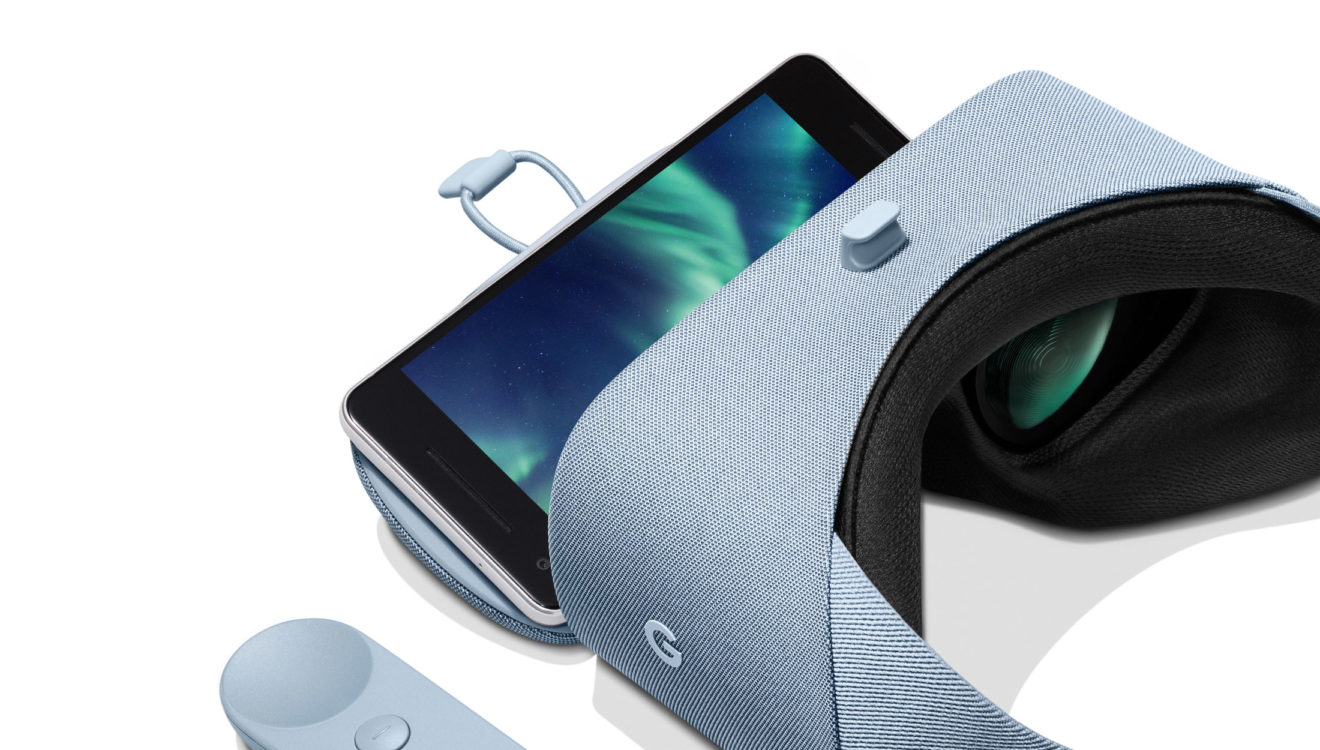
    Google’s Daydream VR platform is probably dead

    The Daydream VR platform doesn’t seem to be as popular as Google expected. The Mountain View company has acknowledged the problem and has started to redirect resources to other projects. After shutting down the Play Movies and TV app a few months ago, Daydream VR platform is losing more content providers.

    Variety reports Hulu confirmed it has removed Daydream support from its Android app in recent weeks, so if you’re wondering why you can access Daydream VR content any longer, that’s the reason.

    There’s a workaround that will allow Daydream VR users to continue to watch Hulu content, but that requires them to downgrade to the previous version of the Android app if they’ve already updated to the latest iteration.

    The VR experience with Google Daydream is no longer supported for Android mobile devices running version 3.55 or newer of the Hulu app. That said, it is still available on Daydream-capable Android devices running version 3.54.1 or older of the Hulu app.

    One of Google’s original partners for Daydream VR, Hulu still offers VR content on other headsets like Oculus Go, Samsung Gear VR, Oculus Rift, and PlayStation VR. It’s also worth mentioning that Hulu is the second major video streaming service that drops support for Daydream VR after HBO Now and HBO Go VR.

  • Google One paid storage service gets more phone backup features

    Google One paid storage service gets more phone backup features

    If you don’t have a Google One membership yet, you might consider one after the latest improvements the paid storage service has just received. The Mountain View company has just announced that Google One is now getting additional phone backup features on Android devices.

    Google has taken the standard Android backup, which includes texts, contacts, and apps, and improved with additional features like automatic phone backup. On top of that, Google One subscribers will be able to back up original quality photos, videos, and multimedia messages (MMS).

    Furthermore, users will be given the option to manage their backups directly from the Google One app. The storage service will allow users to get everything they need to be restored when they set up their next Android phone.

    Google One subscribers should expect the new automatic phone backup feature to become available to them this week. Simply open the Google One app and head to the “Device Backup” section to check out the new improvements.

  • DJI Introduces P4 Multispectral For Precision Agriculture andLand Management

    DJI Introduces P4 Multispectral For Precision Agriculture andLand Management

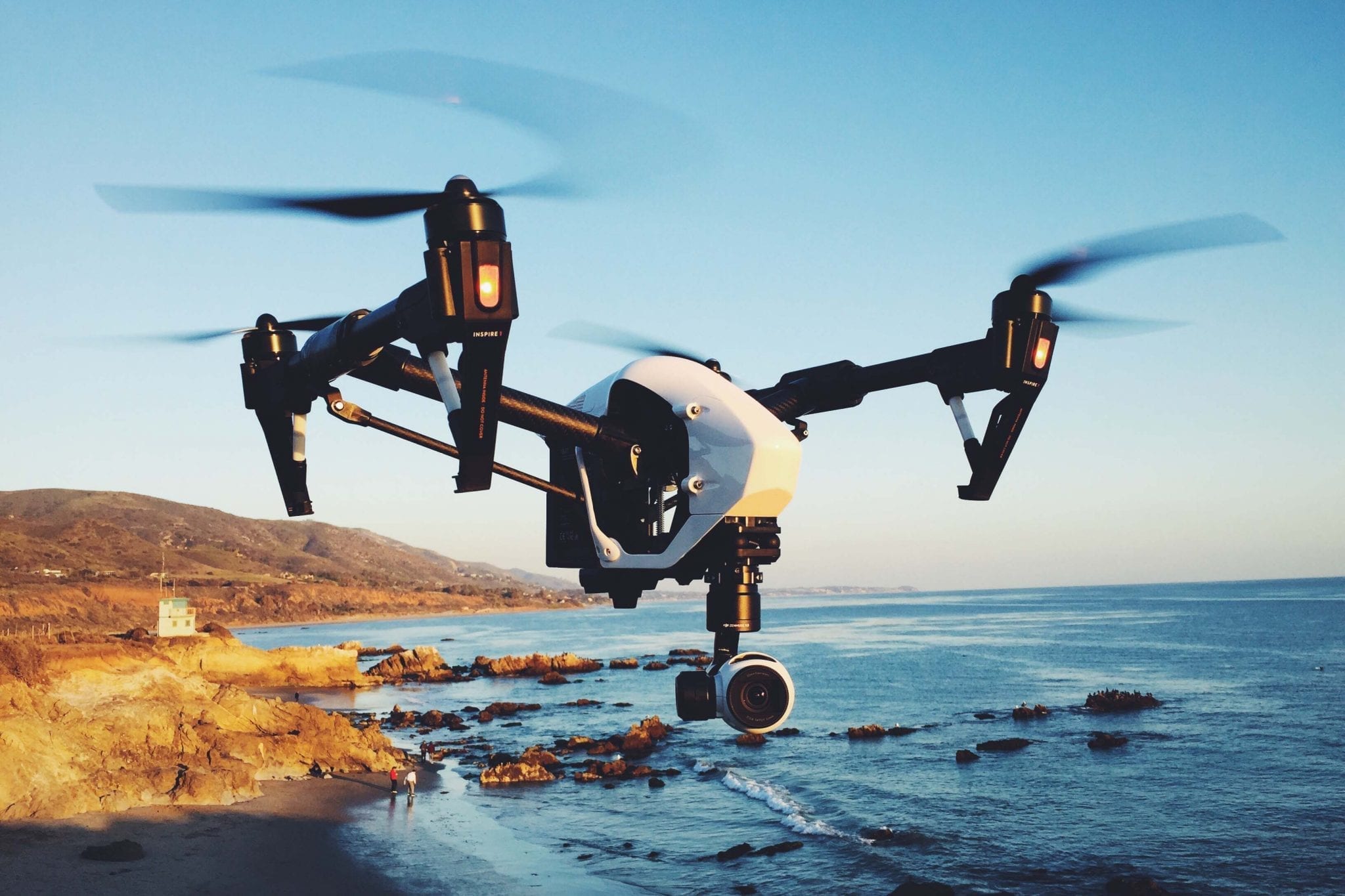
    DJI, the world’s leader in civilian drones and aerial imaging technology, is setting a new standard for easy-to-use agricultural drone applications with P4 Multispectral, the world’s first fully-integrated multispectral imaging drone designed for precision agriculture and environmental management.

    P4 Multispectral combines data from six separate sensors to measure the health of crops, from individual plants to entire fields, as well as weeds, insects and a variety of soil conditions. With the agriculture drone market expected to grow from $1.2 billion USD in 2019 to 4.8 billion by 2020, P4 Multispectral provides farmers and agronomists with a new tool to improve crop yields, cut costs and helps environmental professionals easily monitor vegetation on the land they manage.

    “P4 Multispectral has the promise to transform the agriculture and land management industries by collecting precise plant-level data without having to send personnel into the field for manual surveys,” said Jan Gasparic, Director of Strategic Partnerships at DJI. “By combining multispectral imaging into a trusted, efficient and affordable tool, DJI is making this transformative technology more accessible to professionals around the world who are pioneering the adoption of drones in their industries.”

    Precise Multispectral Imaging

    P4 Multispectral features a gimbal-stabilized imaging system composed of one RGB camera and a multispectral camera array with five narrow band sensors – including red edge and near-infrared – that are capable of capturing visible and invisible light. This data gives trained professionals unique insights into vegetation stress, soil composition as well as water salinity and contamination. An additional integrated spectral sunlight sensor maximizes the accuracy and consistency of data collection during missions flown at different times of the day.

    Seamless integration into the DJI Ground Station Pro flight planning app allows pilots to switch between real-time views of the drone’s RGB video camera and Normalized Difference Vegetation Index (NDVI) output for immediate insights while in the field. An integrated RTK positioning module and TimeSync system support real-time, accurate positioning data for each image, optimizing photogrammetric results and providing centimeter-level accurate measurements.

    Industry Workflow Compatibility

    P4 Multispectral is compatible with standard industry workflows including flight programming, mapping, and analytics software from DJI and other leading providers. Using the DJI GS Pro application, users can create automated and repeatable missions including flight planning, mission execution, and flight data management. Data collected can be easily imported into DJI Terra or a suite of third-party software including Pix4D Mapper and DroneDeploy, for analysis and to generate additional vegetation index maps. In addition, P4 Multispectral users can enhance the accuracy of RTK positioning without an internet connection by using DJI’s D-RTK 2 High-Precision GNSS Mobile Station, which supports all major global satellite navigation systems, or using a third-party network RTK via an iPad with an internet connection.

    Powerful Performance

    Built on the iconic Phantom airframe, P4 Multispectral leverages DJI’s powerful OcuSync transmission system for a smooth flight experience with less signal interference, enhanced video transmission, and a 7km maximum transmission range. Each of its 2-megapixel cameras features a global shutter for precise imaging during flight with a maximum 27 minutes of flight time per battery.

    Availability

    DJI P4 Multispectral will be available in October through authorized DJI Enterprise dealers worldwide. The P4 Multispectral costs $6,499 USD and comes with a 1-year free license to DJI Terra (Basic) Windows software and a 1-year free license to DJI GS Pro (Team-Professional) iPad app. Customers can also purchase the P4 Multispectral with the D-RTK 2 Mobile Base Station for a total of $9,100 USD. All purchases of a P4 Multispectral in the United States, Canada, China, Australia, Japan, United Kingdom and the European Union will enjoy a 1-year Enterprise Shield Basic coverage on their new drone, at no additional cost.

    P4 Multispectral was announced at AirWorks 2019, DJI’s annual commercial drone conference that brings together DJI customers and its ecosystem of drone solution providers for three days to inspire, connect and energize attendees about the beneficial drone applications available to enterprises today as well as the future of the global commercial drone industry. As part of the introduction of P4 Multispectral, DJI was joined on-stage by DroneDeploy’s CEO, Mike Winn and Corteva Agriscience’s U.S. Digital Ag Lead, Jeremy Groeteke to share their insights on drone technology in agriculture.

  • Apple’s iPhone 11 Pro is unlikely to catch up to the best Androids

    Apple’s iPhone 11 Pro is unlikely to catch up to the best Androids

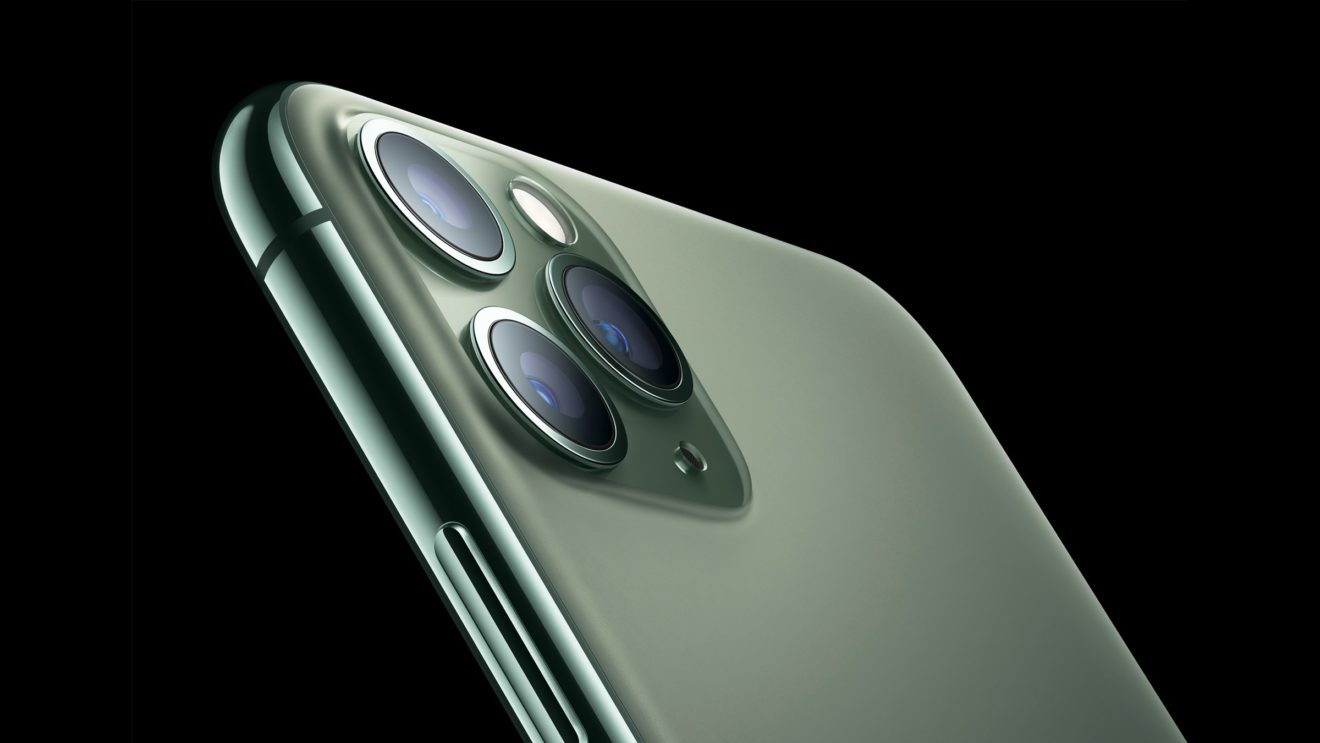
    Apple doesn’t like to hype the specifications of its new devices much, focusing more on the real-life capabilities and features enabled by various display, camera, processor, or battery upgrades than things like resolution, clock speed, cell size, or memory count. But theoretical numbers often correlate with the concrete user experience, which is why it’s definitely important to know what the hot new iPhone 11 Pro and 11 Pro Max can do in terms of 4G LTE speeds, for instance.

    Unsurprisingly, no cellular speed tests were performed on stage at the September 10 launch event in Cupertino, while the official iPhone 11 Pro spec sheet keeps things as vague as always, listing Gigabit-class LTE support with 4×4 MIMO and LAA for “all models.” That’s all iPhone 11 Pro and Pro Max models, mind you, with the “regular” iPhone 11 listed as including slightly humbler Gigabit-class LTE technology with 2×2 MIMO.

    In case you’re wondering, the iPhone XS and XS Max also came with “Gigabit-class” LTE modems and 4×4 MIMO, while the iPhone XR featured a similarly downgraded 2×2 MIMO (multiple input, multiple output) antenna design in combination with a generic Gigabit-class LTE chipset. That seems to suggest nothing has changed, but according to one company specialized in independent evaluations of download and upload speeds, that might not be the case after all.

    Based on nationwide data collected from August 9 to September 9, the LTE modems inside Apple’s latest high-end handsets make the iPhone 11 Pro and iPhone 11 Pro Max faster than last year’s XS and XS Max by an average of around 13 percent. To reach that conclusion, SpeedSmart examined all big four carriers, also declaring T-Mobile the best of the bunch for both downloads and uploads, closely followed by Verizon. AT&T ranked third at a substantial distance, with Sprint dead last (as usual) and pretty much impossible to include in the same league as T-Mobile, especially in terms of upload speed.

    Talking numbers, it looks like you can expect the iPhone 11 Pro to reach anywhere between 37 and 49 Mbps in downloads, up from 32 to 42 Mbps for the XS and XS Max. Of course, these are theoretical nationwide averages, so depending on where you live… and about a dozen other factors, your real-world figures will often be significantly lower.

    Another thing we need to highlight is that it’s not entirely clear where SpeedSmart got its iPhone 11 Pro and 11 Pro Max units from to be able to perform these tests starting August 9. After all, the handsets are only scheduled to go up for pre-order on September 13, with deliveries kicking off 7 days later. Now, we’re not saying these tests didn’t happen, but it might be wise to wait and see if other sources confirm the data and apparent LTE improvement.

    It’s obviously hard to answer that question without relevant data provided by the same company, but it just so happens that OpenSignal released a very comprehensive report on this topic earlier this week. In it, the iPhone XS and XS Max were ranked a shameful 47 and 43 respectively for US download speeds, with averages of between 25 and 26 Mbps. That’s lower than what SpeedSmart got in the last month, but even assuming the latter’s 13 percent upgrade would translate into a 13 percent iPhone 11 speed bump in the former’s rankings, that’s not enough to challenge the OnePlus 7 Pro, LG V35 ThinQ, Samsung Galaxy S10+, and the rest of the Android heavyweights.

    In other words, Apple still has plenty of catching up to do as far as LTE capabilities are concerned. Then again, the next iPhone generation could make the 5G jump en masse, possibly leveling the field all of a sudden if Apple and Qualcomm can bury the hatchet. Until then, it will be interesting to see if the cheaper iPhone 11 is moderately upgraded too. While insiders pointed in that direction several times over the last few months, we’ll have to wait for a different set of tests to confirm or refute that particular rumor.

    For what it’s worth, the iPhone XS and XS Max can typically upload stuff on 4G at a pretty decent pace, and according to SpeedSmart, the mysterious new LTE modems on board of the iPhone 11 Pro and Pro Max deliver a solid improvement in that area as well, which might be enough to close the gap to Huawei, OnePlus, and Google reported by OpenSignal.
  • Samsung PlayGalaxy Link for Android now available for download

    Samsung PlayGalaxy Link for Android now available for download

    Samsung is advertising Galaxy Note 10’s gaming features just like it did with the previous Note series phone. This time, however, some of these features were not available at launch. The PlayGalaxy Link is a game streaming app that allows users to connect to their PC over Wi-Fi or mobile data and stream their library of games on a Samsung phone or tablet.

    The PlayGalaxy Link app must be installed on a PC and Android smartphone to make the game streaming work, but it wasn’t available along with the Galaxy Note 10 at launch. The good news is Samsung announced gamers can now download the PlayGalaxy Link app if they want to start streaming their games.

    The app supports third-party Bluetooth controllers, mice, and keyboard, but players can also use on-screen controls if they don’t want to attach any peripherals to their phones. Of course, downloading and using PlayGalaxy Link is completely free, although you will only find it in the Galaxy Store.

    The PlayGalaxy Link game streaming app is still in beta and, for the time being, it’s only available in the United States and South Korea. You can download the PC version directly from the PlayGalaxy Link website, while the Android app can be downloaded via Galaxy Store on your Samsung smartphone.

  • Apple unveils cheaper iPhones to combat market decline

    Apple unveils cheaper iPhones to combat market decline

    Apple this week unveiled a cheaper generation of smartphones after several consecutive quarters of declining iPhone sales.

    So far this fiscal year, iPhone sales have fallen 15 per cent in Apple’s first quarter, a further 17 per cent in its second quarter and 12 per cent in its third quarter.

    The cheapest version of the new iPhone 11 model starts at $1199 – below the retail price of its predecessor, the iPhone X, which at full price sells for almost $1500. Customers can trade in their old model phone at Apple stores to receive a discounted price of $849.

    Apple is also launching a ‘pro’ version of the phone with extra features, which starts at $1749, or $1899 for the ‘pro max’ version with a larger screen.

    While the pro and pro max phones are geared toward high-end buyers, the comparably cheap iPhone 11 could go some way toward converting customers who have postponed purchasing a new phone for the past year or two.

    Australian retailers have been feeling the sting of falling consumer spending, as shoppers become more selective about how they spend their money, and are scrutinising high-cost, low-margin products that fail to move.

    Myer stopped selling Apple phones in May as part of its shift towards profitable sales.

    “Myer has made it clear that it will not chase unprofitable sales, and has made this decision as we could not reach acceptable commercial terms that were in the best interest of the company and shareholders,” a Myer spokesman told SMH at the time.

    “This decision is also about ensuring space in our stores is utilised in the most productive and effective way for the company.”

    Apple earlier this year said slowing sales of its flagship phones were largely due to economic weakness in some emerging markets, noticeably Greater China.

    According to Apple chief executive Tim Cook, while the retailer anticipated challenges, it didn’t foresee the magnitude of economic deceleration seen in these markets, and experienced lesser sales even in larger markets.

    “While Greater China and other emerging markets accounted for the vast majority of the year-over-year iPhone revenue decline, in some developed markets iPhone upgrades were also not as strong as we thought they we would be,” Cook said.

    “While macroeconomic challenges in some markets were a key contributor to this trend, we believe there are other factors broadly impacting our iPhone performance, including consumers adapting to a world with fewer carrier subsidies, US dollar strength-related price increases, and some customers taking advantage of significantly reduced pricing for iPhone battery replacements.”

    Apple also announced revisions of its iPad and Apple Watch products, alongside the announcement that its TV streaming service, Apple TV+, will be available November 1st.

    Apple’s stock price rose 1.1 per cent after the announcements to US$216.7 per share.

  • Motorola to return to the premium flagship market with a 5G phone

    Motorola to return to the premium flagship market with a 5G phone

    Heading into 2009, it seemed that iOS and the iPhone were on an unstoppable path to the top of the smartphone world. But then on January 8th of that year, a new phone was unveiled that was aimed directly at the iPhone. It featured a new operating system and a slide-out QWERTY keyboard. But somehow, the Palm Pre never caught on with consumers. Instead, that November, the iPhone finally met its match with the Motorola DROID. The first phone to carry Android 2.0, the DROID became a huge hit and Android now reportedly has 85% of the global market.

    Motorola continued to build flagship models, including the popular DROID X with its massive 4.3-inch display (for 2010, anyway). But Motorola soon lost the early leadership of the Android market. Despite developing the modular Moto Mods and the ShatterSheld display on 2016’s Moto Z Force, by 2018 the Moto Z line no longer included a flagship model and Motorola was making its bread from the low-end budget-priced models it was selling. The company is now the fourth-largest smartphone manufacturer in the U.S., turning a profit and is beginning to feel its oats. The new mid-range Motorola One phones offer some interesting camera specs including the Ultra-wide camera on the Moto One Action that records video in portrait for viewing in landscape.

    Motorola is so confident that it plans on returning to the premium flagship market again. Motorola’s global marketing chief Francoise LaFlamme says that the company is going to offer a 5G phone, but it won’t be sold at budget prices. As the executive points out, “If you put out a $399 5G phone, you’re going to have to sacrifice a lot of the elements that people value,” LaFlamme says. Right now, the Moto Z4 and Moto Z3 can support 5G but both require the purchase of a 5G Moto Mod. At Verizon, you can buy the former for 24 monthly payments of $10 if you add a new line; otherwise, the handset will cost you $500. Toss in another $350 for the 5G Moto Mod and you’re up to $850. You can buy the 5G upgradeable Moto Z3 instead of the Moto Z4 for $480, but that works out to a small $20 savings. With this in mind, we could see Motorola offer a 5G premium flagship in the range of $800-$900. That certainly would be very competitive compared to the $1,300 that the Samsung Galaxy S10 5G and Galaxy Note 10+ 5G cost. It would also be a challenger to the $1,000 LG V50 ThinQ 5G and $840 OnePlus 7 Pro 5G offered by Sprint.

    Of course, the Motorola phone that everyone in the states is looking forward to this year is the rumored foldable Motorola RAZR. One of the most popular phones in the pre-smartphone era, the Motorola RAZR was the clamshell feature phone that everyone had to have. Sometime this year we could see a smartphone version of the RAZR driven by Android. Instead of turning from a smartphone into a tablet, the RAZR will open from a pocketable device into a tall and thin 6.2-inch or 6.5-inch smartphone with an aspect ratio of 22:9.

    Motorola is making a shrewd move by capitalizing on the warm and fuzzy nostalgic feelings brought on by the original RAZR. And if production is limited to 200,000 units as rumored, Motorola is almost guaranteeing that the device will be sold out. Pricing of the new RAZR is expected to be in the neighborhood of $1,500.

  • Shapeshifting smartphone cameras may be the next big thing

    Shapeshifting smartphone cameras may be the next big thing

    Over the past couple of years, we’ve been talking about how hardware innovation in smartphone cameras has taken a back seat in favor of new software developments. Despite small camera sensor sizes, limited by the slim profiles of modern phones and ever-increasing battery capacities, smartphone cameras have been able to deliver miraculously good results, almost exclusively thanks to improvements in how raw image and video dta is processed by software.

    However, during this time of amazing software developments, companies like Huawei kept pushing camera hardware innovations forward, albeit at a slower pace, by introducing larger sensors and impressive optical zoom solutions. In comparison, the likes of Samsung and Apple, who are considered leaders in their own market segments, have seemingly fallen behind in terms of bringing new camera innovations to the table. Recently, an infographic started doing rounds online, comparing camera sensors in Samsung and Huawei phones over the past couple of years. As you can see, while the sensors in Samsung phones have remained the same size since the release of the Galaxy S7 in 2016, Huawei has been upping its camera game the whole time.

    And though Samsung may seem like it’s got quite comfortable in its leading position in the premium Android market, hence less willing to introduce drastic new hardware innovations, next year’s Samsung flagship models may actually usher in a radical new camera technology that could make smartphone cameras even more versatile, with quicker focus, and even smaller optical parts.

    Samsung has been working with a company called Varioptic, since around 2005, on a liquid lens camera solution for smartphones. Actually, Varioptic is the company that created this type of lens way back in 2002, but Samsung was evidently interested in implementing it in a smartphone 14 years ago.

    Digging through news and press-releases from 2005, I stumbled across many reports that Samsung wanted to use a liquid lens to create a phone camera with optical zoom capabilities. At that time, motorized solutions were too big and too expensive for what Samsung wanted to achieve in mobile device, so Varioptic’s liquid lens—which had no moving parts, and was small and very durable—seemed like the perfect vessel to carry out the company’s vision.

    Something went wrong, however—or it must have—because, according to an official press-release from that time, Samsung phones with liquid lens cameras were supposed to be “commercially available by the last quarter of [2005].”

    But the technology wasn’t just written off. On the contrary. In 2017, Varioptic became a part of Corning, the maker of your phone’s Gorilla Glass, through an acquisition that included Varioptic and Invenios technologies for packaging and stabilizing liquid lenses. Coincidentally, Samsung has a strategic partnership with Corning.

    Recent “leaks” about the Galaxy S11 mentioned that Samsung’s next S-series flagship will bring something that’s “never been seen before” in relation to the camera. Now, this may very well be in part your usual leaker mumbo-jumbo get-on-the-hype-train-thing, but considering Samsung’s past relations with Varioptics and its current partnership with Corning, there may be something in the pipeline relating to liquid lenses on smartphones.

    Liquid lens showcase by Corning and Varioptic from 2018. This footage was slowed down thousands of times. Liquid lenses are capable of changing their shape on the order of milliseconds

    Traditional camera lenses are made from glass, while liquid lenses are, well… liquid. To be precise, they are composed of an optical liquid that is capable of changing its shape at a very rapid pace. The focal length of a glass lens is dependent on the material it’s made of, and the radius of its curvature. The same holds true for liquid lenses, though they are capable of altering the radius of their curvature, thus changing their focal length at a whim. This shape-shifting is controlled electronically and can occur extremely fast. As in, milliseconds fast.

    Imaging lenses are usually comprised of multiple optical elements because a single optical lens can rarely provide sufficient resolving power. For this same reason, using a liquid lens by itself is not likely to be done on a smartphone. However, by introducing a liquid lens to multi-element lens design, the speed and flexibility of the camera can be greatly improved. Having the ability to focus both up close and to optical infinity in milliseconds makes integrating liquid lenses an ideal choice for applications that require focusing at multiple distances where the objects are different sizes or are at different distances away from the lens.

    And herein lies the “problem” that may have deterred Samsung from using liquid lenses back in 2005. On their own, liquid lenses may be very compact and extremely quick, but they have nowhere near the imaging performance of traditional, multi-element lenses. Combining the two can, potentially, lead to some interesting developments, but 14 years ago, this wasn’t enough of an incentive. In 2020, however, the time may be ripe for the marriage between liquid and glass in smartphone cameras.

  • Apple’s taking a conservative approach to 2019 iPhone production orders

    Apple’s taking a conservative approach to 2019 iPhone production orders

    The iPhone 11 series is just one week away and analysts from Cowen and Rosenblatt Securities believe Apple is adopting a pretty conservative approach this year when it comes to orders.

    The overall number of units ordered this year from Apple’s assembly partners isn’t thought to be much higher than what was requested twelve months earlier. Specifically, Cowen’s source suggests Apple is planning to manufacture a total of 65 million units for the fourth quarter of 2019 which is considered “flat” year-over-year. This figure consists of 47 million iPhone 11 units and 18 million combined units of older models such as the iPhone XS and iPhone 8.
    Looking at the entire second half of 2019 in terms of manufacturing volume, it’s believed Apple has ordered 79 million iPhone 11 units which is actually down 7% from the 85 million iPhone XS & XR units it ordered last year. Cowen believes the lower production rate is an attempt to better handle excess inventories as Apple heads into 2020.
    From what can be gathered, Apple’s biggest focus right now in terms of production seems to be successfully serving the North American market before mid-December when tariffs on Chinese imports are set to be applied. According to Rosenblatt, the California-based company is yet to make any changes to iPhone 11 Pro and iPhone 11 Pro Max manufacturing levels because it’s “already been aggressive enough to build inventory for the North American market.” However, Apple reportedly sped up production for the iPhone 11 (R) in August because of anticipated higher sales.
    Once December passes both new and old iPhone models imported from China will automatically be subject to the new 15% import tariff. The impact of this should be split between Apple and its supply chain partners although the “rapid depreciation” of China’s currency that’s gradually lowering manufacturing costs should help offset the added cost for Apple slightly. Nevertheless, it’s still expected to impact the company’s bottom line and may result in weaker Chinese iPhone sales as local customers retaliate.
    Consumers in the US aren’t presently expected to see any price increases but the threat certainly exists. This could lead to a sudden spike in demand by consumers attempting to avoid the tariffs which may result in a “stronger than seasonally normal” quarter for Apple, according to Rosenblatt.
    The iPhone 11 (R), iPhone 11 Pro, and iPhone 11 Pro Max or whatever Apple chooses to call them will all be announced next Tuesday, September 10. Last year Apple opted for a staggered release wherein the iPhone XS Max series arrived in September and the cheaper iPhone XR followed in October but this year all smartphones are expected to launch simultaneously on Friday, September 20. To ensure an early delivery, Apple should open up pre-orders a week earlier on Friday, September 13.
    When it comes to pricing the 2019 iPhone lineup is rumored to be no different to last year’s. The cheaper iPhone 11 will apparently stick to the $749 price tag while the premium iPhone 11 Pro looks set to land at $999. The iPhone XS Max’s replacement, on the other hand, should retail at $1,099. The standard models should feature 128GB of storage although 256GB and 512GB variants that retail at higher prices are to be expected too.
    Finally, in regards to colors, the iPhone 11 will reportedly be sold in black, white, red, yellow, green, and lavender. The iPhone 11 Pro and Pro Max, on the other hand, may launch in Gold, Space Gray, Silver, and a new dark green shade.
  • Radio Rentals to pay $25 million for pricing fraud

    Radio Rentals to pay $25 million for pricing fraud

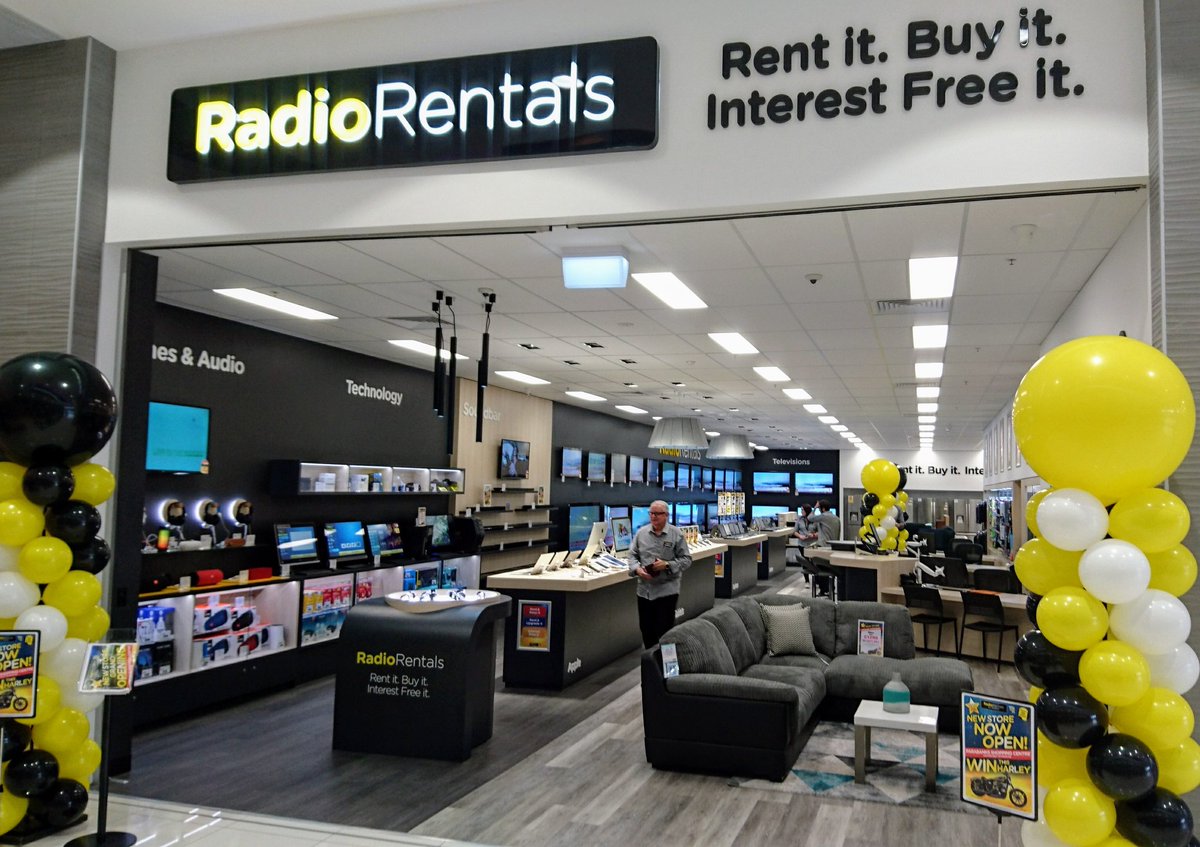
    Radio Rentals-parent Thorn Group has settled a consumer-led class-action lawsuit lodged against it in 2017, which involved customers paying far in excess of the market value for goods rented.

    According to law firm Maurice Blackburn, which represented thousands of people against the business, Radio Rentals’ Rent, Buy, $1 Buy program had seen customers pay up to seven times the retail price.

    The class action settled on Monday for a sum of $25 million, though Thorn Group’s insurer will also make a separate contribution toward the settlement. According to Thorn Group, the settlement is not an admission of liability.

    While the two parties have agreed on the sum, the settlement must still be approved by the Federal Court.

    Maurice Blackburn principal Ben Slade said the program may have affected up to 200,000 people.

    “The class action alleges that one of the more insidious aspects of the business is that Radio Rentals continued to draw money on an ongoing basis from its clients’ Centrepay (Centrelink payment) accounts, well beyond the retail value of the goods,” Maurice Blackburn Lawyers principal Ben Slade said upon launching the case.

    “Rent, Try, $1 Buy is misleading when you delve into what’s involved. What we have found is that people are paying up to seven times the true retail cost for goods in the belief that the goods will always be theirs, yet the contracts do not give them that right.”

    Lead plaintiff Casey Simpson said Radio Rentals had taken advantage of her after she paid more than $3300 for a used mattress and bed worth $430.

    “I have four kids and am on a low income – I thought Rent, Try, $1 Buy would be a sensible alternative to get some basic goods in a way we could afford,” Simpson said.

    “I never knew I’d had to pay as much as much as they kept charging me, or that I wouldn’t have a right to buy the goods for $1.”

    Radio Rentals in South Australia is an independent entity, and is not involved in the lawsuit.

  • Apple plans three flagships and own online store in India

    Apple plans three flagships and own online store in India

    Apple India reportedly plans to open three brick-and-mortar outlets as well as an online store as it finally enters the world’s second-most-populous market.

    The US-headquartered tech company’s plans coincide with a further relaxation of government regulations affecting foreign retailers, easing the requirements of local sourcing and scrapping a law making it mandatory for brands to open physical stores before launching online.

    Apple has already taken steps to manufacture products in India, partnering with Taiwanese company Wistron to make the iPhone 6S and 7 models there.

    India’s population is growing at such a fast rate it will overtake China as the world’s most-populous nation within only a few years. Its rapidly growing middle class is making it an attractive destination for mobile phone brands as well as many large global retailers. But their ambitions have until recently been tempered by a raft of government laws protecting local ‘ma-and-pa’ retailers and Indian brands.

    According to sources privy to Apple’s submissions to Indian regulatory authorities, first reported by The Press Trust of India, Apple has confirmed its plans to open a physical store network of its own. It already operates single-brand stores in partnership with local partners but the new ones are likely to be of a scale of flagship Apple stores in major international cities

    As yet, there is no official word where the First Apple India store will open, but multiple sources are confident it will be in Mumbai.

    Brands wanting to develop their own retail networks in India must commit to manufacturing some products within the country. Several years ago, this may have been considered an encumbrance, but with the mounting Sino-US trade war, manufacturers reliant on Chinese factories are looking for alternative low-cost manufacturing bases. Indian government officials are keen to work with brands to help them relocate.

  • BSH Home Appliances appoints new director for APAC

    BSH Home Appliances appoints new director for APAC

    BSH Home Appliances Group has appointed Gunjan Srivastava as executive VP, head of Asia Pacific.

    The appointment reflects the company’s focus on driving accelerated growth across the region, including Singapore, Malaysia, Indonesia, Thailand, India, Australia and New Zealand.

    Gunjan has more than 15 years of experience in the durable-goods sector, with core expertise in fortifying brand portfolios. Prior to this appointment, Gunjan was the CEO of BSH India, where he was instrumental in spearheading the firm’s growth over five years, introducing new verticals and doubling its market footprint.

    “I’m both humbled and excited to continue strengthening the BSH brand and fortifying our presence in the region,” said Gunjan. “In my years leading BSH India, I’ve had the chance to gain an in-depth understanding of how to drive vigorous growth for BSH in a high potential market. Asia Pacific is a vastly diverse region, where there is an immense opportunity for us to increase visibility, gain market share, and further consolidate our leadership.”

    In his new role, Gunjan will be focusing on maximising the opportunities in the various Asia Pacific markets that BSH has subsidiaries in.

    “In order to meet consumer needs that are in constant flux, BSH has a clearly defined objective: to become the industry leader for digital services and kitchen experiences for connected consumers, by producing innovations that offer tangible benefits and help make their lives better,” said Gunjan.

    BSH Home Appliances recently opened its first UnserHaus Customer Care Centre and a UnserHaus Experience Centre in Singapore. Meaning “our house” in German, the centre is a lifestyle concept featuring Bosch and Gaggenau appliances in a home-like environment.

    While waiting for their appliances to be repaired, customers can visit either the dining room, which provides a hands-on experience with built-in appliances like dishwashers, coffee machines and ovens; or the living room, where they can sit down, unwind and relax with music or a wide-screen television. There is a children’s playing space as well.

    All products at UnserHaus come tagged with a QR code that allows visitors to purchase and pay for them online.

  • Apple’s rumored mixed-reality headset could use gloves as a controller

    Apple’s rumored mixed-reality headset could use gloves as a controller

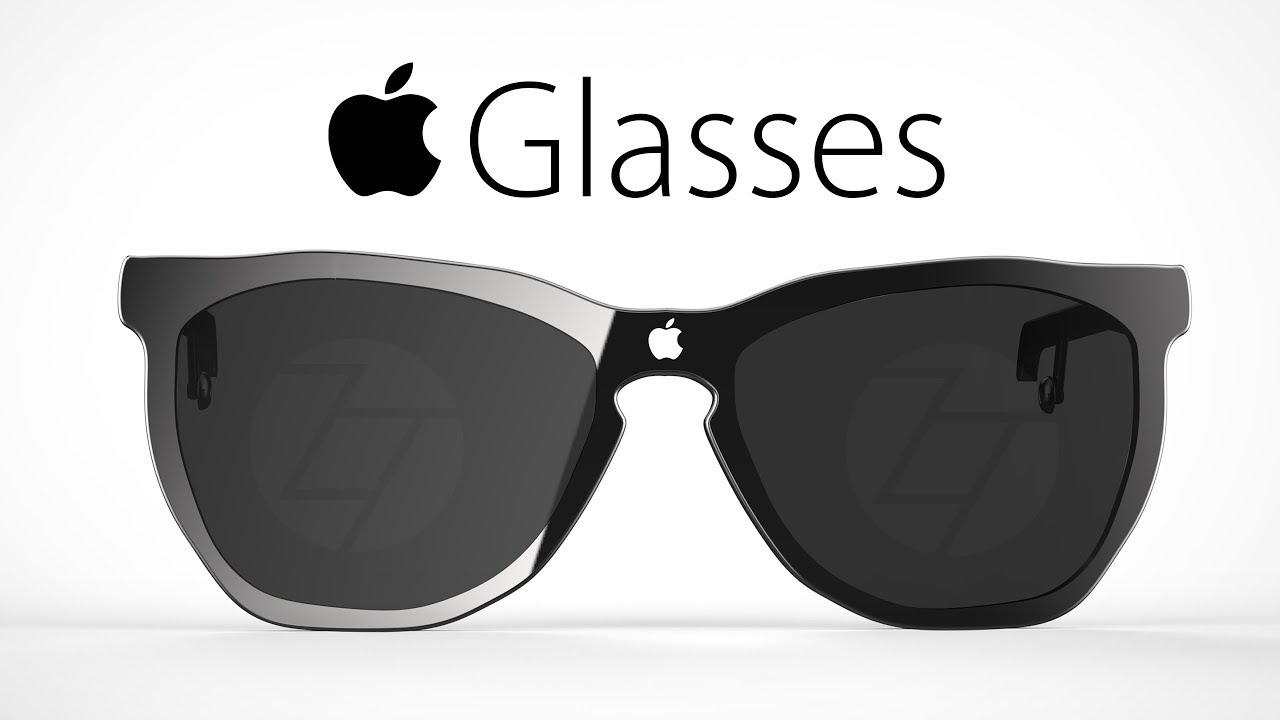
    By now, many of you know that Apple’s next big thing is NOT going to be the HomePod. Actually, for a few years now, analysts have been expecting Apple to introduce AR glasses as soon as 2020-2021. There have been two schools of thought here; one is that this will be a standalone device while others, including reliable TF International analyst Ming-Chi Kuo, expect your iPhone to carry the brains of the headset. Kuo, in fact, says that production on the Apple Glasses will start no later than the second quarter of next year.

    A couple of patent applications filed by Apple reveals a pair of features that the company is apparently working on for the headset which has been dubbed Apple Glasses. The patent applications were submitted with the U.S. Patent and Trademark Office (USPTO) in February. The first one, titled Scanning Mirror Display Devices, discusses the technology that uses lasers and mirrors to project images directly into the eyes of the person wearing the glasses in lieu of a display. This could be done in a way to support Augmented Reality (AR) by allowing the images to be overlayed over a real-world view. The patent application says that this technology might be used to replace “overly complex, bulky, and uncomfortable to wear” head-mounted displays.

    The second patent application, Magnetic Sensor Based Proximity Sensing, uses magnetic sensing technology to detect the position of a user wearing a special glove on his or her hand. This could be used to control VR or AR features on the Apple Glasses through the use of hand gestures. A person wearing the headset would also don the gloves which have special material on the fingertips.

    Last month, a report stated that Apple had decided to terminate the Apple Glasses project, but that might not have been the case based on subsequent reports. In fact, just 10 days after that story made the rounds, a huge leak revealed that the tech giant was working on a mixed-reality headset supporting both AR and VR. The glasses will supposedly offer 8K resolution of  7680×4320 for each eye. The device has a codename of T288, according to this leak, and uses a newly developed operating system called rOS for reality Operating System. A 5nm chip will reportedly power the glasses and TSMC is expected to start producing components using this process starting next year.

    The same report said that Apple’s headset would also include eyebrow and jaw sensors to determine the expression being made by the user, hand sensors (which might include the technology found in the second patent that we discussed in this article), sensors to track the eyes and left and right cameras. Many of these features were also discovered in a patent that Apple filed with the USPTO this past March.

    Back in June of 2017, analyst Gene Munster, now with Loup Ventures, said that the Apple Glasses would end up being bigger than the iPhone. At the time, Munster said, “In 10 years we expect the iPhone will be around, but be a much smaller part of Apple’s business as Apple Glasses slowly gains market adoption.” The analyst originally expected the glasses to launch in 2020, but changed that forecast to December 2021 back in May. Munster forecasts that 10 million Apple Glasses will be rung up during the device’s first year on the market.

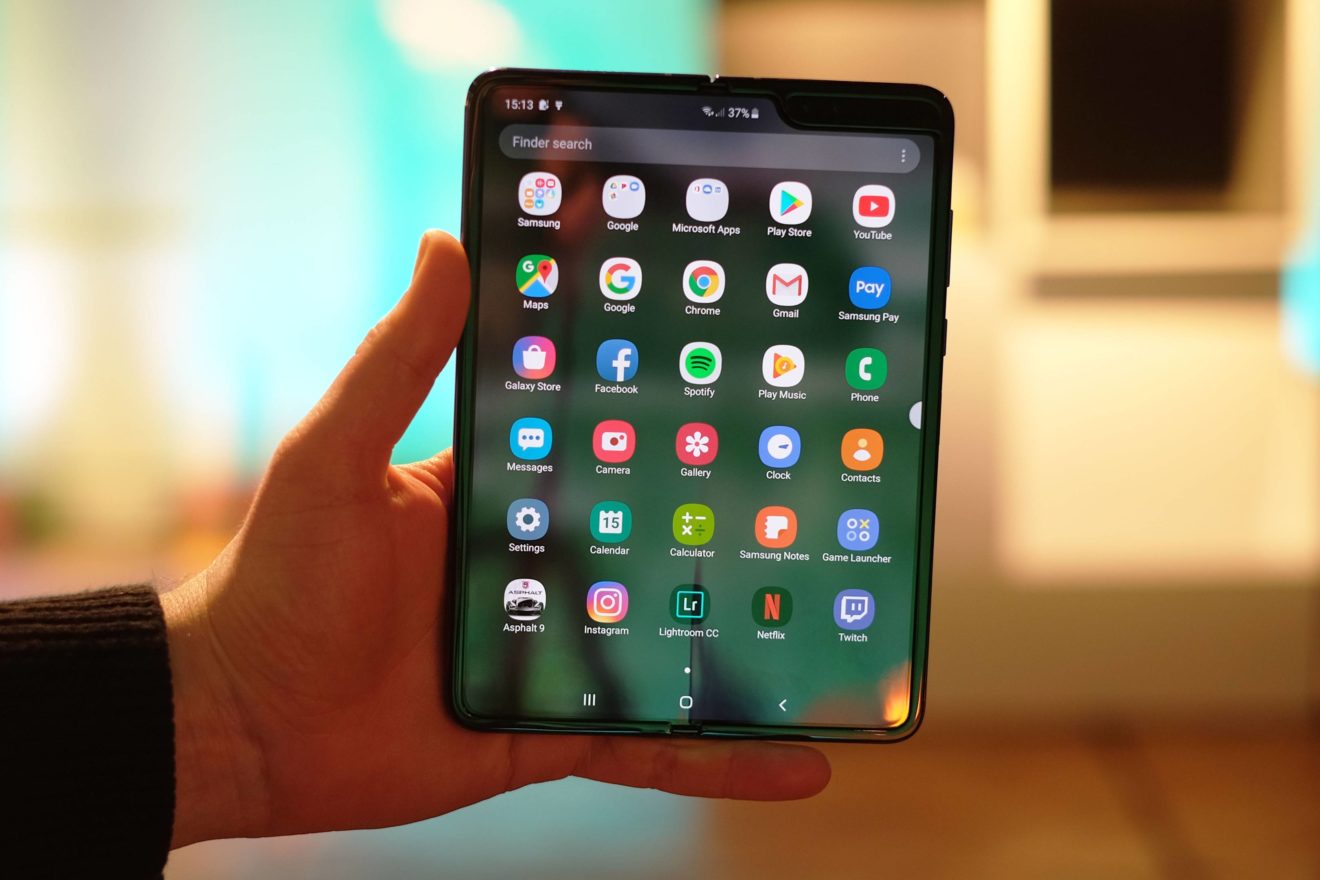
  • Samsung Galaxy Fold launched

    Samsung Galaxy Fold launched

    Samsung confirmed that the Galaxy Fold will be launched on the market in September, but it didn’t reveal an exact release date. Although reports pointed to a rather late September launch, it looks like Samsung has decided to greatly advance the launch schedule.

    The Korean media reports Samsung is ready to launch the Galaxy Fold on September 6, the first day of IFA 2019 trade fair. Even though pre-registrations for the foldable smartphone recently opened in China, South Korea will be the first country to get the Galaxy Fold.

    The same report claims Samsung Galaxy Fold will be released in September in the United States and China, although an exact release date hasn’t been unveiled yet. Samsung expects to sell around 20-30,000 Galaxy Fold units in South Korea by the end of the year.

    A Samsung official responded to the report by saying that “the specific launch schedule is not yet confirmed,” but if the information is accurate, we’ll learn more about the Galaxy Fold availability in less than a week from now.