Category: Finance

Retail News Asia is committed to providing both local and global retailers with the latest Finance news throughout the Asian market. This on a daily base.

  • Wealthy Families Go Global: UBS Reveals Surge in Diversification and AI Investment Strategies

    Wealthy Families Go Global: UBS Reveals Surge in Diversification and AI Investment Strategies

    Geopolitical uncertainties, economic recession concerns, and increasing skepticism around the supremacy of the U.S. dollar are leading to a shift in the investment strategies of affluent families globally. The new Global Family Office Report from UBS reveals that more family offices are considering strategic alterations to their portfolios than ever before.

    Investment Diversification Amid Global Uncertainties

    The report sheds light on how investors are adjusting their portfolios in response to geopolitical instabilities and structural risks. UBS’ survey, which involved 307 global family offices across over 30 markets, each with an average net worth of $2.7 billion, shows that 60% of respondents are planning to amend their strategic asset allocation within the next year. The focal point of this repositioning is wider diversification across regions, currencies, and asset types, along with an increased emphasis on long-term thematic investments.

    Artificial Intelligence (AI) remains a particularly attractive investment opportunity. The report finds that 65% of family offices have made investments throughout the entire AI value chain, spanning from data centers and software platforms to semiconductor manufacturers. Although valuations are high, many investors intend to boost or maintain their exposure in this arena.

    Investment Themes and Succession Planning Challenges

    Family offices are also showing keen interest in investments related to infrastructure, energy, and commodities, while cryptocurrencies are seen as a more niche allocation. The survey found that only 44% of invested family offices currently consider digital assets as part of their strategic asset allocation, with actual portfolio exposures remaining relatively modest.

    In terms of governance and succession planning, many family offices are falling short. The report shows that only about a third have a clearly defined succession plan, and just 27% are preparing the next generation in an organized manner for future leadership roles.

    Family offices in North Asia are leaning towards a technology-driven and globally diversified investment strategy, with 74% of their investments related to AI. Southeast Asian family offices are even more invested in AI, with 88% already invested in the sector.

    Questions & Answers

    What is the main investment focus of family offices according to the UBS report?
    The main focus is on broader diversification across regions, currencies, and asset types, along with an increased emphasis on long-term thematic investments, especially in Artificial Intelligence.

    How are family offices approaching the issue of succession planning?
    The report reveals that only about a third of family offices have a clearly defined succession plan in place, and just 27% are preparing the next generation for future leadership roles in an organized manner.

    What is the stance of family offices on cryptocurrencies?
    Cryptocurrencies are considered more of a niche allocation. Only 44% of the family offices that have made investments currently consider digital assets as part of their strategic asset allocation.

  • Standard Chartered Pioneers in Chinas Market with First Bond Futures Trade

    Standard Chartered Pioneers in Chinas Market with First Bond Futures Trade

    Standard Chartered Bank China (SCB China) recently completed its first-ever Qualified Foreign Investor (QFI) investment in China Government Bond (CGB) Futures following the market’s recent opening. The bank served in dual roles, both as the QFI’s custodian and futures margin depository bank. This service facilitated the comprehensive execution of the trade.

    Opening Up of China’s Capital Markets

    On April 24, 2026, the China Securities Regulatory Commission, the People’s Bank of China, and the State Administration of Foreign Exchange sanctioned QFIs to trade in CGB futures for hedging purposes. This move opened up broader access to onshore risk management tools. Jerry Zhang, the Global Head of Banks and Broker Dealers & Head of Coverage for Greater China & North Asia, noted that Standard Chartered was among the first six banks authorized to participate in CGB futures. He explained that this development is a significant step towards the continued opening of China’s capital markets. It also satisfies the high demand from global institutional investors for improved risk management and portfolio diversification tools. Zhang asserted that, with its robust cross-border connectivity, Standard Chartered is ideally positioned to assist clients in efficiently and effectively executing their investment strategies in China.

    Pierre Mengal, the Regional Head of Financing & Securities Services for Greater China & North Asia, expressed that this initial transaction’s completion just over a month after the market opening highlights their strong collaboration with local regulators and partners, as well as their expertise in China market access schemes. He echoed that this also showcases the strength and consistency of their services and operations developed over decades of on-the-ground presence. Mengal concluded by saying that they are eager to enable more global investors to access China’s capital markets with speed and assurance.

    Standard Chartered’s Long-standing Presence in China

    Standard Chartered initiated its custodial business in China’s capital markets as early as 1992 and has since been a leading custodian in both inbound and outbound schemes. In 2018, Standard Chartered China became the first international bank to receive a domestic fund custody license. Since then, it has been custodizing products from local brokers, fund managers, and wholly foreign-owned enterprises, developing a unique proposition to facilitate collaboration between local and overseas investors.

    Questions & Answers

    What was the significance of the recent QFI investment completed by SCB China?
    The completion of this investment signifies the opening of China’s capital markets, promoting broader access to onshore risk management tools and catering to the strong demand from global investors.

    What roles did Standard Chartered play in this transaction?
    Standard Chartered acted as both the custodian and futures margin depository bank for the QFI, facilitating the comprehensive execution of the trade.

    How is Standard Chartered China positioned in the Chinese market?
    Standard Chartered has been a leading custodian in China’s capital markets since 1992 and was the first international bank to receive a domestic fund custody license in 2018. It has built a unique proposition of facilitating collaboration between local and overseas investors.

  • Malaysia Rattles Bullion Trade with 10% Duty on Gold Bar Imports

    Malaysia Rattles Bullion Trade with 10% Duty on Gold Bar Imports

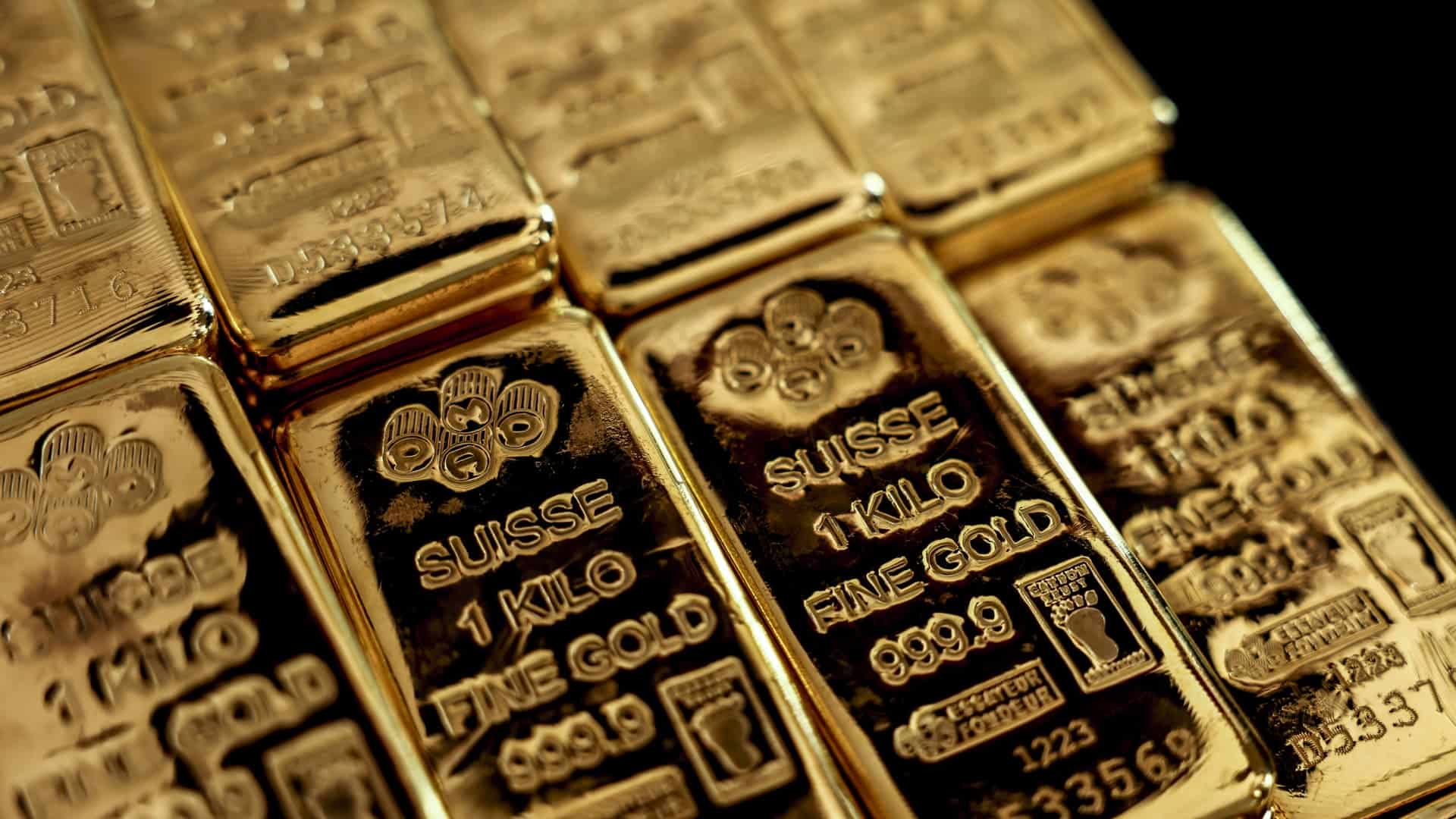
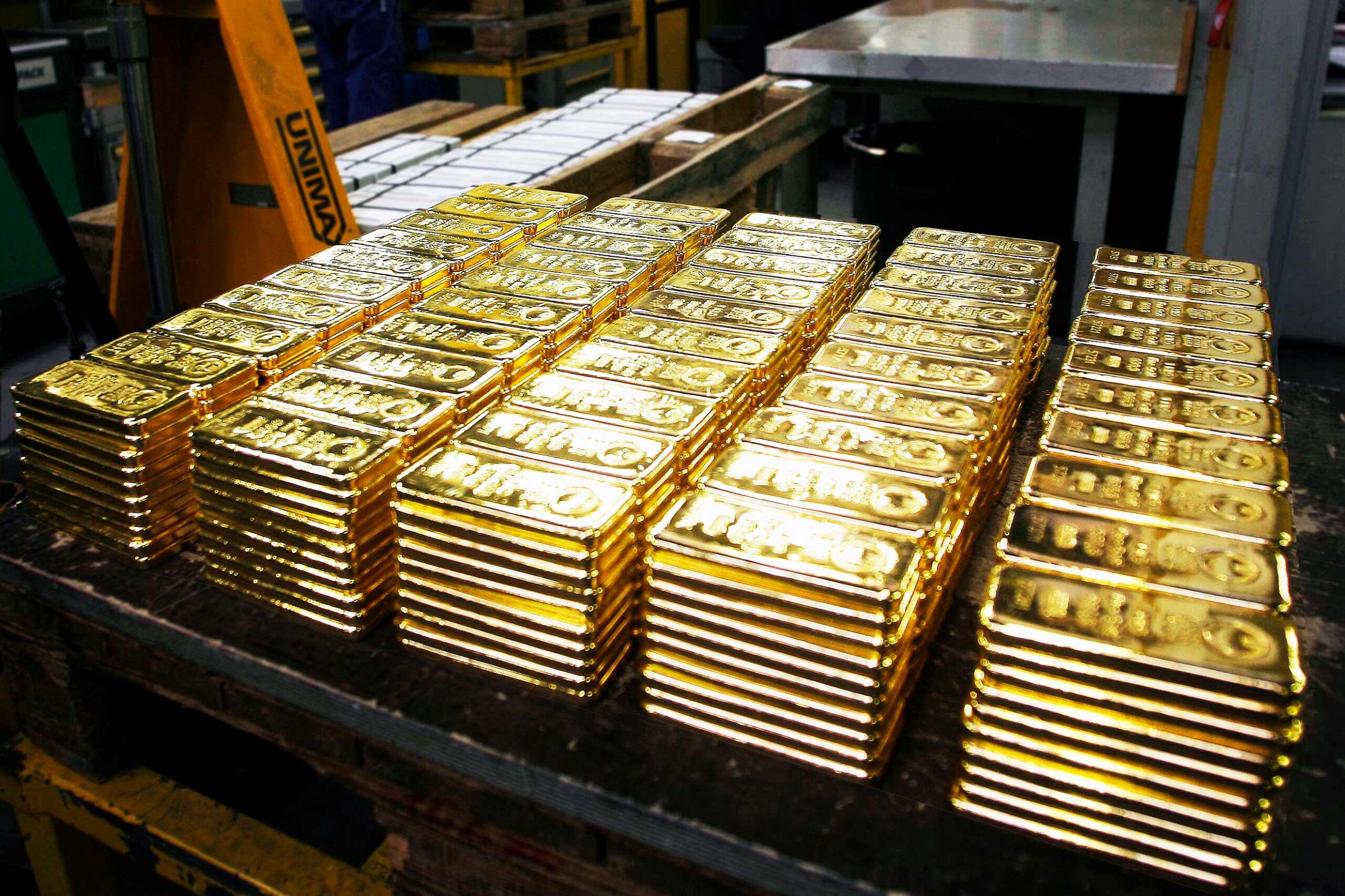
    In the latest regulatory development, Malaysia has imposed a 10% import duty on certain inbound shipments of gold bars. This unexpected decision has jolted the nation’s gold trade, with effects felt since early May, as per anonymous reports from traders and dealers. Consequently, some shipments have been detained at customs or rerouted due to the absence of a corresponding rise in local gold prices, which rendered the imports unprofitable.

    The Impact on Customers

    Bank Muamalat Malaysia, a local Islamic bank offering gold investment products, has stated that the imposition of a 10% import tax on bullion will inevitably be transferred to customers. This could lead to a considerable price hike for investors. For instance, purchasing a one-kilogram bar via a Malaysian bank after June 8 could cost approximately MYR45,000 (US$11,300) more than it would have a week before.

    A representative from the Royal Malaysian Customs Department has noted that the Ministry of Finance plans to discuss the issue of “minted gold products” imports with industry leaders.

    Increasing Interest in Gold

    The value of gold surged to a record high earlier this year, stoking investor interest in the precious metal, including in Asia. In response to this trend, several Malaysian banks have debuted gold investment products over the past year. Furthermore, bullion logistics firm, Loomis AB, has established a vault near the nation’s capital to cater to the growing demand.

    According to the country’s Department of Statistics, Malaysia imported around US$2.5 billion worth of non-monetary gold up until April this year.

    This move by the Malaysian government mirrors a similar abrupt shift in import policies in India, the world’s second-largest gold and silver market. This change has yielded a domino effect across its metals and currency markets.

    Questions & Answers

    How has Malaysia’s imposition of a 10% import duty on gold bars affected the bullion trade?
    This move has disrupted the bullion trade, with some shipments being held at customs or diverted due to the increased cost, which, without a corresponding rise in local gold prices, made the imports unprofitable.

    What is the likely impact of this decision on customers?
    Bank Muamalat Malaysia has indicated that the imposition of this import tax will eventually be passed on to the customers, leading to increased prices for investors.

    Has there been a change in the demand for gold?
    Yes, there has been a growing interest in gold, spurred by its record high value earlier this year. In response, several Malaysian banks have launched gold investment products, and bullion logistics company, Loomis AB, has opened a vault near the country’s capital.

  • US Dollar Tumbles Against Vietnamese Dong Amid Global Currency Shuffles

    US Dollar Tumbles Against Vietnamese Dong Amid Global Currency Shuffles

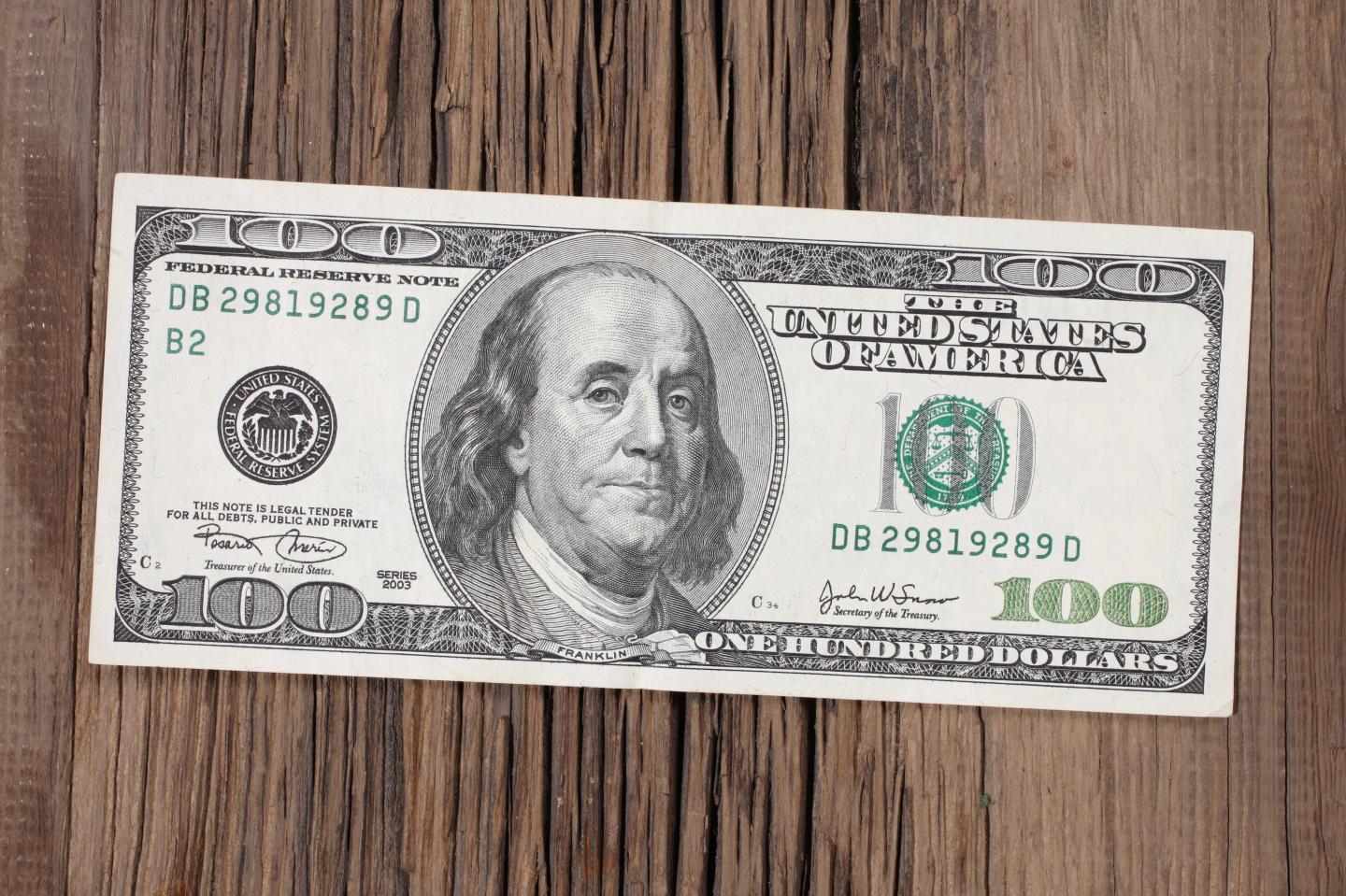
    On Wednesday morning, the U.S. dollar experienced a decrease in value against the Vietnamese dong, while also falling against other major currencies. The greenback was sold by Vietcombank at VND26,393, marking a minimal decrease of 0.004% from its value on Tuesday. However, on the black market, the currency experienced a slight increase of 0.12%, reaching a rate of around VND26,502.

    Global Currency Fluctuations

    Worldwide, the U.S. dollar managed to maintain the gains it accrued on Tuesday. This followed Iran’s announcement that the U.S. had breached a ceasefire agreement. The dollar index, a measurement of the dollar’s value against six other currencies including the yen, remained relatively stable on Wednesday at 99.11. This comes after the index saw an increase of 0.15% in the previous trading session.

    In terms of other currencies, the Euro saw a slight increase in its value against the U.S. dollar to $1.1637. The Australian dollar, however, saw a decrease of 0.09% to $0.7160, reversing earlier gains. Additionally, New Zealand’s dollar saw a substantial increase of 0.6%, taking its value to $0.5873 against the U.S. dollar.

    The Japanese yen saw a minor increase in its value to 159.28 per U.S. dollar. However, it remained near the 160 level, a threshold that many market participants consider to be a warning sign for intervention in order to support it.

    Questions & Answers

    What has been the recent trend in the value of the U.S. dollar against the Vietnamese dong?
    On Wednesday, the U.S. dollar experienced a marginal decrease in value against the Vietnamese dong, with Vietcombank selling the greenback at VND26,393, a 0.004% dip from Tuesday.

    What happened to the U.S. dollar’s value on a global scale?
    Globally, the U.S. dollar was able to maintain its gains from Tuesday following Iran’s announcement of a U.S. ceasefire violation.

    How did other major currencies perform against the U.S. dollar?
    While the Euro and New Zealand’s dollar saw increases in their value against the U.S. dollar, the Australian dollar experienced a decrease. The Japanese yen saw a slight increase but stayed near a level that causes concern for many market participants.

  • Ex-DBS Bank Manager Swindles $1M in Deceptive Schemes: Lands 6.5 Years Jail Sentence

    Ex-DBS Bank Manager Swindles $1M in Deceptive Schemes: Lands 6.5 Years Jail Sentence

    A former manager of DBS Bank, Singapore’s most prominent financial institution, who swindled seven individuals out of nearly SGD1.4 million (US$1.09 million), including his own uncle, has been handed down a six-and-a-half-year prison sentence. Benjamin Chung Hiang Wee, aged 32, admitted guilt in April to six charges of fraud involving five victims, who were tricked into parting with more than SGD1 million. The amount each individual victim relinquished ranged from SGD66,550 to SGD441,850.

    Financial Misconduct

    In addition to fraud, Chung confessed to engaging in criminal conduct by mishandling monetary benefits. On not less than 32 instances spanning from April 2023 to April 2024, Chung transferred in excess of SGD823,000 of his illicit gains from his bank accounts to other accounts.

    Chung commenced his role as a wealth planning manager in January 2019 and was dismissed in November 2023 due to violations of certain confidential regulatory requirements pertinent to his position as a financial advisor.

    During earlier court proceedings, it was revealed that the most significant sum of money he defrauded (SGD441,850) was from his 62-year-old uncle, a casual laborer.

    Victims of Deception

    Part of Chung’s job involved suggesting and marketing financial products from insurance company Manulife (Singapore). He successfully convinced his uncle that a “two-year fixed deposit scheme” would yield between 4% and 5% interest.

    “The funds were used to fund his online gambling,” deputy public prosecutor Joseph Gwee informed the court. “He had no intention of opening a fixed deposit account,” he added. The uncle transferred investments from a different bank to assist his nephew, only to later realize that he had been duped.

    The court was informed that Chung had perpetrated similar fraudulent acts on multiple occasions between February 2022 and April 2024, defrauding other victims in the process.

    His crimes were exposed in 2024 when law enforcement discovered he had exploited the bank’s reputation to solicit funds from various clients for alleged loans and fixed deposit schemes.

    On May 6, 2024, Chung turned himself in to the authorities and was promptly apprehended. In April, it was revealed during court proceedings that he had reimbursed more than SGD231,000 to five victims, including his uncle.

    Questions & Answers

    **What was Benjamin Chung Hiang Wee’s position at DBS Bank?**
    Chung was a wealth planning manager at DBS Bank.

    **What is the total amount Chung defrauded from individuals?**
    Chung defrauded nearly SGD1.4 million (US$1.09 million) from seven individuals.

    **How was Chung’s fraudulent activity uncovered?**
    Chung’s fraudulent activity was uncovered when law enforcement learned that he had misused the bank’s name to solicit money from various customers under the guise of loans and fixed deposit schemes.

  • From Trends to Trades: Understanding the Silver Price Chart for Smarter Investing

    From Trends to Trades: Understanding the Silver Price Chart for Smarter Investing

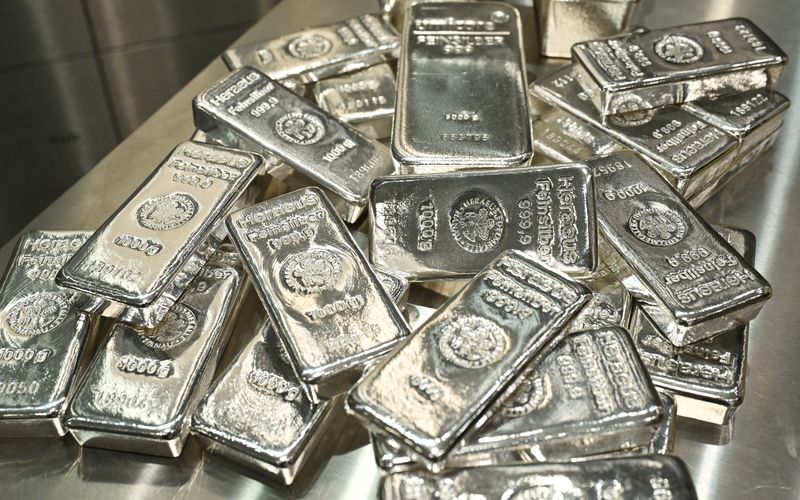
    Silver has long been considered both an industrial metal and a safe-haven investment asset, making it an important part of global financial markets. Investors and traders closely monitor price movements to understand demand cycles, economic shifts, and geopolitical influences that impact valuation. In today’s digital trading era, data-driven decision-making plays a crucial role in building smarter investment strategies.

    Modern investors rely heavily on the Silver price chart to track historical trends, analyze price fluctuations, and identify potential trading opportunities across short-term and long-term investment horizons. With improved accessibility to financial data platforms, silver trading has become more structured, analytical, and responsive to real-time market conditions.

    Market Dynamics Shaping Silver Investment Strategies Today

    Understanding silver markets requires analyzing a combination of economic indicators, industrial demand, and investor sentiment. Price movements are influenced by inflation trends, currency fluctuations, and global economic stability. Investors who study structured data patterns gain a stronger advantage in predicting market behavior.

    The value of structured price visualization lies in its ability to clearly represent market behavior over time, helping traders identify trends, reversals, and entry or exit points with greater accuracy and confidence.

    1.    Historical Price Movements Guiding Investment Decisions

    Historical silver price data provides valuable insights into long-term market behavior. Investors analyze past cycles to understand how silver reacts during periods of economic growth, recessions, and inflation. These patterns help in identifying support and resistance levels that guide trading strategies. Historical analysis also supports risk management by highlighting volatility trends, allowing investors to make informed decisions based on proven market behavior rather than speculation or short-term fluctuations.

    2.    Industrial Demand Influencing Price Volatility

    Silver plays a major role in industries such as electronics, solar energy, and medical applications, making industrial demand a key price driver. Increased usage in manufacturing and technology sectors often leads to upward price pressure. On the other hand, reduced industrial demand can stabilize or lower prices. Understanding industrial consumption trends helps investors anticipate price movements and adjust trading strategies accordingly, ensuring better alignment with global economic activity and sector-specific growth patterns.

    3.    Inflation Trends Impacting Silver Valuation

    Silver is often considered a hedge against inflation, meaning its value tends to rise when the purchasing power of the currency declines. Investors monitor inflation rates closely to understand potential price movements. During high inflation periods, demand for silver increases as investors seek stable assets. This relationship between inflation and silver pricing creates predictable patterns that can be analyzed through charts. Understanding these trends helps investors make strategic decisions during uncertain economic conditions.

    4.    Currency Fluctuations Affecting Global Silver Prices

    Since silver is traded globally in US dollars, currency fluctuations significantly impact its price across international markets. A weaker dollar often leads to higher silver prices, while a stronger dollar can reduce demand. Investors tracking currency trends gain better insights into short-term price movements. Exchange rate changes also affect import and export costs, influencing overall market supply and demand dynamics. This makes currency analysis an essential component of silver trading strategies.

    Technical Analysis Tools Enhancing Silver Market Insights

    Technical analysis plays a major role in modern silver trading by providing structured methods to interpret price movements. Traders use charts, indicators, and trend lines to identify opportunities and reduce risk exposure. These tools help transform raw market data into actionable insights for better investment decisions.

    The use of Silver price chart analysis allows traders to study patterns, monitor momentum shifts, and evaluate entry and exit points with greater accuracy in both short- and long-term trading scenarios.

    1.    Moving Averages: Identifying Market Trends Clearly

    Moving averages help smooth price data and identify overall market direction. Traders use short-term and long-term averages to detect trend changes and potential reversal points. When prices move above or below moving averages, it signals shifts in market momentum. This tool is widely used in silver trading strategies to reduce noise and focus on broader price trends. Moving averages also help investors confirm breakout patterns and improve timing for trade execution decisions.

    2.    Support and Resistance Levels Guiding Trade Entry Points

    Support and resistance levels represent key price zones where silver tends to reverse or consolidate. These levels help traders identify optimal entry and exit points. Support levels indicate price floors, while resistance levels indicate price ceilings. Understanding these zones improves risk management and trading precision. Traders often combine these levels with other indicators to strengthen decision-making and increase the probability of successful trades in volatile market conditions.

    3.    Volume Analysis Confirming Market Strength

    Trading volume provides insight into the strength behind price movements. High volume indicates strong investor interest, while low volume suggests weaker momentum. Volume analysis helps confirm whether price trends are likely to continue or reverse. In silver trading, volume spikes often precede significant price changes. Monitoring volume alongside price charts allows traders to validate market signals and reduce the risk of false breakouts or misleading trend interpretations.

    4.    Chart Patterns Predicting Future Price Movements

    Chart patterns such as triangles, head-and-shoulders, and double tops provide predictive insights into potential market direction. These formations help traders anticipate future price movements based on historical behavior. Recognizing patterns early allows investors to position themselves strategically before major market shifts occur. Pattern recognition is a key component of technical analysis and is widely used in silver trading strategies to forecast short- and medium-term price trends.

    Conclusion

    Silver remains a highly dynamic investment asset influenced by economic cycles, industrial demand, inflation trends, and global market sentiment. Understanding price movements through structured analysis helps investors make informed decisions and reduce financial risks. Technical tools and historical data together create a more reliable framework for identifying profitable trading opportunities.

    For investors seeking professional trading insights and market analysis tools, studying the Silver price chart is essential for building effective strategies. A well-developed understanding of price behavior helps improve timing, reduce uncertainty, and enhance long-term investment outcomes in global commodity markets. Additionally, factors such as central bank policies, currency fluctuations, and geopolitical events play a significant role in short-term volatility. By combining technical indicators such as support and resistance levels, moving averages, and trend patterns with fundamental analysis, traders can gain a more complete market perspective.
  • Alipay Ventures Further into AI Commerce: Introduces Worlds First AI Wallet and Token Pay

    Alipay Ventures Further into AI Commerce: Introduces Worlds First AI Wallet and Token Pay

    Chinese fintech titan, Alipay, is ramping up its endeavors in AI-driven commerce with the introduction of an innovative AI payment infrastructure devised to bolster the burgeoning “agentic economy”.

    As per a press release issued on Monday, Alipay unveiled the world’s inaugural “AI Wallet” along with a novel service dubbed “Token Pay”, both targeted at AI firms and developers. This announcement was made at the Alipay AI Payment Ecosystem Conference held in Hangzhou.

    AI Agents in the Commercial World

    The crux of this initiative is Alipay’s AI payment ecosystem, where users can execute transactions via AI agents using voice commands and automated processes.

    Cyril Han, CEO of Ant Group, said, “Even though the quintessence of commerce remains intact in the AI era, AI agents are revolutionizing every aspect.” Han added that based on 22 years of technological prowess and commercial knowledge, Alipay is creating the next wave of AI payment services to boost the growth of the agentic commerce ecosystem.

    The firm disclosed that its AI-native payment products have already surpassed 100 million users since their February 2026 launch. As per Alipay, the system has processed approximately 300 million transactions so far, making it the first commercially scaled AI-native global payment infrastructure.

    Introduction of the “AI Wallet”

    The AI Wallet, a crucial part of this expansion, has been recently introduced and is now accessible via the Alipay app.

    The product is engineered to provide users more supervision and command over transactions executed by AI agents. This includes the ability to monitor tasks prior to and during payment and to analyze spending behavior after the transaction.

    In an effort to augment trust in autonomous AI transactions, Alipay also launched China’s maiden “Agentic Commerce Trust Protocol”, aimed to establish a standardized framework between AI systems and service platforms.

    Simultaneously, the firm introduced an intelligent security system designed to safeguard AI-driven transactions.

    “Token Pay” Designed for AI Companies

    Along with the AI Wallet, Alipay launched “Token Pay”, which the firm describes as the first integrated payment solution specifically tailored for AI model firms.

    The platform enables AI enterprises to handle subscription payments, token top-ups, and associated transactions on a global scale via a single infrastructure.

    Weiqi Hu, Vice President of MiniMax, said, “Payments are instrumental in facilitating massive growth in the AI sector. Together with Alipay, we aim to strengthen collaboration across multiple domains to accelerate the growth of AI commerce.”

    Payments Integration within AI

    Industry experts anticipate payments to become an inherent feature within AI applications rather than a separate step in digital commerce.

    “AI is redefining every facet of commerce,” said Lin Zhu, General Manager of Alipay’s AI payment business at Ant Group. Zhu added that payments are transitioning from a final step to a capability embedded from the outset. According to Zhu, only with trusted transactions, seamless payments, and secure controls, can agentic commerce genuinely proliferate.

    Extensive Expansion Across Industries

    Alipay’s AI payment infrastructure is already being widely used across a plethora of sectors and devices in China, such as AI-powered services embedded in retail apps including Luckin Coffee, smart glasses by Rokid, Alibaba’s Qwen AI ecosystem, OpenClaw-style AI agents, smart vehicle cockpits, AI development platforms like Coze and Qoder, and “One Person Companies”.

    Alipay announced additional investment in developer support programs, including token incentives and waiving payment-processing fees for individual AI developers.

    Through the latest rollout, Alipay is striving to establish itself not merely as a payment provider, but increasingly as the financial infrastructure supporting the next generation of AI-driven digital commerce.

    Questions & Answers

    What is the AI Wallet introduced by Alipay?
    The AI Wallet is a product designed to give users more control over transactions carried out by AI agents. Users can monitor tasks before and during payment execution and analyze spending behavior afterward.

    What is the purpose of Alipay’s “Token Pay”?
    Token Pay is an integrated payment solution created specifically for AI model companies. It allows AI firms to manage subscription payments, token top-ups, and related transactions globally through a single infrastructure.

    What is Alipay’s strategy with the introduction of the new AI payment infrastructure?
    Alipay’s strategy is to position itself not only as a payment provider, but increasingly as the financial infrastructure underpinning the next generation of AI-driven digital commerce.

  • Vietnams Gold Market Springs Back: Global Bullion Rates Trigger Significant Rise

    Vietnams Gold Market Springs Back: Global Bullion Rates Trigger Significant Rise

    Gold prices in Vietnam experienced a resurgence on Monday morning, reflecting a similar upsurge in worldwide bullion rates. The Saigon Jewelry Company increased their gold bar prices by 0.3%, reaching VND162 million (approximately US$6,145.44) per tael. This rise comes after a significant four-month dip that peaked last week.

    Global Gold Prices on the Rise

    In similar fashion, the price of gold rings in Vietnam elevated by 0.31%, equating to around VND161.5 million per tael. A tael, for those unfamiliar, is roughly equivalent to 37.5 grams or 1.2 ounces.

    On a global scale, gold prices experienced a noteworthy increase of more than 1% on Monday. This shift can be attributed to a combination of a weakening US dollar and decreasing oil prices. These economic fluctuations have led investors to ponder the possibility of a breakthrough in peace negotiations between the United States and Iran.

    Spot gold saw an increase of 1.1%, reaching $4,559.29 per ounce. Similarly, US gold futures for June delivery experienced a 0.8% increase, bringing the cost up to $4,560.30. The declining strength of the dollar means that gold priced in greenbacks is now more accessible to those dealing in other currencies.

    Looking at the larger picture, despite the recent price increase, bullion remains approximately 13% lower than it was prior to the onset of conflict in late February.

    Questions & Answers

    What prompted the rebound of gold prices in Vietnam?
    The resurgence can be primarily attributed to a similar increase in global bullion rates, coupled with economic factors including a weakening US dollar and decreasing oil prices.

    What has been the impact of the US-Iran peace negotiations on gold prices?
    The consideration of a possible breakthrough in US-Iran peace talks has led investors to lean towards gold, contributing to the recent rise in prices.

    How has the recent conflict affected the overall price of bullion?
    Despite the latest increase, bullion prices remain around 13% lower than before the conflict began in late February.

  • HSBC Private Bank Bolsters Taiwan Onshore Market with Appointment of New Head

    HSBC Private Bank Bolsters Taiwan Onshore Market with Appointment of New Head

    HSBC Private Bank recently revealed the induction of Edward Chiu as the Market Head for Onshore Taiwan, effective from June 1, 2026. This is part of their strategy to fortify their onshore operations in Taiwan.

    Edward Chiu brings over two decades of exemplary leadership experience in wealth management and affluent banking within Taiwan to his new role. His tenure at HSBC Taiwan as the Head of Premier Elite since 2024 has been marked by significant growth. Before joining HSBC, Chiu held senior leadership positions at DBS and Citibank, where he established a strong track record in revenue growth, talent development, and client acquisition.

    Edward Chiu’s New Role

    In his new position, Chiu will spearhead the onshore private banking business in Taiwan. He will work in close association with other business lines to offer comprehensive solutions tailored to the needs of Taiwanese clients. Chiu is set to report to Kanas Chan, the Head of Private Bank for North Asia and Hong Kong, and Kevin Hu, who is the Head of International Wealth and Premier Banking in Taiwan.

    Upon the announcement of Chiu’s appointment, Kanas Chan expressed that Taiwan is a strategically crucial growth market for their business operations in North Asia. He further stated that Edward’s appointment will bolster the leadership team in Taiwan, and it underlines their dedication to augmenting their onshore presence and enhancing the client experience.

    Chan also mentioned that with Chiu’s extensive expertise and proven track record in serving High Net Worth and Ultra High Net Worth clients, he is confident that Chiu’s leadership will expedite HSBC’s growth trajectory in Taiwan and set the stage for the next phase of business success.

    Questions & Answers

    Who has HSBC appointed as the Market Head for Onshore Taiwan?
    Edward Chiu has been appointed as the Market Head for Onshore Taiwan by HSBC.

    What will be Edward Chiu’s role at HSBC?
    Edward Chiu will lead the onshore private banking business in Taiwan and collaborate with other lines of business to offer comprehensive solutions for Taiwanese clients.

    Who will Edward Chiu report to in his new role?
    Edward Chiu will report to Kanas Chan, Head of Private Bank for North Asia and Hong Kong, and Kevin Hu, Head of International Wealth and Premier Banking in Taiwan.

  • Vietnam’s Gold Market Stumbles: Price Plunge Amid Softening Global Bullion Rates

    Vietnam’s Gold Market Stumbles: Price Plunge Amid Softening Global Bullion Rates

    On Wednesday, gold prices in Vietnam witnessed a decline, following a similar downtrend in global bullion rates. The price of gold bars offered by Saigon Jewelry Company (SJC), a major Vietnamese gold retailer, fell by 0.92%, hitting VND162 million (US$6,144.5) per tael. In addition, the price of gold rings slid down by 1.1% to VND161.5 million per tael. It’s worth noting that a tael in Vietnam is equivalent to 37.5 grams or 1.2 ounces.

    Global Gold Market Trends

    Globally, gold prices also edged lower on Wednesday. This downward trend was primarily due to rising Treasury yields and a strong dollar, which eclipsed the optimism kindled by the prospect of a potential peace agreement between the U.S. and Iran. Spot gold fell by 0.3%, valued at $4,467.59 per ounce, after reaching its lowest point since March 30 in the preceding session. Meanwhile, U.S. gold futures for June delivery suffered a loss of 0.9%, priced at $4,471.10.

    Inflationary pressures stemming from the Iran conflict spurred a selloff in global bond markets. This sell-off drove 30-year U.S. Treasury yields to levels unseen since the precursor period to the 2007 global financial crisis. Concurrently, the dollar floated at a six-week high, making bullion priced in the greenback more expensive for individuals holding other currencies.

    Analysts speculate that gold’s current slump could be attributed to the rising yields and the dollar’s strength. Tim Waterer, the chief market analyst at KCM Trade, opines, “Gold is running out of puff somewhat against this backdrop of rising yields, and a dollar which has a spring in its step courtesy of the hawkish shift in the rates outlook.”

    Questions & Answers

    What triggered the decline in gold prices in Vietnam?
    The fall in gold prices in Vietnam was influenced by the global downtrend in bullion rates, with the price of gold bars and gold rings offered by Saigon Jewelry Company witnessing a significant decline.

    What factors influenced the global downtrend in gold prices?
    Rising Treasury yields and a firm U.S. dollar were the primary factors that attributed to the global decline in gold prices. The optimism surrounding the potential U.S.-Iran peace agreement was overshadowed by these factors.

    What impact did the Iran conflict have on the global gold market?
    The Iran conflict led to inflationary pressures that resulted in a selloff in global bond markets. This, in turn, significantly affected the global gold market, driving U.S. Treasury yields to levels unseen since the precursor period to the 2007 global financial crisis.

  • Singapore Triumphs over Indonesia as Southeast Asias Dominant Stock Market

    Singapore Triumphs over Indonesia as Southeast Asias Dominant Stock Market

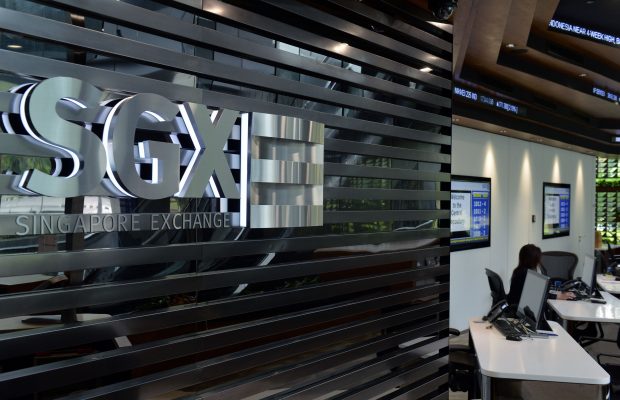
    Singapore has taken over from Indonesia as the leading stock market in Southeast Asia. This shift has come as Indonesia’s market capitalization has dropped dramatically due to an uncertain future outlook. From its peak in January, the total market capitalization of Indonesian businesses has fallen by over 30% to US$618 billion. In contrast, the market value in Singapore has increased to $645 billion.

    Investor confidence in Indonesia has seen a decline in recent months due to the possibility of its equities market being downgraded to frontier status. This uncertainty is coupled with Fitch Ratings and Moody’s Ratings both downgrading the country’s credit outlook to negative. The Indonesian stock index is currently among the most underperforming globally, and the rupiah has hit record lows repeatedly.

    Indonesia’s Struggles and Singapore’s Strength

    Despite these setbacks, Soh Chih Kai of Lion Global Investors believes that a future recovery should not be dismissed. However, he notes that the current momentum is not in Indonesia’s favor. In contrast, he points out that Singapore’s market has further strengthened its position as capital flows continue to seek certainty amid global policy ambiguity.

    In an attempt to bolster the economy, Indonesia’s central bank recently increased its policy interest rates for the first time in two years. This move aims to support the rapidly falling rupiah currency. Governor Perry Warjiyo explained that the increase is a further step to stabilize the rupiah exchange rate in the face of global volatility.

    On the other hand, Singapore’s equities have been boosted by political and economic stability, along with government-led market reforms. The Straits Times Index reached a record high this week, as investors looked for safe investments amid the instability caused by the Iran war.

    Head of research at Maybank Securities, Thilan Wickramasinghe, noted that Singapore’s equity market has remained resilient despite ongoing global volatility. This resilience is due to its defensive sector composition and consistent inflows, putting the market in a relatively advantageous position.

    Future Trends and Predictions

    Singapore’s equities are projected to outperform Indonesian stocks by a record margin in 2026. Carmen Lee, head of equity research at OCBC, attributes this to wealth being a significant driver for earnings growth. Paired with a strong Singapore dollar, Lee expects more funds to flow into the market.

    Questions & Answers

    What has led to the decline in Indonesia’s market capitalization?
    Investor confidence in Indonesia has deteriorated due to the potential reclassification of its equities market to frontier status and negative revisions in the country’s credit outlook.

    What steps has Indonesia’s central bank taken to support the economy?
    Indonesia’s central bank has raised its policy interest rates for the first time in two years in order to support the rupiah currency, which has fallen to record lows recently.

    What factors have contributed to the strength of Singapore’s equities market?
    Singapore’s equities have been boosted by the country’s political and economic stability, along with market reforms driven by the government.

  • Vietnams Gold Market Faces Steep Dive amid Global Bullion Rate Decline

    Vietnams Gold Market Faces Steep Dive amid Global Bullion Rate Decline

    Wednesday saw a dip in gold prices in Vietnam, tracking a global decline in bullion rates. Saigon Jewelry Company, a notable player in the market, reported a 0.92% decrease in gold bar prices, which dropped to VND162 million (US$6,144.5) per tael.

    Fluctuations Across Markets

    Simultaneously, the price of gold rings also experienced a dip, declining by 1.1% to VND161.5 million per tael. To put things into perspective, a tael is equivalent to 37.5 grams or around 1.2 ounces.

    On the global stage, gold prices edged lower on Wednesday. This downturn was propelled by factors such as rising Treasury yields and a strengthening dollar, which outweighed the optimism stirred by the prospect of a peace agreement between the U.S. and Iran.

    Spot gold saw a 0.3% decrease to $4,467.59 per ounce, hitting its lowest level since March 30 in the previous trading session. Concurrently, U.S. gold futures for June delivery registered a loss of 0.9%, dropping to $4,471.10.

    Contributing Factors

    Certain economic factors also influenced these price fluctuations. The ongoing conflict with Iran has escalated price pressures, triggering a sell-off in global bond markets. This has pushed the 30-year U.S. Treasury yields to levels unseen since the precursor period to the 2007 global financial crisis.

    In tandem with these events, the dollar maintained its position at a six-week high. This, in turn, made bullion priced in the greenback more costly for those holding other currencies.

    According to Tim Waterer, Chief Market Analyst at KCM Trade, the current backdrop of rising yields and a rejuvenated dollar, driven by a hawkish shift in rates outlook, is potentially reducing the appeal of gold as an investment.

    Questions & Answers

    What is the significance of the price of a tael in relation to gold prices?
    The price of a tael, equivalent to 37.5 grams or 1.2 ounces, is an important measure for gold prices, particularly in markets like Vietnam.

    How did the global economic climate affect gold prices?
    Rising Treasury yields and a strong dollar, coupled with the potential peace agreement between the U.S. and Iran, have led to a decrease in global gold prices.

    What factors are currently affecting the appeal of gold as an investment?
    Increasing yields and a revitalized dollar, prompted by a hawkish shift in rates outlook, are reducing the attractiveness of gold as an investment.

  • Citibank Korea Records Significant Q1 Growth: Noninterest Revenue Fuels Highest Earnings in Six Years

    Citibank Korea Records Significant Q1 Growth: Noninterest Revenue Fuels Highest Earnings in Six Years

    Citibank Korea has reported their most impressive quarterly earnings in over half a decade. The first-quarter net income witnessed a significant leap of 61% from the previous year, primarily due to a substantial rise in noninterest income.

    Citibank Korea announced a net income of 132.8 billion won (equivalent to $88 million) on a revenue of 330.5 billion won. This represents an increase of 23 percent from the previous year. The surge was primarily driven by a 77 percent escalation in noninterest revenue derived from the bank’s principal businesses, which include fixed-income trading, according to an official statement from the bank.

    In the first quarter, expenses saw a modest increase of 1 percent year-on-year, amounting to 156.4 billion won. On the other hand, the cost of credit recorded a net decrease of 600 million won, a drop of 111 percent from the previous year, owing largely to reduced credit costs in the corporate banking sector.

    Impressive Growth Amidst Challenges

    The quarter’s return on equity rose by 3.81 percentage points to reach 9.73 percent. Despite challenges such as geopolitical conflicts and increased volatility in interest and foreign exchange rates, Citibank Korea delivered its best quarterly performance since 2018, according to the bank’s CEO, Yoo Myung-soon.

    Myung-soon highlighted that this impressive performance was the result of a significant expansion in non-interest revenue across their core businesses in Banking, Markets, and Services. He emphasized the bank’s strategic focus and use of Citi’s global network, which aligns with the global progress of Citi, which posted its best results in a decade in this year’s first quarter.

    Questions & Answers

    What led to the significant increase in Citibank Korea’s first-quarter net income?
    The bank’s first-quarter net income saw a significant increase of 61%, primarily due to a substantial rise in noninterest income.

    What contributed to the decrease in the cost of credit for Citibank Korea?
    The cost of credit recorded a net decrease due to reduced credit costs in the corporate banking sector.

    What were the main challenges faced by Citibank Korea in the first quarter?
    Some of the challenges faced by the bank included geopolitical conflicts and increased volatility in interest and foreign exchange rates.

  • UOB Private Bank Intensifies Greater China Expansion with Appointment of New Market Head

    UOB Private Bank Intensifies Greater China Expansion with Appointment of New Market Head

    United Overseas Bank (UOB) Private Bank has announced the appointment of seasoned banker Paul Zhou as the Market Head for Greater China. This strategic move is aimed at accelerating the bank’s expansion plans in one of Asia’s most fiercely contested wealth management markets.

    Effective from May 11, 2026, Zhou will spearhead the growth and strategic planning of UOB Private Bank’s Greater China business, according to a company statement released on Monday.

    Decades of Experience in Private Banking

    Zhou brings to the table over two decades of robust experience in private banking, wealth management, and sales leadership. Prior to this appointment, Zhou was part of UOB China, where he has been serving as the Head of Sales and Distribution since 2018.

    In his previous role, Zhou led the bank’s wealth management and secured lending sales teams, as well as the specialist investment and insurance divisions. His dynamic leadership was instrumental in expanding the bank’s customer base, increasing assets under management and deposits while ensuring strict adherence to governance and compliance standards.

    Before joining UOB China, Zhou held key leadership roles at Ping An Trust and Citibank. He managed private banking teams and directed investment and sales strategies across multiple major Chinese cities. In the early stages of his career, he worked at The Bank of Tokyo-Mitsubishi and HSBC, gaining expertise in investment advisory, wealth management, and cross-border banking solutions.

    Zhou holds an undergraduate degree in Finance and Banking from the Finance and Banking Institution of China in Beijing.

    A Strategy to Reinforce Greater China Franchise

    Zhou’s appointment forms part of a wider strategy by UOB Private Bank to fortify its Greater China franchise. The bank has announced plans to hire a number of seasoned relationship managers and team leads in May and June. This initiative is aimed at enhancing client engagement and supporting the growth of the business in the region.

    The planned expansion underscores the continued competition among local and global banks to tap into the growing wealth creation opportunities in Greater China, despite the ongoing economic uncertainties and unpredictable market volatility.

    Questions & Answers

    Who has UOB Private Bank appointed as the Market Head for Greater China?
    Paul Zhou, a veteran banker with over two decades of experience in private banking, wealth management, and sales leadership.

    What is the strategic objective behind this appointment?
    The appointment aims to accelerate UOB Private Bank’s expansion strategy in Greater China, one of Asia’s most competitive wealth management markets.

    What plans does UOB Private Bank have to fortify its Greater China franchise?
    UOB Private Bank plans to recruit several experienced relationship managers and team leaders over May and June to further enhance client engagement and support business growth in the region.

  • OCBC Boosts Hong Kong Wealth Management Team by 30% Amid Rising Demand

    OCBC Boosts Hong Kong Wealth Management Team by 30% Amid Rising Demand

    The Oversea-Chinese Banking Corporation (OCBC) has announced plans to bolster its wealth-management staff in Hong Kong by 30% this year. This move is a strategic reaction to an increasing demand from its clientele for investment and financing services.

    Singapore’s second-largest financial institution aims to recruit an additional 30 to 50 relationship managers to its Hong Kong division, according to Josephine Lee, OCBC’s head of Hong Kong consumer financial services. The bank projects a significant increase in its wealth sector income, anticipating a five-fold jump since 2023. Furthermore, Lee disclosed the bank’s strategy to launch a novel array of services this year specifically aimed at clients with at least $1 million.

    OCBC’s wealth services portfolio has been a significant factor in boosting the bank’s profitability. The bank has surpassed projected profits for the first quarter, largely due to increasing fees related to wealth services. Furthermore, the demand for wealth accounts within Hong Kong has shown a marked increase from clients both within and outside the jurisdiction, primarily attracted by offerings such as financing. “We must enhance our pool of relationship managers to optimally serve our client base,” says Lee.

    The Greater China region, which includes Hong Kong, has been a significant income generator for OCBC, contributing 23% to the bank’s operating profit in the first quarter. This makes it the second-largest contributor, following Singapore, and shows a slight increase compared to the same period last year.

    Questions & Answers

    What is the anticipated increase in OCBC’s wealth-management staff in Hong Kong?
    The bank plans to increase its wealth-management staff in Hong Kong by 30% this year, which translates to an addition of 30 to 50 relationship managers.

    How significant has the wealth services portfolio been to OCBC’s profitability?
    The wealth services portfolio has played a major role in boosting the bank’s profitability, with the first quarter earnings surpassing estimates mainly due to increased fees related to these services.

    What proportion of OCBC’s operating profit was contributed by the Greater China region in the first quarter?
    The Greater China region, including Hong Kong, contributed 23% to the bank’s operating profit in the first quarter, making it the second-largest contributor after Singapore.