Category: Finance

Retail News Asia is committed to providing both local and global retailers with the latest Finance news throughout the Asian market. This on a daily base.

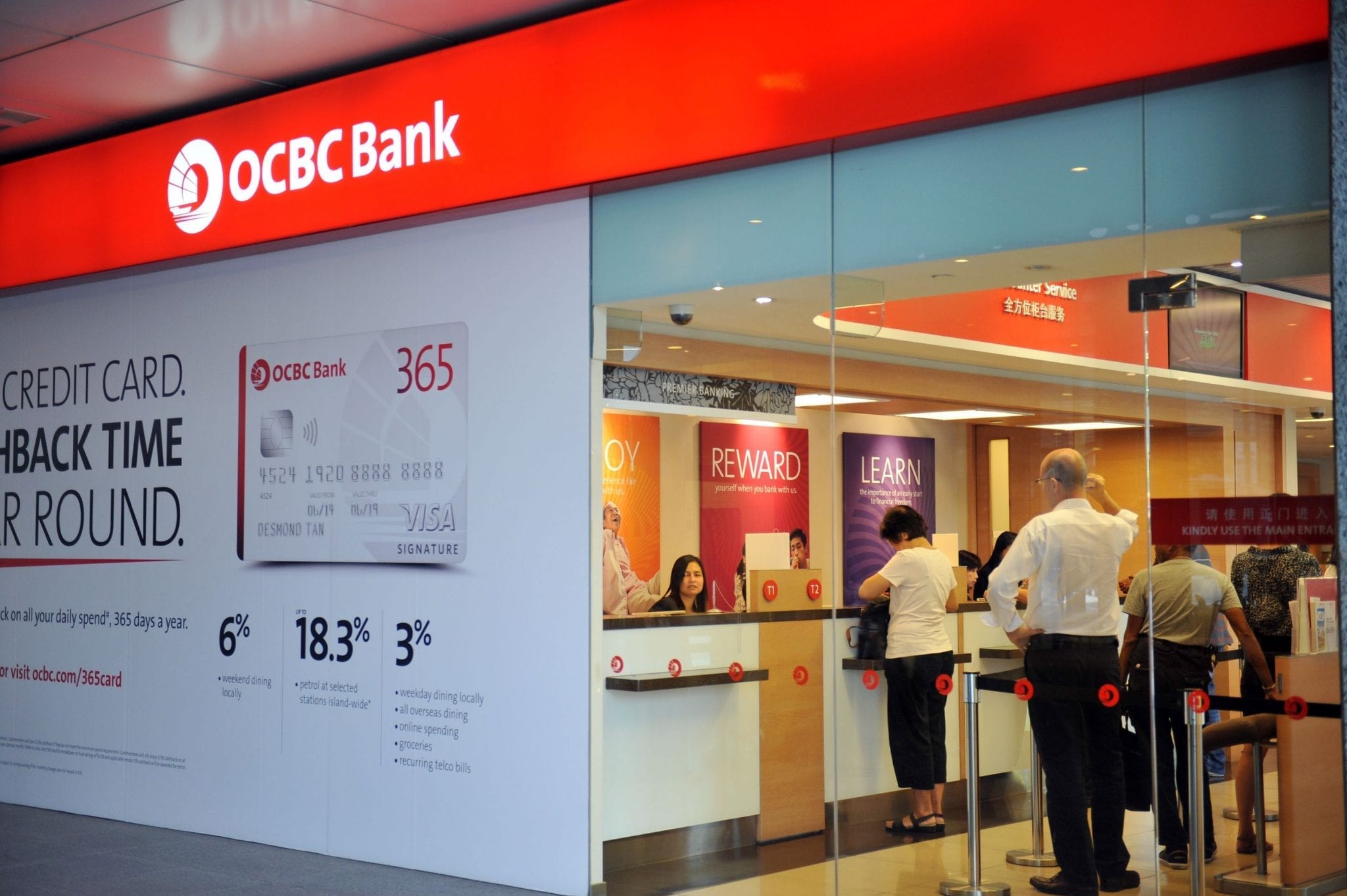
  • OCBC Bolsters Southeast Asia Presence with Major Acquisition from HSBC Indonesia’s Retail Banking Business

    OCBC Bolsters Southeast Asia Presence with Major Acquisition from HSBC Indonesia’s Retail Banking Business

    In a strategic move to bolster its foothold in Southeast Asia’s most significant economy, OCBC has entered into an agreement to procure HSBC’s retail banking and wealth management operations based in Indonesia.

    The Acquisition Details

    OCBC’s Indonesian subsidiary will take over the International Wealth and Premier Banking (IWPB) business of HSBC Indonesia, which includes its assets and liabilities. This acquisition will introduce approximately 336,000 customers to OCBC’s clientele, along with S$6.6 billion (US$4.9 billion) in assets under management (AUM).

    The transaction comprises customer deposits, investment products like mutual funds, bonds, and insurance, in addition to credit cards and retail loans. Furthermore, a small loan book amounting to roughly S$0.3 billion is also set to be transferred.

    OCBC has stated that the ultimate purchase price will be contingent on the net asset value of the business at the time of completion, along with a possible premium of up to S$0.48 billion, subjected to necessary adjustments. The deal is anticipated to be concluded by the second quarter of 2027, with the major bank planning to fund it internally.

    Strategic Expansion in Indonesia

    The purchase plays a significant role in OCBC’s broader scheme to enhance its wealth management prowess and deepen its roots in Indonesia, a critical growth market for the bank.

    OCBC highlighted the significance of IWPB Indonesia, stating it as one of the country’s largest foreign-owned retail banking and wealth platforms. The business currently operates through a network of 261 branches and has garnered widespread recognition in the wealth management sector.

    The completion of the deal is projected to elevate OCBC Indonesia’s AUM by approximately 25% and multiply its credit card balances by over 150%. It will also add an estimated 1,300 employees to its existing workforce.

    In the words of Group CEO Tan Teck Long, the acquisition is in line with the bank’s ‘Next Frontier’ strategy, which emphasizes enlarging its regional franchise and fostering growth in its wealth business.

    Questions & Answers

    What is the projected impact of the acquisition on OCBC Indonesia’s AUM and credit card balances?
    With the completion of the deal, OCBC Indonesia’s AUM is expected to increase by about 25%, and its credit card balances are anticipated to rise by more than 150%.

    What components of HSBC Indonesia are included in the transaction?
    The transaction involves customer deposits, investment products, credit cards, and retail loans from HSBC Indonesia. Additionally, a small loan book worth roughly S$0.3 billion will also be transferred.

    When is the deal expected to be finalized, and how will it be funded?
    The acquisition is planned to be concluded by the second quarter of 2027, with OCBC intending to finance it internally.

  • U.S. Dollar Flexes Strength Against Vietnamese Dong Amid Global Tensions and Anticipation Over Federal Reserve Decision

    U.S. Dollar Flexes Strength Against Vietnamese Dong Amid Global Tensions and Anticipation Over Federal Reserve Decision

    On Wednesday, the U.S. dollar experienced an increase against the Vietnamese dong while maintaining its strength against major global currencies. The Vietnamese commercial bank, Vietcombank, ended up selling the U.S. dollar at VND26,368, marking a 0.008% increase from the previous day. Simultaneously, the dollar posted a 0.27% gain in the black market, where it traded around VND26,737.

    The State Bank of Vietnam’s Role

    In response to these fluctuations, the State Bank of Vietnam raised its reference rate by 0.008% to VND25,113.

    Global Dollar Performance

    Internationally, the dollar strengthened on Wednesday. This shift was in anticipation of an important rate decision by the Federal Reserve. It’s worth noting that this decision was expected to be the last major action under the leadership of Chair Jerome Powell. This decision coincided with ongoing conflict in the Middle East and diminishing optimism for a swift resolution.

    The Impact of Geo-Political Situations

    Efforts to cease the conflict in Iran hit a stalemate, evoking dissatisfaction from U.S. President Donald Trump. His contention is primarily with Tehran’s recent proposal which, in his view, should have addressed nuclear issues from the beginning. This situation made market sentiments volatile, leading to the dollar being positioned as a safe haven.

    Asian currency markets exhibited modest variations due to the public holiday in Japan and impending decisions from several key central banks.

    Performance against Other Currencies

    The U.S. dollar saw a modest overnight gain against a basket of currencies, steadying at 98.57. The Canadian dollar showed a slight uptick to C$1.3676, while the Japanese currency didn’t show significant changes, resting at 159.55.

    Regarding the euro and sterling, both marginally retreated from their highs earlier this month, with the former trading at $1.1716 and the latter at $1.3523. On the other hand, the Australian dollar remained close to a four-year peak, trading at $0.7187. The New Zealand dollar also experienced a slight appreciation of 0.05% to $0.5888.

    Questions & Answers

    How did the U.S. dollar perform against the Vietnamese dong?
    The U.S. dollar increased against the Vietnamese dong, with Vietcombank selling it at VND26,368, marking a 0.008% rise from the previous day.

    What external factors influenced the strength of the U.S. dollar?
    Global factors such as the Federal Reserve’s rate decision and geopolitical tensions in the Middle East, particularly the unresolved conflict in Iran, contributed to the dollar’s strength.

    How did major global currencies fare against the U.S. dollar?
    The Canadian dollar and the New Zealand dollar showed slight appreciation, while the euro, sterling, and the Japanese currency remained largely unchanged. The Australian dollar stayed near its four-year high.

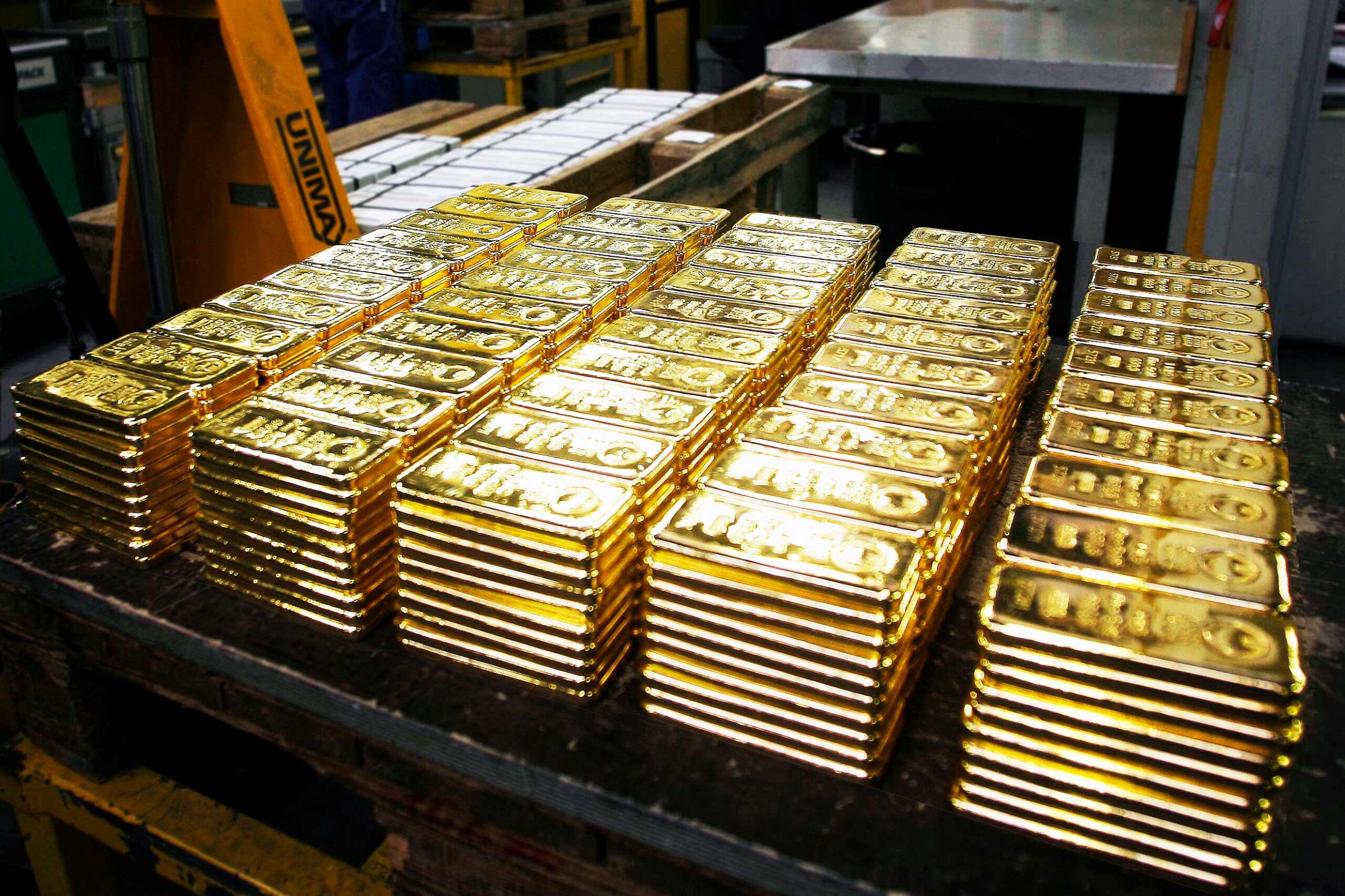
  • Global Gold Prices Hold Steady Amid Vietnam’s Market Dip: Awaiting Federal Impact

    Global Gold Prices Hold Steady Amid Vietnam’s Market Dip: Awaiting Federal Impact

    On Wednesday, gold prices in Vietnam experienced a slight downturn, while globally, gold rates maintained relative stability. Saigon Jewelry Company observed a 0.9% decrement in its gold bar prices, settling at VND166 million, or approximately US$6,298.97, per tael. Similarly, the cost per tael for gold rings decreased, dropping to VND165.5 million. To contextualize this, a tael of gold weighs either 37.5 grams or 1.2 ounces.

    Global Gold Market Movement

    Internationally, the gold market displayed a largely static trend during fluctuating trade on Wednesday. Investors keenly awaited comments from Jerome Powell, Chair of the U.S. Federal Reserve, to understand the potential economic impact of the ongoing conflict in Iran, especially given the current stalemate in peace negotiations.

    Spot gold experienced a minor increase of 0.1%, reaching $4,597.07 per ounce, despite hitting its lowest point since April 2 in the preceding trading session. Meanwhile, U.S. gold futures set for June delivery held steady at $4,610.20.

    Fuel Market Influences

    In the fuel market, Brent crude oil maintained a price point above $110 a barrel, following reports predicting the U.S. would continue its blockade of Iranian ports. This elevation in crude prices may contribute to inflationary pressures, thereby potentially leading to increased interest rates.

    Traditionally, gold is viewed as a safeguard against inflation. However, high interest rates can decrease its attractiveness as a non-yielding asset.

    Market Speculations

    Ilya Spivak, leader of global macro at Tastylive, stated that the gold market is currently stable as traders anticipate the upcoming Federal Open Market Committee (FOMC) meeting. He explained that the market’s resilience since the tariff-induced panic in April has relied largely on the belief that the Federal Reserve is prepared to intervene should conditions worsen. If the Fed indicates a high threshold for such action, gold prices could potentially drop further.

    Questions & Answers

    What caused the drop in gold prices in Vietnam?
    The article does not specify a reason, however, gold prices can fluctuate due to a variety of factors, including changes in supply and demand, market speculation, or shifts in currency values.

    How do crude oil prices affect gold rates?
    Higher crude prices can lead to inflationary pressures, making gold an attractive investment as a traditional hedge against inflation. However, if crude prices cause interest rates to rise, gold may lose its appeal as a non-yielding asset.

    What are the potential implications of the U.S. Federal Reserve’s actions on the gold market?
    If the Federal Reserve signals its readiness to intervene in worsening market conditions, this could bolster gold’s position. However, if the Fed indicates hesitancy to act, gold prices may see a downward trend.

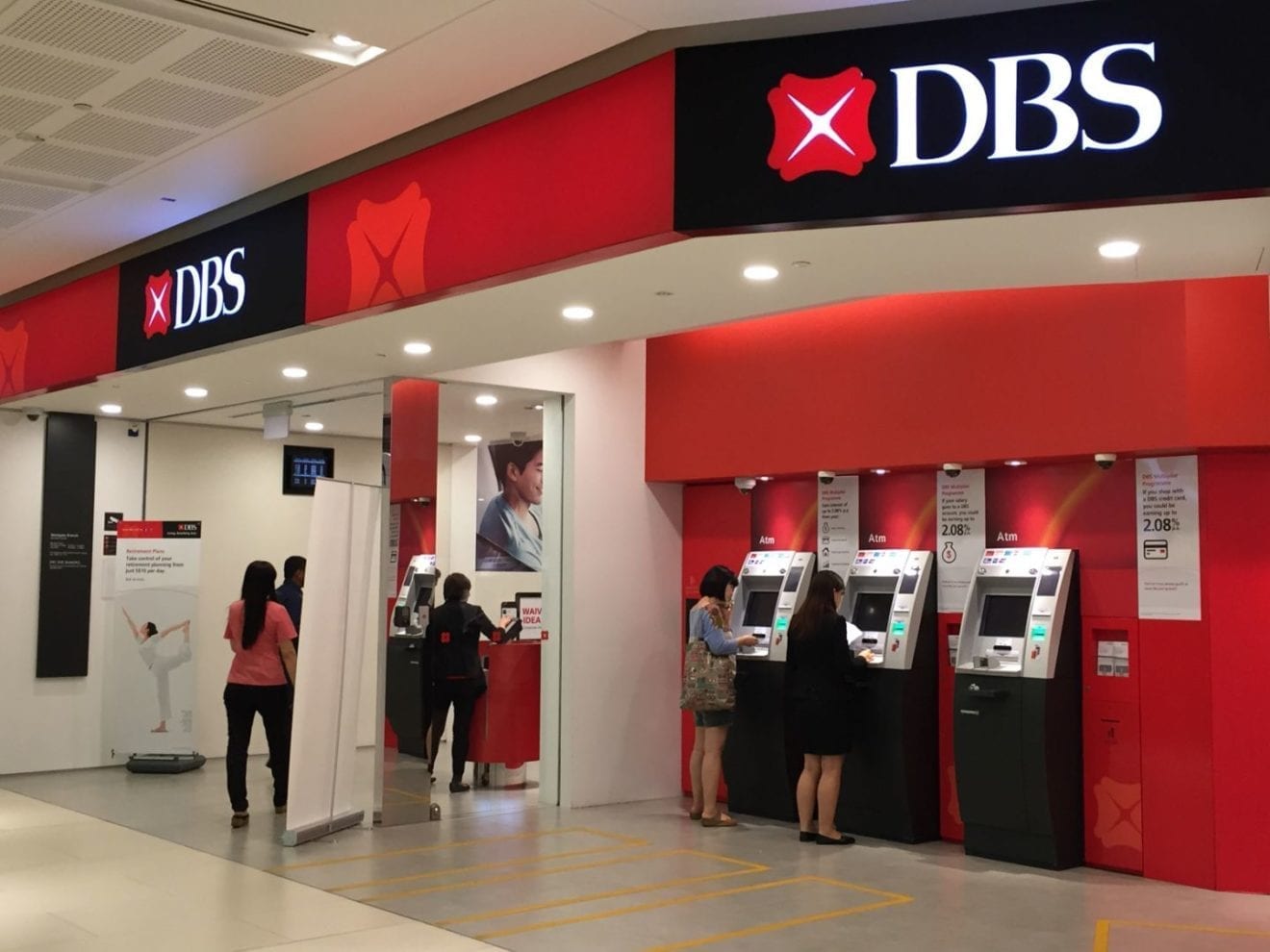
  • DBS Singapore Earmarks $7.8M for Consumer Relief: Cashback Initiative to Combat Rising Living Costs

    DBS Singapore Earmarks $7.8M for Consumer Relief: Cashback Initiative to Combat Rising Living Costs

    In an endeavor to support consumers during a time of economic uncertainty and surging expenses, DBS Singapore has announced the provision of S$10 million (US$7.8 million) in cashback redemptions. These will be available for DBS and POSB cardholders, as well as DBS PayLah! users from August to December. The intention is to aid in managing the escalating costs of food and daily necessities.

    Details of the Cashback Redemption Scheme

    DBS will make available approximately three million cashback redemptions over a period of five months. These can be redeemed at various establishments including hawker centers, neighborhood shops, and supermarkets. This initiative will run in conjunction with DBS’s existing promotion, which provides S$3 cashback each Saturday at hawker stalls and heartland shops. Further specifics, such as information about participating retailers, will be shared in July.

    Lim Him Chuan, the head of DBS Singapore, commented on the situation, noting that the ongoing tensions in the Middle East have resulted in escalating energy prices. These, in turn, have added to the pressures on daily living costs. He stated, “Every time there’s a crisis like this, DBS and POSB are ready to support our community. This is why we are committing to a $10 million support package.”

    Previous Support Efforts

    This initiative follows on the heels of a significant S$1 billion government support package that was announced on April 7. This too was designed to assist households in managing the cost rises associated with Middle Eastern tensions.

    DBS has a history of efforts to aid customers facing higher costs. In 2025, the bank subsidized more than S$6 million in everyday essentials and hawker meals in heartland areas. DBS data reveals that 36% of the individuals who redeemed cashback rewards in 2025 were either senior citizens or earned less than S$2,500 per month.

    Impact on Participating Merchants

    The benefits of these initiatives also extend to the participating merchants. Hawkers, wet market stallholders, and heartland merchants who participated in the scheme reportedly experienced a 50% increase in their Saturday earnings via PayLah! transactions in 2025. This was a notable increase from the 40% growth seen during a similar cashback campaign in 2024.

    Questions & Answers

    What is the purpose of DBS’s cashback redemption initiative?
    This initiative has been designed to help consumers manage the rising costs of food and daily living expenses during a period of economic uncertainty.

    How much in cashback redemptions is DBS providing and to whom?
    DBS is providing S$10 million (US$7.8 million) in cashback redemptions, which are available to DBS and POSB cardholders, as well as DBS PayLah! users.

    What has been the impact of previous cashback initiatives on participating merchants?
    Previous cashback initiatives have led to significant increases in earnings for participating merchants. For instance, in 2025, hawkers, wet market stallholders, and heartland merchants saw a 50% increase in their Saturday earnings through PayLah! transactions.

  • Vietnam’s Gold Market Gleams: Prices Surge Amid Global Market Uncertainty

    Vietnam’s Gold Market Gleams: Prices Surge Amid Global Market Uncertainty

    As the week concluded, the price of gold in Vietnam exhibited an upward trend on Saturday morning, even though the precious metal ended the week with a 2% drop in value. The price of gold bars from Saigon Jewelry Company increased by 0.48%, reaching a new price of VND168.8 million, which is equivalent to US$6,403.65, for every tael. A tael, in weight measurement, is equal to 37.5 grams or 1.2 ounces.

    The Price of Gold Rings

    Similarly, the price of gold rings also witnessed a 0.48% price hike, reaching VND168.3 million per tael. This year has seen an impressive 10.5% surge in gold prices in Vietnam.

    Global Gold Prices

    Internationally, the price of gold showed a rise on Friday. However, it still seemed headed for its inaugural weekly loss in the past five weeks. The looming worries over inflation and the unclear condition of the U.S.-Iran conflict kept the markets in a state of unease.

    The price of spot gold saw an increase of 0.6% and stood at $4,721.15 per ounce. Despite having risen over 1% earlier during the session, it has witnessed a decline of more than 2% for this week.

    Giovanni Staunovo, a UBS analyst, explained that gold experienced a decrease this week due to the rise in oil prices. This led to an expectation of higher rates, which influenced the dollar and yields, all of which are interconnected.

    Questions & Answers

    What led to the price hike of gold in Vietnam?
    The price of gold in Vietnam increased due to various global factors, including concerns over inflation and geopolitical tension, among others.

    What has been the trend of gold prices in Vietnam this year?
    Gold prices in Vietnam have seen a notable rise, with a 10.5% increase reported so far this year.

    Why did gold prices experience a decrease globally this week?
    The global decrease in gold prices this week can be attributed to the rise in oil prices, which led to expectations of higher rates. This also influenced the dollar and yields, indicating a correlation among these factors.

  • Southeast Asia’s First Tokenized Gold Fund: OCBC Launches GOLDX Token on Ethereum and Solana Blockchains

    Southeast Asia’s First Tokenized Gold Fund: OCBC Launches GOLDX Token on Ethereum and Solana Blockchains

    OCBC, in collaboration with its asset management arm, Lion Global Investors, and digital asset exchange DigiFT, have recently introduced the OCBC-LionGlobal Physical Gold Fund Token (GOLDX token). Notably, this is Southeast Asia’s first tokenised physical gold fund that is accessible on a public blockchain. The GOLDX token is issued on two different blockchains – Ethereum and Solana.

    Investing in GOLDX Tokens

    The new DigiFT platform allows various institutional investors, such as banks, hedge funds, and asset managers, as well as accredited corporate investors, to subscribe to the GOLDX token. They can do this using either stablecoins or fiat currencies. As per the statement, these tokens will be directly delivered to the investors’ blockchain wallets. They can then be redeemed for either stablecoins or fiat currencies.

    Regulatory Framework and Assurance

    The issuance of the GOLDX token is regulated, and the process is anchored by three entities which are regulated by the Monetary Authority of Singapore (MAS), namely OCBC, Lion Global Investors, and DigiFT. Together, these entities provide strong governance, institutional-grade risk management controls, and transparent, verifiable asset backing. Thus, investors can be assured of the safety of their investment while still reaping the benefits of the efficiency and interoperability that are inherent to public-blockchain-based RWAs.

    Exposure to Gold Fund Performance

    The GOLDX token provides regulated, on-chain exposure to the LionGlobal Singapore Physical Gold Fund (Underlying Fund) that is managed by Lion Global Investors. Amid the ongoing geopolitical and economic uncertainties, the Underlying Fund has shown immense growth, with S$669.4 million (US$525.9 million) in assets under management as of 16 April 2026, only four months after its inception.

    OCBC’s Role in the GOLDX Token

    OCBC was the originator of the GOLDX token’s issuance and led its structuring, shaping the product architecture and commercial framework. The bank collaborated with DigiFT to facilitate the tokenisation and digital distribution of the token. Simultaneously, Lion Global Investors supplied the necessary investment framework and governance for the Underlying Fund.

    Prospective Demand

    The GOLDX token is anticipated to attract significant demand from participants within the Web3 ecosystem, including family offices and high-net-worth individuals operating within decentralized, blockchain-based environments. This group possesses considerable capital in stablecoins in Asia, much of which is currently unutilised.

    Questions & Answers

    What is the GOLDX token?
    The GOLDX token is Southeast Asia’s first tokenised physical gold fund available on a public blockchain. It is issued on both the Ethereum and Solana blockchains.

    Who can invest in the GOLDX token?
    The DigiFT platform allows various institutional investors, such as banks, hedge funds, asset managers, as well as accredited corporate investors to subscribe to the GOLDX token using either stablecoins or fiat currencies.

    How is the issuance of the GOLDX token regulated?
    The issuance of the GOLDX token is regulated by three entities which are governed by the Monetary Authority of Singapore (MAS): OCBC, Lion Global Investors, and DigiFT. This ensures strong governance and transparency, offering assurance to investors.

  • Expanding Real-Time Payments: ClearBank Joins Forces with Tazapay to Boost Fintech Connectivity in Asia and Europe

    Expanding Real-Time Payments: ClearBank Joins Forces with Tazapay to Boost Fintech Connectivity in Asia and Europe

    ClearBank, a prominent banking institution, has recently teamed up with Tazapay, a Singapore-based cross-border payments platform experiencing rapid growth. The move is a strategic effort to fortify payment processes between Asia and Europe.

    Notable Milestone for ClearBank and Tazapay

    This partnership signifies a notable landmark for both companies. ClearBank is now providing services to its first client from Singapore and its fifth non-resident customer from Asia this year. This trend underscores the escalating demand for instantaneous clearing abilities across the UK and Europe, particularly among regulated fintech companies.

    As part of the agreement, ClearBank will facilitate Tazapay’s access to UK and European payment channels, thereby enabling real-time settlements and compliant fiat interoperability. This integration will considerably augment Tazapay’s capability to serve its worldwide clientele by linking its platform to vital European payment corridors with the reliability of a bank.

    Tazapay’s Rapid Growth and Diverse Offerings

    Tazapay, headquartered in Singapore, has swiftly expanded its operations to support merchants and platforms in over 170 countries. Their services include access to over 80 local payment methods, multicurrency virtual accounts, and local payout capabilities in more than 100 markets. With an annual payment volume in the billions of dollars, Tazapay has witnessed a triple-digit surge in growth year-on-year.

    The union with ClearBank will see the integration of ClearBank’s cloud-based clearing infrastructure into Tazapay’s single-API payments platform. This will pave the way for more streamlined and compliant cross-border transactions while improving the pace and efficiency of international money transfers.

    Aligning with Tazapay’s International Expansion Plans

    This alliance also resonates with Tazapay’s wider global expansion strategy as the company holds regulatory licenses in Singapore, the United States, Canada, and Australia. It is also in the process of securing additional approvals across Europe, the UAE, and Hong Kong.

    Mark Fairless, ClearBank’s CEO, views the partnership as a strategic opportunity to support an internationally growing business while simultaneously bolstering the bank’s presence in Asia. He stressed that a combined focus on innovation and robust regulatory standards is crucial for a sustainable collaboration.

    Echoing similar sentiments, Tazapay’s CEO and co-founder, Rahul Shinghal, sees the agreement as a critical milestone in the company’s global growth trajectory. He pointed out ClearBank’s instant payment capabilities, comprehensive scheme access, and reliability as pivotal factors in choosing the partner. He also added that the company anticipates the relationship to escalate as transaction volumes surge.

    This partnership mirrors a larger trend in global payments where there is an increase in alliances between fintech firms and infrastructure providers to deliver quicker, more compliant cross-border solutions. As the demand for real-time, transparent payment systems continues to soar, collaborations like these are set to become central in shaping the future of international commerce.

    Questions & Answers

    What is the significance of the ClearBank and Tazapay partnership?
    The partnership signifies a critical milestone for both ClearBank and Tazapay. It helps ClearBank extend its services to its first client from Singapore and fifth non-resident customer from Asia this year. For Tazapay, it provides access to UK and European payment channels, enabling real-time settlements and compliant fiat interoperability.

    How does the partnership align with Tazapay’s global expansion strategy?
    Tazapay already holds regulatory licenses in Singapore, the US, Canada, and Australia, and is in the process of securing additional approvals across Europe, the UAE, and Hong Kong. The partnership with ClearBank aligns with Tazapay’s broader international expansion strategy and helps enhance its global reach.

    What is the broader trend reflected by this partnership?
    This partnership mirrors a larger trend in global payments where fintech firms and infrastructure providers are increasingly collaborating to offer quicker, more compliant cross-border solutions. Such alliances are likely to play a central role in shaping the future of international commerce.

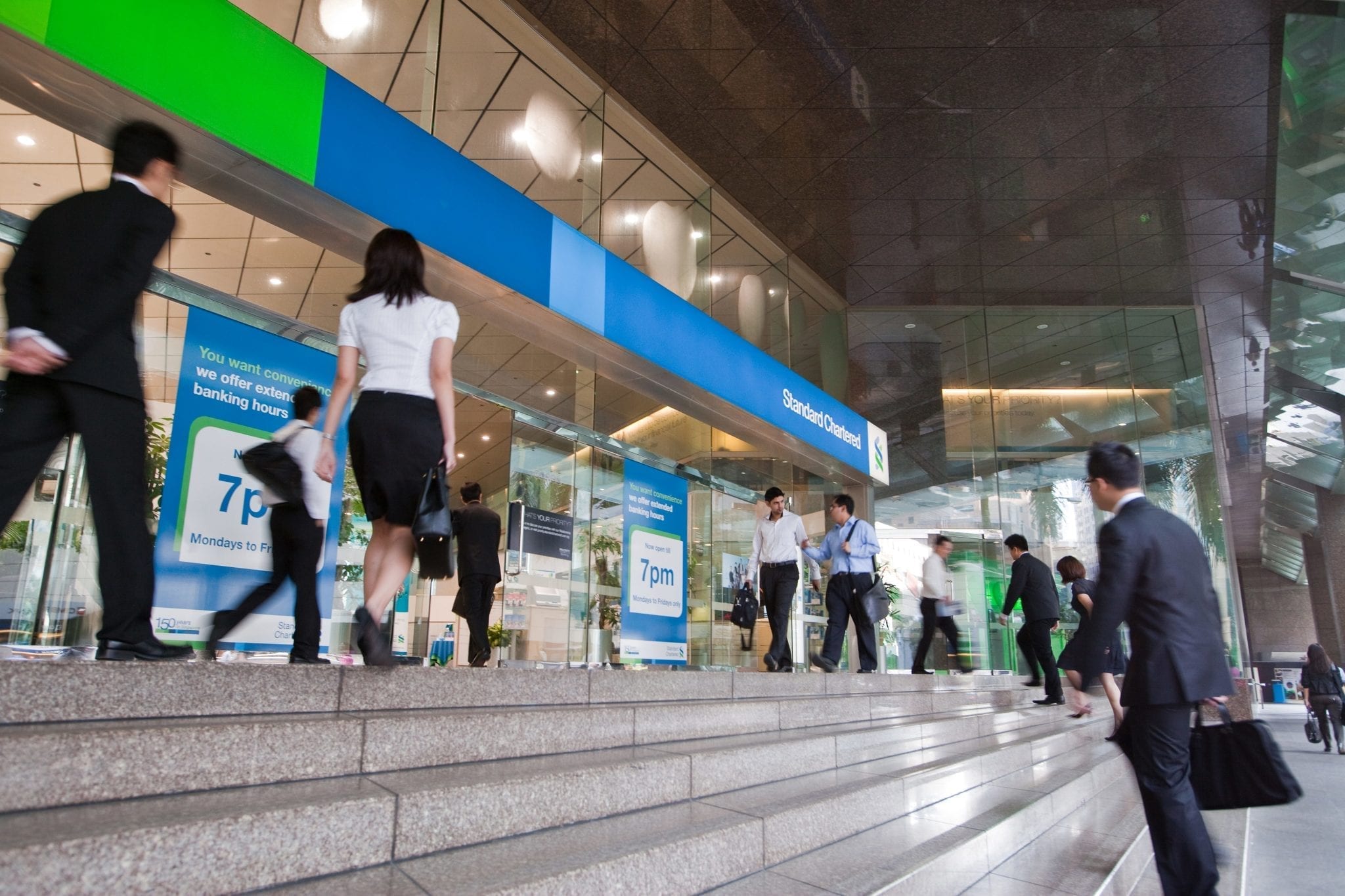
  • Standard Chartered Welcomes Doris Wong as New Head of Coverage for Greater China and North Asia

    Standard Chartered Welcomes Doris Wong as New Head of Coverage for Greater China and North Asia

    Standard Chartered has welcomed Doris Wong to the company in the role of Head of Coverage for Greater China and North Asia (GCNA). Wong’s employment will be effective beginning on June 1.

    Working from Hong Kong, Wong will be a member of the Client Coverage Management Team. She will be answering directly to Roberto Hoornweg, the CEO of Corporate & Investment Bank, in his temporary position as Global Head of Client Coverage. From July, Wong will report to Jan Metzger, the incoming Global Head of Coverage Banking. Furthermore, Wong will also have a dual reporting line to Mary Huen, the CEO of Hong Kong and GCNA.

    Wong is a seasoned banker who brings a plethora of experience alongside profound client relationships. She joins Standard Chartered after a tenure of almost 18 years with HSBC. In her most recent position with HSBC, Wong was the Head of Corporate Coverage, Global Banking, Hong Kong, where she served as the senior coverage banker for recognised Hong Kong-listed companies from a variety of key sectors. These sectors included real estate, energy, infrastructure, telecommunications and consumer.

    Wong also excelled in leading a variety of critical financing mandates which covered capital markets transactions, project financing, structured financing, and syndicated loans. Among her earlier roles with HSBC, Wong was the Regional Head of Wholesale Portfolio Management for Asia Pacific, where she was entrusted with monitoring risk-weighted assets across the Credit, Lending and Trade books.

    Questions & Answers

    What is Doris Wong’s new role at Standard Chartered?
    Doris Wong has been appointed as the Head of Coverage for Greater China and North Asia (GCNA) at Standard Chartered, effective June 1.

    What experience does Wong bring to her new position at Standard Chartered?
    Wong brings with her almost 18 years of experience with HSBC, where she was recently the Head of Corporate Coverage, Global Banking, Hong Kong. She has worked with well-established Hong Kong-listed companies across key sectors and has led a variety of core financing mandates.

    To whom will Wong report in her new role at Standard Chartered?
    Wong will initially report to Roberto Hoornweg, the CEO of Corporate & Investment Bank, in his interim role as Global Head of Client Coverage. From July, she will report to Jan Metzger, the incoming Global Head of Coverage Banking. She will also have a dual reporting line to Mary Huen, the CEO of Hong Kong and GCNA.

  • HSBC Strengthens Asian Market Strategy with Appointment of Desmond Kuang as Chief Investment Officer

    HSBC Strengthens Asian Market Strategy with Appointment of Desmond Kuang as Chief Investment Officer

    HSBC has recently publicized the appointment of Desmond Kuang to the position of Chief Investment Officer for Asia, in its Private Bank and Premier Wealth division. Kuang will officially take over his new role, based in Singapore, on July 6, 2026.

    Regional Appointment

    This appointment is a strategy by HSBC to bolster the delivery of investment insights and strategies to the Private Banking and Premier clients across Asia. HSBC’s choice of Singapore for this role is strategic, as the city-state is one of the essential international wealth hubs for the bank, with robust connectivity across Asia. In this capacity, Kuang will be collaborating extensively with teams and clients across multiple markets in Asia.

    Role and Responsibilities

    In his new role, Kuang will be responsible for crafting regional investment strategies and themes across all asset classes. His target audience will be the private banking and premier clients in the region, excluding Hong Kong.

    Experience and Expertise

    Kuang has a robust 20-year career in the banking industry, during which he held several leadership positions in the asset management and investment research sectors. He is currently serving as the Chief Investment Officer for China and Interim Head of Wealth and Premier Solutions in China.

    Before joining HSBC, Kuang demonstrated his portfolio management skills at Income Partners Asset Management. He later ascended to the role of General Manager and Head of Investment in Mainland China.

    Questions & Answers

    Who has HSBC appointed as the new Chief Investment Officer for Asia?
    Desmond Kuang has been appointed as the Chief Investment Officer for Asia at HSBC.

    What will be the primary responsibility of Desmond Kuang in his new role?
    Desmond Kuang will be responsible for crafting regional investment strategies and themes across all asset classes for the private banking and premier clients in Asia, excluding Hong Kong.

    What is the relevance of Singapore in this appointment?
    Singapore is considered one of the key international wealth hubs for HSBC, with robust connectivity across Asia, making it an appropriate base for this role.

  • Vietnam Gold Rates Surge as Global Bullion Takes a Dip: U.S.-Iran Peace Talks Light Up Market Optimism

    Vietnam Gold Rates Surge as Global Bullion Takes a Dip: U.S.-Iran Peace Talks Light Up Market Optimism

    On Wednesday, there was an uptick in Vietnam’s gold prices as global bullion rates experienced a slight decrease. The gold bar price from Saigon Jewelry Company witnessed an increase of 0.87%, reaching VND174.5 million (US$6,626.79) per tael. This valuation was shared by other sellers in the market.

    Gold Ring Prices

    The increase in gold prices was not limited to gold bars alone. Gold ring prices also saw an increase, valuing at VND174.2 million per tael. To clarify, a tael equals to 37.5 grams or 1.2 ounces.

    Global Gold Prices

    On the international front, gold prices experienced a slight decrease on Wednesday. This followed an earlier one-month high, as the US dollar began to regain its strength. The possibility of another round of peace dialogues between the United States and Iran also contributed to an increased risk appetite.

    Spot gold decreased by 0.3%, standing at $4,828.07 per ounce after hitting its highest peak since March 18th earlier in the day. Meanwhile, U.S. gold futures for June delivery, remained steady at $4,851.30.

    Effect of Middle East Headlines

    Gold prices have been fluctuating in response to recent events in the Middle East, with hopes that the United States and Iran will soon engage in peace talks.

    There are indications that discussions to end the ongoing conflict in Iran could recommence in Pakistan in the next two days. This follows the recent unsuccessful negotiations, leading to the imposition of a blockade on Iranian ports by Washington.

    Week’s Gold Price Performance

    Despite the minor drawdown, gold prices have increased by 1.6% this week on the back of renewed optimism regarding peace talks between the U.S. and Iran.

    Questions & Answers

    What caused the increase in Vietnam’s gold prices?
    The increase was due to a decrease in global bullion rates.

    What were the gold prices for Saigon Jewelry Company and gold rings respectively?
    The gold bar price from Saigon Jewelry Company reached VND174.5 million (US$6,626.79) per tael, while gold ring prices valued at VND174.2 million per tael.

    What has been the week’s overall performance for gold prices?
    Despite a slight pullback, gold prices have increased by 1.6% this week on the back of renewed optimism regarding peace talks between the U.S. and Iran.

  • HSBC Vietnam Employee Earnings Soar to $35,100, Despite Declining Bank Profits

    HSBC Vietnam Employee Earnings Soar to $35,100, Despite Declining Bank Profits

    Despite a decline in profits, the average earnings of employees at HSBC Vietnam increased by 6.6% to VND925 million (US $35,100) in the previous year. This expenditure on salaries and bonuses for its 1400-strong workforce amounted to around VND1.3 trillion, as revealed in the company’s most recent financial report.

    Comparative Income Analysis

    The increase in HSBC Vietnam’s average salaries brought the monthly income per employee to VND77 million, which is one of the highest in Vietnam. In contrast, the average monthly income at MB bank was VND49 million, Techcombank was VND48 million, and Vietinbank was VND45 million.

    Financial Performance

    However, despite the increased pay, HSBC Vietnam didn’t fare as well financially. The pre-tax profit for the British banking giant’s Vietnamese branch dropped by 7% to VND4.14 trillion, while the operating income remained constant at VND8.74 trillion.

    HSBC in Vietnam

    HSBC, one of the world’s leading financial institutions, established its legal presence in Vietnam in 2009, a full 14 years after it opened its first branch in the country.

    Foreign banks operating in Vietnam, like HSBC, often enjoy capital benefits due to support from their parent companies and primarily cater to corporate foreign clients or concentrate on retail banking.

    Questions & Answers

    What was the average income of employees at HSBC Vietnam last year?
    The average income of employees at HSBC Vietnam increased by 6.6% to VND925 million (US$35,100) last year.

    What is the average monthly income of HSBC Vietnam employees compared to other banks?
    The monthly income per employee at HSBC Vietnam is VND77 million, which is higher compared to MB bank at VND49 million, Techcombank at VND48 million, and Vietinbank at VND45 million.

    How did the pre-tax profit of HSBC Vietnam change last year?
    The pre-tax profit for HSBC Vietnam’s branch dropped by 7% to VND4.14 trillion.

  • Bank of Singapore Snags Top Julius Bär Executive to Drive ASEAN Private Banking Growth

    Bank of Singapore Snags Top Julius Bär Executive to Drive ASEAN Private Banking Growth

    The Bank of Singapore has announced the appointment of Vi Sun Yang, a seasoned wealth management professional, as the Head of Private Banking for the ASEAN region. Yang, who previously served at Julius Bär and UBS, will assume her new role from June 29, 2026.

    Key Responsibilities

    As the Head of Private Banking, Yang will be a part of the Bank’s global management committee and will report directly to Jason Moo, the Chief Executive Officer at the Bank of Singapore. Her primary duty will revolve around driving strategic growth and development for the Bank of Singapore’s brand across the ASEAN region, which constitutes the bank’s biggest market.

    Professional Background

    Yang boasts an impressive career spanning over three decades in the wealth management sector. She has demonstrated her competency in leading front-office teams that cater to both high-net-worth and ultra-high-net-worth clients across the Southeast Asia region. Her previous tenure was at Julius Baer, where she excelled in the role of Market Head for Southeast Asia.

    Before joining Julius Baer, Yang served at UBS Singapore for 14 years. During her time with the firm, she held a number of senior leadership positions, including Head of the Private Client Segment, overseeing seven markets in Asia, and Market Head for Indonesia. Yang’s vast industry experience also includes stints at American Express, DBS, and Standard Chartered.

    Bank of Singapore’s Growth

    The Bank of Singapore experienced considerable business growth in 2025, surpassing its previously set target of US$145 billion in assets under management (AUM) from 2023, and expanding its global AUM by over 20%.

    Questions & Answers

    Who has been appointed as the new Head of Private Banking at the Bank of Singapore?
    Vi Sun Yang has been appointed as the Head of Private Banking at the Bank of Singapore.

    What are Vi Sun Yang’s primary responsibilities in her new role?
    Yang will be responsible for driving the strategic growth and development of the Bank of Singapore’s brand across the ASEAN region.

    What has been the growth rate of the Bank of Singapore?
    In 2025, the Bank of Singapore saw its assets under management grow by over 20%, surpassing its previously set target of US$145 billion.

  • U.S. Dollar Rises Against Vietnamese Dong Amid Global Currency Fluctuations

    U.S. Dollar Rises Against Vietnamese Dong Amid Global Currency Fluctuations

    On Friday, the United States dollar showed an increase against the Vietnamese dong, even though it was headed for a weekly depreciation against other major currencies. Vietcombank reported a slight increase of 0.01% in its selling rate of the US dollar, which was pegged at VND26,360. At the same time, the currency noted a 0.08% rise on the black market, reaching approximately VND26,876.

    Adjustments by the State Bank of Vietnam

    The Vietnamese central bank, State Bank of Vietnam, made an upward adjustment to its reference rate, increasing it by 0.01% to VND25,105.

    Global Currency Dynamics

    Internationally, the US dollar was looking at potentially its most significant weekly decline since January. This trend emerged as other currencies capitalized on the hopeful sentiment that a ceasefire in the Gulf would persist and oil shipping would be resumed.

    The US dollar index, which measures the greenback’s strength against a basket of other currencies, has depreciated by 1.3% over the current week. The euro, in contrast, has experienced a rally, piercing its 200-day moving average this week to reach a trading level of $1.1690.

    Sterling, the British currency, has also witnessed a significant jump, with an increase of 1.8% this week, pushing it above its 200-day moving average to a trading rate of $1.3424.

    Even the risk-sensitive currencies of Australia and New Zealand have charted weekly rises of close to 3% against the US dollar. The Australian dollar is trading just above 70 cents, while the New Zealand dollar currently stands at $0.5847.

    Furthermore, the Japanese yen, which has been under substantial pressure due to Japan’s low interest rates, government spending plans, and reliance on imported oil, is marginally above the recent lows at 159.2 to the US dollar.

    Geopolitical Developments and Currency Impact

    Thursday saw the arrival of Iranian officials in Islamabad, with a US delegation led by Vice President JD Vance following suit on Friday. The aim of these meetings is to fuel investor optimism regarding the establishment of lasting peace.

    Jason Wong, a senior strategist at BNZ based in Wellington, stated that positive discussions could lead to further depreciation of the US dollar. However, if discussions do not progress well and the current scarcity of ships persists, the situation could reverse rapidly.

    Questions & Answers

    What was the selling rate of the US dollar against the Vietnamese dong on Friday?
    The selling rate of the US dollar against the Vietnamese dong on Friday was VND26,360.

    What is the expected trend of the US dollar against major currencies for the week?
    The US dollar is expected to witness a weekly depreciation against major currencies.

    What has been the impact of geopolitical developments on the US dollar’s performance?
    Positive geopolitical developments, such as peace talks, can lead to a depreciation of the US dollar. However, negative outcomes could potentially reverse this trend.

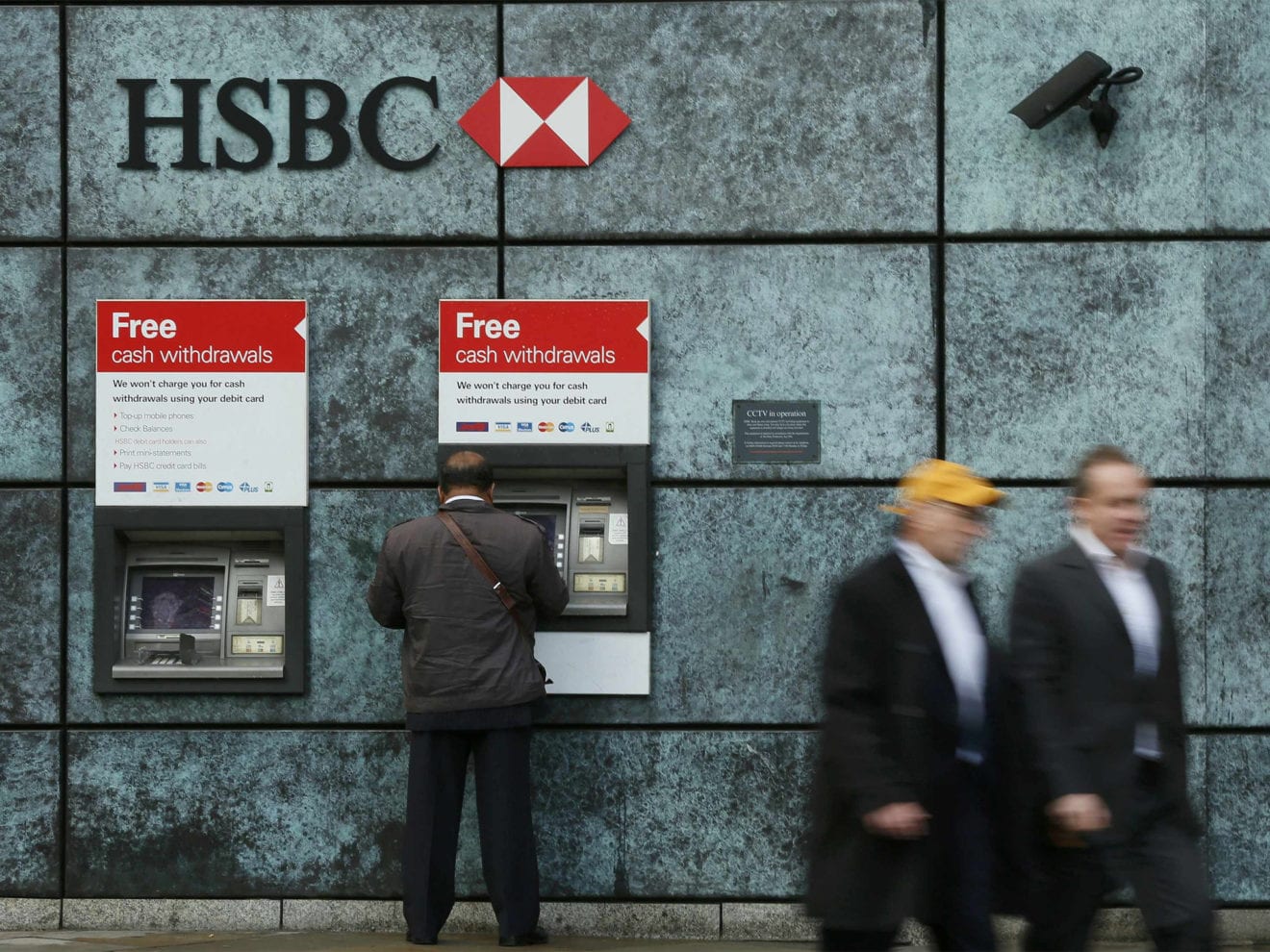
  • HSBC Breaks New Ground with Hong Kong’s First Bank-Issued Stablecoin

    HSBC Breaks New Ground with Hong Kong’s First Bank-Issued Stablecoin

    The Hongkong and Shanghai Banking Corporation Limited, a subsidiary of HSBC, has been granted a license to issue stablecoins by the Hong Kong Monetary Authority (HKMA), marking a significant foray into the regulated digital asset space. The bank intends to introduce a Hong Kong dollar-denominated stablecoin by the latter half of 2026, becoming one of the first major global lenders to issue a regulated digital currency for retail use within the city.

    Fully Backed, Regulated Digital Currency

    HSBC has revealed that each unit of the upcoming stablecoin will be fully backed by high-quality liquid assets stored in segregated accounts. This structure is designed to preserve price stability and guarantee redemption at par value. Notably, the bank has emphasized its commitment to rigorous financial crime compliance standards, in line with regulators’ increased focus on security and transparency in digital assets. This development comes amidst Hong Kong’s efforts to fast-track its position as a premier hub for digital finance. This is apparent in the HKMA’s regulatory framework, geared towards legitimizing stablecoins while simultaneously mitigating systemic risks.

    Integration Into Everyday Banking

    HSBC’s stablecoin will be directly incorporated into two of their most popular platforms: PayMe, the bank’s widely-used peer-to-peer payment application, and the HSBC Hong Kong mobile banking application. This move indicates a strategic push towards integrating digital assets into mainstream financial activities, opposed to treating them as niche investment products. PayMe currently boasts over 3.3 million users, while active users on the HSBC HK App have risen by 20% year-on-year, following a recent redesign.

    Questions & Answers

    What is the purpose of the stablecoin that HSBC plans to issue?
    The objective of the stablecoin is to integrate digital assets into mainstream financial activities. This will be achieved by incorporating the stablecoin into HSBC’s most popular platforms, PayMe and the HSBC Hong Kong mobile banking application.

    How will the HSBC stablecoin maintain its value?
    Each unit of the stablecoin will be fully backed by high-quality liquid assets held in segregated accounts. This structure is designed to maintain price stability and ensure redemption at par value.

    How is HSBC’s move to issue a stablecoin significant?
    HSBC’s move to issue a stablecoin marks a significant step into the regulated digital asset space. It positions the bank as one of the first major global lenders to issue a regulated digital currency for retail use, signifying a strategic shift in the financial industry towards digital finance.

  • Gold Prices in Vietnam Nudge Down After Early Rise: Exploring the Impact of Global Politics on Bullion Rates

    Gold Prices in Vietnam Nudge Down After Early Rise: Exploring the Impact of Global Politics on Bullion Rates

    After witnessing a 1.74% surge earlier in the session, the gold prices in Vietnam experienced a slight downturn on Wednesday afternoon. The price of the gold bar from the Saigon Jewelry Company decreased by 0.28% from its morning value, settling at VND175 million (US$6,646.04) per tael. Despite this dip, the daily gains were retained at 1.45%. Consequently, the difference between global and national gold rates diminished to VND22 million per tael.

    Gold Rings and Gold Bars

    Alongside the gold bars, gold ring prices also noted a slight reduction of 0.29%, closing at VND174.5 million per tael. However, this price still reflected a 1.45% increase from the previous day’s valuation. In Vietnam, a tael is a unit of weight measuring approximately 37.5 grams or 1.2 ounces.

    Global Gold Rates

    On an international scale, gold prices experienced an upturn on Monday due to the recent agreement between the U.S. President and Iran on a two-week truce. This ceasefire is geared towards concluding negotiations to end the prevalent war, which has caused significant disruption in global markets.

    As a result of this development, oil prices dipped below $100 a barrel, and the value of the dollar also declined. Such changes favor gold, which is priced in U.S. currency. Spot gold experienced a 2.5% increase, reaching $4,819.52 per ounce. During the session, the value of gold rose by over 3%, marking its highest level since March 19. Similarly, the U.S. gold futures for June delivery witnessed a 3.4% rise, reaching $4,845.30.

    The Appeal of Gold

    The announcement of the two-week truce disrupted expectations of escalation, which was a positive development for gold, according to Nicholas Frappell, Global Head of Institutional Markets at ABC Refinery. However, gold has seen an approximately 8% decrease since the conflict began in late February. This is because the allure of the non-yielding metal typically decreases in a high-interest-rate environment.

    Nonetheless, prices have shown signs of recovery in recent days. This rebound is backed by optimism surrounding the ceasefire and the anticipation that slower global economic growth could offset predictions of stable or higher borrowing costs.

    Questions & Answers

    What caused the dip in Vietnam’s gold prices?
    The gold prices in Vietnam dipped slightly due to a reduction in global gold prices.

    What effect did the announcement of the U.S.-Iran truce have on gold prices?
    The truce sparked optimism, causing gold prices to increase on a global scale as investors sought safe-haven assets.

    How does the interest rate environment affect the appeal of gold?
    In a high-interest-rate environment, the appeal of the non-yielding metal, such as gold, typically decreases as investors turn to assets with higher yields.