Category: Finance

Retail News Asia is committed to providing both local and global retailers with the latest Finance news throughout the Asian market. This on a daily base.

  • Vietnams Gold Market Slumps as Bullion Rates Plummet Globally

    Vietnams Gold Market Slumps as Bullion Rates Plummet Globally

    Gold prices in Vietnam fell on Friday morning, reflecting a global decline in bullion rates across the fourth consecutive trading session. This price drop was seen in the Saigon Jewelry Company’s gold bar, which reported a 0.6% decrease to VND164 million (approximately US$6,221.31) per tael. Despite this recent decrease, the local bullion rates have still seen an overall increase of 7.3% since the beginning of the year, even with a 2% decrease this week.

    Gold Ring Prices and Global Gold Rates

    Along with the decrease in gold bar prices, the cost of gold rings also fell by 0.6% to VND163.8 million per tael. In terms of weight, a tael is equivalent to 37.5 grams or 1.2 ounces.

    Internationally, gold prices were at a more than one-week low on Friday, resulting from higher energy prices driving inflation fears and the continuation of higher interest rates. The meeting between the U.S. President and the Chinese President was also a point of focus for investors. Spot gold saw losses for the fourth straight session and was down 0.8% at $4,613.19 per ounce, marking its lowest level since May 6. Bullion was down 2.1% for the week and U.S. gold futures for June delivery lost 1.4% to $4,619.

    Factors Impacting the Gold Market

    Analysts have attributed the drop in gold prices to several factors. Tim Waterer, chief market analyst at KCM Trade, remarked, “Gold is getting hit from all sides – rising oil has brought inflation back to the forefront, pushing yields higher and the dollar stronger, leaving the yellow metal as the unfortunate victim of the market’s renewed rate-cut skepticism.”

    Since the U.S.-Iran conflict began in late February, gold has fallen about 13%. This is largely due to increased energy prices, which have led to inflation concerns and higher U.S. interest rates. While gold is often viewed as a safe haven against inflation, high interest rates can negatively impact this non-yielding asset.

    Questions & Answers

    What caused the recent decline in Vietnam’s gold prices?
    The decline mirrors a global decrease in bullion rates. Factors such as higher energy prices, inflation fears and higher interest rates have contributed to this decrease.

    How has the U.S.-Iran conflict impacted gold prices?
    Since its onset in late February, the conflict has sparked an approximate 13% decrease in gold prices. This is due to increased energy prices, inflation concerns, and the potential for higher U.S. interest rates.

    How do interest rates affect gold prices?
    High interest rates typically lead to a decrease in gold prices. This is because gold, as a non-yielding asset, becomes less attractive to investors when interest rates are high.

  • Citigroup Bolsters Global Insurance and Specialty Finance Teams with High-Profile Appointments

    Citigroup Bolsters Global Insurance and Specialty Finance Teams with High-Profile Appointments

    Citigroup has announced the appointment of two seasoned bankers to senior roles within its Financial Institutions Investment Banking division. This move forms part of the bank’s strategic initiative to bolster its global insurance and specialty finance advisory services.

    Jonathan Alpert has been designated as the new Global Head of Insurance, effective from September. Alpert boasts an impressive career spanning over 28 years in both the insurance industry and investment banking. His most recent role was as Co-Head of Global Insurance at Bank of America. Alpert will leverage his rich experience and extensive network within the global insurance sector to drive Citi’s growth in this arena.

    Operating from New York, Alpert will team up with Brian Malbacho, Citi’s North America Head of Insurance. Together, they will focus on expanding the bank’s global insurance franchise. Citi expressed confidence in Alpert’s capabilities, noting his record of advising on significant international insurance transactions and his enduring relationships with eminent global insurance groups.

    In a simultaneous appointment, Ryan Willingham will assume the role of Managing Director covering Specialty Finance, come August. He, too, is transitioning from Bank of America where he previously headed the specialty finance sector within the bank’s Financial Institutions group.

    Willingham’s nearly 20-year career has been dedicated to advising a variety of specialty finance firms, including mortgage originators and servicers, mortgage REITs, and government-sponsored enterprises.

    These strategic appointments come at a time when deal activity within the insurance sector is on the rise, particularly in the Asia-Pacific region. Insurers in the area are actively pursuing capital-raising and merger-and-acquisition opportunities. As Global Head of Insurance, Alpert will be instrumental in supporting Citi’s growth ambitions with leading insurers in this dynamic region.

    Questions & Answers

    Who has Citigroup appointed to its Financial Institutions Investment Banking division?
    Citigroup has announced the appointment of Jonathan Alpert as Global Head of Insurance and Ryan Willingham as Managing Director covering Specialty Finance.

    What experience does Jonathan Alpert bring to his new role at Citigroup?
    Jonathan Alpert brings over 28 years of experience in the insurance industry and investment banking. His most recent role was Co-Head of Global Insurance at Bank of America.

    What is the significance of these appointments for Citigroup?
    These appointments come at a time of increased deal activity in the insurance sector, particularly in the Asia-Pacific region. Alpert, as Global Head of Insurance, will play a pivotal role in supporting Citigroup’s growth with leading insurers in this region.

  • OCBC and Australia Aim to Double Trade and Investment in Southeast Asia by 2030: A New Strategic Partnership

    OCBC and Australia Aim to Double Trade and Investment in Southeast Asia by 2030: A New Strategic Partnership

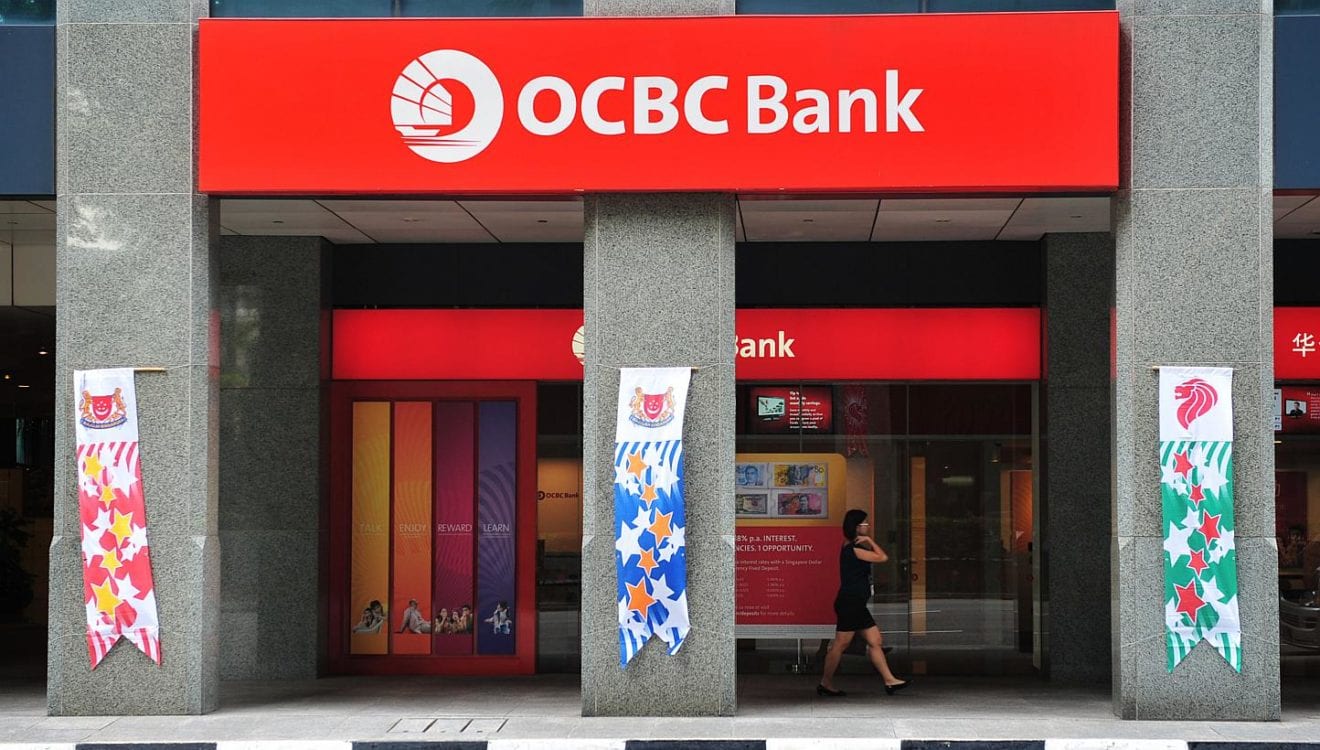
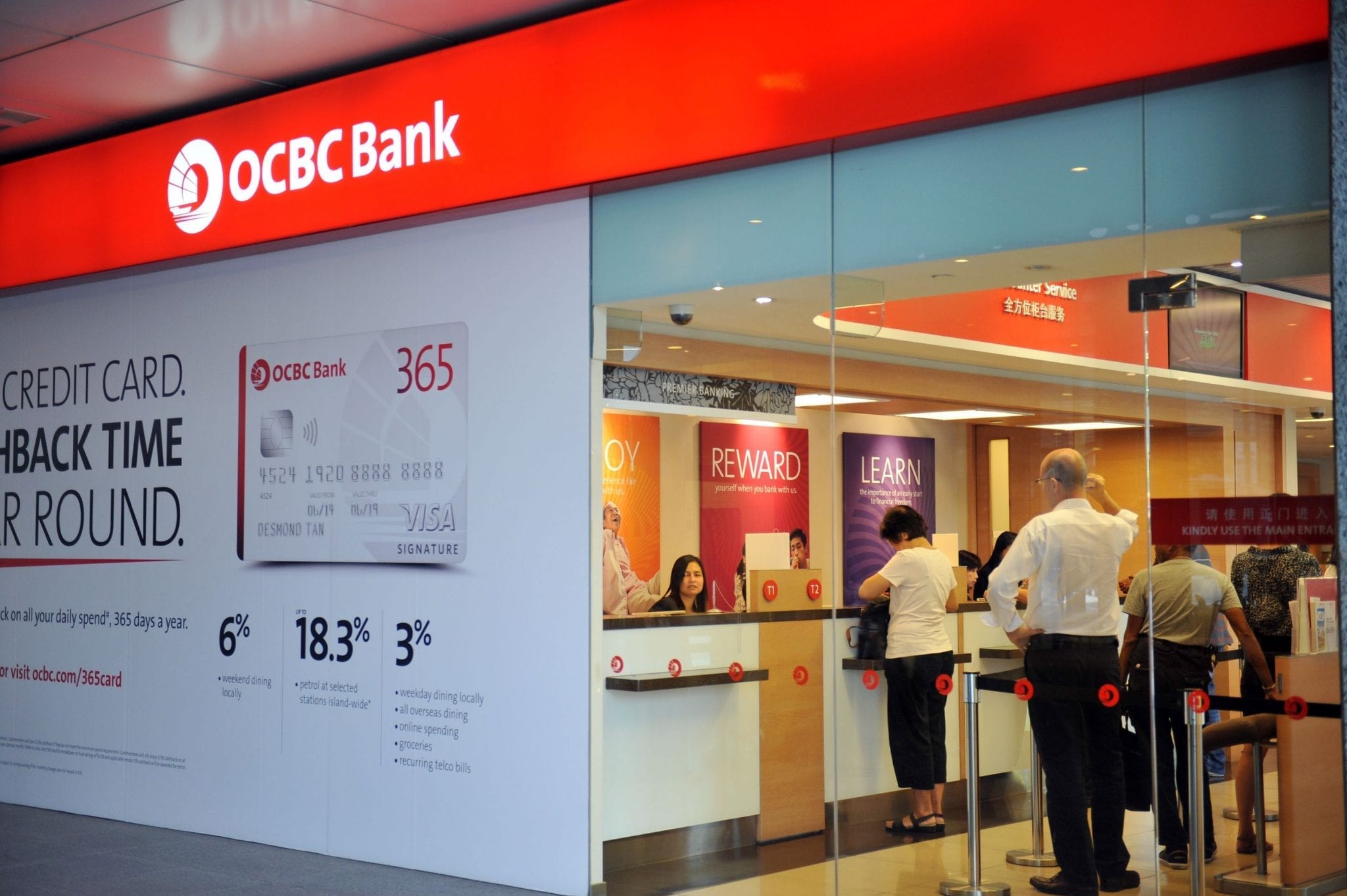
    Overseas-Chinese Banking Corporation (OCBC) and the Australian High Commission in Singapore have recently launched a five-year strategic alliance aimed at fortifying trade and investment flow between Australia and Southeast Asia. The partnership is designed to considerably boost these economic currents by 2030, with OCBC setting their sights on a surge of over 200%.

    Focus on Key Sectors

    The strategic partnership aligns with Australia’s ambitious Southeast Asia Economic Strategy towards 2040, known as ‘Invested’. The focus of the collaboration will be on pivotal sectors such as energy transition, infrastructure, green transportation, fintech, and digital innovation.

    The cooperation brings together OCBC’s robust regional banking network and formidable financing ability, alongside the policy know-how of the Australian government. It also encompasses collaboration with various Australian departments including External Affairs and Trade, Export Finance and the Australian Trade and Investment Commission. This synergistic effort aims to pave the way for Australian companies to grasp lucrative opportunities sprouting across Southeast Asia.

    Celebrating its 40th anniversary of operation in Australia this year, OCBC reported significant growth in its Sydney branch in recent times. The surge in growth can be attributed to thriving sectors such as real estate, energy, utilities, and digital infrastructure.

    Creating Opportunities for Expansion

    Elaine Lam, Head of Global Corporate Banking at OCBC, expressed that the strategic collaboration is set to form a potent platform for Australian enterprises and investors looking to spread their wings into Southeast Asia. She identified burgeoning opportunities in the region, particularly in energy transition, infrastructure development, and green transportation.

    Notably, big Australian players like Lendlease and Qantas are among the companies supported by OCBC. The bank has recently provided backing for Qantas’ fleet renewal financing programme and has also lent support to several Lendlease developments situated in Singapore, Sydney, and Kuala Lumpur.

    Questions & Answers

    What is the goal of the strategic partnership between OCBC and the Australian High Commission in Singapore?

    The partnership aims to substantially enhance trade and investment flows between Australia and Southeast Asia by 2030.

    What sectors will the cooperation focus on?

    Key sectors encompass energy transition, infrastructure, green transportation, fintech, and digital innovation.

    Which Australian companies are currently supported by OCBC?

    OCBC is currently backing major Australian companies such as Lendlease and Qantas.

  • Commerzbank to Slash 3000 Jobs by 2030, Boosts Profit Forecast Amid Restructuring Plan

    Commerzbank to Slash 3000 Jobs by 2030, Boosts Profit Forecast Amid Restructuring Plan

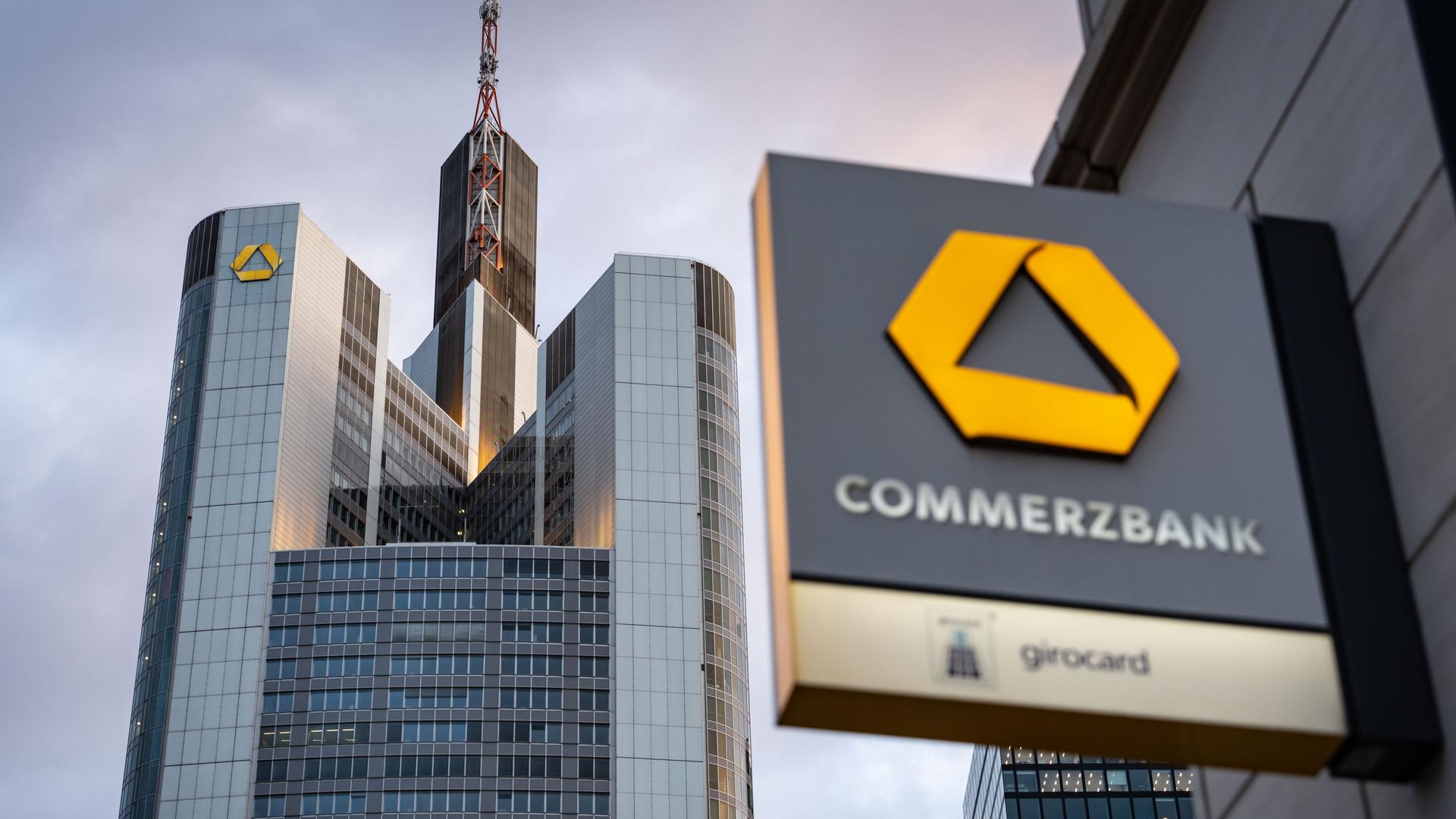
    In an effort to reassure shareholders of its sustainability as a standalone entity, Commerzbank has unveiled a strategic plan that includes significant job reductions and lofty profit goals. The blueprint, which was shared last Friday, anticipates a layoff of approximately 3,000 additional full-time employees throughout the corporation by the year 2030. This is an extension to the cost-cutting measures previously revealed.

    Refocusing on Future-Oriented Sectors

    Simultaneously, the bank is intending to generate employment opportunities within emerging and forward-looking sectors. As of late 2025, Commerzbank’s global full-time workforce was just shy of 40,000.

    In a previous announcement made in February 2025, Commerzbank had outlined its intention to eliminate 3,900 full-time roles by the conclusion of 2027, with the majority of these cutbacks occurring in Germany. During that announcement, the bank also expressed its intent to increase staffing levels at its Polish branch, mBank, as well as at its Asian locations.

    Boost in Profit during First Quarter

    Commerzbank also released its earnings for the first quarter. The operating profit for the initial three months of 2026 escalated to approximately 1.36 billion euro, while the net profit climbed to 913 million euro. Both of these figures saw a growth of roughly 10 percent compared to the corresponding period in the previous year.

    Commerzbank, as part of its updated strategy, now anticipates higher profits for 2026 than initially projected. The bank is aiming for a net profit of at least 3.4 billion euro, an increase of 200 million euro from the previously stated goal. The bank’s ambitious profit targets for subsequent years are 4.6 billion euro by 2028, and 5.9 billion euro by 2030.

    In 2025, the bank’s profit reached 2.6 billion euro, narrowly missing the record high of 2024, when the bank earned nearly 2.7 billion euro, despite the substantial costs associated with the ongoing restructuring program.

    This updated strategy and the raised profit targets can be interpreted as a reaction to criticisms levelled by Andrea Orcel, CEO of UniCredit, who recently described Commerzbank’s operating performance over the past few years as being beneath par.

    Questions & Answers

    How many job reductions does Commerzbank’s new strategic plan anticipate?
    The plan anticipates a layoff of approximately 3,000 additional full-time employees by 2030, apart from the previously announced cutbacks.

    What are Commerzbank’s profit targets as per the updated strategy?
    The bank is aiming for a net profit of at least 3.4 billion euro in 2026, 4.6 billion euro by 2028, and 5.9 billion euro by 2030.

    How has Commerzbank responded to criticisms regarding its recent performance?
    Commerzbank has responded with an updated strategy, which includes significant job reductions and lofty profit goals, to reassure shareholders of its sustainability as a standalone entity.

  • Dollar Gains Momentum Against Dong Amid Rising Global Tensions and Strong US Jobs Data

    Dollar Gains Momentum Against Dong Amid Rising Global Tensions and Strong US Jobs Data

    The U.S. dollar started the week on a strong note, gaining against the Vietnamese dong as well as several other major global currencies. Vietcombank, one of Vietnam’s leading banks, experienced an increase in the value of the dollar, selling it at 26,373 VND, a 0.02% rise from its previous weekend rate. The currency also saw a significant increase in the black market, where it rose by 0.18% to around 26,569 VND.

    Global Market Trends

    The strengthening of the U.S. dollar was not limited to Vietnam but was observed globally, thanks to strong U.S. employment data released the week prior. This, coupled with the precarious U.S.-Iran ceasefire, increased the demand for the dollar as a safe-haven currency.

    In the early Asia trade on Monday, the dollar index, which gauges the strength of the U.S. dollar against a basket of six major currencies, was trading at 98.001. Other major currencies saw a slight decrease in their value against the U.S. dollar. The euro dropped 0.2%, trading at $1.1767, while the yen and the British pound slipped 0.1% and 0.3% to trade at 156.905 yen per dollar and $1.3597 respectively.

    Risk-sensitive currencies like the Australian dollar and its New Zealand counterpart, also known as the kiwi dollar, experienced a dip as well, falling by 0.2% and 0.3% to $0.7234 and $0.5948 respectively.

    This trend was seen amid growing geopolitical tensions, with U.S. President Donald Trump rejecting Iran’s response to a U.S. peace talk proposal. This has cast a shadow over the possibility of a swift end to the ongoing 10-week conflict.

    Questions & Answers

    What contributed to the strengthening of the U.S. dollar?
    The U.S. dollar’s strength was bolstered by strong employment data from the U.S. and the increasing demand for the dollar as a safe-haven currency due to the uncertain U.S.-Iran ceasefire.

    How did other major global currencies perform against the U.S. dollar?
    Several global currencies saw a slight decrease in their value against the U.S. dollar. The euro dropped 0.2%, the yen and the British pound slipped 0.1% and 0.3% respectively. The Australian and New Zealand dollars also fell by 0.2% and 0.3%.

    What are the implications of U.S. President Donald Trump rejecting Iran’s response to a U.S. peace talk proposal?
    The rejection has heightened geopolitical tensions and created uncertainty in global financial markets, thereby increasing the demand for the U.S. dollar as a safe-haven asset.

  • Hong Kong Gears Up for Gold Futures Relaunch Amid Booming Demand and Chinas Support

    Hong Kong Gears Up for Gold Futures Relaunch Amid Booming Demand and Chinas Support

    The Hong Kong Exchanges and Clearing (HKEX) is advancing its plans to rejuvenate the trading of gold futures as the demand for the commodity keeps escalating across mainland China. This move comes amidst the city’s pursuit to introduce fresh gold products and facilities to leverage the expanding opportunities in the gold market.

    Reviving Gold Futures Trading

    It has been announced to legislators that there’s an intention to reintroduce gold futures in the months to come, with plans to solicit market feedback to enhance the products ahead of their launch. The forthcoming revival will be the city’s fourth attempt since the 1980s, with the most recent effort occurring in 2017 when the exchange presented gold futures denominated in U.S. dollars and Chinese yuan.

    Despite both contracts remaining listed, data from the exchange reveals that neither has seen any turnover in the preceding two years. However, optimism is high this time around, as the current endeavor involves not just the exchange, but also the Hong Kong government who is developing an ecosystem of clearing and storage. This is being supported by China, who aims to establish Hong Kong as a gold trading hub.

    Financial Secretary Chan has highlighted that Asia is responsible for approximately 60% of the total global gold demand every year. In an effort to better capture these opportunities, a central clearing system for gold is being constructed, with pilot operations set to commence within the year.

    Expansion of Gold Storage Capacity

    Simultaneously, the Hong Kong Airport Authority is rapidly increasing its gold storage capacity, aiming to exceed 2,000 tonnes within the next three years. Just last month, Hong Kong listed a new gold exchange-traded fund with physical redemption alternatives.

    This revival aligns with the People’s Bank of China’s ongoing effort to bolster its gold reserves. The holdings reached 74.64 million ounces at the close of April, marking 18 uninterrupted months of growth.

    Furthermore, activity in Hong Kong’s gold market has surged, partly due to tensions in the Middle East. The city has seen a significant surge in physical imports from the region since early April.

    This accumulation of reserves by China mirrors a broader trend among international central banks seeking to reduce reliance on U.S. dollar assets. As a matter of fact, last year foreign central banks officially held more gold than U.S. Treasuries for the first time since 1996.

    Questions & Answers

    What is the significance of reviving gold futures trading in Hong Kong?
    Reviving gold futures trading can help Hong Kong capture expanding opportunities in the gold market as demand for the precious metal rises across mainland China.

    Why is the Hong Kong Airport Authority expanding its gold storage capacity?
    The expansion of gold storage capacity is part of the city’s strategy to establish Hong Kong as a gold trading hub, aligning with increased demand and the introduction of new gold products.

    How does the revival of gold futures trading relate to global economic trends?
    The revival of gold futures trading in Hong Kong is congruent with a broader trend among central banks seeking to reduce reliance on U.S. dollar assets. This is reflected in China’s central bank continuing to build up its gold reserves.

  • Vietnams Gold Plunge Continues Amidst Rising Inflation Concerns and Middle East Tensions

    Vietnams Gold Plunge Continues Amidst Rising Inflation Concerns and Middle East Tensions

    The price of gold in Vietnam continued to decline on Monday, with reductions seen throughout the day following an initial drop of nearly 1% earlier in the day. Saigon Jewelry Company, a prominent gold retailer, noted a further 0.42% decrease in its gold bar price from the morning, ultimately tallying a total loss of 1.37% for the day. The quoted price of gold per tael (equivalent to 37.5 grams or 1.2 ounces) fell to VND165.2 million, equivalent to US$6,276.26.

    Local Rates Versus Global Prices

    In comparison, local gold prices in Vietnam exceed international gold rates by approximately VND17 million per tael. The price of a gold ring also saw a similar decrease, falling to VND164.7 million per tael.

    Internationally, gold prices fell by 1% on Monday in response to escalating geopolitical tensions. The refusal of President Donald Trump to accept Iran’s recent peace proposal to end ongoing conflicts in the Middle East has raised fears of inflation and a continued period of high interest rates. This sentiment has been reflected in the gold market, with spot gold falling to $4,667.99 per ounce following a 2% increase last week. Concurrently, U.S. gold futures for June delivery saw a drop of 1.1%, hitting $4,677.80.

    Market Reactions and Predictions

    Market observers note the significant impact of these geopolitical developments on inflation risks and market expectations. Bybit’s Chief Market Analyst, Han Tan, highlighted that the stalled peace negotiations have weighed heavily on the market’s psyche, maintaining high interest rate expectations and amplifying pressure on non-yielding gold. Since the conflict’s inception in late February, gold has seen a decline of more than 11%.

    Tan further suggested that gold could face additional downward pressure if the U.S. Consumer Price Index (CPI) forecast for the following day proves hotter than anticipated. This situation could necessitate the Federal Reserve maintaining elevated benchmark rates for an extended duration.

    Questions & Answers

    Why did Vietnam’s gold prices drop on Monday?
    The gold prices in Vietnam dropped due to international gold prices falling by 1% in response to increasing geopolitical tensions and the current conflict in the Middle East.

    What are the implications of high inflation and interest rates on the gold market?
    High inflation and interest rates put pressure on non-yielding bullion, causing its price to drop. The gold market has seen a decline of more than 11% since the conflict began in late February.

    What could cause further downward pressure on gold prices?
    If the U.S. Consumer Price Index forecast proves hotter than anticipated, the Federal Reserve may need to maintain elevated benchmark rates for a longer period. This scenario could exert additional downward pressure on gold prices.

  • OCBC Posts 5% Surge in Q1 Profits, Bolstered by Wealth Management and High Fees

    OCBC Posts 5% Surge in Q1 Profits, Bolstered by Wealth Management and High Fees

    In the first quarter, the Oversea-Chinese Banking Corporation Limited (OCBC) experienced a decline in its net interest income. However, this was counterbalanced by increases in wealth-led gains and higher fees, resulting in an overall rise in total income.

    Financial Performance Overview

    OCBC reported a 5% increase in net profit for Q1, largely attributed to robust performance in its wealth management and insurance sectors. This helped offset the impact of falling interest rates. The bank, based in Singapore, saw its net profit increase to S$1.97 billion in the three months leading up to March 31, marking 13% growth from the previous quarter and up from S$1.88 billion in the equivalent period a year earlier. The total income also experienced an upward trend, reaching an all-time high of S$3.83 billion, a 5% annual increase.

    Non-interest income, a key driver of these results, also saw record figures. It witnessed a 23% surge, amounting to S$1.61 billion, and made up over 40% of the total income. This growth was spread across various operations including fees, trading, and insurance.

    Revenue Streams: Wealth Management and Lending

    Wealth management was a significant contributor to OCBC’s revenue. Income from this sector grew by 11% to S$1.48 billion, and assets under management in banking wealth management rose by 12%, reaching S$342 billion. This growth was facilitated by net new money inflows across all customer segments.

    Net fee income also saw considerable growth, up 24% to S$675 million. This was stimulated by a 34% increase in wealth management fees, fueled by a rise in customer investment activity across private banking, premier banking, and other wealth channels. Other areas that showed improvement were investment banking, trade-related, and loan-related fees. Trading income saw a rise of 10% to S$434 million, spurred on by strong customer flow income amid sustained wealth-related activity and heightened hedging demand from corporate clients.

    However, the bank also faced challenges in the form of pressure on its lending margins due to falling interest rates. Net interest income fell by 5% to S$2.22 billion, and net interest margin contracted to 1.76% from 2.04% in the previous year.

    Despite these challenges and a 6% increase in operating expenses to S$1.50 billion, mainly due to higher staff costs and continuous investment in technology infrastructure, OCBC managed to maintain a cost-to-income ratio below 40%, at 39.3%.

    Questions & Answers

    What were the major contributors to OCBC’s growth in the first quarter?
    Wealth management was a key factor, with an 11% income increase. There were also broad-based increases in non-interest income, which rose 23%.

    What challenges did OCBC face in the first quarter?
    The bank experienced pressure on its lending margins due to declining interest rates, which caused a 5% fall in net interest income.

    Did OCBC manage to maintain financial stability despite these challenges?
    Yes, although it faced some challenges, OCBC maintained a stable asset quality and a prudent approach to provisioning. The bank’s strong capital, funding, and liquidity position has left it well-equipped to pursue growth opportunities amidst ongoing economic uncertainties.

  • Unprecedented GDP Growth Spurs HSBC to Boost Hong Kong Economic Forecast

    Unprecedented GDP Growth Spurs HSBC to Boost Hong Kong Economic Forecast

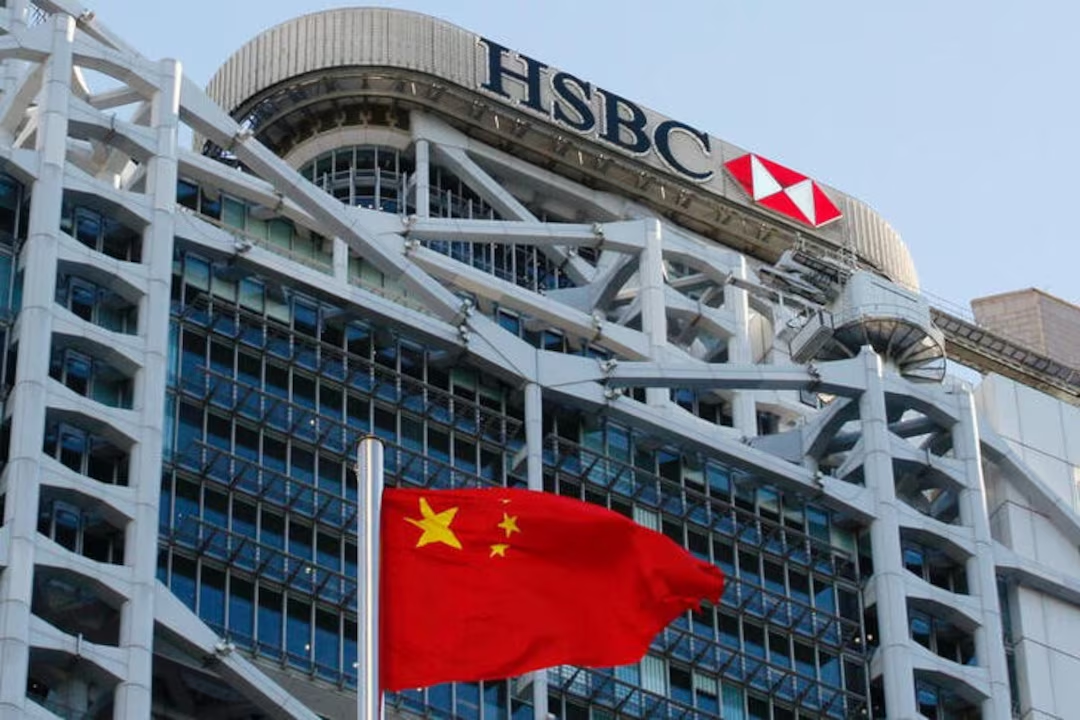
    Hong Kong’s robust economic performance earlier this year has culminated in an improved financial forecast from HSBC, despite minimal influence from the Middle East conflict.

    Bright Economic Outlook and Impacts of Conflict

    HSBC’s Global Investment Research revised its GDP growth predictions for 2026 and 2027 from 2.7% and 2.8% to 3.8% and 3% respectively. This adjustment comes on the heels of Hong Kong recording a first-quarter GDP growth rate of 5.9%, a figure near a five-year high. Essential factors contributing to this positive outlook include the minimal direct effects of the Middle East conflict and evidence of domestic economic stability.

    Hong Kong’s economy is primarily service-based. Although most energy is imported, a significant amount originates from mainland China, while only a minor portion is sourced from the Middle East. To offset the potential impacts, the government has introduced direct support measures such as fuel subsidies and tunnel toll concessions. In the midst of increased uncertainty, Hong Kong’s reputation as a safe haven may draw in capital inflows seeking stability.

    Moreover, the surge in demand stimulated by advancements in AI and an uptick in trade with mainland China are expected to provide a safety net for trade activities this year. However, if the Middle East conflict continues and suppresses global demand, this could lead to potential economic risks.

    Recovery and Growth within Domestic Markets

    As for the domestic landscape, the residential property market’s recovery is creating positive wealth effects, and improvements in the labor market indicate signs of amplified consumption.

    HSBC predicts this year’s consumption to gravitate more towards discretionary goods and services. The swift enactment of major government projects such as the Northern Metropolis, in addition to AI-driven demand, will bolster investment activity. Fiscal support through infrastructure bonds and a relatively favorable monetary setting should also aid in maintaining investment momentum.

    Questions & Answers

    What factors contributed to the increased GDP growth predictions for Hong Kong?
    The first-quarter GDP growth reaching almost a five-year peak and the limited direct impact from the Middle East conflict contributed to the revised GDP growth predictions.

    How has the government aided in mitigating the impact of the Middle East conflict on the Hong Kong economy?
    The government has introduced direct support measures such as fuel subsidies and tunnel toll concessions.

    What is expected to drive consumption in Hong Kong this year?
    The consumption shift is predicted to lean towards discretionary goods and services, driven by the positive wealth effects from the recovering residential property market and improvements in the labor market.

  • Vietnam Stocks Break Records: VN-Index Hits 1,909.01 Points Amidst Market Surge

    Vietnam Stocks Break Records: VN-Index Hits 1,909.01 Points Amidst Market Surge

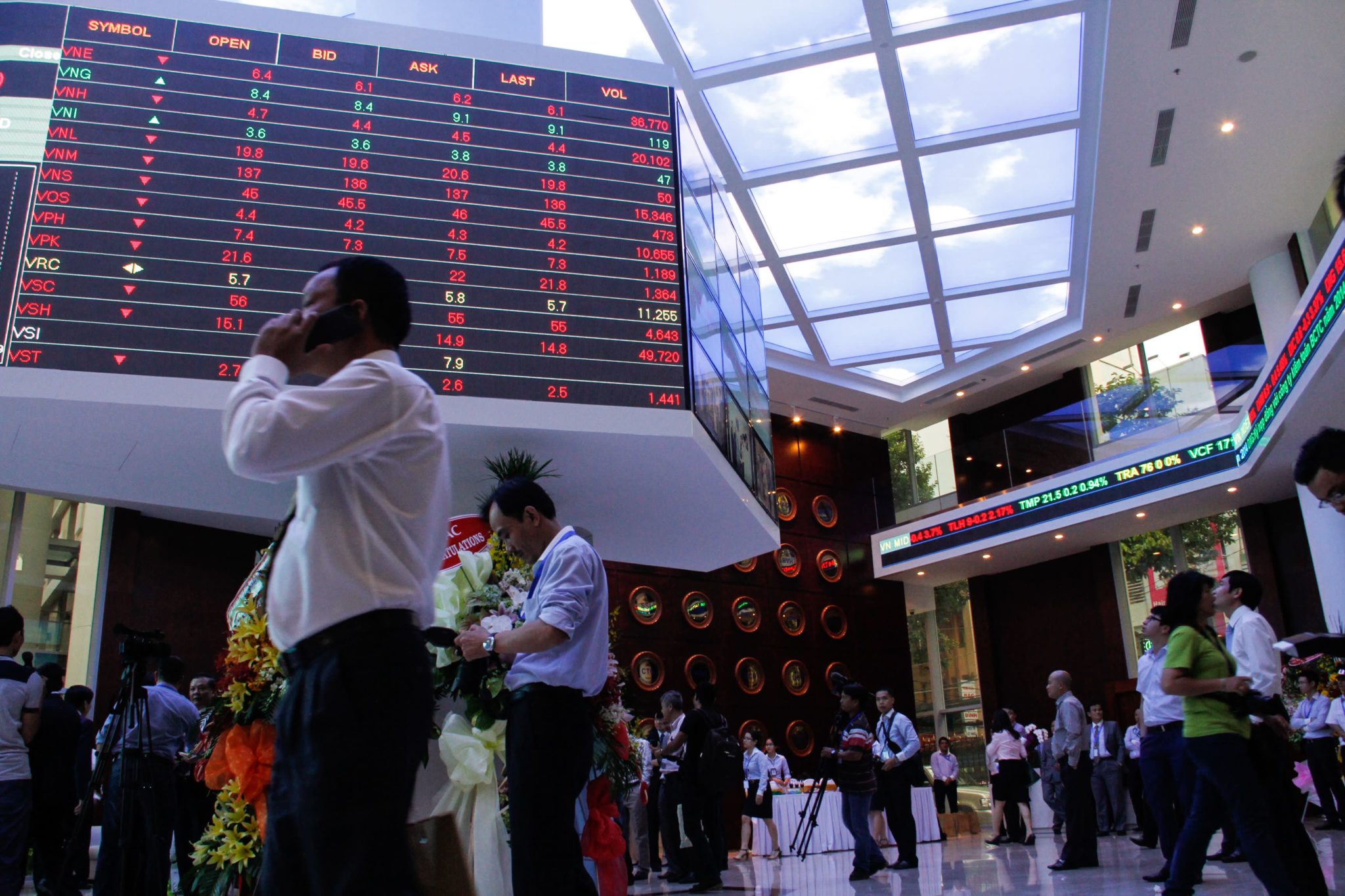
    On Thursday, Vietnam’s principal stock index, VN-Index, concluded trading at an unprecedented high of 1,909.01 points. This represented a 0.94% increase from the previous day’s closing figure. Trading activity on the Ho Chi Minh Stock Exchange, which is the platform where the index is listed, surged by 26%, amounting to a total value of VND30 trillion (US$1.14 billion).

    Key Movers on the VN-Index

    In the VN30 index, which represents the 30 most significant capped stocks, 13 stocks registered gains. Leading the pack were STB of the Ho Chi Minh City-based Sacombank and VHM of the real estate titan Vinhomes, each recording a substantial 7% increase. Other notable gainers included LPB of Fortune Vietnam Bank, which climbed 3.6%, and HDB of HDBank, which closed 3.4% higher.

    However, not all stocks shared in these gains. Thirteen stocks in the VN30 index ended the day in negative territory, with the most significant drop being GAS of state-owned Petrovietnam Gas, which fell by 4%. Other significant losses were registered by DGC of Duc Giang Chemicals Group, which slipped 3.4%, and PLX of fuel distributor Petrolimex, which ended the day 3.3% lower.

    Foreign Investors’ Activity

    For the eleventh consecutive trading session, foreign investors were net sellers, offloading VND311 billion worth of stocks. Among the stocks most sold by these investors were FPT of tech behemoth FPT Corporation, ACB of Asia Commercial Bank, and KDH of property company Khang Dien House.

    The HNX-Index, representing stocks on the Hanoi Stock Exchange, which is home to mid and small cap stocks, fell by 0.28%. On the other hand, the UPCoM-Index for the Unlisted Public Companies Market finished the day 0.42% higher.

    Questions & Answers

    What was the closing figure for Vietnam’s VN-Index on Thursday?
    The VN-Index closed at 1,909.01 points on Thursday, marking a new peak.

    Which stocks led gains on the VN-Index?
    STB of Sacombank and VHM of Vinhomes led the gains, each with a 7% increase.

    What was the performance of foreign investors on the VN-Index?
    Foreign investors were net sellers for the 11th consecutive session, selling off VND311 billion.

  • US Dollar Grows Stronger Against Vietnamese Dong Amid Global Currency Shifts

    US Dollar Grows Stronger Against Vietnamese Dong Amid Global Currency Shifts

    The U.S. dollar started Wednesday on a stronger note against the Vietnamese dong while simultaneously displaying a slight weakness against other major global currencies. The greenback was traded at VND26,368 by Vietcombank, marking an increase of 0.008% from the previous day. Meanwhile, on the black market, the currency experienced a minor drop of 0.09%, bringing it down to approximately VND26,644.

    Vietnam’s Position and Global Market Movements

    The State Bank of Vietnam reacted by increasing its reference rate by 0.008% to VND25,113. Internationally, the dollar seemed to step back against most of the other major currencies, mostly due to the anticipation of a possible agreement with Iran by the United States. Concurrently, the yen demonstrated a consistent weakening trend, inching closer to the point where Tokyo once had to intervene.

    The dollar index, a measurement of the greenback’s standing relative to a combination of six currencies, fell slightly by 0.01%, rounding off to 98.299.

    Performance against Other Currencies

    The euro and sterling both showed approximately 0.2% growth over the course of the day, trading at $1.1714 and $1.35685 respectively. The Australian dollar also showed an upward trend, fetching $0.7208, which accounted for an increase of nearly 0.4% in early trading. Similarly, the New Zealand dollar saw an increase of 0.3%, making it trade at $0.5905.

    In the case of the yen, the dollar was traded at 157.62 yen. Despite the ongoing fall in oil prices, this was still substantially higher than last week’s intervention low, marking a decrease of 0.17% from U.S. levels.

    Questions & Answers

    What was the trading value of the U.S. dollar against the Vietnamese dong?
    The value of the U.S. dollar against the Vietnamese dong was VND26,368.

    How did the euro and sterling perform against the U.S. dollar?
    Both the euro and sterling displayed an increase of approximately 0.2% against the U.S. dollar.

    What was the change in the dollar index?
    The dollar index, which measures the U.S. dollar’s strength against six other major currencies, fell slightly by 0.01%.

  • HSBC Profit Falters Amid UK Fraud Charge and Rising Middle East Tensions

    HSBC Profit Falters Amid UK Fraud Charge and Rising Middle East Tensions

    HSBC Holdings Plc recently announced financial results that fell short of projections, impacted by unexpected fraud-related charges in the UK and escalating economic uncertainties due to the Middle East conflict.

    Financial Outcome Below Expectations

    In the first quarter, HSBC’s pretax profit plummeted to $9.4 billion, falling short of the anticipated $9.6 billion. Despite the disappointing results, resilience was observed in the bank’s wealth and Hong Kong sectors. The bank’s net interest income outlook also experienced an upswing, which provided some balance to the outcome.

    The London-headquartered bank reported $1.3 billion in anticipated credit losses for the quarter, a major component of which was a $400 million charge associated with a fraudulent securitization exposure involving a UK financial sponsor. Furthermore, HSBC had to manage a $400 million fallout related to the collapsed mortgage lender MFS.

    The bank also noted a $300 million augmentation in allowances due to a worsening global economic forecast triggered by the initiation of strife in the Middle East.

    Revenue and Net Interest Income Experience Growth

    Despite the challenges, HSBC’s revenue observed a 6% increase year-on-year to $18.62 billion, surpassing estimates. This was largely due to robust wealth fees and other income. Simultaneously, net interest income also experienced an 8% growth year-on-year, reaching $8.9 billion. However, operating expenses mirrored this increase, also growing by 8% as a result of inflation, forex, increased planned expenditure, and performance-related pay.

    The bank flagged potential risks associated with the Middle East conflict such as surging oil prices, heightened inflation, and a significant GDP slowdown. Should these factors transpire, the bank warned of a “mid-to-high single digit percentage” negative impact on its pre-tax profit.

    Although HSBC maintained its target return on tangible equity (RoTE) of 17%, it cautioned that the negative repercussions of the Middle East crisis, if realized, could potentially push RoTE, excluding significant items, below this target in 2026. The annualized RoTE for the reported quarter, excluding items, was 18.7%.

    HSBC expressed confidence in its commitment to deliver $1.5 billion in annualized cost reduction by the end of June 2026. The board also approved its first interim dividend for 2026 of 10 cents per share.

    Questions & Answers

    What was the pretax profit for HSBC in the first quarter?
    HSBC’s pretax profit for the first quarter was $9.4 billion.

    What financial impact was caused by the Middle East conflict on HSBC?
    HSBC noted a $300 million increase in allowances related to a worsening global economic forecast due to the conflict in the Middle East.

    What is HSBC’s target return on tangible equity (RoTE)?
    HSBC has maintained its targeted return on tangible equity of 17%.

  • Vietnams Gold Market Springs Back: A Resurgence Fueled by Global Bullion Rates and Weaker Dollar

    Vietnams Gold Market Springs Back: A Resurgence Fueled by Global Bullion Rates and Weaker Dollar

    In Vietnam, gold prices rebounded on Wednesday morning from a four-month low, invigorated by a surge in global bullion rates. Saigon Jewelry Company saw an increase of 1.52% in its gold bar price, climbing to VND167.5 million (US$6,365.32) per tael. This upturn comes after the price had hit its lowest point since January 19th on the previous Tuesday.

    Meanwhile, the price of gold rings followed a similar upward trend, rising to VND167 million per tael. For reference, a tael is equivalent to 37.5 grams or 1.2 ounces.

    Global Gold Prices and Influencing Factors

    Internationally, gold prices experienced an increase of over 1% on Wednesday. This was propelled by a weakening dollar and a decrease in oil prices, which alleviated concerns of inflation and protracted high interest rates. Another contributing factor was the burgeoning hope for peace between the United States and Iran.

    Spot gold experienced a rise of 1.7%, costing $4,633.31 per ounce, while U.S. gold futures for June delivery also jumped 1.7% to $4,643.20.

    The former U.S. President Donald Trump announced a temporary halt to an operation assisting ships through the Strait of Hormuz on Tuesday. This decision was influenced by advancements toward a comprehensive agreement with Iran. Following the announcement, the U.S. dollar and crude oil prices declined. This led to a situation where dollar-priced metals became cheaper for holders of other currencies.

    Kelvin Wong, a senior market analyst at OANDA, shared insights on the situation. He suggested that any resurfacing of tensions could lead to profit-taking in gold prices, or short-term speculators unwinding their near-term net long position in gold.

    Questions & Answers

    What is behind the recent rebound in Vietnam’s gold prices?
    The rebound in Vietnam’s gold prices is largely due to an increase in global bullion rates.

    What factors are contributing to the rise in global gold prices?
    Factors such as a weakening dollar, easing oil prices, and the prospect of a peace deal between the United States and Iran are contributing to the rise in global gold prices.

    How could a potential re-escalation of tension between the United States and Iran impact gold prices?
    If tensions were to surge again, there is a possibility that it could lead to profit-taking in gold prices or short-term speculators unwinding their near-term net long position in gold.

  • Citi Strengthens Bonds with Vietnam: A New Era of Financial Growth and Digital Transformation

    Citi Strengthens Bonds with Vietnam: A New Era of Financial Growth and Digital Transformation

    Catherine Simmons, a significant figure in the U.S.-ASEAN Business Council, shared her insights following a recent delegation visit to Hanoi. Simmons discussed the importance of the visit, the financial sector’s key messages, and Citi’s future forecasts for Vietnam.

    Assessing the Importance of the Delegation Visit

    Simmons classified the visit as both relevant and substantive. It provided the first opportunity for a public-private dialogue between the freshly appointed Vietnamese government and the U.S. business community, allowing for an early engagement to reaffirm the private sector’s commitment to Vietnam’s ongoing development.

    The visit saw the participation of 52 U.S. companies and 120 delegates, showcasing the strong and growing interest in Vietnam. Not only is Vietnam perceived as a strategic supply chain hub and a domestic market with a population over 100 million, but it’s also viewed as a key long-term growth opportunity in the region.

    As for Citi, the delegation visit provided an excellent opportunity to strengthen its relationship with policymakers and reinforce its long-standing commitment to Vietnam.

    Key Takeaways from the Dialogue with Vietnamese Government

    During the discussions, the financial services industry – represented by Citi, ClearOne, Manulife, Warburg Pincus, Mastercard, and Visa – highlighted the importance of a modern, connected, and robust financial system for economic infrastructure. They expressed their support for Vietnam’s initiatives to further digital transformation, regulatory modernization, and innovation in both public and private sectors.

    The group also urged for ongoing consultations with industry stakeholders as Vietnam formulates laws and policies that will impact the financial markets. They showed their readiness to offer technical expertise and practical solutions to issues concerning settlement infrastructure, payments interoperability, cross-border data flows, and alignment with international standards.

    These issues are crucial to Vietnam at this time as the country is at a critical development stage. As it integrates deeper into the global markets, it will need a more advanced financial infrastructure to sustain increasing investment flows, broader capital market participation, and the evolving needs of a rapidly changing digital economy.

    Questions & Answers

    What was the Vietnamese government’s reaction to the delegation’s recommendations?
    The Vietnamese Prime Minister, Le Minh Hung, assured that the government is committed to rapid and sustainable growth. He emphasized that science, technology, innovation, and digital transformation are at the core of their development strategy and called on ministries and agencies to address the issues raised by the delegation promptly.

    What does this visit signify for Citi’s future in Vietnam?
    The visit gave Citi an opportunity to strengthen its relationships with various government ministries and agencies in Vietnam. In addition to providing financial services, the bank contributes to policy dialogue, supports market development, and facilitates connections to global capital and trade flows. Citi views Vietnam as a strategically important market with significant opportunities to support the country’s growth as reforms continue.

    What is the potential impact of the delegation’s visit on the U.S.-Vietnam relations?
    The delegation’s visit signifies an important step towards strengthening U.S.-Vietnam relations. Its success has laid the groundwork for continued engagement between policymakers and the business community, reflecting Vietnam’s clear ambition to modernize and strengthen economic competitiveness.

  • OCBC Bolsters Southeast Asia Presence with Major Acquisition from HSBC Indonesia’s Retail Banking Business

    OCBC Bolsters Southeast Asia Presence with Major Acquisition from HSBC Indonesia’s Retail Banking Business

    In a strategic move to bolster its foothold in Southeast Asia’s most significant economy, OCBC has entered into an agreement to procure HSBC’s retail banking and wealth management operations based in Indonesia.

    The Acquisition Details

    OCBC’s Indonesian subsidiary will take over the International Wealth and Premier Banking (IWPB) business of HSBC Indonesia, which includes its assets and liabilities. This acquisition will introduce approximately 336,000 customers to OCBC’s clientele, along with S$6.6 billion (US$4.9 billion) in assets under management (AUM).

    The transaction comprises customer deposits, investment products like mutual funds, bonds, and insurance, in addition to credit cards and retail loans. Furthermore, a small loan book amounting to roughly S$0.3 billion is also set to be transferred.

    OCBC has stated that the ultimate purchase price will be contingent on the net asset value of the business at the time of completion, along with a possible premium of up to S$0.48 billion, subjected to necessary adjustments. The deal is anticipated to be concluded by the second quarter of 2027, with the major bank planning to fund it internally.

    Strategic Expansion in Indonesia

    The purchase plays a significant role in OCBC’s broader scheme to enhance its wealth management prowess and deepen its roots in Indonesia, a critical growth market for the bank.

    OCBC highlighted the significance of IWPB Indonesia, stating it as one of the country’s largest foreign-owned retail banking and wealth platforms. The business currently operates through a network of 261 branches and has garnered widespread recognition in the wealth management sector.

    The completion of the deal is projected to elevate OCBC Indonesia’s AUM by approximately 25% and multiply its credit card balances by over 150%. It will also add an estimated 1,300 employees to its existing workforce.

    In the words of Group CEO Tan Teck Long, the acquisition is in line with the bank’s ‘Next Frontier’ strategy, which emphasizes enlarging its regional franchise and fostering growth in its wealth business.

    Questions & Answers

    What is the projected impact of the acquisition on OCBC Indonesia’s AUM and credit card balances?
    With the completion of the deal, OCBC Indonesia’s AUM is expected to increase by about 25%, and its credit card balances are anticipated to rise by more than 150%.

    What components of HSBC Indonesia are included in the transaction?
    The transaction involves customer deposits, investment products, credit cards, and retail loans from HSBC Indonesia. Additionally, a small loan book worth roughly S$0.3 billion will also be transferred.

    When is the deal expected to be finalized, and how will it be funded?
    The acquisition is planned to be concluded by the second quarter of 2027, with OCBC intending to finance it internally.