Category: Finance

Retail News Asia is committed to providing both local and global retailers with the latest Finance news throughout the Asian market. This on a daily base.

  • BNP Paribas Switzerland Pivots to Wealth Management, Targeting Swiss Entrepreneurs and High-Value Lending Market

    BNP Paribas Switzerland Pivots to Wealth Management, Targeting Swiss Entrepreneurs and High-Value Lending Market

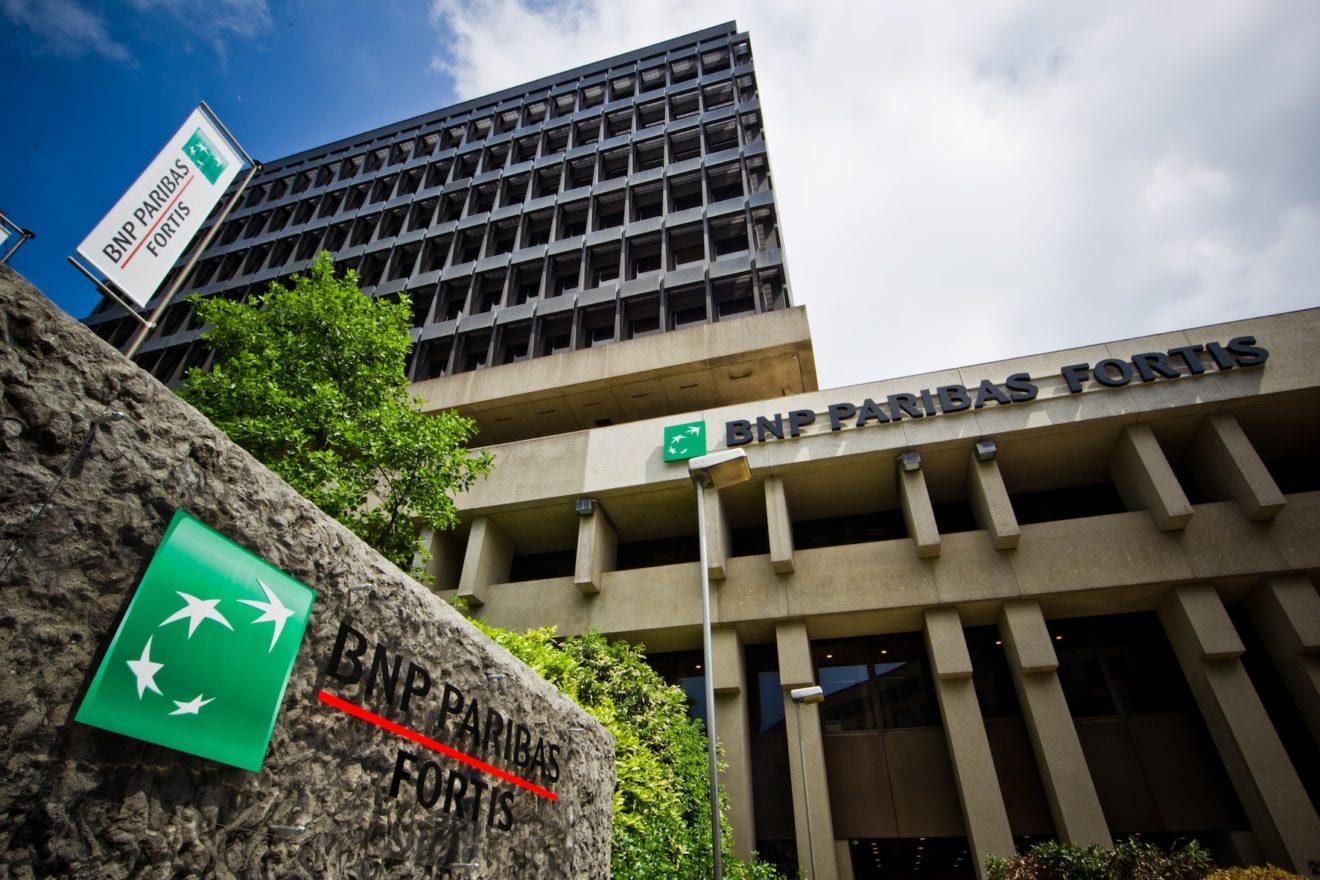
    BNP Paribas, the French multinational bank, has recently finished the restructuring of its Swiss operations, with a primary emphasis on Wealth Management. From this point onwards, the bank’s primary concern will be to expand its wealth management sector, focusing especially on Swiss entrepreneurs. A key component of this strategy is the lending business.

    Aligning the Swiss Operations

    Over the years, BNP Paribas has been realigning its operations in Switzerland. Today, Wealth Management and entrepreneurial services form the bedrock of their strategy. Since May 2025, the Swiss unit has been operating as a branch of BNP Paribas Paris. As a result of this change, separate financial figures will no longer be made public. Enna Pariset, Swiss head of BNP Paribas, stated, “The retreat from commodity trade finance was finalized in 2022, and we concluded 2025 positively, intending to continue our growth.”

    Swiss Client Growth

    The bank intends to concentrate primarily on Swiss entrepreneurs. Pariset mentions that “Four years after the launch of the initiative, roughly 30% of the assets under management are from Swiss clients.”

    The Corporate and Investment Banking (CIB) unit is another important aspect of the company. In 2024, revenues from Swiss clients totaled €1 billion globally and saw further growth in 2025. According to the new growth plan, these figures are projected to increase to approximately €1.5 billion by 2030.

    Lending as a Key Strategy

    Lending forms a fundamental part of the Wealth Management strategy. BNP Paribas positions itself as a purveyor of intricate financing solutions for entrepreneurs and affluent private clients. Yusuf Savmaz, CEO of Wealth Management Switzerland, stated, “Not many banks offer a €150 million single-stock loan in Switzerland. Owing to our robust balance sheet and expertise, such transactions are integral to our core operations.”

    Another area of focus is the expansion of the mortgage franchise. Pariset explained, “This is a relatively new business for us. We see immense potential here, especially considering that our collaboration with AXA Investment Managers has enriched our knowledge of the real estate market in Switzerland.”

    AXA Investment Managers Integration

    BNP Paribas anticipates additional momentum from integrating AXA Investment Managers, which currently manages CHF 75.5 billion in assets for Swiss clients, including CHF 52.4 billion in Switzerland. The Swiss asset management business of AXA IM will maintain its independence, with its own CEO. However, Pariset assured that they will collaborate closely to offer clients a wider range of products.

    Private Banking Positioning

    In classic private banking, the entry threshold in Switzerland is approximately CHF 5 million. BNP Paribas adopts a tailored approach based on the client segment. For Swiss clients, the entry threshold is somewhat lower, while for new relationships with Middle Eastern clients, it’s higher due to increased regulatory requirements, explained Savmaz.

    Artificial Intelligence Initiatives

    A key aspect of BNP Paribas’ model is its integration with Corporate and Investment Banking. This deep understanding of firms through Corporate and Investment Banking helps them assess risks, noted Savmaz.

    While BNP Paribas utilizes traditional strategies in the investment management area, digital assets currently do not play an active role. Pariset stated, “We are not the right bank for that.” However, the bank is investing in new technologies and is working with Zurich fintech Unique on several AI projects.

    Questions & Answers

    What is the focus of BNP Paribas in Switzerland?
    BNP Paribas is focusing on expanding its Wealth Management sector, especially serving Swiss entrepreneurs.

    What is BNP Paribas’ approach to private banking in Switzerland?
    In private banking, BNP Paribas adopts a differentiated approach based on the client segment with an entry threshold of approximately CHF 5 million.

    Does BNP Paribas have plans to invest in digital assets?
    Currently, BNP Paribas does not see an active role for digital assets in its investment management area.

  • Vontobel Targets High-Net-Worth Market with New Düsseldorf Branch: Swiss Investment Firm Fortifies German Presence

    Vontobel Targets High-Net-Worth Market with New Düsseldorf Branch: Swiss Investment Firm Fortifies German Presence

    Swiss investment company, Vontobel, has announced its plan to establish a new office in Düsseldorf in 2026. This new branch will further assert their position in Germany, with a particular focus on high-net-worth individuals (HNWIs) and family offices in North Rhine-Westphalia.

    Consistent Growth Strategy

    Vontobel’s decision to extend its operations in Germany aligns with their ongoing selective growth strategy in prime European markets. The firm already views Germany as a core market where it provides services to private clients through its offices in Munich and Hamburg. Meanwhile, the firm’s institutional activities and European structured products businesses are primarily operated from Frankfurt.

    In a joint statement, Christel Rendu de Lint and Georg Schubiger, Co-CEOs of Vontobel, stated, “We are consistently pursuing our strategy of selective investment in growth. As one of Europe’s key markets, Germany, and particularly North Rhine-Westphalia, are crucial to our business strategy.”

    Targeting a Prime Wealth Region

    Düsseldorf is renowned for its well-established wealth management tradition and a thick web of industrial, commercial, and service-oriented businesses. As such, it is a logical next step for the Zurich-based firm. The new branch will concentrate on providing customized investment solutions to affluent private clients and family offices in the area.

    The company plans to make use of its global investment platform, backed by more than 300 investment professionals worldwide, to deliver local services while maintaining its international diversification capabilities.

    Jean-Pierre Stillhart, Head of Private Clients DACH and member of the Executive Management Board of Bank Vontobel, highlighted the strategic reasoning behind this move: “As an internationally active Swiss wealth manager, this expansion provides our clients in Germany with additional perspectives and diversification opportunities.”

    The firm has now begun the search for a prime Düsseldorf location and is actively seeking experienced advisers and teams who align with its long-term investment philosophy and conservative risk culture.

    Expansion of Cross-Border Wealth Model

    Vontobel’s expansion reinforces its cross-border wealth management model, which allows German clients to custody assets either domestically or in Switzerland. Currently, about 20 investment professionals in Munich and Hamburg, supported by specialists in Zurich, serve German-based clients.

    As of the end of 2025, Vontobel managed over EUR 130 billion in assets for private clients globally, illustrating the scope of its wealth management franchise.

    The Düsseldorf initiative reflects a more extensive industry trend where Swiss private banks are selectively extending their operations in Germany. This expansion seeks to tap into structurally attractive wealth pools, especially among entrepreneurial clients and family offices interested in international diversification and advisory-driven mandates.

    Questions & Answers

    What is Vontobel’s strategy for growth?
    Vontobel uses a selective growth strategy, specifically focusing on key markets in Europe. Germany, in particular, is a core market for the firm.

    How does Vontobel plan to serve clients in Düsseldorf?
    Vontobel plans to use its global investment platform, which is backed by more than 300 investment professionals worldwide. This approach allows the firm to deliver local services while maintaining international diversification capabilities.

    What is unique about Vontobel’s expansion to Düsseldorf?
    This expansion aligns with a broader industry trend where Swiss private banks are selectively extending their operations within Germany to tap into attractive wealth pools. As such, Vontobel’s move into Düsseldorf is part of a larger strategic move within the wealth management industry.

  • U.S. Dollar Slightly Slips Against Vietnamese Dong Amid Global Market Uncertainties

    U.S. Dollar Slightly Slips Against Vietnamese Dong Amid Global Market Uncertainties

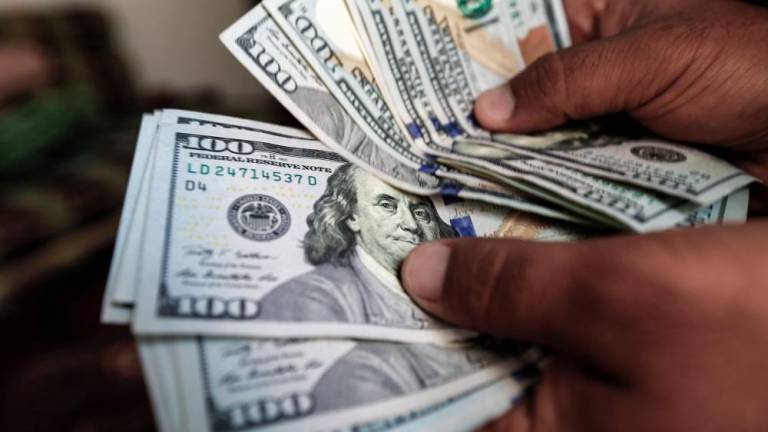
    On Monday, the U.S. dollar experienced a slight decrease in value against the Vietnamese dong while maintaining stability against other significant currencies. Vietnam-based bank Vietcombank quoted the U.S. dollar at 26,344 VND, marking a negligible decline of 0.004% from its weekend rate. Concurrently, the unofficial or “black market” rate of the currency experienced a 0.18% drop, bringing it to approximately 27,350 VND.

    Exchange Rates and Global Outlook

    For the day, the State Bank of Vietnam raised its reference rate marginally by 0.02% to 25,090 VND. Internationally, the U.S. dollar held steady on Monday, while the Japanese yen approached the important 160 per dollar threshold. This occurred as investors cautiously assessed the heightening tensions surrounding the Iran conflict and awaited the upcoming deadline set by U.S. President Donald Trump to reopen the Strait of Hormuz.

    Charu Chanana, chief investment strategist at Saxo in Singapore, commented on this trend, noting: “Investors are interpreting this as an oil-to-inflation-to-rates issue, which is why the dollar remains the most reliable haven currently, whereas gold, bonds, and yen have all seemed considerably less dependable than in a typical geopolitical scare”.

    Market Conditions and Currency Performance

    With major markets across Asia and Europe closed due to a holiday on Monday, trading liquidity was expected to be thin. However, a general risk aversion sentiment was observed at the start of the week.

    The dollar index, a measure of U.S. currency strength against six other leading currencies, stood at 100.2. Meanwhile, the Euro depreciated by 0.13% to reach $1.151 in early trading, and the British pound sterling traded at $1.3187.

    The Australian dollar improved by 0.13% at $0.6893, wobbling near its two-month low from the previous week. The Japanese yen weakened to 159.77 per U.S. dollar, closely trailing last week’s 21-month low.

    Questions & Answers

    What was the exchange rate of the U.S. dollar to the Vietnamese dong on Monday?
    The U.S. dollar was trading at 26,344 VND according to Vietcombank rates, while the black market rate was approximately 27,350 VND.

    How was the performance of the U.S. dollar against other major currencies?
    The U.S. dollar largely maintained stability against other major currencies. It held steady levels internationally while the Japanese yen approached the important 160 per dollar threshold.

    What impact did the escalating Iran conflict have on the currency market?
    The increasing tensions surrounding the Iran war resulted in cautious investor behavior. This led to the U.S. dollar being viewed as the most reliable haven currency, compared to less dependable options such as gold, bonds, and yen in this geopolitical situation.

  • Vietnam Gold Prices Succumb to Global Decline Amid Strong Dollar and Stout Job Reports

    Vietnam Gold Prices Succumb to Global Decline Amid Strong Dollar and Stout Job Reports

    On Monday, the price of gold in Vietnam experienced a decline, mirroring a drop in global bullion rates. This downward trend was seen when the Saigon Jewelry Company lowered the price of its gold bars by 0.8%, or to VND173.1 million (US$6,571.64) per tael. This adjustment has prompted other sellers to revise their rates in alignment. Currently, local bullion prices are approximately VND25 million per tael higher than international rates.

    Decline in Gold Ring Prices

    The price of gold rings also decreased, sliding to VND172.9 million per tael. It should be noted that a tael is approximately 37.5 grams or 1.2 ounces.

    Global Gold Price Trends

    On a global scale, gold prices also fell on Monday. This decrease was influenced by a stronger dollar, the continued impact of the Iran war on oil prices, and stronger-than-expected U.S. jobs data. These factors lowered expectations for interest rate cuts by the Federal Reserve.

    Spot gold reduced by 0.9%, falling to $4,631.69 per ounce. Additionally, U.S. gold futures for April delivery saw a loss of 0.5%, dropping to $4,657.50 per ounce. This trading activity took place in thin liquidity conditions, with many markets in Asia and Europe closed for a holiday.

    “The latest robust NFP (nonfarm payrolls) print has reinforced hawkish central bank nerves. In addition, the ongoing fear of inflation driven by high oil prices continues to overshadow gold’s traditional role as a safe haven,” stated Tim Waterer, chief market analyst at KCM Trade.

    Historically, gold has been considered a protection against inflation. However, increased interest rates tend to reduce demand for this non-yielding asset.

    Questions & Answers

    What factors contributed to the fall in gold prices?
    The decline in gold prices was influenced by a stronger dollar, the ongoing Iran war’s effect on oil prices, and stronger-than-expected U.S. jobs data. These factors reduced expectations for interest rate cuts by the Federal Reserve.

    How did the price change affect the trading of gold?
    The decrease in gold prices led to a reduction in the trading of spot gold and U.S. gold futures for April delivery. Both saw declines in their respective rates.

    What is the traditional role of gold in the economy?
    Traditionally, gold is seen as a hedge against inflation. However, in situations of elevated interest rates, the demand for this non-yielding asset tends to decrease.

  • BBVA Veteran Alfonso Gómez Takes the Helm as CEO of HSBC Swiss Private Bank

    BBVA Veteran Alfonso Gómez Takes the Helm as CEO of HSBC Swiss Private Bank

    Since October of the previous year, Daniel Calado, the CFO, has been temporarily guiding HSBC Swiss Private Bank. However, as of the 27th of April, Alfonso Gómez will assume the role of CEO. Gómez has spent over three decades with the Spanish banking conglomerate Banco Bilbao Vizcaya Argentaria (BBVA).

    Appointment Announcement

    A press release issued on Wednesday stated that Alfonso Gómez would be stationed in Geneva and would be reporting directly to Ida Liu, the CEO of HSBC Private Bank. Gómez brings to the table more than three decades of experience in Swiss and international wealth management, his most recent role being the CEO of BBVA Switzerland, a position he retained for over a dozen years. The Spanish national has held various high-ranking positions at BBVA in cities including New York, London, Madrid, and Zurich. In total, Gómez dedicated precisely 31 years and half a year to BBVA, Spain’s second-largest bank, where he initiated his career as a risk analyst.

    Since the year 2018, Gómez has also been a member of the board of the Association of Foreign Banks in Switzerland, taking up the role of Vice Chairman in early 2023. He has also spent over three years as a board member for the Swiss Finance Institute (SFI).

    Transition from Temporary to Permanent Leadership

    Alfonso is set to take over from Daniel Calado, who temporarily assumed the role in October of the previous year and will now revert to his initial position as the Chief Financial Officer of HSBC Private Bank Switzerland and EMEA, in addition to resuming his role as a member of the executive committee.

    Ida Liu, the CEO of HSBC Private Bank, praised Gómez saying, “His extensive experience in Switzerland, impressive leadership skills, and unwavering commitment to exceptional client satisfaction make him the ideal person to lead our Swiss private bank.”

    Questions & Answers

    Who will be the new CEO of HSBC Swiss Private Bank?
    Alfonso Gómez, a veteran from Spanish banking group Banco Bilbao Vizcaya Argentaria (BBVA), will be the new CEO.

    Who will Alfonso Gómez be replacing?
    Alfonso Gómez is set to replace Daniel Calado, who has been serving as the interim CEO since October of the previous year.

    What is the significance of Alfonso Gómez’s appointment according to Ida Liu, CEO of HSBC Private Bank?
    According to Ida Liu, Gómez’s extensive experience, leadership skills, and commitment to client satisfaction ideally position him to lead the Swiss private bank.

  • Swiss Parliament Favors Leniency on UBS: Potential Easing of New Capital Requirements Awaited

    Swiss Parliament Favors Leniency on UBS: Potential Easing of New Capital Requirements Awaited

    The Federal Council’s impending regulations on banking stability, not anticipated until late spring, have received a hopeful response from a coalition of parliamentarians from the National Council and the Council of States. This group has allegedly sent comforting signals to UBS, suggesting a potential relaxation of the forthcoming stringent capital requirements.

    In casual discussions, representatives from various political parties have purportedly assured UBS executives that the proposed new regulations for Switzerland’s last globally active bank of systemic importance will be diluted. UBS was informed that attempts would be made to negotiate a middle ground on the proposals put forth by the Federal Department of Finance (FDF). It’s predicted that the Federal Council’s proposal would necessitate UBS to augment its capital by approximately 22 billion dollars.

    Keller-Sutter’s Too Big to Fail Proposal

    Finance Minister Karin Keller-Sutter, the head of the FDF, proposed the reform package on the “too big to fail” (TBTF) issue in response to the Credit Suisse collapse in 2023. It’s probable that the government’s decision will be publicized as soon as April, with the most contentious aspect—foreign capital requirements—expected to be a parliamentary debate topic.

    The Balancing Act: Stability vs. Competitiveness

    While regulators assert that the rules are vital for depositors’ protection, critics, including UBS, caution that these regulations could potentially endanger the country’s competitiveness. A group of legislators who deem these capital requirements too rigid have indicated to UBS their desire to “resolve the issue through a compromise,” according to one source.

    UBS executives are reportedly becoming increasingly exasperated by what they perceive as the Federal Council’s unwillingness to negotiate. Chairman Colm Kelleher and CEO Sergio Ermotti have frequently highlighted the competitive disadvantages UBS may face compared to the United States and the United Kingdom. The bank may even consider relocating to a jurisdiction with more favorable conditions if a compromise isn’t reached.

    Rejected Committee Proposal

    The FDF previously dismissed a compromise proposal offered by the economic committees of both parliamentary chambers in November. Although the specifications of a new compromise have yet to be determined, the National Council’s Committee for Economic Affairs and Taxation is expected to “take over” the process from May onwards. A person involved in the discussions stated, “From that point, we will have greater decision-making power.”

    UBS Remains Silent

    The proposals are anticipated to be a contentious topic among legislators during the summer session, commencing in early June.

    UBS did not provide a comment. However, a source close to the bank offered, “Even if assurances are made, there is no guarantee that the final outcome will be acceptable.”

    Questions & Answers

    What is the proposed change to UBS’s capital requirements?
    The Federal Council has proposed that UBS should increase its capital by approximately 22 billion dollars.

    What are the concerns of UBS regarding these changes?
    UBS executives fear that the proposed regulations could undermine the country’s competitiveness, putting them at a disadvantage compared to counterparts in the United States and the United Kingdom.

    What was the response of the Federal Department of Finance to the proposed compromise?
    The Federal Department of Finance rejected a compromise proposal put forth by the economic committees of both parliamentary chambers.

  • Vietnam Gold Prices Leap Amid Global Gold Slump: Largest Monthly Drop in Nearly Two Decades

    Vietnam Gold Prices Leap Amid Global Gold Slump: Largest Monthly Drop in Nearly Two Decades

    On Tuesday morning, gold prices in Vietnam experienced an increase, despite global bullion rates experiencing their sharpest monthly fall in nearly two decades. The Saigon Jewelry Company reflected this trend with its gold bar prices ascending 0.63% to VND174.9 million (US$6,640.34) per tael. This price adjustment was echoed by other sellers in the local market.

    Despite a 6.47% decrease this month, local bullion rates have still gained an impressive 14.5% since the beginning of the year.

    The price of gold rings also experienced a similar surge, reaching a price of VND174.7 million per tael. It’s important to note that a tael is equivalent to 37.5 grams or 1.2 ounces.

    Global Bullion Trends

    On the global stage, gold prices experienced an increase on Tuesday. This rise was fueled by the optimism of a de-escalation in the Middle East conflict. However, gold is also facing its worst month in over 17 years due to increased energy prices. These circumstances have diminished hopes for a U.S. interest rate cut within this year.

    Spot gold saw an increase of 1.5%, reaching $4,578.89 per ounce. Similarly, U.S. gold futures for April delivery experienced a 1.2% rise, leveling at $4,611.30.

    Despite these positive changes, bullion has experienced a 13% decrease this month. This puts it on track for its most significant drop since October 2008, largely due to a stronger dollar and dwindling expectations of a U.S. interest rate cut within this year. Despite these challenges, prices remain up by approximately 5% for the quarter.

    The dollar experienced a drop, making commodities priced in the greenback more affordable for holders of other currencies.

    A notable factor influencing gold prices was an announcement from the U.S. President, Donald Trump, stating his willingness to end the U.S. military campaign against Iran. This news triggered a positive response from the financial markets and saw gold prices bounce in the early Asia-Pacific trade, according to Ilya Spivak, the head of global macro at Tastylive.

    Questions & Answers

    What sparked the increase in gold prices in Vietnam?
    The rise in gold prices in Vietnam was primarily due to optimism about a de-escalation in the Middle East conflict and an announcement from the U.S. President about his willingness to end the military campaign against Iran.

    What factors have contributed to the global drop in bullion rates this month?
    The steep drop in global bullion rates has been largely due to a stronger dollar and diminished expectations of a U.S. interest rate cut within this year.

    How has the dollar’s decrease impacted the commodities market?
    As the dollar has fallen, commodities priced in the greenback have become more affordable for holders of other currencies, which can stimulate demand.

  • US Dollar Dominates Vietnamese Dong, Marks Biggest Monthly Gain Since July

    US Dollar Dominates Vietnamese Dong, Marks Biggest Monthly Gain Since July

    On Tuesday morning, the U.S. dollar gained strength against the Vietnamese dong and is set to have its best month since July against significant international currencies. Vietcombank quoted the U.S. dollar at VND26,357, marking a 0.008% increase from its Monday valuation. Meanwhile, the black market saw a 0.28% decline in the currency’s value, bringing it to around VND27,112.

    Vietcombank’s USD/VND Exchange Rate Performance

    The Vietnamese State Bank responded to the U.S. dollar’s performance by increasing its reference rate by 0.008%, bringing it to VND25,102.

    On a global scale, the dollar is on track for its largest monthly gain since last July. This surge in value positions the dollar as the leading ‘safe asset’ in the current economic climate, characterized by escalating military conflict in the Mideast and consequent surges in oil prices, which have increased the risk of a worldwide recession.

    The U.S. dollar index reached its maximum since last May, hitting 100.61 and marking an increase of 2.9% throughout March; this rise is the most significant monthly increase since last July.

    Performance of Other Major Currencies

    Other significant currencies experienced fluctuating fortunes. The yen, for instance, which hit its lowest point since July 2024 the day before, was traded at 159.81 in Asia on Tuesday morning. This represents a monthly decline of approximately 2.4%, due in large part to Japan’s reliance on imported energy resources, the prices of which are soaring.

    The euro also experienced a downturn, slipping 0.3% overnight and is set for a monthly decline of around 3%. The Australian dollar hit a two-month low, coming in at $0.6834 overnight and was traded at $0.6844 in the Asian morning. The New Zealand dollar is also under strain, hitting a four-month low of 57 cents and last traded nearby at around $0.5716.

    The South Korean won fell to its weakest level since 2009. Against the Swiss franc, the U.S. dollar has risen nearly 4% this month, hitting 0.80 francs.

    Questions & Answers

    What was the U.S. dollar’s value against the Vietnamese dong on Tuesday morning?
    The U.S. dollar was valued at VND26,357 on Tuesday morning.

    What is the global performance of the U.S. dollar at present?
    The U.S. dollar is currently experiencing its largest monthly gain since last July, making it the strongest ‘safe asset’ in the current global economic climate.

    How have other significant currencies performed recently?
    The yen and the euro have seen monthly declines of 2.4% and 3% respectively. The Australian and New Zealand dollars have also experienced dips, while the South Korean won has fallen to its weakest level since 2009.

  • HSBC Bolsters China Wealth Management with Strategic Duo Appointment: Max Xu and Samuel Chen

    HSBC Bolsters China Wealth Management with Strategic Duo Appointment: Max Xu and Samuel Chen

    HSBC, the London-based financial institution, recently announced two significant additions to its Chinese wealth management and private banking sector.

    New Leaders at the Helm

    Max Xu has been appointed the head of international wealth and premier banking (IWPB) at HSBC China, with the appointment effective from April 1. In this pivotal role, he will answer to Mark Wang, the CEO of HSBC China and, on a functional level, to Kai Zhang, the head of IWPB in Asia.

    Xu, who holds the current position of head of premier banking at IWPB China, has been a part of HSBC since 2025. His expansive career spanning more than 20 years is marked by his experiences in institutional and consumer banking, making him an ideal fit for this role.

    Strengthening HSBC’s Private Banking Sector

    Simultaneously, Samuel Chen has been entrusted with the role of head of the private bank at HSBC China, effective from April 1. He will report to Xu and will work closely with Lok Yim, the regional head of HSBC Private Bank in the Asia Pacific region.

    Chen has a rich banking career extending nearly 20 years, including nine years with HSBC Private Bank in crucial client-facing roles. His expertise will be invaluable in expanding the private banking sector of HSBC in China.

    Advancing HSBC’s Agenda in China

    These noteworthy appointments of Xu and Chen are a strategic move by HSBC to enhance its leadership team as it furthers its wealth and private banking operations in mainland China.

    Kai Zhang stated that these appointments solidify their dedication to achieving sustainable growth and delivering a superior client experience across the Premier, Premier Elite, and Private Bank continuum in China.

    Questions & Answers

    Who has been appointed the head of international wealth and premier banking at HSBC China?
    Max Xu, a veteran with over 20 years of banking experience, has been appointed to this role.

    Who will serve as the head of the private bank at HSBC China?
    Samuel Chen, who has almost 20 years of banking experience, including nine years in senior client-facing roles at HSBC Private Bank, will assume this role.

    What do these appointments signify for HSBC’s operations in China?
    These appointments reflect HSBC’s commitment to expanding its wealth and private banking services in mainland China, with a focus on sustainable growth and superior client service.

  • Asia’s War-Driven Price Surge: From Instant Noodles to Cosmetics, Consumers Brace for Impact

    Asia’s War-Driven Price Surge: From Instant Noodles to Cosmetics, Consumers Brace for Impact

    As the conflict in Iran intensifies, both consumers and businesses across Asia are bracing for a potential crisis. The war is causing a squeeze in oil and plastics supplies, leading to an increase in prices on a broad range of products, from ramen noodles to cosmetics.

    Impact on Plastic Industries

    Choi Gun-soo, manager of a 57-year-old South Korean factory producing plastic films, gives an insight into the harsh realities of the situation. The factory, which caters to farmers for crop coverage and television manufacturers, is dealing with a substantial hike in raw material prices and shortages. Some suppliers have escalated prices by as much as 50%, while others have completely run out of stock. The next couple of weeks are likely to be critical; if the shortage of raw materials continues, it will force a systematic shutdown of the machinery.

    While the company has previously managed to survive oil shocks and the Covid-19 pandemic, the current crisis due to the Iran war is unparalleled. Choi shares that they have reduced their production to merely 20-30% of the regular output, marking the first time they have been hit this severely.

    The Strait of Hormuz: A Key Factor

    A vital cog in the supply chain disruption is the Strait of Hormuz, a narrow water channel off Iran’s southern coast. Around one-fifth of the world’s oil and liquefied natural gas usually passes through this strait. Asia, which is heavily dependent on crude oil, gas, fuel, and fertilizer from the Middle East, is most susceptible to supply disruptions.

    Currently, the most critical shortages are in oil derivatives like naphtha, predominantly sourced from the Gulf and used in refineries across Asia to produce plastics and other petrochemicals. These materials are integral to almost every manufactured product.

    Soaring Prices

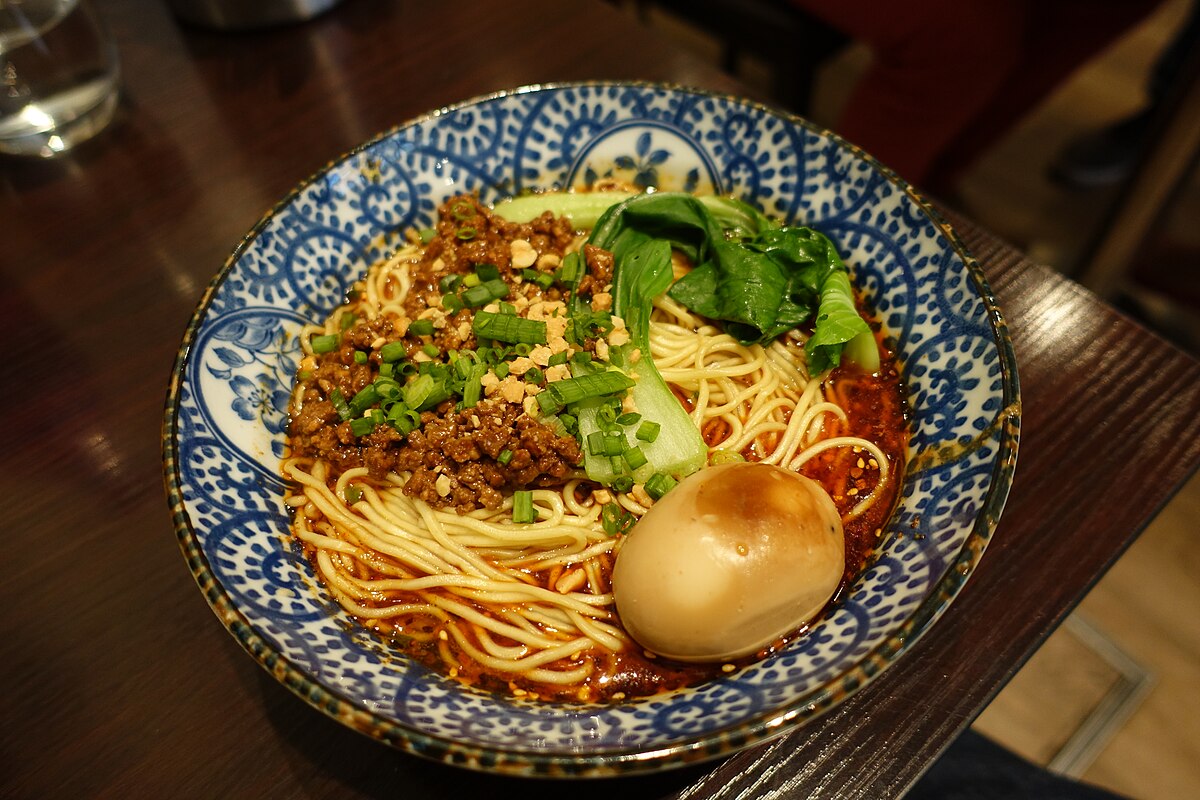
    Prices for essentials of modern life, including plastic and rubber, are reaching record highs. South Korea’s Samyang Foods, the manufacturer of the renowned spicy Buldak instant ramen noodles, warns of a potential shortage of packaging materials and increased costs due to the ongoing conflict.

    Rival ramen producer Nongshim is preparing for the possibility of prolonged warfare by maintaining two to three months’ worth of packaging material inventory.

    The Cosmetic Industry’s Struggle

    Yonwoo, a container producer for L’Oreal and K-beauty firms like Amorepacific, is scrambling to secure stocks of plastic resin, a key material in manufacturing pots used for skincare and cosmetics. The company fears little visibility on material supply beyond June.

    Global Impact

    The conflict has instigated fuel shortages worldwide, with businesses ranging from airlines to supermarkets and used car dealers struggling with challenges such as rising costs, weakening demand, and disrupted supply chains.

    In Japan, department store operator Takashimaya has expressed concern that if the crisis persists, it could lead to price increases and supply issues spreading to clothing and household appliances.

    China’s Struggle with Raw Material Shortages

    China, the world’s largest synthetic rubber producer, is also feeling the strain. Shortages of naphtha, essential for synthetic rubber production, are impacting the supply chain and forcing manufacturers of goods like tires and gloves to consider raising prices or shifting to natural rubber.

    Effect on the Toy Industry

    Liu Chaonan, who owns a toy company that supplies to major U.S. retailer Walmart, revealed the escalating raw materials costs are taking a toll on the toy industry.

    Panic Buying due to Supply Concerns

    The crisis has also led to panic buying among consumers, resulting in them hoarding goods like garbage bags. With supermarkets reporting shortages and limiting purchases, consumers like South Korean student Ryu June-ho are buying in bulk in anticipation of price hikes.

    Questions & Answers

    What factors are contributing to the increased prices of goods in Asia?
    Increased goods prices in Asia are primarily due to the ongoing conflict in Iran, which is causing disruptions in oil and plastic supplies.

    How is the conflict in Iran affecting industries in Asia?
    The conflict is causing a crisis in various industries, including food, cosmetics, and manufacturing, due to increased raw material costs and supply shortages.

    How are consumers reacting to the escalating prices and supply shortages?
    Consumers are reacting with panic, leading to hoarding of goods such as garbage bags and ramen noodles in anticipation of further price increases and shortages.

  • Mideast Strife Spurs Safe Haven Flows: DBS Reports Investor Shift Amid Iran Conflict

    Mideast Strife Spurs Safe Haven Flows: DBS Reports Investor Shift Amid Iran Conflict

    As the conflict in the Middle East escalates, DBS, a Singapore-based bank, is observing a significant rise in safe haven flows, leading to an increase in deposit growth. However, this development could also lead to a downward trend in Singapore’s interest rates. Market volatility, while potentially beneficial for trading income, may adversely impact investor sentiment and activities in wealth management.

    DBS addressed the potential risks that could arise from the increased turbulence in the Middle East, asserting that it employs a robust system of frameworks and processes to monitor and manage potential risks. This system encompasses stringent customer selection, proactive risk scenario planning, early warning indicators, watchlisting, and regular stress testing.

    DBS reassured that despite the unpredictable outcome of the ongoing events in the Middle East, their robust liquidity, solid capital position, and comprehensive general allowance buffers, in combination with their proven adaptability, will allow them to effectively navigate the risks and seize potential opportunities.

    Questions & Answers

    What is the impact of the Middle East conflict on DBS?
    DBS is seeing an increase in safe haven flows leading to deposit growth. However, they also foresee potential downward pressure on Singapore’s interest rates and note that market volatility could affect wealth management activity and investor sentiment.

    What measures does DBS take to manage potential risks?
    DBS employs a comprehensive system that includes rigorous customer selection, proactive risk scenario planning supported by early warning indicators, watchlisting, and regular stress testing to monitor and manage potential risks.

    How is DBS positioned to handle the uncertain outcome of the Middle East conflict?
    DBS reassures that its robust liquidity, solid capital position, and substantial general allowance buffers, coupled with their proven agility, will place them in a strong position to navigate risks and capitalize on opportunities arising from the situation.

  • Unprepared for Tomorrow: Majority of Asia’s Wealthiest Lack Legacy Plans, HSBC Life Report Reveals

    Unprepared for Tomorrow: Majority of Asia’s Wealthiest Lack Legacy Plans, HSBC Life Report Reveals

    A report by HSBC Life reveals that a significant percentage of Asian high net worth individuals (HNWIs) do not have legacy plans in place, thereby exposing substantial wealth to potential vulnerabilities. This lack of planning is especially prevalent among those in Greater China.

    Survey Findings

    The HSBC Life report, which surveyed 900 HNWIs across nine markets in Asia and the Middle East, including Taiwan, Hong Kong, mainland China, Singapore, Indonesia, Malaysia, Thailand, India, and the UAE, found that approximately 60% of HNWIs in Asia lack legacy plans. Greater China’s HNWIs were the least prepared. Only 24% of HNWIs in Taiwan, 26% in Hong Kong, and 36% in mainland China had official legacy plans. Southeast Asia performed better, with Thailand leading the pack at 57%.

    Surprisingly, the report found that economic or financial market volatility was the primary motivator for implementing legacy plans for 45% of respondents. This outweighed traditional incentives like age or lifestyle milestones.

    Life Insurance as Legacy Solution

    The survey results indicated that life insurance was the favored legacy solution among participants, with 87% choosing it over other options such as wills (82%) or family trusts (76%).

    Edward Moncreiffe, the CEO of insurance at HSBC Group, commented on the matter, stating that the surveyed HNWIs are not only inadequately protecting their future wealth but are also missing out on potential wealth diversification and growth.

    Questions & Answers

    What percentage of high net worth individuals in Asia have a legacy plan in place?
    Less than 40% of high net worth individuals in Asia have a legacy plan according to the HSBC Life report.

    Which region had the least prepared HNWIs in terms of legacy planning?
    High net worth individuals in Greater China were the least prepared for legacy planning.

    What was the preferred legacy solution among the surveyed HNWIs?
    Life insurance emerged as the preferred legacy solution, surpassing other options like wills and family trusts.

  • U.S. Dollar Stumbles Against Vietnamese Dong Amidst Global Currency Fluctuations

    U.S. Dollar Stumbles Against Vietnamese Dong Amidst Global Currency Fluctuations

    On Wednesday morning, the U.S. dollar depreciated against the Vietnamese dong while primarily remaining stable against other significant counterparts. Vietcombank marked the greenback at VND26,359, a marginal 0.02% dip from the previous day. Simultaneously, the currency experienced a more noticeable 0.56% decline to approximately VND27,204 in the underground economy.

    Comparison with International Currencies

    The U.S. dollar index, assessing the greenback’s performance versus a selection of six currencies, saw a minor 0.1% drop, standing at 99.126. Meanwhile, the euro saw a slight increment, rising 0.1% to $1.1619, with most other currency pairs enduring no change. The British pound also experienced a 0.1% rise to $1.3428, whereas the New Zealand dollar remained steady at $0.5834.

    In the case of the yen, the U.S. dollar stayed constant at 158.645 yen. However, the Australian dollar initially dropped by as much as 0.2% to $0.6983 before recovering to its original level.

    Financial Analyst’s Insight

    Chris Weston, the Chief Research Officer at Pepperstone Group Ltd in Melbourne, shared his insights on the matter. He noted, “With ongoing discussions between the U.S. and its allies and Iran, including hints of high-level negotiations and temporary truce suggestions, there’s an undeniable sense of exhaustion setting in among those closely following each new development.”

    Questions & Answers

    What has been the trend in the U.S. dollar’s performance against the Vietnamese dong?
    On Wednesday morning, the U.S. dollar saw a depreciation against the Vietnamese dong. Vietcombank pegged the greenback at VND26,359, marking a 0.02% dip from Tuesday’s rate.

    How did the U.S. dollar fare against other prominent international currencies?
    The U.S. dollar primarily remained steady against other significant counterparts, with a minor drop against the euro and a rise against the British pound. It held stable against the New Zealand dollar and the yen, while it experienced an initial drop against the Australian dollar before reverting to its original level.

    What is the sentiment among financial analysts regarding the U.S. dollar’s performance?
    Financial analysts, such as Chris Weston, the Chief Research Officer at Pepperstone Group Ltd in Melbourne, suggest that those tracking every new headline and development are beginning to feel a sense of exhaustion due to the ongoing global discussions, especially those involving the U.S., its allies, and Iran.

  • Gold Prices Soar in Vietnam Amid Global Bullion Boom and Middle East De-Escalation Hopes

    Gold Prices Soar in Vietnam Amid Global Bullion Boom and Middle East De-Escalation Hopes

    Gold prices in Vietnam saw a significant increase on Wednesday morning, corresponding with a rise in global bullion rates. The price of a gold bar from the Saigon Jewelry Company witnessed a 2.82% increase, reaching VND175 million (US$6,642.88) per tael. Other vendors adjusted their prices similarly in line with this increase.

    Vietnam’s Gold Market

    In Vietnam, local gold prices are approximately VND29 million per tael higher than global rates, highlighting the uniqueness of the Vietnamese market. The price of gold rings has also risen by approximately the same rate, reaching VND174.8 million per tael. It should be noted that a tael is equivalent to 37.5 grams or 1.2 ounces.

    Global Gold Market

    On Wednesday, the global gold market also saw an increase of over 2%. This increase was driven by a softer dollar value and a decrease in oil prices, which alleviated concerns surrounding high inflation and increased global interest rates. Spot gold experienced a 2.5% increase to $4,587.09 per ounce, while U.S. gold futures for April delivery saw a 4.2% gain to $4,586.10.

    The easing of the dollar has made gold priced in greenbacks cheaper for those holding other currencies. Christopher Wong, a strategist at OCBC, stated that the easing of the dollar strength has allowed for the reassertion of safe-haven demand. He further emphasized that gold has not lost its appeal as a secure investment, contrary to what some may believe.

    The Future of Gold

    Wong also suggested that the value of gold will likely remain sensitive to the Federal Reserve’s policy path expectations, the value of the USD, and geopolitical developments in the near term. However, he also postulates that the recent rebound suggests that any declines in the value of gold may continue to find support unless real yields shift significantly higher.

    Questions & Answers

    What caused the rise in gold prices in Vietnam?
    The rise in gold prices in Vietnam is primarily due to the surge in global bullion rates.

    How does the value of the USD affect gold prices?
    The value of the USD has a significant impact on gold prices. When the USD weakens, gold prices often increase as gold becomes more affordable for those holding other currencies.

    Is gold still considered a safe investment?
    Yes, according to Christopher Wong, a strategist at OCBC, gold has not lost its safe-haven appeal and remains a secure investment option.

  • Digital Assets Maintain Strong Long-Term Prospects, Asserts Sygnum Co-Founder

    Digital Assets Maintain Strong Long-Term Prospects, Asserts Sygnum Co-Founder

    Sygnum, a regulated digital asset bank, was conceived with a dual vision between Singapore and Switzerland. Gerald Goh, co-founder and CEO of Sygnum Asia-Pacific, has been a key player in establishing this transcontinental structure since 2017. Even with the fluctuating state of crypto markets, Goh reports a robust demand. According to Sygnum’s recent survey, digital assets are becoming increasingly popular among high net worth individuals (HNWIs) in Asia.

    Origins of Sygnum

    The concept of Sygnum saw its inception in Singapore in 2017 during the Singapore Fintech Festival. Goh, along with his three co-founders Luka Müller, Manuel Krieger and Mathias Imbach, were united by a shared vision: to provide a trustworthy platform for global access to digital assets.

    The founders envisioned Sygnum as a bridge between Singapore and Switzerland, two of the world’s most innovative and forward-thinking financial centers. Their goal was to leverage the openness of these regulatory environments to integrate digital assets into the financial services sector. However, they were unsure which jurisdiction would pioneer the regulation of digital assets.

    Dual Incorporation Strategy

    As a result, the founders decided to simultaneously incorporate Sygnum in both Singapore and Switzerland. This decision proved to be a prudent one, as it allowed them to engage with both regulatory environments from the outset. From its inception, Sygnum has had a strong presence in the Asia-Pacific region.

    Goh explains that the dual structure was driven by the recognition of Singapore and Switzerland as trusted financial hubs in their respective regions. The Swiss base was intended to serve Europe, while the Singapore base would cater to the Asia-Pacific region. The founders saw this as a strategic combination of the best of both worlds, given that both the Swiss Financial Market Supervisory Authority (FINMA) and the Monetary Authority of Singapore (MAS) were among the earliest regulators to recognize the potential of blockchain technology.

    Market Orientation

    While Sygnum Asia appears to be more consumer-focused (B2C), its Swiss counterpart is more oriented towards serving businesses (B2B). In Singapore, Sygnum utilizes both B2C and B2B channels, but Goh acknowledges the current tilt towards B2C. The company has more direct clients than banking partners in Singapore, whereas in Switzerland, Sygnum collaborates with over 20 Swiss banks and is a leading provider of B2B services.

    Goh believes that the slower institutional adoption of crypto in Singapore is due to the cautious approach of regulated intermediaries in the region. Despite years of engagement with local banks and external asset managers, the momentum to launch regulated digital asset services has been somewhat subdued compared to other regions.

    Questions & Answers

    How did the concept of Sygnum come into being?
    The idea for Sygnum was conceived during the 2017 Singapore Fintech Festival. The co-founders envisioned a platform that would offer global access to digital assets in a trusted manner.

    What was the rationale behind incorporating Sygnum in both Singapore and Switzerland?
    The decision to incorporate in both jurisdictions was driven by the recognition of Singapore and Switzerland as leading, innovative financial hubs. The dual structure allowed Sygnum to engage proactively with the regulatory environments of both regions.

    Why is institutional adoption of crypto slower in Singapore?
    The slower adoption rate is attributed to the cautious approach of regulated intermediaries in Singapore. Despite ongoing engagement with local banks and external asset managers, the pace to launch regulated digital asset services has been more measured than in other regions.