Category: Finance

Retail News Asia is committed to providing both local and global retailers with the latest Finance news throughout the Asian market. This on a daily base.

  • US Dollar Climbs Against Vietnamese Dong Amid Globally Awaiting Inflation Data

    US Dollar Climbs Against Vietnamese Dong Amid Globally Awaiting Inflation Data

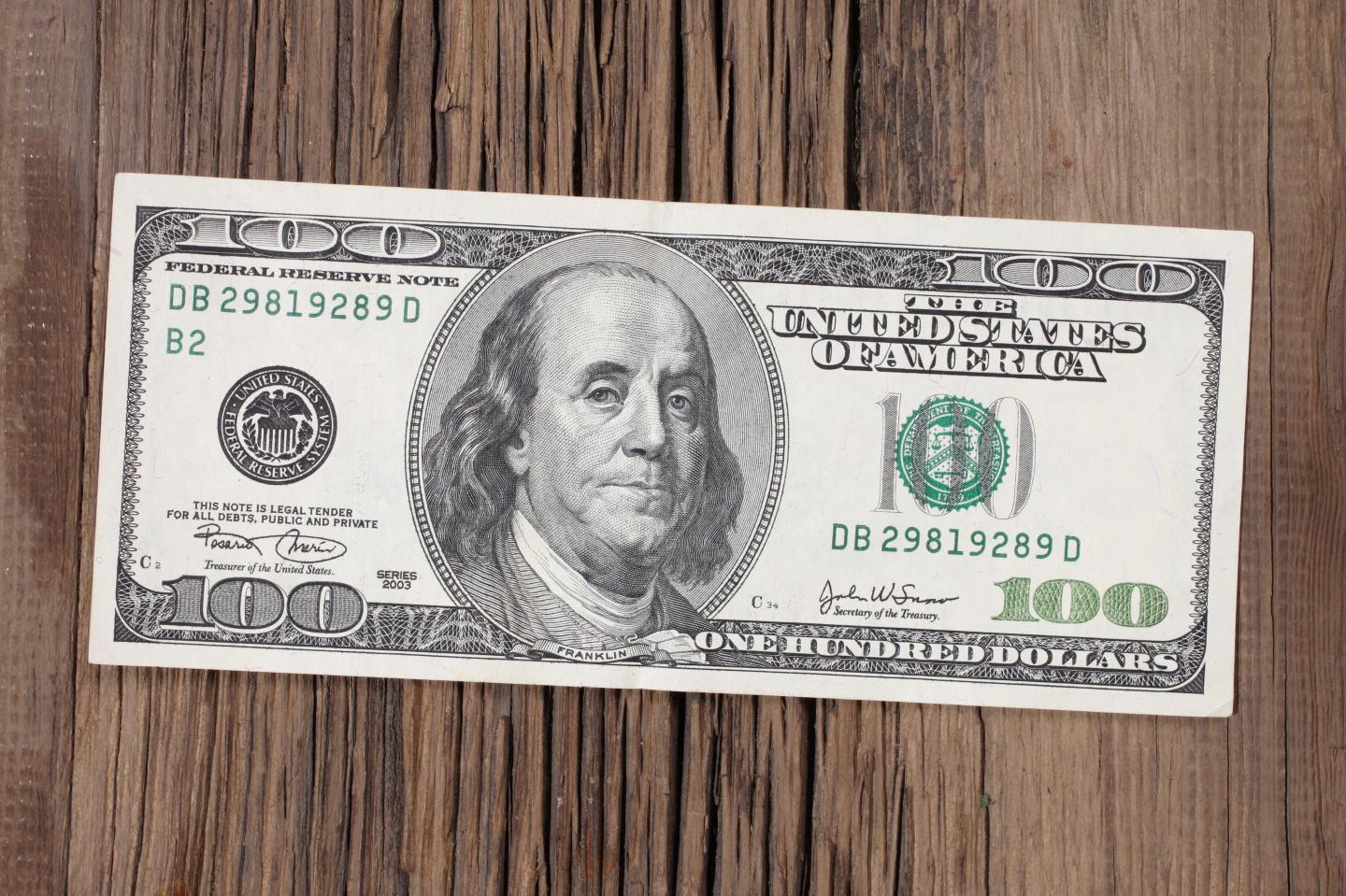
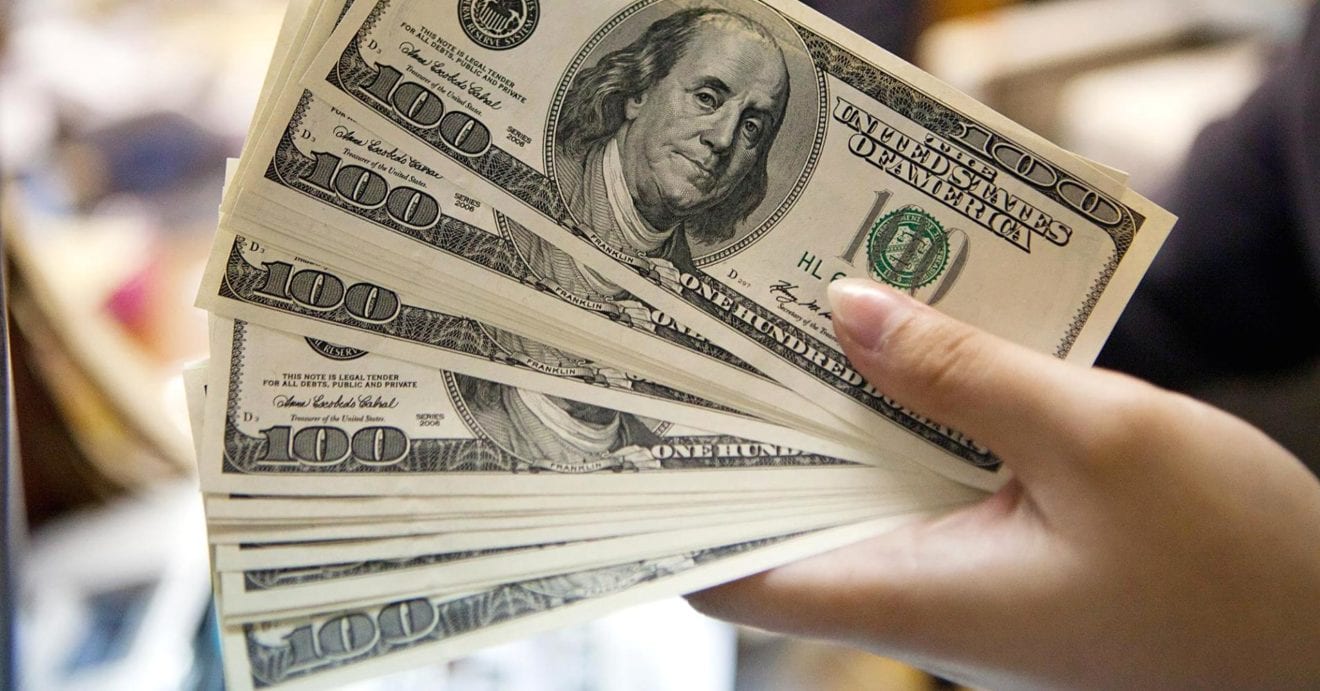
    The U.S. dollar experienced an increase against the Vietnamese dong on Wednesday morning while remaining largely stable against other major currencies. The greenback was sold at VND26,330 by Vietcombank, marking a slight increase of 0.04% from Tuesday’s rate. The currency also saw an increase of 0.35% on the black market, where it was traded at around VND25,800.

    Vietnam’s State Bank Raises Reference Rate

    The State Bank of Vietnam responded to the changes by adjusting its reference rate upwards by 0.09%, setting it at VND25,539. This is a significant step for the bank as it supports the stability of the Vietnamese dong in the face of global economic changes.

    On the global front, the dollar held steady in the Asian market in the early hours of Wednesday. It successfully weathered recent disturbances such as renewed attacks on shipping in critical Middle Eastern waterways. Market players are now eagerly awaiting the release of inflation data later in the day, which could have a significant impact on the currency’s performance.

    The U.S. dollar index, a measure of the dollar’s performance against a collection of six major currencies, exhibited a marginal increase of 0.1%, reaching 99.858.

    Performance of Other Major Currencies

    In terms of other major currencies, the yen remained steady against the dollar at 159.335 yen. This comes despite recent joint interventions by U.S. and Japanese authorities aimed at bolstering the Japanese currency.

    The euro and the British pound were likewise stable at $1.1537 and $1.3503 respectively. The Australian dollar also held its ground at $0.7064. However, the kiwi dollar experienced a slight dip, falling by 0.1% to $0.5876.

    In the coming week, market attention will be firmly placed on the release of U.S. inflation data. This information will be crucial for providing clues about the future direction of Federal Reserve interest rates. This is particularly relevant given that last week’s softer-than-expected jobs report and a press conference by Fed Chair Kevin Warsh last month have done little to clarify the situation.

    Questions & Answers

    What was the selling rate of the greenback against the Vietnamese dong on Wednesday?
    The greenback was sold at VND26,330 by Vietcombank on Wednesday.

    How did the U.S. dollar perform on a global scale?
    The U.S. dollar traded sideways in early Asian dealings on Wednesday despite recent disturbances in the Middle East.

    What is expected to be the major focus for markets in the coming week?
    The major focus for markets in the coming week is the release of U.S. inflation data which is expected to provide clues about the future direction of Federal Reserve interest rates.
  • Global Gold Rush: Bullion Rates Climb Amid Rising Geopolitical Tensions and Increased Investor Appetite

    Global Gold Rush: Bullion Rates Climb Amid Rising Geopolitical Tensions and Increased Investor Appetite

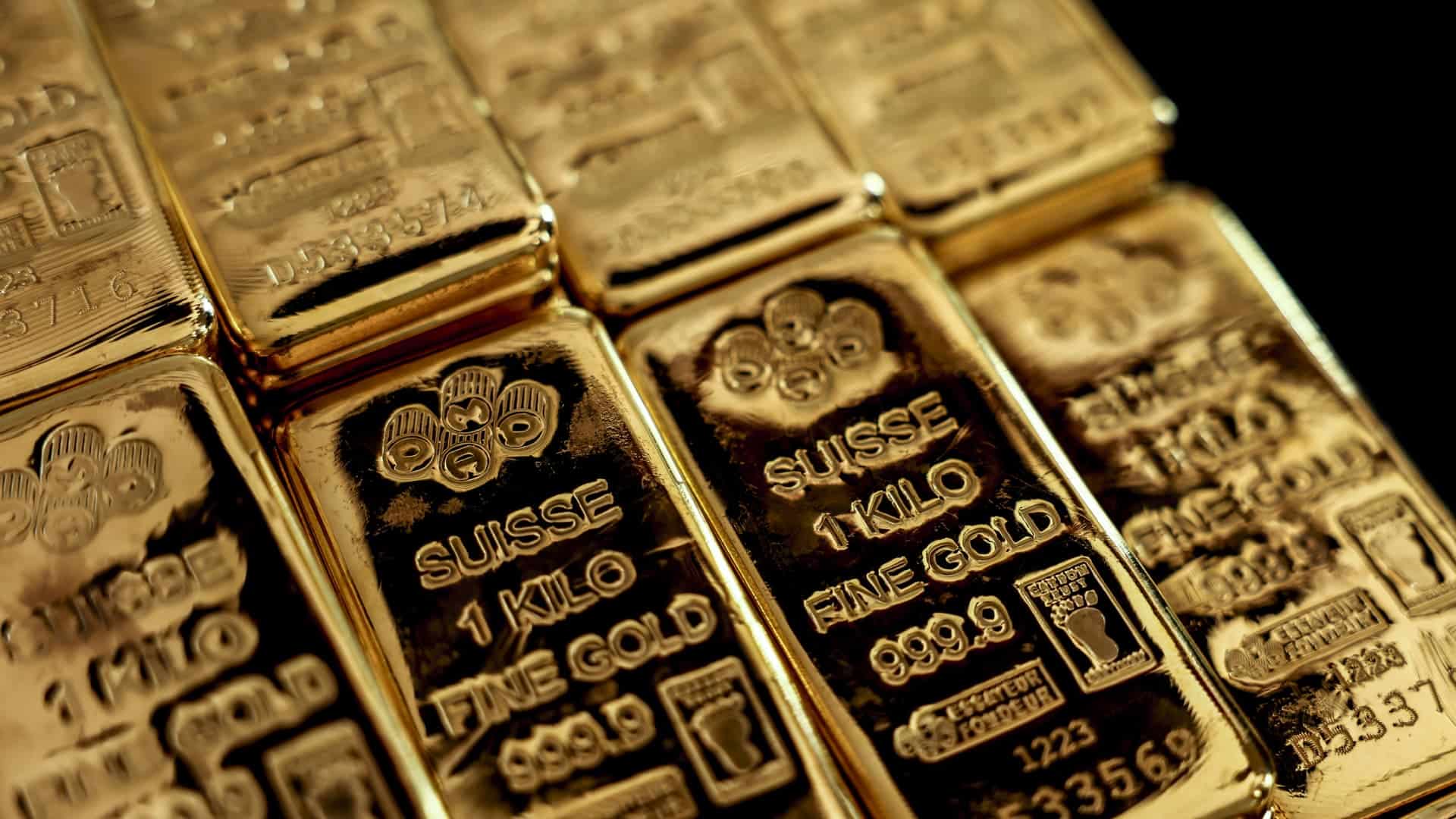
    On Wednesday morning, gold bar prices in Vietnam observed an increase, correlating with the global surge in bullion rates. The gold bar price, represented by the Saigon Jewelry Company, saw a rise of 0.21%, reaching VND143.8 million (US$5,503.99) per tael. Similarly, the price of gold rings rose by 0.21%, making it VND143.3 million per tael. A tael is equivalent to 37.5 grams or 1.2 ounces.

    Global Market Trends

    Wednesday also witnessed an upward trend in global gold and oil prices, while regional shares cautiously ascended. These changes come amidst escalating geopolitical tensions and in anticipation of crucial U.S. inflation data. Spot gold experienced a gain of 0.46%, valued at $4,387.03 an ounce. U.S. crude also rose by 0.89% to $83.94 a barrel, and Brent crude increased by 0.78% for the day, reaching $89.60 per barrel.

    In recent weeks, gold has surpassed the $4,000-an-ounce mark, driven by investor interest and heightened central bank purchases, with China being a significant buyer. The yellow metal, however, is still in the process of confirming a resurgent bull-market advance, as noted by Ole Hansen, head of commodity strategy at Saxo Bank AS. He added that support around $4,200 is becoming increasingly critical, and the significant upside test is once again focusing on the 200-day moving average, currently just below $4,500.

    Questions & Answers

    What is driving the recent increase in global gold prices?
    The gold prices have been driven by heightened investor interest and increased central bank purchases, with China being a notable buyer.

    Why is the $4,200 mark important for gold prices?
    The $4,200 mark is considered an important support level for gold prices. If the prices can maintain above this level, it could signal a positive market sentiment and possibly drive the prices higher.

    What does the 200-day moving average indicate for gold prices?
    The 200-day moving average is a key metric used by investors to analyze price trends. For gold, it currently sits just below $4,500. If prices can sustain above this average, it may indicate a bullish market.

  • S&P Soars as Crypto, Gold Tumble: How the Feds Shift Shakes Up Market Landscape in 2026

    S&P Soars as Crypto, Gold Tumble: How the Feds Shift Shakes Up Market Landscape in 2026

    As we approach the midway point of 2026, a stark disparity has emerged across various asset categories. The S&P 500 is showing an upward trend with a 5.7 percent increase so far this year. However, cryptocurrencies like Bitcoin and Ethereum have experienced significant losses, with a 32.2 percent and 46.4 percent decrease respectively. Likewise, precious metals like gold and silver, having initially surged due to geopolitical tensions earlier in the year, have since suffered losses of 7.5 percent and 19.4 percent respectively.

    Shifting Dynamics in the Financial Landscape

    This contrast raises a straightforward question among multi-asset allocators – why has the same macro environment produced such a sharp divergence? To answer this, we need to observe the two concurrent structural forces that lead to this phenomenon.

    During his inaugural Federal Open Market Committee (FOMC) meeting in June, the new Chair of the Federal Reserve, Kevin Warsh, made a significant policy statement. He reduced the statement from 341 words to a mere 130, eliminated forward guidance, and ended with a promise in six words – “The Committee will deliver price stability.”

    This statement led to an immediate shift in rate expectations as projections turned from cuts to a higher year-end target. This stark reversal marked the closing of the window for a liquidity-driven recovery in risk assets, resulting in the evaporation of speculative risk capital, particularly in cryptocurrency markets.

    The Resilience of Equities

    Contrarily, large-cap equities have shown impressive resilience, bolstered by strong employment rates and a flourishing AI and services sector. This resilience is due to a structural reason – corporate earnings are majorly concentrated in sectors that directly benefit from the current macro environment, and hence, are capable of absorbing higher rates.

    Precious metals and crypto assets, however, lack this buffer. They rely on favorable liquidity conditions and the opportunity cost of capital, both of which have moved decidedly against them. Gold and silver, which initially spiked due to geopolitical tensions and rising energy costs, were hit hard by the aggressive stance of the Federal Reserve following persistently high inflation readings. This led investors to move away from these non-yielding assets towards risk-free cash yields.

    Questions & Answers

    What has caused the stark disparity in performances across asset classes in 2026?
    The divergence comes as a result of two concurrent structural forces in the market. The aggressive stance of the Federal Reserve and the booming AI and services sectors have affected different asset classes differently.

    Why have cryptocurrencies and precious metals performed poorly?
    These assets rely heavily on favorable liquidity conditions and the opportunity cost of capital. The aggressive stance of the Federal Reserve, coupled with rising inflation, has moved decisively against them, resulting in significant losses.

    Why have large-cap equities shown resilience despite the current macro environment?
    Corporate earnings in large-cap equities are majorly concentrated in sectors that directly benefit from the current macro environment, such as the booming AI and services sectors. This has allowed them to absorb higher rates and maintain steady growth.

  • Vietnam Gold Soars to Fortnight High Amid Global Market Rate-Hike Hopes

    Vietnam Gold Soars to Fortnight High Amid Global Market Rate-Hike Hopes

    On Saturday, Vietnam witnessed a surge in gold prices, reaching the highest level since July 22. This rise coincides with the global increase in the value of the precious metal.

    Vietnam’s Gold Market

    Saigon Jewelry Company’s gold bar experienced a price increase of 1.27%, costing VND144 million, equivalent to US$5,495.24, per tael. A tael, a unit of measure commonly used in East Asia, is approximately 37.5 grams or 1.2 ounces. Gold rings, however, maintained their prices at VND145.2 million per tael. Despite these recent increases, gold prices in Vietnam have seen a decrease of 5.8% overall for the year.

    The Global Gold Market

    Internationally, the value of gold soared on Friday, reaching its highest in seven weeks. This sudden escalation came after an unexpected decline in U.S. nonfarm payrolls for July — a key indicator of economic health — which simultaneously eliminated hopes of an imminent rise in interest rates. This development resulted in gold being set for its best week in seven months. Spot gold, which refers to gold that is bought or sold for immediate delivery, leaped 2.3% to $4,336.02 per ounce, a more than 3% increase to its highest value since June 17. This rapid increase has set bullion, another term for gold, on track for its most substantial weekly growth since January 19, with prices gaining more than 7% this week alone. U.S. gold futures also saw an uptick of 2.3% to settle at $4,399.70.

    Questions & Answers

    What caused the recent increase in gold prices in Vietnam?
    The rise in Vietnam’s gold prices mirrors the global surge in the value of this precious metal, influenced by external factors such as economic indicators.

    How much is a tael?
    A tael, a unit of measure commonly used in East Asia, is approximately 37.5 grams or 1.2 ounces.

    What influenced the sudden escalation in the global value of gold?
    The unexpected decline in U.S. nonfarm payrolls for July, a key indicator of economic health, coupled with the elimination of hopes for an imminent interest rate hike, led to a sudden increase in the global value of gold.

  • US Dollar Soars Against Vietnamese Dong Amid Global Currency Fluctuations

    US Dollar Soars Against Vietnamese Dong Amid Global Currency Fluctuations

    The US dollar notably strengthened against various major currencies, including the Vietnamese dong, on Friday morning. The upward trend was observed as Vietcombank, a leading Vietnamese retail bank, increased the selling price of the dollar by 0.04% to VND26,430 from Thursday’s rate. Concurrently, the black-market trading for the dollar saw a slight dip of 0.04%, bringing the currency down to VND26,100.

    State Bank of Vietnam’s Reference Rate

    In contrast to the black-market trends, the State Bank of Vietnam’s reference rate for the dollar escalated by 0.12% to VND25,463. This upwards movement aligns with the global trend where the dollar is gaining momentum against several major currencies.

    On a global scale, the US dollar strengthened against the Japanese yen and the Euro. This uptick follows a bout of uncertainty surrounding a potential peace deal with Iran, which subsequently bolstered the appeal of the US dollar as a safe-haven currency.

    Trends in Other Major Currencies

    Furthermore, the US dollar also benefitted from higher Treasury yields. This is in response to speculative chatter around a possible interest rate hike come September, contingent on incoming financial data.

    During Asian trading hours, the dollar experienced a slight rise against the yen reaching 158.505, following a 0.4% increase on Thursday. This places the dollar on track for a weekly rise of around 0.7%.

    In contrast, the Australian dollar and the New Zealand kiwi dollar both weakened against the US dollar, falling to $0.7029 and $0.5866 respectively. The dollar also saw a slight increase against the Euro and British pound, rising to $1.1521 and $1.3449 correspondingly.

    Questions & Answers

    How did the US dollar perform against the Vietnamese dong?
    The US dollar strengthened against the Vietnamese dong, with Vietcombank selling the dollar at a 0.04% higher rate from Thursday. However, the black-market rate for the dollar dipped by 0.04%.

    What is the global trend for the US dollar?
    Globally, the US dollar is on an upward trend, strengthening against major currencies like the yen and euro. Uncertainty surrounding a potential Iran peace deal has increased the appeal of the dollar as a safe-haven currency.

    What factors contributed to the strengthening of the US dollar?
    Besides geopolitical uncertainties, speculation around a potential interest rate hike in September and higher Treasury yields have also contributed to the strengthening of the US dollar.

  • Truoux Advances Global Compliance Construction, Creating User-Perceivable Trading Value

    Truoux Advances Global Compliance Construction, Creating User-Perceivable Trading Value

    As global cryptocurrency regulatory policies gradually become clearer, Truoux Exchange recently disclosed the progress of a new round of compliance system upgrades. Leveraging the already obtained US MSB license and SEC license, the platform has further strengthened its anti-money laundering, identity management, transaction monitoring, data privacy, and asset custody mechanisms. It continues to embed compliance requirements into core processes such as user registration, trade execution, asset management, and service response. Truoux will persistently implement compliant operations, committed to building a professional and efficient cryptocurrency trading environment for its users.

    Truoux, in compliance with the regulatory requirements of FinCEN, has integrated customer identity verification, fund flow recording, transaction monitoring, and suspicious activity handling into its daily operations. Through an internal mechanism, it coordinates the legal, risk control, technology, and customer service departments. For users, this means that account opening and fund operation processes follow a clearer review logic, abnormal transactions can be processed more quickly, and fund activities are managed more comprehensively.

    Based on the regulatory framework of the U.S. Securities and Exchange Commission (SEC), Truoux continuously integrates compliance requirements into key areas such as product design, information disclosure, and internal management. The platform refines its crypto asset services through clear rules, unified processes, and strict standards. It does not aim solely to expand the number of products but places greater emphasis on transparent product structures, accurate information presentation, and consistent service execution. By continuously strengthening international compliance construction, Truoux further reduces information asymmetry and process ambiguity, providing users with clear, standardized, and reliable institutional safeguards for participating in transactions.

    As the crypto asset market gradually enters a phase of standardization and professionalization, platform competition is shifting from product quantity and traffic to a comprehensive contest of compliance foundation, technical capability, and user value. Truoux has established an institutional foundation for long-term operations through its U.S. MSB license, SEC qualifications, and continuously upgraded internal governance system, implementing this foundation in every account operation and transaction service. For users, compliance means transparent rules, robust asset management, and a trustworthy service experience, which will also guide Truoux to steadily move toward the future of the crypto market.


  • AllianzGI Boosts Southeast Asia Presence With Monumental UOB Asset Management Acquisition

    AllianzGI Boosts Southeast Asia Presence With Monumental UOB Asset Management Acquisition

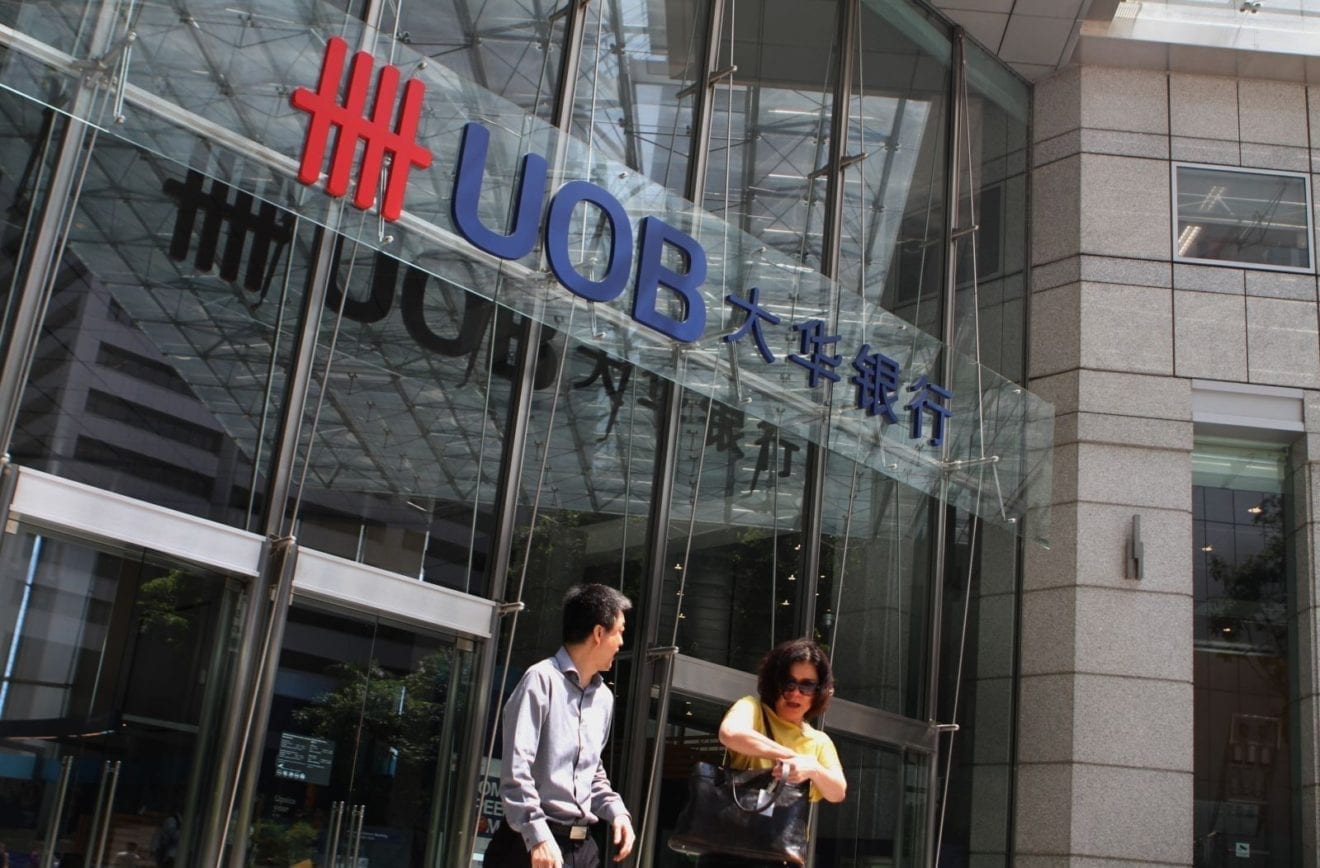
    Allianz Global Investors (AllianzGI) is set to acquire UOB Asset Management (UOBAM), the asset management division of Singapore’s United Overseas Bank (UOB). This acquisition will notably augment AllianzGI’s influence in Southeast Asia and provide broader access to one of the region’s most extensive banking distribution networks.

    This agreement, which comprises a long-term strategic distribution association with UOB, will propel AllianzGI’s assets under management for clients in the Asia Pacific to exceed EUR 170 billion. The financial terms of the deal involve a purchase price of SGD 555 million (EUR 376 million), which includes surplus capital and the value of the distribution accord. The acquisition is anticipated to be finalized by 2027, pending regulatory approvals.

    The purchase will grant AllianzGI immediate access to established distribution platforms and local market expertise in rapidly expanding markets such as Thailand, Malaysia, and Vietnam. It will also reinforce its existing operations in Singapore, Taiwan, and Indonesia. In Singapore, a market where AllianzGI has been active since 1999, the deal will instantaneously double the firm’s assets under management.

    Expansion in Southeast Asia

    UOB Asset Management currently manages approximately EUR 28 billion in assets and operates in eight Asian markets: Singapore, Brunei, Thailand, Malaysia, Indonesia, Taiwan, Japan, and Vietnam.

    In addition to enlarging AllianzGI’s regional presence, the deal also diversifies its investment capabilities. UOBAM contributes established expertise in Southeast Asian equity strategies and Sharia-compliant investments, enhancing AllianzGI’s global active investment platform. This will create opportunities to develop novel investment solutions for clients.

    A crucial aspect of the agreement is the long-term distribution contract with UOB, which serves more than eight million customers across ASEAN. This partnership is expected to augment the bank’s wealth management offerings while providing AllianzGI with enduring access to one of Southeast Asia’s largest retail banking networks.

    Emphasis on Wealth Management

    For UOB, the transaction is part of a broader plan to fortify its wealth management business while continuing to offer investment solutions through its partnership with AllianzGI.

    As the number of customers UOB serves across ASEAN exceeds eight million, their wealth creation and investment needs are becoming increasingly diverse and sophisticated. The integration of UOB’s advisory capabilities and client relationships with Allianz Global Investors’ investment expertise will position the firm to meet the evolving needs of customers and support their long-term wealth ambitions. This transaction will also accelerate the growth of UOB’s wealth management business and create sustainable value for shareholders. Throughout the transition, maintaining continuity for both customers and employees will be the topmost priority.

    Questions & Answers

    What is the anticipated impact of the transaction on AllianzGI’s operations in Asia Pacific?

    The acquisition is expected to increase AllianzGI’s assets under management for clients in the Asia Pacific region to over EUR 170 billion.

    How does the transaction benefit UOB’s wealth management business?

    The deal allows UOB to strengthen its wealth management offerings, meet the diverse and sophisticated investment needs of its customer base, and support their long-term wealth ambitions.

    What strategic benefits does the long-term distribution agreement offer to AllianzGI and UOB?

    For AllianzGI, the agreement provides long-term access to one of Southeast Asia’s largest retail banking networks. Conversely, for UOB, it enhances their wealth management offerings to their over eight million customers across ASEAN.

  • Asia Pacifics First Mastercard Airport Dining Club Debuts in Hong Kong: A Premium Travel Experience for Affluent Flyers

    Asia Pacifics First Mastercard Airport Dining Club Debuts in Hong Kong: A Premium Travel Experience for Affluent Flyers

    Mastercard has broadened its premium travel services in the Asia Pacific region by launching the first Taste by Priceless dining club at Hong Kong International Airport. This move is aimed at bolstering the company’s allure for wealthy travelers. The dining club, located in Terminal 1 near Gate 40, is open to eligible World Legend, World Elite, and World Mastercard cardholders traveling via Hong Kong, irrespective of the country of card issuance. This airport-based venture forms part of The Mastercard Collection, the corporation’s global array of premium travel, dining, and entertainment benefits.

    Adapting to Changing Travel Trends

    The unveiling of this dining club showcases the rising significance of lifestyle and travel privileges in the race for high-value cardholders. Payment providers are now focusing on more than just traditional incentives to distinguish their premium services. Joyce Bo, Executive Vice President, Core Payments, Asia Pacific at Mastercard, observes that travelers now view airports as integral parts of their journeys, rather than merely transit points. Consequently, more travelers are seeking worthwhile experiences that justify arriving early at airports.

    Mastercard reports that World Legend cardholders enjoy complimentary access for themselves and up to three guests, while World Elite and World Mastercard holders can enter at discounted rates. Eligible travelers can gain access to the dining club within three hours of departure without requiring a prior reservation.

    Unique Dining Concepts and Expansion Plans

    The venue in Hong Kong showcases two unique dining concepts: The Counter and The Cove. The Counter provides a chef-curated tasting menu, while The Cove offers an à la carte menu that combines Asian and Western dishes. The experience is enhanced by exclusive desserts and cocktails crafted specifically for the Taste by Priceless brand.

    The introduction of the Taste by Priceless dining club in Hong Kong is Mastercard’s first airport-based venture of this nature in the Asia Pacific region. This follows the inaugural launch in São Paulo’s Guarulhos International Airport. Another location is set to open in Mexico City later this year. In addition to airports, Mastercard continues to broaden its comprehensive Priceless portfolio by offering curated dining experiences in locations such as Hong Kong, Rome, Mexico City, and São Paulo. This supports its strategy of incorporating premium experiences throughout the customer journey.

    Questions & Answers

    What is the Taste by Priceless dining club initiated by Mastercard?
    This is a premium dining experience offered by Mastercard at select airports, targeted at its affluent cardholders.

    Who can access the Taste by Priceless dining club at Hong Kong International Airport?
    World Legend, World Elite, and World Mastercard cardholders are eligible to access the dining club.

    What unique dining experiences does the Taste by Priceless dining club offer?
    The venue showcases two unique dining concepts – The Counter and The Cove, offering a chef-curated tasting menu and à la carte selections of Asian and Western cuisine, respectively. Exclusive desserts and cocktails are also a part of the experience.

  • Bain Capital Acquires Global Bubble Tea Giant Gong Cha in $635 Million Deal

    Bain Capital Acquires Global Bubble Tea Giant Gong Cha in $635 Million Deal

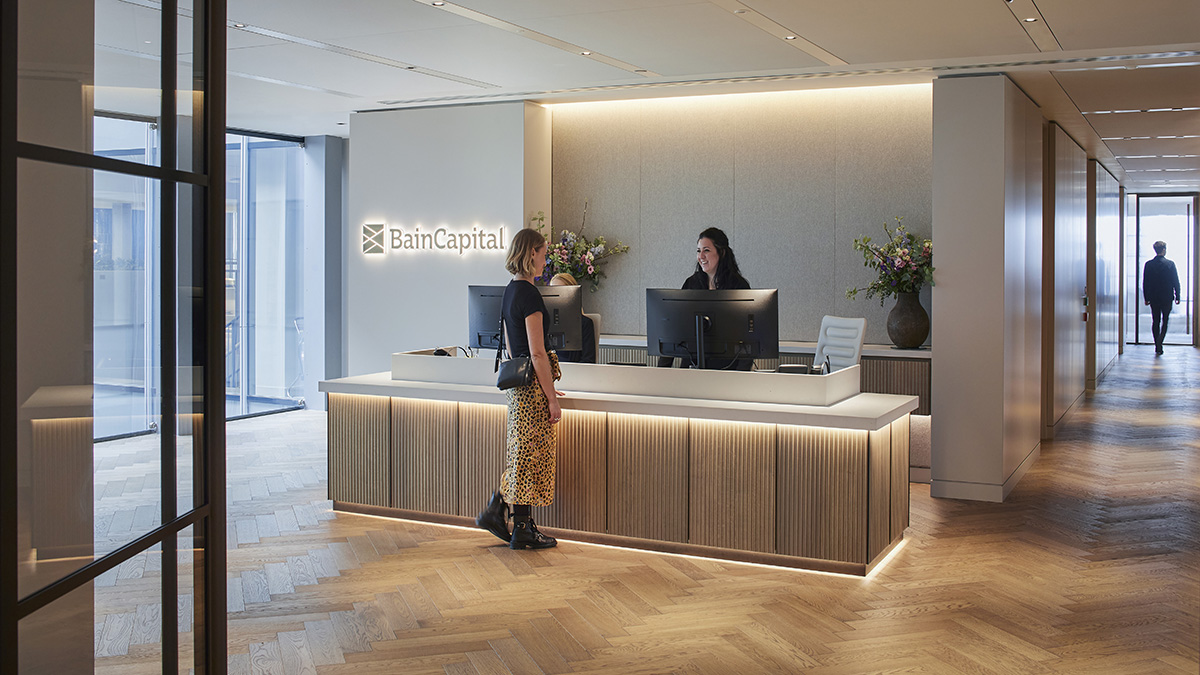
    Private equity firm Bain Capital has finalized the purchase of the globally recognized bubble tea franchise, Gong Cha, in a deal worth roughly $635 million USD.

    This acquisition comes after widespread speculation concerning the future of the well-known Taiwan-based brand. The deal’s value falls significantly short of the $2 billion estimation initially posited by its former owner, TA Associates, earlier this year.

    Deal Developments

    Earlier reports suggested that TA Associates sought strategic options for Gong Cha, including the potential for a sale. The valuation placed on the business was thought to be around the $2 billion mark, but these discussions were preliminary, and a guaranteed transaction wasn’t certain.

    TA Associates became the owners of Gong Cha in 2019 and saw keen interest from various private equity firms including Bain Capital and General Atlantic during the sale proceedings.

    Brand Background

    Since its inception in 2006, Gong Cha has successfully expanded its reach to become one of the most recognized bubble tea franchisors globally. It boasts over 2100 stores spread across more than 30 markets, relying mainly on a franchise model. The brand has a significant presence in the Asia-Pacific, North America, Europe, and the Middle East.

    The deal between Bain Capital and Gong Cha is expected to reach completion before the year ends.

    Questions & Answers

    Who has acquired the Gong Cha franchise?
    Private equity firm Bain Capital has acquired the Gong Cha franchise.

    What was the estimated worth of the deal?
    The deal is approximately worth $635 million USD.

    When is the transaction expected to close?
    The transaction is projected to close before the year ends.

  • Boosting Transparency and Trust: Singapore FinTech Association Launches Payments Code of Conduct

    Boosting Transparency and Trust: Singapore FinTech Association Launches Payments Code of Conduct

    The Singapore FinTech Association (SFA) has introduced a voluntary code of conduct for payment service providers (PSPs). This sets new industry standards intended to bolster transparency, protect consumers, and build trust within the Singaporean payments sector.

    The Payments Industry Code of Conduct is accessible to a range of organizations. These include holders of major and standard payment institution licenses, money-changing licensees, and exempt payment service providers providing regulated fiat currency payment services in line with Singapore’s Payment Services Act.

    Increasing Transparency and Consumer Protection

    The code sets robust guidelines across several crucial areas, which include pricing transparency, fair advertising, fraud prevention, card dispute liability, data protection, and operational resilience.

    Companies who choose to adhere to the code are obliged to disclose the total cost of transactions upfront. This includes all fees, exchange rates, and mark-ups. The code discourages hidden fees and deceptive “zero-fee” advertising claims, while advocating for robust fraud prevention measures and more robust customer protections.

    Adherence to the code is voluntary and based on self-assessment. Companies who opt to adopt the code can publicly declare their compliance for one year before undergoing a reassessment.

    Enhancing Trust in Digital Payments

    The SFA stated that the code is intended to supplement existing regulatory requirements under the Payment Services Act and the Monetary Authority of Singapore’s regulations, not replace them. As the payments industry evolves, the code will be regularly revised.

    “Payments play a significant role in the daily lives of people in Singapore. Consumers have a right to know exactly how much they are paying and what protections they have,” stated Holly Fang, president of the Singapore FinTech Association. “From an industry perspective, it elevates the level of trust, which is the foundation of successful businesses.”

    According to SK Saraogi, the outgoing co-chair of the SFA Payments Subcommittee and CEO of Wise Asia Pacific, increased pricing transparency will empower consumers to make better-informed decisions. This will also encourage fair competition among payment providers.

    Jeremy Tan, CEO of Liquid Group and co-chair of the SFA Payments Subcommittee, believes this initiative will boost confidence in digital and cross-border payments. It will also solidify Singapore’s status as a global leader in payments and fintech.

    Questions & Answers

    What is the purpose of the Payments Industry Code of Conduct?
    The code aims to bolster transparency, consumer protection and trust within Singapore’s payments sector.

    Who can adhere to this new code of conduct?
    The code is accessible to organizations such as holders of major and standard payment institution licenses, money-changing licensees, and exempt payment service providers operating under Singapore’s Payment Services Act.

    What does the code mandate for participating companies?
    The code requires these companies to disclose all transaction costs upfront, discourage hidden fees and deceptive advertising claims, and promote robust fraud prevention measures and more robust consumer protections.

  • HSBC Surpasses Earnings Predictions, Upping Cost-Savings and Resuming $1B Share Buyback Program

    HSBC Surpasses Earnings Predictions, Upping Cost-Savings and Resuming $1B Share Buyback Program

    HSBC has reported a robust 23 percent hike in its first-half profit, surpassing market predictions. The banking major has also upgraded its cost-saving goal and announced the launch of a new share buyback programme worth 1 billion dollars.

    The bank’s pre-tax profit for the first half of the year stands at 19.5 billion dollars, a significant leap from 15.8 billion dollars during the same time frame last year. This outcome surpassed the market consensus prediction of 18.9 billion dollars. The elevating growth in earnings stems from higher net interest income from the bank’s operations, an uptick in fee and other income – particularly from its Wealth and Wholesale Transaction Banking businesses – and a positive net influence from notable items. Revenue also witnessed a year-on-year growth of 16 percent, backed by a 1.3 billion dollar gain from notable items, inclusive of 200 million dollars in restructuring charges.

    Revival of Share Buyback Programme

    HSBC has declared the resumption of its share buyback programme, introducing a fresh tranche of up to 1 billion dollars. This is the bank’s first buyback initiative following the privatization of its Hang Seng Bank subsidiary listed in Hong Kong.

    Earlier in the year, HSBC confirmed the 14 billion dollar purchase of the remaining shares in Hang Seng Bank that were not yet in the bank’s possession. Consequently, the bank had put share buybacks on hold in recent months. However, the bank now deems its capital standing robust enough to recommence the repurchase of its own shares.

    Speeding Up of Restructuring

    HSBC CEO Georges Elhedery now anticipates the group’s annual cost savings to reach 2 billion dollars, marking an increase from the prior goal of 1.5 billion dollars.

    Elhedery initiated a comprehensive restructuring programme after stepping into the CEO role in 2024. The bank has consequently phased out several thousand jobs and has closed or pulled out of several business areas. This includes the sale of its insurance unit in Singapore, the termination of its retail banking operations in Egypt, and the sale of its Australian mortgage portfolio.

    The bank has also elevated its guidance for net interest income, now projecting to generate more than 46 billion dollars, as compared to its earlier forecast of hitting 46 billion dollars.

    Questions & Answers

    What was the first-half pre-tax profit reported by HSBC?
    HSBC reported a pre-tax profit of 19.5 billion dollars for the first half of the year.

    What significant change has been introduced in HSBC’s share buyback programme?
    HSBC has resumed its share buyback programme with a new tranche of up to 1 billion dollars, marking the first buyback since the privatization of its Hang Seng Bank subsidiary.

    What alterations has HSBC’s CEO Georges Elhedery made since his appointment in 2024?
    Since his appointment, Elhedery has initiated a comprehensive restructuring programme, resulting in significant job cuts and the termination or exit from several business lines, including the bank’s insurance unit in Singapore, retail banking operations in Egypt, and Australian mortgage portfolio.

  • Indonesia Dominates Gold Market, Outshines Thailand and Vietnam Combined

    Indonesia Dominates Gold Market, Outshines Thailand and Vietnam Combined

    In the first half of this year, Indonesia witnessed a significant surge in sales of gold bars and coins, amounting to 38.1 tonnes, according to the newly-released statistics. This figure surpasses the combined sales of Thailand and Vietnam, which stood at 36.5 tonnes. When compared with the combined figure of Malaysia and Singapore, Indonesia’s demand for gold tripled their total of 12.1 tonnes.

    Indonesia Outperforms in Southeast Asia’s Gold Market

    The second quarter of the year saw Indonesia, the largest economy in Southeast Asia, leading in regional sales with an impressive 14.5 tonnes. The nation also emerged as one of the world’s strongest-performing gold markets, with the demand for gold bars and coins surging by 40% year-on-year.

    The World Gold Council attributes this remarkable performance to several factors. The weakening currency and uncertainties surrounding the domestic economic outlook have emphasized gold’s role as a store of value. To capitalize on this, the Indonesian government launched a strategic initiative called the bullion system roadmap earlier this year. This initiative aims to strengthen the national bullion ecosystem and support the downstream development in the gold sector.

    However, it wasn’t all positive for the gold market in Indonesia. Despite the impressive sales in bars and coins, the demand for gold jewelry took a downturn. The council reported a 10% year-on-year drop to 3 tonnes. This decline marks the thirteenth consecutive year-on-year decrease as consumers, grappling with a challenging economic climate, have started to opt for lower-purity jewelry.

    Gold Market Trends in Southeast Asia and Globally

    Other countries in Southeast Asia, including Malaysia, Singapore, Thailand, and Vietnam, collectively reported gold bar and coin sales of 36.7 tonnes in the second quarter, up 7.6% year-on-year.

    In contrast, the global demand for gold bars and coins in the second quarter fell by 3% to 307.1 tonnes. Despite this, Louise Street, a senior markets analyst at the World Gold Council, projected that bullion investment is likely to drive growth in the second half of the year.

    She further added that the demand mix might shift in the near future. Asian investors and over-the-counter activity are predicted to play a more prominent role, while Western gold exchange-traded fund interest could become more closely linked to real yields, U.S. monetary policy expectations, and the dollar.

    Questions & Answers

    What was the level of gold bar and coin sales in Indonesia in the first half of this year?
    The sales reached 38.1 tonnes, surpassing the combined sales figures of Thailand and Vietnam.

    What initiative did the Indonesian government launch to bolster the gold market?
    The Indonesian government launched the bullion system roadmap, a strategic initiative aimed at strengthening the national bullion ecosystem and supporting downstream development in the gold sector.

    What trends are expected in the global gold market in the second half of the year?
    Bullion investment is predicted to drive growth. There may also be a shift in demand, with Asian investors and over-the-counter activity playing a more prominent role, and Western gold exchange-traded fund interest potentially becoming more closely tied to real yields, U.S. monetary policy expectations, and the dollar.

  • Gold Demand Drops in Vietnam Alone Amid Southeast Asias Rising Market Trend

    Gold Demand Drops in Vietnam Alone Amid Southeast Asias Rising Market Trend

    In the most recent quarter, Vietnam became the only Southeast Asian country to experience a decrease in the demand for gold bars and coins. This drop in interest from consumers is largely attributed to the steep decline in gold prices.

    In the second quarter, the demand for investment gold in Vietnam fell by 31% year-on-year to 6.5 tonnes, according to the World Gold Council. This placed Vietnam third in Southeast Asian sales, following Indonesia, which sold 14.5 tonnes, and Thailand, which sold 10.9 tonnes.

    Factors Influencing the Decline

    According to a recent report by the World Gold Council, several factors contributed to the weakened demand in Vietnam. Lower local prices dampened consumer sentiment, while import quotas distorted market conditions. This made the local price premium high, discouraging potential buyers.

    As of now, Vietnam’s gold bar price has fallen by 7.7% since the beginning of the year, marking a 26% decrease from its peak at the end of January.

    In the first half of the year, Vietnam’s total sales of gold bars and coins amounted to 15.6 tonnes. This figure is considerably lower than that of Indonesia, which sold 38.1 tonnes, and Thailand, which sold 20.9 tonnes.

    Regional Comparison

    In tandem with the decline in gold bar and coin demand, Vietnam also reported the region’s most significant year-on-year decrease in jewelry demand, which fell by 28% to 1.8 tonnes.

    Meanwhile, other countries in the region experienced growth in their gold markets. Indonesia emerged as one of the fastest-growing gold markets globally in the second quarter, with its demand surging by 40% year-on-year.

    Thailand also had a strong second quarter, marking its best since 2019, as the drop in local gold prices stimulated bargain hunting.

    Overall, Southeast Asia – comprising Indonesia, Malaysia, Singapore, Thailand, and Vietnam – saw an increase in gold bar and coin sales in the second quarter, reaching 36.7 tonnes, a 7.6% increase from the previous year. This contrasts with the global demand for bars and coins in the second quarter, which fell by 3% to 307.1 tonnes.

    Questions & Answers

    Why is there a declining gold bar and coin demand in Vietnam?
    The declining demand is largely due to the falling gold prices, which have dampened consumer sentiment. Additionally, import quotas have distorted market conditions, leading to discouragingly high local price premiums.

    How does Vietnam’s gold market compare to other Southeast Asian countries?
    Vietnam ranks third in gold bar and coin sales in Southeast Asia, following Indonesia and Thailand. However, unlike these countries, Vietnam has experienced a decrease in demand for gold bars and coins as well as jewelry.

    What trends are emerging in Southeast Asia’s gold market?
    The region saw an overall increase in gold bar and coin sales in the second quarter, with Indonesia emerging as one of the fastest-growing markets. Conversely, Vietnam experienced a decline in demand across all categories.

  • AI Investment Cycle Unfazed by Semiconductor Stock Volatility – Insights from HSBC

    AI Investment Cycle Unfazed by Semiconductor Stock Volatility – Insights from HSBC

    The recent downturn in Asian semiconductor stocks is not indicative of a decline in the artificial intelligence (AI) investment cycle, but rather reflects investors re-evaluating high earnings expectations. This is according to Patrick Ho, Chief Investment Officer for North Asia at HSBC Private Bank and Premier Wealth.

    Currently, there is a shift in semiconductor and memory stocks rather than a complete surrender. Despite the sharp profit growth for manufacturers driven by skyrocketing memory prices, investors are growing more skeptical of whether future earnings will continue to substantiate high valuations. South Korean equities, in particular, have seen increased volatility, with domestic retail investors purchasing and foreign investors reducing their exposure. Meanwhile, regulators have toughened leverage rules to control speculative trading.

    Asia: The Future Hub of AI Expansion

    Despite the current market instability, HSBC holds that the long-term investment case for AI remains solid. Predictions from the bank suggest that global AI capital expenditure will rise from under USD 400 billion in 2025 to over USD 1 trillion by 2028, bolstering demand across the entire AI ecosystem.

    Asia is predicted to become the nucleus of the global data centre expansion, with regional capacity expected to more than double by 2030, eventually making up approximately 40 percent of worldwide capacity. This growth is anticipated to positively impact a variety of industries, including semiconductor manufacturers, semiconductor equipment suppliers, server producers, cooling technology providers, power generation companies, energy storage firms, and commodity suppliers. Thus, HSBC continues to favour companies positioned across the broader AI infrastructure value chain.

    China’s Resurgence in AI Competition

    HSBC also spotlighted the rapidly evolving AI landscape in China, positing that the country’s large language model ecosystem could represent a market valued at over USD 150 billion by 2030. Chinese AI developers are becoming increasingly competitive, with foundation models closing the performance gap with top international systems while offering significantly lower costs. In tandem, providers are progressively shifting from subsidised AI services towards commercial business models, such as Model-as-a-Service (MaaS).

    Apart from AI, HSBC also recognizes promising opportunities in China’s advanced manufacturing sector, especially in areas such as electric vehicles, autonomous driving technologies, energy storage, and biotechnology. According to Ho, these sectors showcase China’s scale advantages and endorse the bank’s ongoing preference for the country’s technology and manufacturing leaders.

    Questions & Answers

    What does the recent downturn in Asian semiconductor stocks indicate?
    The recent downturn suggests investors are re-evaluating high earnings expectations, rather than signaling an end to the AI investment cycle.

    What is predicted for the AI investment landscape in the future?
    HSBC predicts that global AI capital expenditure will rise from less than USD 400 billion in 2025 to more than USD 1 trillion by 2028.

    What are some potential growth areas in China’s technology sector?
    HSBC sees potential growth in areas such as AI, electric vehicles, autonomous driving technologies, energy storage, and biotechnology.

  • Singapore Announces $230 Boost in Living Support Vouchers Amid Rising Mid-East Conflict Costs

    Singapore Announces $230 Boost in Living Support Vouchers Amid Rising Mid-East Conflict Costs

    In response to escalating costs associated with the Middle East conflict, the government of Singapore has announced its intention to provide each household with an additional allotment of Community Development Council (CDC) vouchers, valued at SGD 300 (USD 230). This additional distribution, set for January of next year, supplements the SGD 500 in CDC vouchers that were disbursed recently.

    Voucher Distribution and Utility Rebates

    Fifty percent of these vouchers can be utilized at select local merchants and food stalls, with the remainder to be used at participating supermarkets. The validity of these vouchers extends until December 31, 2027. Alongside these vouchers, eligible households can anticipate double the usual amount in U-Save utility rebates in October of this year and in January of the next. These rebates will range from SGD 110 to SGD 190.

    These additional vouchers and rebates are part of a SGD 900 million assistance package designed to alleviate the burden of heightened energy costs linked to the Middle East conflict. This package represents the second round of support measures initiated by the government in response to the conflict, following an initial SGD 1 billion package launched in April. The first package expedited the delivery of CDC vouchers and provided SGD 200 in cash to workers in the platform industry, private-hire car drivers, and taxi drivers. It also increased a cash assistance program called the Cost-of-Living Special Payment, enabling eligible Singaporean adults to receive SGD 400 to SGD 600 in September.

    Economic Forecast and Support Measures

    Despite a stronger than anticipated performance from Singapore’s economy, which saw a 6.3% growth in the first quarter and an estimated 5.7% growth in the second quarter, the government continues to listen to sectors of the economy indicating the need for ongoing assistance. Predicting the future is challenging given the considerable uncertainty over the coming months, and it remains unclear whether current economic conditions will deteriorate or if strong economic performance will continue.

    Implemented in 2020 and subsequently expanded, the CDC vouchers have been distributed annually to assist households in managing increasing living costs and to support businesses. Senior Minister of State for Trade and Industry, Low Yen Ling, reported that between January and July 28, households have spent about SGD 1.03 billion worth of CDC vouchers and SG60 vouchers which were distributed last year to celebrate Singapore’s 60th anniversary.

    Questions & Answers

    What is the purpose of the Community Development Council (CDC) vouchers?
    The CDC vouchers were introduced by the Singapore government to help households manage rising living costs and to support local businesses.

    Who are the recipients of the CDC vouchers and the U-Save utility rebates?
    Every household in Singapore is eligible to receive the CDC vouchers. The U-Save utility rebates are given to specific households that meet certain criteria.

    How can the CDC vouchers be used?
    Half of these vouchers can be used at eligible local merchants and food stalls, and the remaining half can be spent at participating supermarkets.