Category: Finance

Retail News Asia is committed to providing both local and global retailers with the latest Finance news throughout the Asian market. This on a daily base.

  • HSBC Secures Shareholder Approval for $14 Billion Hang Seng Privatization Deal: Set for Hong Kong Stock Exchange Delisting

    HSBC Secures Shareholder Approval for $14 Billion Hang Seng Privatization Deal: Set for Hong Kong Stock Exchange Delisting

    HSBC, the London-based bank, has successfully secured approval from the shareholders of its subsidiary, Hang Seng, to privatize it. This move signifies HSBC’s intention to acquire the Hong Kong lender, a deal estimated to be worth $14 billion.

    On January 8, during a shareholders’ meeting, HSBC managed to secure about 86% of non-partisan votes in favor of the privatization. This percentage was comfortably above the 75% threshold that was required for the proposal to pass.

    Next Steps

    This development doesn’t mark the end of the process, however. The proposal is now set for a High Court hearing, which is scheduled for January 23. If approved by the court, the scheme is expected to become effective on January 26. Subsequently, Hang Seng’s shares will be delisted from the Hong Kong Stock Exchange on the following day, January 27.

    Georges Elhedery, HSBC CEO, expressed satisfaction at the approval of the proposal. Elhedery also expressed gratitude towards the Hang Seng Bank shareholders for their continued support. He stated that the approval showcases the shareholders’ robust trust in Hang Seng Bank’s franchise and the opportunities that complete ownership within the HSBC Group could present.

    Elhedery also expressed eagerness to move forward with the proposal and to fulfill the remaining conditions. He committed to providing further updates when appropriate.

    Concerns and Reassurances

    There have been concerns raised about HSBC assuming potential loan risks due to the downturn of Hong Kong’s commercial real estate sector. However, Elhedery previously asserted that the decision to privatize Hang Seng aligns strategically with their aim of driving stronger growth.

    Questions & Answers

    What is HSBC’s plan regarding Hang Seng Bank?
    HSBC has obtained approval from the shareholders of Hang Seng Bank to take it private. This will involve buying out the Hong Kong-based subsidiary for an estimated $14 billion.

    What are the next steps for the proposal?
    The proposal will undergo a High Court hearing on January 23 for sanctioning. If successful, the scheme is expected to be effective by January 26, with Hang Seng’s shares to be delisted from the Hong Kong Stock Exchange on January 27.

    What are the concerns related to this proposal?
    Some have expressed concerns about HSBC taking on loan risks linked to the downturn of Hong Kong’s commercial real estate sector. However, HSBC’s CEO maintains that the move aligns strategically with their goal to drive stronger growth.
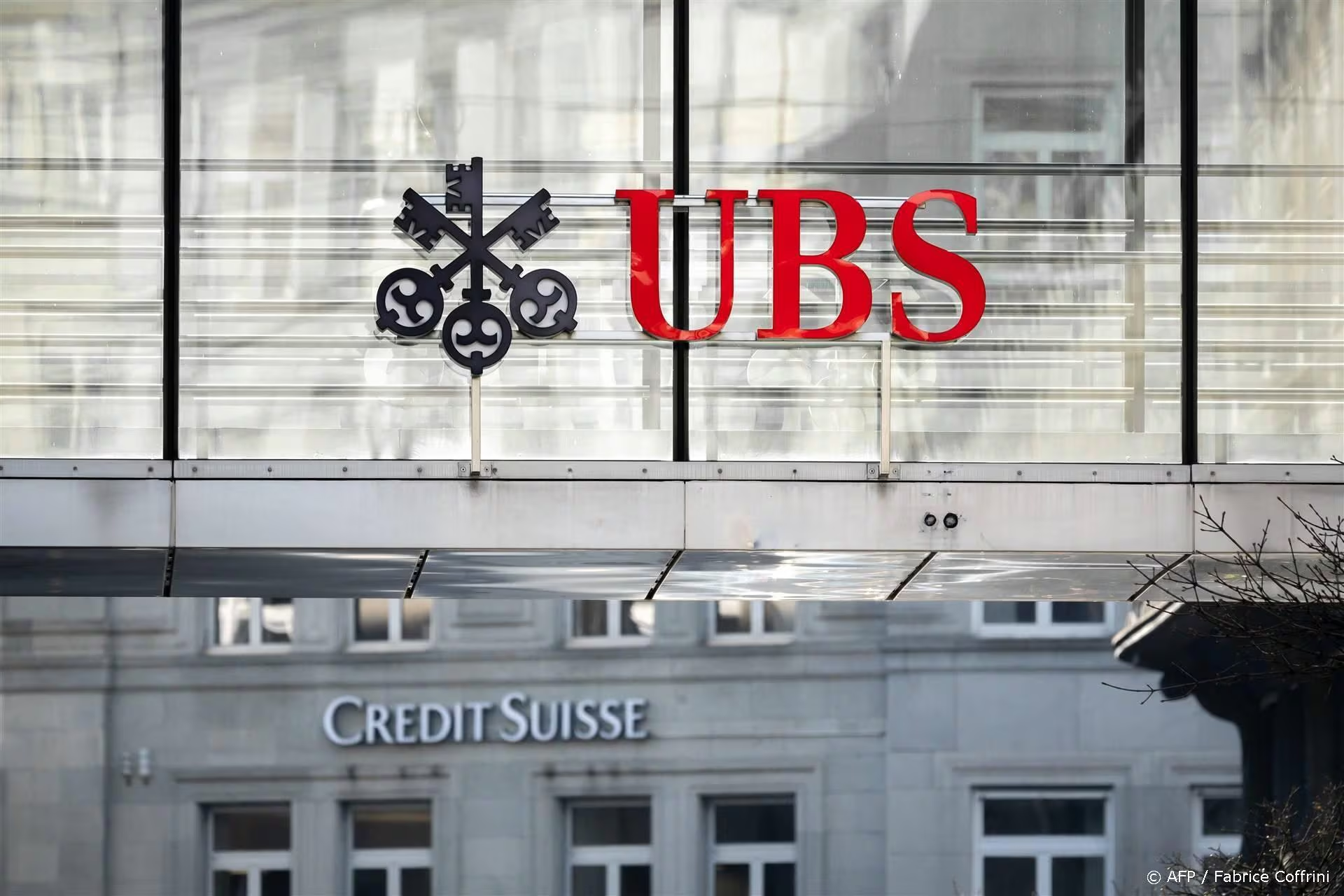

  • Veteran Citi Executive Carl Ashton Leaps to UBS, Boosting Australia’s Wealth Management Unit

    Veteran Citi Executive Carl Ashton Leaps to UBS, Boosting Australia’s Wealth Management Unit

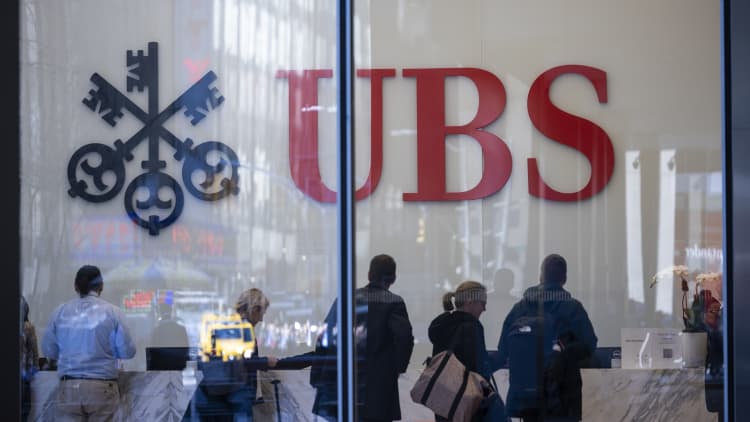
    UBS Global Wealth Management has recently expanded its team, bringing in industry expert Carl Ashton. Stationed in the Singapore office, Ashton will be focusing on the Australia market.

    A Wealth of Experience

    Ashton is no stranger to the finance industry, especially in the sector of wealth management. He brings an impressive 19 years of experience from his time at Citi. During his tenure, Ashton was responsible for managing the investment business for the New Zealand and non-resident India market under Citi Private Bank.

    A Strategic Hire

    The addition of Ashton to the UBS Global Wealth Management team is a strategic move for the company. He will be positioned in the Singapore office, where he will be tasked with covering the Australia market. The bank has confirmed this new hire, further solidifying their commitment to enhancing their international team and expanding their reach in the Australia market.

    Questions & Answers

    Who is the latest addition to the UBS Global Wealth Management team?
    Carl Ashton, an industry veteran with 19 years of experience at Citi, has joined the UBS Global Wealth Management team.

    What will be the primary focus of Ashton’s role at UBS?
    Ashton’s main responsibility will be to cover the Australia market from his base at the UBS office in Singapore.

    What previous experience does Ashton bring to UBS?
    Ashton brings a wealth of experience from his previous role at Citi where he managed the investment business for the New Zealand and non-resident India market under Citi Private Bank.

  • Venezuela’s Billion-Dollar Gold Exodus: Uncovering the Secret Shipment of 100 Tons to Switzerland

    Venezuela’s Billion-Dollar Gold Exodus: Uncovering the Secret Shipment of 100 Tons to Switzerland

    Between 2013 and 2016, Venezuela sent 113 metric tons of gold to Switzerland, as per data from customs authorities. This gold, valued at approximately 4.14 billion Swiss francs, or US$5.20 billion, reportedly originated from Venezuela’s central bank. This substantial transaction occurred in the early years of Nicolas Maduro’s presidency, a period when the Venezuelan government was selling gold in an effort to bolster its struggling economy.

    Understanding the Situation

    During the years from 2012 to 2016, the Venezuelan central bank engaged in significant distress selling. According to Rhona O’Connell, a markets analyst at StoneX, much of the sold gold likely ended up in Switzerland. After its arrival, the gold may have remained with financial sector counterparts, been re-sold as small bars to Asian markets, or distributed elsewhere globally.

    The customs data revealed a noticeable halt in gold exports from Venezuela to Switzerland starting in 2017. This cessation coincided with the introduction of European Union sanctions and continued until at least 2025. O’Connell from StoneX posited that this drastic reduction in exports was likely a result of the Venezuelan central bank exhausting its gold reserves.

    Recent Developments

    In more recent events, Maduro was apprehended by U.S. special forces during a raid in Caracas on January 3, and is currently facing drug-related charges in a New York court. In response to these events, Switzerland took action on Monday by freezing the assets held within the country by Maduro and 36 of his associates. However, Swiss authorities have not disclosed any details regarding the value or origin of these impounded funds.

    Questions & Answers

    Why was Venezuela selling gold to Switzerland?
    The Venezuelan government was selling gold in a bid to shore up its struggling economy during the early years of President Nicolas Maduro’s leadership.

    What happened to the gold after it arrived in Switzerland?
    Post-arrival, the gold might have remained with financial sector entities in Switzerland, been sold as small bars to Asian markets, or distributed globally.

    Why did the gold exports from Venezuela to Switzerland stop in 2017?
    The halt in gold exports coincided with the enforcement of European Union sanctions against Venezuela. Additionally, it’s speculated that the Venezuelan central bank may have depleted its gold reserves, contributing to the cessation in exports.

  • UBS to Ignite Investment Conversations at 26th Greater China Conference in Shanghai

    UBS to Ignite Investment Conversations at 26th Greater China Conference in Shanghai

    UBS, a leading financial firm based in Zurich, is preparing to host its 26th Greater China Conference in Shanghai. The event, which will occur on the 13th and 14th of January, will delve into a broad spectrum of subjects, such as economics, investments, and technology.

    Attendee Profiles and Conference Topics

    The conference is expected to welcome over 3,600 participants. Among these are more than 2,300 domestic and international institutional investors, sovereign wealth funds, family offices, and private clients. Additionally, over 300 top Chinese firms, boasting a combined market capitalization of about $4.3 trillion, will also be part of the gathering.

    This year’s conference topics are set to span a wide array of areas. These include the economic outlook for China and its implications for investment, breakthroughs in artificial intelligence, and changes in several sectors. Among the sectors in focus will be manufacturing, new energy, mobility ecosystems, and consumer markets.

    UBS and the Chinese Market

    The Greater China Conference is of strategic importance to UBS. The firm recognises the resilience of China’s markets, its expanding innovation capabilities – ranging from advanced manufacturing to advancements in artificial intelligence – and the growing global significance of its capital markets.

    UBS Group CEO Sergio P. Ermotti, who is scheduled to address the attendees, expressed that these factors are paving the way for new investment opportunities worldwide.

    Questions & Answers

    What is the Greater China Conference?
    The Greater China Conference is an annual event hosted by UBS. This is the 26th year it will be held, and the topics covered will include economics, investments, and technology.

    Who is expected to attend the conference?
    The conference will host over 3,600 participants, including more than 2,300 domestic and global institutional investors, sovereign wealth funds, family offices, and private clients. Over 300 leading Chinese companies will also be in attendance.

    What does this conference mean for UBS?
    UBS CEO Sergio P. Ermotti mentioned that China is a strategic market for UBS. The resilience of China’s markets, its expanding innovation capabilities, and the growing global importance of its capital markets provide new investment opportunities for investors worldwide.

  • Vietnam’s Stock Market Blazes into 2026: Skyrockets to Historical Highs in Opening Sessions

    Vietnam’s Stock Market Blazes into 2026: Skyrockets to Historical Highs in Opening Sessions

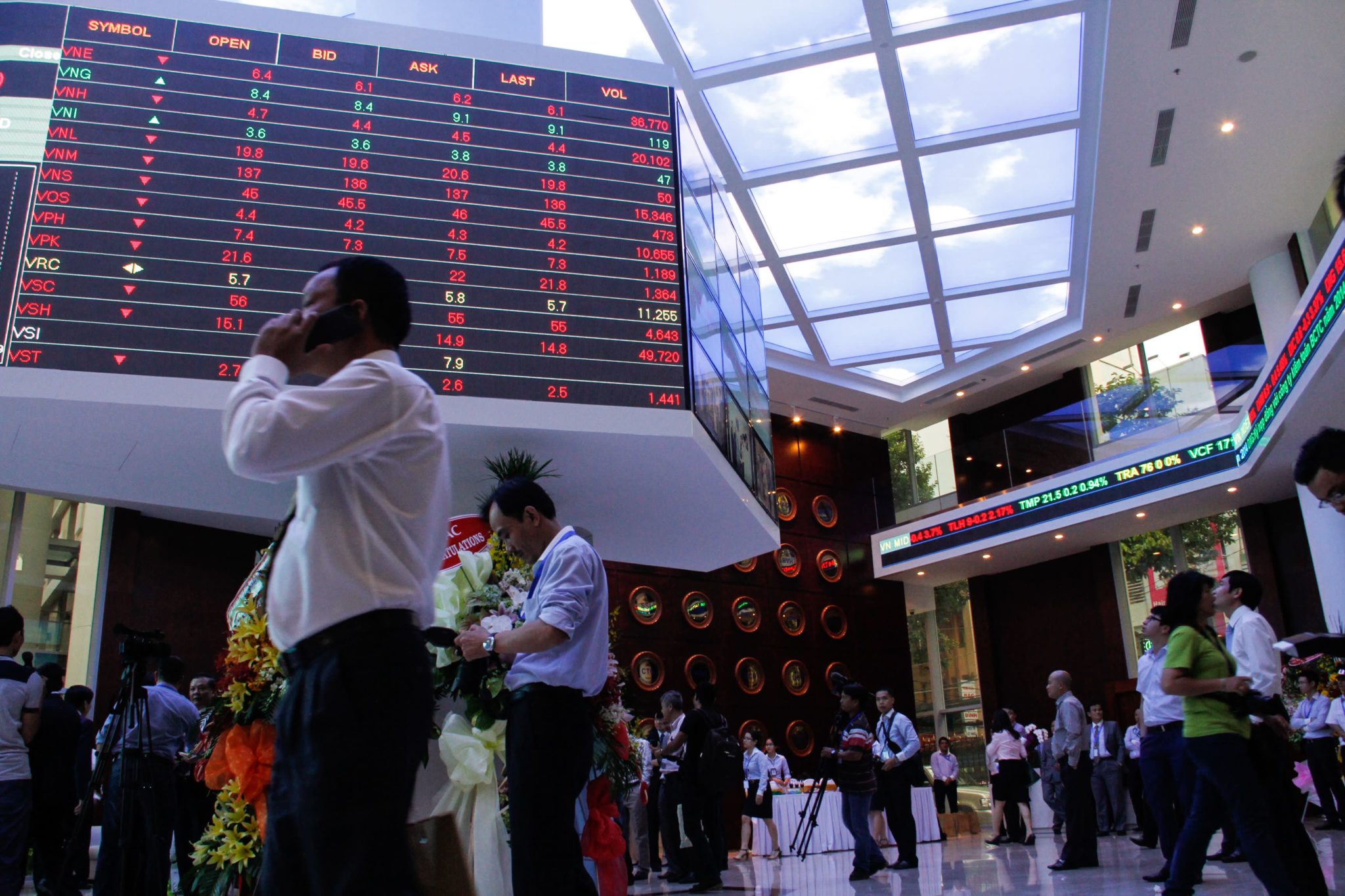
    The Vietnam stock market began the year on a high note, setting two new historic peaks within the first two trading sessions. The VN-Index, Vietnam’s benchmark stock index, closed at a record-breaking 1,788 points on Monday and escalated a further 1.56% to a fresh peak of 1,816 points on Tuesday. After closing the previous year 40% higher, it now ranks as the tenth best-performing stock index globally.

    The Ho Chi Minh Stock Exchange, the basis for the VN-Index, experienced a 6% gain in trading on Tuesday, reaching VND27.45 trillion (US$1.04 billion).

    On the other hand, the VN30 basket, which consists of the thirty largest capped stocks, saw 23 stock tickers rising. Leading the way was GAS, a state-owned Petrovietnam Gas, with a 7% increase, closely followed by property titan Vinhomes’ VHM, which climbed 6.9%.

    Fuel distributor Petrolimex’s PLX finished 6.7% higher, while MB’s MBB, a lending company, rose by 5.1%.

    However, two prominent stocks experienced a decline. Duc Giang Chemicals Group’s DGC dropped 3.8%, while Sacombank’s STB, a lender based in Ho Chi Minh City, fell by 2.1%.

    Foreign investors mainly sold off stocks of the private conglomerate Vingroup’s VIC and VHM, resulting in net sales of approximately VND387 billion.

    Meanwhile, the HNX-Index for stocks on the Hanoi Stock Exchange, which primarily consists of mid and small-cap stocks, fell by 0.09%. The UPCoM-Index for Unlisted Public Companies Market also experienced a drop, declining by 0.39%.

    Questions & Answers

    What were the new historic peaks for the Vietnam stock market at the beginning of the year?

    The VN-Index, Vietnam’s benchmark stock index, closed at a record-breaking 1,788 points on Monday and escalated a further 1.56% to a new peak of 1,816 points on Tuesday.

    Which were the top-performing stocks in the VN30 basket?

    Leading the way was GAS of state-owned Petrovietnam Gas with a 7% increase, followed closely by property giant Vinhomes’ VHM, which climbed 6.9%.

    Which stocks did foreign investors predominantly sell off?

    Foreign investors mainly sold off stocks of the private conglomerate, Vingroup’s VIC and VHM, resulting in net sales of approximately VND387 billion.

  • Chinese Firms Reign Supreme in APAC Investment Banking: Rapid IPO Rise and Offshore Bonds Fuel 2025 Success

    Chinese Firms Reign Supreme in APAC Investment Banking: Rapid IPO Rise and Offshore Bonds Fuel 2025 Success

    In 2025, prominent positions in Asian investment banking fee generation were predominantly filled by Chinese corporations, spearheaded by a surge in offshore bond issues and a remarkable initial public offering (IPO) boom in Hong Kong.

    Leading Positions Dominated By Chinese Companies

    Citic Securities, based in Beijing, took the lead in investment banking fees generated in the Asia Pacific region (excluding Japan) for 2025, raking in $1.45 billion. This figure represented a 5.8 percent share of the total fees generated across the region. Citic Securities was trailed in the ranking by fellow Chinese counterparts, including China Securities, Bank of China, China International Capital, and Guotai Haitong Securities. Notably, Morgan Stanley, headquartered in New York, filled the sixth slot.

    Chinese investment banks asserted their dominance throughout the industry’s regional positions. This success was largely credited to their robust performance in issuing yuan-denominated dim sum bonds and in orchestrating mainland listings in Hong Kong.

    The Global Market Share

    In a broader perspective, investment banking fees across the Asia Pacific region witnessed a 19 percent year-on-year increase in 2025, amassing a total of $24.9 billion. This accounts for 18 percent of the global total fees earned, in contrast to 55 percent from the Americas and 21 percent from Europe.

    The investment banking fees referenced in this report encompass a range of activities including equity capital markets, debt capital markets, mergers and acquisitions (M&A) advisory, and syndicated lending services.

    Questions & Answers

    Who was the leading generator of investment banking fees in the Asia Pacific region in 2025?
    Beijing-based Citic Securities led the pack in 2025, generating $1.45 billion in investment banking fees.

    What factors contributed to the success of Chinese investment banks in 2025?
    Chinese investment banks benefitted significantly from strong performances in the issuance of yuan-denominated dim sum bonds and mainland listings in Hong Kong.

    How much of the global total of investment banking fees did the Asia Pacific region account for in 2025?
    In 2025, the Asia Pacific region accounted for 18 percent of the total global investment banking fees.

  • Alexander Wong: From Credit Suisse to Citi – Shaping Investment Banking in Asia

    Alexander Wong: From Credit Suisse to Citi – Shaping Investment Banking in Asia

    In a recent development, Alexander Wong, ex-managing director of the now-inoperative Credit Suisse, has taken up a new role at Citi’s investment banking division in Asia.

    Alexander Wong Joins Citi’s Investment Banking Division

    Citi has officially announced the appointment of Alexander Wong as their new Managing Director for the investment banking sector. His primary responsibilities in this role will involve bolstering senior coverage within the industrials and mobility sector across the Asia Pacific region.

    Wong brings a wealth of experience and industry knowledge to his new role at Citi. His strategic thinking and leadership skills will be crucial in driving the growth and development of Citi’s investment banking division.

    Reporting to Lei Li

    In his capacity as the managing director, Wong will report directly to Lei Li, who is the APAC head of industrials for the investment banking division. Wong’s appointment is expected to significantly contribute to the strategic expansion and growth of the industrials and mobility sector in the Asia Pacific region.

    Past Experience at Credit Suisse

    Before taking up his new role at Citi, Wong served as a managing director at Credit Suisse. He was instrumental in managing and developing the mobility and industrial technology sectors in his previous role. His past experience and achievements in the industry are expected to contribute significantly to his success at Citi.

    Questions & Answers

    What is Alexander Wong’s new role at Citi?
    Alexander Wong has been appointed as the new Managing Director for the investment banking division at Citi. His role will primarily focus on enhancing senior coverage in the industrials and mobility sector across the Asia Pacific region.

    Who will Alexander Wong report to at Citi?
    In his role as Managing Director, Alexander Wong will directly report to Lei Li, the APAC head of industrials for the investment banking division.

    What was Alexander Wong’s role at Credit Suisse?
    Prior to his role at Citi, Alexander Wong served as a Managing Director at Credit Suisse, where he was responsible for managing the mobility and industrial technology sectors.

  • Former Bank of Singapore Executive Joins Standard Chartered to Helm New Greater China Team

    Former Bank of Singapore Executive Joins Standard Chartered to Helm New Greater China Team

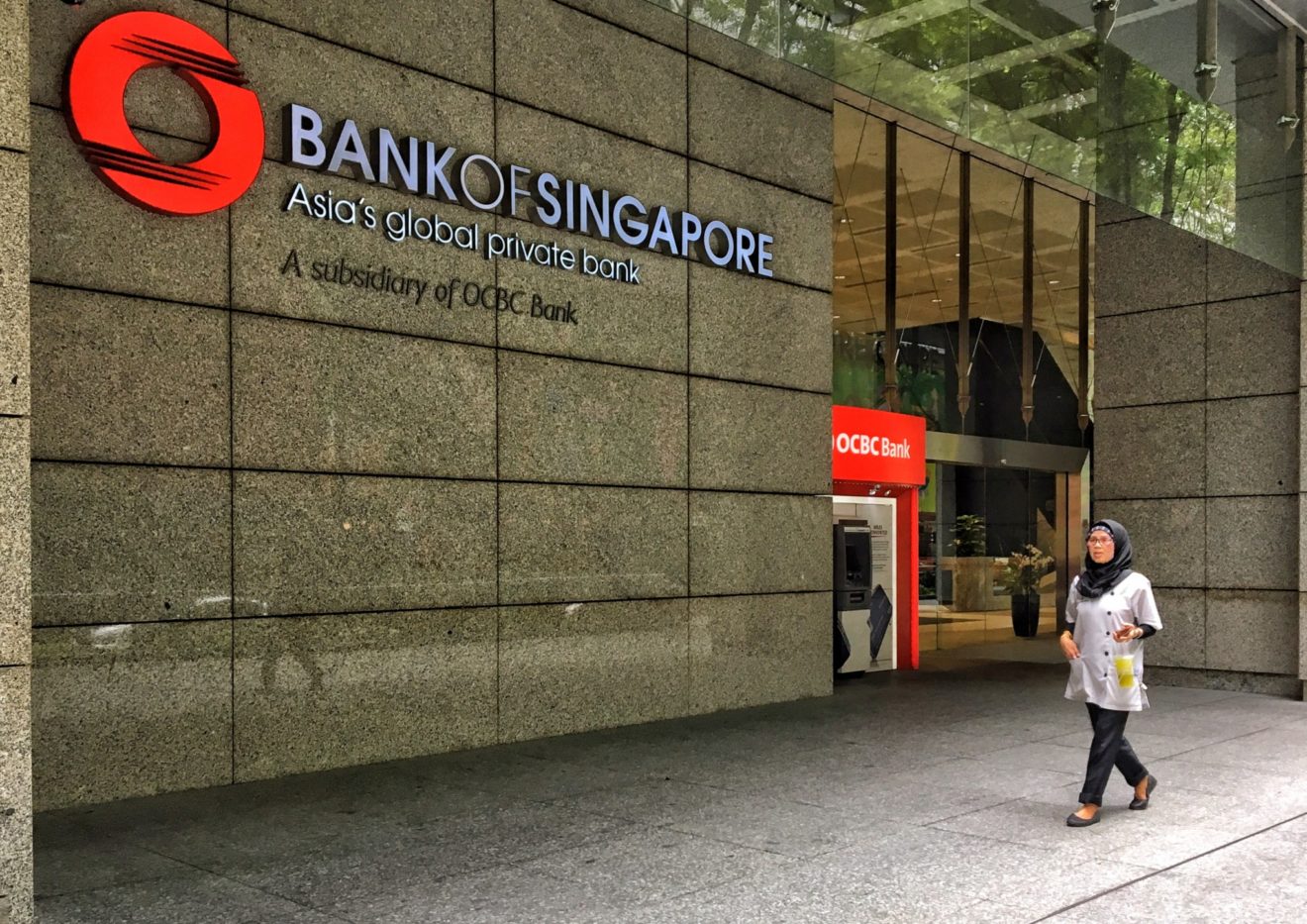
    In the latest series of industry movements, Hu Hong, previously an executive at the Bank of Singapore, has migrated to Standard Chartered. At Standard Chartered, his new role involves the development and expansion of a team dedicated to the Greater China market.

    A New Role at Standard Chartered

    Standard Chartered’s Global Private Bank has welcomed Hu Hong to their team as a group market head. His primary responsibility will be to build and expand a new team dedicated to the Greater China region, based in Singapore. According to an official statement, Hu will report directly to Foo Tian Ong, who is the regional head for Southeast Asia and also the Singapore location head for Standard Chartered’s Global Private Bank.

    A Wealth of Experience

    Hu brings a wealth of experience to his new role at Standard Chartered. He is an established figure in private banking, with a significant track record in covering the Greater China markets. During his stint at the Bank of Singapore, Hu demonstrated impressive leadership skills as he managed three market heads as well as a team of 100 frontline staff members.

    Questions & Answers

    Who has recently joined Standard Chartered’s Global Private Bank?
    Hu Hong, a former executive at the Bank of Singapore, has joined Standard Chartered’s Global Private Bank as a group market head.

    What will be Hu Hong’s primary responsibility at Standard Chartered?
    Hu Hong will be primarily responsible for the development and expansion of a team that focuses on the Greater China region.

    Who will Hu Hong report to in his new role at Standard Chartered?
    In his new role at Standard Chartered, Hu Hong will report directly to Foo Tian Ong, the regional head for Southeast Asia and the Singapore location head for the Global Private Bank.

  • UBS’s Bold Leadership Move to Unlock Post-Integration Value in 2026: Beatriz Martin at the Helm

    UBS is on the verge of a critical phase in its historic integration with Credit Suisse, signified by a strategic leadership change. Since the beginning of 2026, Beatriz Martin has assumed the role of Group Chief Operating Officer, alongside her new responsibility for Group Technology. This move underscores UBS’s focused efforts to enhance execution as the bank nears what is believed by management to be the final stage of the integration process.

    Operational Challenges During Integration

    Credit Suisse’s integration has been more about systems than branding. The greatest hurdles have been complex IT migrations, legacy platform shutdowns, and seamless data transfers. By placing operational control and technological execution under one executive, UBS aims to minimize delays, shorten decision-making time, and speed up problem-solving, particularly in areas where delays could prove costly.

    Industry experts perceive this consolidation of responsibilities as a practical solution to integration risk. Misalignment between operations and IT is a frequent cause of cost overruns and operational incidents during large-scale bank mergers, and UBS seems committed to evading this pitfall.

    The Shift from Consolidation to Performance

    2026 is not just another year for UBS. It signifies the final full year of integration work and, importantly, the point at which the bank expects to fully capitalize on the synergies from the Credit Suisse acquisition. The narrative has shifted from consolidation to performance, a transition eagerly anticipated by investors.

    Thus, Beatriz Martin has a clearly defined mandate: finish the remaining system migrations, decommission obsolete infrastructure, and do so without disrupting routine banking operations. The risk is high but so is the potential reward.

    Cost Discipline and Job Reductions

    Alongside the leadership change, UBS is demonstrating its focus on cost control with another round of job cuts set for mid-January. Although these cuts may be socially and politically sensitive, the markets typically regard them as indications of management’s dedication to efficiency and enhancing margins.

    The timing of these cost reductions is crucial from an investor’s perspective. Implementing these changes before the final integration phase increases the likelihood that synergy benefits will translate into enhanced profitability rather than being consumed by residual restructuring costs.

    Equity Markets’ Reaction

    UBS shares are trading near their 52-week high of 47.27 dollars, signaling growing confidence that the most severe integration costs are behind the bank. The stock rally towards the end of 2025 implies that investors anticipate a noticeable improvement in earnings power from the latter half of 2026.

    The prospect of a structurally lower cost base after years of substantial restructuring costs is becoming a reality. The current market valuation suggests that investors expect the management to deliver and will not easily tolerate execution errors.

    Moving Towards Measurable Results

    By consolidating operational and technological control under Beatriz Martin, UBS is sending a clear message: 2026 is the year of results, not excuses. After a groundbreaking merger and years of internal consolidation, the bank is positioning itself to transform scale and synergies into sustainable returns.

    The message to financially astute investors is clear – the bank’s performance in the next twelve months will shape the post-merger UBS.

    Questions & Answers

    What is the role of Beatriz Martin in UBS’s integration with Credit Suisse?
    Martin, as the Group Chief Operating Officer, is responsible for overseeing operational control and technological execution, critical components of the integration process.

    What do the proposed job cuts at UBS signify?
    Though potentially sensitive socially and politically, these cuts are viewed by markets as evidence of UBS’s commitment to efficiency and margin improvement.

    What is the significance of 2026 for UBS?
    2026 denotes the final full year of the integration process and the point at which UBS aims to fully capitalize on the synergies from the Credit Suisse acquisition. The bank’s narrative has shifted from consolidation to performance during this year.

  • Vietnam’s Gold Prices Skyrocket Amid Global Market Uncertainties: A 83% YoY Leap

    Vietnam’s Gold Prices Skyrocket Amid Global Market Uncertainties: A 83% YoY Leap

    The price of gold in Vietnam experienced a significant surge on Tuesday morning, propelled by the precious metal’s global market gains and political uncertainties.

    Surge in Gold Prices

    Saigon Jewelry Company reported a 0.57% increase in the price of its gold bars, reaching VND158 million (US$6,011.49) per tael. A tael, a unit of weight commonly used in East Asia, is equivalent to 37.5 grams or 1.2 ounces.

    In addition to the rise in price of gold bars, the price of gold rings also saw a notable increase, jumping by 0.39% to VND154 million per tael. Over the past year, the price of gold in Vietnam has soared by 83%.

    Global Impact

    On a global scale, gold prices reached a one-week high following the U.S. strikes in Venezuela, which further enhanced the safe-haven appeal of bullion. Spot gold, or gold that is bought and sold for immediate delivery, saw an increase of 0.39% to $4,465.50 per ounce.

    According to Alexander Zumpfe, a precious metals trader at Heraeus Metals Germany, the situation in Venezuela has clearly stimulated safe-haven demand. This comes in addition to existing concerns related to geopolitics, energy supply, and monetary policy.

    Gold saw a remarkable 64% gain last year, driven by geopolitical flashpoints and the U.S. Federal Reserve’s cycle of easing interest rates. Expectations of even lower rates, combined with central bank purchases and Exchange-Traded Fund (ETF) flows, provided further support to gold’s rising prices.

    Questions & Answers

    What caused the rise in gold prices in Vietnam?
    The rise in gold prices in Vietnam was primarily driven by the precious metal’s global market gains and ongoing political uncertainties.

    How much did gold prices increase globally?
    Globally, spot gold experienced an increase of 0.39% to $4,465.50 per ounce.

    What factors contributed to the 64% gain in gold prices last year?
    The remarkable 64% gain in gold prices last year was propelled by geopolitical flashpoints, the U.S. Federal Reserve’s cycle of easing interest rates, and the expectation of even lower rates. Central bank purchases and ETF flows also provided additional support.

  • Unprecedented Silver Boom: Vietnam Witnesses Record-Breaking High Amid Global Supply Crunch

    Unprecedented Silver Boom: Vietnam Witnesses Record-Breaking High Amid Global Supply Crunch

    Vietnam’s silver prices reached record heights on Monday morning. This surge was triggered by a worldwide increase in the value of the precious metal due to a supply shortage. The selling price at the jewelry chain Phu Quy increased by 6% from Sunday, standing at VND3.07 million (US$117) per tael (37.5 grams). The rate has experienced a substantial increase of 169% within the year.

    Global Silver Prices

    On an international scale, the price of silver soared past the $80-per-ounce mark for the first time. However, it later saw a sharp decrease in a volatile trading environment on Monday.

    Charu Chanana, the Chief Investment Strategist at the investment bank Saxo, said precious metals have experienced a boost this year due to a potent combination of factors. These include rate-cut tailwinds and hedging against geopolitical and fiscal uncertainties. She noted, “Adding supply concerns to the mix has resulted in a parabolic movement. However, the abrupt spike towards the end of the year, particularly in silver prices, also points towards the possibility of greater volatility. In the short-term, the risk is primarily technical and positioning-led.”

    Investments in Silver and Other Alternatives

    Significant debt loads in major economies such as the U.S., France, and Japan, combined with a lack of political determination to address these issues, have encouraged some investors to turn to silver and other alternative assets this year.

    Moreover, the global production of silver from mines has been restricted due to decreasing ore grades and a lack of new project development.

    Questions & Answers

    What has driven the recent surge in silver prices in Vietnam?
    The recent upsurge in Vietnam’s silver prices has been driven by a global increase in the value of the precious metal due to supply shortages.

    What factors have boosted the value of precious metals this year?
    The value of precious metals has surged due to a combination of rate-cut tailwinds and hedging against geopolitical and fiscal uncertainties.

    Why have some investors been accumulating silver and other alternative assets this year?
    Significant debt loads in major economies, coupled with a lack of political will to address these issues, have prompted some investors to accumulate silver and other alternative assets.

  • Dollar on the Rise: U.S. Currency Soars Against Dong in Unofficial Markets

    Dollar on the Rise: U.S. Currency Soars Against Dong in Unofficial Markets

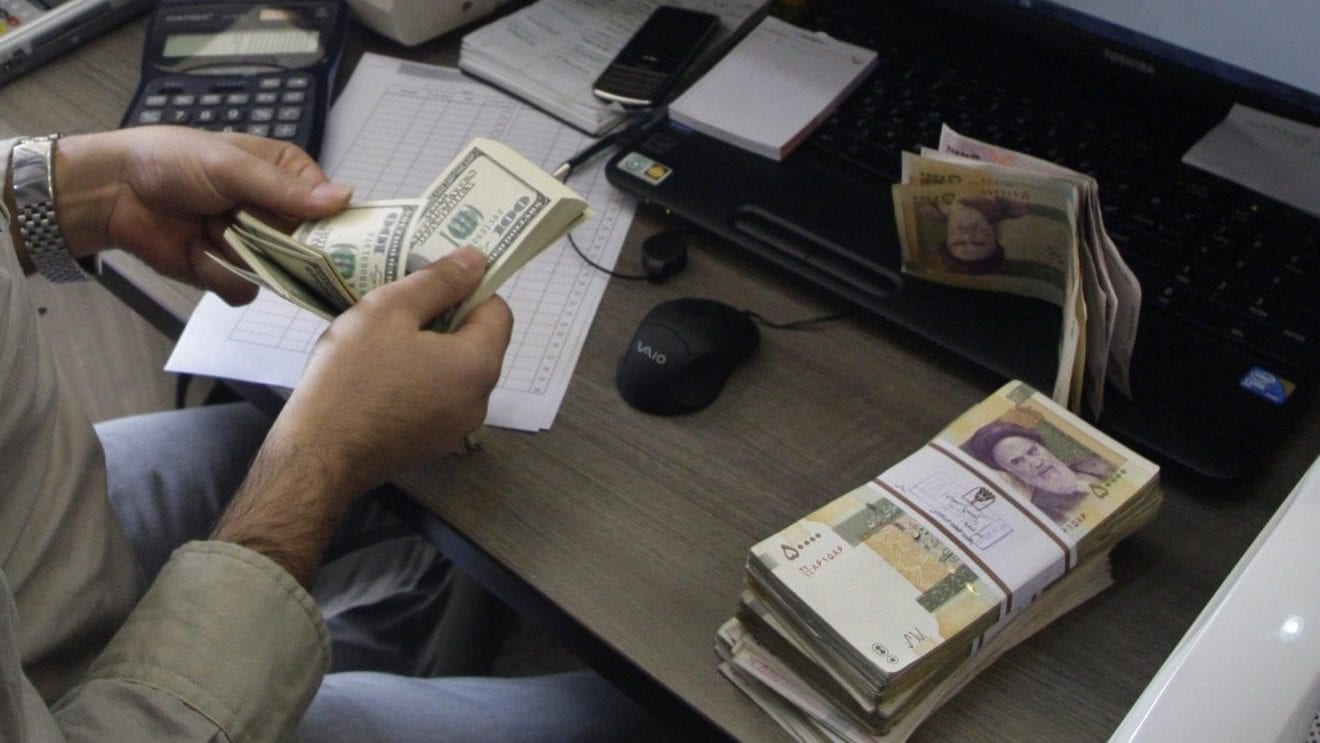
    The value of the U.S. dollar experienced a rise against the Vietnamese dong in the black market during Saturday’s early trading hours, following a slight increase against other significant currencies in the previous trading session. The U.S. dollar saw a 0.03% increase from its Friday value, reaching approximately VND27,149 at informal exchange venues. Meanwhile, Vietcombank held a steady exchange rate at VND26,384.

    Vietnamese State Bank’s Reference Rate

    The Vietnamese State Bank held its reference rate firmly at VND25,128.

    Global Perspective

    On a global scale, the dollar index, a measurement of the U.S. currency’s performance against six competitor currencies, experienced an increase of 0.08% to land at 98.03 on Friday.

    Elsewhere, the Japanese yen weakened against the U.S. dollar, with investors keeping a watchful eye for any possible interventions to bolster the currency. Market analysts suggest that year-end trading, a time when trading volumes are typically lower, presents an ideal opportunity for monetary authorities to act.

    Investor Outlook

    Investors are gearing up for 2026, with a particular focus on whether the U.S. Federal Reserve will reduce interest rates and, if so, by what margins. Market traders anticipate at least two rate cuts throughout the year, although they are not expecting the Federal Reserve to make a move before June.

    The central bank has projected an additional cut for the coming year, but differing opinions among decision-makers have left investors feeling uncertain about the future monetary policy.

    Questions & Answers

    How has the U.S. dollar performed against the Vietnamese dong recently?
    The U.S. dollar has seen an increase in value against the Vietnamese dong, especially in early trading hours on Saturday in the black market.

    What is the global perspective on the U.S. dollar’s performance?
    Globally, the dollar index, which measures the U.S. currency against six other major currencies, has seen an increase of 0.08%, reaching 98.03 by the end of Friday.

    What is the investor outlook for 2026 regarding the U.S. Federal Reserve’s actions?
    Investors are anticipating at least two interest rate cuts by the U.S. Federal Reserve in 2026, with no action expected before June. However, differing opinions among decision-makers have caused some uncertainty about future monetary policies.

  • Singapore’s Fingular Fortifies Asian Presence with New Fintech Hub in Malaysia

    Singapore’s Fingular Fortifies Asian Presence with New Fintech Hub in Malaysia

    Fingular, a renowned Singaporean fintech firm, has expanded its Southeast Asian footprint by inaugurating a new operational hub in Malaysia. This recent development represents a strategic move in Fingular’s overall plan to establish a globally integrated fintech platform.

    Strengthening Scalable Growth and Engagement

    The Singaporean group’s venture into Malaysia manifests its prime focus on scalable growth, talent mobility, and a deeper connection with local markets in Asia. The fresh hub in Kuala Lumpur presents not only a shared workspace for the Malaysian team but also for employees across Fingular’s international network.

    Fingular’s personnel stationed in different countries will be given the opportunity to work from the Malaysian office on both short and long-term basis. This tactic signifies a broader industry shift to hybrid operational models that prioritize productivity and cross-border knowledge transfer.

    Global Expansion Through Local Presence

    Fingular, with its headquarters in Singapore and another team hub in Serbia, believes in establishing a physical presence in each market it operates. The firm embeds teams locally to better understand cultural variances, user behavior, and regulatory environments. This is a vital approach for fintech companies looking for sustainable growth in emerging markets.

    People-centric Expansion

    Maxim Chernushchenko, the founder and CEO of Fingular, has expressed that the strategy behind the new hub surpasses mere geographic expansion. He asserts that global expansion is as much about people as it is about markets. Their aim is to ensure teams feel connected, supported, and inspired, regardless of their work location. The creation of spaces that promote collaboration and personal growth is integral to how the company develops and scales its products.

    Speed and Adaptability

    Fingular, founded in October 2021, manages a wide range of fully digital financial products, including consumer financing, investments, and savings. With its presence in markets like Indonesia, Malaysia, and India, Fingular focuses on rapid deployment, made possible by a technology stack that aids it in launching in new countries within three months. This operational speed positions Fingular competitively in regions where the scope for digital financial inclusion is yet to be fully explored.

    Strategic Implications

    For investors and industry watchers, the launch of the Malaysia hub signifies Fingular’s determination to balance aggressive market expansion with organizational cohesion. As the fintech competition escalates across Asia, Fingular’s emphasis on talent infrastructure and local market immersion could be as crucial as capital deployment in driving long-term value creation.

    Questions & Answers

    What is the purpose of Fingular’s new hub in Malaysia?
    The Malaysia hub serves as a shared space for the local Malaysian team and members from Fingular’s international network. It represents a move towards hybrid operational models that blend remote flexibility with in-person collaboration.

    What is Fingular’s approach to global expansion?
    Fingular believes in carrying out global expansion by establishing a physical presence in each market it operates. The firm aims to better understand cultural nuances, user behavior, and regulatory environments by embedding teams locally.

    What is unique about Fingular’s operational speed?
    Fingular places emphasis on rapid deployment, facilitated by a technology stack that allows it to launch in new countries within three months. This operational speed provides Fingular a competitive edge in regions where digital financial inclusion is underexplored.

  • China Strikes Gold: Largest Undersea Gold Deposit in Asia Discovered

    China Strikes Gold: Largest Undersea Gold Deposit in Asia Discovered

    China recently announced the discovery of an undersea gold deposit, touted as the largest in Asia. This remarkable find further augments the existing troves of the precious metal, following other significant discoveries earlier this year.

    New Gold Reserves Discovered

    The newly discovered gold deposit is situated off the coast of Laizhou in Yantai, Shandong Province. This addition has notably increased Laizhou’s confirmed gold reserves to over 3,900 tonnes (137.57 million ounces), making up approximately 26% of China’s total reserves. However, the exact size of this undersea deposit has not been disclosed by officials.

    Recent Discoveries

    In the past month, the nation revealed the discovery of its first super-large, low-grade gold deposit in Liaoning province. The confirmed reserves of this find amount to 1,444.49 tonnes (50.95 million ounces). The Ministry of Natural Resources has stated that this is the largest single gold deposit found since the establishment of the People’s Republic of China in 1949.

    Adding to this, officials also announced the discovery of a gold deposit in the Kunlun Mountains, near the western border of the Xinjiang Uygur autonomous region in November. This deposit is estimated to have reserves of more than 1,000 tonnes (35.27 million ounces).

    In 2023, Shandong Province reported identifying approximately a quarter of the nation’s gold reserves, including over 3,500 tonnes (123.46 million ounces) on the Jiaodong Peninsula, which is recognized as the world’s third-largest gold mining belt.

    China’s Gold Production Status

    Despite being the world’s largest producer of gold ore, producing 377 tonnes (13.3 million ounces) last year according to the China Gold Association, China trails behind South Africa, Australia, and Russia in terms of proven reserves.

    China invested CNY115.99 billion (US$16.47 billion) in geological exploration last year. Since the initiation of its current five-year plan in 2021, the total investment in mineral exploration is nearing CNY450 billion. This has led to the discovery of 150 mineral deposits, as reported by the Ministry of Natural Resources.

    Impact on Gold Prices

    These discoveries are expected to influence global gold prices which continue to rise, driven by currency fluctuations, geopolitical tensions, and hefty purchases by central banks, particularly in emerging markets looking to diversify their reserves.

    Spot gold was trading at US$4,407 per ounce at the time of reporting, marking a 68% increase since the start of the year.

    Questions & Answers

    Where is the newly discovered undersea gold deposit located?
    The undersea gold deposit has been discovered off the coast of Laizhou in Yantai, Shandong Province, China.

    What is the significance of the recent gold discoveries in China?
    These discoveries have considerably increased China’s total gold reserves and position it as one of the leading global producers of the precious metal.

    How are these gold discoveries expected to influence global gold prices?
    The recent discoveries are likely to impact global gold prices, which are already rising due to factors like currency volatility, geopolitical tensions, and heavy purchases by central banks.

  • Ida Liu, Ex-Citi Veteran, Takes Reigns as HSBC Private Bank’s Global CEO: A New Era of Cross-Border Wealth Management

    Ida Liu, Ex-Citi Veteran, Takes Reigns as HSBC Private Bank’s Global CEO: A New Era of Cross-Border Wealth Management

    Former Citi veteran, Ida Liu, has been announced as the new Global CEO of HSBC Private Bank, effective from January 5, 2026. This strategic move aims to enhance the bank’s leadership among ultra-high net worth clients, bolster cross-border connectivity in primary wealth corridors, and spur the global growth of the private banking sector.

    Ida Liu will report to Barry O’Byrne, the CEO of HSBC International Wealth and Premier Banking, in her new role. With 25 years of diverse professional experience, Liu brings a wealth of knowledge to her new position. Her career spans 18 years at Citi, where she most recently served as the global head of Citi Private Bank. Liu has also made a mark outside of the financial sector, previously holding an executive role at the fashion brand, Vivienne Tam.

    Barry O’Byrne expressed his enthusiasm about Liu joining the HSBC team. He praised her profound expertise in strategic wealth advisory, operational transformation, and business growth. Moreover, he lauded her consistent track record of producing results.

    O’Byrne stated, “Ida Liu’s appointment reflects our ambition to further strengthen the Private Bank as the partner of choice for the world’s most sophisticated entrepreneurs and families.” He expressed confidence that her deep expertise and consistent performance would be instrumental in achieving this goal.

    Questions & Answers

    Who is the new Global CEO of HSBC Private Bank?
    Ida Liu, a former veteran of Citi, has been announced as the new Global CEO of HSBC Private Bank.

    When will Ida Liu assume her new role?
    Ida Liu will take over as the Global CEO of HSBC Private Bank from January 5, 2026.

    What are the key responsibilities Ida Liu will undertake in her new role?
    As the Global CEO, Liu will focus on enhancing the bank’s leadership among ultra-high net worth clients, bolstering cross-border connectivity in primary wealth corridors, and accelerating the global growth of the private banking sector.