Category: Finance

Retail News Asia is committed to providing both local and global retailers with the latest Finance news throughout the Asian market. This on a daily base.

  • Russia Strikes Gold: Historic Peak of $310.72 Billion Shakes Up Global Rankings

    Russia Strikes Gold: Historic Peak of $310.72 Billion Shakes Up Global Rankings

    Russia’s gold reserves have reached a record-breaking value of US$310.72 billion, a significant increase of 57% from the previous year. According to data released by the Central Bank of Russia as of November 30th, this marks the fourth consecutive month of growth.

    Gold’s Role in Russia’s International Reserves

    Gold now represents over 42% of Russia’s international reserves, a percentage that has not been seen in the past 30 years. The total reserves, which include gold and foreign exchange, have seen a 19% year-on-year increase to $734.59 billion.

    Russia’s Position in Global Gold Investing

    According to the World Gold Council, Russia stands as the fifth-largest gold investor globally in the third quarter, with 2,329 tonnes in its reserves. The only nations that are ahead of Russia in terms of gold investment are the United States, Germany, Italy, and France.

    Meanwhile, China, holding the sixth position, has 2,303 tonnes of gold. However, interestingly, the value of gold only represents 7.68% of its total reserves.

    On the other hand, the United States continues to maintain the most significant gold reserves globally. Its 8,133 tonnes of gold account for a whopping 80% of the country’s reserves.

    Questions & Answers

    What is the current value of Russia’s gold reserves?
    The current value of Russia’s gold reserves is a record-breaking US$310.72 billion.

    What percentage of Russia’s international reserves is made up by gold?
    Gold now represents over 42% of Russia’s international reserves.

    Where does Russia rank worldwide in terms of gold investment?
    According to the World Gold Council, Russia is the fifth-largest gold investor in the world.

  • Singapore Soars to Global Crypto Leadership: Asia-Pacific Emerges as the Epicenter of Digital Finance Revolution

    Singapore Soars to Global Crypto Leadership: Asia-Pacific Emerges as the Epicenter of Digital Finance Revolution

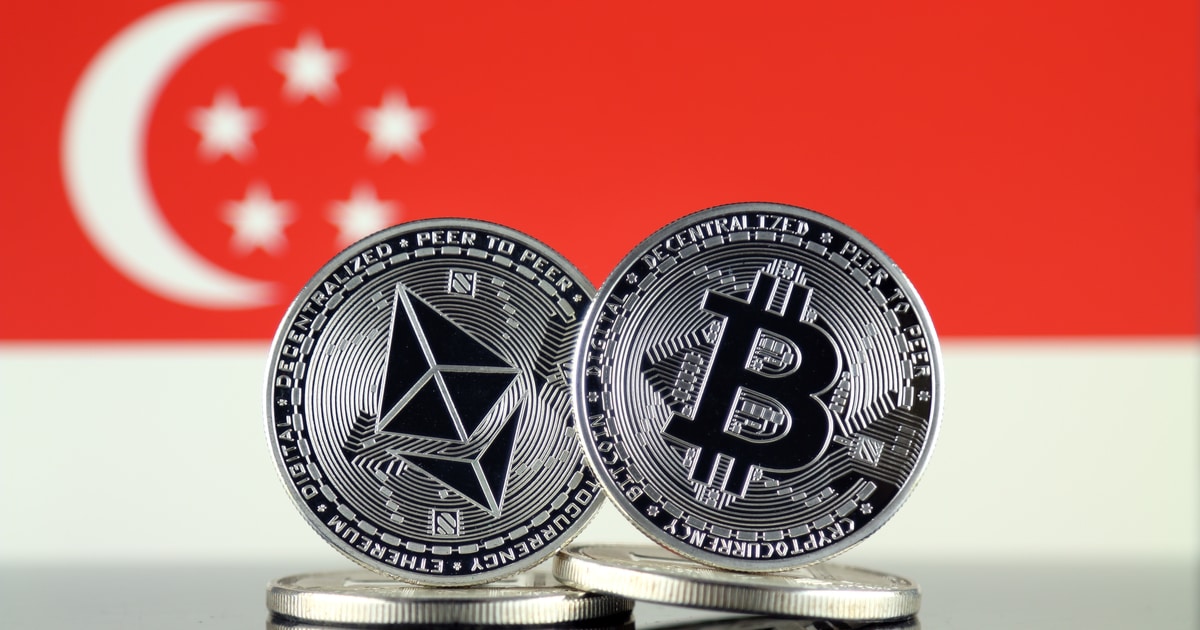
    The 2025 World Crypto Ranking Report by Bybit has uncovered a significant shift in the worldwide adoption of digital assets. Singapore has superseded the US as the global leader in the crypto sphere, with six economies from the Asia-Pacific region entering the global top twenty. This shift implies that Asia-Pacific is rapidly becoming the epicenter of the forthcoming digital finance era.

    Singapore: The New Crypto Hub

    According to the World Crypto Rankings (WCR) 2025, which encapsulates data from 79 countries, Singapore has risen to the top spot globally. This ascent can be attributed to clear regulatory policies, the maturity of institutions, and extensive public engagement. Over 11 percent of Singapore’s citizens hold digital assets, reflecting a high rate of public engagement. The WCR report, founded on 28 metrics and 92 data points, underscores the structural strengths that reinforce Singapore’s position as a crucial hub for long-term crypto developments.

    Asia-Pacific’s Strong Presence

    Apart from Singapore, other markets in the Asia-Pacific region have shown significant advancements in adoption. Vietnam, ranking 9th globally, has driven this growth with close to 20 percent crypto ownership and top-tier usage for remittances, savings, and DePIN devices. Hong Kong has secured a place in the top 10, driven by a regulatory overhaul and a surge in institutional activity. Other regional players like Australia, the Philippines, and South Korea have strengthened the region’s representation in the top 20, each spurred by unique adoption factors.

    Contrasting Market Trends

    The report points out the coexistence of institutional hubs and grassroots ecosystems across the Asia-Pacific region. Different strategies have been employed. For instance, Hong Kong focuses on merging global finance with China’s capital framework via tokenization and stablecoin infrastructure, while Vietnam’s crypto economy is fueled by innovation driven by necessity.

    The Philippines is progressing financial inclusion via mobile-first adoption, while South Korea’s intense retail interest is set to accelerate once there is regulatory advancement.

    Growth of Tokenized Real-World Assets

    A crucial global trend highlighted in the report is the swift enlargement of tokenized real-world assets. The value of these assets, measured on-chain, has increased by over 63 percent to more than $25.7 billion since January 2025.

    Countries high on the institutional readiness scale, led by the US and trailed by the Philippines and Australia, are in the best position to harness this upcoming wave of digital asset innovation.

    Impacting Global Crypto Landscape

    Co-CEO of Bybit, Helen Liu, has stated that the rise of the Asia-Pacific in the crypto sphere is altering the boundaries of global finance. Liu emphasized that the region is leading the industry through regulatory innovation, grassroots engagement, and institutional growth.

    The findings in the WCR 2025 suggest that local breakthroughs in the region now affect global capital flows, market structure, and policy discussions on digital assets.

    Guiding the Future of Crypto

    The report posits the Asia-Pacific not only as a quick adopter but also as a defining force in the structural evolution of digital finance. The region, with increasing institutional involvement, evolving regulatory frameworks, and broad retail adoption, is surfacing as a pivotal engine for crypto innovation. The WCR 2025 serves as a diagnostic tool and strategic guide for policymakers, investors, and industry leaders to navigate the next phase of global digital asset growth.

    Questions & Answers

    What factors contributed to Singapore’s rise to the top of the global crypto market?
    Singapore’s rise can be attributed to regulatory clarity, institutional maturity, and widespread public engagement, with over 11 percent of citizens holding digital assets.

    Which Asia-Pacific countries have shown significant advancements in crypto adoption?
    Singapore, Vietnam, Hong Kong, Australia, the Philippines, and South Korea have all shown remarkable growth and adoption in the crypto sphere.

    What global trend has been identified in the report in relation to digital assets?
    The report identifies the rapid expansion of tokenized real-world assets as a key global trend, with total on-chain RWA value growing by over 63 percent since January 2025.

  • Vietnam’s Gold Bar Prices Soar Amid Stable Global Bullion Rates and Looming Fed Decision

    Vietnam’s Gold Bar Prices Soar Amid Stable Global Bullion Rates and Looming Fed Decision

    The price of gold bars in Vietnam witnessed a surge on last Friday morning, while global bullion rates continued to remain steady. The Saigon Jewelry Company saw a 0.72% increase in its gold bar pricing, reaching VND154.9 million (US$5,875.79) per tael. The same rate was quoted by PNJ and Doji jewelers as well.

    For this year so far, the bullion has observed a significant gain of 83.9%, and is currently valued at VND21 million per tael above the global rates. The price of gold rings also saw an increase of 0.39%, reaching VND152.5 million per tael. It is noteworthy that a tael is equivalent to 37.5 grams or 1.2 ounces.

    Performance of SJC Gold Bars

    The price of SJC gold bars was recorded to be VND 121.5 million per tael on April 24, 2025.

    Globally, the prices of gold remained largely unchanged on Friday. This stability can be attributed to the increase in U.S. Treasury yields offsetting the influence of a weaker dollar. Investors are keenly awaiting key inflation data, which could provide directional cues for the Federal Reserve’s policy roadmap ahead of its meeting next week.

    Spot gold remained steady at $4,215.92 per ounce, and was headed for a 0.3% weekly decline. The U.S. gold futures for December delivery saw a slight increase of 0.1%, reaching $4,245.70 per ounce.

    The dollar was close to a five-week low against major peers, which made gold priced in greenback more appealing to overseas buyers.

    Over 100 economists polled predict that the Federal Reserve is likely to reduce its key interest rate by 25 basis points in its upcoming meeting next week. This step is aimed at supporting a slowing labor market. Lower interest rates typically favor non-yielding assets like gold.

    According to Kunal Shah, head of research at Nirmal Bang Commodities, “the market is awaiting fresh triggers that might come in the form of the Federal Reserve’s actions. Gold is currently consolidating after a brief run in November, but the trend going forward appears to be on the rise.”

    Questions & Answers

    What was the recent rise in the price of gold bars in Vietnam?
    The price of gold bars in Vietnam rose by 0.72% recently.

    What is the current trend in the global gold market?
    The global gold market is currently experiencing a phase of consolidation, with a potential upward trend in the near future.

    How might the upcoming Federal Reserve meeting impact the gold market?
    Decisions made at the upcoming Federal Reserve meeting, particularly concerning interest rates, could provide fresh triggers for the gold market. A reduction in the key interest rate could favor non-yielding assets like gold.

  • Vietnamese Dong Gains Edge as U.S. Dollar Dips Near Five-Week Low: Fed Rate Cut in Sight?

    Vietnamese Dong Gains Edge as U.S. Dollar Dips Near Five-Week Low: Fed Rate Cut in Sight?

    On a recent Friday morning, the U.S. dollar experienced a minor depreciation against the Vietnamese dong, continuing its trend near a five-week low against major global currencies. Vietcombank, one of Vietnam’s most significant financial institutions, recorded the greenback’s trading value at VND26,408, marking a marginal decline of 0.004% from the previous day’s closing. Concurrently, the black market saw the U.S. dollar’s value slide by 0.05% to approximately VND27,402.

    The Exchange Rate Scenario

    Reflecting global trends, the State Bank of Vietnam adjusted its reference rate down by 0.004% to VND25,151. Globally, the U.S. dollar has been trading near a five-week low against its principal counterparts, contributing to expectations of a rate cut by the Federal Reserve in the following week.

    The dollar index, which gauges the U.S. currency against a basket of six significant rivals, remained static at 99.065 in the early Asian market hours. Earlier, it had dropped to a five-week low of 98.765, maintaining its trajectory for a 0.4% drop over the week.

    Performance Against Other Currencies

    Against the yen and the euro, the dollar’s performance was relatively unchanged at 155.18 yen and $1.1647 respectively. The British pound remained robust at $1.3326, despite retreating from a six-week high in the prior trading session.

    The Australian dollar stayed consistent at $0.6609, following its surge to a two-month peak of $0.6624 the previous day. The Canadian dollar, or loonie, mirrored this stability, registering little change at C$1.3961 per U.S. dollar. Meanwhile, the Swiss franc remained steady at 0.8035 per dollar, despite recoiling sharply from Wednesday’s high of 0.7992 in the overnight session.

    Future Expectations

    The U.S. dollar has faced additional devaluation pressure in recent times due to speculation regarding changes in the Federal Reserve’s leadership. Market participants are contemplating the implications of Kevin Hassett, the White House economic adviser, potentially succeeding Jerome Powell as the Federal Reserve Chair following the conclusion of Powell’s term in May. Hassett’s anticipated advocacy for further rate cuts is contributing to these market dynamics.

    Questions & Answers

    Why is the U.S. dollar weakening against the Vietnamese dong?
    The dollar’s depreciation can be attributed to global financial trends and expectations of a forthcoming rate cut by the Federal Reserve.

    What impact does the Federal Reserve chair’s potential succession have on the dollar?
    The potential appointment of Kevin Hassett, known for advocating further rate cuts, as the Federal Reserve chair has escalated speculation and heightened pressure on the U.S. dollar.

    How did other major currencies perform against the dollar?
    The dollar’s performance was relatively stable against the yen, euro, pound, Australian dollar, Canadian dollar, and Swiss franc.

  • Manulife Ignites Responsible AI Revolution: Launches Cutting-edge Center in Singapore to Boost Insurance Efficienc

    Manulife Ignites Responsible AI Revolution: Launches Cutting-edge Center in Singapore to Boost Insurance Efficienc

    Manulife, the multinational insurance corporation, recently launched its Artificial Intelligence (AI) Center of Excellence in Singapore. This move is part of the company’s strategic plan to leverage cutting-edge technologies to streamline its operations and enhance customer experience.

    The insurance giant plans to utilize AI to expedite insurance processes while improving personalized advice and customer engagement, according to an announcement made last Friday.

    According to CEO Benoit Meslet, AI plays an instrumental role in delivering better, faster, and more personalized services to customers. He highlighted the importance of technology in strengthening trustworthy human relationships in the business.

    AI Integration in Various Insurance Processes

    Manulife’s development strategy places a focus on underwriting, distribution, operations, and customer engagement. The development is guided by principles of transparency and security. This approach signifies the company’s commitment to build unique customer service delivery and cost efficiency while preparing its workforce for the future.

    Singapore’s vibrant innovation ecosystem, robust digital infrastructure, and regulated AI governance framework provide the perfect base for experimentation and talent development. Manulife plans to increase its AI-specific workforce over the next three years, with new hires focusing on data science, AI governance, and engineering.

    Expanding Best Practices in the Regional Insurance Market

    Manulife is participating in the Monetary Authority of Singapore’s Pathfinder Programme, among other research partnerships. The company is committed to helping establish industry-wide standards for responsible AI use.

    Chief AI Officer for Manulife Asia, Mark Czajkowski, emphasized that “responsible innovation, governance, and impact” are at the core of the company’s strategy.

    Emphasizing the Role of Technology in Value Creation

    By incorporating advanced analytics and automation into its core operations, Manulife aims to increase productivity and offer more intuitive financial protection solutions. This step highlights a broader industry shift where investing in AI has become a crucial factor for competitive growth.

    Questions & Answers

    What is the primary aim of Manulife’s AI Center of Excellence in Singapore?
    The primary aim is to leverage AI technology to streamline operations and enhance personalized customer service.

    What are the focus areas of Manulife’s AI development strategy?
    The focus areas are underwriting, distribution, operations, and customer engagement.

    What is Manulife’s stance on AI governance?
    Manulife emphasizes the importance of responsible innovation, governance, and positive impact in its AI strategy.

  • UBS Braces for Massive Job Cuts amidst Costly Credit Suisse Integration: 10,000 Positions at Stake by 2027

    UBS Braces for Massive Job Cuts amidst Costly Credit Suisse Integration: 10,000 Positions at Stake by 2027

    Swiss banking giant UBS is preparing for a comprehensive round of job cuts due to the slower and more expensive than anticipated integration of Credit Suisse. Insider data shows that approximately 10,000 jobs are predicted to be cut by 2027, a substantial move in CEO Sergio Ermotti’s strategy to bridge the efficiency gap with worldwide competitors.

    Job Cuts Ahead

    In line with internal statistics, the bank is anticipating approximately 10,000 job losses in the upcoming three years, impacting both Switzerland and international locations. UBS plans to minimize the reductions as much as possible, relying on natural attrition, early retirements, and internal mobility. However, large-scale layoffs seem inevitable, according to the bank.

    Projected Workforce Reduction

    If the planned downsizing goes ahead, UBS’s workforce is projected to decrease to around 95,000 full-time positions. The reduction has been noticeable since the commencement of Credit Suisse’s integration, plummeting from almost 120,000 employees in mid-2023 to roughly 104,000 positions by 2025, an average loss of more than 1,250 per quarter. Larger quarterly job cuts of up to 2,000 are now anticipated.

    Integration Challenges and Rising Costs

    The integration process is lagging behind schedule. About 85 percent of clients have been migrated, but many large and convoluted accounts remain, demanding intensive manual labor. The longer Credit Suisse systems stay in operation, the more the cost burden increases.

    Pressure on Cost Efficiency

    UBS CEO Sergio Ermotti committed to savings of $13 billion and has so far achieved $10 billion. Nonetheless, the organization-wide cost-income ratio remains high at approximately 77 percent. In contrast, similar institutions operate far more efficiently, with Morgan Stanley at 67 percent, Société Générale at 61 percent, and Santander at just 41 percent.

    Challenges in Wealth Management

    UBS’s flagship global wealth management division appears to be a weak spot as costs remain stubbornly high, with a cost-income ratio close to 80 percent. Elevated compensation packages for client advisors, particularly in the U.S., significantly undermine the bank’s benchmark ambitions.

    Hope for Regulatory Relief

    Despite persistent market uncertainty over future Swiss capital regulations, there are indications of potential improvements. There are reports that the Finance Ministry is considering easing requirements, which could bolster the bank’s valuation as it continues to undergo restructuring.

    UBS is now faced with two critical tasks: delivering the promised synergies and regaining profitability momentum. The effectiveness of job cuts and system consolidation will be crucial in persuading the market that the Credit Suisse integration can ultimately generate shareholder value.

    Questions & Answers

    What are the expected job cuts at UBS?
    Approximately 10,000 positions are expected to be eliminated by 2027.

    What challenges is UBS facing with the integration of Credit Suisse?
    The integration process is behind schedule and proving to be costlier than anticipated. Many large and complex accounts remain, requiring intensive manual work.

    What is UBS’s current cost-income ratio and how does it compare to other institutions?
    UBS’s cost-income ratio is approximately 77 percent. In comparison, Morgan Stanley operates at 67 percent, Société Générale at 61 percent, and Santander at just 41 percent.

  • US Dollar Dips to Five-Week Low: Anticipations Rise for Potential Federal Reserve Rate Cut

    US Dollar Dips to Five-Week Low: Anticipations Rise for Potential Federal Reserve Rate Cut

    On Friday morning, the strength of the U.S. dollar saw a slight decrease against the Vietnamese dong, trading near a five-week low against major currencies. The Vietnamese-based commercial bank, Vietcombank, traded the U.S. dollar at a rate of VND26,408, a marginal decrease of 0.004% from the previous day’s rate. Additionally, on the unofficial black market, the currency showed a 0.05% slip, trading at around VND27,402.

    Vietnam’s Central Bank Update

    The State Bank of Vietnam adjusted their reference rate down by 0.004% to VND25,151. This rate is the benchmark against which banks in the country can negotiate their exchange rates for the day’s transactions.

    Global Performance of U.S. Dollar

    Internationally, the U.S. dollar was hovering near a five-week low against its major competitors on Friday. This global performance has been primarily driven by the anticipation of a rate cut by the U.S. Federal Reserve in the following week.

    The dollar index, a measure of the U.S. currency against six key global currencies, was static at 99.065 early in Asia. This followed a previous downward shift that saw the index touch a five-week low of 98.765. The overall trend for the week indicates a likely 0.4% decrease in the index.

    Cross currency rates remained relatively stable. The U.S. dollar traded at 155.18 yen, while the euro stood steady at $1.1647. The British pound remained firm at $1.3326, after pulling back from a six-week high the previous day.

    The Australian dollar held steady at $0.6609, after reaching a two-month high of $0.6624 on Thursday. Meanwhile, the Canadian dollar was trading at C$1.3961 against the U.S. dollar, with the Swiss franc at 0.8035, following a significant pullback from Wednesday’s two-week high of 0.7992.

    Future Projections

    The U.S. dollar faced further pressure due to speculations surrounding potential changes in the Federal Reserve leadership. The current term of Jerome Powell, the Fed Chair, is set to end in May. Anticipations of White House economic advisor, Kevin Hassett, taking over the role are high, and he is expected to advocate for additional rate cuts.

    Questions & Answers

    What was the trading rate of the U.S. dollar at Vietcombank on Friday?
    The U.S. dollar was traded at VND26,408 at Vietcombank on Friday.

    What changes were observed in the U.S. dollar’s performance against major currencies?
    On Friday, the U.S. dollar was trading near a five-week low against major currencies.

    Who is expected to succeed Jerome Powell as the Fed Chair, and what is anticipated from his tenure?
    White House economic advisor, Kevin Hassett, is expected to succeed Jerome Powell. Hassett is likely to advocate for more rate cuts.

  • Vontobel Boosts Asia Expansion with Industry Expert Cody Law: Aiming for Long-Term Regional Growth

    Vontobel Boosts Asia Expansion with Industry Expert Cody Law: Aiming for Long-Term Regional Growth

    Vontobel, the esteemed Swiss investment firm, continues to expand its presence in Asia, bolstering its team with a crucial addition aimed at strengthening intermediary relationships and setting the stage for enduring growth across the region.

    Cody Law has been welcomed into the Vontobel fold as the Senior Relationship Manager for Intermediary Clients. His role will include strengthening client relationships and broadening the firm’s distribution business through the establishment of partnerships with principal financial intermediaries.

    Law boasts an impressive 22-year track record in the Asia intermediary market, contributing to his reputation as a driving force behind business growth.

    Proven Client-Centric Expertise

    In his previous roles, Law demonstrated his prowess in overseeing financial intermediary relationships in Hong Kong. In particular, he excelled while stationed at Jupiter Asset Management. Prior to this, he partnered with Hong Kong intermediary clients at Janus Henderson Investors, delivering innovative solutions.

    Law’s early career comprises 16 enriching years in investment counselling and relationship management roles at leading financial institutions such as HSBC, Citibank, and Standard Chartered Bank. Here, he catered to high-net-worth clients, managing portfolios and investment products. Law is a proud alumnus of the University of Hong Kong, having earned a Bachelor of Mechanical Engineering (Honours).

    Geared Towards Expansion

    Law’s extensive network in Hong Kong and his vast experience across the intermediary landscape make him an indispensable asset as Vontobel readies for its strategic foray into Asia’s retail space, according to Clarabelle Ho, Head Asia Intermediary. She believes Law’s expertise will fortify the firm’s market presence and foster sustainable growth.

    Established Presence in Asia

    Having launched its Asia Pacific operations in 2008, Vontobel now caters to clients from Hong Kong, Singapore, Tokyo, and Sydney. This regional presence lays the groundwork for wider coverage and expansion.

    As of September 30, 2025, Vontobel managed assets worth 239.7 billion francs. The Zurich-based firm prides itself on operating as an investment-led global firm that prioritizes the client’s perspective. They harness technology to expand advisory and investment expertise across platforms.

    Questions & Answers

    Who is the latest Senior Relationship Manager for Intermediary Clients at Vontobel?
    Cody Law has been appointed as the Senior Relationship Manager for Intermediary Clients at Vontobel.

    What is the role of the Senior Relationship Manager for Intermediary Clients at Vontobel?
    The role involves strengthening client engagement and developing the firm’s distribution business by building partnerships with major financial intermediaries.

    What is Vontobel’s standing in the global investment sector?
    As of September 30, 2025, Vontobel, a Zurich-based firm, managed assets worth 239.7 billion francs, positioning itself as a leading investment-focused firm that prioritises clients’ perspectives and leverages technology to expand its advisory and investment expertise.

  • Vietnam Stocks Soar to Six-Week High: A Remarkable Upsurge on the VN-Index

    Vietnam Stocks Soar to Six-Week High: A Remarkable Upsurge on the VN-Index

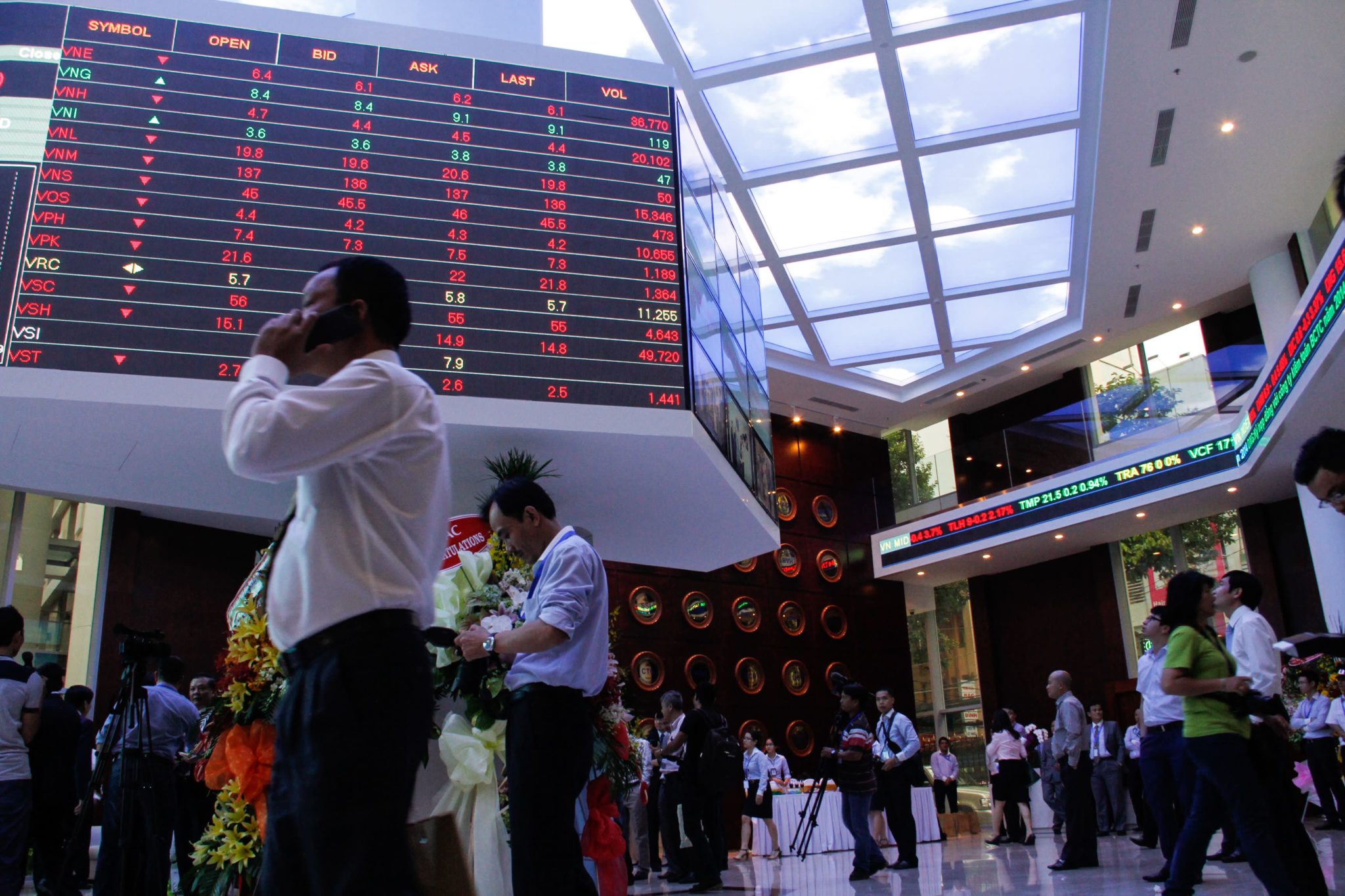
    On Tuesday, the VN-Index, Vietnam’s benchmark index, rose by 0.9% to reach 1,717.06 points. This marked the highest level it had reached since October 17. The index ended the day 15 points higher, with a total increase of over 56 points across the previous five sessions.

    Growth in Trading

    The Ho Chi Minh Stock Exchange, where the index is located, experienced a 6.4% increase in trading. The trade value came to VND22.39 trillion, equivalent to US$849 million.

    Significant Stock Movements

    The VN30 basket comprises the 30 largest capped stocks, of which 20 saw an increase in their share prices. Leading the pack was Sabeco’s SAB and Vietjet’s VJC, both of which saw a significant 6.9% increase in their share prices. They were closely followed by the Vietnam Rubber Group’s GVR, which saw an increase of 3.9%, and Techcombank’s TCB, which experienced a 3% hike in its share price.

    On the other hand, five blue-chip stocks experienced a drop, with VPBank’s VPB seeing the most significant decline of 1.4%.

    Foreign Investment

    In terms of foreign investment, investors were net buyers, with VND637 billion invested predominantly in Vietjet’s VJC and Vingroup’s VIC.

    Other Indices

    Other exchanges also saw a rise in their indices. The HNX-Index on the Hanoi Stock Exchange, famous for mid and small-cap stocks, saw an increase of 0.37%. Meanwhile, the UPCoM-Index for the Unlisted Public Companies Market experienced an increase of 0.47%.

    Questions & Answers

    What was the highest point reached by the VN-Index on Tuesday?
    The VN-Index reached its highest point since October 17 on Tuesday, concluding at 1,717.06 points.

    Which stocks led the increase in the VN30 basket?
    The stocks that led the increase in the VN30 basket were Sabeco’s SAB and Vietjet’s VJC, each experiencing a 6.9% rise in share price.

    What was the trend among foreign investors?
    Foreign investors were predominantly net buyers, notably investing in Vietjet’s VJC and Vingroup’s VIC.

  • Human Made Leaps to Tokyo Stock Exchange: A Pivotal Move in Global Retail Expansion Strategy

    Human Made Leaps to Tokyo Stock Exchange: A Pivotal Move in Global Retail Expansion Strategy

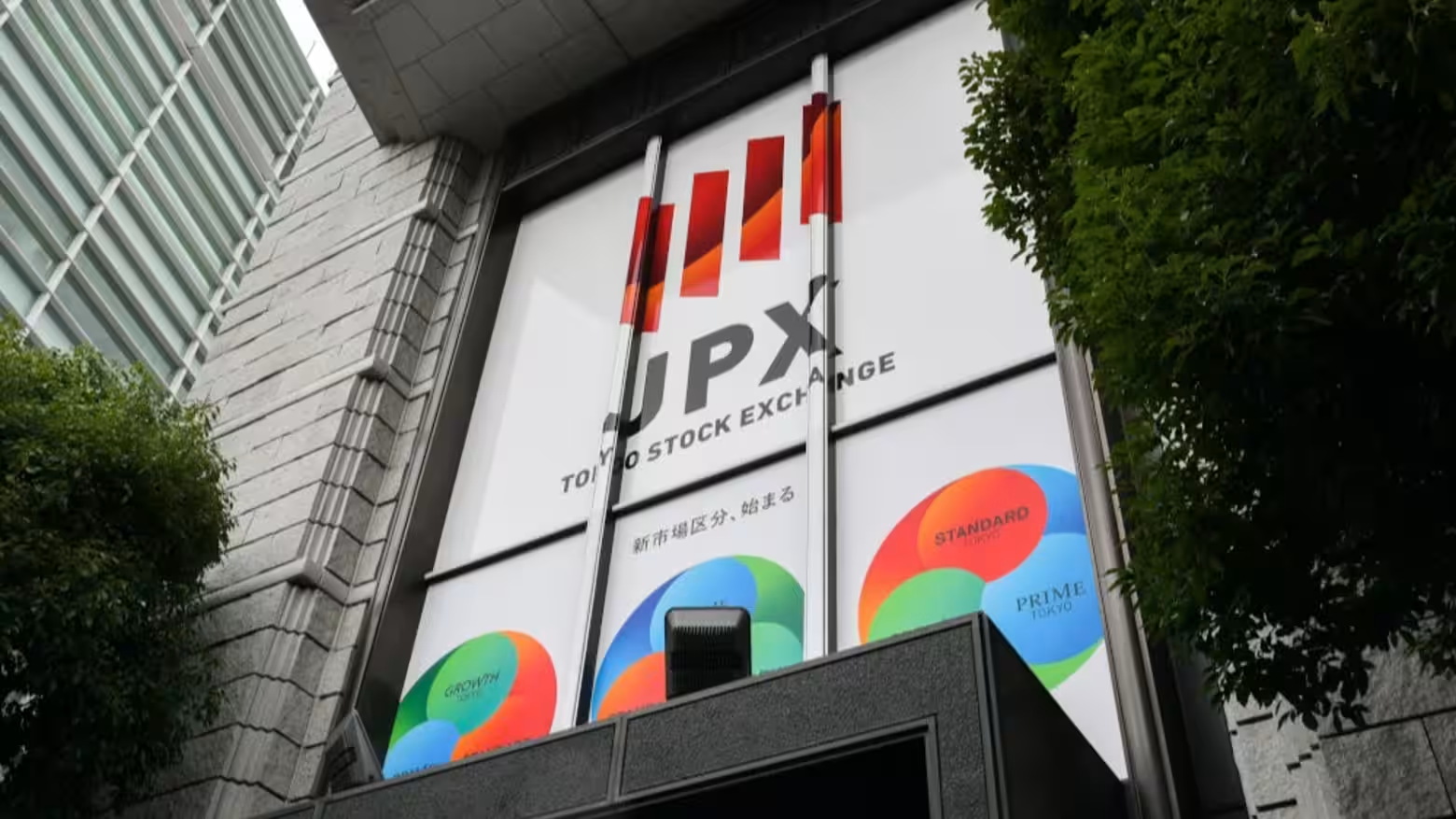
    Japanese lifestyle company Human Made has successfully been registered on the Tokyo Stock Exchange Growth Market, indicating a significant development in the firm’s expansion strategies both locally and internationally.

    Company Overview

    Human Made was established in 2010 by designer Nigo, gaining recognition for its streetwear design. The brand has gradually grown its presence, both within Japan and globally. Presently, Human Made runs seven outlets throughout Japan and has extended its reach to China, Hong Kong, and South Korea. Additionally, it has formed alliances with local distributors in Singapore, Thailand, Indonesia, and Australia.

    Diversification of Business

    Apart from its fashion-centric operations, Human Made has branched out into the food and beverage industry with its Curry Up restaurant chain. The chain expanded its operations beyond Japan for the first time, opening a location in Hong Kong in the previous year.

    Global Creative Direction

    In the previous year, the company welcomed global music and fashion figure Pharrell Williams as a creative advisor. This move reinforced the company’s global creative direction. In alignment with its flagship lifestyle brand, the company changed its name from Otsumo Co to Human Made Inc in May.

    Future Prospects of the Company

    Looking forward, Human Made has plans to inaugurate its first-ever global flagship store in Harajuku in the summer of 2026. This will be followed by a second store opening in Aoyama in 2027. These plans underscore the brand’s dedication to creating immersive retail experiences.

    Questions & Answers

    What is Human Made’s primary line of business?
    Human Made is a lifestyle brand known for its streetwear designs.

    What other industry does Human Made operate in?
    Apart from fashion, Human Made is also involved in the food and beverage sector through its Curry Up restaurant chain.

    What are some future plans of Human Made?
    The company plans to open its first global flagship store in Harajuku in 2026, followed by a second location in Aoyama in 2027.

  • First 24/7 Gold ATM Sparkles in Dubai: Emirates Gold Revolutionizes Bullion Trade

    First 24/7 Gold ATM Sparkles in Dubai: Emirates Gold Revolutionizes Bullion Trade

    Emirates Gold, a leading bullion retailer, has made history by unveiling the first-ever gold Automated Teller Machine (ATM) in the United Arab Emirates (UAE). This pioneering system gives customers the ability to withdraw and trade physical gold around the clock.

    Gold Trading at Your Fingertips

    Located within the towering architecture of Almas Tower in Dubai, this gold ATM is the inaugural installation of what is projected to be a network of up to 40 such machines, due to be set up within the current and coming year.

    The ATM gives users access to more than 70 diverse designs of gold and silver bars in smaller denominations, presenting them with a wide variety of options for collection, investment, or gifting purposes. The process is simple and efficient – users scan to make the payment, select their desired products at live spot prices and are able to receive their physical bullion in an instant.

    Future Prospects and Features

    In addition to the current offering, there are plans to incorporate additional features in the near future. These include options for online order collection as well as the conversion of cryptocurrency.

    Surge in UAE Gold Demand

    In recent years, the UAE has seen a significant influx in gold demand. In 2024 alone, gold demand reached an impressive 66 tonnes. This substantial demand is largely driven by tourist purchases, accounting for a substantial 30% of the total, and local residents seeking to diversify their portfolios beyond traditional real estate and equities.

    The sale of smaller bars, ranging from 1g to 100g in weight, has also seen a significant surge, constituting 40% of the retail market, a marked increase from the 25% in 2020.

    The Rise of Gold Recycle ATMs

    On a global scale, the popularity of gold recycling ATMs has also been on the rise. For instance, in May, a gold recycling ATM in China’s Shanghai attracted large crowds, particularly among older residents eager to cash in their long-held jewelry as global gold prices continue to climb.

    Questions & Answers

    What is a gold ATM?
    A gold ATM is an automated machine that allows customers to withdraw and trade physical gold around the clock.

    What future features are expected to be added to the gold ATMs?
    In the near future, the gold ATMs will incorporate features for online order collection and the conversion of cryptocurrency.

    What factors have led to the surge in UAE gold demand?
    The surge in UAE gold demand is largely attributable to tourist purchases and the growing interest of local residents to diversify their portfolios beyond traditional real estate and equities.

  • Indonesia Cracks Down on 1,400 Illegal Gold Mines: A Sweeping Environmental Rescue in Halimun Salak National Park

    Indonesia Cracks Down on 1,400 Illegal Gold Mines: A Sweeping Environmental Rescue in Halimun Salak National Park

    Indonesia has embarked on an ambitious initiative to eradicate approximately 1,400 unauthorized gold mines located in the Mount Halimun Salak National Park area, situated in the Sukabumi district of West Java province. In the month of November alone, local authorities have succeeded in shutting down close to 300 mining sites.

    Government Stance on Illegal Mining

    Rudianto Saragih Napitu, who heads the Forestry Crime Enforcement arm of the Indonesian Ministry of Forestry, voiced his concerns regarding the illicit mining operations. According to him, the benefits of these activities remain confined to investors, offering little to no value to the local people employed in these mines.

    He went on to state that while the government endorses positive alliances, it remains staunchly opposed to activities leading to environmental destruction and exploitation.

    Environmental Impact of Unauthorized Mining

    The issue of illegal gold mining is not new to Indonesia and is known to cause significant environmental damage. This includes deforestation, waterbody pollution, and the depletion of national resources.

    Illegal mining sites are chiefly clustered in several regions such as Jambi, West Sumatra, West Kalimantan, Central Sulawesi, and certain areas in Maluku. Additionally, some national parks, including Halimun Salak, are also a part of this issue.

    Questions & Answers

    What is the impact of illegal gold mining in Indonesia?
    Illegal gold mining in Indonesia leads to severe environmental consequences, including deforestation, river pollution, and loss of national resources.

    What is the government’s stance on illegal mining activities?
    The government, while endorsing positive partnerships, is against any activities that lead to environmental destruction and exploitation.

    Where are the hotspots for illegal gold mining in Indonesia?
    Illegal gold mining hotspots in Indonesia are primarily located in Jambi, West Sumatra, West Kalimantan, Central Sulawesi, some parts of Maluku, and in certain national parks such as Halimun Salak.

  • OCBC Leads the Charge in QR Payments Integration, Dominating China’s Scan-and-Pay Market

    OCBC Leads the Charge in QR Payments Integration, Dominating China’s Scan-and-Pay Market

    OCBC Bank is set to be the first Singaporean financial institution to allow customers to scan and pay every major merchant QR code in Mainland China via its Singapore mobile banking application. This innovation is a significant leap in the integration of cross-border payments.

    Positioning for the Future

    This strategic move places OCBC in a strong position to tap into the increasing travel and expenditure flows into China, where QR code transactions are commonplace. The additional functionality is a result of an extended collaboration with UnionPay International, formalized in Shanghai on November 28, 2025.

    Streamlining Payments for Travellers

    The OCBC application will take advantage of NETS infrastructure to facilitate payments to vendors that accept Weixin Pay, also known as WeChat Pay, augmenting its current support for Alipay+ and UnionPay QR. The Weixin Pay feature will be rolled out in the first quarter of 2026.

    The upgrade offers OCBC Singapore clients a seamless experience within one of the globe’s most cashless economies. Users can effortlessly scan any Weixin Pay, Alipay+, or UnionPay merchant QR code and have the payment directly deducted from their OCBC accounts.

    Surge in Strategic Opportunity

    The update spares customers the inconvenience of downloading separate applications, refilling digital wallets, or standing in line for currency exchange. Instead, they can enjoy competitive real-time exchange rates and no additional charges.

    The Scan & Pay feature of OCBC is experiencing substantial growth. Payment volumes have increased by eleven percent year-on-year, with active users up by 67 percent. Mainland China has become the top destination for these transactions, which are frequently used for dining, sightseeing, and retail shopping, including duty-free products and jewelry.

    Travel Demand on the Rise

    The bank’s expanded QR acceptance aligns with the escalating travel demand. The number of arrivals from Singapore to Mainland China more than doubled in 2024, rising from 260,000 in 2023 to a projected 535,000, according to Oxford Economics.

    Questions & Answers

    What does this move mean for OCBC?
    By enabling customers to scan and pay every major merchant QR code in Mainland China, OCBC positions itself to capture increasing travel and spending flows into China, where QR code transactions dominate.

    How does this change benefit OCBC clients?
    The enhancement removes obstacles from one of the world’s most cashless ecosystems. Users can simply scan any Weixin Pay, Alipay+ or UnionPay merchant QR code and have payments debited directly from their OCBC accounts.

    How does OCBC’s Scan & Pay feature perform?
    OCBC’s Scan & Pay feature has seen robust growth, with payment volumes up eleven percent year-on-year and active users up 67 percent.

  • Citi Bolsters Japanese Investment Banking by Appointing Veteran Yuko Nakayama as ECM Head

    Citi Bolsters Japanese Investment Banking by Appointing Veteran Yuko Nakayama as ECM Head

    U.S. banking giant, Citi, has unveiled a key strategic management change to bolster its standing in the highly competitive capital markets sector. Yuko Nakayama has been promoted to the lead role of ECM for Japan Investment Banking, a position aimed at fortifying the bank’s foothold in one of Asia’s most vibrant equity issuance markets.

    Nakayama’s Immediate Effectiveness

    Nakayama’s appointment, made public on Monday, comes into effect immediately. The move emphasizes Citi’s focus on generating increasing deal flow and cultivating deeper client relationships, in light of the growing global investor enthusiasm towards Japan.

    Nakayama’s New Role

    In this newly assumed role, Nakayama will directly report to Taiji Nagasaka and Akira Kiyota, while sharing matrix reporting lines with Harish Raman and Kenneth Chow. The entire Japan ECM team will be under her leadership. Citi has outlined her responsibilities which include spearheading the further growth of its Equity Capital Markets franchise in Japan. She is also mandated to amplify execution competencies and expand coverage for both domestic and international clients.

    Ample Experience in Japanese Capital Markets

    Nakayama brings with her a wealth of experience and a proven track record in the Japanese capital markets. She had an earlier stint with Citi from 2009 to 2015, after which she spent several years at Goldman Sachs. She returned to Citi in 2023. Since her comeback, she has been instrumental in securing and executing numerous significant ECM transactions, establishing her suitability for this expanded leadership role.

    Capitalizing on a Growing Market

    Japan’s equity markets have been gaining momentum, fueled by corporate governance reforms, rising valuations, and a positive macroeconomic landscape that is attracting international capital. Citi’s decision to promote Nakayama demonstrates its determination to leverage these trends, strategically positioning its ECM operation for sustained growth and increased competitiveness.

    Questions & Answers

    Who has Citi appointed as the head of ECM for Japan Investment Banking?
    Citi has appointed Yuko Nakayama to this role.

    What are the responsibilities of Nakayama in her new role at Citi?
    She will be responsible for leading and developing the Equity Capital Markets franchise in Japan, as well as enhancing execution capabilities and broadening coverage for both domestic and multinational clients.

    What is the significance of Nakayama’s appointment?
    Her appointment signifies Citi’s commitment to capitalizing on the growing global investor interest in Japan and strengthening its competitiveness in the equity capital markets.

  • HSBC Fuels Singapore’s Startup Boom: A Billion-Dollar Bet on Global Innovation Dominance

    HSBC Fuels Singapore’s Startup Boom: A Billion-Dollar Bet on Global Innovation Dominance

    As Singapore further cements its position as a worldwide hub for innovation, HSBC is strategically situating itself at the forefront of this transformation.

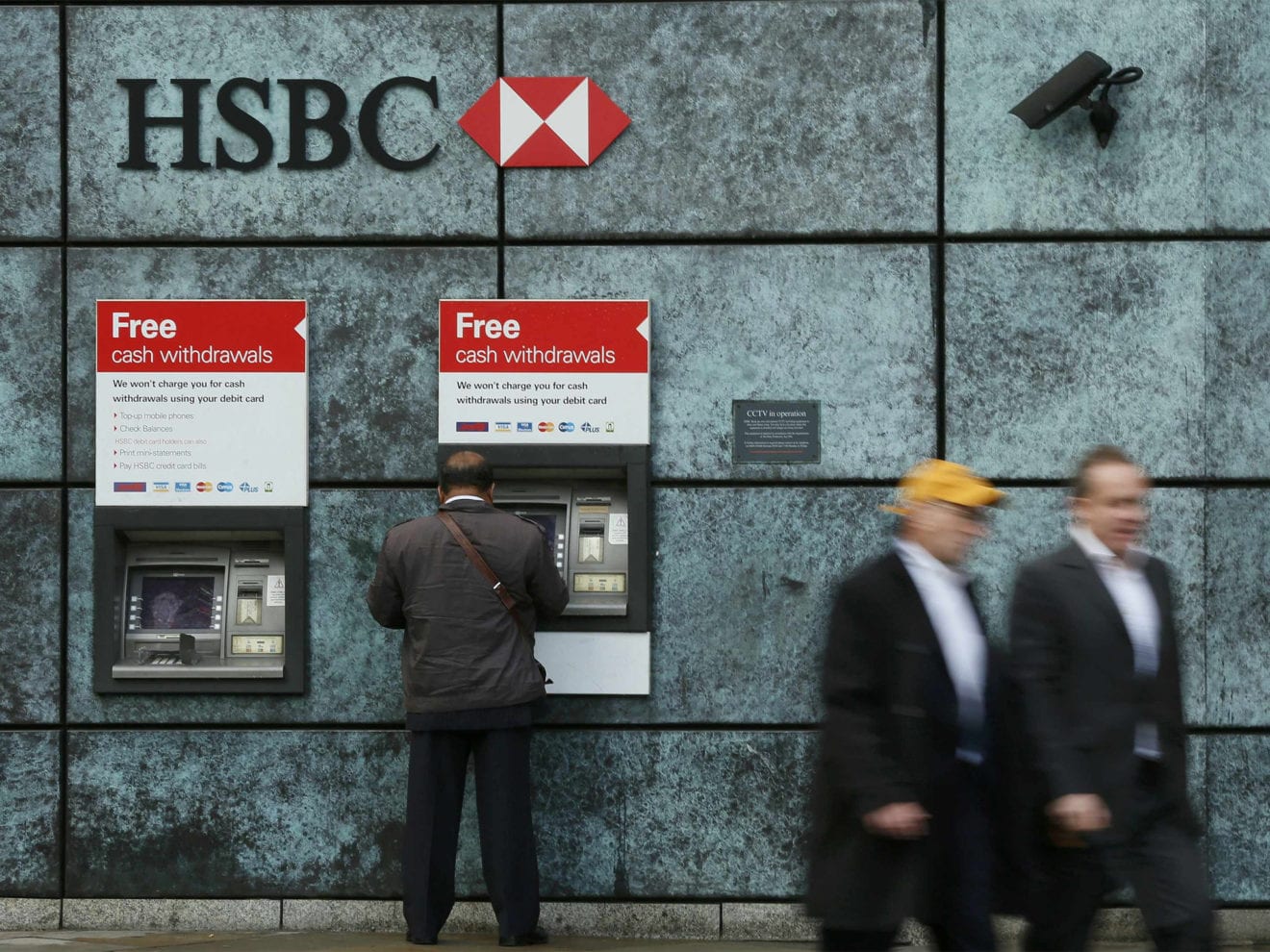
    HSBC’s group chief executive, Georges Elhedery, has recently expressed that innovation, technology, and artificial intelligence will drive economic growth. He emphasized that banks must adopt a proactive approach in providing financial support to start-ups and scaling companies.

    This standpoint coincides with the rising global recognition of Singapore’s start-up ecosystem and the rapid international expansion of venture-backed firms.

    The Crucial Role of Banks in Innovation

    Elhedery regards start-ups as the pivotal driving force for future GDP growth. He points out that while advanced technology only accounts for four percent of the US GDP, it contributes to an impressive ninety-two percent of the country’s GDP expansion.

    He stresses the importance for financial institutions to back these high-growth firms, despite the heightened credit risks. Elhedery firmly believes that leveraging and applying the bank’s expertise in this ecosystem is of utmost importance.

    Singapore’s Strategic Importance to HSBC’s Global Ambitions

    HSBC considers Singapore as a significant player in its Asia-Pacific aspirations. The bank is developing group-level competencies from Singapore, introducing services such as blockchain-based tokenised deposits that offer 24/7 real-time settlements.

    “Singapore plays an essential role in HSBC’s international strategy,” states Elhedery. He underscores the bank’s ambition to emerge as the leading global institution in corporate banking, institutional banking, wealth management, and innovation banking.

    HSBC’s Response to Start-ups’ Global Expansion

    As an increasing number of Singaporean start-ups scale globally, HSBC observes a surge in demand for financing through its international network. The bank’s newly established innovation banking division in Singapore aims to bridge a long-standing market gap by offering sector expertise, specialised products, and customised financing solutions to venture-backed firms.

    HSBC has committed US$1.5 billion in funding to high-growth firms in Singapore. The bank’s lending decisions are steered by its close interactions with founders and their investors.

    Targeting Founders’ Wealth

    Apart from corporate banking, HSBC is also focusing on the wealth of founders. Nearly two-thirds of its worldwide private banking clients in Singapore are entrepreneurs. The bank provides guidance on pre-exit planning, IPO preparation, succession strategies, and curated networking through initiatives like the Innovation Exchange.

    A global HSBC report in 2025 identified Singapore as the most appealing hub for entrepreneurial wealth worldwide. Fifteen percent of entrepreneurs plan to relocate their assets to Singapore, with 12% considering moving their residence.

    Positioning for Sustainable Growth

    For HSBC, innovation banking presents both a commercial prospect and a long-term strategic move. As Singapore strengthens its stature as a global innovation hub, the bank aims to be the go-to partner for high-growth companies, their investors, and founders.

    Elhedery clearly articulates this goal, “Our involvement in the innovation ecosystem is crucial for nurturing the businesses of the future.”

    Questions & Answers

    What is the role of banks in financing start-ups and scaling companies?
    Banks, according to HSBC Group CEO Georges Elhedery, must actively finance start-ups and growing companies, despite the elevated credit risk.

    How does HSBC view Singapore’s role in scaling its global operations?
    HSBC sees Singapore as a significant player in its Asia-Pacific aspirations, developing group-level competencies and introducing services from the city-state.

    What is HSBC’s approach towards the wealth of founders?
    HSBC is focusing on the wealth of founders by offering advice on pre-exit planning, IPO preparation, succession strategies, and curated networking through initiatives like the Innovation Exchange.