Category: Finance

Retail News Asia is committed to providing both local and global retailers with the latest Finance news throughout the Asian market. This on a daily base.

  • Crypto.com Bolsters Fiat Payment Capabilities in Singapore through Enhanced Partnership with DBS Bank

    Crypto.com Bolsters Fiat Payment Capabilities in Singapore through Enhanced Partnership with DBS Bank

    Crypto.com, a leading cryptocurrency platform, has further established its presence in Singapore’s highly regulated digital asset market with an enhanced partnership with DBS Bank, the largest bank in Southeast Asia in terms of assets. This latest development amplifies Crypto.com’s access to Singapore Dollar (SGD) and US Dollar (USD) deposits and withdrawals. It also underscores the platform’s commitment to integrating cryptocurrency services with solid, bank-grade infrastructure within the Monetary Authority of Singapore (MAS) regulatory framework.

    Implications for Advanced Investors

    For the astute investor, smooth entry and exit points are as crucial as market access. Crypto.com’s addition of DBS to its list of banking partners, alongside its existing affiliation with Standard Chartered, lowers the risk of dealing with a single counterparty. In doing so, it also enhances the redundancy, speed, and reliability of fiat transactions. This multi-layered banking strategy offers a level of resilience that appeals to both serious retail and professional investors.

    Virtual Accounts and Swift Transfers

    A significant improvement brought about by this enhanced partnership with DBS is Crypto.com’s ability to set up unique virtual accounts for its customers. These accounts facilitate quicker and simpler SGD and USD transfers into and out of the Crypto.com App. This new development streamlines the management of funds for active traders and long-term investors who need dependable settlement and efficient liquidity flows.

    Positioning within Singapore’s Regulatory Ambit

    The extended fiat capabilities highlight Crypto.com’s focus on operating within clearly defined regulatory guidelines. Collaboration with leading domestic and international banks signals that it aligns with Singapore’s regulatory expectations surrounding transparency, security, and consumer protection. This is a key factor for investors assessing counterparty and jurisdictional risk.

    Leadership Insights on Expansion and Adoption

    Karl Mohan, EVP Financial Services and General Manager International at Crypto.com, emphasized the company’s commitment to providing secure and regulated fiat payment solutions. He stated that the expanded capabilities in Singapore enhance user experience and promote wider cryptocurrency adoption across the region.

    Chin Tah Ang, General Manager Singapore at Crypto.com, stressed the strategic significance of the Singapore market. As a hub for both Crypto.com’s headquarters and growth, he underscored the importance of their collaboration with DBS in offering seamless SGD and USD transfers for users.

    A Broader View of Crypto Infrastructure

    The quality of a platform’s infrastructure is becoming a defining factor for digital asset platforms as they mature, rather than simply the breadth of their product offerings. Crypto.com’s increased partnership with DBS signifies an industry trend towards models that prioritize integration with banks and regulatory compliance. This development is likely to resonate with investors who value stability, compliance, and operational efficiency in their cryptocurrency market exposure.

    Questions & Answers

    What does Crypto.com’s enhanced partnership with DBS Bank entail?
    The partnership signifies increased access to SGD and USD deposits and withdrawals, along with the ability for Crypto.com to set up unique virtual accounts for customers.

    How does this partnership benefit investors?
    This partnership offers a multi-layered banking strategy that reduces the risk of dealing with a single counterparty, enhances the speed and reliability of fiat transactions, and offers smooth entry and exit points.

    What does the partnership suggest about the broader industry trends?
    The expanded partnership aligns with the industry trend towards bank-integrated, regulation-first models, likely appealing to investors who value stability, compliance, and operational efficiency in their cryptocurrency market engagement.

  • Vietnam’s Bold Leap: Launch of Innovative International Financial Center Marks New Era in Global Integration

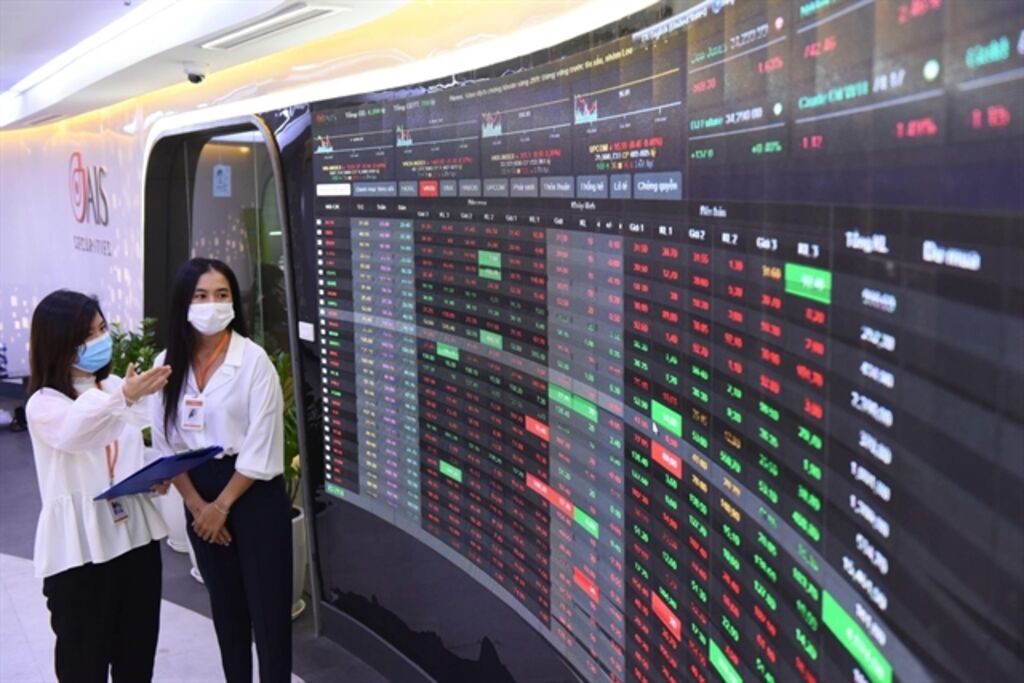
    Vietnam’s Bold Leap: Launch of Innovative International Financial Center Marks New Era in Global Integration

    Prime Minister Pham Minh Chinh recently chaired a conference to declare the creation of an international financial center (IFC) in Vietnam. At the same time, the coordinating council for the IFC was launched, with the Permanent Deputy Prime Minister, Nguyen Hoa Binh, at its helm.

    Significance of the IFC

    Prime Minister Chinh underscored the importance of establishing the IFC, stating that it signifies a major turning point in Vietnam’s integration and development following 40 years of Doi moi (Renewal). The creation of the IFC is an urgent need based on Vietnam’s potential, advantages, and forward-thinking vision for rapid, sustainable progress. It is a strategic choice and an effective solution that reflects the need to restructure global investment flows and Vietnam’s ambition to achieve new heights during the nation’s ascent.

    Chinh emphasized that Vietnam is not seeking to compete with other IFCs worldwide but aims to forge its distinct path with unique, superior mechanisms and policies. This will result in a complementary, interconnected model, providing a cohesive, efficient, and sustainable financial ecosystem.

    According to Chinh, the IFC’s inception marks the start of an innovative process in the financial market development, with widespread implications for all sectors, institutions, and entities within the country.

    Expected Benefits of the IFC

    The IFC is anticipated to enhance Vietnam’s position, making it an essential part of the global financial security network. It will facilitate the mobilization of efficient, large-scale, and low-cost capital for strategic infrastructure development without increasing public debt. Moreover, it will serve as a platform for Vietnamese businesses to expand internationally and adhere to the most advanced governance standards.

    The IFC also represents an institutional breakthrough. The benefits of the IFC extend beyond monetary gains and include innovation in management thought and advanced technology. International competition is expected to drive administrative reforms towards greater transparency and comprehensive digitization.

    For the IFC to operate effectively, Prime Minister Chinh urged ministers, heads of sectors, chairpersons of the People’s Committees of HCM City and Da Nang, and relevant agencies to ensure decisive, collaborative, and productive execution of the assigned tasks and measures.

    Support for the IFC

    Chinh also encouraged partners, domestic and international businesses, and investors, to collaborate and support Vietnam throughout the IFC development process. He stressed the importance of reforming management mindset towards a more enabling and service-oriented approach, aligning socio-economic infrastructure and ecosystem with international standards.

    Chinh requested the supervisory body to operate independently and transparently, in line with international commitments to prevent money laundering and facilitate the flows of clean capital into Vietnam.

    He also advised Vietnamese businesses and investors to remain confident, resilient, and united, seize opportunities, and enhance cooperation to grow. He stated that the IFC is a stepping stone for them to expand their reach regionally and globally.

    Despite the challenges ahead, Chinh expressed confidence that with the consensus of the political system, the active involvement of the business community and people nationwide, and international support, Vietnam will successfully develop a free, digital, green, safe, transparent, competitive, efficient, and sustainable IFC. This will pave the way for the country to progress towards a new era of prosperity, civility, and happiness, and take firm steps towards socialism.

    Representatives of domestic and international businesses and investors lauded the establishment of the IFC and committed to helping attract international capital to Vietnam, implementing financial and banking mechanisms, and investing robustly in digital transformation, green finance, and inclusive finance.

    Questions & Answers

    What is the purpose of the International Financial Center (IFC) in Vietnam?
    The IFC is anticipated to function as a strategic and effective solution to restructure global investment flows, boost Vietnam’s position in the global financial security network, and serve as a platform for Vietnamese businesses to expand internationally.

    What is the expected impact of the IFC?
    The IFC is expected to drive innovation in the financial market and encourage administrative reforms towards greater transparency and comprehensive digitization. It will also facilitate the mobilization of efficient, large-scale, and low-cost capital for strategic infrastructure development without increasing public debt.

    How will the IFC benefit Vietnamese businesses and investors?
    The IFC will provide Vietnamese businesses and investors with a platform to expand their reach regionally and globally. Additionally, it will usher in increased cooperation, resilience, and confidence among businesses, paving the way for growth and prosperity.

  • Unprecedented Surge: Vietnam Gold Soars as Global Rates Smash Historic Records

    Unprecedented Surge: Vietnam Gold Soars as Global Rates Smash Historic Records

    On Monday, the price of gold in Vietnam increased as global rates reached an unprecedented level due to expectations of further reductions in interest rates. The Saigon Jewelry Company saw a 0.57% increase in the price of their gold bars, rising to VND157.5 million (US$5,983.58) per tael.

    Gold Rise Continues

    Furthermore, the cost of a gold ring also saw a surge of 0.20%, escalating to VND154.1 million per tael. One tael is equivalent to 37.5 grams or 1.2 ounces.

    On the global front, gold prices rocketed to a record high on Monday. This surge was fueled by growing expectations for further U.S. interest rate cuts and strong safe-haven demand. Silver also joined in this rally, recording an all-time high.

    Spot gold saw a 1.2% rise, reaching a record of $4,391.92 an ounce. At the same time, spot silver experienced a 2.7% increase, attaining a historic high of $69.23.

    Impressive Gains

    Bullion, or gold and silver in bulk form, has experienced an impressive 67% gain this year, breaking numerous records and surpassing the $3,000 and $4,000 per-ounce milestones for the first time. These gains indicate that it is on track for its largest annual increase since 1979.

    Questions & Answers

    What factors are contributing to the rise in gold prices?
    The rise in gold prices is due to expectations for further U.S. interest rate cuts and strong safe-haven demand.

    What other precious metal has seen significant growth recently?
    Silver has also seen significant growth recently, joining in the rally with gold to reach an all-time high.

    How have these price increases impacted bullion?
    Bullion, or gold and silver in bulk form, has seen an impressive 67% gain this year, surpassing the $3,000 and $4,000 per-ounce milestones for the first time.

  • Vietnam Gold Prices Take a Dive Amid Global Decline: A Look at Market Dynamics and Upcoming US Economic Data

    Vietnam Gold Prices Take a Dive Amid Global Decline: A Look at Market Dynamics and Upcoming US Economic Data

    The cost of gold took a significant plunge in Vietnam on Tuesday afternoon in line with a global downtrend. Saigon Jewelry Company, for example, saw a decrease of 1.02% in the price of their gold bars, which fell to VND155.6 million (US$5,908.47) per tael.

    Simultaneously, the price of a gold ring saw a 1.1% drop, landing at VND152.7 million per tael. For reference, a tael is equivalent to 37.5 grams or 1.2 ounces.

    Despite this recent tumble, bullion prices in Vietnam have seen an impressive increase of 85% since the start of the year.

    Global Gold Prices

    The decline in Vietnam’s gold prices also mirrors a worldwide trend. On Tuesday, gold prices slipped internationally as investors adopted a cautious stance in anticipation of crucial U.S. employment and inflation data. This information is expected to provide indications for the Federal Reserve’s policy as we head into the new year.

    In particular, spot gold decreased by 0.3% to $4,290.33 per ounce. However, despite this decline, bullion has experienced a strong rally of 64% year-to-date, breaking multiple records along the way.

    According to Ilya Spivak, the head of global macro at Tastylive, the market is currently weighing whether there’s sufficient conviction to push prices higher, or if this is the point where momentum begins to wane.

    Silver Prices

    In other commodities, spot silver also experienced a decline, decreasing by 1.4% to $63.03 an ounce. This comes after it reached a record high of $64.65 on Friday.

    Questions & Answers

    What caused the decline in gold prices in Vietnam?
    The decline in gold prices in Vietnam is primarily due to a global decrease in gold prices.

    What is the impact of U.S. employment and inflation data on global gold prices?
    U.S. employment and inflation data are key indicators for the Federal Reserve’s policy. As such, they can influence investor sentiment and cause shifts in global gold prices.

    How has the price of bullion changed since the start of the year?
    Despite the recent downturn, bullion prices in Vietnam have increased by 85% since the beginning of the year. Similarly, globally, bullion has rallied 64% year-to-date.

  • Wellington & Standard Chartered Unveil No-Load Shares, Transforming Wealth Market Dynamics in Singapore

    Wellington & Standard Chartered Unveil No-Load Shares, Transforming Wealth Market Dynamics in Singapore

    Wellington Management has enhanced its alliance with Standard Chartered Bank by launching exclusive no-load share classes of the Wellington Asia Quality Income Fund for the bank’s customers in Singapore. This strategic initiative enhances its competitive standing in an increasingly cost-conscious wealth market.

    Building on Established Collaboration

    Wellington’s new offering, announced on Monday, is an extension of a collaboration that started in 2024. At that time, Wellington’s Credit Total Return strategy was made exclusively accessible to Standard Chartered’s private and retail banking clients in Singapore and Hong Kong. This award-winning UCITS model has since grown to over $1.3 billion in AUM in less than two years, showcasing robust client acceptance.

    Encouraging Long-Term Investment

    The recently launched Class B Shares of the Asia Quality Income Fund eliminates the initial subscription fees, making investment more accessible. The structure incorporates a contingent deferred sales charge of two percent if shares are redeemed within three years, an inventive way to encourage long-term investment rather than short-term trading.

    Chia Chia Chng, Southeast Asian Wealth Head at Wellington Management, noted that this expanded collaboration reflects the mutual emphasis on resilient income strategies. She further emphasized the attractiveness of dividend strategies given the current economic climate characterized by growth uncertainties, trade policy ambiguities, and geopolitical risk.

    A Disciplined Approach to Asia ex-Japan Equities

    The actively managed fund, overseen by seasoned portfolio manager Naveen Venkataramani, targets superior, dividend-paying companies across the Asia ex-Japan region. The investment approach emphasizes three categories; Dividend Compounders, Dividend Leaders, and Dividend Surprisers. It accentuates robust balance sheets, competitive advantages, and sound corporate governance.

    Venkataramani revealed that historically, dividends have constituted approximately 65 percent of total equity returns in Asia ex-Japan. He predicts room for growth in Asia’s dividend payout, supported by improved cash flow generation and relatively low corporate leverage.

    The Significance of this Partnership for Wealth Platforms

    For astute investors and distributors, this partnership signifies a wider industry trend. Global asset managers and banks are leveraging targeted fee structures and exclusive access to differentiate their offerings in competitive wealth markets like Singapore.

    By merging Wellington’s considerable scale – $1.3 trillion in assets under management – with Standard Chartered’s regional distribution capabilities, this initiative aligns product design with changing client expectations around cost transparency and income resilience.

    Questions & Answers

    What does the newly introduced Class B Shares of the Asia Quality Income Fund offer?
    These shares eliminate initial subscription fees, turning investment more accessible. It also includes a two percent deferred sales charge if shares are redeemed within three years, encouraging long-term investment behaviors.

    What is the investment focus of the Asia Quality Income Fund managed by Naveen Venkataramani?
    The fund targets high-quality, dividend-paying companies in the Asia ex-Japan region, emphasizing strong balance sheets, competitive advantages, and good corporate governance.

    What is the significance of this partnership between Wellington Management and Standard Chartered Bank for the wealth market?
    This collaboration, which offers targeted fee structures and exclusive access, signifies a wider industry trend in competitive wealth markets like Singapore. It aligns product design with evolving client expectations around cost transparency and income resilience.

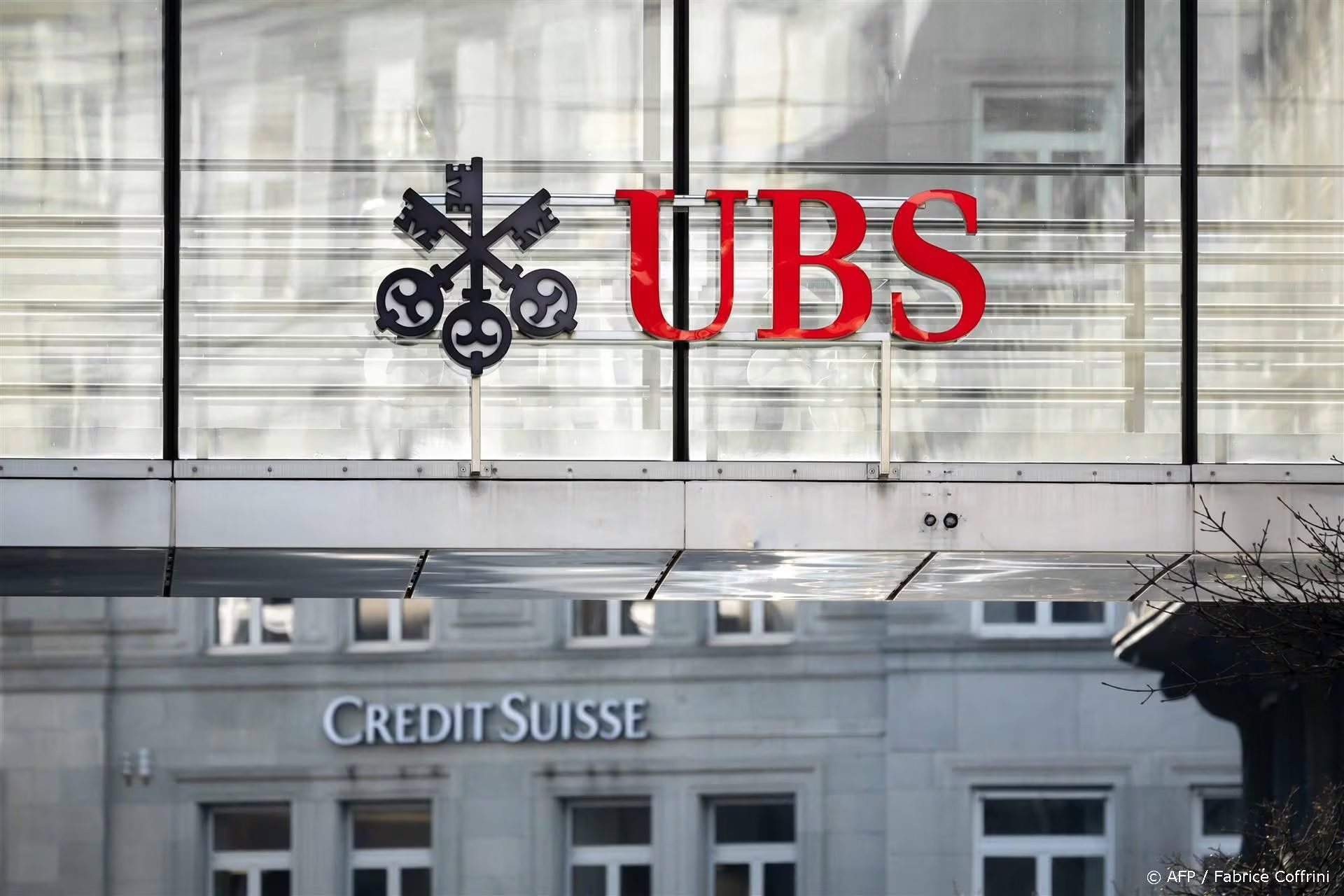
  • UBS Tech Revolution: COO-designate Takes the Reins as Dargan Exits, Setting Stage for AI-Driven Future

    UBS Tech Revolution: COO-designate Takes the Reins as Dargan Exits, Setting Stage for AI-Driven Future

    UBS, the leading global financial institution, is implementing a strategic restructuring of its executive team, aimed at enhancing oversight of its technology operations. This change comes as a critical phase of operational and technology development begins, with the Group Technology division now falling under the purview of the incoming Group Chief Operating Officer.

    Executive Changes on the Horizon

    Mike Dargan, the current Group Chief Operations and Technology Officer, will be leaving his position at UBS at the end of December 2025 to seize a new opportunity elsewhere. This departure has resulted in an immediate reshuffling of responsibilities within the firm’s operational and technology sectors.

    From the start of January 2026, the Group Technology division will report to Beatriz Martin as she steps into her new role as Group Chief Operating Officer. This shift will consolidate the operational responsibility and technology governance on a day-to-day basis under Martin’s leadership.

    Interim Leadership and Continuity

    In the interim, while a permanent successor is sought, Chris Gelvin will assume the role of acting Head of Group Technology. Gelvin, who currently serves as Chief Operating Officer of Group Technology, will maintain continuity and stability within the operation as UBS finalizes its long-term leadership structure.

    UBS has indicated that this expansion of the Group COO role is designed to support seamless operations from beginning to end, prioritizing technology and artificial intelligence initiatives. Furthermore, it is intended to facilitate the completion of the ongoing technology integration process.

    CEO’s Perspective: Growth, Resilience, and Digitization

    Sergio Ermotti, the Group CEO, has praised Dargan for his role in leveraging technology to enhance the company’s business performance. He stated that Dargan had played a pivotal role in positioning the company’s technology as a key factor in business growth and resilience, and in advancing the firm’s strategic shift towards artificial intelligence and digitization.

    It’s important to note that changes to the Group Executive Board are subject to regulatory approval. Revised reporting lines and interim arrangements are being implemented to ensure stable execution during this transition period.

    Questions & Answers

    Q: Who will assume the role of Group Chief Operating Officer at UBS?
    A: Beatriz Martin will take over as Group Chief Operating Officer from January 1, 2026.

    Q: What will be the role of Chris Gelvin during the transition?
    A: Chris Gelvin will serve as interim Head of Group Technology, maintaining continuity during the transition period until a permanent successor is found.

    Q: What is the main goal of these changes in UBS’s leadership?
    A: The main goal is to enhance oversight of technology operations, support seamless end-to-end operations, prioritize technology and artificial intelligence initiatives, and complete the ongoing technology integration process.

  • Audi Teams Up with Revolut: A Fintech Revolution on the Formula One Racetrack

    Audi Teams Up with Revolut: A Fintech Revolution on the Formula One Racetrack

    Audi has officially launched the Audi Revolut F1 Team, an exciting development that firmly establishes the German manufacturer’s presence in Formula One and emphasizes the increasing strategic significance of fintech partnerships in international sports. The team’s name, logo, and Berlin launch date of January 20, 2026, were all announced.

    The partnership with Revolut was officially confirmed in July 2025 and extends far beyond mere logo incorporation. This collaboration places the British fintech firm at the heart of the team’s identity, aligning two brands known for their commitment to innovation, performance, and global influence. For Revolut, this alliance supports its goals to drive global expansion and enhance engagement across one of the most economically potent sports platforms worldwide.

    The Reveal of Brand Identity

    The Berlin launch will represent the first comprehensive public display of the Audi Revolut F1 Team’s identity, including the debut of its 2026 race livery. Designed as an immersive event, the launch aims to exhibit Audi’s design principles of clarity, technical intelligence, and emotion, while also extending access to the public with an opening on the following day.

    Revolut’s role also expands to the team’s business structure. Revolut Business will be incorporated into financial operations, and Revolut Pay will facilitate the team’s online merchandise store. This not only reinforces the commercial rationale behind the partnership but also showcases how fintech solutions can be directly integrated into high-performing organizations.

    Corporate Rebranding Indicates Long-Term Dedication

    Audi Motorsport will replace Sauber Motorsport as part of Audi’s Formula One initiative, and the UK facility in Bicester will be rebranded as the Audi Motorsport Technology Centre UK. These modifications underscore Audi’s goal to function as a fully-fledged factory team while maintaining the Sauber Holding and Sauber Technologies brands to ensure continuity.

    Revolut CEO Nik Storonsky views the partnership as a catalyst for expansion, stating that the team name and logo are the initial signs of a strong alliance that will spur Revolut’s global growth. Audi Chairman Gernot Döllner expressed that the unveiling provides the company’s Formula One dreams a distinct identity, encapsulating a powerful vision and innovative spirit.

    Establishing Reputation Prior to 2026 Regulations Change

    Team leadership emphasized both execution and timing. The Head of the Audi Revolut F1 Team, Mattia Binotto, underscored a culture of “precision and relentless ambition.” Meanwhile, Team Principal Jonathan Wheatley labeled the announcement as a “critical milestone” that concretises the project’s long-term objectives as Formula One braces for new regulations that will increase the electric share of hybrid power units to nearly 50 percent.

    Close Observation by Investors and Strategists

    To astute financial observers, the Audi Revolut F1 Team exemplifies how international brands are utilizing Formula One as a nexus for technology, sustainability, and customer acquisition. As Revolut targets 100 million customers and Audi positions itself at the forefront of electrified performance, the partnership signifies a wider shift: motorsport as a scalable business platform, not just a marketing expenditure.

    Questions & Answers

    What is the aim of the Audi Revolut F1 Team partnership?
    The partnership aims to enhance innovation, performance, and global reach in the Formula One sports platform, while also accelerating Revolut’s international growth.

    How does the partnership impact the business infrastructure of the Audi Revolut F1 Team?
    Revolut Business will be integrated into the team’s financial operations, and Revolut Pay will facilitate the team’s online merchandise store, demonstrating how fintech solutions can be embedded directly into high-performing organizations.

    What changes will take place in Audi’s Formula One programme?
    Sauber Motorsport will be rebranded as Audi Motorsport, and the UK facility in Bicester will be renamed the Audi Motorsport Technology Centre UK. This emphasizes Audi’s intention to operate as a fully-fledged factory team.

  • UBS Tech Shake-up: Outgoing CTO Paves Way for Incoming COO’s AI-Driven Vision

    UBS Tech Shake-up: Outgoing CTO Paves Way for Incoming COO’s AI-Driven Vision

    UBS Group has announced changes in its executive oversight, particularly in regard to technological advancements and operations. This comes as the company enters a significant phase in executing its operational and technological strategies. To spearhead this pivotal phase, UBS has moved its Group Technology department under the direct supervision of the soon-to-be Group Chief Operating Officer.

    Mike Dargan, the current Group Chief Operations and Technology Officer, is stepping down from his position at the end of December 2025. His departure has set into motion an immediate reshuffling of roles at the top echelons of the company’s operating and technology sections, as stated in a recent press release.

    Restructuring the Leadership

    As of 1st January 2026, the Group Technology department will be reporting to Beatriz Martin, who will be assuming the position of Group Chief Operating Officer. This move is designed to consolidate daily operational accountability with technological governance.

    In the meantime, Chris Gelvin will serve as the interim Head of Group Technology, while also retaining his current role as Chief Operating Officer of Group Technology. This arrangement will ensure continuity as UBS works on finalizing its long-term leadership structure.

    The expanded portfolio of the Group COO is expected to facilitate seamless end-to-end operations, prioritize technological and artificial intelligence initiatives, and aid in completing the remaining technology integration process.

    Emphasizing Growth, Resilience, and Digitization

    Sergio Ermotti, the Group CEO, has praised Dargan’s valuable contributions in positioning technology as a key driver for business growth and resilience. He particularly highlighted Dargan’s role in steering the company’s strategic shift towards AI and digitization.

    The changes to UBS’s Group Executive Board are contingent on regulatory approval. However, the revised reporting lines and interim arrangements have been designed to ensure consistent execution throughout the transition period.

    Questions & Answers

    What is the purpose of the recent changes in UBS’s executive oversight?
    The changes are intended to consolidate daily operational accountability with technological governance as the company enters a critical phase of executing its operational and technological strategies.

    Who will be assuming the role of Group Chief Operating Officer in UBS?
    Beatriz Martin will be assuming the role of Group Chief Operating Officer at UBS starting from 1st January 2026.

    What is the role of technology in UBS’s business strategy?
    Technology is seen as a key driver for business growth and resilience at UBS. The company is strategically shifting towards artificial intelligence and digitization.

  • DBS Makes History as First Singapore Bank to Secure RMB Clearing Role: Revolutionizing Regional Capital Flows and Currency Exposure Diversification

    DBS Makes History as First Singapore Bank to Secure RMB Clearing Role: Revolutionizing Regional Capital Flows and Currency Exposure Diversification

    DBS Bank has become the first Singaporean financial institution to be appointed by the People’s Bank of China as an RMB clearing bank. This significant development bolsters Singapore’s role in offshore renminbi infrastructure and heightens DBS’ strategic position in regional capital flows. The announcement came during the Singapore-China Joint Council for Bilateral Cooperation meeting held in Chongqing.

    A Leap in Currency Diversification

    This appointment comes at a time when corporations and investors are increasingly diversifying their currency exposure to build resilience amid geopolitical uncertainties and rate fluctuations. DBS’ new status as a clearing bank provides it with direct access to onshore RMB liquidity, facilitating more efficient settlements and expanding the cross-border usage of the currency in trade, investment, and treasury activities.

    Enhanced Onshore-Offshore RMB Provision

    Now that DBS has direct access to China’s onshore RMB pools, the bank can provide a more comprehensive RMB package that includes payments, liquidity management, and access to RMB-denominated instruments across both onshore and offshore markets. Leveraging Singapore’s standing as a global foreign exchange hub, the bank plans to improve liquidity access, increase settlement options, and provide better capital and risk management flexibility for its clients.

    OTC Bond Market Approval Expands Investor Reach

    Simultaneously, DBS has been authorized to operate in China’s onshore over-the-counter bond market – a move that allows the bank to streamline access for foreign investors while enhancing trading efficiency within China’s domestic bond market. These recent approvals have further cemented DBS’ active participation in China’s cross-border financial infrastructure.

    From Panda Bonds to International Investor Channels

    DBS has an established presence in China’s Panda Bond market as a leading foreign underwriter, aiding international issuers in their quest for RMB funding. The bank also enables offshore participation in onshore RMB assets via channels such as Bond Connect, interbank bond market settlement agency services, and QFII-RQFII programs, thereby contributing to the gradual integration of China’s capital markets into the global financial system.

    Implications for Issuers and Investors

    Lim Soon Chong, the Group Head of Global Transaction Services at DBS, stated that the appointment allows DBS to offer deeper liquidity and enhanced settlement capabilities to a variety of clients, including corporations, investors, and respondent banks. Andrew Ng, Group Head of Global Financial Markets at DBS, echoed these sentiments, stating that this development will create a more seamless connection between on- and offshore RMB markets, facilitating greater market access for issuers and investors and enabling them to exploit RMB opportunities with increased confidence and agility.

    Questions & Answers

    What significance does DBS’ appointment as an RMB clearing bank hold?
    This appointment enhances Singapore’s role in offshore Renminbi infrastructure and strengthens DBS’ strategic position within regional capital flows.

    How does DBS’ new status as a clearing bank benefit its clients?
    Being a clearing bank gives DBS direct access to onshore RMB liquidity, enabling more efficient settlements and broadening the cross-border use of the currency in trade, investment, and treasury activities.

    What does DBS’ approval to operate in China’s onshore OTC bond market imply?
    This approval allows DBS to facilitate onshore bond trading while offering custody services offshore, streamlining foreign investor access and improving trading efficiency within China’s domestic bond market.

  • Vietnam Gold Bar Price Hits Record High amid Rising Global Bullion Rates

    Vietnam Gold Bar Price Hits Record High amid Rising Global Bullion Rates

    Gold bar prices in Vietnam experienced a significant increase on Monday morning, tracking the global rise in bullion rates. The price of Saigon Jewelry Company’s gold bars soared by 0.32%, reaching a record high of VND156.8 million (US$5,959.48) per tael. The same increase was also seen by other financial institutions such as the lender ACB and jewelers PNJ and Doji.

    Local Increases

    Local bullion rates have seen an impressive surge of 86.2% since the beginning of the year, and are now nearly VND20 million per tael higher than the international rates. The price of gold rings also rose by 0.26%, reaching VND154 million per tael. It’s worth noting that a tael is the equivalent of 37.5 grams or 1.2 ounces.

    Global Trends

    On the global front, gold continued to make gains on Monday, bolstered by a weaker US dollar and softer Treasury yields. Investors are closely watching the upcoming U.S. jobs data for indications of the Federal Reserve’s future policy direction. Meanwhile, the price of silver, which saw a record-breaking run last week, remained steady.

    Spot gold increased by 0.4% to reach $4,320.65 an ounce, marking a 64% rise so far this year. U.S. gold futures also rose, with a 0.6% gain to reach $4,354.00 an ounce.

    The dollar is currently near a two-month low, which makes bullion more attractive to international buyers. Experts predict that gold is likely to continue to perform well in light of upcoming U.S. non-farm payrolls data.

    Federal Reserve’s Impact

    Last week, the U.S. central bank implemented a 25-basis-point rate cut, a decision that was not unanimous. Two Federal Reserve officials who voted against this move argued that inflation was still too high to justify a more relaxed policy. This decision has significant implications for non-yielding assets like gold, which generally benefit from a lower interest rate environment.

    Questions & Answers

    How much did the Saigon Jewelry Company’s gold bar price increase?
    The price of Saigon Jewelry Company’s gold bars increased by 0.32%, reaching a record high of VND156.8 million (US$5,959.48) per tael.

    How is the weaker US dollar impacting the gold market?
    A weaker US dollar makes bullion more attractive to buyers outside the U.S., which in turn can drive up global gold prices.

    What was the impact of the U.S. central bank’s 25-basis-point rate cut?
    Interest rate cuts typically benefit non-yielding assets like gold. However, the recent rate cut was a contentious decision, with dissenting officials arguing that inflation was still too high to justify easing the policy.

  • Vietnam Stocks Plunge to Three-Week Low: VN-Index Slips Amid Massive Selloff

    Vietnam Stocks Plunge to Three-Week Low: VN-Index Slips Amid Massive Selloff

    On Friday, Vietnam’s key VN-Index experienced a significant drop of 3.06%, settling at 1,656.89 points, the lowest it’s seen since November 19. This marked the fourth consecutive session that the index has ended in negative territory.

    Trade Volume Soars on Ho Chi Minh Stock Exchange

    Trading on the Ho Chi Minh Stock Exchange, which forms the basis for the VN-Index, saw a significant increase in activity. The volume of trades surged by 52%, amounting to a total of VND24.7 trillion (US$938 million).

    Most Large Cap Stocks Experience Decline

    In the VN30 group, which encompasses the 30 largest capped stocks, 29 saw a decrease. Notably, Vinhomes, a real estate heavyweight, and Vincom Retail, a retail real estate subsidiary, experienced a substantial decline of 6.9%.

    Other major companies also experienced losses, including private lender VPBank, which saw a drop of 5.7%, and Vietnam Rubber Group, which fell by 5.1%.

    In contrast, Becamex Investment and Industrial Development was the only blue-chip stock that managed to stay in positive territory, albeit with a slight gain of 0.2%.

    Foreign Investors Continue Selling Trend

    Foreign investors continued their selling streak for the sixth session in a row, leading to a net sale of VND571 billion. The most significant sales were from private conglomerate Vingroup and state-owned lender Vietcombank.

    Other Indices Also See Decrease

    Other indices also experienced a decrease. The HNX-Index, which lists stocks on the Hanoi Stock Exchange, primarily those of mid and small-cap companies, decreased by 2.26%. Meanwhile, the UPCoM-Index for Unlisted Public Companies Market fell slightly by 0.61%.

    Questions & Answers

    What is the VN-Index?
    The VN-Index is a capitalization-weighted index of all the companies listed on the Ho Chi Minh Stock Exchange.

    What was the significant trade on Friday?
    On Friday, trading on the Ho Chi Minh Stock Exchange surged by 52%, reaching a total of VND24.7 trillion (US$938 million).

    Which stock experienced the greatest loss on Friday?
    Real estate giant Vinhomes and retail real estate arm Vincom Retail saw the most significant losses, both dipping by 6.9%.

  • Vietnam Preps for Gold Trading Revolution: National Assembly Mandates Roadmap for Gold Exchange Amid Surging Prices

    Vietnam Preps for Gold Trading Revolution: National Assembly Mandates Roadmap for Gold Exchange Amid Surging Prices

    The National Assembly of Vietnam has directed the government to construct a strategic plan for establishing a gold trading exchange. This endeavor is in response to the escalating prices of gold and aims to control and regulate the bullion market.

    The Need for a Gold Exchange

    Lawmakers have been emphasizing the importance of such an exchange in order to guarantee transparency in gold trading. This concern arises from the current market situation where the gold price in Vietnam is approximately 15% more than the global rates.

    The State Bank of Vietnam’s Plan

    The State Bank of Vietnam has introduced a plan to instigate a gold trading platform in three successive phases. The first phase involves trading raw gold, followed by trading gold bars in the second phase. The final phase will encompass trading gold certificates and derivatives.

    Current Gold Market in Vietnam

    The Saigon Jewelry Company recently listed the price of gold slightly lower than the highest peak recorded on Dec.1, at VND154.7 million (US$5,873.31) per tael of 37.5 grams. Furthermore, the price of gold in Vietnam has increased by more than 80% since the start of the year.

    In an effort to liberalize the market, the government in October lifted its monopoly on gold production. Private firms meeting specific financial criteria are now allowed to produce bullion.

    Questions & Answers

    What is the new directive given by The National Assembly of Vietnam?
    The National Assembly has directed the government to establish a gold trading exchange to control the bullion market and ensure transparency amid rising gold prices.

    What is the plan of the State Bank of Vietnam regarding the gold trading platform?
    The State Bank of Vietnam intends to set up a gold trading platform in three phases. These include trading raw gold initially, followed by gold bars, and finally gold certificates and derivatives.

    What changes have occurred in the gold market in Vietnam recently?
    Two significant changes have taken place. First, gold prices have risen by more than 80% since the start of the year. Second, the government has lifted its monopoly on gold production, now allowing private firms, that meet certain financial conditions, to produce bullion.

  • Bhutan Pioneers Digital Gold Revolution with Launch of Sovereign-Backed Token: A New Era of State-Led Digital Asset Innovation

    Bhutan Pioneers Digital Gold Revolution with Launch of Sovereign-Backed Token: A New Era of State-Led Digital Asset Innovation

    The Kingdom of Bhutan is preparing to launch one of the first-ever sovereign-backed gold tokens, a groundbreaking move that places it at the forefront of governmental digital asset innovation. This bold step signifies the country’s attempt to combine traditional stores of value with cutting-edge financial infrastructure.

    Introducing TER: A Gold-Backed Token

    Bhutan’s new token, known as TER, is completely backed by physical gold and is expected to launch on 17 December 2025. This marks a significant step forward for Gelephu Mindfulness City, which aims to become a global center for responsible digital finance.

    TER, which is derived from the Dzongkha word for “Treasure,” represents Bhutan’s ambition to preserve its cultural heritage while embracing digital transformation. This token is part of Bhutan’s wider national strategy to incorporate blockchain technology into public and financial systems. The launch emphasizes the country’s commitment to fostering a digital economy that is driven by values and grounded in sustainable, tangible assets.

    Gelephu Mindfulness City: A Hub for Mindful Innovation

    TER, issued by Gelephu Mindfulness City, aims to set a new benchmark for asset-backed digital currencies underpinned by sovereign trust. The initiative is in line with Gelephu’s vision of becoming a hub for mindful innovation, utilizing technology in a manner that is transparent, secure, and in sync with Bhutanese values.

    Board Director Jigdrel Singay has stated that the launch of TER is a foundational move towards building a value-driven digital economy based on real-world assets and sovereign trust.

    Ensuring Security with DK Bank

    DK Bank, Bhutan’s premier digital bank, will function as the exclusive distributor and custodian to ensure utmost security and regulated access. Governed by the Royal Monetary Authority and the Gelephu Mindfulness City Authority, DK Bank provides the necessary infrastructure to reassure both domestic and international investors. The first phase of distribution will allow users to buy TER directly through the bank, with tokens kept in institutional-grade custody.

    Using Solana’s Blockchain Infrastructure

    TER will be issued on Solana’s enterprise-grade blockchain, chosen for its speed, low transaction costs, and minimal environmental impact. This technical foundation fortifies Bhutan’s strategy to deploy efficient, scalable, and eco-friendly digital systems.

    Collaboration with Matrixdock Strengthens Credibility

    Matrixdock, a leading entity in real-world asset tokenization and a Matrixport subsidiary, has been chosen as the technology partner for TER. This partnership strengthens the credibility of Bhutan’s digital asset ambitions by adding institutional weight and adhering to international best practices.

    A Digital Gateway for Gold Investors

    TER provides a modern, tax-efficient alternative to physical gold, offering international investors a secure digital means to access one of the world’s safest assets. It is designed to emulate the trusted experience of buying physical gold through a major financial institution, while improving liquidity, accessibility, and settlement efficiency.

    Bhutan’s Digital Sovereignty

    Bhutan has already made significant strides in digital initiatives. Notable achievements include integrating various digital assets into Gelephu Mindfulness City’s strategic reserves, implementing a national digital identity system based on the Ethereum blockchain, utilizing Binance Pay for crypto-based transactions, and becoming one of the first nations to mine Bitcoin using renewable hydropower. These accomplishments underscore Bhutan’s evolving concept of digital sovereignty and its dedication to merging innovation with sustainability.

    State-Backed Assets: A New Model

    With the introduction of TER, Bhutan showcases how a nation can transition from traditional resource security to digital-era asset management while upholding cultural and regulatory integrity. As the global demand for reliable, gold-backed digital instruments grows, Bhutan’s initiative could serve as a model for other countries looking to combine heritage and advanced technology in the creation of contemporary financial ecosystems.

    Questions & Answers

    What is TER?
    TER is a gold-backed digital token issued by the Kingdom of Bhutan.

    What does the introduction of TER signify for Bhutan?
    The introduction of TER represents Bhutan’s intention to both preserve its cultural heritage and embrace digital transformation.

    Why is DK Bank involved in the distribution of TER?
    As Bhutan’s premier digital bank, DK Bank will ensure robust security and regulated access for the distribution of TER.

  • US Fed Makes Historic Third Consecutive Rate Cut, Slashes Interest Rates by 0.25%

    US Fed Makes Historic Third Consecutive Rate Cut, Slashes Interest Rates by 0.25%

    The US Federal Reserve has announced a reduction in interest rates by 0.25 percentage points, marking the third consecutive cut this year. However, further reductions in the near future seem unlikely.

    Federal Reserve’s Position

    According to Jerome Powell, the Chair of the Federal Reserve, the central bank is poised to observe the economic evolution before taking any further action. The statement also reiterated language previously used in late 2024, indicating a pause in any additional rate cuts. Powell emphasized that the bank is well-equipped to determine the “extent and timing of additional adjustments” based on incoming data, the evolving outlook, and balance of risks.

    Impact of Reduction

    The latest reduction of a quarter percentage point sets the rates to a range between 3.50-3.75%, the lowest in around three years, aligning with market expectations. The Federal Reserve has also projected one more rate cut for the next year, while acknowledging increased employment risks.

    Internal Rifts

    The recent decision has led to deeper divisions within the central bank, with three officials voting against the reduction. Austan Goolsbee, president of the Chicago Federal Reserve, and Jeffrey Schmid, president of the Kansas City Federal Reserve, both advocated for maintaining unchanged rates. Fed Governor Stephen Miran continued to support a larger half-percentage-point cut.

    Balancing Act

    Acknowledging some level of disagreement, Powell highlighted the challenge of balancing concerns of inflation risks and a potentially weakening jobs market. He stated that the Federal Reserve currently operates at the higher end of the “neutral” rates range, a level that neither stimulates nor restricts economic activity. This “neutral” designation could imply less urgency to lower rates quickly.

    Future Outlook

    Powell emphasized the need for several years of wages surpassing inflation for economic stability and improved affordability for the public. The Federal Reserve also raised its 2026 growth forecast, while moderating inflation expectations and maintaining unemployment rate projections. However, these forecasts could be altered as the bank navigates the delay in federal economic data releases due to the prolonged government shutdown.

    Challenges Ahead

    As the Federal Reserve heads into 2026, it faces a period of significant change. A new chief is set to take over after Powell’s term ends in May, amidst mounting political pressures. In particular, President Trump has expressed his desire for more aggressive rate cuts. Trump’s chief economic adviser, Kevin Hassett, is considered a strong contender for the role. Furthermore, the impending expiry of Miran’s term in January will create a vacancy within the Federal Reserve’s top leadership.

    Questions & Answers

    What was the extent of the recent rate cut by the US Federal Reserve?
    The US Federal Reserve cut interest rates by 0.25 percentage points.

    What challenges did the Federal Reserve face in making this decision?
    The decision led to a rift within the central bank, with three officials voting against the reduction, reflecting differing views on the balance between inflation risks and the softening job market.

    What changes are expected within the Federal Reserve in 2026?
    Significant changes are expected in 2026, including the appointment of a new chief following the end of Powell’s term in May. Additionally, the expiry of Fed Governor Stephen Miran’s term in January will result in a vacancy within the top leadership.

  • Vietnam Shakes Up Gold Market With New 0.1% Transaction Tax: Aiming for Level Playing Field in Asset Classes

    Vietnam Shakes Up Gold Market With New 0.1% Transaction Tax: Aiming for Level Playing Field in Asset Classes

    As per a newly enacted legislation on Wednesday, sales of gold bars will now be subjected to a 0.1% tax, as declared by the National Assembly. However, the responsibility of determining the tax threshold and the schedule of implementation has been delegated to the government.

    The Rationale Behind the Taxation

    The government has previously expressed its stance that taxing gold is a crucial measure in order to limit speculation and facilitate the redirection of more resources towards the economy. The establishment of a taxable threshold is aimed at excluding those individuals who engage in the buying and selling of gold as a form of investment rather than for speculation.

    Investment in gold is a common practice in Vietnam, and the act of selling gold has never been subjected to taxation in the past.

    Creating a Level Playing Field

    Industry analysts have voiced their opinions that the taxation of gold could potentially establish a more balanced environment for all asset classes. The domestic gold market has been a source of major concern for lawmakers due to its volatility, with gold prices witnessing a hike of over 80% since the beginning of the current year.

    At the time of publishing, the price of gold was hovering around VND153.7 million (equivalent to US$5,829.60) for a tael of 37.5 grams, marking 15% higher than the global rates.

    Questions & Answers

    Why has the government decided to tax gold sales?
    The government views this taxation as a necessary step to curb speculation and channel more resources into the economy.

    What does the establishment of a “taxable threshold” imply?
    The taxable threshold is intended to exempt individuals who buy and sell gold as an investment, not for speculation.

    How does this new tax regulation impact the domestic gold market?
    The new tax regulation could potentially create a more balanced field for all asset classes and help control the volatility in the domestic gold market.