Category: Finance

Retail News Asia is committed to providing both local and global retailers with the latest Finance news throughout the Asian market. This on a daily base.

  • Alibaba Veteran Jia Hang Spearheads DCS Group’s Future; Set to Revolutionize Cross-Border Payments

    Alibaba Veteran Jia Hang Spearheads DCS Group’s Future; Set to Revolutionize Cross-Border Payments

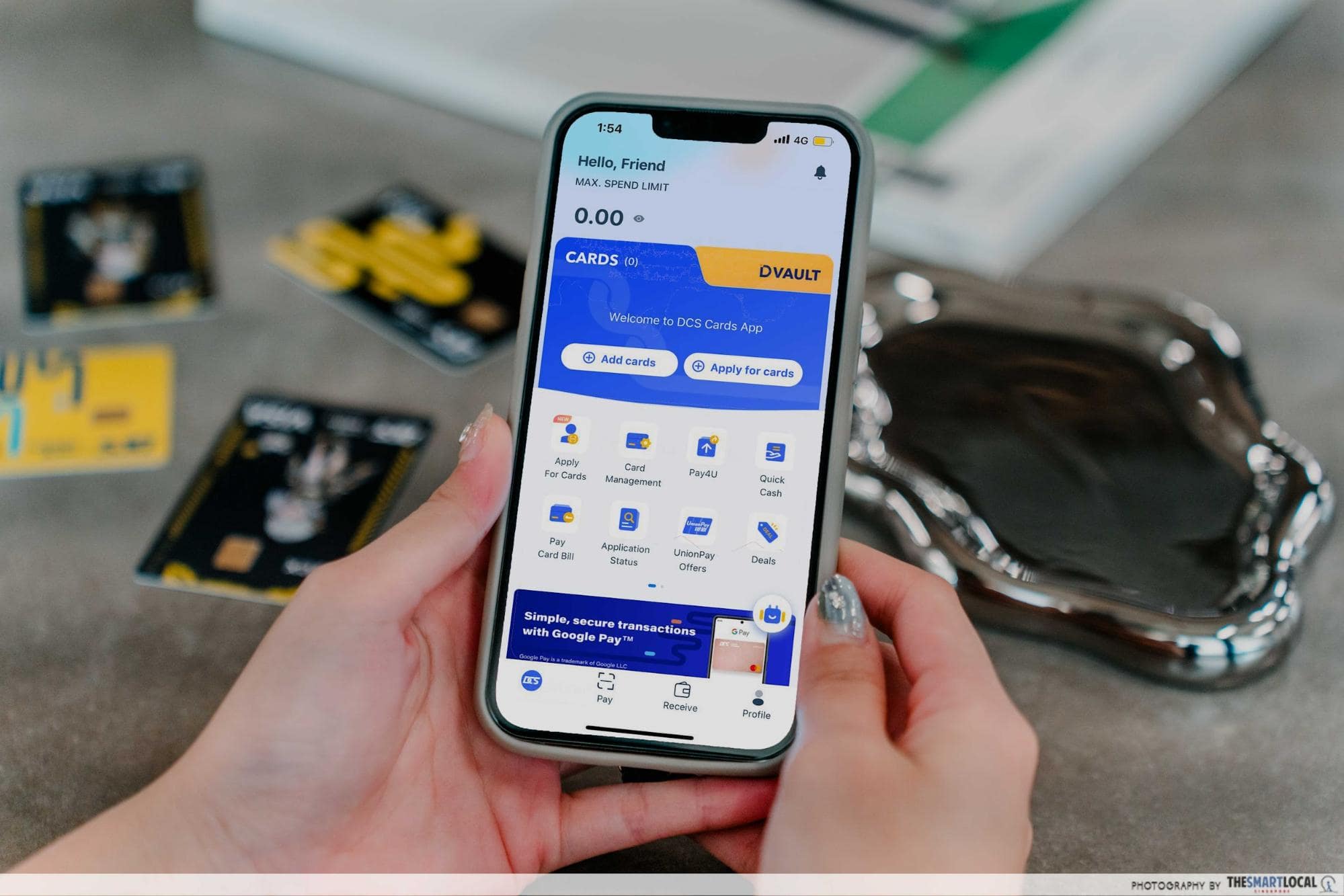
    DCS Group, previously known as Diners Club Singapore, has announced the appointment of Jia Hang as its new executive chairman. This represents the most senior leadership addition in the group’s history, underlining its ambition to revolutionise cross-border and cross-rail payments from Singapore.

    Jia Hang Takes the Helm

    Jia Hang will lead DCS Group, which includes DCS Fintech, its global business, and DCS Card Centre, the group’s core entity based in Singapore. His mandate will include strengthening DCS’s role as a trusted payment institution under the Banking Act and the advancement of its vision to create seamless, interoperable payment flows across both traditional and blockchain rails.

    The move strategically places DCS in a position to speed up its dual-rail strategy across traditional finance and blockchain ecosystems. This comes at a time when regulatory trust and infrastructure preparedness are becoming key differentiators in Asia’s digital finance landscape.

    Focusing on TradFi-Web3 Convergence

    As executive chairman, Jia Hang will oversee corporate direction, governance, and business development. He will focus on enhancing DCS’s dual-rail infrastructure and improving customer experience. He has been tasked with deepening the company’s collaborations with regulators and partners to deliver secure payment solutions for consumers and businesses.

    Global Experience in Payments

    Jia Hang discussed his appointment and stated, “At every stage of my career, I’ve been guided by one enduring question – how can payments connect the world more inclusively, seamlessly, and securely?” He added that DCS is uniquely positioned with the regulatory trust and operational discipline needed to “reimagine that future from Singapore outward.” His ambition is to build a next-generation payments network merging the reliability of traditional finance with the agility of emerging technology.

    Recent Milestones in DCS’s Transformation

    Jia Hang’s appointment comes on the heels of major milestones in DCS’s transformation journey. Last month, the company completed its largest asset-backed securitization program, a S$450 million transaction that achieved AAA ratings on senior tranches. Earlier this year, DCS launched the DeCard Visa card, which allows stablecoin-to-fiat conversion for everyday transactions, extending real-world utility to Web3 users.

    A Career Spanning Leading Digital Commerce Platforms

    Jia Hang brings with him extensive experience from major Asian and global payments ecosystems. His prior roles include senior leadership posts at Ant Group, where he led the expansion of Alipay+ across Southeast Asia and Europe. He also spent nearly a decade at China UnionPay and UnionPay International, where he launched and built UnionPay USA.

    DCS: A Next-Generation Global Payments Provider

    DCS, established over fifty years ago as Diners Club Singapore, has evolved into a Singapore-licensed financial institution with dual capabilities in card issuing and merchant acquiring. Its infrastructure supports both traditional and cryptocurrency-funded payments through regulated partners and is compatible with global schemes, including Visa, Mastercard, UnionPay, and Diners Club. The group continues to position itself as a bridge between traditional and decentralized finance, aiming to deliver secure, borderless payments with real-world utility for businesses and consumers.

    Questions & Answers

    What is the role of Jia Hang in DCS Group?
    Jia Hang has been appointed as the executive chairman of DCS Group. His role involves overseeing corporate direction, governance, and business development, with a particular focus on enhancing DCS’s dual-rail infrastructure and improving customer experience.

    What is DCS Group’s aim with the appointment of Jia Hang?
    With Jia Hang’s appointment, DCS Group aims to reshape cross-border and cross-rail payments from Singapore. The move positions DCS to accelerate its dual-rail strategy across traditional finance and blockchain ecosystems.

    What is the significance of Jia Hang’s appointment?
    Jia Hang’s appointment is a significant move for DCS Group, marking the most senior leadership addition in the group’s history. It also signals the company’s ambition to become a leading player in Asia’s digital finance landscape.
  • Manulife Bolsters Leadership with Appointment of Former HSBC Asia CFO Ming Lau

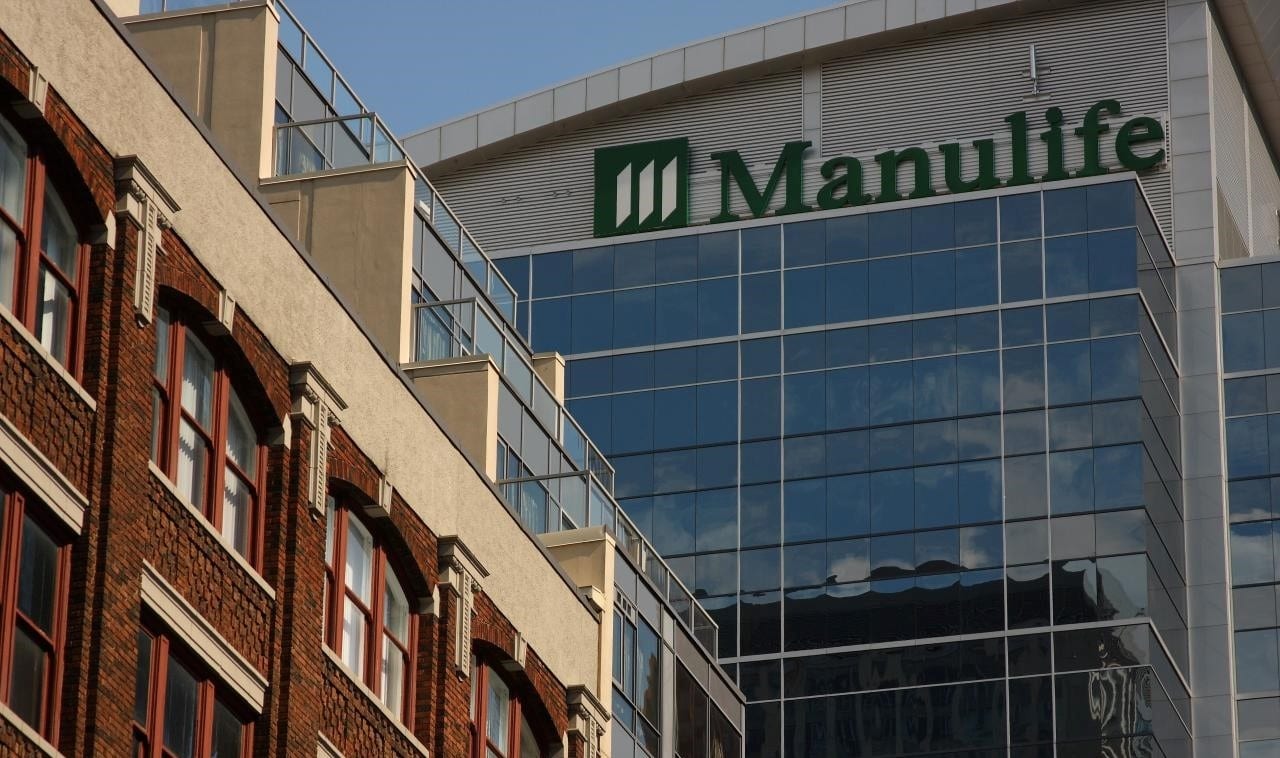
    Manulife Bolsters Leadership with Appointment of Former HSBC Asia CFO Ming Lau

    Manulife, a global insurance provider, has announced the appointment of Ming Lau as its new Chief Financial Officer (CFO) for Asia. This announcement is effective as of May 2026. Ming Lau will directly report to Colin Simpson, Manulife’s Global CFO.

    Ming Lau brings a wealth of experience to this new role. He has an impressive career in financial services spanning nearly three decades. Most recently, he served as the CFO for HSBC in the Asia Pacific and Middle East regions. He also filled various senior positions, such as CFO of HSBC China and CFO of HSBC Global Commercial Banking.

    The experienced finance professional is expected to bring immense value to Manulife. Commenting on the appointment, Colin Simpson stated, “We are delighted to welcome Ming to Manulife. His extensive experience and proven leadership across multiple markets will be instrumental as we continue to advance our strategic priorities and growth ambitions in Asia.”

    Questions & Answers

    Who has been appointed as the new CFO for Asia by Manulife?
    Ming Lau has been appointed as the new Chief Financial Officer (CFO) for Asia at Manulife.

    What is the professional background of the newly appointed CFO?
    Ming Lau has nearly 30 years of experience in financial services. Previously, he served as CFO for HSBC in the Asia Pacific and Middle East regions, as well as CFO of HSBC China and CFO of HSBC Global Commercial Banking.

    Who will Ming Lau report to in his new role?
    In his new role as CFO for Asia at Manulife, Ming Lau will report to Colin Simpson, the Global CFO of Manulife.

  • Citi Bolsters Asian FX Market Presence: Key Hires Spark Momentum in Regional Expansion

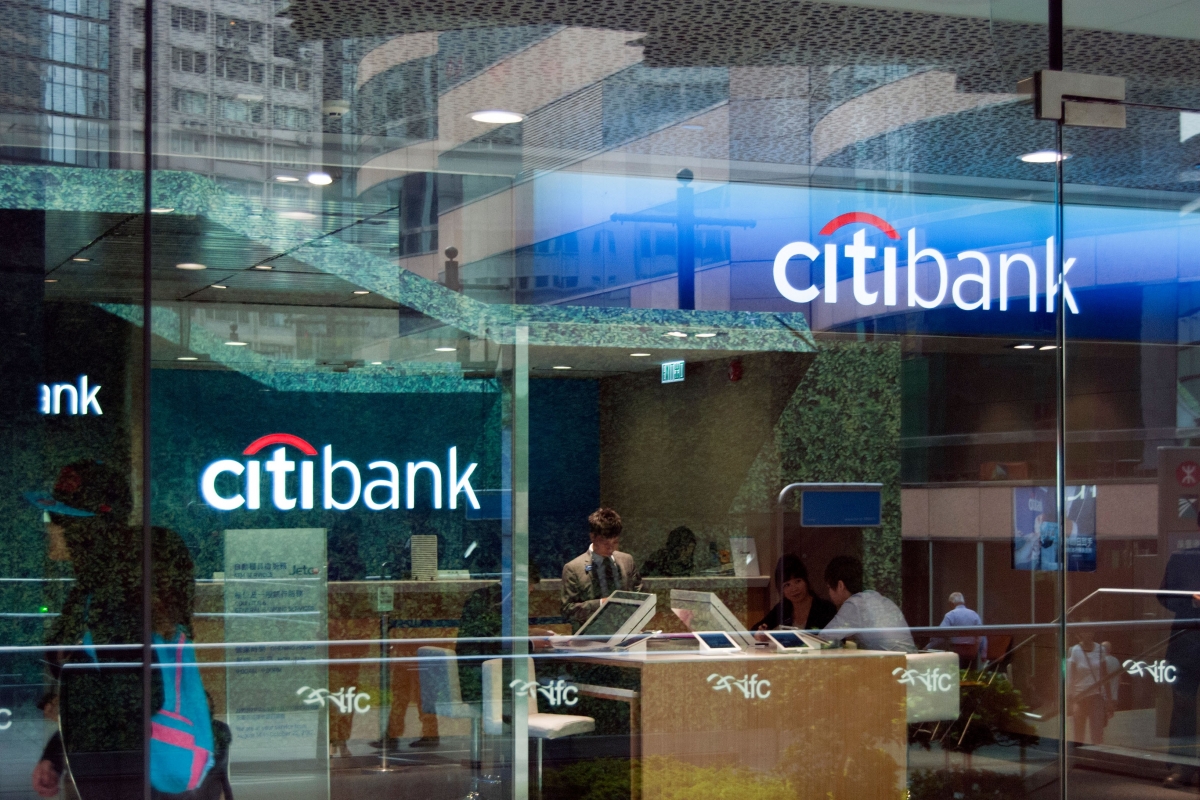
    Citi Bolsters Asian FX Market Presence: Key Hires Spark Momentum in Regional Expansion

    Citi is amplifying its efforts to boost its foreign exchange business across Japan, North Asia, Australia, and South Asia with the addition of seven experienced professionals to its foreign exchange sales and trading teams since September. The strategic move aims to capitalize on increasing regional FX flows and further develop relationships with corporate, institutional, and public-sector clients, as indicated in a recent announcement.

    Boosting Corporate FX Presence

    Citi is solidifying its corporate foreign exchange sales capacities with the appointment of Manoj Goel as Head of Corporate FX Sales for the Indian subcontinent. Goel, who brings a wealth of 23 years of experience and a proven track record of spearheading notable cross-border FX transactions in India, will be reporting to Vandana Bhatter and Aditya Bagree. Prior to this, Goel headed Global Markets Corporate Sales at a major global bank. He is an Electronics Engineering graduate from BITS Pilani and holds an MBA from IIM Calcutta, where he was a silver medalist.

    Enhancing Capabilities in Singapore

    Citi has welcomed back Cassalynne Lou to its Singapore Corporate FX Sales team, where she will be reporting to Galvin Phua. Lou, who has over seven years of experience in FX sales across New York, Singapore, and at a major bank, will be focusing on broadening the Citi Commercial Bank North Asia–Singapore FX corridor and enhancing advisory services for corporate clients.

    Powering Up Institutional FX Team

    On the institutional front, Citi has recruited Yusuke Aita as a Director based in Tokyo. Aita, who will be reporting to Anand Goyal, brings 17 years of diverse FX trading and sales experience from several leading banks. He has previously catered to hedge funds and institutional clients.

    Strengthening Hong Kong’s Institutional FX Coverage

    Citi has bolstered its institutional FX coverage in Hong Kong by appointing Renee Gao as Director. Gao, who will report to Chen Ni, has specialized in emerging-markets fixed income and FX products in her previous role at a major global bank. She started her journey at Goldman Sachs in Hong Kong and Sydney, focusing on FX solutions for institutional clients.

    Expanding Regional Bank and Real-Money Coverage in Singapore

    Matthew Lim has joined Citi’s institutional FX sales team in Singapore as Vice President and will report to Timothy Young. With prior experience at UBS and Credit Agricole, Lim has covered banks, private banks, and central banks. He is a Bachelor of Science in Finance degree holder with a minor in Economics from Pennsylvania State University.

    Augmenting FX Trading Bench with Senior Options Talent

    Citi has appointed Nicky Lam as Director in its G10 FX Options trading team in Singapore. Lam, who will report to Akshay Saxena, brings with him two decades of experience across Singapore, London, and Hong Kong. He has previously led G10 options for APAC at both Nomura and Goldman Sachs and has also served at the Royal Bank of Scotland.

    Enhancing SGD and EM Trading Capabilities

    Jonathan Chua has joined Citi’s FX Trading desk in Singapore as an SGD and short-term interest rate trader. He will report to Dany Checrallah. Chua brings over a decade of experience in SGD and emerging-market currencies. He began his career at Citi in G10 spot trading and holds degrees from the University of Exeter and INSEAD.

    Growth Corresponds with Strong Market Performance

    The recruitment momentum aligns with the robust performance in Citi’s markets business. In the third quarter of 2025, markets revenues hit $5.6 billion, marking a 15 percent increase. Fixed income revenues also saw a 12 percent rise to $4.0 billion, aided by a 15 percent surge in rates and currencies and an eight percent increase in spread products and other fixed income. Heightened client activity in rates and stronger mortgage trading contributed to these gains.

    Reaffirming Commitment to Regional FX Growth

    Nathan Swami, Head of FX Trading in Japan, North Asia, Australia, and South Asia, commented, “These appointments underscore our unwavering commitment to strengthening and maintaining our leadership position in these markets. They also reaffirm our deep dedication to our valued corporate and institutional clients, as well as our continued investment in the growth of our business.”

    Questions & Answers

    Question: What is Citi’s strategy for enhancing its foreign exchange business?
    Answer: Citi is appointing experienced professionals to its FX sales and trading teams to capitalize on increasing regional FX flows and further develop relationships with corporate, institutional, and public-sector clients.

    Question: What roles have been filled as part of this strategy?
    Answer: Citi has filled positions such as Head of Corporate FX Sales for the India sub-continent, Director positions in Tokyo and Hong Kong, Vice President in Singapore, and other senior roles.

    Question: What has been the recent performance of Citi’s markets business?
    Answer: In the third quarter of 2025, Citi’s markets revenues reached $5.6 billion, a 15 percent increase. Fixed income revenues also rose by 12 percent to $4.0 billion.

  • Singapore Unveils First Locally Vaulted Physical Gold Fund: A New Era for Precious Metals Investment

    Singapore Unveils First Locally Vaulted Physical Gold Fund: A New Era for Precious Metals Investment

    Singapore has recently launched its inaugural fully insured and locally stored physical gold fund. The move enhances the city-state’s prestige as an international financial center and a hub for precious metals.

    The LionGlobal Singapore Physical Gold Fund was unveiled following an alliance between Singlife and Lion Global Investors (LGI). It provides retail and policyholder portfolios with access to institution-grade bullion. This construct was designed to cater to the increasing demand for diversification and protection from long-term inflation, as reported in a press release on Tuesday.

    The fund is entirely backed by physical gold bars that meet the London Bullion Market Association’s Good Delivery standards. This arrangement allows investors to gain exposure to the performance of the metal’s price while circumventing the logistical costs and security risks associated with private storage.

    Transparent Tracking

    The fund securely stores and insures all holdings in Singapore and aims to closely emulate the LBMA Gold Price AM benchmark. This practice ensures the transparent tracking of the global reference price.

    The fund’s availability on Singlife’s ILPs is designed to let policyholders include physical gold exposure in their long-term insurance-linked savings and retirement plans.

    Digital Access

    Stanz Tan, Head of Investments and Wealth at Singlife, stated that this option supports “diversification, wealth preservation, and growth” as market dynamics develop. Digital access is a fundamental aspect of this rollout. Through GROW and dollarDEX, investors can add gold to their portfolios with minimal entry amounts.

    Lion Global Investors CEO Teo Joo Wah stressed that Singapore’s reputation as a reliable financial and gold-trading hub makes it the perfect location for a fully backed physical gold fund. This initiative, he said, makes gold exposure “simpler and more secure for policyholders and investors alike” and aligns with the long-term structural demand for the metal.

    Institutional Framework

    Standard Chartered Bank acts as the custodian, trustee, fund administrator, transfer agent, and gold provider, centralizing oversight under a single institution with extensive experience in precious metals operations. This structure is designed to reinforce governance, safeguard assets, and enhance operational efficiency for investors seeking institutional-grade protections.

    The launch, backed by partners including OCBC, MariBank, and Great Eastern, aligns with Singapore’s SG60 anniversary and utilizes the country’s refreshed aspirations in wealth management and gold custody.

    This consortium-led approach underscores the fund’s role in shaping a more comprehensive precious metals market accessible to retail and institutional investors.

    Questions & Answers

    What is the LionGlobal Singapore Physical Gold Fund?
    The LionGlobal Singapore Physical Gold Fund is a physical gold fund that is fully insured and locally stored. It was launched through a partnership between Singlife and Lion Global Investors.

    How does the fund ensure transparent tracking of the global reference price?
    The fund securely stores and insures all holdings in Singapore and aims to mirror the LBMA Gold Price AM benchmark closely.

    Who are the key players involved in the launch of this fund?
    Key players in the launch of the LionGlobal Singapore Physical Gold Fund include Singlife, Lion Global Investors, Standard Chartered Bank, OCBC, MariBank, and Great Eastern.

  • Renewed Confidence in Asian Trade: HSBC Reveals Progress in Intra-Region Connectivity and Policy Certainty

    Renewed Confidence in Asian Trade: HSBC Reveals Progress in Intra-Region Connectivity and Policy Certainty

    Recent reports indicate that trade policy uncertainty in Asia has lessened, largely due to ongoing adjustments within supply chain structures that boost intra-regional connections. This is an important development considering the unpredictable global business climate, exacerbated by persistent geopolitical tensions. However, there is now evidence of adaptation and stabilization in the sector, a stark contrast to the anxiety prevalent in the early months of 2025, during the height of the “Liberation Day” fear.

    Revelations from the Trade Pulse Report

    Based on the findings of the “Global Trade Pulse” report by HSBC, approximately 68% of Asian respondents expressed a higher degree of certainty about the effects of trade policy compared to their sentiments six months prior. Looking forward, an average of 13% predict a negative impact on their revenue in the upcoming two years, a decrease from the 18% who held similar concerns half a year ago.

    Reconfiguration as a Means of Adaptation

    One of the key strategies to alleviate these concerns has been the reconfiguration of supply chains, particularly within the Asian region. Southeast Asia emerged as the top choice for Asian firms seeking to increase their dependencies, with 41% of companies making this shift. This is followed by East and North Asia (34%), and South Asia (29%).

    Aditya Gahlaut, HSBC’s Regional Head of Global Trade Solutions in Asia, provides further insight into these trends. He notes that the data suggests a positive adaptation from Asian companies to the shifting trade environment. While there is a noticeable easing of concerns about potential revenue loss, companies are still actively identifying and managing risks. The uncertainty around tariffs has, in fact, stimulated the Asian markets. Additionally, a growing sense of certainty is empowering companies to make more informed decisions, better preparing them for the future.

    Questions & Answers

    What is the key finding of the “Global Trade Pulse” report?
    The report found that 68% of Asian respondents feel more certain about the impact of trade policy compared to six months ago.

    How are firms in Asia adapting to the uncertain trade environment?
    Firms are adapting by reconfiguring their supply chains, particularly within the Asian region. Southeast Asia has become the leading destination for this change.

    What has been the impact of tariff uncertainty on Asia?
    While the uncertainty has galvanized the region, it has also stimulated the markets and created a growing sense of certainty that is enabling companies to make more informed decisions and plan better for the future.

  • U.S. Dollar Gains Traction Against Vietnamese Dong Amidst Federal Reserve’s Rate Cut Speculations

    U.S. Dollar Gains Traction Against Vietnamese Dong Amidst Federal Reserve’s Rate Cut Speculations

    The US dollar exhibited a slight rise against the Vietnamese dong on Tuesday morning, with Vietcombank increasing its dollar sales by 0.0075% to VND26,403. In contrast, the black market exchange rate recorded a 0.07% dip to VND27,850.

    Worldwide Currency Outlook

    Globally, the US dollar maintained a stable position on Tuesday as investors weighed the possibility of the Federal Reserve reducing interest rates in the upcoming month. This speculation is fueled by recent dovish remarks from policymakers and the weak yen’s potential for intervention.

    Chris Weston, head of research at Pepperstone, commented on the situation. “There is an increased scrutiny on each Federal Reserve voter’s stance and their views on a potential rate cut in December. This makes sense because the market, as well as the Federal Reserve, has not received the kind of data that would typically influence their policy decision. Perhaps the biggest unknown is Fed Chair Jerome Powell’s viewpoint, but it’s reasonable to assume that he might favor a rate cut in December.”

    Rate Cut Speculations Impact on the Dollar

    These sudden speculations regarding a rate cut have had a minor impact on the dollar. The European euro recently traded at $1.1522, marking a slight gain, while the British pound was at $1.3103. The dollar index, which measures the US currency against its major rivals, stood at 100.2 in the early trading hours.

    Questions & Answers

    What was the impact of the rate cut speculation on the US dollar?
    The rate cut speculation has slightly weighed down the US dollar.

    What did Chris Weston, head of research at Pepperstone, say about the potential rate cut?
    Weston indicated that the market and the Federal Reserve haven’t received the necessary data to influence policy decisions. However, he noted that it’s plausible Fed Chair Jerome Powell might favor a rate cut in December.

    What was the status of the dollar index in early trading?
    In early trading, the dollar index, which measures the US currency against its major rivals, was at 100.2.

  • Vietnam Gold Price Soars Amid Anticipated Federal Reserve Interest Rate Cut: An 89.9% Increase Since Start of Year

    Vietnam Gold Price Soars Amid Anticipated Federal Reserve Interest Rate Cut: An 89.9% Increase Since Start of Year

    On Tuesday morning, Vietnam saw a rise in the price of gold, in line with global rates which experienced an upward trend. This increase is attributed to market anticipation of a Federal Reserve interest rate cut.

    The Saigon Jewelry Company reported a 1.66% increase in the price of their gold bars, with the cost reaching VND152.9 million, equivalent to US$5,777.32 per tael. In addition, the price of their gold rings also experienced a rise of 1.68%, costing VND151 million per tael. To clarify, one tael is approximately 37.5 grams, or 1.2 ounces.

    Gold Price Surge

    There has been a marked increase in Vietnam’s gold price since the start of the year, with an overall surge of 89.9%.

    International spot gold also saw an increase, adding 0.27% to its value and reaching $4,144 per ounce. This rise is supported by growing hopes for a Federal Reserve interest rate cut in the coming month and the anticipation of fresh U.S. economic data offering further insights into monetary policy.

    Anticipation for Interest Rate Cut

    The head of commodity strategies at TD Securities, Bart Melek, stated, “The market is increasingly convinced that the U.S. Federal Reserve is set to cut interest rates in December.”

    Gold, a non-yielding asset, typically performs positively in situations where interest rates are low. This is particularly true during times of geopolitical and economic instability.

    Melek added, “We’re awaiting data, and the expectation is that it may display weakness. Inflation is likely not very high, and this all suggests that gold will perform well.”

    Questions & Answers

    Why has there been a surge in gold prices in Vietnam?
    The uptick in gold prices in Vietnam can be attributed to the anticipation of a Federal Reserve interest rate cut, along with global gold prices demonstrating a similar upward trend.

    How does the potential cut in interest rates affect gold prices?
    Gold, being a non-yielding asset, tends to perform well in low-interest-rate environments. The anticipation of a cut in interest rates therefore often leads to an increase in gold prices as investors seek stable investments.

    What does the future hold for gold prices?
    While it’s challenging to predict with certainty, current market expectations are that gold will continue to perform well, particularly if inflation remains low and economic data indicates weakness.

  • Coinbase Survey Reveals: Over 60% Singaporeans Own Cryptocurrency – A Deep Dive into Their Investment Trends

    Coinbase Survey Reveals: Over 60% Singaporeans Own Cryptocurrency – A Deep Dive into Their Investment Trends

    Cryptocurrencies have gained significant traction in Singapore, with the majority of its citizens having some level of interaction with the digital asset, as revealed by a recent survey.

    Singaporean Interest in Cryptocurrencies

    A substantial portion of Singaporeans, amounting to 61 percent, are in possession of some form of cryptocurrency, according to recently published survey data. Unsurprisingly, the predominant demographic among these investors are individuals aged 18 to 34 years, who make up 70 percent of the group. Of these, about 68 percent are male.

    Investment Approach: HODL vs Trading

    The study also revealed the investment habits of cryptocurrency owners. The majority, 58 percent, were found to be long-term investors, a strategy commonly referred to as HODL or “hold on for dear life”. On the other hand, 22 percent were classified as occasional traders, with another 20 percent identified as active traders. Remarkably, 42 percent of the survey participants had been investing in cryptocurrencies for over two years.

    The investment allocation was also explored in the study, with 74 percent of respondents stating that 10 percent or less of their portfolios was invested in digital assets. These portfolios typically contained an average of three different types of cryptocurrency. The median portfolio size ranged within S$3,000 ($2,300) to S$5,000.

    Cryptocurrency Price Predictions

    Looking ahead, 25 percent of the respondents anticipate the price of Bitcoin to reach between $100,000 and $150,000 within the next year. Meanwhile, 15 percent predict a rise above $150,000. However, the majority hold a more conservative prediction, expecting the value to fall within the $50,000 to $100,000 bracket. Only 18 percent of the respondents foresee Bitcoin dropping below $50,000. The price of Bitcoin at the time of the survey’s publication was approximately $86,000.

    The data for this report was collected from a pool of 3,513 active retail investors and other interested individuals in Singapore. The survey was conducted between August 15 and August 19 of the current year.

    Questions & Answers

    What percentage of Singaporeans own cryptocurrency?
    According to a recent survey, 61 percent of Singaporeans own some form of cryptocurrency.

    What is the average investment allocation to cryptocurrencies in Singapore?
    The survey found that 74 percent of investors have allocated 10% or less of their portfolios to cryptocurrency holdings.

    What are the future price expectations for Bitcoin among Singaporean investors?
    Within the next year, 25 percent of the respondents expect Bitcoin’s price to reach $100,000 to $150,000, 15 percent predict a rise above $150,000, and the majority forecast a value between $50,000 and $100,000.

  • OCBC Revolutionizes Digital Banking: Integrates Top Southeast Asian Wallets, Targets 2.72 Billion User Base

    OCBC Revolutionizes Digital Banking: Integrates Top Southeast Asian Wallets, Targets 2.72 Billion User Base

    Singapore’s OCBC bank has significantly advanced its position in the regional payments sector by incorporating eight major Southeast Asian digital wallets into its banking app. This move has established the most inclusive bank-to-wallet ecosystem in the region, according to the bank.

    The decision, facilitated by an expanded partnership with Visa, is designed to simplify remittances, reduce expenses, and bring countless unbanked consumers closer to digital financial services. Now, OCBC customers in Singapore can directly transfer money to top wallets in Indonesia, Malaysia, the Philippines, and Vietnam.

    The recently integrated wallets include the Philippines-based Coins and GCash, Indonesia’s GoPay, LinkAja, and Ovo, Vietnam’s Momo, the Philippines’ PayMaya, and Malaysia’s Touch ‘n Go. This addition builds upon the previous year’s integration of Weixin Pay and Alipay, bringing the total number of wallets to ten. Collectively, these wallets represent a user base of nearly 2.72 billion.

    Addressing the Needs of Singapore’s Foreign Workforce

    This improvement directly tackles the most significant challenges in conventional remittances, namely speed, cost, and accessibility. OCBC points out that a large number of foreign workers still depend on cash agents or manual transfers.

    Through bank-to-wallet connectivity, either the workers or their employers can send funds instantly and without any fees, even if the recipients do not have a bank account or access to physical branches. OCBC anticipates high adoption rates among Singapore’s 1.6 million foreign workers.

    Initial Success: Quadrupled Transfers to China

    OCBC introduced wallet transfers to China a year ago and has since processed more than S$60 million through this feature. Cross-border transfers to China have increased fourfold, with 90% of users avoiding branch visits. Three-quarters of these users are PMETs, primarily Chinese nationals sending money home. This initial success set the groundwork for the current broader rollout across Southeast Asia.

    Visa Partnership to Expand Global Reach

    The expanded capabilities have been made possible by Visa Direct, which links nearly 11 billion endpoints worldwide, including over 3.5 billion digital wallets. According to Adeline Kim, Visa’s Singapore country manager, Visa Direct is helping to “bridge financial gaps”. Moreover, six out of ten Singaporean remittance users anticipate maintaining or increasing their overseas transfers this year.

    OCBC’s Global Ambitions

    Sunny Quek, OCBC’s head of global consumer financial services, has said that the bank is making good on its promise to extend beyond China. He said that “By connecting OCBC accounts to eight of Southeast Asia’s most popular wallets, we are removing friction from cross-border payments and making remittances faster, cheaper, and more inclusive.”

    He further revealed OCBC’s long-term plan to connect its customers to 50 wallets globally, which would make its app “the most comprehensive wallet access of any banking app”.

    Boosting OCBC’s Regional Digital Presence

    This development further solidifies OCBC’s standing as a leading regional financial institution. As one of the world’s most highly-rated banks and one of the largest financial groups in Southeast Asia, OCBC continues to invest in consumer banking innovation in the face of growing competition in the digital payments and fintech landscapes.

    Questions & Answers

    What new capabilities has OCBC Bank added to its banking app?
    OCBC has integrated eight major Southeast Asian digital wallets into its banking app, facilitating direct money transfers to top wallets in Indonesia, Malaysia, the Philippines, and Vietnam.

    What are the benefits of this integration for OCBC customers?
    This integration simplifies remittances, reduces costs, and allows for the instant and fee-free transfer of funds – even if the recipients don’t have a bank account or access to physical branches.

    What is OCBC’s long-term vision for its banking app?
    OCBC aims to connect its customers to 50 wallets globally, with the goal of offering the most comprehensive wallet access of any banking app.

  • OCBC Enhances Customer Security with Innovative In-App Calling Feature to Combat Rising Fraud

    OCBC Enhances Customer Security with Innovative In-App Calling Feature to Combat Rising Fraud

    Singapore’s OCBC bank is set to introduce a secure in-app calling feature across its retail and business banking platforms. This move comes as a response to a significant increase in scams involving impersonation and a decreasing faith in traditional phone-based verification systems.

    Introducing In-App Calls

    OCBC’s new in-app calling feature will be incorporated into its digital banking apps. This feature offers customers a safer, more convenient way of contacting the bank’s customer service center, particularly for those travelling overseas. Users will be able to avoid international dialing charges thanks to this feature.

    The feature will be made progressively available to retail customers starting November 2025, following its initial rollout to corporate users via the OCBC Business app in June 2025. This development is highly relevant considering the bank handles over 8,000 calls from overseas customers each month.

    Moving Away from SMS OTPs

    As the entire industry begins to shift away from SMS One-Time Passwords (OTP), OCBC recognizes the increasing threats posed by scammers who exploit phishing techniques and social engineering attacks. The availability of personal data online has also compromised the effectiveness of traditional security questions.

    To provide a more secure communication channel, OCBC will route calls directly through its authenticated app environment. This environment is secured using biometrics or access credentials and a digital or hard token. Security questions will only be used for high-risk transactions.

    Expansion to Outbound In-App Calls

    OCBC plans to extend the in-app calling feature to outbound calls by the first half of 2026. This will allow contact center and anti-fraud teams to connect with both retail and business customers via the secure app environment.

    Impersonation scams have become a significant concern in Singapore, especially those involving government officials. The use of in-app calls can help users distinguish between legitimate outreach and fraudulent calls as they are significantly more challenging for scammers to mimic.

    Enhancing OCBC’s Digital Security Framework

    The introduction of the in-app calling feature is part of OCBC’s wider strategy to bolster trust and safety in digital banking. This strategy spans across retail, SME, and corporate segments.

    As scams become more sophisticated and tactics more inventive, banks in Singapore are speeding up their transition away from vulnerable verification methods. They are working towards strengthening secure, app-based ecosystems to ensure customer safety and trust.

    Questions & Answers

    What is the purpose of OCBC’s new in-app calling feature?
    The new in-app calling feature is designed to provide customers with a safer and more convenient way to contact the bank’s customer service center, particularly for those travelling overseas.

    When will the in-app calling feature be available to retail customers?
    The in-app calling feature will be made progressively available to retail customers starting from November 2025.

    How does the in-app calling feature enhance security?
    The in-app calling feature enhances security by routing calls directly through an authenticated app environment, secured using biometrics or access credentials and a digital or hard token. Security questions will only be used for high-risk transactions.

  • Peter Horng Takes the Helm: StanChart’s New Investment Advisory Head for Greater China and North Asia

    Peter Horng Takes the Helm: StanChart’s New Investment Advisory Head for Greater China and North Asia

    Standard Chartered’s private banking division recently announced the appointment of Peter Horng as the new head of investment advisory and product advisory for their Greater China and North Asia operations.

    Peter Horng’s Wealth Management Background

    Peter Horng, a wealth management professional with over a quarter-century of experience, has assumed his new role with Standard Chartered. Prior to this appointment, Horng served as the Hong Kong head of investment products and advisory at DBS. His extensive career has also included positions at prestigious financial institutions such as Citibank, HSBC, and UBS, with roles based in both New York and Hong Kong.

    Leadership Transition at Standard Chartered

    Horng takes over the reins from predecessor Muska Chiu, who has transitioned into a fresh role within the private bank. Chiu is now heading up a team responsible for advising ultra-wealthy clients.

    Chiu brings over two decades of experience in investment and product advisory to his new role. In his previous position, he led Standard Chartered’s investment advisory team for the Greater China and North Asia regions for a successful period of two years.

    Questions & Answers

    Who has Standard Chartered appointed as the new head of investment advisory for Greater China and North Asia?
    Standard Chartered has appointed Peter Horng to this position.

    What previous roles has Peter Horng held in the financial industry?
    Peter Horng has held numerous roles, most recently serving as the Hong Kong head of investment products and advisory at DBS. He has also held positions at Citibank, HSBC, and UBS in New York and Hong Kong.

    Who did Peter Horng replace in his new role at Standard Chartered?
    Peter Horng replaced Muska Chiu, who has transitioned into a new role within the private bank, guiding ultra-wealthy clients.

  • HSBC Bolsters ASEAN Presence: Ruby Ho to Spearhead Markets and Securities Services in Singapore

    HSBC Bolsters ASEAN Presence: Ruby Ho to Spearhead Markets and Securities Services in Singapore

    HSBC, the UK-based banking institution, recently undertook a strategic shift in its Southeast Asian operations, assigning an experienced professional to spearhead its markets and securities services across ASEAN.

    Ruby Ho Takes the Reins

    Ruby Ho now holds the reins of HSBC’s Markets and Securities Services (MSS) franchise throughout Singapore and the ASEAN region. She will lead the bank’s regional strategy for markets and securities services, poised at a moment when institutional demand, transnational investment, and treasury needs in Southeast Asia are on the rise.

    Ho comes to the role armed with almost three decades of experience in the financial markets. She joined HSBC in 2011 and has since occupied high-ranking roles across a variety of asset classes and markets, most recently serving as the head of MSS in HSBC Taiwan. Her proven ability to build robust institutional relationships is expected to be instrumental in driving client engagement across the region.

    Fostering HSBC’s ASEAN Growth Goals

    HSBC’s management team sees Ho’s appointment as a significant stride towards deepening the bank’s regional footprint. “Singapore is a high-priority growth market for HSBC. We have been consistently enhancing our regional banking and advisory capabilities, catering to the capital and investment requirements of our ASEAN clients”, said Wong Kee Joo, CEO of HSBC Singapore.

    He further remarked on Ho’s “vast expertise across asset classes and her capacity to foster robust collaboration across our wealth and corporate banking sectors, which will assist us in expanding our market share in this region.”

    Prepared for Growth

    With demographic growth, burgeoning capital markets, and increasing intra-regional investment, ASEAN is one of HSBC’s key areas of focus worldwide.

    The appointment of an experienced markets executive emphasises the bank’s intent to augment its MSS portfolio and seize a larger share of the institutional market across Southeast Asia.

    Questions & Answers

    Who has HSBC appointed to lead its MSS franchise in the ASEAN region?
    Ruby Ho has been appointed to oversee HSBC’s Markets and Securities Services in the ASEAN region.

    What is the significance of Ruby Ho’s appointment to HSBC’s growth strategy in ASEAN?
    Ho’s appointment is seen as a key step in strengthening HSBC’s regional presence and providing a boost to the bank’s growth agenda in the ASEAN market.

    What factors make ASEAN a high-priority area for HSBC?
    ASEAN is a key focus for HSBC due to the region’s demographic growth, expanding capital markets, and rising intra-regional investment.

  • HSBC Boosts ASEAN Growth Strategy with Key Leadership Appointment in Singapore

    HSBC Boosts ASEAN Growth Strategy with Key Leadership Appointment in Singapore

    HSBC, the renowned British lender, has showcased its strategic intentions in Southeast Asia by naming a seasoned financial professional as its Head of Markets and Securities Services, ASEAN. This move echoes HSBC’s determination to boost its growth strategy in the region, basing its operation in the economically vibrant Singapore. This approach is a direct response to the increasing concentration of global capital flows in the ASEAN region.

    Appointment of Ruby Ho

    The respected industry figure, Ruby Ho, is to take the reins of HSBC’s Markets and Securities Services (MSS) in Singapore and throughout the wider ASEAN region. From her base in Singapore, Ho will guide the bank’s regional markets and securities services strategy. Her leadership comes at a critical time, as institutional demand, cross-border investments, and treasury needs in Southeast Asia are on an upward trend.

    Ho’s professional experience, spanning nearly three decades in financial markets, will be invaluable in her new role. Since becoming part of the HSBC team in 2011, she has held high-ranking roles in multiple asset classes and markets. Her most recent position was as the head of MSS in HSBC Taiwan. Ho’s proven ability to forge trusted institutional relationships will play a crucial role in fostering client engagement across the region.

    Consolidating HSBC’s ASEAN Growth Plan

    HSBC’s leadership highlights Ho’s appointment as a crucial enabler in solidifying the bank’s regional footprint. HSBC’s regional strategy views Singapore as a crucial growth market. The bank has consistently enhanced its regional banking and advisory capabilities to accommodate the capital and investment needs of its ASEAN clients. Wong Kee Joo, the CEO of HSBC Singapore, emphasized Ho’s extensive knowledge across asset classes and her skill in fostering strong relationships within wealth and corporate banking sectors. He is confident that these qualities will help the bank increase its market share in the region.

    Positioning for Growth

    HSBC has identified ASEAN as a primary focus area globally, motivated by demographic growth, expanding capital markets, and a surge in intra-regional investments. The decision to appoint a seasoned markets expert like Ho exemplifies the bank’s aspiration to expand its MSS offering and secure a greater share of the institutional wallet across Southeast Asia.

    Questions & Answers

    Who has HSBC appointed as its new Head of Markets and Securities Services, ASEAN?
    Ruby Ho, a financial markets veteran, has been appointed to this role.

    What role will Ruby Ho play in HSBC’s ASEAN strategy?
    Ho will be guiding the bank’s regional markets and securities services strategy, based in Singapore. Her focus will be on fostering institutional relationships to drive client engagement and increase the bank’s market share in Southeast Asia.

    Why is HSBC focusing on ASEAN for growth?
    HSBC sees ASEAN as a primary global focus area due to demographic growth, expanding capital markets, and rising intra-regional investments.

  • UBS Names Kwa Chong Seng as New Chair for Singapore and Southeast Asia: A Strategic Move for Growth and Innovation

    UBS Names Kwa Chong Seng as New Chair for Singapore and Southeast Asia: A Strategic Move for Growth and Innovation

    UBS, the Swiss banking powerhouse, has announced the appointment of experienced corporate leader Kwa Chong Seng to the position of chairman for Singapore and Southeast Asia. Effective from December 1, Kwa will be based in Singapore from where he will report directly to Iqbal Khan, the president of APAC and co-president of Global Wealth Management (GWM).

    Kwa’s Role and Responsibilities

    In his new role, Kwa will be tasked with strategic oversight of the business, fostering partnerships and relationships within Singapore, and stimulating the bank’s growth and innovation across the region. A crucial part of his role will also be mentoring and cultivating the next generation of leaders. In carrying out these responsibilities, he will work closely with Edmund Koh, the APAC Chairman, and Jin Yee Young, the head of Singapore country and co-head of APAC GWM.

    Experience and Track Record

    Kwa brings to the table extensive leadership experience from both public and private sectors. His impressive portfolio includes chairing the boards of notable Singapore-based companies such as Singapore Exchange, ST Engineering, Neptune Orient Lines, Olam International, Fullerton Fund Management, and Media Corporation of Singapore. Kwa has also held board member positions at DBS and Seatown Holdings, while serving as the deputy chair of Temasek Holdings and the Public Service Commission Singapore.

    Presently, Kwa holds the position of chairman at UltraGreen.ai, a company that specializes in surgical imaging technology. The bank has officially confirmed these details pertaining to Kwa’s portfolio and appointment.

    Questions & Answers

    What role will Kwa Chong Seng play at UBS?
    Kwa Chong Seng has been appointed as chairman for Singapore and Southeast Asia. He will provide strategic oversight, boost partnerships and relationships in Singapore, aid the bank’s regional growth and innovation, and mentor emerging leaders.

    What is Kwa’s professional background?
    Kwa Chong Seng has a significant amount of leadership experience in the public and private sectors. He has chaired the boards of several prominent companies in Singapore and has held board member positions at DBS and Seatown Holdings.

    Who will Kwa report to in his new role at UBS?
    Kwa will report to Iqbal Khan, the president of APAC and co-president of Global Wealth Management (GWM).

  • Singapore and Nasdaq Unite to Establish Groundbreaking Dual Listing Link: A New Era for Asian Equities

    Singapore and Nasdaq Unite to Establish Groundbreaking Dual Listing Link: A New Era for Asian Equities

    Singapore is extending and enriching its equities market through a new collaboration with Nasdaq for dual listings. The Monetary Authority of Singapore (MAS) has developed a dual listing conduit that links the Singapore Exchange (SGX) and Nasdaq in the United States, thereby creating a novel board, as per the latest announcement.

    The New Board

    The new board is anticipated to commence operations around mid-2026 and will have a focus on “top-tier Asian growth firms” that have a market capitalisation of S$2 billion ($1.5 billion) or higher. The primary objective is to facilitate firms that have “an Asian connection and worldwide objectives” to raise funds from investors in both markets.

    The two exchanges have suggested a number of measures, all of which are subject to regulatory procedures. These include the use of a single set of offering documents to minimize regulatory hurdles and costs. According to MAS, the new system will “offer a direct and harmonized route for businesses to simultaneously access capital and liquidity across North America and Asia.”

    Equities Market Review

    As part of a broader initiative being undertaken by the Equities Market Review Group, the new bridge has been established. The group has recently concluded its examination of the stock market and released a final report.

    Additional initiatives announced include the introduction of a S$30 million package designed to assist listed companies in unlocking shareholder value and deepening engagement. There will be appointments for a second batch of asset managers as part of the S$5 billion Equity Market Development Program (EQDP). The program will also see several enhancements, such as strengthening market making, modernizing post-trade custody, and reducing board lot size.

    The second batch of asset managers will be allocated S$2.85 billion. The group includes Amova Asset Management (previously known as Nikko Asset Management), AR Capital, BlackRock, Eastspring Investments (Singapore), Lion Global Investors, and Manulife Investment Management (Singapore).

    Questions & Answers

    What is the objective of the new board?
    The new board aims to facilitate “top-tier Asian growth firms” with a market capitalization of S$2 billion ($1.5 billion) or more to raise funds from investors in both the Singapore and US markets.

    What measures have been proposed by the two exchanges for the new board?
    The two exchanges have suggested a number of measures including the use of a single set of offering documents to help reduce regulatory hurdles and associated costs.

    What are some of the initiatives announced by the Equities Market Review Group?
    The Group has announced several initiatives including a S$30 million package to assist listed companies, appointment of a second batch of asset managers under the Equity Market Development Program (EQDP), and various enhancements to strengthen market making, modernize post-trade custody, and reduce board lot size.