Category: Finance

Retail News Asia is committed to providing both local and global retailers with the latest Finance news throughout the Asian market. This on a daily base.

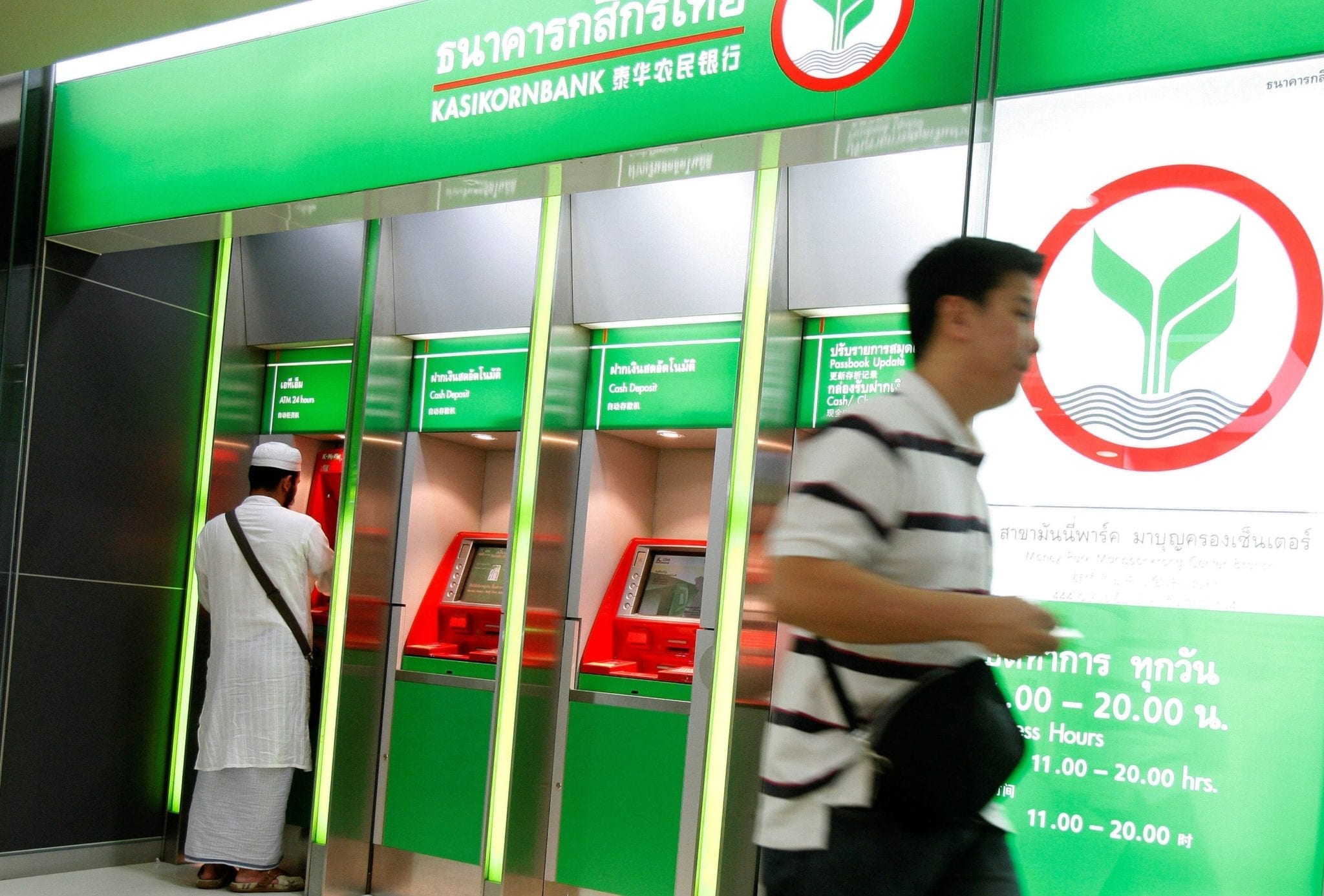
  • Kasikornbank Joins Visa’s B2B Connect Project in Thailand

    Kasikornbank Joins Visa’s B2B Connect Project in Thailand

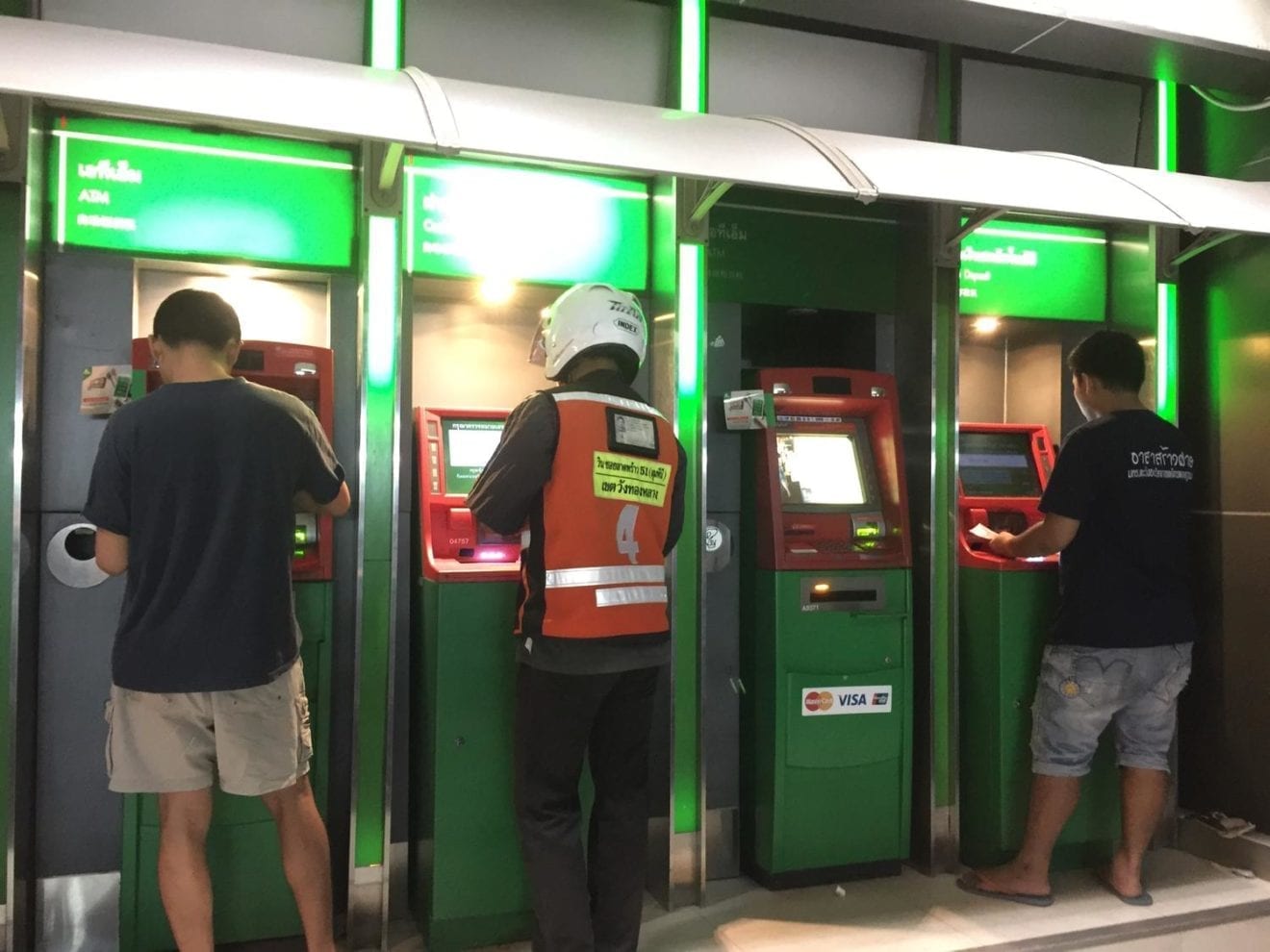
    Visa’s blockchain-based B2B Connect project is gaining steam, with Thailand’s fourth-largest bank, Kasikornbank, joining the fold.  The bank will be the first Thailand bank to use the technology, joining other well-respected financial institutions such as the U.S. Commerce Bank, Shinhan Bank in South Korea, the Union Bank of Philippines, and the United Overseas Bank in Singapore.

    Kasikornbank may not be the largest financial institution in Thailand, but it still has substantial $96 billion in assets.  The bank was established in 1945 with a registered capital of only five million baht.

    The move shouldn’t come as too surprising, considering the fact that Thailand as a nation is much more pro-cryptocurrency, especially in the context of Asia.  For example, China, the largest economy in the region, has banned ICOs completely, even while its state-owned banks have implemented blockchain technology to optimize its operations.

    In contrast, the Bank of Thailand has revealed just last month that it actually plans on issuing its own state-issued cryptocurrency.  The Bank of Thailand has also even allowed local banks much more leeway in terms of cryptocurrency – such as allowing them to issue tokens, invest in cryptocurrency markets through subsidiaries, and even provide crypto brokerage services.

    While Japan and South Korea have expressed positive sentiments about cryptocurrency before – such as Japan declaring that bitcoin is a legal form of payment, and the mayor of Seoul expressing interest in developing his own cryptocurrency – the amount of regulation involved has allowed Thailand to become an international hub when it comes to cryptocurrency.

    While Thailand’s economy might not be as powerful as its neighbors, it still has been drawing in cryptocurrency enthusiasts and companies internationally.

    Suripong Tantiyanon, Visa’s Thailand country manager, praised the decision, pointing out that Visa B2B will help guide the country when it comes to “security, governance, and distributed ledger technology”. He believes that Visa will be an industry leader in this space.

    Visa’s B2B program was already launched last year but is obviously making great progress in Asia already.  The platform is built on Chain, which was actually acquired by Stellar recently.  The platform is meant to enter the corporate cross-border payment sector, which many analysts believe will grow tremendously over the years and is one of the main ways that many cryptocurrency enthusiasts believe the cryptocurrency sector will grow, with institutional money helping lead the charge to mass adoption.

    The idea is that blockchain technology will allow for faster and cheaper transactions, which will save banks massive amounts of money.  Visa also believes that blockchain technology allows for the cross-border payment sector to be more transparent than ever, as well. Kasikornbank is the first Thailand bank to join the platform.
  • Soft Start Predicted For Thai Stock Market

    Soft Start Predicted For Thai Stock Market

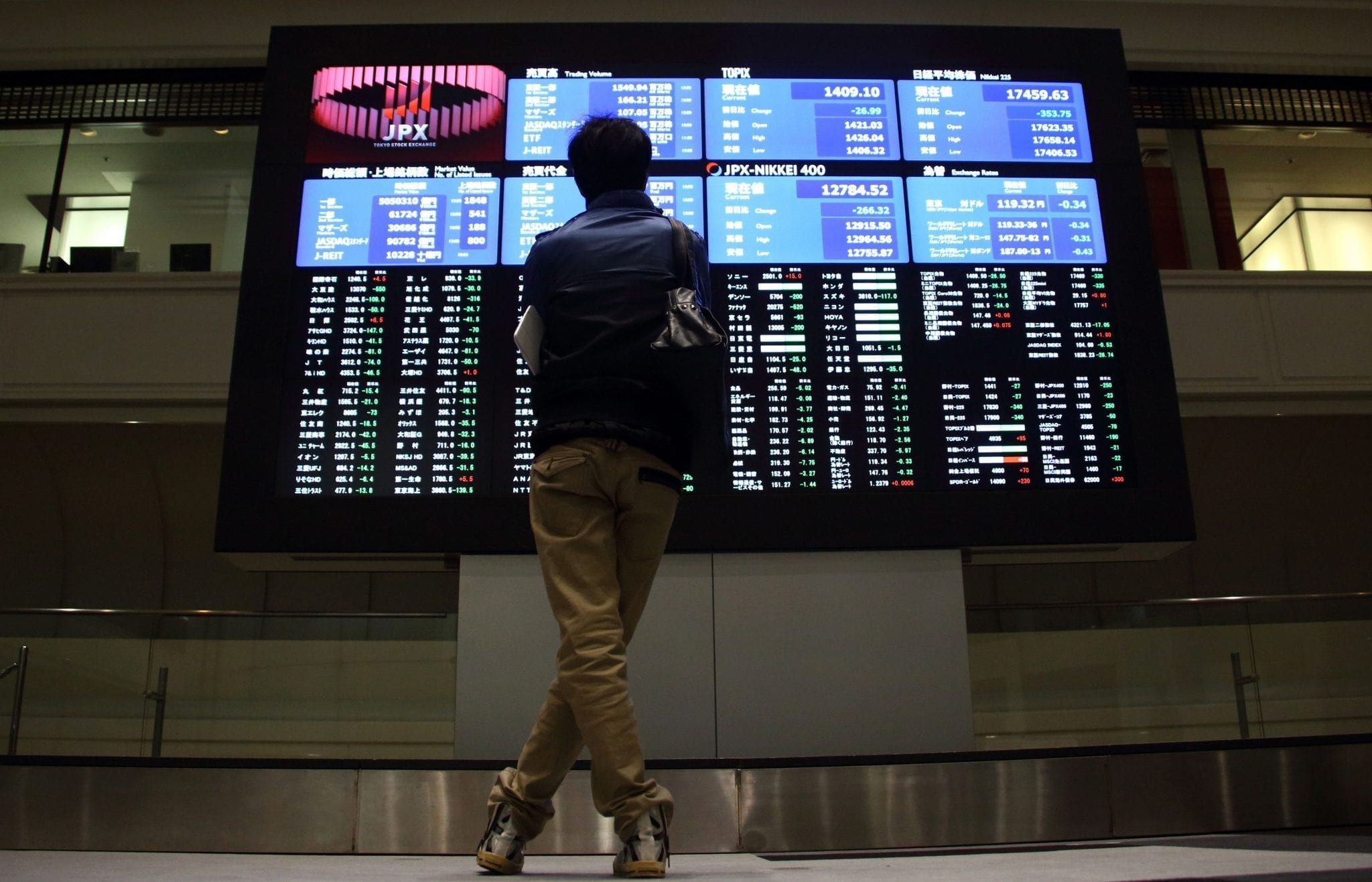
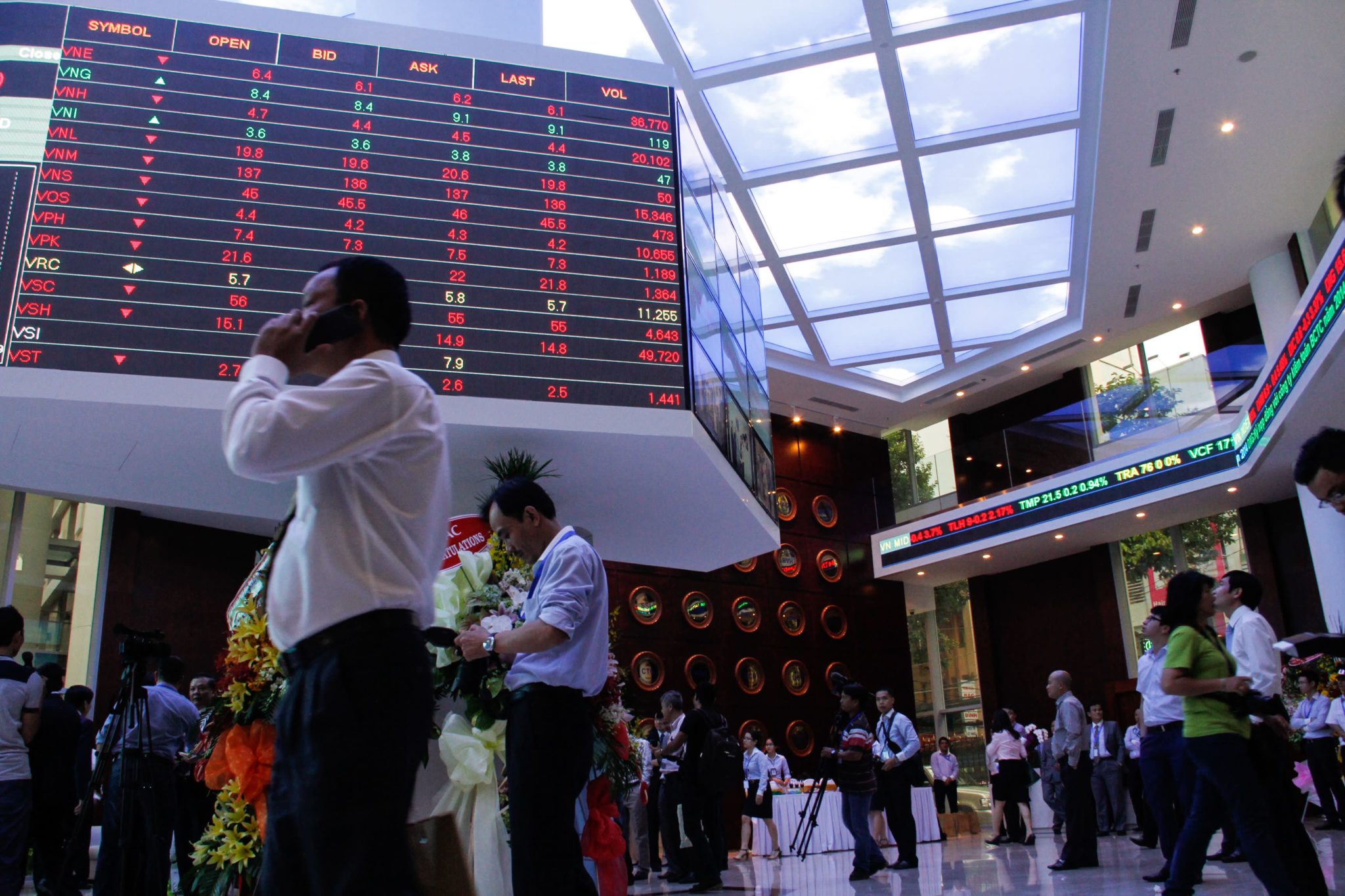
    The Thai stock market has moved lower in back-to-back trading days, sliding almost 10 points or 0.6 percent along the way. The Stock Exchange of Thailand remains just beneath the 1,750-point plateau and it’s tipped to open in the red again on Wednesday.

    The global forecast for the Asian markets is murky, with little movement expected ahead of the FOMC interest rate decision later today. The European markets were up and the U.S. bourses were mostly lower – and the Asian markets figure to split the difference.

    The SET finished slightly lower on Tuesday following mixed performances from the financial shares and the energy producers.

    For the day, the index dipped 1.43 points or 0.08 percent to finish at 1,747.99 after trading between 1,745.73 and 1,756.85. Volume was 12.141 billion shares worth 42.321 billion baht. There were 906 decliners and 441 gainers, with 531 stocks finishing unchanged.

    Among the actives, Advanced Info shed 0.25 percent, while Thailand Airport added 0.76 percent, Beauty Community lost 0.85 percent, Bangkok Expressway skidded 1.71 percent, Krung Thai Bank collected 0.50 percent, PTT Exploration and Production fell 0.65 percent, PTT Global Chemical jumped 1.57 percent, Siam Commercial Bank picked up 0.34 percent, Siam Concrete advanced 0.44 percent and PTT, Kasikornbank, Charoen Pokphand Foods, Banpu, Bangkok Bank and Bangkok Medical all were unchanged.

    The lead from Wall Street offers little guidance as stocks opened slightly higher on Tuesday before fading in afternoon trade – although the tech-heavy NASDAQ remained in the green.

    The Dow shed 69.84 points or 0.26 percent to finish at 26,492.21, while the NASDAQ added 14.22 points or 0.18 percent to 8,007.47 and the S&) fell 3.81 points or 0.13 percent to 2,915.56.

    The uncertainty on Wall Street comes as traders look ahead to the Fed’s monetary policy announcement. The Fed is widely expected to raise interest rates by a 25 basis points, although traders will pay attention to the accompanying statement for clues about the outlook for rates.

    Fed Chairman Jerome Powell’s subsequent press conference is also likely to attract attention, with the central bank expected to raise rates by at least once more this year.

    In economic news, the Conference Board noted an unexpected improvement in consumer confidence in September as its index hit an 18-year high.

    Crude oil prices climbed on Tuesday after OPEC declined to increase production after upcoming U.S. sanctions against Iran take hold. U.S. West Texas Intermediate futures for November delivery gained $0.20 or 0.3 percent to $72.28.

  • KBank joins rush to tap postal network in Thailand

    KBank joins rush to tap postal network in Thailand

    Kasikornbank (KBank) and Thailand Post, a state-owned enterprise, yesterday sealed a business deal that saw one of the country’s biggest banks appoint the postal operator as a banking agent.

    KBank became the first of the large banks to enter such an arrangement with Thailand Post.

    “We aim to service 250,000 online vendors across the country under this deal, which will allow them to send out their parcels and deposit money with Thailand Post’s branches across the country,” said Patchara Samalapa, KBank’s president.

    Patchara indicated that Kasikornbank was looking at broader gains from the initiative, saying that with the bank’s large deposit base it did not need to attract more deposits.

    In the first stage of service, the bank’s customers can deposit up to Bt20,000 per transaction – or up to Bt40,000 a day – via 964 Thailand Post branches. The service costs Bt10 until the end of the year, before rising to Bt20.

    The bank targets 150,000 transactions derived from the banking agent channel by the end of 2018. The volume of transactions is expected to reach 600,000 in the first three years of operation.

    Cash withdrawal and money transfer services would be offered next year should the central bank give the green light, Patchara said.

    “The use of banking agents is cheaper for us than setting up full bank branches nationwide, but that does not mean than we plan to shut down some bank branches,” he said.

    Smorn Terdthampiboon, president of Thailand Post, said that doing business with Kasikornbank would improve its logistics business in the face of more competitors entering in the market.

    “We did not set out to make more revenue from it since it is not our core business, but we aim to provide a better service for our customers,” she said.

    Some seven small commercial banks have appointed Thailand Post as a banking agent since 2011, and its Bank@Post service has grown about 13 per cent annually.

    Smorn said the logistics business in Thailand is growing due to the increased popularity of shopping online.

    Traditionally, Thailand Post provided a basic service of sending letter from senders to receivers. Now, the dispatch of goods accounts for the biggest share of the agency’s business, at more than 40 per cent. Mail delivery makes up about 30 per cent, with the rest of the revenue from money services and sales of parcel packaging items and stamps, she said.

    Thailand Post has 1,300 branches nationwide and 3,000 more come under its postal network operated by private entities.

    Parcel delivery has grown about 20 to 30 per cent annually, as people were shopping online more, Smorn said.

    Some other large banks had also sought business partnerships with Thailand Post, she added. Thailand Post targets revenue of Bt30 billion this year, up from Bt25 billion last year. Last year it made a profit of Bt4.2 billion and this is expected to rise to Bt4.5 billion this year, Smorn said.

  • Thai Bankers Association explains mobile banking outage

    Thai Bankers Association explains mobile banking outage

    The Thai Bankers Association (TBA) has explained that an Internet banking outage between August 31 and September 1 was due to human error, and has made known that six guidelines have been set to ensure the stability of the digital system.

    President of Information Technology for the TBA, Somkid Jiranantrat indicated the outage on August 31 was the result of a command error by an agent of Kasikorn Bank. The flawed action was severe enough to eject Kasikorn Bank from the central system shared by the nation’s commercial banks while also impeding the system as a whole. On September 1, over 40,000 erroneous bank transfers were logged at an average rate of 1,000 requests per every nine minutes, again causing the system to shut down.

    In eliminate the possibility of such errors, TBA and ITMX, the central network handler, have come out with six guidelines. The first is to increase mobile accommodations two fold to reduce bottle necks during peak hours. The second is more stringent control over changes by individual banks. The third is to double ITMX’s capacity. The fourth is to establish a committee between banks and ITMX, which will set conditions for the temporary ejection of a bank from the system. The fifth is to create a more general interface in monitoring the system and the sixth is to reconsider the nation’s mobile banking structure.

    Kasikorn Bank’s mobile banking system can accommodate a maximum 6,000 requests per second with peaks at present hitting only 4,000 requests per second.

  • China might avoid Trump tariffs by exporting via Vietnam

    China might avoid Trump tariffs by exporting via Vietnam

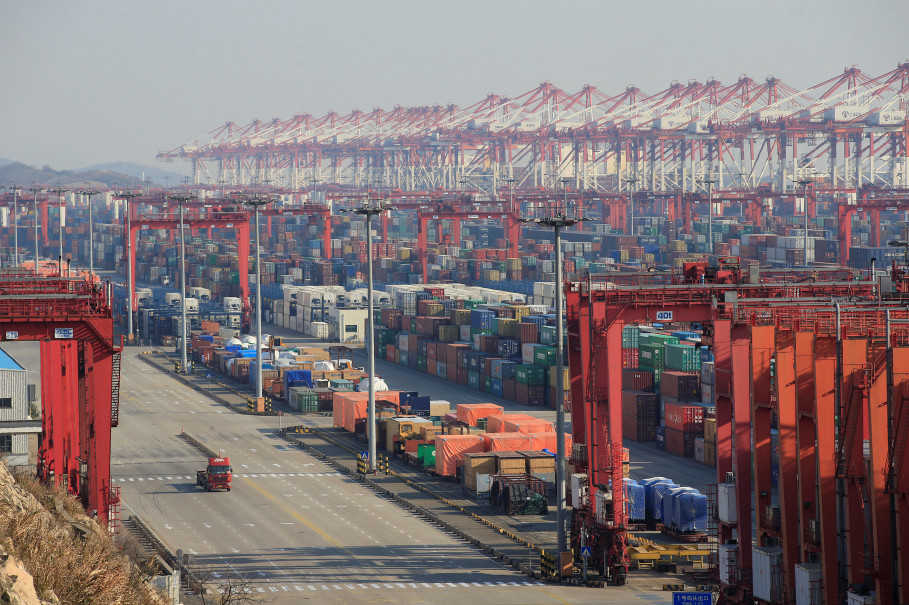
    Vietnam could suffer collateral damage if Chinese businesses use made-in-Vietnam labels to avoid U.S. tariffs, experts warn.

    Economist Vu Dinh Anh said it is “highly possible” that Chinese businesses would seek to export their goods through Vietnam to the U.S. amid the trade war between the world’s two largest economies.

    One way they can do this is exporting their products to Vietnam and asking a Vietnamese business to label them as “made in Vietnam,” he said.

    They can also set up factories in Vietnam and manufacture products with materials imported from China, he added.

    “This will result in bad consequences for Vietnam as the U.S. might impose the same tariffs on Vietnam as it did on China.”

    Vietnam’s textile and footwear industry insiders expressed the same concern.

    Pham Xuan Hong, chairman of the HCMC Association of Garment, Textile, Embroidery and Knitting, said it is possible Chinese garment products would be labeled as made in Vietnam and exported to the U.S.

    “We propose that the government control this situation by tracing products’ origin and severely penalizing violations. Otherwise the whole industry will have to suffer consequences,” he said.

    Diep Thanh Kiet, vice chairman of the Vietnam Leather, Footwear and Handbag Association (LEFASO), said there is a “very high” possibility that Chinese bags would be exported to the U.S. through Vietnam.

    If Chinese bag makers want to export to the U.S., they can set up a factory in Vietnam to facilitate the exports, and this can be easily done with a budget of just $200,000, he said.

    If this cannot be controlled, there could be grave consequences for Vietnamese textile firms since “the U.S. might apply the same tariffs as they have done on China,” he warned.

    This has happened before with steel. In May this year the U.S. slapped anti-dumping duties of 199.76 percent and countervailing duties of 256.44 percent on imports of cold-rolled steel produced in Vietnam using Chinese-origin substrate.

    Anh said Vietnam should not repeat this mistake twice since there is a possibility that the U.S. would conduct investigations if it has any suspicion about product origin.

    A chance to thrive

    But there are opportunities for Vietnamese consumer goods exports amid the trade war.

    About 27 percent of Chinese goods set to be affected by the new tariffs are consumer goods, and Vietnam exports many similar items to the U.S., said Can Van Luc, chief economist with the Bank of Investment and Development of Vietnam (BIDV).

    “The escalating trade war will create opportunities for Vietnamese exporters of consumer goods to expand their market share in the U.S.,” Luc said.

    A recent report by Bao Viet Securities (BVSC) said footwear and textile products have a “great opportunity” to grab U.S. market share from China.

    Since the Chinese yuan has weakened against the U.S. dollar and dong, Vietnamese businesses would be able to import garment, leather and other materials cheaper, and this would result in more competitive prices in the U.S., the report said.

    Other products to benefit from the trade war are wooden furniture, electronics, sports equipment, and toys, BVSC said.

    Viet Capital Securities (VCSC) pointed out in a report, “Vietnam will benefit from the trade war if U.S. businesses look for an alternative supply chain and Americans start buying Vietnamese goods.”

    It added that foreign direct investment might shift to Vietnam from China to avoid U.S. tariffs.

    The U.S. administration said it would begin to levy new tariffs of 10 percent on about $200 billion worth of Chinese products on September 24, with the tariffs to go up to 25 percent by the end of this year.

    China retaliated immediately with 5 and 10 percent tariffs on $60 billion worth of U.S. products.

    The U.S. has been Vietnam’s largest trading partner this year, with $30.2 billion in turnover in the first eight months, according to the Ministry of Planning and Investment.

  • Country Heights plans to issue own crypto called “Horse Currency”

    Country Heights plans to issue own crypto called “Horse Currency”

    Country Heights Holdings Bhd (CHHB) is looking to issue its own asset-backed cryptocurrency (ABC) known as “Horse Currency” through an initial coin offering (ICO).

    The group told Bursa Malaysia that it will seek the support and endorsement from the shareholders at its EGM scheduled to be held on November 8.

    Citing blockchain technology as the way forward, CHHB highlighted that the main and defining difference of the “Horse Currency” and other cryptocurrencies available in the Malaysian market is that it is backed by the group’s existing assets worth of RM2 billion.

    “When launched, the ‘Horse Currency’ will mainly be used as a utility token, a reward token and royalty program with the businesses, products and services under the company’s new business strategies such as stays at the Palace of the Golden Horses, restaurants, golf memberships, private jet trips, Car City Centre, medical treatments and checks at the Golden Horses Health Sanctuary and many others.”

    CHHB said the group is also looking at allowing the “Horse Currency” to be used as legal tender in purchasing and leasing its unique properties scheme, especially the resort properties.

    Founder and chairman Tan Sri Lee Kim Yew proposes to issue 1 billion units, of which an intial 300 million units will be made available to the public.

    CHHB said its assets will be placed in a trust held by a reputable legal firm and a prominent technology partner and other external consultants (if necessary) will be appointed to give back-end support to this exercise.

    “We seek the shareholders to approve the appointment of these external consultants. In the fast moving digital age, the company intends to ride this wave of popularity of blockchain technology and assetbacked cryptocurrencies, in finding new and creative means to raise capital for the expansion of the company.”

    “We seek the shareholders’ support especially on this ABC, which the company will match minimum RM2 worth of assets eventually for 1 ‘Horse Currency’, across all ICO phases.”

    CHHB’s share price fell 1 sen or 0.8% to close at RM1.28 on 5,000 shares done.

  • CIMB in Top 100 of Thomson Reuters’ Global Diversity & Inclusion Index

    CIMB in Top 100 of Thomson Reuters’ Global Diversity & Inclusion Index

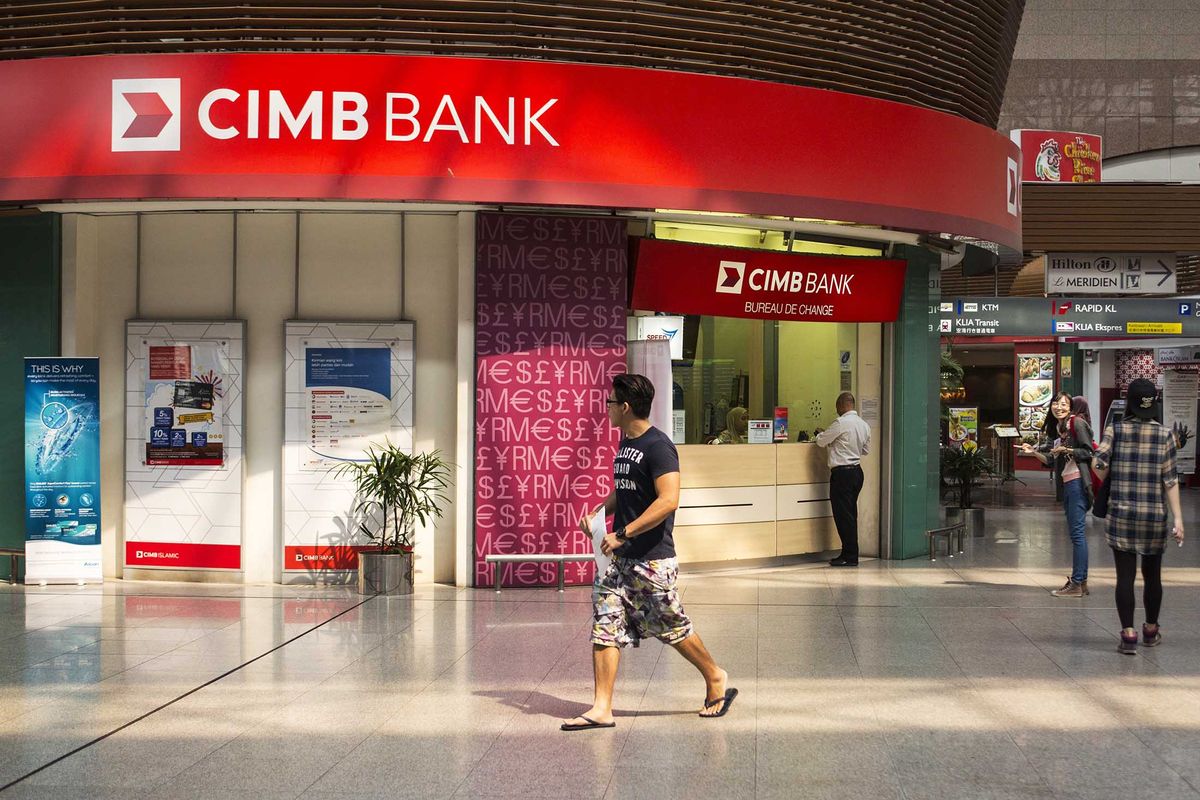
    CIMB Group Holdings Bhd has been ranked top 100 most diverse and inclusive organizations globally by Thomson Reuters’ Diversity & Inclusion (D&I) Index 2018, which measures more than 7,000 companies globally on their environmental, social, and governance (ESG) strategy.

    Thomson Reuters D&I Index provides an additional lens to investment professionals and investors alike to evaluate companies for their ESG strategies, which have a bearing on long-term opportunities and investment risks, as more and more investors value the societal and business benefits of investing in diverse and inclusive organisations.

    “The recognition in Thomson Reuters D&I Index affirms our efforts to create a positive impact not only
    economically, but also socially and environmentally. CIMB takes its commitment to all our stakeholders seriously. In terms of our people, we have consciously transformed CIMB into a workplace that attracts and retains a team of talents, currently comprising 34 nationalities spread across 15 countries. As for ESG-related efforts, our corporate social responsibility arm, CIMB Foundation, has expended over RM120 million to benefit about 700,000 lives since its inception in 2007. All these factors have contributed to the group’s journey in becoming a leading ASEAN bank, and I’m pleased that these efforts are being recognised by the Thomson Reuters D&I Index,” CIMB Group CEO Tengku Datuk Seri Zafrul Aziz said in a statement today.

    Over the years, CIMB has demonstrated great leadership in the banking industry and corporate world by transforming its people policies, as well as strengthening its ESG aspirations. This includes extended maternity leave; flexible work arrangements for parents to young children; 30-day paid paternity leave; and even up to six months’ staff rejuvenation leave, with the staff’s job and seniority assured. Currently, CIMB has a 56% ratio of women in its workforce, with close to 42% representation at senior management level.

  • Vinalines to build 2 terminals at $299 mln in Lach Huyen Port

    Vinalines to build 2 terminals at $299 mln in Lach Huyen Port

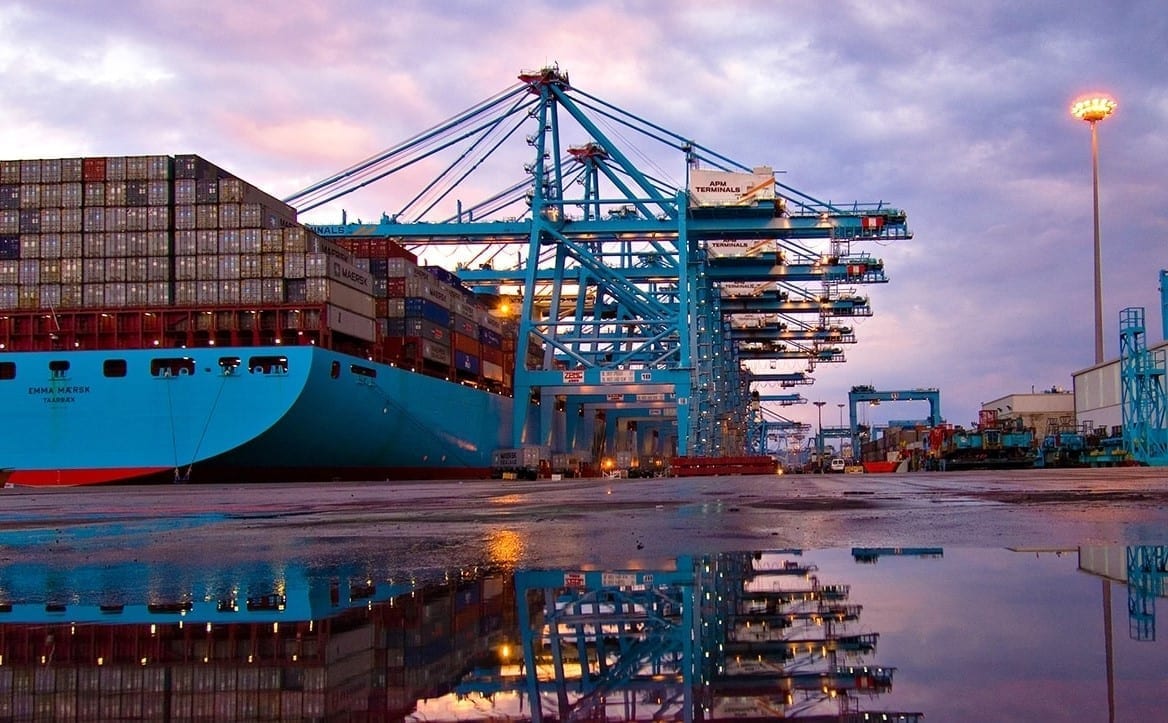
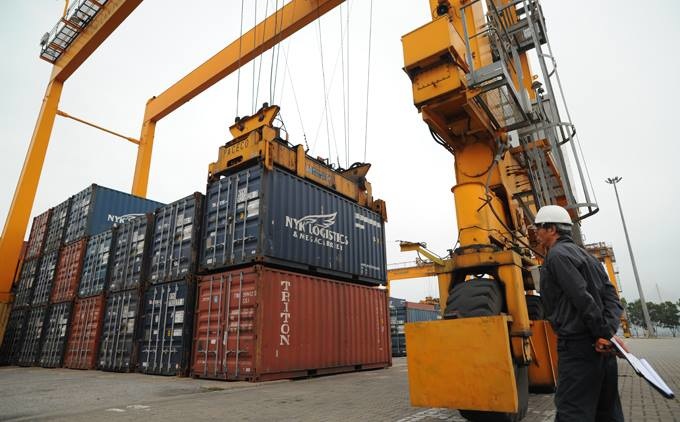
    Vinalines is seeking approval from the government for building two container terminals at Lach Huyen Port in northern Hai Phong City.

    Nguyen Canh Tinh, director of the state-run Vietnam National Shipping Lines (Vinalines), said its subsidiary, Haiphong Port JSC, would build terminals No.3 and No.4 at the port.

    He said the Haiphong Port JSC used to work mainly at Hoang Dieu terminal, which has now been taken over for the construction of an urban area, and so new terminals are needed in its place.

    The two proposed terminals would have a total length of 750 meters and the capacity to handle vessels of up to 100,000 DWT (8,000 TEU), and cost around VND7 trillion ($299 million), he said.

    Vinalines and Hai Phong Port JSC, in which Vinalines owns a 65 per cent stake, also plan to develop a logistics center of around 250ha in the area to optimize the handling, storage, processing, and distribution of cereals.

    Tinh said the investment in the terminals would be a strategic step in the company achieving its plan to handle around 30 percent of cargo at ports nationwide by 2020.

    Lach Huyen is set to become a modern port complex and the only one in the north that can berth ships of up to 150,000 tons.

    It is expected to have nine terminals with a combined length of 3,000 meters by 2020.

  • VN-Index claws back to four figures after two months

    VN-Index claws back to four figures after two months

    Vietnam’s benchmark VN-Index closed at 1,004.74 points Thursday, reaching four figures for the first time in two months.

    It gained 9.2 points.

    The HNX-Index on the Hanoi Stock Exchange and the UPCoM-Index for unlisted companies rose by 0.75 percent and 1.01 percent respectively.

    The VN30-Index, representing the 30 largest stocks in terms of capitalization, gained almost 8.5 points to finish the day at 971.

    Twenty one of the 30 stocks rose, including FPT by almost 1 percent. Hoa Phat steel company (HPG) gained VND1,250 (5.4 cents) and food producer Masan (MSN) by VND1,300 (5.6 cents).

    PetroVietnam Gas (GAS), PetroVietnam Oil (OIL) and Binh Son Refinery (BSR) were other prominent gainers.

    Fifteen of 17 bank stocks closed in the green. Techcombank (TCB) stock rose by VND1,400 (6 cents) and VPBank (VPB) VND850 (3.7 cents).

    Nguyen The Minh, director of analysis at Yuanta Brokerage said the market would continue to rise in the short-term despite fluctuations on the international market.

    He expected the VN-Index to touch 1,100 points in the near future.

    It started recovering on September 12 after plunging by 18.19 percent in the second quarter to become the worst-performing market in the world.

  • Indonesia’s Dollar Supply Increases as Investors Return

    Indonesia’s Dollar Supply Increases as Investors Return

    The value of the rupiah has stabilized in recent days as the domestic supply of dollars has increased due to inflows from returning investors and more exporters converting their earnings, Bank Indonesia Governor Perry Warjiyo said on Friday (21/09).

    “The rupiah has stabilized and it tends to strengthen,” Perry said. “Many fund managers have begun to invest and allocate their portfolios to emerging markets. So what was going out has begun to return.”

    The rupiah traded at 14,815 to the dollar at 1.05 p.m. in Jakarta on Friday, marginally stronger than Thursday’s closing.

    Perry also said inflation is expected to stay benign this year despite the rupiah’s fall, saying the rate is seen near the lower end of Bank Indonesia’s 2.5 percent to 4.5 percent target range. The annual inflation rate stood at 3.20 percent in August.

    Bank Indonesia has raised interest rates four times since mid-May to defend the rupiah, which fell to its weakest in 20 years amid wider emerging market selloffs. It will meet again next week to review monetary policy.

  • ANZ Vietnam reports 75 pct fall in profit in H1

    ANZ Vietnam reports 75 pct fall in profit in H1

    ANZ Vietnam’s profits fell 75 percent in the first half of this year following the sale of its retail arm to Shinhan Bank.

    The bank’s financial report shows its after-tax profits were VND41 billion ($1.76 million), down from VND171 billion ($7.33 million) in the same period last year.

    Net interest income and net income from its foreign exchange business saw the biggest declines: 40 percent and 15 percent.

    ANZ Vietnam was one of the few lenders in the country to report negative credit growth, with loans outstanding edging down to VND12.6 trillion ($540 million) at the end of the second quarter.

    In the first half return on equity was only 25 percent of the rate a year earlier.

    But the poor performance notwithstanding, at the end of the first half its assets increased by 16 percent against the beginning of the year as deposits with the State Bank of Vietnam went up by VND320 billion ($13.72 million) and deposits with and loans to other credit institutions increased by VND4.15 trillion ($178 million).

    South Korea’s Shinhan Bank last year acquired ANZ’s retail business in Vietnam. The latter had around 125,000 individual customers, more than $231 million in loans outstanding and more than $578 million in deposits.

    According to the General Department of Taxation, the bank was the 156th biggest taxpayer in the country last year.

  • Naver to contribute 99 billion won to venture capital fund

    Naver to contribute 99 billion won to venture capital fund

    Naver is contributing 99 billion won ($88 million) to a 100 billion won venture capital fund devoted to fostering and investing in start-ups, the top internet portal announced Tuesday.

    The fund is being launched by TBT, a venture capital firm founded by Lee Ram, a former CEO of Camp Mobile, a mobile app development subsidiary that merged earlier this year with Naver. TBT is coughing up the remaining 1 billion won to create TBT Global Growth No. 1 Investment Cooperative. The fund is meant to find and support companies with growth potential in the global market.

    TBT was established at the end of August by Lee and another executive with capital of 2 billion won.

  • Make or break time for Vietnamese e-wallets

    Make or break time for Vietnamese e-wallets

    Big moves by some players are exerting severe pressure on many e-wallet service providers in Vietnam.

    Twenty seven payment service providers had been licensed in Vietnam as of last March, with 20 of them offering digital wallets, according to the State Bank of Vietnam. Others provide services such as financial switching, electronic clearing and payment gateway.

    There are many reasons why banks, tech companies and fintech companies are venturing into the world of electronic wallets, including the growing global trends of digital banking and setting up financial startups.

    Besides, Vietnam has a large population of young people who are compulsive smart phone users and fond of technology but lack interest in traditional banking services.

    “Consumers are increasingly living a modern lifestyle that is accompanied by digital services,” Tran Thanh Nam, founder and director of mobile payment player Moca Technology and Services Corporation, said.

    “In addition to free social networks, they have begun to pay attention to incorporating electronic services for their daily needs. From ride hailing to food delivery, it comes with safe and convenient non-cash payments.”

    Who are offering e-wallets?

    Moca’s popular rivals included MoMo, Bankplus, Vi Viet, VTC Pay, WePay, Mobivi, and Vimo.

    As of December 2017 MoMo had more than five million users and expects to see a two- to three-fold increase this year. Vi Viet has more than two million users and hopes to increase the number to 3.5 million this year.

    Late last year Pham Tien Dung, head of the State Bank of Vietnam’s Payment Department, said only about five payment intermediaries earned profits. The rest of the market has been labeled “unstable”.

    Nguyen Dinh Thang, chairman of LienVietPostBank, which owns Vi Viet, said: “E-wallets need more time to develop to meet customer needs and market potential, and using cash cannot be changed in the blink of an eye. The market needs time to experience the utility and convenience of e-wallets.”

    Industry insiders said each e-wallet has its own development strategies and target customer segments.

    But they admitted that the failure by many e-wallets to adapt to the financial ecosystem in Vietnam and the lack of widely accepted payment gateways are holding the industry back.

    In 2017 MoMo garnered more customers by offering discounts and promotions and spending on advertising. Then, this year it decided to exploit the power of the ecosystem by signing a deal with ride hailing company Uber Vietnam. Unfortunately, Uber withdrew from Southeast Asia a few months later.

    Zalo Pay was a latecomer but achieved great success at the beginning of this year by running a “lucky money” campaign during the Lunar New Year that enabled users to gift lucky money to their loved ones using the digital wallet.

    This campaign was a huge hit also in China when WeChat and AliPay ran it.

    Zalo has an advantage over other e-wallet rivals since it already has an enormous user database from its messaging application.

    The competition is fierce

    The most recent tie-up, and one that could be a game changer, is between Moca and Grab. The CEOs of both companies are ambitious about developing their electronic wallets. Their strategy is “if we grow, we grow together”.

    More specifically, the deal indicates that those who partner with Moca e-wallets will benefit from the large number of Grab population of millions of drivers and passengers across the country.

    Grab users will soon be able to choose from all payment services offered by Moca, including bill payments, phone credit recharging, and non-cash payment at retail stores and fast food chains like 7-Eleven and McDonalds.

    A combination of Momo popularity, rising Zalo Pay and the Moca-Grab marriage are exerting great pressure on dozens of other e-wallet providers.

    Traditional mobile payment services of Vietnamese banks are also intimidated by the competitors.

    Responding to this challenge, TPBank has updated the flight ticket support service on its mobile application.

    UOB Bank Vietnam now allows in-app opening of new accounts in 10 minutes, reducing the time spent opening one at the bank by 80 percent.

    “In big cities like HCM City, four out of every five people have smart phones which can assist them in completing everyday tasks in a much faster and convenient way. We always want to develop and leverage technology so that banking services are much simpler, safer and smarter for our customers from the very first transaction,” said Harry Loh, CEO of UOB Vietnam.

  • Vietnamese banks sound alarm over cybercrime

    Vietnamese banks sound alarm over cybercrime

    Many banks in Vietnam have reported about customers losing information about their accounts to criminals through phishing attacks and other methods.

    In a recent statement Techcombank said it had detected many cases of fraud and misappropriation of money by faking Western Union transactions.

    The criminals would send victims fake Techcombank messages claiming they had received money through Western Union, and tell them to go to a fake Techcombank website and log in to confirm the transaction, resulting in their account information being stolen.

    Maritime Bank has issued a statement cautioning customers about frauds in which criminals contact them through phone calls, text messages, social networks, and emails pretending to be the bank’s employees. They then ask the victims to provide their account information in return for money, promotions or prizes.

    Other major banks such as VPBank and Vietcombank have also issued similar statements cautioning customers against revealing their OTP codes to anyone, including the banks themselves, under any circumstances.

    They are also told to closely monitor their accounts to detect any abnormal activity, and report immediately to the bank if they receive suspicious calls or text messages.

    According to global statistics recently released by cybersecurity firm Kaspersky Lab, nearly 36 percent of cyberattacks in the second quarter of 2018 were targeted at financial services, including over 21 percent targeting banks and 8.17 percent targeting online shops.

    Financial experts have warned that Vietnam has become a hotbed of cybercrime, with criminals becoming increasingly sophisticated while banks still using old, insecure technologies and their customers lacking awareness of how or why to protect account information.

    To counter the increase in cybercrime, the government has issued a decree requiring banks to secure their customers’ information and not to provide such information to any third party without written consent from customers.

  • US-China trade war boon for Malaysian exporters

    US-China trade war boon for Malaysian exporters

    As US is imposing new tariffs on US$200 billion (RM828 billion) worth of Chinese goods, local exporters are expected to see some increase in orders from the affected players in the two big economies over the next few months.

    It is understood that the US tariffs will take effect on almost 6,000 goods from Sept 24, starting at 10% and increasing to 25% from the start of 2019. Items taxed include everyday items such as suitcases, handbags, toilet paper and wool; and food items from frozen cuts of meat, to almost all types of fish, soybeans, various types of fruit and cereal and rice.

    Sunway Business School Economics Professor Dr Yeah Kim Leng said that he believes the affected firms in both respected countries will be looking at sourcing for other countries and relocate part of their production plants to other countries including Malaysia.

    “Of course they will be exploring and we (Malaysia) already seeing some inquiries. Based on their feedbacks, they are seeking on how they can divert some of their orders to Malaysian companies.

    “Now that the lists of goods are much more wider, they (local firms) are likely to see greater inquiries and look into securing some of the production contracts,” Yeah said, as affected companies are looking to reduce their costs due to the additional tariffs.

    He opined that while the 10% tax is less damaging, the 25% tax will add to the cost pressures for both consumers and businesses in the respective industries.

    Yeah however believes that the slowdown in global growth may deter the affected players from expanding their capacities or relocating their plants to other countries, and instead have them look at existing companies to supply their orders for those affected goods.

    “In the short term, Malaysia may also not be able to capitalise on that given our full capacity constraints.

    “There might be a capacity constraint for Malaysian companies to ramp up production but those with spare capacities will stand to benefit to complete some of the orders,” he added.

    Meanwhile, FXTM global head of currency strategy & market research Jameel Ahmad said that the US’ new tariffs has encouraged further risk aversion across the markets as expected.

    Jameel opined that this move will make investors more sensitive to the ongoing uncertain external environment and expects those currencies belong to markets with weaker external positions to be hit hardest in the aftermath of this decision.

    “The US dollar has once again strengthened on increased trade tensions, while a wide basket of different emerging market currencies is once again on the back foot due to a lack of risk appetite for emerging market assets.This probably means another blow for the likes of the Indian rupee, Indonesian rupiah and South African rand.

    “The outcome is negative for the Chinese yuan, however it has been priced in throughout recent weeks and the reaction in the yuan has not been as negative as would have been first feared. The yuan is down just over 0.10% at time of writing.
    “The ringgit and rupiah are example of two Asian currencies that are trading more negatively than the Yuan, in reaction to this news,” Jameel added.

    The local note was down to 4.146 to the dollar. The FBM KLCI was down about 10 points to 1,792.94 points.

    On another matter, Yeah said the escalating trade war will likely give greater impetus for both China and US to pursue on their respective regional trade agreements and divert them from each other economies.