Category: Finance

Retail News Asia is committed to providing both local and global retailers with the latest Finance news throughout the Asian market. This on a daily base.

  • Vietnam’s VCCI shared 3 solutions to resolve businesses’ credit crunch

    Vietnam’s VCCI shared 3 solutions to resolve businesses’ credit crunch

    A recent survey found that 217 out of 504 questioned businesses in various sectors could not get bank loans for lack of collateral.

    The survey was done last May for the “Assisting Vietnamese businesses with increased access to credit through improving governance and financial transparency” project of the Vietnam Chamber of Commerce and Industry (VCCI).

    Releasing the survey results last month, the VCCI said businesses have difficulty proving their creditworthiness to banks and other credit institutions.

    Nguyen Thi Mui, an economist, acknowledging the need to provide banks with collateral for loans, also pointed out that only a small proportion of businesses can fully meet banks’ requirements.

    The Government and the State Bank of Vietnam have in the past tried various programs to ease credit access but with no great success.

    The VCCI has three possible solutions but stressed banks have a major role in remedying the problem.

    Firstly, bank staff should devote time and effort to assist customers seeking loans. More importantly, banks should fully understand the challenges that businesses face.

    They should be able to detect whether or not investing in this business would benefit them in the long run. If so, the bank should help loan takers overcome the current finance problem.

    It said banks should adjust their risk appraisal methods to better serve small and medium-sized enterprises. A large part of Vietnamese banks’ income comes from interest on loans to businesses, it said.

    Secondly, the VCCI said, banks’ current interest rates do not only fit the nation’s current economic situation but also affects businesses’ competitiveness. It recommends that banks should narrow the gap between their deposit lending interest rates to two percent.

    Lastly, the VCCI said, businesses should look to improve themselves in terms of human resources and management to appeal more in front of lenders.

    According to the General Statistics Office (GSO), Vietnam had more than 600,000 enterprises at the end of last year, 95 percent of them small and medium-sized enterprises with an annual turnover of less than VND100 billion ($4.3 million).

    The number of enterprises with turnovers less than VND20 billion makes up over 70 percent of the total number of small and medium enterprises. VCCI statistics show that nearly 60 percent of these micro enterprises did not succeed in getting bank loans in 2016.
  • Vietnam’s Vinalines raises fraction of target in IPO

    Vietnam’s Vinalines raises fraction of target in IPO

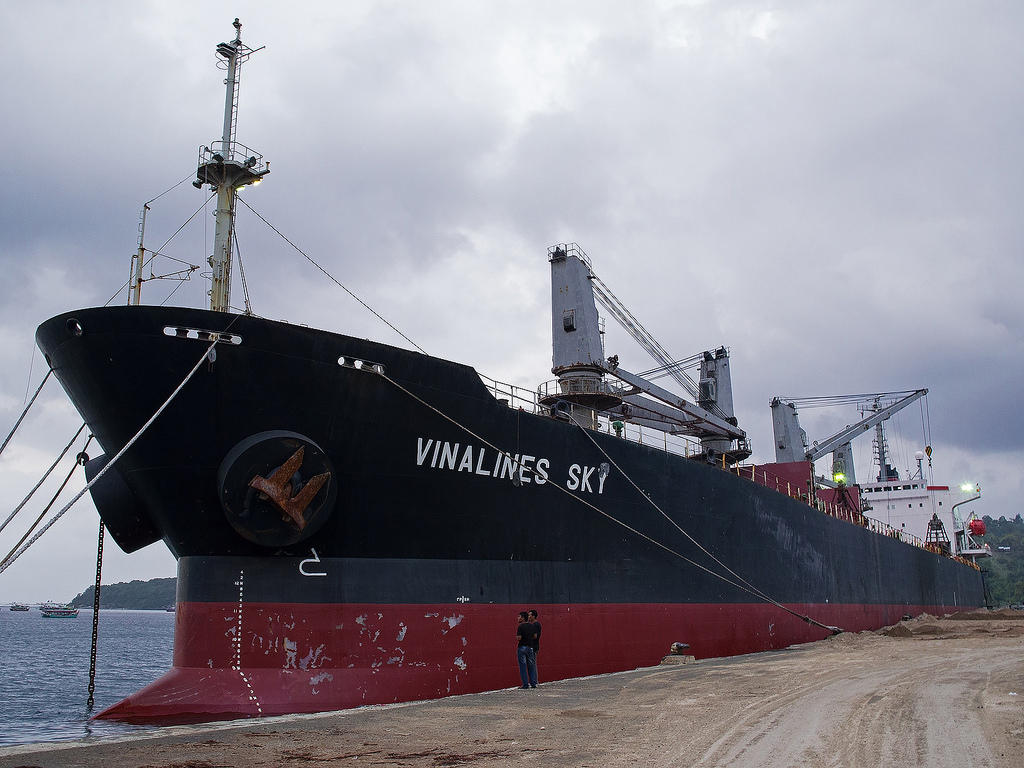
    Vietnam National Shipping Lines, a state-owned shipping firm, raised VND54.3 billion ($2.33 million) from an initial public offering (IPO) on Wednesday.

    The figure was far below its target of VND4.89 trillion, the Hanoi Stock Exchange said on Wednesday.

    The company, better known as Vinalines, sold 5.43 million shares or only 1.11 percent of the shares offered at the IPO at an average price of VND10,002 apiece.

    Vinalines sold the shares to 39 individual investors and two corporate investors. Foreign investors bought 6,200 shares.

    Last month, bookrunner Saigon Securities Inc had said that Vinalines was seeking to raise around $210 million from the sale of 488.82 million shares, or a 34.8 percent stake, at the IPO.

    $1 = 23,313 dong

  • Bank Negara Malaysia maintains benchmark rate, says trade tensions main downside risk

    Bank Negara Malaysia maintains benchmark rate, says trade tensions main downside risk

    Bank Negara Malaysia (BNM) maintained the Overnight Policy Rate (OPR) at 3.25% at its Monetary Policy Committee (MPC) meeting today, citing trade tensions as a key source of downside risk.

    “Greater volatility in the international financial markets and monetary policy normalisation in the advanced economies could lead to further capital outflows and financial market adjustments in emerging economies,” the central bank said in a statement.

    Despite persistent non-resident portfolio outflows due to ongoing global developments, BNM stressed that the domestic financial markets remain resilient with domestic monetary and financial conditions supportive of economic growth.

    “The financial sector remains sound, with financial institutions continuing to operate with strong capital and liquidity buffers. In addition, the domestic economy maintains its underlying fundamental strength, with steady economic growth, low unemployment and current account surplus of the balance of payments.”

    BNM said its monetary operations will continue to ensure sufficient liquidity to support the orderly functioning of money and foreign exchange markets and intermediation activity.

    “At the current level of the OPR, the degree of monetary accommodativeness is consistent with the intended policy stance. The MPC will continue to monitor and assess the balance of risks surrounding the outlook for domestic growth and inflation.”

    Commenting on the domestic economy, BNM said supply disruptions in the mining and agriculture sectors led to more moderate growth in the second quarter of 2018, but on the demand side, growth remained supported by private sector activity with further impetus from net exports.

    “Looking ahead, private consumption, which was boosted by the tax holiday, will continue to be driven by steady wage and employment growth. Investment activity is projected to be underpinned by continued capacity expansion in key sectors, particularly in the export-oriented industries, driven by favourable demand and efforts to enhance automation.”

    However, it opined that public sector spending will weigh on growth as the government embarks on reprioritisation of expenditure.

    The central bank said the external sector will continue to benefit from the sustained global growth momentum, but in the immediate term, the economy faces downside risks stemming from heightened trade tensions, prolonged weakness in the mining and agriculture sectors and some domestic policy uncertainty.

    “On balance, the Malaysian economy is expected to remain on a steady growth path.”

    Going forward and continuing into 2019, BNM expects headline inflation to edge upwards taking into consideration the impact of policy measures on domestic cost factors.

    “The impact of the changes in the consumption tax policy on headline inflation will be transitory and lapse towards the end of 2019. Underlying inflation is nevertheless expected to remain relatively stable.”

  • Indonesia’s August Inflation Picks Up, but Stays Below Market Expectation

    Indonesia’s August Inflation Picks Up, but Stays Below Market Expectation

    Indonesia’s annual inflation rate picked up slightly in August but was below market expectation and remained within the central bank’s target range, statistics bureau data showed on Monday.

    Consumer prices rose 3.20 percent in August from a year earlier, compared with July’s annual inflation rate of 3.18 percent. Analysts surveyed by Reuters had expected a rate of 3.33 percent.

    Bank Indonesia targets inflation rate in the range of 2.5 percent to 4.5 percent this year.

    The consumer price index was down 0.05 percent on a monthly basis due to a drop in food prices, such as that of chicken and chilies, Central Statistics Agency (BPS) head Suhariyanto told a news briefing.

    The annual core inflation rate, which excludes prices of government-controlled goods and volatile food, also edged up to 2.90 percent in August, the second month of acceleration and higher than the poll’s estimate of 2.85 percent.

    Bank Indonesia Governor Perry Warjiyo has said the rupiah’s slump had not affected prices at least until July. The rupiah has lost nearly 8 percent of its value so far this year and on Monday it was trading at its weakest in 20 years.

  • Indonesia Braces for Prolonged Pressure as Rupiah Slides

    Indonesia Braces for Prolonged Pressure as Rupiah Slides

    Indonesia is bracing for prolonged pressure on the rupiah amid souring emerging market sentiment exacerbated by Argentina’s economic woes, Finance Minister Sri Mulyani Indrawati said on Monday (03/09), as the local currency plumbed its weakest levels since 1998.

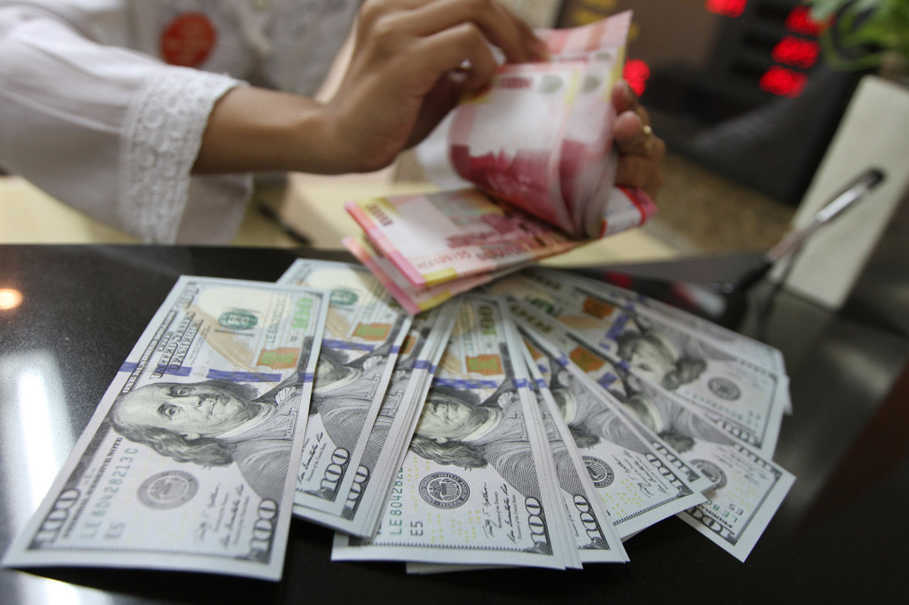
    The rupiah hit 14,825 per dollar on Monday, the weakest since the Asian financial crisis two decades ago, before closing at 14,810. It has lost nearly 9 percent this year.

    The central bank intervened again on Monday in the foreign exchange and bond markets as foreign investors continued to sell Indonesian assets spurred by rising US interest rates and fears of contagion from crises in Turkey and Argentina.

    “We are monitoring global dynamics and need to be vigilant because the dynamics caused by the sentiment on Argentina is very high. The situation there is not yet finished, so we’re anticipating these dynamics will continue,” Sri Mulyani told reporters after a meeting with President Joko “Jokowi” Widodo and the central bank governor.

    Jokowi had called a meeting with his economic ministers and the central bank governor to stress the importance of communicating to the people what was being done to stabilise the exchange rate, Coordinating Minister for Economic Affairs Darmin Nasution said.

    “The president said ‘don’t let it be that you’ve done something, but the people said you have not,’” Darmin said.

    The government has forced a wider use of biodiesel starting Sept. 1 to reduce oil import bill. Officials have also announced plans to raise import tariffs on some consumer goods, though the list of affected items has not been made public yet.

    Sri Mulyani said authorities will monitor “in detail the behavior of market players” and take steps to prevent speculation.

    Bank Indonesia has raised its benchmark interest rate four times since mid-May, by 125 basis points. It has also spent billions of foreign exchange reserves to intervene in the currency and bond markets.

    International credit rating agency Fitch Ratings has forecast Indonesia’s policy interest rate could rise by 100 basis points through 2020.

    Bank Central Asia chief executive Jahja Setiaatmadja said he saw no sign of the sort of panic-selling seen during the crisis two decades ago, but added that the central bank could have to raise interest rates by at least 200 basis points more by 2019.

    Indonesia’s 10-year bond yield rose to 8.266 percent on Monday, the highest since November 2016, while the main stock index slipped 0.9 percent.

    The cost of insuring exposure to Indonesia’s sovereign debt hit an eight-week high, with the country’s five-year credit default swaps jumping 5 basis points from Friday’s close to 131 bps, according to data from IHS Markit.

    “With an external situation like the one we face now, we must assume that we need to continue to strengthen our fundamentals,” Sri Mulyani said. “We are looking directly at our foundation and looking at where there are factors that are considered sources of weakness.”

  • Higher Risk Still Means Higher Interest in Fintech Lending

    Higher Risk Still Means Higher Interest in Fintech Lending

    For platforms that boast superior debtor risk assessments and aim to compete with conventional banks, online peer-to-peer lending services have so far fell short of their promises.

    These services currently offer annual interest rates of 19 percent on average to their clients, most of which are small and medium enterprises. However, the Indonesia’s Financial Services Authority (OJK) says this is still too high to attract more borrowers that generally do not qualify for bank loans.

    In comparison, conventional banks offer SMEs loans at interest rates of up 10 percent, or 7 percent with the state subsidy. Ajisatria Sulaeman, director of the Association of Financial Technology (Aftech), said borrowers using peer-to-peer services are often those who do not meet banks’ requirements.

    It means there are risks that those banks do not want to take, hence the higher interest to adjust to the higher risk, Ajisatria said. While it is easy for peer-to-peer services to obtain potential borrowers’ behavior data on social media and through the use of services such as technology startup Go-Jek, it is still costly to verify.

    “Without data from the civil registry, how can we make sure that they use their own identity numbers and not those of others?” Ajisatria said.

    “So data from the Directorate General of Population and Civil Registration and the Financial Information Service System are still very important. With that, we can ensure that borrowers are not fraudulent,” Ajisatria said on Thursday.

    Some peer-to-peer lenders even resort back to conventional credit scoring services, such as Pefindo, but this comes at additional costs, which are passed on to borrowers in the form of higher interest rates.

    “The focus is on how we can easily identify borrowers, especially those with good intentions,” Ajisatria said.

    He said peer-to-peer platforms will be in a better position to assess loan risks if they have easy access to the population registry data. The number of bad loans can be reduced, which in turn, will allow peer-to-peer lenders to charge lower interest rates.

    Sluggish lending by banks over the past few years has seen Indonesia’s financial regulator welcome peer-to-peer platforms, which usually disburse small loans to micro, small and medium businesses that banks often consider high risk.

    Loan growth has dropped to below 10 percent over the past two years from 20 percent previously, central bank data shows. Chatib Basri, a former finance minister, said in March that a climate of healthy competition and a growing number of online lending firms could help to reduce high interest rates.

    “This approach can be made by multiplying the firms in the market segment, which will certainly cause interest rates to decline,” said Chatib, who just became an advisor to peer-to-peer lender ModalKu.

    Indonesia currently has 66 registered peer-to-peer lending firms, which have paid out Rp 7.8 trillion ($525 million) in loans as of July this year, compared with just Rp 247 billion by December 2016, according to the OJK.

    These firms serve to connect more than 250,000 individual lenders to 1.85 million borrowers. OJK deputy commissioner Sukarela Batunanggar said the financial regulator until now still has no intention to cap interest rates and limit the size of loans these financial technology firms can offer. Aftech, which was established in 2015 and now consists of 152 fintech startups offering various services, ranging from lending, insurance and investment, plans to issue a standard on fintech interest rates soon, but it is currently still finalizing the amount.

    Economic Contribution

    According to a study conducted by Aftech and the Institute for Development of Economics and Finance (Indef), fintech lending firms have contributed Rp 26 trillion to Indonesia’s gross domestic product since the OJK issued a regulation on such services in 2016.

    Indonesia’s nominal gross domestic product was Rp 13,558 trillion at the 2017 exchange rate, according to the Central Statistics Agency (BPS).

    “While this is relatively small, there is still hidden potential on fintech platforms, as until now, it has not reached those in need of loans across the country,” Indef economist Bhima Adinegara said.

    The presence of peer-to-peer lending firms has resulted in the creation of 215,433 jobs since 2016, with total wages amounting to around Rp 4.6 trillion.

    “The government must use this potential to increase financial inclusion by issuing easier regulations to expand the sector further, so it can contribute more to the Indonesian economy,” Bhima said.

  • Indonesia to Work With Alibaba’s Jack Ma to Increase Exports: Minister

    Indonesia to Work With Alibaba’s Jack Ma to Increase Exports: Minister

    Indonesia will partner with Alibaba chief executive Jack Ma to look into ways to use of the e-commerce giant’s ecosystem to increase its exports, particularly to China, Communications Minister Rudiantara said on Sunday.

    “We are also discussing how to work together to develop tech talents to meet the needs of Indonesia and the region,” Rudiantara said after meeting Ma and President Joko “Jokowi” Widodo on Saturday.

    The Alibaba founder and chief executive, who was in Jakarta for the 2018 Asian Games, was named an e-commerce adviser to the Indonesian government in 2017.

    McKinsey estimated in a report released on Aug. 30 that the value of Indonesia’s e-commerce market will grow to at least $55 billion by 2022 from $8 billion in 2017.

    Alibaba is China’s biggest e-commerce firm, but its ecosystem includes payments platform Alipay and a cloud computing arm.

    Rudiantara told Reuters the details of the deal would be finalized during a second visit by Ma in October.

  • Vietnam stocks achieve relative calm after turbulent Q2

    Vietnam stocks achieve relative calm after turbulent Q2

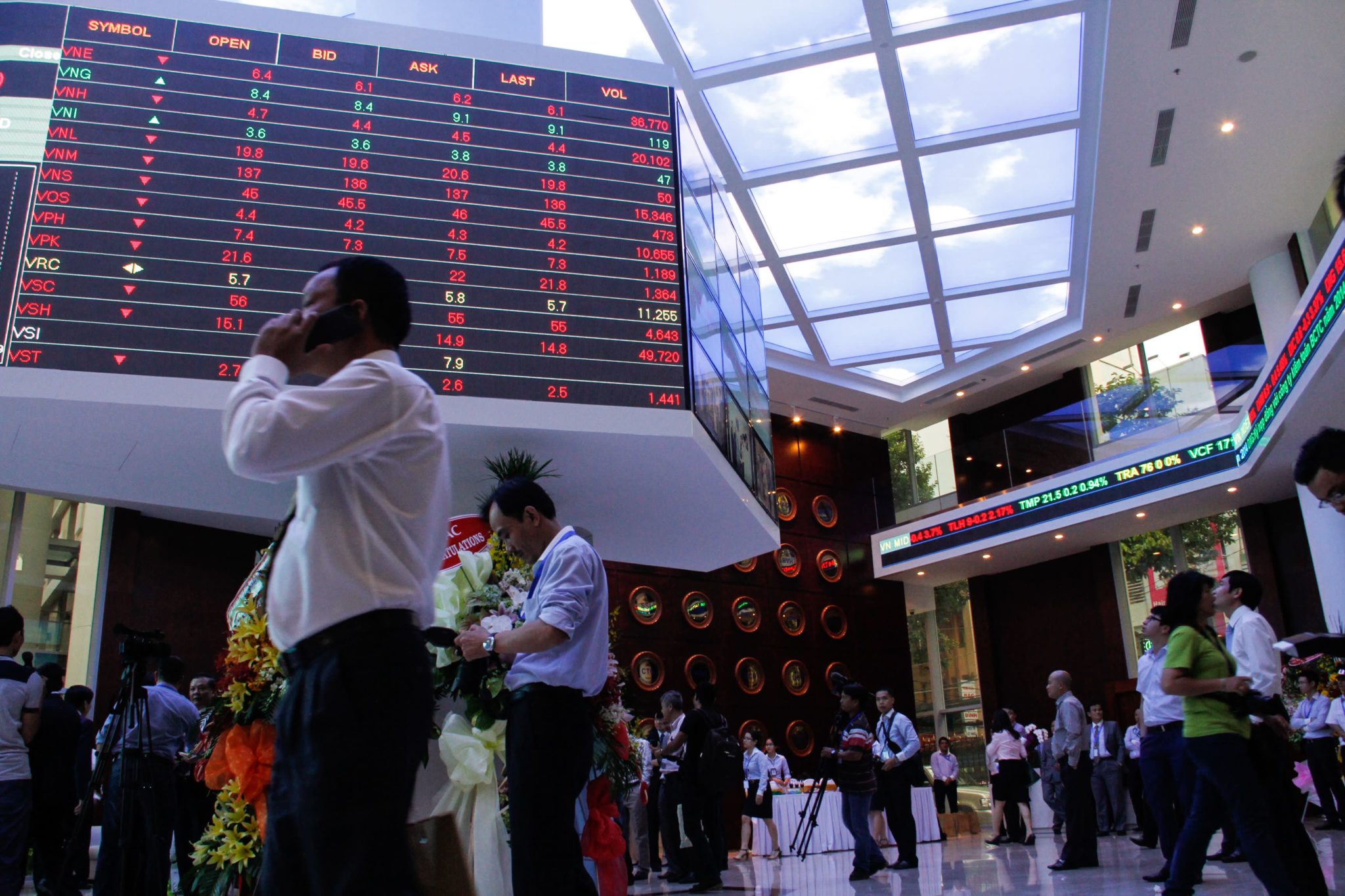
    The volatility seems to have ended in the Vietnamese stock market, and it has been rising for several weeks now.

    The 30-day volatility in the benchmark VN-Index at the Ho Chi Minh Stock Exchange (HOSE) has fallen to the lowest level since last November.

    The economic turbulence of the past few months “is over” with the prospect of an escalating trade war encompassing Vietnam becoming more “remote,” said Michel Tosto, head of institutional sales and brokerage at Viet Capital Securities, as saying.

    Inflation is expected to be contained and the currency has become more stable, he added.

    “All this has brought a sense of calm to the market, and investor focus is again on earnings, which look solid for most companies,” he said. “Valuations are much more reasonable now, compared to the mid-March high.”

    The benchmark VN-Index has rebounded over 10 percent from its July low. The gauge had plunged 18.19 percent in the second quarter of this year, making Vietnam the worst-performing market in the world.

    It also marked the worst period for the market since the fourth quarter of 2008, when an economic crisis shook the world, including Vietnam.

    But in the first three months of this year the VN-Index had risen 19.33 percent, the best performance by any market globally. It crossed the 1,200-point mark on April 9.

    Then the fall occurred and has been struggling in the 900s since then.

    In the last trading session of 2017, the stock market had hit a 10-year high, reaching 984.24 points. It had not broken the 800-point barrier since 2008.

    In March, experts said the market was low-risk and investors were high on growth confidence.

    Nguyen The Minh, a senior analyst at Saigon Securities Incorporation, had said then that “the VN-Index could reach 1,050 points in the short-term and 1,300 by the year’s end.”

    RongViet Securities Corporation said the VN-Index will increase by at least 17 percent this year – 67 percent in a best-case scenario – meaning it could end the year somewhere between 1,170 and 1,640.

    On Tuesday, the VN-Index dropped 13.6 points, or 1.37 percent, to around 975.

    Despite its expectations of a short-term market boost, the Bao Viet Securities Company (BVSC) said that it could drop further around 970-975 points.  In such a scenario, BVSC analysts said it would more difficult for the market to bounce back.

  • August Korea exports reach record, pass $50 billion

    August Korea exports reach record, pass $50 billion

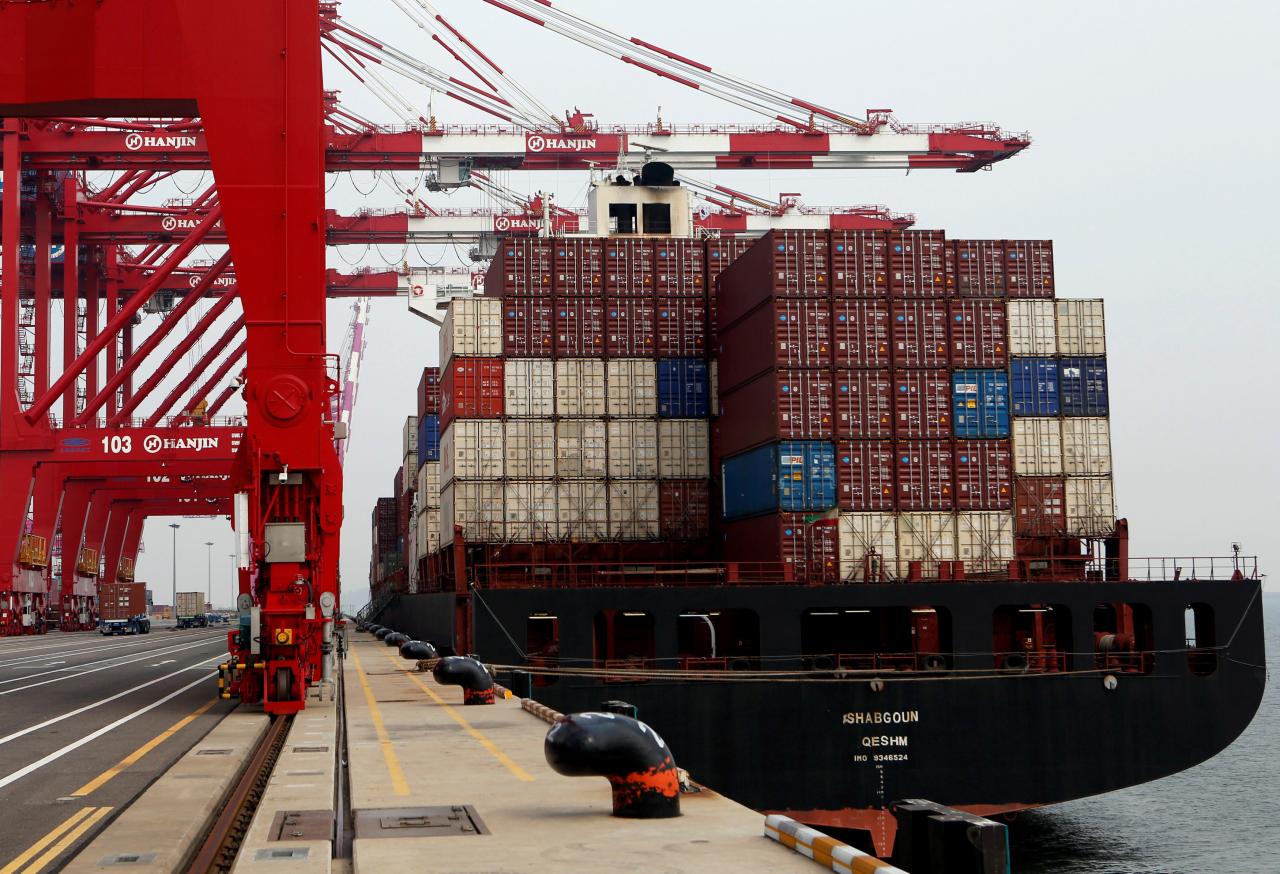
    Korea exported more than $50 billion of goods in August despite fears of a global trade war, but experts continue to worry about the overreliance on a handful of popular products.

    According to data from the Ministry of Trade, Industry and Energy released over the weekend, Korea Inc. shipped out $51.2 billion worth of goods in August this year, up 8.7 percent compared to the same period last year.

    “Factors that contributed to the increase in exports include the improved condition of the global manufacturing sector, expansion of the gross domestic products of major economies and the increases in gas price and the prices of Korea’s main export items,” said an official from the Trade Ministry.

    August is the fourth straight month this year that monthly shipments from Korea have exceeded the $50-billion threshold.

    It is also the first time ever that August exports in any year have passed the $50-billion mark, another milestone for the Korean economy.

    “We expect the average monthly increase in exports in the second half will be maintained at around 5 percent,” said Paik Un-gyu, the minister for trade, industry and energy. “Accordingly, the total amount of exports from this year will surpass $600 billion for the first time in history.”

    From January to August, outbound shipments from Korea totaled at $399.8 billion, up 6.6 percent from the same period last year and a record high for the period.

    Despite the strong numbers, concerns loom large that the economy is unable to break free from depending too heavily on one or two export items, including computer chips.

    Data shows that semiconductor exports in August catapulted by 31.5 percent from a year ago to $11.5 billion, beating the historic high it set just two months ago in June at $11.2 billion.

    As a result, computer chip shipments are taking a bigger share of the pie each month. In January, semiconductors took up 19.7 percent of total exports. In August that figure had jumped up to 22.5 percent.

    If semiconductor exports are taken out of the picture, Korea’s outbound shipments from January to August have only risen by 0.37 percent. More disconcerting is the slowdown in investment by semiconductor companies. Data from Statistics Korea shows that facilities investment has dipped for five straight months since March this year.

    An official from the statistics agency explained that the investment made by major chip companies began slowing as new facilities entered the final phase of construction.

    “The Korean economy is in an unstable situation where, if semiconductor exports take a hit, it could be in crisis,” said Sung Tae-yoon, a professor of economics at Yonsei University. “The economy needs a strategy where it reduces its reliance on semiconductors while also increasing the competitiveness of the industry itself.”

  • Tiny foreign firms a cause of worry for HCMC

    Tiny foreign firms a cause of worry for HCMC

    The increasing investment of small sums in HCMC by foreign businesses is worrying experts.

    In the first eight months this year 658 new FDI projects were licensed, but they only had a combined capital of $581.8 million, according to the General Statistics Office.

    They include businesses investing just a few thousand dollars.

    French consultancy J&P is capitalized at $3,000, computer consultancy Streamy from Ireland at $2,600 and another French firm, Evocom, at $2,200.

    These firms are “too small” to benefit Vietnam’s economy but there are no regulations prohibiting them, Su Ngoc Anh, director of the HCMC Department of Planning and Investment said.

    The city chairman, Nguyen Thanh Phong, had previously expressed concern about the entry of small foreign firms.

    The average capital of a foreign project in HCMC is less than $1 million, too small to have an impact, he had told a recent conference.

    “Why has the city not been able to attract bigger investment? What are the obstacles?”

    Lack of land

    One of the obstacles is the shortage of land, Dr Dinh The Hien of the Institute of Information and Economic Research (IIB) said.

    The metropolis used to attract many foreign property businesses because of its abundance of land, he said.

    But investing in real estate has been difficult in recent years due to challenges in finding land and completing legal procedures, he said.

    Many foreign firms want to invest in the city but then move to the neighboring provinces of Binh Duong, Dong Nai and Long An which have more available land, he said.

    So attracting FDI in infrastructure and technology should be the goal of the city now, he said.

    Do Nhat Hoang, head of the Foreign Investment Agency, said the high land rentals are scaring investors away from the city.

    Renting land for a factory in HCMC costs about $160 per square meter per year, but five kilometers away from the city, it drops to just $50-60, he said.

    But he said the city should create favorable conditions even for businesses investing $2,000-3,000 so that can develop and invest further.

    Singapore allows businesses to operate with $1 capital, he pointed out.

    What is of greater significance is that Vietnamese firms would improve their services and capabilities when working with these foreign businesses, he said.

    Over 54 percent of 1,765 foreign businesses in Vietnam reported profits last year, the lowest since 2012, according to a survey by the Vietnam Chamber of Commerce and Industry.

    Almost 38 percent reported losses, 10.4 percentage points higher than in 2012.

  • Vietnam allows use of yuan at Chinese border

    Vietnam allows use of yuan at Chinese border

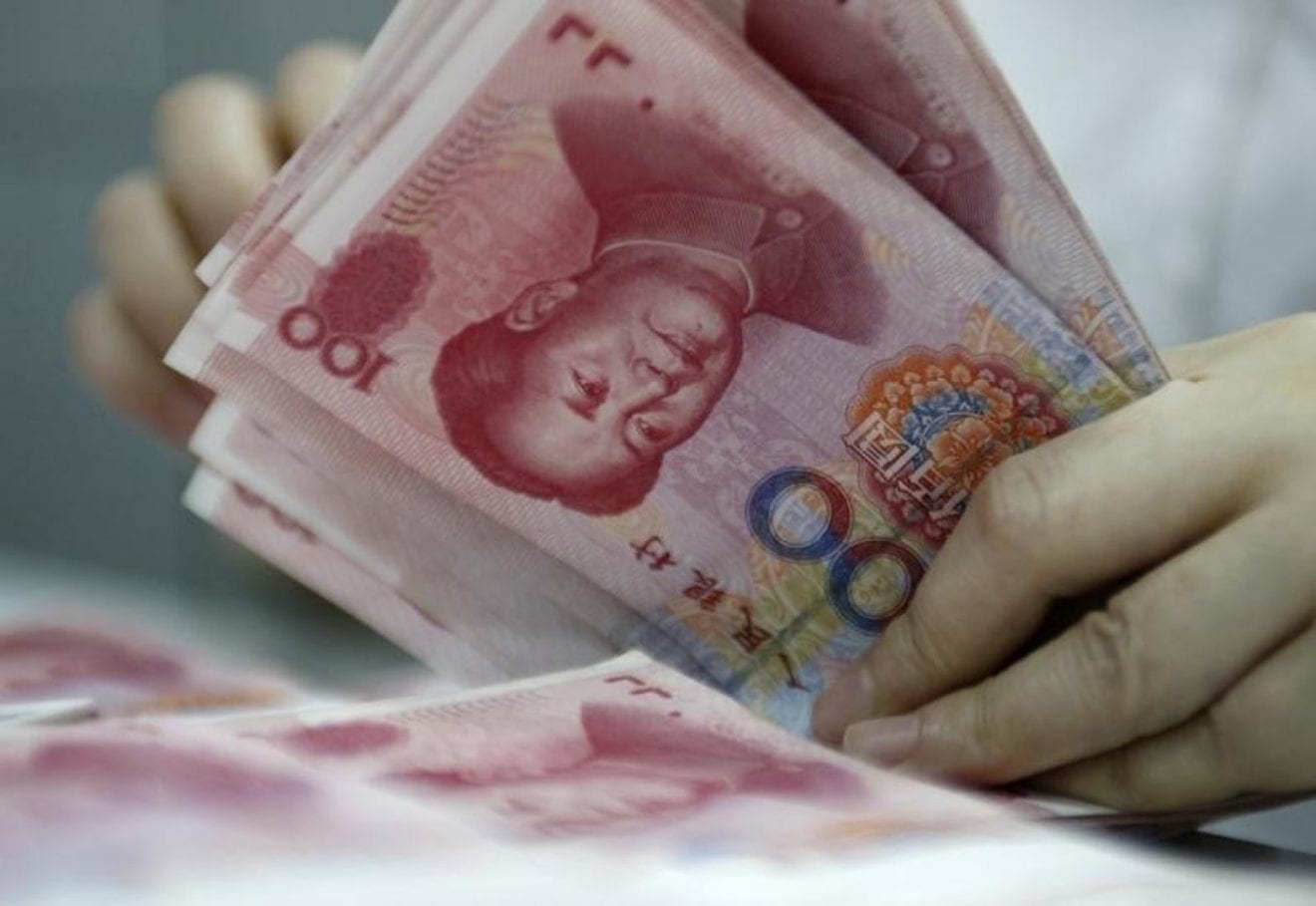
    Vietnamese can trade in yuan at the border with China, the State Bank of Vietnam has decreed.

    It means the transactions that traders and residents have been doing informally in the yuan for long along the border gets legal sanction from October 12.

    Economist Nguyen Tri Hieu said “There have not been any specific regulations on using the yuan in transactions. This will be the first.”

    The new regulation would also allow Chinese tourists to pay for goods and services in their own currency in border areas, he added.

    Vietnam recently became China’s largest trade partner in Southeast Asia. Bilateral trade in the first half of this year rose 17 percent year-on-year to $46.82 billion, with Vietnam’s exports accounting for $16.62 billion.

    Exports to China had risen 61.5 percent against 2016 to $35.46 billion in 2017, according to data from the International Monetary Fund.

    The Ministry of Industry and Trade said it is likely that two-way trade would hit $100 billion this year.

  • Maybank Q2 earnings up 18%, declares 25 sen dividend

    Maybank Q2 earnings up 18%, declares 25 sen dividend

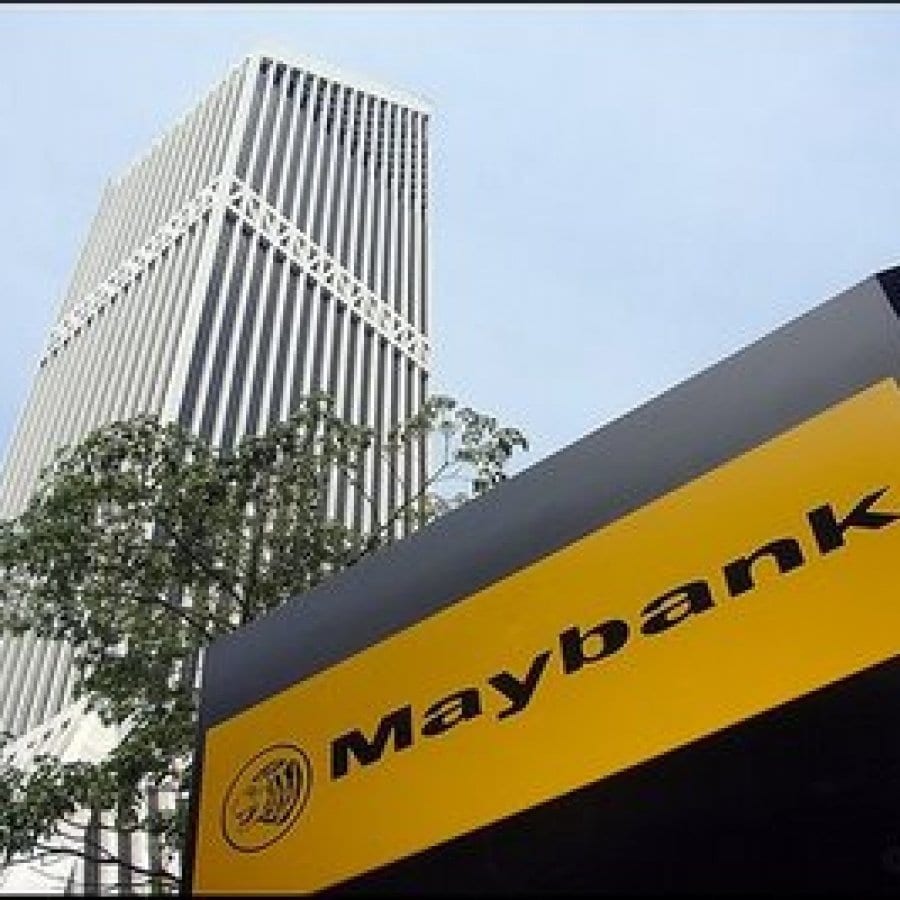
    Malayan Banking Bhd (Maybank), which saw net profit jump 18.1% to RM1.96 billion for the second quarter ended June 30, 2018, expects its performance for the second half of the year (2H18) to be driven by its consumer, wealth and insurance businesses, said group CFO Datuk Amirul Feisal Wan Zahir.

    He expects the consumer business to drive the loan growth for Malaysia, cautioning that the corporate side may slow down but pointed out that this remains to be seen.

    “Loan growth from the consumer market was stronger than corporate in 1H18. We don’t think this will change in 2H18. We typically perform better than the industry for Malaysia (in loan growth),” he said after announcing its 1H18 financial results.

    Q2 net profit was up on higher net operating income and lower impairments, while revenue jumped 5.4% to RM11.51 billion from RM10.92 billion.

    The group has proposed to declare an interim dividend of 25 sen for the quarter under review.

    For the six-month period, Maybank’s net profit increased 13.9% to RM3.83 billion from RM3.36 billion a year ago on the back of higher operating income, lower impairments as well as reduced overheads as a result of better cost management. Revenue went up 3.7% to RM23.02 billion from RM22.20 billion.

    Maybank saw a loan growth of 4.6% in 1H18, where Singapore operations expanded 8.9%, followed by Indonesia at 6.6% and Malaysia 6.1%. The Malaysia loan growth of 6.1% was above the industry loan growth of 5% for the country. Singapore and Indonesia fared below its industry loan growth of 9.9% and 10.7% respectively.

    It expects its net interest margin, which stood at 2.33% in June 2018, to maintain at last year’s 2.36% or slightly less.

    Amirul said the implementation of the SST, which will bring a revenue of RM20 billion to RM25 billion to the government compared with RM42 billion under the GST, will result in more disposable income among the people, providing more expansionary spending on the consumer side.

    “The (SST) impact on the bank will be neutral,” he said.

    Meanwhile, he said Maybank’s exposure to the oil and gas sector is at 3.86% of its total loan assets and that the level of provisions has reduced having peaked last year.

    “Going forward we will be vigilant looking at each markets and we will be more cautious on Indonesia given the volatile environment.”

    Amirul also said Maybank’s loan exposure to financially-troubled Hyflux Ltd of Singapore is at the project company Tuaspring Pte Ltd level, which is fully secured and not on the group level.“We made some provisions in Q2,” he said.

  • Vietnam set to surpass socio-economic targets

    Vietnam set to surpass socio-economic targets

    Vietnam might exceed several annual socio-economic development targets set by the parliament, PM Nguyen Xuan Phuc said Thursday.

    The government’s assessment is that eight of 12 targets assigned by the National Assembly, the national legislature, will be surpassed while the other four are achievable, the Prime Minister said in Hanoi.

    The government projects that the economy will expand by more than the targeted 6.7 percent, state collections will exceed the target by 3-5 percent, inflation will stay under 4 percent and public debt will be lower than last year.

    The country’s public debt will likely reach 63.92 percent of GDP, or VND3,530 trillion ($151 billion) by the end of this year, says a recent report submitted to the PM by the Ministry of Planning and Investment.

    Meanwhile, the Consumer Price Index (CPI) in August is 0.45 percent up against July and 3.98 percent up against August last year, according to the General Statistics Office.

    The average CPI for the first eight months was 3.52 percent higher than the same period last year.

    The country posted a trade surplus of $2.8 billion in the first eight months.

    During this period, the index for industrial production rose 11.2 percent, with the manufacturing-processing sector growing 13.3 percent.

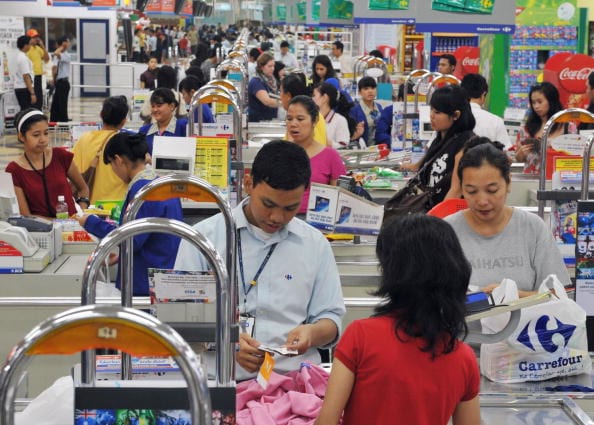
    Retail sales for this period is estimated at VND2.15 trillion ($92.4 million), up 11.7 percent year-on-year.

    Of this total, sales of food and foodstuff increased year-on-year by 12.8 percent, garments by 12.3 percent, home appliances by 11.6 percent, cultural and educational items by 10.8 percent, and vehicles by 10.7 percent.

    In June, the World Bank said Vietnam’s economy might expand by 6.8 percent this year, revising up its previous forecast of 6.5 percent in April.

    The bank explained its upward revision on better prospects for the expansion of agriculture and production for exports and continued inflow of foreign direct investment thanks to bright economic prospects.

    If the actual growth rate matches projections, it will be the same as last year, which was the highest in a decade, it said.

    In the first quarter this year, the economy expanded 7.38 percent, also a 10-year record, thanks to strong growth in agriculture, industry-construction and service sectors.

  • Stocks, Forex, cryptocurrency, futures&options – Fantastic show like nowhere!

    Stocks, Forex, cryptocurrency, futures&options – Fantastic show like nowhere!

    Traders Fair & Gala night – financial event for traders and investors, which is going to take place in Vietnam on the 24th of November 2018 (Windsor Plaza Hotel, Saigon). The best trading experts, companies, money brokers and banks from all over the world are going to share out their experience and to find out new up-to-date information about cryptocurrency, forex, stocks, futures and options markets. Also Traders Fair & Gala night is going to be full of educational programs and entertainment.  To register online now for free, you should visit https://vietnam.tradersfair.com

    Traders Fair & Gala night, Vietnam is attracting the world of traders to one place during one day.  This is the confluence of favorable conditions in one system, which brings profit to its participants. The leaders of the industry are going to come together in one place and to have an exchange of knowledge and experience. No doubt you need expertize and capital to work in the stocks, futures, options and forex markets as it will become the initial ticket to the world of big trade. Participants who have capital while entering the market become investors. And you may be a part of this fabulous event! Educational speeches from top speakers, entertainments, live shows, music and incredible prizes included in the agenda.

    Traders Fair & Gala night – Vietnam is organized by FINEXPO, which is the largest company organizing financial and trading events, fairs, expos and shows worldwide since 2002. List of its projects seems quite long. Here you can find Financial Expo, Traders Fair, Traders Awards, Forex & Money Expo, Forex Expo Awards, Money Fair, Investor Expo, Golf Expo, Banking Expo, Online Trading Expo, etc. Over 30000 traders, investors and financial advisors and more than 3 000 financial companies and brokers from Forex, stock, option, bond crypto money and forward markets from all around the world have been connected by FINEXPO. The positive feedback from participants is the best prove of effective and successful work done by FINEXPO.

    Traders Fair & Gala night is sponsored by leading brands such as Australian Forex Marketplace (Grand sponsor), FIBOGroup (Silver sponsor), RPNPay, OlympTrade. To say more the organizers of event offer you different variants of recommended accommodation, so you can focus on agenda and don’t lose you time, thinking about accommodation and everything.

    You are welcome to visit https://vietnam.tradersfair.com to find out more information about Traders Fair & Gala night.

    Telegram https://t.me/tradersfair

    Facebook https://www.facebook.com/TradersFair/

    #tradersfair  #tradersfair2018  #tradersfairvietnam


  • CIMB Malaysia expects FY18 to be a record year

    CIMB Malaysia expects FY18 to be a record year

    CIMB Group Holdings Bhd, which posted a record net profit of RM3.29 billion for the first six months ended June 30, 2018 (1H18), expects a record net profit to ensue for the full year on a stronger performance in 2H18 partly driven by improvement in loan growth.

    Group CEO Tengku Datuk Seri Zafrul Aziz said CIMB is on track to meet its loan growth target of 6% for this year, compared with a weaker-than-expected 0.2% last year hit by its Indonesian business.

    It saw a loan growth of 3.4% for 1H18, dragged down by the weakening of rupiah in Indonesia. Excluding foreign exchange fluctuations, its 1H18 loan growth would have been 7%.

    “We’re still keeping our loan growth target. 1H18 was slower and we’re optimistic that in 2H18 we will catch up,” Zafrul said in a press conference after announcing its 1H18 financial results here.

    “For 2H18, we hope to sustain (performance). It’s been a strong two months (July-August), we’ve seen a pickup in capital markets (from slower capital market activities in 1H18), but also in the region in Thailand and Singapore. We’re optimistic. Judging from the pipeline that we have, we should see the same, if not better performance in 2H18,” he added.

    Zafrul said CIMB is focused on achieving its T18 targets, subject to recovery of capital markets, and continued improvement in asset quality across Indonesia, Thailand and Singapore.

    Saying the worst is over for its Indonesian business, he said a rate increase is expected in Indonesia to stabilise the rupiah. On the macro side, it is wary of the currency impact and is also mindful of the election in Indonesia. However he said CIMB Niaga has done well in term of its bottom line, adding that it was the best performing bank in 1H18 in Indonesia.

    “If you look at the numbers on Indonesia, the asset quality is better. The problem is the loan growth and this is something that we need to push further and at the same time we’re tracking the industry.”

    For the second quarter ended June 30, 2018, CIMB’s net profit jumped 80% to RM1.98 billion from RM1.10 billion a year ago bolstered by a RM928 million gain from the sale of 20% of CIMB-Principal Asset Management and 10% of CIMB-Principal Islamic Asset Management. Revenue rose 12% to RM4.86 billion from RM4.33 billion in the previous corresponding quarter.

    CIMB posted a record net profit of RM3.29 billion for the first half of 2018, up 44% from RM2.28 billion a year ago, bolstered by the disposal gain. Excluding the gain, CIMB’s 1H18 earnings was RM2.36 billion, translating to a 3.3% year-on-year growth. Revenue rose 5.5% to RM9.17 billion from RM8.69 billion in the previous year.

    Zafrul said CIMB is finalising its next mid-term growth plan post-T18, which will be premised on customers, people and sustainability, among others. He added that any changes to its management are based on performance and will be decided by the board and not one shareholder.