Category: Finance

Retail News Asia is committed to providing both local and global retailers with the latest Finance news throughout the Asian market. This on a daily base.

  • Indonesian trade deficit narrows in August

    Indonesian trade deficit narrows in August

    Indonesia’s trade deficit narrowed in August, but the gap was larger than expected as exports growth slowed, government data showed on Monday, adding to pressure on the rupiah and local stocks.

    Southeast Asia’s largest economy reported a trade deficit of US$1.02 billion (RM4.22 billion) for last month, much bigger than the US$680 million gap expected in a Reuters poll.

    The country had a revised US$2.01 billion trade deficit in July, the largest in five years.

    August imports were worth US$16.84 billion, up 24.65% from a year earlier, data released by the statistics bureau showed. This compared with expectations of a 26.53% t rise in the poll. Meanwhile, exports growth slowed to 4.15% from a year earlier to US$15.82 billion in August, compared with the poll forecast of a 10.03% increase.

    Imports of consumer goods posted the biggest annual growth last month, while exports of agriculture products fell nearly 21% from a year earlier, the data showed, contributing to the slowdown in exports. Higher oil and gas imports also contributed to the deficit, according to the statistics bureau.

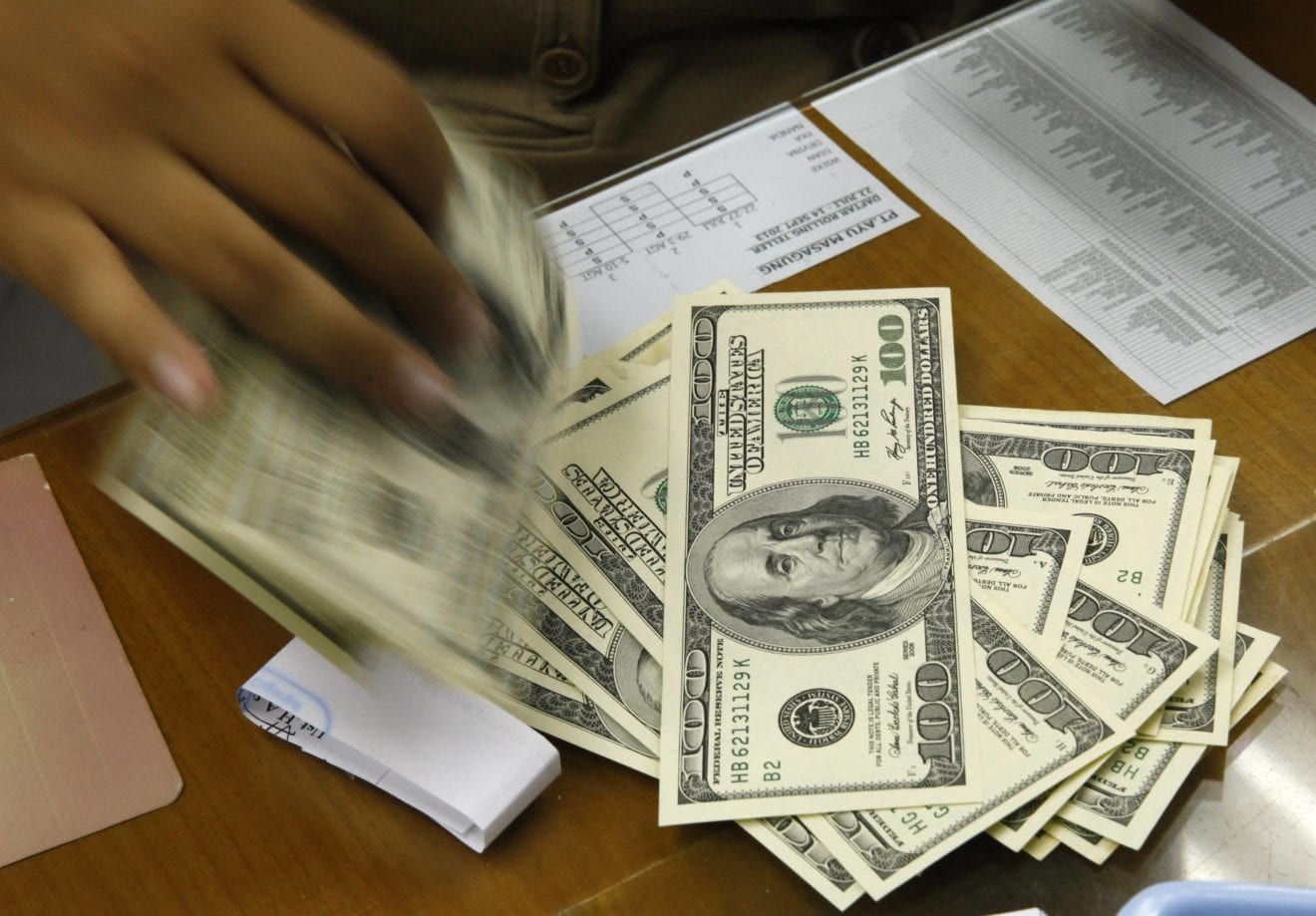
    The rupiah slipped further after the data came in to trade at 14,885 per dollar, 0.57% below Friday’s close. The Indonesian currency traded at 14,880 per dollar before the data.

    The rupiah has been trading at 20-year lows after being sucked into an emerging market rout, with selling exacerbated by concern over the country’s ability to plug a yawning current account deficit.

    Jakarta’s benchmark stock index also extended falls to trade 1.8% lower, while the 10-year bond yield rose to 8.428% from 8.382% at yesterday’s opening.

    The tariffs were not applied in August, but analysts have said importers may have frontloaded overseas purchases ahead of the increases.

  • Artificial intelligence to hit Vietnam hard

    Artificial intelligence to hit Vietnam hard

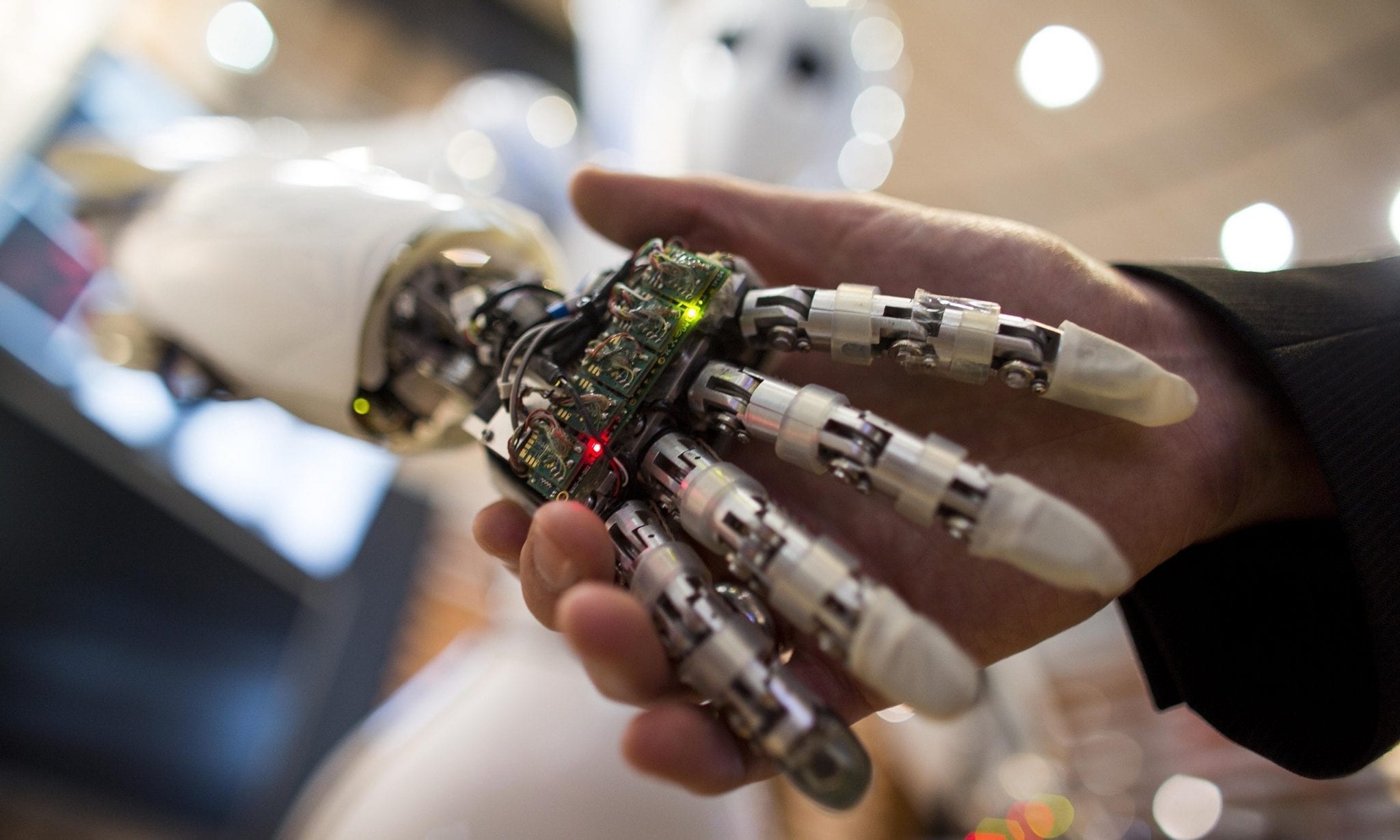
    Vietnam’s among top 3 ASEAN countries that will face AI-related employment problems, a new study has found.

    The study was carried out Cisco, a multinational technology conglomeratem and Oxford Economics, a firm that specializes in global forecasting and qualitative analysis.

    Results of the study were revealed at the World Economic Forum on ASEAN 2018 in Hanoi on Wednesday.

    Cisco ASEAN regional director Naveen Menon said the study looked into 430 jobs in 21 different industries across six different countries (Vietnam, Singapore, Indonesia, Malaysia, Thailand and the Philippines) to project potential impacts over the next decade.

    It found that 28 million workers out of a 630 million workforce in the six countries would be affected by AI.

    Singapore would be the worst hit with 21 percent, followed by Vietnam (13.8 percent), the Philippines (10 percent), Indonesia (8 percent), Malaysia (7.4 percent), and Thailand (2 percent).

    Around 6.6 million out of the 28 million workers are likely to become “redundant” in the next 10 years, Menon said, adding that these people would have to switch jobs, learn new skills, or look for jobs in a different country.

    “For instance, manpower in the Philippines would have to relocate to Vietnam since some particular jobs are no longer needed there,” Menon said.

    Luong Thi Le Thuy, CEO of Cisco Vietnam, acknowledged the potential impacts and said that industries are looking to apply technology to overcome the challenges and grab new opportunities.

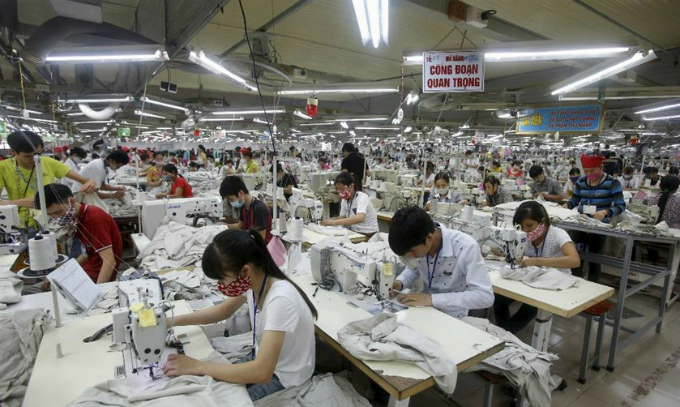
    Vietnam has been an attractive destination for foreign investors because of its low labor costs, but this advantage could change in the coming five to 10 years since the majority of Vietnamese workers are still unskilled, she said.

    Cisco recommends that countries and businesses provide opportunities for employees to be re-trained and prepare for “change-ready skills”, she added.

  • Vietnam relatively safer than ASEAN peers in trade war storm

    Vietnam relatively safer than ASEAN peers in trade war storm

    Unlike most other ASEAN countries, who have been buffeted by the China-U.S. trade war, Vietnam could actually benefit from it.

    The threat of an escalating global trade conflict is weighing on prospects for export-dependent economies like Singapore and Malaysia, while Indonesia and the Philippines face challenges funding their high levels of external debt as their currencies come under pressure from a rising U.S. dollar.

    On the contrary, Vietnam’s geographical proximity to China and economic links with Beijing are paying dividends.

    Facing cost pressures created by U.S. trade tariffs, Chinese manufacturers are starting to shift production away from the mainland into cheaper Asian locations such as Vietnam and Bangladesh.

    “A lot of companies are relocating,” said Robert Subbaraman, head of emerging markets economics at Nomura.

    Angelo Cheung, a Hong Kong-based executive for Aoyagi, a Japanese electronics group that manufactures in China said that some orders from the U.S. had already been halted because of the increasing uncertainty. Cheung said his company is considering various options including moving part of its supply chain to Vietnam.

    The Southeast Asian nation could be a “winner” if a lot of foreign direct investment shifts into Vietnam due to rising cost pressures from the U.S.-China tariffs, Bill Stoops, the chief investment officer of Dragon Capital, said.

    Now with tariffs on made-in-China products set to rise, nations like Cambodia and Vietnam turn out to be more attractive than ever for U.S.-based consumer-goods makers that have factories in China. Some of the names on the list are now Steven Madden Ltd., Tapestry Inc.’s Coach and Vera Bradley.

    The U.S. and China have imposed tariffs on $50 billion of each other’s goods since July as trade frictions between the world’s two biggest economies worsened, despite several rounds of negotiations.

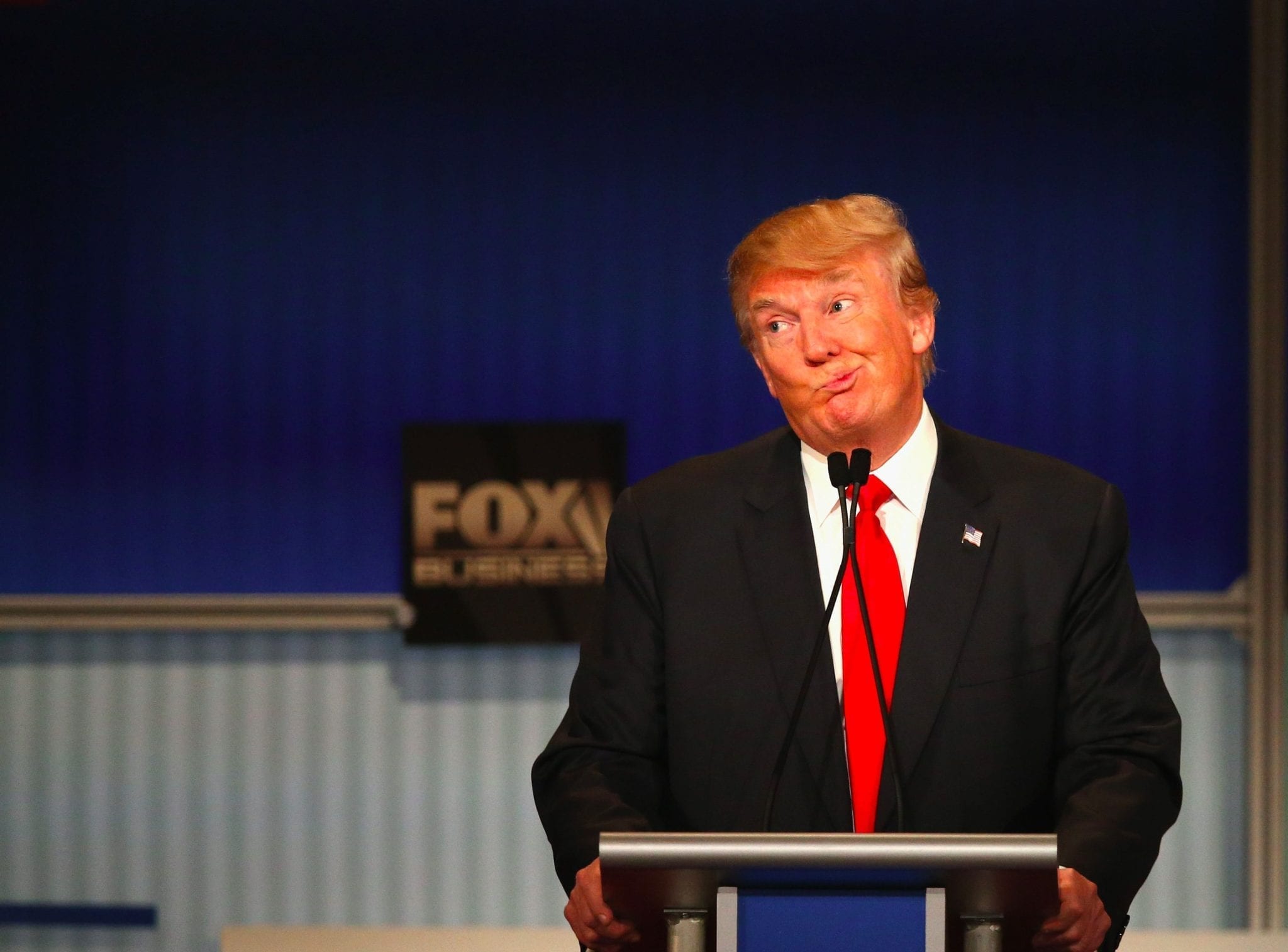
    President Donald Trump has criticized China’s record trade surplus with the U.S. and has demanded that Beijing cut it immediately, threatening further tariffs on an additional $200 billion worth of goods – and possibly more.

  • How ASEAN could benefit from the US-China trade war?

    How ASEAN could benefit from the US-China trade war?

    ASEAN has been urged to find ways for its member states to join hands together to cushion any possible fallout from the trade war between the United States and China.

    Against the backdrop of an escalating trade war between the US and China, Deputy Minister of International Trade and Industry Dr Ong Kian Ming is advocating greater cooperation between ASEAN countries to package the region to foreign investors instead of focusing on country specific promotion.

    He said Malaysia and it’s Asean counterparts should look at ways as a comprehensive unit to take advantage of this situation as investors might be interested in relocating and investing more in Malaysia as a result of this trade war.

    Drawing reference to the strong two way cross border trade linkage in terms of investment and expertise exchange between Johor and Singapore, Ong said Malaysia should replicate this with other countries.

    He also noted that interest from Chinese companies to invest in Malaysia, coming through the Malaysian Investment Development Authority, has risen since last year.

    Instead of setting hub in Malaysia, Ong added that Chinese companies could use Malaysia as a connecting point to tap into the Asean market.

    He opined that the trade war between US and China is less than likely to find a resolution in the short term and Malaysia, being an open economy will be affected by the trade duel.

    In that light, Malaysia should be open to investments and ratify trade agreements such as RCEP and CPTPP, which are yet to be signed in order to strengthen its stance on remaining open to trade.

    “As tariffs have gone down, the non-tariff measures has also gone down. That is why we need to have a greater push among the governments in Asean with the help of the business sector to come in and advice the government on the challenges they face so that we can remove or reduce some of the regulatory red tape with regards to the non-tariff measures,” he said referring to non-tariff barriers.

    Ong said in that regard, ASEAN is working together to compile a database of non-tariff measures so that the trade bloc could gather some of the regulatory and bureaucratic issues faced by companies when setting shop in another ASEAN state.

    International Trade and Industry Minister Darell Leiking urged all the relevant agencies in Malaysia to strive to reduce bureaucracy so as to facilitate more investments into the country.

    He also asked for all chambers of commerce within ASEAN to stand together and start trading with each other during a meeting with members of the Malaysia-Thailand Chamber of Commerce (MTCC) earlier last week.

    Retailers across the region do not see any immediate impact on their business; however, it is worth monitoring exchange rates, as RMB value might represent a variable to consider while working on price architecture.

  • VN-Index sees highest gain in 2 months

    VN-Index sees highest gain in 2 months

    Vietnam’s benchmark VN-Index closed up 1.52 percent on Tuesday, the highest in two months.

    It ended the day at 985.06, up 14.72 points.

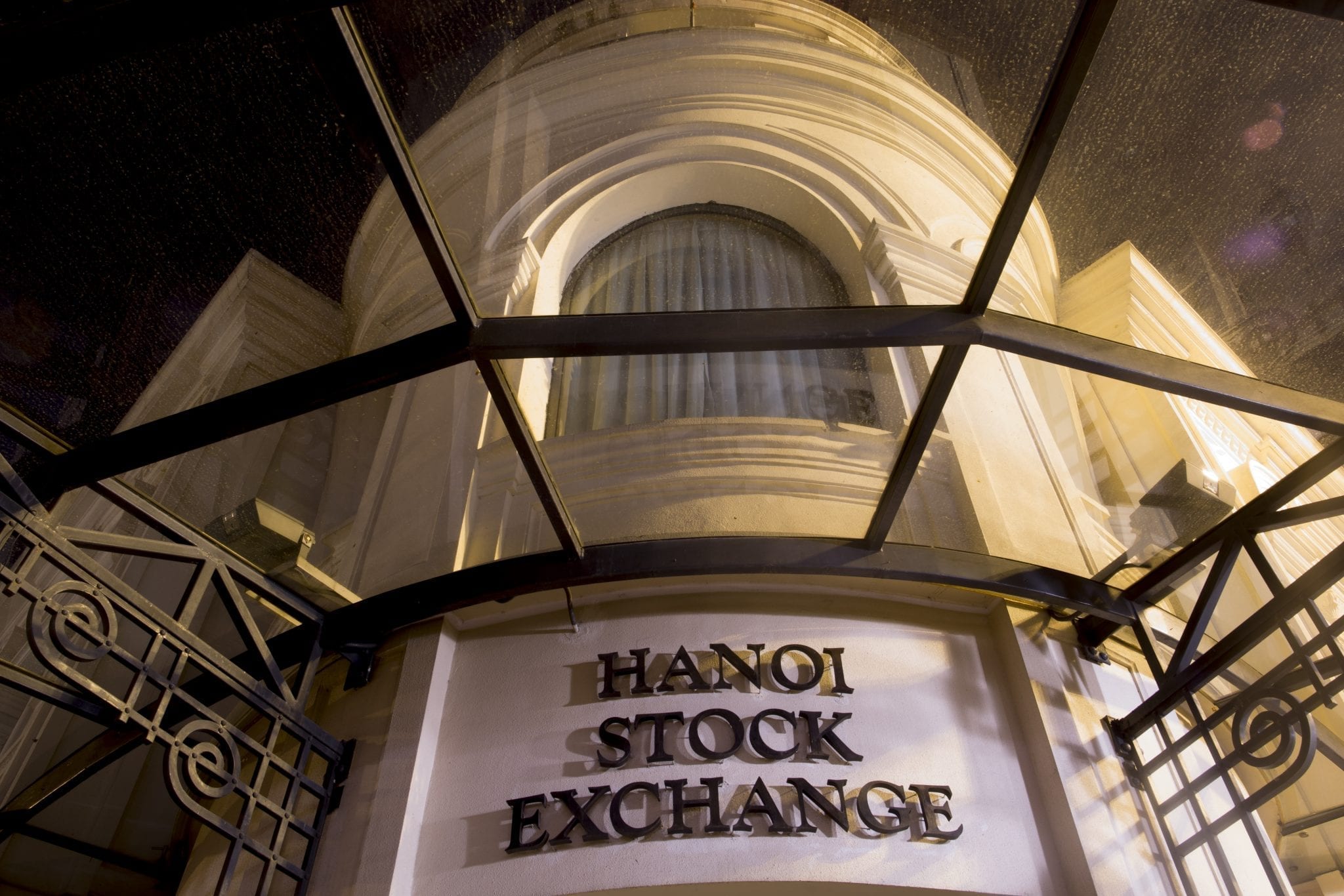
    The HNX-Index on the Hanoi Stock Exchange and the UPCoM-Index for unlisted companies rose by 0.66 percent and 0.81 percent, respectively.

    The VN30-Index, representing the 30 largest stocks in terms of capitalization, also rose, reaching 958.91 points for a 1.65 percent gain.

    Several blue chips rose sharply, dairy giant Vinamilk (VNM) by 3.4 percent, PetroVietnam Gas (GAS) by 2.7 percent, Vietnam’s biggest private conglomerate Vingroup (VIC) by almost 2 percent, and budget carrier Vietjet Air (VJC) by 2.1 percent.

    Bank stocks joined in, with Vietcombank (VCB), BIDV (BID) and Vietinbank (CTG) all rising by 1.6-3.8 percent.

    ACB, HDBank (HDB), VPBank (VPB), and VIB also closed in the green.

    After crossing the 1, 200-point mark on April 9, the VN-Index slumped. In the second quarter it plunged 18.19 percent, making it the worst-performing market in the world.

    Since then, it has not hit four figures again, with the 1, 000 expected to be a major psychological resistance level.

  • ‘US-China trade war will calm down’

    ‘US-China trade war will calm down’

    The burgeoning US-China trade tensions will calm down sooner or later, despite the additional tariffs counterattack between the world’s two largest economies, according to the US leading strategic consultant David Morey.

    “I think the trade war is going to calm down, but as to when it will happen, it is hard to tell as our President (Donald Trump) is rather unpredictable,” Morey said at a press conference in conjunction with the Malaysia Retail Chain Association’s (MRCA) CEO Night recently.

    “But my guess is that we are going to have some change, because the US-China relationship is too important (for them) to be yelling at each other,” he added.

    Morey also opined that the North Korea’s nuclear weaponry issue would have not been solved if not because of the cooperation between the two big economies.

    “And it better calm down because we need to get to more serious trade issues,” Morey said.

    Meanwhile, commenting on the challenges faced by the local companies to reach to the giant companies level, Morey said these companies need to deal with the anti-corruption, bureaucratic, as well as the status quo issues, which takes every government or organisations around the world.

    “Bureaucracy has no political label, it seems to enjoy every political system and you gotta fight that. You gotta fight people that are looking out for their own interest versus the people.

    “But I sort of look at the glass half full when it comes to Malaysia. Sure you have a lot of challenges ahead, but you have made a lot of progress along with Singapore and Korea.

    “I’m not saying everything is perfect in Malaysia, but there is a hunger that the Malaysians have. We can’t give people that hunger but you have it as a nation. People want to get better, they want to learn, they value education for their kids, and not all countries have that same hunger that you have,” Morey said.

    Asked on the challenges faced by the new Malaysian government, Morey said he opined that the challenge for Prime Minister Tun Dr Mahathir Mohamad is the obstacle that every change leader faces in staying relevant.

    “He won by being a change candidate, now can he continue to be the change leader as he was for so many years and decades? That’s the question.

    “And there’s the difference between campaigning and governing. Governing is a lot harder today but I wish him luck. I think he’s doing a lot of right things and we’re all worried about the geopolitical change that’s happening. We are in a dangerous complicated world so we need great leadership,” he added.

  • Vietnam posts surprise $2.2 bln trade surplus in August

    Vietnam posts surprise $2.2 bln trade surplus in August

    Strong growth in telephone and textile exports helped Vietnam post a $2.2 billion trade surplus in August, according to customs data.

    The August surplus even surpassed Vietnam’s $2.1-billion surplus for all of last year, and was a positive signal for economic growth, which is expected to beat the government’s forecast of 6.7-percent target for 2018.

    Exports in August rose 15.6 percent from a month earlier to $23.48 billion, while imports rose 1.6 percent to $21.28 billion, the customs department said on its website.

    Exports in January-August rose 16.7 percent annually to $158.4 billion, led by shipments in smartphones, garments and electronic home appliances, and were on track to outperform the government’s full-year target for a 7-8 percent increase.

    Vietnam, the largest producer of smartphones for Samsung Electronics, shipped $45 billion worth of telephones and spare parts in the eight-month period, up 32 percent annually, easily outstripping the government’s estimate of $30.9 billion, the report showed.

    Textile, garments, electronic and computer exports also rose strongly in the first eight months with a combined value of $52 billion, also much higher than the government’s estimate of $37.9 billion, official data showed.

    Exports of steel and ingots jumped 55 percent in the eight-month period to $3.1 billion, higher than the government’s estimate of $2.9 billion.

    The United States has slapped steel import duties on steel products from Vietnam that originated in China, to deter Vietnam from being used for transhipment by China to avoid U.S. tariffs.

    Eight-month imports were up 12.4 percent at $153.7 billion, producing a trade surplus $4.69 billion, the report showed.

  • Indonesia Raises Import Taxes on 1,000-Plus Goods to Support Rupiah

    Indonesia Raises Import Taxes on 1,000-Plus Goods to Support Rupiah

    Indonesia will raise import taxes on more than 1,000 goods, ranging from cosmetics to cars, as part of measures aimed at cutting imports and supporting a weak rupiah, Finance Minister Sri Mulyani Indrawati said on Wednesday (03/09).

    The import tax will be raised to up to 10 percent on 1,147 mostly consumer goods, from an existing 2.5 percent to 7.5 percent, effective next week, Sri Mulyani said in a news briefing.

    “We want to be alert, but we also want to be selective. These are unusual times, so we are carrying out measures that we wouldn’t do during normal times,” Sri Mulyani said.

    The rupiah dropped to its weakest level since the 1998 Asian financial crisis this week, closing at 14,930 per dollar on Wednesday. Stocks tumbled the most in nearly two years and bond prices also fell.

    The battered currency has been one of emerging Asia’s worst performers as investors dump assets as US rates rise and amid fear of contagion from crises in Argentina and Turkey.

    Tariffs will be kept at 2.5 percent for raw materials used by the manufacturing industry because of the important role in domestic production, Indrawati said.

    Consumer goods such as ceramics, audio speakers and swimwear will have a 7.5 percent import tax applied. Products that can be made domestically ranging from soap and shampoo to kitchen appliances will be taxed at 10 percent.

    Luxury cars will also be taxed at 10 percent, while Industry Minister Airlangga Hartarto said the import of cars with engine capacity of 3,000 cc and above will be stopped.

    “This is a good chance for local producers to penetrate our own domestic market that is usually filled with imported goods,” Sri Mulyani said.

    Trade Minister Enggartiasto Lukita said the higher taxes did not breach free trade rules set by the World Trade Organization because importers can offset the tariffs on their tax liabilities.

    Government data showed goods covered by the taxes were worth $5 billion in the first eight months of this year and $6.6 billion throughout 2017.

    The government will also relax rules on coal, palm oil and rattan exports, Enggartiasto said, without providing details.

    It is unclear whether importers would pass on the higher tariffs to consumers, though Enggartiasto predicted the impact on inflation would be minimal.

    Some manufacturers relying on imported raw materials are already feeling the impact from the rupiah’s slump.

    Unilever Indonesia director Sancoyo Antarikso said his company had adjusted some prices in August and was reviewing costs to preserve profitability, growth and support brands.

    Agus Nurudin, managing director of market researcher Nielsen Indonesia, expects the price of food containing dairy, soy, beef and wheat to rise if the rupiah falls further.

  • Astra Sets Up Joint Venture With Hong Kong’s WeLab to Provide Loans to Indonesians

    Astra Sets Up Joint Venture With Hong Kong’s WeLab to Provide Loans to Indonesians

    Diversified Indonesian conglomerate Astra International has established a joint venture with Hong Kong-based technology company WeLab to provide financial products and loans to unbanked people, the company announced on Thursday (06/09).

    “We hope to expand our digital portfolio, while we also aim to further encourage financial inclusion in Indonesia. We continue to seek partners with the industry’s leading companies. We believe WeLab is at the forefront of fintech innovation.

    Through this partnership, we want to offer innovative solutions to provide benefits to consumers throughout Indonesia,” Astra International director Suparno Djasmin said in a statement.

    Astra subsidiary Sedaya Multi Investama and WeLab established a joint venture, Astra WeLab Digital Arta (AWDA), to give unbanked people access to loans.

    The joint venture, which uses big data analysis to better assess customers’ financial profiles, will offer loan products for retail consumers that can be accessed by smartphone, while also providing financial solutions to corporate customers.

    AWDA will launch its mobile application, Maucash, in the third quarter of this year to allow customers to apply for loans anytime and anywhere.

    The new entity sees massive potential in Indonesia’s fintech industry and seeks to capture the untapped potential.

    Supported by rapid growth in the adoption of smartphones, Indonesia recorded a 7.9 percent year-on-year increase in the number of internet users to 143.26 million last year, according to the Indonesian Internet Service Providers Association (APJII).

    An APJII survey showed that about 44.16 percent of respondents use smartphones to access the internet, while 30.28 percent do so with both computers and mobile phones and the remainder use computers only.

    “We believe our advanced technology, combined with Astra’s operational experience in the Indonesian market, can provide new experiences for consumers in Indonesia,” said Simon Loong, WeLab founder and chief executive.

    WeLab, founded in 2013, operates Woalaidai, one of the largest mobile credit delivery platforms in China. It also operates WeLend, an online loan platform in Hong Kong.

    The company also partners with traditional financial institutions that utilize WeLab technology to offer fintech-based solutions to their customers.

  • Japan top investor in Vietnam, has interests in multiple sectors

    Japan top investor in Vietnam, has interests in multiple sectors

    Japan is the biggest foreign investor in Vietnam in terms of pledged investment capital in January-August.

    In the first eight months of this year, pledged investment from Japanese companies reached $7 billion, nearly 29 percent of the total foreign investment that came from 97 countries and territories, according to the Ministry of Planning and Investment.

    Japanese investors back multiple projects across sectors, including agriculture, consumer goods, finance, and real estate. Their investments range from millions to billions of dollars.

    For instance, Japan’s Sumitomo and Vietnam’s private firm BRG signed a deal earlier this year to develop a $4.14 billion smart city project in Hanoi’s Dong Anh District.

    They hope to commence work on the first phase of the 272-hectares project late this year.

    Up to 70 percent of Japanese firms in Vietnam plan to expand their business in the country, as most of them believe that revenue will continue to increase, according to a recent survey by the Japan External Trade Organization (JETRO).

    Over 65 percent of surveyed firms said they have been profitable in Vietnam.

    Japan was the fourth largest trading partner of Vietnam last year, with a total turnover of almost $34 billion, up 13.8 percent from 2016, according to Vietnam Customs.

  • Indonesia’s Forex Reserves Decline Around $400m in August

    Indonesia’s Forex Reserves Decline Around $400m in August

    Indonesia’s foreign exchange reserves slipped around $400 million in August to $117.9 billion, Bank Indonesia said last Friday, partly because of the central bank’s intervention to defend the rupiah.

    The rupiah has lost around 9 percent of its value so far this year. The currency was trading around its weakest levels in 20 years this week, closing at 14,815 per dollar on Friday.

    The end-August reserves level, sufficient to meet 6.8 months of imports, “remained adequate as they will be supported by our confidence in stability, better economic prospect and positive export performance,” the central bank said in a statement.

    From February until August, the reserves had declined $14.1 billion.

  • US, China dig in as Trump prepares to impose fresh tariffs

    US, China dig in as Trump prepares to impose fresh tariffs

    With US President Donald Trump gearing up to impose tariffs on US$200 billion (RM828 billion) on Chinese goods and Beijing certain to retaliate against any measures, the world’s two biggest economies are locked in an escalating trade war, with no resolution in sight.

    The United States is negotiating with Canada this week to try and finalise a deal to modernise the North American Free Trade Agreement (Nafta), an outcome some in the White House say will allow Washington to turn up the heat on Beijing.

    “The hope is that this (Nafta) puts a lot of pressure on the Chinas of the world to help us negotiate better reciprocal trade deals,” Kevin Hassett, chair of the White House Council of Economic Advisers said.

    The world’s two largest economies have already applied tariffs to US$50 billion of each other’s goods. Talks aimed at easing tensions ended last month without major breakthroughs, and Washington appears emboldened by a sell-off in Chinese markets and a weakening economy.

    China is planning two choreographed celebrations of free trade – a major import fair in November and the 40th anniversary in late December of its move towards market reforms. However, Chinese government advisers are tamping down expectations either occasion will yield measures that could defuse tensions.

    “China seems unable or unwilling to announce major liberalisations that could be termed ‘confidence building
    measures’ or ‘down payments’ on expected near-term reforms,” Craig Allen, president of the Washington-based US-China Business Council, said in a letter to members over the weekend.

    “We know that the President has received reports that the Chinese economy is struggling – reports that we believe are overstated – and thus he may believe that additional pressure might be effective in the short-term,” Allen said.

    Washington is demanding Beijing improve market access and intellectual property protections for US companies, cut industrial subsidies and slash a US$375 billion trade gap.

    The Trump administration is ready to move ahead with a next round of tariffs after a public comment period ends at midnight in Washington on Thursday (Friday afternoon Malaysian time), but the timing is uncertain, people familiar with the administration’s plans said.

    The new duties will start to hit consumer products directly, including furniture, lighting products, tyres, bicycles and car seats for babies.

    Trump said he was not prepared to make a deal with China “that they’d like to make”.

    “We’ll continue to talk to China,” he said at the White House on Wednesday. “But right now we just can’t make that deal. In the meantime, we’re taking in billions of dollars of taxes coming in from China, with the potential of billions and billions of dollars more taxes coming in.”

    Given the smaller amount of goods China imports from the US on which it could slap duties, Beijing has vowed to hit back with unspecified “qualitative” and “quantitative” measures, actions perceived within the US business community as likely to be increased customs and regulatory scrutiny.

    Beijing appears to be bracing for a long fight.

    Official Chinese media is asserting that Trump’s trade war is aimed at containing China’s rise, a perception solidifying Beijing’s resolve not to buckle under US demands.

    In light of such a US agenda, China should “maintain strategic determination” and “take care of our own matters”,
    Long Guoqiang, vice-president of the State Council’s Development Research Centre said.

    “The Soviet Union was pulled into an arms race in the Cold War. Japan’s economy became a bubble in a trade war. These profound lessons are close at hand,” Long said.

    While US businesses in China do not yet appear to face widespread retaliation, some company officials have said they are bracing for blowback. Some are shifting supply chains to avoid tariffs.
  • US-China trade war can benefit Asean

    US-China trade war can benefit Asean

    Against the backdrop of an escalating trade war between the US and China, Deputy Minister of International Trade and Industry Dr Ong Kian Ming is advocating greater cooperation between Asean countries to package the region to foreign investors instead of focusing on country specific promotion.

    “Is there a possibility whereby countries in Asean can work together to deliver a package, an attractive package to foreign direct investors who want to relocate and invest more in Malaysia as a result of this trade war?” he said while delivering his keynote address at the Selangor International Business Summit 2018 (SIBS).

    “So far I have not seen such a concerted effort but I think this is where opportunity lies,” Ong added.

    He said Malaysia and it’s Asean counterparts should look at ways as a comprehensive unit to take advantage of this situation.

    Drawing reference to the strong two way cross border trade linkage in terms of investment and expertise exchange between Johor and Singapore, Ong said Malaysia should replicate this with other countries.

    He also noted that interest from Chinese companies to invest in Malaysia, coming through the Malaysian Investment Development Authority, has risen since last year.

    Instead of setting hub in Malaysia, Ong added that Chinese companies could use Malaysia as a connecting point to tap into the Asean market.

    He opined that the trade war between US and China is less than likely to find a resolution in the short term and Malaysia, being an open economy will be affected by the trade duel.

    In that light, Malaysia should be open to investments and ratify trade agreements such as RCEP and CPTPP, which are yet to be signed in order to strengthen its stance on remaining open to trade.

    “As tariffs have gone down, the non-tariff measures has also gone down. That is why we need to have a greater push among the governments in Asean with the help of the business sector to come in and advice the government on the challenges they face so that we can remove or reduce some of the regulatory red tape with regards to the non-tariff measures,” he said referring to non-tariff barriers.

    Ong said in that regard, Asean is working together to compile a database of non-tariff measures so that the trade bloc could gather some of the regulatory and bureaucratic issues faced by companies when setting shop in another Asean state.

  • Standard Chartered Malaysia tips ringgit to outperform Asian peers

    Standard Chartered Malaysia tips ringgit to outperform Asian peers

    Standard Chartered Bank (StanChart) has lowered its 2018 gross domestic product (GDP) growth forecast for Malaysia to 4.8% from 5.3% projected earlier due to slower-than-expected expansion in the first half of the year and on trade concerns, but is optimistic on the ringgit’s performance going forward.

    Its foreign exchange strategist for Asean and South Asia, Divya Devesh, said the ringgit is expected to continue to be an outperformer, supported by the fact that the currency is undervalued, and higher oil prices that will drive it.

    “Looking at the year-to-date performance across Asia, the ringgit is the second best performing currency after the Thai baht. The ringgit has clearly outperformed its peers in Asia, and more broadly in emerging markets. We think that’s going to continue,” he said at the “Global Research Briefing H2 Update” here today.

    Based on its in-house valuation of currencies, the ringgit is the second most undervalued currency across emerging markets after the Turkish lira.

    “Ringgit is still quite attractive from a valuation standpoint for foreign investors. We’re now seeing more investors invest in Malaysian bonds. In July, for example, there were net inflows into Malaysian bonds after three months of outflow.”

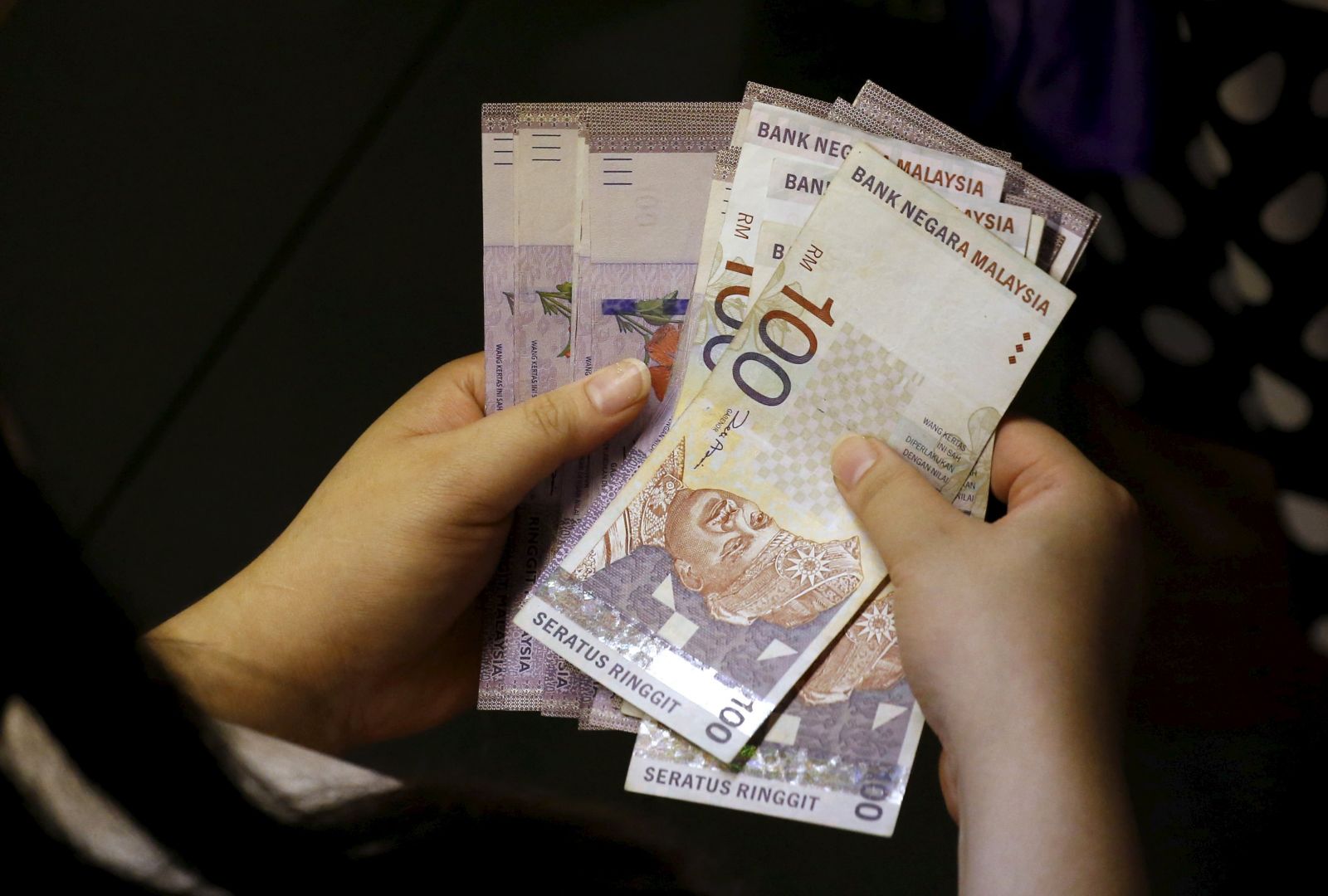
    It projected the ringgit to trade at RM4.0 against the US dollar by end of 2018 and RM4.1 by end of 2019.

    “Domestically, there are lots of supportive factors for the ringgit. The external environment is still unfavourable for emerging markets, hence we’re not projecting a sharp appreciation of the ringgit. We’re still looking at relatively range-bound performance for dollar-ringgit over the next 12-15 months,” Divya explained.

    He also said the impact of global quantitative tightening on the ringgit will be limited and Malaysia will be insulated even in a tightened liquidity environment, given that foreign investors have been underweight on Malaysia and have reduced their positioning in Malaysia significantly from bonds or equities; while the spotlight is going to be on economies and currencies that have twin deficits (fiscal and current account deficits) like India, Indonesia and the Philippines.

    Meanwhile, StanChart’s chief economist for Asean and South Asia, Edward Lee, said Malaysia is among the top three countries in Asia most affected by the US-China trade war on an indirect exposure basis, adding that Malaysia’s trade surplus could be narrower as a result.

    “If US goes ahead with a 25% tariff on the next US$200 billion (worth of Chinese goods) and you add in the previous 25% tariff on US$50 billion (worth of Chinese goods), the potential impact on China’s growth is 0.6 percentage point, which is massive. The 0.6 ppt translates to an impact of 0.3% of Malaysia’s GDP,” Lee estimated.

    The bank’s thematic research head, Madhur Jha, said there is a possibilty of a positive outcome from the US-China trade war that will see China quickening the pace of liberalisation of its economy, which will benefit Malaysia.

    She said commodity prices tend to move in tandem with oil prices, so when oil prices rise, the prices of commodity products also rise. Malaysia as a net commodity exporter will see better revenue and a better growth profile. The oil price is expected to stabilise at around US$70 a barrel this year.

  • Slower earnings growth for Malaysia’s banking sector this year

    Slower earnings growth for Malaysia’s banking sector this year

    AmResearch expects the banking sector’s core earnings growth to come in lower at 5.8% this year from the earlier projection of 7.6% in anticipation of slower economic growth.

    The Q2 core earnings fell marginally by 0.4% quarter-on-quarter after excluding CIMB’s one-off gain of RM928 million from the partial disposal of CIMB-Principal Asset Management and CIMB-Principal Islamic Asset Management and an additional gain of RM11 million from the sale of a 50% stake in CIMB Securities International as well as adding back Hong Leong Bank’s one-off loss of RM27 million from the dilution of stake in its associate Bank of Chengdu.

    However, first-half earnings registered a commendable 10.3% growth.

    For 2019, the research house foresees the sector’s earnings to grow 6.2% in 2019, with the inclusion of BIMB’s expected improvement in profits.

    AmResearch also expects a better loan growth in the second half of the year with consumer loans gaining traction in the third quarter as consumer spending rises with the tax holiday, while business loans are expected to improve judging from better momentum for domestic non-household loans in the recent months.

    “We retain our loan growth assumption of 5% for 2018 with a slight downside bias based on a GDP growth of 4.8-5% for the year.”

    The banking sector’s average net interest margin (NIM) fell 6 basis points qoq to 2.3% in Q2 after an Overnight Policy Rate (OPR) hike of 25 basis points in January 2018.

    “The decline of the NIM in the second quarter was due to the upward repricing of deposit rates after the OPR increase in Q1 and higher funding cost from deposit competition moving close to the adoption of the net stable funding ratio. We expect pressure to remain on funding cost in the near term due to deposits’ competition.”

    Nevertheless, AmResearch expects NIM for the second half to be either flat or slightly compressed compared with the first half as the deposit repricing from the earlier OPR hike has already largely worked its way through banks’ funding cost.

    Despite an uptick in the gross impaired loan ratio for the banking sector in Q2, it said the sector’s asset quality is expected to remain stable in the second half.