Category: Finance

Retail News Asia is committed to providing both local and global retailers with the latest Finance news throughout the Asian market. This on a daily base.

  • Indonesia Needs ‘Dollars Now,’ President Says, Urging Greater Biodiesel Use

    Indonesia Needs ‘Dollars Now,’ President Says, Urging Greater Biodiesel Use

    Indonesia’s President Joko “Jokowi” Widodo on Tuesday (31/07) urged his ministers to make “serious” efforts to strengthen foreign exchange reserves by widening biodiesel use to combat pressures caused by a global trade war.

    Indonesia requires foreign inflows to finance its current account deficit and the central bank has spent about $12 billion of its forex reserves in recent months to defend the rupiah, which has lost about 6 percent this year.

    “The country needs dollars now,” Jokowi told a cabinet meeting. “I don’t want to keep doing meetings without good implementations.”

    The cabinet has met at least six times since the start of July to tackle concerns over trade and the rupiah currency, and Jokowi called for swifter action to prop up the currency.

    He sought immediate implementation of a government’s plan to widen the mandatory use of B20 biodiesel to all diesel vehicles, including locomotive engines and heavy equipment.

    Expansion of the B20 programme could be launched as soon as Thursday, Industry Minister Airlangga Hartarto said this week. He estimated the measure could save Indonesia $5 billion in diesel imports each year.

    Replacing imports could benefit Indonesia, one analyst said.

    “In the short term, this would be a faster solution, compared to trying to boost exports,” said Josua Pardede, an economist with Bank Permata in Jakarta.

    “Replacing imports would be one alternative to maintain the current account deficit at a healthy level,” he added. “The oil and gas deficit has been continuously expanding in the last year due to the rising oil price.”

    Biodiesel can cut fuel costs and reduce emissions, but some varieties need special handling and equipment as the fuel has a solvent effect, corroding engine seals and gasket materials, and it can solidify in the cold.

    Indonesia’s auto industries group, Gaikindo, has said stepping up biodiesel blends can increase fuel consumption and could cause engines to overheat.
  • Bangkok Bank seeks nod to grant more loans in Vietnam

    Bangkok Bank seeks nod to grant more loans in Vietnam

    The Vietnamese branch of Bangkok Bank has sought permission to lend more as it nears the 15 percent annual growth limit.

    Tharabodee Serng-Adichaiwit, senior vice-president and general manager of the Vietnamese branch, said the bank has adjusted its lending growth target to 30 percent by the end of this year, after it already reached 13 percent in the first six months.

    The report stated, rapid, steady economic growth of neighboring countries has made the Thai bank’s loan outlook for the upcoming months promising.

    The 15 percent loan growth cap by Vietnam’s central bank applies to both local and foreign banks. The credit growth limit was introduced last year to better regulate inflation, exchange rate, and interest rates.

    However, institutions can submit a request form to exceed this threshold and the regulator will determine this on a case-by-case basis.

    Other banks have also sent their requests to boost credit growth by more than 15 percent, Tharabodee said.

    Vietnam’s economy has sustained and built on last year’s gains with an impressive 7.08 percent growth in the first half of 2018, the highest rate since 2011.

    The World Bank had forecast in a recent report that Vietnam’s economy could expand by 6.8 percent in 2018, revising upwards its previous estimate of 6.5 percent. It has estimated the nation’s GDP growth at 6.6 percent in 2019 and 6.5 percent in 2020.

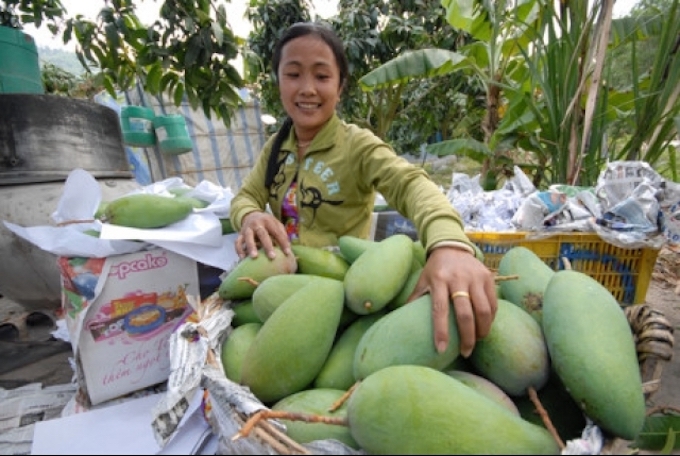
  • Vietnam plans to make loans easier for agriculture investors

    Vietnam plans to make loans easier for agriculture investors

    Prime Minister Nguyen Xuan Phuc has called for a drastic reduction in administrative procedures and easier access to agricultural loans.

    He said at a recent conference in the Central Highlands city of Da Lat that relevant departments and ministries should reduce the number of administrative procedures by 50 percent, make it easier for enterprises investing in agriculture to get loans, and create opportunities to expand infrastructure for agriculture production.

    The Ministry of Planning and Investment told the conference that just 8 percent of businesses nationwide, or 49,600, had invested in agriculture sector, as of the second quarter of 2018.

    The ministry also noted that capital investment by foreign investors in agriculture accounted for just two percent of the total.

    Le Van Cuong, president of the hi-tech agricultural company Dalat GAP, said getting a loan from the banks was an investor’s biggest challenge.

    The banks only accept land use right certifcate as collateral, but the land’s value affixed by the bank for the loan is much lower than its market price. Furthermore, no preferential interest rate is offered, which means borrowers would have to pay 8-8.5 percent per year on large sums that are needed to build glasshouses and other equipment, Cuong said.

    an unnamed World Bank representative said Vietnam’s agriculture sector faced three big challenges – fragmented agricultural chain value; low FDI; and modest overall capital investment. The representative suggested that the government issues fresh regulations and offers tax breaks to attract more foreign investors.

    Phuc wanted Vietnam to be listed among Top 10 agricultural production countries and for the nation’s agriculture sector to rank 15th, globally.

    Vietnam currently ranks second in Southeast Asia and 13th in the world in agricultural production, said Minister of Agriculture and Rural Development, Nguyen Xuan Cuong.

    Vietnam exported about $36.37 billion worth of agriculture and fisheries products last year.

  • IFC Invests $150m in Indonesia’s OCBC NISP’s Green Bond

    IFC Invests $150m in Indonesia’s OCBC NISP’s Green Bond

    The International Finance Corporation has invested in $150 million in “green bonds” issued by Indonesian lender Bank OCBC NISP, the private sector arm of the World Bank Group said in a statement on Wednesday (01/08).

    The five-year green bond, of which the IFC will be the sole subscriber, is the first ever debt paper issued by a commercial lender in Indonesia to fund environmentally friendly projects and help the nation mitigate the effects of climate change. The IFC and OCBC NISP signed a partnership agreement in Jakarta on Tuesday.

    The green bond is also expected to support government programs aimed at achieving a 29 percent reduction in greenhouse gas emissions by 2030. Green projects, including the development of green buildings, renewable energy and infrastructure, are prioritized in terms of funding.

    “This is a major milestone for the Indonesian banking sector as it’s expected to catalyze the development of the green bond market in Indonesia,” IFC chief executive Philippe Le Houérou said in the statement.

    “In a country where green financing is relatively low, this first ever green bond by a commercial bank marks the first step in unlocking the potential of the green bond market in Indonesia to spur new financing for climate smart projects. The IFC is in discussions with other players and keen to provide investment and advisory support to help develop green financing products in the country.”

    Indonesia is considered one of the world’s top greenhouse gas emitters – mainly due to forest fires – and the government has been under constant pressure from environmental activists to end deforestation and environmental degradation, especially in forest areas.

    According to the National Development Planning Board (Bappenas), Indonesia reduced carbon emissions by 15.5 percent between 2010 and 2015.

    In addition to its investment in the green bond, the IFC said it will support Bank OCBC NISP with advisory services, such as identifying projects that comply with the green bond principles and reporting assets considered environmentally friendly.

    “We realize that sustainability is a long journey and the pioneering green bond is an early step for Bank OCBC NISP to help our clients to do business in more sustainable way and to contribute to positive developments and governments goals,” Bank OCBC NISP president director Parwati Surjaudaja said.

    “Together with the IFC, we are looking forward to further collaborate and find innovative solutions that widen opportunities for economically, socially, and environmentally sustainable private investment,” he added.

    OCBC NISP, the local arm of Singapore-headquartered OCBC Bank, is Indonesia’s 10th-largest lender, with Rp 170.3 trillion ($11.8 billion) in assets as of June 30 this year.

    More to Come

    The IFC said it has worked with the Indonesian government and the Financial Services Authority (OJK) to develop a sustainable financing roadmap for the country. Indonesia became the first Asian country to sell green bonds internationally when the government issued a $1.25 billion five-year green sukuk, or Islamic green bond, on Feb. 23 this year.

    Speaking at a press conference in Jakarta on Wednesday, Houérou said the IFC is currently also in discussions with other private-sector players in Indonesia interested in issuing green bonds. He said there are several plans in the pipeline but declined to elaborate.

    “The opportunity is huge. It’s big. It’s a new trend worldwide, but now it’s in the region and Indonesia. The private sector is seeing more and more opportunity, while the government is also supportive of the initiative,” Houérou said. He added that he chose OCBC NISP to invest in the green bond because the lender has been financing projects in renewable energy and infrastructure.

    The IFC said it estimates that Indonesia may offer $272 billion worth of potential opportunities for green financing schemes.

    Vivek Pathak, the IFC’s director for East Asia and the Pacific, said the green bond might not offer lower interest rates, but in the long run, it could attract a large pool of investors and also boost the company’s image and business prospects.

    “When we were approaching the banks, the first question the banks ask is: ‘Would I get a lower interests rate?’ And my answer is no. But the thing is, there are investors that focus on climate financing exclusively. So there is a pool of capital out there, which these companies are able to access,” Pathak said.

  • MUFG will have more stake in Bank Danamon Indonesia to 40%

    MUFG will have more stake in Bank Danamon Indonesia to 40%

    Indonesian regulators have cleared Japanese lender Mitsubishi UFJ Financial Group’s plan to increase its stake in Bank Danamon to 40 percent, bringing it closer to completing what could be the biggest takeover of an Indonesian firm.

    The Financial Services Authority (OJK) approved MUFG’s planned purchase of a 20.1 percent stake from shareholder Asia Financial, MUFG said in a statement on Tuesday (31/07). The Japanese lender said it would complete the purchase of those shares “as soon as possible.”

    MUFG said in December that it was seeking a 73.8 percent stake in Bank Danamon, to build a foothold in Southeast Asia’s biggest economy.

    Japan’s largest lender had laid out a plan to buy Danamon shares in three stages.

    In the first stage, completed in December, MUFG bought 19.9 percent from Singapore state investor Temasek Holdings for Rp 15.875 trillion ($1.17 billion). At that price, Danamon was valued at around $6 billion.

    The Japanese bank would then raise its stake to 40 percent and seek approval to hold at least 73.8 percent in Indonesia’s fifth-largest bank by offering to buy out other shareholders.

    However, MUFG needs special permission from the OJK to take its holding above 40 percent – where foreign ownership of commercial banks is normally capped though exceptions are sometimes made.

    MUFG did not immediately reply to requests for comment on Tuesday on whether the Japanese lender had been granted approval for a 73.8 percent stake. The OJK declined to comment.

    If approved, this would mark a rare major purchase by an overseas lender in Indonesia’s banking sector after caps on foreign ownership of banks were introduced in 2012.

    An MUFG official said in January that Bank Danamon would be merged with another Indonesian bank, Nusantara Parahyangan (BNP) after MUFG’s 40 percent stake was approved.

    Danamon is the latest in a string of deals by the acquisitive MUFG, which already holds stakes in Vietnam’s Vietinbank, Thailand’s Bank of Ayudhya and Security Bank Corp of the Philippines.

    Danamon’s shares rose 5 percent on Tuesday to Rp 6,575, giving it a market value of around $4.5 billion.

  • After Sprinting to Aid Rupiah, Bank Indonesia Could Struggle in a Marathon

    After Sprinting to Aid Rupiah, Bank Indonesia Could Struggle in a Marathon

    Bank Indonesia has done more than any Asian peer to defend its currency amid a global rout in emerging markets, but the fact that the rupiah has kept slipping suggests the central bank would struggle to maintain the pace in a prolonged battle.

    Like many developing markets with current account or trade deficits, Southeast Asia’s largest economy is hostage to forces outside its control, including rising US interest rates, higher oil prices and the Washington-Beijing trade conflict.

    And the difficult position Indonesia authorities face “may not end quickly,” Bank Central Asia chief executive Jahja Setiaatmadja told reporters on Thursday (26/07). “This is truly a marathon.”

    What differentiates Indonesia is how strongly the central bank has come out of the blocks.

    Bank Indonesia (BI) has lifted rates 100 basis points, twice what the Philippines has done, and has drawn more heavily on its foreign reserves than other Asian nations have.

    Still, the rupiah is down more than 6 percent in 2018, nearly as much as the peso and Indian rupee. Bond yields went down after Indonesia’s 50 bps June rate hike – which BI said reflected a “pre-emptive, front-loading and ahead-of-the-curve” policy – as investors gave their thumbs-up, but the reprieve proved temporary.

    An Open Economy

    For sure, economists do not perceive the lackluster results in stabilizing the market as a failure. Much is due to the fact Indonesia’s economy is more open than India’s or the Philippines’ and its financial markets have larger foreign investor participation.

    But limited results raise concerns about BI’s firepower in case the Sino-US trade conflict escalates and lasts for years, or US heads into recession.

    In such an environment, BI’s traditional tools won’t be enough. Further hiking rates at this pace will choke growth and add to pressure on the currency. And foreign exchange reserves are only $20 billion above the $100 billion mark at which some economists expect BI to turn less interventionist.

    Given policy constraints, the economy “may not be able to able to handle more rate hikes,” Paul Mackel, HSBC head of global emerging markets FX research in Hong Kong, said in a note.

    Mackel said Indonesia might consider temporarily requiring exporters to sell some FX proceeds and curb importers’ FX purchases, similar to what Malaysia did in 2016.

    President Joko “Jokowi” Widodo on Thursday pleaded with exporters to bring home earnings they currently keep offshore to help manage the rupiah from falling further, Finance Minister Sri Mulyani Indrawati said on Friday.

    Indonesian authorities, who know they need a multi-pronged approach, have revived an old tool and created a new one they hope will help the rupiah.

    To give foreign investors more instrument choices, they auctioned nine- and 12-month Bank Indonesia Certificates (SBI) for the first time since 2016, raising Rp 6 trillion ($412.51 million). The instruments, which foreigners can buy in secondary markets, help bring more capital in and let BI mop up the dollars investors sell to purchase the bonds and rebuild reserves.

    Next week, BI launches a new benchmark for overnight inter bank money markets, called Indonia, mirroring euro zone’s and Britain’s Eonia and Sonia. It aims to improve the transmission of BI rate moves to the financial sector.

    Beyond reserves, the central bank “has at its disposal a number of measures” to counter FX volatility, said Roland Mieth, emerging markets portfolio manager at PIMCO in Singapore.

    Finding Dollars 

    The finance ministry is also reducing rupiah bond issuance, hoping to meet some financing needs with additional foreign-currency loans from lenders such as the World Bank and the Asia Development Bank.

    “We are getting many offers, but we are only taking what is needed to cover the shortfall in our rupiah bond issuance,” Scenaider Siahaan, finance ministry director of borrowing strategy told Reuters.

    Foreigners, who hold more than one-third of Indonesia’s government bonds, sold nearly Rp 29 trillion ($2 billion) of local currency bonds in April to June. Following BI’s 50 bps benchmark hike, this month has seen 5 trillion rupiah returning.

    While the central bank has been “very much” proactive, that doesn’t mean Indonesia is out of trouble, said Rohit Garg, emerging market fixed-income and foreign exchange strategist at Bank of America Merrill Lynch in Singapore.

    “If trade tensions do increase … there is only so much that BI can do to make sure that rupiah weakness is limited,” he said.

  • Maybank Indonesia posts lower earnings in first half of 2018

    Maybank Indonesia posts lower earnings in first half of 2018

    Malayan Banking Bhd’s (Maybank) Indonesian unit PT Bank Maybank Indonesia Tbk’s net profit fell 6.6% to Rp932.7 billion (RM264 million) for the first six months ended June 30, 2018 compared with Rp998.5 billion in the previous corresponding period, due primarily to lower fee-based income and a slight compression in net interest margin (NIM).

    The bank recorded a loans growth of 6% to Rp127.1 trillion as at June 30, 2018 from Rp119.9 trillion in the previous year. Its sharia business saw solid growth of 42.2% to Rp23 trillion, making up 18.1% of its total loans.

    Asset quality improved significantly as reflected by lower gross and net non-performing loans (NPL) of 2.8% and 1.6%, respectively, as at June 30, 2018, compared with 3.6% and 2.4% in the previous year.

    Net interest income registered a 2.5% growth to Rp3.9 trillion in June 2018 compared with Rp3.8 trillion in the previous corresponding period, but NIM was marginally lower at 5.1% in June 2018 from 5.3% a year ago. On a quarterly basis, NIM improved 28 basis points from 4.8% in the first quarter of 2018.

    The capital adequacy ratio improved to 18.8% as of June 30, 2018 from 16.9% in the previous corresponding period with total capital reaching Rp24.7 trillion.

    Maybank Indonesia president director Taswin Zakaria said the bank continue to focus on growing its assets selectively while maintaining the discipline in loan pricing to ensure sound asset quality going forward.

    “Global banking continues to be the leading contributor to our asset growth; while our community financial services has now resumed an upward growth momentum as the bank sees opportunities in the retail and small medium enterprise segments. We expect to see further growth in this segment as we have recently embarked on our recalibrated retail business model.”

  • Jokowi Begs Exporters to Bring Earnings Back Home

    Jokowi Begs Exporters to Bring Earnings Back Home

    President Joko “Jokowi” Widodo has pleaded with exporters to bring home earnings they currently keep offshore to help manage the rupiah from falling further, the country’s finance minister said on Friday (27/07).

    Repatriated earnings could help Southeast Asia’s largest economy refill its declining foreign exchange reserves, which the central bank has been using to keep the rupiah from falling too sharply amid a heavy selloff in emerging market currencies.

    The president on Thursday met with executives from about 40 exporters, including Budi Hartono, the owner of cigarette maker Djarum, chief executive of Indofood Sukses Makmur Anthony Salim and chairman of GarudaFood Group Sudhamek Agung, for two and a half hours to make his case.

    “We hope they keep their export earnings in Indonesia. If they have to use it to buy raw materials and imports, the FX could be used … but we hope the rest can be kept in Indonesia and be converted to rupiah,” Finance Minister Sri Mulyani Indrawati said.

    BI in 2012 ordered exporters to receive their payments through local banks, in the hope that some of the money would stay in the country and be converted into rupiah. However, some still prefer to keep their earnings abroad.

    Indrawati said BI and the government will continue to maintain close communication with the business community, while monitoring whether they need to issue new policies on the matter. She did not elaborate.

    BI governor Perry Warjiyo has repeatedly said he has no plans to implement tougher rules for export earnings.

    Between February to June, forex reserves had declined $12.2 billion or about 9 percent, according to Bank Indonesia (BI) data, yet the rupiah is still down more than 6 percent in 2018. The currency was trading near its weakest level in nearly three years on Friday, at 14,460 a dollar.

    The central bank said that the end-June reserves level of $119.8 billion was equal to 7.2 months of imports, higher than the international adequacy standard of 3 months of imports.

  • Real estate giant shakes up market with yet another business

    Real estate giant shakes up market with yet another business

    Vingroup has invested VND2.4 trillion ($103.2 million) for an 80 percent stake in payment intermediary services firm VINID Joint Stock Company, according to a statement on the National Business Registration Portal.

    VINID, incorporated this week, has a charter capital of VND3 trillion ($129 million) and its other two founding shareholders are Hanoi-based VICARE Corporation (19 percent) and a person named Nguyen Minh Hong (1 percent).

    VINID sought to operate in 12 different areas of business, and received a registration certificate from the Hanoi Department of Planning and Investment.

    The payment services business must wait for State Bank of Vietnam permission, but the company has indicated it intends to begin as soon as it gets the green light.

    VINID is running Vingroup’s customer loyalty program, issuing VinID cards to customers of all of Vingroup’s subsidiaries.

    The firm takes care of four million card holders, Pham Nhat Vuong, chairman of Vingroup, told the 2018 annual general meeting held in May.

    The entry into the payments industry is meant to take advantage of Vingroup’s huge range of products, the company stated.

    The entry into payments comes on the heels of a slew of announcements the company has made about new business plans this year.

    In June Vingroup had said it would make electronic goods with the Vsmart brand of smartphones getting priority.

    It has set up VinSmart company with a charter capital of VND3 trillion ($129 million) to produce smart electronic products including phones and carry out R&D into artificial intelligence, automation, and next-generation materials.

    It will build a plant at the Dinh Vu – Cat Hai Economic Zone in the northern port city of Hai Phong.

    In April Vingroup revealed plans to enter the pharmaceutical industry and set up a medical research and production facility in the northern province of Bac Ninh.

    It would invest VND2.2 trillion ($94.6 million) in the first phase of the project, the company said.

    Vingroup is the largest listed company in the Vietnamese stock market with its market capitalization reaching $13.62 billion, the group stated on its website in April.

    Last year it raked in net revenues of VND89.350 trillion ($3.84 billion), a 55.1 percent increase year-on-year.

  • Indonesia to Postpone Coal, Palm Oil Insurance Rules by Six Months

    Indonesia to Postpone Coal, Palm Oil Insurance Rules by Six Months

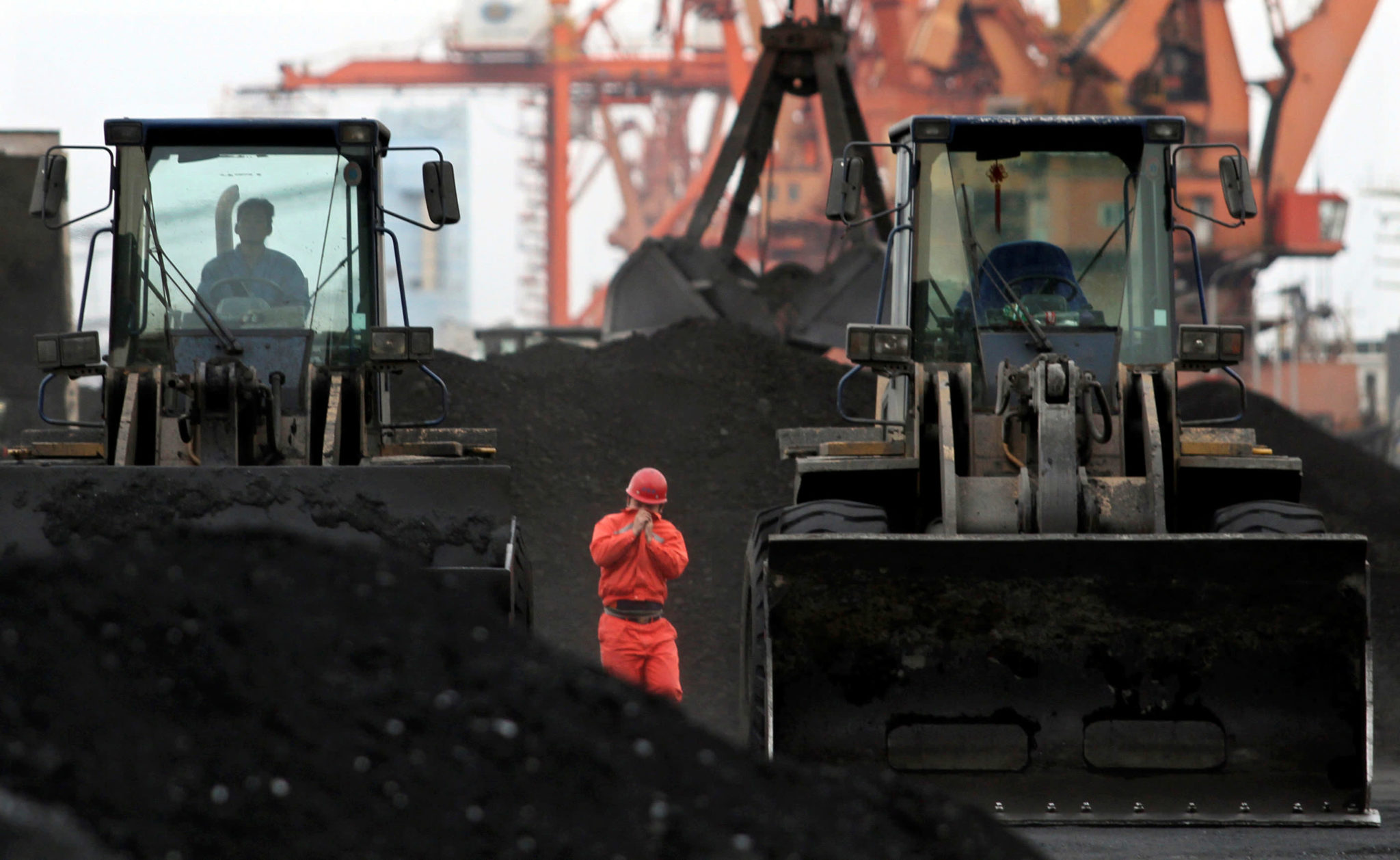
    The Ministry of Trade has decided to postpone for six months the application of rules saying coal and crude palm oil export shipments should use Indonesian insurers, the country’s leading coal industry association said.

    The decision would be the second time that application of the rules, issued in October and due to come into effect on Aug. 1, have been postponed.

    The rules were part of trade regulations intended to boost the role of the archipelago’s shipping industry and save foreign currency. Elements of the regulations were postponed in April to 2020 with little clarification from the trade ministry.

    The decision to postpone the insurance rules was announced by the ministry at a brief meeting with industry representatives on Thursday (26/07), Indonesian Coal Mining Association (ICMA) executive director Hendra Sinadia said.

    “Everybody is very anxious,” Hendra said, referring to coal buyers and exporters confused about how they could put the rules into practice for shipments sold on a free-on-board (FOB) basis, on which the vast majority of Indonesia’s coal exports are sent.

    Under FOB terms insurance is the responsibility of the buyer, Hendra noted.

    Trade Minister Enggartiasto Lukita is expected to formally announce the decision on his return from a visit to the United States, Hendra added. Enggartiasto is due to return to Jakarta on July 28, according to the trade ministry, though its representatives did not immediately respond to questions on the matter.

    Ido Hotna Hutabarat, chief executive of coal miner Bumi Resources unit Arutmin Indonesia, said the rules were unworkable.

    “This cannot be carried out for FOB sales because we don’t have rights to control the buyer,” he said, adding that FOB shipping terms were preferable as they were lower risk.

    Indonesian Palm Oil Association (Gapki) executive director Mukti Sardjono said on Wednesday Gapki would discuss how to implement the rules with the Trade Ministry. “We hope the implementation of this regulation won’t be a disincentive for exports,” he said.

    Dody Dalimunthe, executive director of the Association of General Insurance Companies of Indonesia (AAUI), said there were 73 Indonesian insurance companies that can cover coal and CPO shipping. “And many companies already use this insurance,” he said.

    Earlier, ICMA chairman Pandu Sjahrir said diplomats from several countries including Japan had asked the trade ministry for a transition period for the insurance rules to come into effect. The Japanese embassy did not respond to a written request for comment.

  • UOB Malaysia issues RM600m notes

    UOB Malaysia issues RM600m notes

    United Overseas Bank (Malaysia) Bhd (UOB Malaysia) has completed its first issuance of RM600 million Basel III-compliant Tier 2 subordinated medium-term notes at a fixed coupon rate of 4.8%.

    The bank said in a statement that the issuance of the sub-notes was under its RM8 billion senior and subordinated medium term notes programme and are rated AA1 by RAM Rating Services Bhd.

    Increased from an initial target of RM500 million, the issuance was 2.5 times subscribed with orders in excess of RM1.5 billion.

    Its CEO Wong Kim Choong said the strong credit rating, tight pricing and the oversubscription reflects the continued confidence of the investment community in UOB Malaysia’s robust capital position and business fundamentals.

    “Strong investor demand also saw the notes priced at the lower end of the initial price guidance range with a fixed coupon rate of 4.8%.

    He said UOB Malaysia plans to use the net proceeds from the issuance for general business purposes.

    The notes will be due in 2028 and callable after July 2023. UOB Malaysia and HSBC Bank Malaysia Bhd are the joint lead managers on this transaction.

  • Indonesia Companies Rush to List Before Upcoming Election Year

    Indonesia Companies Rush to List Before Upcoming Election Year


    Companies are rushing to go public this year in search of fresh funds despite volatility in the market and investors likely to maintain a tight grip on the purse strings ahead of Indonesia’s 2019 general election.

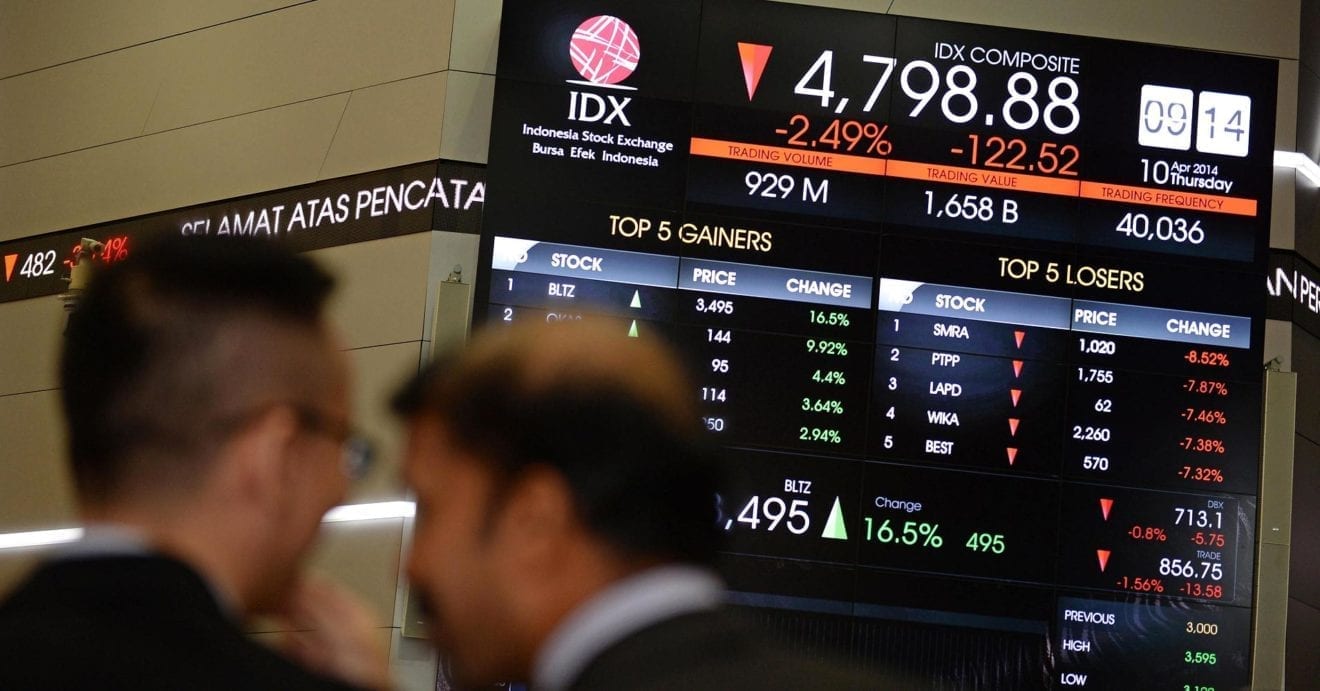
    Thirty companies have listed on the Indonesia Stock Exchange (IDX) between Jan. 1 and July 12, raising a total Rp 11.5 trillion ($790 million). In contrast, 20 companies undertook initial public offerings in the same period last year, raising about Rp 3.8 trillion in fresh capital.

    The bourse expects 16 more companies to list during the rest of this year, among them Garuda Food, MD Pictures, Arkadia Digital and Media Net Visi Media, better known as Net TV. That would bring the total for the year to a record 46.

    Kiswoyo Adi Joe, an analyst at Narada Kapital Indonesia, said prospective companies are hurrying for early listings on the IDX this year rather than wait for next year because of the uncertainty associated with an election year.

    “They seem to worry about the upcoming election year, which would be more difficult and uncertain. While the JCI [Jakarta Composite Index] is flashing green, these companies will rush to list on the IDX,” Kiswoyo said.

    Most of the public listings so far this year were by small and medium firms, such as digital exchange platform NFC Indonesia, palm oil producer Mahkota Group and property firm Sinergi Megah Internusa.

    Among them were subsidiaries of state-owned companies, such as insurance firm Asuransi Tugu Pratama Indonesia, shariah-compliant lender BRI Syariah and logistic firm Indonesia Kendaraan Terminal, which raised more than Rp 1 trillion.

    These companies prefer to seek funding through IPOs because it is cheaper than borrowing from banks or issuing bonds and medium-term notes, said I Gede Nyoman Yetna Setia, newly appointed company valuation director at the IDX.

    “Banks require guarantees and companies usually only qualify for loans of up to 30 percent of their guarantee value. At a certain point, when they need loans for big expansions, they do not have any guarantees left,” Nyoman said.

    However, companies seeking to raise capital will find themselves in a volatile market.

    The benchmark JCI has slipped more than 7 percent since the beginning of the year, with foreign investors dumping Rp 51 trillion in shares. The rupiah has meanwhile lost 6.9 percent of its value since the beginning of the year and currently trades at 14,487 against the US dollar.

    “Whenever the US Federal Reserve raises interest rates, it affects our stock market and bonds. There are also other factors, including the current geopolitical situation, especially the heated trade war between the United States and China,” said Ari Pitojo, chief investment officer at asset management firm Eastspring Investments.

    While the uncertainty will force some investors to adopt a wait-and-see approach, others will perceive the valuations of these companies as low and scoop up their stocks at bargain prices. This will shore up demand for the IPOs this year.

    “Market volatility has little effect on any particular IPO because it is mostly about a company’s fundamentals,” said Nafan Aji, an analyst at Binaartha Sekuritas.

    “But this year, the stock market is perceived as relatively cheap, so many want to hold IPOs.”

  • Central bank allows dong to slide against greenback

    Central bank allows dong to slide against greenback

    The State Bank of Vietnam sold the greenback at VND23,284 on Wednesday, down from VND23,050 last  Friday.

    It fixed a central rate of VND22,654 on Wednesday compared to VND22,634 on Monday, and banks too sold dollars at higher rates, Vietcombank at VND23,250 and Eximbank at 23,260.

    The higher dollar rates are likely to affect importers, according to industry insiders.

    When the dong depreciates against the dollar, steel businesses have to pay higher prices for feedstock, a source from the Vietnam Steel Association, who asked not be named said.

    “But it’s too early now to say how this weakening of the dong will affect steel firms.”

    Economist Nguyen Tri Hieu said that import firms would continue to suffer because of a strong USD and he estimated it to strengthen by 1-3 percent this year against the Vietnamese currency.

    But export businesses would enjoy the stronger dollar, he said.

    They should seek to expand and take foreign currency loans since interest rates are currently low, he added.

    The SBV said it allowed the dong to weaken against the greenback to keep the market stable.

    Pham Thanh Ha, head of its monetary policy department, said the recent increase in the central bank’s dollar selling was to stabilize the market.

    Its monetary policy would remain unchanged to control inflation and stabilize the economy, he said in a statement.

  • Vietnam steel faces protectionism in Canada, EU

    Vietnam steel faces protectionism in Canada, EU

    The EU and Canada are taking safeguard measures to protect their steel companies from exports from Vietnam.

    The EU claimed it is taking the protective measures due to a surge in imports from many countries in recent years.

    Imports of steel products had been 18.8 million tons in 2013 but jumped to 30.5 million last year, according to the Official Journal of the European Nation published on July 18.

    Vietnam is listed among the developing countries which face provisional measures lasting 200 days starting July 19.

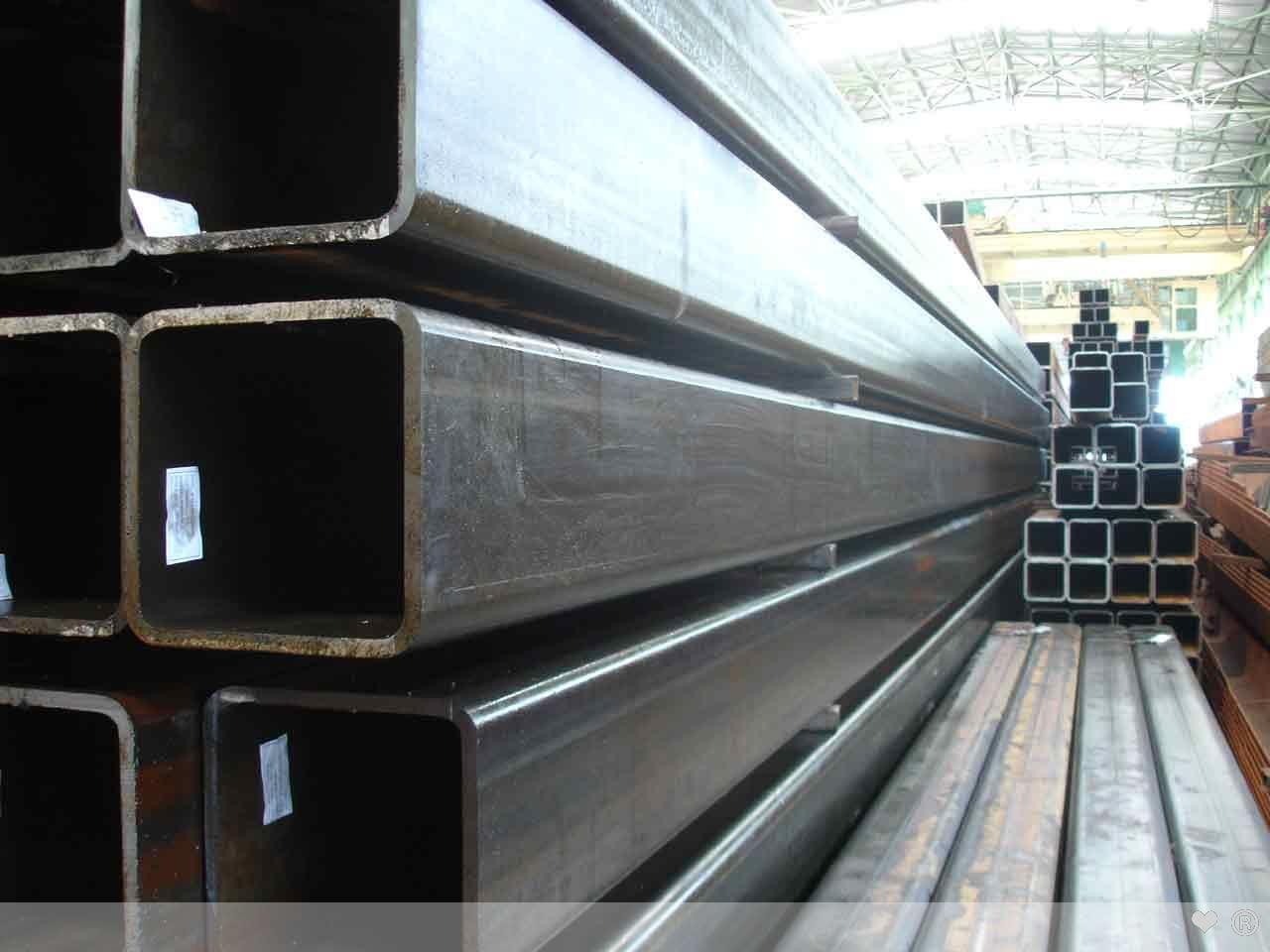
    Three of its products – non-alloy and other alloy cold-rolled sheets, metallic coated sheets and stainless cold-rolled sheets and strips — now attract a 25 percent additional tax.

    The Canada Border Services Agency (CBSA) said it is considering if Vietnamese carbon steel-welded pipes are being sold at unreasonable prices making it harder for local companies to compete.

    Other countries are also being investigated, including Pakistan, the Philippines and Turkey.

    The investigation, which began on July 20, came after Novamerican Steel Inc. in Montreal city alleged that local steel companies could not compete because of price undercutting by the countries listed subsequently.

    The CBSA will work with local authorities to investigate and expects to release its preliminary evaluation on October 18.

    Vietnam exported 4.71 million tons of steel worth $3.15 billion last year, 35.6 percent and 55.1 percent up from 2016 in terms of volume and value.

    ASEAN member countries are its main importers, accounting for 59.2 percent of exports, and the U.S. ranks second at 11 percent, a Vietnam Steel Association report said earlier this year.

  • Vietnamese firms get the hang of mergers, acquisitions

    Vietnamese firms get the hang of mergers, acquisitions

    A new report by the annual Vietnam M&A Forum shows that 17.72 percent of the total value of M&As in H1 2018 involved Vietnamese buyers. The corresponding figure last year was 8.2 per cent.

    Such a rise shows Vietnamese investors are and would be “more active” acquirers though foreign investors will continue to lead the market, it said.

    In H1 2018, M&As reached $3.35 billion, up 39 per cent year-on-year.

    Dang Xuan Minh, general director of AVM Vietnam, one of the organisers of the Vietnam M&A Forum, said many Vietnamese firms like Kido, Vingroup, Masan, FPT, Viettel, Pan Group, and Vinamilk are using M&As as a ticket to growth.

    They have all done some 4-5 deals on average either as a seller or buyer, he said.

    Nguyen Van Thinh, CEO of Deloitte Vietnam, said he has seen a sharp rise in the involvement of Vietnamese firms in M&As, especially by bigger private firms like Vingroup.

    “Vietnamese firms will be a major driving force of M&As in Vietnam along with foreign investors in the coming years,” he said at a press conference on the Vietnam M&A Forum 2018, scheduled to take place in HCMC in August.

    Four thousand M&As deals worth $48.8 billion took place in Vietnam in 2009-2018, according to the M&A Vietnam Forum report.

    In 2017 the value had risen 10 fold from 2009 to $10.2 billion as Thailand’s TCC Group acquired 53.59 per cent of Vietnam’s number one brewer Sabeco for $4.89 billion.

    This year M&As deals are expected to fall to $6.5-6.9 billion since there are no large deals like Sabeco on the horizon, the report said.

    Most future deals would be seen in the real estate and consumer goods sectors, while telecom, energy, infrastructure, pharma and education are also likely to attract funds.