Category: Finance

Retail News Asia is committed to providing both local and global retailers with the latest Finance news throughout the Asian market. This on a daily base.

  • Indonesia Plans Economic Policy Moves to Cope With Global Uncertainties

    Indonesia Plans Economic Policy Moves to Cope With Global Uncertainties

    Indonesia will announce economic policy changes in coming months to help its industries cope with rising global uncertainty and the indirect impact of trade tensions between China and the United States, officials said.

    Details about the moves, to be taken at a time Indonesia is trying to stabilize the fragile rupiah and reduce its current account deficit, have not been released.

    Industry Minister Airlangga Hartarto said the government is preparing measures to improve the investment climate.

    According to an official statement late on Monday (09/07), Airlangga said the government will “optimize the use of fiscal tools in the form of import and export taxes, as well as harmonizing import taxes, so that industries would have their competitive edge and are able to export.”

    He said the government would also give more incentives to exports, including by subsidizing timber legality verification for small and medium furniture makers, providing them certificates for foreign buyers that ensure timber products are not sourced from illegal logging.

    Companies would also be expected to reduce the use of imported materials in their production, the industry minister said.

    Bank Indonesia governor Perry Warjiyo said authorities are preparing policies aimed at reducing the current account deficit.

    Earlier on Monday, Perry warned that rising US-China tensions could hurt other economies not only through trade, but also financial channels as these could heighten investors’ risk aversion.

  • US-China Trade War Will Affect Indonesia Regional Economies

    US-China Trade War Will Affect Indonesia Regional Economies

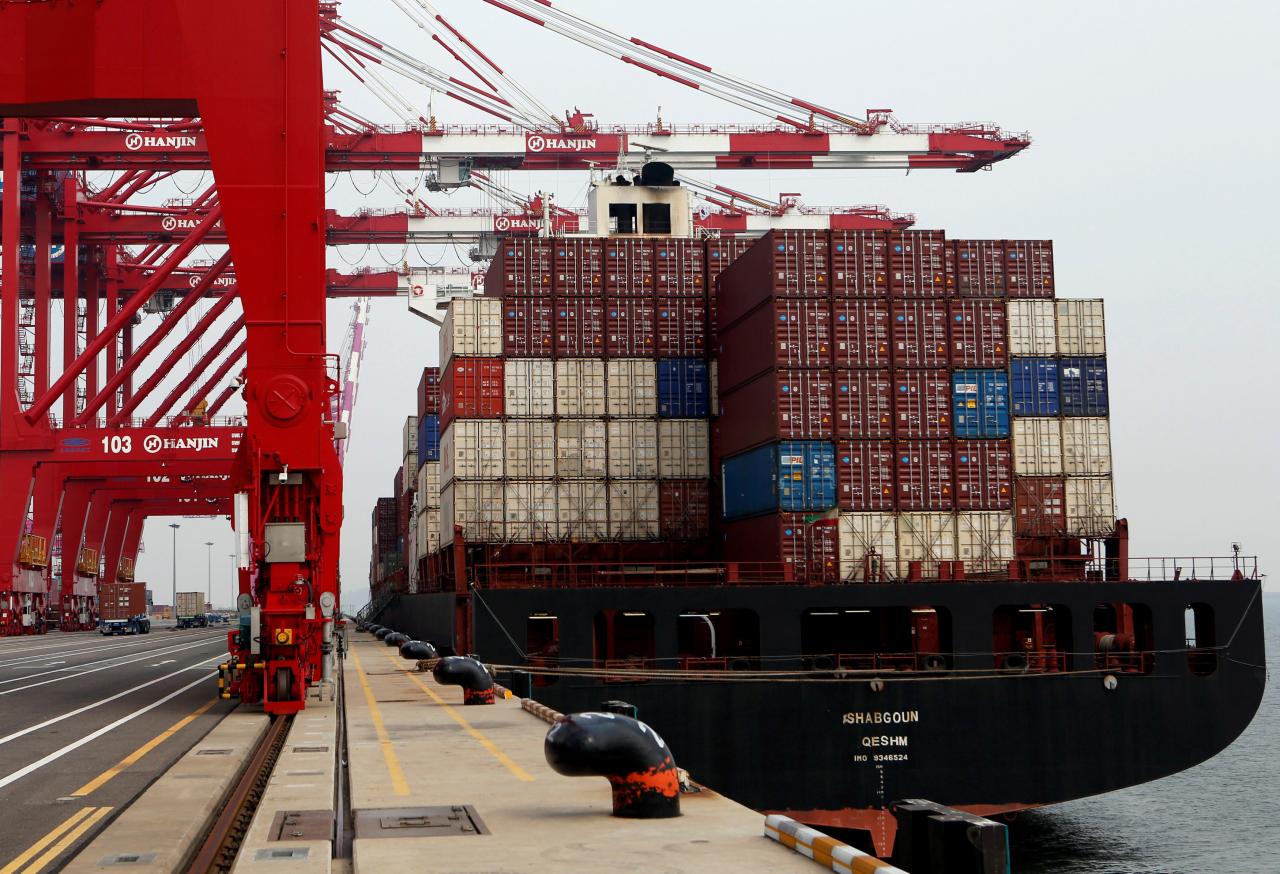
    Regional economies in Indonesia will be affected if the United States suspends its special tariffs for some of the country’s exports, a minister said on Tuesday (10/07).

    The US is currently reviewing Indonesian products on its Generalized System of Preferences (GSP) list — a trade incentive that gives duty-free entry to 129 poor and developing countries and territories.

    Last year, Indonesia ran a $9.7 billion trade surplus out of its total $17 billion exports to the US.

    It is the fourth biggest GSP beneficiary, after India, Thailand and Brazil.

    “If the exports of [the listed] products or commodities are disrupted, we are worried that our regional economies, where the goods come from, will also be affected,” National Development Planning Minister Bambang Brodjonegoro said on Tuesday.

    Indonesia’s exports, not only to the US, come mostly from the manufacturing sector, especially in Java.

    Last year, they made up 76 percent of the country’s total exports and were worth $125 billion, nearly $15 billion more than in the previous year.

    West Java and East Java together were the main contributors ($44 billion) to the country’s total experts, followed by East Kalimantan, Riau, Riau Islands and North Sumatra.

    “We can divert our exports to other countries and this should not be a problem. But we need to prepare ourselves,” Bambang said.

    Indonesia has been trying to enter markets in Africa and South America to lessen dependence on its traditional importers such as China, the US and Japan.

    However, exports to Africa (mainly South Africa and Egypt) amounted to only $264.7 million last year, Ministry of Trade data show.

    A team consisting of Ministry of Trade, Ministry of Foreign Affairs and Ministry of Agriculture officials is set to visit the US at the end of July, with a lobby mission to keep the special tariffs for Indonesia unchanged.

  • OANDA named world’s Best Retail FX Platform

    OANDA named world’s Best Retail FX Platform

    OANDA has been named the world’s Best Retail FX Platform at the prestigious e-FX awards, which are presented by leading industry publication FX Week each year. This marks the second time the OANDA® platform has been recognised at the awards, which celebrate excellence in the electronic foreign exchange industry.

    A global leader in online multi-asset trading services, OANDA combines cutting-edge trading technology and exceptional execution across a wide range of asset classes, enabling clients to trade global market indices, commodities, treasuries, precious metals and currencies on OANDA’s multi-award winning institutional-grade OANDA trading platform and MT4.

    Vatsa Narasimha, President & CEO of OANDA Corporation, said, “We are truly honoured to receive this distinguished award, which recognises our ongoing commitment to better serving our clients. Over the course of our 22-year history, we’ve worked hard to meet the ever-changing needs of our clients through enhancements to our institutional-grade trading platform, cutting-edge trading tools, advanced charting solutions and award-winning educational material. Looking to the future, we’ll continue to combine our passion for innovation with ground-breaking technology in order to continue to provide the best trading experience for our clients.

    Now in its 15th year, the 2018 e-FX Awards recognise excellence, innovation and superior customer service in foreign exchange, focusing on quality rather than quantity and traded volumes. The winners are decided by a panel of industry experts.

  • Vietnam to suffer collateral damage in China-US trade war

    Vietnam to suffer collateral damage in China-US trade war

    The first salvo in the latest trade war between the U.S. and China was fired by the former last Friday, when it slapped a 25 percent duty on about $34 billion worth of Chinese goods.

    China retaliated “immediately” with a similar action, the country’s foreign ministry said.

    However, the tariffs that the U.S. has slapped on China will likely see Chinese products “flood into Vietnam,” including textiles, garments and wood products, said Tran Tuan Anh, Minister of Industry and Trade.

    This is not only a trade war but also “a war on power, technology and currency policy between the world’s two largest economies,” Anh said at a recent government meeting.

    Cheaper yuan

    The trade war will have negative impacts on Vietnam’s economy as China will take the opportunity to export in large quantities to Vietnam, according to local economists.

    The Chinese yuan has lost 4.18 percent against the U.S. dollar over the last two weeks, while the Vietnamese dong has only lost a little above one percent, so Chinese goods will be 3 percent cheaper than before when exported to Vietnam. This will increase Chinese exports and gradually take away jobs and manufacturing facilities in Vietnam, they said.

    Another worrying aspect of the situation is that low quality products from China, which are labeled as residual inventory of exports to the U.S., will rush into Vietnam and be bought by Vietnamese consumers, said Robert Tran, CEO of global business advisory firm RBNC.

    Some experts also fear that Vietnam might be one of the next targets of the U.S.

    When the world’s two largest economies slap tariffs on each other, other countries will be affected in trade, said Dr. Pham Sy Thanh of the Chinese Economic Studies department under the Vietnam Institute for Economic and Policy Research.

    “When Vietnamese exports to the U.S. originate from China, the U.S. can also impose the same tariffs on Vietnam,” Thanh said.

    This will be a big challenge for Vietnam as the U.S. is one of Vietnam’s top export markets, he added.

    Industry leaders in Vietnam have also expressed similar concerns. Many Chinese clothes, shoes or bags are entering Vietnam illegally to be exported to the U.S., said Pham Xuan Hong, chairman of HCMC Association of Garment, Textile, Embroidery and Knitting (AGTEK).

    “Local firms should not buy these items for short-term benefits as the reputation of Vietnam’s textile industry will be affected,” Hong said.

    The Vietnamese government should get involved in preventing local firms from importing Chinese products to export to the U.S., he added.

    The bright side

    Beyond the potential threats, Vietnamese business leaders also see great opportunities in the trade war.

    AGTEK chairman Hong noted that Chinese textile is one of the items affected by the U.S. tariffs, so there are chances that foreign investors will transfer orders to Vietnamese firms.

    The animal husbandry sector is also looking at the bright side of the trade war.

    With China saying it will impose an additional 25 percent tariff, on U.S. pork, the total tariff will rise to 71 percent, exclusive of VAT, said Doan Xuan Truc, vice chairman of the Animal Husbandry Association of Vietnam (AHAV).

    “This will definitely be a great opportunity for Vietnam, as China has huge demand for pork,” Truc said, adding that it imports over 2 million tons of pork each year.

    Exports to the U.S. reached $41.6 billion last year, accounting for 20 percent of Vietnam’s total exports, according to Vietnam Customs.

    Meanwhile, it exported $35.4 billion worth of goods to China, a growth of 61.5 percent from 2016.

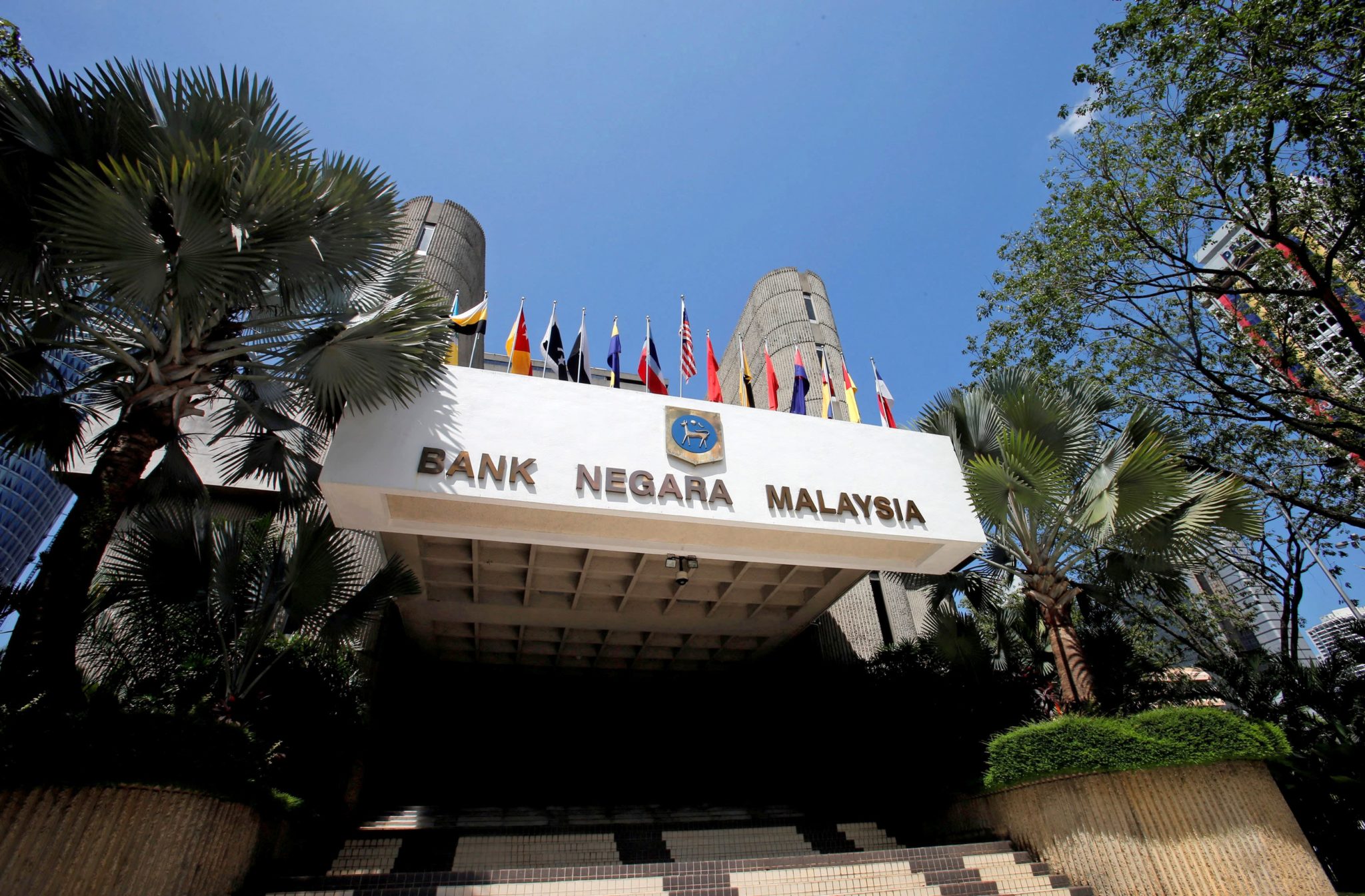
  • Bank Negara Malaysia seen holding policy rate

    Bank Negara Malaysia seen holding policy rate

    Malaysia’s central bank is expected to leave its benchmark interest rate unchanged at a meeting on Wednesday, as growth remains firm and a short-term dip in inflation is expected after the new government removed a much-maligned consumption tax.

    All 10 economists polled by Reuters forecast that Bank Negara Malaysia (BNM) will hold its overnight policy rate at 3.25%.

    Unlike Indonesia and the Philippines, Malaysia has hiked its policy rate just once this year, by 25 basis points in January.

    That increase was the only hike since July 2014.

    Wednesday’s meeting will be the second since May 9 elections brought a stunning change of government and the return of Tun Dr Mahathir Mohamad, premier from 1981 to 2003, as prime minister.

    It will be the first BNM policy meeting with Datuk Nor Shamsiah Mohd Yunus as governor. She assumed the post on July 1.

    Soon after taking office, Mahathir scrapped the 6% Goods and Services Tax (GST) imposed in 2015, which Malaysians said was a major contributor to rising living costs and a key reason to reject Datuk Seri Najib Abdul Razak and his long-ruling coalition.

    Scrapping GST will likely bring a significant fall in inflation rate, expected to average around 1% in 2018’s second half, Capital Economics said in a note.

    As a result, it said, “another rate hike is probably off the table”.

    In May, BNM said scrapping GST would impact inflation, but it was too early to say by how much. It projected 2018 full-year headline inflation at 2-3%.

    May’s annual inflation rate was 1.8%.

    Standard Chartered, in a note on Friday, said external pressure may push the central bank to hike its key rate, should it become a drag on the ringgit currency, though it did not say when this could happen.

    The ringgit traded at 4.033 to the dollar at midday today. It has weakened about 4.5% since April 2, a peak for the year.

    StanChart has maintained its 2018 full-year economic growth projection at 5.3%, saying the pace would “moderate from strong levels in 2017, but remain firm”.

    Prior to the election, BNM forecast 2018 growth at 5.5-6%, and has not made a fresh projection since the voting.

    The government reported 2017 growth at 5.9%.

  • Big players hit hard by unstable stock market in Vietnam

    Big players hit hard by unstable stock market in Vietnam

    In the first half of 2018, at least 13 major funds and investors on Vietnam’s stock market suffered negative growth rate in their net asset value (NAV), which is value per share of a fund on a specific date or time.

    Leading this was Hanoi-based Hestia Joint Stock Company registered on the Unlisted Public Company Market (UPCoM) on the Hanoi Stock Exchange (HNX), which saw its NAV falling by 19.4 percent.

    Thien Viet Securities Joint Stock Company came second with its Thien Viet Growth Fund 2 (TVAM TVGF2) on the Ho Chi Minh stock exchange (VN-Index) dropping 11.6 percent.

    Other funds and investors in the negative growth list include U.S.-based VanEck Vectors Vietnam ETF (VNM ETF), Passion Investment, Pyn Elite Fund, the TCEF fund of Techcom Capital Co. Ltd, SSI Sustainable Competitive Advantage Fund (SSI SCA), VCBF Leading Investment Fund (VCBF-BCF), Vietfund Management Company (VMFVF4) and Vietnam Enterprise Investment Limited (VEIL), managed by Dragon Capital Group.

    Why this happened to these major investors is not so difficult to understand, market observers say.

    It is common that big investors tend to pour investments into blue chip stocks, and from the second half of 2017 to the first few months of 2018, it was those blue chips that pushed the Vietnam stock market up high, and the investors profited, duly.

    The country’s stock market hit a 10-year high and reached 984.24 points in the last trading session of 2017. It had not broken the 800-point barrier since 2008.

    Continuing its good run, the VN-Index, the benchmark stock index of Vietnam, grew 19.33 percent in the first three months of this year, becoming the best-performing market in the world.

    It passed the 1,200-point level on April 9 and has stayed at 900 something before things started to turn bad in the second quarter when the market plunged 18.19 percent, making it the worst-performing market in the world.

    In such a reversal, it was the blue chips investors that suffered the most, and now, have to face the consequences.

    A typical example is Passion Investment.

    This fund spent almost 95 percent of its total VND220 billion ($9.5 million) acquiring 3.24 million shares of the Vietnam Prosperity Joint Stock Commercial Bank (VPBank), as shown it its Q1 report.

    The price of VPBank’s shares kept rising from the year’s beginning to early April when it reached the peak of nearly VND70,000 ($3) per share.

    Then it dropped to VND50,000 and fell nonstop to around VND25,000 recently.

    “When all investors are pinning their hopes too high and the stock market is pushed for a long time, a small impact can worry investors and make them scatter,” an expert said as he explained the plunge.

    Nguyen The Minh, director of analysis at Yaunta Securities Vietnam Company, said that many investors had started selling their stocks back in the first quarter.

    Other experts said the global situation, from the tensions in Syria when the U.S.-led air strikes targeted Syrian military sites to the U.S.-China trade war and worries about global capital movements as the U.S.’s Federal Reserve System raised interest rates, might have affected the stock exchange in the second quarter.

  • Vietnam’s inflation target under pressure: experts

    Vietnam’s inflation target under pressure: experts

    Several economic factors including high commodity and fuel prices will make it difficult for Vietnam to keep its inflation within targeted limits this year, economists say.

    The country’s consumer price index (CPI) in June increased 0.61 percent from May, the highest such increase in the last seven years, according to the General Statistics Office (GSO).

    The CPI in June was 4.67 percent higher than the same month last year, and CPI in the first six months was 3.29 percent higher, the GSO said.

    The National Assembly, Vietnam’s parliament, has set a target of inflation not rising beyond 4 percent this year.

    Several economists believe that the target can be met but also express their concern over factors that can spoil set plans.

    The rise in world oil prices is one factor. Crude oil is now at $72.94 a barrel, higher than the estimate of $70 when the parliament set the target.

    Higher oil prices will see fuel prices rise, leading to a higher CPI, said economist Ngo Tri Long, former director of Research Institute of Market Price under the Ministry of Finance.

    Vietnamese fuel prices in the first six months went up year-on-year by 13.95 per cent, resulting in a 0.59-percent increase in CPI, according to the GSO.

    If global oil prices continue to climb, this year’s CPI increase will be higher than that of last year, Long said.

    Other experts are concerned about the new environmental tax on fuel that is set to be imposed this October. The tax will certainly impact the average CPI this year, increasing it by 0.11-0.15 percent, Deputy Minister of Finance Vu Thi Mai said in March.

    The tax will be discussed at a meeting of the Standing Committee of the National Assembly next week. Should it pass, it will affect the transportation and production costs of local goods, weakening their competitiveness, said Vu Vinh Phu, former chairman of the Hanoi Supermarket Association.

    Phu said he was also concerned about current commodity prices in the country. In local supermarkets, rice was being sold at VND16,000-18,000 ($0.70-0.78) per kilogram, 44 percent higher than their export price.

    Sugar is being sold at VND21,000-23,000 per kilogram, twice as much as export price, Phu said. “If the retail prices of essential commodities keep rising, CPI will definitely be impacted,” he added.

    Echoing Phu, economist Long said he believed that with pork prices being high in the first 6 months, they are likely to increase further in the second half of the year.

    As the country is often hit by storms in the second half of the year, prices will climb up, making CPI increases even higher, Long added.

    Within reach

    However, Long also saw potential for achieving the National Assembly’s inflation target.

    Thanks to new government policies starting this July, citizens will enjoy lower prices for certain health services, and the Prime Minister has ordered no increase in electricity prices for the rest of the year.

    These are positive factors for keeping inflation in check, he said.

    Vietnam’s control of inflation in the first half this year has been a notable positive achievement, said Dr. Vu Dinh Anh with the Economy and Finance Academy.

    Although fuel prices will be higher, with good policy and management, the target of keeping CPI increase under 4 percent will “not be impossible,” he said

    Vietnam’s GDP in the first half of 2018 increased 7.08 percent, the highest ever recorded in the same period since 2011. The Asian Development Bank estimates annual growth at 7.1 percent.
  • Decision time for Malaysia’s fintech regulators

    Decision time for Malaysia’s fintech regulators

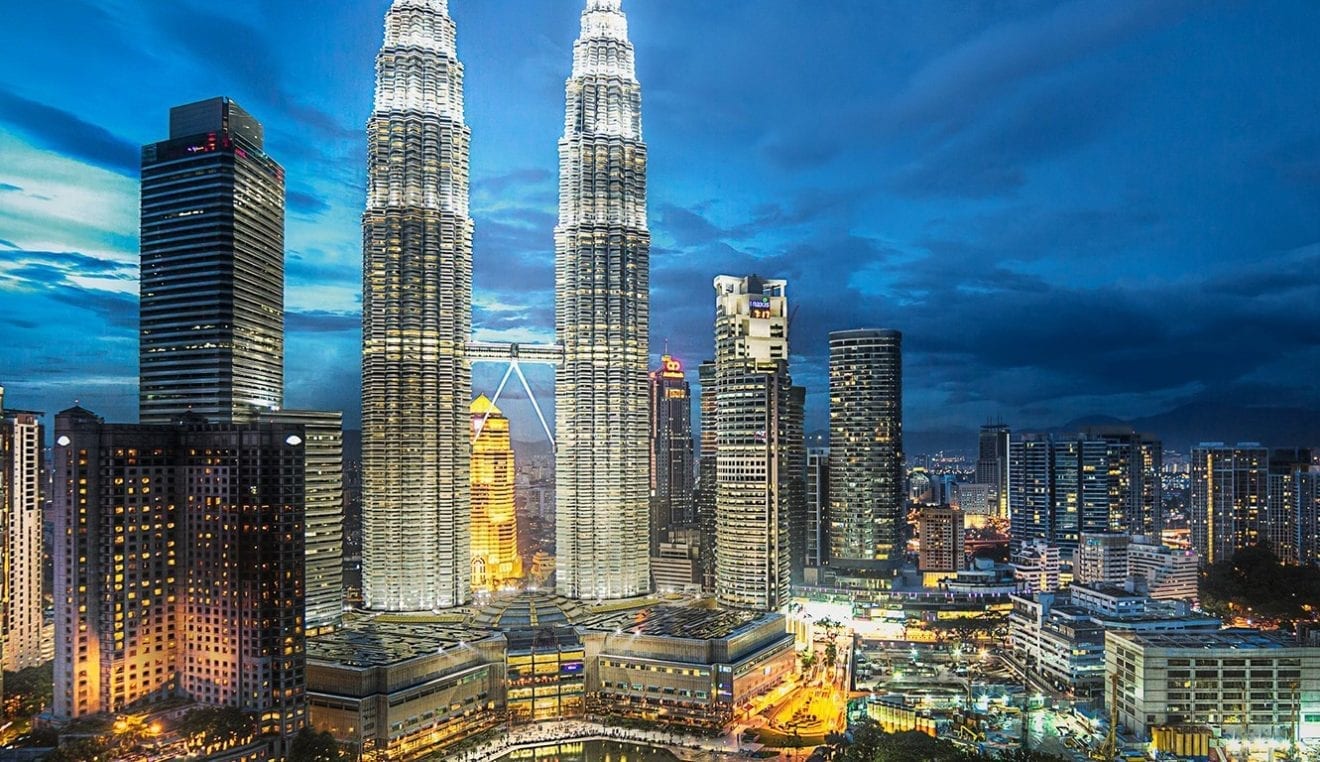
    Just as Kuala Lumpur hosted the opening of what claims to be the “largest blockchain centre in Asia,” a newly published report has urged the Malaysian government to hone and relax the regulations covering blockchain technology.

    The 242-page report, entitled “Tailoring Malaysian blockchain regulations for the new digital economy”, was published yesterday by the University of Malaya’s Faculty of Law.

    While it aims to be a “starting point to synthesize some of the [existing] legal viewpoints into collective practical solutions which will benefit Malaysia,” it also calls on the country’s central bank and securities commission to work together to define and provide better clarity, especially in regard to crypto-related taxation.

    The legality of crypto-currency trading in Malaysia remains somewhat unclear, as it is not formally illegal but remains unregulated. Report project director Nur Husna Zakaria said the current government stance was “promising” because, as yet, “none of the regulators in Malaysia has banned any transaction related to blockchain,” but she urged all government stakeholders to work alongside the country’s blockchain community to “ensure whatever regulation is [put] in place … is comprehensive.”

    According to the Malaysia’s Sun Daily, the country’s Inland Revenue Board is now studying the country’s crypto-currency market but has given no timeline on the release of any guidelines or legislation.

    The University of Malaya report was published the day after international technology developer NEM Foundation opened its new Southeast Asian HQ in Kuala Lumpur. The 11,000-square-foot facility, that NEM claims is the biggest blockchain-focussed facility in Asia, will act as a learning centre, incubator and accelerator for blockchain related startups.

    The centre aims to serve as an R&D facility for NEM related developers, business users and crypto exchanges and already Appsolutely Inc, a crypto-based rewards and loyalty business from the Philippines, has based its regional operations at the NEM centre, as has Indonesian crypto retail startup Pundi X and Singaporean mobile settlement solution Dragonfly Fintech.

    Singapore-based NEM, that gained global notoriety after its own digital token was at the centre of a $530 million hack in January 2018, announced earlier this month that it had devoted $40 million to an on-going global expansion program. NEM says $5 million of this fund has been allocated to support blockchain companies based at the new Kuala Lumpur centre.


  • Malaysian stocks, ringgit to remain under selling pressure

    Malaysian stocks, ringgit to remain under selling pressure

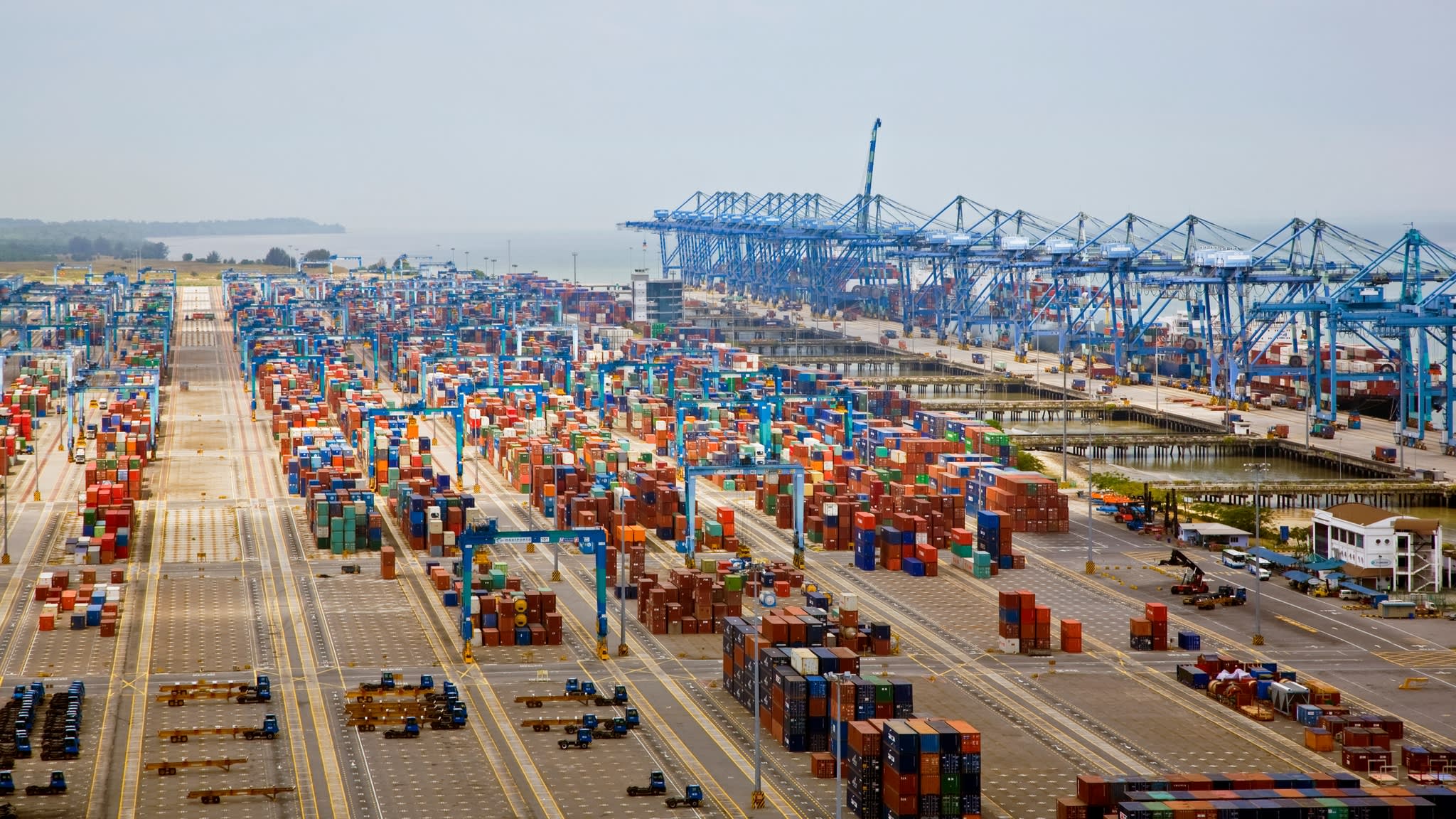
    The Malaysian stock market and the ringgit, which have seen constant pressure since the surprise outcome of the 14th general election, are unlikely to change course anytime soon as the US action to slap tariffs on imports from China is expected to increase risk aversion in the short term, say economists.

    Last Friday, the US imposed tariffs on US$34 billion (RM137 billion) worth of goods from China. Beijing was quick to retaliate, announcing levies on the same value of US imports. Bursa Malaysia’s benchmark index, the FBM KLCI, fell 1.6% or 26.79 points to close at its intraday low of 1,663.86 points in reaction to the news, while most emerging market currencies, including the ringgit, yuan, Indian rupee, baht, won and Singapore dollar traded lower. The Malaysian unit closed at 4.0465 to the US dollar on Friday.

    MIDF Amanah Investment Bank chief economist Dr Kamaruddin Mohd Nor said that the local currency as well as the emerging economies’ currencies are expected to remain under pressure this week amid heighten trade tensions between the two economic powerhouses.

    He said trade tensions would hamper investor sentiments towards emerging economies, which in turn would influence the flow of funds as investors assess the possible risks and adverse outcomes associated with the dispute.

    “Thus, selling pressure due to this factor as well as other external factors (faster than expected interest rate increases in the US and stronger dollar) will weigh on the ringgit and regional currencies in the near term,” he added.

    Meanwhile, FXTM global head of currency strategy and market research Jameel Ahmad said there is some risk aversion in the atmosphere following the announcement by US President Donald Trump, where emerging market currencies and stock markets appear to be struggling as a result of a cautious trading environment.

    “If Asian stock markets continue to trade cautiously in wake of the US trade tariffs on China coming into play, there is a likelihood that this could also negatively impact the European stock markets,” Jameel said.

    Socio-Economic Research Centre executive director Lee Heng Guie noted that emerging markets’ assets, including currencies, have been under pressure in recent weeks due to the trade tensions, damaging market volatility due to capital reversals on expectations of higher US interest rates ahead and US dollar strength.

    Additionally, Lee said the ringgit is expected to remain at the current trading range given the multifacet external headwinds amid domestic political and policy transition.

    He noted that among the potential long-term effects from the tariffs’ implementation are slowing trade and investment as trade activity lessens, which would weigh on firms’ profitability and investments’ returns.

    Lee added that domestic demand would also dampen as households’ income becomes affected by the weak performance of export-oriented companies and industries.

    “In addition, global financial market volatility will have negative spillover on domestic equity market,” he said.

    Therefore, Lee said the government needs to widen its trade relationships with countries that are committed to adopting fair and open trade practices while companies work on products and markets complexities to minimise the disruption amid the global network of supply and value chains.

    Kamaruddin said while the research firm which does not expect local companies to face devastating near-term disruptions, they will have to be prepared if the list of products involved are part of their value chain.

    Overall, economists said the continued trade spat between the US and China, the return of market volatility, and the reality of higher US interest rates pressuring emerging financial markets and currencies, are expected to weigh on Malaysia’s growth momentum this year.

    “The estimated impact on GDP growth is around 0.1-0.3 percentage point,” Lee said.

    However, Kamaruddin said MIDF is keeping its full-year 2018 GDP growth forecast at 5.5%.

  • Temasek set to book record S$300m portfolio

    Temasek set to book record S$300m portfolio

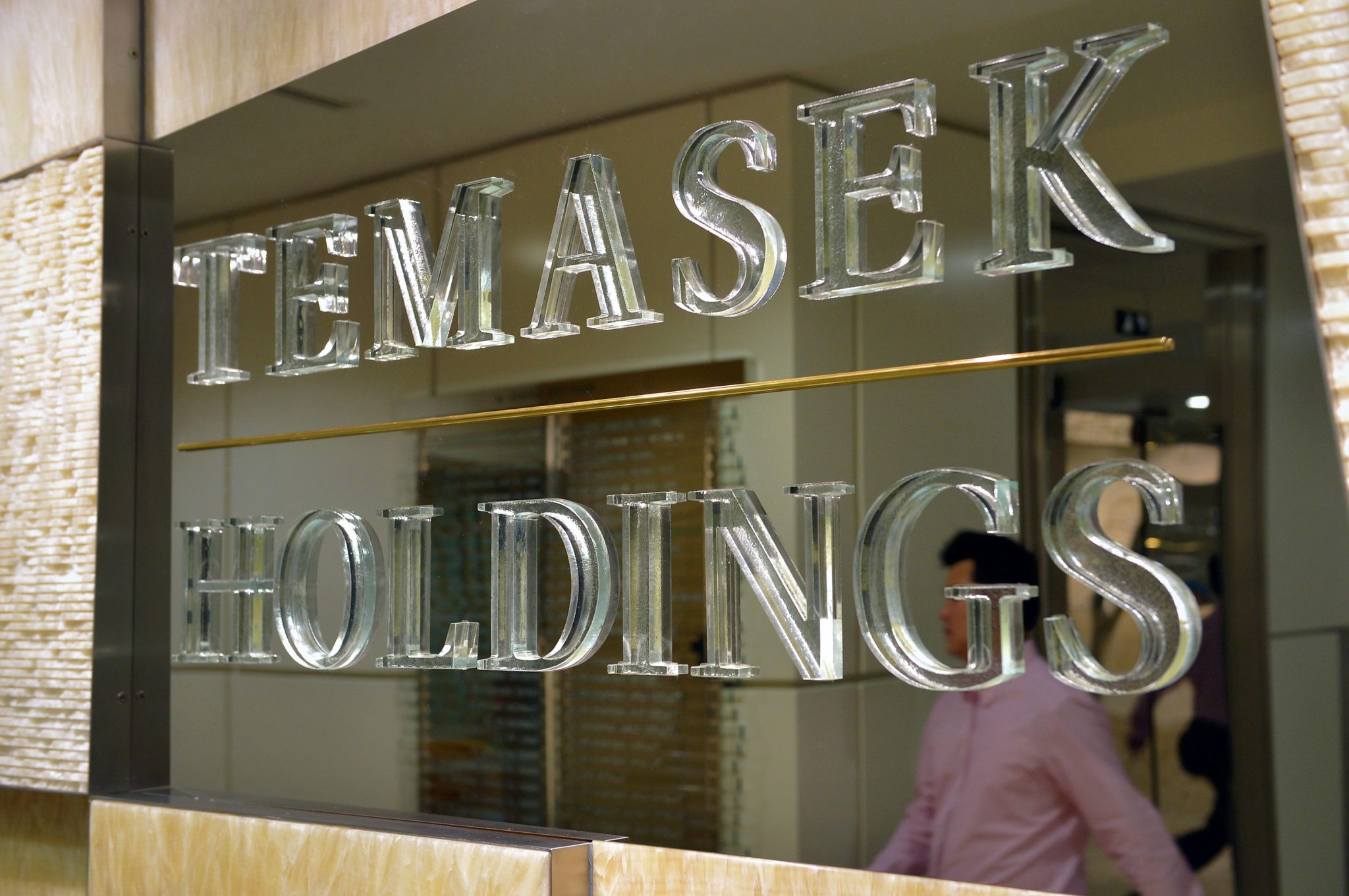
    Singapore state investor Temasek Holdings Pte Ltd is likely to book a record S$300 billion (RM892.3 billion) for the value of its portfolio, powered by gains in DBS Group Ltd and Chinese banks, while it steps up investment in tech startups.

    At the same time, Temasek is swooping in on opportunistic purchases with its stake buy in Swiss-based airline caterer Gategroup Holding AG, weeks after an announced move to buy into Hainan Airlines Holding Co Ltd. Both firms are part of China’s debt-saddled HNA Group Co Ltd, which has been selling part of its holdings.

    Analysts estimate Temasek, the top investor in about a third of companies in Singapore’s Straits Times Index, to report a net portfolio value of about S$300 billion for the year ended March 31, up roughly 9% versus a nearly 14% increase to S$275 billion a year earlier.

    Temasek said it will give details of its performance this week.

    “Last year was a good year across all asset classes and across the world. A rise in its portfolio value to above S$300 billion is quite doable,” said Song Seng Wun, economist at CIMB Private Banking.

    Last month, Temasek and GIC Pte Ltd, Singapore’s bigger state fund, featured among main investors in a record-setting US$14 billion (RM56.5 billion) fundraising by China’s Ant Financial Services Group. Temasek also put more money into online Chinese services firm Meituan Dianping last year.

  • Central Bank Claims Indonesia’s Economy Is Not Overheating

    Central Bank Claims Indonesia’s Economy Is Not Overheating

    The central bank said Indonesia’s widening current-account and trade deficits until the middle of the second quarter of this year should not be seen as indications that the country’s economy is overheating or growing beyond its capacity.

    The country’s trade deficit grew to $2.38 billion between January and May, which is expected to raise the current-account deficit to between 2.5 percent and 3 percent of gross domestic product in the second quarter, according to Bank Indonesia Deputy Governor Mirza Adityaswara.

    Indonesia’s current-account deficit rose to 2.15 percent of GDP in the first quarter, compared with 1.7 percent last year.

    “Actually, if we take out infrastructure imports, which are for long-term development, the trade balance in January-May was in surplus,” Mirza said on Tuesday (03/07).

    Indonesia’s imports of infrastructure goods for development amounted to $4 billion, defense equipment to $1.1 billion and rice to $400 million in the period between January and May, Mirza said.

    Separately, Finance Minister Sri Mulyani Indrawati said on Tuesday that the government would review its capital goods imports for infrastructure projects to lower the current-account deficit and support Indonesia’s financial markets.

    The deficit exacerbated the rupiah’s decline, which has fallen by more than 6 percent against the US dollar so far this year, as foreign investors dumped Indonesian stocks and bonds in anticipation of higher interest rates in the United States and the growing prospect of a global trade war.

    Bank Indonesia has risen its benchmark rate by 100 basis points in the past six weeks to stem the rupiah decline, but Enny Sri Hartati, director of the Institute for Development of Economics and Finance (Indef), said the rate hikes would only provide foreign investors with good returns in the short term.

    “It’s not that we’re not supporting the interest rate hikes. Our current-account deficit is big and what helps [to balance it] is the capital account, but it’s very difficult to put our hopes on capital coming in from foreign direct investment,” she said.

    Indef also noted that higher interest rates would curb economic growth, which is already suffering from weak domestic consumption and slow loan demand.

    Domestic credit growth, which only rose 10.2 percent year-on-year and 2.93 percent year-to-date in May, also shows that Indonesia is still recovering from adverse global economic conditions. Credit growth rose to above 20 percent in 2013.

    The central bank projected that Indonesia’s economy would grow at 5.2 percent this year, slower than the government’s projection of 5.4 percent as outlined in the 2018 state budget.

    “If the current economic condition continues, we predict that it will not reach 5.2 percent by the end of the year, even with the Asian Games and the IMF-World Bank meeting the government seems to push as economic growth boosters,” said Rusli Abdulah, a researcher at Indef.

  • S. Korea firms diversify exports to India

    S. Korea firms diversify exports to India

    South Korean companies are pumping up their efforts to diversify export items to India as they seek to tap deeper into Asia’s third-largest economy, industry sources said Friday.

    So far, South Korean companies have focused on such manufacturing sectors as autos, chemicals, electronics, steel and machinery, but their recent push represents a strategy of finding new growth engines in India with great growth potential.

    Leading the pack are South Korean food companies and fruit growers, which are eager to discover new revenue sources in the fast-growing economy with a population of 1.3 billion, the world’s second-largest after China.

    In March, Ottogi Co., South Korea’s second-largest maker of instant noodles called “ramyeon,” started exporting a veggie noodle product to India, targeting Indian vegetarians who make up nearly 30 percent of the country’s population.

    Years earlier, South Korean instant noodle makers tried to make forays into the Indian market, but they fell by the wayside due to strict labeling rules and other regulations.

    Ottogi, however, had carried out a thorough survey of Indians’ tastes and the country’s food laws since 2016, with its latest veggie ramyeon obtaining a certificate from the food safety regulator here.
    The veggie noodle product is currently on sale not only at large stores in New Delhi and Mumbai but also at restaurants frequented by Indians, according to Ottogi.

    “India is expected to grow into an instant noodle market worth 1 trillion won ($890 million) by 2020. Initially, Ottogi aims to export 10 billion won worth of ramyeon to India by that year,” a company official said.

    Instant noodles are not the only product of note. South Korea has also recently succeeded in exporting pears to India.

    According to the local daily Economic Times, the Indian government recently gave the go-ahead to imports of South Korean pears and other fruits. South Korean pears will be sold to consumers after being treated in low temperatures and fumigated.

    “Pears will become the first South Korean fruit imported into India. The move will give more options to Indian consumers,” a local food industry source said.

    India imported $15.2 million worth of pears between April 2017 and February 2018, mainly from the United States, the Commonwealth of Independent States and South Africa.

    In addition, Lotte Confectionery Co., a key food unit of South Korean retail giant Lotte Group, currently operates a factory in Noida, northern India.

    Orion Corp.’s Choco Pie cake and other South Korean food products are also popular among Indian consumers. Choco Pie — an individually-wrapped, chocolate-covered, marshmallow-filled snack cake — sells in other foreign countries, including China and Russia.

    On top of South Korean foodmakers’ push into the subcontinent, companies already operating in India are redoubling efforts to upgrade their businesses by exploring new areas and taking other measures, the New Delhi office of the Korea Trade-Investment Promotion Agency (KOTRA) said.

    “Automakers are shifting their focus to electric cars, while manufacturers of electronics and electric goods are seeking localization of parts production in a departure from complete knock-down (CKD) kits,” a KOTRA official said.

    According to informed sources, shipbuilding and startups have emerged as promising industrial sectors as the Indian government has put forward a set of measures to boost those areas.

    Despite India’s support measures, South Korean companies are still confronted with a poor environment for corporate establishment and living in the country, they added.

  • Malaysian export growth to moderate to 5.5% in May

    Malaysian export growth to moderate to 5.5% in May

    RAM Ratings expects Malaysia’s export growth to moderate to 5.5% in May 2018 after a strong increase of 14% in April.

    The rating agency said in a statement today that this could be partially attributable to a high-base effect from May 2017, when export growth surged 32.4% – the highest level since March 2010.

    RAM said the continued decline in imports of intermediate goods also suggests an expectation of a corresponding moderation in external demand growth going ahead.

    Meanwhile, the import growth is projected to contract 2.5% in May in anticipation of the deceleration in exports.

    “Furthermore, some risk aversion in the lead-up to the 14th General Election may also have caused some hold-back in investments, thereby contributing to the slower pace.”

    For May, the trade surplus is estimated to come in lower at RM11.8 billion compared with RM13.1 billion in April.

    RAM pointed out that the direct impact arising from the US’s protectionist policies and tariffs on Malaysia’s exports has been limited to date, as exports of affected goods to the US (blanket tariffs on solar panels, washing machines, and steel and aluminium) constituted only 0.8% of Malaysia’s total exports in 2017.

    However, it cautioned that the second-round effects from the escalating trade tensions between the US and China, which bears the brunt of most of the American tariffs, will pose a bigger concern to the Malaysian economy.

    “This ripple effect will be more strongly felt through the global value chain (GVC) and also in global trade and economic growth.”

    “Notably, the US tariffs announced have a more far-reaching impact beyond China and have significant spillover effects to the GVC given the intermediate nature of the goods taxed. China’s set of retaliatory tariffs, on the other hand, seemingly target the US specifically,” said RAM head of research Kristina Fong.

    Having said that, the research house noted that large trade gains could be derived as US substitutes its demand for imports away from China to other established technology markets, in addition to inward investment gains from American and Chinese firms seeking to bypass these trade tariffs by relocating their operations.

    “However, the latter will take time to materialise as firms will require greater certainty in terms of how long and how significant this trade war will turn out to be.”

    In the near term, RAM said, significant downside risks may arise from the widespread uncertainty and heftier production costs, primarily for the US, which could in turn affect the current positive global economic momentum through higher unemployment and lower investments.

    “Moreover, greater-than-expected inflationary pressure may also spur faster-than-anticipated monetary tightening by the US Federal Reserve, which may further hurt investment and global restocking demand.

    “For Malaysia as a small open economy, weak external demand is a clear downside risk to growth momentum; this will require very close monitoring,” the rating agency said.

  • Indonesia’s June Annual Inflation Rate Slows to 3.12%

    Indonesia’s June Annual Inflation Rate Slows to 3.12%

    Indonesia’s annual inflation rate slowed less than expected in June from a year ago and stayed within Bank Indonesia’s target range, the Central Statistics Agency said on Monday (02/07).

    June’s annual inflation rate came in at 3.12 percent, compared with May’s 3.23 percent. Analysts surveyed by Reuters had expected a rate of 2.88 percent.

    Suhariyanto, the head of the statistics bureau, said the consumer price index rose 0.59 percent on a monthly basis in June, due to rising demand during the Muslim fasting month.

    However, the annual rate fell because of the base effect of high prices during last year’s Ramadan, he said.

    The annual core inflation rate, which excludes government-controlled and volatile food, eased slightly to 2.72 percent in June, from 2.75 percent in May. Bank Indonesia targets inflation at 2.5-4.5 percent this year.

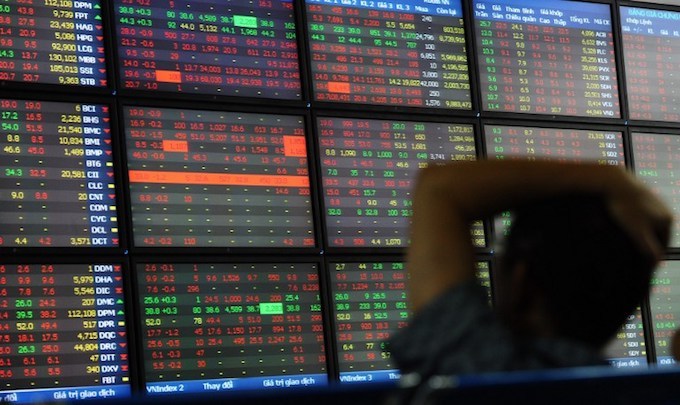
  • Vietnam stock market hits new low, could go lower

    Vietnam stock market hits new low, could go lower

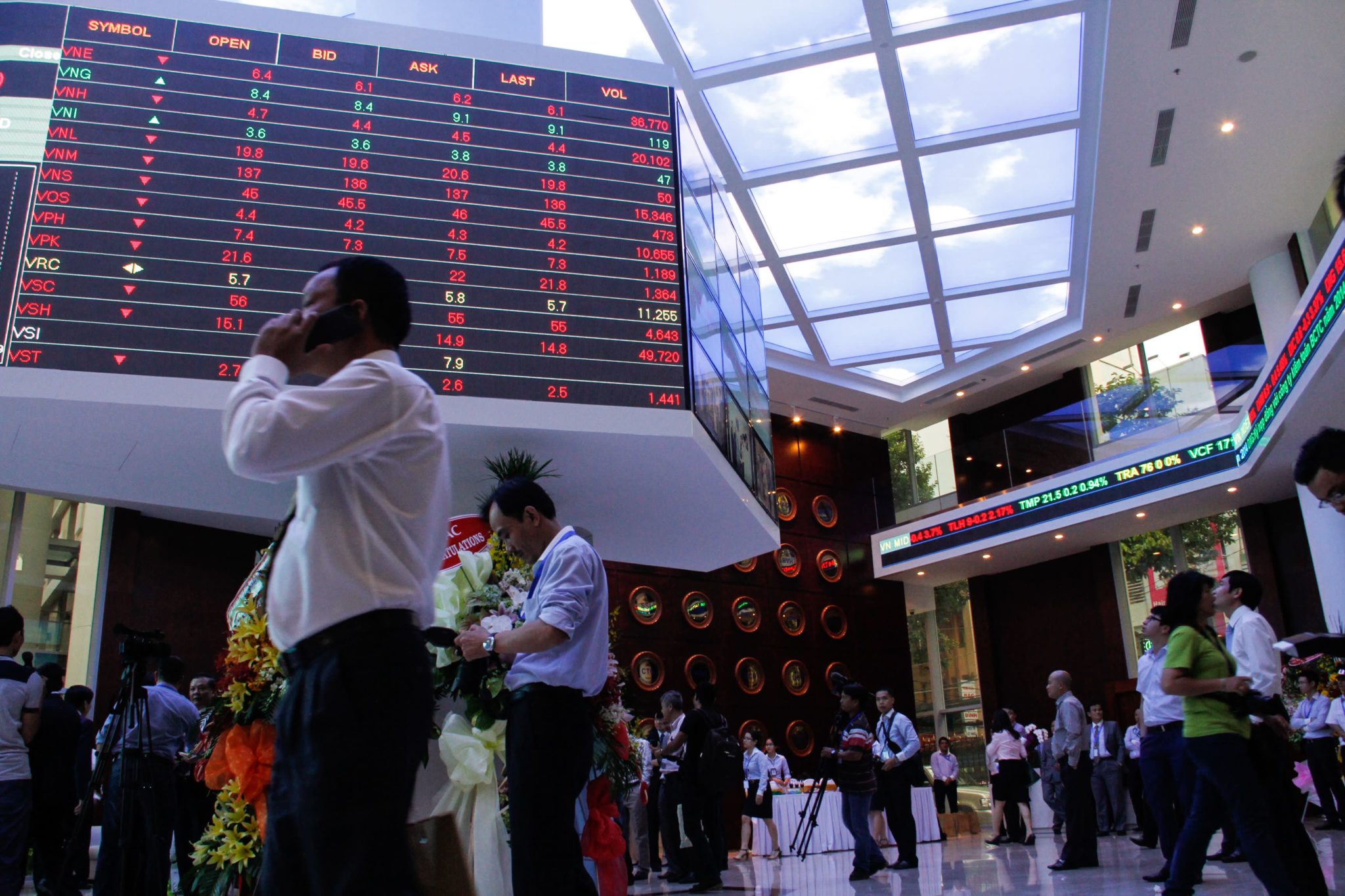
    Vietnam’s stock market fell 4.11 percent on Tuesday afternoon, hitting its lowest point this year, following a dramatic plunge in the second quarter.

    The country’s benchmark stock index, VN-Index, fell 39 points to 908.26 by 2:25 p.m. Tuesday, while the VN30-Index, representing a group of 30 largest capitalization stocks in the country, also fell by 3.7 percent to 895.86.

    The smaller HNX-Index on the Hanoi Stock Exchange and the UPCoM-Index for unlisted companies also dipped 3.7 percent and more than two percent, respectively.

    Shares of banks, including Vietcombank and ACB, plunged 4-5 percent.

    Meanwhile, blue chip stocks like Vinhomes JSC (VHM), Vingroup JSC (VIC), and steelmaker Hoa Sen Group (HSG) were being sold en masse, driving down the entire market.

    This marks a further drop in Vietnam’s stock market after it plunged 18.19 percent in the second quarter this year, making it the worst-performing market in the world.

    Local stock companies have anticipated that the VN-Index could fall to 900 points and even further.

    Vietnam’s stock market had experienced its heyday since last year, when it hit a 10-year high and reached 984.24 points in the last trading session of 2017. It had not broken the 800-point barrier since 2008.

    Continuing its good run, the VN-Index grew 19.33 percent in the first three months of this year, becoming the best-performing market in the world.

    It passed the 1,200-point level on April 9, and has hovered at above 900 since then.