Category: Finance

Retail News Asia is committed to providing both local and global retailers with the latest Finance news throughout the Asian market. This on a daily base.

  • Indonesia to Review Capital Goods Imports to Control Current-Account Deficit

    Indonesia to Review Capital Goods Imports to Control Current-Account Deficit

     Indonesia plans to review the import of capital goods for big government projects to help manage its current-account deficit, Finance Minister Sri Mulyani Indrawati said on Tuesday (03/07).

    The move forms part of a series of coordinated policy measures to bolster the country’s financial markets.

    The rupiah, stocks and bonds have sold off as investors flee emerging markets amid rising interest rates in the United States, higher oil prices and the threat of a full blown US-China trade war.

    The vulnerability of Southeast Asia’s biggest economy has been increased by worries about its current-account deficit.

    Bank Indonesia has raised its benchmark rate by a total of 100 basis points, with the latest hike coming on Friday, amid efforts to defend the rupiah and stem capital outflows.

    Sri Mulyani said the current-account deficit was “a source of negative sentiment” for investors, so authorities were looking at ways to reduce it.

    “We will look at the content, whether a project is urgent to be completed and must import capital goods,” she said, describing the measure as “a short-term correction for long-term development.”

    Indonesia’s current-account deficit was 1.7 percent of gross domestic product last year, but is expected to widen to somewhere below 2.5 percent in 2018 as economic activity improves, the central bank has said.

    Between January and May this year, Indonesia imported $4.1 billion worth of goods in relation to the government’s infrastructure push and another $1.1 billion in defense equipment, central bank data showed.

    The rupiah hit 14,455 to the dollar on Tuesday, the weakest since October 2015 as Asian currencies are roiled by global trade tensions.

    Bank Indonesia Governor Perry Warjiyo said on Tuesday that the central bank will work with the government to reduce the deficit and pledged to keep intervening in the currency and bond markets.

    Bank Indonesia will remain “pre-emptive, front-loading and ahead of the curve” in its policy setting, he said, including by making sure it is ahead of other emerging markets in terms of attracting investors.

    “When they want to invest in emerging markets, they will compare yields, risk premium and other things. When we make decisions, we have to benchmark ourselves against others,” he said, comparing Indonesia’s real interest rate to India’s before and after Friday’s 50-basis-point rate hike.

    India, Indonesia and the Philippines are considered Asia’s most externally vulnerable economies due to current-account deficits and also due to their appetite for oil imports.

    Sri Mulyani also warned companies to prepare to absorb shocks in their balance sheet from a weaker rupiah and higher interest rates.

  • Indonesia Extends Freeport’s Grasberg Mine Permit Amid Talks on Environmental Impact

    Indonesia Extends Freeport’s Grasberg Mine Permit Amid Talks on Environmental Impact

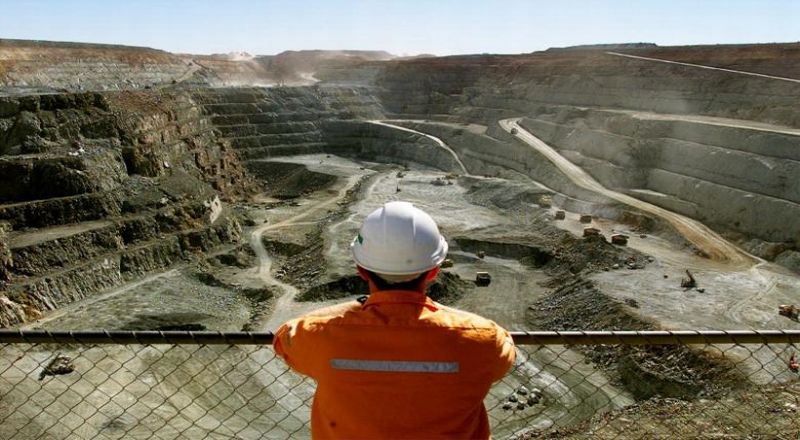
    Indonesia has extended a temporary operating permit for Freeport McMoRan’s Grasberg copper mine in Papua until the end of the month while discussions continue over long-term rights, a Mining Ministry official said.

    The United States-based mining giant’s local unit, Freeport Indonesia, was given a temporary operating permit until July 31 for Grasberg, the world’s second-biggest copper mine, Coal and Minerals Director General Bambang Gatot Ariyono said at a press conference on Tuesday (03/07).

    Freeport has been in negotiations with Indonesia to secure long-term operating rights at Grasberg after the government introduced new rules last year aimed at giving it greater control of its resources.

    However, efforts to finalize a deal have been overshadowed by concerns over Grasberg’s environmental footprint.

    “This month we hope all of the aspects – the divestment transaction, investment stability guarantees, the environment, a smelter – all of them are resolved,” Gatot said.

    Freeport’s previous temporary operating permit for Grasberg expired on June 30 after being awarded in January.

    Freeport’s Grasberg partner Rio Tinto and state-owned mining holding company Inalum are also involved in negotiations on Grasberg, which needs significant investment to develop an underground phase from its current open-pit construction.

    Inalum may complete a multi-billion-dollar deal to acquire a majority stake in Grasberg this month, officials said on Saturday, but details on how Freeport will maintain operational control have yet to emerge.

    According to Gatot, the main issues to be resolved were environmental matters, and discussions were ongoing “between the Environment and Forestry Ministry, the Freeport team and Inalum, who have requested an opportunity to resolve them.”

    Other matters, which include a requirement for Freeport to build a second copper smelter and adopt a new tax regime, “are nearly finalized,” he said.

    A 2017 state audit of operations at Grasberg that outlined massive damage from Freeport’s mine waste and a lack of proper environmental permits has complicated efforts to wrap up the deal.

    In April, following the audit, Environment and Forestry Minister Siti Nurbaya Bakar issued two decrees that gave Freeport six months to overhaul management of its mine waste.

    Freeport’s average daily copper ore production at Grasberg was between 175,000 and 176,000 metric tons so far this year, below its 2018 target of 230,000 tons, Gatot said.

    The company exported 465,000 tons of copper concentrate from February to mid-June, he added.

  • Weakening won poses new risks to Korean economy

    Weakening won poses new risks to Korean economy

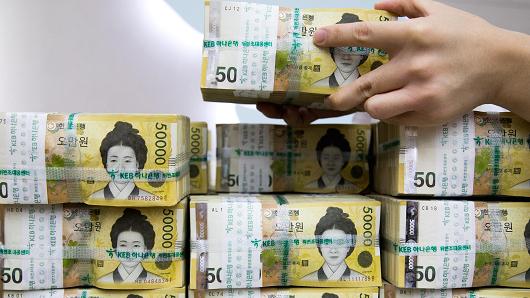
    The weakening of the won in recent weeks carries both benefits and risks for the Korean economy that is being held back by a simultaneous downturn in investment, consumption and exports.

    Policymakers therefore face a thorny task to take proper steps in response to the weakening won that is set to have contradictory effects on the economy.

    The value of the Korean currency against the dollar fell to an eight-month low of 1,124.2 won per dollar in the Seoul foreign exchange market on June 28 before rising somewhat to 1,114.5 won the following day. Over the previous 14 trading days, the won lost its value against the greenback by 5.1 percent.

    Under usual conditions, the depreciation of the won can be seen as bringing more positive than negative effects to Korea’s export-dependent economy by enhancing the price competitiveness of the country’s exporters.

    What is concerning, analysts note, is the steep pace with which the won has been weakening.

    A comparison by Bloomberg of changes in the value of 20 major currencies against the dollar from May 31 to June 26 showed the won depreciated at the third-fastest pace of 3.32 percent.

    The Argentine peso and South African rand were the only two currencies that lost more value than the won. The Turkish lira and Brazilian real depreciated 1.91 percent and 2.05 percent, respectively, against the greenback.

    While the currency volatilities that hit most emerging economies earlier this year have lessened, the won is now in tune with the trend of depreciation against the dollar after remaining relatively strong partly due to reduced geopolitical risks on the Korean Peninsula.

    According to data from the Bank of Korea, day-to-day changes in the won-dollar exchange rate widened from an average 0.34 percent in May to an average 0.44 percent during the period of June 1-27.

    Analysts note a set of factors will likely precipitate the weakening of the won down the road, calling for measures to prevent a possible massive outflow of capital from the country.

    “The won could weaken to 1,150 won per dollar within the year, if the trade tensions between the US and China continue to intensify,” said Ha Kun-hyung, an economist at Shinhan Investment Corp.

    China’s move to devalue the yuan against the dollar to counter President Donald Trump’s trade pressure has served to push down the value of the won against the greenback in recent weeks. Experts note the local currency market is increasingly synchronized with the yuan’s movement as Korea depends on the Chinese market for nearly a quarter of its goods shipments abroad.

    Concerns are growing that the escalating trade friction between the world’s two-biggest economies will weigh on the country’s exports.

    According to government data released Sunday, Korea’s outbound shipments dropped 0.9 percent from a year earlier in June, marking the second monthly decrease this year following a 1.5 percent dip in April. A recent study by the Korea Institute for Industrial Economics and Trade forecast that the rate of on-year growth in the country’s exports would slide from 15.6 percent last year to 6 percent this year.

    The prospect of a slowdown in exports coupled with deteriorating profits of Korea’s major companies has prompted foreign investors to sell off Korean shares.

    Foreign investors have net-sold 3.8 trillion won ($3.4 billion) worth of Korean shares so far this year — nearly 1.6 trillion won in June alone.

    “One of the fundamental reasons for the capital outflow is the weakening of confidence in local companies’ long-term profitability,” said Lee Jae-man, an analyst at Hana Financial Investment.

    According to FnGuide, a financial information provider, the latest estimate of the combined operating profits of 132 major listed firms in the second quarter of the year reached 46.2 trillion won, down 8 percent from the 50.2 trillion won forecast at the start of the year.

    A widening gap between interest rates in Korea and the US may also add to accelerating the capital outflow.

    Policymakers seem ready to let the won continue to weaken.

    “At some point, measures may need to be taken to stabilize the market,” said a Finance Ministry official, asking not to be named. But he added it would not be worrisome that the value of the won might fall further below the current level.

    Pressured by the US and the International Monetary Fund, Seoul announced last month it would begin disclosing records on currency market interventions next year.

    It may well expect measures to push up the value of the won will not be subject to punitive action from the US, which has focused on curbing moves by trading partners to devalue their currencies to help bolster exports.

    What concerns policymakers is the possibility that the weakening won will be coupled with rising international oil prices to raise inflation. Korea’s consumer price hikes, which remained at 1 percent in January, reached 1.6 percent in April and 1.5 percent in May.

    The upward trend in prices may lead the BOK to increase its base rate, which has been held at 1.5 percent since November.

    The move may also be needed to narrow the rate gap with the US but would run the risk of further dampening domestic consumption and investment.

    According to recent data from Statistics Korea, the country’s retail sales and facility investment decreased 1 percent and 3.2 percent on-month in May, respectively, marking the second and third monthly decline in a row.
  • Consentium unveils plans for app launch for iOs and Android

    Consentium unveils plans for app launch for iOs and Android

    Consentium, a multi-digital-currency and group monetisation chat application, has today announced an updated roadmap which includes details on its app launch and latest addition to its leadership team. This follows its successful Token Generation Event (TGE) earlier in April this year.

    Consentium allows peer-to-peer (P2P), multi-digital-currency and C2C (consumer-to-consumer) transfers between users. It offers a transactional fee redistribution program as an incentive to create and cultivate strong in-app communities. Consentium uses a reward system based on creation of quality community groups – comprising both amount of users, as well as in-app reputation of users.

    In an effort to cultivate and engage users, the Consentium app – which will first be rolled out on Android platforms on 1 August, followed by iOS on 10 September – will also be made available in English, Chinese, Korean, Japanese and Arabic. This underscores its intention to engage key markets in Asia where user mobile engagement rates are high and the cryptocurrency space has matured rapidly in recent months. Consentium also expects to fully integrate its Chat Community Monetisation Model (CCM) across all platforms by October 2018.

    The Consentium app will include two salient features to leverage on the popularity of mobile chat applications and the transactions of cryptocurrencies; the chat community and the multiple digital (C2C) currency wallet, which allows peer-to-peer interactions at both individual and group levels. The chat feature allows individuals to create, share, communicate and produce unique content through 1-to-1 chats with other individuals, or create chat groups and channels via communities for brands and influencers. This allows for multiple monetisation opportunities across one integrated platform, applicable to different communities.

    Joining the team to help drive these developments is Ekaterina Skorobogatova. Her 15 years of experience in the social media networking application and platform field will greatly contribute to

    the app’s development. She most recently led growth efforts at WhatsApp Inc., and prior to that, spearheaded the launch of Facebook in Russia. Ekaterina has also taken on other roles within Facebook and Internet Org, working in teams which focused on mobile growth and product development respectively.

    These updates build on the existing momentum Consentium has achieved in the past two months. MegaXstore, a Singapore-owned multi-label store now accepts Consentium coins (CSM) as a payment currency for its products having announced a partnership in April. CSM is also now listed on HitBTC.com, the world’s most advanced cryptocurrency exchange, and will soon be listing on CMC Markets, followed by KuCoin. Listing on HitBTC will support the ongoing liquidity of CSM and enhance its utility by allowing consumers and potential users of the Consentium app gain easy access to the tokens.

  • China’s First-Half Coal Imports Surge, Indonesia the Winner

    China’s First-Half Coal Imports Surge, Indonesia the Winner

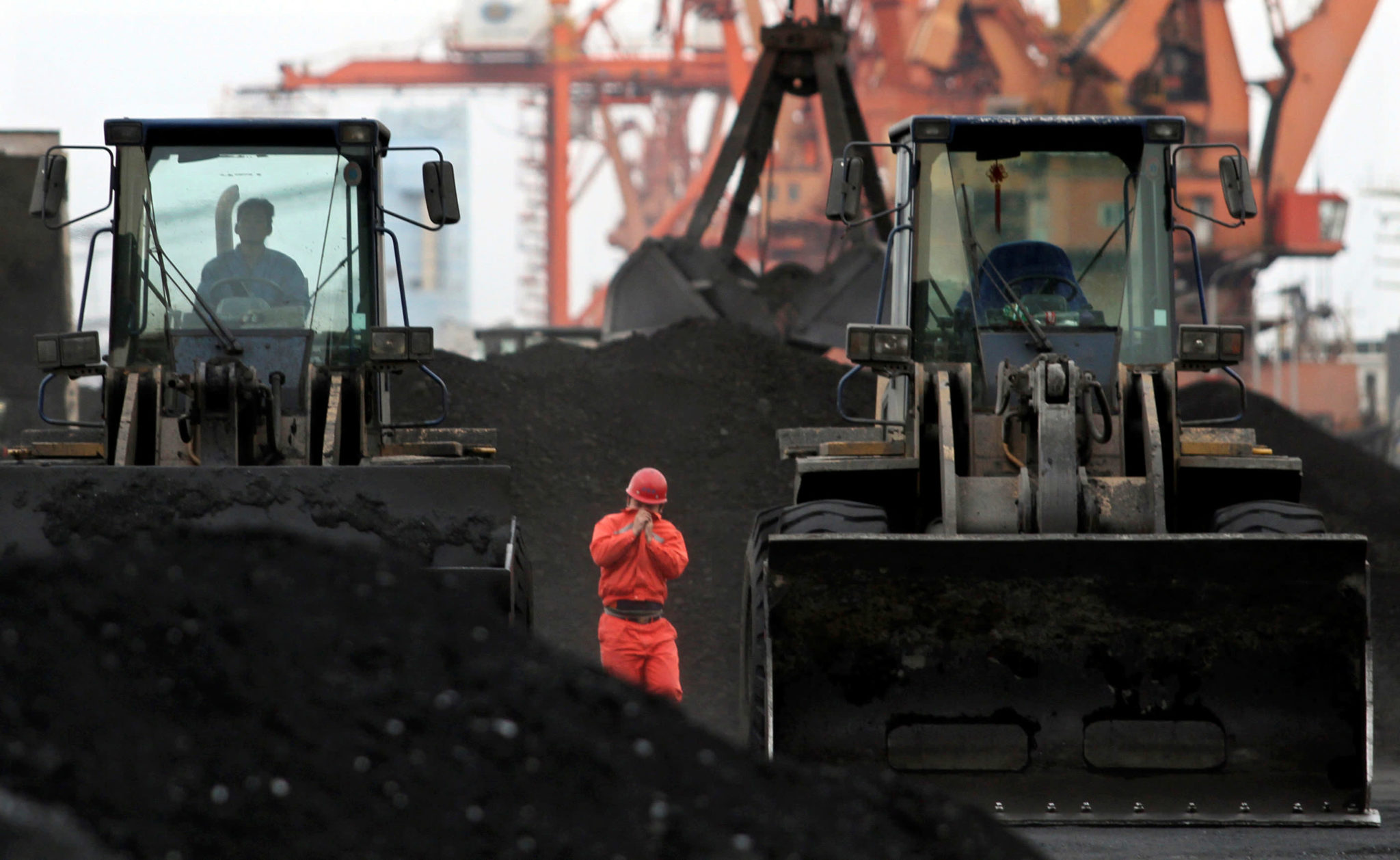
    China’s seaborne coal imports are on track to have surged by around 14 percent in the first half of the year, with Indonesia emerging as the big winner among exporters.

    Imports are likely to be around 126.6 million metric tons in the first six months of this year, up from 111.3 million tons for the same period in 2017, according to vessel-tracking and port data compiled by Thomson Reuters Supply Chain and Commodity Forecasts.

    It also appears that June may be the strongest month so far this year, with 22.1 million tons discharged, or in the process of discharging, as of Tuesday (26/06).

    The final figure may be slightly higher, at around 25.9 million tons: The data is filtered only to show ships that have already discharged, are discharging or awaiting unloading, and more cargoes may be handled in the final days of June.

    The strongest month so far this year for China’s coal imports from the seaborne market was March’s 23.2 million tons, according to the data.

    A look at the breakdown of where China is sourcing its coal reveals a surprise packet – Indonesia.

    China has imported about 15.3 million tons more coal from the seaborne market in the first half of 2018 compared with last year. On a net basis, it’s all from the Southeast Asian country.

    Imports from Indonesia were around 61.8 million tons in the first half, up from 46.3 million for the same period in 2017.

    Low Sulphur

    The strength of shipments from Indonesia may raise some eyebrows among those who believe China is trying to lower air pollution from burning coal, partly by using less and partly by switching to higher-quality coal.

    Indonesia’s exports are predominantly lower-grade coal, typically with an energy value of 4,200 kilocalories per kilogram (kcal/kg) or less.

    However, Indonesia’s coal is also typically low in sulphur. That makes it useful for Chinese coastal power plants to blend with higher-sulphur domestic supplies or imports.

    This allows them to lower emissions of sulphur dioxide and nitrogen oxide, albeit at a small penalty to the efficiency of the boiler.

    It’s also worth noting that Indonesian coal trades at a substantial discount to higher-quality thermal coal from main regional rival Australia.

    Indonesian 4,200 kcal/kg coal, as assessed by Argus Media, was at $48.71 a ton in the week ended June 22. The weekly index for 6,000 kcal/kg coal at Australia’s Newcastle Port was $116.27.

    The discount of the Indonesian grade to Newcastle has widened substantially over the past year, going from 50 percent at the end of June 2017 to the current 58 percent.

    While this is encouraging additional cargoes from Indonesia, it also means that Australian exporters are enjoying higher prices, even if their volumes are more or less the same.

    China imported 42.84 million tons from Australia in the first six months of the year, fractionally higher than the 42.62 million tons in the same period in 2017, according to the vessel-tracking data.

    Russia Up, United States Down 

    While Indonesia and Australia dominate supply to China, it’s worth noting that Russia also managed to lift deliveries, with imports rising 27 percent to 10.3 million tons in the first half.

    China’s imports from the United States, which are predominantly coking coal used in steel-making, dropped in the first half to 2.09 million tons, a decline of 38 percent.

    This occurred well before any potential impact of proposed Chinese tariffs on coal from the United States, which may be imposed as part of the escalating trade dispute between the world’s two largest economies.

    The decline so far this year in imports from the United States is more likely related to Australian coking coal being more competitive – and available, given the absence this year of major weather-related outages.

    Overall, China’s increased appetite for imported coal appears to be contributing to higher prices, with the Newcastle index up 12 percent so far, hitting a six-year high of $118.09 a ton in the week ended June 17.

  • Struggling Hyundai Heavy lays off quite a few execs

    Struggling Hyundai Heavy lays off quite a few execs

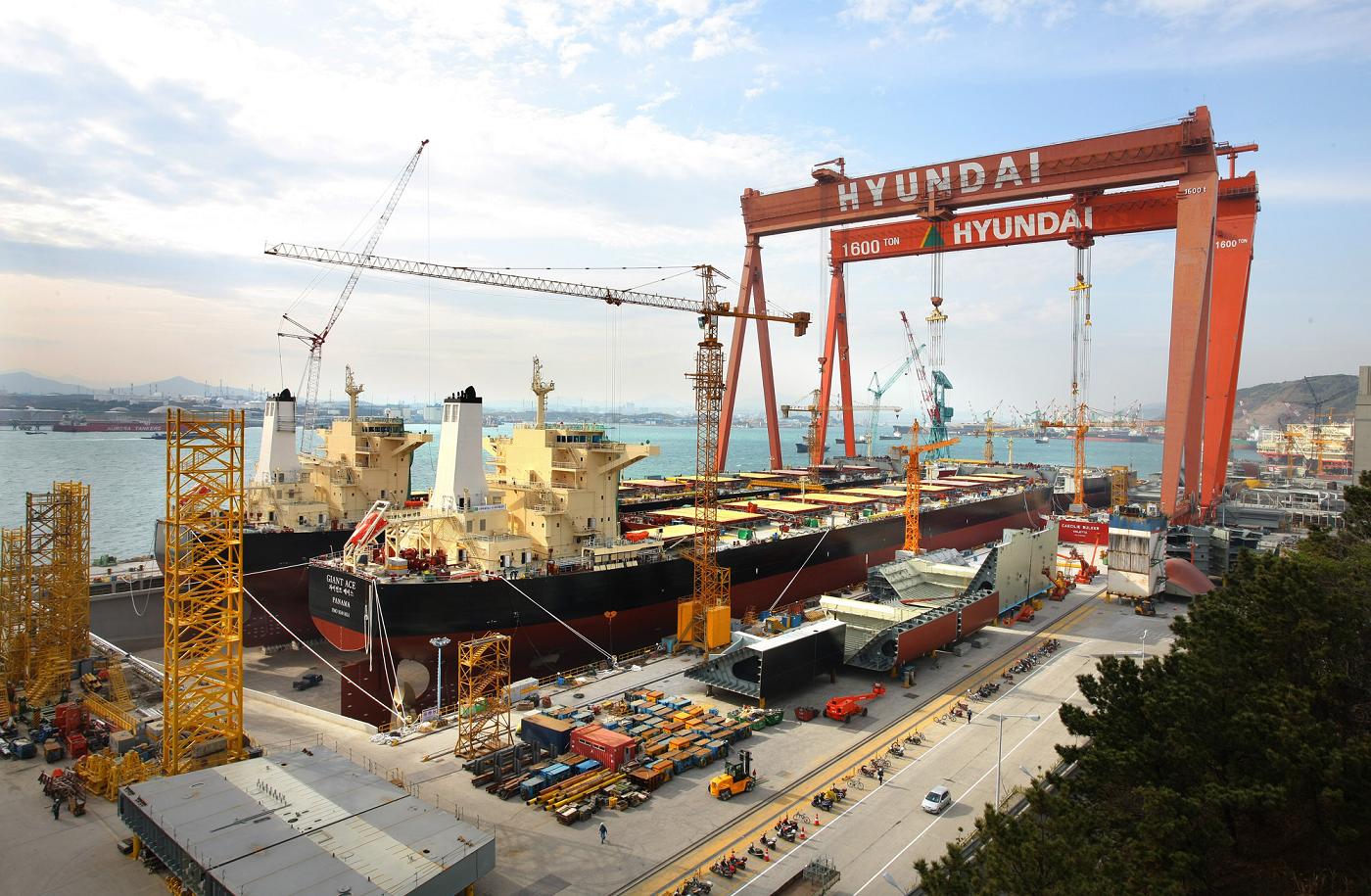
    Hyundai Heavy Industries, the world’s largest shipbuilder by sales, said Sunday it has cut a third of its executives in its offshore and engineering division as new orders have dried up.

    The move came a month before the shipbuilder is due to suspend work at its offshore facilities shipyard. The suspension scheduled for August is the first in 35 years.

    Hyundai Heavy has lost out to Chinese and Singaporean rivals in offshore projects in recent years due to its higher costs. The labor costs of Chinese and Singaporean shipbuilders are roughly a third of Hyundai Heavy’s.

  • Cashless payments to pave growth for cashlite companies

    Cashless payments to pave growth for cashlite companies

    Mobile and cashless payments are the next stage of growth for cashlite companies looking to tap into a larger consumer database, while reducing the hidden cost of handling physical tender, according to Fave Group Pte Ltd.

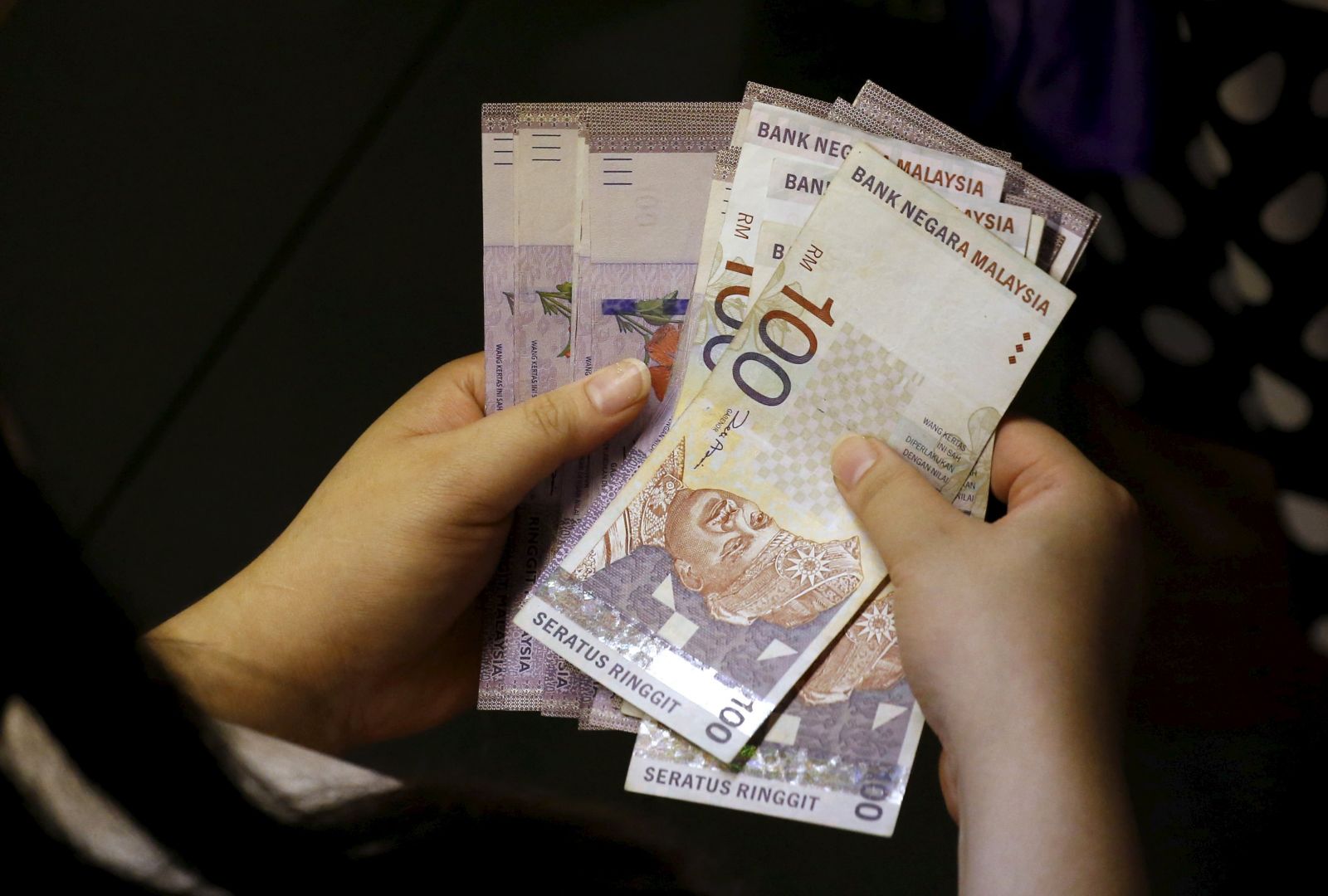
    The mobile reward and payment platform currently facilitates over US$100 million (RM403 million) in online transactions via FavePay, boasting close to 15,000 merchants and 600,000 transactions a month across Singapore, Malaysia and Indonesia.

    Fave founder Joel Neoh Eu-Jin said acceptance among previously offline businesses has been strong due to the recognition of cash as being an “inefficient” form of payment both in terms of marketing reach and hidden costs.

    “For a majority of these companies, a problem they face is how to grow their businesses without having the access to data that bigger companies have,” Neoh said yesterday, adding that Fave bridges this gap by connecting mobile payments to marketing.

    “These businesses want to reward customers for coming back, but don’t know how to do it well — and physical promotions such as stamp cards and vouchers tend to get lost,” he added.

    Via a mobile payment platform, he said companies now have access to a database of consumer trends and behaviour, while simultaneously having a marketing platform to reach out to customers.

    “For every dollar saving offered to the consumer, a company can track and reach out to that customer — card and cash payments do not have this advantage.”

    He added that there are a lot of hidden costs in handling cash offline, including security risks, staff costs and money lost upon exchanging hands.

    While over US$30 billion in mobile payments are projected in South-East Asia by 2021, adoption among retail and food and beverage (F&B) players remains low.

    Neoh said 95% of payments in the retail and F&B segments in Malaysia are conducted offline, while less than 5% is done via e-commerce platforms.

    “Retail and F&B are actually the biggest category of payments — if these segments are not on board, it will be very difficult to get people to move into cashless (payments),” he said.

    Government and financial institutions play a big part in facilitating digital payments both via policies and licensing, and Malaysia together with its central bank are pushing towards this end.

    For instance, the Malaysian government is encouraging petrol dealers in the country to adopt digital payments as 70% to 80% of transactions are still in cash, according to Neoh.

    “As a consumer, when you are paying RM50 at the pump and the petrol station takes a RM200 deposit, it deters you from going cashless,” he said.

    “These are small things, but it has a large impact on the consumer — when we remove all these friction points, we will see better cashless adoption.”

    Fave completed its acquisition of Groupon Malaysia — part of the larger US-based reward and online marketplace Groupon — earlier in 2017 and is striving to provide a holistic blend between promotions and payments, which was absent in the previous Groupon model.

    “Groupon Malaysia was a good model, but it cannot stand alone (as a reward platform exclusively) because businesses do not offer promotions all year long, but instead three to four times a year,” Neoh said, adding that deals need to be complemented by a reliable payment platform.

    “If a customer can pay via a specific platform and get a better deal and discount at the same time, then you drive more volume in both payment and promotions — they work in tandem.”

    He said Fave is now being equated more with its payment platform Fave- Pay than its previous Groupon links as its volume of payment with cashback currently exceeds promotion volume.

    Neoh said Fave has a few agreements in the pipeline to add to its high profile partnership with AirAsia Group Bhd’s loyalty programme, which will be announced over the next months.

    The company is further looking to enter two to three new Asean countries next year — namely the Philippines, Thailand and Vietnam.

    By year-end, Fave is aiming to double its 600,000 transactions and grow its merchant base by 50% to 100%.

  • Global stocks are bouncing after Trump made a conciliatory move in the trade war

    Global stocks are bouncing after Trump made a conciliatory move in the trade war

    Stocks in both Europe and the Americas are bouncing on Wednesday after President Donald Trump made a move that looks likely to deescalate the trade war developing between his adminstration and the rest of the world.

    Earlier, Trump announced the details of a plan to crack down on Chinese investment in US technology companies, and the final results were weaker than expected.

    The news buoyed investors, who have previously been nervous about the possibly devastating consequences a trade war could have on the global economy.

    Major share indexes in both Europe and North America are significantly higher on Wednesday as a result of the announcement, with the USA’s benchmark Dow Jones Industrial Average up by almost 250 points.

    While Trump’s climb down has soothed Western markets, things in Asia overnight were not pretty, with the earlier escalation of trade tensions having a significant negative impact on Chinese markets, with stocks in the world’s second largest economy suffering major losses.

    China’s benchmark share index, the Shanghai Composite, dropped 1.1% on Wednesday — leaving it nursing losses of 22% from its most recent high, extending the bear market it entered at the beginning of the week. Bear markets are characterised by a fall of 20% or more from a high.  

    Negative sentiment in Asia overnight also saw Hong Kong’s Hang Seng drop 1.7%, and the Shenzhen Composite fall 1.8%.

    For China, there is an ongoing double whammy of bad news. As well as Chinese stocks falling into a bear market, the country is also witnessing a major slide in the price of its currency, the yuan, which overnight fell to its lowest level in more than six months.

    The USD/CNH, or the US dollar versus the offshore traded yuan, hit a high of 6.6105 earlier, leaving it at the highest level since December 20 last year.

    An increase indicates the US dollar is strengthening against the yuan.

    Along with escalating trade tensions between the United States and China, the yuan has been under pressure in recent months from a softening in Chinese economic data as well as divergent monetary policy settings between the PBOC and US Federal Reserve.

  • Japan leads foreign investors in Vietnam in year’s first half

    Japan leads foreign investors in Vietnam in year’s first half

    Foreign investors invested a total of over 20 billion USD in 1,366 new projects and 507 existing ones as well as in contributing capital and buying shares in domestic company in the reviewed period.

    With 5.06 billion USD, the Republic of Korea was Vietnam’s second biggest investor, followed by Singapore with 2.39 billion USD.

    During January-June, foreign investors poured their capital into 55 provinces and cities, in which Hanoi ranked first with 5.87 billion USD. The capital city was followed by Ho Chi Minh City (3.68 billion USD), and Ba Ria-Vung Tau province (1.93 billion USD).

    Manufacturing-processing industry continued to attract the most foreign direct investment (FDI) in Vietnam in the first half of 2018, with 7.91 billion USD, accounting for 38.9 percent of the total registered capital.

    It was followed by real estate, with 5.54 billion USD, and the wholesale and retail sector with 1.5 billion USD, making up 27.3 percent and 7.4 percent of the total, respectively.

    To date, Vietnam has attracted nearly 26,000 projects with a registered capital of 326 billion USD. Disbursement is estimated at 180 billion USD.

    Foreign investment accounts for 25 percent of the country’s total investments and contributes 20 percent of GDP. Last year, the sector contributed nearly 8 billion USD to the State budget, 14.4 percent of total revenue.

    At present, 58 percent of foreign investments focus on processing and manufacturing, generating half of industrial production value.

  • Australian, New Zealand central banks say no plans to issue official digital currencies

    Australian, New Zealand central banks say no plans to issue official digital currencies

    The central banks of Australia and New Zealand ruled out today the notion that they would issue official cryptocurrencies anytime soon, warning the potential damage to their banking systems could outweigh the benefits.

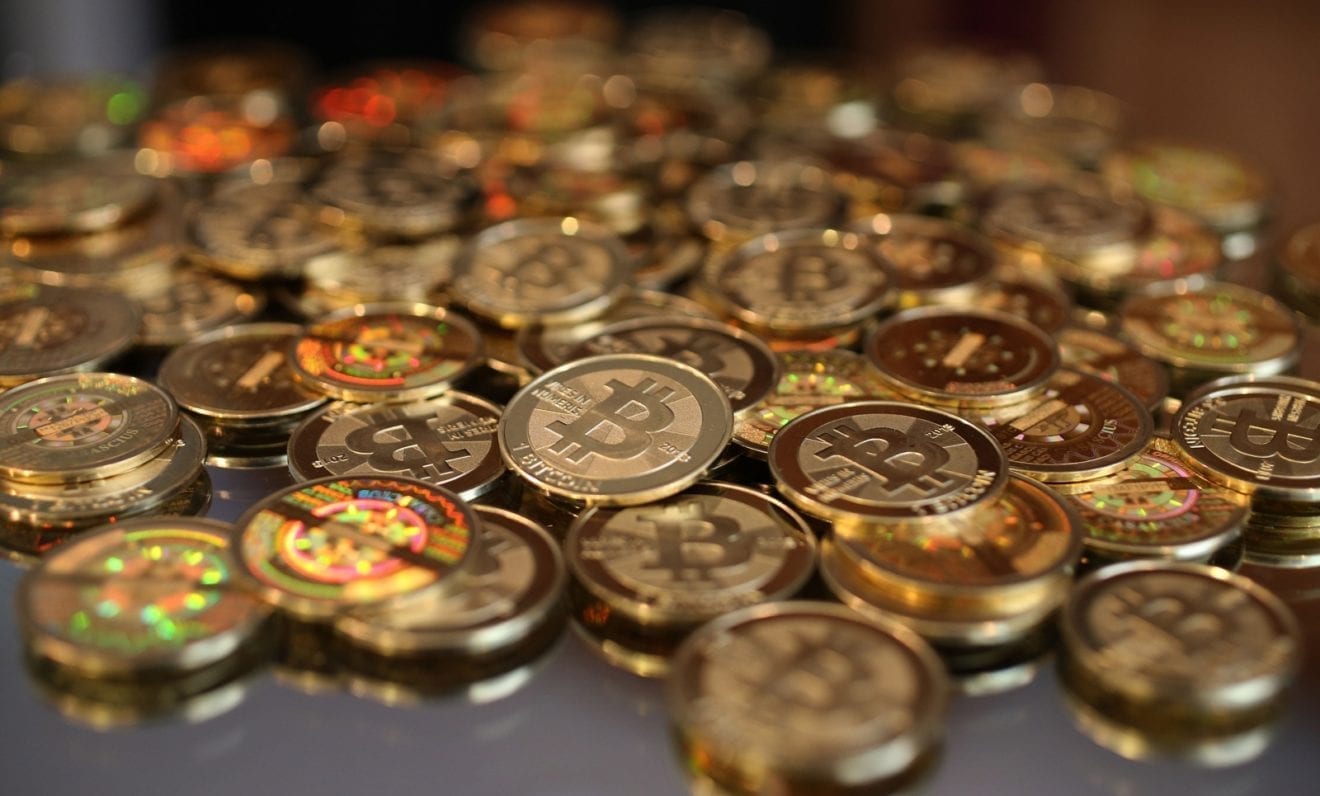
    Tony Richards, head of the Reserve Bank of Australia’s (RBA) payments policy, said that bitcoin and other cryptocurrencies had not proven their worth as reliable stores of value or means of payment because of their volatility and vulnerability to hacking.

    “Nine years after its launch and about five years since it entered the public consciousness, bitcoin continues to have structural flaws that make it unsuitable for many uses, many of which stem from its inefficient verification process,” he said in the text of a speech given in Sydney.

    Given their low usage in Australia, cryptocurrencies were unlikely to have any significant impact on the RBA’s oversight of monetary policy and the banking system, he said.

    The RBA had no plan for the time being to adopt any new electronic form of money for households, he added.

    “Based on our interactions with our counterparts in other countries, it is also not front of mind for most other advanced economy central banks,” Richards said.

    The Reserve Bank of New Zealand (RBNZ) also said that while it was open to exploring new technology, it was unclear whether a central bank digital currency will bring conclusive benefits.

    While digital currencies could make distribution of money safer and cheaper, they could increase the likelihood of bank runs during periods of financial instability, said RBNZ deputy governor Geoff Bascand.

    That was because in times of financial stress, depositors could easily and remotely transfer large deposit holdings to a central bank digital currency, he said.

    “A breakdown in the financial system can cause enormous economic and social harm. We could not issue a digital currency if it might undermine financial stability,” Bascand said in the text of a speech at an Auckland conference.

    “The payments industry is dynamic, which is good. But the Reserve Bank must be a considered prospector in the exploration for digital currency benefits – we have New Zealand’s currency and financial system at stake.”

    Wild swings in the price of cryptocurrencies, and fears they may be used for illicit activities such as tax evasion, have drawn the attention of global policymakers.

    Finance leaders of the Group of 20 major economies agreed in March to open the door to regulating the booming industry, though they have only just started adopting individual rules due to the difficulty of agreeing on a multilateral approach.

    Most central banks are wary of embracing cryptocurrencies and say they have no plans to issue their own digital money with the exception of Sweden, where the shift away from the use of cash is significantly more advanced than in other countries.

    Bitcoin prices dropped their lowest in more than four months on Friday, continuing a downtrend driven by authorities’ measures to impose tighter regulation on cryptocurrencies.

  • Vietnam’s Vinalines to go public in September

    Vietnam’s Vinalines to go public in September

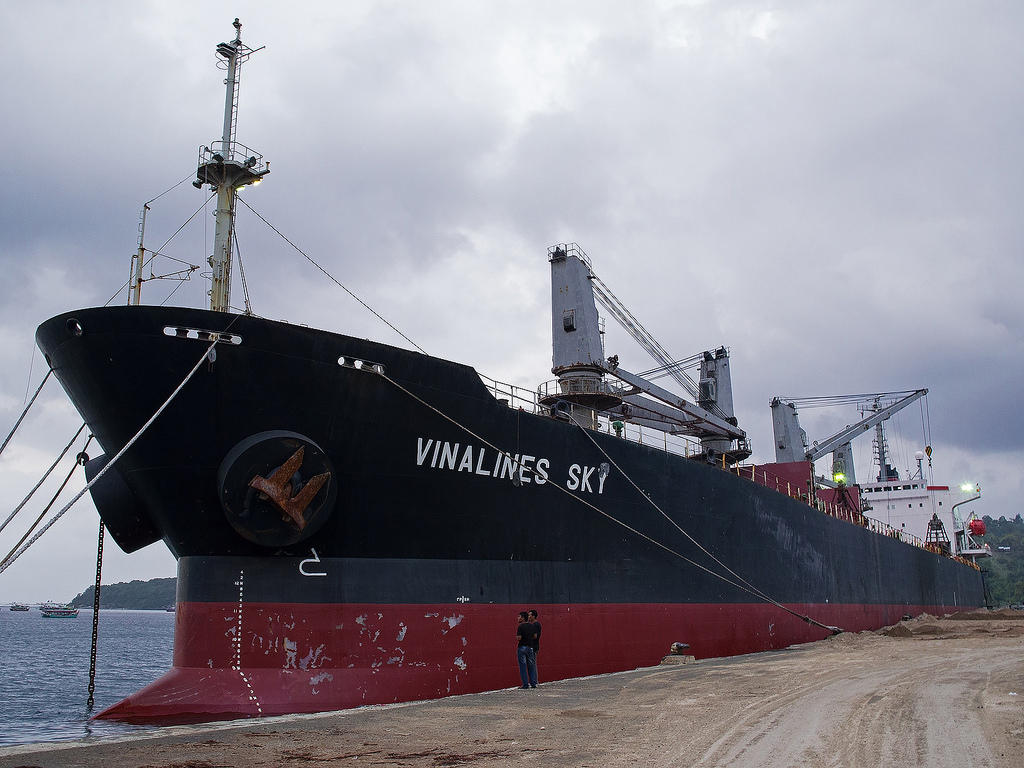
    Vietnam’s largest shipping firm and port operator has been given the go-ahead by the Prime Minister to hold its initial public offering (IPO) later this year.

    The equitization plan of State-owned Vinalines, or Vietnam National Shipping Lines, is a combination of divestment and share issuance.

    Nguyen Canh Tinh, acting general director of Vinalines, said the company will auction more than 280 million shares, equal to 20 percent of its total chartered capital of VND14.04 trillion ($616.6 million), on the Hanoi Stock Exchange in September. The shares will carry the code VLG.

    Around 207 million shares, or 14 percent of the capital after equitization, will be offered to strategic investors, and another 2 percent stake earmarked for employees and the trade union as preferred shares.

    The State will retain a 65 percent stake in the company, equal to nearly 913 million shares.

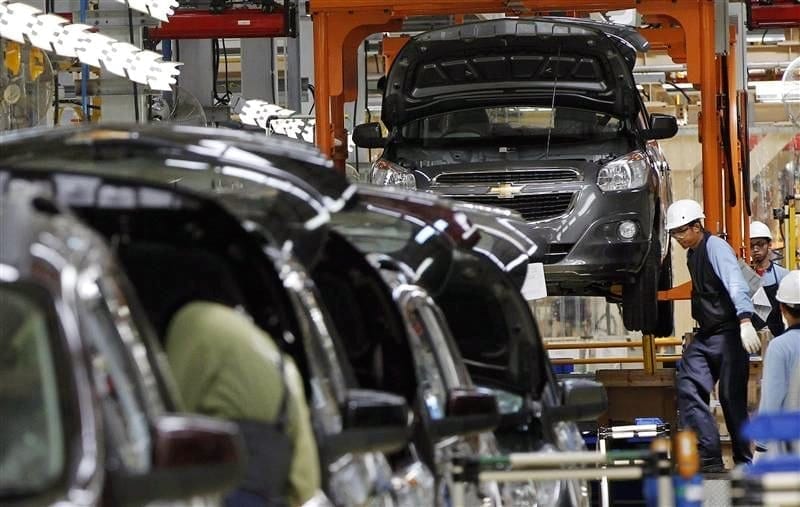
    Vinalines has been in talks with several investment funds, and some multinational companies and shipping firms from Japan, Thailand and South Korea about the share sale. South Korean automaker Hyundai Motor has expressed its interest in buying Vinalines shares.

    Vinalines, under the management of the Ministry of Transport, engages in shipping, port management and maritime service, and logistics activities in Vietnam and international markets.

    It posted a consolidated revenue of VND16 trillion in 2017, beating its annual target by 15 percent, resulting in a net profit of VND515 billion. Of that revenue, over VND4.4 trillion came from port services and VND7.1 trillion from transport services.

    Its assets were valued at more than VND18 trillion last year.

  • Analyst cuts core earnings growth forecast for banking sector

    Analyst cuts core earnings growth forecast for banking sector

    AmInvestment Bank has cut the banking sector’s core earnings growth forecast to 7.6% from 9.2% after lowering expectations for banks’ non-interest income.

    The earnings growth will be contributed by an increase in revenue and improvement in operating expenses. Last year, banks’ core earnings grew 10.6%.

    Non-interest income is now expected to be more challenging than earlier expected, due to softer capital market activities, with IPOs and capital raising in the equity market likely to remain slow.

    AmInvestment Bank, which has reiterated its “overweight” call on the banking sector, is maintaining the loan growth expectation of 5% for the Malaysian banking industry supported by a gross domestic product growth of 5.5%. Domestic demand and improvement in external trade remain the drivers of economic growth.

    Banks registered slower loan growth in Q1’18, dampened by the slower pace of overseas loans even though domestic loan growth was above the industry rate.

    AmInvestment Bank expects loan growth of banks to improve in H2’18 underpinned by a pickup in consumer loans.

    “A stronger consumer spending is anticipated in the short-term period between the implementation of zero-rated GST and reintroduction of SST. We expect business loan growth to also improve, supported by the absence of large corporate loan repayments and a non-repeat of the forex translation impact seen in Q1’18.”

    The research house also noted that loans to the manufacturing, wholesale and retail sectors, benefiting from the improvement in consumer spending, are anticipated to be stronger compared with loans to the construction and construction-related sectors. This is in view of the fact that several major infrastructure projects have been terminated while some are under review.

    Net interest margin-wise (NIM), AmInvestment Bank anticipates it to taper off in H1’18 from Q1’18, which was boosted by an Overnight Policy Rate (OPR) hike of 25 basis points last January. NIM is projected to only expand two basis points (bps) this year against a projection of a three bps increase previously.

    “The lagged repricing of banks’ deposit rates adjusting to the increase in OPR coupled with keener competition for deposits compared to H1’18 as the sector moves closer towards the implementation of net stable funding ratio (NSFR) will be the contributing factors.”

    “Also, the tapering of margin is also expected to be partly attributed to pressures on the asset yield of banks’ subsidiaries in Indonesia (Maybank Indonesia and CIMB Niaga).”

    AmInvestment Bank believes the OPR will be maintained at 3.25% in H2’18, based on the headline inflation, which is still expected to be low, thus sustaining a positive real interest rate.

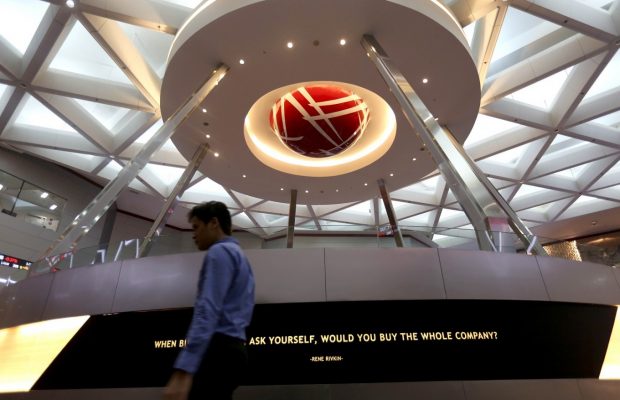
  • New Stock Exchange Boss Faces High Expectations

    New Stock Exchange Boss Faces High Expectations

    Indonesia’s Financial Services Authority, or OJK, has approved Inarno Djajadi as new president director of the Indonesia Stock Exchange.

    The appointment will be effective after the bourse’s general shareholders meeting on June 29. Inarno, who will serve during the 2018-21 period, replaces Tito Sulistyo who was holding in office in 2015-18.

    Issuers, investors and analysts have high expectations toward the new Indonesia Stock Exchange (IDX) leadership.

    “It [the stock exchange] needs more derivative products and exchange traded funds [ETF] to deepen the capital market. So far, derivative trading on IDX has not been doing too well,” said Investa Saran Mandiri director Hans Kwee.

    Hans said the new IDX director should begin to think of a new regulation that would allow securities companies or third parties to act as liquidity buffers on the market to prevent issuers, who have just held an initial public offering, from seeing their stock prices fall steeply.

    “If our capital market is good and growing, then entrepreneurs and investors will have the confidence to make IDX the place to raise funds or to invest,” he said.

    Isakayoga, director of the Indonesian Issuers Association (AEI) said the bourse needs to reduce its annual listing fees.

    “Do not calculate the annual fee based on market capitalization, but based on total assets. Today, the higher the stock price, the higher the listing fee will be, as if the issuer was penalized for it. Instead, he should be rewarded,” said Isakayoga.

    According to the Indonesian Securities Analysts Association (AAEI), which members serve more than 1.3 million individual investors, the new IDX director should focus on good corporate governance.

    “Issuers on IDX need to be more transparent, especially to analysts. There are still many companies that are difficult to get in touch with,” said AAEI chairman Edwin Sebayang.

    Inarno has extensive expertise in capital markets. The Gadjah Mada University graduate began his career as a treasurer at local lender Uppindo Bank in 1989. Since then, his career has been centered on brokerage firms and the stock market. In 1991-97, he was serving as director of Aspac Upindo Sekuritas, after which he moved to Mitra Duta Sekuritas, Widari Securities, Madani Securities, Maybank Kim Eng Securities and CIMB Sekuritas Indonesia. He served as chief executive of the Stock Market Clearing House (KPEI) in 2003-09.

    Aside from Inarno, OJK also appointed six other directors.

    President director: Inarno Djajadi

    Listing director: IGD N. Yetna Setia

    Trade director: Laksono Widito Widodo

    Monitoring transaction director: Kristian Sihar Manullang

    IT director: Fithro Hadi

    Human resources and finance director: Risa Effennita Rustam

    Development director: Hasan Fawzi

  • Hackers steal $30 million in cryptocurrency from Bithumb

    Hackers steal $30 million in cryptocurrency from Bithumb

    Bithumb, one of the largest cryptocurrency exchanges in Korea, was hacked on Wednesday, causing the exchange to lose more than $30 million worth in cryptocurrencies.

    “We noticed that between last night and today early morning, about 35 billion won [$31.5 million] worth cryptocurrencies have been stolen,” Bithumb said through an announcement on its website on Wednesday. “Cryptocurrency deposit/withdrawal and Korean won withdrawal service will be halted for time being and until services are thoroughly reviewed.”

    “We are still checking on which currencies have been leaked, but so far, we discovered that the hacked coins include Ripple,” said a spokesperson from the exchange.

    According to the Bithumb spokesperson, 100 percent of the coins and tokens traded through the exchange are stored in offline cold wallets.

    “This loss will be compensated by Bithumb’s own reserves, and all the assets of our customers are securely saved in Bithumb’s cold wallets, hence all assets are completely safe and secure,” the company said in the announcement.

  • Indonesia Posts $1.52b Trade Deficit in May on Higher Oil Prices

    Indonesia Posts $1.52b Trade Deficit in May on Higher Oil Prices

    Indonesia’s trade deficit narrowed to $1.52 billion in May, but was worse than expected, due to higher oil prices, the country’s statistics agency said on Monday.

    That compared to a revised $1.63 billion deficit posted in April, which was the largest in four years. A poll by Reuters was for a deficit of $380 million in May.

    Imports grew by 28.12 percent from a year earlier, after jumping by 35 percent in the previous month. Analysts had expected imports to grow 13.88 percent.

    “This increase [in imports] was due to higher oil prices,” Suhariyanto, the statistics agency’s chief said.

    Global oil prices rose in recent months due to supply concerns for some major producers.

    Total imports in May were valued at $17.64 billion.

    Exports from Southeast Asia’s largest economy grew by 12.47 percent annually in May, a higher-than-expected rate, with shipments of metals boosting the total exports to $16.12 billion.