Category: Finance

Retail News Asia is committed to providing both local and global retailers with the latest Finance news throughout the Asian market. This on a daily base.

  • Aeon adopts wait-and-see approach over GST

    Aeon adopts wait-and-see approach over GST

    Japanese retailer AEON Co (M) Bhd is adopting a wait-and-see approach when it comes to the upcoming abolishment of the Goods and Services Tax (GST) on June 1.

    Executive director Poh Ying Loo said Aeon was still seeking greater clarity from the Pakatan Harapan government.

    “The GST question was something that was also posed by shareholders earlier and our stand right now is that it is too early to decide right now,” Poh said at a press briefing after the group’s 33rd annual general meeting here today.

    “We understand that other policies and tax regime such as the Sales and Services Tax (SST) will be reintroduced. We can’t really comment on whether of not our pricing would be cheaper until those things are made more clear,” he added.

    The group has allocated between RM300 million and RM500 million in capital expenditures (capex) this year.

    According to Poh, this was slightly lower than last year’s capex of some RM500 million.

    “The capex is inclusive of our newest mall in Kuching, Sarawak which we have already opened in April this year,” said Poh.

    With three levels of retail floors and four levels of car park, the Kuching mall is AEON’s debut presence in East Malaysia.

    The remaining capex will be for the expansion of Taman Maluri Shopping Centre and the refurbishment of Tebrau City, Bandar Utama and Bandar Sunway.

    As of the end of 2017, AEON has 26 malls across the country.

    A big part of AEON’s drive this year is to further strengthen its omni-channel strategy that will leverage onto its physical stores for offline experiences, logistics and convenience.

    “We had partnered with online concierge and delivery service Honestbee in January, and the response has been encouraging. We expect this business will grow with time,” said managing director Shinobu Washizawa.

    The firm is also set to roll out a “groceries drive-thru” service in Bukit Indah, Johor whereby customers can order groceries online from Aeon and pick them up themselves through a drive-thru window, starting next month.

    Aeon posted a net profit of RM105 million on the back of RM4 billion revenue for the year ended 31 December 2017.

  • Malaysia’s April headline inflation up 1.4%

    Malaysia’s April headline inflation up 1.4%

    Headline inflation rate rose by 1.4% year-on-year (y-o-y) in April 2018, slightly higher than 1.3% year-on-year registered in the preceding month as transport inflation rebounded from a negative territory logged for two months to positive at 0.4% y-o-y, said MIDF Research.

    Amid unfavourable base effects, MIDF Research foresees headline inflation rate to average at 2.6% this year, supported by inflation rate for 1Q18 which registered at 1.8% compared to 4.2% in the same period last year.

    “We expect inflationary pressure mainly from fuel-related items to calm, consistent with gradual rise in global commodity prices on top of pass-through effect from a strengthening ringgit, re-subsidisation of domestic fuel price and withdrawal of GST.”

    As inflationary pressure remains steady, it anticipates Bank Negara Malaysia to maintain its current monetary policy with no more hikes in overnight policy rate for the rest of 2018 barring any pleasant upward surprises in domestic economic growth.

    It noted that food inflation continues to dip but moving forward, there is a potential for food inflation to rise in the upcoming months due to rising demand for Ramadan and Hari Raya celebrations.

    It expects 2018’s fuel-related inflation to moderate amid of unfavourable base effects, re-subsidisation of domestic fuel price and high likelihood of a downward adjustment of global commodity prices in 2H18 from the current temporary factors which pushed the prices up.

    MIDF also foresees inflation rate across all states will moderate below 3% in 2018 amid of unfavourable base effects and zero rated GST.

    “Looking forward, we foresee inflation level will gradually increase buoyed by moderating global growth, steady rise in commodities prices and tight labour market conditions.”

    The Consumer Price Index (CPI) increased 1.4% in April 2018 as compared to the same month last year, after indices for food & non-alcoholic beverages (+2.6%), restaurants and hotels (+2.2%), health (+2.1%), housing, water, electricity, gas & other fuels (+2.0%), furnishings, household equipment & routine household maintenance (+1.8%) and education (+1.1%), all recorded increases, according to the Department of Statistics.

    Chief Statistician Malaysia Datuk Seri Dr Mohd Uzir Mahidin said the overall index was also affected by the increase in the transport group by 0.4% in April 2018 as compared to the 1.5% decrease recorded in March 2018. Meanwhile, the CPI for the period January-April 2018 increased 1.7% as compared to the same month last year.

    The Statistics Department also reported that three states surpassed the national CPI rate of 1.4% recorded in April 2018 as compared to April 2017, which are Kuala Lumpur (+1.9%), Selangor & Putrajaya (+1.6%) and Penang (+1.5%).

    FXTM global head of currency strategy & market research Jameel Ahmad said while the inflation reading continues to suggest that the economy is encountering a period of lower inflation, it sees risks that this outlook could change over the coming months.

    “There has been a drastic change in investor appetite towards the US dollar, which has crumpled emerging market currencies across the globe. This has also impacted the ringgit, which currently appears to be at risk to falling back towards 4 against the dollar and is likely to do so, if traders continue to stock up on the US dollar.”

    As a result of the ringgit weakening, he said import price pressures are likely to increase over the next two to three months and this will consequently result in higher inflation potential.

  • Touché signs agreement with OCBC to offer world’s first fingerprint biometric-based payment

    Touché signs agreement with OCBC to offer world’s first fingerprint biometric-based payment

    Singapore-based technology company Touché today announced an agreement with OCBC Bank to bring the world’s first fingerprint biometric-based payment and loyalty management solution to OCBC’s Singapore credit card merchant customers.

    Developed in Singapore, Touché includes both an elegant and innovative device and a robust software solution that delivers highly secure, convenient and personalised point of sale transaction services at the touch of two fingers.

    Touché will offer the solution to all of OCBC’s cards acceptance merchants with physical stores.

    Touché delivers a number of advantages that redefine point of payment and customer interaction. For merchants, Touché eliminates the need for multiple payment devices. Its devices are set up to accept traditional card payments as well as fingerprint-based payments. Touché brings operational efficiencies since transactions are completed quickly, and recorded electronically. Receipts are emailed – making the reconciliation process more efficient and eliminating paper entirely.

    Touché also makes management of loyalty programmes easy for both customers and merchants. Points and discounts are instantly applied for qualifying customers at the point of interaction. For merchants, moving existing loyalty programme members to the Touché biometrics-based platform is painless. As is building a new, tiered loyalty programme that offers membership based benefits.

    Uniquely, Touché also provides for personalised customer experiences. Merchants can recognise their customers at any point of interaction and accord them recommendations and offers that are relevant to them. Touché’s data analytics component enables merchants to create bespoke, personalised, offers for customers based on their own preferences and buying patterns.

    For the merchants’ customers, Touché brings convenience and efficiency and ease of use. A one-time registration process takes under two minutes wherein people can add their existing credit cards, loyalty/membership cards and link them to their fingerprints. Once registered, payments are completed in under four seconds at one touch, without the need for signature, pin number, card or mobile phone. Neither do people need to carry their loyalty cards, discount vouchers, coupons (etc) to access their benefits.

    “Touché provides a highly convenient and secure transaction point for people without the need for multiple cards,” said Sahba Saint-Claire, Chief Executive Officer and co-founder, Touché. “But Touché is more than payments and biometrics. We are a solution that enables merchants to provide their customers with personalised experiences to deepen their relationships. Touché is a key point of differentiation for banks and merchants, helping them grow their business by delighting customers and offering the next level in people engagement.”

    “We are delighted to collaborate with Touché to be the first in Singapore to offer a fingerprint biometric payment solution to our cards acceptance merchant customers. This service enables an easy and secured platform that will improve the user experience for their customers. It will make digital e-payments simpler and more accessible than using cash, and will help to drive Singapore’s push towards becoming an e-payments society,” said Mr Desmond Tan, Head of Group Lifestyle Financing, OCBC Bank.

  • Multiple Vietnamese banks report bad investments

    Multiple Vietnamese banks report bad investments

    Multiple banks in Vietnam have made bad investment decisions in recent years, according to a new report by the State Audit Office of Vietnam (SAV).

    Nine major financial organizations and banks were audited by the SAV in terms of management and use of state capital and property in 2016.

    The Joint Stock Commercial Bank for Foreign Trade of Vietnam (Vietcombank) reported a loss of $5.34 million by the end of 2016 in their $9.62-million investment into their remittance company. The bank lost another $563,000 in a $5.9-million investment in its Vietcombank Fund Management company, the report said.

    The report also pointed out that the Joint Stock Commercial Bank for Investment and Development of Vietnam (BIDV) had invested a total of VND3.1 trillion ($137.8 million) in three subsidiaries and another 12 long-term loans worth VND280 billion. However, the state-owned bank had not earned any dividends from these investments.

    Another loss-making investment was made by the Co-operative Bank of Vietnam (Co-opBank) as a fixed-term deposit of VND585 billion ($25 million) in a stock company. The bank is having difficulties retrieving the money, the report said.

    Three other banks, which were bought by the State Bank of Vietnam for a zero-dollar price tag, were also reported to have poor credit management and accumulated a lot of bad debt. GPBank, OceanBank and CB Bank had a total of VND35 trillion ($1.5 billion) in bad debt, according to the report.

  • Indonesia Central Bank Steps Up FX Swap Auctions to Support Liquidity

    Indonesia Central Bank Steps Up FX Swap Auctions to Support Liquidity

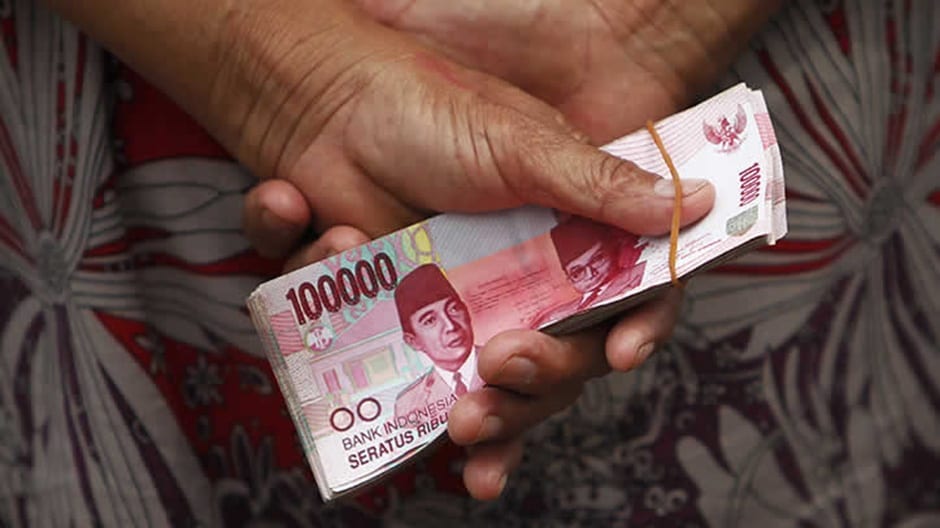
    Bank Indonesia will conduct three foreign-exchange swap auctions this week to ensure there is enough rupiah liquidity in the market following its benchmark interest rate hike, a senior official at the central bank said on Monday.

    Bank Indonesia raised its key rate, the seven-day reverse repo rate, by 25 basis points to 4.50 percent on Thursday last week to bolster the rupiah and stem capital outflows.

    The three Bank Indonesia swap auctions this week are more than the two conducted last week and the one conducted each week in April. Analysts say the increase in frequency could be a pre-emptive move to provide rupiah liquidity to banks before customers start taking cash for spending related to Ramadan and the Idul Fitri celebration.

    The overnight contract for the Jakarta Interbank Offered Rate (Jibor) rose to 4.22528 percent on average the following day, from 4.02500 percent.

    “Even though the seven-day reverse repo rate was hiked 25 basis points, we must maintain enough rupiah liquidity in the money market,” said Nanang Hendarsah, head of monetary management at Bank Indonesia. “With more FX swaps, there will be more rupiah liquidity.”

    Andry Asmoro, an economist at Bank Mandiri, said this measure is likely a part of the central bank’s policy mix where the central bank “wants to tighten to guard against volatility in the market, but on the other hand it also wants domestic liquidity to be stable.”

    Bank Indonesia’s currency intervention has caused rupiah liquidity to tighten. While its sovereign bond buying operations could sterilize this effect, Andry said the central bank has been less active with these operations.

    Late last month, Bank Indonesia Governor Agus Martowardojo announced that the central bank would increase the auction frequency to twice a week from once a week, amid increasing open market intervention to shore up the rupiah.

    The rupiah has been under pressure in past weeks as United States Treasury yields rose and the dollar rallied. The currency continued to fall despite Bank Indonesia’s rate hike and on Monday it softened further to trade at 14,195 to the dollar, its weakest since October 2015.

    Under the auctions, the central bank swaps rupiah funds with commercial banks’ foreign-currency holdings for a period, which allows the banking system access to extra liquidity.

    Nanang said Bank Indonesia will review whether to conduct two or three FX swap auctions each week, depending on market conditions.

    So far this month, Bank Indonesia has sold swap contracts worth nearly $2.7 billion, mostly with one-month and three-month tenors.

    Prior to this, the central bank had not sold any FX swap contracts this year, either because there were no bids in the auctions or because it had refused all bids, according to its website.

  • US says trade war with China ‘on hold’

    US says trade war with China ‘on hold’

    The US trade war with China is “on hold” after the world’s largest economies agreed to drop their tariff threats while they work on a wider trade agreement, US Treasury Secretary Steven Mnuchin said today.

    Mnuchin and US President Donald Trump’s top economic adviser, Larry Kudlow, said the agreement reached by Chinese and American negotiators on Saturday set up a framework for addressing trade imbalances in the future.

    “We are putting the trade war on hold. Right now, we have agreed to put the tariffs on hold while we try to execute the framework,” Mnuchin said in a television interview.

    On Saturday, Beijing and Washington said they would keep talking about measures under which China would import more energy and agricultural commodities from the US to close the US$335 billion (RM1.33 trillion) annual US goods and services trade deficit with China.

    During an initial round of talks earlier this month in Beijing, Washington demanded that China reduce its trade surplus by US$200 billion. No dollar figure was cited in the countries’ joint statement on Saturday.

    Commerce Secretary Wilbur Ross planned to go to China, Mnuchin and Kudlow said.

    “He’s going to be looking into a number of areas where we’re going to have greatly significant increases,” including energy, liquefied natural gas, agriculture and manufacturing, Kudlow said in an interview with ABC’s “This Week.”

    Mnuchin said the US expects to see a big increase of between 35% and 40% in agricultural exports to China and a doubling of energy purchases over the next three to five years. “We have specific targets. I am not going to publicly disclose what they are. They go industry by industry.”

  • Most Southeast Asia stocks end lower; Indonesia posts 11-month closing low

    Most Southeast Asia stocks end lower; Indonesia posts 11-month closing low

    Most Southeast Asian stock markets reversed early gains to end lower on Monday with Indonesia marking its lowest close in more than 11 months while Vietnam shed 2.5 percent.

    Jakarta’s main index closed at its lowest since June 2017, with banking stocks bearing the brunt.

    Bank Rakyat Indonesia ended 6.1 percent lower, while Bank Negara Indonesia lost 3.6 percent.

    Bank Indonesia said it would conduct three foreign exchange swap auctions this week to ensure there is enough currency liquidity in the market after it hiked its benchmark interest rate last week to support the rupiah and plug capital outflows.

    “As the U.S. continuously raises interest rates, it’s impacting a lot of emerging markets, such as Indonesia. Hence, the central bank has to raise interest rates to stamp out capital outflows,” said Joel Ng, analyst at KGI Securities.

    The index of the country’s most liquid stocks shed 1.3 percent.

    Vietnam ended 2.5 percent lower, with real estate and financials leading the fall. Vingroup Joint Stock was the biggest drag on the index, closing 7 percent lower.

    “Foreign selling recently has hit Vietnam harder. We went up a lot in the first quarter, so the impact of profit-taking is greater now,” said Fiachra Mac Cana, head of research at Ho Chi Minh Securities.

    Singapore nudged up 0.54 percent to end at a one-week high, while Thai stocks gained for a third straight session.

    Petroleum explorer PTT Exploration and Production closed 3.4 percent higher, while Kasikornbank gained 2.4 percent.

    Thailand saw its fastest economic growth in five years in the first quarter, boosted by strong exports and tourism, plus a slight firming in private consumption.

  • Malaysia’s 2018 economic growth expected to remain above 5%

    Malaysia’s 2018 economic growth expected to remain above 5%

    Malaysia’s first quarter (1Q18) gross domestic product (GDP) growth came in at 5.4% year on year, lower than the consensus projection but AmBank Research is maintaining its 5.5% GDP growth for this year as it expects private consumption and the services sectors to continue to support growth together with other areas of business activities.

    “Apart from private consumption and services, we noticed that most of the other economic segments showed some loss of growth momentum. Still, our current 5.5% GDP growth for the full year remains, as we expect private consumption and services sectors will continue to support growth together with other areas of business activities,” it said in a report.

    “With the announcement of the Goods & Services Tax removal, added with the potential reintroduction of fuel and electricity subsidies as well as the review of toll roads, these suggest that the underlying inflation will pick up gradually.

    “While our base case for OPR (Overnight Policy Rate) remains with a total of one rate hike by Bank Negara Malaysia (BNM) that took place in January with the OPR now at 3.25%, the probability for a second rate hike in September 2018 remains at a low 45%,” said AmBank.

    However, Kenanga Research has revised its 2018 GDP growth forecast to 5.1% in 2018 from 5.5% (2017: 5.9%), as it said the change in government will likely put a damper on private investment due to policy uncertainty and disrupted public spending, which pose downside risks to its GDP forecast going forward.

    “The only upside to growth could possibly be derives from higher private consumption following the government’s decision to scrap the Goods and Services Tax (setting its rate at zero from June 1) and take its time to implement the sales and services tax. External factors may also weigh on growth mainly the expectation that exports would continue to slow on the back of the slowing global demand for consumer electronics especially mobile devices.”

    Nonetheless, it said there could be offsetting factors if the government takes an aggressive approach to review major infrastructure projects. It then can prioritise or strategically delay projects that have high import content as it did in the 1990s. Less import could help boost net exports and support GDP growth.

    Kenanga expects monetary policy to remain accommodative. It said although the central bank has left interest rates unchanged since it raised the OPR in January, the outlook for monetary policy may have turned considerably uncertain following the change in government.

    “The biggest risk to the monetary policy outlook is that a post-election sharp decline in investment would exacerbate an economic slowdown. This may prompt BNM to loosen its monetary policy and cut interest rates. For now we are maintaining our view that the OPR will remain on hold until the end of the year.”

  • China agrees to import more from US, no sign of $200 billion figure

    China agrees to import more from US, no sign of $200 billion figure

    China has agreed to significantly increase its purchases of U.S. goods and services, the two countries said on Saturday, but made no mention of a $200 billion target the White House had touted earlier.

    Beijing and Washington agreed they would keep talking about measures under which China would import more energy and agricultural commodities from the United States to close the $335 billion annual U.S. goods and services trade deficit with China.

    A joint statement issued at the conclusion of intensive trade talks in Washington did not indicate whether the two countries would delay or drop their tariff threats on billions of dollars worth of each country’s goods, which has sparked fears of a wider trade war and roiled financial markets.

    “There was a consensus on taking effective measures to substantially reduce the United States’ trade deficit in goods with China,” the joint statement said.

    “To meet the growing consumption needs of the Chinese people and the need for high-quality economic development, China will significantly increase purchases of United States goods and services.”

    U.S. President Donald Trump has threatened to impose tariffs on up to $150 billion on Chinese goods to combat what his administration says is Beijing’s misappropriation of U.S. intellectual property through joint venture requirements and other policies that force technology transfers.

    Beijing denies such coercion and has threatened equal retaliation, including tariffs on some of its largest U.S. imports – among them aircraft, soybeans and autos.

    A report described the statement from the two governments as “vowing not to launch a trade war against each other.”

    While the statement said the two sides would engage at high levels and “seek to resolve their economic and trade concerns in a proactive manner,” it made no mention of tariffs.

    It said there was consensus between Washington and Beijing on the need to create “favorable conditions to increase trade” in manufactured goods and services. This could be a reference to China’s previous pledges to open up more economic sectors to services.

    U.S. LNG EXPORTS

    The United States will also send a team to China to work out the details of increased agricultural and energy exports, the countries said, without specifying timing.

    A senior U.S. official said that during discussions with a member of President Xi Jinping’s office, China was considering a package that relied on major purchases of U.S. liquefied natural gas, including a contract for a U.S. firm to build LNG receiving and processing facilities in China.

    The package, which also would include new commitments on intellectual property protections, could be agreed by a potential mid-year visit to Washington by China’s Vice President Wang Qishan, the official said.

    Trump made cutting the U.S. trade deficit with China a promise in his presidential campaign.

    During an initial round of talks earlier this month in Beijing, Washington demanded that China reduce its trade surplus by $200 billion – a figure most economists say is impossible to achieve because it would require a massive change in the composition of commerce between the two countries.

    IP VAGUENESS

    The statement was vague on the Trump administration’s core intellectual property complaints, saying that both countries “attach paramount importance to intellectual property protections … China will advance relevant amendments to its laws and regulations, including the Patent Law.”

    There are concerns among some legislators and trade experts that Trump could give priority to a narrower trade deficit over tackling what they say is China’s abuse of intellectual property rights. Any deal under which China would import more goods could easily be reversed, economists say.

    The statement made no mention of whether there would be a relaxation of paralyzing restrictions on Chinese telecommunications equipment maker ZTE Corp (000063.SZ) (0763.HK) imposed last month by the U.S. Commerce Department.

    The action, related to violation of U.S. sanctions on Iran, banned American companies from selling semiconductors and other components to ZTE, causing the Shenzhen-based company to cease operations.

    Earlier this week, Trump tweeted that he directed the Commerce Department to put ZTE back in business and said the company’s situation was part of an overall trade deal with China.

  • Bank of Indonesia Hikes Key Interest Rate to Boost Fragile Rupiah

    Bank of Indonesia Hikes Key Interest Rate to Boost Fragile Rupiah

    Indonesia’s central bank on Thursday (17/05) hiked its benchmark interest rate for the first time since November 2014, as expected, in a bid to bolster the fragile rupiah.

    Bank of Indonesia (BI) raised the 7-day reverse repurchase rate by 25 basis points to 4.50 percent. In 2016 and 2017 combined, BI cut the key by 200 bps to try to spur lending and faster economic growth.

    In a Reuters poll, 13 of 21 economists had predicted a rate at Thursday’s meeting, the last for Governor Agus Martowardojo.

    The governor, who will be succeeded by Perry Warjiyo later this month, said the hike was in response to rising global financial uncertainty amid tighter US dollar liquidity.

    “BI will continue to monitor economic developments and is ready to take firmer actions to ensure macroeconomic stability,” Agus said.

    In the month since BI last met on April 19 and said it would be an “overkill or counterproductive” to be raising rates, consensus expectations swiftly turned to see a rate rise as needed to put a floor under the falling rupiah.

    Southeast Asia’s largest economy is one of the region’s worst affected by the combination of rising US yields and higher oil prices, and has seen about $4 billion leave its markets over the past month as foreign investors review their exposure to higher-yielding emerging markets.

    The rupiah has fallen more than 5 percent to past 14,000 per dollar in four months as Indonesian 10-year bond yields jumped more than a percentage point over that period, and the stock market is down 8 percent this year.

    On Thursday, BI maintained its 2018 economic growth outlook at 5.1-5.5 percent and said that annual inflation would remain within its target range of 2.5-4.5 percent.

  • Bursa Malaysia opens lower

    Bursa Malaysia opens lower

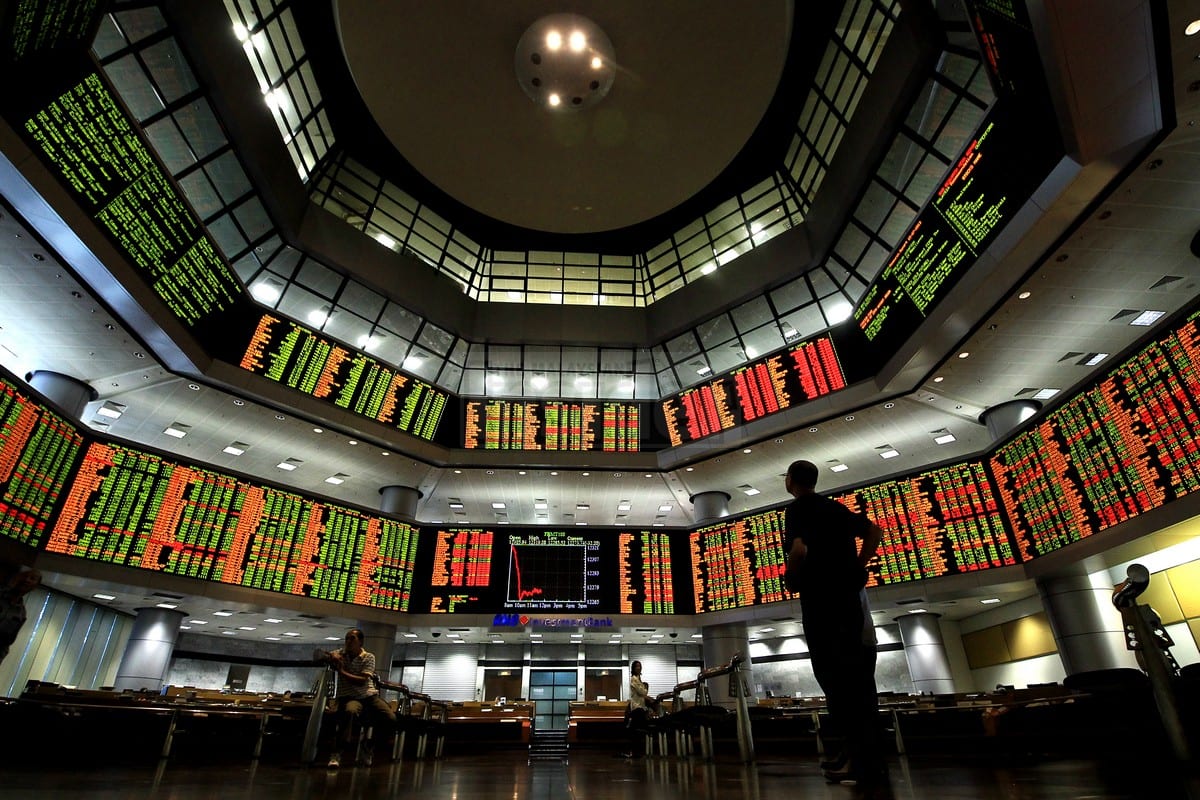
    Bursa Malaysia opened lower, extending yesterday’s losses on continued selling in selected heavyweights and in line with most regional peers, dealers said.

    At 9.17am, the benchmark FTSE Bursa Malaysia KLCI (FBM KLCI) was 6.01 points lower at 1,839.02 from Tuesday’s close of 1,845.03.

    The index opened 1.63 points weaker at 1,843.40.

    On the broader market, losers led gainers 202 to 137, while 183 counters were unchanged, 1,386 untraded and 20 others suspended.

    Volume stood at 185.91 million units valued at RM105.46 million.

    Public Investment Bank Bhd said the FBM KLCI may trade lower today as attention remains on Italian politics, with the benchmark sovereign debt yield turning around, as buyers re-emerged for the country’s 10-year paper.

    “On Wall Street, the S&P 500 gained as much as 0.3%, helped by signs the US-China trade war appeared to be abating, but suffered a late afternoon swoon to close 0.3% down for the day,” it said in a research note today.

    Among heavyweights, Maybank was two sen higher at RM10.90, Public Bank rose 22 sen to RM25.42, Petronas Chemicals improved one sen to RM8.44, while TNB shed 10 sen to RM15.24 and CIMB declined five sen to RM6.60.

    For actives, AirAsia X and Destini gained one sen each to 39 sen and 23.5 sen respectively, MyEG earned half-a-sen to 94 sen, while Hubline and PUC were flat at nine sen and 20.5 sen.

    The FBM Emas Index slid 38.07 points to 12,806.52, the FBMT 100 Index decreased 38.69 points to 12,609.62 and the FBM Emas Syariah Index dipped 81.97 points to 12,793.51.

    The FBM 70 lost 37.48 points to 15,068.35, but the FBM Ace advanced 1.60 points to 5,282.82.

    Sector-wise, the Finance Index was 30.89 points higher at 18,476.08, while the Plantation Index improved 4.71 points to 7,944.63 and the Industrial Index fell 18.83 points to 3,286.82.

    The physical price of gold as at 9.30am stood at RM159.97 per gramme, up 33 sen from RM159.64 at 5pm yesterday.

  • US slaps heavy duties on Chinese steel shipped from Vietnam

    US slaps heavy duties on Chinese steel shipped from Vietnam

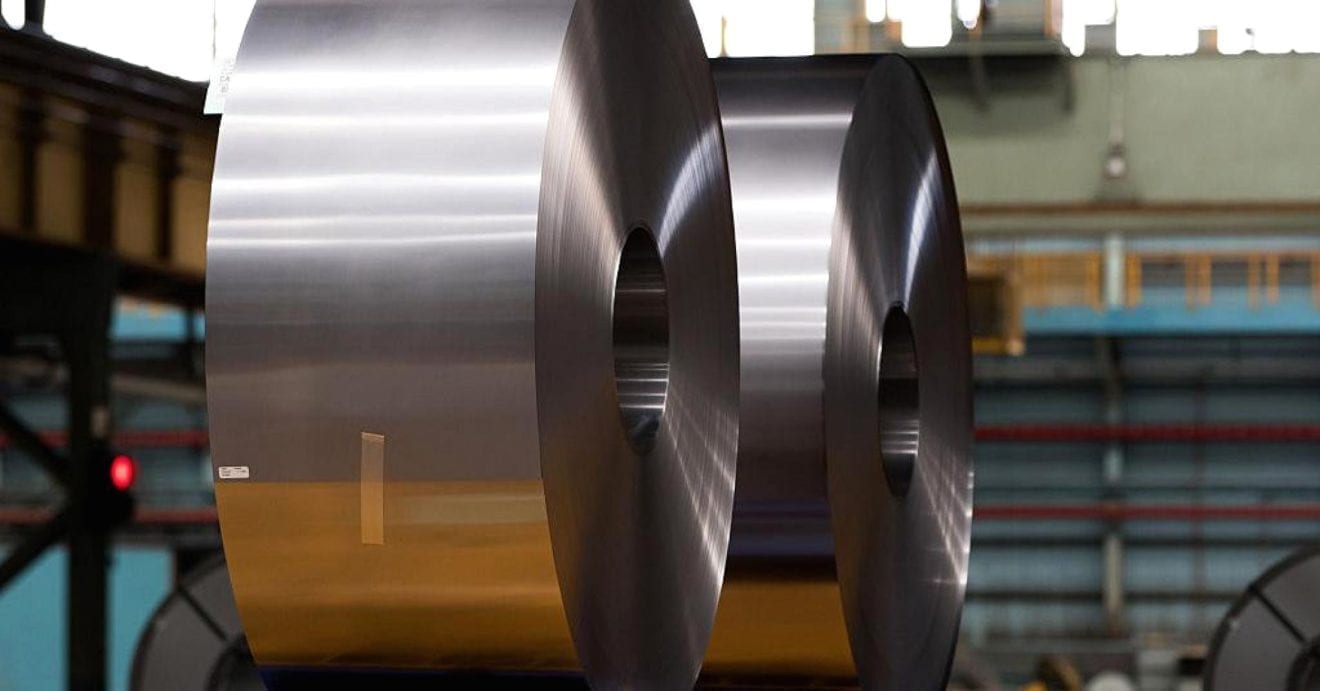
    The U.S. Commerce Department on Monday slapped steep import duties on steel products from Vietnam that originated in China after a final finding they evaded U.S. anti-dumping and anti-subsidy orders.

    The decision marked a victory for U.S. steelmakers, who won anti-dumping and anti-subsidy duties against Chinese steel in 2015 and 2016 only to see shipments flood in from elsewhere. The industry has argued that Chinese products are being diverted to other countries to circumvent the duties.

    U.S. customs authorities will collect anti-dumping duties of 199.76 percent and countervailing duties of 256.44 percent on imports of cold-rolled steel produced in Vietnam using Chinese-origin substrate, the Commerce Department said in a statement.

    Corrosion-resistant steel from Vietnam faces anti-dumping duties of 199.43 percent and anti-subsidy duties of 39.05 percent, it said.

    The department has said it would apply the same Chinese anti-dumping and anti-subsidy rates on corrosion-resistant and cold-rolled steel from Vietnam that starts out as Chinese-made hot-rolled steel.

    The duties will come in addition to a 25 percent tariff on most steel imported into the United States that resulted from the Trump administration’s “Section 232” national security investigation into steel and aluminum imports.

    Although the steel subject to the latest anti-dumping and anti-subsidy duties was processed in Vietnam to be made corrosion resistant or cold-rolled for use in autos or appliances, the Commerce Department agreed with the claims of American producers that as much as 90 percent of the product’s value originated from China.

    The global steel industry is struggling with a glut of excess production capacity, much of it located in China, that has pushed down prices.

    The decision followed a European Union finding in November that steel shipments from Vietnam into the EU also circumvented tariffs.

    The Commerce Department said that after anti-dumping duties were imposed on Chinese steel products in 2015, shipments of cold-rolled steel from Vietnam into the United States shot up to $215 million annually from $9 million, while corrosion-resistant steel imports rose to $80 million from $2 million.

    The case stems from a petition filed by U.S. producers ArcelorMittal USA, Nucor Corp, AK Steel Holdings Corp and United States Steel Corp alleging that Chinese producers began diverting their steel shipments to Vietnam “immediately” after the duties were imposed.

  • China’s Q2 GDP growth seen easing to around 6.7 percent

    China’s Q2 GDP growth seen easing to around 6.7 percent

    China’s economy will likely expand around 6.7 per cent in the second quarter this year, the State Information Center (SIC) said in an article in the state-owned China Securities Journal on Saturday.

    The forecast was slightly slower than the 6.8 per cent expansion posted in the first quarter. The SIC is an official think tank affiliated with the National Development and Reform Commission, the country’s top economic planning agency.

    April activity data released earlier this week suggested that the world’s second-largest economy is starting to lose some momentum, as analysts have long predicted, as the government continues a crackdown on riskier types of financing.

    While still expanding at a good clip, retail sales and fixed asset investment grew more modestly than expected while property sales fell for the first time in six months in the face of continued government curbs on speculation and rising mortgage rates.

    The lone bright spot was a rebound in industrial output, though the outlook for exporters is being clouded by trade frictions with the United States.

    The official think tank expects dollar-denominated exports to grow around 8 per cent in the second quarter versus a year earlier and imports to rise about 10 per cent.

    It forecast consumer inflation of around 2 per cent and expected producer price inflation would pick-up to about 3.8 per cent in the second quarter from a year earlier.

    The think tank suggested the government “maintain flexibility in macro economic policy and actively deal with trade frictions between the United States and China … to ensure a steady and healthy development of the country’s broader economy.”

    In the same article, the SIC said it expects China’s industrial output to grow about 6.6 per cent in April-June from a year earlier, with fixed-asset investment growth of around 7.2 per cent and retail sales seen rising about 10 per cent.

    China’s statistics bureau said this week that steady economic growth in April made a good foundation for achieving the full-year growth target.

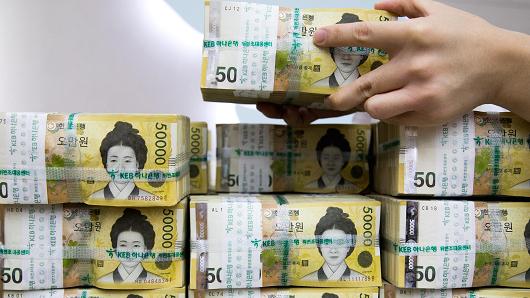
  • IMF applauds Korea’s currency transparency

    IMF applauds Korea’s currency transparency

    The International Monetary Fund on Thursday welcomed Korea’s decision to regularly reveal its currency market intervention records.

    Korea’s Finance Ministry said it would disclose the records starting in March 2019 to help remove unnecessary misunderstandings about the country’s currency market operations.

    “I welcome the Korean government’s decision to publish data on foreign exchange intervention,” Christine Lagarde, managing director of the IMF, said in a statement. “It delivers a strong message about commitment to a flexible exchange rate regime. This will enhance Korea’s inflation targeting regime by strengthening the credibility of the announced monetary policy objective and the anchoring of inflation expectations. A credible commitment to a flexible exchange rate also facilitates external and internal adjustment.”

    The disclosures of the net amount of U.S. dollars used for selling and buying by Korea’s currency authorities will be made within three months after a reporting period. Quarterly releases will begin following the third quarter of 2019.

    Seoul said earlier that the country is considering the detailed disclosure of its interventions in the foreign exchange market as part of a broader move to boost transparency and clear itself of suspicion of exercising undue influence on exchange rates.

    Korea’s financial authorities have persistently claimed they do not interfere in the foreign exchange market but engage in “smoothing operations” against extreme one-sided movements.

    In April, the United States kept Korea on its “monitoring list” but did not designate the country as a currency manipulator.

    Washington has vowed to aggressively keep tabs on and combat unfair currency practices, saying it cannot and will not bear the burden of an international trading system that, it claims, unfairly disadvantages American exports and gives an edge to its trading partners.

  • Vietnam to make $835 million on radical divestment bout

    Vietnam to make $835 million on radical divestment bout

    Drastic state divestment initiative

    The total revenue gained from state divestment activities in 2017 is expected to add at least VND19 trillion ($835.62 million) to the national budget. The above figure was calculated based on the par value of the portion of state capital that is expected to be withdrawn from 135 enterprises this year. However, the value calculated based on the price of shares on the stock exchange can go far beyond VND29 trillion ($1.28 billion).

    Among these, 26 enterprises are operating under the management of particular ministries and government bodies, 109 are local businesses, and four other businesses will be transferred to State Capital Investment Corporation (SCIC) for divestment.

    This is part of Decision No.1232/2017/QD-TTg approving the list of state-owned enterprises marked for divestment during 2017-2020, signed by Deputy Prime Minister Vuong Dinh Hue on behalf of the prime minister, dated August 17, 2017.

    However, this is not the final sum that the state can raise from divestment activities in 2017.

    Le Manh Hung, deputy director of the Enterprise Development Agency under the Ministry of Planning and Investment, said that the Decision No.1232/2017/QD-TTg adopted a drastic mechanism to not only accelerate the progress, but also improve the effectiveness of the work.

    “The prime minister has allowed ministries, related government bodies, and localities to speed up the execution of divestment plans and increase the rate of divestment compared with the approved annual minimum rate based on market developments and the actual situation at enterprises. The active role of ministries, government bodies, and localities to take action is clearly highlighted,” Hung commented.

    Moreover, the number of enterprises marked for divestment in the portfolio only illustrates the minimum target. Ministries and other government bodies may increase the number of enterprises to be divested earlier than planned for each year or propose additions to the list.

    “Apparently, the ultimate principles are still effectiveness, openness, and transparency. In particular, the total revenue from divestments at the end of the period must reach the goal approved by the prime minister,” Hung said.

    A challenging plan

    Looking at the divestment plan for 2017, great pressure is being placed on the shoulders of ministries, government agencies, and localities, especially the Ministry of Transport, the Ministry of Construction, the Hanoi People’s Committee, and the Bac Giang People’s Committee. These government bodies are in charge of divesting state capital in quite a number of businesses (around 7-17 enterprises) in about four months.

    Moreover, during the implementation of the plan for SOE restructuring from 2011 to 2015, the speed of state capital withdrawal had always been slow and could only meet requirements in enterprises with positive business performance.

    Meanwhile, several cases of divestment failed to follow market principles and were undertaken in many other forms, such as debt clearing or debt conversion into capital contribution.

    However, from a market standpoint, these numbers are not too challenging. Quite a lot of names are drawing great market interest. Investors are also keeping their money until a more appropriate rate of divestment is announced.

    Moreover, the principles of divestment have also been well-defined in accordance with market mechanisms. It is possible to divest these businesses in instalments several times, but the rate of divestment must lie in the range of 20-36 per cent of the total capital holding.

    This is the reason why the approved number of enterprises marked for divestment each year during 2017-2020 has surpassed the announced number of 375 enterprises.

    “Allowing ministries, sectors, and localities to actively follow market signals will attract more major investors and increase the feasibility and effectiveness of each sale. Of course, completing the plan remains a remarkable challenge which requires drastic efforts from ministries, related government bodies, and localities,” Hung openly admitted.

    Also, it must be added that the implementation of the divestment plan is part of the government’s goal to open up capital flows and boost growth. Hence, discipline is significantly prioritised.

    Thus, besides the divestment plan of 2017, other divestment plans in the coming years, especially in 2018, should be gradually activated from now to sustain the pace of progress.

    Valuable market opportunity

    It should be noted that the state’s capital holdings in the remaining 375 state-owned enterprises is worth approximately VND108.502 trillion.

    The list does not include other enterprises under the Ministry of Defence, the Ministry of Public Security, the Ho Chi Minh People’s Committee, SCIC, and other businesses which would perform divestments on their own as requested by the prime minister’s guidelines (Habeco, Sabeco, Central Transport Hospital…). It means the over-VND100-trillion ($4.4 billion) state-owned capital on the list to be sold in the upcoming period is just the minimum.

    It is worth saying that the first opportunity to transform and restructure the portfolio is not only significant, but also very profitable for both domestic and foreign investors who are interested in this market.

    This is the first time the government has published its investment portfolio and the proportion of state capital in SOEs to be sold. In addition, the 2016-2020 equitisation plan approved in Decision No.58/2016/QD-TTg has also been published with the book value of the recovered state equity reaching over VND296 trillion ($13.02 billion). Investors can clearly perceive the need to restructure the state’s portfolio of assets to prepare resources for replacement strategies.

    Investors, however, were not provided with sufficient data to grasp the opportunities offered during the previous bout of state-owned enterprise restructuring, as divestment activities were carried out individually without guidance from an overall portfolio.

    Also, this divestment plan is quite different from the state divestment strategies usually mentioned in 2011-2015. In this period, state-owned corporations and economic groups were forced to divest their investments into five sensitive sectors (real estate, securities, finance-banking, insurance, and investment funds), meaning the sales revenues might be kept in state-owned enterprises. These divestment activities only changed the investment portfolio of SOEs.

    However, this time, together with the promotion of SCIC’s divestment of state capital in equitised firms, the divestment of the remaining state-owned enterprises will actually change the state’s portfolio of assets. In addition, this time, the state seeks to sell its stakes to raise revenue for the national budget, which will be allocated to public investment projects in turn, whereas the revenues from previous divestments could have been held back in the enterprises and might eventually increase the proportion of state capital in the business.

    Inevitably, the distribution of asset accumulation by economic sectors will follow a direction in which the private sector will continue to expand.

    “This is one of the goals pursued by restructuring of state-owned enterprises. This is also the message that the market is waiting for,” said Nguyen Dinh Cung, director of the Central Institute for Economic Management.