Category: Finance

Retail News Asia is committed to providing both local and global retailers with the latest Finance news throughout the Asian market. This on a daily base.

  • EQUIP GLOBAL’S Accounts Payable & P2P Asia Summit Returns to Singapore in July!

    EQUIP GLOBAL’S Accounts Payable & P2P Asia Summit Returns to Singapore in July!

    The common issues found in most companies’ Accounts Payable & Purchasing departments are manual data entry, manual routing of invoices, a lack of visibility in the accounts payable & purchasing processes, and the challenges faced with the management of high volume of hardcopy invoices. Whilst P2P transformation and automation will alleviate a lot of challenges faced, there is still resistance in the adoption process and proven practices on how this can be best achieved.

    The 5th Accounts Payable and P2P Asia Summit returns to Singapore on 31st July to 3rd August 2018 with more strategic case studies specially designed for Heads, Senior Managers, Executives, Analyst in Accounts Payable, Purchasing, Procurement or Procure-to-Pay (P2P). The summit is a 4-day program that focuses on proven strategies in the design and implementation of P2P transformation and the alignment of various departments’ processes and policies to achieve better operational efficiency.

    Expect to hear case studies on how leading companies streamline processes, reduce costs of AP operations, best practices to digitize and automate AP processes so that they are fully integrated within the purchasing processes to help their organizations decrease the time needed for approval process and payment of invoices, eliminate overspend, avoid tax, fraud and regulatory accounts payable risks, transformation best practices and the key considerations and criteria companies should undertake to integrate automation.

    For more information, please visit our website or email us at [email protected] now!

  • Payment security is paramount as Asia Pacific strives to become the global leader in cashless transformation

    Payment security is paramount as Asia Pacific strives to become the global leader in cashless transformation

    The importance of payments security was reinforced today at the Visa Asia Pacific Security Summit as the region is poised to lead the global transformation from cash to digital payments.

    Urbanization and increasing mobile usage are driving the appetite for digital payments across Asia Pacific. Half of the region’s population lives in towns and cities, and more than two thirds (1.3 billion) of the 1.9 billion internet users in Asia Pacific access the internet via their smartphones.

    Asia Pacific is an US$11 trillion market in terms of payment volume. Currently, more than half (55 percent), of all transactions are still cash, meaning there is a US$6.1 trillion cash opportunity waiting to be converted into digital payments.

    While new innovations are set to enhance the payments experience for consumers, security and maintaining the integrity of the payments system is key to growing commerce. The fast-changing payments ecosystem will require security measures that do not come at a cost of convenience for both customers and merchants.

    Joe Cunningham, Head of Risk Asia Pacific Visa, said: “Payments security and convenience were once considered opposing forces. Not anymore. We have reached a point where security is embedded in the process. It doesn’t come at the cost of convenience but, rather, it enables innovation.

    “Visa is committed to ensuring our network operates at the highest level of security available and will continue to steer the industry towards the adoption of strong technologies based on industry-standards such as EMV chip, tokenization and point-to-point encryption.”

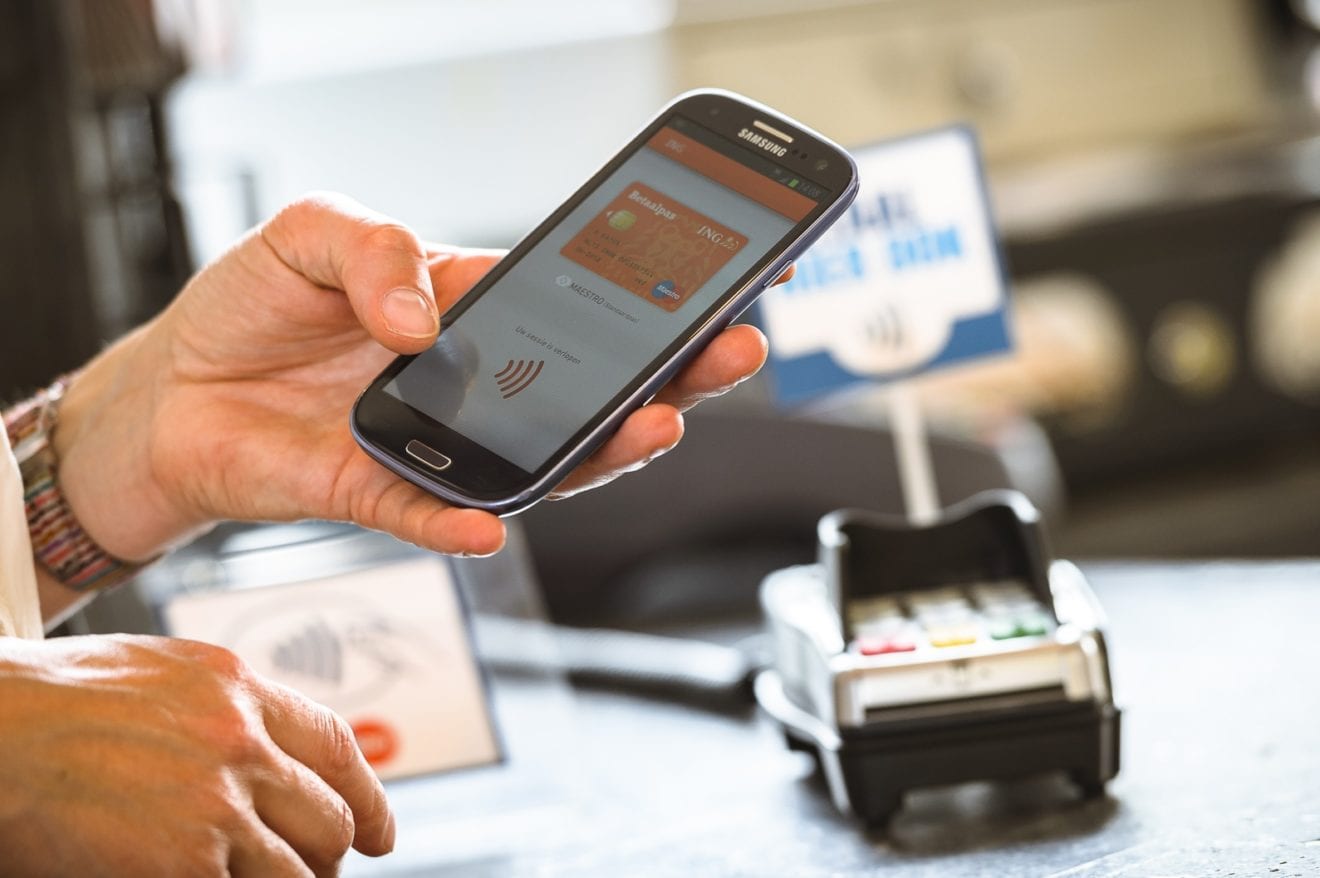
    Closer to home in Thailand, around 75 percent of all transactions are still cash. However, the increased adoption of mobile and contactless payments technology will see electronic payments continue to penetrate into everyday payment segments like supermarkets, coffee shops, and cinemas, reducing the reliance on cash.

    Visa also reinforced the importance of taking a standards-based approach to innovation and applying a consistent set of principles for security, reliability and interoperability.

    “Visa advocates a standards-based approach to new innovations so all stakeholders in the ecosystem can benefit and participate. We want to promote standards that make it easier for all parties in the payments ecosystem to adopt and deploy new technologies that meet the highest security standards,” added Mr. Cunningham.

  • ETF Conference to be held in Shanghai

    ETF Conference to be held in Shanghai

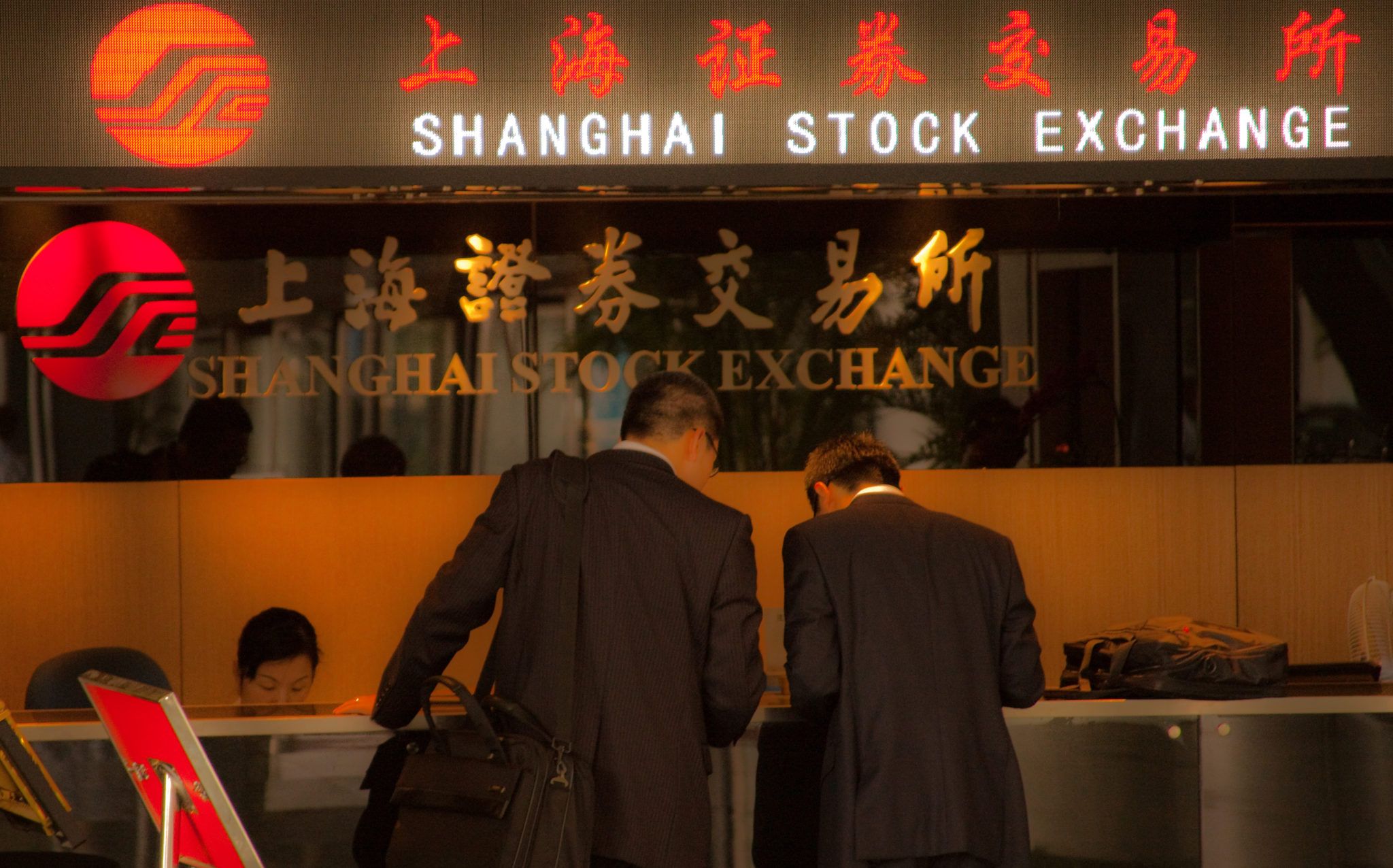
    Shanghai Stock Exchange has distributed “Stock Share Option Industry Report” to its securities members. Report noted, in January 2018, Shanghai Exchange 50 ETF, daily deal has reached 1.29 million, with an increase of 13.74%, the highest trading day since the establishment of SH50ETF.

    One of the Private Equity Investors disclosed, with the climb in price of SH50ETF in 2017, funds are coming in from everywhere. Staring at the in-market ETF Share Option. Some of the Quantitative funds has been join in the game to look for a share of the profit.

    With the increase interest from the investors, SH50ETF has progressed itself. By the end of January, there are more than 260 thousand investor accounts. With 2126 new broker accounts. With 84 securities, 23 CTA brokers. ETF in China will be, also soon to be one of the largest in the world.

    CaishiV will be hosting the 2nd Real Estate Equity Investment & REITs, with support from our long-term partners, such as AIMA, CFA, CHFA and CAIA. For the past years, CaishiV have managed to reach out to more than 5000 management positions, company leaders and industry leaders. They provide the industry leading conference management. There will be top investors, firms and fund managers, rounding 400 attendees across the industry.

    In 2018, the event topics will be: The Future of Smart Beta, Thematic ETFs will Play a Big Role in 2018, Bitcoin ETF, Will ESG ETF Do a good job in emerging markets, Gold ETF and Bond ETFW, Quantitative investment in ETF; Equity ETF – How to Actively Manage You, Equity Portfolios, Data Mining + Tech Innovation, AI in ETF, Should We Add Blockchain Inside, What Kind of Strategy will be Most Attractive in Emerging Markets; Cross-border ETF Investment, Profit form Global ETFs…

    To learn more, please go to nextetf.com/index.php/en/index.html. Or contact [email protected].


  • BRI Syariah Floats 2.6bn Shares for Rp510/unit

    BRI Syariah Floats 2.6bn Shares for Rp510/unit

    Bank BRI Syariah has been listed as an issuer at the Indonesia Stock Exchange today, May 9. With the code BRIS, BRI released more than 2.6 billion new shares or 27 percent of its paid up capital.

    BRIS IPO price was set at Rp510 per share. The SOE Ministry’s deputy for restructuring and business development said BRI Syariah is the first sharia issuer to be listed at the IDX.

    “With the price, BRI Syariah managed to be oversubscribed twice,” president director Moch. Hadi Santoso said here on Wednesday.

    BRI Syariah is the subsidiary of Bank Rakyat Indonesia established in November 2008. As of March 2018, BRI Syariah’s assets amounted to Rp94.7 trillion.

    Hadi said the IPO proceeds will strengthen the company’s capex and help BRI Syariah included in the BUKU III banks category.

  • Bank Negara seen to keep interest rate on hold after surprise poll result

    Bank Negara seen to keep interest rate on hold after surprise poll result

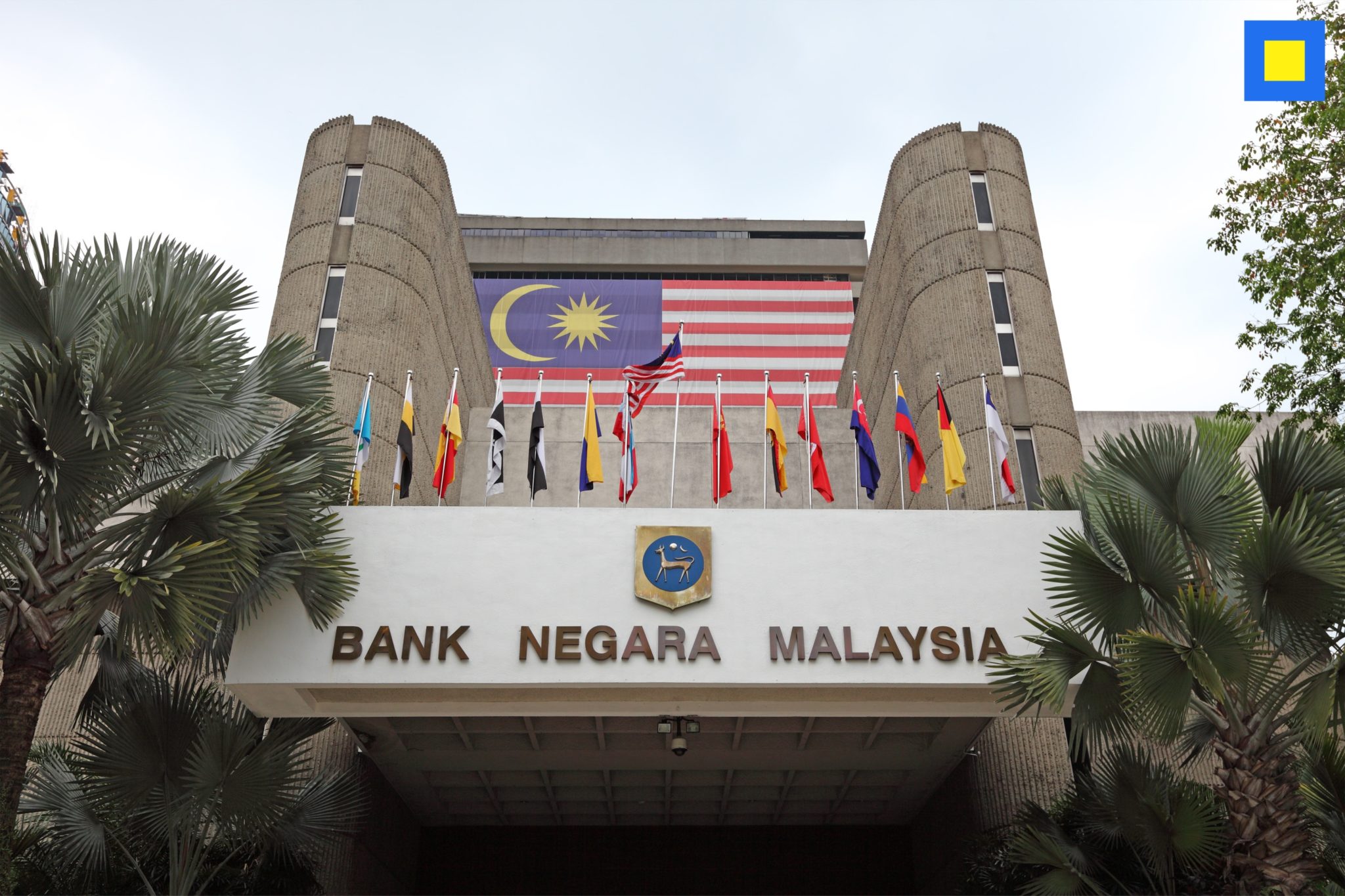
    Malaysia’s central bank is set to keep interest rates unchanged on Thursday, providing policy stability after the shock election victory of Tun Dr Mahathir Mohamad. All 18 economists surveyed by Bloomberg before Wednesday’s poll had forecast Bank Negara Malaysia will hold its benchmark rate at 3.25 percent. Economists at Nomura Holdings Inc. and Maybank Kim Eng Research Ltd. retained their calls after the vote outcome.

    The central bank said on its website it will release its policy statement as scheduled at 3pm.

    “Given this shock result, they’re going to be looking at how this will impact growth and I think there is a lot of downside,” said Euben Paracuelles, an economist at Nomura Holdings Inc. in Singapore.

    “Any follow up rate hike is going to be very unlikely.”

    The central bank moved early with a rate hike in January and can afford to hold off on further tightening in the face of a global sell-off in emerging markets in recent weeks.

    Inflation eased to 1.3 percent in March, the slowest pace since July 2016, with a stronger currency since last year helping to ease price pressures.

    The government had forecast inflation will average 2.5 percent to 3.5 percent this year.

    Rising oil prices and a slide in the currency in recent weeks are clouding the outlook. Added to that is a booming economy, which the central bank has forecast could grow as much as 6 percent this year.

    While Bank Negara probably won’t make direct reference to the election in its statement, the result has a bearing on the economy’s outlook.

    Investors are seeking policy continuity, with a focus on sustaining strong economic growth, curbing the budget deficit and managing market risks.

    Mahathir has pledged to scrap a contentious goods-and-services tax within 100 days in power. Financial markets are closed Thursday and Friday after the government declared public holidays.

    Market Risks

    Malaysia is one of the least affected of emerging markets globally from financial volatility amid a stronger dollar and a pick-up in U.S. interest rates.

    The benchmark stock index climbed to a record in April, helped by foreign inflows, and while the ringgit has taken a knock in recent weeks, it’s still up more than 2 percent against the dollar this year.

    Neighbors like the Philippines and Indonesia have suffered stock outflows and currency slumps that are among the worst in Asia.

    The Philippines is set to raise interest rates later on Thursday, which would the first hike since 2014, while Indonesia’s central bank has also said it’s prepared to move to help restore confidence in the currency.

  • National Payment Gateway could burden banks, consumers

    National Payment Gateway could burden banks, consumers

    The National Payment Gateway (GPN) may burden both consumers and banks as Bank Indonesia (BI) requires all bank customers to have at least one GPN card,  the University of Indonesia’s Institute for Economic and Social Research (LPEM UI) has said.

    LPEM UI researcher Chaikal Nuryakin said on Wednesday that based on BI’s target, following the issuance of Article 43 of BI Regulation No. 19/10/PADG/2017, 100 million GPN cards needed to be issued.

    “The problem is that the GPN cards cannot be used for transactions abroad. Some customers will have it but they leave it dormant while the administration cost will be incurred,” he said during a press conference in Jakarta.

    LPEM UI’s study found that at least 22.5 million cards out of 100 million would be dormant and that it would cost banks Rp 585 billion (US$41.54 million) to issue the 22.5 million cards.

    “It would be better if BI loosened the regulation so that GPN cards were optional. So it is up to customers whether or not they want to have it,” Chaikal said.

    This was because GPN cards could only be used for domestic transactions and could not be embedded with foreign switching companies such as Visa and Mastercard, he added.

  • Vietnamese government fines illegal Bitcoin trading site

    Vietnamese government fines illegal Bitcoin trading site

    The firm claimed to have a license to trade the cryptocurrency, but was hit by a $1,750 fine. Vietnam’s information ministry has fined a company that claimed to be the first website to be certified to exchange bitcoin in Vietnam for illegal social networking and setting up an illegal site.

    Bitcoin Vietnam, which is based in District 4, Ho Chi Minh City, received a VND40 million ($1,750) penalty from the Vietnam Radio, Television and Electronic Information Department under the Ministry of Information and Communications.

    Nguyen Tran Bao Phuong, the legal representative for Bitcoin Vietnam, said they were looking into the charges.

    The company is in a transition period, so its business registration code had been revoked before the decision was made, she said .

    “Bitcoin Vietnam is a cryptocurrency exchange. We do not yet have a license to offer intermediate services, but we are not operating illegally. The company is closely following any new regulations about Bitcoin, and is willing to comply with any new law,” Phuong said.

    The company opened in 2013 and is certified to buy and sell Bitcoin, according the company’s website.

    However, in a recent interview, a representative admitted that the company’s license is only for “financial advisory” purposes.

    Over the last four years, the company has launched a number of websites such as bitcoin.vn and vbtc.vn.

    The State Bank of Vietnam does not recognise virtual currencies as a legal form of payment, and distribution or use of digital currencies is not protected by law.

  • Supernova selects Worldpay for cross-border payments in over 160 countries

    Supernova selects Worldpay for cross-border payments in over 160 countries

    Worldpay, Inc. a global leader in payments, has been selected by Supernova, a growing eCommerce company providing innovative health, beauty and fitness products, to help them improve user experience and drive global expansion across its four major brands: BodyBoss, Sand & Sky, SkinnyMint and Coco & Eve.

    To support its growth, Supernova needed an experienced partner to help it manage the complexities of trading cross-border and enhance fraud protection on high value products. Worldpay is helping Supernova by providing a single integration point for credit and debit cards, and other alternative payments; including online payment gateway; fraud, risk, and treasury management services.

    By using Worldpay’s payment pages, Supernova has access to the world’s most popular payment methods in over 30 languages – all of which may be used across multiple devices to increase online conversion. The innovative retailer now offers more than 10 popular alternative payment methods to its consumers, including Alipay, UnionPay, JCB, POLi, SOFORT, and iDEAL – with plans to switch on even more payment options in future.

    Since selecting Worldpay, the lifestyle brand has seen online conversion rates increase from 72% to 95%, along with a significant uplift in cross-border sales. This was achieved by matching the innovative retailer’s company presence in different markets, to Worldpay’s global network, allowing them to quickly and seamlessly route payment transactions across country borders.

    Alex Ostrowski, Co-founder at Supernova said, “We are an ambitious company firmly focused on providing the very best products and services to enhance the lives of our customers across the world. We needed a payments partner who would support our growth plans and understood our customers, who could deliver the best possible purchasing and aftercare experience, regardless of where they are shopping. Worldpay allows us to offer a growing number of emerging payment options, which helps our customers buy our products and allows us to provide a consistently personalised shopping experience in all the markets we operate in.”

    Phil Pomford, General Manager for Asia-Pac, Global Enterprise eCommerce at Worldpay said: “We are delighted to be working with Supernova, a fast growing and exciting lifestyle brand, to provide reliable and efficient cross-border online payments across its brand portfolio. Having a single payment provider makes international expansion quicker and simpler for global businesses, and the breadth of payment methods and currencies we offer removes the complexities of trading overseas. We look forward to continuing this partnership and supporting Supernova as the business goes from strength to strength.”

  • Vietnam tightens control over cryptocurrencies

    Vietnam tightens control over cryptocurrencies

    The central bank has cited tax evasion, fraud and money laundering as the reason for the move. The State Bank of Vietnam has directed banks and payment organizations to remain vigilant and keep a watch over all cryptocurrency-related activities.

    The directive follows a cryptocurrency ponzi scheme operated by a Vietnamese IT firm that made headlines last week for allegedly scamming investors out of VND15 trillion ($650 million).

    Tax evasion, fraud and money laundering were cited as the reasons for the directive.

    Vietnam’s financial and payment organizations are not allowed to provide cryptocurrency transaction services such as credit cards or currency conversion or transfer, the directive stated.

    The same organizations have been instructed to report any cryptocurrency transactions and take measures to deal with such cases in accordance with Vietnamese law.

    The State Bank also told its branches to cooperate with government agencies to develop a legal framework to deal with the distribution and transaction of cryptocurrencies.

    The IT firm that came under fire and sparked the move was Modern Tech, based in HCMC. The company is alleged to have held several conferences to encourage participants to invest in its cryptocurrencies, iFan and Pincoin.

    According to the disgruntled investors, the virtual currencies had operated in a similar way to a multi-level business model, or pyramid platform.

    In the beginning, Modern Tech paid investors via bank transfers. However, it quickly switched to using its own virtual currencies, while at the same time increasing its minimum investment limit, forcing investors to pour more money in.

    At the end of 2017, when interest payments started to come in late, investors started to catch wind of what was happening and staged a protest in front of the firm’s headquarters in HCMC.

    Modern Tech representatives have not responded to the accusations, and its founders have remained off the radar.

  • Vietnam’s HDBank to absorb PGBank

    Vietnam’s HDBank to absorb PGBank

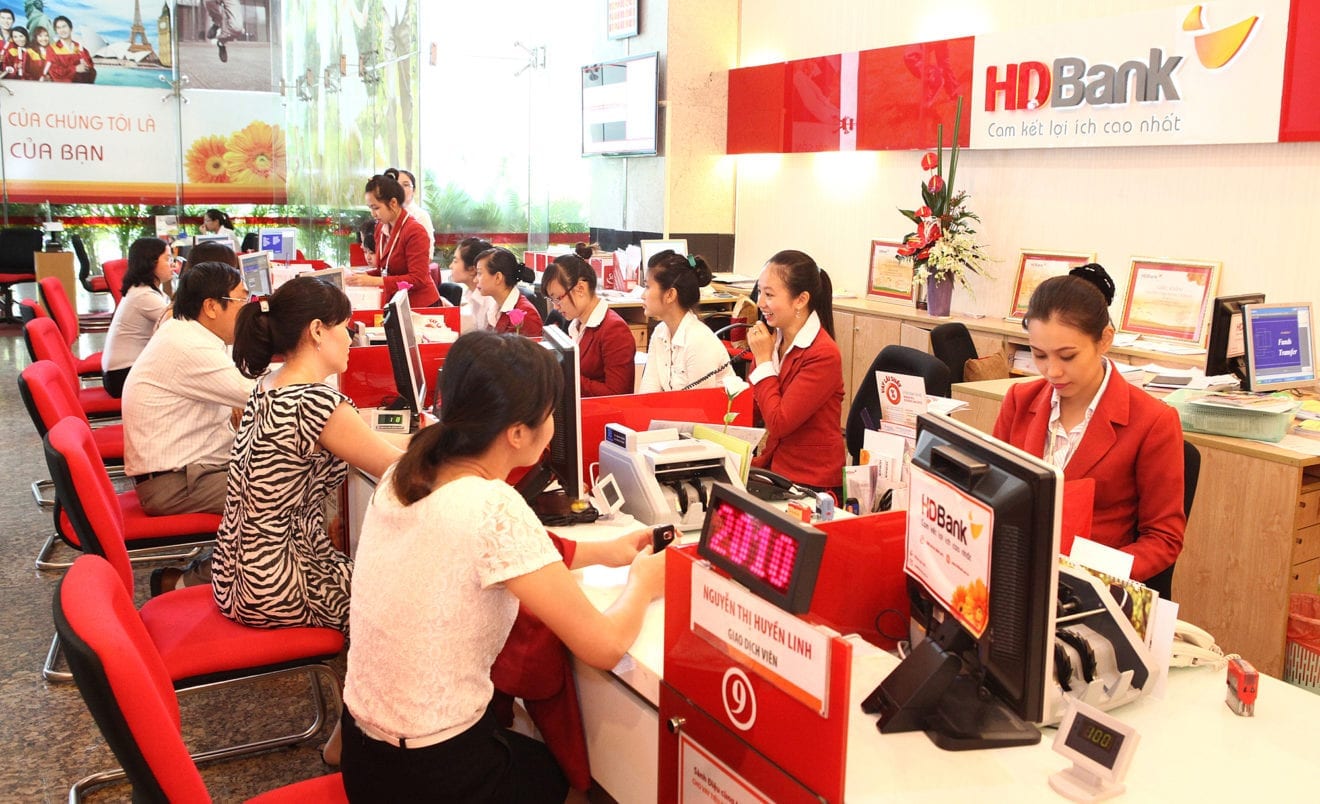
    Each share of PGBank will be converted into 0.621 HDBank share. Vietnam’s Ho Chi Minh City Development Joint Stock Bank, better known as HDBank, said its shareholders approved on Saturday a plan to merge with the unlisted Petrolimex Group Commercial Joint Stock Bank as it seeks to expand operations in the country.

    The merger is scheduled to take place by August this year, the bank said in a statement.

    Each share of Petrolimex Group Commercial Joint Stock Bank, or PGBank, will be converted into 0.621 HDBank share, it said, adding that HDBank will issue 300 million new shares for the conversion.

    The merger will enable HDBank to expand its client base, including with Vietnam National Petroleum Group, which holds a 40 percent stake in PGBank and a share of around 50 percent of Vietnam’s retail-transport fuel market.

    The shareholders also approved a pretax profit target of VND3.92 trillion ($172.15 million) for this year, a 62.2 percent increase from last year.

    HDBank, a retail bank whose vice chairwoman is Nguyen Thi Phuong Thao, the billionaire founder and chairwoman of Vietjet Aviation, is targeting to grow total assets to VND242.87 trillion by the end of this year, up 28.3 percent from end-2017.

    HDBank, which listed its shares on the Ho Chi Minh Stock Exchange in January following a $300 million IPO in November, reported pretax profit of 1.045 trillion dong in the first quarter this year, up 170 percent from a year earlier. ($1 = 22,771 dong)

  • HSBC’s big push into Asia

    HSBC’s big push into Asia

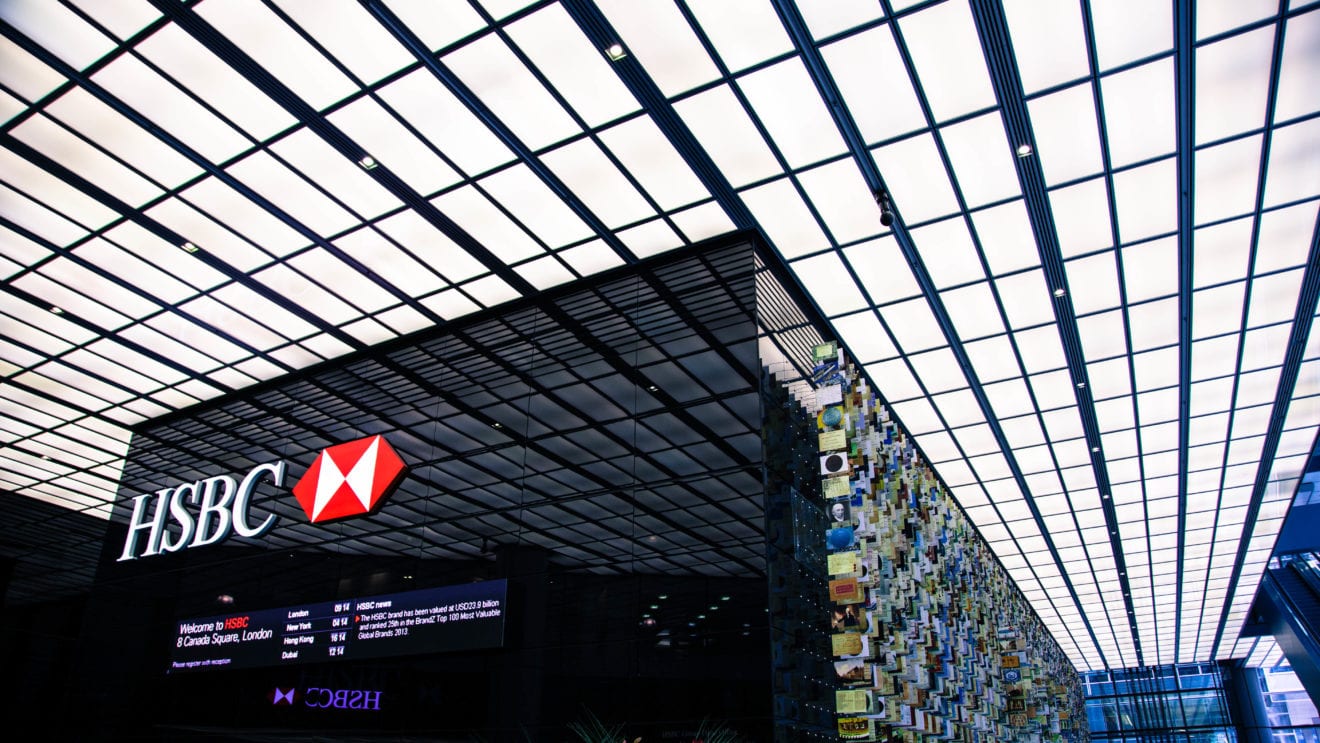
    HSBC’s adjusted pre-tax profit of $6,033m for the first quarter is in many senses disappointing. It was down 3% from a year earlier and fell short of analysts’ estimates. From an Asian perspective, however, HSBC’s Q1 financial results highlight the scope of its expansion in the region – growth which has also contributed to its rising cost base. If you’re thinking about applying to HSBC in Asia, here’s what its latest numbers tell us about jobs at the bank.

    Asia generated $4,756m in adjusted profit before tax in Q1, up 8% from a year earlier. By contrast, Europe’s contribution to profit fell 72% to $222m over the same period, while North America’s declined 16% to $438m. Asia now accounts for 79% of HSBC’s profit. This suggests that the firm is doubling down on its pivot to Asia (and to China in particular), a strategy that seeks to redeploy $100bn or more of assets into the region. HSBC announced the plans in 2015, adding that it would hire 4,000 staff in the Pearl River Delta region in southern China, although it still faces strong competition from local banks there.

    HSBC is hiring investment bankers in China…

    HSBC Qianhai Securities, the first joint-venture securities company in mainland China to be majority owned by a foreign bank, has been hiring in the first quarter. HSBC made “made strategic hires in our securities joint venture in mainland China”, group chief executive John Flint, said in a statement within the bank’s financial report, without elaborating. Qianhai, which was launched in December, already has licences to offer equity and debt sponsoring and underwriting, equity research and brokerage of locally-listed securities, and domestic and cross-border M&A advisory. First quarter investment in Qianhai contributed to rising costs at HSBC, Flint said.

    HSBC is hiring more technologists, product managers, developers and content producers as it expands its digital-banking team in Hong Kong, its main digital development centre alongside London. This expansion appears to have continued into Q1. Flint said in his statement that the bank has “invested to enhance our digital capabilities in all our global businesses”.

    HSBC’s Asian private bankers are getting more productive

    HSBC’s Global Private Banking division makes up just 2% of its profits globally, but it is expanding in Asia, particularly in Hong Kong. Revenue in the division increased by $45m or 10%, “mainly in Hong Kong, as higher investment revenue reflected increased client activity, and deposit revenue increased as we benefited from wider spreads”. Although HSBC’s report doesn’t reveal regional revenue or profit figures for GPB (or other divisions), it does disclose client assets. First-quarter AUM in Asia rose 18% year-on-year to $131bn. But while rivals – from UBS to UBP – have been aggressively hiring in the sector, HSBC’s headcount of relationship managers in Asia stayed static at 470 last year, according to Asian Private Banker. The AUM increase suggest that HSBC’s existing RMs are becoming more productive.

    The first quarter was also a fruitful one for RMs working in wealth management in Asia. Their unit (which serves clients who aren’t rich enough to use the private bank and is part of HSBC’s wider Retail Banking and Wealth Management division) saw its global income rise 27% year on year to $1,829m. The increase “was primarily in investment distribution, reflecting higher sales of retail securities and mutual funds in Asia, following increased investor confidence”.

    Like their counterparts at rival Asia-focused banks Standard Chartered and DBS, Asian transaction bankers performed well at HSBC in Q1. Revenue within the Commercial Banking division increased by $0.3bn or 10%, notably in global liquidity and cash management, as HSBC “benefited from wider deposit spreads in Hong Kong and mainland China”. Credit and lending revenue also increased in Hong Kong.

  • Most Yum payments via mobile now

    Most Yum payments via mobile now

    Mobile payments accounted for 56 per cent of Yum China Holdings first-quarter sales, up from 31 per cent 12 months earlier.

    Unaudited results for the period show the fast-food giant’s total revenues grew 15 per cent year over year to US$2.2 billion (6 per cent if foreign currency translation excluded). Total system sales grew 6 per cent, with 9 per cent growth at KFC partially offset by 1 per cent decline at Pizza Hut, excluding foreign exchange.

    Same-store sales grew 3 per cent, with an increase of 5 per cent at KFC partially offset by a 5 per cent drop at Pizza Hut, excluding foreign exchange.

    Restaurant margin was 17.9 per cent, compared with 20.4 per cent in the previous year.

    Operating profit grew 33 per cent to $395 million, while net income grew 41 per cent to $288 million.

    During the quarter, the company completed the acquisition of an extra 36 per cent equity interest in an unconsolidated affiliate, Wuxi KFC, for cash consideration of about $98 million, taking its stake to 83 per cent.

    Also during the quarter the group opened 203 restaurants, taking its total store count to 8112 across more than 1200 cities.

    Online delivery contributed 16 per cent to company sales, up from 13 per cent 12 months earlier. Delivery services are now available in 970 cities, up from 700.

    At the end of March, the KFC loyalty program had more than 120 million members while that for Pizza Hut had about 40 million members.

  • FavePay reaches 2 million customers

    FavePay reaches 2 million customers

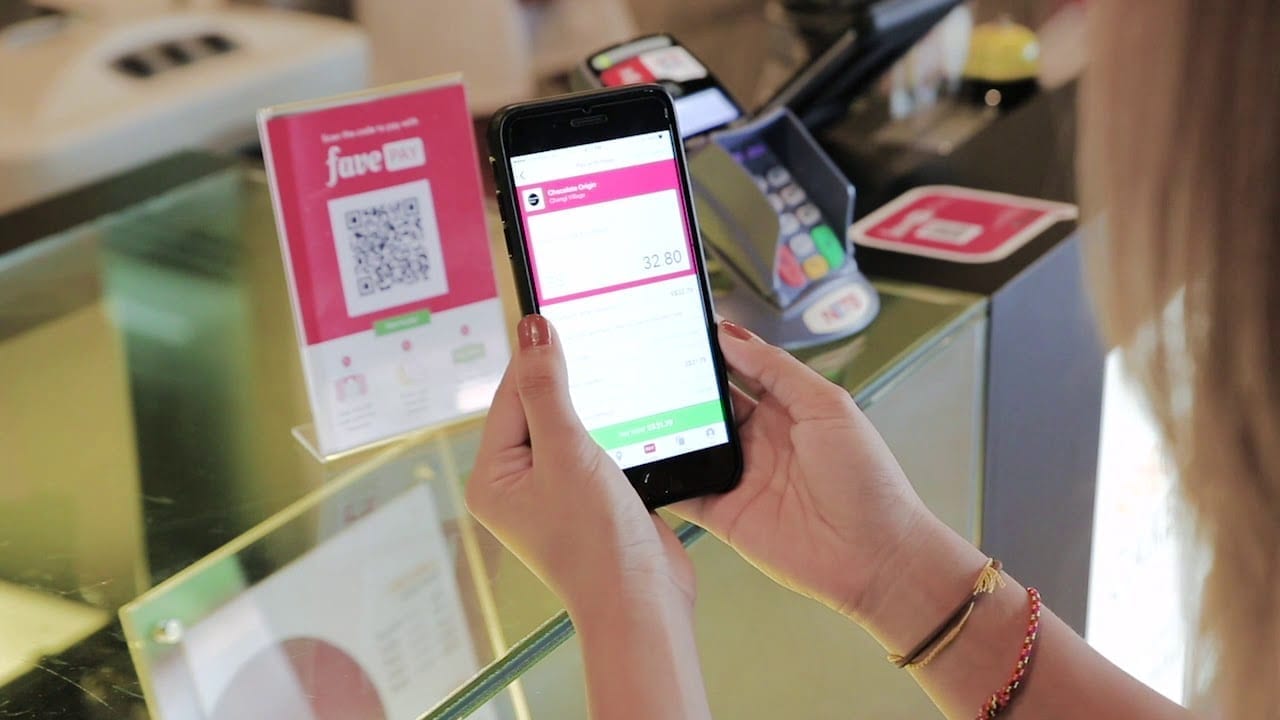
    Just eight months since its launch, mobile payment platform FavePay is now operational in more than 10 cities in three countries across Southeast Asia.

    FavePay aggregates multiple payment options from popular credit and debit cards such as Visa, MasterCard and American Express. With mobile-wallet providers coming on board soon, the platform simplifies what to retailers can seem a fragmented payments landscape.

    FavePay says it processed more than US$10 million in the first three months of this year – double the value of the preceding quarter – and it now has 2 million customers using its service at retail stores and restaurants, including Food Republic.

    Besides its payment-by-mobile functionality, FavePay can offer its customers discounts and cashback offers within the app.

    “With US$32 billion in mobile payments projected in Southeast Asia by 2021, we are excited to help build this cashless ecosystem together with other financial technology partners and banks to achieve the vision of a cashless Southeast Asia in the coming years,” says Fave founder Joel Neoh.

    “We are highly complementary to the mobile payment ecosystem by opening up immediate payment acceptance to thousands of restaurants and retail stores. We allow offline businesses to easily attract mobile customers and drive repeat visits, delivering a seamless experience that tech-savvy consumers across the board are looking for.”

    FavePay business partners include Subway Singapore, Tung Lok Group, Food Republic, Famous Amos, Haagen-Dazs, Starbucks Malaysia and Circle K Malaysia.

    “After looking at various cashless payment options available, we decided to partner with FavePay because of its established track record, extensive user database of over 2 million users and its robust technical architecture and speed of implementation,” says Raphael Chan, Subway Singapore’s country director. “Because of FavePay’s cashback function, Subway now has a fast and effective way to launch its consumer reward and retention program, at scale and quickly, too.”

  • AmBank committed to driving business forward

    AmBank committed to driving business forward

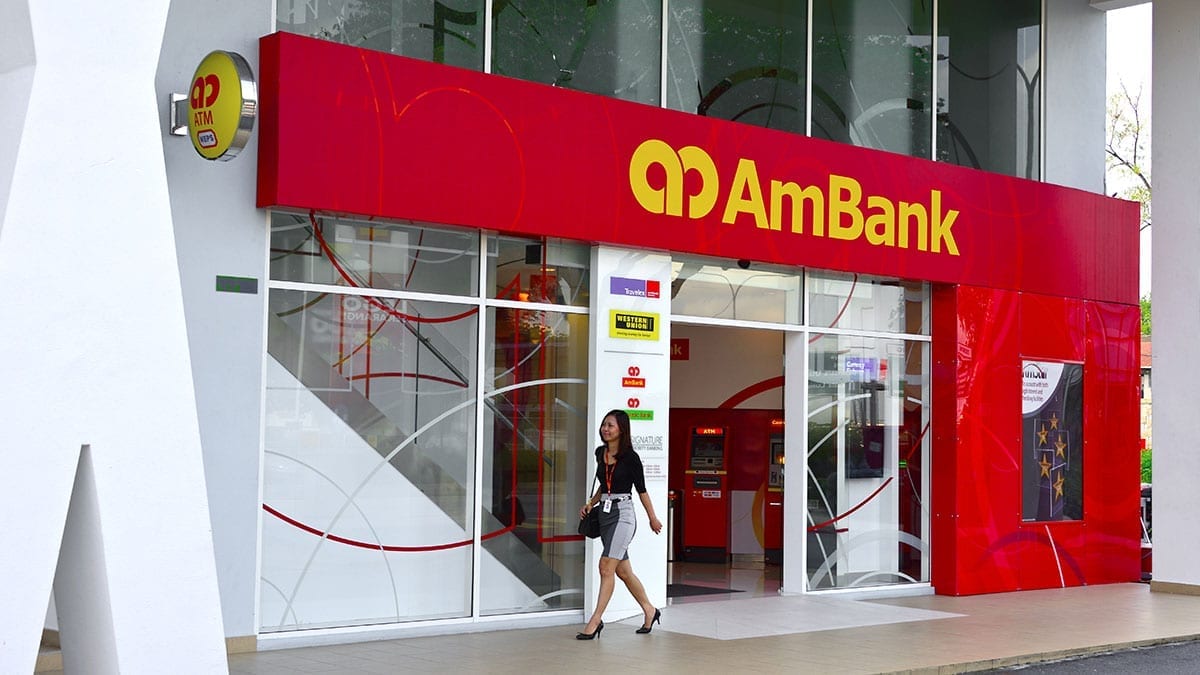
    AMMB Holdings Bhd remains fully committed to driving its banking business (AmBank Group) forward despite its major shareholders looking set to exit the group. The Australia and New Zealand Banking Group (ANZ) is the most substantial shareholder in AmBank Group, holding a 23.78% stake, and provides support in board and senior management representations, risk and financial governance, product offerings and new business developments.

    However, ANZ has been restructuring its businesses and is retreating from Asia with a slew of divestments in the region.

    Most recently, ANZ said in February that it would close its Laos retail products and services to shift attention to its institutional banking business in the country, after selling its retail businesses in the Philippines and Vietnam.

    Last year, it divested its 20% interest in Shanghai Rural Commercial Bank and its life insurance business.

    In 2016, ANZ sold its retail and wealth management businesses in five markets in Asia, including Singapore, Hong Kong, China, Taiwan and Indonesia, to Singapore’s DBS Bank Ltd.

    ANZ has been trying to sell its stake in AMMB since 2016 and talk that ANZ is close to divesting its stake – including to Retirement Fund Inc (KWAP) – has been reported many times, but to no avail after AMMB and RHB Bank Bhd scrapped plans for a merger last year.

    AMMB group CEO Datuk Sulaiman Mohd Tahir said exiting does not mean that the major shareholder (ANZ) is just going to “throw away the business and lose money as a result”, but it wants to sell to a partner who is able to provide it the value that it wants.

    “There is the question of finding a new partner. In Malaysia, it is also not so easy to simply dispose of it to anybody that you want out there, because you got to have regulatory approval, consents and requirements,” he told in an interview.

    He added that so long as ANZ continues to be a shareholder, it remains active in the participation of AmBank as it also wants the bank to do well.

    “They (ANZ) were much involved in my top four strategy in terms of driving the business. Even when we were reviewing the strategy, looking at performance, they (ANZ) were very much involved. We still have two representatives from ANZ on various boards,” said Sulaiman.

    Meanwhile, AMMB chairman Tan Sri Azman Hashim will be retiring from six entities in the AmBank group in stages over a two-year period announced last year and he has reiterated that he will eventually sell his stake in AMMB. Azman’s indirect interest in AMMB stands at 12.97%.

    Sulaiman said Azman built the bank and spent 30-40 years running the business,and he has every intention to make it the best.

    “Of course, age catches with him. My intention is he continues to grow the business until one day the business has done so well and you’re ready to leave and of course you’d like to leave it in good hands.

    “This is a valuable franchise for him (Azman). And for ANZ, they won’t just walk out at any price. So long as they’re still here, the intention is to continue to drive the business the best it can be.”

    Sulaiman said AmBank is growing in all forms, and with the right segments and products, while its digital journey is part of ensuring that it invests in the right kind of businesses.

    “They (ANZ and Azman) remain fully committed to driving the business, because no one wants to leave the organisation that you have built for so long and to see it go down the drain. The involvement of Azman and ANZ is as good as it could ever been.

    “They also recruited me to make sure I drive the business because they have a view on where and how it should be, what it can possibly be and my job is to make sure I deliver that,” said Sulaiman.

    Moving forward, Sulaiman said AmBank will continue to work towards achieving its aspiration to be among the top four banks in the country by 2020. The key growth segments identified are the mass affluent, affluent, small and medium enterprises and mid-corporate, which are on a growth trend.


  • Circle International Inks Cross-Border Payment Deal With Lakala

    Circle International Inks Cross-Border Payment Deal With Lakala

    Circle International Holdings, the Australian payments company, announced news on Monday (April 30) of a new strategic partnership with payment gateway company Lakala.

    In a press release, Circle International said the partnership will enable it to facilitate cross-border payments between Malaysia and China. The company noted that cross-border transactions involving China within the eCommerce market were valued at $1 trillion. Lakala is China’s only non-bank institution, which Circle International said offers online, offline, personal and corporate services and had a trading volume of 1 trillion renminbi. Additionally, Circle International said Lakala is one of China’s top three companies in the offline settlement market.

    “This will contribute positively to our Group revenue in 2019, and the tie-up will allow for increased monetization opportunities from China and the creation of a complete marketplace within its proprietary Business Circle mobile application,” said CEO Dato’ Brian Tan in the press release. “Circle International’s self-developed Business Circle mobile application has a tremendous following in China and other Chinese-speaking markets. The English version of Business Circle was launched recently as part of its regional plans to penetrate into new markets, including Australia.”

    The executive said that through the partnership, Circle International can leverage Lakala’s strength in eCommerce and integrated payment solutions to enable eCommerce services for its Business Circle users, particularly those from China.

    “Via Lakala, both consumers and merchants can buy and sell products and services through Business Circle,” the executive noted.

    The company said the partnership is part of several strategic initiatives it has been undergoing to power its penetration into the mobile wallet and payment gateway industry. Most recently, it launched its Circle VISA Premium Card, which is exclusive for Business Circle users — rewarding them with incentives, discounts and promotions.

    “It’s about creating a complete payment ecosystem for consumers and merchants to leverage on. While the Circle VISA Premium Card was our first step into FinTech, we continue to expand our product lines for our members. E-commerce complements our existing revenue streams as a regional content owner and digital advertising player,” the CEO said in the press release.