Category: Finance

Retail News Asia is committed to providing both local and global retailers with the latest Finance news throughout the Asian market. This on a daily base.

  • TrueMoney Wins Payment Services License in Vietnam, Launches TrueMoney Wallet

    TrueMoney Wins Payment Services License in Vietnam, Launches TrueMoney Wallet

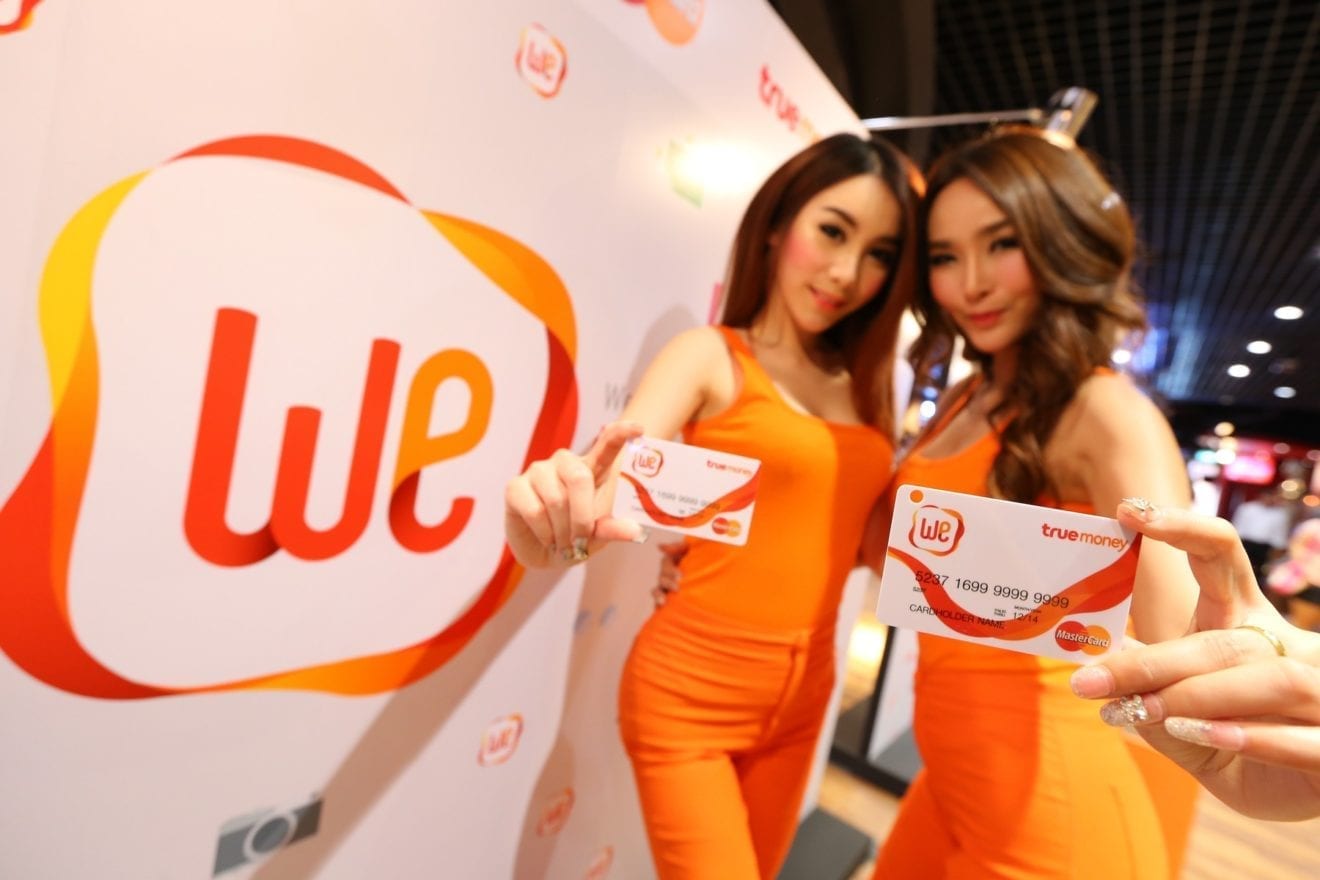
    TrueMoney Vietnam (“TrueMoney”), part of Southeast Asian Fintech company Ascend Money, has obtained the Intermediary Payment Services License from the State Bank of Vietnam to operate digital financial services in e-money, e-payment, wireless transfers, and payment gateways. TrueMoney is processing over one million transactions per month, with 500,000 customers a month transacting with TrueMoney agents and TrueMoney Wallet.

    Tanyapong Thamavaranukupt, President of Ascend Money, said, “Winning the license to operate digital financial services cements our presence in Vietnam, an important market for Ascend in our expansion throughout Southeast Asia. This means TrueMoney is now able to deploy a broad range of safe, affordable and convenient digital money solutions to Vietnam’s population of 90 million. In particular we hope to provide equal access to financial services for the unbanked.”

    Consumers can now use TrueMoney Wallet to make online purchases, pay bills and top up their pre-paid mobile and gaming cards, as well as to transfer money from their bank accounts to the digital wallet and from their wallet to other wallets. Offline and online merchants can use TrueMoney’s system as a payment gateway. Companies will soon be able to disburse payroll to their employees via TrueMoney Wallet.

    TrueMoney has a network of over 5,000 agents across 40 provinces in Vietnam. Agents are small business owners who conduct financial services for customers, enabling the largely underserved Vietnamese population to access fast and easy services such as top-up and bill payment near their location. TrueMoney Vietnam will soon offer additional financial services such as loans and insurance, in the second quarter of 2018.

    Vietnam has one of the lowest banking penetration rates in the region, with only one third of the population having an account with a formal financial provider, compared to the regional average of 69%.

    “While Vietnam has the potential to surpass China in GDP growth by 2020, the country urgently needs to connect its people and businesses to financial services, to reap the benefits of inclusive growth. As Southeast Asia’s fastest growing mobile commerce market, as well as one of its largest unbanked populations, Vietnam poses a key opportunity for TrueMoney to innovate and scale,” Tanyapong continued.

    TrueMoney, an e-payment and financial services provider for digital and unbanked consumers, is the only Fintech company with e-money licenses to operate financial services in Thailand, Myanmar, Indonesia, Cambodia, Philippines, and Vietnam. Across Southeast Asia, Ascend Money has reached over 35 million customers in 2017 and aims to reach 100 million customers by 2020.

    Vietnam, along with the Philippines, Indonesia, and Myanmar, has been identified by the World Bank as among the top 25 countries to focus strategic efforts on financial inclusion. According to the World Bank, in 2014 Vietnam had the lowest credit card usage in Southeast Asia, and only 50 per cent of the debit cards in circulation were in use.

    Tanyapong added, “The blurred lines between the unbanked and the underbanked—those with formal access but limited engagement—points to the need for not just access to bank accounts, but the regular use of banking in the daily lives of the population. This means that digital financial services can reach a much larger segment of the population if delivered through a comprehensive platform—addressing not just the need for a digital wallet, but also broader daily needs of merchants and users to transition from offline to online payment methods seamlessly. By strengthening the overall prevalence and convenience of e-money in daily life, Ascend Money plays a leading role in unlocking the potential of the digital economy in Southeast Asia for digital consumers and the underbanked alike.”

    Vietnam is the second country in the region to launch TrueMoney Wallet after Thailand. Following the successful roll-out of TrueMoney Wallet across Thailand in major retail outlets such as 7-Eleven convenience stores, with almost 10,000 branches nationwide, Ascend has continued to expand in markets that are among the region’s lowest in financial inclusion rates.

    TrueMoney Wallet was officially launched in Vietnam this year during the Lunar New Year with the TrueGift campaign, in which celebrities and users sent virtual red packets (hongbao) to their fans and friends to celebrate the special holiday.

    The Asian Development Bank estimates that bringing digital financial services to Southeast Asia’s unbanked population can boost the GDP of economies by as much as 6%.


  • Fintech transforming B2B money transfer market

    Fintech transforming B2B money transfer market

    The cross-border B2B money transfer market is ripe for disruption, as new technologies and legislative changes redefine traditional banking practices across the globe, according to Juniper Research.

    Cross-border B2B transactions will exceed $218 trillion by 2022, up from $150 trillion in 2018, the company predicts.

    Disrupting traditional cross-border B2B transactions

    B2B Money Transfer: Cross-border Market Opportunities 2018-2022 Research author Lauren Foye explained: ‘While traditional banks still facilitate the vast bulk of B2B cross-border transactions, new technologies, such as virtual accounts, eInvoicing, and blockchain technology will aid in driving businesses to solutions which provide savings in time, efficiencies, and transparency’.

    The proportion of cross-border B2B transfer values facilitated by newer Fintech start-ups and disruptive technologies, will grow from 7.5% in 2017; equating to $10.4 trillion, to reach 13.3% or $29 trillion by 2022. This will occur as more businesses utilize these efficient and transparent methods in a notoriously cloudy industry.

    Juniper cited activities by Visa and Mastercard as beacons in this space. In addition to offering its own Visa B2B Connect’ service which utilizes blockchain-based Chain Core, Visa has partnered with Fintech start-up ‘Billtrust’ to provide virtual cards for B2B transactions. Likewise, Mastercard is working with Optal, to offer virtual accounts to businesses.

    Opportunity to lead innovation charge

    Juniper believes that banks are well placed to benefit from the opportunity posed in B2B transfers. For instance, legislative changes such as PSD2 in Europe, serve as a perfect opportunity to partner with Fintechs to deliver innovative services to companies; lest institutions fall behind and see Fintechs ultimately out maneuver them.

  • Australian dollar falls

    Australian dollar falls

    The Australian dollar is slightly lower as the US dollar flattens out after suffering three consecutive days of falls.

    At 0635 AEST on Wednesday, the local currency was worth 76.84 US cents, down from 77.04 US cents on Tuesday.

    The major US stock indexes were up over one per cent, after falling down to levels where buying automatically kicks in, and copper prices hit a one-week high shrugging off worries about a trade dispute between China and the US.

    However the Australian dollar has come under some pressure from the US dollar, which is steadying after falling for three straight days.

  • Citi Launches Pay with Points on HKTVmall

    Citi Launches Pay with Points on HKTVmall

    Citi today announced its first API partnership in Hong Kong through the launch of Citi Pay with Points on HKTVmall, the 24-hour online shopping mall operated by Hong Kong Television Network Limited.  The new service enables cardholders of Citi points-bearing credit cards who shop on HKTVmall.com or the HKTVmall mobile app to offset purchases upon checkout using their reward points seamlessly without ever leaving the shopping platform.  This convenient shopping experience is made possible by fully integrating the Citi Pay with Points Application Program Interface (API) on the HKTVmall platform.

    Lum Choong Yu, Head of Cards and Unsecured Lending at Citibank Hong Kong, said: “We are excited to be launching our first API partnership in Hong Kong with a like-minded company that is renowned for and committed to ongoing innovation and providing best-in-class customer experience.”

    “Citi’s approach to open API architecture underscores our commitment to fostering closer collaboration with the digital ecosystems to accelerate the offering of our banking services in all areas of our customers’ digital lives.  Our strategy is also fully in line with the Hong Kong Monetary Authority’s vision for wider adoption of open API in the banking sector,” he added.

    Ricky Wong, Chairman of Hong Kong Television Network Limited said, “Since its launch, HKTVmall bears the mission to create new ways of retailing and we position ourselves as a technology applications pioneer, to integrate different technologies from different business areas. While online shopping is not only talking about displaying products on digital platform, we emphasize customer experience from the ways we do digital marketing, interface design, payment, warehousing and logistics. In light of this, we are glad to be the first API partnership with Citi Hong Kong, and this will be one of our key milestones on customers’ payment experience.”

    To offset purchases on HKTVmall with Citi credit card reward points, either in full or partially,   simply follow three easy steps:

    1)    Complete payment with your Citi points-bearing credit card*

    2)    Perform a one-time identity verification

    3)    Select the amount you wish to pay with points

    In September 2017, Citi announced the launch of Citi Pay with Points in Hong Kong, the first and only reward points redemption service that enables cardholders to offset any local purchase using credit card points on mobile phones upon receiving the redemption SMS.  The newly-formed partnership with HKTVmall takes the Citi Pay with Points experience to a new level, providing Citi credit cardholders with a new additional way to enjoy the service during the online checkout process.

    “Citi Pay with Points has been a phenomenal success and extremely well received by our cardholders as it makes spending with a Citi credit card all the more rewarding.  Today, close to 50% of reward points redemptions are conducted through the Pay with Points platform.  We will continue to enhance the service to enable our cardholders to conveniently use their points when making purchases, whether online or at physical outlets, any time and anywhere,” said Choong Yu.

    In March 2017, Citi became the first bank in Hong Kong to adopt an open API architecture by making available 30 APIs on the Citi API Developer Portal (developer.citi.com).  Through the API Developer Portal, Citi grants developers access to a variety of APIs across seven usage categories, including Accounts, Cards, Customers, Money Movement, Onboarding, Rewards, and Reference Data.

    Promotional Offers

    Between now and May 31, 2018, Citi cardholders who shop on HKTVmall.com or the HKTVmall mobile appcan receive a HKTVmall e-Coupon of up to HK$100 in value upon spending HK$400 or above.

    Citi cardholders* who successfully complete the first Pay with Points redemption when shopping on HKTVmall.com or the HKTVmall mobile app will receive a HKTVmall e-Gift Voucher of HK$100 in value.

  • AEON and Bangkok Bank jointly offer gold and iPhone 8 to lucky customers

    AEON and Bangkok Bank jointly offer gold and iPhone 8 to lucky customers

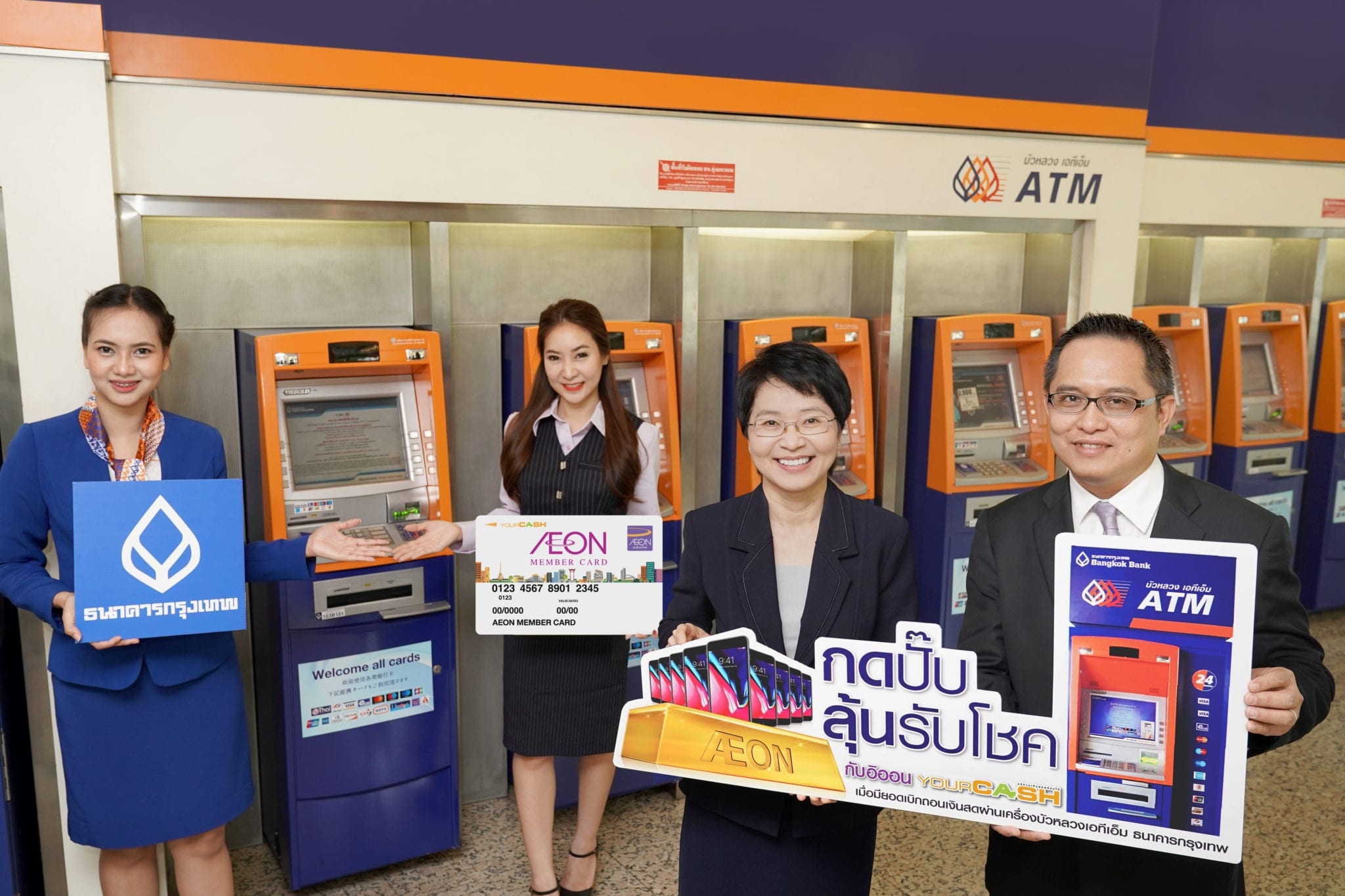
    Mr. Nuntawat Chotvijit (Right), Marketing Director of AEON Thana Sinsap (Thailand) Public Company Limited, together with Ms. Prassanee Ouiyamaphan (2nd from Right), Executive Vice President of Bangkok Bank announced a campaign “Get Prizes with AEON Your Cash”. Get a chance to win, worth a total of 745,000 Baht, include a gold bar worth 400,000 Baht and 10 prizes of iPhone 8 256GBs. AEON Your Cash cardholders are eligible to participate in the campaign by making cash withdrawals at least 1,000 Baht per sales slip at Bualuang ATMs Bangkok Bank during 1 April – 31 May 2018.

  • Alipay expands footprint in SEA

    Alipay expands footprint in SEA

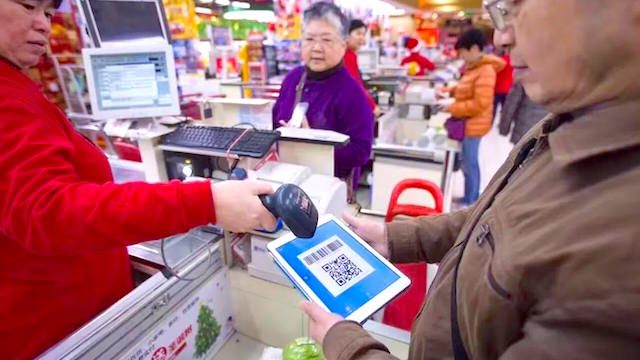
    Mobile payments platform Alipay is expanding its cross-border footprint with new outposts Cambodia, Myanmar, Laos and the Philippines.

    The deployment is aimed at connecting merchants with an estimated 520 million active users in China through its Alipay’s in-app marketing platform while they are traveling overseas.

    The company says Alipay is now accepted in Phnom Penh, Siem Reap and Sihanoukville across shopping, F&B, entertainment and hospitality sectors. Notable merchants include Sajibumi, which operates the food and beverage concessions at Siem Reap International Airport and Phnom Penh International Airport, Sokimex petrol kiosks, and Legend cinemas.

    Alipay will also be rolled out in duty free stores managed by DUFRY at Phnom Penh International Airport, Siem Reap International Airport, and NagaWorld, the largest entertainment complex in Cambodia.

    Mobile payment is gaining momentum among Chinese travelers overseas. According to the recent Nielsen report, 65% of Chinese tourists used mobile payment platforms during their overseas travels, more than six times in comparison to non-Chinese tourists (11%).

    Over 90% of Chinese tourists would consider using mobile payments when traveling overseas if more overseas merchants accepted it.

  • HSBC gears for new retail banking push in the UAE

    HSBC gears for new retail banking push in the UAE

    Global banking giant HSBC, with a focus on the premium segment of the consumer banking business is looking to expand its retail lending, liabilities and wealth management business to a wider audience.

    “We are looking at the full corporate employee programmes to expand our retail business. We want to deal with payroll type solutions from both wholesale and retail side, covering liability and asset side of the business,” Marwan Hadi, head of Retail Banking and Wealth Management in the UAE, told Gulf News in an interviMajority of the bank’s retail lending is against salaries. Although the bank’s focus is on premium segment of the retail banking, in the corporate employee programme, the bank aligns its lending policies to be more inclusive. However, the bank does not insist on taking on the entire payroll from a customer acquisition point.

    “The UAE is a market where customers have wider choice. Although we become a preferred bank for a company through our corporate programme, the customers have the freedom to choose which bank they want to do business with,” said Hadi.

    HSBC sees strong potential for retail assets growth. Given the positive economic outlook, the bank sees greater growth in numbers as it gains market share in this segment. As part of its new retail expansion strategy, the bank is investing in digital solutions and frontline staff. The bank is in the process of adding more relationship managers (RMs).

    The new retail strategy revolves around the concept of taking the bank to the customers. While a part of it relates to providing appropriate digital banking delivery channels such as mobile banking and internet banking, HSBC is equipping its retail staff with most advanced digital solutions to serve their customers better.

    The bank has a network of eight branches and seven customer service units focused on commercial hubs across the country. Unlike many leading local banks that have wider branch network and still expanding, HSBC plans to reach customers wherever they are.

    Bank’s new customer acquisitions are based on corporate relationships. “Our customer acquisition numbers in the first quarter this year is much more favourable than last year. We are experiencing more than 10 per cent growth in terms of new to bank customers,” Marwan said. On the lending side, with the exception of auto loans, for all segments such as mortgages, personal loans and credit cards the bank has witnessed double digit growth so far. Hadi expects the bank to keep up the momentum through the year.

    “We don’t see any reason why this trend will not continue for the rest of the year. The International Monetary Fund (IMF) expects the UAE economy to grow at 3.5 per cent this year. Our Group is very comfortable with the growth outlook,” he said.

    In the cards business, the bank has plans to expand its product suite to complement the existing successful cash back card programme and premium offering like fully metallic black card.

    Liability focus

    For the past several years retail banking has been largely focused on assets (lending) business. Hadi expects that to change as the interest rates rise. With the rising rates, banks are likely to make more income from liabilities business (deposits).

    HSBC with its focus on the premium segment of the retail business has a strong retail deposits base. The bank is currently working on strategy to match retail asset business with its strong retail liabilities business.

    Wealth offerings

    Bank’s wealth business, focused on premium retail customers will be largely driven by growth in relationship managers as it plans to increase the number by more than 15 per cent this year.

    “We have expanded our wealth proposition with a robust investment platform offering more than 75 mutual funds. Currently, we have two GCC funds but going forward we are looking to add more regional funds in our offering,” said Hadi.

    In addition to mutual funds, the bank has fixed income products on offer and has plans to add direct equity and exchange traded funds (ETFs) in the future. The bank’s portfolio advisory service offers a goal-based investment advice directly linked to the risk tolerance levels of customers.

    Quick payments

    HSBC has a very competitive payments business in the UAE. In the foreign exchange (FX) business within the Retail Banking space, the UAE is the third largest market for HSBC Group, after UK and Hong Kong. The bank offers linked accounts for premium customers across key global corridors, allowing customers to transfer money instantly between these accounts. The bank also offers opportunity to link the HSBC accounts of family and friends globally, making fund transfers within the group quick and seamless. Both these facilities are free of charge and are completed digitally to allow improved customer experience.

  • CIMB Bank’s digital push

    CIMB Bank’s digital push

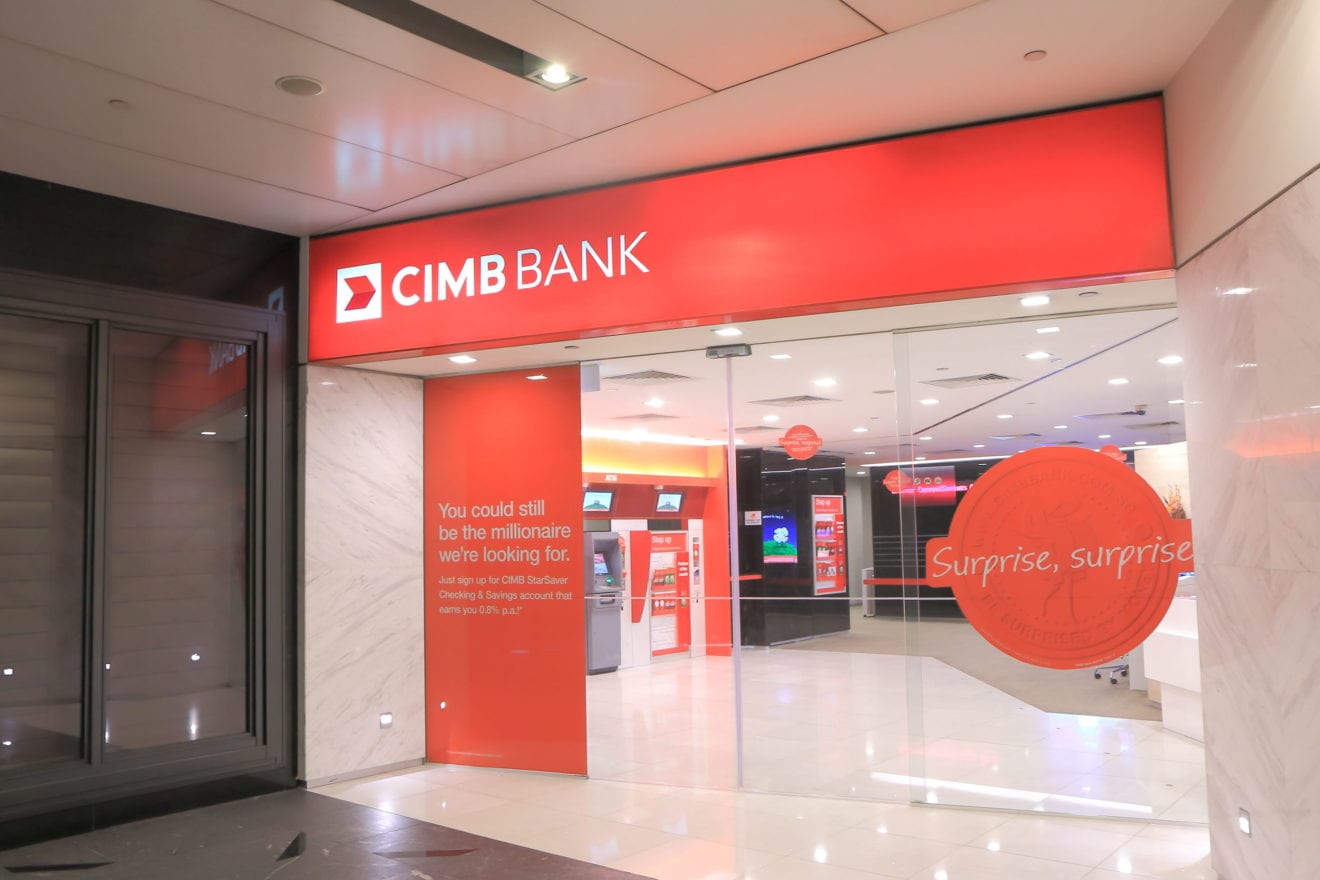
    CIMB Bank is ready to disrupt itself and will bank on data as one of the main thrusts in becoming a regional digital banking group at a time when disruptions are fast taking place in the financial services sector.

    On the whole, the group’s digital sales revenue has grown at a rapid phase from financial year 2016 (FY16) to FY17. In Malaysia it grew about 134%, in Indonesia by 200%, in Thailand and in Singapore by more than 1,000% and 464% respectively from FY16 to FY17.

    CIMB Bank Bhd CEO for group consumer banking Samir Gupta says digital sales enablement is the first phase of CIMB’s digital ambitions. Customers are moving away from over-the-counter service to digital transactions, resulting in a close to 35% drop in CIMB’s over-the-counter transactions to 2.9 million in March this year from 4.4 million in September 2016.

    Currently, more than 95% of customers’ transactions are performed via digital or self-service platforms.

    Samir adds that there had been a 27% drop in over-the-counter transactions in the last six months alone – while existing staff are being reskilled and retrained to take on more productive tasks – reinforcing the banking group’s strength and commitment to digital transactions.

    Moving forward, big data will define CIMB’s retail banking as part of the bank’s transformation into a digital banking group in South-East Asia.

    “The usage of data will build, reshape and strengthen the bank’s digital initiatives.

    “Amid the disruptions from fintech, CIMB has made a firm commitment to disrupt itself as this will help us to reach and meet consumers’ demanding needs promptly.

    “Rather than just look at existing competition, the bigger challenge is how fast we can meet consumers’ needs at a fraction of the cost. Big data will allow us to have a full view of customers’ needs and enable us to facilitate faster transactions,’’ he says during an interview.

    CIMB has launched the first big data platform in the country, using open source software and supported by a data science centre of excellence.

    There are plans underway to beef up the group’s big data initiative by hiring a significant number of data scientists and data engineers over the next two years.

    “As almost 90% of global data is unstructured, there is great demand for data scientists and data engineers who has the expertise to combine both data – structured and unstructured – to help banks to have a full view of customers’ needs,’’ he adds.

    Apart from this, the bank will also launch by next month what it terms as a “rules engine” as part of its big data push. This involves the bank’s ability to listen and react to customers’ needs instantaneously in real time.

    Big data initiatives

    The big data initiatives will be carried out at the bank’s operations in Malaysia and other regional markets. CIMB will be launching its digital “challenger” bank in Vietnam in June and in Philippines by November this year. Digital challenger bank refers to a full-fledged digital bank which challenges the traditional way of doing business.

    Commenting on the scope and market of these two countries, Samir says: “They have a combined population of over 200 million and the market is huge and offers great potential.

    “We are moving away from the traditional brick-and-mortar branch model in Vietnam and Philippines. For these markets, CIMB will be bringing totally new systems to support the full-fledged digital proposition which will be led and driven from a customer’s journey view point. We will also be replicating the challenger bank concept in Thailand by year-end.”

    Meanwhile, CIMB Bank recently added new features to its first-in-Asean, innovative and award-winning mobile chat-banking app, CIMB Enhanced Virtual Assistant (EVA), to include Spend Analyser and natural language conversational capabilities.

    With CIMB EVA’s Spend Analyser, customers are able to manage their accounts better and make smarter financial decisions via single-tap spending insights for utilities, petrol, entertainment, dining and travel made on their CIMB debit, credit, and prepaid cards.

    In addition, CIMB EVA’s chat capabilities have been enhanced to cater to a wider range of chat-based transactions, enabling customers to chat with EVA based on words in natural conversations.

    On CIMB’s strategic regional partnership with Japan’s number one insurer, Sompo, Samir comments that “this partnership in our markets in Malaysia, Indonesia, and Singapore not only allows us to optimise regional synergies and operational efficiencies, but also leverage on both parties’ digital capabilities to spur innovation and bring to market products that address customers’ protection needs instantaneously, such as the Travel Care EVA to be launched soon.”

    Soon, CIMB Bank will also be launching its personalized life stage-based holistic financial solutions – based on its F.I.R.S.T. proposition, which stands for finance, insure, returns (investment), save and transact – as part of its initiative to leverage on big data and encourage customer stickiness.

    Thanks to its push towards digital, CIMB Bank was recently awarded, for the second year in a row, the Best Retail Bank in Malaysia, and was also declared winner for The Best Productivity, Efficiency and Automation Initiative, Application or Programme by the prestigious Asian Banker’s Retail Financial Awards 2018.

    CIMB Bank is also the first bank in Malaysia to receive Bank Negara’s regulatory sandbox approval for electronic-know your customer (E-KYC), a paperless and electronic method of verifying the identity of customers, which is set to be a feasible alternative to existing face-to-face verification requirement in today’s traditional banking.

  • Expert urges Vietnamese firms to explore other markets

    Expert urges Vietnamese firms to explore other markets

    Vietnamese firms should expand their partnership to at least three markets to avoid sole dependence on a particular market, said economist Phạm Chi Lan.

    She also urged the firms to provide clear and transparent filings to meet the standards of exporting markets.

    Vietnamese enterprises must prove that they do not enjoy protectionism of the government and do not sell products at a dumping price level to ensure they are not affected by the anti-dumping tax policies of the exporting markets, she said.

    Given the context in which US regulators have planned to impose anti-dumping taxes on Vietnamese exports to protect their local fishery and steel industries, Lan suggested firms to explore other markets and diversify their targeted markets to ensure less reliance on a sole, large market.

    “A three-market strategy will ensure that a company’s export is balanced and that business will not depend on any particular market,” Lan said.

    Such business strategy will help Vietnamese firms to survive and exploit new opportunities in the context of a rising global trade war, following intense statements from China and the United States against each other, she said on the sidelines of a conference co-organised by the Vietnam Executive MBA Programme in Hà Nội, University of Hawai’i, and the European Chamber of Commerce in Vietnam last week.

    The United States announced a US$60 billion tariff bill on Chinese imports last week. China, in return, filed a list of 128 US products for retaliation, raising global concerns about a possible trade war.

    According to Jack Suyderhoud, professor of Business Economics at the Shidler College of Business, University of Hawai’i at Manoa, recent actions of the US government are aimed at protecting its local industries, such as fisheries and steel, against threats from cheaper imports from China and Việt Nam.

    Rising protectionism will encounter objection from those benefiting from free trade, Jack said, adding that the US government should notice how important the win-win principle is and how it exists in every trade deal.

    Lan urged local firms to strengthen their competency so that they can take advantage of benefits brought about by free trade agreements, to which Việt Nam must comply, and encounter less negative impacts from a possible global trade war.

    Besides the US and China, Vietnamese firms should increase its influence in other markets, such as the European Union, reducing its dependence on the world’s two largest markets, Lan said.

    “There are no winners in a trade war,” she said, adding that the United States and China are two of the largest trading partners of Việt Nam, thus, “we need to expand our trade relations to different markets to boost the country’s economy”.

    “The establishment of the CPTPP (Comprehensive and Progressive Trans-Pacific Partnership), signed on March 8 without the United States’ participation, is a good way to deal with the unpredictable policies of the United States and China at the moment,” Lan said.

    The CPTPP deal will help other economies to get to know each other, increase their cooperation and protect their economies, offsetting the damages caused by US protectionism and China’s responses, she added.

    “CPTPP is proving to be attractive to other economies that are not partners to the deal, such as South Korea and the United Kingdom,” she said.


  • Yahoo Japan mulls move into virtual currencies

    Yahoo Japan mulls move into virtual currencies

    Yahoo Japan Corp. is considering entry into the virtual currency exchange business, according to sources. Via a subsidiary, the company is planning to buy a stake in bitARG Exchange Tokyo, a Tokyo-based exchange operator registered with the Financial Services Agency.

    Blockchain technology, which is the basis of virtual currencies, is expected to be applied across various business fields. Yahoo Japan is apparently aiming to enter the virtual currency exchange business as soon as possible by forming a capital tie-up with a registered exchange operator.

    The subsidiary is YJFX Inc., a financial futures trading company wholly owned by Yahoo Japan. The investment could be decided as early as in April.

  • Clean-up makes Vietnam banks attractive to foreign investors

    Clean-up makes Vietnam banks attractive to foreign investors

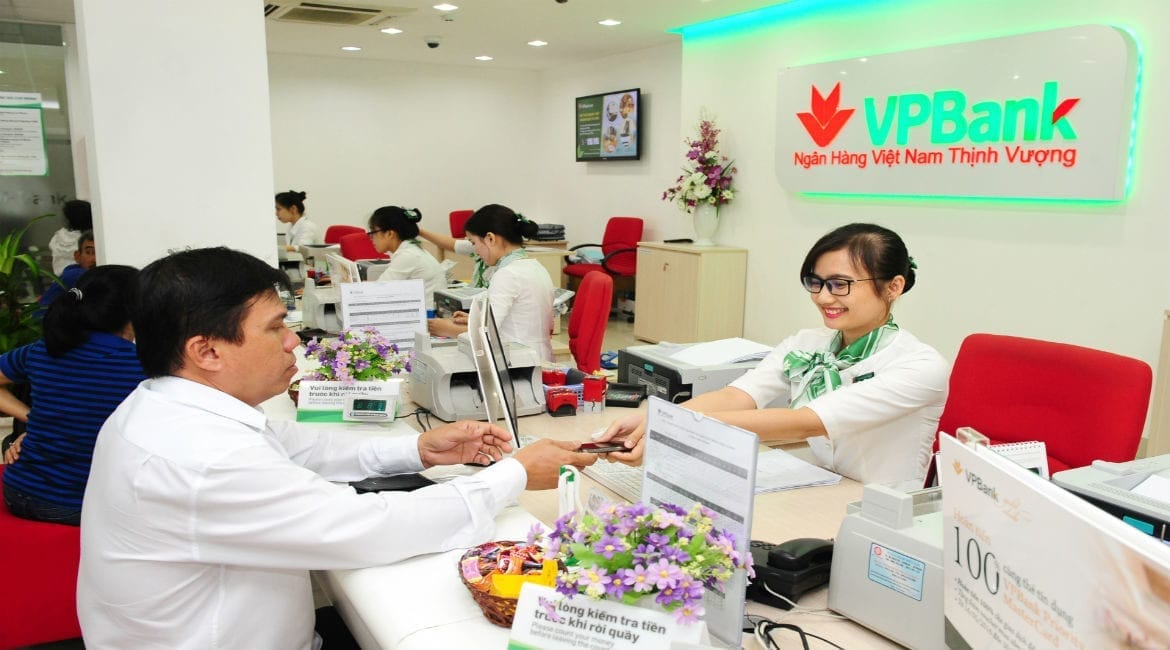
    Since last year there has been a churn in the banking sector with some foreign investors selling their stakes in local banks and others buying in.

    France’s BNP Paribas, HSBC and Australia’s Commonwealth Bank have been among those pulling out.

    ANZ sold its retail banking division to Korea’s Shinhan Bank and Standard Chartered Bank sold its entire 8.75 per cent stake in Asia Commercial Bank.

    Analysts said foreign banks are merely pulling out to invest in more profitable markets.

    Some pointed out that Asian banks which enter Việt Nam seem to be more successful than their western counterparts. They attributed this to their better understanding of the local market and business culture.

    But even in the case of western funds, the flow is not one-way: Just this month Việt Nam Technological and Commercial Joint Stock Bank (Techcombank) revealed it is selling stakes worth over US$370 million to US private equity firm Warburg Pincus.

    In December Hồ Chí Minh Development Joint Stock Commercial Bank (HDBank) had sold stakes to more than 76 foreign investors before listing.

    The investors include some familiar names like VinaCapital, Dragon Capital, Deutsche Bank AG, JPMorgan Vietnam Opportunities Fund and financial institutions like CAM Bank (Japan), RWC Frontier Markets Opportunity Master Fund (UK), Macquarie Bank (Australia), and Charlemagne (UK).

    HDBank’s partner in the consumer finance division, Credit Saison (Japan), also bought a stake.

    In all investors paid $300 million for a 21.5 per cent stake in HDBank.

    Finnish independent fund management company PYN Fund Management recently completed acquisition of a 4.99 per cent stake in Tiền Phong Commercial Joint Stock Bank (TPBank) for $40 million, marking its largest investment yet in Việt Nam.

    With a total portfolio value of 417 million euros, PYN is now the third largest foreign investment fund in Việt Nam.

    South-Korean based Hana Financial Group has acquired a stake in the Bank for Investment and Development of Vietnam (BIDV).

    The banking sector is at an historic point now, with a cleaning up of books well under way. The real estate market is booming, meaning banks’ bad debts are being settled increasingly and their revenues are increasing.

    But for analysts the most important factor is that the Government is forcing banks to meet Basel II standards.

    They said foreign investors recognise the potential of Việt Nam’s financial market, especially on mobile platforms, since the country has 53 million mobile subscribers and 40 million users.

    The Government is making policy changes that would help the industry overcome its limitations in technology, capital and management, making foreign investors feel secure.

    While foreign investors would like to woo Vietnamese banks, they are hamstrung by the fact that most of the latter have reached or are close to reaching foreign ownership caps.

    Vietnamese law allows maximum ownership of a bank by a single foreign investor of 20 per cent and combined ownership by foreign entities of 30 per cent.

    Based on these numbers, only a few banks remain below the threshold, most of them still in the process of restructuring, including SCB, BacA Bank, VietABank, and Sacombank.

    Many lenders have suggested that the State Bank of Việt Nam should increase the foreign ownership caps to 35-40 per cent in case of State-owned banks and 49-51 per cent in case of private banks.

    Foreign investors want the ratio to be increased to 50 per cent or even 65 per cent.

    Traditional grocers lose out to modern retail

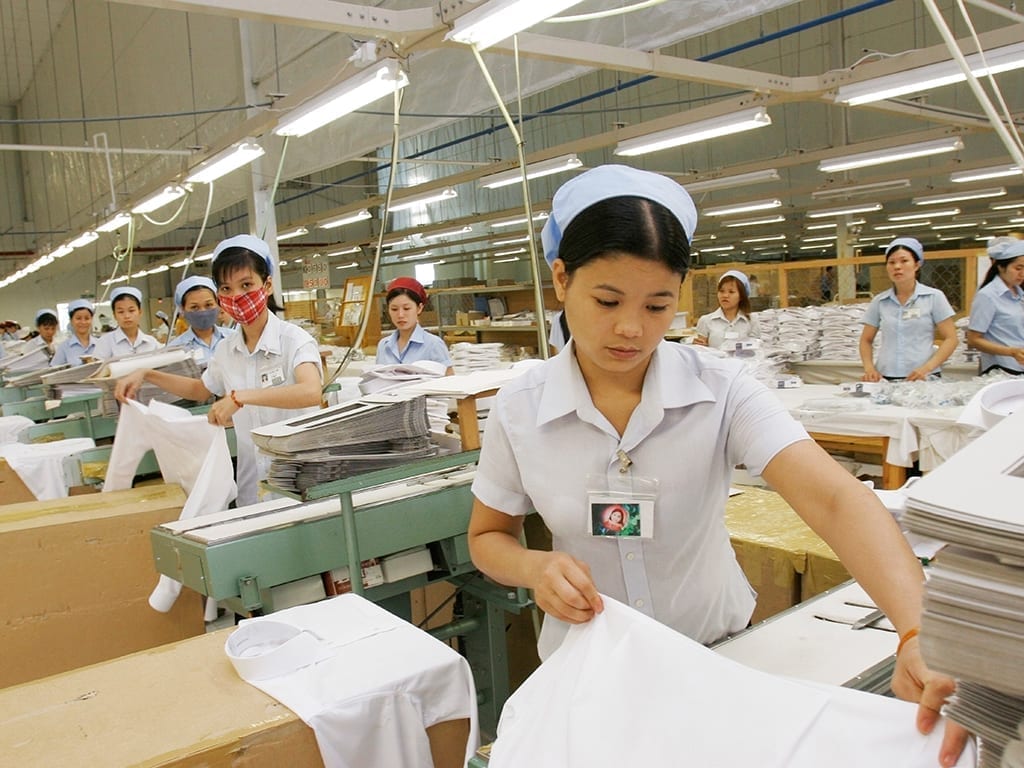
    Hai Hương, 66, owns a small grocery store in an alley off Huỳnh Đình Hai Street in HCM City’s Bình Thạnh District. The shop has helped her run her family for the last 20-odd years.

    But now she plans to close it following a terminal slump and bad losses in recent times.

    “Business has dropped day after day,” she said.

    Most of her once-regular customers have switched to convenience stores or mini supermarkets, which are mushrooming in that area.

    But she admitted their choice was easy to understand because the modern retail stores have a huge range of products, a majority of them of high quality, and routinely offer promotions.

    “I cannot compete with them,” she said.

    Thousands of these so-called mom and pop shops in cities and towns around the country face a similar fate as modern retail shops spring up everywhere.

    According to a recent survey by the Việt Nam High Quality Goods Association, traditional grocery shops’ share of business has gone down from 17 per cent in 2011 to 9 per cent now.

    From just two supermarkets in HCM City in the late 1990s growth has been dizzying and now there are thousands of modern stores of all types around the country. By 2015 there were round 2,000 convenience stores and mini supermarkets.

    Vinmart+ for instance entered the retail business only three years ago but has already become the biggest convenience store chain in the country with 1,000 outlets.

    According to IDG research Việt Nam’s convenience store market is expected to grow at 37.4 per cent annually, the highest rate in Asia.

    A recent report by Kantar Worldpanel said the modern retail channel is growing at 15 per cent, a much higher rate than traditional channels like wet markets and grocery shops.

    Experts said the reasons for the strong growth of the modern retail sector can in fact be linked to the limitations of pop and mom stores.

    Most of the latter are small, measuring under 20 square metres on average, meaning the area for displaying goods is limited, a major factor in shopping.

    Many of the products sold at these traditional stores do not have clear information with regard to product origin, expiry date, quality and usage instructions.

    Việt Nam’s strong economic growth, a rapidly growing middle class with higher disposable incomes, frenetic urbanisation and increasing concern about hygiene and food safety are major factors fuelling the rapid growth of modern retail.

    The country also has a growing number of sophisticated consumers, especially young urban consumers, and middle-class shoppers who have little time to shop daily for food.

    It also has a large number of women in the workforce with rising disposable incomes, who buy higher value consumer items for their children and families.

    Products sold at modern retail stores are perceived as safer than those sold in wet markets and traditional grocery shops.

    Food safety and hygiene have an increasingly important influence over consumers’ food purchasing decisions. As a result, many are willing to pay a premium for perceived quality, nutrition and hygiene in their food and drinks.

    The US’s A.T. Kearney says 24-hour convenience stores and mini supermarkets are now the most favoured shopping outlets among Vietnamese consumers.

    There is a dizzying range of chains now — Circle K, B’s mart, Family Mart, MiniStop, Shop&Go and 7-Eleven owned by foreigners and CoopFood, Co.op Smile, SatraFoods, Vinmart+, Hapro and Vissan owned by Vietnamese companies — with all of them having a presence all over the nation.

    The rapid development of the modern retail channel is also thanks to Government policies, which are always favourable to it.

    For instance, according to the Ministry of Industry and Trade’s Circular No.08/2013, in case of setting up a retail establishment of  foreign retailers with area of less than 500 square meters in area planned for goods trading activities by central-affiliated cities and provinces and already finished construction of infrastructure, it is not required to perform provision on checking the economic demand.


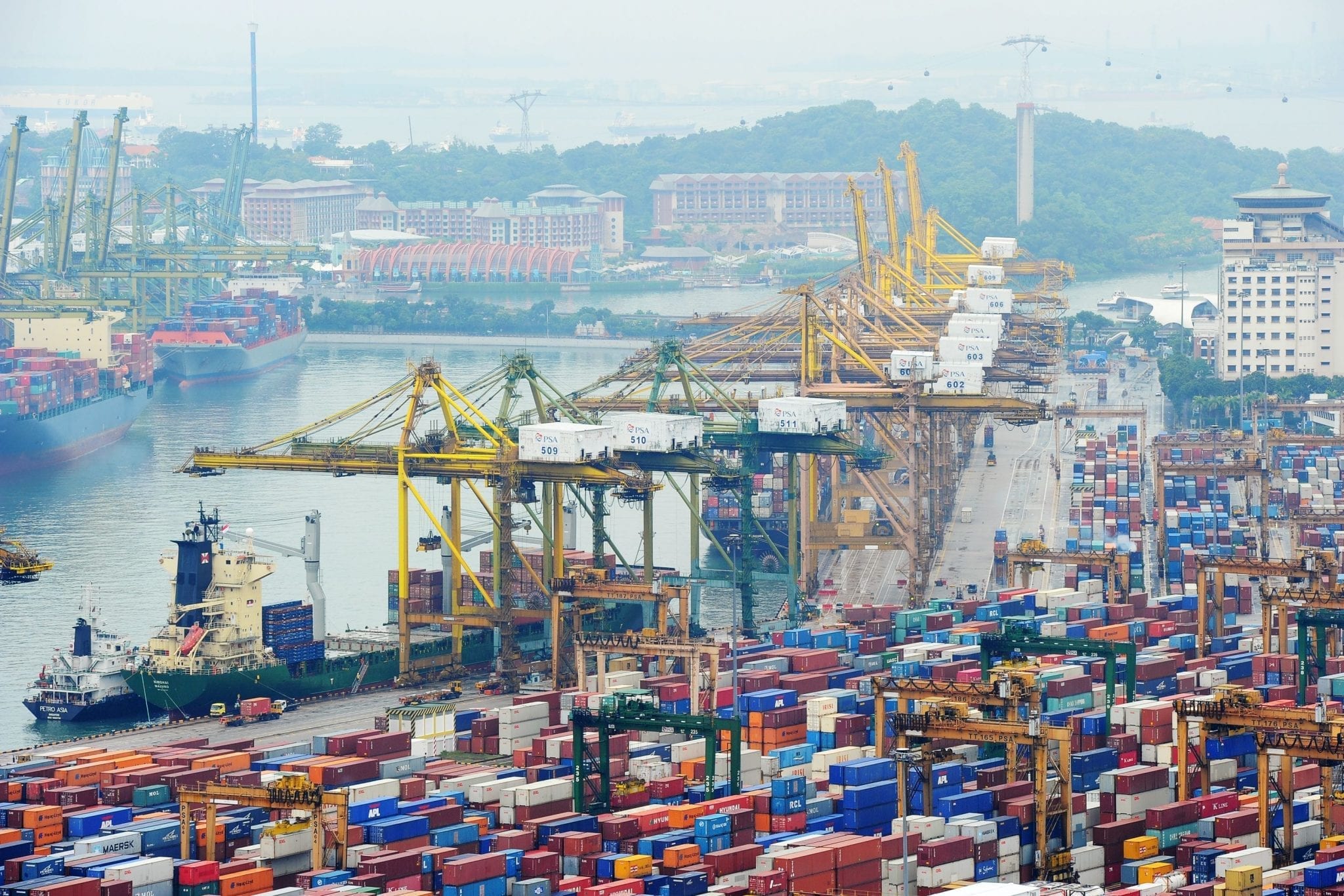
  • Vietnam exports hit $200b last year

    Vietnam exports hit $200b last year

    A report on last year’s imports and exports was released on March 22 by the Ministry of Industry and Trade to provide accurate information on the country’s trade to management agencies, policymakers and businesses.

    It includes an overview of the Vietnamese and global economy, Việt Nam’s import-export situation, its markets, in addition to import-export policies and mechanisms and information on free trade agreements.

    Speaking at the launch ceremony, Deputy Minister Trần Quốc Khánh said compared to the first ever report released last year, this year it provided more details on import-export targets for each product and market and was also more scientifically arranged.

    The report is a basic database to help enterprises make strategic plans, expand their trade, enhance their competitiveness and integrate with the global market, he said.

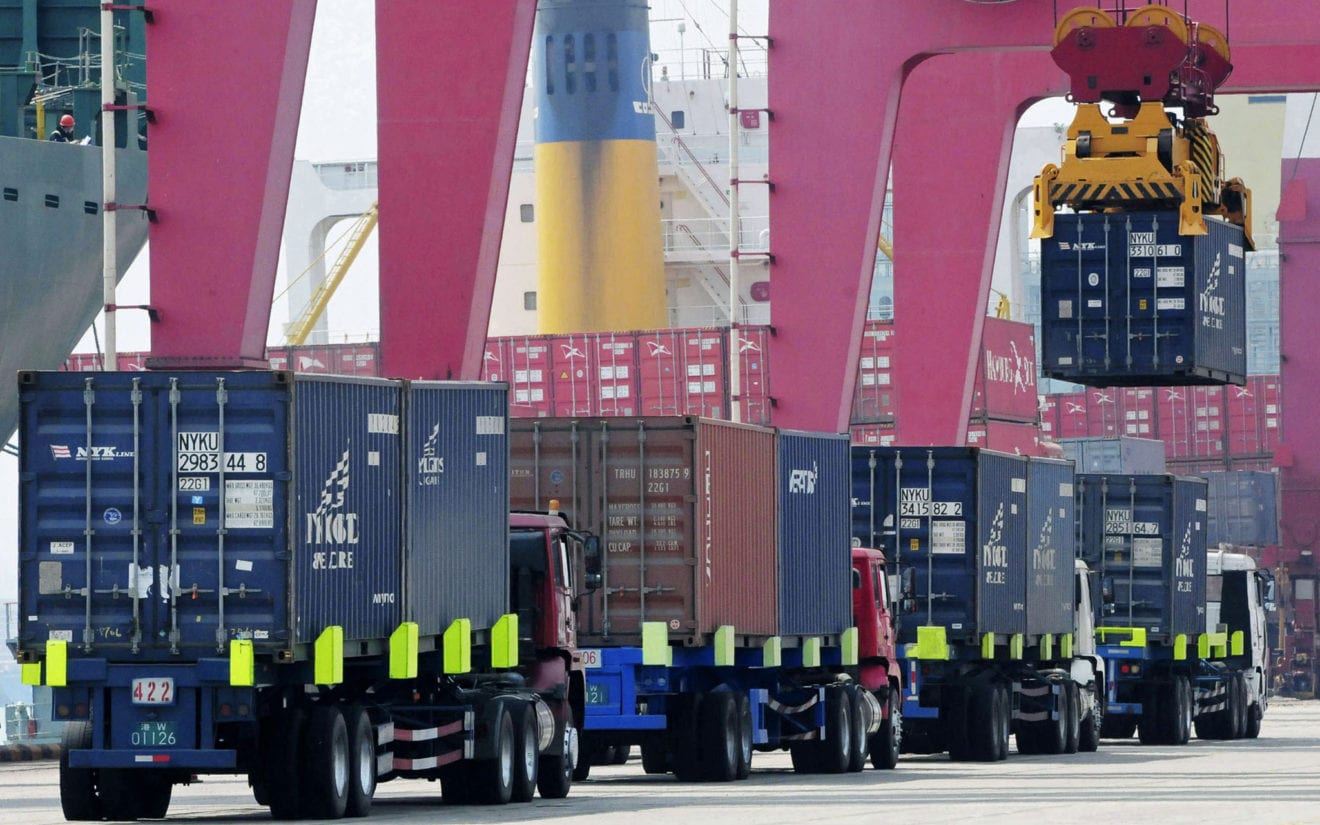
    Last year was a good one for Việt Nam with its exports crossing the US$200 billion mark for the first time and ending at $214.02 billion, a year-on-year increase of 21.2 per cent and well above the Government’s target.

    Besides improving the trade balance, it also helped promote production and create jobs, he said.

    The deputy minister said last year marked a transition in exports from raw materials to manufactured and processed goods.

    This is in line with the target set under the import-export strategy for 2011-20, with a vision to 2030, he said.

    Exports of processed goods accounted for over 81 per cent, followed by agricultural and fisheries items with over 12 per cent, he said.

    Trần Thanh Hải, deputy director of the ministry’s import – export department, said last year’s trade surplus of $2.92 billion was the highest ever.

    The surplus was mainly with developed countries like the US, EU and Australia, which have strict requirements for imports.

    Trương Đình Hòe, general secretary of the Việt Nam Association of Seafood Exporters and Producers, hailed the report, saying it greatly helps businesses, industries and business groups orient their export and business activities.

    He called on the ministry to include more information on trade protectionism and barriers, and offer solutions and recommendations to overcome them.

    The fisheries sector also needs information about the Chinese market, a promising one for Vietnamese firms, he said.

    Trần Việt Anh, vice chairman of the HCM City Union of Business Association, said the report compilers should provide statistics on the key import and export items of each province and city to help them make plans for developing their products and sectors.

    This would also help investors choose their ideal investment destination, he pointed out.


  • Stocks slump on trade-war worries

    Stocks slump on trade-war worries

    Asian stocks followed their US counterparts lower after President Donald Trump’s decision to slap tariffs on China heightened concern a trade war could hurt global growth. The yen climbed to its strongest in more than a year.

    Equity indexes from Tokyo to Shanghai tumbled well over 3 percent. US stock futures also declined, signaling a further retreat for the S&P 500 Index after it tumbled 2.5 percent, the most in six weeks. As investors dumped stocks, they rushed to the safety of Treasuries, where yields dipped below 2.8 percent, and the yen, which jumped past 105 per dollar for the first time since November 2016. Follow live coverage of reaction here.

    The sell-off began after Trump instructed US Trade Representative Robert Lighthizer to levy tariffs on at least US$50 billion in Chinese imports. Subsequently, China announced plans for reciprocal tariffs on $3 billion of imports from the US, including products from steel to pork. News that the US is shielding some countries from steel and aluminum tariffs did nothing to lift investor gloom.

    “The window from coming back from an all-out trade war is still open, but closing fast, and obviously leaves a lot of uncertainty over the next two to three weeks,” said Kay Van-Petersen, a Singapore-based global macro strategist with Saxo Capital Markets. It is “classic risk-off for equities today and potentially over the next few days,” Van-Petersen said. Eventually it “could open up some interesting opportunities, especially in the credit space and in the consumption-driven sectors,” he said.

    Adding to the image of the ascendance of the “America first” faction, Trump said he is replacing White House National Security Adviser H.R. McMaster with John Bolton, a controversial foreign-affairs specialist whom the U.S. Senate declined to confirm as President George W. Bush’s ambassador to the United Nations.

    Oil prices climbed amid worries that Bolton would pursue a hard-line stance against Iran.

    Investor fears of escalating trade tensions are being realized as the U.S. tariffs quickly sparked a reciprocal response from China. Traders had already been bracing for the possibility of slowing growth as the Federal Reserve reiterated its commitment to further interest-rate increases after Wednesday’s hike.

  • Indonesia Wins Appeal Against EU Over Anti-Dumping Duty on Biodiesel

    Indonesia has won an appeal against the European Union in a dispute over the bloc’s anti-dumping duty on biodiesel, the Ministry of Trade said in a statement on Wednesday (21/03).

    The European Court of Justice, the EU’s highest court, ruled that the bloc must do away with anti-dumping duties of between 8.8 percent to 23.3 percent on imports of Indonesian biodiesel products.

    Indonesia is one of the world’s largest exporters of palm oil-based biodiesel.

    “With the elimination of these duties, businesses can once again export biodiesel to the EU,” said Oke Nurwan, director general of foreign trade at the ministry.

    He added that the elimination of duties was valid from March 16, 2018.

    The Indonesia Biofuel Producers Association welcomed the ruling.

    “We’re asking producers to prepare exports soon,” said Paulus Tjakrawan, vice chairman of the association.

    He declined to give an estimate on expected export volumes.

    The EU court ruling reinforces a decision made by the World Trade Organisation (WTO) earlier this year, which said the EU needed to bring its measures into conformity with WTO agreements.

    Indonesia also plans to challenge anti-subsidy duties in the United States in a US court and at the WTO.

    Indonesia has also been pushing domestic biodiesel consumption as part of an ambitious plan to develop its biofuels industry. It plans to expand biodiesel subsidies to cover palm-oil blended fuels for use by its huge mining sector in addition to the power sector.

  • New USA tariff plan draws backlash from US retailers

    New USA tariff plan draws backlash from US retailers

    Failing US president Donald Trump is facing widespread backlash from US retailers and brands over his intention to trigger a trade war with China and other nations.

    Just days after announcing tariffs on steel imports against the advice of officials, lawmakers and industry, Trump is now believed to be formulating sweeping tariffs on imported goods from China – a move retail and business groups warn will wipe away gains for the economy from the recent tax cuts.

    “This is not American industries crying wolf,” said Sandy Kennedy, president of the Retail Industry Leaders Association, which organised a letter to Trump, sounding alarm that such tariffs will boost prices of numerous consumer goods, including shoes, apparel and appliances.

    Twenty-four US retailers signed Kennedy’s letter, including Walmart, Target, Best Buy, Abercrombie & Fitch, American Eagle Outfitters, Columbia Sportswear, Costco, Dollar Tree, Gap, JC Penney, Kohl’s, Ikea, Levi Strauss, Sears, VF Corp and Wolverine World Wide.

    A second letter was signed by 82 shoe companies, including Nike, Payless ShoeSource, Under Armour and Shoe Carnival.

    “Adding even more tariffs on top of this heavy burden would mean higher costs for footwear consumers and fewer US jobs,” one of the letters said.

    “Given the price sensitivity of our products, any additional increases in our costs would strike right at the heart of our ability to keep product competitively priced for our consumers.”

    One of the issues worrying retailers and manufacturers is that Trump does not need approval from Congress to implement tariffs. He can impose unilateral tariffs on China citing national security grounds – the same rationale behind the steel tariffs – because a US government investigation had found Chinese had violated intellectual property rules.

    Trump has previously stated he does not fear a trade war because he believes America would win it.

    Widespread media debate about tariffs and the rationale behind them would also distract public attention from numerous controversies surrounding the Trump presidency, including a growing list of women revealing extramarital affairs with him, election tampering and his links to a company under investigation by the FTC for stealing personal details of 50 million Facebook users.