Category: Finance

Retail News Asia is committed to providing both local and global retailers with the latest Finance news throughout the Asian market. This on a daily base.

  • Naver and Daum to track cryptocurrency prices

    Naver and Daum to track cryptocurrency prices

    Naver and Daum, Korea’s two largest search engines, will begin providing real-time cryptocurrency prices on their websites.

    Dunamu, an affiliate of Kakao which operates the cryptocurrency exchange Upbit, will run the service, the company said. Users can enter the name of a cryptocurrency in either search engine, and the current price will show up in the results.

    Service began on Daum, which is owned by Kakao, immediately after the announcement. Naver plans to start the service early next month.

    Users of KakaoTalk chat app could also check cryptocurrency prices inside the chat app.

    Dunamu already provides real-time cryptocurrency prices as well as information about highs and lows of the day, week, month and year, and transaction size on its own website.

    Its trading platform, Upbit, deals in 124 different cryptocurrencies.

  • Affirm Debuts Brick-And-Mortar Financing Option, Integrates With Apple Pay

    Affirm Debuts Brick-And-Mortar Financing Option, Integrates With Apple Pay

    Affirm, a startup that offers instant loans for online purchases, is expanding its financing services to brick-and-mortar retail. Shoppers can use Affirm InStore in physical locations, secure credit approval and pay for their purchase in fixed monthly installments.

    Additionally, the company revealed that consumers can instantly add a newly issued Affirm virtual card to Apple Pay, via the Affirm mobile app. The platform gives merchants two options to support the service: they can integrate the Affirm InStore API with their POS system or use the expanded virtual card experience.

    The in-store integration method is virtually identical to the online and mobile product experience, according to a company statement. To apply, shoppers complete a five-field application for a real-time credit decision. Once approved, the consumer enters the amount they wish to spend and selects a payment plan — usually three, six, 12, 18 or 24 months. Affirm pays the merchant in full at the time of settlement and takes on all fraud risk for the purchase.Affirm highlighted Apple reseller Simply Mac as a successful use case for the service in a press release. Afterswitching from offering a traditional private label credit card to Affirm InStore in its stores, Simply Mac saw average order values (AOV) increase 20%, credit applications per store boost 63% and credit approvals per store boost 34%.

    Affirm raised $200 million in Series E funding in December 2017, with Singapore-based sovereign wealth fund GIC leading the way. Khosla Ventures, Lightspeed Venture Partners, Founders Fund, Spark Capital, Caffeinated Capital, Ribbit Capital and others participated in the round.

    Affirm’s valuation is estimated to be between $1.5 billion and $2 billion. The company’s continued growth comes at a time when consumers are becoming increasingly wary of accumulating credit card debt, compound interest or late fees, and are often skeptical of traditional store-branded or private label credit cards that offer “too-good-to-be-true” financing options.

  • China, Hong Kong stocks fall tracking Wall Street

    China, Hong Kong stocks fall tracking Wall Street

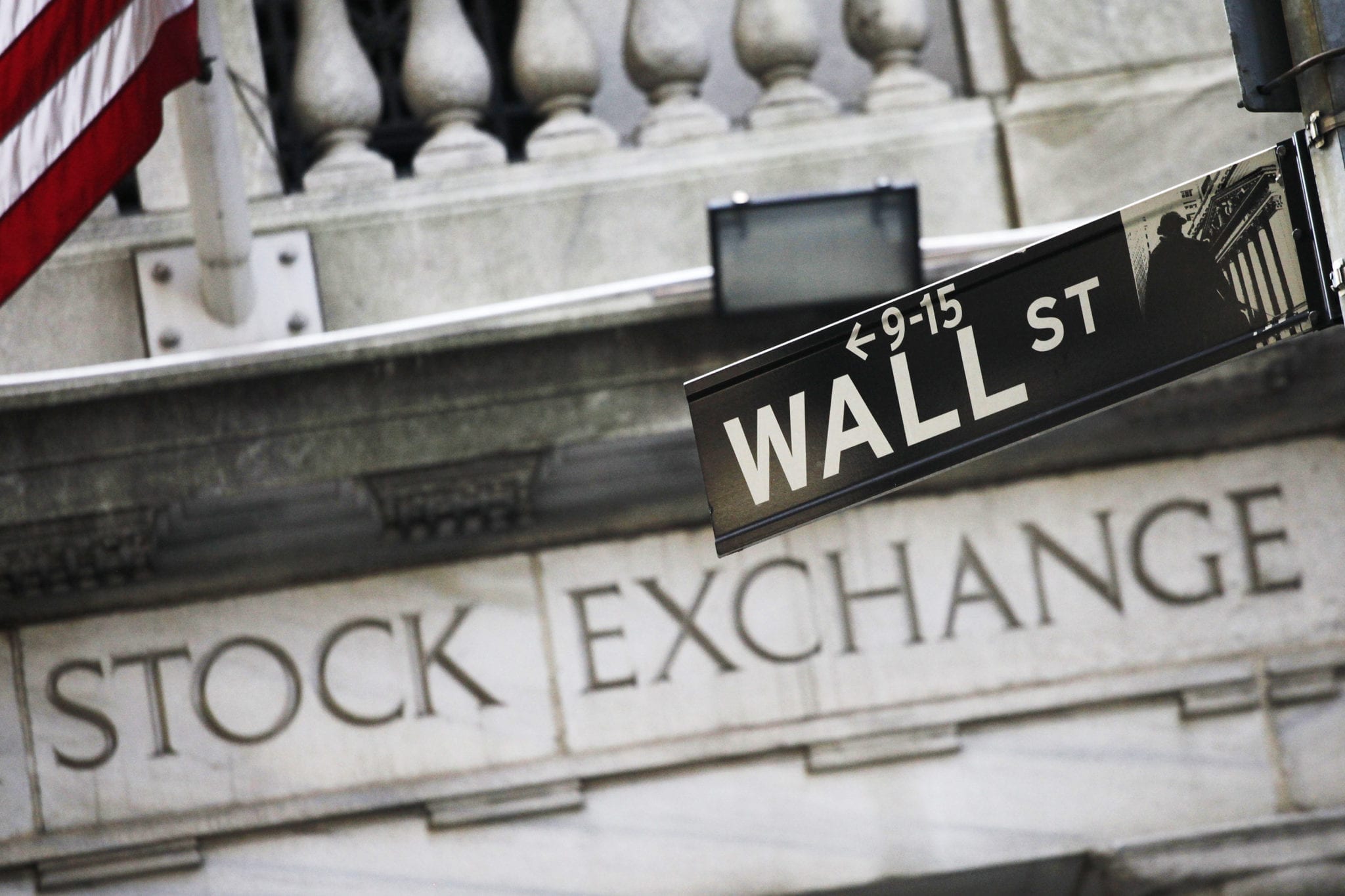
    Stocks in China and Hong Kong fell early on Tuesday, tracking losses on Wall Street, where concerns over increased regulation of large technology companies led to shares of Facebook plunging overnight.

    ** Facebook shares tumbled 6.8 percent as Chief Executive Mark Zuckerberg faced calls from both U.S. and European lawmakers to explain how a consultancy that worked on U.S. President Donald Trump’s election campaign gained access to data on 50 million Facebook users.

    ** Investors also worried about the potential for a trade war after Trump imposed tariffs on steel and aluminium.

    ** At 04:06 GMT, the Shanghai Composite index was down 0.26 percent at 3,270.82, and the blue-chip CSI300 index was 0.48 percent lower at 4,054.64. ** Chinese H-shares listed in Hong Kong fell 0.93 percent at 12,542.44, while the Hang Seng Index was down 0.54 percent at 31,344.20. ** The smaller Shenzhen index was down 0.55 percent, while the start-up board ChiNext Composite index was weaker by 0.06 percent.

    ** The Trump administration is expected to unveil up to $60 billion in new tariffs on Chinese imports by Friday, targeting technology, telecommunications and intellectual property, two officials briefed on the matter said Monday.

    ** U.S. businesses have been alarmed, with several large U.S. retail companies, including Walmart Inc and Target Corp , on Monday urging Trump not to impose massive tariffs on goods imported from China. ** Around the region, MSCI’s Asia ex-Japan stock index was weaker by 0.31 percent, while Japan’s Nikkei index was down 0.73 percent. ** The yuan was quoted at 6.3264 per U.S. dollar, 0.07 percent firmer than the previous close of 6.3308. ** The largest percentage gainers on the main Shanghai Composite index were Guodian Nanjing Automation Co Ltd up 10.1 percent, followed by Guizhou Yibai Pharmaceutical Co Ltd gaining 10.03 percent and Beijing AriTime Intelligent Control Co Ltd up by 10.02 percent. ** The largest percentage losers on the Shanghai index were Heilongjiang Interchina Water Treatment Co Ltd down 6.41 percent, followed by Cultural Investment Holdings Co Ltd losing 6.36 percent and Zhonglu Co Ltd falling by 5.46 percent. ** The top gainers among H-shares were CSPC Pharmaceutical Group Ltd up 10.4 percent, followed by China Gas Holdings Ltd gaining 4.74 percent and Huaneng Power International Inc up by 1.37 percent. ** The three biggest H-shares percentage decliners were Byd Co Ltd which has fallen 2.70 percent, China Vanke Co Ltd which lost 2.7 percent and New China Life Insurance Co Ltd down by 2.2 percent. ** About 8.25 billion shares have traded so far on the Shanghai exchange, roughly 45.9 percent of the market’s 30-day moving average of 17.96 billion shares a day. The volume traded was 13.80 billion as of the last full trading day. ** As of 04:06 GMT, China’s A-shares were trading at a premium of 25.94 percent over the Hong Kong-listed H-shares. ** The Shanghai stock index is below its 50-day moving average and its 200-day moving average. ** The price-to-earnings ratio of the Shanghai index was 14.91 as of the last full trading day, while the dividend yield was 2 percent. ** So far this week, the market capitalisation of the Shanghai stock index has risen by 0.24 percent to 29.29 trillion yuan. ** In Hong Kong, the sub-index of the Hang Seng index tracking energy shares rose 0.3 percent, while the IT sector fell 0.3 percent. The top gainer on Hang Seng was Sunny Optical Technology Group Co Ltd up 3.94 percent, while the biggest loser was Hong Kong Exchanges and Clearing Ltd which was down 1.81 percent.

  • Stock mostly higher but Facebook sinks again; Oracle plunges

    Stock mostly higher but Facebook sinks again; Oracle plunges

    Stock indexes finished mostly higher after a day of bouncing around Tuesday as retailers, energy companies and banks recovered some of their losses from the day before, but technology companies struggled as Facebook dropped again.

    Amazon led a rally among retailers, and it passed Alphabet, Google’s parent, as the second most-valuable U.S.-listed company, while energy companies rose with oil prices. Banks rose along with interest rates as the leaders of the Federal Reserve met. They are expected to raise interest rates on Wednesday.

    Facebook sank following reports that the Federal Trade Commission will investigate its handling of user data while authorities in the U.S. and U.K. demanded answers from the company. That came after reports that Cambridge Analytica, a data mining firm working for President Donald Trump’s campaign, improperly obtained data on 50 million Facebook users without their permission.

    While Facebook stock regained a portion of its losses at the end of the day, it has fallen more than 9 percent this week. Social media companies Twitter and Snap also fell as investors considered the possibility that the government will pass new laws affecting their businesses.

    “We don’t know what’s in store for an industry that isn’t really regulated,” said Samantha Azzarello, global market strategist at JPMorgan Exchange Traded Funds.

    The gainers Tuesday were mostly larger companies, which suffered the biggest losses Monday. Smaller companies struggled and more stocks fell than rose on the New York Stock Exchange.

    After a drop of 1.4 percent Monday, the S&P 500 index rose 4.02 points, or 0.1 percent, to 2,716.94. The Dow Jones industrial average gained 116.36 points, or 0.5 percent, to 24,727.27. The Nasdaq composite rose 20.06 points, or 0.3 percent, to 7,364.30. The Russell 2000 index of smaller-company stocks dipped 0.16 points to 1,570.41.

    Amazon jumped $41.58, or 2.7 percent, to $1,586.51 and Best Buy picked up $1.51, or 2.2 percent, to $70.04. Industrial companies including Caterpillar recovered much of their losses as well. Some major technology companies including Apple, Microsoft and Nvidia moved higher after significant drops a day ago.

    Facebook lost $4.41, or 2.6 percent, to $168.15. The drop in the last two days is the worst for Facebook in two years, and it knocked Facebook from its perch as the fifth most valuable publicly traded company in the U.S. Warren Buffett’s Berkshire Hathaway conglomerate, which owns insurance companies and railroads among many others, moved ahead of Facebook.

    Other social media companies also sank: after sharp losses Monday, Twitter plunged $3.63, or 10.4 percent, to $31.35 and Snap lost 42 cents, or 2.6 percent, to $16. Alphabet, which fell 3 percent Monday, lost another $427 to $1,095.80.

    Investors were disappointed with Oracle’s third-quarter report. While the company announced a bigger profit than analysts expected, they were less impressed once items like lower tax rates and stock repurchases were excluded, and its sales were lower than Wall Street had forecast. The company’s forecast for the fourth quarter also came up short of estimates. The stock dropped $4.90, or 9.4 percent, to $47.05.

    The Federal Reserve’s leaders began a two-day policy meeting that is expected to result in another interest rate increase on Wednesday. The Fed has said it expects to raise interest rates a total of three times this year, and one of the key debates on Wall Street is whether it will wind up increasing rates three times or four. The current meeting is the Fed’s first since Jerome Powell became chairman, and investors will be watching his comments at a press conference Wednesday afternoon.

    “Markets right now are hypersensitive to the Fed,” said Azzarello of JPMorgan. She said the Fed is trying to communicate clearly with investors and it won’t rush to raise interest rates.

    Bond prices fell. The yield on the 10-year Treasury note rose to 2.89 percent from 2.85 percent. When yields rise, it allows banks to charge higher interest rates on loans including mortgages.

    Banks and other financial companies rose, while companies that pay large dividends, including phone and utility companies, moved lower. Those stocks tend to fall out of favor with income-seeking investors when bond yields rise.

    Benchmark U.S. crude rose $1.34, or 2.2 percent, to $63.40 a barrel in New York. Brent crude, used to price international oils, gained $1.37, or 2.1 percent, to $67.42 per barrel in London.

    Wholesale gasoline gained 4 cents to $1.97 a gallon. Heating oil added 4 cents to $1.95 a gallon. Natural gas picked up 2 cents to $2.68 per 1,000 cubic feet.

    Gold fell $5.90 to $1,311.90 an ounce. Silver fell 14 cents to $16.19 an ounce. Copper lost 4 cents to $3.04 a pound.

    The dollar rose to 106.46 yen from 105.97 yen. The euro fell to $1.2253 from $1.2357.

    Germany’s DAX added 0.7 percent and the CAC 40 in France gained 0.6 percent. Britain’s FTSE 100 closed 0.3 percent higher. Japan’s benchmark Nikkei 225 lost 0.5 percent while South Korea’s Kospi edged up 0.4 percent. Hong Kong’s Hang Seng inched up 0.1 percent.


  • UnionPay To Launch E-Payment Solutions for SMEs at Bangkok Fintech Fair 2018

    UnionPay To Launch E-Payment Solutions for SMEs at Bangkok Fintech Fair 2018

    UnionPay International (UPI), a global payment network, will unveil its low-cost and easy implementable e-payment solutions at the Bangkok FinTech Fair 2018, held from 19 – 20 March 2018. Aimed at providing secure, cost effective and convenient payment solutions to empower small and medium-sized enterprises (SMEs) to capture the opportunities in a rapidly digitalising economy, UnionPay will be showcasing a range of mobile and wearable payment technologies that can be easily adopted by SMEs in Thailand.

    The e-payment solutions on show include:

    Wearable Payments: UnionPay provides a glimpse into the future of payments using Garmin, Huawei, Swatch and Tic wearable products. Consumers can easily digitise their credit or debit cards to enable hands-free payment with a tap of their wearable devices while leaving their cash and cards at home. Merchants can also streamline their payment operations by doing away with the use of cash, easing payment settlement for them.

    Quick Response (QR) Code Payments: QR Code payments offer a quick and easy way to process e-payments.. To make QR payments at participating merchants in Thailand, UnionPay Cardholders can simply download a mobile application that supports UnionPay QR Code payments, link their cards to the app, and use the app to scan the merchant-presented QR Code, or generate a dynamic consumer-presented QR Code to be scanned by the merchant.

    “As Thailand moves towards realising the vision of a cashless society, UnionPay International is working actively to develop and test more innovative e-payment solutions that are tailored to the needs of the SMEs,” said Mr. Wenhui Yang, General Manager, UnionPay International Southeast Asia. “These e-payment solutions are showcased at the Bangkok FinTech Fair 2018, and will pave the way for more payment innovations to come as we look to harnessing technologies like artificial intelligence, big data, biometric authentication and other innovations to enable quicker, safer and more seamless payments for consumers and small businesses alike,” he added.

    In May 2017, UnionPay International announced its plan for a standardised QR code in Thailand to support Bank of Thailand’s cashless drive. Following the announcement, UnionPay will launch a QR Code payment pilot at Soi La Lai Sap Market in Silom in the second quarter of 2018. The QR Code pilot will involve hundreds of merchants, enabling small businesses who traditionally accept cash payments to experience a new low-cost electronic payment alternative, to accelerate Thailand’s push towards a cashless society. With the launch of the pilot, consumers will also be able to enjoy quick, convenient and secure payments by scanning the QR Codes on display at the participating merchants’ outlets at Soi La Lai Sap Market.

    UnionPay has rolled out QR code payment at selected F&B outlets, hotels and retailers in Singapore, Vietnam and 10 other markets globally.

  • Worldpay and Lianlian Pay team up to connect China to the world

    Worldpay and Lianlian Pay team up to connect China to the world

    Worldpay, Inc. the global leader in payments, and Lianlian Pay, one of the top mobile payment service providers in China, are partnering to expand Worldpay’s settlement and pay out capabilities to include Chinese Yuan (CNY).

    Lianlian Pay provides an efficient and cost-effective cross-border payment and money transfer solution to Chinese and international businesses and marketplaces. As a result of the partnership, Worldpay customers can expect access to pay outs in CNY and enhanced deposit capabilities, on top of the 18 settlement currencies already available via a single technical connection. The strategic collaboration will open up local currency settlement and pay out services to businesses across retail, travel and airlines sectors.

    By partnering with Lianlian Pay, Worldpay will also be able to further streamline their one-stop service to eCommerce businesses; reducing the time it takes for merchants to receive their funds in local currency in China.

    Set to launch in mid-2018, the integration will also help international companies to grow their business in China as it will become easier for them to receive settlement in CNY, without needing to deal with a bank or third-party supplier. As the Chinese eCommerce market continues to expand, the time is ripe for international businesses to establish their presence in the region. Worldpay’s new service will undoubtedly facilitate further growth and encourage investment into China, helping to link the Chinese eCommerce market to the rest of the world.

    Shane Happach, Executive Vice President, Head of Global Enterprise eCommerce at Worldpay commented: “As China continues to cement its position as the largest eCommerce market in the world, the expansion of our settlement and pay out services to include CNY will have huge impact for businesses in China and beyond. We are delighted to be partnering with Lianlian Pay, an innovative and established payments leader in the region, to meet the rising demand for cross-border payments and domestic currency settlement. By combining our global payments capability and expertise with Lianlian Pay’s offering, we are enabling our customers around the world to tap into the tremendousgrowth opportunity.”

    Arthur Zhu, President at Lianlian Pay said: “With its strength in traditional international trade, China is poised to be one of the largest recipients of trade proceeds from all over the world. By partnering with market leader Worldpay, Lianlian Pay, as a local expert with a proven track record of high volume RMB settlement, can make a bigger contribution to facilitate transactions for millions of Chinese companies and individuals.”

  • Woods Bagot celebrates completion of Sunshine Insurance Finance Plaza

    Woods Bagot celebrates completion of Sunshine Insurance Finance Plaza

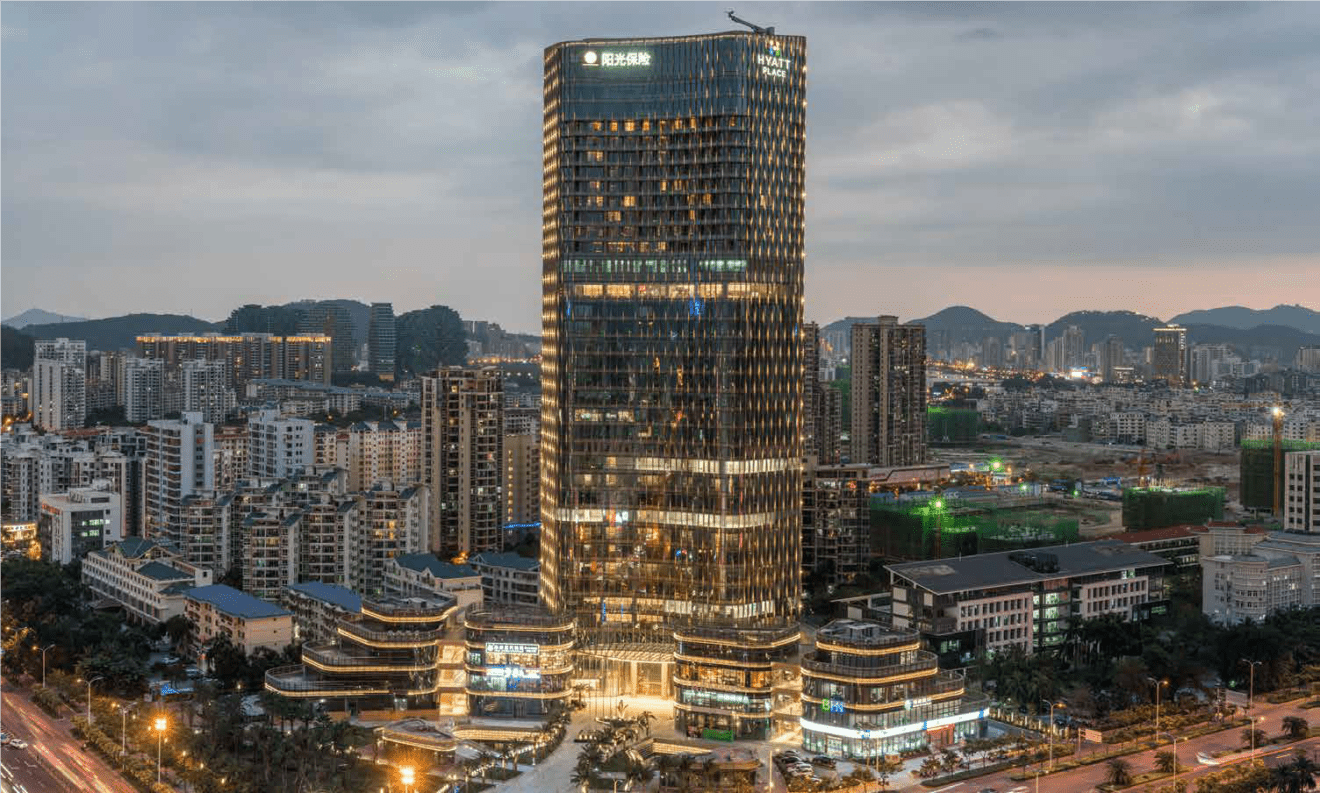
    Sunshine Insurance Finance Plaza provides a soaring new addition to Sanya Bay’s rising skyline. Located at the southern tip of China’s Hainan Island, the mixed-use development features a 37-storey tower rising above a tiered retail podium and lush gardens. The tower comprises A-grade offices, a 4-star Park Hyatt Hotel, a private clubhouse and a rooftop pool.

    Inspired by a strand of pearls, the landscaped gardens are dotted with low pavilions and cooling fountains. A grand allée lined with palm trees reflects the vertical axis of the site. Because this seaside resort is humid and windy, indigenous flora was planted at the office building’s entries to modulate the temperature and buffer the ocean winds. The effect is an urban oasis in the middle of what locals often refer to as “the Hawaii of China.”

    Patrick Daly, the lead architect, said, “We were honored to design this new HQ for China’s preeminent insurance company. Our goal was to design a complex that seamlessly transitions between a variety of uses, moderates the tropical climate, and provides stunning views of the island, the ocean, and the hills beyond.”

    At the base of the tower is a curved play of tiered, multilevel podiums that serve the people who live near and work in the building, as well as the surrounding community. This shared use is de rigueur for Woods Bagot’s work in China.

    Acting as a community link, the four orb-shaped edifices connect to the outdoor common spaces by way of pedestrian paths and also feature roof decks and high-end retail spaces. Below, locals can enjoy an underground concourse with everyday amenities, where they will be sheltered from heavy rainfall during the winter months.

    Standing at 525 feet/160 meters, the central, curved pillar also serves multiple demographics. The concave portion includes the entryway to the offices, while the convex beckons hotel visitors and employees. Inside the offices, employees enjoy interior “pocket” atriums inserted into the sides of the tower to provide meeting places for companies. Large meeting places take the form of roof decks for the hotel.

    The strong western sun determined the shape of the tower. To alleviate its heat, the design team landed on a curved shape to disperse its rays on both sides. The blades on both the main pillar and the podium’s façades help to further disperse the heat while also alluding to the local population’s history of basket weaving.

    Sunshine Insurance Finance Plaza brings nature into the city, connecting work and play in a green and sheltered setting.

  • Vietnam seeks more non-cash payments for public services

    Vietnam seeks more non-cash payments for public services

    The Government has set itself a target of collecting 80 percent of tax payments in cities through banks and enabling treasuries in all provinces and cities to have cashless payment systems by 2020.

    This has been announced in the Prime Minister’s Decision No 241/QD-TTg on fostering non-cash payments for public services like water and electricity and transactions related to social welfare.

    Non-cash payments are expected to be accepted by 70 per cent each of electricity and water suppliers, all universities and colleges, and 50 per cent of hospitals in major cities.

    Around 20 per cent of social welfare payments will be made through banks.

    According to a State Bank of Vietnam’s report, non-cash payments have been becoming a trend in recent years.

    The Government plans to develop modern means of bank payments and accept bank cards at treasuries, hospitals, and schools.

    It has instructed banks to offer cards with multiple methods of use so that they can be used to pay directly, through smart phones and others.

    It has encouraged co-operation between banks and other organisations to offer more forms of non-cash payments, especially for making payments related to social welfare.

    But it has made it clear that these forms should be user-friendly so that even people in rural and remote places without bank accounts can use them.


  • Bank of Indonesia Expects Rupiah to Strengthen

    Bank of Indonesia Expects Rupiah to Strengthen

    Bank Indonesia expects the rupiah to continue to strengthen and currency market volatility to subside as market price in expected US Federal Reserve’s interest rate hikes, a senior official said on Wednesday (14/03).

    “The fundamental level of an exchange rate is not a fix level, but I can say that the current level is not [the rupiah’s] fundamental and it should be stronger than now,” said Doddy Zulverdi, who heads the monetary management department at Bank Indonesia (BI) and is also one of the candidates to become a member of BI’s board of governors.

    Doddy reiterated BI’s commitment to intervene in the market to guard the rupiah against volatility. He said the recent weakness has had limited impact on exports, but has likely had a bigger effect on holding back imports.

    The rupiah touched a two year low of 13,800 a dollar earlier this month. It was trading at 13,731 per dollar on 0400 GMT Wednesday.

  • Thomson Reuters launches bitcoin sentiment gauge

    Thomson Reuters launches bitcoin sentiment gauge

    Thomson Reuters Corp is to track and analyse chatter about bitcoin on hundreds of news and social media websites to help investors looking for an edge in trading the world’s biggest cryptocurrency, the company said today.

    A new version of its MarketPsych Indices, which it runs in conjunction with MarketPsych Data LLC, a behavioural economics research firm, will scan over 400 websites, many specific to cryptocurrencies, to capture market-moving sentiment and themes, Thomson Reuters said in a statement.

    Digging through market chatter and analysing online sentiment has long proven popular among traders of traditional asset classes.

    The boom in the prices of cryptocurrencies in recent years has spurred a huge online industry where individuals exchange trading ideas in forums and news websites report on the latest developments in the industry.

    Many analysts have linked online activity, for example Google searches for “bitcoin”, with the price of the best-known cryptocurrency.

    “News and social media are driving the investment and risk management process more than ever with the continuing rise of passive and quant-driven trading,” said Austin Burkett, global head of quant and feeds, Thomson Reuters.

    Bitcoin’s price gained more than 1,300% last year as investors piled in, and since peaking at close to US$20,000 (RM78,000) in December has lost more than half its value. It was trading at around US$9,600 on the Luxembourg-Bitstamp exchange today.

  • Ant Financial CTO: New technologies will bring more equal opportunities to all

    Ant Financial CTO: New technologies will bring more equal opportunities to all

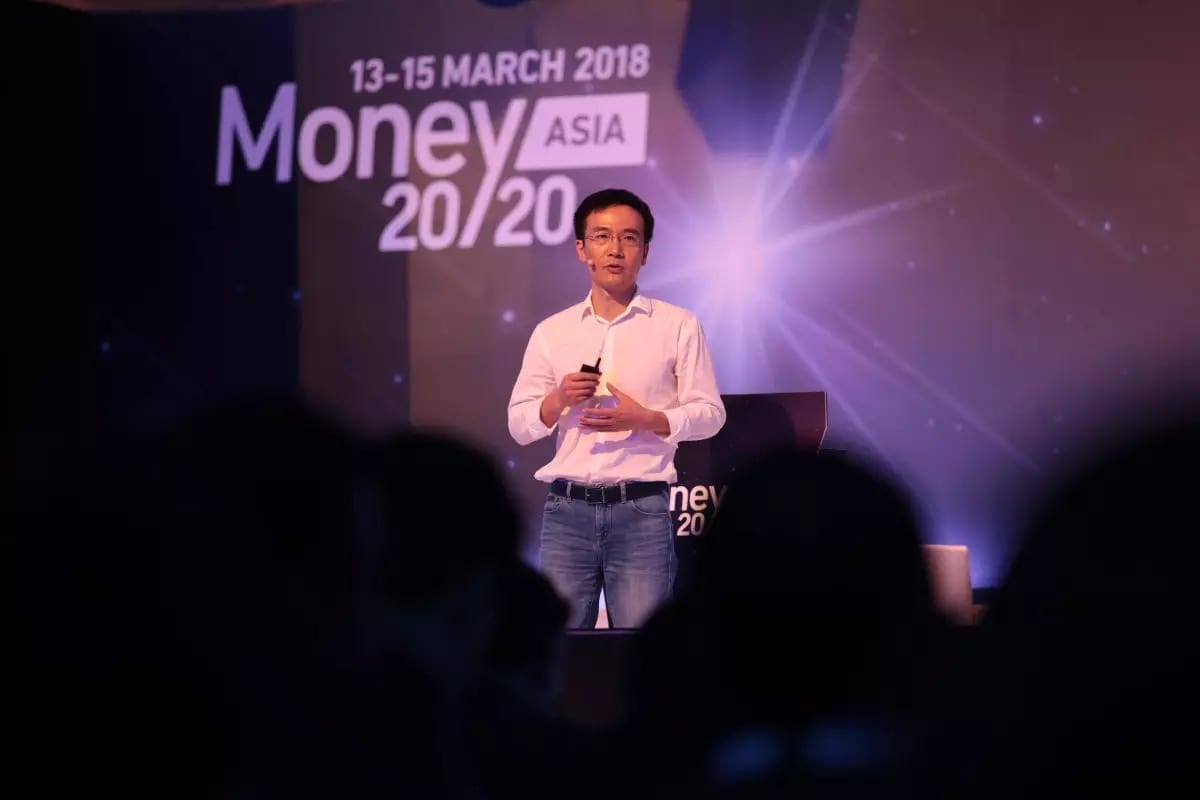
    Ant Financial Services Group (“Ant Financial” or “Ant”) yesterday participated in Money20/20 Asia industry event, where chief technology officer and chief operations officer of global business group, Cheng Li presented the opening keynote speech to an audience of 1800 gathered at the city state.

    Equal opportunities

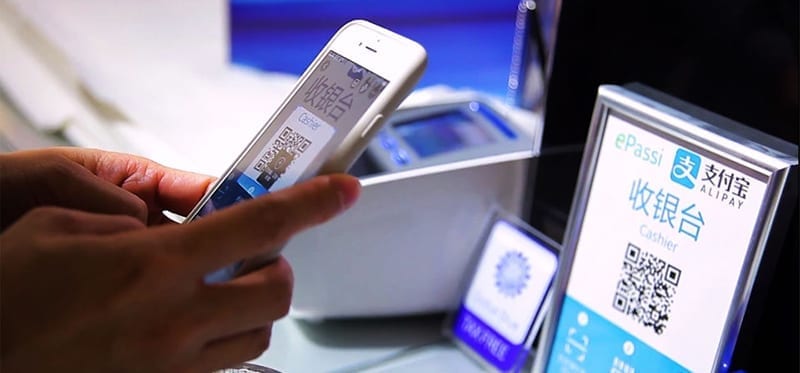
    Citing the examples of a herdsman and a small merchant whose store is located at the foot of Mount Everest 5200m above sea level, Cheng went on to explain how technology is pathing the way for such communities to now enjoy financial services that were previously closed to them. When China started moving into the mobile age a few years ago, Ant Financial began looking at improving offline payment options so that small merchants who could not afford expensive point-of-sales systems can enjoy efficient, cheap and secure payment too. This gave birth to the use of what is now a familiar sight in many of China’s highly-developed cashless cities – scanning QR codes. Using only simple but highly efficient and secure technologies, Ant Financial has enabled even the smallest of merchants to accept payment, anywhere, anytime.

    B.A.S.I.C

    Speaking on the B.A.S.I.C that forms the building blocks of Ant’s technologies, Cheng went on to explain the importance of each: blockchain, artificial intelligence (AI), security, Internet of Things, and computing as Ant rolled out one new product after another, guided by its mission of bringing equal opportunities through technology. From using blockchain as the new trust mechanism to improve the transparency and traceability of ecommerce supply chains or charity funds, to using artificial intelligence to reduce Ant’s payment risk to less than one in one million, or answering millions of customer inquiries a day, Ant is showing how new technology can be applied to their business to solve previously challenging issues.

    Future challenges

    While Cheng remained positive of the future, there are challenges that lie ahead. With increasingly connected intelligent things generating huge IoT data stream, one of Ant’s biggest challenges is making machines understand the ultra-complex financial system well enough to provide financial services in a more efficient and inclusive way.

    Cheng Li will be due to speak again at the Ant Technology Exploration Conference (ATEC). Led by Cheng Li, the ATEC sessions will see domain experts within Ant Financial and key partner companies deepdive into the B.A.S.I.C. model. The Ant Technology Exploration Conference will take place on March 14, 2018, from 1530 hrs – 1830 hrs at Marina Bay Sands Expo and Convention Centre, Level 4, main stage.

  • Indonesia Eyes Fintech Regulation to Avoid ‘Loan Shark-Like’ Practices

    Indonesia Eyes Fintech Regulation to Avoid ‘Loan Shark-Like’ Practices

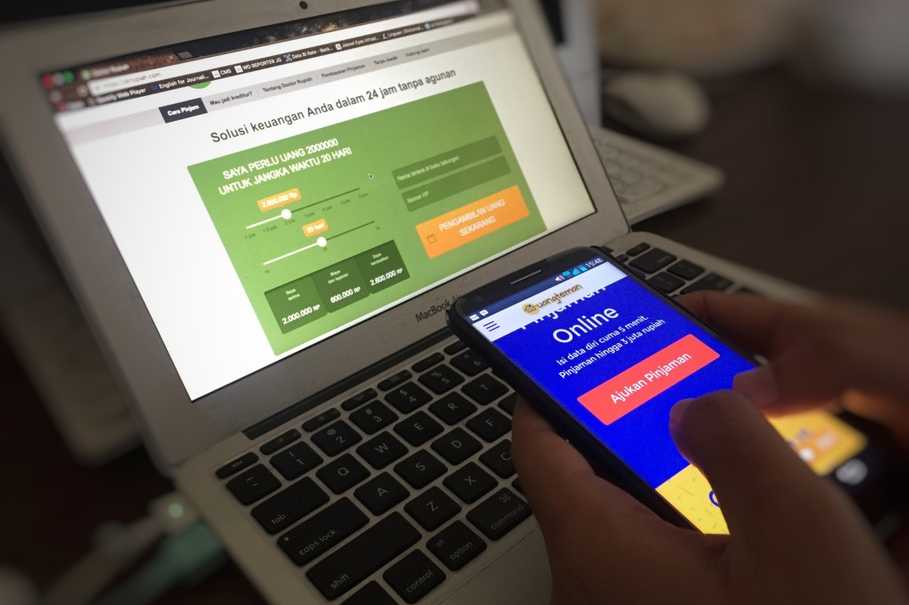
    Indonesia’s financial regulator said it was considering setting a cap on interest rates and the size of loans offered by fintech firms, in a move aimed at minimizing the risk of defaults.

    The emergence of these peer-to-peer (P2P) lending platforms, offering loans ranging from as little as a few hundred dollars to several thousands, has so far been welcomed by Indonesia, Southeast Asia’s biggest economy where tens of millions of people have little or no access to bank credit.

    More than 300,000 people have borrowed from these firms, with total loan distribution reaching 3 trillion rupiah ($218 million) as of January, versus 247 billion in December 2016, according to data from the Financial Services Authority (OJK).

    Meanwhile, annual growth in bank lending has slowed to under 10 percent, from over 20 percent in the commodity boom years. ‎

    “We support P2P lending so the people can have an easier access [to financing]. But when the access has been easier, the P2P companies feel the need to offer a high rate,” Eko Ariantoro, the director of the financial inclusion development directorate at the OJK, told reporters on Tuesday (13/03).

    “We don’t want these developing fintechs to become loan shark-like businesses‎,” he said.

    Ariantoro said the proposed maximum lending rate was still under discussion.

    There are 36 registered fintech firms operating in Indonesia and the OJK said 42 others were in the process to be approved.

    The OJK plans to also issue a new regulation for crowdfunding platforms this year as part of efforts to protect customers’ funds, Eko said.

    “We are trying to regulate the mechanism to acquire and collect funds. There should be a form of responsibility to the fund owner,” he said.

  • Retail brand Cue will roll out WeChat and Alipay payments across Australia

    Retail brand Cue will roll out WeChat and Alipay payments across Australia

    Fashion brand Cue Clothing Co. has staked a claim as the first Australian retailer to offer WeChat and Alipay payment services in every one of its standalone store sites, nationwide.

    In a statement, Cue said its three fashion brands, including Cue, Veronika Main and Dion Lee, will be using RoyalPay, a software platform that allows customers using WeChat or Alipay to pay in store using their local currency, such as the Chinese Yuan.

    The Cue group operates 126 Cue stores in Australia and New Zealand, as well as 108 Veronika Maine outlets. There are eight standalone Dion Lee stores.

    According to its website, RoyalPay acts as an intermediary between buyer and seller by taking the Yuan payment and settling the transaction with the merchant in Australian dollars.

    WeChat and Alipay are both major players in the Chinese market, with WeChat hosting over 900 million daily active users. Alipay is the third-largest payment platform globally, with 500 million users.

    “We have seen continued growth in Chinese customers shopping with us, particularly over the Chinese New Year period,” Cue chief information officer Shane Lenton said.

    “During this time Australia was the biggest market for cross-border WeChat payments outside of Asia.”

    While Cue Clothing says it is the first retailer to implement the new payment options across its entire network, it appears plenty of other Australian businesses also see value in experimenting with these platforms. More than 10,000 Australian shops and restaurants are using the WeChat Pay system and according to the RoyalPay website, Australian retailers including Priceline, Terry White Chemists and IGA have also already joined the platform to process Yuan transactions.

    WeChat presents potential to access to Chinese market

    According to Dr Gary Mortimer, an associate professor in the business school at Queensland University of Technology, adopting these new payment platforms is just one way Australian businesses, big and small, are attempting to attract the Chinese customer base.

    And it is happening at the same time as Chinese e-commerce giants Alibaba and JD.com are paying more attention to Australia.

    “There are some great opportunities in China for businesses. We’ve seen the growth of daigou businesses getting into the Chinese market,” he says.

    “Certainly with JD.com launching last year in Australia, it indicates there is a healthy appetite for Australian brands in the Chinese market. This looks like Cue is making headways by adopting these types of payment platforms.”

    However, Mortimer says security will be front of mind for any shoppers interested in using the new options. He believes Cue will have to show customers the platforms have been integrated with security in mind.

    “It’ll be vital that as Cue integrates these platforms into these websites that there’s enough security so consumers can feel confident that their platforms are secure,” he said.

    Mortimer says businesses are starting to facilitate digital payments and transactions through wearable technology and even through social media, as well as through the introduction of Apple Pay and other alternatives to cash and credit card payments.

    However, Cue’s existing customer base may not align with the kinds of customer willing to use WeChat or Alipay, meaning the company could be chasing a brand new demographic.

    “I suspect the demographic using these types of payment plans would be younger, Gen Y consumers. I don’t think that’s the core customer of Cue,” he says.

    “This is more about getting their product into the Chinese market using social media rather than facilitating extra sales.”

  • Central Bank of China governor rejects bitcoin as legitimate payment method

    Central Bank of China governor rejects bitcoin as legitimate payment method

    China does not recognize bitcoin and other digital currencies as legitimate forms of payment, the central bank governor, Zhou Xiaochuan, said on Friday.

    “We do not currently recognize bitcoin and other digital currencies as a tool like paper money, coins and credit cards for retail payments,” Zhou said on the sidelines of the annual parliament session. “The banking system does not accept it.”

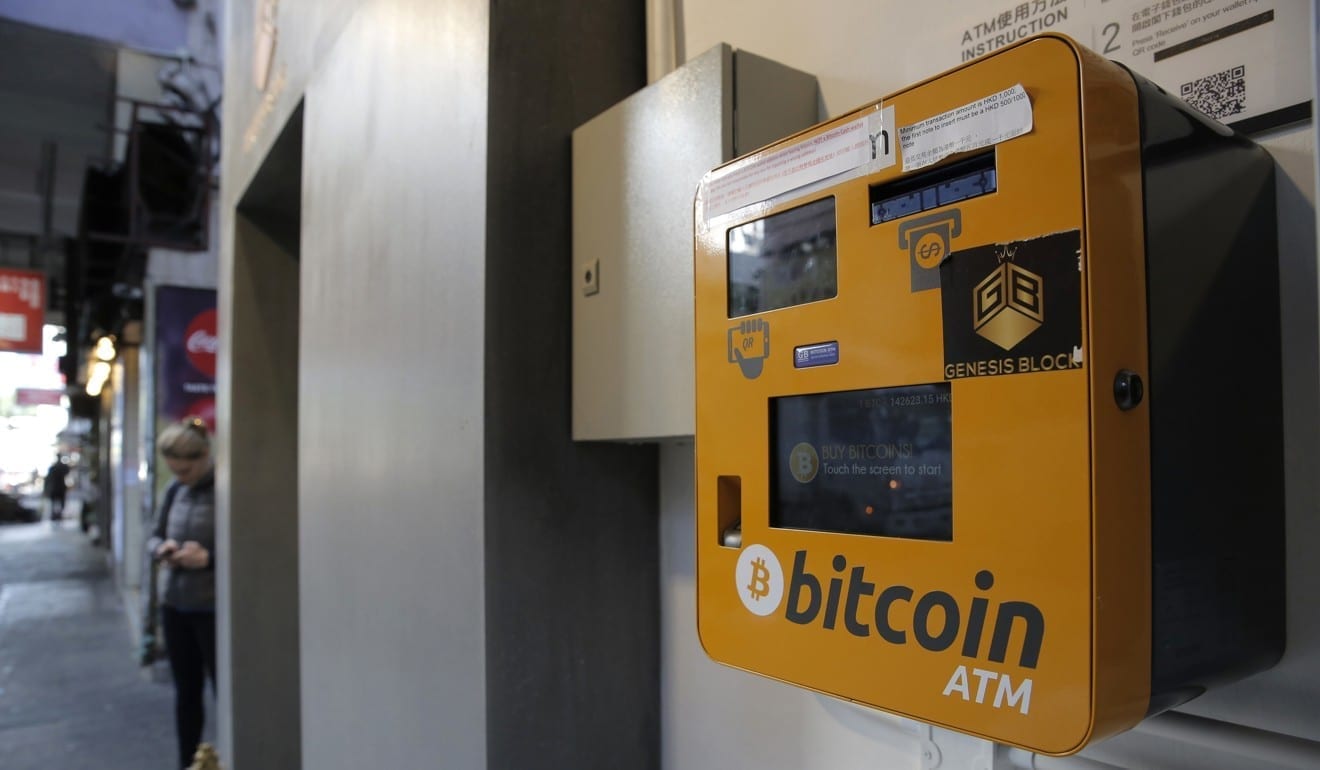
    China has taken a string of steps in recent months to clamp down on the cryptocurrency market, including closing exchanges and banning so-called initial coin offerings (ICOs) ­— digital, token-based fundraising rounds.

    Zhou’s remarks added to pressure on bitcoin after the US on Thursday said “potentially unlawful” online trading platforms for cryptocurrencies, may be giving investors an unearned sense of safety and should be registered with the regulator.

    Zhou said China paid close attention to the blockchain and distributed ledger technologies that bitcoin is built on, but that some applications of the technology had grown too quickly.

    “If they spread too rapidly, it may have a big negative impact on consumers. It could also have some unpredictable effects on financial stability and monetary policy transmission,” said Zhou.

  • Digital currency is inevitable, likely to overtake fiat Bank of China admits

    Digital currency is inevitable, likely to overtake fiat Bank of China admits

    Zhou Xiaochuan, the central bank’s governor, made these certain remarks relating to cryptocurrencies at this year’s National People’s Congress During his press conference, he admitted the fast growth of cryptocurrencies and spoke on how it could be better used in the country. Nevertheless, the bank is not comfortable with digital currencies like the Bitcoin and is slowly finding ways in which to regulate them as they believe digital currency is inevitable.

    The Governor of the central bank made it clear during the congress that digital currency is inevitable and have a higher likelihood to replace paper money. He further noted that for effective regulations to be availed, new technologies and regional trials have to be conducted.

    “The central bank is researching digital currency. Issuing a digital currency does not depend on a technology application but on the ability to reduce costs and improve the convenience of retail payments.” Referring to Bitcoin’s extensive growth, the vice governor advised that “speculative products” should be closely monitored.

    Although harsh on the current cryptocurrencies, in mid-2017, the People’s Bank of China established a digital currency research institute which was tasked at developing a state-controlled digital currency to cater for an increased demand of a digital currency.

    The governor’s remarks are similar to the ones issued by the same bank in early January 2016. In its earlier remarks, the central bank stated that they were looking into issuing their own digital currency in the soonest time possible.

    Although China’s economy is not yet conversant with digital money it’s seeking the help of the industry to carry out research and development of a digital currency. Zhou noted that the latest crackdown on the cryptocurrencies like Bitcoin is meant to strengthen investor and consumer education and protection.

    This follows the government’s move to further extend its whip on those dealing with cryptocurrencies. It even forced a popular social media platform, WeChat, to close down and closely monitor all accounts that are dealing with cryptocurrency. Especially those belonging to cryptocurrency exchanges.

    This made it hard for mainland residents who traded in cryptocurrencies and used WeChat as a tool of trade. Investors were forced to rely on offshore accounts. Those who didn’t have offshore accounts preferred over-the-counter to continue with the cryptocurrency trading.

    Nevertheless, with the government admitting digital currency is inevitable, it is just a matter of time before we start hearing some good news again from a one-time crypto “leading” nation.

    Do you think the PBoC and the government will eventually issue their own state-backed digital currency or will they adopt the already available digital currencies?

    Let us know your thoughts in the comments section