Category: Finance

Retail News Asia is committed to providing both local and global retailers with the latest Finance news throughout the Asian market. This on a daily base.

  • Jaymart cryptocurrency to “feel lovely” in launching day

    Jaymart cryptocurrency to “feel lovely” in launching day

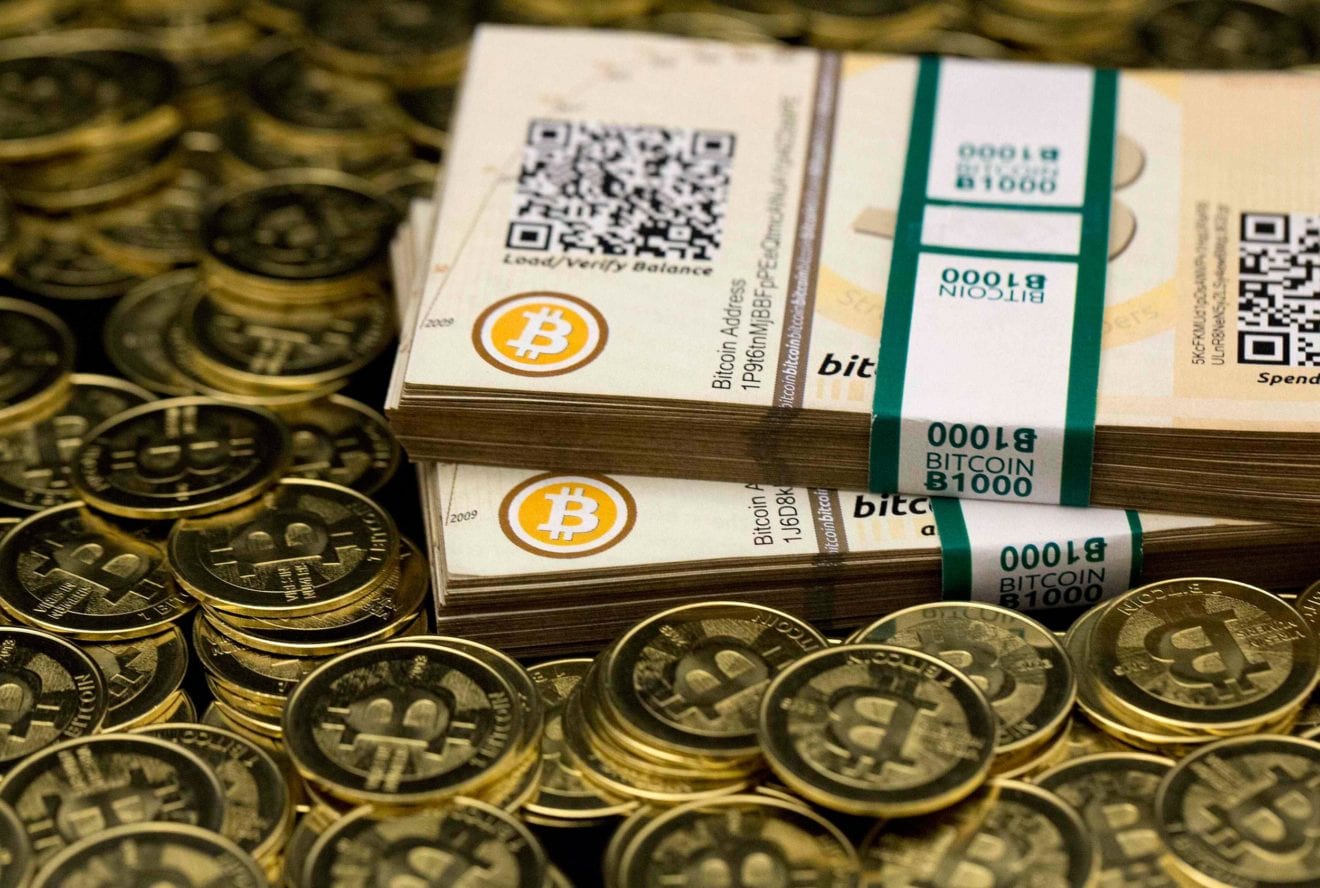
    Thailand’s J-Ventures, a subsidiary of electronics retailer Jaymart, is to launch a cryptocurrency on Valentine’s day as means of raising US$20 million.

    There are no clear regulations in Thailand at this time relating to cryptocurrencies, which can be traded on the Thailand Digital Asset Exchange (TDAX) and Thailand Bitcoin Exchange (BX).

    J-Ventures says it will hold an ICO (Internet Coin Offering) of 100 million JFin tokens, each with a face value at launch of 20 cents, from February 14 to 28.  A further 200 million virtual tokens will be kept in reserve for later use.

    The Jaymart cryptocurrency will be accepted as currency in Jaymart stores and traded on the two exchanges.

    The funds raised in the offering will be used by another Jaymart subsidiary J Fintech to develop a digital lending platform using blockchain technology

    “Jaymart’s loan service business has a large growth potential,” explained J-Ventures CEO Thanawat Lertwattanarak. “Therefore, we need to create an ecosystem, develop a customer database and provide a new channel for people to access loans more easily.”

  • Bursa Malaysia rebounds to open higher

    Bursa Malaysia rebounds to open higher

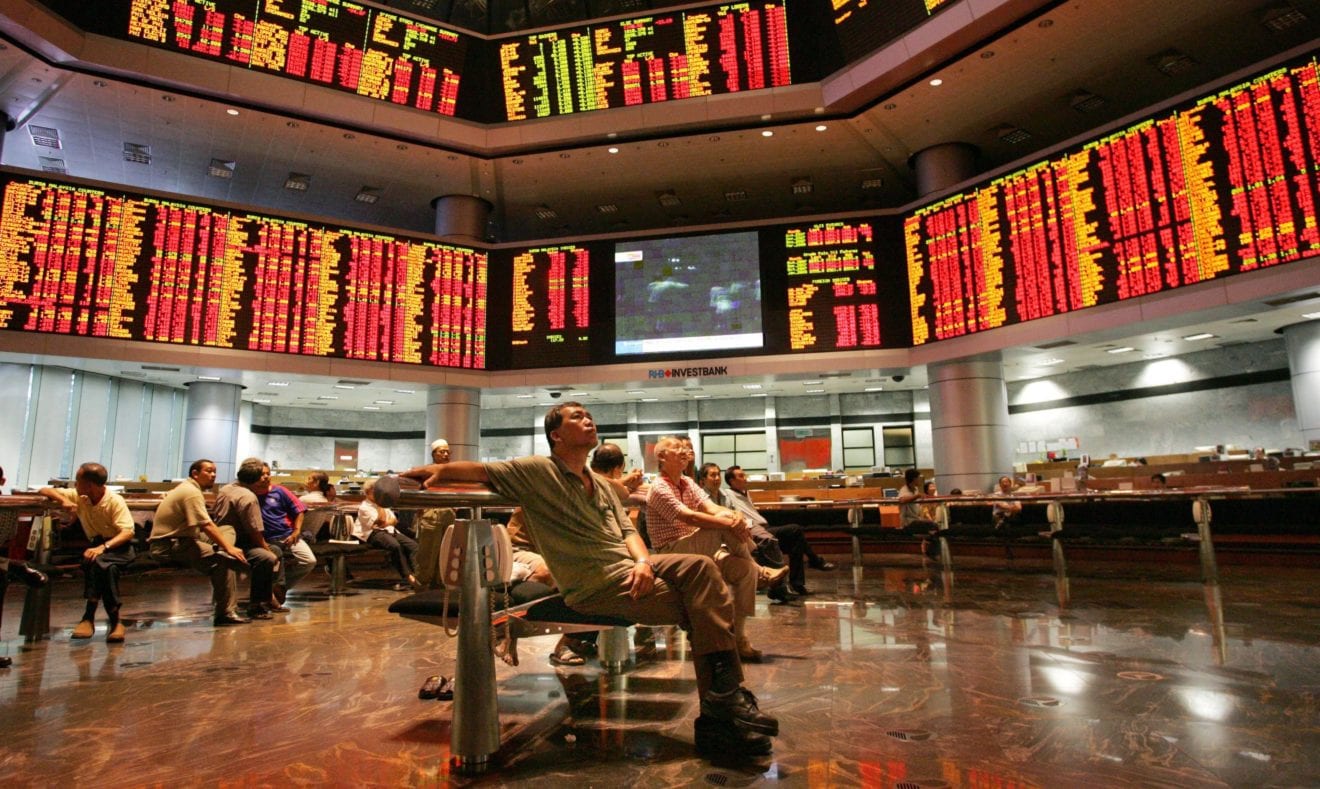
    Bursa Malaysia rebounded from yesterday’s losses to open slightly higher today on renewed buying interest in selected heavyweights, amid a mixed start on regional markets, dealers said.

    At 9.10am, the benchmark FTSE Bursa Malaysia KLCI (FBM KLCI) stood at 1,824.10, up 2.50 points, from yesterday’s close of 1,821.60.It opened 1.79 points higher at 1,823.39.

    Overall market breadth was slightly positive with gainers leading losers 142 to 121, while 211 counters were unchanged, 1,386 untraded and 33 others suspended.

    Turnover stood at 190.75 million shares worth RM86.95 million.

    Kenanga Research expected the benchmark index to move towards the resistance level of 1,840 points and 1,866 points, while any near-term weakness is likely to be short-term in nature.

    “Immediate support is seen at the psychological level of 1,800 points and 1,793 points next, where investors can look forward to buying on dips,” it said in a research note today.

    Among heavyweights, Maybank was flat at RM9.86, Public Bank slipped two sen to RM20.86, while TNB rose 12 sen to RM15.72, with Petronas Chemicals and CIMB Bank up two sen each to RM8.19 and RM6.82, respectively.

    Of the actives, Sumatec earned half-a-sen to 10 sen, UMW O&G and Perisai Petroleum were flat at 34.5 sen and 6.5 sen, while Sino Hua-An fell one sen to 46 sen.

    The FBM Emas Index was 10.95 points higher at 13,151.05, the FBMT 100 Index rose 10.64 points to 12,815.42, but the FBM 70 shed 9.87 points to 16,374.26.

    The FBM Emas Syariah Index went up 23.80 points to 13,591.17, but the FBM Ace eased 0.95 of-a-point to 6,682.31.

    Sector-wise, the Finance Index improved 5.53 points to 17,195.59 and the Plantation Index declined 10.76 points to 8,058.29, while the Industrial Index advanced 15.03 points to 3,327.68.

    The physical price of gold as at 9.30am stood at RM162.85 per gramme, down 0.61 sen from RM163.46 at 5pm yesterday.

  • Bitcoin slides below US$10,000 amid clampdown fears

    Bitcoin skidded below US$10,000 (RM39,500) yesterday, halving in value from its peak price, with investors gripped by fears regulators could clamp down on the volatile cryptocurrency that sky-rocketed last year.

    The price of bitcoin, the world’s biggest and best known cryptocurrency, fell to as low as US$9,500 on the Luxembourg-based Bitstamp exchange, the lowest since Dec 1.

    Bitcoin touched a peak of almost US$20,000 in December – and indeed crossed over that threshold on some exchanges – but has since been roiled by several large sell-offs.

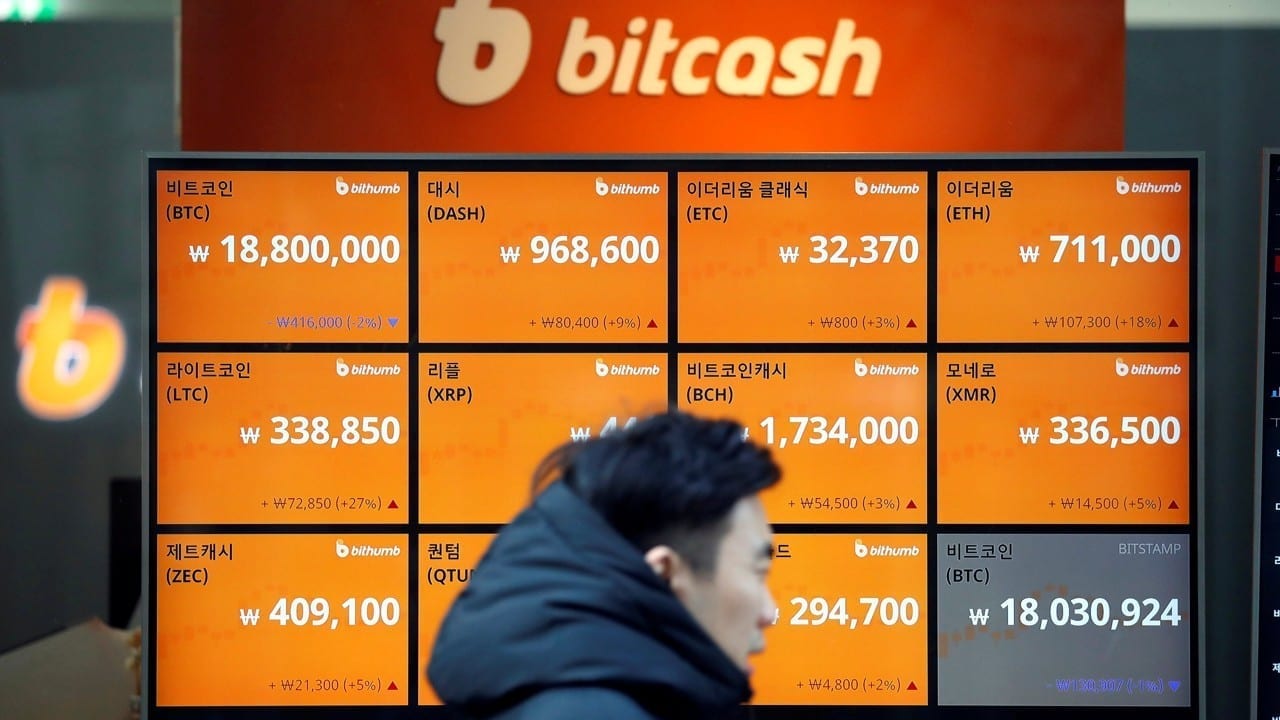
    Other cryptocurrencies plunged as well. Ethereum and ripple were both down heavily after reports South Korea and China could ban cryptocurrency trading, sparking worries of a wider regulatory crackdown.

    “There is a lot of panic in the market. People are selling to try and get the hell out of there,” said Charles Hayter, founder of Cryptocompare, which owns cryptocurrencies.

    “You have more regulatory uncertainty … and because of these falls you have these other outfalls,” he said, referring to the collapse of some cryptocurrencies in the recent slump in prices.

    With South Korea, Japan and China all making noises about a regulatory swoop, and officials in France and the United States vowing to investigate cryptocurrencies, there are concerns that global coordination on how to regulate them will accelerate.

    Officials are expected to debate the rise of bitcoin at the upcoming Group of 20 (G20) summit in Argentina in March.

    “Cryptocurrencies could be capped in the current quarter ahead of the G20 meeting in March, where policymakers could discuss tighter regulations,” said Shuhei Fujise, chief analyst at Alt Design.

    Analysts at Citi said today bitcoin could halve again in value amid the current rout, adding that a possible fall to between the US$5,605 and US$5,673 area “looks very likely to be very speedy”.

    “Bitcoin is deciding whether this is the moment to crash and burn,” said Steven Englander, head of strategy at New York-based Rafiki Capital.

    “My conjecture is that cryptocurrency holders are trying to decide whether to abandon bitcoin because its limitations mean it will be superseded by better products or bet that it can thrive despite them.”

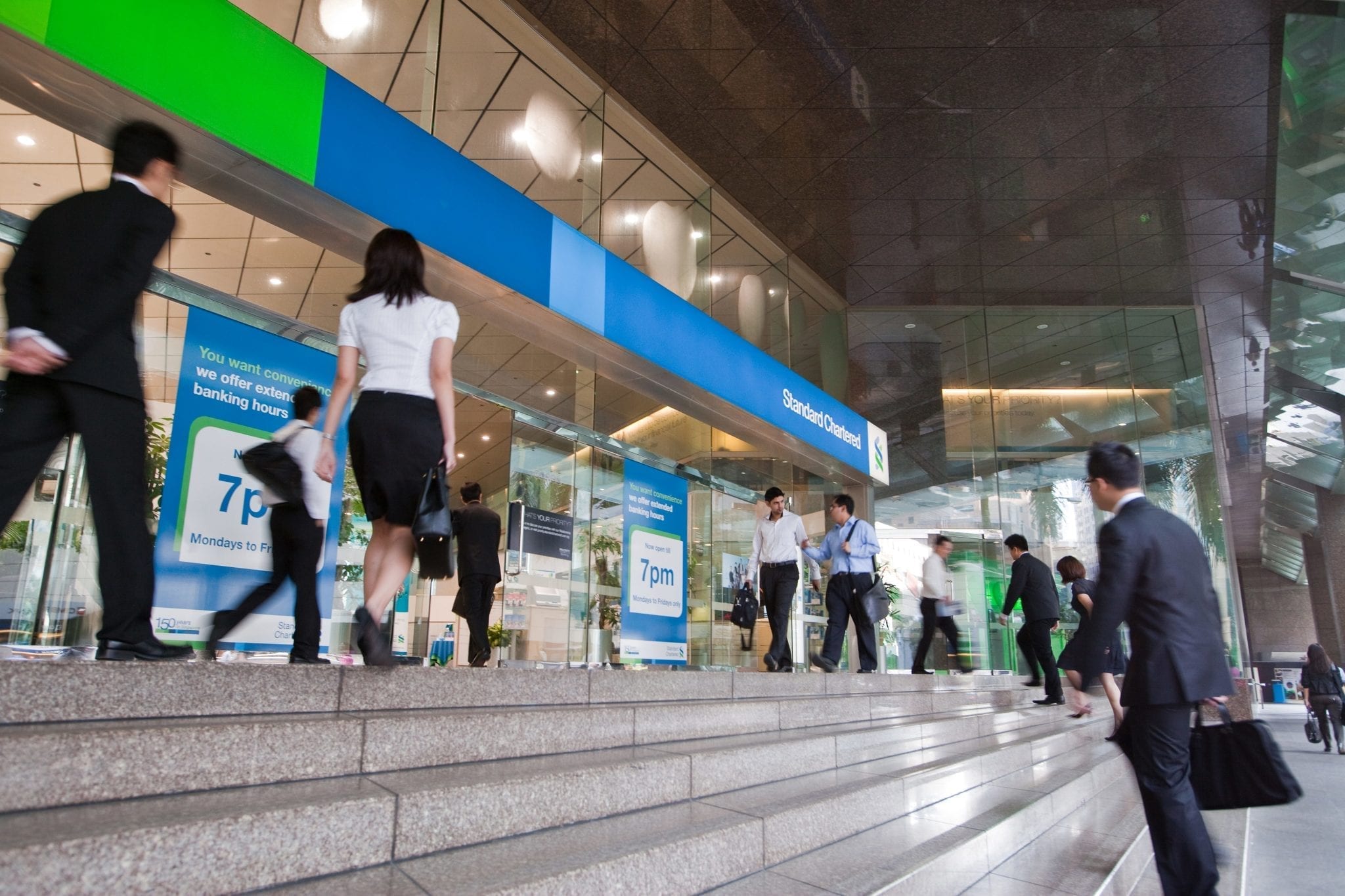
  • Standard Chartered sets up digital innovation, fintech investment unit

    Standard Chartered sets up digital innovation, fintech investment unit

    Standard Chartered PLC has established a new business arm named SC Ventures, to drive digital innovation, invest in fintech and start-up companies and promote rapid testing and implementation of new business models.

    The new unit will focus on problem solving and spreading innovation best practices and client centric design, managing minority investments in FinTech companies and further investments in promising technologies and sponsor and oversee new disruptive technology ventures that are wholly or partially owned by Standard Chartered.

    SC Ventures will be headed by by Alex Manson, who is the Global Head of Transaction Banking.

    “Technology is at the heart of Standard Chartered’s strategy – driving efficiencies, increasing automation, introducing global platforms, reducing manual errors and strengthening how it combats financial crime,” the group said in a statement.

    In 2015, it announced it was investing about US$3 billion (RM11.9 billion) over three years in technology and systems.

  • Cryptoсurrency Market Continues to Float After Regulation From South Korea

    Cryptoсurrency Market Continues to Float After Regulation From South Korea

    This weekend the cryptocurrency markets went on contending against the setback caused by a last week’s regulatory announcement from South Korea, which turned out to be false.

    On January 11, Justice Minister Park stated that the ministry is working on drafting a cryptocurrency trading ban bill in order to close down cryptocurrency exchanges. Just after that the price of almost all cryptocurrencies in the global market lost in value, with Bitcoin and Ethereum falling by nearly 10 percent. A couple of hours later, the Ministry of Strategy and Finance found out about the claims of Minister Park through media reports and emphasized that it did not support the personal statement of Minister Park nor agreed with it.

    On January 12, the Blue House, the executive office of President Moon Jae-in, made a public statement and apologized to South Korean citizens for the recent cryptocurrency trading ban controversy.They pointed out that the ban would not be imposed in the short-term.

    The South Korean faked ban is not the only attempt to regulate the cryptocurrency exchanges’ activity. Earlier China, one of the dominant players in terms of Bitcoin mining activities due to low electricity cost, banned Initial Coin Offerings (ICO) and closed down local Bitcoin exchanges. It also decided to put restrictions on the use of electricity consumed by the Bitcoin miners.

    However, regulators have never been able to kill off Bitcoin. But it is clear that they carry a lot of weight when it comes to affecting the market price.

    With the exception of Bitcoin, Ethereum, and Dash, the top 10 cryptocurrencies in the global market have increased in value after the ban turning out to be fake.

    Among the top 100 cryptocurrencies, only 20 managed to keep their values in the last 24 hours. In particular, cryptocurrencies, which are heavily concentrated in the South Korean crypto exchange market in terms of daily trading volume and user activity, have recovered faster than others.

    According to the data from CoinMarketCap, Bitcoin price decreased by 0.9% in the last 24 hours and currently makes up $13,722, while Ethereum suffered a 1.93% loss, falling down to $1331,79. Conversely, some currencies enjoyed an increase in value. Specifically, the price of Cardano increased by 4.30% and now runs at $0,833502. Another cryptocurrency that scored an advance is NEO – it increased by 13.89%, reaching $157,99.

    Given that the South Korean cryptocurrency exchange market is already recovering at a rapid rate, the global market will likely follow suit.

    However, there is one more thing that can fluster cryptocurrency admirers. Bitcoins are created as a reward for a process known as ‘mining’. The first bitcoin was created in January 2009, and there were nearly 21 million coins left to be mined. As more coins were mined, the higher rose the bitcoin’s price. So far on January 15, 2018, 16,803,537 BTC have been mined, meaning that there’s only 4196463 – less than 20 percent — left for miners to acquire. This leads to growth in the demand for the cryptocurrency, which allows to speculate that the bitcoin prices will take a flight in the near future.co

  • AirAsia introduces its own mobile wallet, BigPay

    AirAsia introduces its own mobile wallet, BigPay

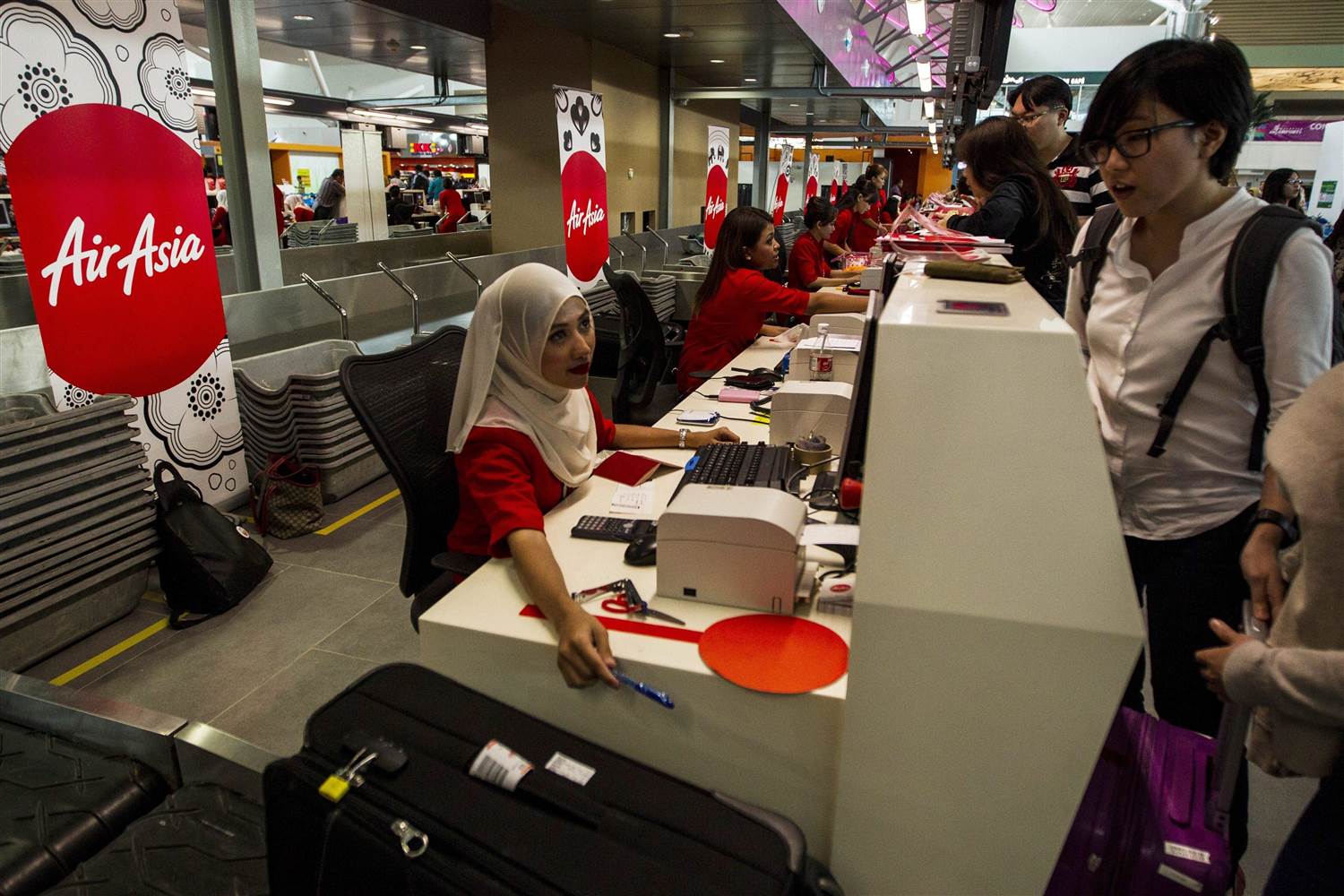
    AirAsia has joined the ranks of digital wallet providers with its own app, BigPay

    AirAsia Bhd Group chief executive officer Tan Sri Tony Fernandes announced the service on Twitter, saying it was part of AirAsia’s digital strategy.

    “One day this product will be worth more than @AirAsia. Many features being rolled out. Soon no more cash on AirAsia,” he said.

    He added that the BigPay electronic wallet would eventually offer foreign exchange remittances and possibly even money lending to AirAsia’s database of 63 million names.

    According to the BigPay’s Google Play page, the app was linked to Mastercard and could be topped up from their debit or credit cards.

    The app is said to be accepted at over 30 million merchants that accept Mastercard globally, plus users would earn AirAsia BIG loyalty points when they spend and get zero processing fees when booking a flight with the airline.

    The app’s page also assured that it was regulated by Bank Negara Malaysia and had the latest security protocols including fingerprint and facial recognition to verify the user’s identity.

    BigPay is available on Google Play store and the Apple App store.

  • Crypto Trading in Korea Continues, Questions Remain

    Crypto Trading in Korea Continues, Questions Remain

    Cryptocurrency trading in Korea is getting more detached, flying by its own rules. Recently, the news of an upcoming ban rattled the market. CoinMarketCap decided to alter its calculation protocol to exclude prices in Korea, thus for a while scaring investors that a flash crash had happened.

    But it turns out, Korean trading is not really affecting the sentiment of other markets. Korean trading mostly serves a very local taste for risk. In the summer months, interest in Bitcoin for a while coincided with the threat of North Korea.

    Later, it turned out that Koreans simply found investing in crypto irresistible, and moved in en masse. In the past, Korean authorities have had other bouts of market mania related to risky assets, thus being extremely anxious on how cryptocurrencies could affect personal finance.

    The Korean markets have seen an influx of retail investors, ranging from office workers to students, in search of a fast-growing investment in Bitcoin or other cryptocurrencies. Korean exchanges are fast to adopt new coins and allow immediate trading in pairs against fiat.

    But some see the latest price spikes as highly speculative and at a risk of crashing.

    For now, there are no further updates on what the Korean government would do with exchanges. Trading continues at a premium to US-based exchanges, and the Korean Won remains the fourth most active fiat currency in trading pairs.

    The matter is becoming politicized, and there are protests that the government should not meddle too much and make honest investors into outlaws.

    And while Bitcoin commands higher prices, it is difficult to move assets between exchanges and make use of the difference in trading.

  • Singapore’s UOB unveils digital advisory service

    Singapore’s UOB unveils digital advisory service

    UOBAM said in a statement that it has launched its own digital advisory service UOBAM Invest that bids to allow companies to manage their discretionary investments through the firm’s portfolio solutions and in some cases achieve results within a matter of minutes.

    According to UOBAM Singapore the new digital service is offered exclusively to UOB’s commercial banking clients, which are mainly medium-sized companies. The launch is the city state’s first digital advisory service for companies to manage their discretionary investments, UOB said.

    It will be offered to the bank’s other corporate clients, as well as to retail investors, and across UOBAM’s network in Asia, in subsequent phases.

    Through the service, clients will be able to submit their financial information, obtain their risk profile, and receive an investment portfolio proposal in minutes.

    The clients can choose to invest in the proposed portfolio or to adjust it.

    Thio Boon Kiat, group chief executive, UOBAM, said: “At UOBAM, we have observed our clients’ increasing preference to receive investment advisory and to manage their investments digitally. Using our proprietary screening methodology and asset allocation framework, we designed UOBAM Invest to meet the needs of these investors and to make our portfolio solutions easily accessible online.”

    Portfolio creation

    The portfolios will be created from a wide range of UOBAM-managed funds and global exchange-traded funds (ETFs) spanning various asset classes, such as equities, high-yield and investment-grade bonds, as well as money market and short-term fixed income.

    UOBAM Invest said that a conservative portfolio will typically comprise ETFs or unit trusts that are invested mainly in government bonds, money market and short-term fixed income. The most aggressive portfolio will largely consist of ETFs or unit trusts that are equities-based, and a small allocation to those that are focused on high-yield bonds.

    Eric Tham, head of UOB group commercial banking, said: “Our clients look to discretionary investments in various fund products to maximise their returns and to strengthen their balance sheets. However, as they focus on their day-to-day business operations, they may not be able to afford the time needed to choose and to track their investment portfolios closely. With UOBAM Invest, it is now more convenient for our clients to manage these investments with UOBAM.”

    Technology partner

    UOBAM’s technology partner on UOBAM Invest is FNZ Group, a global FinTech company specialising in providing multi-channel wealth management services to the financial services and wealth management sectors.

    UOB Asset Management Ltd (UOBAM) is a wholly-owned subsidiary of United Overseas Bank Limited. Established in 1986, UOBAM has been managing collective investment schemes and discretionary funds in Singapore for more than 30 years. As at 30 November 2017, UOBAM and its ubsidiaries manage about S$33.9bn (US$25.2bn) in clients’ assets. UOBAM has an extensive presence in Asia with regional business and investment offices in Malaysia, Thailand, Brunei, Taiwan and Japan.

  • Siam Commercial Bank and Prudential Thailand announce unit-linked bancassurance partnership

    Siam Commercial Bank and Prudential Thailand announce unit-linked bancassurance partnership

    10 January 2018- Siam Commercial Bank Public Company Limited (“SCB”), a leading bank in Thailand, and Prudential Life Assurance (Thailand) Public Company Limited (“Prudential Thailand”), a subsidiary of UK-based Prudential plc, have agreed to establish a bancassurance partnership to jointly develop and provide insurance solutions for SCB’s wealth segment customers.

    Both companies have a long history of providing Thai people with innovative financial products that meet their evolving needs. The partnership, which will be effective from 1 February 2018, will provide SCB’s customers with access to Prudential Thailand’s world class range of unit-linked products through the bank’s licensed financial advisers.

    SCB and Prudential Thailand will initially offer three-unit linked products with both Regular and Single Premium options1, to serve the protection, savings and investment needs of the Bank’s wealth segment customers.

    Ms. Salisa Hanpanich, Executive Vice President of First Division and Segment Management Division for Siam Commercial Bank, said “The alliance with Prudential Thailand supports our strategy to provide our customers with best-in-class unit-linked life insurance products, which are perfectly fit to serve the financial and investment needs of customers in the fast-growing wealth segment, as customers in this segment are looking for investment products that provide them with an opportunity to get higher returns than deposit ones, and at the same time get protection for the peace of mind of their families. We expect that, through Prudential’s unit-linked products combined with strong team of sales, training and customer service support, we can achieve our ambition.” Aman Chowla, Chief Executive officer of Prudential Thailand, said, “We are proud to partner with Siam Commercial Bank, the longest established bank and one of the most successful banks in Thailand. Bancassurance is an integral part of our multi-distribution strategy to reach and serve Thai customers. This partnership with SCB enables us to leverage our expertise in unit-linked products to provide innovative and need-based solutions to SCB’s wealth segment customers. Thailand is one of the largest insurance markets in South East Asia with low insurance penetration, a growing and increasingly prosperous population with significant insurance and savings needs. This partnership will give us further opportunity to reduce the insurance gap in what is an important market for Prudential in Asia.”


  • Chinese online retailer surges 25 per cent in New York after saying it will take bitcoin payments

    Chinese online retailer surges 25 per cent in New York after saying it will take bitcoin payments

    Shares of Chinese online retailer LightInTheBox surged by more than a quarter on the New York Stock Exchange early on Monday, after the company announced it had started to accept payment in bitcoin.

    The Beijing-based firm is the latest in a growing list of companies keen to involve themselves with digital currencies in an attempt to woo investors. Many companies in China and abroad have had their stocks soar as a result of doing so, despite the Chinese authorities’ increasingly vocal criticism of bitcoin.

    LightInTheBox, which sells goods ranging from wedding dresses to electronic devices to overseas customers, saw its shares surge from US$2.38 to US$3.52 at the start of trading on Monday. It said earlier in the day that as of January 5, the virtual currency was a legitimate means of payment on its main sites, LightInTheBox.com and MiniInTheBox.com. All transactions would be processed through BitPay, a US start-up backed by Hong Kong billionaire Li Ka-shing.

    The shares later retreated, finishing Monday at US$2.81.

    Before yesterday’s surge, the share price had shed 26 per cent between early January last year and January 2, 2018.

    “I’m glad to introduce bitcoin as a new payment channel to our customers. We think blockchain could potentially be an important technology for us,” said Alan Guo, chairman and CEO of LightInTheBox, who was one of the founders of Google China.

    However, the announcement comes at a time when the Chinese authorities are taking an increasingly firm line against bitcoin and digital currencies more broadly.

    Last week, a commentary in state mouthpiece People’s Daily labelled the volatile cryptocurrency a bubble and a modern-day tulip mania.

    As such, analysts said other Chinese retailers were unlikely to follow LightInTheBox’s lead.

    “Bitcoin payment in China remains a grey area,” said Tang Xiaotang, founder of Chinese retail consultancy Nofashion. “Other Chinese retailers would not dare to go against the will of the government.”

    LightInTheBox is not the only US-listed Chinese company to see its share price spike after announcing an interest in cryptocurrencies.

    Social media platform Renren – sometimes referred to as the Facebook of China – saw its shares skyrocket in the US after it said it would launch its own virtual token, RR Coin, and that it was developing a blockchain-based open-source platform that can record users’ trading behaviour.

    Investors liked the idea so much that shares in the company surged by more than 80 per cent on January 3, the day after Renren made the announcement in a “white paper”.

    However, after the initial frenzy, the stock was trading in New York just slightly higher than its level before the surge, and, on Tuesday, Bloomberg reported that Renren had cancelled its initial coin offering, a way of distributing the virtual token and raising cash, after being warned off by regulators.

    In September, the People’s Bank of China banned initial coin offerings.

    Chinanet Online Holdings, a Nasdaq-listed internet company, surged more than 600 per cent on January 4 after it said a day earlier it would collaborate with another Chinese firm to develop blockchain-related technologies.

  • Indonesian Gov’t to Modernize Thousands of Traditional Markets

    Indonesian Gov’t to Modernize Thousands of Traditional Markets

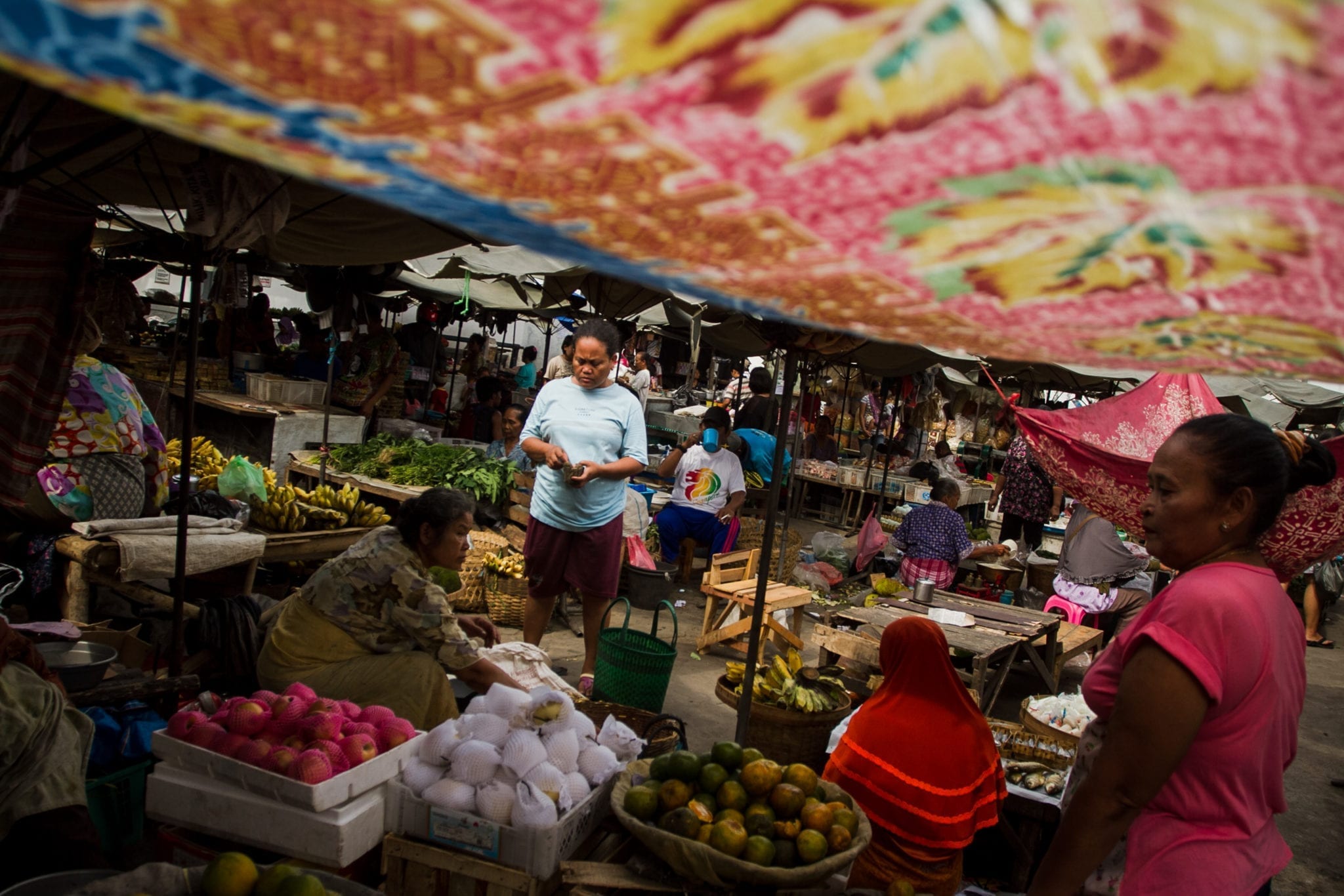
    Indonesia will refurbish 1,592 traditional markets across the country this year as part of President Joko “Jokowi” Widodo’s nine-pronged and domestic-focused Nawacita development program, its Trade Minister Enggartiasto Lukita said on Thursday (04/01).

    A total of Rp 5.5 trillion ($409 million) will be made available to modernize 267 markets through co-administration funding (TP), 1,275 markets through special allocation funding (DAK) and 50 markets under the management of the Cooperatives and Small Businesses Ministry.

    Enggartiasto said the government faces many challenges in trying to modernize traditional markets, ranging from budget limitations to protests from market sellers.

    “It’s not easy to rebuild or move [traditional] markets. Moving an old market always raises problems… even if we only move it 500 meters away from its original site. The sellers never want to move,” Enggartiasto told reporters during a press conference in Jakarta.

    The ministry’s director general of national export development, Tjahya Widayanti, warned regional administrations to treat sellers fairly when they refurbish a market.

    “Don’t abandon the old merchants. [City administrations] should reserve stalls at the new market for them, not just for new sellers coming in,” Tjahya said.

    The government will focus on refurbishing traditional markets in the suburbs this year — mostly markets that are open at least twice a week and comprising at least 50 sellers in a 500-square meter area.

    It will also refurbish some weekly markets with at least 500 sellers in a 500-square meter area.

    The government has already refurbished 2,715 traditional markets since 2015 till last year, out of an eventual target of 5,000 markets by 2019.

  • Different approaches to bitcoin in Asia

    Different approaches to bitcoin in Asia

    In mid-September, China’s central bank, the People’s Bank of China (PBOC), told virtual currency trading platforms based in Beijing and Shanghai to cease market operations.

    Authorities also clamped down on ethereum and any other electronic units that are exchanged online without being regulated by any country.

    The PBOC said it wanted to fight “speculation” around the crypto-currencies, which “seriously disrupted the financial system”.

    This came after the National Internet Finance Association of China — an offshoot of the PBOC — drew up a damning report on virtual currencies, saying they were “increasingly used as a tool in criminal activities” such as drug trafficking.

    Experts say Chinese authorities are also concerned about possible capital flight which could harm the value of the yuan.

    However, the authorities in Beijing have not yet attacked bitcoin mining — the creation of the digital currency.

    Between 60 and 70 percent of new bitcoins are created in China.

    Korean concern

    Hyper-wired South Korea was also a hotbed for virtual currencies such as bitcoin, accounting for some 20 percent of global transactions, about 10 times its share of the world economy.

    But South Korean authorities late last year banned financial institutions from dealing in virtual currencies on fears of a bubble fuelled by retail speculators.

    About one million South Koreans, many of them small-time investors, are estimated to own bitcoins and demand is so high that prices are around 20 percent higher than in the US.

    Initial coin offerings (ICOs) — where companies sell newly mined cryptocurrencies to investors for real money — were also outlawed.

    The government has also pledged to strengthen investor protection rules, in an effort to curb speculation and potential fraud.

    Announcing the ban on ICOs in September, South Korea’s Financial Services Commission declared “cryptocurrencies are neither money nor currency nor financial products”.

    Youbit, a South Korean exchange trading bitcoin and other virtual currencies, declared itself bankrupt in December after being hacked for the second time this year.

    North Korea was accused of being behind the first attack.

    Singapore caution 

    Singapore’s central bank has issued a warning over cryptocurrencies, cautioning the public about the risk of jumping in on the “bitcoin bubble”.

    The Monetary Authority of Singapore noted they are not backed by any central bank and are unregulated, which means those who lose their investments have no grounds for redress under Singapore law.

    Yusho Liu, co-founder of Singapore-based cryptocurrency wallet Coinhako, says demand has been soaring, with transactions up around 10-fold over the past year.

    However, while regulators have been prepared to offer a cautious free rein to the digital units, “financial institutions and service providers have been rather resistant”, Liu told AFP.

    “In fact, I believe that only 30-40 percent of the market potential is fulfilled because of the friction generated by such matters. This is the key missing piece of Singapore being the fintech hub,” said Liu.

    Japanese jump in 

    The high-profile collapse of digital currency exchange platform MtGox failed to douse the enthusiasm for virtual currencies in Japan, which in April became the first country in the world to proclaim it as legal tender.

    As many as 10,000 businesses in Japan are thought to accept bitcoin and bitFlyer, the country’s main bitcoin exchange, saw its user base pass the one-million mark in November.

    Many Japanese, especially younger investors, have been seduced by the idea of strong profits in the context of ultra-low interest rates that offer little in the way of returns.

    However, the governor of the Bank of Japan, Haruhiko Kuroda, has recently issued a warning that the recent rise of the bitcoin price was “abnormal”.

  • Bullish investors can bring Vietnam’s stock market to record high in 2018

    Bullish investors can bring Vietnam’s stock market to record high in 2018

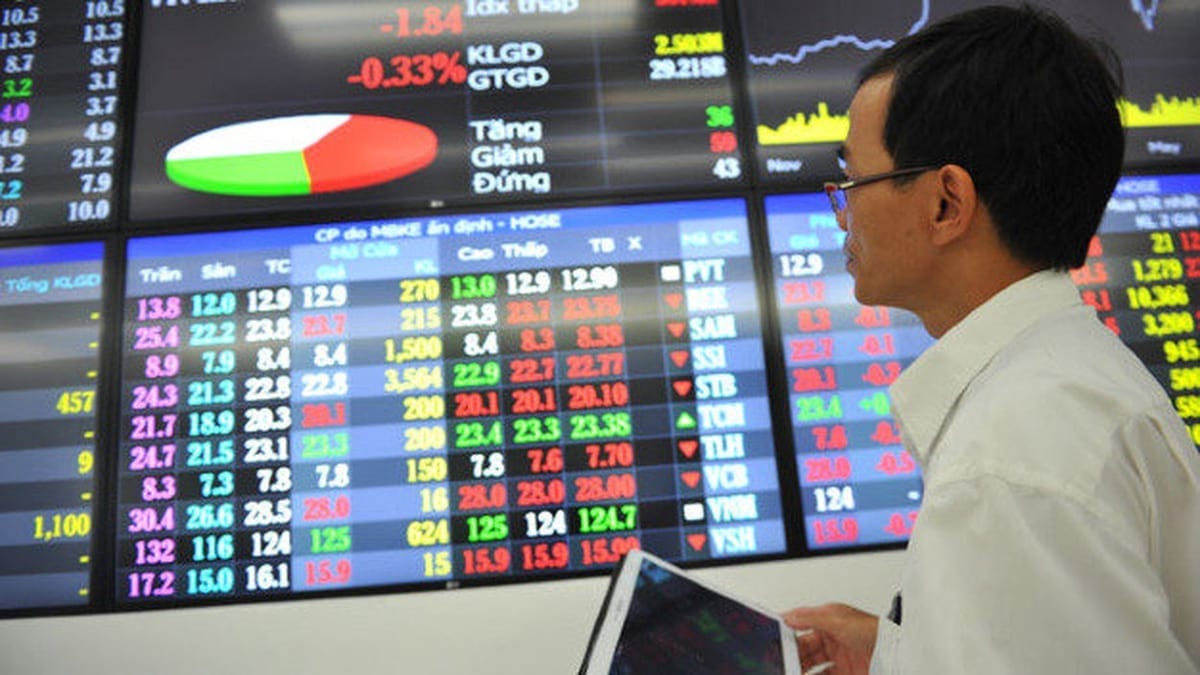
    Vietnam’s stock market is expected to keep its upbeat sentiment of 2017 and drive the benchmark VN-Index to an all-time high at year end, analysts said.

    The Vietnam Stock Index (VN-Index), a capitalization-weighted index of all the companies listed on the Ho Chi Minh City Stock Exchange, already reached 1,000 points on Wednesday, the highest since the global financial crisis in 2007.

    It closed at 984.24 on the last working day of 2017, wrapping a bullish week and setting a 10-year high.

    Analysts believe the momentum will continue and bring the index to surpass the record 1,178 points in 2007.

    The market is seeing very low risks, and high confidence for growth, they said.

    RongViet Securities Corporation in Saigon said in a report that VN-Index will increase at least 17 percent this year or even 67 percent in its best scenario, meaning it could end the year somewhere between 1,170 and 1,640.

    Nguyen The Minh, a senior analyst at Saigon Securities Incorporation, was more specific.

    “VN-Index can reach 1,050 points in the short term and 1,300 at year end,” he said.

    Minh said stocks that have not received much attention last year should create big potentials now.

    The market in 2017 was driven by consumer goods stocks, but banking and energy will take the lead this year, he said.

    Minh said the market will be boosted by interest from the foreign sector. Foreign investors made more than $1 billion of net purchase last year, the biggest in five years, and they will continue to stick around for more privatization at public giants.

    Bloomberg called Vietnam a “frontier market” in Asia last year, as it was the biggest gainer in percentage terms: a 47 percent gain in the VN-Index. The market capitalization increased almost double to nearly $150 billion, fueled by state-owned company sales and listings, it said.

    Vietnam’s economy grew 6.8 percent in 2017, breaking its own 6.7 percent target which both government officials and economists had considered ambitious.

    The country remains one of the fastest growing economies in the world and has set the goal to expand another 6.7 percent this year.

  • DBS and Chubb sign 15-year bancassurance partnership

    DBS and Chubb sign 15-year bancassurance partnership

    Singapore’s DBS Bank and insurer Chubb have signed a bancassurance agreement to distribute home, contents and selected personal accident and supplemental health (A&H) insurance products as well as general insurance products for SMEs.

    Effective 1 January 2018, the insurance distribution partnership will be valid for a period of 15 years and will cover Singapore, Hong Kong, China and Taiwan.

    The bancassurance partnership in Indonesia will be launched at a later date, subject to regulatory approval.

    Under the terms of the agreement, the lender will distribute Chubb insurance products to its six million retail, wealth and SME customers through a network of more than 200 branches as well as via its digital banking platforms.

    DBS Bank deputy group head of consumer banking and wealth management Pearlyn Phau said: “This partnership represents the coming together of two leading organisations, combining DBS’ superior Asian banking franchise with Chubb, the world’s largest publicly traded property and casualty (P&C) insurance company and a global leader in general insurance and reinsurance.

    “Chubb’s track record in delivering digital innovation, collaborating with partners and offering a suite of market leading products across multiple customer segments makes them an ideal partner for DBS.”

    Chubb country president in Singapore Adam Clifford said: “This strategic partnership provides significant growth opportunity in bancassurance for Chubb and DBS. With our extensive product and digital capabilities, as well as best-in-class service standards, we hope to deliver the Chubb brand promise of excellence to all of DBS’ customers in Singapore.”

  • Why is South Korea suddenly terrified of bitcoin?

    Why is South Korea suddenly terrified of bitcoin?

    Bitcoin has been hailed as the greatest technological innovation of our time, yet it seems South Korea, one of the most technologically innovative societies, is now not only giving up its role as a leader in the field but aggressively fighting the trend.

    Some observers suggest the government has many reasons to be afraid of bitcoin, not the least of which is the cryptocurrency’s potential to be used by Kim Jong-un ’s North Korea as a covert economic weapon. But leaders point to other concerns as well.

    South Korea’s Ministry of Justice said on Thursday the country is considering shutting down all local cryptocurrency exchanges, an announcement that sent shockwaves through the industry worldwide. Earlier this week, stock in the internet service provider Pareteum more than doubled after it said it would provide blockchain support services, Bloomberg reported, but fell 25 per cent after Seoul’s comments.

    Hong Nam-ki, the minister for government policy coordination, called Korea’s interest in cryptocurrencies “abnormal”, echoing the disdain of Prime Minister Lee Nak-yeon, who last month warned that cryptocurrencies could corrupt Korean youth and lead to “social pathological phenomena”.

    After Hong’s announcement, bitcoin prices at the Korean cryptocurrency exchange Bithub fell 13.8 per cent from US$20,181 to US$17,400.

    Others are also pulling back. Two of Korea’s largest banks, Shinhan and KB Kookmin, announced this week that in mid-January they will no longer redeem credit card points for bitcoin, according to a report by Korea Biz Wire. This comes after South Korean officials reportedly banned the trade of bitcoin futures in December and drafted emergency measures prohibiting minors, foreigners and banks from bitcoin trading.

    One cause for concern is that bitcoin has grown in value more than 12 times since January and remains prone to extreme volatility. In early December, it almost doubled in value from US$10,240 to an all-time high of almost US$20,000, before falling 30 per cent to below US$11,000 then rallying to almost US$16,000.

    Despite the fluctuations, retail investors and several major Korean companies are getting in on the action. Samsung announced in May a project using blockchain – the platform for all cryptocurrencies – to track shipping orders in real time. Kakao, maker of the country’s leading messaging app, acquired the fintech start-up Dunamu to launch its own cryptocurrency exchange in October, named Upbit. And video game giant Nexon is now the biggest shareholder in Korbit, Korea’s third-largest cryptocurrency exchange.

    But if Korea moves ahead with a full shut down, it would not only end these projects but also make bitcoin less attractive in neighbouring Asian nations, possibly triggering a domino effect.

    Bitcoin, the world’s largest cryptocurrency, has an underlying technology that makes it an unhackable commodity that doesn’t need a central bank or a government to guarantee its value. This allows users to make transactions without an intermediary, saving time and money, potentially upending the costly financial services and exchange markets as we know it.

    Korea is the third-largest market for bitcoin trading after Japan and the United States, making up roughly 20 per cent of all bitcoin trading, and the country’s recent change of heart comes amid other nations also placing restrictions on the cryptocurrency.

    On December 25, the Israeli Securities Agency announced companies will no longer be able to trade in bitcoin on the Tel Aviv stock exchange, and in Morocco, Bolivia and Ecuador, bitcoin is completely illegal.

    Concerns seem most profound across Asia, however, where bitcoin is also illegal in Kyrgyzstan, Bangladesh and Nepal. China, which once constituted 90 per cent of all bitcoin trading, banned initial coin offerings (ICOs) in September and began to crack down on exchanges.

    In addition, Bank of Japan Governor Haruhiko Kuroda called the surge in bitcoin prices “abnormal” last week, CNBC reported, specifically citing the dangers of speculative investing; the Reserve Bank of India has expressed concern about tax evasion and other misuses; Indonesia seems poised to ban cryptocurrency transactions next year; Vietnam may ban cryptocurrency payments; Singapore warned speculative investors last week about the risk of losing “all their capital”. These cracks in confidence will only widen if South Korea moves against bitcoin.

    There are, of course, legitimate concerns about fraud. In December, police busted a US$200 million cryptocurrency Ponzi scheme named MiningMax and the bitcoin exchange BitKRX, which claimed to be a legitimate venture created by the Korea Exchange but was revealed to be fraudulent. The incident gave authorities a reason for more regulations, but some worry they would really be a form of protectionism.

    In a November 2016 Korean Law Blog post, Sean Hayes wrote: “Korea has struggled with the acceptance of new technologies that infringe on some of the major vested interests and we suspect that bitcoin will be no different.”

    What makes South Korea’s situation different, however, is the existential threat posed by North Korea. Youbit went out of business in December after being hacked, losing one-fifth of its clients’ holdings. It was also attacked in April, when it lost US$35 million. The company did not say how much was taken, or how it happened, but Pyongyang is a leading suspect. North Korean hackers are also believed to be behind the attacks on four South Korean bitcoin exchanges this past summer. The regime also began mining bitcoin in mid-May, and can use what it mines or steals to circumvent sanctions.

    Nevertheless, bitcoin enthusiasts feel these challenges can be surmounted with the right combination of regulation and support. “There’s a delicate balance involved,” said Yoo Byung-joon, business administration professor at Seoul National University and co-author of the 2015 research paper “Is Bitcoin a Viable E-Business?: Empirical Analysis of the Digital Currency’s Speculative Nature”.

    “But a lot of governments are looking at this very carefully,” he said. “Some are even considering putting their currencies on the blockchain system. The biggest challenge facing bitcoin now is the potential for misuse, but that’s true of any new technology.”

    Regarding the government’s announcement that it may shut down bitcoin exchanges, Yoo said: “I think the decision seems too quick. We don’t need to do that, but they worry about fraud or such. But there’s no guarantee that this shutdown will pass Congress, so we have time. Governments, you know, are risk-averse. But economically, I think it’s not a good decision. There’s no need to hurry.”