Category: Finance

Retail News Asia is committed to providing both local and global retailers with the latest Finance news throughout the Asian market. This on a daily base.

  • New digital marketplaces seek to reshape economy

    New digital marketplaces seek to reshape economy

    The age of digital transformation is dawning on Thailand’s economy and society as evidenced by crucial developments in banking, retail and other sectors.

    The Bank of Thailand reported that commercial banks had shut down nearly 300 bank branches in the country in 2017 as customers moved towards Internet and mobile banking services, ushering in a new era of digital banking.

    In the meantime, Siam Commercial Bank (SCB) is leading the pack by launching its “SCB Express” concept – fully-automated banking centres in various Bangkok locations.

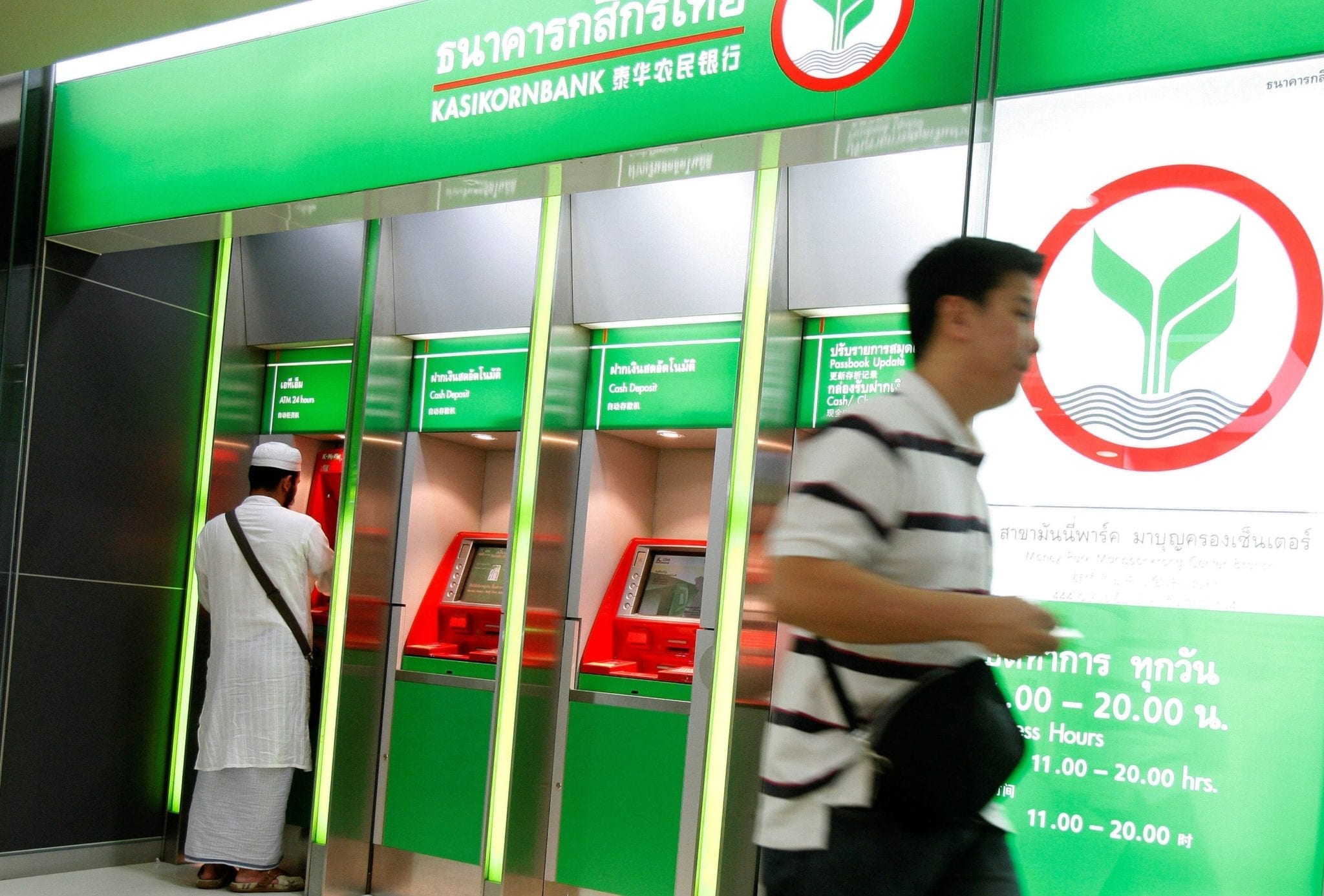
    SCB and Kasikorn Bank are seeking regulatory approval to operate e-commerce platforms to link millions of mobile customers with vendors of various goods and services, especially small and medium-sized enterprises (SMEs). In the retail sector, SCB is working with The Mall group, one of Thailand’s biggest retail and shopping centre chains, to introduce an automated cashier-less supermarket service at selected locations.

    Central department store group has joined forces with China’s No 2 e-commerce giant, JD.com, to create an “online marketplace”, and the country’s top e-commerce sites, led by Lazada (part of the Alibaba group), 11 Street and Shoppe, have been challenging traditional retail models with disruptive technologies.

    With many payments now possible through the ease of touching a mobile-phone screen or waving a card, consumers are expecting more from goods and service providers.

    E-commerce, mobile payments using QR Codes, digital banking on the go, cashier-less grocery shopping and other innovations will start to become the norm this year as traditional business models merge with digital technology to stay relevant. Artificial intelligence (AI) is becoming the new tool for banks, retail chains and other service providers to stay ahead of their consumers’ expectations.

    Since machine-learning technology is now cheaper and easier to manage, it is likely that predictive analytics that capitalise on the abundance of consumer and other data will be more widely used by Thai businesses and industries.

    AI will soon usher in a new term, “machine commerce”, in which transactions are automatically generated by computer software using the huge amount of available data in real time.

    This will happen this year if the major commercial banks get approval from the Bank of Thailand to launch e-commerce platforms that automatically match millions of bank customers with SMEs and other vendors.

    Kasikorn Bank has said it has about 7 million mobile customers and is enlisting SMEs to join its proposed e-commerce platform pending regulatory approval, while SCB has about 6 million mobile customers and is planning a similar marketplace platform.

    AI and machine learning will become more commonplace in other sectors, especially in logistics and warehouse management as well as in food, beverage and other manufacturing sectors in which the use of robots and automation systems is rapidly replacing human workers.

    To facilitate the advent of a digital economy and society, government and private sector organisations have joined forces to launch the National Digital ID programme to provide reliable online confirmation of personal identities for various activities, including online government services and financial transactions. For example, a person may open a bank account online using the government’s demographic database to verify his or her identity based on the 13-digit ID number assigned to each person.

    Such a use will be sanctioned by law to ensure that this and other online activities are legally binding in the digital age.
  • Korean Government Threatens to Shut Down All Bitcoin Exchanges

    Korean Government Threatens to Shut Down All Bitcoin Exchanges

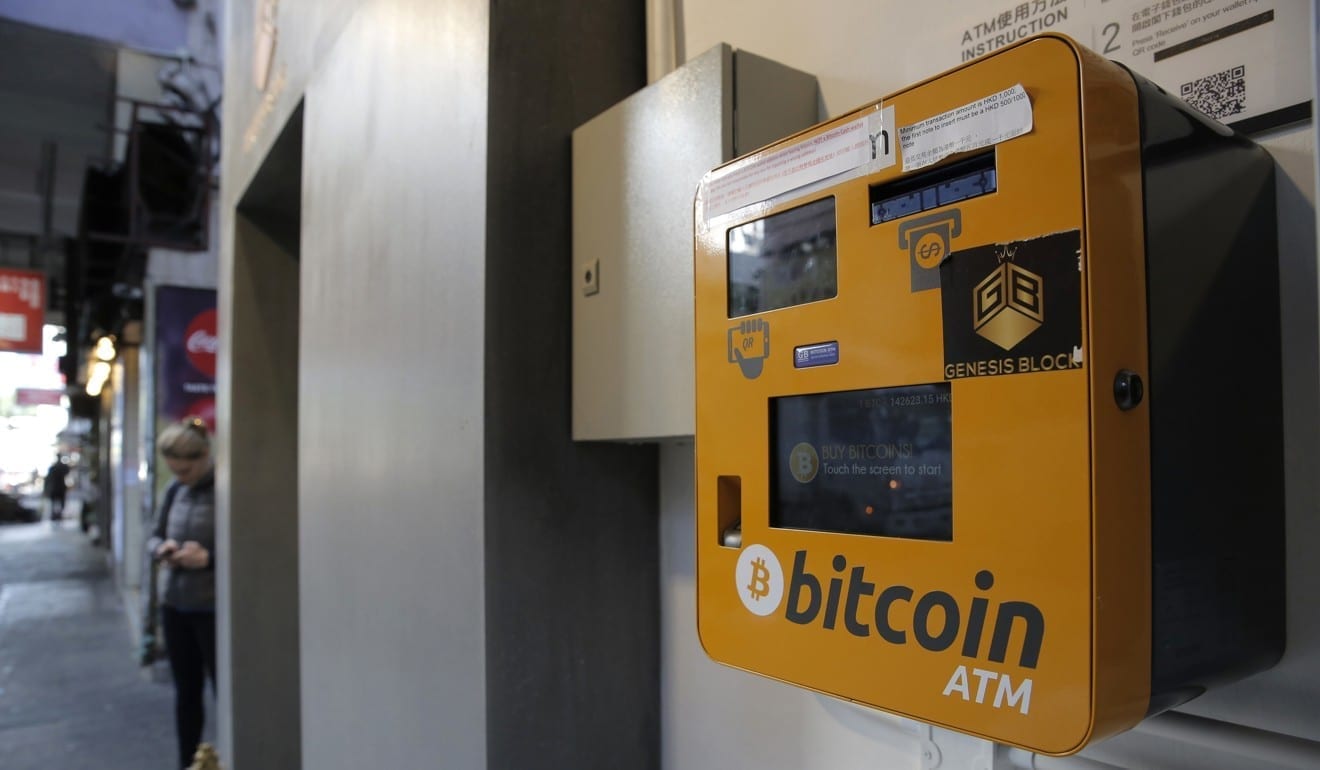
    Bitcoin has tumbled after South Korea announced new rules for trading.

    In order to curb the widespread speculation growing amongst investors, the new regulations could include the prohibition of anonymous trading accounts operating within the country with authorities having the right to even shut down exchanges if needed.

    The uncertainty about regulating the cryptocurrency trading in South Korea has been looming for quite a long time and it seems the government has now finally decided on a crackdown.

    “Cryptocurrency speculation has been irrationally overheated in Korea”, the government said in the statement.

    All anonymous accounts now in use will be closed next month, it added.

    “The government had warned several times that virtual coins cannot play a role as actual currency and could result in high losses due to excessive volatility”, the government said in a statement.

    As part of what appears to be a series of updates created to improve oversight of industry practices, the government will also seek to bar banks from issuing new virtual accounts to cryptocurrency exchanges.

    The announcement came two weeks after Seoul banned its financial firms from dealing in virtual currencies, most notably bitcoin, as their prices soared, sparking concerns of a bubble largely fuelled by retail speculators.

    Bitcoin resumed its slide Thursday, dipping below $14,000 as the cryptocurrency’s dizzying drop from a record set 10 days ago intensified.

    Following this news, the Bitcoin price has plunged by more than 11% in the past 24 hours and is now trading at $14375.70, according to CoinMarketCap.

    The measures have been floated as part of efforts to stamp out market speculation in a country that is believed to make up a significant portion of global cryptocurrency trading.

    Currently, many cryptocurrency exchanges (including South Korean ones like Kucoin) allow trading with little more than your name and an email.

    The Youbit exchange became the first South Korean cryptocurrency exchange to close after the hacking attack that stole 17 percent of its assets.

    Bank of Japan governor Haruhiko Kuroda said last week that the price surge of the virtual currency was “abnormal”, while Singapore’s central bank advised investors to “act with extreme caution”.

  • Japanese and Korean bank to test RippleNet for cross-border funds transfers

    Japanese and Korean bank to test RippleNet for cross-border funds transfers

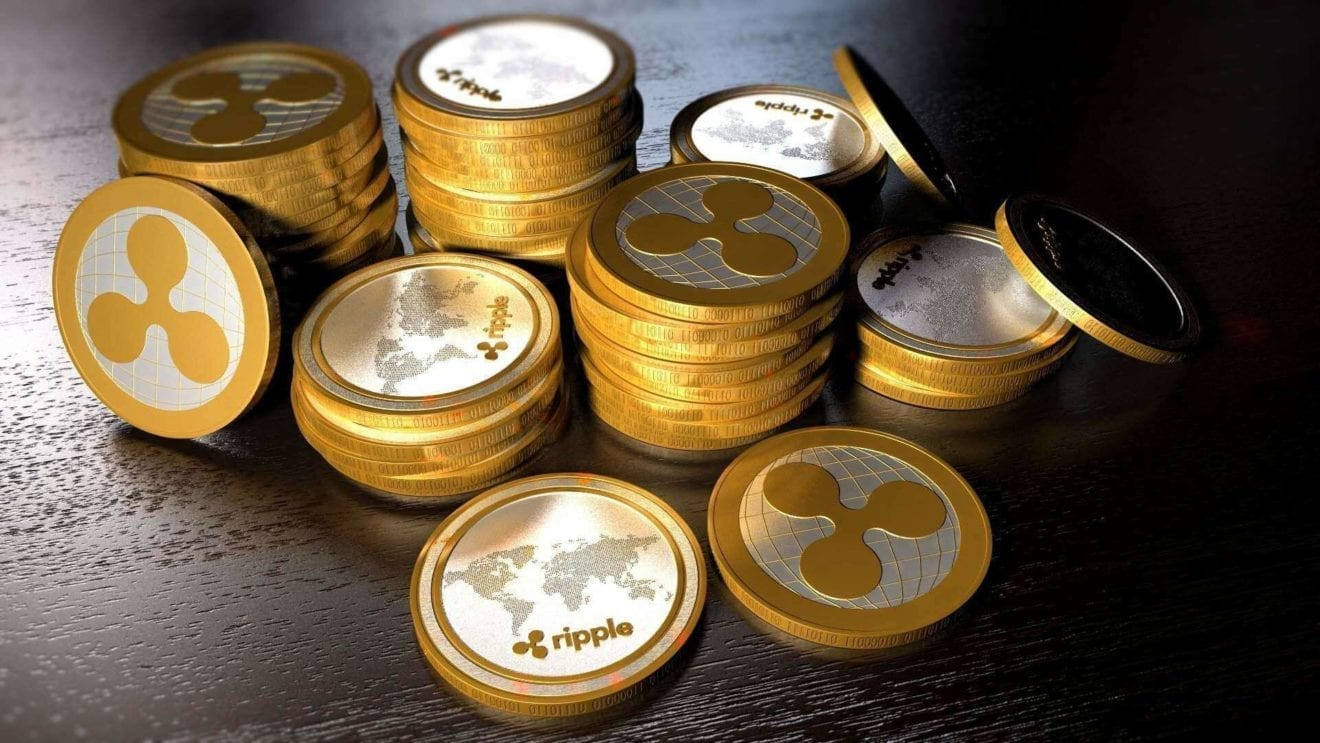
    Japanese and Korean banks are to run pilot trials of real-time cross-border funds transfers over the Ripple network. The Japan Bank Consortium — a coalition of 61 banks in Japan, organised by SBI Ripple Asia — has announced the launch of a new Ripple pilot with Woori Bank and Shinhan Bank, two of South Korea’s largest banks.

    It follows the formation in September of of a partnership agreement with Dayli Intelligence, a subsidiary of Dayli Financial Group, which has previously acted with South Korea’s first blockchain consortium as well as the Ministry of Science and ICT.

    Under the terms of the trial, the Japan Bank Consortium will use Ripple’s settlement technology, xCurrent, to settle transactions between participating Japanese banks and Woori Bank or Shinhan Bank.

    The pilot solidifies the Japan Bank Consortium’s commitment to modernise payment systems — specifically in the Japan/Korea corridor where Korea is Japan’s third largest trade partner.

    “The Japan Bank Consortium’s pilot with Woori Bank and Shinhan Bank brings us closer to sending money in an important corridor,” says Emi Yoshikawa, director of partnerships at Ripple. “The use of RippleNet to send cross-border payments reinforces that financial institutions are ready to provide a modern payments experience and enable to the Internet of Value.”

    With interest in cryptocurrencies surging, the Japanese consortium has additionally created a virtual currency and blockchain working group to explore the institutional use case of alternative assets, such as Ripple’s own XRP, to source on-demand liquidity for these cross-border payments.

  • Bitcoin drops as South Korea moves to regulate cryptocurrency trading

    Bitcoin drops as South Korea moves to regulate cryptocurrency trading

    Currently, many cryptocurrency exchanges (including South Korean ones like Kucoin) allow trading with little more than your name and an email.

    Bitcoin appeared to find a bottom on Friday, rebounding to $15 000 after moves by South Korea to curb speculation and protect retail customers took the cryptocurrency down more than 8% on Thursday.

    “The government had warned several times that virtual coins cannot play a role as actual currency and could result in high losses due to excessive volatility”, the country’s government said in a statement.

    Those new regulations would include prohibiting anonymous trading accounts and could give authorities the ability to shut down exchanges, Reuters said. Among other concerns, unmasking bitcoin traders would open up owners to taxation, a significant concern now that bitcoin has increased in value exponentially. The virtual currency plunged more than 10% to below $14,000 on Thursday morning in Asia, according to CoinDesk.com, and continued to fluctuate through the day.

    As part of what appears to be a series of updates created to improve oversight of industry practices, the government will also seek to bar banks from issuing new virtual accounts to cryptocurrency exchanges.

    Mati Greenspan, a Tel Aviv-based analyst at investment firm eToro, said it would be too early to gauge the impact of the rules, but they sounded “ominous”. Demand is so high that prices for the unit are around 20 per cent higher than in the United States, its biggest market.

    The country is also home to Bithumb, one of the world’s biggest bitcoin exchanges.

    In comparison, about 11% of Americans polled by student loan comparison website LendEdu in September said they either now own or have owned virtual currencies in the past, while 17.2% said they would invest in bitcoin in the future.

    South Korea may also stop local companies from providing settlement services for virtual currency transactions.

    In a case highlighting the risks of cryptocurrency, a Seoul virtual currency exchange declared itself bankrupt last week after being hacked for the second time this year.

    So far, China is the only country in the world to have totally banned bitcoin exchanges.

    Seoul-based Youbit said it was filing for bankruptcy after hackers stole almost a fifth of its clients’ holdings.

  • BSP to launch digital payments clearing house in January

    BSP to launch digital payments clearing house in January

    The Bangko Sentral ng Pilipinas (BSP) said individual consumers would be covered by the batch electronic fund transfer (EFT) credit automated clearing house (ACH) starting next month as it pursues greater use of electronic payments by shifting to cash-lite society from cash-heavy society.

    BSP deputy director Raymond Estioko said banks and the clearing house operator are now developing their respective web and mobile applications for the Philippine EFT System and Operations Network (PESONet) as part of the National Retail Payment System (NRPS).

    “Hopefully by January individuals for the common people would be able to experience and see PESONet being offered first by the banks,” he said.

    Estioko, who is also the project head of the BSP’s NRPS, said several banks are now ready to offer the service to individual customers

    “There are several banks which are now ready to offer the service to the public,” he added.

    BSP Governor Nestor Espenilla Jr. led the launch of the PESONet in November to facilitate fund transfer from one account to one or several accounts maintained in different financial institutions.

    PESONet is one of the ACHs prioritized for implementation given its potential to be an efficient channel for government and private business collections and disbursement. PESONet provides an electronic alternative to the still widely used paper-based check system.

    Estioko explained the initial launch of the PESONet only covers corporate transactions.

    Through PESONet, businesses, the government, and individuals will be able to conveniently initiate electronic fund transfers and recurring payments from the sender’s accounts maintained in BSP supervised financial institution (BSFIs), such as banks and other non-bank electronic money issuers, to corresponding recipient accounts in other BSFIs.

    With the ACH, funds could be made available to the recipient accounts within the same banking day or immediately upon clearing.

    Payees receive the funds transferred in full free of charge resulting in greater transparency and to help clients determine which EFT products offer the best value for their money.

    Estioko said a second ACH called InstaPay would be launched toward the end of the first quarter of 2018 to enable 24/7 low value electronic fund transfers.

    The BSP launched the NRPS in December 2015 to provide a safe, efficient, and reliable digital or electronic payment system in the country.

    Digitizing retail payments is critical in the Philippines considering that 99 percent of payment transactions per month are done in cash, with businesses and individuals making only one percent and 0.3 percent electronic payments, respectively, according to a study conducted by the Better Than Cash Alliance.

    The NRSP aims to increase electronic retail payment transactions to 20 percent by 2020 from the current one percent.

  • Cryptocurrency Exchanges Investigated By South Korean Fair Trade Commission

    Cryptocurrency Exchanges Investigated By South Korean Fair Trade Commission

    The South Korean Fair Trade Commission (FTC) is reportedly investigating 13 major cryptocurrency exchanges in the country for violations of consumer laws, such as electronic commerce laws and contract laws. The investigations came after the bankruptcy announcement by cryptocurrency exchange Youbit after a major hack.

    The FTC said it will look into whether they should remain under the online retail business category, or fall under different category to enforce stronger measures. It will also check whether there is any unfairness among the terms and conditions used by the business operators and take action in accordance with relevant laws and regulations.

    The investigations is a follow-up on the government’s wide-ranging measures to curb cryptocurrency speculation and crimes. According to the government, previous inspections on crypto exchanges revealed that most of the companies (10 companies) demonstrated administrative and technical security procedures such as the installation and operation of access control devices and encryption measures of personal information. Overall, the measures were found to be inadequate.

    Last week, the Ministry of Science and Technology announced that Bithumb, Korbit, Coinone, and Upbit, which are among the 13 being investigated, are required to receive 2018 Information Security Management System (ISMS) certification, a system that certifies that the information protection system of companies with annual revenue of more than 10 billion won and average daily visitor of over 1 million is appropriate. They have also been urged to strengthen the security of their exchanges.

    Small and medium-sized crypto exchanges that are not required to meet this standard will be subject to the Personal Information Management System, an “autonomous certification system that assesses the comprehensive management system of collecting, using and destroying personal information of companies.” For these exchanges, the Korea Communications Commission (KCC) will be responsible, strengthening the protection of personal information. The Commission will also strictly enforce punitive fines and penalties for exchanges that violate related laws.

    The government also warned that cryptocurrency is not a “legal tender whose value is guaranteed by the central bank” and therefore its prices could fluctuate by a great deal and result in enormous losses.

  • Philippine capital markets need to be more inclusive

    Philippine capital markets need to be more inclusive

    The local capital markets may have had significant developments over the years but it remains relatively small compared to other emerging economies in Asia.

    In a span of five years, Philippine corporations have already raised over P1.7 trillion from five to eight initial public offerings (IPOs) and 10 to 15 corporate bond transactions a year.

    Retail investors have also stepped up, especially for local equity and fixed-income deals, and now account for 50 percent to 70 percent of the volume, compared to previous years where institutions take up around 60 percent to 70 percent.

    Although the scenario has gotten better, the number of IPOs and bond issues in the country still pale in comparison to other emerging economies in the region. And while participation from retail investors has increased, most of the investors are coming from the more affluent retail, leaving a huge untapped market, such as the overseas Filipino workers and the unbanked sector.

    The challenge, according to BDO Capital and Investment Corp. President Eduardo V. Francisco, is to make the local capital markets more inclusive, enabling the ordinary man on the street to invest in stocks and bonds.

    BDO Capital is a full service investment house wholly owned by BDO Unibank that provides securities underwriting and trading, loan syndication, financial advisory, and private placement of debt and equity among others.

    Speaking before capital market participants during the recent Euromoney Philippine Investment Forum, Francisco emphasized there is more to increasing financial literacy in the country to achieve inclusivity and make the local capital markets on a par with the developed countries.

    One of the solutions, he suggested, is not only to digitize but also to rid of too many touch points for IPO or bond subscriptions as these are roadblocks to encouraging many to invest in the capital markets.

    He added subscribing to equities and bonds in the country is too cumbersome due to the numerous documents, forms and identifications required.

    “Our Monetary Board, Securities and Exchange Commission, Philippine Stock Exchange are open to new ways to raise the number of investors and make it more available to the masses. We have seen them liberalize rules but we need to propose new products or solutions,” Francisco said.

    He added the Philippines should also look into new platforms and models from abroad that the Philippines can adopt, particularly innovative solutions that would minimize documentation.

    “Foreign players with platforms abroad are welcome to bring it here. Fintech solutions are also welcome and we can work with the regulators to get approvals,” he said.

  • KB Kookmin Bank to kick off voluntary retirement program

    KB Kookmin Bank to kick off voluntary retirement program

    KB Kookmin Bank, South Korea’s largest retail lender, said Wednesday it will carry out a voluntary retirement program for workers subject to the wage peak system.

    The bank will pay the equivalent of between 27 and 36 months of salary to those who are eligible for the retirement program, the lender said. An agreement was made between the labor and the management.

    The workers subject to the wage peak system starting from next year can apply for the program. Under the system, employees are supposed to get less pay from the age of 55 to the retirement age of 60.

    Major banks in South Korea have made a series of job cuts in recent years to reduce costs and buttress their bottom lines. KB Kookmin Bank has carried out the program annually since 2015.

  • Bad loans rise at Philippines’ big banks in October

    Bad loans rise at Philippines’ big banks in October

    Bad loans on the books of the country’s biggest banks rose further in October, latest central bank data showed, amid the industry’s rising total lending portfolio.

    Data from the Bangko Sentral ng Pilipinas (BSP) showed gross non-performing loans of universal and commercial banks amounted to P107.69 billion in October this year – which was P9.27 billion higher than the P98.42 billion recorded in the same month in 2016.

    Non-performing loans are left unpaid by borrowers for at least 30 days past the due date. These are seen as risky assets due to higher risk of default.

    Amid the uptick in bad loans, BSP said the rate remains manageable across economic sectors, such as financial and insurance activities, real estate, manufacturing, wholesale and retail trade, as well as electricity, gas, steam and air-conditioning supply.

    The rise in bad loans happened as total loan portfolio of big banks grew at a faster rate of 17% to P7.36 trillion in October, from P6.29 trillion in the same month last year.

    This translated to a lower gross non-performing loan ratio of 1.46% in October, from a year-ago level of 1.56%, BSP data showed.

    The central bank said latest figures indicate the continued adherence to high credit underwriting standards of local big banks.

    Aside from trying to keep bad loan levels low, BSP said big banks continued to earmark sizeable reserves for potential credit losses, which was at P144.94 billion or 1.97% of total portfolio in October this year. This is compared to last year’s P133.05 billion or 2.11% of the total lending portfolio.

    Latest data from the BSP showed the industry’s credit growth eased to 19.9% in October, from 21.1% in September after increasing for 4 consecutive months – which some economists and credit rating agencies see as a possible sign of an overheating economy.

    Loans for production activities are up 18.7% to P6.01 trillion in October, from P5.06 trillion in the same month in 2016, accounting for 88.3% of loans given out by the banks.

    Meanwhile, credit to the real estate sector accounted for 17.2% of the total loan portfolio at P1.17 trillion, followed by credit to wholesale and retail trade and repair of motor vehicles at 13.6%, worth P924.56 billion.

    This was followed by manufacturing sector loans (12.8% of loan portfolio, worth P873.64 billion), and credit to electricity, gas, steam and airconditioning supply sector (12.1% share, P821.87 billion).

    The country’s gross domestic product gowth climbed to 6.9% in the 3rd quarter, from the revised 6.7% in the 2nd quarter of 2017. This brought the average economic growth in the 1st 9 months of 2017 to 6.7%.

    The Philippines has posted positive economic growth for 75 straight quarters since the Asian Financial Crisis.

  • Nationwide e-payments to push cashless society goal

    Nationwide e-payments to push cashless society goal

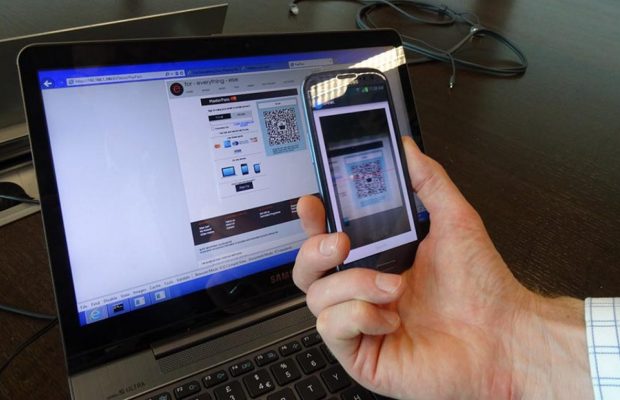
    As part of Thailand’s aspiration to become a cashless society, the country will soon adopt a new nationwide e-payment method using the so-called QR Code familiar to social media users.

    The Bank of Thailand has approved plans by five commercial banks to introduce the QR Code e-payment service – Kasikornbank, Siam Commercial Bank, Bangkok Bank, Krungthai Bank and Government Savings Bank.

    The addition of the service is expected to help reduce dependence on cash transactions as more businesses are set to accept the new e-payment method.

    During a recent experiment in using the service at Bangkok’s Chatuchak Sunday market, more than 1,000 small vendors as well as service providers including motorcycle taxis accepted payment from customers using their mobile phones to transfer money via the QR Code.

    The method is convenient and carries no additional transaction costs for either sellers or service providers.

    The QR Code e-payment platform was pioneered by China’s e-commerce and social media giants, Alibaba and Wechat, which operate the Alipay and Wechat Pay apps respectively.

    Its popularity makes it possible to live in China today without having to use cash for most goods and services.

    China is now the world’s leader for QR Code e-payments, which has disrupted more traditional payment services such as debit and credit cards.

    The huge number of Chinese tourists in Thailand, totalling nearly 10 million per year, has also prompted the early adoption of the e-payment method among Thai convenience stores and retail operators.

    Earlier, the Thai government launched the PromptPay e-payment service for domestic use, making free of charge small-value money transfers via bank accounts.

    The PromptPay popularity is expected to further grow when the QR Code system is added to the e-payment platform.

    To facilitate nationwide adoption of the new platform, the central bank has taken steps to endorse a single Thai QR Code standard in accordance with the international system for mobile applications.

    In practice, consumers after downloading an app for the service that matches their bank accounts could turn their smartphones or other compatible devices into electronic purses by scanning a seller’s QR code to pay for purchases at various goods and services outlets.

    The money would then be automatically transferred from the buyer’s bank account into the seller’s account based on a similar arrangement with their participating bank.

    The central bank has said that in a future stage it would expand the e-payment platform to cover holders of credit cards so as to make it more versatile.

    Overall, the platform is a crucial element of Thailand’s emerging digital economy and society in which the lifestyle of consumers increasingly is closely tied to mobile phones and other smart devices.

    For the government, any form of electronic payment is useful since it creates electronic records on transactions that make tax collection more efficient. In addition, the economy will benefit from more electronic transactions by increasing efficiency – cash transactions are more expensive due to higher costs.

    For vendors, there is no additional transaction cost since banks are keen to provide the service free of charge at this stage, with some banks even offering additional financial incentives to early adopters without conditions requiring minimum payment per transaction.

    The new service will help banks stay close to both consumers and businesses, big and small. This would allow banks to make use of the huge amount of data generated by both buyers and sellers in multiple ways.

    While electronic transactions offer definite convenience advantages for consumers, experts warn that they should ensure that their personal devices are fully secured.

  • Cashless payments now available at Robinsons retail outlets via PayMaya QR

    Cashless payments now available at Robinsons retail outlets via PayMaya QR

    Robinsons Retail Holdings., in partnership with PayMaya Philippines, is now enabling mall-goers to do quick and seamless digital transactions through PayMaya QR, as Robinsons Galleria in Ortigas is now among the first shopping malls in the country to deploy the cashless payments technology.

    The merchants who are now accepting PayMaya QR payments in Robinsons Galleria include Robinsons Department Store, Robinsons Supermarket, and merchants under Robinsons Specialty Stores. (RSSI)–which include brands such as Topshop, Topman, Dorothy Perkins, Burton Menswear, G2000, benefit, Shiseido, Miss Selfridge, and Warehouse, among others.

    Earlier, PayMaya QR was also successfully deployed in select Ministop branches to provide quick and convenient payments inside convenience stores. The technology will soon be deployed at all Robinsons malls nationwide.

    “We’re looking forward to have our customers experience QR-based payment innovation from PayMaya, especially in time for the holiday shopping season. Aside from convenience, this will bring greater flexibility to our customers in terms of the way they pay for transactions inside our malls,” said Robina Y. Gokongwei-Pe, President and Chief Operating Officer at Robinsons Retail Holdings.

    “We are excited to see customers of Robinsons Retail use our PayMaya QR technology. With this collaboration with trailblazing partners like Robinsons Retail, more Filipinos can now experience digital payments at its most convenient,” said Orlando B. Vea, President and CEO at PayMaya Philippines and Voyager Innovations.

    Payments made via PayMaya QR offer utmost convenience especially for mall-goers since all they would need are their mobile phones and their PayMaya app to make instant payments.

    The technology is initially available in select stores in Robinsons Galleria today, with wider deployment in other merchants and Robinsons malls expected soon.

    Loading up their PayMaya accounts to pay for items in these stores is also made easy because top-ups are easily available at Robinsons Business Centers.

    Through its QR-based payments–the first-of-its-kind implementation in the country for QR code payments–PayMaya is paving the way for mainstream adoption of digital payments for all Filipinos nationwide.

    Robinsons is just the latest to adopt PayMaya’s QR-based payment technology, which recently saw an accelerated rollout across the country, particularly in establishments such as Smart Stores; in communities starting with canteens in partner schools like STI and commercial establishments in cashless cities such as Muntinlupa and Malabon; and in popular merchants within SmartSpots already enabled by WiFi connectivity in key cities such as Baguio, Cebu, and Davao.

    PayMaya Philippines, the country’s pioneer and leader in cashless payments, is the digital financial services arm of PLDT’s Voyager Innovations.

  • Sophisticated investors are staying away from Bitcoin

    Sophisticated investors are staying away from Bitcoin

    Malaysia’s pension fund managers are not putting money into bitcoin, despite the digital currency’s recent stratospheric rise.

    Armed Forces Fund Board or Lembaga Tabung Angkatan Tentera (LTAT) chief executive officer Tan Sri Lodin Wok Kamaruddin told NST Business that bitcoin is a highly speculative investment, where the value does not necessary reflect its fundamentals.

    “We don’t have any intention to invest in bitcoin at all. We would prefer to confine our investment within the country where we can, to some extent, control the risk and investment better,” he said in a telephone interview.

    He said the government statutory body would not take the risk in such kind of investment it has at its disposal.

    “Since Bank Negara Malaysia (BNM) deems it as illegal, we certainly would not want to have anything to do with it. I think it is something that the public should refrain from getting involved with their hard-earned money,” he added.

    Lodin said LTAT is currently managing about RM9 billion worth of armed forces retirement money.

    “We have got quite a fair distribution of our assets in different sectors, especially those which are in line with the government’s economic development programme such as infrastructure, property development, plantation and ship-building as well as retail operations like BH Petrol,” he said.

    Lodin said presently LTAT does not plan to invest abroad.

    “No doubt in some cases, investing abroad may be more attractive but at the same time the risk is higher such as currency and politics. At least, if it is within the country, we could mitigate these risks,” he said, adding that LTAT able to pay on the average of 11 per cent dividend annually to contributors.

    In a separate meeting with the Employees Provident Fund (EPF), its chief executive officer Datuk Shahril Ridza Ridzuan said cryptocurrencies such as bitcoin have no intrinsic value and donot provide any kind of actual asset yield. Therefore, it is very hard to invest in it.

    “Cryptocurrency is effectively buying something with the hope of selling it to someone else for a higher price,” he said.

    Shahril Ridza said the speculative element in the returns profile is too great for a fund like EPF, where it focuses on generating actual returns on assets.

    IQI Global chief economist Shan Saeed concurred, saying bitcoin has no sustainable value and none of the global central banks approved it.

    “Nobody has approved bitcoin as a mode of (payment) instrument. Although people are buying, the price is likely to crash. It is a fancy item with no fundamentals,” he said.

    Shan advised investors in Malaysia to stay away from Bitcoin, saying that the chances of losing money are fairly high.

    “Recently the United Kingdom regulators have warned investors to stay away from bitcoin. I’m not in favour of bitcoin because it is a virtual currency. It’s not even worth looking at,” he said.

    Shan said bitcoin is not secured without regulators’ approval, and it is a perfect example how the bubble could burst.

    “The incredible rise of bitcoin over the last few weeks has all the hallmarks of a major topping action when a speculative asset in the final euphoric stages of a big bubble formation makes some unsustainable huge price jumps,” he said.

    He said bitcoin should soon witness a final blow off with one last giant spike higher on huge volume followed by a major price reversal on the same day.

    The Retirement Fund Inc (KWAP) chief executive officer Datuk Wan Kamaruzaman Wan Ahmad recently said cryptocurrency is not the type of risk it can take.

    “We are not invested in cryptocurrency because we prefer to only take moderate risks. However, we do personally monitor the movement of the Bitcoin’s trends,” he said in a recent interview with BFM.

    He added that KWAP has always aimed for more stable investment, with slightly above a double-digit return to its shareholders.

    Last week, Bank Negara announced that Malaysia had recorded RM75 million transactions monthly from four digital currency exchanges in the country.

    Its deputy governor Abdul Rasheed Ghaffour said digital currency exchanges here providing the services were Luno, CoinHako, XBit Asia and PinkExchange.

    He said Bank Negara would meet cryptocurrency exchanges this week, noting that the global market capitalisation of digital currency stood at US$420 billion.

    He said while digital currencies were not legal tender in Malaysia, the central bank was not stopping their trading because “a ban would curb innovation and creativity.”

    In an AFP report quoting investment firm deVere Group chief executive officer Nigel Green, bitcoin started the year at US$1,000 per unit in January. By mid-December, it had shot to within striking distance of US$20,000, a dizzying climb that stoked fears of a bubble even in financial circles used to speculation and volatility.

    Bitcoin was created in 2009, since then, it has become the world’s decentralised cryptocurrency.

  • Going cashless no small change

    Going cashless no small change

    After years of creeping at a snail’s pace, the e-payment scene has roared to life, setting 2018 up to be the year that cashless payments could finally become ubiquitous. Once Prime Minister Lee Hsien Loong made a call for a unified e-payment system at the National Day Rally in August, there were many developments, culminating in two significant moves in November.

    The first was an announcement from Education Minister (Higher Education and Skills) Ong Ye Kung, who is a board member of the Monetary Authority of Singapore, to expand the use of PayNow, an instant fund-transfer service, to businesses mid-next year.

    Launched on July 10, PayNow lets individuals transfer money by entering the recipient’s mobile phone or identity card number in any bank’s app. As at last month, more than 600,000 Singaporeans have linked either their mobile numbers or identity card numbers to their bank accounts via PayNow.

    By mid-next year when companies are allowed to link their business registration numbers to their bank accounts, PayNow’s use will be more pervasive, going beyond transfers between friends.

    With PayNow, merchants need not worry about complex system installation and related fees. As PayNow rides on Fast (Fast and Secure Transfers) – the country’s instant interbank funds transfer system – merchants also need not worry about cash-flow issues. Comparatively, credit card and ATM card direct debit transactions take up to two days to settle.

    While PayNow may be useful for owners of pop-up stores, its use at hawker centres may be limited. It is unthinkable that anyone would want to enter a business registration number and the amount owed into a bank app just to pay for a plate of chicken rice.

    Enter a national quick response code payment standard, dubbed SGQR. The release of its specification last month marks the second major breakthrough this year. Its aim is to allow merchants to display just one QR code for scanning by any e-wallet for fuss-free transfers.

    Singtel’s Dash is the first to embrace SGQR, with its QR code sticker displayed at a handful of merchants here.

    E-payment stalwart Nets also said it will change its QR code – rolled out to about 30,000 acceptance points in malls and taxis, and 600 hawker stalls – to one that incorporates the SGQR specification.

    • Since Prime Minister Lee Hsien Loong made a call for a unified e-payment system during his National Day Rally in August, there have been many developments – including two significant moves in November:

      1 Expanding the use of PayNow, an instant fund-transfer service, to businesses mid-next year . Launched on July 10, PayNow lets individuals transfer money by entering the recipient’s mobile phone or identity card number in any bank’s app.

      2 Release of a national quick response code payment standard – dubbed SGQR – specification, whose aim is to allow merchants to display just one QR code for scanning by any e-wallet for fuss-free fund transfers.

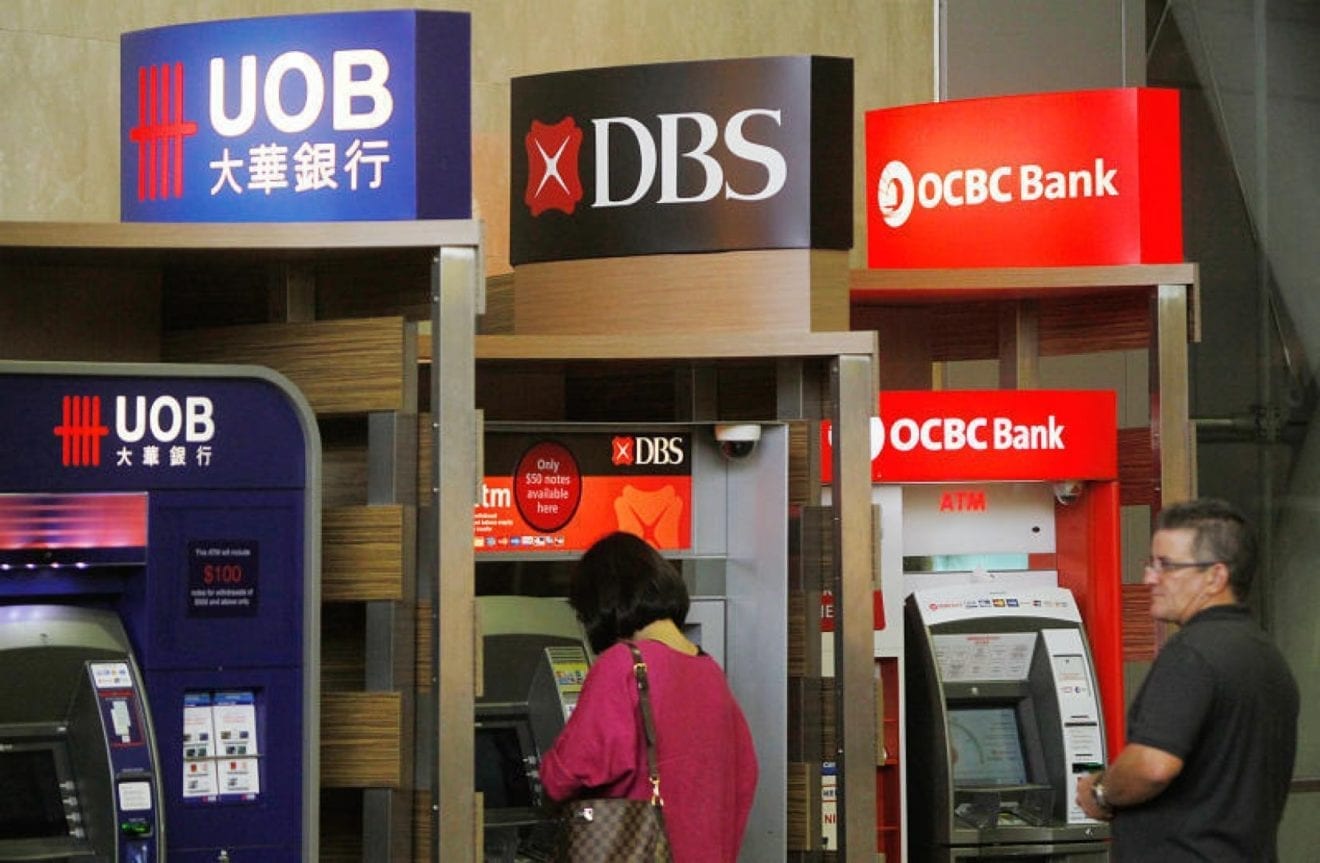
    Nets’ QR code system now works with the e-wallets of DBS Bank, OCBC Bank and United Overseas Bank. Next year, customers of Citibank, HSBC, Maybank and Standard Chartered Bank will also be able to scan the Nets QR code to make payments.

    Together, these seven major banks cover about 90 per cent of all retail transactions in Singapore.

    The nation’s effort to unify its e-payment systems may take more than a standardised QR code or enlisting businesses in the peer-to-peer PayNow scheme.

    Payment providers may also need to standardise the way they itemise and describe bills, and how fast they settle payments, to help merchants and hawkers with account reconciliation at the end of the business day.

  • GrabPay set to launch in Philippines

    GrabPay set to launch in Philippines

    Singapore-based taxi-booking company Grab plans to launch its digital payments platform GrabPay in the Philippines within the next six months.

    It is holding discussions with the central bank about acquiring an e-licence.

    Grab Philippines public affairs manager Leo Emmanuel Gonzales said it plans to roll out GrabPay as a digital payment app for retail purchases. The company currently offers mobile payment services via its top-up service GrabPay Credits and its rewards system GrabRewards.

    It launched GrabPay’s store and restaurant payments feature in Singapore last month after rolling out peer-to-peer fund-transfer services in August.

    Grab claims 63 million users across Southeast Asia.

  • Mobile now preferred channel for Citi APAC clients

    Mobile now preferred channel for Citi APAC clients

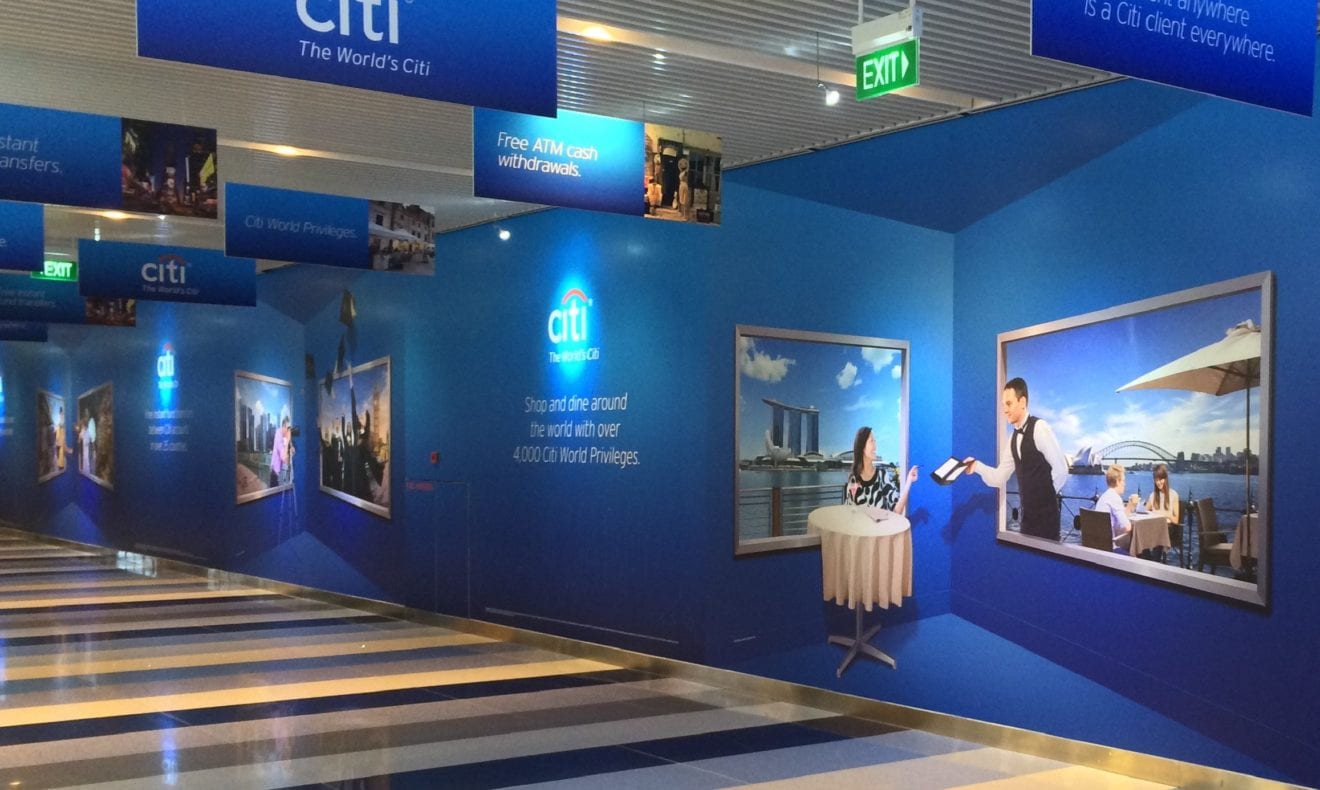
    Citi has announced that mobile banking has become the preferred channel for its consumer clients in Asia Pacific.

    The bank said that during 2017 mobile banking overtook other digital channels to become the preferred channel used by Citi’s Asia Pacific clients. Mobile use at Citi has surged by 48% in the last 12 months, making it the fastest growing digital channel at Citi.

    Digital is also growing rapidly as a source of new business at Citi. Digital acquisition in Citi’s Credit Cards and Loans business grew 57% year-on-year, and digital lending now accounts for 40% of total consumer loans fulfilled by Citi in the region.

    This growth has been underpinned by Citi’s digital investments and growth in partnerships on leading digital ecosystems.

    “At Citi our goal is to deliver remarkable banking experiences to our clients wherever they are. We have been transforming our business to be simpler, faster, scalable and digital. The growth we are seeing in mobile and digital underlines the progress we are making in being increasingly relevant where are clients need us to be,” Citi said head of global consumer banking Asia Pacific and EMEA Anand Selva said

    Citi has digital credit card partnerships with leading players in the region including Amazon, Grab, Lazada, Expedia, and Airbnb. Citi also recently partnered with Facebook to launch its first banking chatbot on the Facebook Messenger platform in Singapore. Giving customers real-time information on their accounts, transaction details and rewards points balances, Citi’s chatbot will be rolled out across the region over the next few months.

    The bank is already active in a number of leading social messaging platforms in Asia Pacific including WeChat in China and LINE in Thailand. Citi also recently reached a major milestone with three million customers having registered to use its voice biometric authentication.

    Across the region, Citi’s digital banking channels and servicing capabilities continue to see strong growth in customer engagement.

    The Asia Pacific Global Consumer Bank’s focus on transforming its business continues to yield positive results. For the third quarter of 2017, the business reported a 5% increase in revenue year-on-year to $1.87 billion, representing its fifth consecutive quarter of revenue growth in the region and making it the fastest growing consumer business for Citi globally.

    A total of 17 out of Citi’s 19 Consumer Banking markets globally are now located in the Asia Pacific and Europe, Middle East and Africa (EMEA) regions.