Category: Finance

Retail News Asia is committed to providing both local and global retailers with the latest Finance news throughout the Asian market. This on a daily base.

  • Uber IPO ‘target’ is 2019

    Uber IPO ‘target’ is 2019

    Uber is on track for a 2019 public stock offering and the plan is not dependent on new funding from Japan’s SoftBank, the global ride-sharing giant’s CEO said Thursday.

    Speaking at a New York Times conference, Dara Khosrowshahi said “2019 is the target” and that co-founder and former CEO Travis Kalanick and the rest of the board agree on the plan for an initial public offering.

    “We have all the disadvantages of being a public company as far as the spotlight on us without any of the advantages of being a public company,” he said during an on-stage interview.

    “So Travis and the whole board now agree we should just go public. The numbers support it, the systems support it and the fact is that if you set up the company in the right way and you are honest and plain spoken to your investors about being a long-term player … you will find that right set of shareholders who will support it.”

    Khosrowshahi took the helm at Uber in August after it was rocked by a series of scandals and missteps, and pledged to change the culture which had sometimes been described as “toxic.”

    He said an investment from Japanese tech giant SoftBank — a deal which has taken longer than expected to seal — remains in the works and is unrelated to the IPO plans.

    “It hasn’t happened yet, but it will,” he said.

    SoftBank, which has amassed a $100 billion fund for technology startups, is widely expected to become a major investor in Uber although the discussions have not yet produced an agreement.

    Khosrowshahi said SoftBank has not made any demands about an IPO.

    “If you talk to SoftBank they don’t have any particular interest in going public. They are the ultimate long-term investor,” he said.

    The CEO said he sees Uber, which has lost vast amounts of money, still on a road to profitability in the long-term.

    Uber still subsidizes rides in most areas to get footholds in markets, he said, while noting that “over a period of time we can pull back on the subsidies” and make a profit.

  • OCBC Bank to distribute health insurance via Mobile and Internet Banking

    OCBC Bank to distribute health insurance via Mobile and Internet Banking

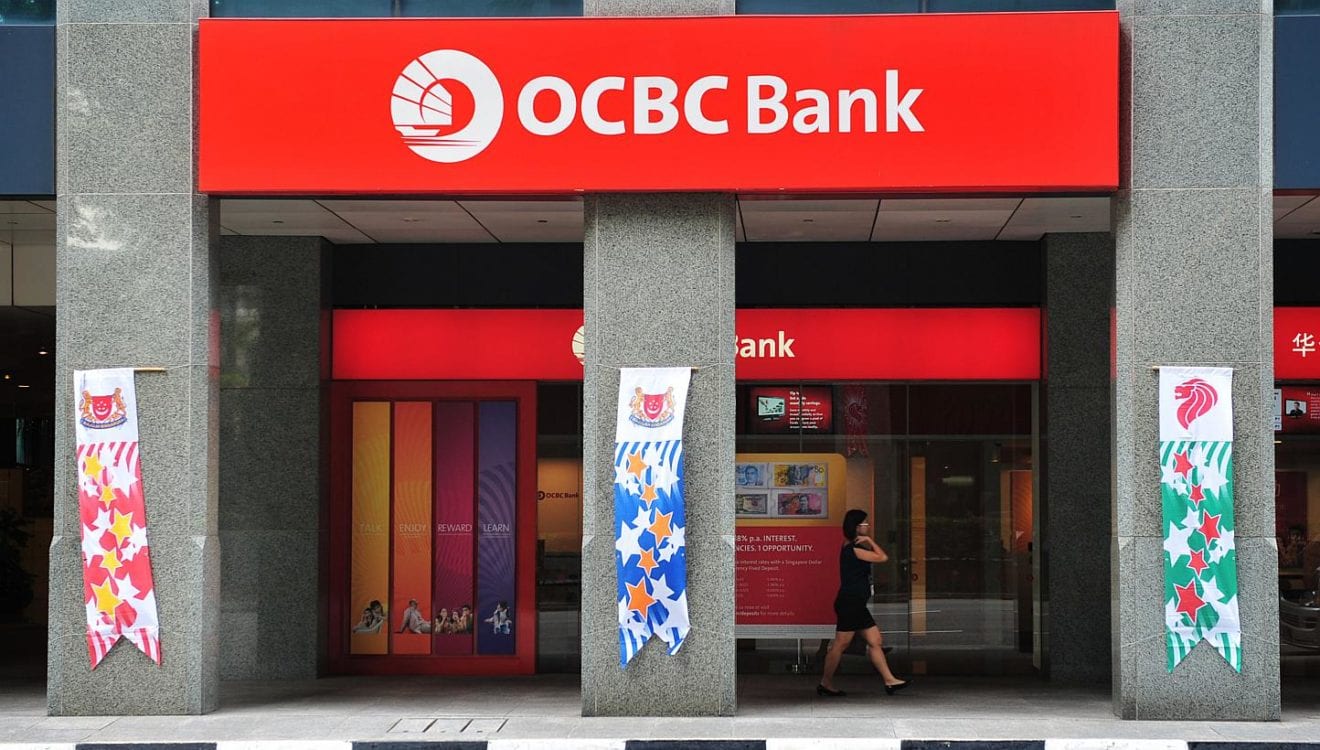
    Digitalising the way customers buy health insurance products, OCBC Bank has again launched a first in the digital wealth management space. This first-of-its-kind way of buying a health insurance plan in a few simple clicks via OCBC Bank’s mobile and Internet banking channels makes access to essential health and illness coverage fast and frictionless.

    Typically, health insurance plans like critical illness, disability, hospitalisation and surgical are not sold via online channels as they require a health check-up to evaluate the applicant’s medical condition. However, with Early Cancer Care, eligible OCBC Bank customers simply need to make a health declaration with the click of a button.

    Early Cancer Care is the first health insurance product to be rolled out on OCBC Bank’s mobile and Internet banking channels, with more non-general insurance plans to be added over time. Underwritten by Great Eastern, it is a cancer insurance plan that provides coverage in the event early or major cancer is detected.

    Depending on the plan purchased, upon diagnosis of major cancer, the insured will receive a cancer recovery benefit of up to S$3,000 monthly for six months, and a lump sum benefit of up to S$150,000, which can be used to cover treatment costs. If early-stage cancer is detected first, the insured will receive 40 per cent of the sum assured, cancer recovery benefit for six months, and all future premiums will be waived. The remaining 60 per cent of the sum assured will be paid out if major cancer is diagnosed subsequently.

    OCBC Bank has radically simplified the purchase of health insurance by offering Early Cancer Care via the bank’s mobile and Internet banking channels, while keeping the process private and confidential in a secured environment unlike unsecured webpages touting similar products. Once the customer has logged in via two-factor authentication, their personal information will be pre-populated on the insurance product application form, and they can make payment from their OCBC Bank accounts or credit cards.

    Mr Aditya Gupta, Head of E-Business Singapore, said: “This is a game changer. So far, our customers in Singapore have had to contend with general insurance products being available for purchase online. By offering our customers access to directly buy insurance solutions like Early Cancer Care via our digital channels, we have upped the ante in meeting their insurance needs simply, quickly and securely. It’s the start of what I call ‘democratisation of insurance’.

    Mr Jerry Ng, Head of Bancassurance, said: “Early Cancer Care is probably one of the most important insurance plans you will buy; that’s why we have made buying it easy and paperless for our eligible customers. We will soon be including other insurance products for purchase on our mobile and Internet banking channels. A majority of cancer plans are renewable yearly, with premiums increasing with age. Early Cancer Care provides cancer coverage for both early and major cancer detection, and the premiums do not increase with age throughout the policy term.”

    Mr Roy Tan, Head of Bancassurance, Great Eastern Life Singapore, added: “A key focus for us at Great Eastern is to harness advances in digital technology to better enable our channel partners such as OCBC to deliver our product solutions to customers more efficiently. We will continue to collaborate to create greater value and better experience for all our customers.”

  • Vietnam stock hits fresh near 10 years high

    Vietnam stock hits fresh near 10 years high

    Vietnam shares gained 0.9 percent, with real estate developer Vingroup Joint Stock Company climbing 4.7 percent to an all-time peak.

    Global equities were largely muted as concerns of a delay in U.S. tax reform proposal and apprehension over Saudi Arabia’s rising tensions with Iran soured investor sentiment.

    “Markets seem unsure which way to go next – equity markets are largely becalmed…,” ING analysts said in a note.

    Most Southeast Asian stock markets were muted today, with Indonesia slipping from a record close, as investors took a breather in the absence of market-moving data.

    Indonesian stocks slumped 0.3 percent from a record close, dragged by the telecommunications sector, with Perusahaan Perseroan (Persero) PT Telekomunikasi Indonesia Tbk, down 1.7 percent.

    Singapore index was largely flat, with real estate giant CapitaLand Ltd down 1.1 percent and Keppel Corp Ltd giving up 0.9 percent.

    Philippine stocks edged 0.3 percent lower, with industrial stocks accounting for majority of the losses, as SM Investments Corp slumped 2.8 percent, and food processor JG Summit HoldingS dropped 1.2 percent.

    Real estate stock Ayala Land was the biggest drag on the index, declining 2 percent. Manila-based RCBC Securities analyst Fio De Jesus attributed the stock’s move to profit-taking after it rose 1.3 percent in its previous session on strong nine-month earnings.

    Thai shares pared early gains in the session to trade down 0.1 percent ahead of the Bank of Thailand’s rate decision due later in the day. The central bank is expected to leave its benchmark interest rate near record lows again, with the current level seen supporting the country’s economic recovery while inflation stays benign.

  • Telco giant Viettel named biggest tax payer in Vietnam

    Telco giant Viettel named biggest tax payer in Vietnam

    A list of the 1,000 businesses that paid the most tax last year in Vietnam has been released, and includes three foreign firms in the top 10.

    Military-run telco giant Viettel topped the list after earning a pre-tax profit of nearly VND40 trillion ($1.76 billion), followed by Japanese motorbike and automobile producer Honda and state-owned energy group PetroVietnam, according to a report by the General Department of Taxation.

    Viettel is Vietnam’s largest telecom firm in terms of earnings, and operates mobile networks across 10 countries in Southeast Asia, South America and Africa with further plans for expansion. UK-based Brand Finance ranks its brand value seventh in Southeast Asia and 93rd globally.

    Japanese automobile maker Toyota and Dutch brewery Heineken were also named among the top 10 biggest tax payers in Vietnam last year.

    The rest of the top 10 was made up of state-owned enterprises: telecom firm MobiFone, major lenders Vietcombank and VietinBank, dairy giant Vinamilk and the Airports Corporation of Vietnam.

    Details of how much tax each company paid were not released, but the report said that the 1,000 biggest payers contributed more than VND90 trillion (nearly $4 billion) to the state budget in 2016, up 12 percent from the previous year.

    The top 10 accounted for nearly 75 percent of that figure, it said.

    Vietnam imposes a corporate tax rate of 20 percent.

  • Vietnam’s stock capitalization rockets to $132 billion

    Vietnam’s stock capitalization rockets to $132 billion

    Vietnam’s total stock market capitalization in the first 10 months reached $132 billion, up 83 percent from the end of last year and equal to 61 percent of Vietnam’s gross domestic product, the National Financial Supervisory Commission reported on Wednesday.

    During the first 10 months, the benchmark VN-Index on the Ho Chi Minh Stock Exchange increased by 20 percent from the last day of trading last year.

    Notably, on Wednesday, the VN-Index closed at 859.7 points, marking a 10-year high.

    On the bond market, funding raised from government bonds also witnessed an improvement. In October, the State Treasury of Vietnam issued $307 million worth of government bonds, an on-month increase of 41 percent.

    According to the commission, demand for short-term government bonds (five-year and seven-year terms) increased, but demand for long-term bonds (more than 10-year terms) declined.

    As of October, the State Treasury had completed 85 percent of its bond issuance target for 2017, which has been set at $8.03 billion.

  • APAC leading global online payments boom

    APAC leading global online payments boom

    Asia Pacific is at the forefront of a global trend toward increasing complexity in the online payments market, according to research from payments company Worldpay.

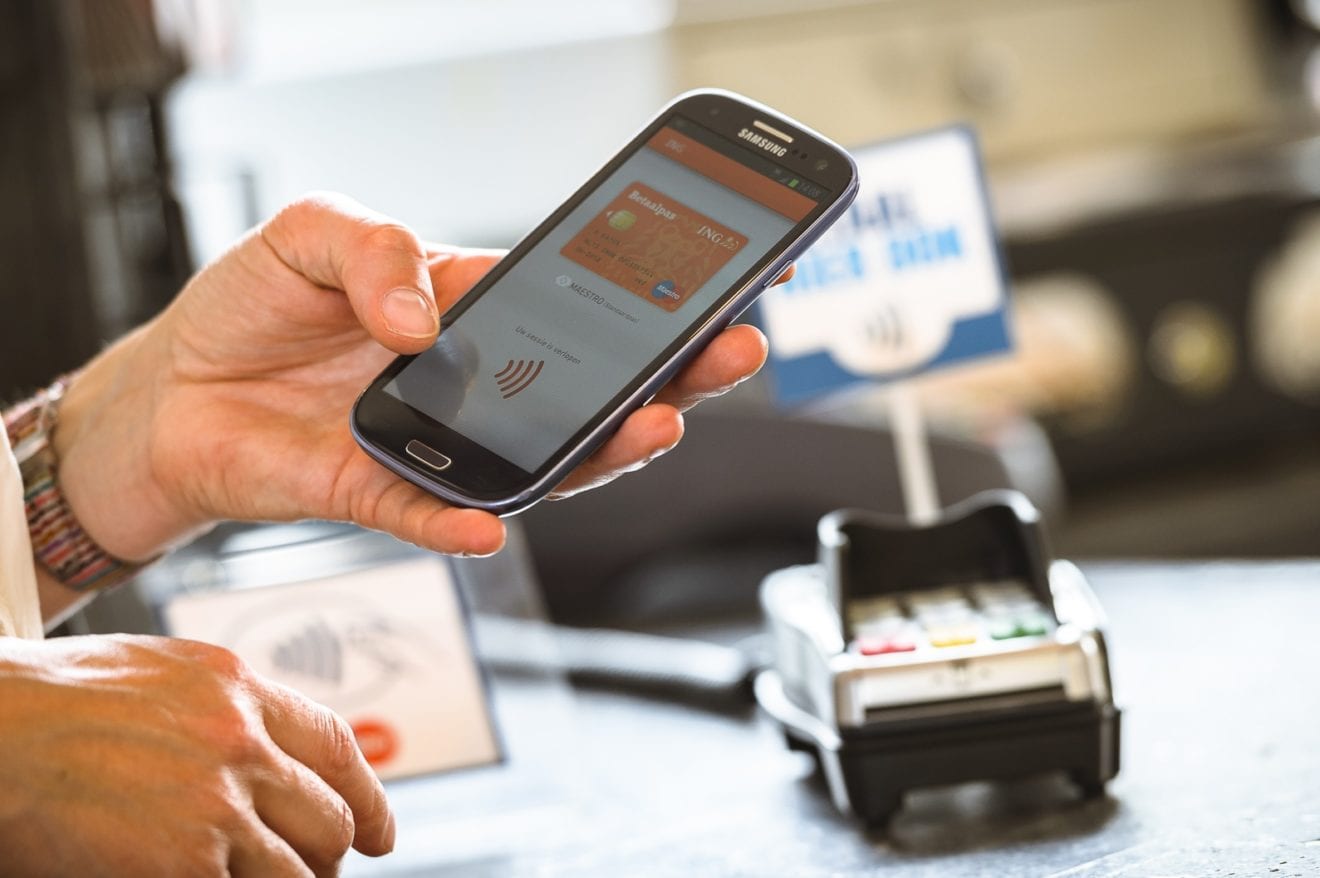
    The research found that consumers across APAC increasingly prefer to pay online via alternative payment methods such as e-wallets, bank transfers and cash on delivery. The annual Global Payments Report states that the Asia Pacific e-commerce market will grow by an average of 12% annually, and is set to be worth $2.1 trillion by 2021.

    Alternative payments are cementing their place at the heart of online shopping in this region – echoing a global trend toward fragmentation in online payments, as options like mobile wallets, pre-paid cards and bank transfers continue to steal market share from more traditional payment methods like credit and debit cards.

    The report found that in China – the world’s largest e-commerce market – most consumers prefer to pay with an e-wallet such as Alipay, Tenpay or WeChat Pay. E-wallets now account for 62% market share in China. Meanwhile credit cards are currently the second most popular payment method for online shoppers (10%), and bank transfers are set to overtake credit cards by 2021, increasing their market share to 14%.

    This growing preference for alternative payments can be seen amongst online Asian shoppers:

    • In Hong Kong, e-wallets are catching up to credit cards, and are set to make up more than a quarter of the online payments market (28%) by 2021.
    • In Singapore, while credit cards are overwhelmingly the payment method of choice in 2017 (66% market share), by 2021 both bank transfers and e-wallets are set to nearly double in share; from 11% to 21% and 13% to 21%, respectively.
    • In Australia, bank transfers are set to overtake credit cards by 2021, increasing 23.3 percentage points to become the most popular payment method, with a whopping 43% of the market.
    • In India, e-wallets (26%) and bank transfers (24%) are already the most popular payment methods, and by 2021 credit cards are expected to decline from 12% to 8% market share.

    Phil Pomford, general manager for Asia Pacific at Worldpay, commented that consumers are leading the charge in demanding more opportunities to use alternative payment methods online.

    “While there are significant variations in how consumers in different Asian markets prefer to pay, a constant is that they are shifting away from more traditional options like credit and debit cards, and instead choosing e-wallets, bank transfers and cash on delivery,” he explained.

  • Blockchain becoming the rage at US business schools

    Blockchain becoming the rage at US business schools

    U.S. business schools are beefing up training in the software that underlies digital currency bitcoin, a technology expected to be a game changer in many industries.

    The move makes sense as more students seek careers in financial technology, or “fintech,” which has captivated leading Wall Street banks and been called “the most important technology since the internet.”

    In January, the Haas School of Business at the University of California at Berkeley will offer its first ever course in blockchain software.

    The Haas school, which is near San Francisco and Silicon Valley, will handpick 60 students from the departments of business, engineering and law and split them into groups of six to explore possible applications of the technology.

    “When people think about blockchain they think about cryptocurrencies,” said Haas school lecturer Greg LaBlanc, who sees the technology as potentially disrupting many sectors.

    “We believe it will have the biggest impact on contracting, logistics and supply chains, healthcare, public administration, assets clearing, property, transactions,” he said.

    “Pretty much every function of businesses are going to be affected by this.”

    ‘Very transformational’

    Blockchain runs by recording transactions as “blocks” that are updated in real time on a digitized ledger that can be read from anywhere and does not have a central recordkeeper.

    It was originally developed as the accounting method for bitcoin. But while that cryptocurrency remains controversial with some players in finance, bankers increasingly see exposure blockchain as a must.

    Blockchain is “something we are very optimistic about,” JPMorgan Chase chief financial officer Marianne Lake said on a conference call last month.

    Newer technologies could be “very transformational for the financial services industry and we are forward-leaning and optimistic about that,” Lake added.

    The technology, which lets users trace items back through their supply chains, also could offer a means to limit tainted food problems, or to guard against “blood diamonds” that come from a war-ravaged area.

    In finance, blockchain could be used to permit parties to check the solvency of counterparties, significantly reducing costs.

    Training students for that function and other evolving roles in finance is altering curricula at universities and shifting how students structure their programs.

    Students who wish to work in trading must learn how to code, while bankers need to understand algorithms and big data to be able to attract new clients and devise strategies for fast-changing markets.

    Traditional skills still required 

    “Anyone who is coming into the financial industry is expected to have some skills in technology,” said Stephen Daffron, a founder of Motive Partners, a private equity firm specializing in fintech investment.

    “If they don’t understand how to evaluate a company that tries to employs blockchain, then they won’t probably be a good fit for us,” said Daffron, who lectures at the Yale School of Management.

    Barbara Hewitt, senior associate director in the career services office at the University of Pennsylvania, home to the Wharton School, also noted the rising interest in new skills and technology.

    “I increasingly see students opting to explore technical minors, such as in computer science, to be well prepared for the growing use of technology in many fields,” she said.

    But if exposure to fintech has become more important to hireability, traditional skills such as accounting, mathematics and understanding of economics remain the top criteria for recruiters, the schools say.

    Companies “want people with strong technical skills, people with management skills,” said Abigail Kies, assistant dean of career development at Yale.

    At Yale, about 20 percent of 2016 graduates found jobs in finance, according to figures supplied by the university.

    Fritz Foley, a finance professor at Harvard Business School said jobs in this sector still “require strong analytical abilities, an understanding of institutional details, and good judgment.”

    “These requirements have not changed as innovations have occurred.”
  • WeChat Pay Hong Kong adds QR code payment

    WeChat Pay Hong Kong adds QR code payment

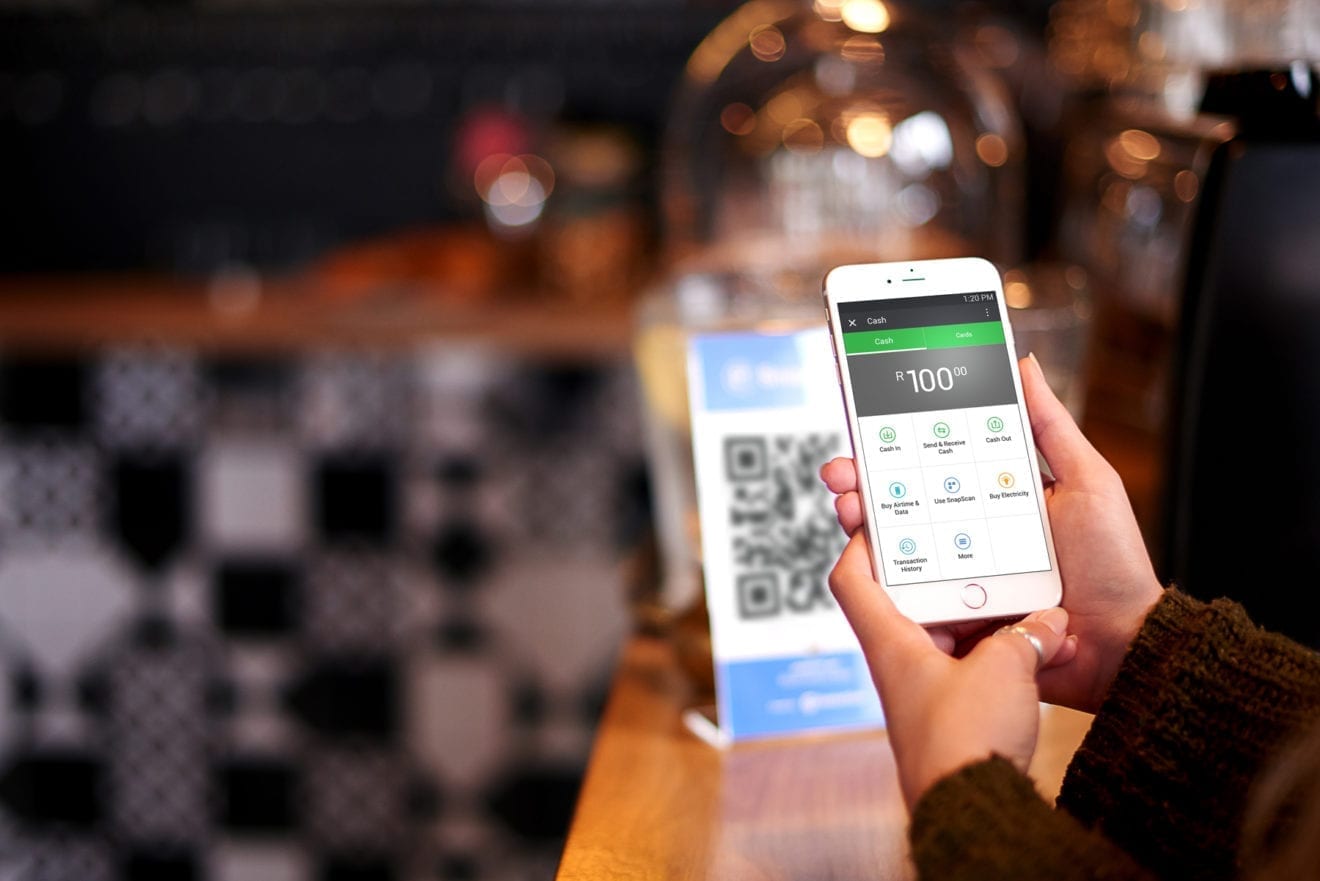
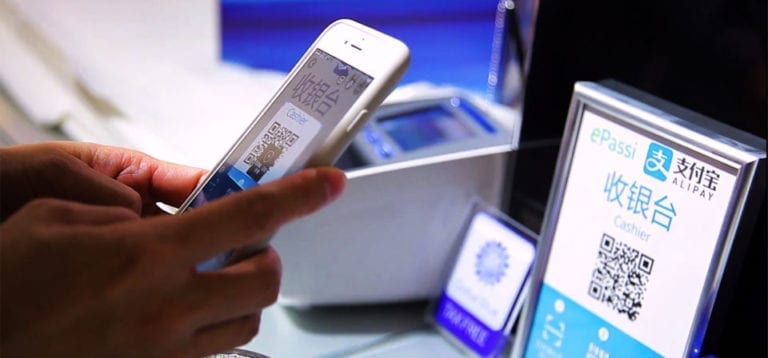
    WeChat Pay HK has introduced a series of expanded payment features to improve the mobile payment experience for local consumers.

    The expanded features include a new quick pay function targeted at merchants able to implement WeChat Pay into existing point of sales systems, such as restaurants, supermarkets and stores.

    Individuals, taxi services, family stores and business owners will meanwhile be able to take payments without having to set up costly payment terminals via the Receive Money via QR Code function.

    Finally, a new checkout system – targeted at SMEs including a simple payment system and a platform for marketing initiatives such as coupons – is expected to launch in December.

    WeChat Pay HK was granted a stored value facilities license by the HKMA last year and has since introduced features including social payment, online shopping and remittance services.

    “The usage of various kinds of Stored Value Facilities is gaining popularity in Hong Kong. We are glad to see WeChat Pay HK’s efforts in promoting mobile payment, offering consumers and businesses more payment solutions and choices throughout the city,” HKMA CFO Nelson Chow commented.

    “We are excited to launch the new WeChat Pay features in Hong Kong, embracing Hongkongers’ growing passion for mobile payment and making their daily lives easier whenever, wherever,” added Tencent general manager Norman Tam.

    “On the business front, this universal payment solution enables merchants to enhance customer engagement and loyalty via the strong WeChat ecosystem.”

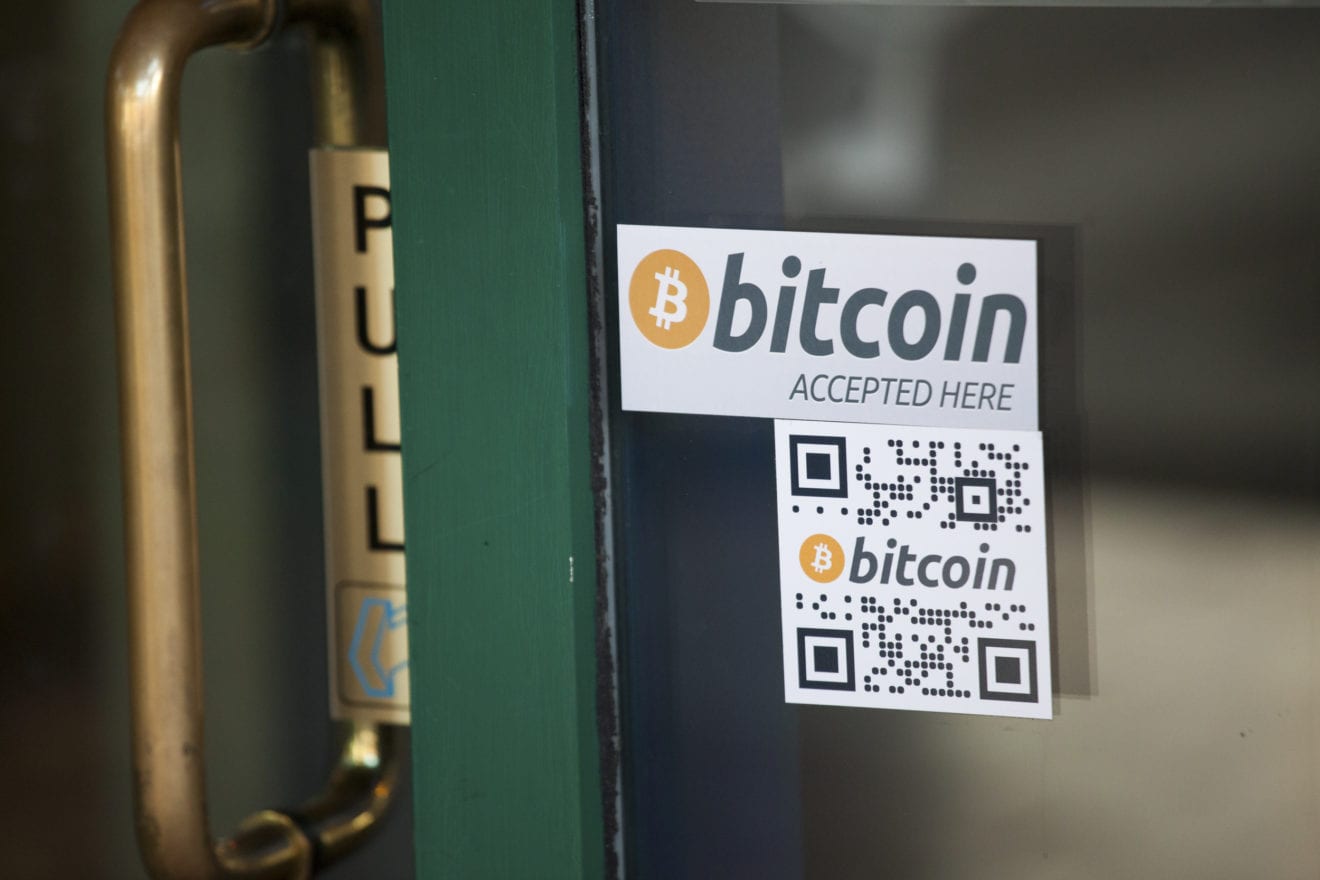
  • Indonesia’s Blockchain Scene Heats Up

    Indonesia’s Blockchain Scene Heats Up

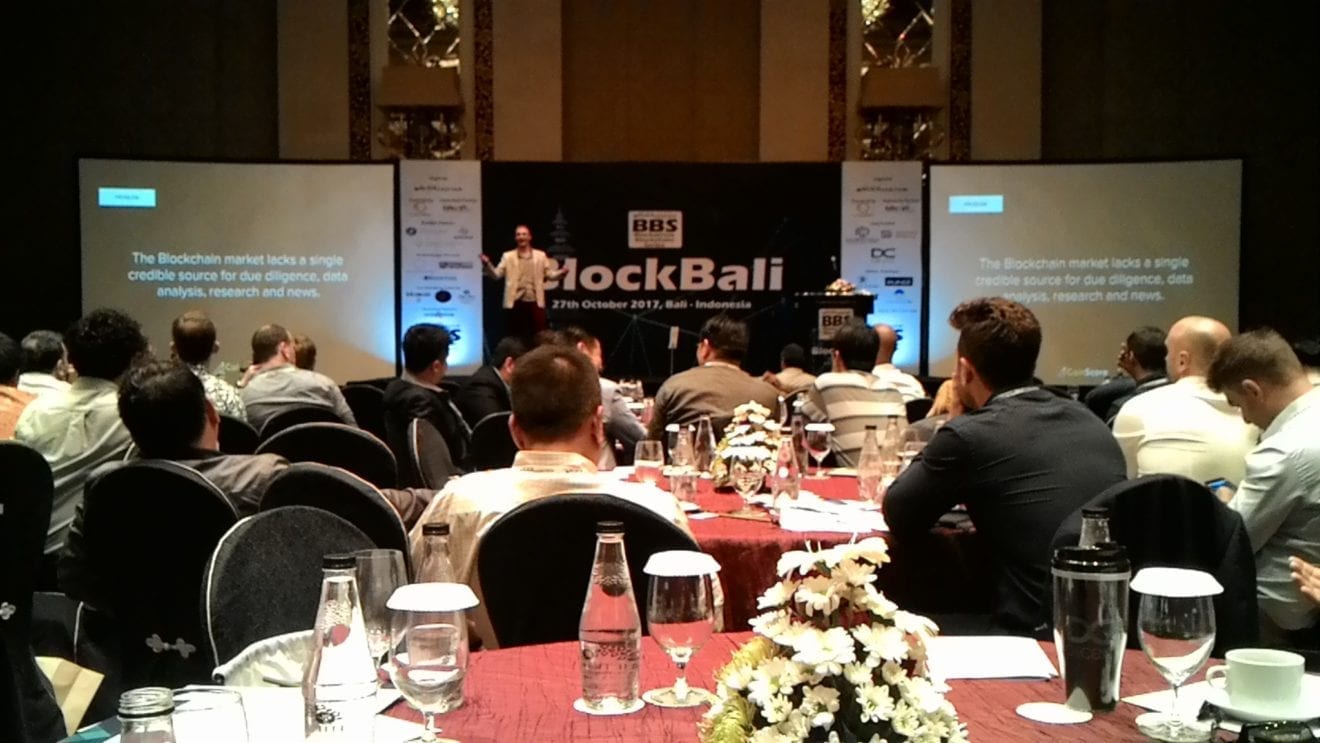
    Bali’s first-ever blockchain conference happened in the grand ballroom of The Trans Resort Bali, a five-star resort hotel a short drive from Bali’s famous tourist areas of Kuta and Seminyak. It was organized by Black Arrow Conferences, which have also organized successful blockchain conferences in Mumbai, India and Jakarta, Indonesia — together with a local organizing team comprised of Bali-based cryptocurrency afficionados.

    The event was surprisingly large for a small island. Conference sponsorship slots and attendee tickets were completely sold out, filling the room to capacity with 315 registered attendees and 33 partners, supporters and sponsoring organizations and companies from around the world.

    A mix of Indonesian and international companies were in attendance: Bitcoin Indonesia, PundiX, BlockchainZoo, Coindo, Blocktech, BBW, Cybermiles, Genesis Mining, Decent, Emurgo, Cointed, Waves, MiCai, Eximchain, Coinscore and Datum as well as representatives from the Indonesia and Bali Chamber of Commerce and Industry and the National Police Anti-Terrorism Unit Densus 88.

    Bali a Blockchain, Cryptocurrency and Historic

    As we reported here at Bitsonline previously, Indonesia has a thriving trading community and blockchain startup scene.

    Bali is a popular place for blockchain companies looking for a place to temporarily relocate for some focus time on their projects, while also enjoying the lush beauty in the hills of Bali near the town of Ubud. Companies like Consensys, Changetip, Satoshipay and personalities well-known to many in the community — such as Joel Dietz, Toni Lane Casserly and Andreas Antonopoulos — have all spent quality time here.

    Ubud is also a favorite of Sir Richard Branson, who once toyed with the idea of buying a villa not far from town. In decades past, Charlie Chaplin, Buckminster Fuller and others have come to rest and recover, and to test new ideas that they would bring back to the world.

    Blockchain Companies Work Together to Strengthen the Industry in Indonesia

    Bitcoin Indonesia, the country’s largest exchange, boasts 550,000 registered members, and is developing an international focus. Its representatives meet with regulators often, in order to keep abreast of changing opinions within the bank, which have the effect of being treated as law.

    Just last week, Bitsonline reported that the Bank of Indonesia is forbidding payments platform providers from using cryptocurrency. However any service which converts currencies from bitcoin to Indonesian rupiah — for the purpose of completing a transaction — is exactly the same thing as a purchase with a foreign credit card in Indonesia.

    This resulted in Bitcoin Indonesia closing its popular cryptocurrency payment platforms TokoBitcoin.com and Bitbayar.com.

    Companies Already Building Legal Workarounds

    However, companies are already developing legal workarounds (don’t you just love blockchain?). PundiX CEO Zac Cheah demonstrated cryptocurrency exchange POS devices which complete a bitcoin conversion — which is legal — before the customer makes and settles payment in Indonesian Rupiah.

    The heads of the Indonesian and Bali Chambers of Commerce and Industry attended, and showed their support in working with blockchain companies in Indonesia to find a regulatory solution that would allow the industry to continue to grow.

    A representative from the Densus 88 Special Forces Anti-Terrorism Unit in charge of ending terrorist financing, presented the American version of anti-money laundering and anti-terrorist financing regulations. However he admitted there was only one known case of terrorism financing using cryptocurrencies that he was aware of — without going into details.

    BlockBali Conference Will Become an Annual Event

    Bitsonline interviewed speaker Roberto Capodieci, CEO of Blockchain Zoo — which is about to open a Blockchain Center in the town of Ubud. He told us:

    “Crypto in paradise! The god’s island of Bali, home to thousands of digital nomads, and my home since 2004, is indeed the right place to hold this kind of conference. Not only is there already a large audience on the island, but it makes a great reason for international experts to participate and extend their stay for a day or two and enjoy a short tropical holiday! Furthermore, BlockBali was organized in an excellent manner, had several key people from the industry to present, and a variety of topics to keep the audience constantly attentive and interested. I really look forward to more conferences like this one.”

    Sarfraz Patel, CEO of Blackarrow Conferences, was similarly optimistic for a future conference:

    “The success of BlockBali has been outstanding. A great turnout of 300+ people from 31 countries. This being our second conference in Indonesia, we have seen a 50 percent growth in attendance and we can clearly see the Indonesian community rising up to blockchain and cryptocurrency. This definitely paves the way for much bigger and better conferences in the future.”


    credits: Bitsonline

  • HSBC profits up five-fold in third quarter

    HSBC profits up five-fold in third quarter

    ‘Our pivot to Asia is driving higher returns and lending growth, particularly in Hong Kong.’

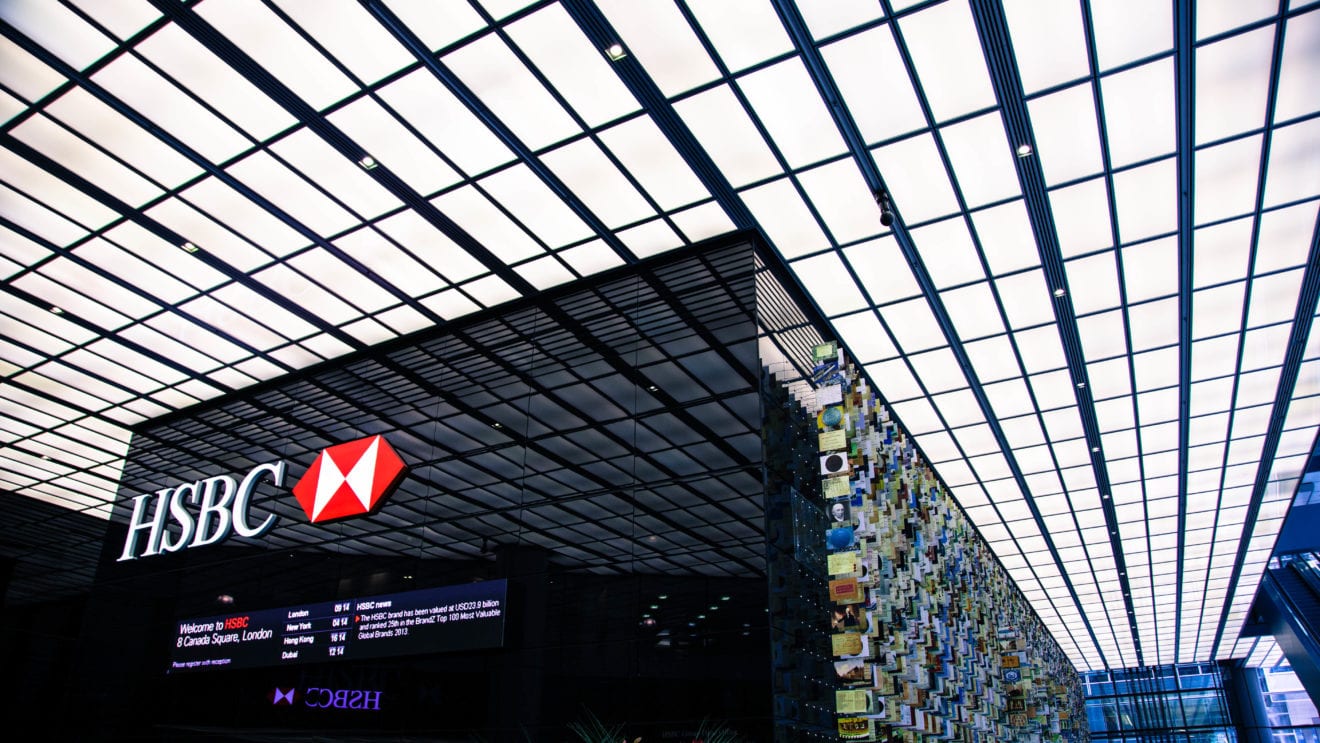
    HSBC said Monday that profits were up more than five-fold in the third quarter as its Asia business drives higher returns.

    Reported pre-tax profit jumped to $4.6 billion in the three months to the end of September, compared with $843 million over the same period in 2016.

    The Asia-focused banking giant has been on a recovery drive over the past two years to streamline the business and slash costs, and has laid off tens of thousands of staff.

    Shares were up 1.1 percent at HK$77.95 ($9.99) by lunch, shortly after the results were released.

    Chief executive Stuart Gulliver said the bank had “maintained good momentum in the third quarter”, with higher revenue across its main global businesses.

    “Our pivot to Asia is driving higher returns and lending growth, particularly in Hong Kong,” he added.

  • Bitcoin transactions remain illegal in Vietnam

    Bitcoin transactions remain illegal in Vietnam

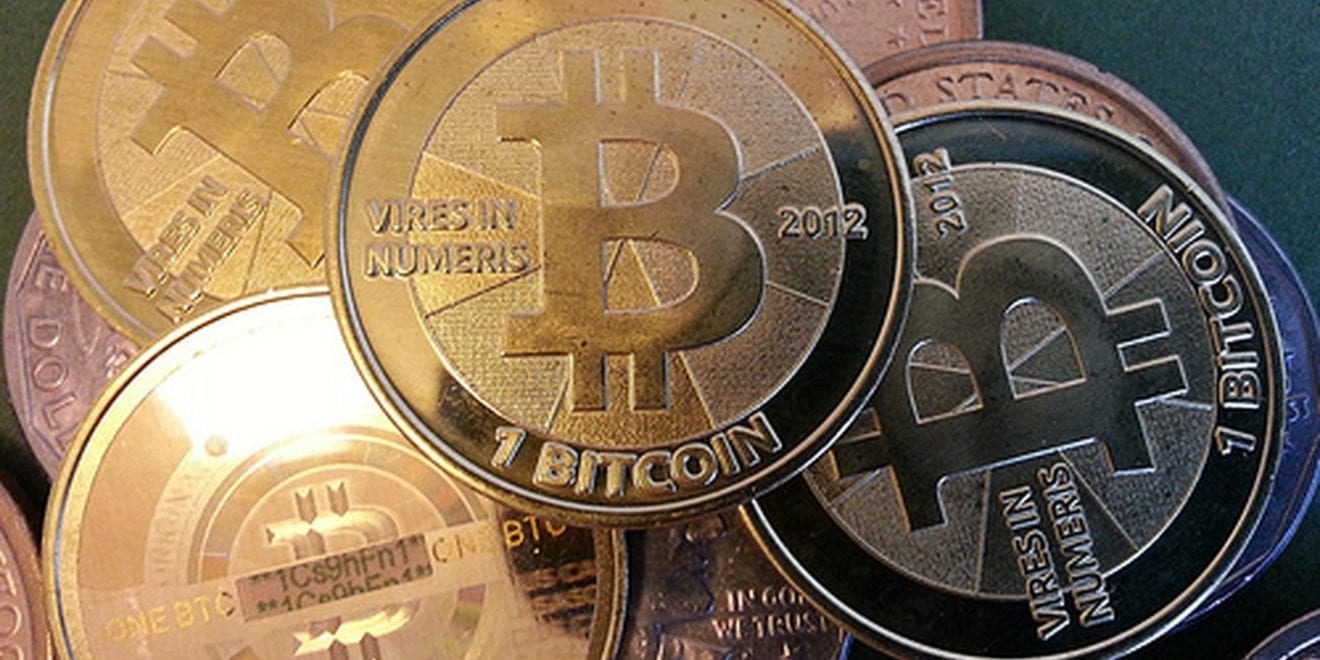
    The only payment methods allowed in the country are issued or controlled by the State Bank. Cryptocurrencies such as Bitcoin remain illegal in Vietnam, the State Bank affirmed in a statement released on Saturday.

    “From January 1, 2018, the act of issuing, supplying or using illegal means of payment may be subject to prosecution in accordance with the provisions of Article 206 of the Penal Code 2015,” the statement said.

    The only payment methods allowed in the country are issued or controlled by the State Bank.

    People who attempt to use illegal means of payment will be subject to a fine ranging from $6,600-9,000.

    Earlier this week, Vietnam’s top technology university FPT announced plans to allow students to pay for their tuition fees using Bitcoin.

    Some service providers have already started accepting Bitcoin and other cryptocurrencies in Vietnam, but they are mostly used for trading and speculation on the free market.

    The central bank has warned organizations and individuals in Vietnam not to invest in Bitcoins or conduct transactions in the currency, saying they would be taking a huge risk with no legal protection.

    “Bitcoin transactions are anonymous and can be used for money laundering, drug trafficking, tax evasion and illegal payments,” the bank claimed.

  • Vietnamese bank appoints foreign executive to head retail operations

    Vietnamese bank appoints foreign executive to head retail operations

    Vietcombank has taken the unusual move of plunging a foreigner into the financial fray.

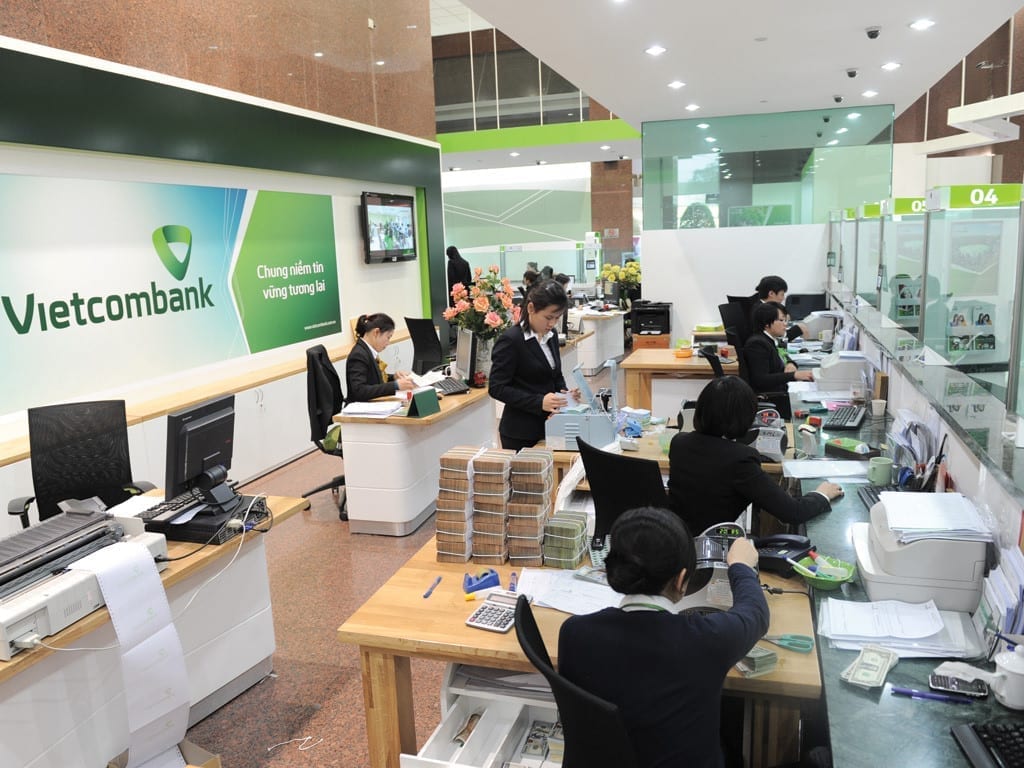
    Vietcombank has appointed a Canadian executive as its new retail banking director in a country that rarely hires foreign execs in its commercial banking sector.

    Thomas William Tobin holds an MBA in international finance from MacMaster University. According to his LinkedIn profile, he has more than 20 years of experience in the financial services industry, having worked as HSBC’s CEO and country head in Vietnam before leading the Hong Kong, Macao and Northeast Asian branches of the U.S.-based financial services corporation Visa Inc.

    Vietcombank’s chairman Nghiem Xuan Thanh said at a ceremony to announce the appointment that Tobin’s experience and understanding of the Vietnamese and global markets will help Vietcombank become the top retail bank in Vietnam by 2020, Vietnam News Agency reported.

    Vietcombank, the country’s third biggest listed bank by assets, said on Monday that its net profit in the third quarter went up 30.9 percent on-year to VND2.15 trillion ($94.6 million), Reuters reported.

    The bank’s pre-tax profits in the first nine months hit more than VND12.18 trillion ($536 million), up 14.1 percent against the same period last year.

    Its bad debt ratio also fell to 1.13 percent of all loans, according to a source from the bank.

    The National Financial Supervisory Commission has reported credit growth of 11.5 percent in the banking system in the first nine months of this year, while profit rose 39 percent to around VND47 trillion (nearly $2.1 billion).

  • Blockchain technology impact stretches way beyond Bitcoin

    Blockchain technology impact stretches way beyond Bitcoin

    Blockchain technology – the foundation beneath Bitcoin – has “immense potential to disrupt and transform the world of money, business, and society” in the years ahead.

    The technology tops a new list of IT projections from Dimension Data, which also cites artificial intelligence, machine learning, robotics, and virtual and augmented reality as having the greatest potential to deliver disruptive outcomes and reshape digital business next year.

    “Companies that have not started the digital investment cycle are at high risk of being disrupted,” says Dimension Data Group CTO, Ettienne Reinecke.

    Blockchain, he says, has gone from strength to strength.

    “Last year, when we looked at the top digital business trends for 2017, we predicted that centralised transaction models would come under attack. We were spot on. In the financial services sector, we’ve seen the US and European capital markets moving onto Blockchain platforms, and similar activity in markets such as Japan. Considering how conservative and compliance-focused this sector is, that’s quite remarkable.

    “It’s ironic that the cybercriminals who perpetrated the recent WannaCry ransomware attack could hold a federal government to ransom and demand to be paid in Bitcoin. Bitcoin might be a crypto-currency, but it’s based on Blockchain, and if cybercriminals are confident that Bitcoin provides a safe mechanism for the payment of ransoms, it indicates just how secure the distributed ledger approach is. I believe that Blockchain has the potential to totally re-engineer cybersecurity, but the industry has yet to come to terms with it,” says Reinecke.

    He predicts Blockchain will also deliver on the promise of Internet of Things (IoT) in the year ahead.  “In the world of IoT you’re generating millions of small transactions that are being collected from a distributed set of sensors. It’s not feasible to operate these systems using a centralised transactional model: it’s too slow, expensive, and exclusive. To extract the true value from IoT technology you have to be able to operate in real time. Once a sensor alert is received from a control system you must react to it, meter it, and bill for it instantly – all of which negates the viability of a centralised transactional authority. The cost of the transaction has to be near-zero or free, and the cost elements of a centralised model simply don’t support the potential business model in IoT,” he explains.

    In 2018, some interesting applications of Blockchain and IoT in the area of cybersecurity will emerge. Significant attacks have recently been launched from low-cost IoT endpoints, and there’s very little incentive for manufacturers of these devices to incur the cost of a security stack, which leaves them extremely vulnerable. Blockchain can play a fundamental role in securing these environments.

    Wireless feeds IoT

    Another exciting trend to look forward to is the boom in new wireless technologies that will enable IoT and bring us a step closer to the dream of pervasive connectivity. Some of these advancements will include 5G and Gbps Wi-Fi, new controls, virtual beacon technology, and low power, long distance radio frequency.

    There’s also a “digital fight-back” coming on the part of certain incumbent players. Established businesses that have proactively transformed into digital businesses, modernised their architectures, and embedded high levels of automation into their operations have a window of opportunity to claw back market share in the year ahead. That’s because there’s been an increase in the number of cloud-born start-ups themselves starting to be disrupted in certain industries.

    “I predict that a number of digitally transformed incumbents will successfully start reclaiming their markets because they have more credibility, longer histories, an established customer base, and assets that can stand the test of time,” says Reinecke.

    Andy Cocks, CTO for Dimension Data Asia Pacific, concurs with Reinecke and adds: “Blockchain has immense potential to disrupt and transform the world of money, business, and society. But, it is the companies that have not started the digital investment cycle which are at the highest risk of being disrupted.”

  • Alipay, WeChat top China brand relevance index

    Alipay, WeChat top China brand relevance index

    Chinese internet brands are trumping their Western counterparts in China, according to the second China Prophet Brand Relevance Index (BRI).

    Alipay and WeChat came in first and second respectively for the second consecutive year, followed by Android, IKEA and Apple.

    “Chinese consumers today live, work and play in a connected, digital world, so the brands that deliver useful, easily accessible and enjoyable experiences are going to be the most relevant to their lives,” Tom Doctoroff, Senior Partner at Prophet said in a press release.

    “This is our second Brand Relevance Index in China, and Alipay and WeChat dominate once again as the top two brands because they brilliantly use technology to innovate and inspire consumers,” he added.

    BRI is a ranking of the most relevant brands in consumers’ lives. Prophet partnered with research firm SSI to survey 50,000 consumers across the US, UK, Germany and China about 750 brands before deriving the results. The Chinese BRI results is part of this four-country effort, and is the second global survey conducted by the firm.

    Five retail and hospitality brands finished the top 10 listing. They included Nike, Estee Lauder, BMW, Marriott and NetEase Cloud Music.

    According to the Prophet, almost half of the top 50 brands were all technology-led. The rest were significantly invested in digital connectivity, showing that Chinese consumers like brand experiences that occur on demand, across devices and channels.

    “Brands today cannot stay still. They need to earn and re-earn loyalty at every micro moment in the customer journey, again and again. They have to be relentlessly relevant. This is more true in China than anywhere else. The brands that scored high in our Index enjoy healthy long-term demand and a strong bottom line because they are constantly reinventing themselves to satisfy and delight consumers,” Doctoroff said.

    The findings also showed that Chinese consumers are demanding for unique and immersive experiences. Here, brands like Marriott, W Hotel (ranked 11) and BMW dominated through their focus on experience and design.

    Equally important are brands that Chinese consumers to show their individualism. They are increasingly looking to share their unique experiences on QQ (ranked 28), show a greater desire to try on Taobao (ranked 35), test on Meituan (ranked 40) and taste products on Dianping (ranked 41).

    Meanwhile, Chinese consumers are focusing more on music, gaming, entertainment and sporting goods, which make up more than a fifth of the top 50 brands. According to the press release, there is “a growing shift towards prioritizing the balance between emotional and physical wellbeing, instead of focusing on just physical health.”

    Chinese consumers are beginning to embrace the sharing economy. Mobike (ranked 14) and Airbnb (ranked 45) are now taking over spots held by restaurants and airlines. Ofo (ranked 54) and Didi (ranked 87) are just outside the top 50 ranks.

    “It’s clear to be successful, brands need more than size and ubiquity. They must create a product that people love enough to integrate into their everyday lives. The brands that inspire this level of loyalty will ultimately grow the fastest because they are relevant in the moments that matter most to consumers,” Leon Zhang, Partner at Prophet, based in Shanghai, said.

    Apple continued to dominate across global rankings, holding the top positions in the US, UK and Germany rankings. Google was among the top three in the same countries.

  • HSBC debuts mobile stock app

    HSBC debuts mobile stock app

    HSBC has introduced a new stock trading mobile app for both Android and iOS to help Hong Kong customers more easily trade Hong Kong, China A and US stocks.

    The HSBC HK Easy Invest standalone stock trading app includes new features including a one-screen quick buy function, interactive charts, a sector heat map and tailored news.

    Customers can access the app using their existing HSBC Personal Internet Banking Details or Touch ID fingerprint authentication for Apple users. The app also employs several industry-standard security measures for further protection.

    To promote the new app, HSBC is offering new users a HK$100 brokerage fee rebate on customers’ first trade using the system until November 30.

    “With changing customer behaviour and increasing demand for faster and more convenient banking services, we are expanding our digital capabilities to better meet customers’ needs,” HSBC head of retail banking and wealth management for Hong Kong Greg Hingston said.

    “HSBC HK Easy Invest is a smart and powerful tool that is easy to use, fast and secure, helping us support our customers as they manage their wealth.”