Category: Finance

Retail News Asia is committed to providing both local and global retailers with the latest Finance news throughout the Asian market. This on a daily base.

  • Fintech Firm TrueMoney Reaches 13,500 Customer Service Points in Indonesia

    Fintech Firm TrueMoney Reaches 13,500 Customer Service Points in Indonesia

    PT Witami Tunai Mandiri, the Indonesian operations of Southeast Asian fintech firm TrueMoney, has reached 13,500 Indonesia customer service points. Through these agent-managed service points TrueMoney provides a suite of e-money solutions, including depositing and withdrawing cash, paying for online purchases, and domestic fund transfers, which are fully compliant with Indonesian central bank regulations.

    TrueMoney is now one of the largest non-bank e-money providers, and the first non-bank fintech firms to hold a remittance license as well as a Shariah-complaint e-money license, critical for reaching a large percentage of Indonesian consumers.

    Alfamart, one of Indonesia’s largest convenience store operators, is TrueMoney’s latest partner, bringing its 13,168 outlets onto TrueMoney’s agent network. With TrueMoney’s suite of e-money solutions, Alfamart’s customers – many of which have no bank account or credit/debit card – can use digital financial services – pay, purchase, and transfer – that they may otherwise have no access to.

    Nussy Aryanto, President of TrueMoney Indonesia said, “Far too many of Indonesia’s people have no, or very limited access to financial services. By being mobile first and working with a number of partners such as Alfamart, we are able to offer access, convenience and completely new financial products to this large population. Our mission is to bring basic financial services to every single Indonesian.”

    According to the International Finance Corporation about 20%-25% of Indonesia’s 255 million population has a bank account, but there are around 325 million mobile subscriptions. With 85% of the population owning a mobile phone, about half are smartphones. This means digital services, including digital financial solutions, can reach a much larger segment of the population if delivered, at least in part, through mobile devices.

    Hans Prawira, President of Alfamart said, “We have millions of customers across Indonesia, especially outside of major cities. We are always trying to serve their needs, and our partnership with TrueMoney will bring a whole new set of products and services that will improve our customers’ lives. It will now be much easier and cheaper for them to send and receive funds from relatives, using cash at our outlets; their lives will be changed.”

    Marketing Magazine recently awarded TrueMoney Indonesia “The Best Innovation in Marketing” for it efforts at building an agent network of roadside shops and grocery stores to provide financial services across Indonesia.

    TrueMoney provides a number of e-payment services across Southeast Asia, including TrueMoney Wallet, WeCard (with MasterCard), TrueMoney Cash Card, Kiosk, Express, Payment Gateway, and Remittance. It also provides cash-in and cash-out services, which will be especially useful in Indonesia where a large number of the population is unbanked or underserved by banking and financial institutions. They can do this at any of TrueMoney’s 13,500 agent locations in ten provinces.

    Today, TrueMoney Indonesia introduced its newest service TrueMoney Remittance, with Alphamart as the service provider. TrueMoney Remittance is a cash-to-cash service which allows customers to send and withdraw cash from any of Alphamart’s 13,168 stores.

    TrueMoney launched its operations in Indonesia in June 2016. The partnership with Alfamart follows a number of important partnerships across Indonesia, including Samsung. TrueMoney is a subsidiary of Thailand-based Ascend Money, one of the largest fintech companies in Southeast Asia with over 20 million customers. Ascend Money is backed by Thailand’s CP Group and has recently secured a 20% investment by ANT Financial Services Group, operator of China’s most popular e-wallet Alipay.
  • Alipay mobile payment introduced in Denmark

    Alipay mobile payment introduced in Denmark

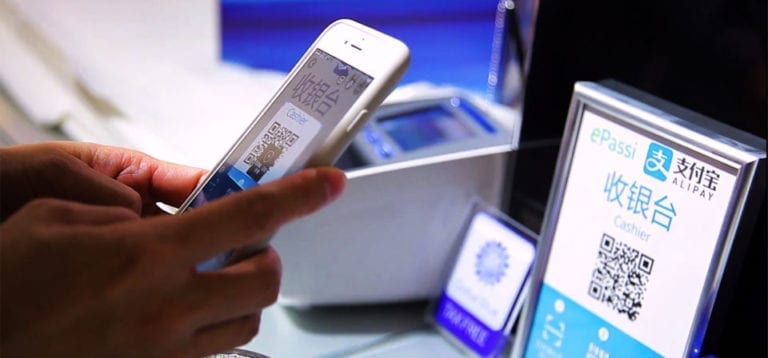
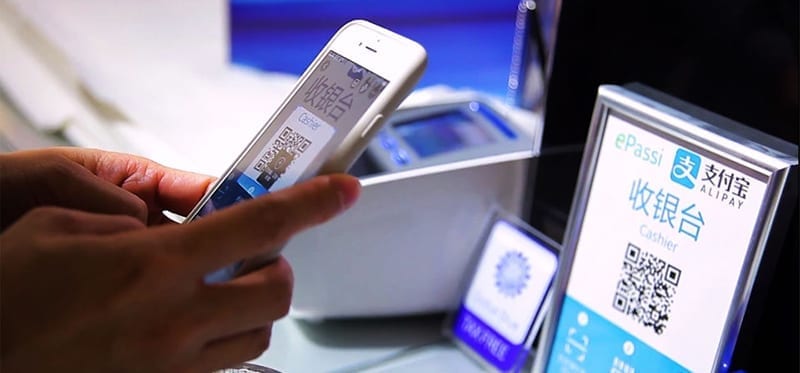
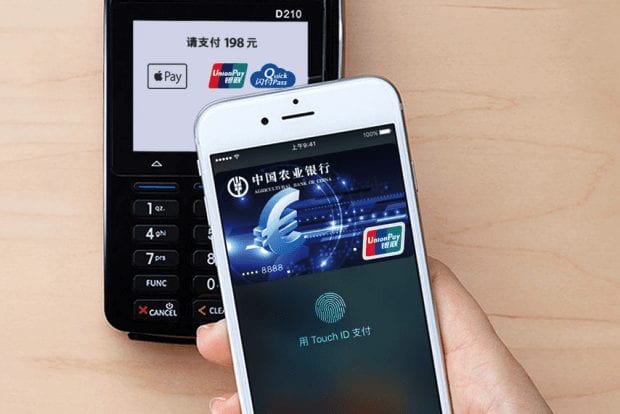
    The world’s leading mobile payment platform Alipay was launched in Denmark on Monday, enabling its Chinese users to enjoy its fast and convenient payment service when they travel to the Nordic country.

    “We are happy that Denmark and the Nordics are embracing Alipay for Chinese tourists. The adoption of Alipay services of both payment and marketing will not only enhance the experience of Chinese consumers but also help Danish businesses to reach out to their Chinese customers even before they depart from China,” said Wang Li, head of Alipay EMEA (Europe, Middle East and Africa).Operated by Ant Financial Services Group, an affiliate company of China’s Alibaba Group, Alipay users can hail a taxi, book a hotel, buy movie tickets, pay utility bills, make appointments with doctors, or purchase wealth management products directly from within the app.

    Alipay was launched in Denmark by APay Nordic AS, in cooperation with 2paynow, the technology platform provider of Alipay in Europe.

    “We are glad to see that APay Nordic is now introducing Alipay into Denmark, which will further strengthen the advantages of Denmark as a Chinese-friendly destination,” said Miklos Bengtsen, CFO of ILLUM, a premium department store in Copenhagen, adding that China is a very important market for the Danish retail business.

    According to Wang, Alipay’s in-store payment service is covering more than 30 countries across the world, and tax reimbursement via Alipay is supported in 24 countries and regions.

    Alipay has been launching its services in Europe since mid-2016. Denmark is the fourth Northern European country for Alipay to set foot in after Norway, Finland and Sweden.

    Alipay now has over 520 million active users and over 450 financial institution partners globally. Over 10 million merchants accept Alipay across China.

  • PayMaya, Smart boost rollout of QR code payments

    PayMaya, Smart boost rollout of QR code payments

    After it introduced the first Quick Response (QR) code payments via app in the Philippines last May, PayMaya Philippines has announced that the scan-to-pay technology is now available across the country, with Smart Stores and select merchants in key cities allowing consumers to conveniently pay by simply scanning QR codes through their PayMaya app.

    Smart subscribers have a new means to transact with their accounts as Smart Stores all over the country are equipped with PayMaya QR technology. PayMaya is also enabling merchants in communities starting with canteens in partner schools like STI and commercial establishments in cashless cities such as Muntinlupa and Malabon. Similarly, PayMaya is also tapping popular merchants in SmartSpots already enabled by WiFi connectivity in key cities such as Baguio, Cebu and Davao.

    In the near future, payments enabled by PayMaya will also be accepted online and in-store in popular food chains, supermarkets and malls such as McDonald’s, Army Navy, Domino’s Pizza and Gaisano Supermarkets, among others.

    To further bring the technology to more users, Smart and PayMaya are also set to equip Smart retail partners down to the sari-sari store level with the payment technology.

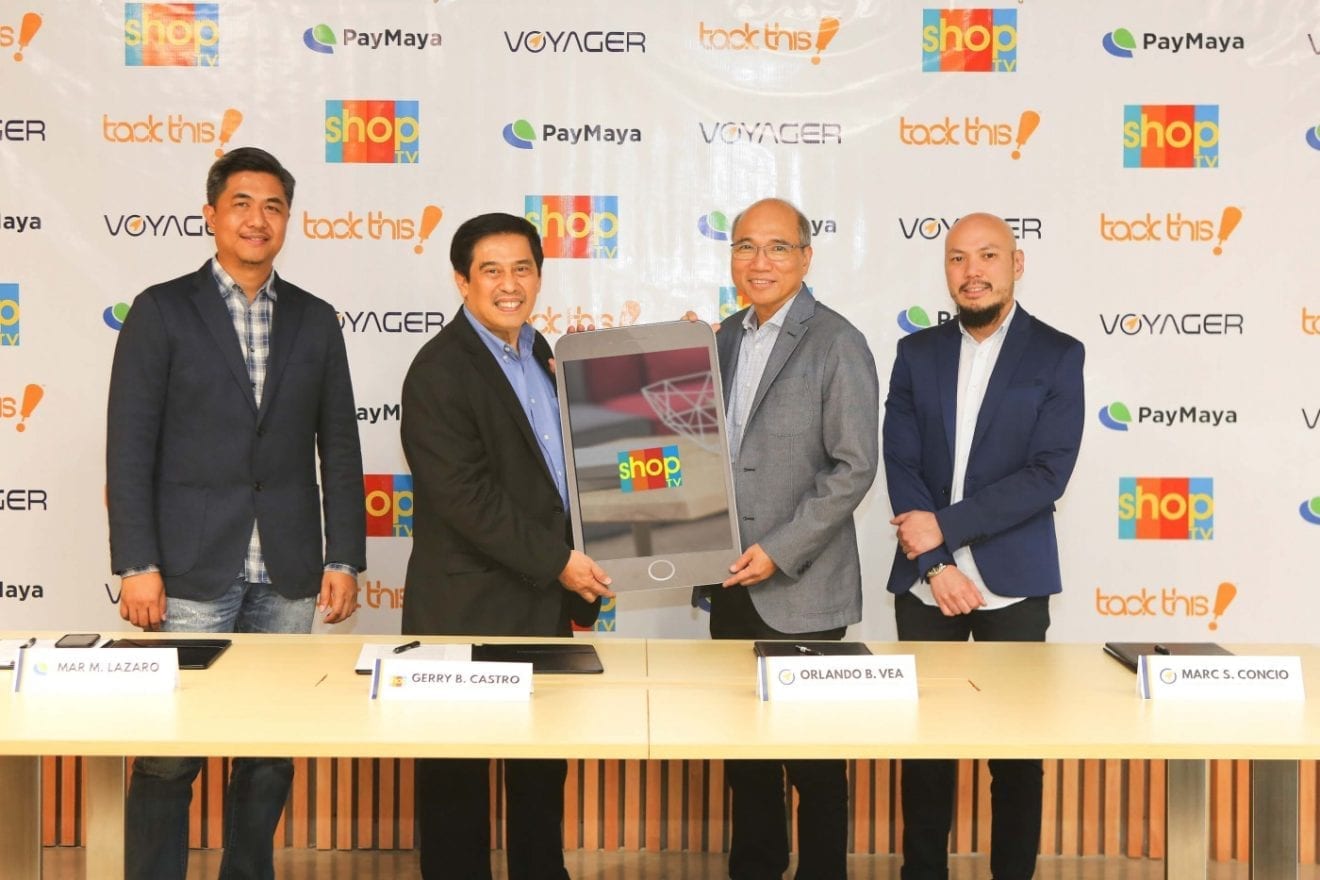
    “As PayMaya continues to grow nationwide, we take a giant step for our customers by making QR code payments available to all kinds of merchants. PayMaya is the leading digital payments wallet and on the merchant side, this will reinforce our position as the top mobile payments acquirer in the country,” said Orlando Vea, president and CEO, PayMaya Philippines and Voyager Innovations.

    “Convenient and secure cashless transactions complete the digital life experience of people and communities. Equipping our Smart Stores, partner merchants and retailers with PayMaya’s innovative platforms is a step in making our vision a reality,” said Eric Alberto, chief revenue officer, PLDT and Smart.

    Existing technology, new use cases, right conditions

    QR code technology has been in use for quite some time with many applications already in the market. However, wide adoption for payments had been previously hampered by various factors, such as lower smartphone and internet usage.

    The technology has now taken off around the world, with payment providers in various countries introducing use cases for adoption. Globally, Tencent’s WeChat app is the leader with close to a billion active users, most of them residing in China. Similar to PayMaya, every time their app is downloaded, so too is a QR code reader as the feature has already been integrated.

    In the Philippines, the growing smartphone and internet penetration is now being complemented by digital payments adoption, pioneered by PayMaya. It has made payments integration capability via QR codes available and is now accelerating consumer acceptance, as it further builds up and reinforces the payment ecosystem and infrastructure across the country.

    It takes a village to make ‘cashless’ work

    “For any kind of digital payments technology to be widely adopted, it is important to foster the right conditions and build the ecosystem. PayMaya is already leading the market toward this direction. Along with the strongest network of PLDT and Smart, we are seeing digital financial inclusion in action,” said Manuel V. Pangilinan, chairman of PLDT, Smart, Voyager Innovations and PayMaya Philippines.

    PayMaya Philippines is the digital financial services arm of PLDT and Smart’s Voyager Innovations. Its PayMaya wallet, accessible via mobile app and Facebook Messenger (@PayMayaOfficial) that comes with a virtual and physical Visa or MasterCard, is now the preferred prepaid payment by the millennial market.

    Any mobile subscriber can simply download the PayMaya app from the Play Store or the App Store and load up their wallet at any of the more than 15,000 reloading stations nationwide, which include SM Business Centers, Robinsons Department Stores Business Centers and 7-Eleven, Petron stations along NLEX and Ministop outlets with Touchpay Kiosks, UnionBank ATMs, Shopwise, Wellcome, 2Go outlets, Smart Padala centers, Palawan Pawnshop and online banking via BDO and UnionBank.

    PayMaya is also the platform of choice of local governments, enterprises and schools for disbursements and ID-plus payments cards.

    PayMaya-enabled ID-plus payment cards are being used by Balanga City, Malabon City, Malolos City, Muntinlupa City, Catbalogan City and Tacloban City, as well as by schools such as STI.

    Meanwhile, PayMaya Business, the company’s system solutions provider that allows businesses to receive online and card payments anytime, anywhere, is now the top mobile payments acquirer powering companies such as Cebu Pacific, Lazada, Meralco, Metro Pacific Tollways, Philippine Airlines, Smart, and Zalora, as well as numerous other merchants.

    Completing the cashless ecosystem is Smart Padala’s largest money-in/money-out remittance network.

  • Veritas stung over Nosh disclosure

    Veritas stung over Nosh disclosure

    Veritas Investments has been publicly censured and fined $55,000 plus costs by the NZ Markets Disciplinary Tribunal for failing to immediately disclose to the market that it had agreed to sell or close its Nosh business as a condition of continued support from its bank.

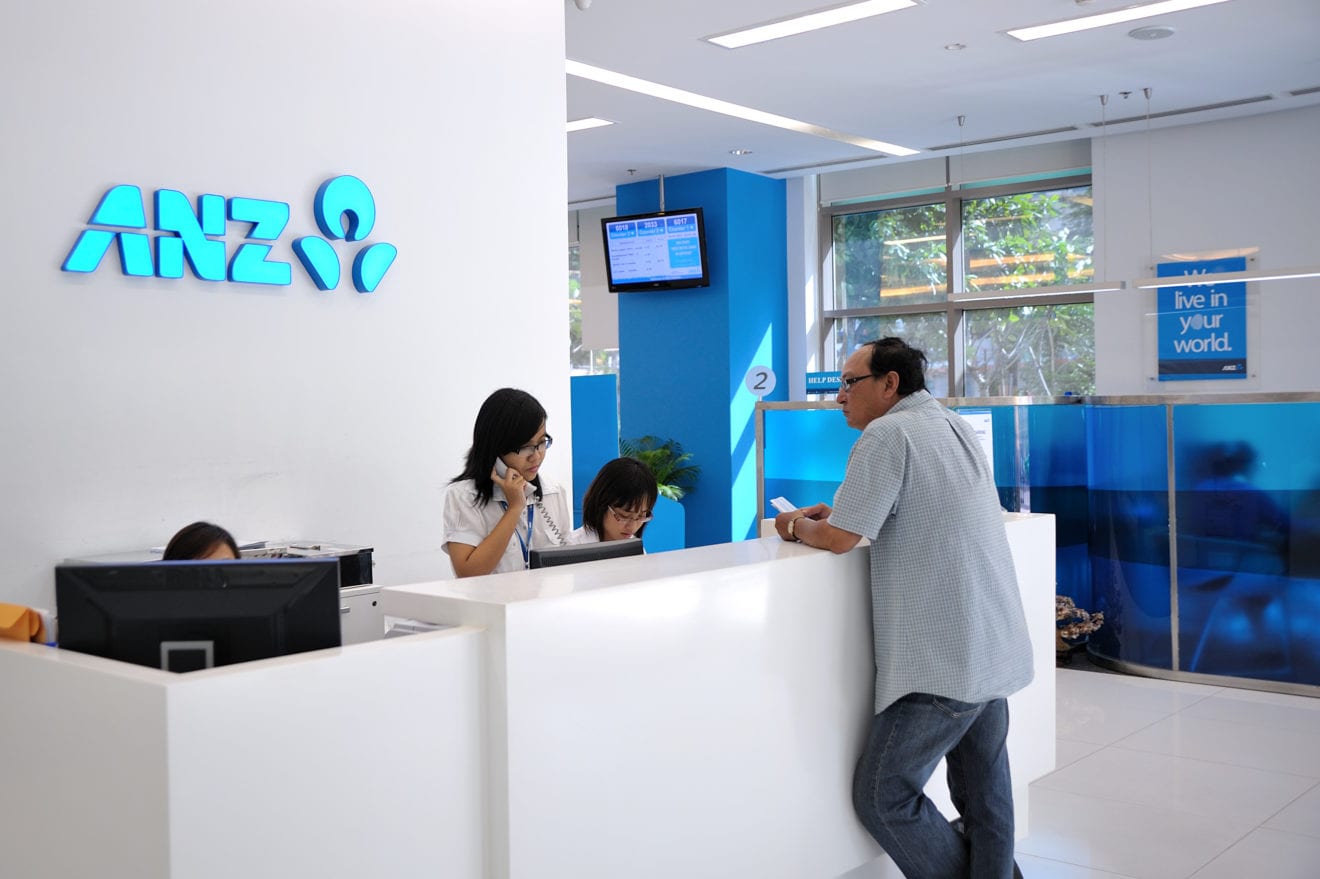
    The censure relates to an announcement in September 2016 by Veritas that ANZ Bank New Zealand had agreed to renew its banking facilities, rescheduling its debt obligations and reducing its debt repayments.

    Veritas failed to disclose that to retain ANZ’s support it had agreed either to find an unconditional buyer for Nosh or to have closed the high-end supermarket.

    Veritas eventually disclosed the undertakings “following engagement by NZX Regulation”.

    In the event, it agreed to sell Nosh to Gosh Holding for $3.98 million but ended up in dispute with Gosh over breaches of the sale agreement.

    It had taken on a $5 million funding line from ANZ to buy Nosh in 2014 but struggled to turn it into a profitable business.

    NZX said Veritas has accepted its view that it breached disclosure rules by failing to immediately disclose material information to the market. The regulator said it took into account that Veritas had taken legal advice and considered its obligations under the continuous disclosure rules before electing to withhold the undertakings.

    Veritas is still under pressure from the bank to restore its finances. In August, ANZ said it wouldn’t renew $28.5m in banking facilities which came due in October and November this year. But earlier this month, Veritas said the bank had agreed to push out the deadline for all of the debt until November 30, giving the company more time to look at asset sales or refinancing.

    The company says it is in talks with external parties “on a number of scenarios including asset sales, mergers and refinancing”.

    Veritas shares last traded at 8 cents and have dropped 92 per cent in the past five years.

  • Finastra to host payments solutions on Azure

    Finastra to host payments solutions on Azure

    Finastra has arranged to bring its next-generation payments solutions to the cloud over Microsoft Azure.

    The move enables Finastra to deploy value-added services to clients more efficiently. Banks will benefit from streamlined onboarding, as well as faster access to new products and upgrades.

    The move part of an ongoing broadening of its relationship with the cloud provider that started in 2016 for the US and Canadian markets.

    “This collaboration allows us to change how we deliver software to our customers and partners in a fundamental way,” Finastra CEO Nadeem Syed said.

    “It will enable us to bring new products to market faster and more frequently, with stability and with the highest levels of data security for which Microsoft is known. It also allows us to take a significant step forward in the creation of a platform for innovation and collaboration in financial services.”

    The strategic move to work with Microsoft Azure enables Finastra to optimize existing business processes and functions, while expediting development with stability and sophistication.

    Today banks are seeking ways that evolve with their needs while also fulfilling the ability to scale at a lower overall cost. The migration of payments solutions to Azure will accelerate Finastra’s ability to easily and effectively deploy value-added services onto its platforms and continue to meet customer demands.

    “Generally in the market both payment hubs and cloud have come of age – and this announcement will mean even greater benefits, with the two coming together here. Modern technology, running on modern architecture, gives not only means for greater performance at much lower running costs, but also the potential for new business models altogether, for all involved,” Celent senior analyst Gareth Lodge commented.

    Startups have at their disposal multiple options for delivering their service via infrastructure as a service (IaaS) business model.

    “As enterprises look at the spectrum of options available, careful consideration of internal IT strategy and detailed evaluation of provider portfolios will maximize the benefits delivered to the enterprise through cloud adoption,” commented Deepak Mohan, IDC’s research director for Public Cloud Infrastructure as a Service.

  • Alipay in-store volumes grew 700% during Golden Week

    Alipay in-store volumes grew 700% during Golden Week

    Alipay has revealed that overseas in-store payments on its platform increased 700% YoY during Golden Week 2017.

    Overall per capita spend increased by 50% to 1,301 yuan. Asia dominated the list of top-ten destinations in terms of transaction volume. The continent also observed its fastest growth in Alipay use from last year.

    In Asia, Hong Kong topped the list, followed by Thailand, Taiwan, Japan, the Republic of Korea, Macau, Malaysia, Singapore, Australia and New Zealand.

    In Singapore, transaction volumes increased by 30 times. Thailand saw six times the transaction volume of last year’s.

    In Japan, transaction volumes were 16 times that of last year’s figure, while in Hong Kong and Taiwan, volumes were 13 times the 2016 figure.

    In Australia, transaction volumes increased 20 times, while New Zealand saw a six-fold increase.

    Per-capita spending was much higher than average in destinations outside of Asia, particularly in Europe, where users spent an average of 3,150 yuan through Alipay.

    Switzerland posted the highest per-capita spend (36,298 yuan or $5,506) of any country or region, well over ten times the average for Europe as a whole.

    The U.S. and Canada (1,648 yuan) and Australia and New Zealand (1,415 yuan) were also above the global average (1,301 yuan).

    In Southeast Asia, Thailand (1,519 yuan) and Singapore (1,376 yuan) were above the global average (1,301 yuan). Malaysia (940 yuan) were below the global average as merchant types in the country varies from duty free stores to convenient stores and coffee shops.

    Per capita consumption in Singapore was 3.4 times from last year and Thailand’s was 2.4 times from last year. People are spending much more with Alipay in the region. Those born in the 1980s and 1990s accounted for 84% of all users.

  • Bitcoin suffers its biggest plunge in a month

    Bitcoin suffers its biggest plunge in a month

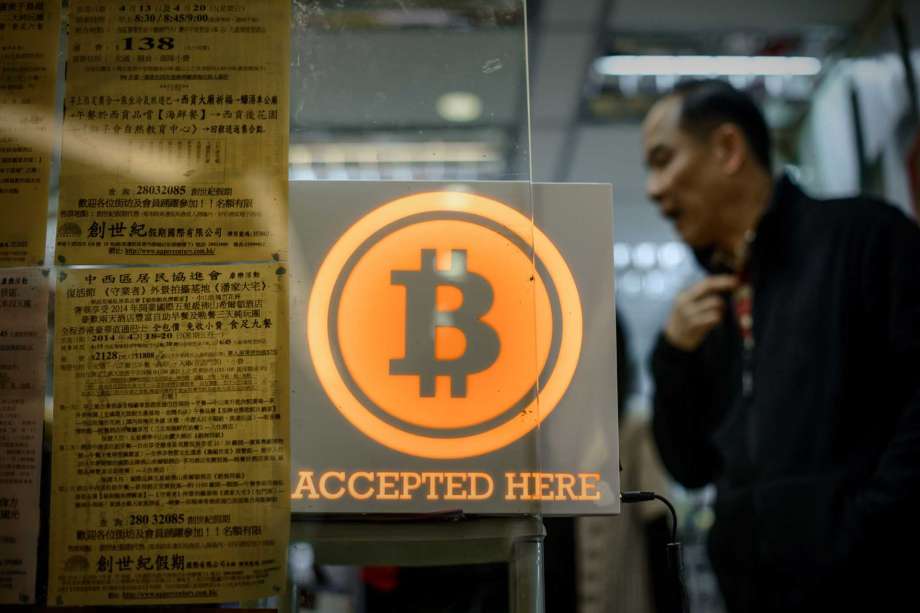
    Bitcoin’s price fell by the most in a month after US regulators signaled the cryptocurrency might come under more scrutiny. Other large cryptocurrencies, including ether and bitcoin cash, were also sharply lower.

    A primer by the Commodity Futures Trading Commission said virtual tokens used in initial coin offerings, the process of launching digital currencies, were characterized as securities, which could bring them under its regulatory scope.

    “There is no inconsistency between the SEC’s analysis and the CFTC’s determination that virtual currencies are commodities and that virtual tokens may be commodities or derivatives contracts depending on the particular facts and circumstances,” the report said.

    On 18 October 2017, at 10:21 a.m. ET, bitcoin was down by 8.5%, to $5,125 a coin.

    The volatile cryptocurrency has previously fallen on reports that China was closing local exchanges, though it quickly rebounded to nearly $6,000 a coin.

  • FamilyMart Taiwan deploys e-wallet

    FamilyMart Taiwan deploys e-wallet

    FamilyMart Taiwan has launched an e-wallet known as “My FamiPay”.

    The application, launched in collaboration with Cathay United Bank (CUB) and Soft Space, integrates debit/prepaid/credit cards and other various stored value cards to facilitate in-store purchases and utility bill payments.

    Loyalty points can be seamlessly collected and used to redeem or make payments at the counter. Furthermore, the application accepts transactions from over 21 non-cash payment providers via barcode scanning.

    The application will also support pre- order purchases offered exclusively to FamilyMart customers.

    According to eMarketer, Taiwan is the most mobile country in the world with 73.4% of Taiwan’s population using smartphones.

    By using Soft Space’s e-wallet, CUB aims to offer tailored financial and digital services, while FamilyMart Taiwan’s members can benefit from CUB’s extensive client list.

    Soft Space also plans to offer analysis services for FamilyMart Taiwan and CUB to embark on big data analytics.

    Further plans include making the “MyFamiPay” app available to a third party payment processor that allows business owners to accept money online seamlessly.

  • Why Bitcoin Traders are Moving From China to Japan; Better Regulations

    Why Bitcoin Traders are Moving From China to Japan; Better Regulations

    This article was posted on Thursday, 21:10, UTC.

    It has been less than two weeks since the nationwide ban on Chinese bitcoin exchange ban was finalized and already, bitcoin traders in the Chinese market are already moving to Japan.

    OKCoin and Huobi, two of the largest bitcoin exchanges in China that have been responsible for around 75 percent of bitcoin trades in the Chinese market, were given leeway by local financial regulators to operate until the end of October. That means, Chinese traders have at least a month to close their accounts, move their funds and search for other ways to trade bitcoin.

    But, almost immediately after leading bitcoin exchanges in China announced their plans to halt their operations in the upcoming weeks, Chinese traders migrated to neighboring markets in Asia: Japan and South Korea.

    Prior to the imposition of a nationwide ban on Chinese exchanges, the Chinese bitcoin exchange market accounted for around 10 to 13 percent of global bitcoin trades. At the time of reporting, South Korea has overtaken the Chinese market in terms of bitcoin trading volume, becoming the third largest bitcoin exchange market in the world and evolving into a powerhouse within the global cryptocurrency sector.


    Today, the Chinese bitcoin exchange market accounts for less than 5 percent of global bitcoin trades and in four weeks time, China’s bitcoin exchange market will have no trading activity at all.

    Despite the short-term impact of China’s crackdown on bitcoin exchanges, many experts including billionaire early-stage investor Tim Draper have viewed the exit of the Chinese market from the global bitcoin exchange market as a positive event, mostly because the Chinese government does not have any leverage to work with to potentially manipulate the bitcoin market or lower the value and the market cap of bitcoin.

    Essentially, the Chinese government has used the last card in the deck in imposing a nationwide ban on bitcoin trading platforms and it has finally run out of leverage against the global bitcoin market. That provides a positive precedent and future for bitcoin price development and long-term health of the bitcoin market. In months ahead, the bitcoin market will demonstrate increased stability and distribution. As Draper noted:

    “The deadwood of the Bitcoin ecosystem is leaving now. Our faith in the crypto economy will be well rewarded.”

    More importantly, it is beneficial for the long-term health of the global bitcoin market that trading volumes from China are moving to Japan and South Korea, two countries that have the most practical and efficient regulatory frameworks for both bitcoin investors and businesses. Earlier this year, the Japanese government fully eliminated double taxation on bitcoin and legalized bitcoin as a payment method. Deloitte’s annual tax report read:

    “The supply of virtual currency will be exempt from Japanese Consumption Tax (“JCT”). Currently, virtual currencies such as Bitcoin do not fall under the category of exempt sales, and as a result, the sale of virtual currencies in Japan have been treated as taxable for JCT purposes. Following the enactment of the amended Fund Settlement Law in May 2016, which newly defined “virtual currency” as a means of settlement, the sale of virtual currency as defined under the new Fund Settlement Law will be exempt from JCT. This change will apply to sales/purchase transactions performed in Japan on or after 1 July 2017.”

    Consequently, large-scale multi-billion dollar technology and financial conglomerates have emerged in the Japanese bitcoin exchange market and industry. GMO, a major Japanese technology company, has already launched a trading platform for institutional investor and established a manufacturing line to create bitcoin ASIC miners and other mining equipment.

    In the upcoming months, an increasing number of institutional investors and retail traders in Japan and South Korea will drive the price of bitcoin to all-time highs. Bitcoin trading volumes and market cap will likely be high than ever before, all due to the swift recovery of the global bitcoin market and the exit of an unstable bitcoin exchange market.

  • Bitcoin bursts through $5,000 for first time

    Bitcoin bursts through $5,000 for first time

    Bitcoin was worth only a few U.S. cents when it was launched in 2009. Bitcoin surged through the $5,000 level on Thursday for the first time since the launch of the unregulated virtual currency more than 8 years ago.

    The cryptocurrency struck a new record high of $5,183.97 around 08:20 GMT according to financial data provider Bloomberg.

    Bitcoin, a virtual currency created from computer code, was worth only a few U.S. cents was launched in 2009 by someone using the Japanese-sounding name Satoshi Nakamoto.

    Unlike a real-world unit such as the U.S. dollar or euro, bitcoin has no central bank and is not backed by any government. Just like other currencies, bitcoins can be exchanged for goods and services — or for other currencies — provided the other party is willing to accept them.

    Bitcoin’s community of users control and regulate the currency, and the anonymity of transactions that endears it to libertarians has raised concerns that it can be abused by criminals.

    The lack of transparency has also sparked concerns that the swings in its value may be due to speculative trading.

  • Adyen rolls out Alipay to stores worldwide

    Adyen rolls out Alipay to stores worldwide

    Adyen has expanded its partnership with Alipay to allow retailers worldwide to accept non-cash payments from Chinese customers in store.

    The partnership enables retailers using Adyen’s point of sale solution to take payments in store from Chinese consumers paying with their Alipay-enabled mobile device. The Alipay payment option is added as a new option to the existing payment terminal, with no need for additional devices or terminals.

    “Europe and the US are popular destinations for the Chinese tourists, so it’s vital that retailers are able to cater to their needs,” said Souheil Badran, President, Alipay North America.

    “Given the capabilities built into Adyen’s omnichannel service for retailers, as well as Alipay’s included marketing solution, we look forward to enhancing what it means to deliver an integrated retail solution for retailers.”

    Roelant Prins, Chief Commercial Officer at Adyen, added that “Chinese tourists are an important audience for retailers to consider. At Adyen, we’re committed to making payment processes as easy as possible for retailers, while delivering a great experience for customers. Our partnership with Alipay helps retailers unlock an enormous opportunity to grow and gain more revenue. For Chinese customers traveling abroad, they will encounter the payment experience they are used to while at home.”

  • Golden touch for Alipay overseas transactions

    Golden touch for Alipay overseas transactions

    During Golden Week, there were eight times as many in-store Alipay transactions overseas than last year.

    Asia dominated the top 10 destinations in terms of transaction volume, with Hong Kong topping the list. It was followed by Thailand, Taiwan, Japan, South Korea, Macau, Malaysia, Singapore, Australia and New Zealand.

    Much of the fastest growth in Alipay use from last year was also in Asia, with transactions volumes in Singapore growing by a factor of 30. Japan’s transaction volumes were 16 times last year’s figure, while in Hong Kong and Taiwan volumes were 13 times the 2016 figure. Thailand saw six times the transaction volume of last year.

    Alipay use also grew in the Pacific, with transactions volumes up 20 times in Australia and a six-fold increase in New Zealand – the same as for Europe, where Germany, the UK and France accounted for 40, 23 and 22 per cent of transaction volumes respectively. Italy, where Alipay launched in April, accounted for a further 5 per cent.

    Alipay per capita spend was up 50 per cent to RMB1301 (US$198). This was much higher than average in destinations outside Asia, particularly Europe, where users spent an average of RMB3150.

    Switzerland posted the highest per-capita spend (RMB36,298) of any country or region, and more than 10 times the average for Europe as a whole.

    Also above the global average were the US and Canada (RMB1648) and Australia and New Zealand (RMB1415).

    Users born in the 1980s and 1990s accounted for 84 per cent of transactions.

  • Permata Bank adopts voice biometric authentication

    Permata Bank adopts voice biometric authentication

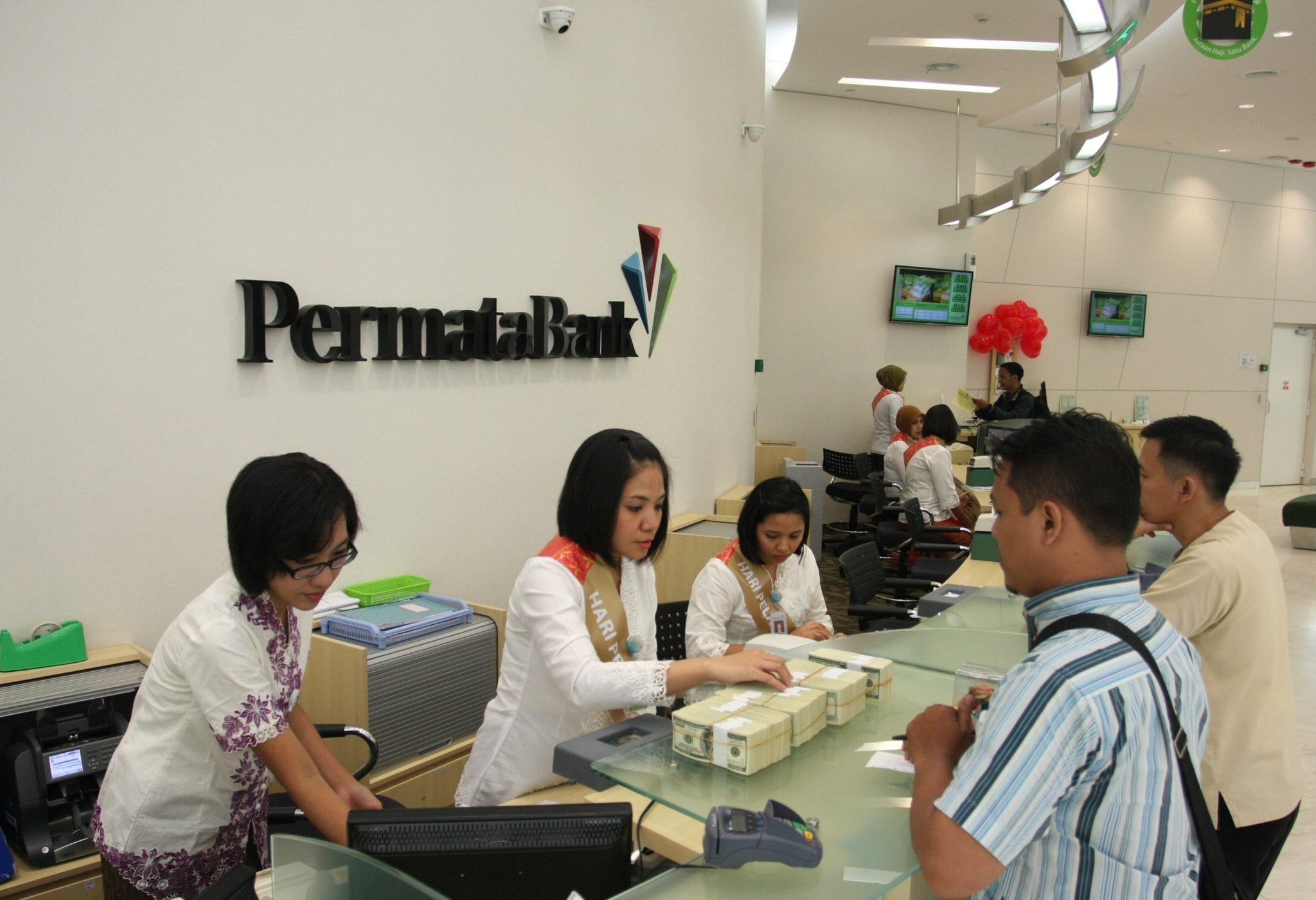
    Permata Bank has become the first domestic bank in Indonesia to introduce voice biometrics as part of its customer authentication protocol, using technology from customer experience company NICE.

    NICE Real-Time Authentication (RTA), together with its process automation solution, will allow the financial institution to conduct secure and seamless voice authentication, improving customer service.

    Permata Bank is a veteran NICE customer, already benefiting from its Quality and Workforce Management solutions, as well as real-time back office applications. More recently, the bank sought new ways to improve fraud prevention and increase the efficiency of its contact center, turning to NICE to address these challenges.

    NICE’s Real-Time Authentication (RTA) solution creates and utilizes one voice print for each caller to deliver quick and efficient customer service across all voice channels, with no customer effort required.

    Authentication takes place within the first few seconds of the call, and customers’ issues are resolved during the natural flow of conversation. This automated, rapid and transparent process will help Permata Bank deliver better service while improving the accuracy of its fraud prevention program.

    “Permata Bank’s introduction of voice biometrics in the local banking industry positions us as a leader in financial services innovation throughout Indonesia,” Permata Bank director of consumer banking Bianto Surodjo said.

    “This is largely thanks to NICE’s unique Fluent engine capability, which provides omnichannel authentication with a single voiceprint, which is a major advantage over competing solutions in the market.”

  • Revolut raises $66 million for its global banking alternative

    Revolut raises $66 million for its global banking alternative

    Revolut has raised a $66 million Series B round with Index Ventures leading the round, and existing investors Balderton Capital and Ribbit Capital also participating. The startup will also run another $5 million crowdfunding campaign in a few weeks. The company has raised $83 million in total.

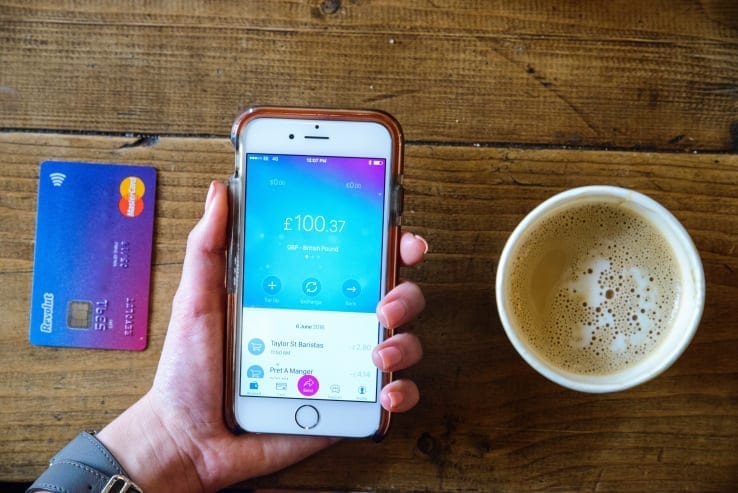
    Revolut started as a mobile app that lets you send and receive money in multiple currencies. Over time, the company has added a ton of financial services, turning it into a credible alternative to a regular bank account.

    When you sign up, you can create virtual cards and receive a good old plastic MasterCard. You can top up your account using another card or a bank transfer. You can exchange your money in 16 different currencies in order to send it or spend it without any fee up to £5,000/€5,000 per month.

    700,000 people have signed up so far. That’s why users are also using Revolut to split bills and instantly send money. When you create an account, you now also get an IBAN.

    More recently, Revolut introduced a credit feature for U.K. users and business accounts. The startup even plans to add cryptocurrencies, stocks and bonds soon. You’ll also be able to purchase travel insurance from the app. With today’s funding round, the company also plans to expand to new countries in Asia and North America.

    It’s sometimes hard to understand where Revolut is heading as the company is launching so many different products and currencies at once. It looks like the company doesn’t want to restrict itself. As long as it’s a financial or insurance product, Revolut wants to have it. And with so much more money in the bank account, the startup is definitely not going to stop just yet.

  • Goldman Sachs studying whether to trade bitcoins

    Goldman Sachs studying whether to trade bitcoins

    Large banks have until now avoided trading in bitcoin due to its reputation as a conduit for illicit activity.Goldman Sachs is exploring whether to launch a trading  venture in bitcoin in response to client demand, a person familiar with the matter said Monday.

    Goldman’s consideration of the digital currency could give bitcoin a boost at a time when it is under criticism in China and by some large banks.

    Goldman is looking at establishing a team that could trade bitcoin and other digital currencies, said a person familiar with the bank’s thinking.

    The venture might resemble other Goldman teams that trade euros or treasury bonds. Goldman has received interest from a variety of parties, including investment funds, insurers and corporate clients. The study is at an early stage and may not yield a decision to proceed with such a venture, the person said.

    “In response to client interest in digital currencies, we are exploring how best to serve them in the space,” said Goldman spokeswoman Tiffany Galvin.

    Large banks like Goldman Sachs have until now avoided trading in bitcoin due to its reputation as a conduit for illicit activity.

    At the same time, financial companies have been active in the development of “blockchain,” the underlying technology of bitcoin, which is seen as a potentially important technology.

    Bitcoin critics include JPMorgan Chase chief executive Jamie Dimon, who called the digital currency a “fraud” that will eventually “blow up.”

    But Morgan Stanley chief executive James Gorman offered measured praise for bitcoin last week, calling it “obviously highly speculative” but “not something that’s inherently bad.”

    Bitcoin has retreated since breaching the psychologically important $5,000 level on September 1. On Monday, it traded at $4,375.