Category: Finance

Retail News Asia is committed to providing both local and global retailers with the latest Finance news throughout the Asian market. This on a daily base.

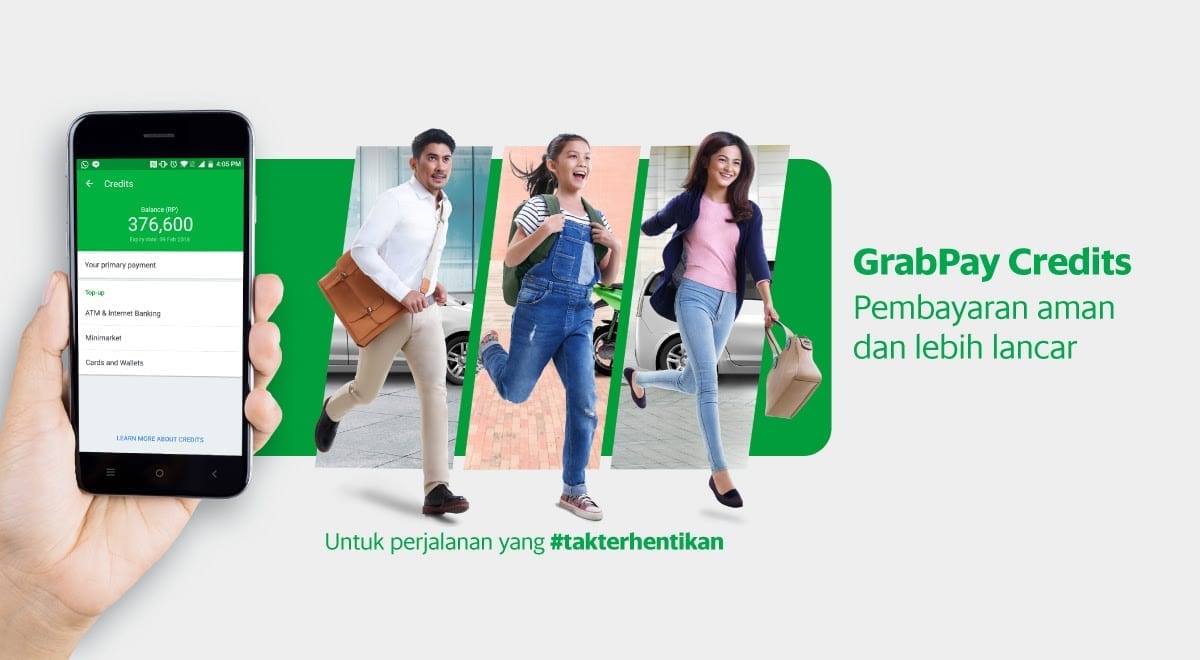
  • World debut for GrabPay retail payment in Singapore

    World debut for GrabPay retail payment in Singapore

    Grab plans to work with more than 1000 retailers in Singapore as it expands its business base from its ride-hailing app into e-payments, via GrabPay.

    The company has already expanded its payment services from allowing passengers to use GrabPay instead of cash when riding in Grab cars and taxis to letting friends and family members transfer cash to each other.

    Now it wants customers to buy goods, book cinema tickets and order food using the app.

    GrabPay chief Jason Thompson told the Straits Times that its primary target is hawker stalls and small retailers who do not currently accept cashless payments.

    “Rolling out peer-to-peer transfer first makes it easier for consumers. First, I am able to pay someone I trust, and the next step is paying a merchant with the same steps,” he said.

    “Our wallets already exist in Singapore and are already being used everyday here. We’re just allowing them to use it more,” he said.

    Singapore will be the first country in which GrabPay will operate outside its own ecosystem.  Payments will be facilitated by customers scanning QR codes on their mobile devices.

  • MIDF: Foreign funds flow back to Bursa

    MIDF: Foreign funds flow back to Bursa

    Foreign tide has finally returned to Bursa Malaysia after three successive weeks of attrition, albeit only marginally.

    Foreigners turned net buyers last week despite the short trading week, according to MIDF Research in its weekly fund flow report today.

    Bursa was closed on Thursday, Friday and yesterday for the National Day, Aidul Adha festival and public holiday due to outstanding achievements by national athletes at the 2017 SEA Games.

    Last week, foreign funds acquired RM36.2 million net based on transactions in the open market, excluding off market deals. This is the lowest weekly foreign acquisition for the year.

    “We note that the six-day selling streak has snapped as global funds acquired RM7.1 million net on that day. Foreign buying momentum increased the next day by seven times to RM52.2 million net.

    “However last Wednesday, international fund managers cleared their positions ahead of the long weekend, disposing RM23.1 million net,” it explained.

    August turns out to be the first month of net outflows this year which amounted to RM241.9 million net. Nonetheless, cumulative year-to-date net infl ow still stands above the RM10 billion mark.

    Foreign participation rate was resilient for the week as foreign average daily trade value (ADTV) remains above RM800 million for the fifth week in a row.

    Retail participation, meanwhile, edged higher for the week. The retail ADTV increased by 25 per cent to RM865 million after three straight weeks being below RM700 million.

  • Digital Private Bank Hits Singapore

    Digital Private Bank Hits Singapore

    Another digital wealth manager is poised to enter the Singapore market. How does the newest entrant seek to grab market share off rivals?

    Kristal will launch in Singapore on Thursday, as reported. The city-state would be the wealth manager’s third market, after Hong Kong and India.

    The platform allows investors to pick and choose investment strategies – so-called Kristals – among independent advisers and portfolio managers.

    With the glut of digital efforts hitting the market, how is Kristal carving itself a niche?

    «Sandbox» Shield

    It is meant to service mass affluent clients who are not getting the service that they want today from their wealth managers and private bankers,» co-founder Asheesh Chanda said.

    Kristal will operate under a shielded «sandbox» permit offered as a regulatory light-touch testing ground for start-ups which allows them to take a limited amount of client money.

    DBS and Cyberport Ties

    Kristal already manages an undisclosed amount of funds from retail and affluent clients, and says it will keep working on a machine-learning algorithm to feed its own strategies for its portfolios.

    «We expect to exit the sandbox in nine months and then we have to decide what kind of licence we take,» Chanda said.

    Kristal completed a «pre-accelerator» program backed by DBS last year, and is part of Cyberport’s incubation in Hong Kong this year.

    Interactive Brokers, Saxo Bank

    Clients can invest as little as S$1,000 in exchange-traded funds for equities, bonds, foreign exchange, options and futures.

    Kristal’s fees hinge on investment strategies: bond portfolios are cheap, while an alternative investment-heavy one will cost more, Chanda said.

    Kristal uses Interactive and Saxo Bank in Singapore and Hong Kong for execution and as asset custodians. 

  • Bitcoin rush: Miners on the rise with Vietnam set to regulate virtual currencies

    Bitcoin rush: Miners on the rise with Vietnam set to regulate virtual currencies

    The cryptocurrency reached an all time high of $4,700 this week, so if you’ve got a head for numbers…The demand for hardware to mine Bitcoins in Vietnam is on the rise following a government decision to develop a legal framework to manage digital currencies.

    Assigned ministries will have until the end of next year to complete the legislation, while tax policies for cryptocurrencies must be finalized by June 2019.

    As for now, Bitcoins remain illegal in Vietnam, according to the central bank. But that does not make the virtual currency any less attractive, and Vietnamese people have already started mining.

    The process of mining Bitcoins involves miners solving complex mathematical problems, and the reward is more Bitcoins generated and awarded to them.

    The participant who solves the puzzle first gets to place the next block on the block chain, a public ledger that records all Bitcoin transactions, eliminating the need for a third party to process payments, and claim the rewards.

    Miners verify transactions and prevent fraud, so more miners equals faster, more reliable and more secure transactions. According to current Bitcoin protocol, 21 million is the cap and no more will be mined after that number has been reached.

    Bitcoin has quadrupled in value since early this year, hitting a record high of more than $4,700 on Tuesday.

    Hardware for mining Bitcoins is now on sale on different sites in Vietnam for VND30-60 million ($1,300-2,600) per system. Each system usually has six to eight graphics cards.

    Two months ago, computer component providers in Vietnam started running out of graphics cards due to the increasing demand for Bitcoin hardware.

    Hai, the owner of a computer store in Hanoi’s Hai Ba Trung District, said he has earned up to VND200 million in revenue this month from selling hardware to Bitcoin miners.

    However, not many miners have been successful because Bitcoin mining is still a new concept in Vietnam, not to mention that the currency is not yet popular or legal.

    “Many of my customers do not understand how to mine for Bitcoins, so they have called it a day and sold the hardware back to me. Several others are leasing their kit out to new prospectors.”

    Miners are also facing fiercer competition and higher input costs. The average miner has to spend more than VND2 million each month on electricity, and the equipment can easily break because it has to run around the clock.

    Financial expert Nguyen Tri Hieu said investing in Bitcoins at this time is a bold move because miners may face legal action or risk going broke as it is possible that the latest price rise in Bitcoins is a speculative bubble.

    He said it would be better if miners had got involved when Bitcoin first appeared in 2009 to guarantee profits.

    In late May, nearly $4 billion was wiped off of the value of Bitcoin in just four days after a correction that saw the cryptocurrency’s price fall almost 19 percent to $2,260.

    The central bank has warned organizations and individuals in Vietnam not to invest in Bitcoin or conduct transactions in the currency, saying they would be taking a huge risk with no legal protection.

  • Apple backs payments via WeChat

    Apple backs payments via WeChat

    Apple Inc’s online services support WeChat payment from yesterday under a tie-up between the US technology giant and Tencent, China’s top dot-com firm with almost 1 billion users.

    Apple users can purchase apps and subscribe to online music by bundling App Store and WeChat payment accounts. In China, around 963 million people use WeChat, a popular instant message and picture sharing tool.

    Apple will “continue to be committed to offering customers across its ecosystem a variety of payment options that are simple and convenient,” the firm said in a statement.

    The WeChat payment tie-up is expected to allow Apple to boost revenue from services, which may help the company to offset sales decline of iPhone and iPad in recent quarters in China, industry insiders said.

    Apple has increased investment in China by setting up new research hubs data centers and more Apple Stores.

  • DBS launches digibank in Indonesia

    DBS launches digibank in Indonesia

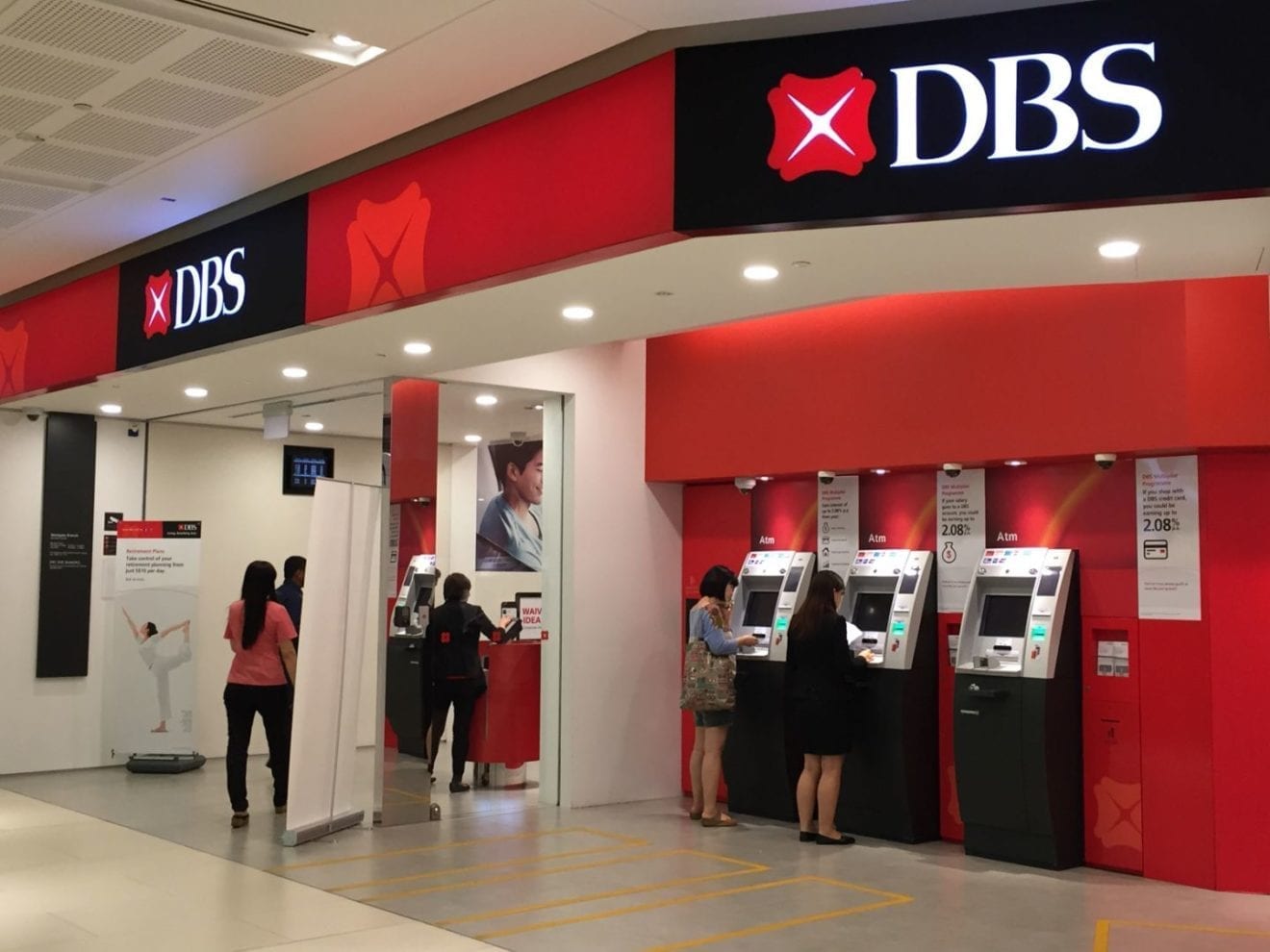
    DBS Bank has launched a mobile-led bank, or “digibank”, in Indonesia. The service is paperless , requires no signatures and brings together an entire suite of innovative technology – from biometrics to artificial intelligence (AI), DBS said yesterday.

    Customers using digibank Indonesia will be able to tap features such as biometric technology, customer service that is provided by a 24/7 AI-driven virtual assistant, an intelligent financial planning and monitoring service, and an in-built security system.

    DBS Indonesia president director Paulus Sutisna said: “Over the past few years, Indonesia has seen a rapid growth in the number of Internet and smartphone users. Along with this, we’ve witnessed a change in customer behaviour, and people increasingly want a simple, fast and effortless way to bank.

    “As a bank that is committed to shaping the future of banking, we’re excited to introduce digibank in Indonesia, giving customers the ability to bank any time, anywhere,” he said.

    The Indonesian government has said it expects the country’s digital economy to reach US$130 billion (S$175.7 billion), or about 12 per cent of its gross domestic product, in 2020, as the economy shifts from a commodity-led to service-based one. A recent survey found that Internet users in Indonesia make up 51.8 per cent, or 132.7 million people, of the population, while another poll noted around 91 per cent of Indonesian citizens have a mobile phone and 47 per cent own smartphones.

    Along with the growing Internet penetration, Indonesia’s Financial Authority Services said the number of customers using e-banking has grown from 13.6 million in 2012 to 54 million last year. The frequency of Internet banking transactions has also increased, from 150.8 million in 2012 to 406.6 million last year.

    “A few years ago, we would not have imagined that it would be possible to launch an entire bank in a mobile phone,” said DBS chief executive Piyush Gupta.

    “With digibank, we’ve built a bank that pulls together the power of biometrics, natural language, artificial intelligence and in-built security in one offering. We believe this mobile-led offering represents the future of banking.”

    The launch follows a similar roll-out in India last April, which enabled DBS to penetrate India’s retail banking market, with about 1.5 million new customers acquired to date.

  • KBank buys 10% stake in Bank Maspion Indonesia

    KBank buys 10% stake in Bank Maspion Indonesia

    Kasikornbank has taken a 9.99% stake in Bank Maspion Indonesia for US$20 million to help strengthen its regional presence, the bank said on Monday.

    The price paid was 615 rupiah (S$0.06) per share, nearly 62% premium to the stock’s closing price on Friday. The shares traded over 2% higher on Monday.

    “Bank Maspion is the best partner for Kbank to establish a presence in the Indonesian market,” KBank president Predee Daochai said in a statement, noting its activity in logistics and property development.

    The move would increase KBank’s presence in Southeast Asia, China, Japan and South Korea, which it considers a crucial market for Thai businesses, according to a company statement.

    KBank already has a partnership with Indonesia’s top lender, Bank Central Asia.

    Bank Maspion would benefit from KBank’s expertise in digital banking and SME banking operations, said president director and CEO of Maspion Group in a statement.

    Indonesia’s banking sector limits foreign ownership of a financial institution to 40%.

  • Bank operations smooth despite ATM problem

    Bank operations smooth despite ATM problem

    Senior deputy governor of Indonesias central bank Mirza Adityaswara assured here on Sunday that banking operations in the country remained smooth despite troubles at automatic teller machines since Friday afternoon due to a Telkom-1 satellie problem.

    “We as payment authorities assured that operations of banks have remained smooth and ATMs that have troubles will immediately have their channel shifted,” he said at a training event for journalists.

    He said Bank Indnesia as the countrys central bank has received reports from banks affected by the Telkom-satellite anomaly adding that not all ATMs have been affected.

    “Not all ATMs have troubles but only some of them because not all banks use VSAT network,” he said.

    Mirza said PT Telekomunikadi Indonesia Tbk. has already taken efforts to overcome the problem, adding that service of payment system remained as usual.

    “Telkom certainly has taken maximum efforts to shift the channel to the new satellite,” he said.

    He said Bank Indonesia kept monitoring the developmemt of the restoration and coordinating with banks and other agencies concerned with regard to the problem.

    To anticipate cash demand of the public he said Bank Indonesia continued supporting banks with cash supply.

    “There is no cash supply problem,” he assured.

    The executive director of the communication department of Bank Indonesia, Agusman, said that the banks that had trouble with their ATMs have been working jointly with PT Telkom to restore the situation.

    The restoration is done by moving the satellite connection that was affected to Telkom 3S satellite or others, he explained.

    Agusman said Bank Indonesia as payment system authorities and rupiah currency management is prepared to support banks to serve public fund transfers.

    “The Bank Indonesia Real Time Gross

    Settlement (BI-RTGS), the Bank Indonesia National Clearing System (SKNBI) and Bank Indonesia Scripless Sevurities Settiement Systen (BI-SSSS) still operate normally,” he said.

  • OCBC Bank Launches Mobile Keyboard to Enable Cashless Payments

    OCBC Bank Launches Mobile Keyboard to Enable Cashless Payments

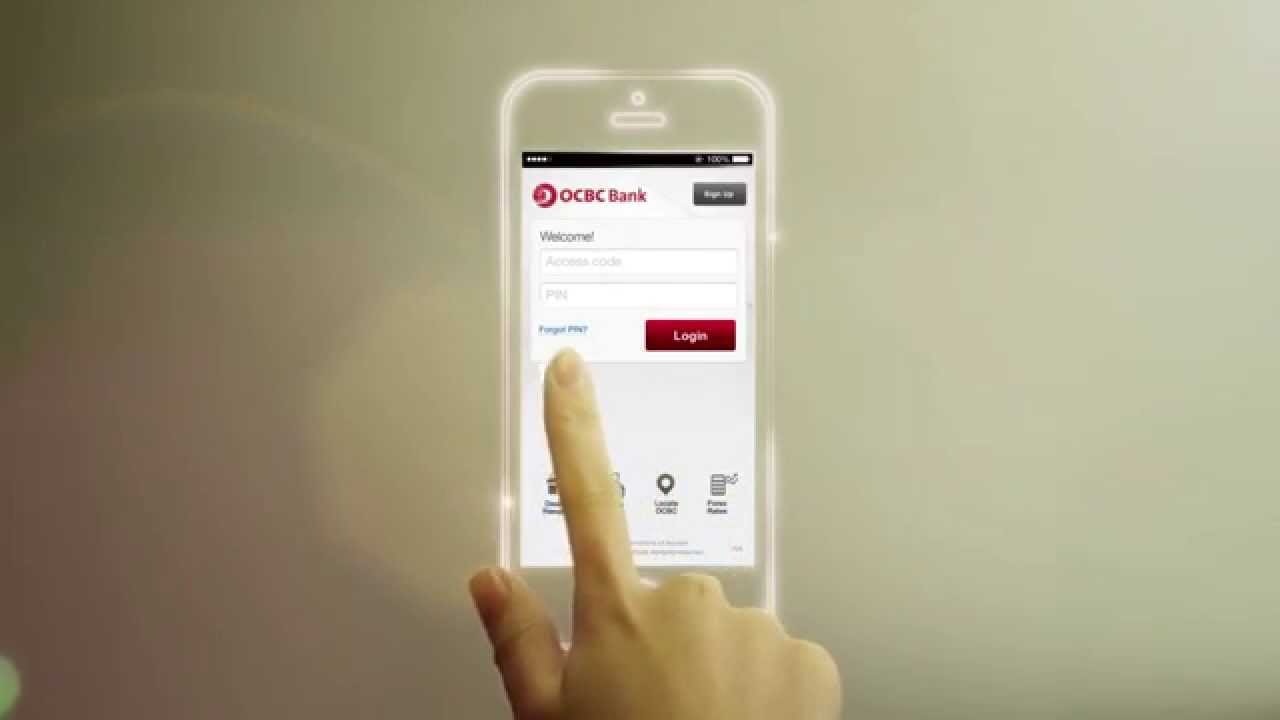
    OCBC Bank has launched a mobile keyboard that allows customers to make peer-to-peer payments without having to exit their current mobile applications. The OCBC Keyboard can be used within any mobile app or browser – for instance, within Facebook, Whatsapp, Instagram or Chrome – to send money instantly to anyone with a bank account in Singapore, including those who have not yet registered for PayNow. The payment rides on the OCBC Pay Anyone e-payment service and can be done using just the recipient’s mobile number.

    The OCBC Keyboard follows on the heels of OCBC Bank’s launch of e-payments integrated with Apple’s Siri and iMessage for iPhone users in 2016, enabling customers to make instant funds transfers with a voice command to Siri or within the iMessage app while engaged in a chat. With the OCBC Keyboard, the convenience of making an e-payment is extended to any app on Android devices running the Android 4.4 KitKat operating system or better. Payments are completely secure as they are authenticated with the sender’s mobile banking credentials.

    Making a payment via OCBC Keyboard

    Imagine being able to make an e-payment as easily as sending an “emoji” to a friend while chatting on Whatsapp, or while negotiating with a potential seller on the Carousell app. Users can automatically access the OCBC Keyboard on any app on their mobile phones once they have updated the OCBC Mobile Banking app to the latest version. They will need to perform a simple one-time set up to enable the OCBC Keyboard and make it the default keyboard on their phone.

    To send money, users simply tap on the OCBC Pay Anyone icon on the keyboard without exiting or switching from their current app activity.Once they select a recipient from their contact list – which is automatically synced with the keyboard – they will be guided to complete the transfer using OCBC Pay Anyone within the keyboard. Once payment is complete, the user can continue accessing the original app.

    Boosting cashless payments

    In alignment with Singapore’s Smart Nation agenda and its drive to go cashless, the OCBC Keyboard is the latest in a series of OCBC Pay Anyone e-payment services that OCBC Bank has introduced to encourage customers to embrace the move away from cash.

    The adoption of the recently launched PayNow service amongst OCBC Bank customers has been exceptionally strong, with over 200,000 signups to date. E-payments done via the OCBC Pay Anyone service have increased 35 per cent since the launch of PayNow, and one in every two PayNow transactions is via OCBC Pay Anyone.

    Mr Aditya Gupta, OCBC Bank’s Head of E-Business Singapore, said: “With OCBC Keyboard, we are embedding payments in our customers’ lives and making it completely frictionless for them to pay while they go about everyday tasks like chatting on Whatsapp, sending emails, buying items on Carousell or browsing the Internet. I’m confident that this added convenience will exponentially increase the adoption and usage of e-payments, including PayNow transfers. We will continue to push the boundaries on e-payments and move the needle in driving Singapore towards becoming cashless.”

    Evolution of OCBC Pay Anyone

    Launched in 2014, OCBC Pay Anyone was the first peer-to-peer mobile payment service offered by any bank in Singapore that enabled customers to make a payment directly into a recipient’s bank account using just a mobile number, email address or Facebook, without having to perform transaction signing using a security token or to add the recipient as a “payee”.

    In September 2016, the daily transfer limit on OCBC Pay Anyone was increased from $100 to $1,000, bringing greater convenience to customers and allowing payments for bigger-ticket items. In October 2016, OCBC Bank further enhanced OCBC Pay Anyone by enabling transactions using Apple’s Siri voice command feature and directly within iMessage.

    In May this year, OCBC Bank launched its first standalone mobile payments app – the OCBC Pay Anyone app – which now consolidates all OCBC Pay Anyone e-payment services into a one-stop shop for customers’ convenience: Peer-to-peer QR code payments via PayNow, QR code payments to NETS merchants, peer-to-peer e-payments and the integration of OCBC Pay Anyone with Apple iPhone’s Siri and iMessage.

    Enabling the OCBC Keyboard for e-payments

    The OCBC Keyboard is available to all OCBC Bank customers using Android 4.4 KitKat devices with the latest OCBC Mobile Banking app. The app can be downloaded from the Google Play Store.

    Customers can enable OCBC Keyboard by following these steps:

    • Tap ‘Pay now’ in the OCBC Mobile Banking app or ‘Send Money’ in the OCBC Pay Anyone app for a tutorial on setting up the keyboard
    • Users will be guided to turn on OCBC Keyboard in Settings and make OCBC Keyboard the default keyboard

    The OCBC Keyboard is now ready to be used as the primary keyboard.

    Making a payment using the OCBC Keyboard

    • Switch to the OCBC Keyboard if it is not the primary keyboard in use
    • Tap on the OCBC Pay Anyone icon on the keyboard to start payment
    • Select the contact you wish to pay to
    • Enter your online banking access code and PIN
    • Select the account to send money from. This step is automatically skipped if you have only one account.
    • Enter the amount to send
    • Create a six-digit passcode to be given to a non-PayNow registered recipient. If the recipient is PayNow-registered, no passcode is required. Confirm the recipient’s name and mobile number on the review screen to proceed.
    • Authenticate payment with a One-Time-Password

    You can then return seamlessly to what you were previously doing on your mobile device. PayNow-registered recipients will receive the payment directly into their bank accounts. If the recipient is not PayNow-registered, they will receive an SMS link. Share the passcode with them to collect the money.


  • Major South Korean Conglomerate Enters Bitcoin Remittance Market

    Major South Korean Conglomerate Enters Bitcoin Remittance Market

    South Korean conglomerate, Dongbu Group, has announced a partnership with Bitcoin remittance service provider Sentbe in its bid to enter the Bitcoin remittance market.

    The group is collaborating with Sentbe through its savings bank subsidiary, the Dongbu Savings Bank.

    According to an official of the savings bank, a Memorandum of Understanding (MOU) was already signed by the partners to prepare for the fourth industrial revolution era.

    “We have been working on this business alliance to prepare for the fourth industrial revolution era under the traditional savings bank business.”

    Brief background of the partners

    South Korean firm Sentbe was a recipient of a financial technology (fintech) award for its foreign remittance service utilizing Bitcoin in 2016.

    Through the service, customers can send money to China, Vietnam, Japan, Indonesia and the Philippines at a fee that is up to 95 percent lower than those charged by traditional banks.

    The Dongbu Group, meanwhile, is a major conglomerate in South Korea. It produces industry, chemical, shipping, financial and insurance products. Its subsidiary, Dongbu Savings Bank, is a member of the World Savings and Retail Banking Institute (WSBI).

    Through WSBI, the bank collaborates with many financial institutions around the world, including Sweden’s Swedbank, Fra-Spa of Germany, Philippine Postal Savings Bank, the Indonesia National Housing Bank, the Sri Lanka National Savings Bank and the Thai Government Savings Bank.

    South Korea’s legalization of Bitcoin remittances

    The South Korean government has amended the Foreign Exchange Transactions Act in order to legalize Bitcoin remittances. The amended law took effect on July 18, 2017.

    Under the law, fintech companies planning to provide Bitcoin foreign exchange transfers should register with the Financial Supervisory Service (FSS). They should also comply with certain financial requirements like a paid-in capital of more than two bln Won (around $1.77 mln), and a debt-to-equity ratio of less than 200 percent.

  • Alipay, CCPay partner for cashless payments in Singapore

    Alipay, CCPay partner for cashless payments in Singapore

    China’s popular cashless payment platform Alipay has honed in on Singapore, announcing on Tuesday it has entered into partnership agreement with a local digital payment provider CCPay to offer cashless payment services to Singaporean retailers.

    Alipay, a subsidiary of Alibaba’s associated Ant Financial, has tapped CCPay to expand the use of the cashless payment platforms in Singapore, in a bid to give convenience to Chinese tourists here.

    The cashless payments will be first introduced to merchants around the Chinatown area, with plans for further expansion to other shopping malls in Singapore.

    “With Alipay’s scale and expertise in the field of cashless payments, this collaboration with CCPay will provide a platform for merchants to facilitate safe, fast and cashless payments for the Chinese tourists in Singapore,” Melvin Ooi, Alipay country manager at Singapore, Sri Lanka and Maldives, told local media.

    Kicking off in 2004, Alipay boasts over 520 million active users, mostly in China. It continues to expand into offline payments globally and covers more than 200,000 retail stores overseas with the support for 18 currencies.

    Most recently, Alipay entered nearby Malaysia in May, after forging its way into North America in January via its partnership with DFS Group.

    Founded in March 2017, CCPay is a Singapore’s main digital payment solutions provider for online, mobile and in-store payment.

  • HSBC ‘back in growth mode’ in Singapore

    HSBC ‘back in growth mode’ in Singapore

    British bank HSBC is now “back in growth mode” in Singapore after investing heavily in turning around revenue and profitability, said a top executive.

    Despite a fiercely competitive retail market, the bank has high hopes for its business here, said Mr Anurag Mathur, head of retail banking and wealth management at HSBC Bank (Singapore), who has been in the role for a year.

    He told recently: “Customers are also sophisticated (here), but that’s good as it encourages innovation and we’re often at the cutting edge in Singapore, where some of the things piloted here – and hopefully, increasingly developed here – can then be exported elsewhere in HSBC globally.”

    The bank has “spent quite a bit of time and investment in incorporating the company here”, said Mr Mathur, referring to its move last year to set up a local subsidiary for the retail and wealth business.

    “As part of that, we’ve also upgraded our core banking platforms and infrastructure, such as upgrading branches and opening new ones in the last few years, and improving our products and digital capabilities.”

    While Mr Mathur was unable to give specific numbers, recent data from the bank showed it has spent more than US$1 billion (S$1.4 billion) on its global digital investment since 2015.

    HSBC has 11 branches and about 1,000 employees under the retail banking and wealth management business here.

    Competition is particularly high here now, evident from moves by financial institutions here like DBS Bank, which acquired ANZ’s wealth management and retail banking business in five markets in Asia last October.

    Standard Chartered Bank for its part is chasing the silver dollar in Singapore with the release last month of a new offering for only those aged 55 and older, for instance.

    Customers of HSBC’s retail banking and wealth management unit are typically those with a minimum of $200,000 with the bank, be it through deposits, or investments, among other things – and that is where growth is for the bank too, said Mr Mathur.

    “In that space, we see Singapore continuing to be a growth hub. Wealth management is a key area of growth. The macro conditions are there.

    “Singaporeans obviously invest here, but people from around the world, particularly Asia, also like to invest here. According to the BCG wealth report of 2016, offshore wealth booked in Singapore is projected to grow at roughly 10 per cent annually through 2020.”

    He noted that HSBC is positioned to capture this segment because of several factors such as its international network, its “insurance and asset-management support pillars on the product side and a strong offshore base”.

    And almost a third of the mass affluent market in Singapore has an HSBC relationship – be it with a banking product or service.

    “In the last five years or so, we’ve seen our deposit balances in current and savings accounts grow at double digits, which is a strong and healthy indicator. Personal loans have grown by double digits in the last four to five years,” said Mr Mathur.

    While other bankers might say retail banking is surely a local business, HSBC looks at clients from a different point of view.

    “What our HSBC Premier customers find is that they can open accounts with us in multiple countries where they have property, investment or worked.”

    The bank has a feature dubbed “global view, global transfer” that lets clients access “all accounts on one screen”.

    Mr Mathur said this appeals to t Singapore’s expatriate population as they have banking relationships outside Singapore as well.

    He noted: “And almost all Singaporeans are international in some shape or form.

    “For instance, some reports show 95 per cent of them travel at least once a year, so they find the international offers we have on our credit cards powerful.

    “We believe Singaporeans will increasingly be international, in terms of where they study, do business, even where they invest. Our strengths are uniquely positioned to help them in that space.”

  • Fave Ready To Support Singapore’s Drive to Become a Cashless Society

    Fave Ready To Support Singapore’s Drive to Become a Cashless Society

    As Singapore seeks to accelerate its growth as a cashless society, online-to-offline (O2O) mobile platform, Fave is supporting restaurants and offline retailers to offer convenient mobile payments that aim to help them grow their business by rewarding customers.

    Prime Minister Lee Hsien Loong has signalled that Singapore must do more to avoid falling behind other cities in e-payments. He used his recent National Day speech to point out that 60% of transactions in Singapore still involve cash or cheques, despite the cities well-developed financial system and tech-savvy population.

    Fave, Southeast Asia’s leading food & beverage app, is supporting Singapore’s growth as a smart nation by making it easier for restaurants and offline retailers to offer cashless payment options and reward customers through FavePay, Fave’s newly launched mobile payments platform.  With more than two million subscribers already in Singapore, FavePay is now readily available for Singapore to begin adopting mobile payments. It is now accepted at over 150 outlets including Chocolate Origin, Four Seasons Durians, Rong Hua Bak Kut Teh, Wrap & Roll, Charcoal Thai and more.

    Andersen’s of Denmark, a luxury ice cream parlour with six locations across Singapore, initially adopted FavePay as a way to improve customer service and enhance its customer rewards programme. However, the FavePay-linked business tools are proving to be just as valuable.

    “We are pleased to be part of Singapore’s move to a smart, cashless nation. FavePay was easy to set up and the transaction process has been fast and problem-free from day one. From an operational point of view, we appreciate real-time transaction reports and detailed statement of account reports, which provide insights that we can use to refine our loyalty programmes and other marketing efforts,” said Ms Wong Khai Rhou, Business Manager of Andersen’s of Denmark.

    To use FavePay, consumers simply need to open their existing Fave app and scan the QR code at the participating restaurant or offline retailer before entering the total bill amount and confirming. Customers who use FavePay earn cashback of up to 30%, which they can redeem on their next visit. For merchants, FavePay is hassle free as Fave will provide them with a proprietary dashboard called FaveBiz that will allow them to get real time reporting, monitor performance as well as receive direct customer feedback.

    Fave merchants have the option to also accept Alipay, one of the world’s largest online and mobile payment platforms. Fave teamed up with Ant Financial, the financial affiliate of Alibaba Group, earlier this month to offer Chinese tourists visiting Singapore a seamless cross-border payment experience with Alipay.

    “Deploying FavePay to help restaurants and retailers succeed is one of the pillars of Fave’s business model. Together with Alipay, we provide fast and easy cashless mobile payments that support retailers in reaching out to new and return customers and delivering seamless service that tech-savvy Singaporeans are looking for,” said Ng Aik Phong, Managing Director of Fave Singapore. “Enabling retailers to benefit from low cost mobile payments is important to our smart city future and we are encouraged by PM Lee’s recent call towards a cashless society. FavePay is uniquely positioned to help both merchants and customers benefit from fast, cashless transactions.”

    “To enhance consumer adoption, FavePay is unique because besides being a cashless payment service, it also provides cashback of up to 30% that customers can use during their next visit. This has accelerated customer adoption at a rate of 50% week on week, as proven by our thousands of FavePay users since our introduction in mid-July.” added Mr Ng.

  • Thais show significant preference for mobile wallet payments

    Thais show significant preference for mobile wallet payments

    Nine out of ten Thais are keen to make payments via mobile wallets given the right security measures, incentives and additional services such as built-in loyalty programs, according to the Visa Consumer Payment Attitudes Study.

    The fourth instalment of the annual study discovered that 94 percent of respondents would be more likely to replace cash with a mobile wallet if payment[2] comes with features such as offers and rewards. Built-in functions such as loyalty programs, instant purchase notifications, as well as digital receipts to track expenses, will make consumers more likely to try mobile wallets.

    “The findings from this study confirm that consumers not only expect fast, simple and secure mobile payments, they also want access to relevant services such as promotions and the ability to collect and utilize reward points. Whatever the form factor, people are moving away from seeing payment as just a commodity. As a global leader in payments, Visa enriches the entire payment ecosystem by offering global acceptance, innovative product platforms, reward incentives, and state of the art security,” said Suripong Tantiyanon, Visa Country Manager, Thailand.

    Payments made via mobile applications are on the rise, particularly for financial products and services such as investment units, and online shopping. The former constituted as much as half of all mobile transactions (51 percent), while the latter comprised three in ten (31 percent). In the case of financial products and services, the increase from the previous year was a robust 14 percent.

    The Study showed that nine in ten respondents (87 percent) have made a mobile payment in the past year, with 58 percent already using it on a weekly basis. Yet the biggest barrier to entry remains security.

    The main barriers to mobile payment adoption are fear of phone hacking and data theft (34 percent), losing your phone or having it stolen (22 percent), unauthorized access to personal accounts (17 percent), and viruses and malware (9 percent).

    “While people value the convenience and benefits that come with mobile payments, security remains the highest priority. For Visa, whether it is contactless payment through card, mobile device, or QR code payment, we always implement a multi-layered approach to security to ensure that customers can pay with peace of mind. This can include the Visa Token Service that replaces the traditional payment card account number with a unique digital identifier or “token” to process online and mobile payments without exposing actual account details, or two-factor authentication for mobile commerce,” said Mr. Suripong.

    QR Code in particular will help drive the global shift toward a cashless future. Visa and the other EMVCo Members have recently launched new globally interoperable EMV specifications and successfully enabled merchant-presented QR technology in 15 countries around the world.

    This new global specification is an important step that promotes interoperability and standardizes the fast growing ecosystem of QR code payments across the world. Already, 33 banks and more than 328,000 merchants across India, Kenya and Nigeria have adopted the interoperable standards as they accelerate their QR code digital payment programs.

    EMVCo is the global technical body tasked with managing, maintaining and enhancing EMV specifications to ensure interoperability and acceptance of EMV-based payments worldwide.


  • UnionPay Curates Over 80 of the World’s Finest Restaurants for New Global Dining Privilege Programme

    UnionPay Curates Over 80 of the World’s Finest Restaurants for New Global Dining Privilege Programme

    UnionPay International has launched a new global dining privilege programme – the U Dining Collection – for Platinum and Diamond UnionPay Cardholders. Curating over 80 of the finest restaurants located in key cities around the world, including Michelin-starred restaurants, restaurants by famous chefs, chain restaurants and feature restaurants, the U Dining Collection will whet the appetites of even the most discerning palates with exclusive dining privileges that heighten overall dining experience.

    To enjoy these privileges, UnionPay Platinum and Diamond Cardholders (card number starting with 62) can browse the curated list of fine dining restaurants in Singapore, Cambodia, China, France, Hong Kong, Italy, Japan, Korea, Macau, Malaysia, Taiwan and Thailand, at the U Dining Collection website, and make their reservations via the UnionPay Singapore Concierge hotline. By making the reservation process fuss-free, Cardholders can now enjoy the full dining experience with ease, complete with exclusive benefits such as priority seating, discounts, or complimentary dessert, wine and champagne.

    “Restaurant ANDRÉ is pleased to be part of UnionPay International’s U Dining Collection programme, one that connects gourmet diners to the best tables in the world by providing exclusive accessibility and services.” said Chef Andre Chiang, Chef/Owner of Restaurant ANDRÉ.

    “By bringing together some of the most highly-acclaimed and Michelin-starred restaurants from around the world, U Dining Collection is designed to cater to the most discerning of palates, offering premium dining experiences to UnionPay Platinum and Diamond Cardholders. With a one-stop concierge service that simplifies the reservation process for these highly-popular restaurants, Cardholders can free their minds to enjoy the dining experience at some of the best restaurants from around the world,” added Mr Wenhui Yang, General Manager of Southeast Asia, UnionPay International.

    The launch of U Dining Collection adds a new dimension to UnionPay’s global premium privilege programme, which features:

    • The UnionPay Global Concierge Service – assists Cardholders with everyday and special tasks such as hotel, flight, transport and attraction recommendations and reservations; travel vaccination consultation and translation assistance.
    • The UnionPay Global Assistant Service – provides travel and medical support to meet Cardholders’ overseas requirements, including assistance for lost passports, delayed/lost baggage, emergency legal aid, medical advice and transfers.
    • The UnionPay VIP Airport Service – provides VIP services to Cardholders at airports around the world, including the complimentary use of VIP lounge facilities, access to the internet, drinks, snacks and more.