Category: Finance

Retail News Asia is committed to providing both local and global retailers with the latest Finance news throughout the Asian market. This on a daily base.

  • Alipay to boost acceptance points in Singapore

    Alipay to boost acceptance points in Singapore

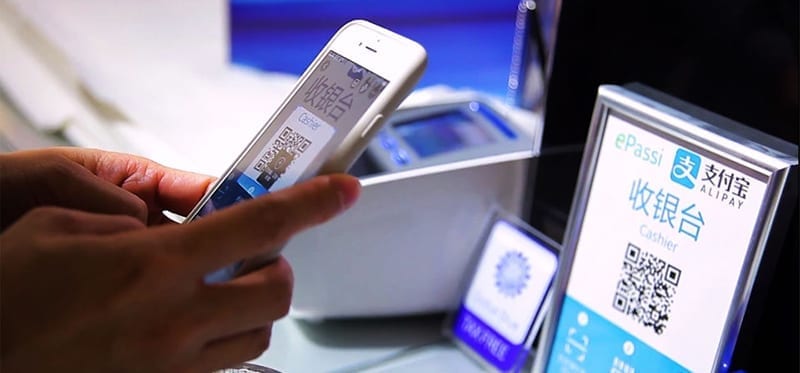
    Chinese online and mobile payment platform Alipay has signed a deal with CC Financial Services to allow it to expand its 20,000 acceptance points in Singapore.

    CC Financial Services, a Singapore-based startup which runs a mobile payments platform named CCPay, will function as a merchant acquiring partner for Alipay.

    The partnership aims to allow Chinese tourists to Singapore to pay for purchases using their Alipay e-wallets. Customers who use to service need to use their mobile phones to scan the QR codes provided by the retailer.

    Alipay’s country manager for Singapore, Sri Lanka and Maldives Melvin Ooi told The Straits Times that the Alipay platform will “soon” be made available for customers of banks in Singapore, although a timeline was not provided. Currently, Alipay users need to either have a banking account from China or a credit card issued by a bank in China.

    Recently, Alipay tied up with taxi operator Comfort Delgro in a partnership which enabled Alipay users to pay for cab rides using the platform. 17,000 of the current 20,000 Alipay acceptance points in Singapore are for taxis.

    CC Financial Services, which was founded in March this year, has acquired more than 600 merchants, with the plan to grow this number to 6,000.

  • Myanmar’s KBZ Bank adopts virtualization

    Myanmar’s KBZ Bank adopts virtualization

    Myanmar’s Kanbawza Bank (KBZ Bank) plans to virtualize its data center to help support the nation’s growing digital economy.

    KBZ Bank will be modernizing its IT infrastructure for the benefit of all 482 branches as well as representative offices in Thailand, Singapore and Malaysia.

    With more than 40% market share of the commercial and retail banking business in Myanmar, KBZ Bank recognizes innovation and digital transformation to be crucial in its expansion at home and abroad.

    The virtualized and agile environment provides bank employees with a digital workspace and the freedom to work on any device, giving them more opportunities to collaborate internally with others at the bank.

    When asked about KBZ’s broader digital plan, KBZ Bank’s CEO and advisor to the chairman Mike De Noma replied, “This is just one of the many steps we will be taking to do our part to support the government’s efforts to make Myanmar a digital leader in the decade ahead and to maintain its position as a mobile first nation.”

    Virtualization across the entire infrastructure from compute to storage and network allows KBZ Bank to scale up or down based on business needs, driving down operational and ownership costs significantly and simplifying IT management. The stability of the environment also ensures system up-time of its ATMs and branches, and boosts the bank’s ability to respond faster to demand spikes.

    The bank will use software-defined data center technologies to provide more secure services and new applications to cater to the growing demand for digital services from corporate, SME and retail customers.

    As Myanmar opens up further to foreign investment, the risk of cyber-attacks also increases for businesses. For its part, KBZ Bank is strengthening the security of data and processes through a virtualized network with VMware NSX which tags specific IT policies to each individual workload.

    Each workload is protected from attackers who manage to breach the perimeter defenses of a data center, enhancing the security of KBZ Bank’s IT infrastructure and better safeguarding the confidential information of its customers.

  • TrueMoney adds support for Apple digital purchases

    TrueMoney adds support for Apple digital purchases

    Thailand’s True Corp has introduced the ability to pay for purchases over Apple’s digital platforms using its TrueMoney digital payment service.

    All TrueMoney customers are now able to purchase items through the App Store, Apple Music or iTunes directly from their TrueMoney accounts, the company announced.

    Customers with new or existing Apple IDs will be able to select TrueMoney is a payment method in their account settings for the three digital stores from their Apple devices or PCs in the case of iTunes.

    The payment option will allow for one-tap purchasing from Apple devices including iPhones, iPads, Apple Watches and Apple TVs.

    Last week, Vietnam’s Vinaphone became the last of the nation’s major mobile operators to introduce carrier billing for Google Play over the Fortumo payments platform.

  • Australia to regulate virtual currency exchanges like Bitcoin

    Australia to regulate virtual currency exchanges like Bitcoin

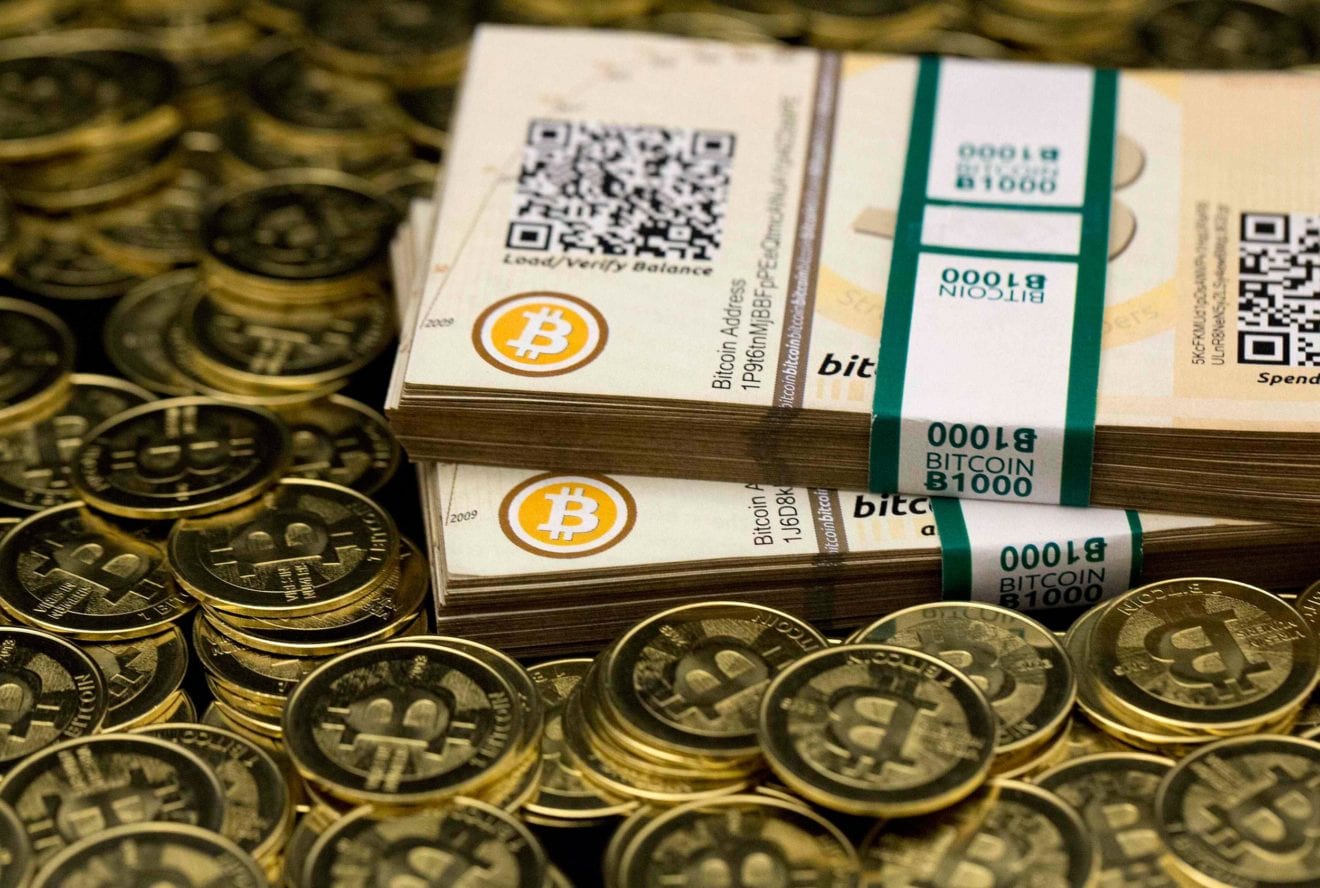
    Virtual currencies offer an efficient and anonymous way to store and transfer funds online. Australia is set to regulate virtual currency exchanges such as Bitcoin and strengthen the powers of its financial intelligence agency AUSTRAC as it cracks down on money laundering and terrorism financing.

    The changes came two weeks after AUSTRAC took the country’s biggest bank, the Commonwealth, to court for alleged “serious and systemic non-compliance” of money laundering and terror financing laws.

    It follows similar reforms by Japan to regulate virtual currency, after the country found itself at the epicenter of a multi-million dollar embezzlement scandal following the collapse of the Tokyo-based MtGox Bitcoin exchange.

    “Stopping the movement of money to criminals and terrorists is a vital part of our national security defenses and we expect regulated businesses in Australia to comply with our comprehensive regime,” Justice Minister Michael Keenan said Thursday.

    He added that the digital currency exchange sector was being regulated for the first time, while low-risk industries such as cash-in-transit would be subject to fewer regulations.

    Virtual currency has grown rapidly since the 2009 launch of Bitcoin, and there are now more than 100 crypto-currency options.

    But the sector has suffered from highly publicized scandals like the 2014 collapse of MtGox.

    Backers say virtual currencies offer an efficient and anonymous way to store and transfer funds online.

    But critics argue the lack of a legal framework governing the currency, the opaque way it is traded and its volatility, make it dangerous.

  • SingX expands remittances to Malaysia and HK

    SingX expands remittances to Malaysia and HK

    Singapore FinTech startup now supports cross-border digital remittance to the markets. Singapore-based FinTech startup SingX has expanded its online remittance services to Malaysia and Hong Kong.

    SingX founder and CEO Atul Garg said the company SingX has introduced remittances to two new markets, from Singapore to Malaysia and from Singapore to Hong Kong, as these markets have a considerable amount of cross-border payments taking place because of their long ties with Singapore.

    Licensed by the Monetary Authority of Singapore, SingX targets individuals and SMEs. The expansion of its service to new geographies is expected to appeal to Malaysians in Singapore who transfer money back home to pay for expenses and Singapore residents who invest in stocks, property and trade in Hong Kong and China.

    The company launched its first product, cross-border fund transfer from Singapore to India, in January this year. Based on its current monthly run rate, after six months of operations, SingX’s online remittance platform would have achieved an annualized run rate of $100 million.

    SingX’s online platform claims to be cheaper, faster and more convenient as it charges consumers a fraction of what they typically pay for overseas money transfers. It does this by cutting out cable charges and bank commissions and offering transparent and live forex exchange rates. It also claims to be more convenient as it eliminates the need to fill out complex forms and for personal visits to a branch. The only fee payable is a small handling fee which is made known to the customer upfront.

    Compared to bank transfers, users of SingX are expected to save up to 90% in remittance charges when transferring funds to India, Malaysia and Hong Kong.

    SingX has implemented two-factor authentication and secure data transmission methods. As a regulated payment services provider, it has also ensured the customer’s money is kept in a segregated client account.

    SingX has further plans to roll out new services to a number of new countries around the globe soon.

  • Wirecard teams with Singtel for virtual Visa card

    Wirecard teams with Singtel for virtual Visa card

    Wirecard has teamed up with Singtel to support the recent deployment of Singapore’s first Visa virtual card for Singtel’s mobile wallet Dash.

    Singtel Dash is an all-in-one digital wallet that allows customers to shop, pay transport fares and remit money.

    Since the launch of the Visa virtual account last month, Singtel Dash’s 500,000 customers have been using their mobile phones to make payments in over 50,000 PayWave-enabled merchants across Singapore and use the payment platform to shop at Singapore-based e-commerce stores.

    “We are very proud to be a partner for Singapore’s leading digital wallet,” Wirecard EVP of global financial services Grigoriy Kuznetsov said.

    “Singtel can now process mobile virtual Visa payments with Wirecard as a Bank Identification Number (BIN) sponsor. This further reinforces our position as a leading global prepaid issuer and BIN sponsor. It also demonstrates our state-of-the-art card processing capabilities.”

    “Singtel Dash has gained more traction as a payment option of choice. With the adoption of Wirecard’s card processing solution, our customers can now make hassle-free mobile virtual Visa payments,” Singtel head of mCommerce consumer Singapore Gilbert Chuah said.

  • Prada reopens Suria KLCC store with new collection

    Prada reopens Suria KLCC store with new collection

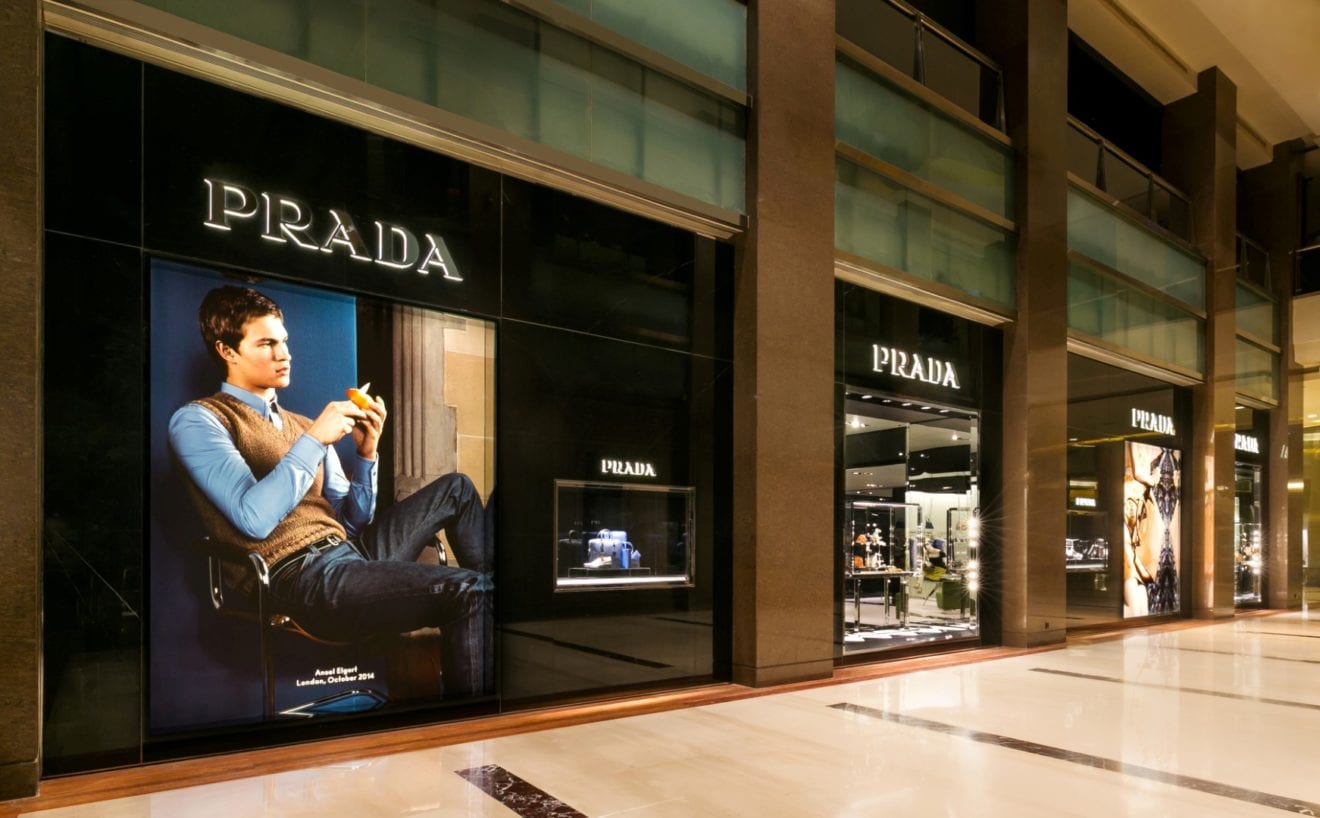
    Prada Malaysia has reopened its store at Suria KLCC Mall, Kuala Lumpur.

    The Italian luxury fashion brand’s 190 sqm boutique is now located at unit G7 & 7A, on the ground floor.

    Designed with modern interiors of black granite panelling and black and white tiles, the store features men’s and women’s collections, divided into different areas, as well as leather goods, accessories and footwear collections.

    During the opening, Prada has launched its Etiquette Collection exclusive to South Asia (Singapore and Thailand to follow) and Japan.

    The new Etiquette Bag has one center pocket with zipper closure and two inside pockets, sold in four colours – marine blue, black, dusty pink and white.

    The store is also first in Southeast Asia to offer a personalisation service for backpacks and pouches, with up to two initials applied in Saffiano leather.

    Prada currently runs three stores in Malaysia.

  • Vietnam launches derivatives market to boost liquidity

    Vietnam launches derivatives market to boost liquidity

    Vietnam’s derivatives market is officially launched today, with stock futures contracts the first to begin trading.

    Derivatives trading was planned several years ago to help draw more investment to Vietnam’s capital markets and broaden the country’s finance industry.

    The futures market would initially launch stock index contracts, and when fully operational, more instruments would be introduced.

    “(The launch) will help attract more foreign investors, institutional investors in particular, and boost market liquidity,” the stock exchange said in a statement.

    The VN30-Index, which is reviewed periodically, captures the performance of the 30 largest companies by market capitalization on the Ho Chi Minh city stock exchange. The futures contracts are allowed to move by a maximum of 7 percent in each session.

    The benchmark VN Index has jumped 19.1 percent so far this year and hit its highest level of 796.62 points since 2008 on Tuesday.

  • VPBank gets all clear to offer 1.3bln shares on Saigon market debut

    VPBank gets all clear to offer 1.3bln shares on Saigon market debut

    The bank’s market capitalization is expected to reach $2.5 billion following the offering.

    The Vietnam Prosperity Joint Stock Commercial Bank (VPBank) was given approval on August 8 to list on the Ho Chi Minh Stock Exchange (HoSE).

    The bank plans to make its IPO on August 17 under the code VPB with a reference price of VND39,000 ($1.72).

    The bank’s market capitalization is expected to reach $2.5 billion following the offering, which would make it the largest private bank listed on the HoSE.

    The bank said it plans to pay its shareholders a 15 percent dividend in 2018.

    VPBank has set a consolidated net profit target of $374 million for 2018, a 50 percent increase compared to the target set for 2017.

    In the first half of this year, the bank made $141 million in pre-tax profit, equivalent to 40 percent of its annual target.

  • Globe’s GCash debuts QR code payments

    Globe’s GCash debuts QR code payments

    Globe Telecom’s GCash has launched the Philippines’ first QR code payment service, which it has named GoPay.

    The GoPay feature within the GCash mobile money app will allow customers to use their GCash account to pay for goods and services using their smartphones by scanning QR codes displayed by merchants.

    The service will enable merchants to accept mobile payments using their own GCash wallets, eliminating the need for eftpos machines. GCash said this will make mobile payment acceptance available even to roaming vendors and small neighborhood stores.

    Alibaba’s Ant Financial, which popularized QR code payments in China via its Alipay subsidiary, invested in GCash’s immediate parent company Mynt in February to help develop the Philippines’ digital money market.

    “Our goal has always been to make finance more inclusive by building a cashless ecosystem. GoPay QR payments solution will close the loop and drive merchants accepting GCash payments,” Mynt CEO and President John Rubio said.

    “We plan to extend this service from all types of retailers nationwide down to our favorite fishball vendor.”

    GCash is available for both Android and iOS, and users can deposit funds into their GCash wallet at over 12,000 partner outlets across the Philippines.

  • Paypal launches innovation labs in India

    Paypal launches innovation labs in India

    Online payments company PayPal has set up two new innovation labs at its Chennai and Bangalore tech centers in India.

    These are the first of such facilities in India set up by the company and third globally after the US and Singapore.

    These labs will support projects in machine learning, artificial intelligence, data science, IoT, software-defined radio, virtual and artificial reality and basic robotics, among other fields, according to a release shared by the company.

    They will also be integrated with some of the company’s ongoing initiatives, such as the PayPal Incubator, to develop and nurture fintech startups, the statement added. Launched in 2013, PayPal’s startup incubator offers office space, mentoring and technical training, and networking opportunities to companies incubated.

    “The focus will be on fuelling new-age technology and giving rise to unconventional ideas with the potential to transform the ecosystem we operate in,” said Mike Todasco, director of Innovation, PayPal.

    Paypal is one of the companies that have made a play for India’s fintech space after the government’s recent demonetisation move.

    To strengthen its position in the market, PayPal has reportedly sought a wallet (prepaid payment instrument) licence from the Reserve Bank of India.

  • AEON and Thai Airways Offer Business Class of travel to Japan

    AEON and Thai Airways Offer Business Class of travel to Japan

    Mr. Kiyoyasu Asanuma (Centre), Managing Director of AEON Thana Sinsap (Thailand) Public Company Limited has coorporated with Thai Airways International Public Company Limited to provide special offers to AEON Royal Orchid Plus Platinum Cardmembers (VISA payWave and JCB) under the campaign “Ultimate Happiness in Japan with AEON Royal Orchid Plus Platinum Card”.

    Card members will be exploring their ultimate travel experience from luxurious Business Class travel to Japan with Thai Airways. AEON customers will get Thai Airways round-trip Business Class ticket from BKK – Japan value 65,000 baht when spend 3,500,000 baht or more or earn up to 5,000 bonus miles when spend 500,000 baht or more at any participating stores worldwide. The campaign runs from now until September 30, 2017.


  • Alipay Southeast Asia partners with Fave in Singapore

    Alipay Southeast Asia partners with Fave in Singapore

    Alipay Southeast Asia is partnering with Fave to roll out seamless cross-border payments via app, starting with Singapore.

    Fave, an online-to-offline (O2O) mobile platform and Alibaba Group’s financial affiliate Ant Financial will allow the Alipay app to be used for payments at restaurants and offline retailers that are part of the Fave ecosystem, with special offers and rewards for users.

    With 520 million users worldwide, Alipay is one of the world’s largest online and mobile payment platforms. As more than 3 million Chinese tourists are expected to visit Singapore this year, the ability to accept Alipay will greatly benefit local restaurants and retailers and Southeast Asia as a whole, according to Fave.

    “Restaurants and offline retailers are the backbone of the economy in Singapore, and we aim to help them succeed,” says Fave founder Joel Neoh. “While more than 90 per cent of retail spend is done offline, retailers are always looking for ways to reach out to mobile-savvy customers.”

    Regionally, Fave covers more than 10,000 restaurants and offline retailers, and has more than a million active users who can earn rewards in Indonesia, Malaysia and Singapore.

    “By partnering with innovators like Fave, we are giving Chinese travellers the safe, efficient and convenient payment services they are accustomed to at home,” says Alipay Southeast Asia head Dayong Zhang.

    According to Singapore Tourism Board (STB) preliminary estimates, more than 2.8 million Chinese travellers visited Singapore last year, proving the largest source of tourism receipts, spending more than S$3 billion (US$2.2 billion) to the end of September alone.

    Launched 12 months ago, Fave covers such segments as F&B, beauty and wellness, and lifestyle and activities, and has acquired Groupon Indonesia, Malaysia and Singapore. The company sprang from fitness sharing platform KFit.

  • Beijing leads the way for China’s cashless generation

    Beijing leads the way for China’s cashless generation

    Beijing is China’s “smartest” city for cashless payments, a new study has found, with consumers using e-wallet everywhere from vegetable markets to hotels.

    The study released on Monday was the result of a 34-city survey by tech firm Tencent, French market research firm Ipsos and Renmin University’s Chongyang Institute for Financial Studies.

    The survey asked more than 6,500 people about their payments for a range of goods and services, including takeaway food, restaurant dining, telecommunications and transport, state-run Xinhua News Agency reported.

    Beijing topped the list for penetration of cashless payments, followed by Shenzhen and Guangzhou in Guangdong province, and Shanghai. Two other Guangdong cities – Dongguan and Foshan – also made it into the top 10, Xinhua reported.

    About half of those surveyed used cash for about 20 per cent of their monthly spending, and four in 10 carried less than 100 yuan (US$14.84) in cash when they left the house.

    About seven in 10 respondents said they could go for more than a week with just 100 yuan in cash, and 84 per cent were comfortable going out with just their mobile phone to pay their way.

    Beijing office worker Xiao Yi said he often went a week without using cash because he could use his mobile from breakfast to dinner. Convenience stores and even vegetable vendors accepted WeChat or Alipay, an online payment platform owned by Alibaba Group, which owns South China Morning Post, he said.

    He also got around the city using a pre-paid subway card or a shared bicycle, which also ran on mobile payments.

  • HSBC profits up in first half of 2017

    HSBC profits up in first half of 2017

    The Asia-focused giant has been on a recovery drive over the past two years to streamline the business and slash costs, and has laid off tens of thousands of staff.

    HSBC said profits were up Monday in the first half of the year in what it called an “excellent” result after a turbulent 2016.

    Reported pre-tax profit for the six months to June rose five percent to $10.2 billion compared with $9.7 billion for the same period last year.

    HSBC also announced a share buyback of up to $2 billion, expected to be completed in the second half of the year.

    Shares were up 2.77 percent at HK$78.55 ($10.06) in early afternoon trading in Hong Kong Monday.

    The half-year results showed operating expenses dropped 12 percent to $16.4 billion, partly stemming from a sell-off of its Brazil operations.

    Chairman Douglas Flint described the performance as “extremely pleasing”.

    Flint said there were still uncertainties due to increasing geopolitical tensions and “ambiguous predictions” around Britain’s future relationship with the European Union post-Brexit, but described HSBC’s performance as resilient.

    Analysts said the results had outstripped predictions.

    “HSBC’s earnings are definitely better than market expectations,” said Dickie Wong of Hong Kong-based Kingston Securities.

    He described the firm as in “very good shape” after wide-ranging restructuring programmes following the global financial crisis in 2008.

    Net profit for the first half of the year rose 10 percent to $6.99 billion from $6.36 billion for the same period in 2016.

    Pre-tax profits for the second quarter rose $1.7 billion to $5.3 billion year on year, beating Bloomberg analysts’ estimates, which had averaged out at a $4.6 billion forecast.

    HSBC announced the appointment of a new chairman in March as part of a management overhaul that will also see it choose a new chief executive to replace Stuart Gulliver, following a massive drop in 2016 profits.

    British businessman Mark Tucker, currently group chief executive and president of insurance group AIA, will take over from Flint in October.

    Gulliver has said he will step down in 2018.

    Gulliver and Flint were grilled by British lawmakers in 2015 and apologised for “unacceptable” failings at HSBC’s Swiss division following allegations the unit helped rich clients hide billions of dollars from the taxman.

    HSBC was one of six major U.S. and European banks that were fined a total of $4.2 billion by global regulators in a November 2014 crackdown for attempted manipulation of the foreign exchange market.

    It was also fined $1.92 billion by U.S. prosecutors in 2012 to settle allegations that it failed to enforce anti-money laundering rules exposing it to exploitation by drug cartels and terrorist organisations.