Category: Finance

Retail News Asia is committed to providing both local and global retailers with the latest Finance news throughout the Asian market. This on a daily base.

  • Joint venture to extend Alipay Hong Kong services

    Joint venture to extend Alipay Hong Kong services

    A new AlipayHK digital wallet joint venture aims to promote a more efficient cashless society in Hong Kong, its partners say.

    Conglomerate CK Hutchison Holdings and Ant Financial Services Group, the parent company of Alipay, say the move will further integrate online and offline payments for consumers.

    Dedicated to local-currency payments in Hong Kong, AlipayHK attracted more than 100,000 active users in its first two weeks after launching in May. The mobile app is now accepted in more than 4000 brand outlets in Hong Kong, and also offers in-app lifestyle features such as third-party insurance and the ability to receive offers such as F&B vouchers and sticker rewards from partners, such as online dining guide OpenRice.

    With a global presence, CK Hutchison and its affiliates have consumer networks with more than 124 million retail loyalty members. In Hong Kong, it has more than 600 stores selling telecommunications, food, electronics, wine, and health and beauty products.

    Ant Financial provides digital services to more than 520 million users in China and beyond. Through the Alipay app, Mainland Chinese users can hail taxis, book hotels, buy movie tickets, pay utilities, make medical appointments and manage their finances. Ant Financial also provides digital financial services to more than 250 million overseas users through strategic partnerships in India, Korea and Southeast Asia.

    “By leveraging CK Hutchison’s extensive market presence and combining its commercial experience with Ant Financial’s technology expertise, we will bring great benefits not only to our telecom, retail and other group customer, but also to all businesses in Hong Kong,” says CK Hutchison group co-MD Canning Fok.

    Subject to regulatory approval, the JV is expected to be completed by the end of the year.

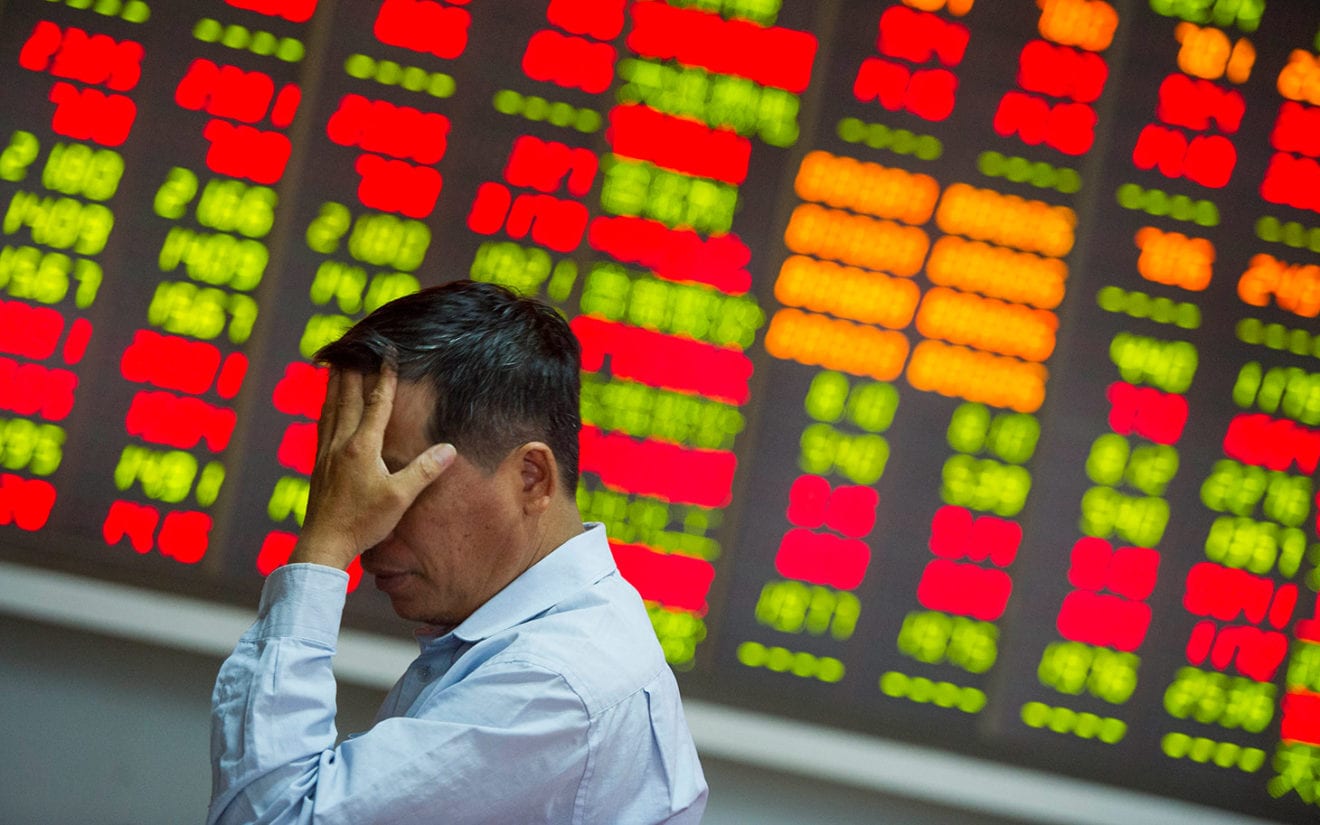
  • Stocks reverse losses as North Korea tension eases

    Stocks reverse losses as North Korea tension eases

    Stocks reversing steep losses as investors shake off the latest North Korean threat. Plus – after the storm – The CEO of Waste Management, a Houston-based company, tells us how the city and its businesses will recover. And – Gold is on fire – but is too late to hop on this trade? We break down the carts. Plus – the fallout from the Mayweather-McGregor streaming fiasco rolls on – we have the latest. Catch The Final Round at 4 p.m. with Seana Smith and Yahoo Finance markets correspondent Myles Udland.

    Winners and losers

    Stocks in the green today include Movado as the watch designer reported and earnings beat and new stock buyback plan, Immunogen as the drug maker struck a deal to license its leukemia treatment with Jazz Pharmaceuticals, and Rockwell Collins – shares jumping on reports United Technologies is near a deal to buy the aircraft equipment maker.

    Lots of retail in read today starting with Best Buy as the world’s largest electronics retailer said this quarter’s strong earnings won’t be the new normal, J. Jill as the woman’s apparel maker reported guidance that was softer than expected, and Finish Line – shares getting trampled on as the athletic retailer slashed its profit forecast for the current year, claiming sales and margins would be under pressure.

    Buffering … on fight night

    Saturday night’s big fight between Floyd Mayweather and Conor McGregor was the most hyped boxing match in years.  But a HUGE streaming glitch left many fans very upset. Here with more on this is Yahoo Finance’s Dan Roberts.

  • Alipay takes aim at Nordic markets

    Alipay takes aim at Nordic markets

    Alipay, the world’s largest online and mobile payment platform, operated by Ant Financial Services Group (“Ant Financial”, “Ant”), today announced that it has signed separate MoUs with Finpro (Finland), Svensk Handel (Sweden) and the Scandinavian Tourist Board, which will enable merchants across Nordic region to accept payment via Alipay and reach Chinese customers before, during and after their visit via Alipay’s in-app marketing platform.

    This will bring Chinese tourists the same convenient payment and travel experience that they enjoy in China.

    Douglas Feagin, President of International Business, Ant Financial Services Group, said, “Alipay has been leading the trend of smart living in China. People not only use Alipay for payment, but also for settlement of all types of needs in their daily life. As part of our globalization strategy, we are focused on working with local partners to bring this smart lifestyle to Chinese tourists, no matter where they go.”

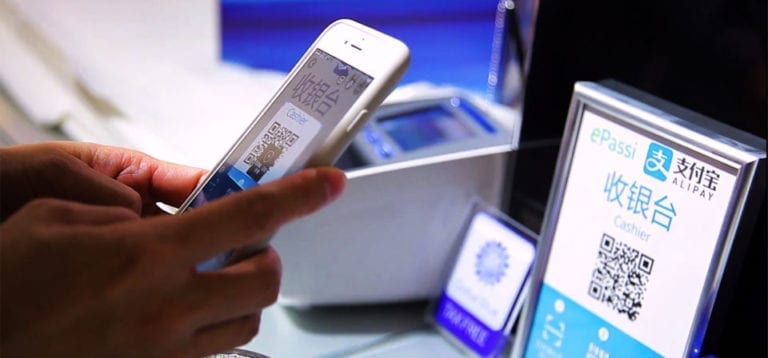
    Over 500 merchants in Finland already accept Alipay and are searchable on Alipay’s Discover Platform, including well-known brands in Helsinki such as Marimekko, Iittala and Marja Kurki. Finland’s latest addition to the Alipay ecosystem is retail giant Stockmann. ePassi, a leading e-payment company in Europe, and the largest e-wallet in Finland, has been working with Finpro, a government owned organization promoting trade, investment and tourism in Finland, to promote Alipay among merchants in the country.

    Alexander Yin, CFO of ePassi, said, “Together with Alipay, we are building a smart tourism ecosystem for Chinese tourists. Now Chinese users have an easy and flexible way to enjoy a full Finnish shopping experience without a language or currency barrier. The convenient payment experience starts when a Chinese tourist books his or her flight ticket and hotel room online, continues with shopping on Finnair flights between China and Helsinki, and, once there, encompasses everything from hop-on-hop-off buses and sightseeing in Helsinki to shopping, dining, enjoying a classic Finnish sauna, and even meeting the Moomin in Naantali or Santa Claus up in Lapland.”

    In Sweden, several merchants including luxury watch shops have already launched Alipay through local partner Cimple in a network that is gradually expanding. Alipay’s latest MoU with Svensk Handel (“Swedish Trade Federation”), the employers’ association serving the entire trade and commerce sector, will see the two sides promote Alipay with Business Sweden, an organisation jointly owned by the Government of Sweden and representatives from the Swedish business community. Swedish State Secretary to the Minister for EU Affairs and Trade Oscar Stenström witnessed the signing of the MoU.

    Mr. Mats Hedenström, Head of Policy at Svensk Handel, said, “In Sweden, 90% of transactions are now cashless. We find it’s a safe and efficient solution for both customers and merchants. Tourists may find some shops here don’t accept cash at all. Svensk Handel’s intention in signing up with Alipay is to make it more convenient for the growing group of Chinese visitors to enjoy shopping in Sweden.”

    In Norway, 2paynow, a leading mobile payment and tax refund marketing provider in Europe, and its sales partner APay are working with the Scandinavian Tourist Board to introduce Alipay services to the Norwegian market in September. Per Holte, Chairman of Scandinavian Tourist Board, said, “Numbers of Chinese tourists, especially free independent tourists (FITs), have been increasing rapidly in the recent years and China has become an important market for the Scandinavian tourism industry. We will further deploy Alipay services in this region with 2paynow to help local merchants understand and service Chinese tourists better, which will strengthen the advantages of Scandinavian countries as Chinese-friendly destinations.”

    Meanwhile, Nets, the largest Nordic vendor of digital receipt solutions, is also bringing Alipay to merchants in Denmark and beyond.

    Alipay is now accepted by more than 10 million merchants across China and by bricks-and-mortar shops in 32 countries and territories.

    According to the World Tourism Organisation, 2016 was another strong year for outbound tourism from China, the world’s leading outbound market. International tourism expenditure grew by US$11 billion to US$261 billion, an increase of 12%. The number of outbound travellers rose 6% to 135 million in 2016.

  • Hong Kong’s TNG FinTech to launch e-wallet in UK

    Hong Kong’s TNG FinTech to launch e-wallet in UK

    TNG FinTech Group has extended its global money transfer partnership with Tranglo Europe to cover the UK.

    TNG will invest $20 million to launch a local electronic wallet in the UK, becoming the first Asian FinTech company to access the European market with a next-generation financial services offering.

    With the service launch, TNG users will be able to make secure and instant money transfers in and out of the UK.

    Outbound remittances from the UK were estimated by the World Bank to be approximately £16.5 billion ($174.29 billion) last year, with the lion share flowing to Asia and the Middle East.

    The agreement builds on TNG’s existing partnership with Tranglo covering Asian markets. Tranglo is a payment gateway with money service business licenses for the UK, Malaysia, Singapore and Indonesia.

    TNG is reporting double-digit growth in monthly transaction volumes month-to-month. The company generated over US$1 billion worth of transactions in the first two years of launch, and last year raised a record US$115 million during a Series A funding round. The company secured a stored value facilities license from the HKMA in August last year.

    “As a global market leader with the “know-how” to roll out e-wallet platforms, we will ride on the success of TNG Wallet in Hong Kong and duplicate our expertise and experience in Europe, TNG CEO Alex Kong said.

    “The launch of the UK e-wallet will demonstrate TNG’s continued innovation to meet the needs of UK consumers initially, and then expanding to the rest of Europe.”

  • Contactless payments coming to Myanmar

    Contactless payments coming to Myanmar

    Myanmar’s Co-Operative Limited Bank (CB Bank) will next month facilitate contactless payments acceptance in Myanmar.

    CB Bank will facilitate the development of a network of Mastercard Contactless-enabled merchants across over 5,000 of its access points in Myanmar by the end of 2017, including supermarkets, convenience stores and petrol stations.

    “The launch of contactless payments is an important step forward for Myanmar’s e-payment journey. Contactless payments delivers greater convenience and security to consumers and merchants and is widely adopted as a preferred payment mode all around the world,” Mastercard country manager for Thailand and Myanmar Donald Ong said.

    A little over a year before this announcement by Mastercard and CB Bank, the two organizations made a similar claim to launching the country’s first contactless payment service in the form of CB EasiTravel Prepaid MasterCard Contactless card.

    The difference was that the 2016 announcement was focused on contactless payments for Myanmar consumers traveling outside the country. The October launch will see contactless payment extended locally for everyday purchases.

    What is consistent is the intent to provide payment experience that is fast, safe and convenient according to U Kyaw Lynn, CEO & Vice Chairman at CB Bank.

  • Changi Airport Group partners with Alipay

    Changi Airport Group partners with Alipay

    Alipay and Changi Airport Group (CAG) have signed a strategic five-year partnership agreement to roll out the Alipay mobile payment option on a wide scale at the airport.

    They have also agreed to share marketing activities by offering customised and targeted shopping and dining offers to Chinese passengers using Alipay.

    Run by Ant Financial Services Group, Alipay has more than 520 million active users and is the first Chinese mobile payment partner for Singapore’s airport.

    Changi Airport’s yearly concession sales grew 5 per cent to hit another new high at S$2.3 billion (US$1.7 billion) last year, with travellers from China accounting for a third of all retail sales. The new mobile payment option will offer travellers more convenience when shopping and dining at the airport, including duty-free shops for cosmetics and perfumes, and wines and spirits.

    Progressively introduced at the airport since May, the Alipay mobile payment service is now available at more than 78 shopping and dining outlets. Under the joint marketing agreement, Alipay and CAG will collaborate to create information and promotions for passengers, as well as location-based information about shopping and dining options at the airport.

    Alipay will also partnering CAG in the eighth season of the “Be a Changi Millionaire” anchor shopping promotion. Shoppers who use Alipay as a payment mode will double their chances of winning the $1 million cash prize or an all-new Volvo S90 luxury sedan.

    “Changi Airport provides a myriad of customised services for our Chinese travellers including our Mandarin-speaking shopping concierge services and Chinese version of the airport’s online shopping portal,” says CAG senior VP for airside concessions Teo Chew Hoon.

  • Citi beta launches AI chatbot

    Citi beta launches AI chatbot

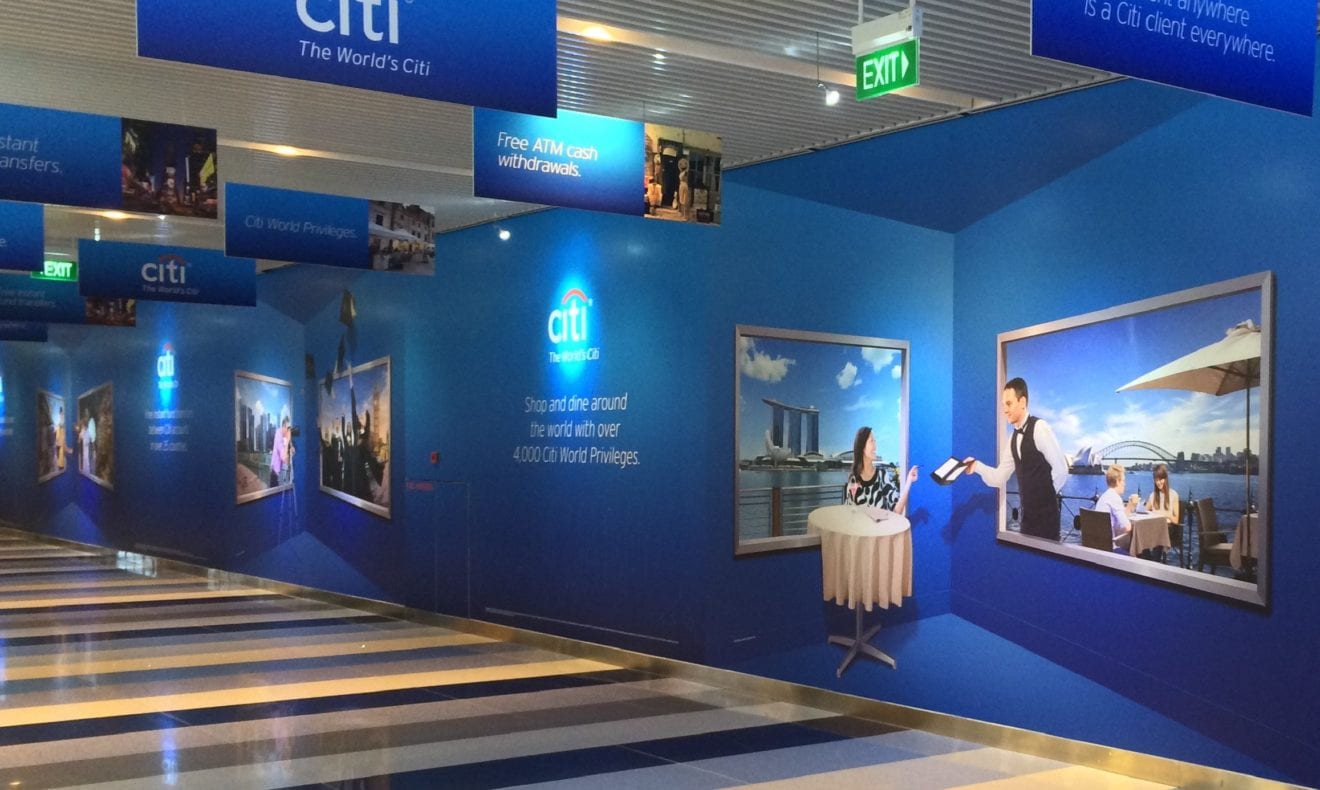
    Citi has beta launched a banking chatbot on Facebook Messenger that is capable of providing customer account information to users.

    Dubbed Citi Bot, the chatbot will make its debut in the Singapore market and be progressively introduced to the wider Asia Pacific region in the coming months. The chatbot’s launch is a world-first for Citi in a social media network.

    Citi Bot operates using natural language processing, a branch of artificial intelligence that concerns programming computers to understand the nuances of human language.

    An in-house customer experience team at Citi was in charge of the the interaction and user experience aspect in Citi Bot’s development. Citi is aiming for the chatbot to interact with customers in a personable and intuitive manner, similar to how human conversation is conducted.

    According to Citibank Singapore CEO Han Kwee Juan, the popular of Facebook Messenger deems it a suitable channel for Citi to engage its mobile and digitally savvy customers.

    Features and security

    Initially, Citi Bot will cater to basic banking queries such as checking of account balances and transactions, providing credit card bill summaries, rewards and point balances and answering frequently asked questions.

    To make for a more seamless experience, external web pages that need to be accessed during a chat session will be opened within the same messenger window.

    The second phase of Citi Bot’s development is expected to introduce features such as card activation, transaction alerts and the ability to lock and unlock credit cards.

    Customers wishing to use this service will have to first link their Facebook and Citi accounts to Citi Bot using the last 4 digits of their Citi cards on a secure Citi login page. Authentication will be performed via the input of a One-Time Password (OTP) and the answering of security questions.

    As features get added progressively, more security layers may be added based on the perceived level of risk, Citi FinTech head of global consumer innovation labs John Hogue said.

    Some 600 Citi customers and employees in Singapore will have initial access to Citi Bot, and this group of beta users will provide feedback as Citi makes incremental enhancements to the product before its planned commercial launch in Q4 this year.

    In January this year, Singapore’s POSB Bank launched an AI-driven chatbot named POSB Virtual Assistant on Facebook Messenger, which customers can use to enquire about the bank’s products and services.

    A chatbot named Jiffy Jane was launched end last month by Singapore-based insurance firm NTUC Income, which allows consumers to enquire about and purchase travel insurance instantly.

  • Visa cardholder spent THB 28 on snacks and won gold

    Visa cardholder spent THB 28 on snacks and won gold

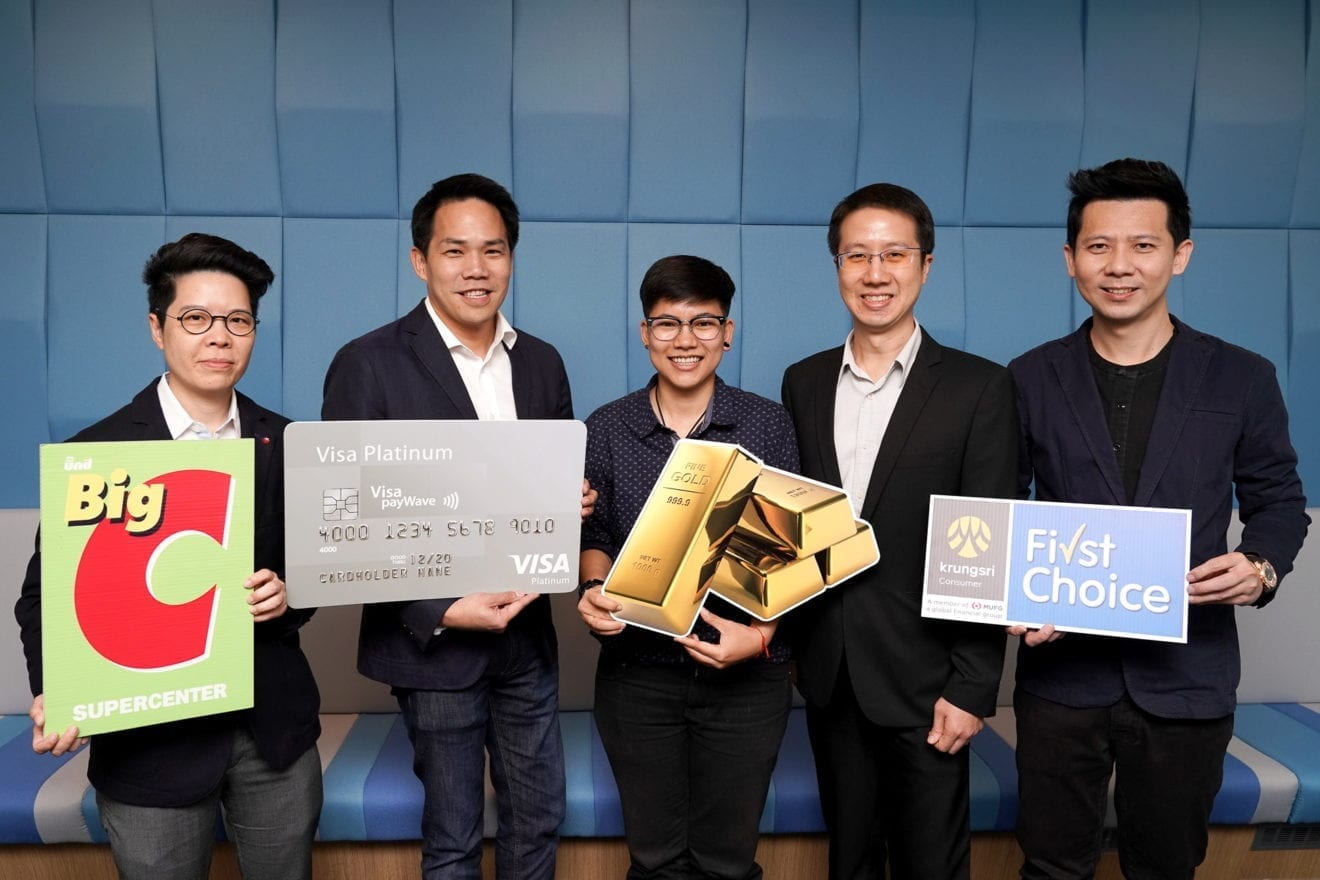
    Suripong Tantiyanon (second left), Visa Country Manager, Thailand, together with Athip Sinpagekan (second right), Senior Vice President, Head of Marketing – Consumer Financial Services, Ayudhya Capital Services Co., Ltd, and Dr. Piyawan Piyapong (left), Senior Vice President, New Service Development of Big C Supercenter PCL congratulate Nanyapat Paransirijarune (center) on winning THB1 million worth of gold.

    Ms. Nanyapat won this Visa campaign by using her Krungsri First Choice Visa card on her Samsung Pay to purchase THB 28 snack from Big C Supercenter. Big C Supercenter, as the lucky retailer that served Ms Nunyapat, also received THB 1 million as part of the campaign.

    More than 20 major retailers nationwide joined the campaign that ran from January to March 2017, including 7-Eleven, Big C, Emporium, Family Mart, Gourmet Market, Home Fresh Mart, Isetan, Hello Kitty House, Krispy Kreme, Lawson, Major Cineplex, MaxValu, McDonald’s, Siam Paragon, Tang Hua Seng, Tesco Lotus, The Mall, Tom n Tom Coffee, Tops, and Watsons.

    “Contactless is continuing to gain momentum among consumers and merchants, in Thailand and markets around the world. The campaign demonstrates Visa’s commitment to improve payment experience, ensuring that it remains seamless, frictionless, reliable and secure. It is consistent investment like this, underpinned by Visa’s global standards, that encourages wider adoption of electronic payments in the country,” said Suripong Tangtiyanon, Visa Country Manager, Thailand.

    Visa contactless payments combine unparalleled convenience with security. Visa payWave transactions under THB 1,500 require no signature. A Visa payWave card uses encryption technology via an EMV chip to protect cardholders’ data, while Samsung Pay features the Visa Token Service, which replaces cardholders’ information, such as account numbers and expiration dates, with a unique digital identifier (a “token”) that can be used for payment without exposing a cardholder’s more sensitive account information.

    There are more than 400,000 merchants in Thailand that accept Visa payWave and Samsung Pay, the latter can also be used at magnetic stripe-only point-of-sales.

  • Mastercard adds payment capabilities to vivoactive 3

    Mastercard adds payment capabilities to vivoactive 3

    Mastercard has added payment capabilities to the newly launched Garmin vívoactive 3 fitness tracker and smart watch.

    The move aims to to provide active customers with a watch that frees them from having to carry their phone or wallet around.

    Fitness enthusiasts will be able to make contactless payments and pay by holding their device near a contactless terminal at nearly 6.6 million merchant locations globally.

    Garmin users will enter payment information in the Garmin Connect Mobile app (available in Apple and Android app stores) by scanning a card or manually entering their information. Once the app has synced with the smartwatch, the card is available for use. The user can quickly launch their wallet from the controls menu and tap at a contactless terminal whenever they wish to make a payment.

    By using Mastercard’s token service, the 16-digit card number found on the front or back of a payment card is replaced by a unique alternate number or “token.” The token number is not only different from the card number but is also, on its own, useless, when trying to perform a transaction via a different device – making each transaction secure.

    Bringing secure payment functionality to the Garmin vívoactive 3 is the latest initiative within the Mastercard Commerce for Every Device program that is designed to provide consumers a safe and secure way to pay from any device of their choice. Simplicity and security are at the core of the Garmin Pay capability.

    “Technology is enabling fitness companies to provide athletes with the most comprehensive performance trackers we have seen in our time,” said Kiki Del Valle, senior vice president in charge of the program.

    “Adding payment capability to these devices is a natural next step to make training and fitness experiences more relevant, personal, and convenient.”

    “We want to be true training partners and support the active lifestyles of our users,” said Dan Bartel, Garmin vice president of worldwide sales.

    “With Mastercard technology, our users no longer need to be tethered to their physical wallets and can pay for things in a safe, simple, and secure way. This partnership enables us to empower our consumers to use the device that is most convenient to them, with a high level of security.”

  • Domestic gold prices fall sharply

    Domestic gold prices fall sharply

    Gold prices slumped in the Vietnamese market on Tuesday morning. On the Hà Nội market, selling price of one tael, or 1.205 ounces, of State-owned SJC’s gold declined by VNĐ190,000 (US$8.3) to VNĐ36.75 million.

    On the buying side, the price of each tael also fell VNĐ160,000, trading at VNĐ36.53 million.

    In the southern cities of HCM and Cần Thơ and central Đà Nẵng City, one tael of SJC’s gold declined VNĐ250,000 during selling, trading at VNĐ36.73 million. Meanwhile, one tael was being bought at VNĐ36.53 million.

    Bảo Tín Minh Châu Gold Jewellery Company and Doji Gold and Jewellery Corporation (DOJI) listed their selling prices at VNĐ36.68 million and VNĐ36.70 million, respectively. Buying rates of their gold were listed at VNĐ36.62 million and VNĐ36.60 million, respectively.

    On the Asian market, gold is trading at some $1,325 per ounce, equivalent to VNĐ36.36 million per tael.

    On global gold trading website Kitco.com, the price of gold slipped 1.2 per cent per ounce to end at $1,330.24 per ounce, the largest drop since July 3. Last Friday, global gold price hit a yearly peak of $1,357.54 per ounce.

    Thus, the price of one tael of gold in Việt Nam is some VNĐ410,000 higher than that on the world market.

    Global gold prices declined due to an upward trend in the dollar rate following an uptick in risk appetite fuelled by relief that North Korea did not test-fire missiles or conduct nuclear tests over the weekend as some had feared, Reuters reported.

    Assets traded primarily in dollars, such as gold, are very sensitive to currency fluctuations. An increase in the dollar rate will lead to gold becoming more expensive compared with other currencies and the demand for gold also decreases, the website said.

    Meanwhile, the worst-case scenario due to Hurricane Irma’s impact, the most powerful hurricane ever recorded in the Atlantic, looked to have been avoided, easing concerns of investors about the negative impact of the storm on the US economy.

  • Eraman Malaysia taps Alipay to lure Chinese tourists

    Eraman Malaysia taps Alipay to lure Chinese tourists

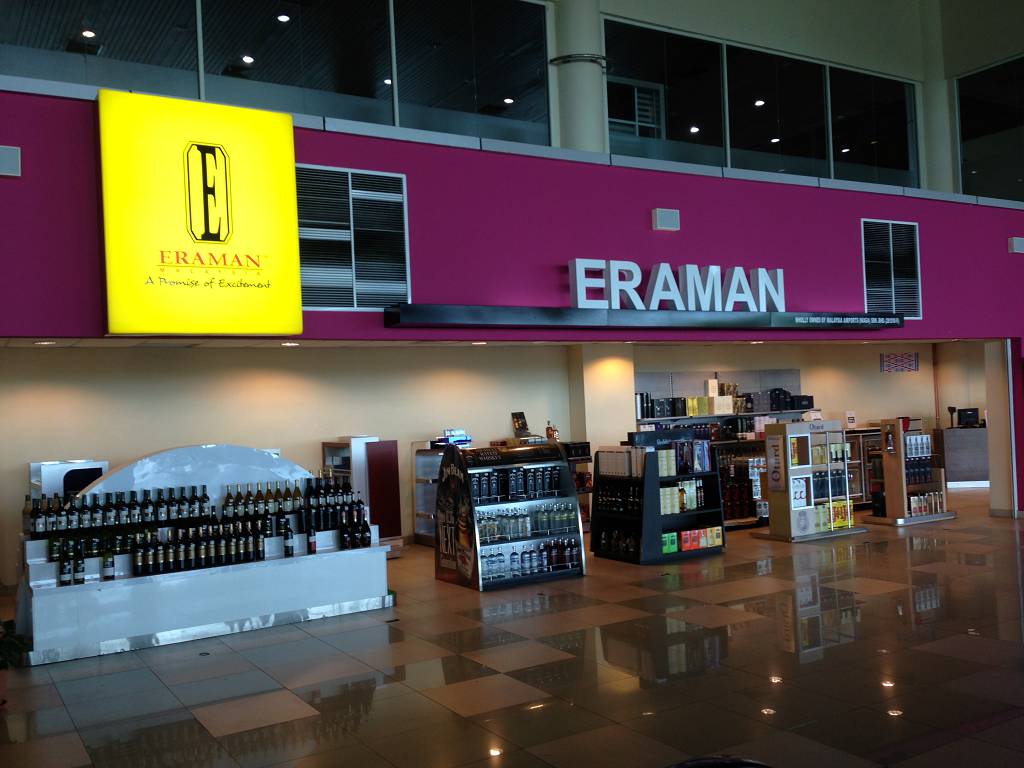
    Eraman Malaysia, the nation’s main travel retailer, has partnered with Alipay, as it improves its services to Chinese shoppers.

    Alipay, operated by Ant Financial Services Group and part of China’s Alibaba Group, is the largest online and mobile payment platform and Eraman hopes to tap the 520 million-strong Alipay active user base via the partnership.

    Around 4.5 million of Alipay’s Chinese tourists travel to Malaysia annually, which mean those visiting Eraman outlets will be able to pay with their Alipay personal QR code via their smart phone.

    The contactless payment is integrated into the merchant portfolio of Maybank and CIMB Bank Bhd, Malaysia’s two largest financial services providers. It uses the in store online payment solution at all Eraman outlets nationwide.

    According to Eraman, the technology will improve Chinese travellers’ shopping experience at the airports.

    “Security and speed are important to us as we look to enable our Chinese travellers to walk into our outlets while travelling abroad and pay for purchases with the Alipay – just like they do in China. This Alipay in store payment will act as the settlement, allowing Chinese travellers to pay for their transactions in Yuan without having concerns on the exchange rate. This is done through a simple swipe and barcode-scanning method,” said Malaysia Airports (Niaga) General Manager Zulhikam Ahmad.

    “All Eraman retail outlets in KLIA and klia2 including duty free emporium and lifestyle stores began accepting Alipay in June 2017. However, Eraman food and beverage and retails outlets in Kota Kinabalu, Kuching, Penang, Langkawi International Airport and Labuan Airport have begun to accept Alipay since the end of August. In China, this payment system is a way of life for shopping and many other activities, and given the growing number of Chinese travellers here, we are hoping for a high uptake,” added Zulhikam.

    Malaysia is ranked third in the region after Thailand and Singapore for the number of Chinese visitors it attracts each year.

    Alipay has seen rapid expansion in 2017. In August, the payment provider inked an agreement with Singapore digital payment provider CCPay to offer cashless payment services to Singaporean retailers.

    Earlier in the year, it expanded into North American travel retail and later announced it had signed a deal with six major banks in Malaysia, with the goal of making Alipay a payment option across the Southeast Asian nation by 2018.

  • Vietnam’s benchmark index hits ten-year high on back of blue chip gains

    Investors have been spending big on the stock market so far this year.

    Ho Chi Minh City’s VN-Index broke the 800-point barrier on Friday for the first time since February 2008.

    The index finished up 4.48 percent at 801.5 points.

    Growth was driven by blue chips, including brewery giant Sabeco, Masan Group, insurance firm Baoviet and Vietcombank.

    The benchmark index hit an all-time high of 1,170.67 in March 2007, before a sharp sell-off in the wake of the global financial crisis.

    The average transaction value reached about VND3 trillion ($132 million) per session last year, but it has been hitting up to VND7.5 trillion at some points this year.

  • Citi Philippines sweeps awards

    Citi Philippines sweeps awards

    Global Finance Magazine has announced its best digital banks in Asia, and Citi dominated the awards with multiple wins across the region.

    For the 11th consecutive year, Citi Philippines was awarded Best Digital Bank for the Corporate/Institutional Bank category.  For Consumer Banking, it was Citi Philippines’ 11th win as Best Digital Bank.

    Winners were chosen among entries evaluated by a world-class panel of judges at Infosys, a global leader in consulting, technology and outsourcing.

    Winning banks were selected based on the following criteria: strength of strategy for attracting and servicing digital customers, success in getting clients to use digital offerings, growth of digital customers, breadth of product offerings, evidence of tangible benefits gained from digital initiatives, and web/mobile site design and functionality.

    In the category for World’s Best Corporate/Institutional Digital Banks in Asia Pacific, Citi won five regional sub-category awards, including Most Innovative Digital Bank, Best Online Cash Management, Best Online Treasury Services, Best in Mobile Banking and Best Mobile Banking App.

    “This award is a validation of Citi’s successful digital tansformation.  In all that we do, we combine the stability of a banking tradition of more than 200 years and the agility todevelop fintech solutions that will best serve our clients’ interests in the digital age.  We aim to serve our customers in the ecosystem in which they operate,” said Citi Philippines CEO Aftab Ahmed.

    Citi also swept the country awards in the Corporate/Institutional Digital Bank category, winning in 14 other countries including Australia, Bangladesh, Hong Kong, India, Indonesia, Kazakhstan, Malaysia, New Zealand, Pakistan, Singapore, South Korea, Sri Lanka, Thailand, and Vietnam.

    In the Consumer Banking digital bank awards, Citi was also named best digital bank in Australia, Indonesia, Malaysia, South Korea and Thailand.

    Asia is responsible for 17 of the Global Consumer Bank’s 19 markets worldwide. To deliver new growth, the focus for the bank was on increasing profitable market share in key markets, and products (Retail, Cards, Wealth Management and Commercial) while digitizing our business from end-to-end to deliver a better customer experience, reduce costs and improve efficiency. In the most recent quarter Citi’s consumer bank in Asia reported its fourth consecutive quarter of growth.

  • IDX Again Wins Global Islamic Finance Award

    IDX Again Wins Global Islamic Finance Award

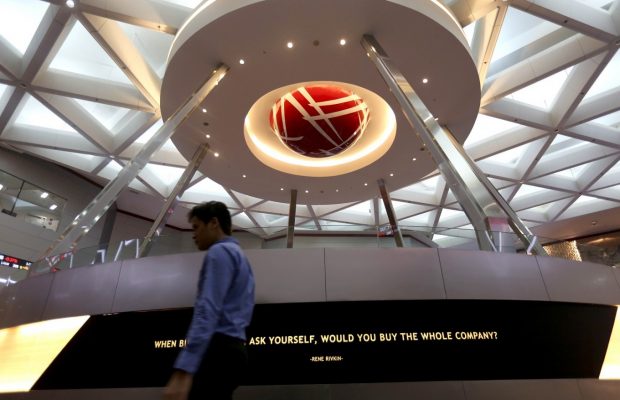
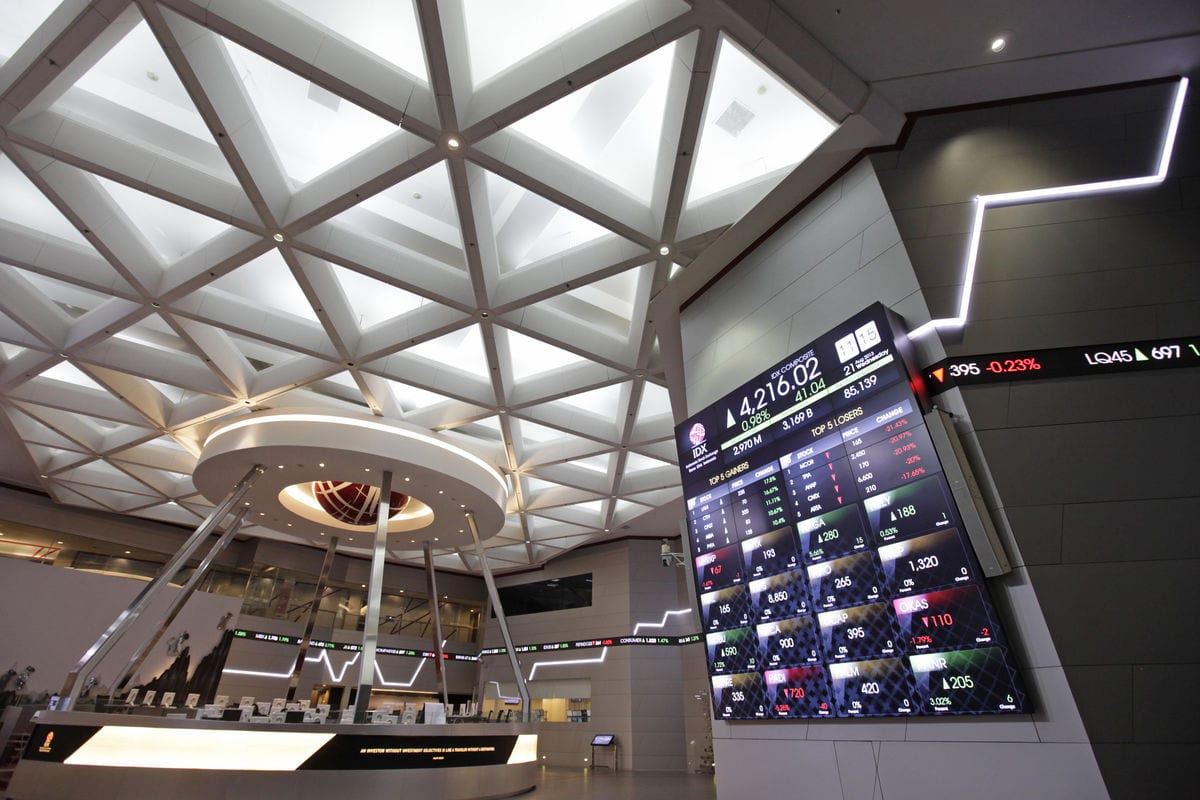
    The Indonesia Stock Exchange (IDX) was again awarded “The Best Supporting Institution for Islamic Finance of the Year 2017” from the Global Islamic Finance Award.

    Head of IDX Communication Division Yulianto Aji Sadono in an official statement in Jakarta, Sunday (9/10/2017) said that the bourse is the only institution from Indonesia that received the award from GIFA for two consecutive years.

    “This award is a benchmark for Indonesia to show that the Indonesian Sharia Capital Market has been able to compete at the international level,” he said.

    The award was handed over directly by Edbiz Consulting CEO Sofiza and received directly by the IDX Director Tito Sulistio in China on Saturday (9/9).

    The award, he added, is inseparable from the role of IDX which consistently encourages Indonesia’s sharia capital market industry to continue to advance and develop with world-level credibility, in accordance with the company’s vision and mission.

    He said that GIFA is one of the international awards in the world’s sharia financial industry organized by EdBiz Consulting, headquartered in London. GIFA 2017 is the seventh award.

    Yulianto Aji Sadono explained that since its establishment in 1997, Syariah Capital Market of Indonesia currently has two sharia indices namely Indonesian Sharia Stock Index (ISSI) and Jakarta Islamic Index (JII), 342 sharia shares, 16 fatwas from National Sharia Council-Indonesian Ulema Council (DSN-MUI), nine Regulations of the Financial Services Authority (OJK) and one Government Sukuk (SBSN) Law.

    By trade percentage, he also said that stock transactions in the IDX are dominated by sharia-based stocks. As much as 62 percent of the total shares traded on the IDX are sharia-based stocks, or about 55 percent of the market capitalization on the Stock Exchange.

    He said the market regulator expects the sharia capital market industry to be a safe investment alternative especially for Indonesian people who want to invest in accordance with sharia principles and can give real and optimal contribution in the growth and development of a sustainable national economy.

  • Indonesia Stock Market May Spin Its Wheels On Monday

    Indonesia Stock Market May Spin Its Wheels On Monday

    The Indonesia stock market has climbed higher in back-to-back sessions, collecting almost 35 points or 0.7 percent along the way. The Jakarta Composite Index now rests just above the 5,855-point plateau, although it may run out of steam on Monday.

    The global forecast for the Asian markets is mixed to slightly lower, with a decline in crude oil prices likely to weigh. The European and U.S. markets were roughly flat but mostly in the red, and the Asian bourses are expected to follow that lead.

    The JCI finished modestly higher on Friday following gains from the financial shares and resource stocks.

    For the day, the index advanced 24.81 points or 0.43 percent to finish at 5,857.12 after trading between 5,819.53 and 5,866.99. There were 159 gainers and 142 decliners, with 130 stocks finishing unchanged.

    Among the actives, Tiga Pilar Sejahtera Foods plummeted 5.03 percent, while Indofood Sukses perked 1.47 percent, Bumi Resources advanced 0.83 percent, Bank Pan Indonesia spiked 1.95 percent, Bank Danamon Indonesia collected 0.47 percent, Bank Mandiri jumped 1.92 percent, Bank MNC Internasional skidded 1.92 percent, Lotte Chemical added 0.78 percent, Jasa Marga shed 0.42 percent and XL Axiata gained 0.26 percent.

    The lead from Wall Street provides little clarity as stocks moved mostly lower on Friday, although the Dow eked out a modest gain.

    The Dow added 13.01 points or 0.1 percent to 21,797.79, while the NASDAQ fell 37.68 points or 0.6 percent to 6,360.19 and the S&P shed 3.67 points or 0.2 percent to 2,461.43. For the week, the NASDAQ tumbled 1.2 percent, the Dow slid 0.9 percent and the S&P lost 0.6 percent.

    The weakness came amid concerns about the economic impact of Hurricane Irma, which made landfall in Florida early Sunday. Irma followed close on the heels of Hurricane Harvey, which led to widespread devastation and flooding in Texas.

    In economic news, the Commerce Department said wholesale inventories rose more than expected in July, while the Federal Reserve said consumer credit jumped more than expected in July.

    Crude oil futures fell Friday but held onto weekly gains as data showed the U.S. oil rig count fell again in what is becoming a rough hurricane season. U.S. West Texas Intermediate light crude oil shed 2.04 percent or $1 at $48.09 a barrel.