Category: Finance

Retail News Asia is committed to providing both local and global retailers with the latest Finance news throughout the Asian market. This on a daily base.

  • First J/Speedy Card in the ASEAN Region to be issued by BDO

    First J/Speedy Card in the ASEAN Region to be issued by BDO

    JCB International, the international operations subsidiary of JCB, announced the launch of the J/Speedy JCB card in the Philippines with BDO Unibank (BDO), the largest bank in the Philippines in terms of consolidated resources, customer loans, deposits, assets under management and capital, as well as branch and ATM network nationwide. Card issuance has started this month, for the first J/Speedy JCB card to be launched in the ASEAN region. J/Speedy, JCB’s EMVCo compliant contactless scheme, provides a convenient and easy payment solution to valued customers of BDO.

    JCB brand cards are currently issued in 23 countries and territories with over 100 million cardmembers around the globe. BDO has cooperated with JCB for JCB card acceptance at BDO merchants from 1998 and started issuing JCB card in the Philippines in the same year. The launch of this new product, entering the contactless payment market, is the next step for the partnership between BDO and JCBI. BDO will also start acceptance of J/Speedy JCB card from July 2017 at BDO merchants.

    Mikihisa Asano, Country Manager of JCBI Philippines, said, “We are very excited and appreciative of BDO’s launching the new contactless card. Together, we will aggressively expand and grow our business in this country. In fact, BDO and JCB will soon launch another card product in the market, which is a response to the increased competition of credit cards in the Philippines”.

  • Japan’s BITPoint to Add Bitcoin Payments to Retail Outlets

    Japan’s BITPoint to Add Bitcoin Payments to Retail Outlets

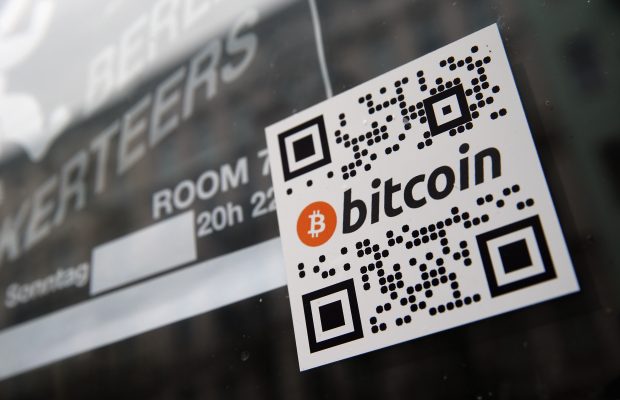
    BITPoint Japan, the company behind Peach Aviation Ltd.’s move to let travelers use bitcoin to pay for tickets, is planning to give hundreds of thousands of Japanese retail outlets the ability to accept the digital currency.

    “We’re holding discussions with a retail-related company,” Genki Oda, BITPoint’s president, said in a recent interview. “By going through a company providing payment terminal services to shops, we have the possibility of increasing its use at one stroke. It’s easier than talking to lots of individual retailers.”

    BITPoint is joining a flurry of companies embracing regulations, enacted in Japan last month, that recognize digital currencies as a form of payment. That has helped to make yen trades one of the world’s largest transaction pools, exceeding China’s pole position at the end of 2016, according to Oda. Bic Camera Inc., one of the country’s biggest electronics retailers, began accepting bitcoin at two stores in Tokyo last month.

    “We’re also talking to a big convenience store operator about using it,” said Oda, 36, who also runs BITPoint parent Remixpoint Co., which had a market value of about 21 billion yen ($189 million) on Friday. He said he’s aiming to make an announcement by early next year.

    The shares of Remixpoint rose as much as 18 percent to their daily price limit. Last week, Remixpoint said it will convert debt issued to BITPoint into equity, raising its ownership in the subsidiary to 97.7 percent.

    Bitcoin, which debuted eight years ago, is gaining wider use as a way to pay for goods and services, and lets people transact without oversight from governments, regulators or central banks. The virtual currency has been rallying against the dollar and other fiat currencies and was trading at $2,210 on Monday, near record highs.

    While BITPoint operates as a bitcoin exchange, it’s pushing to promote the use of the cryptocurrency in stores and other retail outlets, instead of as a speculative instrument. The company currently has ties with tens of retailers and plans to expand that number, Oda said.

    A change in Japanese law on April 1 formalized rules around anti-money laundering and put in place standards for security and audits. Restaurant booking site Gurunavi Inc. will start letting diners pay with bitcoin later this year, the Nikkei newspaper reported last month.

    “It’s funny how the whole narrative of bitcoin being risky or dangerous has changed, and it is now seen as a form of pride to regulate and embrace it,” said Thomas Glucksmann, head of marketing at Hong Kong-based bitcoin exchange Gatecoin.

    Asked about the recent climb in bitcoin’s value, Oda said he’s wary of the sudden jump and doesn’t think it’s sustainable. At the same time, Japanese investors and day traders are taking a serious look at bitcoin as an asset class, thanks to the new regulations, he said, adding that several large foreign exchange brokerages will begin bitcoin trading in the coming months, boosting volumes.

    Still, it’s unclear whether bitcoin payments can become more than a marketing gimmick. The biggest hurdles include long network confirmation times and high transaction fees. While many bitcoin community members rallied around a new proposal last week to fix the problem, deep differences within the group have led to several similar solutions falling through since 2015.

  • JCB targets 2 million Thai credit card customers by 2020

    JCB targets 2 million Thai credit card customers by 2020

    Japan’s JCB Co has partnered with Kasikornbank with an eye on increasing the number of its credit card holders in Thailand by 1.4 million by 2020 to 2 million.

    “Thailand has potential to be (our) second most important market after Japan and we believe in Thai economic growth in the long run,” said Kimihisa Imada, president of JCB International Co, the Japanese card provider’s subsidiary.

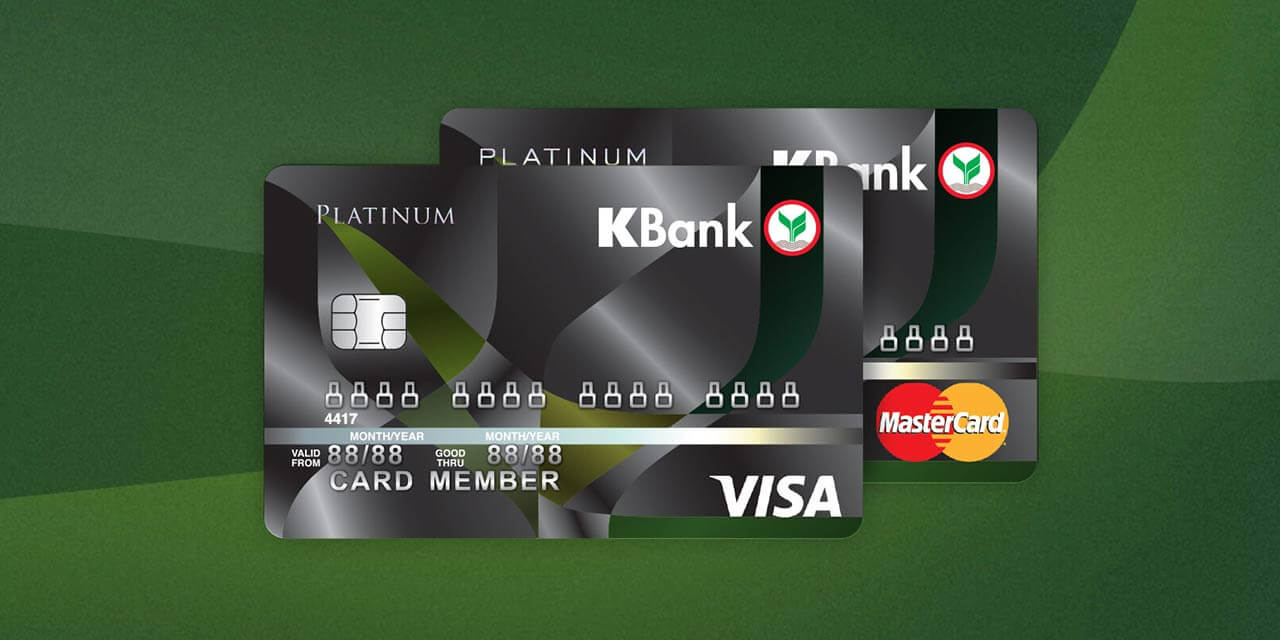
    JCB announced on Tuesday its latest partnership with the bank to issue the “KBank JCB Credit Card” brand, targetting Thais who favour Japanese lifestyles and travelling abroad.

    The card is available in the three types of Platinum, Gold and Classic, giving privileges to access JCB’s international services as well as promotions from cooperative merchants both in Thailand and Japan.

    The new credit card brand is expected to generate 100,000 new card holders with total spending worth 2 billion baht in the first year. JCB currently has 600,000 cardholders in Thailand.

    KBank is JCB’s fourth partner in the Thai credit card market following Krung Thai Bank, Bank of Ayudhya and Aeon Thana Sinsap (Thailand), a financial subsidiary of Japan’s Aeon retail group.

    JCB has issued credit cards of its brand in eight of the 10 member countries of the Association of Southeast Asian Nations — Indonesia, Laos, Malaysia, Myanmar, the Philippines, Singapore, Thailand and Vietnam.

    It is preparing to do so in Cambodia as well.

    According to KBank, more than 900,000 Thai visitors went to Japan last year and spent 43.2 billion baht in total, ranking Thais sixth on the list of highest-spending tourists.

    For KBank’s card holders, they spent 3.3 billion baht in Japan last year, accounting for 25% of total spending through credit cards of Thai tourists.

    The most popular categories include hotels and clothing and retail stores.

  • Japanese banks plan 90% cut on transfer fees to South Korea

    Japanese banks plan 90% cut on transfer fees to South Korea

    Japanese banks will lower the fees on money transfers to South Korea by 90% as early as 2018 in an effort to remain competitive and prevent customers from switching to foreign rivals.

    The plan was revealed Wednesday by the Japanese Bankers Association at a panel hosted by Japan’s Financial Services Agency. Currently, each transfer is processed individually between the sending and receiving banks, often with the involvement of intermediary banks. Fees range from about 4,000 yen to 5,000 yen ($35.80 to $44.80) per transaction for companies, and are slightly higher for retail customers.

    The dramatically lower fees will be achieved by consolidating all transfers from Japanese banks to a country into one bundle. A single lead bank then will send the entire amount to the destination country once a day, sharply reducing fees paid to intermediary banks.

    Japan’s three megabanks — Mitsubishi UFJ Financial Group, Sumitomo Mitsui Financial Group and Mizuho Financial Group — will be the first to adopt the new framework. Major regional banks are expected to follow suit.

    New financial technology has let some American and European banks reduce international money transfer fees to just several dollars. The planned cut will squeeze the income of these Japanese institutions, but the move is seen as necessary to keep up with foreign rivals.

    Japanese banks will consider reducing fees on transfers to Thailand, Malaysia and other Southeast Asian nations as well.

  • Indonesian P2P Fintech Startup Modalku Becomes Fully Registered With the OJK

    Indonesian P2P Fintech Startup Modalku Becomes Fully Registered With the OJK

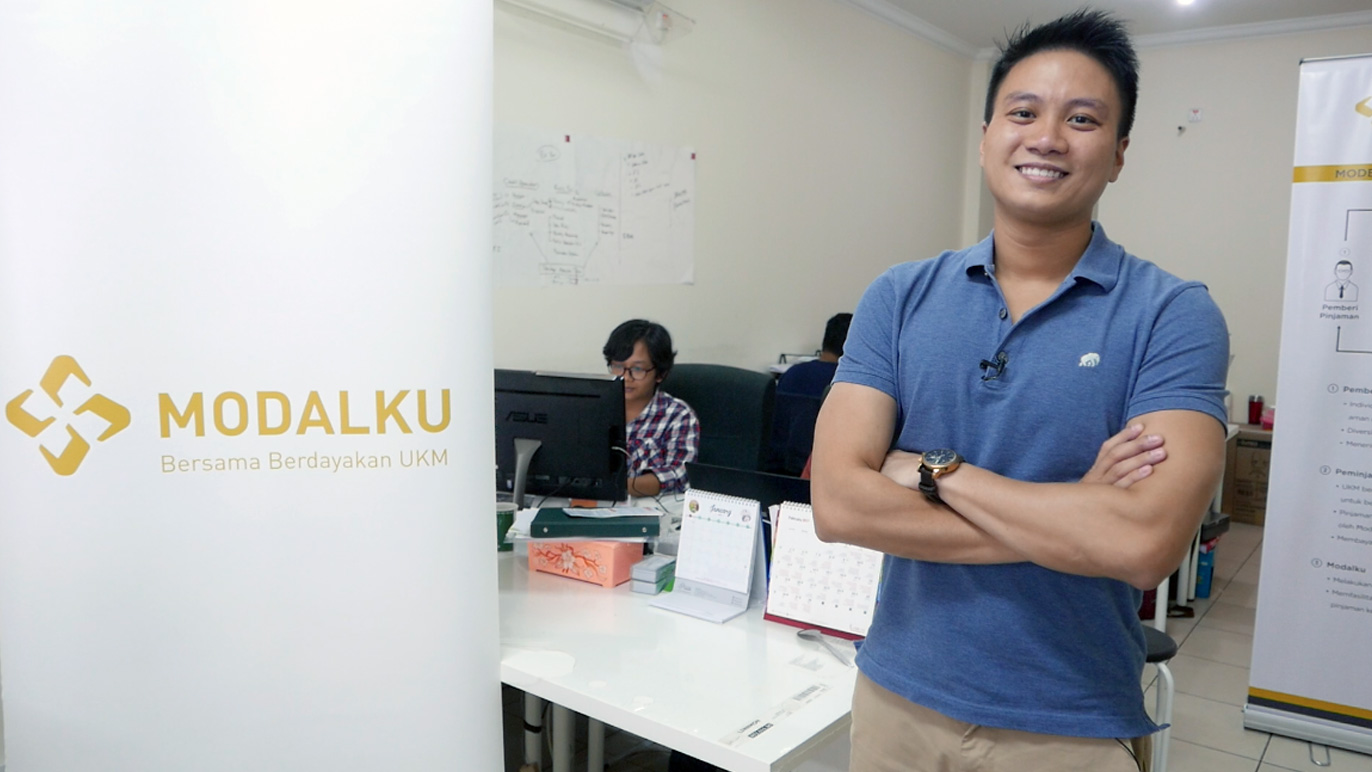
    Modalku, an Indonesia-based peer-to-peer lending fintech startup, announced this week it is now fully registered with the Otoritas Jasa Keuangan (OJK). Founded in 2016, Modalku describes itself as an online marketplace for small businesses to acquire loans and for lenders to fund small business loans to earn returns. The company revealed:

    Our technology-based approach enables borrowers to receive loans for the first time or at lower than market rates, while lenders will earn returns well above that of bank deposits, traditional fixed income products, and life insurance investment-linked products. This marketplace lending model is proven in countries such as USA, UK, China & Singapore.”

    Modalku also noted that SMEs are a key source of employment and economic growth in Indonesia, but seem to be structurally disabled by financial institutions to get the financing they need. According to Digital News Asia, Modalku has already disbursed loans totaling more than Rp175 billion (US$13.15 million) to 320 MSME loans. While discussing the OJK registration milestone, Modalku co-founder and CEO Reynold Wijaya revealed:

    “The fact that OJK focused on P2P lending regulations in Indonesia shows that the government sees the enormous potential of fintech in supporting financial inclusion. MSMEs have always been the backbone of the Indonesian economy, contributing 60.3% of national GDP and 97% of national employment. With solid regulation, underbanked MSMEs will have better access to financing and find it easier to grow their businesses.”

    OJK senior executive researcher Hendrikus Passagi added:

    “OJK supports and will continue to encourage borrowing and lending activities via P2P lending fintechs as an alternative to national financing products that require no collateral. We view the digital financial ecosystem built by P2P lending fintech platforms as ideal partners to support financial inclusion in Indonesia. With official registration at OJK, Indonesian P2P lending platforms are expected to increase borrowing and lending activities at a much larger scale for local MSMEs while still putting customer protection and stability of the Indonesian financial system first.”

    Modalku currently operates in Indonesia, Singapore, and Malaysia.

  • Asia still top dog for payments innovation but Europe gaining ground

    Asia still top dog for payments innovation but Europe gaining ground

    Asia remains home to most payments innovation but Europe is making a charge, leapfrogging Africa, North America and Latin America, according to a survey of industry execs which also calls out distributed ledger technology as over-hyped.

    Based on a survey of 70 execs from 37 countries, the Global Payments Innovation Jury table sees Asia crowned champion again – a position it has held since the inaugural 2008 Jury. The continent scores 64% of the vote and while the “China effect” is significant, there have also been innovative developments in the likes of South Korea, Singapore, Japan and Malaysia.Notably, for the first time in nine years, Europe has leapfrogged Africa, North America and Latin America to take second place in the ranking.

    Says John Chaplin, chairman, Global Payments Innovation Jury: “While Europe has never been rated favourably for payments innovation in the past, the 2017 Jury sees real grounds for optimism.

    “There is now a much more progressive regulatory environment in Europe, world-leading innovation hotspots have developed in London and Berlin and we are starting to see that consumers are more willing to give new financial service providers a go.”

    In developed markets, such as Europe, a big majority see B2B investment as more likely to generate good returns than B2C, citing the consumer expectation that payment services should be free and the major marketing investment required to build a substantial user base.

    However, in markets such as Asia and Africa, the sheer size of the population still without access to formal financial services makes the Jury lean more towards B2C (56%) than B2B (44%).

    Addressing top industry trends, three quarters of the Jury believe that APIs are going to play an increasingly significant role in the payments market over the next three years.

    “Payments are often a source of friction and that means lost sales for retailers and frustrated customers. Using APIs it is much easier to integrate payments into apps so that transactions become almost automatic,” says Chaplin.

    Meanwhile, DLT is seen as the most over-hyped payments innovation. Says Chaplin: “While the Jury believe that distribution ledger technology can deliver real benefits for the overall financial services business they also consider that many of the claims made about its applicability to retail payments are over the top.”

  • Bank Indonesia sets chip technology standard for ATMs, debit cards

    Bank Indonesia sets chip technology standard for ATMs, debit cards

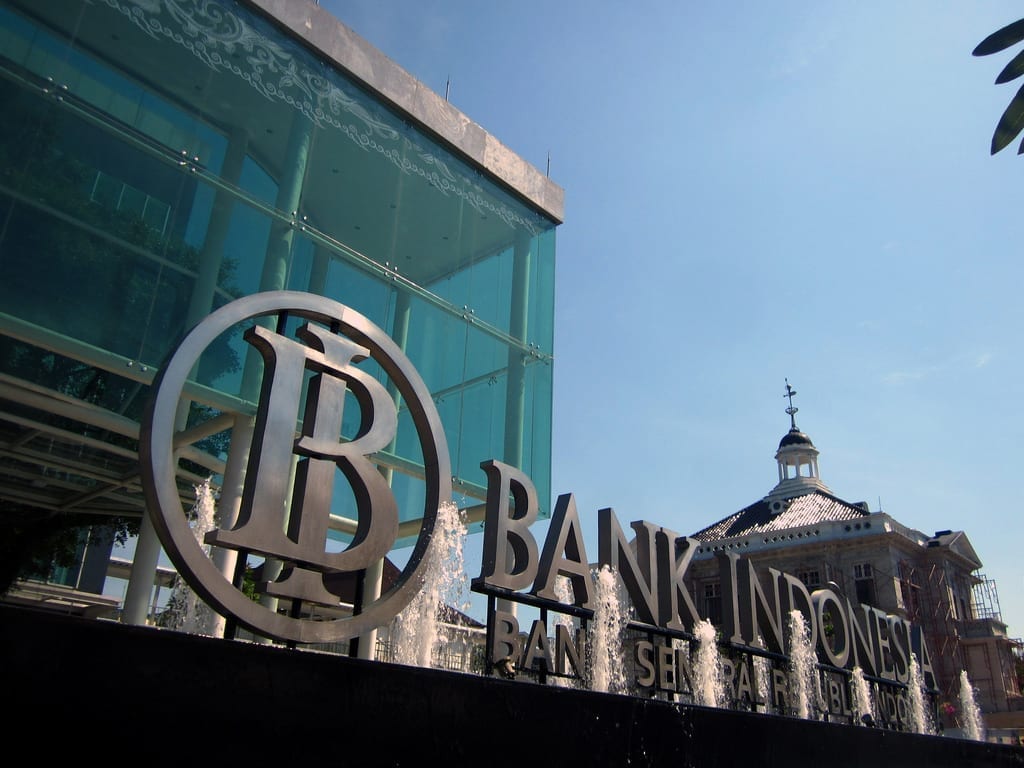
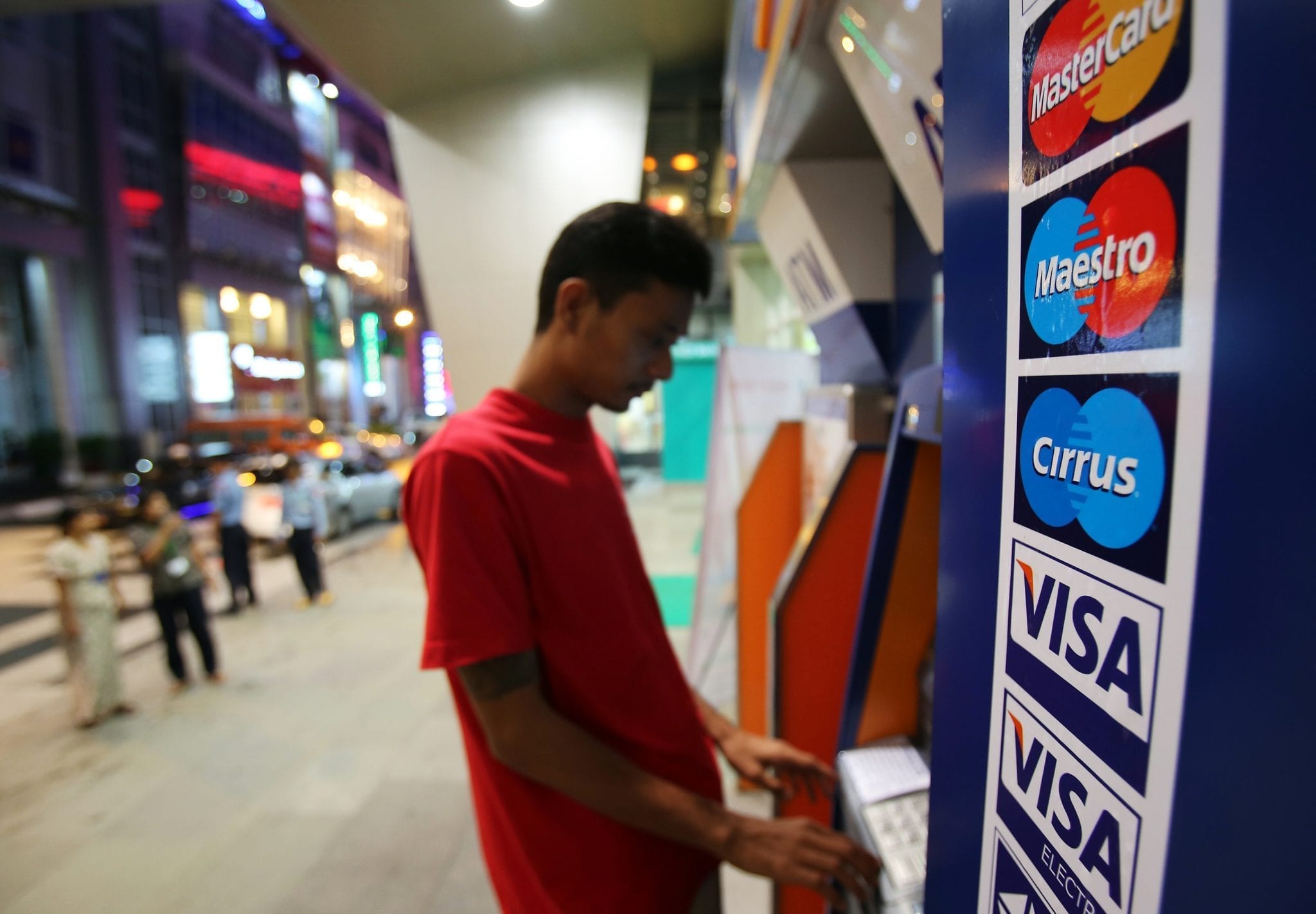
    Bank Indonesia has set National Standard Indonesian Chip Card Specification (NSICCS) as the country’s technology benchmark for ATMs and debit cards of all card providers across the country.

    The regulation was officially implemented during a meeting attended by Bank Indonesia deputy governor Sugeng, bankers and the Indonesia Payment Systems Association (ASPI) on Wednesday in Jakarta.

    The central bank also appointed ASPI to oversee the implementation of the NSICCS and to develop it through observation of several aspects, such as security and technology development.

    “The implementation of a standard was aimed at increasing the security of transactions and encouraging the creation of an interoperability instrument, which was in line with the National Payment Gateway program,” the central bank wrote in an official statement.

    Bank Indonesia through its letter, No.17/52/DKSP on the requirement of a six digit PIN number for all debit and ATM cards utilizing magnetic stripe technology, tried to improve on the security aspects of transactions.

    The NCICCS technology will not only be implemented in the ATM and debit cards, but also in the system, which processes transactions within the cards. The full implementation is expected to finish at the end of 2021.

    The implementation of the NCICCS is part of an ongoing effort to mitigate fraud and align ATM and debit card standards in Indonesia with the best practices on the international level, Bank Indonesia wrote.

  • LankaClear and JCBI partner to establish National Card Scheme in Sri Lanka

    LankaClear and JCBI partner to establish National Card Scheme in Sri Lanka

    LankaClear (Private) Limited (LankaClear), an organization incorporated in 2002 and owned by the Central Bank of Sri Lanka (CBSL) and all Licensed Commercial Banks operating in Sri Lanka, and JCB International Co., Ltd. (JCBI), the international operations subsidiary of JCB Co., Ltd. (JCB), announced on June 20th that both parties have entered into a strategic partnership for the establishment of the National Card Scheme (NCS) to introduce the issuance of LankaPay-JCB co-branded cards and to jointly promote the acceptance of such cards with JCB payment solutions.

    By integrating JCB payment solutions to LankaPay participant members and leveraging the planned interconnection between the payment networks of LankaClear and JCB, the LankaPay-JCB co-branded cards issued by LankaClear participant members would be accepted globally via the JCB international network and locally through the LankaClear network.

    In addition, the strategic partnership would also facilitate the acceptance of international JCB cards at ATMs and merchants accepting LankaPay-JCB co-branded cards across Sri Lanka. Both parties are targeting to complete the implementation and launch of the issuance and the acceptance of LankaPay-JCB co-branded cards by beginning of 2018.

    Through this strategic partnership, the issuance of the LankaPay-JCB co-branded cards would be the first-ever JCB branded cards issued in the country. The acceptance of the internationally issued JCB branded cards in Sri Lanka is expected to reach the same level of acceptance as the LankaPay-JCB co-branded cards issued in Sri Lanka. This would undoubtedly meet the demand of the usage of cards by the increasing number of tourists visiting Sri Lanka, especially those traveling from India, which is the biggest tourist contingent to Sri Lanka where JCBI is expected to have a large card base in the near future.

    General Manager and CEO of LankaClear, Channa de Silva said, “Our quest is to promote cost effective and efficient electronic transactions with the primary objective of reducing cash based transactions, thus, reduce the burden on the economy. In this context, NCS is one of the key elements in which we envisage to increase the usage of car based transaction in the country via our Common Card And Payment Switch (CCAPS). By conducting a transparent selection process, LankaClear identified JCB as the partner for NCS based on a set of stringent evaluation criteria and subsequently carrying out extensive negotiations from the pool of proposals received from many international card schemes. The primary objective of the selection was to select the partner who would give the best value proposition to this national endeavour. Launching NCS in partnership with JCB payment solutions would be a significant milestone in the Sri Lankan payment ecosystem to reduce cash usage. I am confident that issuance of LankaPay-JCB co-branded cards by all card issuing organizations and via international acceptance of such cards would strengthen the already established economic relationships and further enhance the exchange of cultural experiences for both nations.”

    Senior Vice President of JCBI, Yuichiro Kadowaki said, “We are pleased to be selected as the partner for the establishment of NCS and excited to contribute to this national endeavour with our payment solutions. As Sri Lanka is one of the most attractive travel destinations in the world, it is very important for JCB to expand and maintain better acceptance across the country as one of the aspects of the NCS project. In addition, accompanied with the stable economic growth in Sri Lanka, the number of Sri Lankans travelling outside the country would also bound to grow. JCB hopes that extensive card acceptance network and customer oriented services and promotions throughout Asia, including in Japan, could be experienced and enjoyed by such card members of LankaPay-JCB co-branded cards.

    We will also explore the opportunity of introducing new payment technologies such as contactless payments and mobile payments in Sri Lanka through this partnership with LankaClear. We are confident that the customers of LankaPay-JCB co-branded cards will experience the benefit of the emerging financial technologies in their daily lives as well as during their travel through this strategic partnership between LankaClear and JCBI.”

  • Thais use more electronic payments and shy away from cash for safety reasons

    Thais use more electronic payments and shy away from cash for safety reasons

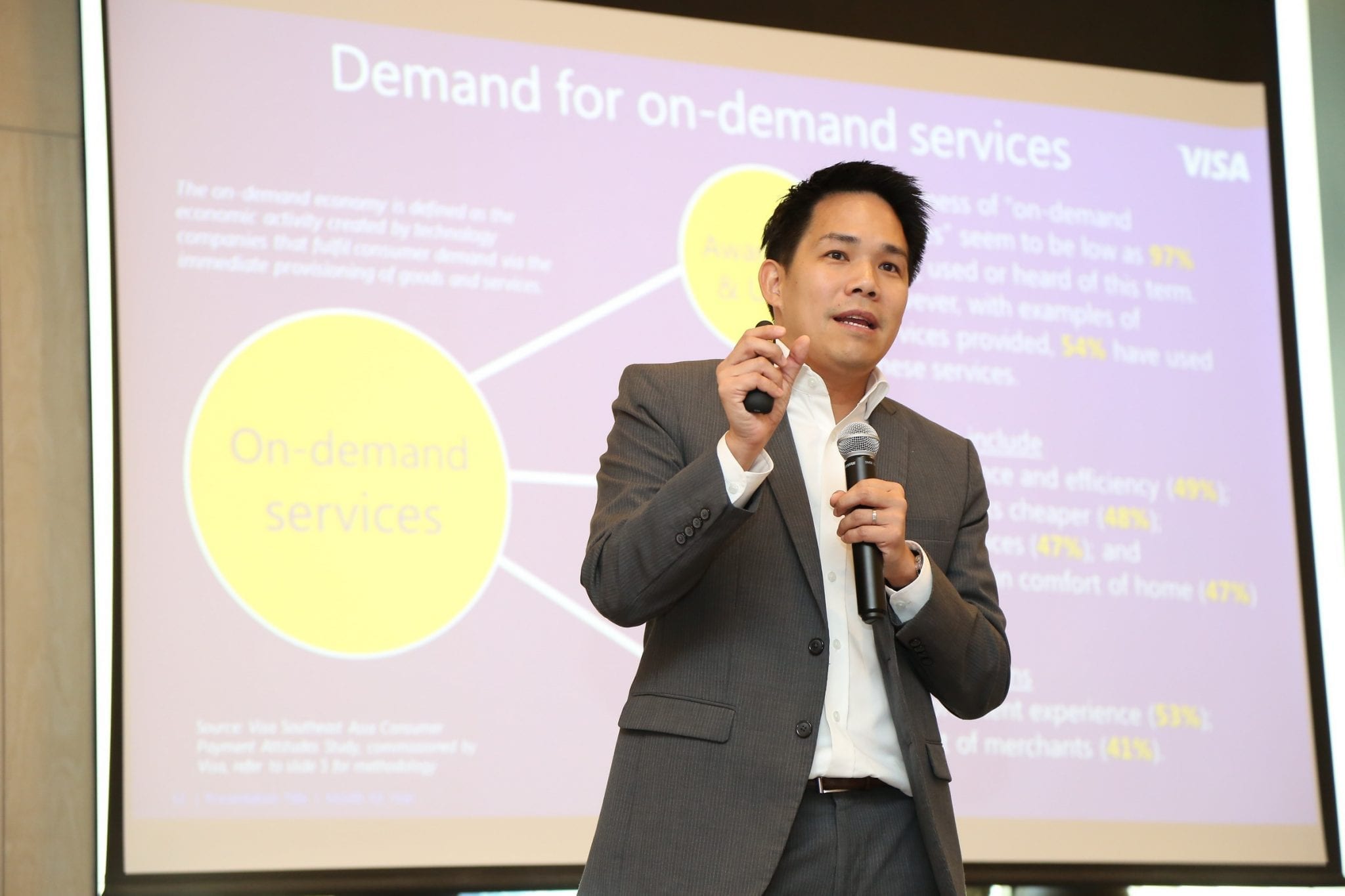
    Thais are becoming increasingly confident in using electronic payments, as cash is seen as a hassle and unsafe to carry around, according to Visa’s research.

    In its third instalment, the 2016 Visa Consumer Payment Attitudes Study tracks the current attitudes consumers have on electronic payments and identifies trends in payments behavior in six Southeast Asian nations. Of those surveyed in Thailand, 73 percent said they used electronic payments, including cards, mobile devices and wearables, more often than cash, deliberately moving away from notes and coins.

    Emerging affluent were the heaviest users of electronic payments (83%) compared to the mass market at 68 percent. The main reasons cited for carrying less cash were the lack of safety (60%), up from 57 percent in 2015; and easy access to cash withdrawals (48%), up from 38 percent in 2015.

    “As new innovation emerges, consumers are more willing to try new payment technologies. The case in point is how seven in ten Thais (67%) prefer to automate payment, eliminating the entire physical process of paying. This came at a time when we are experiencing unprecedented growth in the on-demand economy, particularly in ride-sharing apps. This creates new demand for fast, secure and convenient card-not-present payments,” said Suripong Tantiyanon, Visa Country Manager, Thailand.

    New ways to authenticate payments are also a draw for Thais: 75 percent of respondents stated they felt “comfortable” using biometrics technology such as fingerprint and facial recognition – the highest percentage in Southeast Asia. Enthusiasm for biometrics are skewed towards Generation Y, 79 percent of which have no problem relying on biometrics, compared to 70 percent of Generation X.

    “There is clearly a growing appetite for electronic payments in Thailand. Take for instance existing innovation such as Visa payWave contactless payments, which is widely available at major retailers, supermarkets and restaurants nationwide. We are not surprised to see that 82 percent of respondents would choose contactless payments over cash, if merchants offer them,” said Mr. Suripong.

    Electronic payments for on-demand services, like meal delivery, grocery delivery, transportation, and travel too are shaping up in Thailand.

    According to the Visa Consumer Payment Attitudes Study, 54 percent of respondents have used on-demand delivery service in Thailand in the past 12 months, with 29 percent having used it 2-3 times a month. The most popular category was food delivery with 3 in 4 respondents (75%) having used their mobile device to order food online. Cash is currently the main payment method at 71 percent, but electronic means are catching up. Half the respondents (47%) said they would use payment via “card on file” or credit card registered with the app while 56 percent said they would like to pay upon delivery using mobile wallet.

    “Whether it is mobile wallet, payment gateway or any technology, our study shows that fundamentally Thai people still expect their payment experience to be safe, fast, and secure (82%). And a global payment network like Visa – that is capable of handling more than 65,000 transaction messages a second – more than meets the demand,” said Mr. Suripong.

  • Alipay Payment Solution Introduced on Norwegian Joy

    Alipay Payment Solution Introduced on Norwegian Joy

    Norwegian Cruise Line, a leading cruise brand of Norwegian Cruise Line, together with Alipay, the world’s largest online and mobile payment platform operated by Ant Financial Services Group, today announced the debut of the Alipay payment solution on board Norwegian’s most recent addition to its fleet and its first in the China market, Norwegian Joy.

    This is a pioneering move where a major cruise operator has debuted a cruise ship with Alipay as part of its payment platform from the very beginning of operations.  It also demonstrates Norwegian’s commitment to providing guests in China with offerings geared to their specific needs and tastes.  With more than 450 million users, Alipay is China, and the world’s, leading online and mobile payment platform, one that significantly enhances the payment platform lineup on Norwegian Joy.

    Norwegian began accepting transactions on the Alipay platform on a trial basis beginning on a special preview cruise for members and guests of Alibaba Group which departed from Shanghai on June 10.  Including the Alipay payment solution on board Norwegian Joy is another step in a partnership announced earlier this year between Alibaba and Norwegian’s parent company, Norwegian Cruise Line Holdings – a partnership which combinesNorwegian’s experience in providing unforgettable vacations with Alibaba’s insights into Chinese consumers to offer a cruise product tailor-made for Chinese guests.

    “When designing Norwegian Joy, our goal was to construct a ship that would deliver a First Class at Sea experience while making Chinese guests still feel at home,” said David Herrera, President of NCLH China.  Providing the Alipay payment solution to our guests allows our guests to make purchases with the most-used payment system in China at the several luxury shops, dining venues with multinational cuisine and other points of purchase on Norwegian Joy in the same way that they use it on land. The great success of our trial on our June 10 preview voyage has allowed us to make this mobile payment method available to all guests much sooner than originally planned.  I’d like to thank the team at Alipay who worked hand in hand with the team at Norwegian to make this possible. I am extremely proud of what we have accomplished together,” continued Herrera.

    “We are thrilled to have guests on Norwegian Joy have the ability to make their onboard purchases with Alipay just like they do at home,” said Angel Zhao, COO of International Business Unit and Vice President of Ant Financial, “With so much to see, experience, and purchase aboard the new Norwegian Joy, we are truly excited to offer Alipay to our valued customers.  Having the Alipay platform ready for guests beginning with Norwegian Joy’s June 10 preview sailing was ajoint effort that was made possible by the conviction and professionalism of both sides.”

    Norwegian Joy has sailed a series of preview cruises during the month of June, with the ship’s christening ceremony soon to take place on June 27 in Shanghai, featuring the ship’s Godfather, ‘King of Chinese Pop,’ Wang Leehom.  Year-round voyages on Norwegian Joy from Shanghai begin on June 28 with a season of sailings departing from Tianjin from August 26 to September 15.

  • Leading US-based index to include Chinese stocks for 1st time

    Leading US-based index to include Chinese stocks for 1st time

    MSCI’s decision has been closely watched as a sign of China’s growing importance on international financial markets. China on Wednesday hailed the acceptance of its stocks in a leading U.S.-based index of emerging market shares as a signal of confidence in the Asian power’s economy after three previous rejections.

    The Shanghai and Shenzhen stock markets opened higher after New York’s MSCI agreed to include 222 large capitalization Chinese stocks in its MSCI Emerging Markets Index, representing 0.73 percent of the index.

    MSCI’s decision has been closely watched as a sign of China’s growing importance on international financial markets.

    “We applaud and appreciate MSCI for making such a decision,” said Zhang Xiaojun, spokesman for the China Securities Regulatory Commission.

    “It showed international investors’ confidence in a stable Chinese economy with better prospects and in the steadiness of China’s financial market,” Zhang said.

    The benchmark Shanghai Composite Index jumped 0.29 percent while the Shenzhen Composite Index, which tracks stocks on China’s second exchange, gained 0.24 percent in early trading.

    MSCI said the move has “broad support” from international institutional investors and was the result of loosening of restrictions enacted by China on foreign ownership of “A” shares — stock in mainland China-based companies — ownership of which had once been limited to mainland citizens.

    “International investors have embraced the positive changes in the accessibility of the China A shares market over the last few years and now all conditions are set for MSCI to proceed with the first step of the inclusion,” said Remy Briand, MSCI managing director.

    “MSCI is very hopeful that the momentum of positive change witnessed in China over the past years will continue to accelerate.”

    ‘Token inclusion’

    MSCI says its emerging markets index is tracked by more than $1.5 trillion in assets. The company said the Chinese representation in the index could be increased in time if China enacts additional reforms.

    MSCI has in the past cited obstacles such as China’s restrictions on market access and on moving capital in and out of the country. Prior to Tuesday’s decision, it had excluded Chinese shares for three years in a row.

    “We reflected the comments from the institutional investor community. They (Chinese officials) took them very seriously and acted upon some of them,” MSCI chief executive Henry Fernandez told CNBC.

    Institutional investors praised a decrease in the number of stock suspensions in China, but said the current level is still an “outlier” compared with other markets, MSCI said.

    Chinese shares will go into a number of provisional indices before they are included in the flagship index starting in June 2018.

    China’s addition would help around $8 billion flow into its stock markets, Capital Economics said, describing it as “a token inclusion” given that the weighting would be the equivalent of 0.1 percent of the domestic market’s capitalization.

    Opens the door

    Analysts nevertheless said China’s admission to the index would be a good start.

    “A low number of shares and weighting is not important at the beginning,” said Li Daxiao, chief economist at Yingda Securities.

    “It is like opening a door. Even if it is just a crack, it is a huge improvement compared to being completely shut.”

    Citic Securities analyst Zhang Qun said inclusion would have “more of an emotional effect than a practical one”.

    “It is the change from zero to one. If in the next few years the degree of opening up increases… then it could go from one to 10 or even 100,” Zhang said.

  • New KBank JCB Credit Card for Japan Enthusiasts and Travelers

    New KBank JCB Credit Card for Japan Enthusiasts and Travelers

    KBank and JCB International (JCBI), the international operations subsidiary of JCB Co., Ltd., have introduced the “KBank JCB Credit Card” to accommodate Japanese culture and lifestyles. A wide range of attractive privileges are offered, with first-year targets of 100,000 cards and spending of 2 billion Baht.

    Mr. Pipit Aneaknithi, KBank President, said the popularity of Japan has continued to flourish in Thailand. Being among the most-visited destinations of Thai travelers, Japan welcomed 900,000 tourists from Thailand in 2016, generating the sixth-highest tourism receipts of worldwide visitors. In addition to their charming shopping venues and unique cultural tourism sites, appealing marketing activities and promotional campaigns have been added as attractions for Thai customers. Last year, spending in Japan via K-Credit Card amounted to approximately 3.3 billion Baht, with accommodations, apparel and retail merchandise ranked as the top three spending categories. Japan is therefore an interesting market.

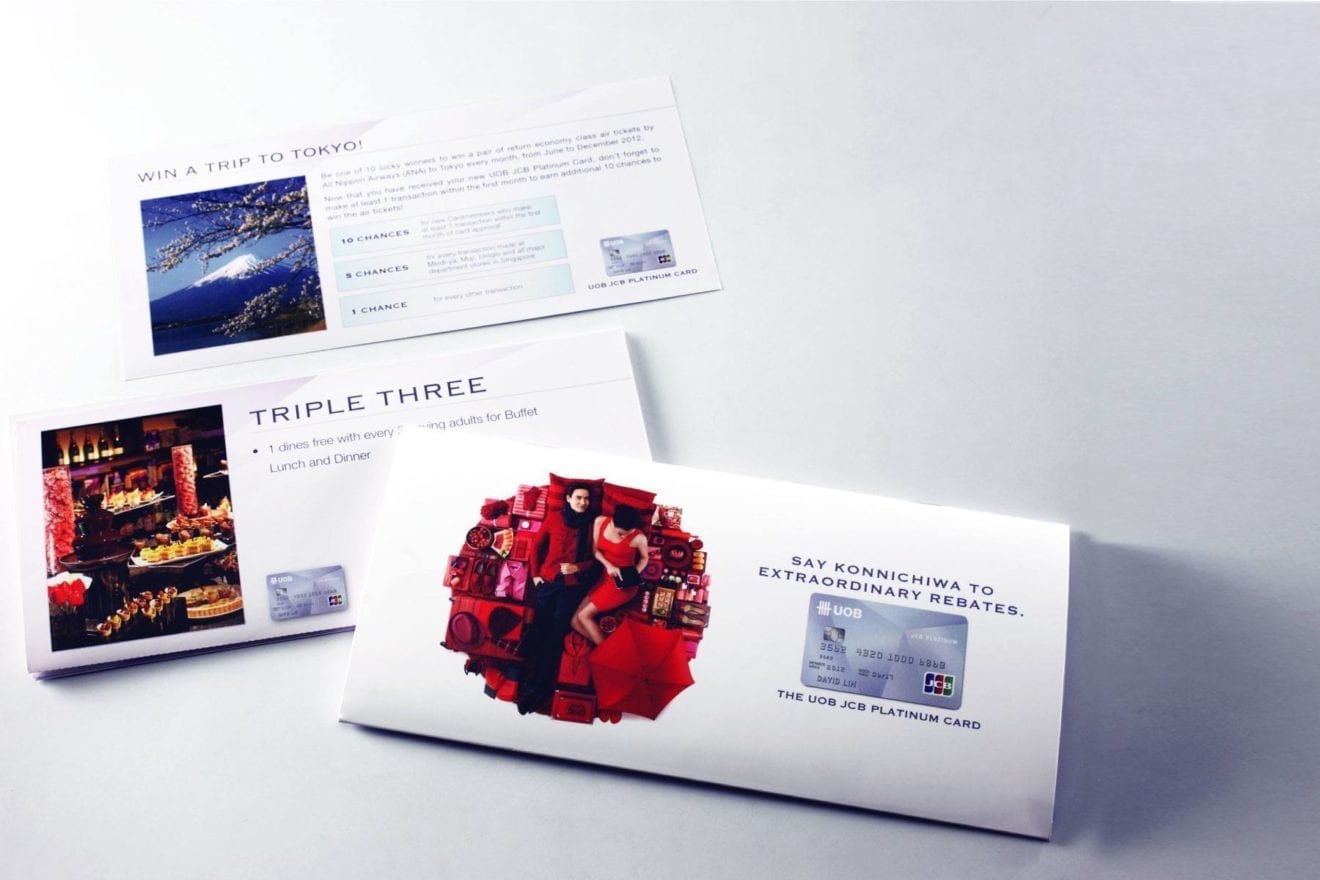
    On account of all this, KBank has partnered with JCBI to launch the KBank JCB Credit Card under the concept, “Superb Deals! for Japan Lovers”. There are Platinum, Gold and Classic cards, beautifully designed in a modern Japanese style. More fun is found with card envelopes in a Moire’ pattern that is animated when the card is pulled out of the envelope, unique among credit cards in Thailand. A target of 100,000 new cards has been set for the card’s initial year, with total card spending of 2 billion Baht.

    The KBank JCB Credit Card offers multiple exclusive privileges selected for Japan lovers to enjoy their experiences both in Thailand and Japan. Cardholders, especially career people, who prefer Japanese food or shopping for Japanese brands, will get many more discounts and special offers from airlines, hotels and leading stores, which can be divided into three categories as follows.

    – J-Highlighto: Scores of unique privileges are offered, such as 2x KBank Reward Points for any spending in Japan without minimum amount, zero-percent installment payment up to 10 months for purchase of air tickets and package tours to Japan with Majestic Travel, a discount of 0.15 Baht for every 100 Yen purchased with Thai Baht using the KBank JCB Credit Card at any KBank branch or Foreign Exchange Booth (excluding Suvarnabhumi and Don Mueang International Airport branches), as well as the use of airport lounge services worldwide.

    – J-Discounto: Japan enthusiasts in Thailand can enjoy numerous discounts when spending with the KBank JCB Credit Card in dining, shopping and travel categories. For instance, they may get up to a 20-percent discount on foods at participating Japanese restaurants or with leading Japanese brands, specially-priced packaged foods, mobile Wi-Fi rental at a special rate, and cheaper Cathay Pacific air tickets, or they may redeem their accumulated points for extra discounts at leading department stores.

    – J-Benefito: These include discounts, special reward points and other privileges at well-known shopping malls, retail and drug stores, such as Matsuya, Takeya, Big Camera, Marui, Matsumoto Kiyoshi, Sundrug, Sapporo Drug Store, Tsuruha Drug Store, Kirindo, and Big Drug, as well as personal accident insurance coverage of up to 8 million Baht.

    Mr. Kimihisa Imada, President and Chief Operating Officer (COO) of JCB International Co., Ltd., said that Thailand is one of JCB’s top destinations for business expansion and service provision to JCB credit cardholders, because of the growing popularity of Japanese culture in Thailand. The present cooperation with KBank is an important step for JCB’s business strategy in Thailand, given that KBank is the market leader in the merchant business and credit card spending, as well as being JCB’s strong business partner. This cooperation will offer KBank JCB credit cardholders greater convenience in spending and traveling in both Thailand and Japan, as well.

    Currently, as JCB’s paying agent, JCB cards are issued in 23 countries and territories, with a combined total of 105 million cards. Cooperating with business partners is one of JCB’s strategies to bolster business growth. As a provider of payment solutions, JCB is committed to offering superior products and services to its customers globally. The company has formed partnerships with hundreds of leading banks and financial institutions worldwide to expand its credit card and merchant bases.
  • OJK to Monitor Fintech

    OJK to Monitor Fintech

    The Financial Service Authority (OJK) has formed two new directorates as a response to financial technology (fintech) development. OJK deputy chief commissioner Rahmat Waluyanto said that the two new directorates are Digital Financial Innovation Unit and Fintech Permit and Monitoring Unit.

    “The directors have been appointed, but it can’t yet be announced because it’s not official yet. The Digital Financial Innovation Unit will handle regulatory sand box and research,” he said, as quoted by Antara last week.

    In a bid to respond to fintech development, OJK has also formed Fintech Expert Forum and fintech innovation hub. The forum will facilitate fintech industry development comprising individuals from 21 entities, such as ministries, agencies, associations, universities and other relevant business players.

    The committee will give recommendations and inputs as well as facilitate coordination between agencies and fintech start-up companies. Meanwhile, OJK’s fintech innovation center is projected to become a hub of various fintech incubators to discuss developments.

    OJK chief commissioner said that Fintech Expert Forum will facilitate and ensure coordination of various start-up players. The forum will discuss developing fintech issues. “And discuss future developments in fintech industry,” he said.

    Indonesia has seen a rapid growth of fintech players. As of January 2016, Indonesia Fintech Association reports that the country has 165 domestic start-ups. The figure has quadrupled compared to that of in the first quarter of 2014 with 40 companies.

  • Vietnamese banks look to tap into big data

    Vietnamese banks look to tap into big data

    To successfully deploy big data in the banking sector, there must be a comprehensive strategy using professional teams who have deep understanding of both finance and technology, said Nguyen Kim Anh, Deputy Governor of State Bank of Vietnam.

    At a conference on Thursday in Ha Noi, Anh said that digital data was becoming a new resource and big data was playing an important role in the banking and finance sectors.

    The conference, titled “Big data for banking and financial industry,” was organised by the Banking Academy of Vietnam.

    At the workshop, participants focused on big data technology from a variety of perspectives. They discussed the latest technology and ways for banks and financial institutions to optimise the application of big data into information systems.

    Through the discussion, experts shared hopes that they could identify the opportunities and challenges of big data to improve the productivity, quality and efficiency of financial and banking operations.

    The fourth industrial revolution is taking place across the globe and having a strong impact on all aspects of socio-economic life, according to the experts. It promises to create more opportunities and an impetus for the country development of each nation or organisation.

    The fourth industrial revolution with Internet of Things, automation and artificial intelligence has brought digital data to the centre of the business world.

    Digital data had become a very important resource from which businesses can generate revenue and provide new application ecosystems, services and digital products, said Anh.

    “Therefore, digital data will grow and become an important industry in the fourth industrial revolution,” he added.

    At the workshop, the deputy governor also said that the specificity of banking is creating a huge amount of data from structured data such as transaction histories and customer records to unstructured data such as customer activities on Internet and mobile banking application.

    “Applying big data to exploit the data will bring significant competitive advantages and efficiency for the banking and finance sectors,” he added.

    In addition, Pham Anh Tuan, director of Vietcombank’s tech modernisation department, said that data in the banking system and those collected from the outside include many types. These include structured data, semi-structured data, and unstructured data.

    “The current banking data is unstructured, which meets all big data standards in volume, movement and diversity,” Tuan emphasised.

    The representative of Vietcombank also said that when banks as well as financial institutions identify data with great value, they must consider data assets of the bank. “In other words, data must be treated like any bank assets, which have to be taken care of and ensured on asset security.”

  • Philippines, Indonesia agree to open up banking

    Philippines, Indonesia agree to open up banking

    The Philippines and Indonesia are set to ink an agreement this weekend to open up the banking industry aimed at greater financial integration and economic development among members of the Association of Southeast Asian Nations (ASEAN).

    Bangko Sentral ng Pilipinas Governor Amando Tetangco Jr. said a letter of intent (LOI) on the ASEAN Banking Integration Framework (ABIF) would be signed with Indonesia’s Financial Services Authority (OJK) in Jakarta over the weekend.

    “The LOI is in line with the ASEAN Banking Integration initiative,” he said.

    Under the ABIF timeline, each ASEAN-5 including Indonesia, Malaysia, Philippines, Singapore, and Thailand should conclude at least one bilateral agreement with another ASEAN-5 country by 2018.

    By 2020, ABIF targets the conclusion or near conclusion of at least one bilateral agreement for each of the 10 ASEAN members as part of the integration under the ASEAN Economic Community (AEC).

    The integrated system is defined under the ASEAN Financial Integration Framework (AIFF) that also covers the integration of the banking markets wherein qualified ASEAN banks (QABs).

    To achieve the consolidation of the 10 ASEAN markets into a single economic base with the launch of the AEC in 2015, the BSP chief said there is a need to have an integrated and well-functioning regional financial system.

    “It reflects the mutual interest of the BSP and OJK to begin discussions intended to culminate in a formal bilateral agreement on the entry of QABs between the Philippines and Indonesia,” the outgoing BSP chief said.

    The BSP signed the Declaration of Conclusion of Negotiations (DCN) with Bank Negara Malaysia and the LOI with the Bank of Thailand on the sidelines of the 3rd ASEAN Finance Ministers’ and Central Bank Governors’ joint meeting and related meetings in Mactan, Cebu last April 6.

    Tetangco signed the DCN on the entry of Qualified ASEAN Banks between the Philippines and Malaysia with Bank Negara Malaysia Governor Muhammad bin Ibrahim as well as the LOI with Bank of Thailand Governor Veerathai Santiprabhob.

    The agreement signed by the BSP and Bank Negara Malaysia reflects the specific conditions for QABs from each jurisdiction to enter the other in a manner that is consistent with global banking standards and meets host jurisdiction regulations.

    The ASEAN region has a great potential as savings rate reached 33 percent of gross domestic product (GDP) against the lower rate of 25 percent in other regions.

    For his part, BSP Deputy Governor Nestor Espenilla Jr. said several foreign banks have expressed interest in establishing its presence in the Philippines through several modes of entry.

    Aside from entering as a QAB or as a strategic partner, he said foreign banks could enter the country through Republic Act 10641 signed by former president Benigno Aquino III in July 2014.