Category: Finance

Retail News Asia is committed to providing both local and global retailers with the latest Finance news throughout the Asian market. This on a daily base.

  • Nike aims for traction in Cambodia with first retail store

    Nike aims for traction in Cambodia with first retail store

    American sporting goods giant Nike has opened its first dedicated retail store in Cambodia in what observers have described as another sign the Kingdom’s strong economy and rising incomes had not gone unnoticed by international retail giants.

    The opening of the outlet store in central Phnom Penh marks the first time that Nike goods such as sport shoes and apparel – including items produced at local factories – can be purchased from a dedicated brand outlet.

    According to Julie Chung, Charge d’ Affaires at the US Embassy in Phnom Penh, Nike’s retail launch underscores the Kingdom’s economic development and its ability to attract major name-brand American products and investment.

    “This is a testament to the economic transformation that is taking place here a transformation we hope the United States and American companies can continue to help support,” she said at the store opening on Saturday.

    Ronald Marvin, executive director of the American Chamber of Commerce, said the Nike store’s arrival was a positive sign that American businesses have confidence in the Cambodian market.

    However, on a retail level, some analysts said the choice of opening a flagship store on Monivong Boulevard, rather than in an upscale mall or neighbourhood such as Aeon Mall or Boeung Keng Kang 1, could signify that Nike was still testing the market before going all in.

    “The fact that they are not opening a flagship store in a more prime location could be because they just want to establish a presence in Cambodia for the meantime,” said Sofia Perez of property consultancy advisory Knight Frank Cambodia.

    She said that while Nike’s brand-name appeal would certainly help business, it should not be relied on as the sole marketing tool.

    “The choice in location and the store size will definitely affect brand image, which is important for consumers because for a higher price, they would also expect a more exclusive shopping experience among other added benefits,” Perez said.

    She added, however, that if Nike can develop an effective marketing strategy with added consumer benefits, “they could definitely increase the pressure on their competitors”.


  • Hong Kong’s Credit China FinTech joins GBBC

    Hong Kong’s Credit China FinTech joins GBBC

    Hong Kong based FinTech service provider Credit China FinTech Holdings has signed on as a founding member of the new Global Blockchain Business Council (GBBC).

    The GBBC was established by bitcoin mining company Bitfury and international law firm Covington at the first Blockchain forum of the World Economic Forum in Davos on Tuesday.

    The council aims to act as a forum for businesses, innovators and technologists to come together and explore the opportunities Blockchain has to offer in the business world, as part of efforts to advance the technology.

    Credit China FinTech plans to apply Blockchain in the custody of assets in its online lending business and supply chain finance business, and is exploring using the technology in other business areas.

    The company is therefore committed to the development of the Blockchain ecosystem, and is joining the GBBC to facilitate this development, Credit China FinTech CEO Phang Yew Kiat said.

    “It is our pleasure to represent Hong Kong, China, to be the founding member of the GBBC together with the world’s top business leaders,” he said.

    “With the help of Credit China FinTech’s capabilities and advantages in China and Southeast Asia FinTech industry, we aim to build a better environment for the development of Blockchain technology to be applied in global commerce, communications, financial services, intellectual property, and other areas.”

  • CB Bank in Myanmar rolls out cardless cash withdrawal and P2P payment services

    CB Bank in Myanmar rolls out cardless cash withdrawal and P2P payment services

    Recently, Diebold Nixdorf helped CB Bank migrate all its ATMs to more secure EMV chip card technology and obtain EMV certification with both VISA and MasterCard. EMV is a technical standard for smart payment cards introduced by Europay, Mastercard and VISA.

    Diebold Nixdorf is also assisting CB Bank with the implementation of cardless cash withdrawals at ATMs. The solution allows bank customers to use their mobile devices to generate a one-time PIN to activate a withdrawal at an ATM either for themselves or for a third party without requiring a bankcard. The technology provides an innovative person-to-person payment service to consumers especially in developing markets, and underscores Diebold Nixdorf’s commitment to drive connected commerce and help bridge the digital and physical worlds.

    “Diebold Nixdorf was awarded the contract due to its superior product quality, flexible software and ability to offer field service for both hardware and software within the country,” said U Kyaw Lynn, CEO and Executive Vice Chairman, at CB Bank. “With the help of their advanced technology and services provided, we aim to become one of Myanmar’s top banks offering secure, innovative and convenient cash services across our branch, online and mobile channels.”

    Diebold Nixdorf’s Myanmar partner, Kaytumadi iSolutions, will localize product features and begin installing the new systems at the start of next year. The rollout is scheduled for completion by the end of 2017.

    Diebold Nixdorf will service the entire 1,000-strong fleet of advanced cash systems in CB Bank’s network of 180 branches.

    “Together with our local partner, we are enabling CB Bank to extend the reach of its self-service offerings and win a greater share of Myanmar’s growing market for cash services,” said Neil Emerson, Senior Vice President & Managing Director, Asia Pacific, at Diebold Nixdorf.

    Demand for cash is strong in Myanmar. Cash is the main mode of payment in the southeastern Asia country of more than 53 million people. Competition to provide cash services is also fierce. CB Bank already operates one of the largest ATM networks in the country and aims to expand its market position even further by doubling the number of terminals in its self-service network.

    CB Bank benefits from its IT partner’s wealth of local experience in Myanmar. Diebold Nixdorf, which has been delivering solutions to CB Bank since 2012, is a major supplier of cash-handling technology and services to all major banks in the country and across the Asia-Pacific region.

  • Standard Chartered makes CEO appointment for Hong Kong

    Standard Chartered makes CEO appointment for Hong Kong

    Standard Chartered Bank (Hong Kong) Limited (SCBHK) announces the appointment of May Tan as the Bank’s Chief Executive Officer for Hong Kong, with effect from 1 July 2014.

    May joined SCBHK in January 2009 as Global Head, Equity Corporate Finance and also as a board member of SCBHK Ltd, and has since become the Bank’s Vice Chair, Asia. With over 30 years of experience in the financial industry, May has been instrumental in deepening the Bank’s client relationships and in enhancing its equities capability, providing a comprehensive suite of services for clients.

    Before joining Standard Chartered, May was the CEO of Cazenove Asia Limited since 1993, and was a partner of Cazenove and Co. Cazenove Asia Limited became part of SCBHK in January 2009.

    With international banking experience covering Europe, Asia and Hong Kong, May has made significant contributions to Hong Kong through numerous public roles she has held. May is a member of the Listing Committee of the Hong Kong Stock Exchange and was also a member in the Takeovers and Mergers Panel and the Takeovers Appeal Committee of the Securities and Futures Commission from 2001-2013. She is also an Independent Non-Executive Director of The Link Management Limited since February 2013.

    As an advocate of gender diversity and a champion in supporting charitable causes, May is the Executive Sponsor of the Women’s Internal Network of Standard Chartered Bank (Hong Kong), and Vice Chairman of Oxfam (HK) as well as a member of the charity’s Finance and Audit Committee.

    In her new role, May will report to Benjamin Hung, Chief Executive Officer for Greater China. Commenting on the appointment, Ben says, “I am excited to see May taking the helm of Standard Chartered Hong Kong. A well-respected veteran in the banking and finance industry, May has immensely strengthened our franchise through her extensive client relationships. I very much look forward to working with May closely in her new role.”

  • Vietinbank successfully issues bonds at low interest rate

    Vietinbank successfully issues bonds at low interest rate

    Vietnam Joint Stock Commercial Bank for Industry and Trade (Vietinbank) announced it successfully issued non-convertible five-year bonds worth VNĐ2 trillion (US$88.1 million) at annual interest rate of 5.8 per cent.

    Compared with the interest rates of other bond issued recently, the 5.8 per cent rate is considered the lowest rate. It is even lower than the interest rate of 7 per cent per year applicable for deposits of over three years in Vietinbank.

    Previously, in December 2016, Vietinbank also issued 10-year bonds worth VNĐ2.9 trillion at interest rate of 7.5 per cent in the first five years.

    Vietinbank reported a high profit of VNĐ8.25 trillion in 2016, 4 per cent higher than the target set at the bank’s general meeting of shareholders.

    As of December 31, 2016, the bank’s total merged assets were estimated at VNĐ947 trillion, up 22 per cent from the previous year.

    Also in 2016, the bank’s total outstanding loans were VNĐ720 trillion, a year-on-year rise of 18 per cent, while total mobilised capital reached VNĐ862 trillion, up 21 per cent. By the end of 2016, the bank continued to effectively manage the quality of assets with bad debt ratio of less than 1 per cent.

    The bank in 2017 has set a target of a 15-17 per cent rise in total assets and an 18 per cent increase in outstanding credit.

  • DBS offers cardholders dynamic currency conversion on overseas shopping

    DBS offers cardholders dynamic currency conversion on overseas shopping

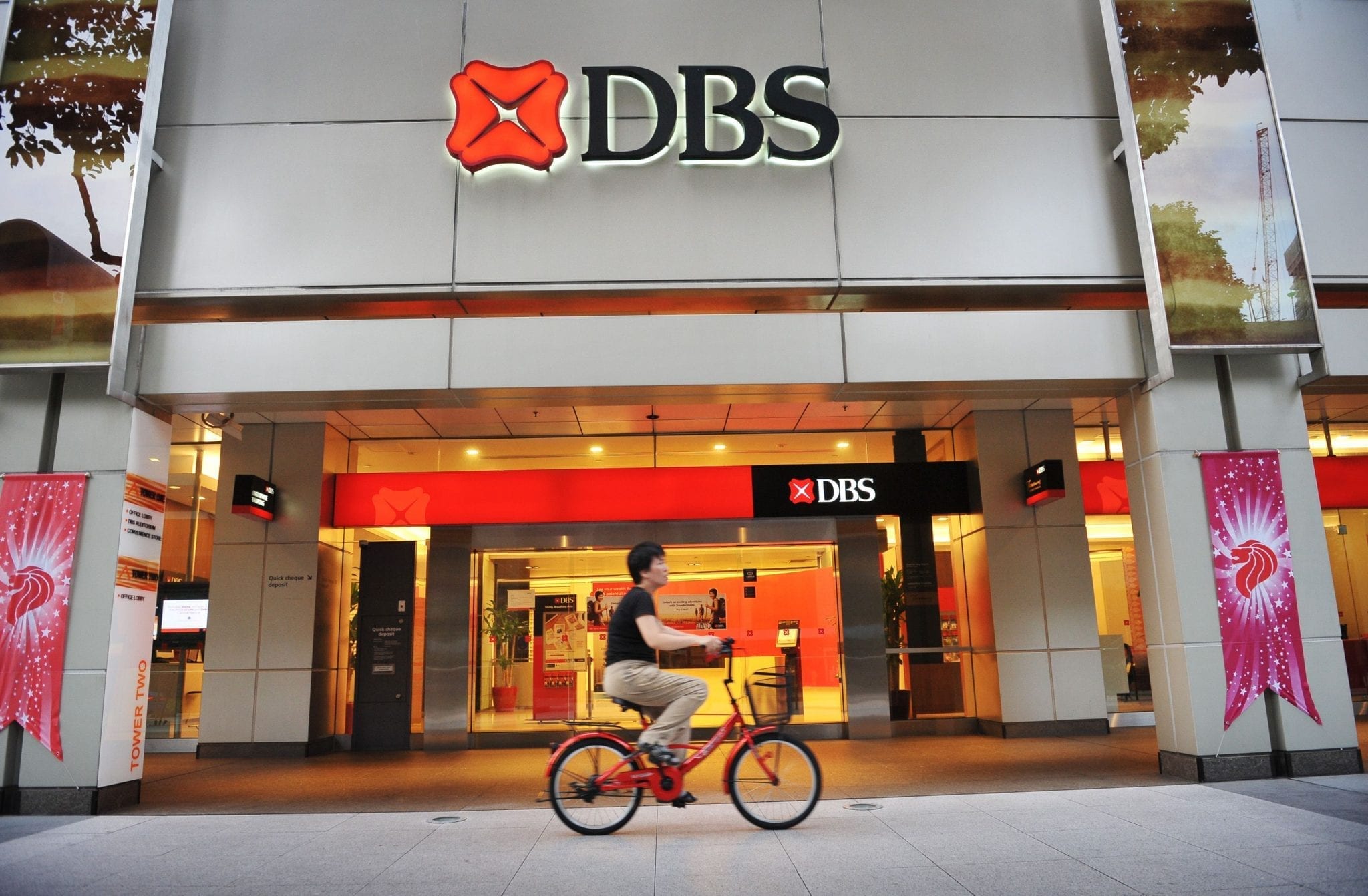
    In a game-changing move, DBS Bank today unveiled its plans to help customers save on their overseas spending by avoiding high foreign exchange (FX) and conversion fees.

    Starting today, customers with a DBS Visa Debit Card linked to a DBS Multi-Currency Account (MCA)* can use their card to spend overseas in the country’s given local currency** without any additional charges. This scheme is the first of its kind in Southeast Asia.The savings will be greatest for Singapore customers who shop in overseas-based online stores or who perform credit/debit card payments overseas and choose to pay in SGD. When they pay in SGD overseas, their payment undergoes a process called “Dynamic Currency Conversion” (DCC), and customers can incur additional merchant charges of between 7% to 15%. In 2016, around 10% of payments by DBS Visa Debit cardholders were overseas transactions made in SGD.

    Customers who choose to pay in the country’s local currency also get to avoid any additional charges such as FX fees and any other conversion charges. For example, a Singapore traveller who intends to visit the U.S. can change currencies via their DBS MCA account (e.g. from SGD to USD), which offers competitive FX rates. This can be done on-the-go or when rates are favourable via DBS mBanking or iBanking. When spending in the U.S., the traveller can simply use their DBS Visa Debit Card to pay for purchases in USD. The amount is then directly deducted from their DBS MCA’s USD balance with no other charges incurred.

    “With travel and ecommerce expenditure rising rapidly in Singapore, we decided to be on the front foot and introduce a game-changing scheme for customers and the industry. With the DBS MCA and DBS Visa Debit Card, customers can convert their currencies at a competitive rate using DBS iBanking or mBanking without needing to make a trip to the money changer. They will also get to skip FX fees and conversion charges for their overseas spends. Our hope is that this will incentivise Singaporeans move towards the security and convenience of cashless payments,” said Jeremy Soo, Head of Consumer Banking Group (Singapore) at DBS.

    DBS’ introduction of the scheme is particularly timely given that it has witnessed close to a 30% increase in foreign currency payment volumes – which includes foreign currency eCommerce and point-of-sales payments – from debit cardholders since 2014. For DBS Visa Debit cardholders in particular, foreign currency payments make up more than 20% of total payments. DBS also sees some SGD560 million in overseas cash withdrawals every year by customers.

    “Travel is becoming increasingly popular amongst Singaporeans and based on the Consumer Travel Poll jointly conducted by Visa and DBS, more than half of them take two to four leisure trips a year. Visa cardholders are increasingly using their payment cards when they travel and cross border transactions by Singapore debit cardholders is growing close to 15% year-on-year. Today, 95% of Singaporean travellers change money into foreign currencies before they travel and the main reason is because they want to avoid the uncertainty of foreign exchange costs. The introduction of this first in market product in Southeast Asia by DBS and Visa supports Singapore’s move to be truly cashless,” said Ooi Huey Tyng, Visa Country Manager for Singapore and Brunei.

    To enjoy the benefits of the scheme, customers will need to sign up for both the DBS MCA and DBS Visa Debit Card. In addition, the customer’s DBS MCA must be linked to their DBS Visa Debit Card as a primary account. Further details on how to be eligible for the scheme’s benefits are available at go.dbs.com/sg-mca. Launched in 2013, the DBS MCA has rapidly built up a large base and has some 200,000 account holders today. In 2015, DBS made the DBS MCA a standard account for new customers to ensure customers will always have ready access to currency exchange. The DBS MCA is also the only multi-currency account in Singapore that allows exchanges in twelve key currencies (including SGD)*** – by far the most here. In addition, there are some 800,000 DBS Visa Debit cardholders here.

    The scheme, focused on helping customers who are frequent travellers avoid the hassle of carrying large amounts of cash overseas, is part of DBS’ larger plan to drive cashless payment behaviour and to bring innovation into financial services. This is something the bank is uniquely positioned to do given that it banks most of Singapore and is the nation’s largest credit and debit card provider, with some five million cards in circulation here.

    Over the last few years, the bank has launched several large-scale and game-changing offerings to help Singaporeans reduce their reliance on cash. This include innovations such as DBS PayLah! (for small merchants and micropayments), DBS FasTrack (for F&B SMEs), POSB Fare Free Friday (for public transport-related transactions); POSB Smart Buddy (for school kids) and more. The bank was also one of the first in Singapore to adopt all three mobile payment platforms – Apple Pay, Samsung Pay and Android Pay.

  • BSP Approves New Bank Service Channels

    BSP Approves New Bank Service Channels

    The Bangko Sentral ng Pilipinas (BSP) has relaxed rules governing service channels for banks and deposit taking activities outside bank premises.

    BSP Deputy Governor Nestor Espenilla Jr. said in a chance interview the changes would allow banks to expand their reach and serve clients more efficiently.

    Under the newly approved regulations, banks are now allowed to serve clients through cash agents. Cash agents will accept and disburse cash on behalf of the banks, facilitating online self-service deposits, withdrawals and fund transfers, as well as bills payment.

    Furthermore, cash agents can also perform Know-Your-Customer procedures as well as collect and forward application documents for loan and account opening.

    They may also sell and service insurance products as authorized by the Insurance Commission.

    Cash agents are typically cash-rich third-party entities with many outlets that conduct regular business in fixed locations anywhere in the country, such as convenience stores, pharmacies and other highly accessible retail outlets.

    The BSP said the cash agents enable banks to leverage on innovative digital solutions to serve a wider client base, particularly in the low-income and rural areas where the commercial incentives to set up a full branch or even a micro-banking office are limited.

    The new regulations are seen to help serve the large base of unbanked and low-income segments.

    Data from the BSP shows more than 36 percent of all the municipalities in the country have no banking presence although most of these are served by a variety of non-bank financial institutions like pawnshops, cooperatives and lending investors.

    Likewise, the BSP also relaxed existing regulations on offsite deposit servicing. This was done by removing highly prescriptive operational requirements and conditions for banks.

    With the new rules, banks have more flexibility in designing appropriate and cost-efficient ways to render deposit pick-up and delivery services and as a result, enhance client experience.

    However, despite the relaxed rules, the BSP said banks must ensure the safety and soundness of the banking system as well as uphold consumer protection.

    It said the recently approved guidelines emphasize banks’ responsibility for ensuring the adequacy of risk management and internal control systems for the liberalized deposit servicing activities.

    As such, the BSP would evaluate the quality and sufficiency of the risk management

  • Innisfree collaborates with POSPi and Bank of China to launch mobile payment in China

    Innisfree collaborates with POSPi and Bank of China to launch mobile payment in China

    Mintel reports that in 2017, brands will be looking for innovative ways to use data to proactively assist consumers in all aspects of the sales journey to optimise customer service.

    The trio hopes that by adopting the innovative concept and technology, it will enable them to provide a personalised, more engaged and more convenient service to maximise the customer experience.

    Digital growth

    Innisfree, which promotes green sustainability and eco-friendliness, has ploughed resources into presenting its brand as a progressive, authentic and digitally-savvy leading destination.

    To date, it is the natural beauty name’s entry into the Chinese beauty arena that has proved the most lucrative step for the company. Since its expansion into the Chinese market in 2011, it has gone on to open 300 outlets and achieved an annual sales revenue of RMB 5.7 bn (€776 mn).

    “Innisfree, as one of the fastest growing brands under AmorePacific, has inherited the spirit of innovation and achieved a geometric growth over the past 4 years, especially in the Chinese market,” said Cai Jianren, General Manager of Innisfree.

    Celebrating its 17th birthday this year, Innisfree has an e-commerce site to help build brand awareness throughout APAC, secure a global following and increase sales by connecting online marketing efforts with an offline presence.

    With stores located throughout the APAC region, including South Korea, Hong Kong, China, Japan, Taiwan, India, Singapore, Malaysia, and Vietnam, Innisfree has positioned itself as a strong adopter of the online-to-offline (o2o) commerce trend.

    On-the-go service

    “The application of mobile POS allows us to offer a personalised service to our customers at retail stores. Each of our salespersons is now equipped with a mobile POS which has successfully eliminated queuing and empowered them to respond to customer’s various requests anywhere, anytime on the floor,” Jianren added.

    Based in Shanghai, POSPi, researches and develops mobile retail technology solutions to help brands move into a smart and intuitive retail environment.

    Feng Yanrong, Senior Manager of Bank of China, highlighted the impact this collaboration is expected to have on the business landscape: “This project marks a new step of Bank of China in the field of mobile POS, which will help multinational retailers enter the smart retail era.”

  • Bank Indonesia Keeps Benchmark Rate

    Bank Indonesia Keeps Benchmark Rate

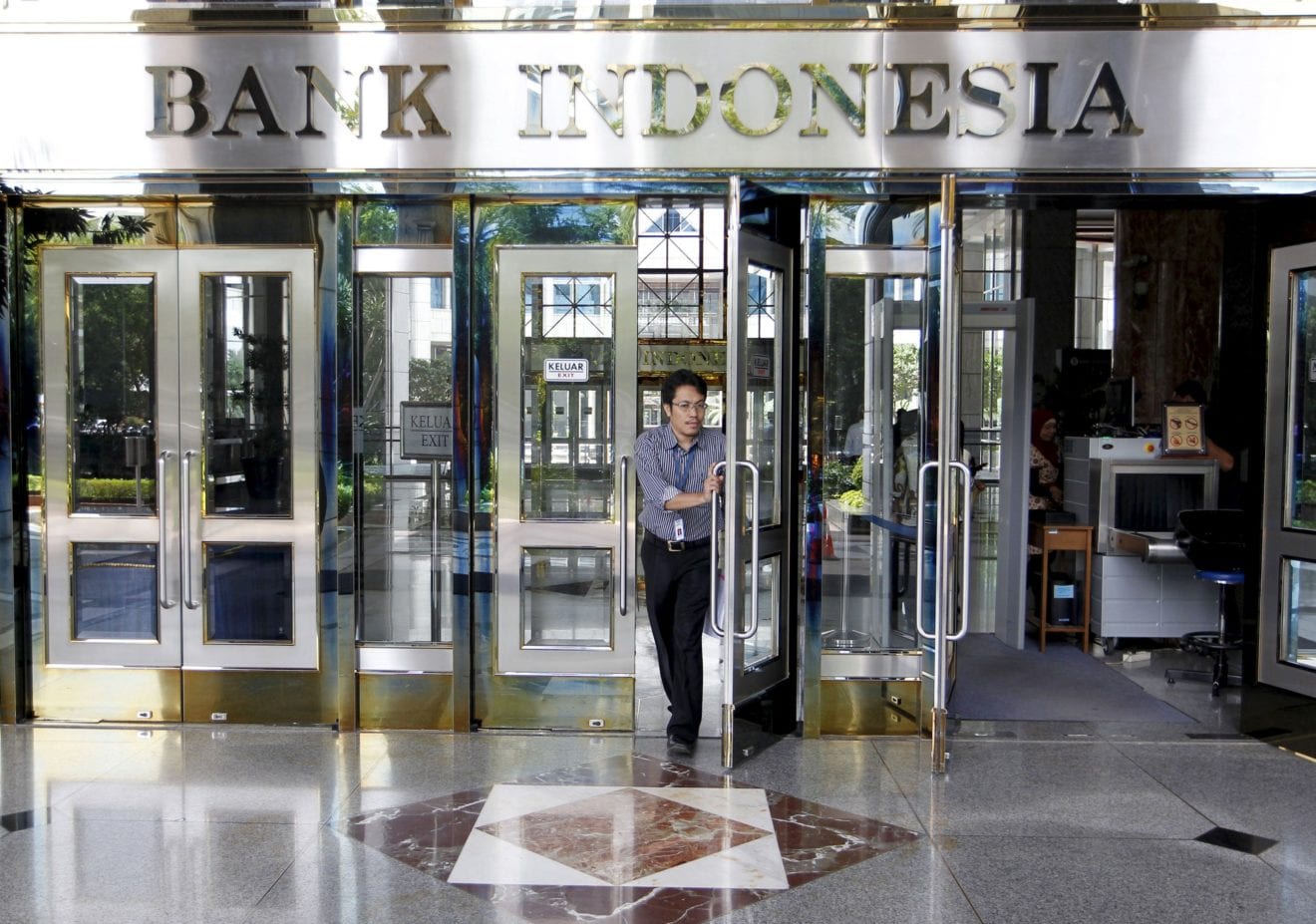
    Bank Indonesia (BI) has kept its 7-days reverse repo rate at 4.75 percent. Other monetary benchmark rates such as deposit facility rate and lending facility rate have also been kept at 4 and 5.5 percent. “The decision was made by BI to preserve domestic macroeconomic stability,” Bank Indonesia spokesman Tirta Segara said yesterday.

    As such, the BI has maintained its benchmark rate since October 2016. Tirta did not deny that economic policy uncertainty in the United States future following Donald Trump’s victory in the US presidential election in November have also come into play. However, he said that domestic inflation rate is positive at around 3.02 percent.

    Indonesian economy will also be affected by China’s economy. The United States and China are Indonesia’s major trade partner. “BI and the government will continue to collaborate to monitor every development,” Tirta said.

    Finance Minister Sri Mulyani Indarwati said global economic outlook may not improve this year. “Economic growth in developed countries, such as the United States, Japan and European countries, may not be as rapid as expected,” Minister Sri said.

    Sri said the United States is the only developed country that may recover from the economic downturn. However, at the same time, the US economic recovery may pose new problems to the global economy. The Fed, according to Sri, may increase interest rates should the US manages to achieve economic growth.

    The Fed itself had said that it plans to increase interest rates. However, it would await Trump’s policy on tax cuts and increased infrastructure and defense spending that may lead to increase in inflation.

  • Greenpeace Claims HSBC Helped Financing Deforestation

    Greenpeace Claims HSBC Helped Financing Deforestation

    Greenpeace International launched a new report on Tuesday, January 17, 2017, accusing British HSBC of supporting deforestation. The report stated that British HSBC provided financial services to palm oil companies that are causing rainforest destruction and human rights abuses in Indonesia.

    The report titled “Dirty Bankers: How HSBC is financing forest destruction for palm oil“, claimed that HSBC has been involved in arranging US$16.3 billion of loans and credit facilities to six palm oil firms. In addition, the is also said to have raised US$2 billion bonds for these firms.

    The palm oil companies listed in the report are Malaysian firm IOI; Indonesian Bumitama Agri and Salim Group; Singapore incorporated Goodhope Asia; Hong Kong-based and Singapore-listed Noble Group; and Korea’s Posco Daewoo Corporation.

    Greenpeace argued that HSBC has violated its policies of responsible lending by helping to finance the above-mentioned companies.

    Annisa Rahmawati, Greenpeace Southeast Asia senior campaigner said that although HSBC claimed to be a respectable bank with responsible policies on deforestation, “somehow these fine words get forgotten when it’s time to sign the contracts.”

    Not only HSBC, the report also listed several other banks claimed to be related to case studies in the report, including Japan’s Sumitomo and Tokyo Mitsubishi banks; Singaporean bank DBS; and the Australia and New Zealand Banking Group (ANZ).

    Despite the heavy criticism, the report did acknowledge HSBC as a “relatively progressive” bank that has shown a willingness to engage with criticism, and noted that the bank has a responsibility to set high standards for the rest of the sector.

  • KBank keen to buy Indonesian banks

    KBank keen to buy Indonesian banks

    The regulations require foreign banks to buy more than one bank, and that the targets must not be strong institutions.

    KBank president Pipit Aneaknithi said yesterday that the bank currently had partnerships with two banks in Indonesia, and was prepared in terms of facilities and capital to establish its own footprint in the Indonesian market.

    While Indonesia has very high potential for KBank and the takeover of local banks is an option, the requirement that foreign banks have to purchase more than one bank is something that it might not be particularly comfortable with, he said.

    The Bank of Thailand acknowledges this concern, he said, adding that market entry via the Qualified Asean Banks (QAB) scheme is another potential solution for KBank.

    The bank is therefore interested in applying for QAB status if the scheme’s framework is implemented.

    Meanwhile, the establishment of a physical branch in Indonesia is likely to be more difficult than doing so in Vietnam, which is another focus country for KBank, the president said.

    The best solution right now for KBank is therefore seen as the continued partnership with two local banks in Indonesia, he explained.

    Elsewhere in Asean, KBank currently has physical branches in two markets, one each in Cambodia and Laos.

    The Cambodian branch will be officially opened on February 8, with the Vientiane branch in Laos due to be opened later this year.

    With the presence of a physical branch in a foreign market not always the best solution, and the cost of establishing such an operation today a major matter, partnering with local banks is a tangible way to conduct business, he said.

    However, the difficulty is whether the bank and its partners have the same policy direction and share a similar interest in accommodating clients, he added.

    KBank, meanwhile, has been active in terms of international banking business in the past seven years by focusing on China, where it is upgrading to local banking this year.

    The market share of KBank in trade finance between Thailand and China has risen from 5 per cent to 15 per cent in seven years, Pipit said.

    He said the next step for KBank in tapping a regionalised trade-finance market dominated by China would be for the bank to facilitate financial services to Thai clients for business between one foreign country and another. “We should open a letter-of-credit service to our clients in China who want to run a business in Myanmar,” he said by way of example.

    Furthermore, KBank must embrace the digital platform in order to integrate its regional operating model.

    Under its banking-platform plan for 2016-2017, KBank must be able to service cross-border mobile transfers, multicurrency transactions and cross-border direct settlement, he stressed.

    KBank yesterday reported a 2016 net profit of Bt40.17 billion, some 1.77 per cent higher than the previous year’s level.

    The bank and its subsidiaries set aside a loan-loss reserve of Bt33.75 billion at the year’s end, up 28 per cent from Bt26.37 billion the year before.

    The higher reserve reflects the rise in non-performing loans last year, from 2.7 per cent to 3.32 per cent.

    Lending growth, meanwhile, supported net interest income, for which KBank recorded year-on-year growth of 5.5 per cent to Bt89.67 billion.

  • Indonesia seen holding rates on rupiah, inflation concerns

    Indonesia seen holding rates on rupiah, inflation concerns

    Indonesia’s central bank is widely expected to keep its benchmark policy rate unchanged on Thursday as it monitors the rupiah’s movement at a time of global uncertainty and price pressures at home.

    Bank Indonesia (BI) cut its benchmark six times last year, by 150 basis points, to 4.75% to aid economic growth. During 2016, the inflation rate was low, current account deficit comfortable and the rupiah relatively stable.

    All 22 analysts in a Reuters poll predicted the central bank will leave the main rate unchanged on Thursday.

    “BI’s monetary policy easing cycle may have come to an end,” the World Bank said in a report published on Tuesday.

    It said the space for easing is more constrained than in October – when BI made its last trim – “given US interest rate normalisation and downward pressure on the rupiah”.

    Capital Economics said BI is also likely to consider risks of higher inflation due to government plans to hike some liquefied petroleum gas prices and electricity tariffs.

    “BI expects this to push inflation towards the top of its target range, weakening the case for further monetary loosening,” the consultancy wrote on Monday.

    Higher Inflation Seen

    Earlier this month, BI deputy governor Perry Warjiyo said that although the central bank has room for more easing, it needs to “calibrate” an expected acceleration in inflation when deciding its main rate.

    He said inflation may rise to 4.6% in 2017 due to adjustments in administered prices, from 3.02% in December.

    Warjiyo, hinting at a hold on Thursday, said BI may prefer to use liquidity management tools to support economic growth, while its main policy rate will be used to maintain financial market stability.

    Some analysts said South-East Asia’s largest economy still needs loosening to lift sluggish growth, which slowed to 5.02% in the third quarter and may slow again to 4.97%, according to BI’s forecast.

    Out of seven analysts who gave views for the benchmark at the end of March, three saw BI making a 25-basis-point cut to 4.50% while the other four projected no change.

    Taimur Baig, Deutsche Bank’s chief Asia economist, said “Indonesia’s economic turnaround, which seemed apparent in the first half of last year, appears to have stalled” and that might prompt BI to cut before April.

    DBS economist Gundy Cahyadi also sees a cut, but not until 2017’s second half.

  • Krungthai Bank to transfer tax refunds via Prompt Pay

    Krungthai Bank to transfer tax refunds via Prompt Pay

    Krungthai Bank has announced it is now fully ready to utilize the National E-Payment system ‘Prompt Pay’ and will starting January 4, 2017 use it to transfer senior citizen and disability stipends as well as tax refunds for the public.

    Vice President for Business Finances at Krungthai Bank Songpol Cheewpanyaroj has announced that from January 4 2017 onward, Krungthai, as the bank tasked by the Revenue Department with forwarding tax refunds to citizens signed on to the Prompt Pay system, will begin doling out the funds through the e-payment method. He noted that citizen can continue to register for the system between January 1 and March 31 so that they may use it to receive their refund.

    In February, the bank will also be using Prompt Pay to distribute government stipends to the elderly and disabled and urged those eligible for the assistance to register for Prompt Pay soon.

    At present, over 2.2 million citizens are in the Prompt Pay system, which was already used to disperse low-income earner aid to some 300,000 people.

  • Massive Failure of KBANK before New Year

    Massive Failure of KBANK before New Year

    Kasikorn Bank says it is working to fix the complete outage of its services Friday before New Year, which comes just before a bank holiday.

    On a day many say they need access to their money the most, K-Bank’s ATMs as well as online and mobile banking systems have been offline since Friday morning and were still unavailable as of 5pm.

    The bank has yet state the cause of the error, but responded to complaints on its Facebook page and Twitter account it was trying to solve the problem.

    The bank said it could not provide the specific time its website and application services would be working again.

    K-Bank’s mobile system was also disrupted briefly Thursday evening.

  • Banks post higher performance for 2016

    Banks post higher performance for 2016

    Several commercial banks have in the early days of 2017 posted positive business performance for 2016, with profits much higher than the previous year.

    The Bank for Foreign Trade of Vietnam (Vietcombank) was the first bank to report pre-tax profit in 2016, which hit a record high of 8.2 trillion VND (362 million USD). Its profit surged by 23.4 percent against 2015 and also exceeded the bank’s target for the year by 2.7 percent.

    In 2016, Vietcombank mobilised nearly 600 trillion VND from its depositors, up 19.4 percent from the previous year, while lending an estimated 470 trillion VND, up 18.9 percent.

    Vietcombank Chairman Nghiem Xuan Thanh said in 2016 the bank brought its rate of non-performing loans (NPLs) to 1.44 percent, down four basis points compared with the end of 2015.

    The bank’s capital adequacy ratio, which measures its capital to its risk, was 10.29 percent, higher than the minimum of 9 percent set by the State Bank of Vietnam.

    On solid ground in 2016, Vietcombank has targeted a pre-profit figure of 9.2 trillion VND in 2017, 12 percent higher than last year.

    The bank also expects its total assets to rise by 11 percent in 2017, while it has forecast that its credit growth and capital mobilisation will be 18 percent and 15 percent, respectively. The bank aims to keep its NPLs under 1.5 percent.

    The Vietnam Joint Stock Commercial Bank for Industry and Trade (Vietinbank) also reported a high profit of 8.25 trillion VND in 2016, 4 percent higher than the plan set by the bank’s general meeting of shareholders.

    Nguyen Van Thang, Vietinbank Chairman, said that as of December 31, 2016, the bank’s total merged assets were estimated at 947 trillion VND, up 22 percent from the previous year; while total mobilised capital reached 862 trillion VND, up 21 percent.

    Also in 2016, the bank’s total outstanding loans posted 720 trillion VND, a year-on-year rise of 18 percent, fulfilling the set target. Credit structure witnessed positive transfer with credit for prioritised industries growing 22.4 percent, higher than the common credit growth of the whole system.

    By the end of 2016, the bank continued to effectively manage the quality of assets with bad debt ratio of less than 1 percent.

    Le Duc Tho, General Director of Vietinbank, said in 2017, the bank set a target of a 15-17 percent rise in total assets and an 18 percent increase in outstanding credit.

    In addition, it strives to control the quality of debts, manage the bad debt ratio and ensure profit growth to achieve or exceed the year’s plan set by the general meeting of shareholders.

    The Bank for Investment and Development of Vietnam (BIDV) also estimated a pre-tax profit of 7.5 trillion VND in 2016, a rise of 7 percent against the previous year despite its deduction for the risk provision fund being quite high. In the first nine months of 2016, BIDV spared nearly 7 trillion VND for the fund, jumping 80 percent year-on-year.

    Positive results of BIDV in 2016 came from optimistic credit growth. Its total loans reached over 935 trillion VND, in which 758 trillion VND was offered to economic institutions and individuals, up 17.85 percent compared with 2015, while its deposits totalled 939 trillion VND, up 20.45 percent. The bank could control its bad debt ratio to 1.47 percent of total outstanding loans over the past year.

    Meanwhile, many other banks also surpassed their 2016 pre-tax profit targets, such as ACB, VPBank, Techcombank and VIB.