Category: Finance

Retail News Asia is committed to providing both local and global retailers with the latest Finance news throughout the Asian market. This on a daily base.

  • Axis Bank enters blockchain alliance with Ripple

    Axis Bank enters blockchain alliance with Ripple

    Axis Bank, India’s third largest private sector bank, has entered a collaboration with distributed FinTech company Ripple to offer cross-border payments solution through Blockchain technology.

    Ripple is a blockchain-based financial settlements solution that aims to reduce the time and cost of transactions. Axis is the first bank in India to partner with Ripple.

    The technology can enable instant international money transfers, compared to the 3 – 5 day norm for international remittances, and improve efficiency of payments for Axis Bank through instant and automated reconciliation with partner banks.

    “We are committed to using innovation in technology to make banking simple and convenient for our customers,” said V Srinivasan, Deputy Managing Director, Axis Bank.

    “Remittances have been a key strategic area for us, we at Axis are excited with the tie-up and the potential that the use of Blockchain technology could deliver in enabling real-time affordable money transfers.”

    “Given its status as the fastest-growing major economy in the world and the top market for remittances, India is a very important market that is ripe for payments innovation,” said Brad Garlinghouse, CEO of Ripple. “As an early adopter of Ripple, Axis Bank will set a new standard for cross-border payments services and help us continue to grow our global network in a key region of the world.”
  • As Vietnamese banks digitise, customer service key

    As Vietnamese banks digitise, customer service key

    Customers must be at the centre of banks’ attention as they make a move towards digital transformation in an effort to adapt to a changing landscape of financial innovation and disruptive technologies.

    This was said by head of Retail Banking at VP Bank, Sandeep Deobhakta, at a conference held in Hà Nội on Thursday, titled, ‘The Future of Finance in Việt Nam 2017.’

    Deobhakta, who has been holding this position since May 2015, said customers in Việt Nam are very open to new technologies and the nascent retail banking industry in Việt Nam can also adopt these technologies faster than other markets if they put customers first.

    In the future, traditional banks might lose business to companies that employ disruptive innovations if they failed to deliver better, simpler and faster solutions to customers, Deobhakta cautioned.

    VP Bank has been working with Timo, Việt Nam’s first mobile-only bank, giving customers better solutions to manage their money, bills and the ability to top up their mobile cards through the Timo app. At Timo Hangouts, one can forget about a typical bank branch and instead enjoy a coffee as one opens an account and uses bank services.

    Timo has about 4,000 customers in the HCM City and opened a Timo Hangout in Hà Nội last October, looking to attract more than 100,000 users by next year.

    Việt Nam has a huge untapped market for financial innovation, with only 20 per cent of the population having bank accounts and 3 per cent owning credit cards, Foo Boon Ping, managing editor of The Asian Banker, said at the conference.

    “The stable GDP growth of around 6 to 7 per cent, low wages, a large population with a high savings and strong innovative approach are crucial factors that will accelerate the financial and industrial development in the Vietnamese market,” he said.

    “Digital transformation is driven by real business needs to transform to become more cost efficient and to serve your customers as their behavior and preferences change,” he added.

    There are only about 36 fin-tech companies in Việt Nam, with most focusing on providing consumers and merchants with online and digital payment solutions.

  • Easy Pass users can now top up with MasterCard via “easyBills”

    Easy Pass users can now top up with MasterCard via “easyBills”

    2C2P, Expressway Authority of Thailand (EXAT) and MasterCard have partnered to launch a new top-up channel for Electronic Toll Collection System for Easy Pass users in Thailand. Easy Pass users can now top up their cards easily with their MasterCard via easyBills’ mobile application or its website (www.easyBills.in.th), without having to pre-register their cards with the respective issuing banks. They will enjoy benefits including points accumulation upon card usage, extended due dates for payments made through the credit card, convenient storage of their favorite billers for repeat usage and checking their historical transactions, as well as the ability to set bill alerts on their calendar.  A thousand gift cards worth 500 baht each will be given away to the top 1,000 MasterCard cardholders who accumulate the highest Easy Pass top-up value via easyBills from now till 28 February 2017.

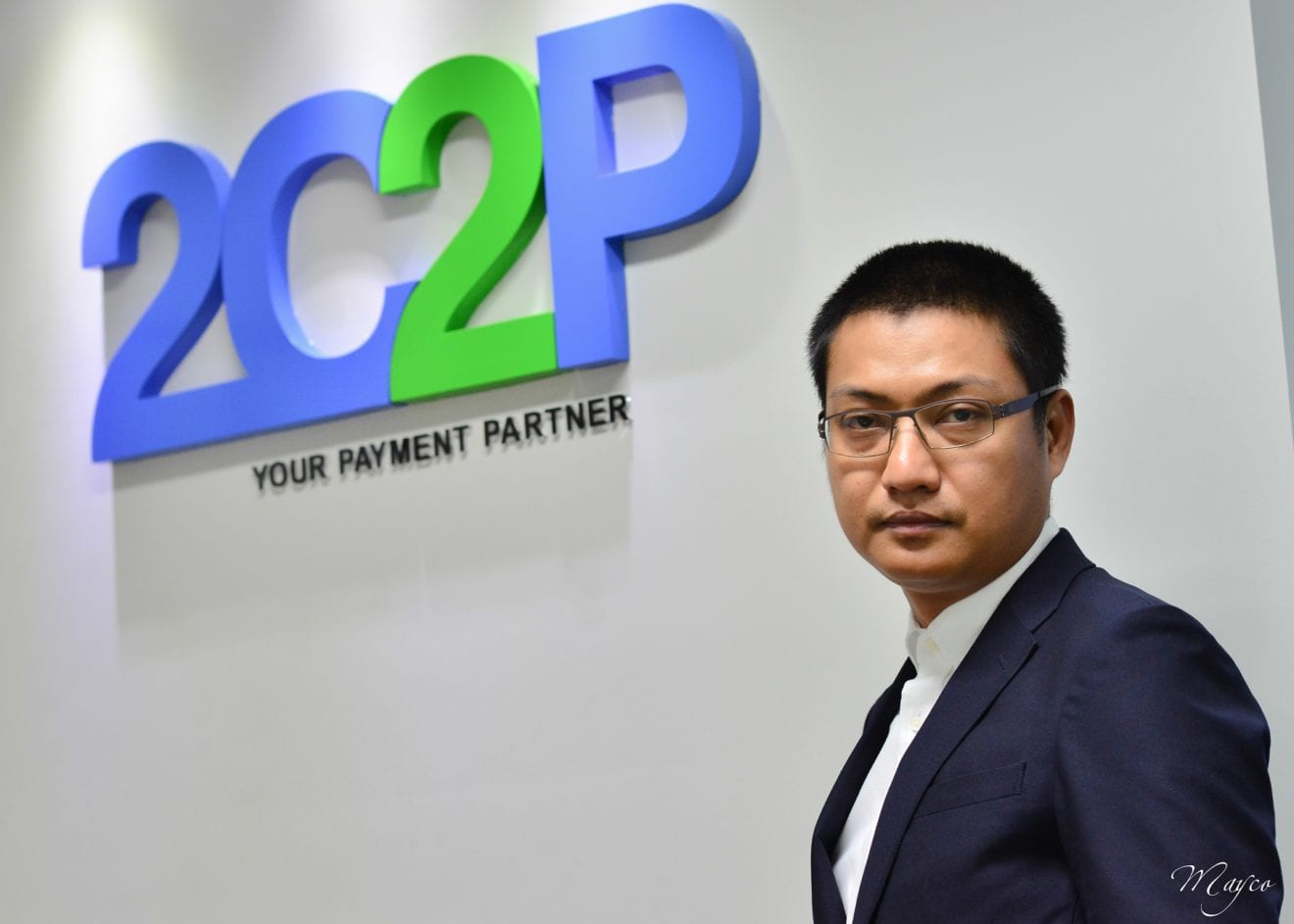
    Mr. Piyachart Ratanaprasartporn, Chief Executive Officer of 2C2P (Thailand) Co., Ltd., said:  “easyBills is an innovative payment service catered to digital users who are familiar with the online platform. The collaboration marks the first time that Easy Pass users can easily and conveniently top up their cards without cash, using their MasterCard without pre-registering with their banks, simply by downloading and using the easyBills mobile application on either iOS or Android, or by visiting easyBills’ website.”

    “easyBills helps consumers pay their bills easily, bringing convenience to everyone. It is equipped with special features that enable users to store their favorite billers for future usage, store their credit card details securely for future payments with 2C2P’s PCIDSS Level 1 certification and set biller alerts on their calendar to remind them of the payment due. Users will receive their payment confirmation via their emails,” Mr. Piyachart added. 

    Mr. Antonio Corro, Country Manager for Thailand & Myanmar, MasterCard, said, “MasterCard is very pleased to join our partners to increase convenience to our customers. They can now top up their Easy Pass card through the easyBills mobile application and website, with their MasterCard that is issued by all the banks in Thailand. They can be assured that all the online transactions are secure, while enjoying the privileges from using MasterCard. We believe this service will pave the way for Thailand to become a cashless society soon.”

    Mr.Narong Gieddech, Governor of Expressway Authority of Thailand (EXAT) said: “Since 2010 we have provided our service for the Electronic Toll Collection (ETC) system;  there are 1.3 million Easy Pass card users. We are excited to join hands with MasterCard and 2C2P who developed easyBills. easyBills’ application and website will be the 12th top-up channel for Easy Pass. This service will be bolstered by Thailand’s National e-Payment system, which the government is set to launch to transform Thailand into a cashless society.”

    easyBills “Pay Bill Easily…Get More Easier”, is developed by 2C2P in collaboration with MasterCard. Through this service, cardholders can pay utility bills, such as electricity, water supply, telephone, mobile phone top-up and e-wallet, as well as for insurance premium, online products, games, books and several other bills all in one app, anywhere anytime. Most importantly, security meets the international standard of 3D Secure.

    There will be a giveaway of a thousand Tesco Lotus gift cards worth 500 baht each. The prizes will be awarded to the top 1,000 MasterCard cardholders who accumulate the highest top-up value on their Easy Pass via easyBills from now until February 28, 2017.

  • Maybank Indonesia sells stake in WOM Finance to Reliance Capital Management

    Maybank Indonesia sells stake in WOM Finance to Reliance Capital Management

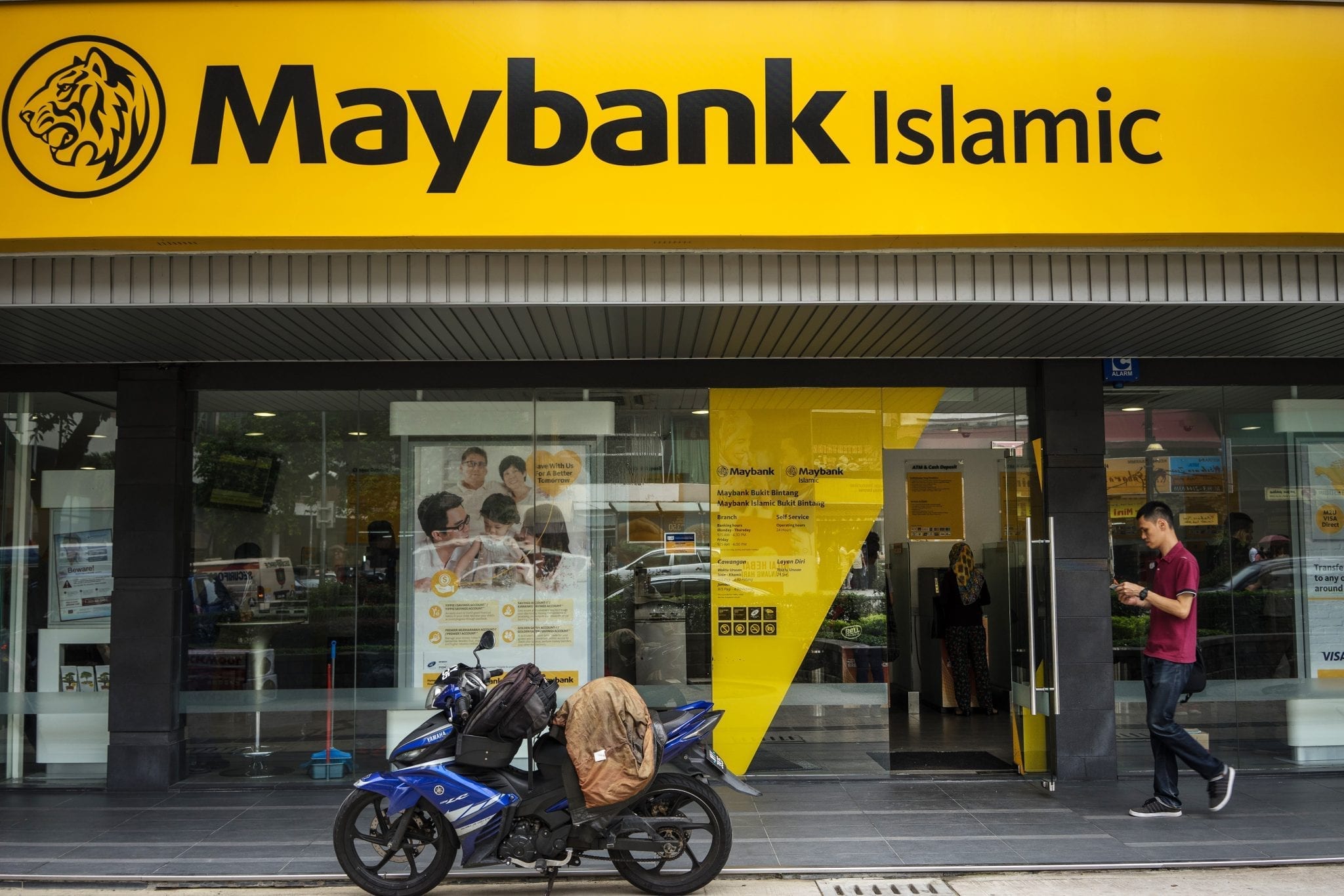
    Private lender Maybank Indonesia has sold all stakes in motorcycle financing firm Wahana Ottomitra Multiartha (WOM Finance) to Indonesian financial services provider Reliance Capital Management in a deal worth Rp 673.8 billion (US$50.71 million).

    Maybank announced on Thursday that it had signed a conditional share purchase agreement with Reliance Capital Management on Jan. 11 to sell 2.39 billion shares—equal to 68.55 percent stake—in WOM Finance.

    “The transfer of shares is one of the company’s strategic initiatives to maximize the company’s capital allocation and to streamline customer segmentation, so they can contribute to the optimization of the company’s resources,” Maybank wrote in a statement submitted to the Indonesia Stock Exchange (IDX).

    The share transfer is expected to be completed in the first quarter of 2017, after both companies fulfill all terms listed in the agreement.

    Data from Maybank said the automotive slowdown in the past few years had dragged down its own financial performance, as WOM posted poor results.

  • Bank Indonesia forecasts current account deficit at 1.8% of GDP

    Bank Indonesia forecasts current account deficit at 1.8% of GDP

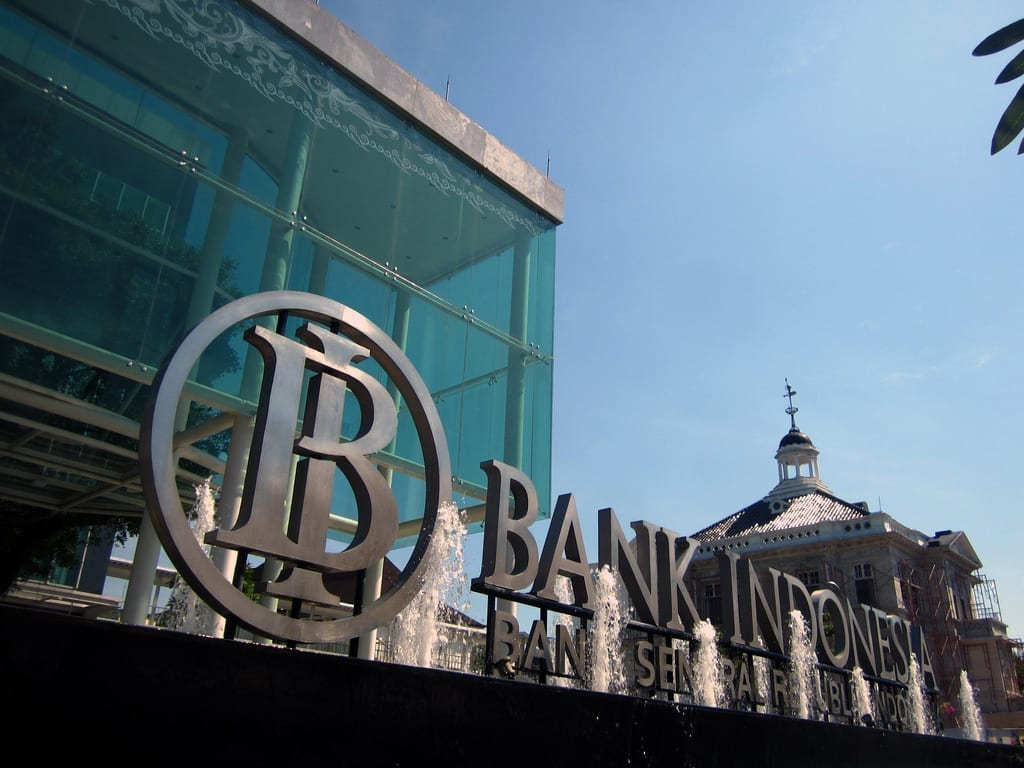
    Bank Indonesia (BI) had forecast that the countrys current account deficit last year would fall to 1.8 percent of the national gross domestic product (GDP) as compared to 2.06 percent a year earlier.

    The decline in the current account deficit would chiefly be the result of steady trade surplus, BI Deputy Governor Perry Warjiyo stated here on Friday.

    According to the Central Statistics Agency, the country had recorded a trade surplus of US$840 million in November 2016, although it fell from $1.21 billion a month earlier.

    “Hence, we forecast the current account deficit in the fourth quarter of 2016 to reach 1.9 percent of the GDP,” Warjiyo remarked at the BI Head Office.

    Current account is an indicator of the exports of goods and services from a country to other nations and vice versa. Current account is divided into current accounts of goods and services.

    When current account is in deficit, it means that imports are larger than exports. If the current account deficit steadily falls, exports and imports are improving.

    On the other hand, the declining current account deficit will improve the balance of payment (NPI), which comprises current account, capital and financial account, and foreign exchange reserves.

    “Indonesias foreign exchange reserves at the end of December 2016 rose to $116 billion, suggesting that the NPI will be positive (surplus), coupled with large foreign capital inflows,” Warjiyo added.

  • Public Bank and UnionPay International Launch PB UnionPay Lifestyle Debit Card

    Public Bank and UnionPay International Launch PB UnionPay Lifestyle Debit Card

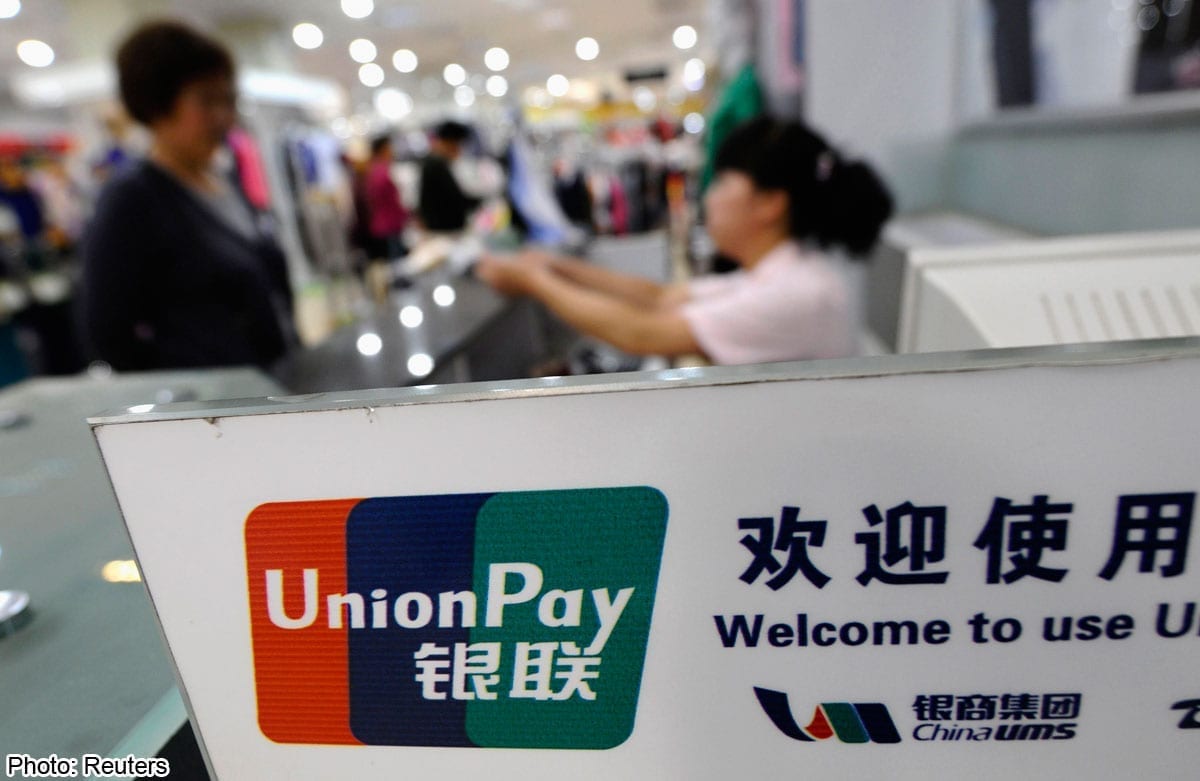
    UnionPay International (UPI), a global payment network, has reaffirmed its presence in Malaysia by inking a first-of-its-kind partnership with Public Bank (PB), the third largest bank in Malaysia. The two collaborated to launch the PB UnionPay Lifestyle Debit Card in December 2016, targeted at customers and businessmen who are frequent travelers to Asia. 

    Poised as the best travel companion, the PB UnionPay Lifestyle Debit Card which is issued upon opening of a PB UnionPay Savings Account, will give Cardholders access to a range of perks and benefits. A PB UnionPay Lifestyle Debit Cardholder can access the Priority Lane at the Chinese Visa Application Service Centre in Kuala Lumpur and Kuching, to expedite the submission and processing of visa applications. Besides, discounts of up to 10 percent are  offered to these Cardholders at duty-free shops in 100 participating international airports. PB UnionPay Savings Account offers a flat interest rate of 0.5 percent per annum, and a monthly cash rebate of RM10 (S$3.21) for accounts with a minimum of RM10,000 (S$3,221) month-to-date average balance and no over-the-counter transactions for the month. 

    In conjunction with the launch, Public Bank is offering complimentary access to Plaza Premium Lounge Malaysia so visitors can partake in a host of facilities that will make traveling more comfortable and satisfying. A panda neck pillow and eye mask resembling the card design will be given to new PB UnionPay Savings Account holders with a minimum deposit amount of RM2,000 (S$643) which is earmarked for three months. Gifts are available while stocks last.

    Public Bank is the third largest banking group in Malaysia. Headquartered in Kuala Lumpur, Malaysia, the Bank entered its 50th year of operations in 2016 with a total group asset size of RM363.76 billion (S$116 billion) as of end 2015. With an extensive reach to its customers via a network of 259 well distributed branches and over 2,000 self-service terminals in Malaysia, this partnership between UPI and PB aims to provide PB customers with greater mobility within the region through the use of its high quality and secure cross-border payment services.

    ӡWe are excited to have Public Bank on board as our strategic partner for our issuing in Malaysia,ӱ said Mr. Wenhui Yang, General Manager of UPI Southeast Asia. ӡUnionPay International is fully aligned with Public BankӮs focus on providing the most efficient services to its customers through the innovation of new banking services, and we believe that this partnership will put us in a good position to serve the needs of consumers and businesses in Malaysia.ӱ

    ӡWe are proud to be the first local bank in Malaysia who had launched UnionPay Card which offers various solutions to fit our customersӮ financial and lifestyle needs. With the expanding business alliances between China and Malaysia, Public Bank continues to progress and expand in order to become the first choice of expatriates and students from China for their banking service needs as this card serves them well whenever they are in China, Malaysia or any other 160 countries and regions that accept UnionPay Cards.ӱ said Y. Bhg. DatoӮ Chang Kat Kiam, Deputy Chief Executive Officer of Public Bank.

  • India could become cashless by 2020

    India could become cashless by 2020

    After the demonetisation of India’s 500 and 1,000 rupee banknotes, the Indian government is stressing the importance of digital transactions in a bid to help the country transform into a cashless economy.

    Government policy think-tank Niti Aayog CEO Amitabh Kant has predicted that that cards, ATMs and POS machines would become redundant in the country by 2020.

    “India is in the midst of huge disruption in the world of both financial technology and in terms of social innovation (there is) huge innovation and this disruption will enable India to leapfrog and by 2020 my view is that in the next two-and-a-half years, India will make all its debit cards, credit cards, all ATM machines and POS machines totally irrelevant,” explained Kant.

    Kant was addressing a session on ‘Startups and innovations which have social impact in India’ at Pravasi Bharatiya Divas 2017, a three-day mega event involving Indian diaspora.

    “They will all become redundant in India, and India will make this jump because every Indian will be doing his transaction just by using his thumb in thirty seconds.”

    Kant added that the government was pushing for digital payments in a big way and this was a huge disruption with several innovative methods. “India has created a back end in terms of biometric which will enable India,” he said, highlighting recently launched BHIM app and Aadhar enabled payment system initiatives.

    BHIM (Bharat Interface for Money) is a mobile app developed by National Payments Corporation of India (NPCI) based on Unified Payment Interface (UPI) launched by Prime Minister Narendra Modi to faciliate e-payments directly through banks. It was launched as part of the 2016 Indian banknote demonetisation and cashless transaction drive. With the Aadhaar Payment App, another initiative of the government, allows users to make cashless transactions through multiple bank accounts.

    While India is the only country with a billion mobile and billion biometric, it is largely a cash driven economy.

    Kant added that despite demonetisation and focus on digital payments, only 2% to 2.5% of Indians pay taxes, so India needs to move from a non-formal to a formal economy.

  • KBZ and Kasikorn Banks Introduce Remittance Services in Rangoon

    KBZ and Kasikorn Banks Introduce Remittance Services in Rangoon

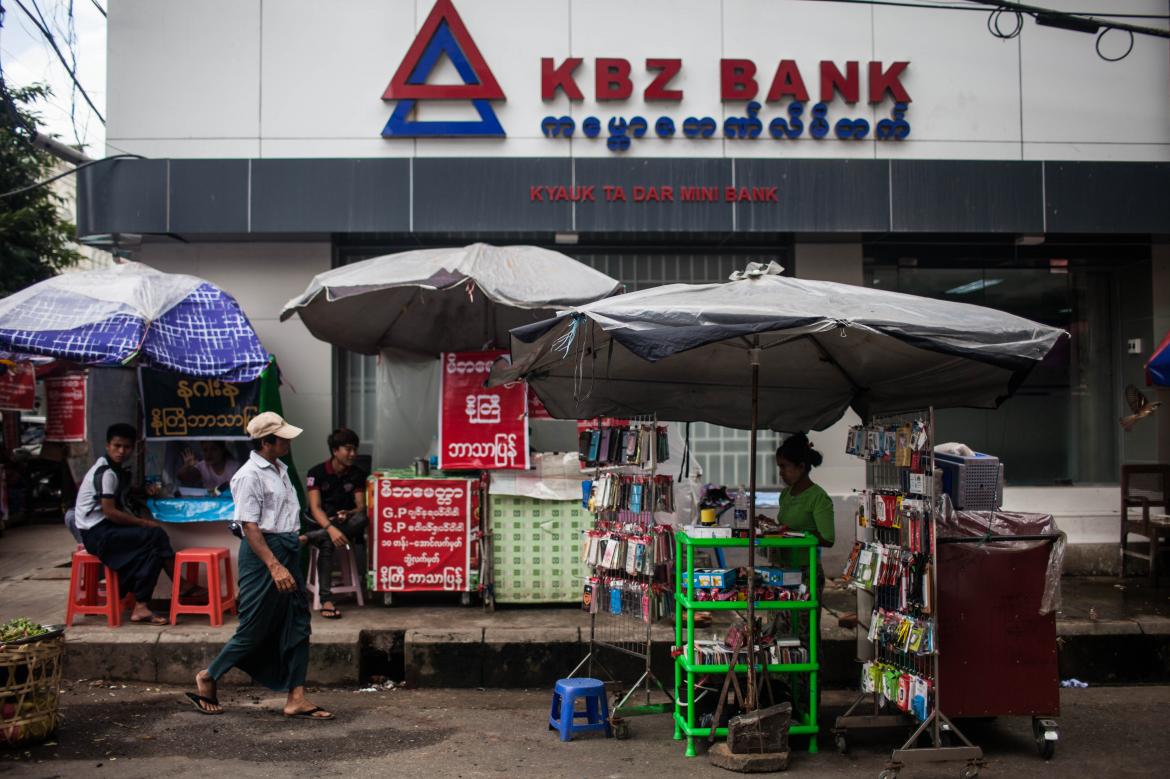
    Burma’s Kanbawza Bank (KBZ) signed a memorandum of understanding with Thailand’s Kasikorn Bank in Rangoon on Wednesday to introduce remittance services for migrant workers in both countries.

    Worawut Wesaratchakit, senior vice president of Kasikorn Bank, told the Irrawaddy that the remittance service was expected to begin during the first quarter of 2017 as further details needed to be discussed.

    “Most migrants have to go to bank branches to send money, which is not convenient. They use agents, which is unregulated, unsafe, and costs at least 10 percent of the money being sent,” he said.

    He added that the new service would be easier and cheaper than the one currently used by agents.

    There are an estimated 3 million Burmese migrant workers in Thailand.

    Many of those workers currently use informal channels to send money home, bank officials said.

    U Win Lwin, managing director of KBZ’s international banking division, said the new service will pose less risk for migrant workers.

    “By partnering with Kasikorn Bank, we can ensure the protection of people’s remittances,” he said.

    The transfers will be arranged via a mobile application. According to Kasikorn Bank, senders will be able to monitor transfers and clearly see when the money reaches the receiver’s account.

    The service will be linked to the full features of KBZ’s online banking system and a savings scheme as well.

    One of the largest private commercial banks in Burma, KBZ Bank was established in 1994 in the Shan State capital, Taunggyi. International representative offices have opened in Thailand and Singapore currently. KBZ opened a representative office in Bangkok in May.

    Thailand’s Kasikorn Bank was founded in 1945 and operates more than 1,000 branches across Thailand and 16 overseas offices.

  • Vietnam to develop legal framework for Bitcoin

    Vietnam to develop legal framework for Bitcoin

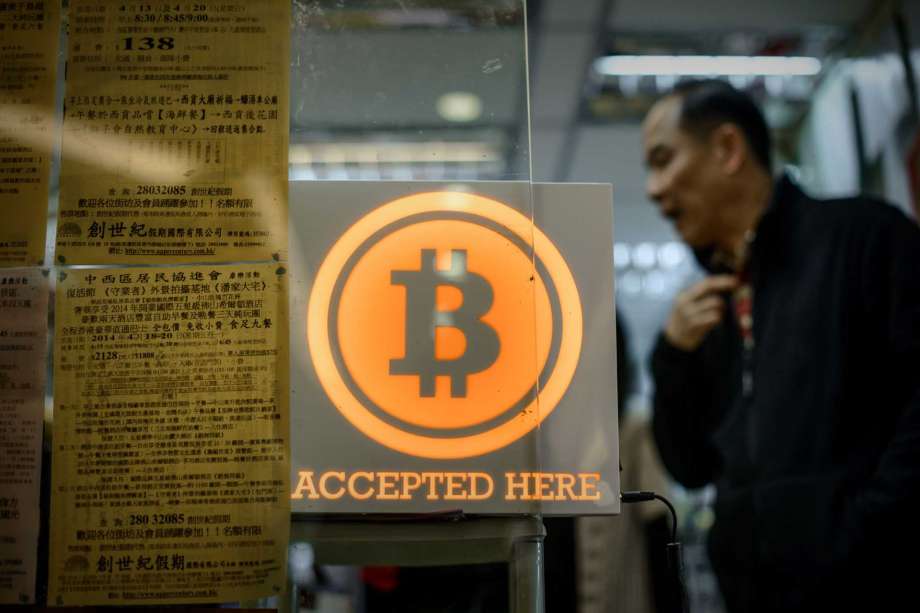
    The government is looking to cash in on taxes from the virtual money. Amid concerns that Bitcoin can be used for money laundering, creating chaos in the financial markets, Vietnamese regulators, rather than banning Bitcoin, are looking to manage the virtual money through a new legal framework.

    Since Bitcoin transactions are mainly conducted on the internet, it makes it difficult for the government to collect taxes. This means losses to the budget revenue due to tax evasion, said a recent government proposal.

    The proposal also pointed out that Bitcoin can be used to launder money, purchase illegal weapons and arms, and enable corruption and bribery.

    The justice ministry, along with the central bank, the information ministry and the trade ministry, has been tasked with bringing a regulatory framework to the table by the end of next year.

    Vietnamese lawmakers admit that they are behind other countries when it comes to defining virtual currency and how it can be regulated.

    They are also aware that electronic payments are on the rise in Vietnam, with over 2.2 million electronic wallets currently active across the country.

    Besides, as Vietnam is experiencing an e-commerce boom, Bitcoin and other types of virtual money could be used as non-cash payments in the future.

    Vietnam expects revenue from online retail to hit $10 billion by 2020, accounting for 5 percent of total nationwide revenue from sales of goods and services, according to the government’s e-commerce development plan for 2016-2020.

    The Southeast Asian country forecasts rapidly growing demand for online shopping with 30 percent of the population buying goods and services over the internet.

    The justice ministry said that there are no rules in place to regulate Bitcoin as well as other electronic forms of money, and this must change.

  • Kasikornbank expands in China with local incorporation

    Kasikornbank expands in China with local incorporation

    Kasikornbank will soon be Thailand’s second bank to be locally incorporated in China, with hopes of cashing in further on the growing trade between the two countries.

    Thailand’s fourth largest bank by assets is currently going through the final procedures with the Chinese authorities, with official approval to be completed by mid-2017, Chairman Banthoon Lamsam told reporters on Thursday. Incorporation in China will enable Kasikornbank to operate on the same conditions as a local bank, including offering full-scale renminbi services to local clients. It would become the second Thai bank to incorporate in the country after Bangkok Bank.

     Also in 2017, the bank will open a new branch in Shanghai, its fourth in Chinese territory after those in Chengdu and Shenzhen on the mainland, and one in Hong Kong.

    “China is a super power country, especially at a time when so much change is going on in the global political landscape,” Banthoon said. He added: “The trading power of the West will be more difficult to rely on. We must lead on the East in which China stands as an important country.”

    Neither the economic slowdown nor the massive shadow banking industry in the country seems to bother Banthoon. “China does have its own problems but they have the system to adjust and control so the situation will remain manageable and can go on,” he said.

    Currency settlement

    Additionally, Kasikornbank on Thursday signed an agreement with Chinese fintech firm International Business Settlement to develop a baht-yuan cross-currency settlement system using blockchain technology.

    It will be based on an IBS platform which the Chinese company claims will be a cheaper, quicker and safer alternative to the dominant SWIFT settlement system. IBS Chairman Luo Feng said that his company is working with central banks in Europe and other regions in the world to develop the new settlement and clearing network.

    “IBS has the technology and network to facilitate international settlement that is not based just on the U.S. dollar, at a time when the yuan’s international presence is increasing,” Banthoon said.

    The system IBS is developing will enable direct settlement of transfers between baht and yuan, without the need to use U.S. dollar conversions at any point in the procedure.

  • Prompt Pay to revamp e-banking in Thailand

    Prompt Pay to revamp e-banking in Thailand

    The digitalization of banking remains a top priority for banks across Asia, including in Thailand. In January 2016, the Thai Bankers’ Association announced plans to develop a new five-year strategy that included digitization and next-generation payment infrastructure, financial inclusion, contribution to society, regional integration, and legal and regulatory enabling.

    Chief among the ambitions of digitization is see between 50-60% of transactions becoming cashless by 2020, up from 25% in January 2016. One of the beneficiaries of this over-arching initiative is e-Payments, which is forecast to account for up to 70% of total transactions by 2020, up from the current 30%.

    According to the Oxford Business Group report “Banking in Thailand goes increasingly digital” three initiatives have been planned to help meet these targets: the development of a payment system roadmap, publication of common standards and establishment of shareable payment infrastructure.

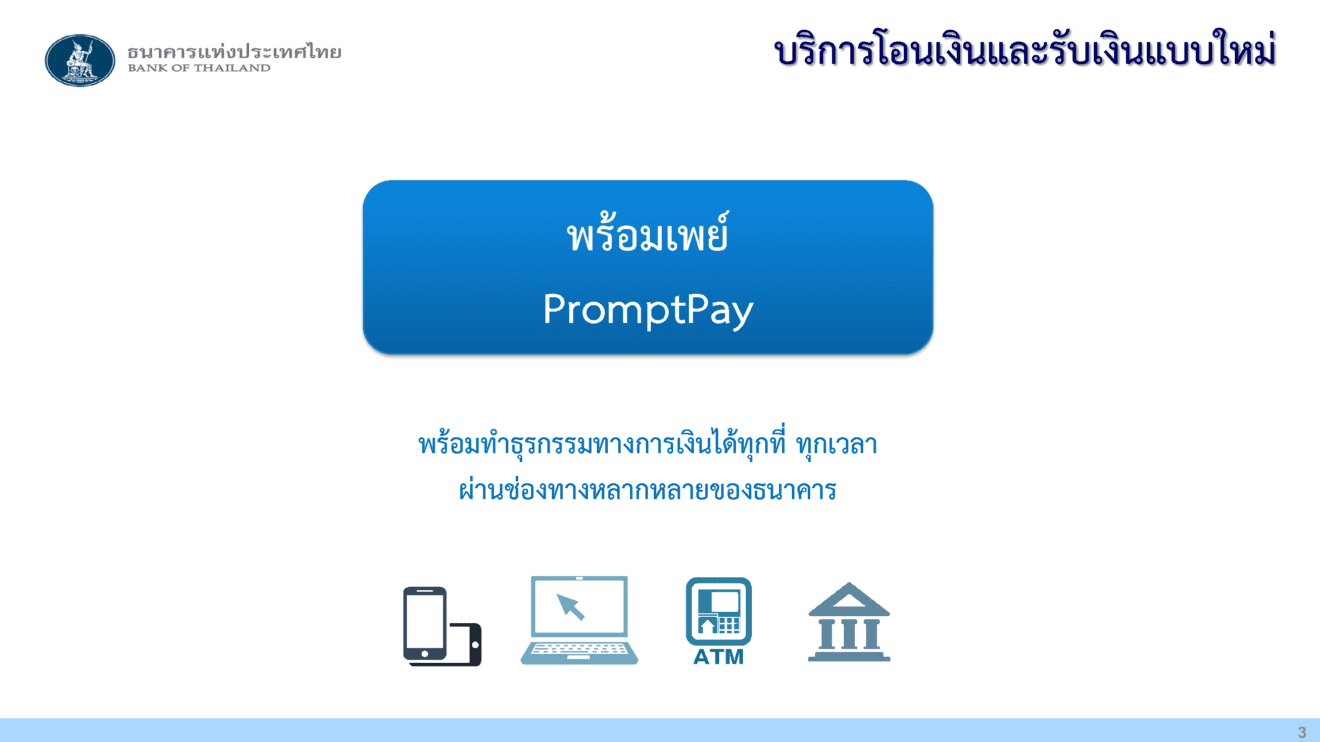
    In July 15, 2016, the Bank of Thailand announced plans to roll out a national e-payment service in partnership with a number of commercial banks as well as four institutions owned by the government. The aim of the project is to further transition Thailand into a cashless society.

    In November 2016, market research firm YouGov polled 1,022 Thai netizens’ views on the service several months after the announcement and subsequent marketing of the service, including a highly public delay of the service in October.

    According to the poll, 74% of polled netizens confirm intent to use the service, suggesting consumers view the service as a welcome advancement to current payment options. Only 7% of those polled have not heard of the service.

    Over half (54%) of those polled see Prompt Pay as enabling them to make payments across multiple channels with internet banking as the most popular option. But 20% intend to use Prompt Pay solely for internet banking, and 15% say they plan to use Prompt Pay for mobile banking.

    The YouGov poll suggests that e-payment services are growing in popularity. About 53% of those polled identified True Money as a service they have recently in the past month compared to 38% over the past 3 months. Linepay and Rabbit were alternative e-payment services also popular among those polled at 17% and 15% respectively.

  • Baiduri receives ‘Bank of The Year’ award

    Baiduri receives ‘Bank of The Year’ award

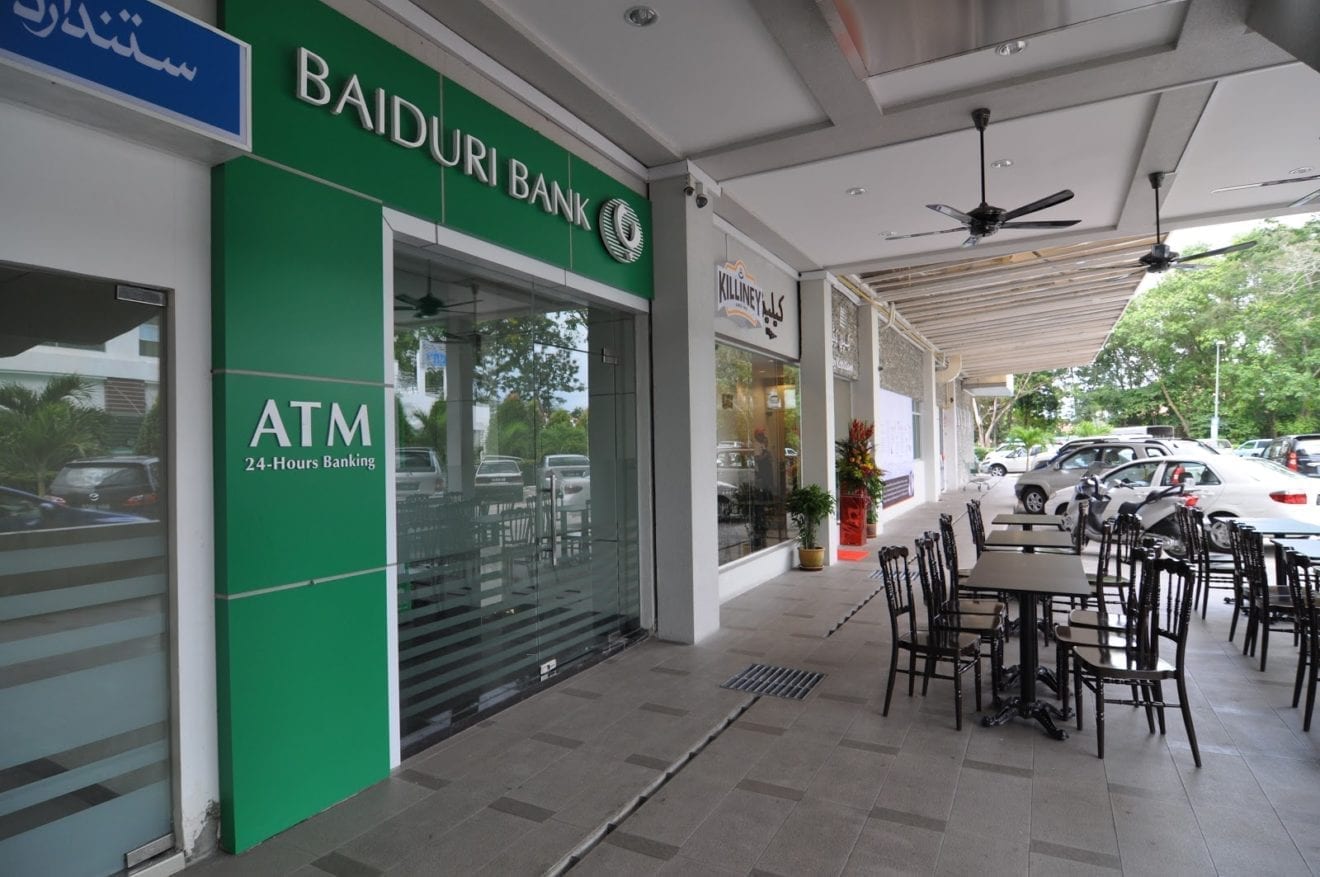
    Baiduri Bank received the coveted Bank of The Year award from The Banker magazine, during an award ceremony in London.

    This achievement marks the fourth international banking award this year for Baiduri Bank. This is also the eleventh time that the bank has received this particular award. The Banker’s 17th annual Bank of The Year awards were presented at a gala black-tie dinner at the Hilton London Bankside, London on Wednesday, December 7. On hand to receive the award was Ti Eng Hui, Deputy CEO of Baiduri Bank.

    This year, The Banker Awards took on a special meaning as it celebrated it’s 90th anniversary, making The Banker the longest running international banking title in the world.

    The Bank of The Year awards goes beyond data and figures as it looks for evidence of banks setting new standards for their local industries.

    The recognition of being named Bank of the Year in the country by The Banker is testament to the strong management, sound business model and prudent risk approach of the bank.

    Speaking on receiving the accolade, Ti Eng Hui said, “We are proud to be recognised as the Bank of the Year for Brunei from The Banker for the 11th time.

    Ti Eng Hui (centre), Deputy CEO of Baiduri Bank, after receiving the ‘Bank of The Year 2016’ award. - BAIDURI BANK

    Ti Eng Hui (centre), Deputy CEO of Baiduri Bank, after receiving the ‘Bank of The Year 2016’ award. –

    “We are delighted to conclude 2016 with this wonderful achievement. This year, we have made strides in the banking industry through our innovation and strong commitment, but it is because of our faithful employees as well as our loyal customers and partners that we are able to be the bank we are today.”

    The Banker Awards was attended by representatives from 149 countries, a reflection on the importance and significance banks put on winning The Banker’s Bank of The Year awards.

    In 2016, Baiduri Bank received three other international awards, the ‘Domestic Retail Bank Brunei 2016’ from the Asian Banking and Finance magazine, the ‘Best Banking Group 2016’ from World Finance magazine and the ‘World’s Best Emerging Markets Bank in Asia-Pacific for Brunei 2016’ from Global Finance.

    Baiduri Bank is proud to be associated with these leading international banking awards, the bank said in a statement.

  • Standard Chartered to Exit Thai Retail Banking Next Year

    Standard Chartered to Exit Thai Retail Banking Next Year

    Standard Chartered Plc plans to transfer its Thai retail-banking business to Thailand’s Tisco Financial Group Pcl next year, exiting an operation that the U.K. lender said lacked the scale to generate adequate returns.

    The net asset value is about 5.5 billion baht ($153 million), according to a stock exchange filing by Tisco on Thursday, which didn’t disclose a price for the deal. Tisco shares climbed to a record.

    Standard Chartered will continue to operate corporate, institutional and commercial banking businesses in Thailand, but the small size of the retail operation made it “increasingly difficult to achieve the returns that we aspire to,” the lender’s Thai head, Plakorn Wanglee, said in a press release.

    “It’s very tough to survive in Thailand’s retail-banking business for small players with very fierce competition,” Isara Ordeedolchest, an analyst at SCB Securities in Bangkok, said by phone. “The outlook for banks should improve significantly in 2017 as a consumption recovery and higher government spending will spur economic growth.”

    The Asia-focused Standard Chartered is targeting a turnaround after last year posting its first annual pretax loss since 1989. In a sign that the Thai operations were not a bright spot, the bank in February recorded a $126 million goodwill impairment on its business in the country.

    One unit of Tisco Financial, Tisco Bank Pcl, will take over operations including personal lending, mortgages and deposits, while another, All-Ways Co., will take over the credit-card business, the exchange filing said. The deal is subject to approvals.

  • ANZ share rating still retained

    ANZ share rating still retained

    The divestment was consistent with the bank’s strategy of simplifying its business and narrowing the focus of its Asian operations on institutional business, analyst David Ellis said in a research note released yesterday.

    The sale followed those of five Asian retail and wealth businesses in Singapore, Hong Kong, China, Taiwan and Indonesia at the end of October last year.

    Mr Ellis expected ANZ’s four remaining retail and wealth businesses in the Philippines, Vietnam, Cambodia and Laos, which were under review, to eventually be sold.

    Following the sale of Shanghai Rural, ANZ would have minority stakes in three Asian financial services groups in Malaysia, Indonesia and China with a combined book value of about $A3billion ($NZ3.13billion).

    ”We would not be surprised if these investments were also divested,” Mr Ellis said.

    ANZ deputy chief executive Graham Hodges said the bank had sold its 20% share in Shanghai Rural to China Cosco Shipping and Shanghai Sino-Poland Enterprise Management Development Corporation for $A1.84billion.

    ANZ had invested a total of $A568billion in Shanghai Rural. Since 2007, ANZ had recognised $A1.3 billion of equity-accounted earnings and received $A178 million in dividends.

    ”This partnership has been beneficial for both ANZ and for Shanghai Rural. Shanghai Rural is now a strong, successful bank with a prosperous future.”

    Mr Ellis assigned a wide commercial advantage (economic moat) rating to ANZ, mainly because of its sustainable structural advantages of the Australian and New Zealand banking sectors.

    The wide moat rating recognised the structural and superior competitive advantages Australia’s four banks possessed.

    ”The four major banks dominate a regulated and rational oligopoly, bestowing structural advantages that are strong and durable.”

    New Zealander Shayne Elliot started as ANZ chief executive on January 1, 2016 and wasted no time making changes to strategy, organisational structure and the senior leadership team, Mr Ellis said.

    Mr Elliot was an ”excellent choice” to lead the group through the next stage of its growth phase.

  • Vietnam urges retailers to ditch cash for plastic

    Vietnam urges retailers to ditch cash for plastic

    With online sales booming in the country of 93 million, it’s time for shoppers to embrace e-commerce. Vietnam is trying to convince at least 70 percent of its citizens aged 15 and over to open bank accounts and about 50 percent of urban residents to switch to non-cash payments via debit and credit cards by 2020.

    Online retail revenue is forecast to hit $10 billion in the next four years, accounting for 5 percent of the country’s total retail market, which grew 10.2 percent last year to $118 billion.

    The government has officially rolled out its e-commerce development plan for 2016-2020 to tap into the fast-growing consumer population with a huge demand for online shopping.

    According to one estimate, about 30 percent of the population will buy goods and services over the internet and spend an average of $350 per year online by 2020.

    In 2015, Vietnamese shoppers spent $4.07 billion online, a jump of 37 percent from the previous year, according to the Vietnam E-commerce Report, adding that revenue from online retail accounted for 2.8 percent of the country’s revenue from the sale of goods and services in the same year.

    With a population of 93 million, Vietnam was ranked as the smallest e-commerce market in Southeast Asia in terms of sales just three years ago. Now online retail is gaining momentum with the country’s 49 million internet users increasingly turning to online shopping.

    According to Internet World Stats, Vietnam is currently ranked 18th in the world in terms of the number of internet users, with mobile subscription rates as high as 40 percent.

    In order to increase non-cash transactions, the government will require all supermarkets, shopping malls and convenience stores to accept payments via credit and debit cards.

    It is forecast that in the next four years the number of supermarkets will nearly double to 1,300 and shopping malls to 300, according to the government’s plan.

    Spending at supermarkets, convenience stores and shopping malls is expected to rise to 45 percent of total consumer spending by 2020, up from 25 percent now, government data shows.

    The government also wants 70 percent of utility service providers including telecommunications companies and electricity and water suppliers to move their billing online.