Category: Finance

Retail News Asia is committed to providing both local and global retailers with the latest Finance news throughout the Asian market. This on a daily base.

  • Bank Mandiri to grow Malaysian operations

    Bank Mandiri to grow Malaysian operations

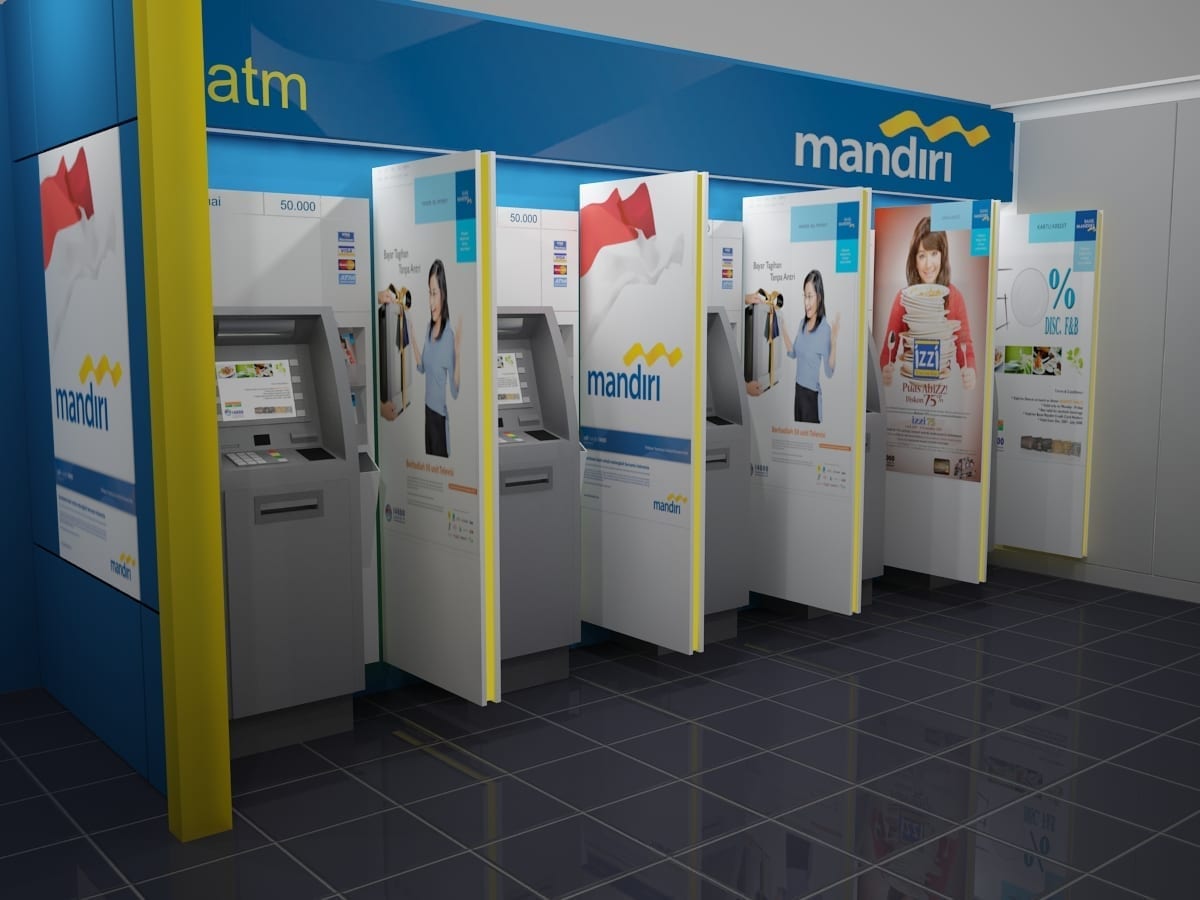
    PT Bank Mandiri Tbk, Indonesia’s largest bank by assets, could soon operate here with full banking rights.

    The move comes after financial authorities from Indonesia and Malaysia signed a bilateral agreement earlier this week, allowing greater access to lenders from both countries to fully operate in the respective jurisdictions.

    Bank Mandiri would pay RM100mil (US$24.6mil) to Malaysia’s central bank as soon as possible and meet the capital requirement of RM300mil by the end of this year so that it could operate soon after the permit is issued by Bank Negara.

    Bank Mandiri currently operates in Malaysia under the licence of remittance office. It has five remittance offices in the country that focus on revenue generated from Indonesians working here.

    Papers in Jakarta reported that the bank planned to immediately apply for a full licence in Malaysia, following the bilateral agreement.

    To recap, the Malaysian authorities had issued a commercial banking licence to five foreign banks, including Bank Mandiri, in 2009-2010 in line with the country’s liberalisation of the financial services sector. Apart form Bank Mandiri, the other recipients were Sumitomo Mitsui Banking Corp of Japan, National Bank of Abu Dhabi and BNP Paribas SA, France, and Mizuho Corporate Bank.

    However, Bank Mandiri’s expansion into the Malaysian market had met with little success because the requirements for the full banking status set by Bank Negara were “too restrictive”, reports had indicated. It was previously quoted as saying that Bank Negara had not responded to its requests for a degree of leeway.

    Foreign banks, under Bank Negara’s funding guidelines, must have a minimum capital, unimpaired by losses, of RM300mil.

    Based on earlier Indonesian news reports, Bank Mandiri was adamant that the amount be lowered to RM100mil.

    The reports also stated that Bank Mandiri was not too happy with the other conditions set by Bank Negara, which included the number of branches and automated teller machines allowed to be opened by foreign banks.

    A main complaint among Bank Mandiri and other Indonesian lenders wanting to open their branches in Malaysia is the “inequality of access” in the two markets. The Indonesian Government had been demanding Malaysia reciprocate the banking freedom its banks enjoy in Indonesia.

    Two Malaysian banks that had established a significant presence in Indonesia are CIMB Group Holdings Bhd and Malayan Banking Bhd (Maybank).

    CIMB Group owns 97.9% of PT Bank CIMB Niaga Tbk, which is Indonesia’s fifth-largest bank by assets. Maybank, meanwhile, operates in Indonesia via 80%-owned PT Bank Maybank Indonesia Tbk.


  • Bitcoin plunges after Hong Kong exchange hacked

    Bitcoin plunges after Hong Kong exchange hacked

    The digital currency Bitcoin plunged Wednesday after Bitfinex, an exchange based in Hong Kong, said it had been hacked and funds stolen.

    The exchange said it had halted trading, deposits and withdrawals while it investigated which users had been affected. Bitcoin’s trading value fell about 20 percent early Wednesday, local time in Hong Kong, but had recovered about half the loss by afternoon.

    Zane Tackett, Bitfinex’s director of community and product development, did not immediately respond to requests for comment. But he said in a posting on Reddit that 119,756 Bitcoins had been stolen.

    Before the hacking was made public, that number of Bitcoins would have been worth about $72 million. Now that the currency has slumped, the figure is closer to $65 million. The exchange, one of the world’s largest, said in a blog post that any outstanding settlements would be made at the price before the hacking.

    “As we account for individualized customer losses, we may need to settle open margin positions, associated financing, and/or collateral affected by the breach,” Bitfinex said in the post.

    Local Business

    It added that customers’ losses would be addressed later.

    Security breaches of this type have raised questions about the viability of Bitcoin. The most notable episode was the collapse in 2014 of Mt. Gox, an exchange based in Tokyo, in which hundreds of thousands of Bitcoins were stolen in a heist that experts and law enforcement officials are still trying to unravel. This past June, a hacker stole more than $50 million worth of Ether, another digital currency, from an experimental virtual currency project called the Decentralized Autonomous Organization.

    Jack Liu, chief strategy officer at OKCoin, a large digital currency exchange, said he was not concerned about the security of his company because it uses a different system. But he noted that there should be more discussion between exchanges over best practices.

    “We care about the health of the ecosystem,” he said, although he emphasized that nobody should be dictating how Bitcoins are secured. “Hackers are only getting better, and so adoption of the same solution may not be the safest for the industry.”

    Although some view Bitcoin as the future of finance, allowing for faster and cheaper transactions, the Bitcoin community has been rived with infighting over the development of the technology. The blockchain ledger, part of the coding that underlies the currency, has also gained more mainstream traction, as banks see an opportunity to use the technology to speed up trades.

    Bitfinex said the theft had been reported to law enforcement.

  • ‘Bilateral agreement will give players greater banking access’

    ‘Bilateral agreement will give players greater banking access’

    Top Malaysian financial players with a presence in Indonesia lauded the bilateral agreement between Indonesia and Malaysia, saying it will pave the way for greater access to conventional and Islamic banking. CIMB Group chief executive officer Tengku Datuk Seri Zafrul Aziz said the agreement is positive for the banking industry of both countries. “It is an additional impetus for CIMB Group to expand its business in Indonesia, particularly in the Islamic and consumer segments, where there are a lot of growth opportunities, given Indonesia’s 260 million population.

    “We also view the agreement between Indonesia and Malaysia as an important step towards better Asean economic integration, paving the way for CIMB to continue delivering its universal banking proposition for customers in the region.” Bank Negara Malaysia and Otoritas Jasa Keuangan of Indonesia have signed the agreement which will provide more access and operational flexibility for Malaysian and Indonesian Qualified Asean Banks operating in the respective jurisdictions. The agreement permits the formation of three banking groups that meet stipulated criteria to be classified as one of the Qualified Asean Banks, which would be afforded equal treatment as local lenders.

    CIMB is eyeing further growth in its banking franchise. Its subsidiary, CIMB Niaga, is ranked as one of the top five banks in Indonesia by asset size, with a current customer base of 3.6 million. It recently posted strong first-half results. RHB Banking Group said a commercial banking presence in Indonesia remains a priority in its overseas expansion plan, adding that it will complement its existing business in the country. “From a merger and acquisition aspect, we will keep an opportunistic mind to ensure the right time, price and strategic fit into our overall group strategy to deliver better value to stakeholders,” said group chief strategy and transformation officer Christopher Loh. Islamic finance is a significant area of potential growth in the world’s most populous Muslim nation, he pointed out.

    “Malaysia, being at the forefront of Islamic finance, could provide expertise to grow this sector, which spells an opportunity for Indonesia as the government aims to deepen the country’s Islamic banking sector. ” RHB has about 14 branches across Indonesia dealing with securities and asset management business. Affin Hwang Capital banking analyst Loh Jia Ying said one more banking licence is available for Malaysian banks to expand into Indonesia, adding that it is also possible that the central bank of Indonesia may allow the Malaysian bank to acquire one of the Indonesian banks. On the impact of the agreement, he said it would be minimal in the near term for Maybank Indonesia, CIMB Niaga and the Indonesian banking sector.

    As for state-owned Bank Mandiri’s keen interest to expand in Malaysia, Loh said although the bank may have the advantage of familiarity for Indonesians here, its profitability may be limited if it focuses only on Indonesian workers, unless there is a significant change in their behavioural patterns. Bank Mandiri, the largest Indonesian bank by assets, currently has five remittance offices in Malaysia, and focuses on the revenue generated from Indonesians working here. It will also have to undertake significant work to generate more revenue from the Indonesian workers and will be limited by the smaller number of branches.

  • AXA, Alibaba, Ant Financial enter global partnership

    AXA, Alibaba, Ant Financial enter global partnership

    AXA, Alibaba and Ant Financial Services have agreed jointly explore opportunities to distribute AXA’s insurance products and services through Alibaba’s global e-commerce ecosystem.

    The deal is expected to benefit the businesses and consumers that transact via Alibaba’s marketplaces. The companies will work together to co-innovate and to develop value-added products and services to customers around the world and mutually support each other in developing and exploring new markets and segments.

    The first phase of the collaboration will see AXA develop various insurance products for users of AliExpress, Alibaba’s wholesale marketplaces and Ant Financial Services.

    AliExpress is a global retail marketplace targeted at consumers worldwide. AXA will develop and provide insurance products for AliExpress’ global customers, including extended warranties for repairs and/or damaged goods and enhanced online payment protection.

    On Alibaba’s wholesale marketplaces (Alibaba.com,1688.com), AXA will provide insurance products to small and medium businesses globally who are trading on these platforms.

    AXA will offer travel insurance products for Chinese travelers going overseas through Ant Financial Services, an Alibaba-affiliate.

    These insurance products and services will be developed by AXA’s local entities according to the customers’ local requirements.

    “Our collaboration with industry-leader AXA is a key part of Alibaba’s globalization strategy and our vision to enable small businesses and consumers alike to enjoy the convenience and benefits of e-commerce in a safe trading environment,” Alibaba Group president Michael Evans said.

    “As cross-border e-commerce grows rapidly, it is critical that we evolve our services and offerings to the businesses and consumers that conduct trade on our platforms. The collaboration between AXA and Alibaba will enable us to create new solutions and ultimately improve the overall customer experience.”

  • Would you ever take investment advise from an app?

    Would you ever take investment advise from an app?

    Fintech firm 8 Securities said on Monday it plans to launch Hong Kong’s first so-called robo-investment advisor app in the next quarter, which it is calling “Chloe”, but experts remained divided on whether such an idea will every catch on in the city.

    Asia, and especially Hong Kong, is seen as lagging other international markets on the adoption of robo-advisors.

    Assets held by such robo-advisors in Hong Kong are expected to expand exponentially to US$20.6 billion by 2020 from the current US$400 million, according to a Boston-based research firm Aite Group’s latest robo-advisor forecast.

    The apps are powered by artificial intelligence and machine-learning technologies developed in-house, and effectively learn day by day as a system’s user base and database grows, matching products to customers with different financial needs.

    That’s very different, of course, to what is offered by around 450 local brokers in Hong Kong, who have traded for decades, by offering personalised services based on close relationships, to hold onto clients.

    Mathias Helleu, 8 Securities’ executive chairman and co-founder, expects the Chloe app’s popularity to grow fast thanks to higher mobile penetration and lower entrance levels for users.

    “Chloe users will have the freedom to deposit or withdraw money from their portfolio anytime and with no penalty,” said Helleu. “The minimum investment amount with Chloe will be under HK$1,000.”

    In the West, the fledging robo-advisor industry is growing fast.

    By the end of 2015, US robo-advisor services had US$53 billion in assets under management, up from US$2 billion in 2013, according to statistics from the Aite Group. Key players include both startups such as FutureAdvisor, Bettermont and WealthFront, and big industry names, such as Bank of America Merrill Lynch.

    I do not expect robo-advisor apps to prove attractive in mature markets like Hong Kong. Here, retail investors consider their brokers or wealth managers more reliable

    Benny Mau, chairman of Hong Kong Securities Association

    However, that number of managed assets is still small compared with the US$20 trillion total investable assets by US retail investors.

    Traditional Hong Kong brokers, however, questioned on Monday whether local retail investors, many of whom still like going to bank branches or brokers shops to buy and discuss their investments, will ever use such an app.

    Benny Mau, chairman of Hong Kong Securities Association, the industry body, said: “I do not expect robo-advisor apps to prove attractive in mature markets like Hong Kong. Here, retail investors consider their brokers or wealth managers more reliable [than robo-advisors].”

    chloe app

    Mau also added Hong Kong investors are more rational than in other developing markets and a lot more cautious and selective as to which investment services they use.

    However, he did concede some young investors could find the service appealing.

    But Brett McGonegal, chief executive of Capital Link International, said robo-advisors are sweeping the investment world as they represent the pioneering wave of the fintech revolution.

    “This is critical in addressing the needs of a new investing group around the world — that’s millennials. “Platforms that blend human contact with technology will prove to be very successful amongst the new generation that often feel more comfortable communicating over electronic means rather than face to face,” McGonegal said.

    Jenny Lau, a recent graduate whose basic monthly salary is HK$21,000, said she would try her hand at Chloe because it has no penalty and is convenient to operate on her mobile phone.

    “The minimum investment of under HK$1,000 is no big deal for me,” she added.

    “But it will just be to satisfy my curiosity and I do not expect any high investment returns. I’ll not use it for my life saving goals.”

  • JCB Launches New Website

    JCB Launches New Website

    JCB , the only international payments brand based in Japan, is pleased to announce that it will launch a new JCB global website on August 3 2016.

    The website has a portal function to link to a wide range of other JCB websites in many countries/territories, and is a new and easy-to-navigate website that offers comprehensive information about JCB corporate, products and services. At the same time as this release, some more new regional websites will also be released for countries and regions where JCB cards are issued, Vietnam, Hong Kong, Indonesia and Russia, in addition to the existing websites for China, Taiwan, Korea, the Philippines and Europe. We will provide attractive contents for all JCB customers.

    Also the JCB global website uses a top level domain*, “.jcb,” based on our concept of universal design that does not rely on languages or countries/territories. This domain is easy to understand and remember for customers, and can only be used by JCB, reducing the risk of counterfeiting or spoofing, and allowing customers to use the websites more safely.

  • CIMB’s Indonesian unit posts big jump in profit

    CIMB’s Indonesian unit posts big jump in profit

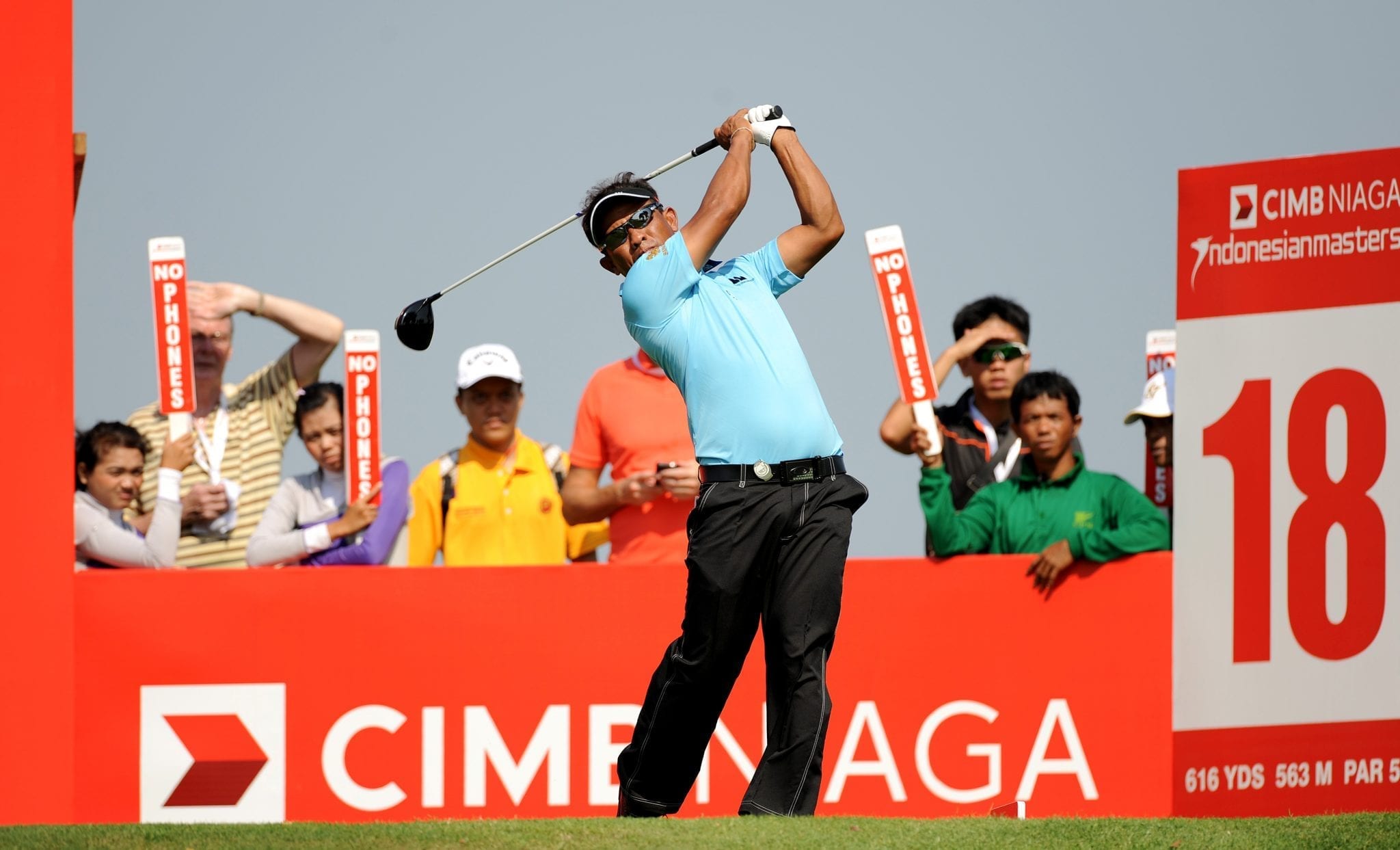
    CIMB Group Holdings Bhd’s 97.9% owned Indonesia-based subsidiary PT Bank CIMB Niaga Tbk, boosted its unaudited consolidated net profit by 318.2% to 736 billion rupiah (RM228.4mil) for the six-month period ended June 30, 2016 (H1).

    The fifth largest bank in Indonesia by assets said in a statement that the higher net profit, which translated to earnings per share of 29.29 rupiah, was due to a 4.8% rise in net interest income (NII) to 5.81 trillion rupiah (RM1.81bil), a 24.1% jump in non-interest income to 1.46 trillion rupiah (RM453mil) and a 7.9% fall in provision expense.

    Its president director Tigor M. Siahaan said: “Despite the challenging environment, our H1 top line performance continued to improve. The 4.8% year-on-year (y-o-y) NII growth was recorded against a decline in interest expense, while non-interest income was 24.1% higher y-o-y due to better treasury and capital markets businesses.”

    He said CIMB Niaga maintained good control over its operating expenses which fell by 1.2% y-o-y.

    “In addition, the provisions for non-performing loans had gradually improved.”

    As the bank retained a conservative growth strategy, total gross loans were lower y-o-y at 175.34 trillion rupiah (RM54.41bil) as at June 30.

    Despite the slower overall growth in CIMB Niaga’s loans, selected business segments recorded encouraging performance.

    The personal and multipurpose loans business grew 9.2% y-o-y through the bank’s X-tra Dana product, while the credit card segment posted a 25.5% y-o-y growth to 7.18 trillion rupiah (RM2.23bil).

    As at end June 2016, the bank had issued over 2.1 million credit cards, an increase of 13.4% from a year earlier.

    To date, CIMB Niaga is the third largest credit card issuer in Indonesia, in addition to being the fifth largest bank with total assets of 239.38 trillion rupiah (RM74.33bil).

    Its current account savings account (CASA) grew 5.7% y-o-y to 93.21 trillion rupiah as at June 30, with the CASA ratio rising 457 basis points (bps) y-o-y to 51.99%.

    The loan to deposit ratio was higher at 96.54% at end-June 2016 compared to 95.81% in the same period last year.

    The Indonesian government has appointed CIMB Niaga as a perception bank assigned to accommodate funds repatriated by taxpayers who are participating in Indonesia’s tax amnesty programme.

    “With additional liquidity available through the programme, the national banking industry, CIMB Niaga included, will have greater capacity to disburse loans to various sectors,” Tigor said.

    CIMB Niaga’s capital adequacy ratio strengthened y-o-y to 17.62% as at June 30.

    “We will continue to selectively increase our assets with a key focus on cost management and asset quality.

    “We started 2016 on a more positive note and seen the potential of gradual improvement in the second half of the year, backed by numerous macroprudential government fiscal and monetary policies to stimulate sustainable economic growth,” added Tigor.

  • India’s YES BANK taps Gemalto for secure m-payments

    India’s YES BANK taps Gemalto for secure m-payments

    India’s YES BANK has deployed Gemalto technology to secure mobile payment transactions for its customers under India’s recently implemented Unified Payments Interface (UPI).

    YES BANK, India’s fifth largest private sector bank, has adopted Gemalto’s SafeNet Network HSM for the purpose.

    UPI, India’s online payments solution, enables all account holders to send and receive money from their smartphones with a single identifier – such as mobile number or virtual payments address – without entering any bank account information.

    The SafeNet Network HSM (formerly SafeNet Luna SA HSM) provides end-to-end data security and encryption to protect user credential confidentiality and the private keys responsible for digital signing.

    “With a widespread network of over 860+ branches and 1,625+ ATMs Pan India, we’re committed to taking a customer-centric approach to our banking services,” said Anup Purohit, CIO at YES BANK.

    “The Unified Payments Interface offers clients revolutionary convenience when it comes to banking and payments, and we want to ensure the highest levels of security for users of the platform. We’re thrilled to integrate Gemalto’s industry-leading SafeNet HSM technology into the UPI application to support this initiative.”

  • Public Bank to Launch UnionPay Card in Malaysia

    Public Bank to Launch UnionPay Card in Malaysia

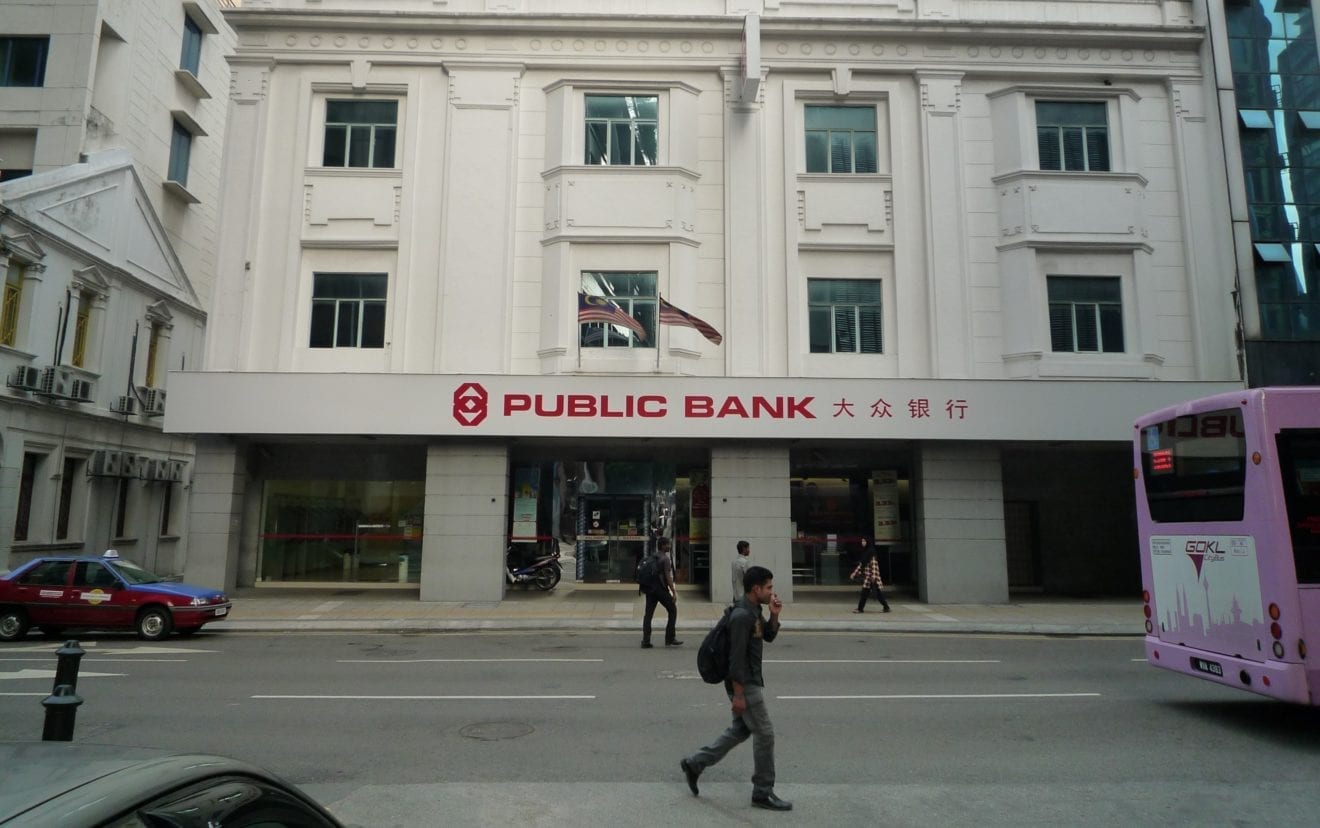
    Public Bank, Malaysia’s third largest bank and UnionPay International, a global payment network signed an agreement for UnionPay Debit Card Issuing Business today. With this partnership, Public Bank will be the first local bank to issue UnionPay card in Malaysia by Quarter 4 of year 2016.

    PB UnionPay Lifestyle Debit Card and PB UnionPay Savings Account will be launched to cater to the needs for customers and businessmen who frequently travel to China with the convenience of cards over carrying large amounts of cash.

    UnionPay’s acceptance across 160 countries and its full acceptance in China encourage Malaysian who travels often, expatriates and inbound students and workers from China to take up these bundled products.

    In Malaysia, UnionPay cards issued locally and overseas are accepted at over 90% of ATMs whilst 60% of merchants accept payments by UnionPay cards.

    The agreement was signed between Public Bank’s Managing Director, Tan Sri Dato’ Sri Tay Ah Lek and UnionPay International’s Chief Executive Officer, Mr Cai Jianbo at Menara Public Bank with the presence of other management staff of Public Bank and officials of UnionPay International.

    Commenting at the launch, Tan Sri Dato’ Sri Tay said, “Being the first local bank in Malaysia to launch UnionPay card once again proves that Public Bank is focused in progressing and improving our core retail business to enhance our customers’ banking experience. It is also a great pleasure in partnering with UnionPay International to offer our customers another new payment option.”

    Concurring on the significance of this partnership, Mr Cai Jianbo said, “Malaysia is one of the most important market for UnionPay, with 90% UnionPay card acceptance on ATM, and 60% at POS. This MOU signing with Public Bank Berhad will serve to provide a strong foundation as we continue to localise our business in Malaysia. UnionPay will enable more merchants and increase UnionPay POS acceptance to 90% by end of 2017. We will also issue more cards with local banks, provide more local privileges to improve services and convenience for Cardholders. For innovative payment, we will expedite the launch of e-wallet payments and build an 020 payment ecosystem.”

  • BCA records profit of Rp9.6 trillion

    BCA records profit of Rp9.6 trillion

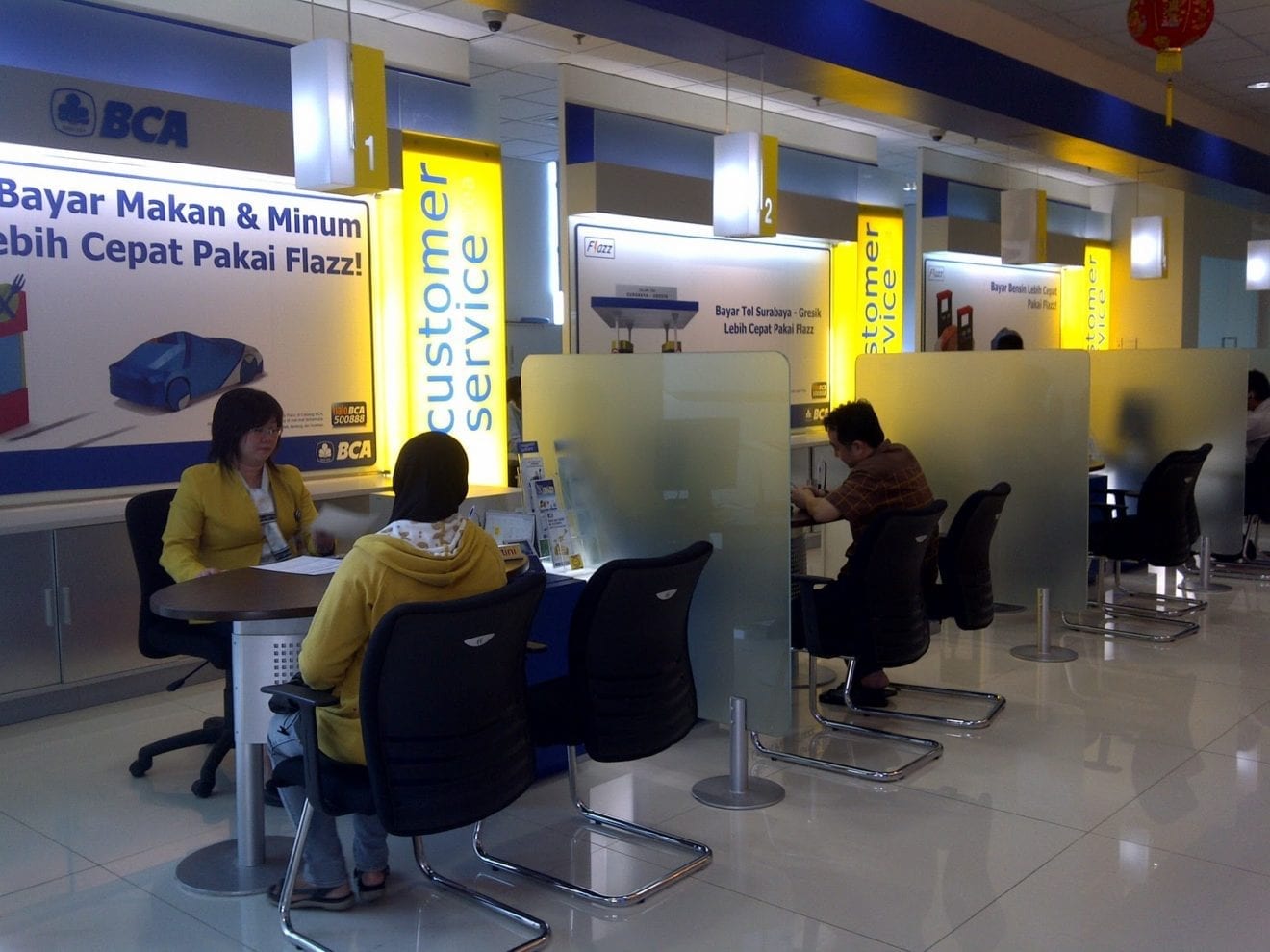
    PT Bank Central Asia Tbk. (BCA) made a net profit of Rp9.6 trillion in the first semester of this year, reflecting a growth of 12.1 percent year-on-year, mostly from interest income following the bright growth of corporate credits.

    BCA President Director Jahja Setiaatmadja said here on Wednesday that although domestic economic condition was still in the process of recovering, corporate credits had contributed the highest to the growth reaching 19.6 percent year-on-year or Rp135.4 trillion.

    Commercial and small and medium credits on the other hand have been the biggest portfolio but their growth was only recorded at 6.5 percent or Rp146.5 trillion while consumer credits were up 9.1 percent year-on-year, reaching Rp105.2 trillion.

    “We indeed saw that demand is still slow, but thanks to our efficiency and growth of transaction accounts, the business has registered a boost,” he added.

    In the consumer line, housing credits rose by 8.5 percent to Rp61.7 trillion and motor-vehicle credits were up 11.4 percent to reach Rp34.0 trillion.

    The BCA credits in all segments grew 11.5 percent to Rp387 trillion, year-on-year.

    According to Jahja, the efficiency attained through reduction of cost of funds has contributed to the growth of profit and revenues.

    “Before the monetary easing effected by Bank Indonesia since 2015, we have been able to lower the interest rates of deposits and, in turn, reduce the cost of funds. In February, we also reduced the loan interest,” he explained.

    BCAs operational income in the first semester this year rose 15.5 percent to Rp26.1 trillion while operational burden also increased by 7.3 percent, failing to reach double digits, and touching Rp12.07 trillion.

    The compensation of growth in credit distribution was seen in the hike of non-performing loan ratio to 1.4 percent by the end of June 2016 from 0.7 percent in June last year. Jahja, however, saw the trend of NPL hike would weaken.

    “The NPL is indeed predicted to rise until September but the rise will not be drastic and may have a tendency of slowing seeing the start of improvement in the economy,” he underlined.

    To anticipate problem credits, the BCA has set up an additional reserve fund worth Rp2 trillion. In June, the ratio of the reserve to total problem credits reached 193 percent.

    The BCAs liquidity condition seemed to be easing continuously. Although the credit growth reached double digits, the ratio of funds to lending (LFR) was recorded at only 77.9 percent.

    The LFR position was still below the central banks existing standard, which is at 78 to 92 percent. The newest standard is at 80-92 percent.

    In the first half of this year, the BCA collected Rp490.6 trillion in third-party funds, reflecting a growth of 7.8 percent.

    With the credit achievement and the third party funds, BCA assets in the period were recorded at Rp626.1 trillion.

  • BNI reports healthy growth with profit up 79.9 percent

    BNI reports healthy growth with profit up 79.9 percent

    State lender PT. Bank Negara Indonesia Persero Tbk (BNI) reported a strong growth of 79.9 percent year-on-year in profit to Rp4.37 trillion in the second quarter of 2016 despite a decline in credit quality.

    President Director of the countrys fourth largest bank in assets Achmad Baiquni attributed the rise in profit to high growth in credits and fee based income, and efficiency in cost of fund.

    “Our cost of funds dropped to 3.1 percent from 3.2 percent,” Baiquni said here on Friday.

    BNI outstanding credit grew in two digit by 23.7 percent year on year (yoy) to Rp288.7 trillion.

    However, the non performing loan (NPL) of the bank also rose from 2.7 percent to 3 percent gross by the end of the first half of this year.

    He acknowledged the quality of credit assets became a problem shadowing the performance of the bank in the first six months of the year.

    Therefore, BNI has to increase its reserve funds from 138.8 percent in the second quarter 2015 to 142.8 percent in the same period in 2016.

    The increase in the credit of the publicly listed bank resulted in a rose in its net interest income to Rp13.91 trillion or an increase of 11.7 percent yoy.

    Its non interest income including fee based income grew 28.7 percent to Rp4.43 trillion.

    Baiquni said business credit disbursements sustained credit portfolio as high as 73 percent with annual growth of 25.6 percent to Rp260.7 trillion.

    Corporate credits accounted for 25.1 percent of its business credits.

    The bank also recorded a soaring growth of 331 percent or Rp7.3 trillion in low interest Peoples Business Credit (KUR) pushing up KUR contribution to outstanding credit to 19.9 percent from 5.6 percent earlier.

    Baiquni attributed the high growth to facility of guarantee and subsidy on interest offered by the government.

    “Speaking about target, we prefer the government to set target for us,” he said.

    The bank holds Rp391.4 trillion in third party funds or an increase of 19.6 percent yoy, dominated by cheap funds (current account saving account (CASA) making up 60.4 percent and deposits making up the rest, he said.

    With the outstanding credits and third party funds, BNI has assets valued at Rp539.1 trillion by the end of he second quarter of 2016.

  • Eagle Gates Group plans Asia expansion

    Eagle Gates Group plans Asia expansion

    Eagle Gates Group plans to further expand its Asian retail business in the next five years. Eddy McClough, chief executive officer at Eagle Gates Group, says the group will continue to look at retail opportunities in Asia, with possible plans to establish new offices in the region.

    Eagle Gates Group’s history spans almost a decade and through careful stewardship and intelligent investment, the group has expanded to become one of the leading financial services groups across America and Europe.

    Eddy is positive about the outlook for the Asian market.

    “I see tremendous growth opportunities in the Asia Pacific region, especially the likes of China and Thailand. A number of partnership discussions are already underway. The foray into the Asian market reflects our commitment to growing the global footprint of Eagle Gates Group and gives us access to such an important investment market,” he said.

    Eagle Gates Group provides exchange traded funds and other products investing in indices, infrastructure and real estate. Eagle Gates Group also serves institutional investors who need to invest insurance or pension funds.

    In Asia, Eagle Gates Group has a Tokyo office which has been operational since 2013 but Eddy admitted its Asia business should be bigger.

    “The business in Asia Pacific now represents only single digits of our global business asset size. We are targeting a double digit in the next five years. Asia has a young population and a growing segment of wealthy individuals which would support future growth for the asset management industry,” he said.

    SOURCE Eagle Gates Group

  • End of the Line for Singapore Investors

    End of the Line for Singapore Investors

    This is where shareholders in Singapore’s subway network get off. And it doesn’t matter if some of them can’t quite see the platform. Leaving people stranded has become a hallmark of their company’s operations in recent years. Like back in January 2008, and then twice over three days in December 2011 when two passengers fainted, and again in July last year.

    Decent Ride

    Singapore subway operator SMRT has returned almost 600% since the SARS epidemic of 2003. But the ride is over. State investment firm Temasek, which owns 54 percent of SMRT, has offered S$1.68 ($1.24) to buy out the remaining shares. Minority shareholders should be grateful for the 8.7 percent premium over the last closing price. Considering the island’s transport regulator is taking away SMRT’s trains and signaling system for S$991 million ($730 million), which — after paying taxes and retiring debt — won’t even leave enough for a special dividend, the rump isn’t worth much more.

    Besides, as Smartkarma strategist Crispin Francis notes, the Land Transport Authority’s nationalization plan will see SMRT having to share with the government the outsize profit margin of about 60 percent it earns from rental income and advertising. That would be in exchange for a boost to the profitability of its core rail operation business, from a measly 1.1 percent to a more respectable 5 percent. Hardly a sweetheart deal.

    Temasek, though, should still come out okay. It owns 41 percent of the nation’s largest property developer CapitaLand, 25 percent of retailer A.S. Watson, and all of MediaCorp., the Singapore broadcaster with a large outdoor advertising arm.

    As Singapore upgrades its rail network to close the gap with Hong Kong, the value of the city-state’s droopy residential property could get a lift; there would be more underground locations for retail; and plenty of new walls for LCD displays. Temasek will indirectly reclaim at least some of what SMRT’s other shareholders will lose from nationalization. Since a part of Temasek’s returns are used to finance the government’s budget, this will complete a virtuous cycle.

    Maintaining the status quo would have created a vicious cycle. Private capital is loath to finance massive investments from which gains are likely to be so diffuse they can only be captured by a government or large, diversified investor such as Temasek. So while it’s been a good ride for SMRT shareholders, it’s time they got off. They can use the S$1.68 they’re getting for their shares to hail a ride home.

    *Originally posted at Bloomberg.

    To contact the editor responsible for this story:
    Katrina Nicholas at knicholas2@bloomberg.net

  • Maybank debuts m-banking in Cambodia

    Maybank debuts m-banking in Cambodia

    Maybank has introduced its mobile banking app in Cambodia as part of efforts to strengthen its presence in the country.

    The app is the first in Cambodia to offer augmented reality and a QR code reader. A similar app was launched in Malaysia in 2014.

    Maybank group head of community financial services Datuk Lim Hong Tat, who launched the new app in Phnom Penh, said that internet banking has become a trend for many digitally savvy Cambodians who are increasingly comfortable transacting over this channel.

    Maybank’s online banking channel, namely M2U, which was introduced in Cambodia in 2012, is seeing robust growth with its registered user base increasing by over 50% within a year, and the volume of transactions has also risen by over 50% from 2014 to 2015,” said Lim.

    Lim said that with the launch of mobile banking app, customers in Cambodia will enjoy enhanced customer experience and greater speed when undertaking banking transactions over their mobile phones.

    “With the mobile banking app, Maybank customers can check their account balance, including all debit card purchases and perform simple transactions anytime, anywhere, alleviating the need for trips to our branches,” Lim explained.

    Other features offered by the app include the ability to send money to anyone with a mobile phone number – such transactions allow for cash to be withdrawn at any Maybank ATM without using an ATM card.

    The augmented reality branch locator tool allows customers to scan their surroundings and follow onscreen directions. It also detects nearby ATMs and promotions exclusive to the Maybank customer.

    The in-app QR code reader as well as loan calculator is available for public use, even if they are not yet a Maybank customer.

    Maybank Cambodia currently operates a network of 21 branches throughout the country complemented by 40 self-service terminals.

  • Bursa Malaysia expected to trade higher next week

    Bursa Malaysia is likely to trend higher next week on improved sentiment including Bank Negara’s overnight policy rate (OPR) cut, rebound in oil prices, global bank stimulus and a stronger currency.

    Affin Hwang Investment Bank Vice-President and Retail Research Head, Datuk Dr Nazri Khan Adam Khan said the benchmark FTSE Bursa Malaysia KLCI (FBM KLCI) was ready to stage further upside if the ringgit and commodities continued to strengthen.

    He said the local bourse should be catalysed by Bank Negara’s unexpected move to reduce the OPR to 3.00% from 3.25%.

    “The index should be bullish with the rate cut although the broad market is slow to react.

    “We see the OPR cut as a pre-emptive move to ensure that inflation remains under control and the economy remains on a steady growth path,” he told Bernama.

    This was confirmed by the Malaysian bonds three-year yield which dropped to its lowest level since 2009 and a stronger ringgit which hit a 10-week high against the US dollar this week, he added.

    He said technically, the FBM KLCI had broken out from its consolidation zone and was still looking to test its immediate resistance level at 1,680.

    “Overall, given the buoyant mood coming from global markets as well as positive catalysts in the domestic front, we reckon that the FBM KLCI could be poised to trend upwards this week to break out from its consolidation zone,” said Nazri Khan.

    He said the upside resistance and downside support are now spotted at 1,700/1,680 and 1,650/1,630 levels, respectively.

    On Friday-to-Friday basis, the FBM KLCI rose 23.86 points to 1,668.40 from 1,644.54 recorded last week.

    The FBM Emas Index improved 190.22 points to 11,657.87, the FBMT 100 Index rose 184.2 points to 11,360.08 and the FBM Emas Syariah Index was 208.9 points higher at 12,228.11.

    On a sectoral basis, the Finance Index fell 22.19 points to 14,252.12, the Industrial Index increased 46.35 points to 3,140.55 and the Plantation Index improved 13.94 points to 7,531.31.

    Weekly turnover increased to 8.18 billion units worth RM9.37 billion from 2.87 billion units worth RM3.37 billion last week.

    Main market volume rose to 5.44 billion shares worth RM8.84 billion from 1.95 billion shares valued at RM3.21 billion previously.

    Warrant turnover swelled to 1.22 billion units valued at RM197.75 million from 446.69 million units worth RM75.04 million last week.

    The ACE market increased to 1.49 billion shares worth RM320.29 million from 471.92 million shares valued at RM89.36 million previously.