Category: Finance

Retail News Asia is committed to providing both local and global retailers with the latest Finance news throughout the Asian market. This on a daily base.

  • MoneyGram Inks Deal with Arsema, Expands to Indonesia

    MoneyGram Inks Deal with Arsema, Expands to Indonesia

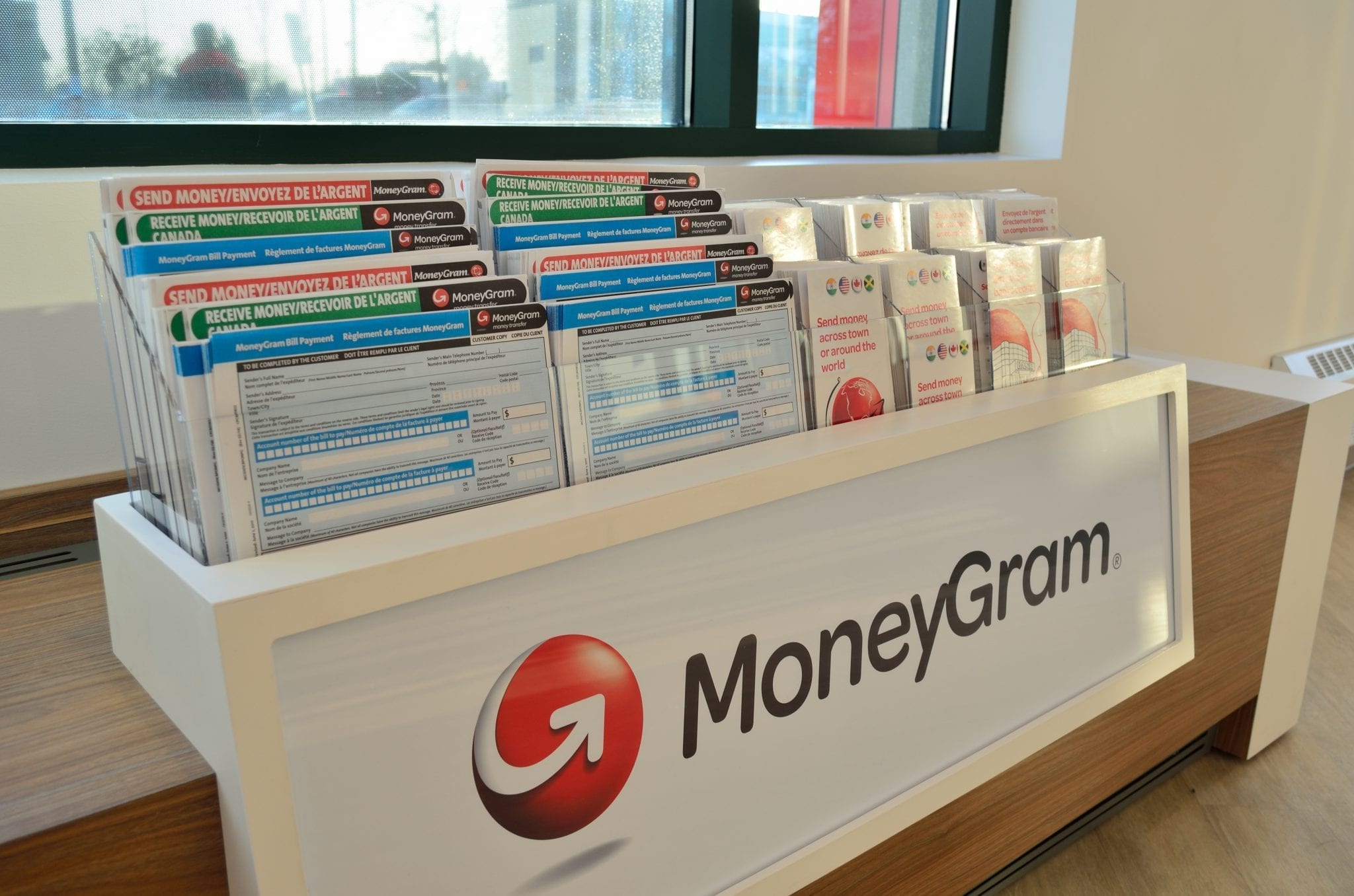
    MoneyGram recently announced that its Indonesian subsidiary PT MoneyGram Payments System has inked a long-term deal with Indonesian remittance company Arsema. Per the agreement, Arsema would channel MoneyGram’s money transfer services at all post offices of Indonesia. The services would start from Central Java and Bali region.

    MoneyGram strives to provide secure money transfer services to its customers and the deal with Arsema will further help the company in its efforts. This collaboration will also expand MoneyGram’s reach across Indonesia. Also, the aforesaid deal will facilitate operation to serve customers better with faster and more convenient offerings.

    The overall process has become much easier and can be completed in a few simple steps. Customers can now simply visit any MoneyGram agent location and start transferring and receiving funds after filling up and submitting a form and displaying a photo identification proof. The funds can be ready for collection is Depending on agent’s operating hours and regulatory requirements, the transactions can be made within 10 minutes or less.

    Apart from strengthening its presence in high-growth potential markets, MoneyGram has forayed into several unexplored and underdeveloped global markets. The company has also been expanding in markets that offer high growth potential. Per the World Bank report, remittances worth $9.6 billion flowed into Indonesia in Apr 2016. We expect the latest deal to help the company capitalize on the opportunity, which in turn, should add to its top line going forward.

  • Blockchain comes to Myanmar microfinance

    Blockchain comes to Myanmar microfinance

    Infoteria Corporation and Tech Bureau Corporation (hereinafter “Tech Bureau”) have successfully transferred loan and deposit account data in the main system of BC Finance, one of the largest microfinance institutions in Myanmar, to mijin, the private blockchain placed on Microsoft Azure using ASTERIA WARP and mijin adapters.

    We hereby announce that this verifies that ASTERIA WARP and the private blockchain mijin are applicable in the operational process of microfinance and the private blockchain technology is applicable to account data recording. This is the world’s first demonstration experiment that used a private blockchain in microfinance.

    Process overview

    We recorded all transaction history (account data) of active accounts at a branch of BC Finance (which operates a total of 19 branches in eight states) in the private blockchain mijin using ASTERIA WARP and mijin adapter. BC Finance assigned a total of three accounts, including one loan account and two savings accounts, to one customer.

    Future plan

    (1) Plan to carry out an experiment for concurrent and consecutive operations over a certain period of time. This is scheduled to begin in the first half of July and continue for approximately six weeks.

    (2) Will consider developing an application that enables data writing and viewing from clients (terminals at each branch) to mijin.

    Upcoming developments

    The number of bank accounts in Myanmar is still limited to approximately two million for a population of more than 50 million, and bank services are available only to the affluent, who represent only a small portion of the population. Microfinance provides financial services such as loans and deposits to a broader segment of the population, and as such plays an important role in supporting Myanmar’s economic growth. Myanmar has achieved 7-8 percent economic growth since its democratization in the spring of 2011, and in the spring of 2016, the military government came to an end, encouraging the lifting of economic sanctions imposed by the U.S. Such factors are expected to facilitate further growth, and a significant increase in the number of BC Finance customers is expected.

    While the current system means rising costs of data management as the number of users grows, the introduction of the blockchain technology enables the safe and low-cost operation of account data. We expect that this will facilitate the growth of the microfinance business.

    Infoteria and Tech Bureau are focusing on the promotion and penetration of blockchain technology not only in Japan, but also overseas. The two companies plan to develop this alliance on a global scale by applying the results of this experiment to other countries.

  • Standard Chartered Bank Indonesia appoints new CEO

    Standard Chartered Bank Indonesia appoints new CEO

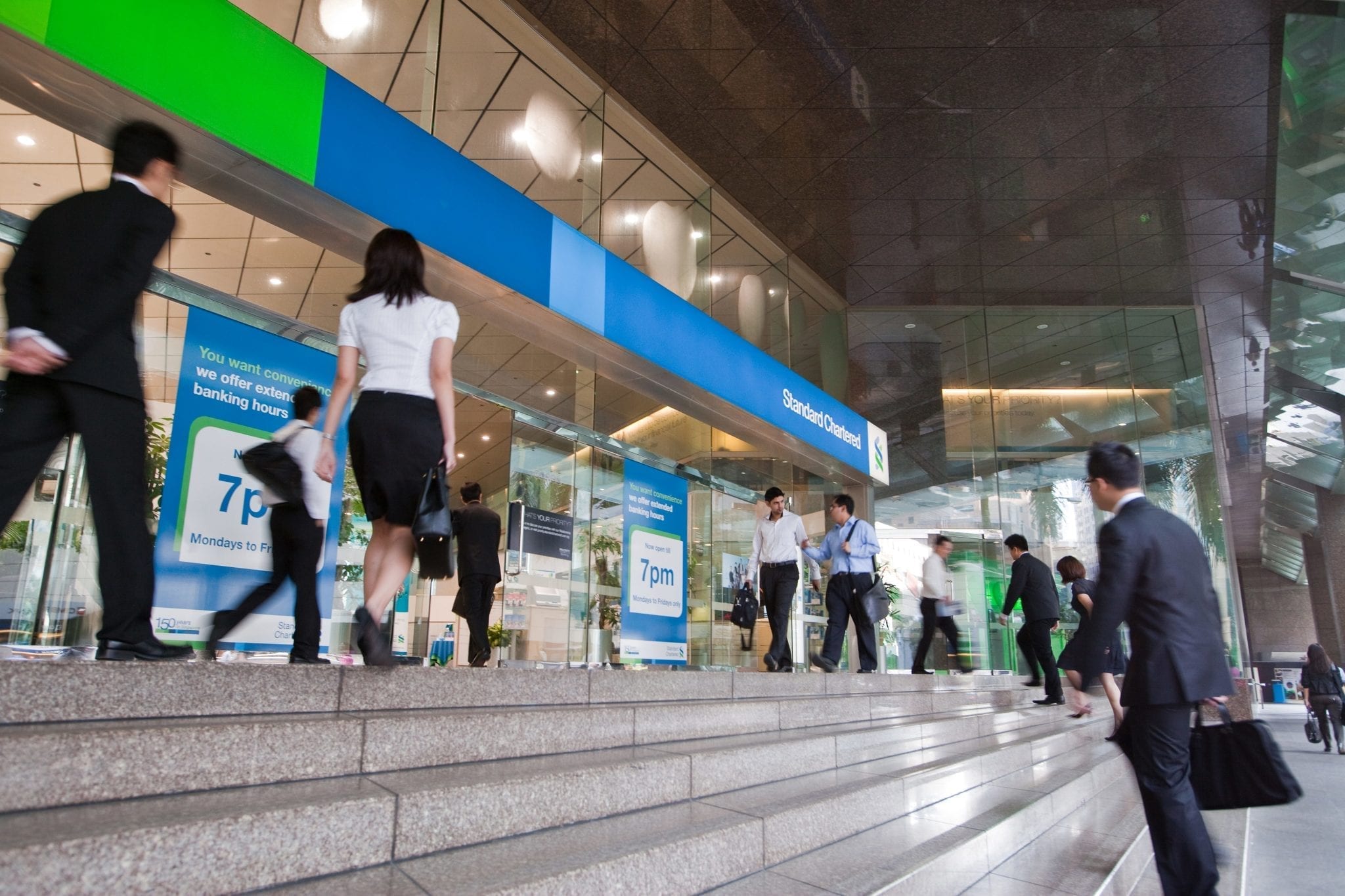
    UK-based financial giant Standard Chartered has appointed Rino “Donny” Donosepoetro as the new CEO of its Indonesian branch, replacing Shee Tse Koon, who is leaving to pursue another career.

    Donny’s new appointment will be effective as of Sept. 1 as it is subject to regulatory approval. He will report to Ajay Kanwal, Standard Chartered’s regional CEO for ASEAN and South Asia.

    Lea Kusumawijaya, chief financial officer at Standard Chartered Bank Indonesia, has been appointed as acting CEO with immediate effect.

    “Donny brings with him an extensive and diverse international experience in the operations of the bank’s different business sectors,” Kanwal said in a statement on Tuesday afternoon.

    He said Donny, who has a degree in international relations, had knowledge in the areas of audit and governance that would further strengthen the group’s businesses and franchises in Indonesia.

    In his 20-year career in the group, Donny has held a number of diverse roles across businesses in several markets including the United Arab Emirates, Indonesia, UK, Singapore and the Falkland Islands.

    As a CEO of Standard Chartered’s Indonesian branch, Donny will be responsible for developing and executing the company’s business strategy. He is also expected to build relationships with local clients as well as regulators and stakeholders, as well as improving bottom-line profitability and capital.

    Kanwal said the bank was fully committed to investing in Indonesia, with a focus on corporate and retail banking, which is “strategically important as it has been in the country for over 150 years.” The bank is also sharpening its focus on enhancing wealth management platforms and investing in commercial banking to cater the growing local medium businesses.

  • Thailand Future Fund secures adviser

    Thailand Future Fund secures adviser

    Vorapak Tanyawong, president of KTB, said yesterday that the financial adviser would propose the options for fund mobilisation to the government, with KTB having the nationwide network to distribute fund units to retail customers.

    The capital from selling fund units will be used to finance infrastructure projects, starting with the high-speed-rail project from Bangkok to Nakhon Ratchasima province.

    Separately, KTB yesterday unveiled the KTB PromptPay campaign, which offers prizes worth a total of Bt9 million.

    The campaign will run from July 15 to October 15.

    Songpol Chevapanyaroj, senior executive vice president and head of the bank’s global transaction banking group, said the campaign was part of a strategy to get existing customers to use KTB as their main bank.

    Under the scheme, the bank said fund transfers would be more convenient because there would be no fee if the amount was less than Bt5,000, while the cost of cash management was reduced as well.

    Vorapak said the benefit of being the main bank for customers was the cross-selling of products.

    The bank said it had received more than 300,000 PromptPay pre-registrations since it began accepting them on July 1.

    Official registrations for the scheme, which is designed to enhance e-payments, will be accepted from July 15.

    KTB said it had about 17 million depositors, and it hopes to bring in 8 million more under the campaign.

    Vorapak said the bank’s upcountry customers were more aware of using automated teller machines and digital banking, with transactions at branches declining, including those for retail vendors’ lottery reserves.

    He said retail vendors were migrating to booking lottery tickets via ATMs and KTB’s online channels because they could access reserves from those channels more quickly than they could through the branches.

  • Capital Financial Indonesia Eyes Rp 715b From July IPO

    Capital Financial Indonesia Eyes Rp 715b From July IPO

    Sinarmas Sekuritas was appointed as the lead underwriter of the company’s share sale, with assistance from Jasa Utama Capital, Yulie Sekurindo, Phillip Securities Indonesia, Panin Sekuritas, Valbury Asia Securities and Erdikha Elit Sekuritas.

    Kirana Cemerlang Abadi currently owns 99.9 percent of the company’s shares. If the IPO plan goes smoothly, Kirana’s holding will be diluted to 52.38 percent.

  • Bioalpha banks on Indonesian,Chinese markets to boost growth

    Bioalpha banks on Indonesian,Chinese markets to boost growth

    Bioalpha Holdings Bhd is banking on its export markets in Indonesia and China to boost the group’s top line growth in the next two years.

    The firm, which produces halal-certified herbal and non-herbal based health supplement products, said that to date, Indonesia was its core market and expected sales from the region to grow by 50% in the next two years.

    At present, Indonesia sales made up more than 48%, or RM14mil, to the group’s turnover in financial year 2015 (FY15).

    “Indonesia’s market is still growing and in the last five years it has a compounded annual growth rate of about 37%,” managing director William Hon Tian Kok told recently.

    Hon said Bioalpha had gone into Indonesia after it recognised the huge potential in the market to offer its halal-certified products.

    “The risk in Indonesia is also lower because we have existed in the market since 2007 via our first sales office there,” noted Hon.

    But Hon has bigger plans for Indonesia, saying that the company aimed to turn its repackaging facility in the Riau province to a fully-fledged manufacturing plant in the long term.

    In May, Bioalpha’s unit Bioalpha International Sdn Bhd had entered into 60:40 joint venture with Mutia Restiana, a well-connected Indonesian to set up PT Herbal Malindo Makmur, for US$250,000.

    This was funded via internally generated funds.

    Hon said the PT Herbal’s acquisition not only solved product registration issues in Indonesia, but also enabled the group to repackage their semi-finished products in a 4,000 sq ft repackaging facility in Indonesia to be ready this August.

    Inevitably, the acquisition will also widen Bioalpa’s market share via small and medium enterprises and multinational corporations in Indonesia, and enable its existing clients in Malaysia to offer their products there, according to Hon.

    The group intends to double the number of product launches to 20 products in Indonesia by the end of 2017.

    Bioalpha’s second largest export market is China and it made up about 28% of the group’s revenue or RM8.3mil in FY15.

    While Bioalpha was backed by its strong research and development centre, Hon said the demand from China was a result of aggressive advertising and promotional activities that started in 2014.

    “We have about five original design manufacturers in Beijing.

    “And our focus will be the Muslim populated areas like Lanzhou, Xi’an, Xinjiang and Qinghai and we have identified four distributors in these provinces,” he said, adding that Bioalpla already has presence in the southern and central part of China.

    On the local front, Hon revealed that it was on the lookout to expand its retail chain of pharmacies via merger and acquisitions, with the idea of franchising them in the near term.

    Bioalpha now owns 13 retail pharmacies under the brandname Constant, mainly in the Klang Valley.

    Hon said Bioalpha bought Mediconstant Holding Sdn Bhd for RM5mil last year from Ng See Hein and Loh Peng Yeow in December last year with the aim to expand its housebrand supplements.

    “This not only reduce marketing costs but enable us to reach out to customers via new formulations,” he said. adding that domestic sales is expected to grow by 40% in the next two years.

    The company also has a 70:30 joint venture with MyAngkasa Holdings Sdn Bhd, the country’s largest cooperative organisation.

    MyAngkasa is a subsidiary of Angkatan Koperasi Kebanngsaan Malaysia Bhd that has 10,000 cooperatives under its umbrella and eight million members.

    “The earnings potential from this JV is also huge considering that the members can purchase our products on a special discount from our retail pharmacies,” he added.

    Bioalpha has its own organic herbal farms in Desaru in Johor and Pasir Raja in Trengganu.

    More than 20 types of herbs are being harvested at its 300-acre land in Desaru, Kota Tinggi.

    The other is a 1,000-acre farm in Pasir Raja, of which 123 acres are harvested, while the remaining 877 acres are currently being cleared.

    Hon said the company expected to produce about 400 metric tonnes of herbal medicines by 2020.

    The group is also known for its inhouse liquid fermentation process that is able to produce medicinal mushrooms strains.

    One of its bestsellers include tiger milk mushrooms, traditionally used to cure respiratory problems.

    Noteworthy is Bioalpha’s market capitalisation, which has more than doubled to about RM200mil now, compared to when it was first listed in the Ace Market in April, last year.

    The company has dividend policy of 30% of profit after tax and has recently proposed for a bonus issue of 166,666,666 new ordinary shares of RM0.05 each in the company on the basis of one bonus share for every three existing Bioalpha shares held at an entitlement date to be determined later.

    Hon is currently the major shareholder with a 17% stake, followed by Malaysian Technology Development Corp 16.1% interest and Perbadanan Nasional Bhd 10.3%.

    Shares of Bioalpha closed unchanged at 38 sen on Friday, arriving at a market capitalisation of RM190mil.

  • Maybank Indonesia converts Indian operations to Intellectual Property branches

    Maybank Indonesia converts Indian operations to Intellectual Property branches

    Intellect Design Arena Limited, a specialist in applying true Digital Technologies across Banking, Financial Services & Insurance, announced that Bank Maybank Indonesia one of the largest banks in Indonesia has gone live with Intellect’s Integrated Treasury Management System(ITMS)-OneTreasury for their Indian operations.

    The centralized treasury management solution from Intellect’s Risk, Treasury and Markets (iRTM) division has enhanced operational efficiency across asset classes and enabled overseas branch to eliminate dependence on intensive manual operations. The entire process of solution deployment, User Acceptance Testing (UAT) and data migration was completed in a span of 7 months.

    The product implemented will play a key role in the bank’s treasury operations in India. This robust and functionally rich ITMS solution is compliant with the RBI regulations and integrates seamlessly with the Bank’s Core Banking System. The solution suite implemented will enable its Indian customers to trade across Fixed Income, Money Market and Foreign Exchange securities electronically and mitigate the risk associated with these trading activities. The flexible data upload facility aids decision makers to make insightful decisions on time by reducing manual intervention and minimizing errors. Bank’s need for a treasury solution which could be implemented in quick time frame for mobilizing operations was possible by Intellect’s Rapid Implementation Methodology which allows the bank to transfer and deliver a working system in a span of couple of months inclusive of go-live.

    Commenting on the successful go-live, Pravin Batra, CEO, India, Bank Maybank Indonesia said, “We are happy to have chosen the stable and functionally rich solution from Intellect to manage our treasury operations in India. This implementation has been smooth and has enabled us to meet India-specific regulatory needs in line with our business objectives.

    We are extremely delighted to see the outstanding team effort put forward by team Intellect during implementation. At Maybank we believe in providing superior customer experience, with a stable treasury system from Intellect we are confident of providing an unprecedented service and banking experience. We look forward to further strengthening the relationship
    between Maybank group and Intellect Design Arena going forward.”

    Venkatesh Srinivasan, Chief Executive Officer, Risk, Treasury & Capital Markets, Intellect Design Arena Limited said, “Bank Maybank Indonesia’s choice of Integrated Treasury Management System, Intellect OneTREASURY, to power their foreign branch operations is yet another testimony to the superior functionality of our solution and our leadership in the country’s treasury management space. The cost effective OneTREASURY solution meets the Indian regulatory requirements which will enable the bank to achieve its business objectives and improve its competitiveness in the international marketplace.”

    The advanced scalable OneTREASURY solution enhances productivity and enables centralized decision making for the bank. Customers of the Indian branch will now have access to a user-friendly treasury system which centralizes operations and provides operational efficiency through complete automation and seamless integration of treasury functions.

  • Social media giants plan new e-payment offerings

    Three new e- payment services from Line and Facebook will become available to Thai mobile users by the end of this year, as the social-media companies gear up with a view to tapping into high growth potential in the domestic market.

    Jin-Woo Lee, chief executive officer of Rabbit Line Pay, told the “Thailand E-commerce Summit 2016” that the company would provide two new services in the near future under the Rabbit Line Pay brand, enabling mobile payments via a smart phone using any operating system.

    Mobile users will simply need to download the Rabbit Line Pay application to their device in order to use the system, he said, adding that the new payment services would be piloted at retail outlets such as McDonald’s in August.

    “I believe Thailand is the first country in which we will provide the new e-payment service. In the next couple of months, we will test it with retail shops, and then with the Skytrain in December, before making it officially available in the market,” the CEO said. Another new offering under Rabbit Line Pay services is a logistics service available to mobile users who already have the Rabbit Line Pay app.

    Under the logistics service, the company has joined hands with Kerry to deliver products to customers when they order from the Line shop. Kerry will provide a same-day delivery service for users located in Bangkok, with cash on delivery being a payment option. The new service will initially be available in Bangkok.

    “For Line, Thailand is the second biggest market, after Japan. I believe there is high market potential in Thailand for the provision of services that support mobile users in a simple and convenient way,” Lee said.

    The company is currently working with four commercial banks – Siam Commercial Bank, TMB Bank, Bangkok Bank and Kasikornbank – to support e-payment transactions under its new offerings, he added.

    Line now has around 40 million users in Thailand, the chief executive said.

  • DBS Indonesia to boost wealth management services

    DBS Indonesia to boost wealth management services

    Private lender Bank DBS Indonesia, a subsidiary of Singapore-based DBS Group Holdings, is seeking up to 38 percent growth in its consumer business revenue this year, primarily driven by the bank’s move to expand its wealth management services.

    DBS Indonesia’s consumer banking group director Wawan Salum said on Monday that wealth management had contributed 48 percent to the bank’s consumer banking revenue.

    “Indonesia, China and India are top priority markets for DBS,” he said in Jakarta.

    Wawan said the bank’s wealth management revenue was also boosted by the growing number of priority customers who had individual savings of more than Rp 500 million ( US$37,979 ).

    He further explained that DBS Indonesia was eyeing a 30 percent growth in its priority customers this year. To reach the target, he said, the bank would expand its digital product lines to respond to customer needs.

    Wawan said DBS Indonesia would also increase the relationship management skills of its officers so they could be more effective in their interactions with customers. “We will also use big data to understand the behaviors and needs of our customers,” he said.

  • The Top 3 Biggest Insurance Risks for SMEs in Singapore

    The Top 3 Biggest Insurance Risks for SMEs in Singapore

    Workplace injury, property damage, and liability are the top 3 biggest insurance risks for small and medium enterprises (SMEs) in Singapore over the next 12 months, according to AIG Asia Pacific Insurance Pte. Ltd.

    SMEs in Singapore face rising business risks as they deal with increasing costs amid an economic slowdown. SMEs claimed more than S$5 million last year, and AIG Singapore expects the claims volume to stay in this range over the next 12 months.

    Claims data from AIG Singapore reveals the top three risks for SMEs in Singapore arise from workplace injuries (56 per cent), fire or water damage to property (20 per cent), and legal liability (20 per cent).

    A particular area of concern is workplace injury, with claims growing by 17 per cent in 2015 compared to 2014. The amount paid for workplace compensation claims is also forecasted to increase by 20 to 30 per cent this year.

    Based on AIG Singapore’s data, the manufacturing industry saw work-related injuries account for 90 per cent of its top claims over the last three years. The top three industries that submitted SME-related claims are food and beverage, retail, and manufacturing.

    AIG Singapore’s Head of SME Packages, Krishna Moorthi Sri Ramalu, said: “With growing awareness of external threats such as cyber attacks and data theft, much attention has been placed on how these external risks can cripple SMEs. While these threats are indeed significant and on the rise, SME owners must not forget their assets are exposed to internal risks every day.

    “AIG Singapore forecasts that the greatest risks SMEs will face in the next 12 months are due to internal factors such as injury to employees and damage to property and equipment.”

    A risk that can’t be ignored

    He added, “Workplace injury claims accounted for over half of AIG Singapore’s claims last year. It is a key risk factor for SMEs that cannot be ignored, particularly with a 10 per cent rise in fatal workplace injuries from 2014 to 2015.

    “Fire breaking out at SMEs’ premises is also a risk that, while not as common, can cause severe and long-term losses that have a huge financial and reputational impact on the business.”

    Krishna highlighted the example of a fire at a major shopping centre earlier this year, which caused the shopping centre to close for around five days. This resulted in 13 potential property damage claims (including seven business interruption claims) from AIG’s SME clients operating in the shopping centre.

    The total estimated cost of these claims is S$241,000, which can be a significant out-of-pocket sum for the SMEs if they do not have any insurance cover.

    In 2015, the average claim made by an SME was around S$6,000, while the highest claim was S$214,000 made by a medical clinic when its water pipe burst and damaged both the clinic and neighbouring retail units.

    “SME owners often do not invest in risk management and contingency planning as they are preoccupied with the day-to-day running of their companies. However, it is precisely because of their smaller scale that SMEs can ill-afford hefty losses caused by business interruptions or closures, loss of income, supply chain delays or damage to neighbouring properties.

    “In fact, this year’s tough economic climate exacerbates the financial impact on SMEs. In the event of incidents such as fires, property damage, or floods, they may be hit with high costs and forced to stop operating for a period of time. SMEs need to look at how they can protect their business operations and get these operations back on track swiftly if incidents occur,” Krishna said.

  • Manulife Indonesia to spin off sharia business unit, increase market share

    Manulife Indonesia to spin off sharia business unit, increase market share

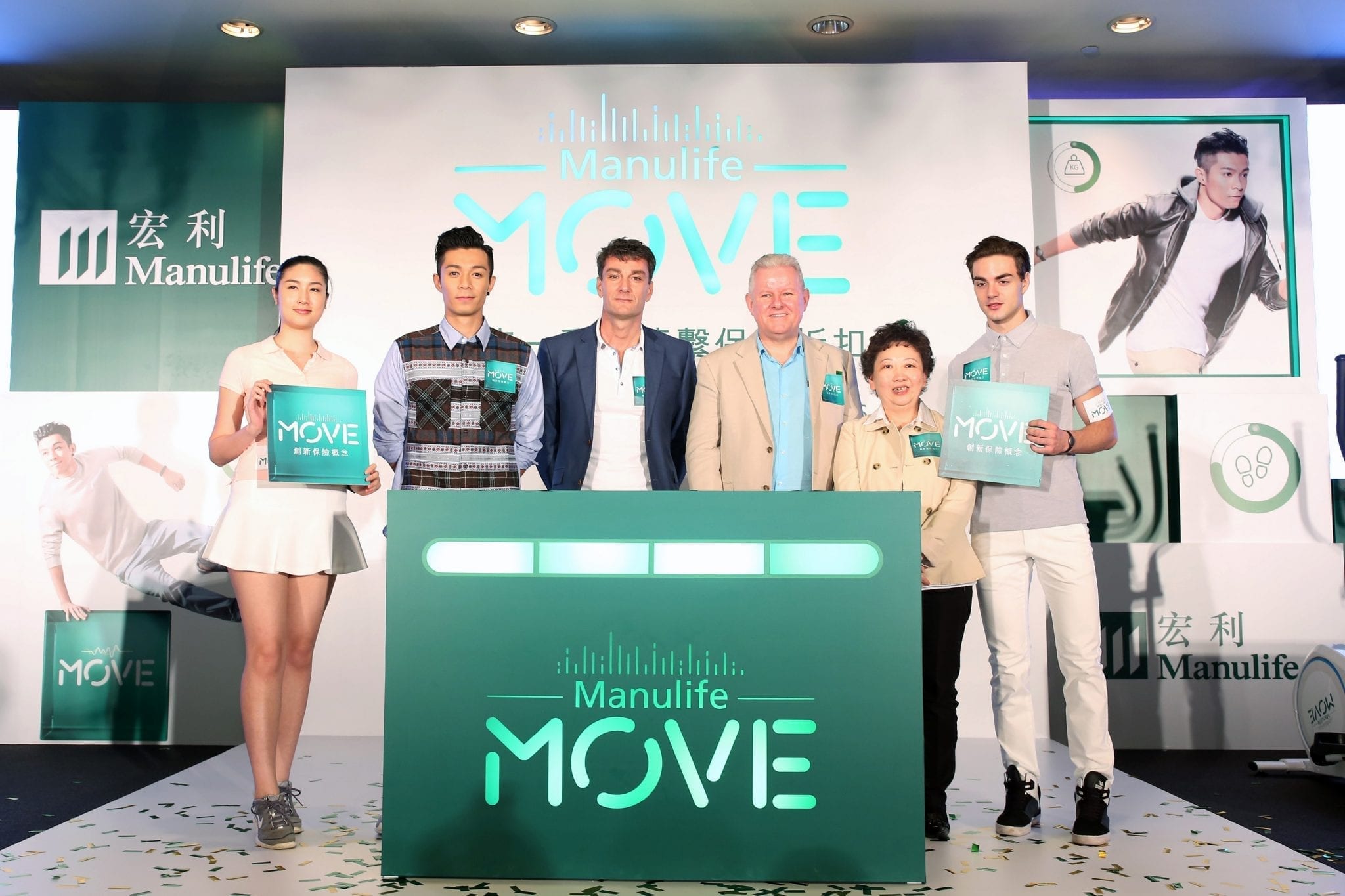
    Manulife Indonesia has submitted a proposal to the Financial Services Authority (OJK) to generate a bigger market share for its holding company by creating a spin-off of its sharia business unit, a company executive has said.

    “We have submitted the documents for the spin-off to the OJK,” Manulife Indonesia’s sharia unit head Yetty Rochyatini said in Jakarta.

    She said the Canada-based company was waiting for the OJK to complete a new regulation on sharia mutual funds, which would be released this year.

    Manulife’s sharia business unit recorded 31 percent growth year-on-year in its risk-based capital to 125 percent in the first quarter of 2016. The government has stipulated that all sharia insurance companies must have a minimum risk-based capital of 30 percent.

    Yetty said the company’s qard (benevolent sharia loan) funds amounted to Rp 240 billion (US$18.2 million), enough to meet the solvency level needed.

    According to the company’s unaudited financial report, the sharia business unit recorded Rp 25.2 billion of gross premium income in the first quarter of this year, an 84 percent increase year-on-year.

    “While waiting for the OJK to formulate the regulation, we continue to prepare ourselves by enlarging the business size and boosting sales,” Yetty said.

  • South Korea’s Woori Bank to form Vietnam unit by July

    South Korea’s Woori Bank to form Vietnam unit by July

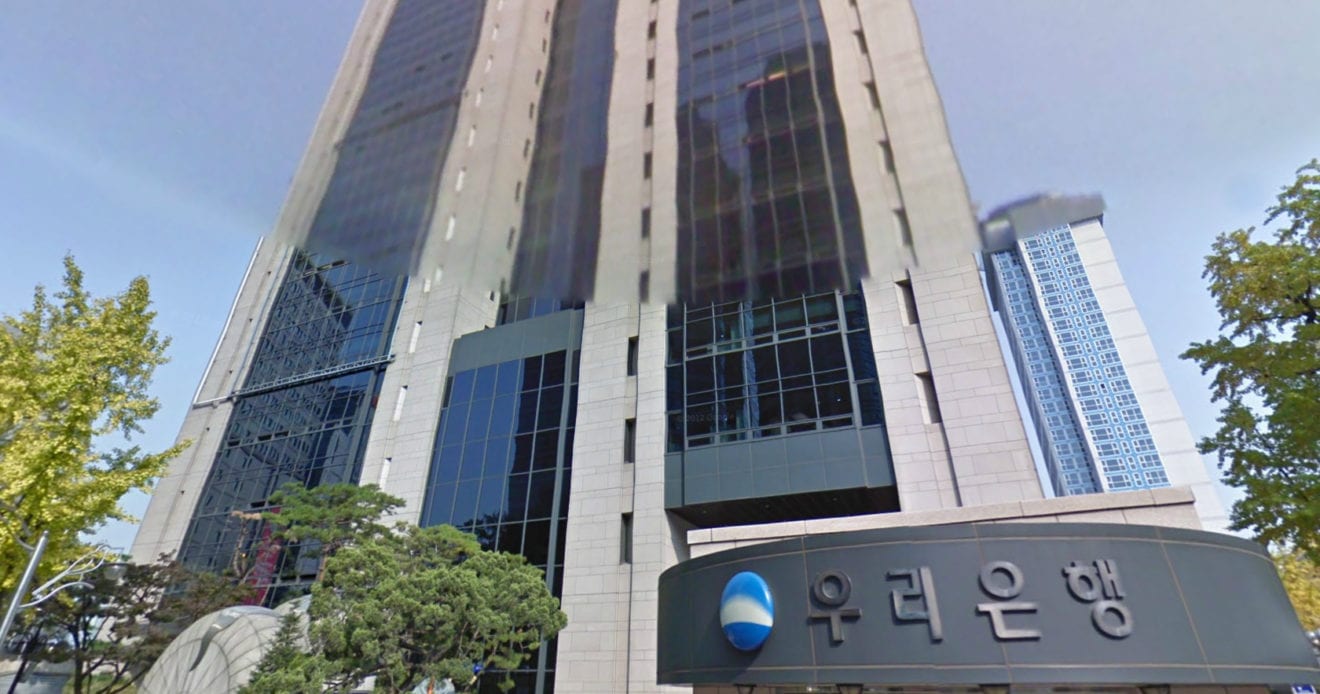
    South Korea’s Woori Bank expects to establish a Vietnam unit this month or in July, a bank official said on Tuesday, as part of the lender’s plans to expand its network in the expanding market of Southeast Asia.

    Woori Bank, South Korea’s largest bank in terms of consolidated assets as of the end of March, is awaiting approval from relevant authorities to established a wholly-owned unit in Vietnam, the official said.

    A Vietnamese banking source said the State Bank of Vietnam, the country’s central bank, was expected to grant a licence for the South Korean lender shortly.

    South Korea is now the biggest foreign investor in Vietnam, with large investments placed to turn it into a Southeast Asian production hub by Samsung Electronics Co Ltd and LG Electronics Inc.

    Other major Korean companies in Vietnam include Kumho Construction, Posco group, Hanjin Logistics and Kumho Tire.

    A free trade agreement between South Korea and Vietnam that came into effect last December gives more incentives for Korean firms to invest.

    Woori Bank’s Vietnam unit, once licensed, would most likely be a vehicle to expand South Korean investment in a country where it has been limited to operating two branches. Other competitors include HSBC, ANZ, Standard Chartered Bank as well as Shinhan Bank.

    With the expected approval, Woori Bank would seek to strengthen its localised service to Vietnamese retail customers through channels including its mobile banking platform Wibee Bank and chat app Wibee Talk.

  • Foreign direct investments rise to RM12.8b in first quarter

    Foreign direct investments rise to RM12.8b in first quarter

    Despite a weaker global environment, Malaysia remains a competitive investment location for foreign investors, with an increase of 28% in this quarter, says minister Mustapa Mohamed.

    In the first quarter (Q1) of 2016, Malaysia recorded RM37.3 billion of approved investments in the services, manufacturing and primary sectors.

    These investments involved 1,271 projects and will create 39,990 employment opportunities.

    “Despite a weaker global environment, Malaysia remains a competitive investment location for foreign investors, with an increase of 28% in this quarter.

    “Year-on-year, FDI (foreign direct investments) increased to RM12.8 billion in Q1 2016 from RM10.0 billion in the corresponding period of 2015.

    “Domestic investments led with RM24.5 billion or 65.7% of total approved investments in Q1 2016,” said International Trade and Industry Minister Mustapa Mohamed today.

    “Taking into account the two lumpy projects approved in last year’s Q1 i.e. PRPC’s project in Johor and LNG9’s project in Sarawak, Q1 2016 showed a decrease from RM69.8 billion in comparison as these two projects alone amounted to RM35.3 billion.

    “ I would like to highlight that without the two big projects, Q1 2016 actually shows an overall increase of 8.1% from RM34.5 billion last year,” the minister added.

    Services sector

    The services sector attracted the largest portion of approved investments in the first three months of 2016, amounting to RM27.6 billion. A total of 1,088 services projects were approved, creating 20,200 employment opportunities, the largest potential employer in the economy.

    “Foreign investment in the services sector surged by 112.1% from RM3.3 billion in Q1 2015 to RM7.0 billion in the same period this year.

    “We are seeing more foreign participation in distributive trade, education services, global establishments, financial services and real estate sub-sectors,” explained Mustapa.

    Distributive trade saw an increase of 992% of foreign participation from RM101.5 million in Q1 last year to RM1,108.7 million in Q1 2016.

    The increased investments from regional and international retailers have boosted Malaysia’s ranking to third position in the 2016 Global Retail Development Index (GRDI) by A T Kearney.

    For the education sub-sector, the increase of 672.7% of foreign investments from RM19.3 million in Q1 2015 to RM149.2 million in Q1 2016 reflects Malaysia’s success in accelerating the process in making the country a regional education hub of excellence.

    The private education sector will complement the government’s efforts in providing access to quality education to the people.

    As to date, there are 501 private higher institutions that offer a wide range of disciplines at every level of education, including short-term and professional courses certificate, diploma, degree and post-graduate degree qualifications.

    Global establishments and end-to-end global supply chain management services are fast becoming important components in the Malaysian economic backbone.

    In Q1 2016, the Malaysian Investment Development Authority (Mida) approved a total of 60 global establishments with investments of RM5.6 billion.

    The lion share of these was from six principal hub projects with total investments worth RM5.5 billion. These investments were in the industries of aerospace, electronic & electrical (E&E), food & beverage as well as resource-based industries.

    The principal hub initiative is among the high value-added services that are currently promoted by Malaysia.

    Manufacturing sector

    Investments in the manufacturing sector for January-March 2016 totalled RM8.9 billion from 170 projects. The approved manufacturing projects are expected to generate about 19,650 employment opportunities.

    “Despite the decrease in investments in this sector for the first quarter of this year, it is noteworthy that Malaysia has attracted significant investments in the transport equipment industry, with a spike of 1,584% from RM40.1 billion in Q1 2015 to RM675.7 billion in Q1 2016.

    Other industries which recorded high growth rates were paper, printing & publishing (944.0%), food (550.0%), leather & leather products (162.3%), chemical & chemical products (159.1%), scientific & measuring equipment (78.8%), and rubber products (57.1%).

    Regardless of a lower investment value in Q1 2016, the E&E industry emerged as the main contributor to the total approved investments in the manufacturing sector compared to the corresponding period last year.
    Most of the high quality projects in E&E are concentrated in solar, fabricated wafers and semiconductor devices.

    Primary sector

    Malaysia continued to register a lower investment in the primary sector due to the challenges in global crude oil prices. Investments in this sector recorded a total of RM874.9 million in Q1 2016.

    The mining subsector led with approved investments of RM692.2 million, mainly from oil and gas exploration activities.

    Approved investments in the plantation and commodities subsector totaled RM129.0 million. In Q1 2016, a total of RM53.7 million investment was approved in the agriculture subsector.


  • SoftBank CEO-elect Nikesh Arora steps down suddenly

    SoftBank CEO-elect Nikesh Arora steps down suddenly

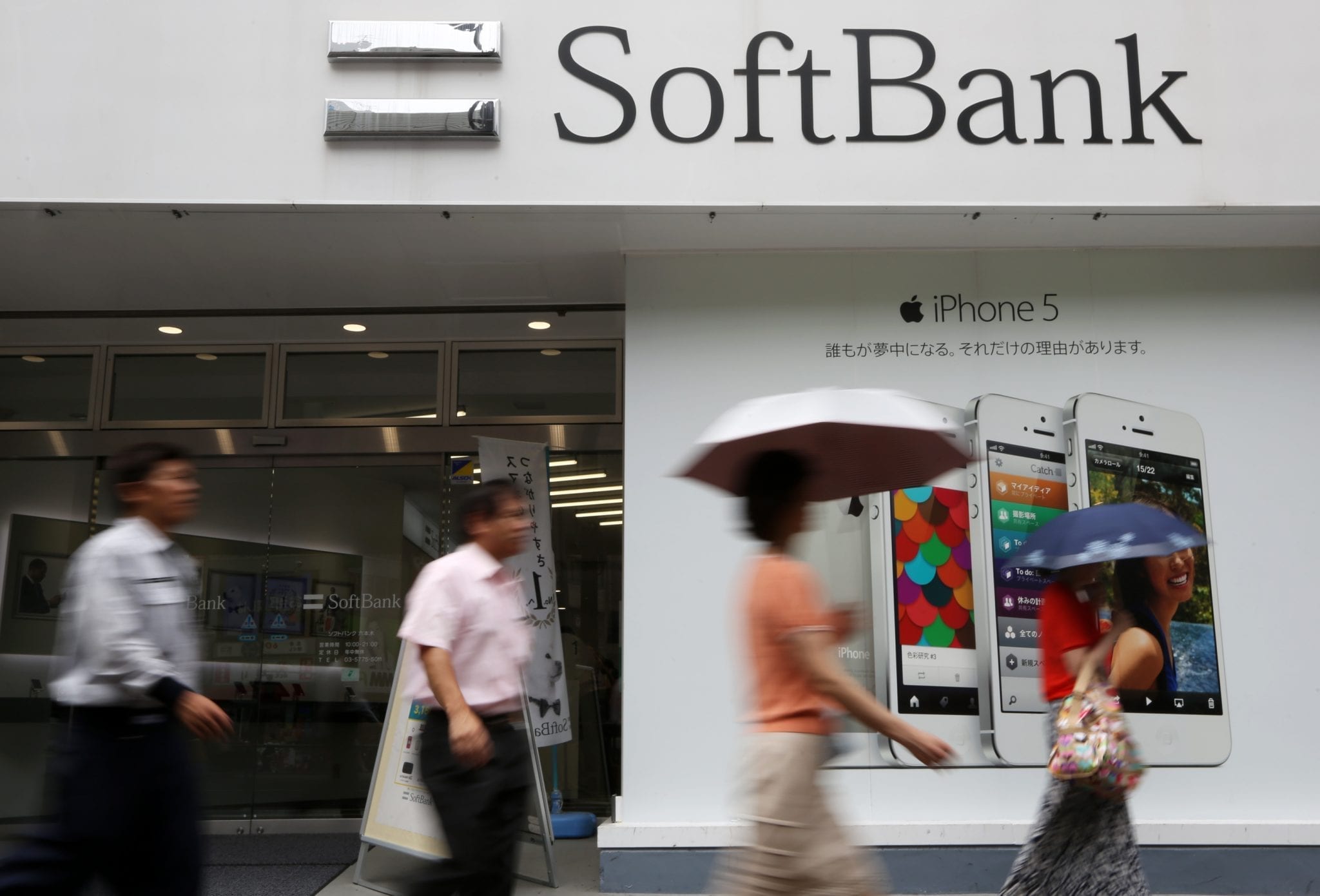
    In a surprise move, SoftBank president and heir apparent Nikesh Arora has stepped down from his role.

    Nikesh announced on Twitter that current SoftBank CEO Masayoshi Son will continue to be CEO for the next 5-10 years, and he has therefore decided to move on from the company.

    Nikesh had been selected last year to be groomed to replace Son, following a $482 million investment in SoftBank that Nikesh had described as “a personal bet on the Softbank Group.” Nikesh had joined SoftBank in 2014 from Google, where he was Chief Business Officer.

    At the time the succession seemed to be a done deal. But in a statement, Son said his plans have changed.

    “Nikesh is a unique leader with unparalleled skills around strategy and execution. He should be CEO of a global business, and I had hoped to hand over the reins of SoftBank to him on my 60th birthday – but I feel my work is not done,” Son said.

    “I want to cement SoftBank 2.0, develop Sprint to its true potential and work on a few more crazy ideas. This will require me to be CEO for at least another five to ten years – this is not a timeframe for me to keep Nikesh waiting for the top job.”

    Son said Nikesh will continue to act in an advisory role for Softbank starting from July 1.

    At the start of this year a US law firm called for an independent investigation into Nikesh, citing unnamed SoftBank investors, accusing him of having a conflict of interest and strongly criticizing his investment strategy on behalf of SoftBank.

    But the day before Nikesh announced his resignation, the SoftBank board had announced that a special committee had found the allegations to be without merit.

  • Peruri to build currency paper factory in 2017

    Peruri to build currency paper factory in 2017

    The state-owned money printing company, Peruri, has set a target to build a currency paper factory in 2017, according to the companys President Director, Prasetio.

    Such a currency printing firm is badly needed because Indonesia does not have one so far, Prasetio pointed out here on Monday.

    “God willing, we will be able to sign a Memorandum of Understanding (MoU) with our partners, so that it can be realized next year,” Prasetio explained, adding that the venture is open to both domestic and foreign investors to be partners.

    Prasetio further said that the currency paper plant will be built on Peuris own land in the West Java Provincial District of Karawang.

    Prasetio did not elaborate how much investment would be required for the project.