Category: Finance

Retail News Asia is committed to providing both local and global retailers with the latest Finance news throughout the Asian market. This on a daily base.

  • Bank Indonesia cuts benchmark interest rate to 6.50 per cent

    Bank Indonesia cuts benchmark interest rate to 6.50 per cent

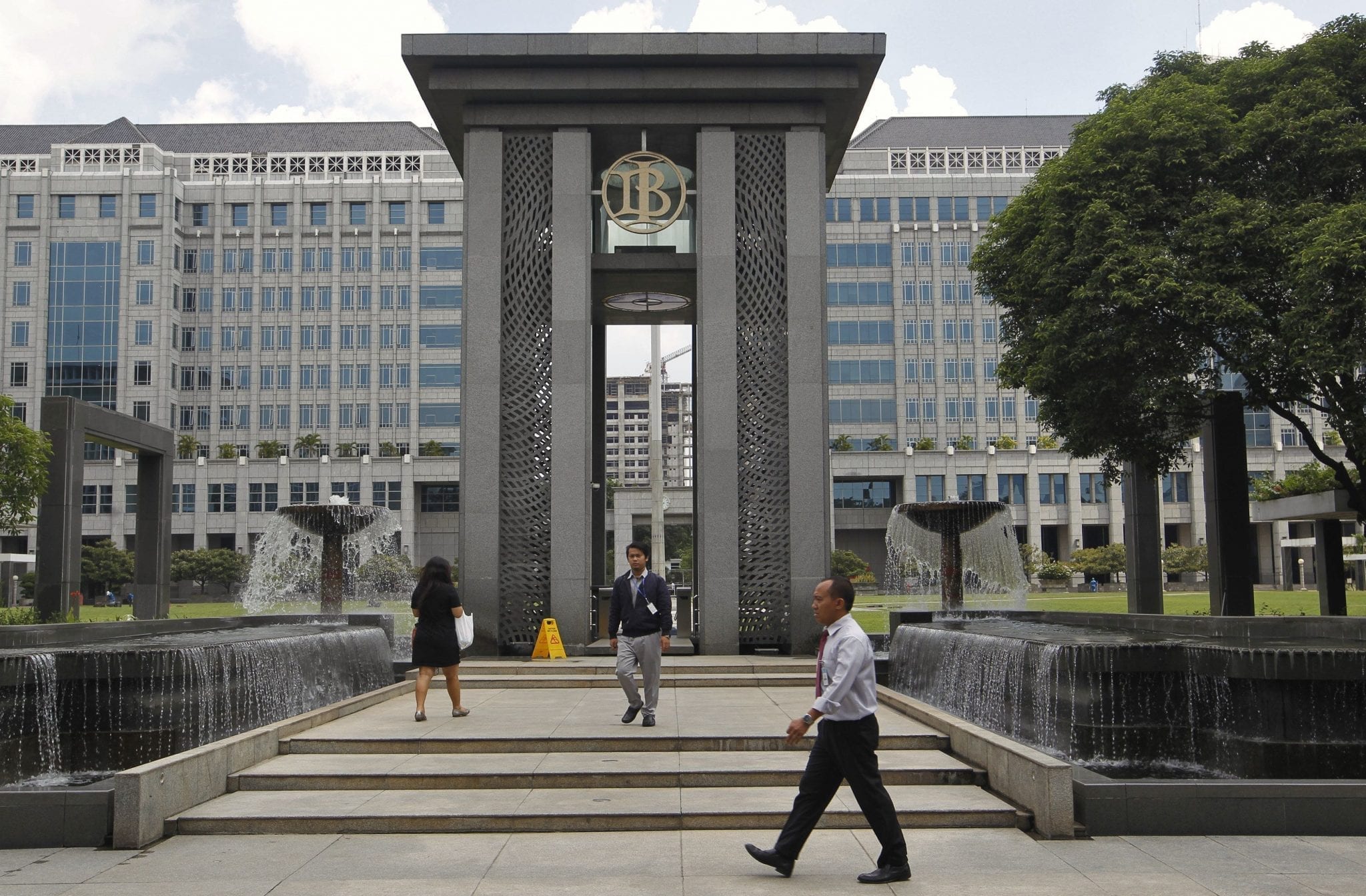
    Indonesia’s central bank cut its benchmark interest rate again by a quarter point to 6.50 per cent Thursday amid slow and uneven recovery of the global economy.Bank Indonesia spokesman Tirta Segara said the cut, the fourth this year, was decided at a two-day meeting of the Board of Governors.The key interest rate was lowered in January after staying at 7.5 per cent since February 2015. Cuts of another quarter point followed in February and March.Segara said the central bank will continue monitoring global economic developments that will have an impact in Indonesia.

    He noted that the country is expected to feel effects from the U.S. economy, which is not in solid recovery as indicated by weakening of consumption and employment as well as low inflation.The central bank believes that the easing of monetary and macro-prudential policies will strengthen the government’s attempts to boost sustainable economic growth through acceleration of structural reforms.Domestic economic growth in the second quarter of 2016 is expected to improve although not as strong as previously expected, the central bank said in a statement.

    It sees that various steps are still needed to boost domestic demand to continue to strengthen the momentum of economic growth, and with these developments, the overall economic growth for 2016 is estimated to be in the range of 5 per cent to 5.4 per cent.

  • China, Hong Kong shares fall as global investors flee risky assets

    China, Hong Kong shares fall as global investors flee risky assets

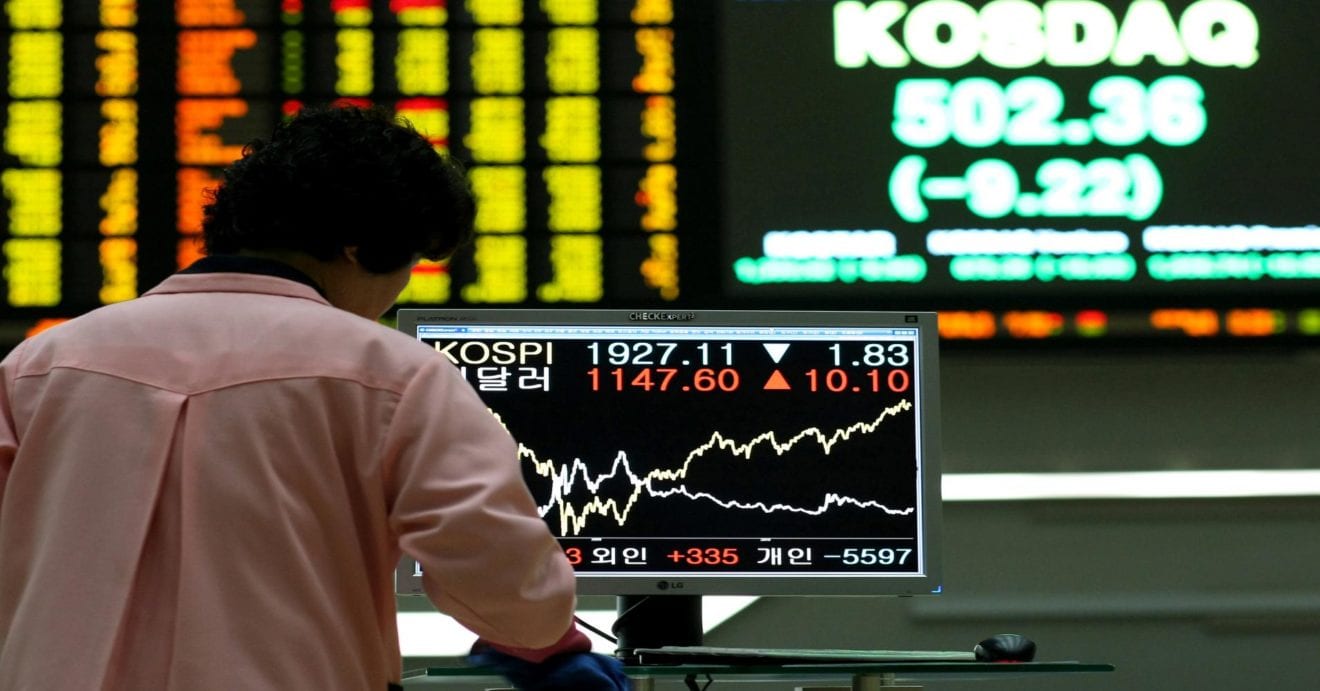
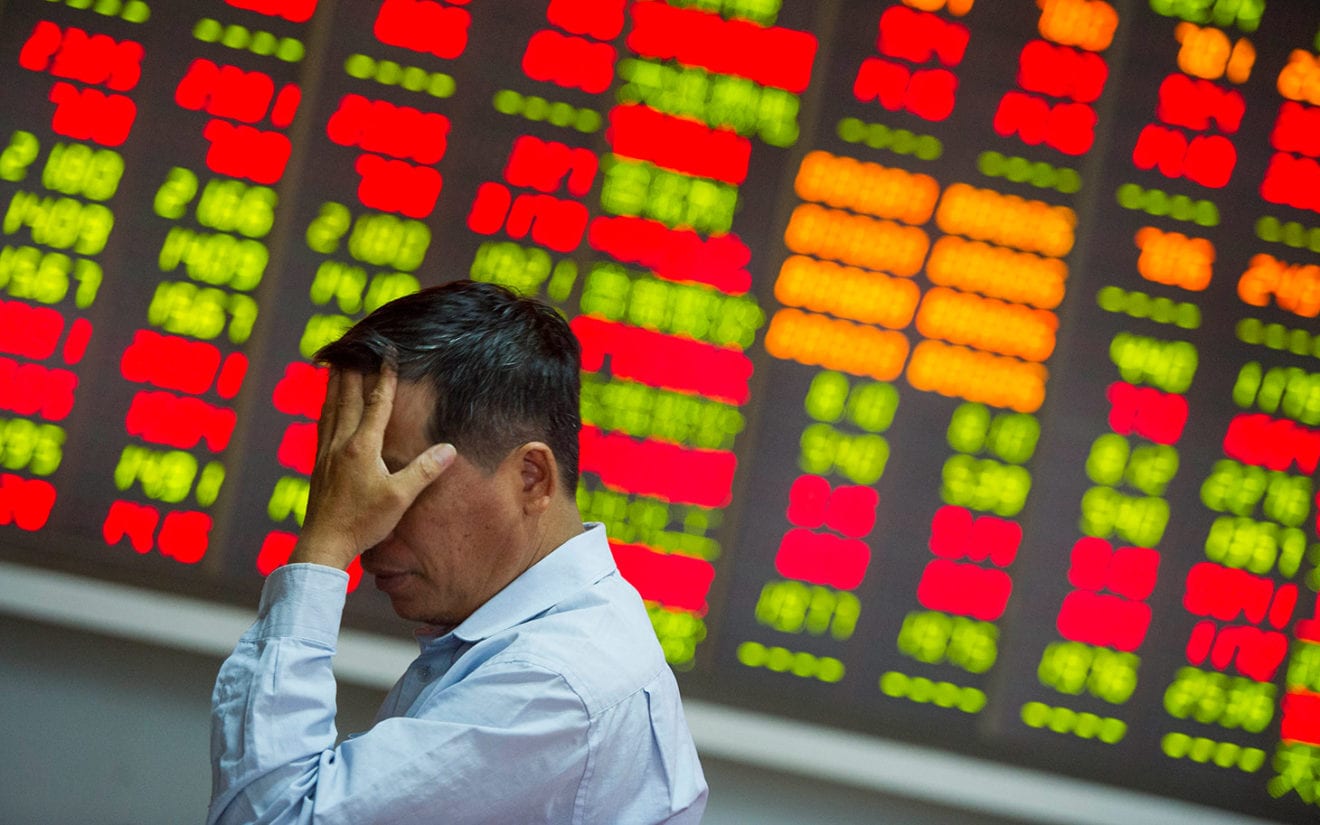
    China and Hong Kong stocks slumped on Monday morning, with investors joining a global flight from risky assets on lingering economic concerns and rising risks from the UK’s possible exit from the European Union.

    Sentiment was dampened by worries over China’s economic health after data showed slowing growth in fixed asset investments and retail sales, offsetting optimism that MSCI may add Chinese shares to its emerging market index this week.

    China’s blue-chip CSI300 index fell 0.8 percent, to 3,138.06 points by the lunch break, while the Shanghai Composite Index also lost 0.8 percent, to 2,904.23 points.

    Selling was more intensive in Hong Kong, where financial markets are more open and thus more vulnerable to global market volatility. The benchmark Hang Seng index dropped 2.5 percent.

    In June 2015, China’s “Great China Bubble” burst, triggered by the destruction of margin trades, and sending shockwaves across global financial markets.

    “One year after the crash, China’s stocks, bonds, property and currency are still expensive,” wrote Hong Hao, chief strategist of BOCOM International.

    He added that the Shanghai index was still roughly 17 percent above the theoretical support level of 2,500 even after almost halving from last summer’s peak.

    “Although Hong Kong is trying to heal, struggling global markets will be a drag.”

    Global market volatility surged lately as investors fretted ahead of this week’s central bank meetings as well as Britain’s June 23 referendum on whether to remain in the European Union.

    Sentiment was not helped by lacklustre Chinese data.

    Foreign direct investment (FDI) in May fell 1 percent from a year earlier, marking the first year-on-year decline since December, according to data published on Sunday.

    Data on Monday showed that China’s fixed-asset investment growth eased to 9.6 percent in January-May from the same period a year earlier, below market expectations. Industrial output and retail sales data were not encouraging either.

    “Given today’s data, there is higher risk for China to miss the growth target of 6.5 percent y/y in Q2,” ANZ wrote in a research note.

    Shares fell across the board in China and Hong Kong.

  • The Bank of Korea Just Delivered a Surprise

    The Bank of Korea Just Delivered a Surprise

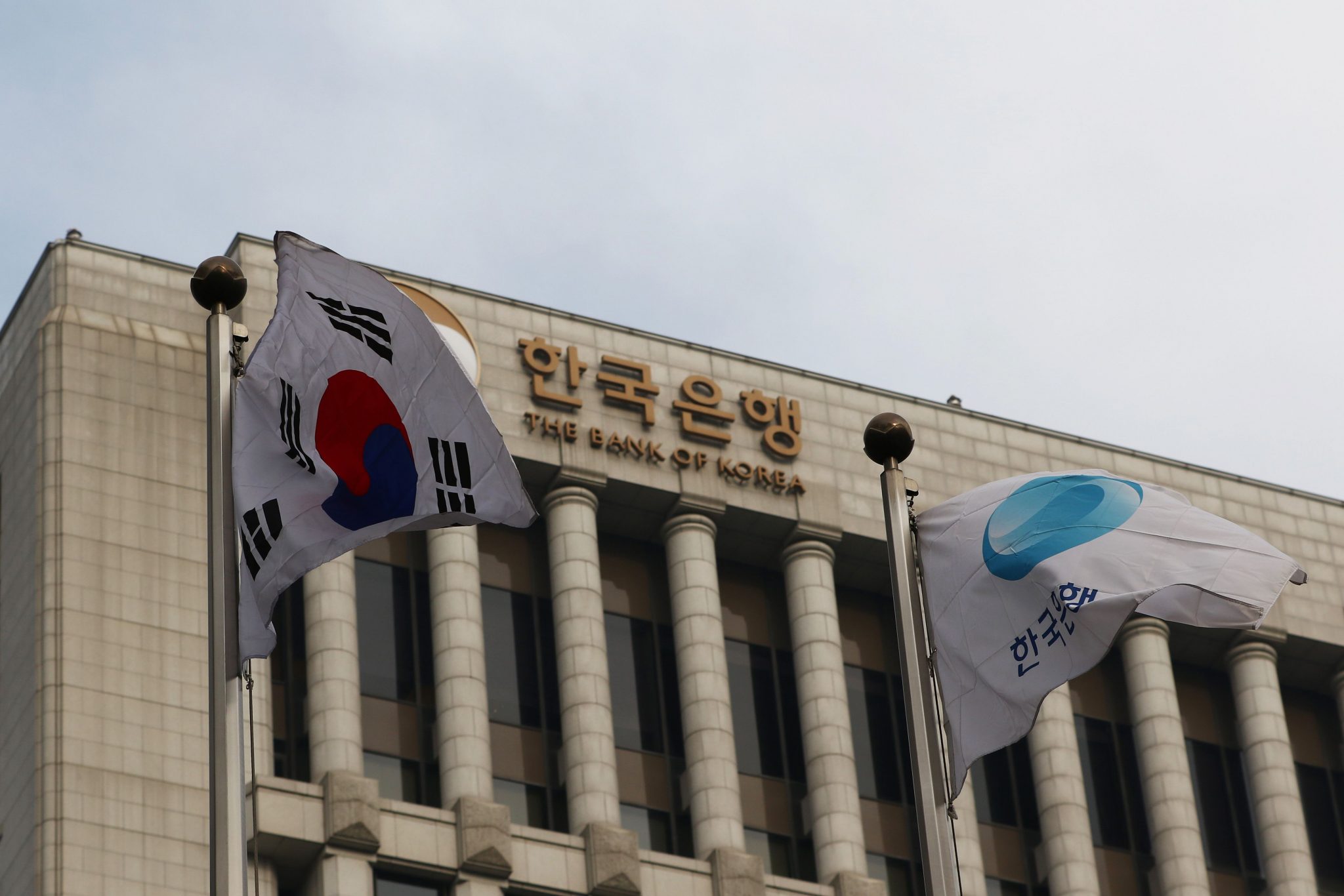
    South Korea’s iShares MSCI South Korea Capped ETF (EWY) slid on June 9 after the Bank of Korea cut interest rates by 25 basis points to 1.25%. This is a record low for the Korean policy rate, which is aiming to support the government’s plan for massive debt restructuring for highly indebted firms.

    Growing risks to the economy due to slow trade recovery worldwide also drove the dovish move. EWY had risen by more than 6.5% since the beginning of the month, leading to some profit booking by traders.

    The Bank of Korea Just Delivered a Surprise

    Chinese inflation falls

    Meanwhile, consumer price inflation across China rose by 2.0% in May on an annual basis against expectations of a 2.3% rise. Prices contracted by 0.5% in May, as compared to expectations of a 0.2% decline. Chinese ETFs (FXI) (MCHI) and (ASHR) were declining on June 9, prior to closing on account of the local holiday.

    Japanese indexes continue to correct

    The Japanese Nikkei 225 corrected by nearly 1% on June 9, 2016, after machinery orders added further disappointment to the Japanese economy. Machinery orders fell by 8.2% on a year-over-year basis in April, as compared to forecasts a 2% decline.

    Relatedly, the unemployment rate in the Philippines rose in the second quarter to 6.1%, despite the 5.8% rate last quarter. Thai (THD) consumer confidence in May came in marginally lower at 72.6, while retail sales in Indonesia came in slightly below estimates of 11.1% at 10.4%.

  • Korea to Develop Quick-time Consumption Index

    Korea to Develop Quick-time Consumption Index

    Statistics Korea revealed Tuesday that it’s developing what it calls a ‘quick-time consumption index’ based on civilian credit card approval information provided by the Credit Finance Association (CFA).

    The new index will use big data related to credit card approval information from eight domestic credit card companies, and is expected to launch in October.

    The CFA-provided information consists of approved credit card transactions categorized by date, 17 cities and provinces, and 178 business categories. To further broaden the index, Statistics Korea will also use additional credit card approval information from more specific types of businesses such as department stores and supermarkets.

    Statistics Korea expects the new index to allow for quicker observation of the ‘production index for the service industry’ and ‘retail sales index’, with an improvement of approximately three weeks, which in turn will permit quicker responses to economic changes.

    “The total approved credit card transactions take up 76 percent of all consumption and sales, which will make this new index quite reliable,” said an official from Statistics Korea.

  • Is There a Tech Bubble in China?

    Is There a Tech Bubble in China?

    Wealthy Chinese investors are in a bind. All the usual, typically safe investment vehicles—commodities, stocks, even stable real estate—have been anything but usual or safe over the last couple months. The Chinese economy has slowed and inflation has picked up, the yuan has been under pressure, oil has tanked, and gold markets have been rattled. Real-estate markets in previously inviolable zip codes like Manhattan, a longtime sure bet for foreign investors looking to park their money in the stability of multi-million-dollar apartments, have started to sway.

    With the new reality of so much risk and little hope for returns in these markets, Chinese investors are pushing their money toward technology start-ups, according to Reuters. Investments in these companies more than doubled last year, according to CB Insights research, leaping to $32.2 billion. So far this year, venture-capital investments have already climbed to $4.7 billion. That stands in stark contrast to the Shanghai Composite Index, which is down nearly 20 percent in 2016. Established-enough Chinese start-ups like the ride-hailing Uber competitor Didi Kuaidi have benefited the most. The company saw its valuation jump 25 percent to about $20 billion—dwarfing its American competitors.

    We’ve watched this movie before in the U.S. As investors got tired of waiting to wade back into the muck of traditional markets in the wake of the financial crisis, they looked for new places to strike gold. They set their sights out West, to Silicon Valley, pouring their money into small start-ups with huge funding rounds, hoping for a payday. The result was the birth of dozens of new billion-dollar companies. On a hope, a prayer, and the blood, sweat, and tears of many a millennial, these unicorns hung on and continued to raise money. But now, the chickens are coming home to roost.

    Last month, Fidelity marked down investments in 19 start-ups, including onetime Silicon Valley standouts Dropbox and Zenefits (the markdown, however, seems like the least of Zenefits’s worries). Millennial darling Snapchat got similar treatment from Fidelity last fall. Others, like Jawbone, and again, Zenefits, have laid off workers. Funding has started to dry up, yet even those able to raise capital are struggling. Oscar, the health-care app pegged to Obamacare exchanges, closed a round last month that boosted its valuation to $2.7 billion. But on Tuesday, the company reported that it was bleeding money, losing more than $100 million in 2015.

    American investors thought they were trading risky investments for the kinds of returns they could only dream of, but it appears the risk in their their start-up bets were just as great. Now, as Chinese investors make similar calculations, they may face a similar fate.

  • Lotte aims to take slice of Indonesia’s credit card industry

    Lotte aims to take slice of Indonesia’s credit card industry

    South Korean conglomerate Lotte Group announced its plans to delve into the credit card market in Indonesia following a meeting with President Joko “Jokowi” Widodo during his state visit to the East Asian nation last month.

    In a one-on-one meeting with President Jokowi on May 16 in Seoul, Lotte Group chairman Shin Dong-bin conveyed the company’s plans to advance its business and investment in Indonesia, including an idea to venture into the credit card market.

    “The Lotte’s management have told us that they want to invest in cinema, theme parks and the credit card business in Indonesia,” Creative Economy Agency head Triawan Munaf said recently.

    The company’s chain of hotels, amusement parks and duty-free shops generated more than 5.1 trillion won ( US$4.38 billion ) in revenue last year, Bloomberg reported.

    Foreign Affairs Minister Retno LP Marsudi said the group was eager to invest further in Indonesia as it had seen potential.

    With Lotte Mart having first opened its doors in Indonesia in 1993, the company, which employs 9,000 people in Indonesia, has become a major retail player in the country. It also operates Lotte Department Store with two duty-free stores, the Angel-in-us Coffee coffeehouse chain and Lotteria fast food chain.

    In 2013, the group opened Lotte Shopping Avenue near the busy Mega Kuningan central business district in Jakarta. It is a large-scale shopping complex that hosts its affiliates, including Lotte Department Store, a duty-free store and Lotteria.

    Despite having yet to hear Lotte’s plan, Indonesian Credit Card Association ( AKKI ) general manager Steve Marta said the South Korean group had actually engaged in a discussion with the association two years ago regarding its idea to enter the domestic credit card industry.

    “However, we haven’t heard any news from Lotte since then. As far as I know, the company started a partnership with Bank Negara Indonesia’s [BNI] credit card business,” he said on Friday, referring to the state-owned lender.

    Separately, BNI consumer banking director Anggoro Eko Cahyo said the bank had a partnership with Lotte Mart Indonesia through a co-branding credit card product called “BNI Lotte Mart Card”, which was launched in 2011.

    Bank Indonesia, which also supervises and regulates the country’s payment system, is yet to receive a report from Lotte Group on its plan to enter the domestic credit card market, Deputy Governor Ronald Waas said.

    “They are welcome, but we haven’t yet heard anything from them,” he said.

    As a potential new player in the credit card business in Indonesia, home to over 250 million people, Lotte still has an opportunity to penetrate the local market. There are currently only 16.9 million credit cards circulating in the country, Steve said.

    However, he said new players were expected to start venturing in non-traditional types of credit card market as existing issuers were largely concentrated in Jakarta and other big cities with similar customer profiles.

    “It would be better for new players to seek alternative customer profiling, such as micro and small and medium enterprise [MSME] segments. This will also help increase non-cash transactions in the country,” he said.

    The country saw 23.6 million credit card transactions worth Rp 22.1 trillion booked by 23 issuers in April, Bank Indonesia data shows.

    If its credit card operation in Indonesia is confirmed, Lotte will become the country’s second non-bank credit card issuer after AEON Credit Services, a consumer financing firm subsidiary of Japan’s conglomerate AEON Group.

    Despite the country’s credit card market being dominated by banks, Steve said non-bank credit card issuers still had good prospects as they owned captive markets amid a new global trend in which various multinational companies, such as airlines, had started to issue their own payment cards.

  • Bank Indonesia Reduces RTGS to Rp100 mn

    Bank Indonesia Reduces RTGS to Rp100 mn

    Bank Indonesia will reduce the minimum limit of fund transfer through the instrument of “Real Time Gross Settlement” (RTGS) to Rp100 million from Rp500 million at present. The new limit would be effective as from July 1, a Central Banks Executive Director Bramudija Hadinoto said on Monday, June 7, 2016.

    The reason for the cut is that the Central Bank wants transfer of fund larger than Rp100 million is allowed for certain appropriation as fund larger than Rp100 million is already put in the category of non retail fund. RTGS is an electronic transfer system at real time. The central bank has two systems of fund transfer — RTGS and clearing systems. RTGS transfer is done at once and clearing take a process of two hours .

    The cut in the minimum limit of fund transfer through RTGS, is expected to result in an increase in frequency of transfers to 55,000 times from normally 39,000 times a day from and clearing transactions are expected to decline in frequency from 470,000 times to 450,000 times day.

  • BRI Goes Digital for Cashless Society Program

    BRI Goes Digital for Cashless Society Program

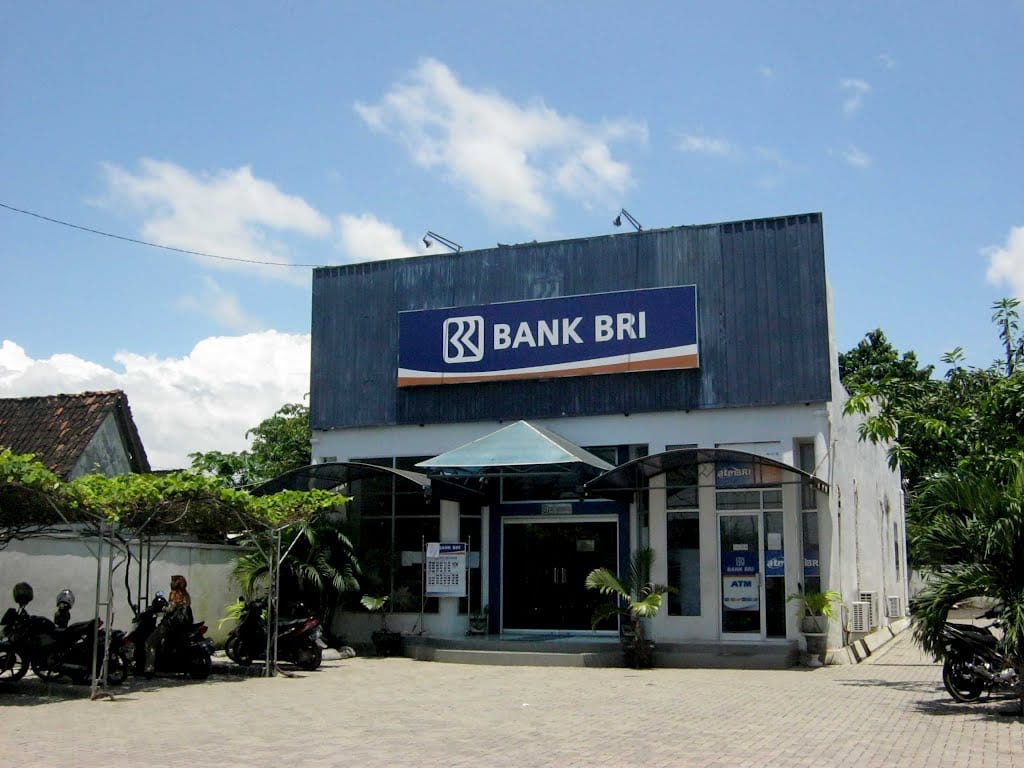
    Bank Rakyat Indonesia (BRI) has been revamping its digital banking services as part of its “cashless society” program and in support of the central bank’s Non-Cash Payment Movement (GNNT), a senior BRI official said last week.

    BRI Consumer Director Sis Apik Wijayanto said the top small-business lender intends to reduce cash to a minimum for every transaction.

    “This is the digital era, tech support is crucial. The goal is to improve payment efficiency and offer customers  the utmost convenience,” Sis said.

  • Mary Buffett Launches Jitta.com for Bangkok Investors

    Mary Buffett Launches Jitta.com for Bangkok Investors

    Mary Buffett, the former daughter-in-law of famed investor Warren Buffett, helped launch Jitta.com last week, a platform aimed at retail stock investors in Thailand’s capital. Ms. Buffett brings the Buffett know-how to Bangkok to appeal to investors hoping to become as good as the famous stock picker.

    Co-author of the best-selling book “Buffetology,” Mary is putting her name behind the Jitta startup. After testing the platform for herself, Ms. Buffett found it to be an impressive tool for investors.

    Mary’s endorsement of Jitta.com is an obvious boost for the Thai-based startup, which is looking to make it big on the international retail investment scene.

    Ms. Buffett met with Jitta.com founder Trawut Luangsomboon three years ago, and was one of the initial investors in the project. The start-up launched in the U.S. in 2014.

    Jitta uses Warren Buffett’s investment style to simplify retail investment and make it easy for most individuals to get started. Buffett’s style is primarily focused on buying great stocks when they’re undervalued.

    When shares drop below Jitta’s “fair price,” investors are encouraged the buy the stock – just as Warren Buffet would do.

    Through the adoption of Buffetology’s key elements, this platform helps investors minimize risk while doing their due diligence.

    Jitta covers stocks in Singapore, U.S., Thailand, Vietnam and Hong Kong.

  • CIMB’s Corporate Card Solutions to see big growth

    CIMB’s Corporate Card Solutions to see big growth

    CIMB Bank Bhd’s newly-launched Corporate Card Solutions is expected to gain significant growth momentum, given that it is a gamechanger in the market.

    In collaboration with MasterCard, the CIMB Corporate Card Solutions offers convenience, control and transparency for business operational expenditure, through its corporate card, purchasing card and virtual card solutions.

    “We are very excited about this launch because the corporate segment has been a domain of the consumer segment in the past.

    “This is a very new solution, for us and in the market as well.

    “A lot of banks now do not do this business,” said CIMB Group transaction banking head Thomas Tan after the launch ceremony yesterday.

    New cards: (from left) MasterCard South-East Asia Indonesia, Malaysia and Brunei group country manager and Islamic payments group head Safdar Khan, Zafrul, MasterCard Asia/Pacific co-president Ari Sarker, and Tan having a closer look at the mock credit cards at the launch of CIMB’s Corporate Card Solutions.

    The Corporate Card Solutions offers unique, customised solutions for companies, such as setting spending limits and customising merchant categories by each individual card holder, with real-time overview of employees’ travel and entertainment expenditure.

    Meanwhile, the purchasing card automates the company’s procurement process by capturing card transactions in real time, which facilitates account reconciliation.

    Companies also have the option to decide on the billing cycles, like a 45-day or 60-day credit interest-free period, unlike consumer credit cards which have one determined billing cycle.

    As for the virtual card solution, businesses can randomly generate a 16-digit virtual card number that is associated with a specific payment, which is then securely transmitted to a specific supplier when payment is due.

    Data is captured real time and matching a unique virtual card number to a specific payment improves reconciliation and aids data analysis.

    These solutions help optimise cash flow, enabling businesses to operate more efficiently through the entire value chain.

    “In today’s business environment where cost management is a high priority, it is our aspiration to help organisations to significantly improve their operational and cost efficiency by automating their transactional flows.

    “These solutions offer unique savings features by optimising cashflows and working capital.

    “Our digital banking solutions such as these are also a response to Bank Negara Malaysia’s call for a reduction in the usage of cheques from 207 million in 2011 to 100 million by 2020,” said CIMB Group chief executive Tengku Datuk Sri Zafrul Aziz.

    The CIMB Corporate Card Solutions is targeted towards government and state agencies, small and medium enterprises (SME) as well as corporate sectors.

    Prior to yesterday’s official launch, CIMB had converted five corporate clients to its Corporate Card Solutions during the soft launch.

  • Maybank Islamic secures four awards

    Maybank Islamic secures four awards

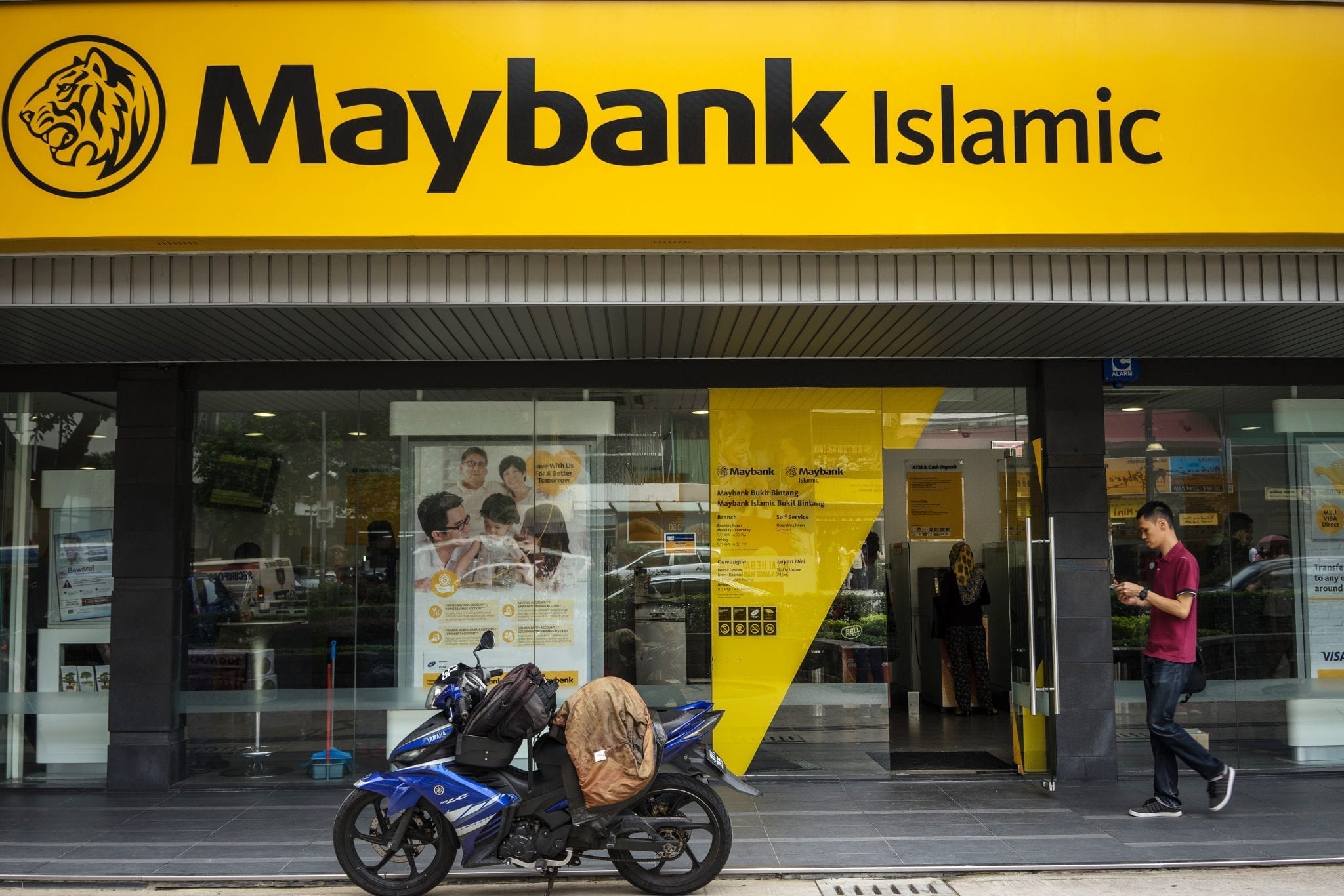
    Maybank Islamic Berhad has clinched the Leadership Issuer of the Year Award for a financial institution by the Asset Triple A Islamic Finance Awards 2015 for its RM1.5 billion Basel III-compliant subordinated sukuk murabahah, which was the single largest deal of its kind launched by an Islamic financial institution.

    The issuance was pursuant to a subordinated sukuk murabahah programme of up to RM10 billion in nominal value established in March 2014.

    The transaction received encouraging response from investors resulting in an oversubscription rate of 2.9 times, enabling Maybank Islamic to upsize the deal from the initial target of RM1 billion. Maybank Investment Bank Berhad acted as the Lead Arranger and Manager.

    “Proceeds raised from the subordinated sukuk murabahah are used to position Maybank Islamic for stronger growth domestically and regionally,” said Maybank Islamic Chief Executive Officer Muzaffar Hisham.

    He also thanked his team for their hard work in the sukuk issuance and The Asset for recognizing this effort.

    “The strong demand we received from investors for this programme is a testimony of Maybank Investment and Maybank Islamic’s leadership in the Islamic capital market space,” he said.

    The Sukuk programme also won an award in the category of Highly Commended Best Bank Capital Sukuk.

    In 2014, Maybank Islamic Berhad cemented its leadership position as it posted robust double-digit growth rates in financing, deposits and in asset size which stood at RM146.4 billion as at December 31 2014.

    Maybank Islamic also won 4 other awards. These were the Islamic Bank of The Year for Asia Pacific and Malaysia, Best Islamic Retail Bank, Best Islamic Trade Finance Bank. It also picked up 2 awards in collaboration with Maybank Investment Bank for Best Corporate Hybrid Sukuk and Best Local Currency Sukuk.

    Maybank Investment also won the following awards – Best Reit sukuk, Best bank capital sukuk-Highly commended, Best corporate sukuk, Best quasi-sovereign sukuk, and Best Islamic Deal.

    The awards ceremony took place here recently and Maybank Islamic was represented by its Deputy CEO, Nor Shahrizan Sulaiman and its Head of Corporate and Investment Banking Arshad Ismail.

    Maybank Islamic is currently the leading Islamic Bank in ASEAN and the largest Islamic Bank in Malaysia securing a 32.7 percent domestic financing market share and accounting for 43.8 percent of Maybank Group’s total domestic loans/financings.

  • Five major banks lined up to support Apple Pay launch in Singapore

    Five major banks lined up to support Apple Pay launch in Singapore

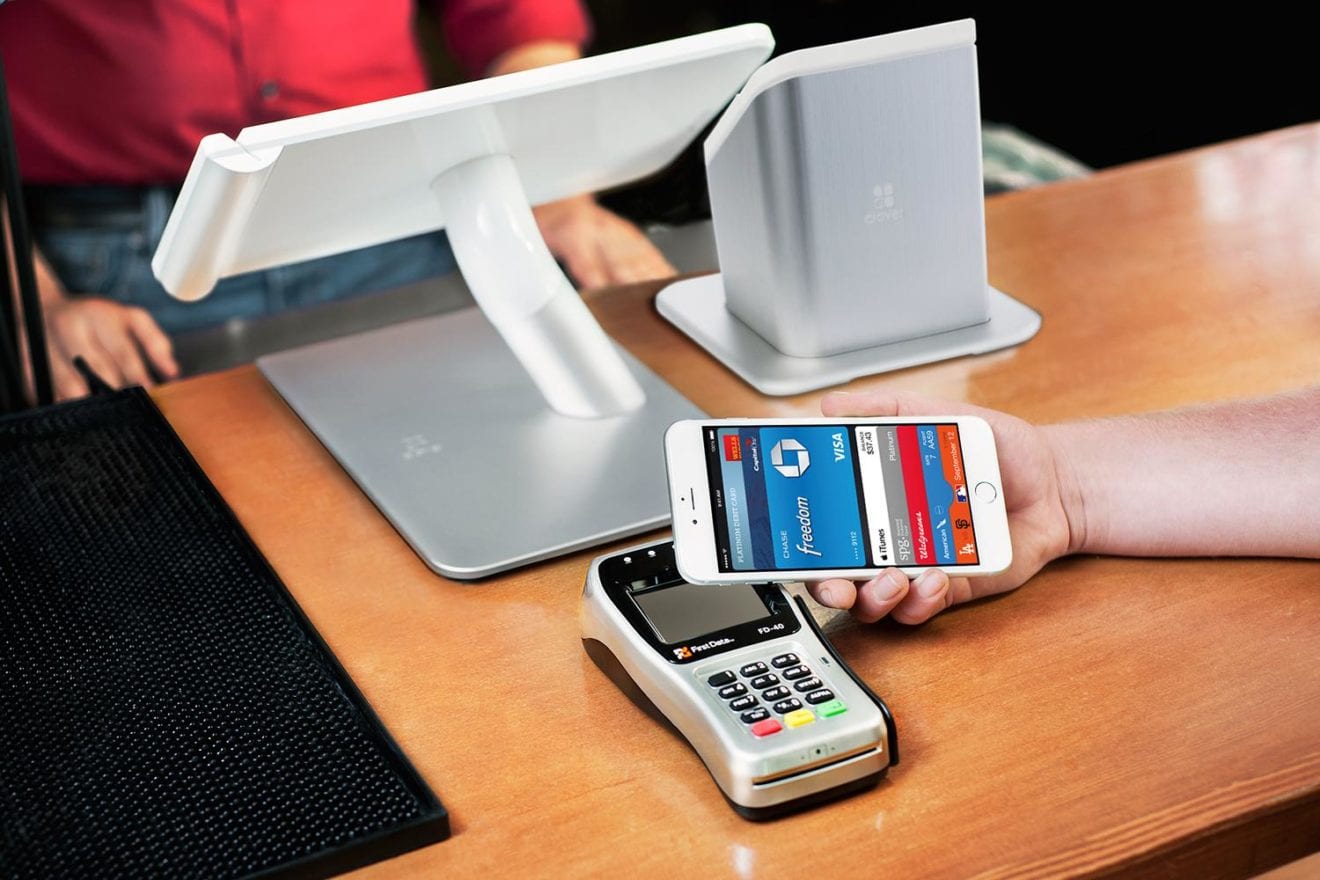
    Five major banks, representing 80% of Visa and MasterCard credit and debit cards issued in Singapore, have signed up to Apple Pay, extending the use of the mobile wallet beyond a limited earlier release for AmEx cardholders.

    MasterCard says it is working with DBS, OCBC, POSB, Standard Chartered and UOB, to enable iPhone and Apple watch users to make purchases in stores equipped with contactless readers.Recent figures from MasterCard indicate that consumers in Singapore are supportive of the idea of adopting contactless payments. Singaporeans are among Asia’s top three adopters of digital wallets and interest has been climbing steadily with one in four likely to use a digital wallet compared to just one in 20 three years ago.

    Apple Pay’s launch comes just a month after Samsung announced plans to roll out its rival mobile wallet with the support of DBS/POSB, OCBC Bank and Standard Chartered. Previously, Apple Pay had only been available for American Express cardholders in Singapore.

  • OCBC Singapore launches voice biometrics, speech recognition in contact center

    OCBC Singapore launches voice biometrics, speech recognition in contact center

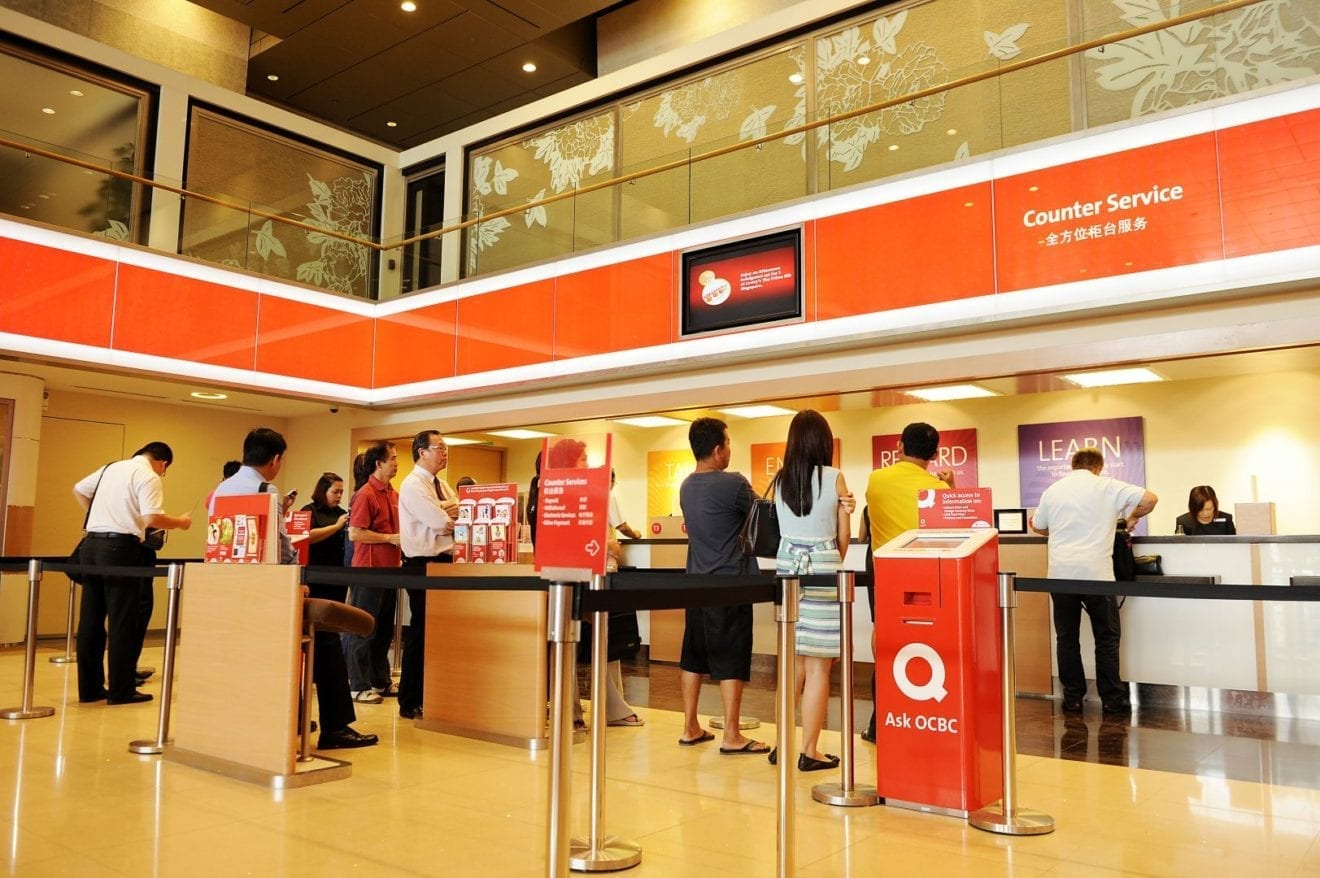
    OCBC Bank in Singapore has launched voice metrics and speech recognition in its contact center to improve the retail customer experience.

    According to the bank’s head of consumer financial services Dennis Tan, the solutions launched reduce the time taken for customer verification, giving customers quicker access to services required. The voice biometric authentication replaces PINs, one-time passwords and security questions at the bank’s contact centre. Customers can use their voices as vocal passwords for authentication.

    Voice biometrics was launched by OCBC in September last year to a targeted group of retail customers. With the technology, customers could use their voiceprints to authenticate requests for account balances, latest transactions and the status of deposited cheques.

    Voice biometrics will be available to the bank’s retail customers in the fourth quarter of this year, with customers expected to be able to use their voiceprints to authenticate a majority of banking transactions.

    To enrol their voiceprint, customers are asked to say a specific phrase, called a passphrase, three times. A passphrase is an explicit sentence crafted by OCBC Bank to be spoken by the customer into the system to capture the customer’s voice. The voiceprint is created using the spoken passphrase and stored in the system’s database. A voiceprint is not a recording of a voice but a digital representation of a person’s vocal characteristics, so it cannot be disguised and is not affected by emotion or a blocked nose.

    To authenticate a banking transaction, the customer will be asked to say the passphrase that was used to enroll his or her voiceprint. If further verification is needed to confirm the customer’s initial vocal password is valid and is not a voice recording, the system will then ask the customer to say a different sentence from the enrolled passphrase. The customer’s voice is captured and is compared with the relevant stored voiceprint on the database. A verification result is then provided by the system. The authentication process is hassle-free and can be done in 15 seconds.

    Speech recognition

    OCBC Bank launched speech recognition at its contact center in April this year to all personal banking customers.

    While voice biometrics enhances customer experience by replacing PINs, passwords and security questions, speech recognition replaces the need to select service options via the phone keypad. The deployment also reduces the number of steps needed to enter the options sequentially on the keypad to access a particular service. Speech recognition technology recognizes and understands a customer’s spoken request, thereby enabling the customer to access the required service faster and more accurately.

    According to OCBC Bank, the top customer enquiries received via speech recognition are checking recent transactions and account balances, requests for fee waivers, and Internet Banking and statement enquiries. These requests amount to 30.4 per cent of all requests to the Contact Centre. The success rate of the speech recognition service has been extremely high, says OCBC Bank, with 90 per cent of customers having their spoken requests recognised by the system.

  • Japanese bank eyes bigger foothold in PH

    Japanese bank eyes bigger foothold in PH

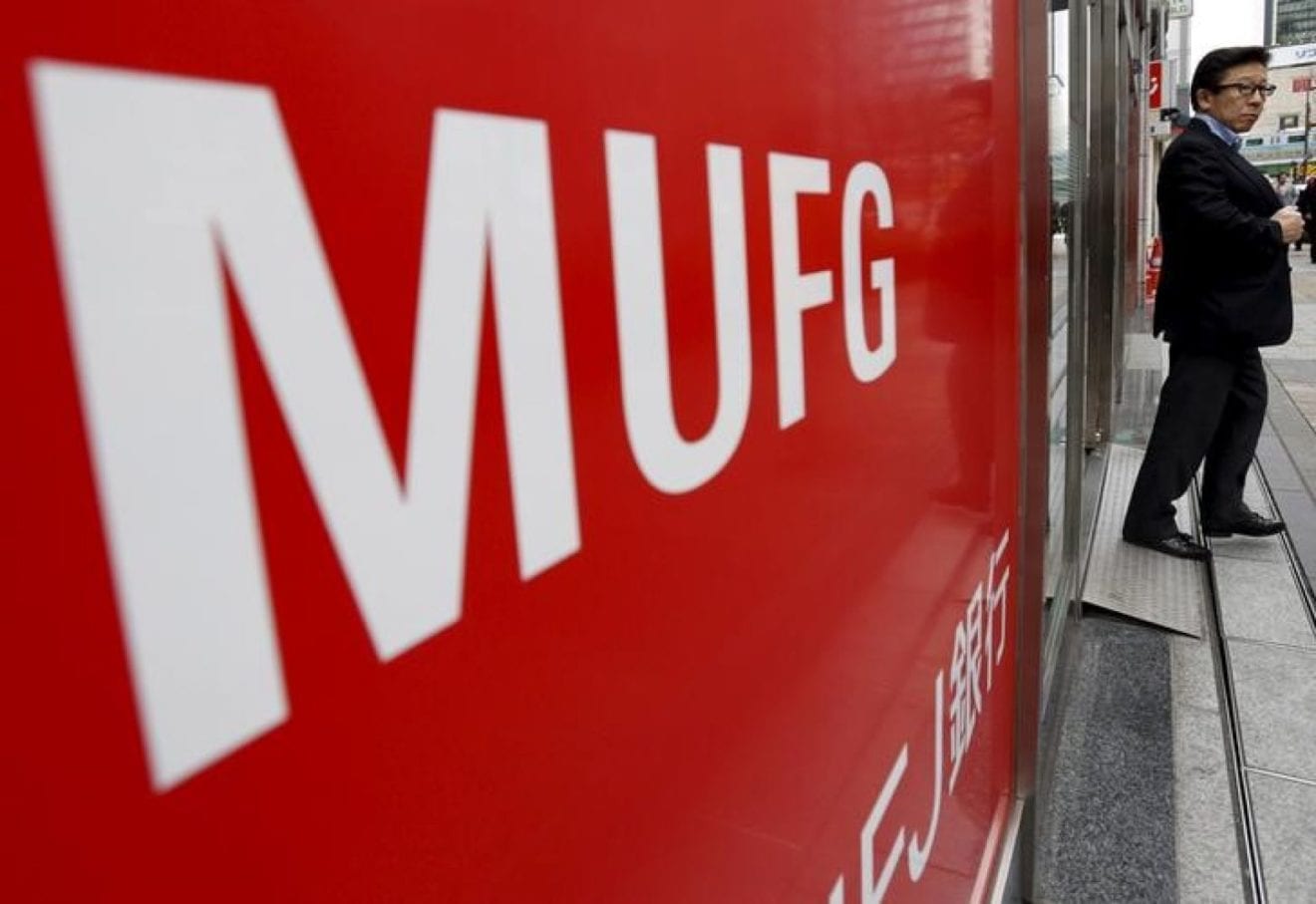
    One of the more significant banking stories of the year is the acquisition of Bank of Tokyo Mitsubishi UFJ (BTMU) of a 20 percent share in a local bank. It’s a move that many predict will eventually lead to a larger ownership stake in the future.

    BTMU CEO Go Watanabe (Asia and Oceania Region) is not dismissing this possibility but one thing he is sure, if it should come to pass it will be a decision that both banks will reach at the same time, at the right time.

     

    WATANABE

    WATANABE

    Watanabe and officials of Security Bank Corp. announced in January this year of BTMU’s purchase of 20 percent of the bank for $782 million. BTMU, the investment banking arm of the Mitsubishi UFJ Financial Group, is Japan’s biggest bank while Security Bank is the sixth top bank in the Philippines.

    “I cannot disclose the details of the contract but at this moment, 20 percent is very comfortable. So, at this moment we have no plan to increase our share,” said Watanabe.

    The future though, is not set in stone. “(Do we want more share?) we don’t know yet,” he remarked. “Hopefully, our collaboration has been successfully expanding and if both sides will see further opportunity to change the ownership … in that case, we might think about it.”

    Watanabe said BTMU’s “purpose” in Security Bank is not just about making an investment. “We don’t have to limit ourselves to 20 percent as a collaboration. We have already started at 100 percent collaboration.”

    Watanabe said they value mutual agreements and their relationship with the owners of Security Bank and its management is “much more important”. “Due to the good relationship, I think if Security Bank or its owners will reduce their share (in the future), BTMU will be the best party to talk first.”

    Bigger market share

    BTMU is an ambitious bank, it wants global banking status soon and sees the Philippines as part of its plan of establishing a larger regional presence first before becoming one of Asia’s largest by 2020.

    For the Japanese bank, the Philippines is a high growth market based on sustained GDP expansion (66 quarters of above five percent growth), a developing infrastructure industry, a promising revival of the manufacturing sector, and a demographics profile that assures a tenable growth path for a long time.

    BTMU, in the Philippines since 1918, has one branch which they established in the 1970s.

    Watanabe said they have a strong client base here mostly Japanese corporations but their local clients are also growing. “We also have been working with a number of big deals with local conglomerates.” In 2015, its loan book in the Philippines amounted to $800 million.

    BTMU has been in business with Security Bank since 2011 as the latter has an expertise in cash management segment. When they bought shares in the bank – which was approved by the central bank in February this year – they quickly installed their representatives in the bank.

    During its recent annual stockholders’ meeting, and after ratifying the 20 percent equity infusion of BTMU, the Security Bank’s board elected three representatives from BTMU. One of them, Takahiro Onishi, is appointed executive vice president and head of alliance segment. This segment is a new position for exploring “opportunities for the growth of Japanese and related businesses for Security Bank.”

    Watanabe said the collaboration involves providing existing Japanese customers in the Philippines with services such as retail banking. “In addition, we can also provide global corporate business to local companies with services such as project finance, trade finance and tapping BTMU’s diversified global network.”

    “Our business collaboration is (mainly) based on corporate banking. We will be using Security Bank’s expertise in cash management for our Japanese clients (for payroll service, among others),” explained Watanabe.

    In BTMU’s current set up in the country it does not have retail banking. It is in this area that Security Bank will come in. “We are willing to collaborate, to walk together, to transfer our knowledge and support Security Bank’s retail banking.”

    And, since the Philippines is one of the “most important country” for BTMU’s plans to become a top Tier 1 bank in the region, Watanabe said they did not purchase their shares cheap, even offering a high premium. “Our investment is the biggest investment in the Philippine financial market,” he said.
  • Woori Bank to offer insurance products in Indonesia, Vietnam

    Woori Bank to offer insurance products in Indonesia, Vietnam

    South Korea’s commercial bank Woori Bank will join hands with local insurance companies to provide insurance service and products from its global outlets starting with its local unit in Indonesia.

    According to bank sources, the bank will be able to sell insurance products of Hanwha Life Insurance Co. through its Indonesian unit Bank Woori Saudara in the second half of this year. The bank wants to establish up to 300 outlets across the globe and decided to add insurance service, a bank official said.

    Hanwha Life Insurance’s Indonesian operation was established in October 2013 and currently has eight branches and 1,200 insurance planners. It will sell savings insurance products like variable annuity through 131 Bank Woori Saudara outlets. The partnership will be a win-win arrangement for the two since they can save costs by mixing business and sharing business.

    Depending on demand, Woori Bank will also sell non-life insurance products of Samsung Fire & Marine Insurance Co. and KB Insurance Co. via its Indonesian operation.

    Woori Bank will also target Vietnamese bancassurance market in partnership with Hanwha Life Insurance. The bank has two branches in Ho Chi Minh and Hanoi in Vietnam. Since the branches have the license to sell bancassurance products, it plans to sell saving insurance products of Hanwha Life Insurance and later products of Samsung Fire & Marine.

    Hanwha Life ranked eighth in terms of new insurance contracts in Vietnam last year. The insurer has 12,500 insurance planners in 54 branches.

    According to Woori Bank, the Indonesian life insurance market has almost doubled from $5.3 billion in 2010 to $9.8 billion in 2014. Vietnam showed similar growth.