Category: General

Retail News Asia is committed to providing both local and global retailers with the latest General Retail news throughout the Asian market. This on a daily base.

  • Vietnam trade ministry asks China to reopen border gates

    Vietnam trade ministry asks China to reopen border gates

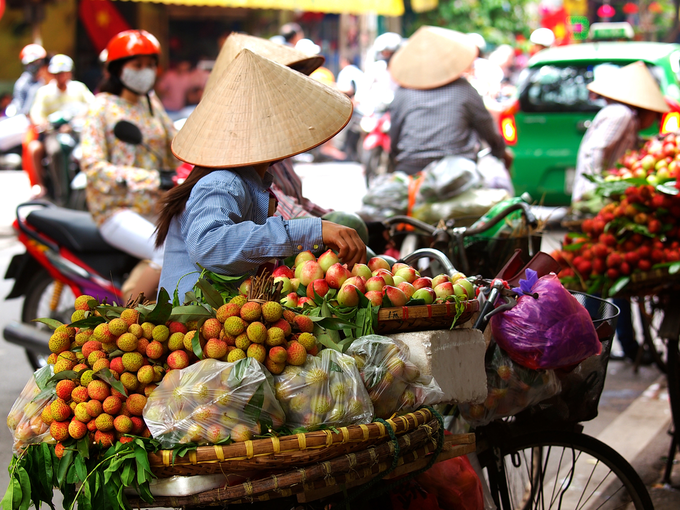
    Vietnam’s Ministry of Industry and Trade has requested China’s Guangxi region to reopen its border gates with Vietnam and extend customs clearance hours to resolve the container congestion.

    Guangxi’s “zero Covid” measures, including shutting the border and suspending the imports of certain fruits, were unnecessary, senior trade ministry officials told Guangxi trade officials Friday. The policy has disrupted the supply chain and caused negative impacts on bilateral trade development, resulting in big losses for businesses and people of both countries, the Vietnamese officials said.

    The ministry proposed that Guangxi recruits more drivers and workers on its side to deal with the staff shortage. It also suggested that fully vaccinated Vietnamese be sent across the border to work. It wants Guangxi to facilitate shipment via trains and ships; as also resume importing Vietnamese dragon fruits.

    Guangxi trade officials said that they would increase the duration of customs clearance based on the agreement between the local authorities of the border gates. They will forward other proposals to higher authorities, Guangxi officials said. Thousands of container trucks have been stuck at the border for over a month after China tightened its Covid-19 preventive measures.

    On Friday 2,945 container trucks were stuck at the border in Vietnam’s Lang Son Province, down 191 from a day earlier.

    Many trucks have had to turn around and distribute their products locally for a loss as the fruits were beginning to rot.

    Of the three major borders gates in Lang Son, two are operating with limited capacity while one is still shut.

    Lang Son authorities estimate that it would take more than a month to resolve the container jam at the current speed.

    Minister of Industry and Trade Nguyen Hong Dien has sent four letters to China’s Ministry of Commerce, China Customs and secretaries of the two localities – GuangXi and Yunnan – requesting the agencies’ intervention in resolving the issues.

  • Vietnam set for robust rebound in 2022

    Vietnam set for robust rebound in 2022

    Organizations have pegged Vietnam’s GDP growth at 6.5-7.5 percent in 2022, citing solid recovery potentials in manufacturing and domestic demand.

    The World Bank has forecasted Vietnam’s growth at 6.5-7 percent from 2022 onward as it expects a sustained global recovery will ensure strong demand for Vietnamese products in its main export markets of the U.S, the E.U. and China.

    “The rebound will also be supported by the vaccination of at least 70 percent of the adult population by mid-2022, preventing severe new outbreaks,” it said in a report.

    Vietnam has achieved this vaccination target by the end of 2021 and is focused on giving the booster shot to deal with the new Omicron variant.

    The World Bank also announced this week it would finance a $221.5 million loan to support Vietnam’s recovery from the pandemic, with a focus on several policy reforms, including easing tax burden on businesses and improving access to financial assistance among vulnerable groups.

    The Asian Development Bank (ADB) pegs Vietnam’s growth at 6.5 percent in 2022, driven by expanding vaccination coverage and other factors, while brokerage VNDirect has an even more optimistic growth forecast at 7.5 percent.

    The brokerage sees growth-driven manufacturing and exports regaining momentum, strong foreign direct investment, and increased domestic demand triggered by stimulus packages.

    One of the key supporting factors for growth is that the country will likely achieve its target to fully vaccinate 70 percent of the population this year, it said.

    Services are likely to recover with the resumption of tourism and entertainment in the second quarter if the Covid-19 situation remains under control.

    Revenue from retail and services therefore could grow 10-12 percent in 2022.

    Several companies are drawing up roadmaps to boost recovery.

    The Thanh Cong Textile Garment Company plans to increase its number of employees by 20 percent as it has secured several major orders that will ensure jobs for the first half of the year.

    “In addition to the main export markets like Asia and America, we plan to expand to more European and African countries this year,” said deputy general director Tran Nhu Tung.

    Phan Phuc Son, deputy director of the Saigon – Ha Long Hotel Tourism Jsc in the northern province of Quang Ninh, is hopeful that the tourism industry will rebound this year.

    “Quang Ninh Province is expected to welcome the first international tourist group in January 2022, giving us more of recovery.”

    The hotel is working with state agencies as well as businesses in the Quang Ninh Tourism Association to establish a “green corridor” for package tours, meeting the needs of international guests coming to Vietnam.

    Targets achievable

    2021 was another challenging year for Vietnam as the Delta variant forcing many economic activities to shut down in the third quarter.

    GDP growth dropped for the second year in a row to 2.58 percent.

    But the National Assembly expects growth to rebound in 2022 and has set a target of 6-6.5 percent for the year.

    Tran Hoang Ngan, head of the Ho Chi Minh City Institute for Development Studies, said that the growth target is feasible and actual rate could even exceed it thanks to the recovery of major export markets such as the U.S. and Europe, and the many free trade agreements Vietnam has signed, including 14 that have taken effect.

    To ensure growth, the government needs to focus on disbursing VND526 trillion ($23.25 billion) worth of public investment, which is “both an opportunity and a challenge,” he said.

    Other experts said that the size of the stimulus package will determine how fast and effective economic recovery will be.

    “Without special support programs, without fiscal and monetary stimulus packages, Vietnam will miss opportunities, be left behind, and not realize its five-year economic development targets,” said economist Can Van Luc.

    Bui Quang Tuan, director of the Vietnam Institute of Economics, said that overall economic recovery program, to be implemented from 2022 to 2023, could amount to some VND666 trillion, or 8 percent of the 2020 GDP.

    The aid package needs to be large and strong enough to support both supply and demand, and growth-supporting solutions should be associated with digital transformation and green growth, he said.

    The scale of the stimulus package is set to be decided at an eight-day extraordinary session of the National Assembly in January.

    The World Bank has advised the government to improve the implementation of its cash relief programs to reach more households, informal workers, and those unregistered in existing social assistance registries who have been affected.

    Cash support should last for several months instead of a one-time transfer, it has said

    Obstacles remain

    But some lawmakers have expressed concerns that the public debt ratio could rise as the government plans stimulus packages, posing financial risks.

    The estimated public debt ratio of 44 percent of GDP this year looks low, but this has come about after adjusting some data, which caused GDP to increase by VND1,000 trillion, said Nguyen Huu Toan, deputy chairman of the National Assembly’s Finance and Budget Committee.

    “The ratio looks low but it is actually a matter of serious concern.”

    Another concern is inflation, which is set to be very high in 2022, said Nguyen Thi Huong, head of the General Statistics Office.

    As Covid-19 is expected to remain under control, demand for manufacturing and consumption will rise, and so will prices of materials, fuels and transportation, she said.

    Other factors that will push up inflation are rising prices of animal feed, construction and education, she added.

    Although Vietnam’s inflation hit a six-year low of 1.84 percent in 2021, the ADB has forecast it could reach 3.8 percent next year on the volatility of global price movements and pressure coming from a weaker dong against the U.S. dollar if capital outflows happen due to a more front-loaded response of advanced economies to curb inflation.

    Regardless of these challenges, CEO of HSBC Vietnam Tim Evans has expressed optimism that the country will reach new heights in 2022.

    “So as 2021 draws to a close, it is time to take a deep breath, believe that the worst is really behind us this time and that Vietnam will resume its economic cadence from 2019,” he said.

    HSBC forecasts that growth will hit 6.8 percent, driven by a return to strong FDI investment with a clear focus on the manufacturing sector which should further drive the Vietnamese export sector.

    Continued middle class growth and the rising affluent sector in particular will further drive the consumer story in Vietnam, which will lead changes in consumption as Vietnamese start spending more and more on leisure and travel, he added.
  • Understaffed businesses need 300,000 plus workers in HCMC

    Understaffed businesses need 300,000 plus workers in HCMC

    Facing labor shortages, businesses and factories in HCMC need around 310,000 workers this year should Covid be controlled.

    According to a recent survey by the HCMC Center of Forecasting Manpower Needs and Labor Market Information (Falmi), the city’s labor market faces two scenarios depending on future Covid development.

    If Covid-19 is brought under control, businesses need to recruit 280,000-310,000 workers. The demand for human resources in the first quarter would be nearly 87,000, second quarter over 72,000, third quarter 74,000, and fourth quarter, 77,000.

    Should the pandemic situation remain complex, the city’s labor demand would be about 255,000-280,000 staff. The highest would be in the first three months of the year at over 78,000.

    The trade and service sector has shown the sharpest increase in recruitment demand this year, accounting for nearly 66 percent and including commerce, transportation and warehousing, accommodation, catering and others.

    Recruitment demand for the industry and construction group accounts for over 33 percent, including mechanical engineering, electronics production, food processing, beverage, and pharmaceuticals.

    The report found up to 86 percent of recruitment demand does not require workers to have a college degree.

    Regarding market response, Falmi stated that on average, the city produces about 500,000 students and graduates each year, including from university, college, intermediate, elementary and vocational training levels.

    Therefore, it is expected the city’s labor force would meet recruitment demand among enterprises this year.

    The agency noted that this year the city’s labor force would reach nearly 5 million employees, of which more than 3 million work in enterprises and factories.

    Last year, according to a Falmi survey, nearly 65,000 businesses across HCMC had to recruit more than 174,000 workers, though the number of job seekers was only around 135,000.

  • Should we keep our mask on after getting vaccinated?

    Should we keep our mask on after getting vaccinated?

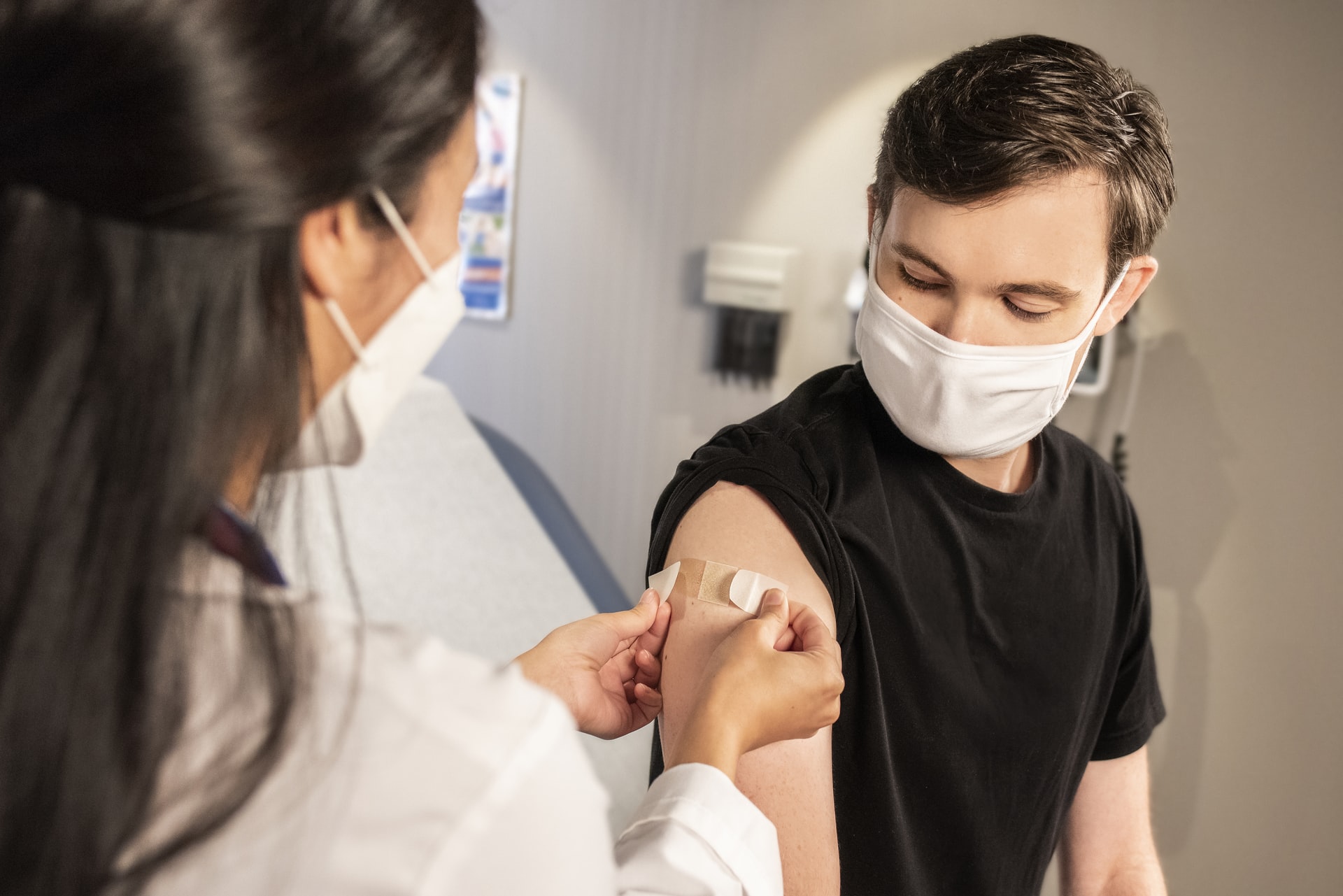
    Day by day, more and more people are getting vaccinated with the COVID-19 vaccine. The vaccine makes the person’s body recognise the pathogen and create the appropriate antibodies, and are considered immune to the virus. When more in the community get vaccinated, collective immunity grows.

    However, the vaccinated can still contract the virus and show no symptoms at all. If careless, they could spread the disease to those who have not taken the vaccine yet. That is why it is essential to still keep the masks on even after vaccination.

    What is Collective Immunity and How to Increase It?

    Collective immunity is also known as population immunity or herd immunity. When a large percentage of people in a community, the herd, is immune to a specific disease. The possibility of the disease infecting people is very low when most are immune. This occurrence protects even those who are not immune to the pathogen.

    A threshold proportion is the percentage of a population that can catch the disease that leads to its spread. The percentage of immunised people is greater than the threshold proportion is termed as herd immunity threshold.

    The percentage of needed immune people to contain infection depends on the disease itself. When it is more contagious, population immunity requires a higher percentage of immune people to be effective. For example, measles needs at least 95% of the population immune to the disease to have a successful population immunity.

    We can achieve collective immunity through natural infection or when previous active cases have recovered and developed the needed antibodies against the disease. However, this approach has high setbacks, leading to unwanted and unnecessary severe cases or even death to the immunocompromised.

    Another method of increasing herd immunity is through vaccination.

    Does the vaccine increase it?

    Vaccination is a safer method of obtaining herd immunity than natural infection.

    Vaccines have the pathogen’s inactivated or only some key components, and exposure elicits the body’s reaction of developing and creating antibodies. The only sickness a person may feel is the side effects, but they are milder than catching the disease itself. Compared to the natural method, immunisations prevent unwanted complications and deaths.

    Collective immunity also protects those who cannot get the vaccine, like new-borns, those with underlying health conditions, or have allergies to specific components found in the vaccine; when more people in the community are immune and vaccinated, the possibility of infection declines.

    Vaccines and herd immunity have successfully stopped diseases and risk of infection before. Examples are wild poliovirus, measles, tetanus, and meningitis. Due to the polio vaccines, many countries are now poliovirus-free.

    However, vaccines do not bar you from contacting the virus. They only give about 94-95% of protection. Experts are concerned that the vaccinated may be asymptomatic when infected and are silently spreading the virus.

    Shall we keep Social Distancing and Masks after Being Vaccinated?

    Even when vaccinated with the COVID-19 vaccine, you can still get infected with the disease. Though the chance of infection is meagre, it does not mean a zero chance of infection. The vaccine helps make cases less severe, so you only experience mild symptoms and prevent possible severe symptoms or death.

    With new variants of the virus still present, it presents many unknowns and risks. Some countries still have a high rate of COVID-19 cases, even with the vaccine roll-out. If you’re considering international travel, it is best to read up on its regulations regarding international visitors and COVID-19.

    If you are vaccinated and infected with the virus, you can still infect others when you’re not careful enough. Vaccinated people infected with the virus may present as asymptomatic. This possible risk of infection could be vital for unvaccinated people, as they may experience severe cases with their compromised immune system.

    Therefore, it is still best to follow the preventive measures set by authorities. We should continue keeping social distancing and wearing medical face masks even after being vaccinated, especially a FFP2 or KN95 mask, which appears to be more efficient.

    Following the preventive measures lowers the chance of contacting COVID-19 and the possible spread of infection.

    Conclusion

    Even when fully vaccinated with the COVID-19 vaccine, we must remain vigilant and keep our masks on. Immunised people may still catch the disease and be an asymptomatic case, but can still be a reservoir of infection and spread it when not careful enough.

    We must keep in mind that some people cannot receive the vaccine, and it will be up to the immunised population to keep them safe from the virus. If able, take the vaccine and keep your mask on.


  • Retail News Asia Wishes you a Fantastic 2022

    Retail News Asia Wishes you a Fantastic 2022

    Wishing you a very joyful New Year despite these difficult times. We really wish things were different and that we could visit you! We hope that the new year brings your family much happiness and prosperity, and that in time the world will be a safe place again. Take care of yourselves and see you online soon!

    The entire Retail News Asia team wishes you, your family and friends all the best.

  • Financial Times Names Elon Musk As Its ‘Person Of The Year’

    Financial Times Names Elon Musk As Its ‘Person Of The Year’

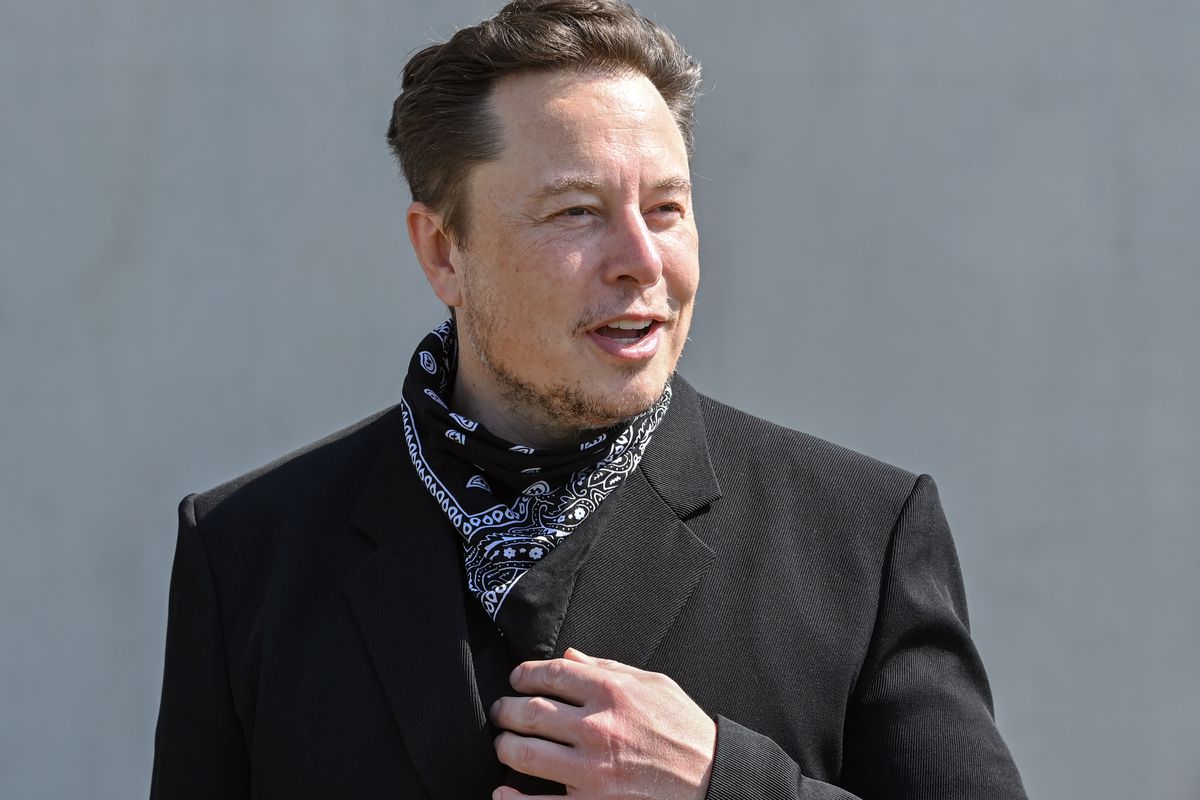
    The Financial Times newspaper has followed the Time magazine in naming Elon Musk, the chief of Tesla Inc, as its “person of the year”, commending him for the work done in transforming the electric vehicle industry. Tesla, the global EV leader, has pushed many young consumers and legacy automakers to shift focus to electric vehicles. In a column, the FT’s editor, Roula Khalaf, credited Musk for demonstrating that EVs could replace cars fueled by gasoline, and called him a revolutionary in the industry.

    “For a long time, the rest of the auto industry was basically calling Tesla and me fools and frauds,” the newspaper quoted Musk as saying in an interview. “They were saying electric cars wouldn’t work, you can’t achieve the range and performance. And even if you did that, nobody would buy them.”

    Musk is the world’s richest person and his company Tesla is worth about $1 trillion, making it more valuable than automakers Ford Motor and General Motors combined. Over the last few weeks, Musk has sold nearly $13 billion worth of Tesla shares.

    U.S. Senate Democrats have demanded that stocks and tradeable assets of billionaires be taxed as majority of their wealth lies there.

    Earlier this week, Democratic U.S. Senator Elizabeth Warren took to Twitter to say that Musk should pay taxes and stop “freeloading off everyone else” after Time magazine named him its “person of the year”.

    “And if you opened your eyes for 2 seconds, you would realize I will pay more taxes than any American in history this year,” Musk responded.

    From hosting NBC sketch comedy show “Saturday Night Live” to dropping tweets on cryptocurrencies and meme stocks that have triggered massive movements in their value, Musk has dominated the headlines and amassed over 66 million followers on Twitter.

  • Google Maps takes drivers down a potentially fatal route following a major snowstorm

    Google Maps takes drivers down a potentially fatal route following a major snowstorm

    By most accounts, Google Maps does a damn good job navigating from point “A” to point “B,” helping users safely get to their destination in the fastest possible time. And once you get to that destination, Google Maps will tell you where to go for dinner, the must-see places in that city, and where you can find a place to stay. But Google Maps does have its moments, as rare as they are when something goes wrong.

    According to SF Gate, travelers in Lake Tahoe were directed by Google Maps to drive on roads that were closed or dangerous thanks to record-breaking snowfall. A tweet from Crystal A. Kolden (@pyrogeog) was sent to Google Maps with a screenshot showing the route between Sacramento, California, and Reno, Nevada.

    Kolden told Google Maps that “This is an abject failure. You are sending people up a poorly maintained forest road to their death in a severe blizzard. Hire people who can address winter storms in your code (or maybe get some of your engineers who are stuck in Tahoe right now on it).”

    The directions recommended by Google Maps take travelers through Marysville Road described as a “narrow two-lane path going through the Tahoe National Forest.” Another Twitter user tried to warn those using the Android version of the Google Maps app by writing, “The Android mobile app does not seem to be showing road closures. This is a big freaking deal and could lead to some dangerous situations.”

    Even the U.S. Forest Service (USFS) got into the act with a tweet that said, “PSA for those trying to use Rollins Lake to sneak past the I-80 closure: You. Will. Not. Get. Through. I-80 remains CLOSED between Applegate and the Nevada state line. You will be turned around and you’re putting crews at risk who are working to clear downed trees, snow, etc.”

    Google Maps is usually quite adept at making route changes if an accident or weather slows down travel, but not in all cases such as this one. The National Weather Service (NWS) says that five to nine feet of snow have fallen in the Lake Tahoe area over the last week and the conditions are not expected to get better soon.

    If you travel or commute in areas of the country where snow, sleet, and icy roads are often an issue, besides installing Google Maps, you should also include a major weather app such as The Weather Channel, or Accuweather. Make sure to allow notifications and this way you’ll receive alerts whenever wintry weather is going to make driving hazardous.

    You might recall that Apple Maps put some of its users in danger back when the app was first released by Apple in 2012. Unlike the current situation, the problem was with the app itself, not the weather. Apple mislabeled a dangerous part of the Outback in Australia which led travelers to drive through an area with very little water, temperatures as high as 115 degrees, with poisonous snakes on the ground.

    Eventually, Apple was able to clear this up. As for the situation with Google Maps, the weather is expected to keep road conditions for this route dangerous for a few days.

  • Vietnamese carriers open ticket sales for international flights

    Vietnamese carriers open ticket sales for international flights

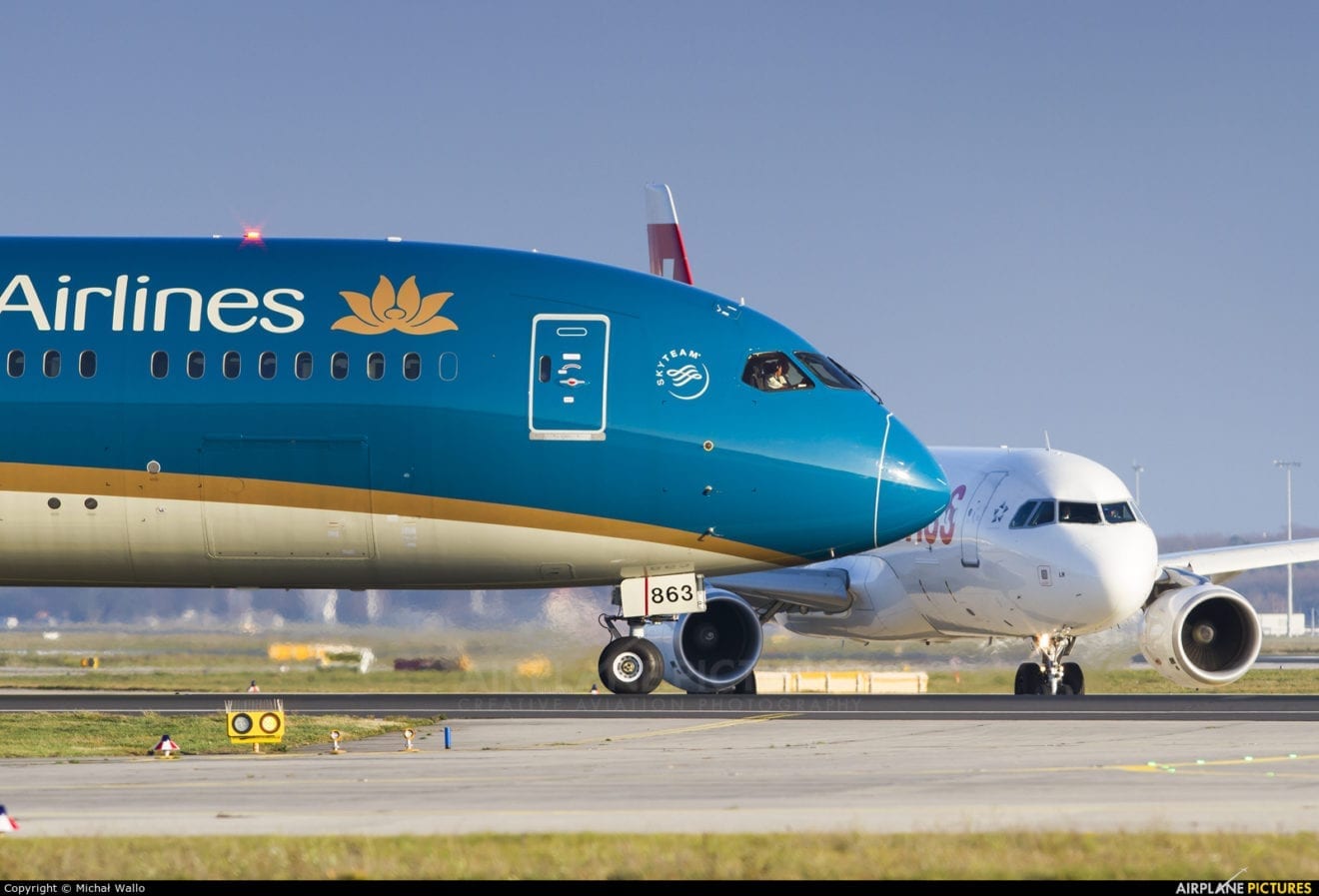
    Vietnam Airlines and Bamboo Airways have opened ticket sales to several locations including the U.S., Japan and Taiwan, signaling the resumption of international travel on New Year’s Day.

    National flag carrier Vietnam Airlines is offering tickets between HCMC and Phnom Penh in Cambodia, with one-way prices starting at VND2.5 million ($109.54). From Hanoi to Tokyo, the starting fare is VND11.7 million; and from HCMC to San Francisco, VND21.2 million.

    All flights are scheduled for January 1, 5 and 9, respectively.

    Vietnam Airlines is not offering tickets to Singapore and Taipei yet, even though it has received permission from the Civil Aviation Authority of Vietnam (CAAV) to reopen flights on these routes.

    Meanwhile, private airline Bamboo Airways is offering tickets from Hanoi to Taipei at VND4.5 million one-way once a week starting January 5.

    Round-trip tickets are not being offered at this point.

    Vietnam requires arriving passengers to test Covid-19 negative and have certificates of vaccination or Covid-19 recovery. They will also need to isolate themselves at a location of their choice for three days after arrival.

    Those who are not fully vaccinated will need to guarantee that they will isolate themselves for at least seven days at home or a location approved by local authorities.

    The CAAV has approved the resumption of international flight routes to Japan, Taiwan, Singapore, Cambodia and the U.S, with each domestic airline allowed to operate four flights a week on each route.

    South Korea, China, Laos and Thailand have not finalized their responses to Vietnam’s request for flight resumption.

    Vietnam closed its borders and grounded international flights in March 2020, allowing in only citizens, foreign experts, investors, and highly-skilled workers coming in on special flights.

  • Thaigroup wants to build $1.3-bln space tourism center in Phu Quoc

    Thaigroup wants to build $1.3-bln space tourism center in Phu Quoc

    Private conglomerate Thaigroup plans to build a rocket launch site for space tourism on Phu Quoc Island at a cost of VND30 trillion (US$1.3 billion).

    The Thai company’s property development arm Thaiholdings has finalized plans for construction in 2022-26 to help turn Phu Quoc into an international tourism hub.

    The launchpad will be the country’s first.

    Thaigroup has sought provincial authorities’ permission to survey locations for it.

    There is demand for space tourism in Southeast Asia, but the region has no rocket launch facilities, the company said.

    In Phu Quoc, Thaigroup is building a resort complex at a cost of over VND9.8 trillion.

    Formerly known as Xuan Thanh Group, it operates three cement plants and several hydroelectric plants.

    In 2019, Phu Quoc, Vietnam’s largest island, received over five million visitors, including 541,600 foreigners.

  • Data leak: 1.9 mln Vietnam crypto app users at risk

    Data leak: 1.9 mln Vietnam crypto app users at risk

    Personal data of 1.92 million users of Vietnamese digital currency app Onus has been leaked due to a security breach.

    The Singapore-based company founded and managed by Vietnamese stated Monday its server had been attacked and personal data of a large number of users could have been leaked.

    It added user assets were not affected by the attack.

    Internet users on Dec. 25 found the data of Onus customers posted on a data trading website by an account named ‘vndcio.’

    The data includes real name, email address, phone number, username and Electronic Know Your Customer (eKYC) info, which is the digital verification of an identity without the need for face-to-face interaction.

    Of all 1.92 million Onus users, around 90 percent are Vietnamese, the hacker said.

    ‘vndcio’ claimed to have accessed the server of Onus to get the data and delete the files on the server afterward.

    He or she also uploaded screenshots of the data, including passport and ID card info of users along with videos of 10 users’ faces, which is how Onus identify its customers.

    The hacker did not reveal how much he or she charges for the data but provided an email address for contact.

    On Dec. 26, another account, ‘blackblock1234,’ uploaded the same data with a total volume of nine terabytes.

    The leaked data is enough for hackers to fake user identification or send them unwanted advertisements.

    Onus, formally VNDC, launched its app in March last year and claimed to have 1.8 million users in over 20 economies, with over 600,000 of them having identified themselves electronically.

    It allows users to trade cryptocurrencies like Bitcoin and manage their investments.

  • Singapore Toughens COVID Rules for Expats

    Singapore Toughens COVID Rules for Expats

    The city-state is cracking down on expats who refuse to vaccinate against the coronavirus.

    Singapore will require applicants for work passes, long-term passes, and permanent residence to be vaccinated, effective February 1, citing a government task force communication. This applies to those renewing their work passes as well.

    The measure represents a toughening of measures in Singapore, which has 1.1 million foreign workers according to recent government data. Many of them work in finance, where foreign banks have established sizeable hubs in Singapore as well as Hong Kong as a gateway to wider Asia.

    The pandemic has slowed the frequent flight traffic to Singapore, with executives like UBS boss Ralph Hamers not able to visit Asia until last month – more than one year into his tenure running the Swiss wealth management giant.

    The new Singaporean measures are being spurred by the rapid spread of Omicron, a variant of COVID-19 which the WHO pegged as concerning last month due to the ease with which it spreads as well as the severity of illness it can cause.

    The aim is to loop in employers, which will have to attest that their employees, as well as dependents, are up to date on their vaccinations when they arrive in Singapore. They do not apply to children under 12, nor those medically ineligible for the vaccine.

    These measures will help sustain our high vaccination rates and facilitate the safe reopening of our society and economy, the Singaporean task force said, according to the outlet.

  • Aeon plans to expand MaxValu supermarket chain in Vietnam

    Aeon plans to expand MaxValu supermarket chain in Vietnam

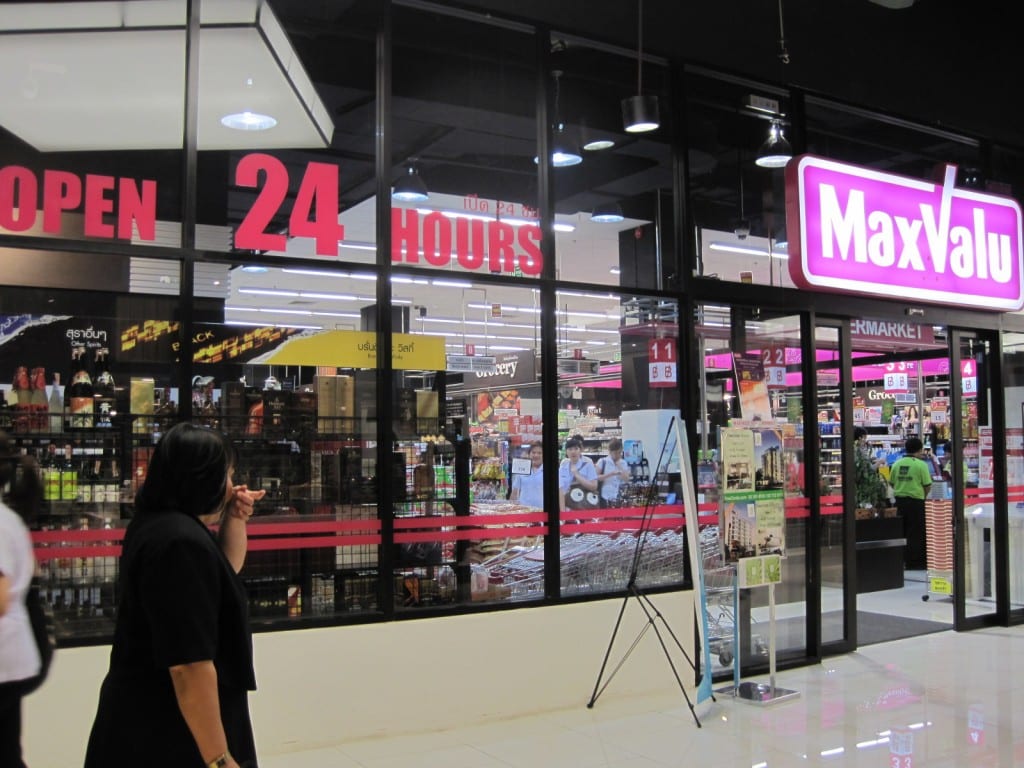
    Japanese retailer Aeon plans to open an additional 100 of its MaxValu supermarkets in Vietnam by 2025 in the context of wet markets suffering difficulties following Covid outbreaks.

    Aeon, which has four MaxValu stores in Hanoi at present, would add bigger stores with 500 sq.m or more as part of its overall expansion strategy.

    “Vietnam is the most important market for our overseas strategy,” it quoted Soichi Okazaki, the executive in charge of the group’s Southeast Asian business, as saying.

    Supermarkets are one part of the Tokyo-listed company’s vision for growth. It plans to increase its shopping centers in Vietnam to 16 locations by 2025 from the current six.

    Aeon, which has invested $1.18 billion in Vietnam, has also said it plans to list shares on the Vietnamese stock market, and facilitate the export of Vietnamese seafood, garments, and other products to Japan.

  • Waze users say they are not always being alerted about speed traps

    Waze users say they are not always being alerted about speed traps

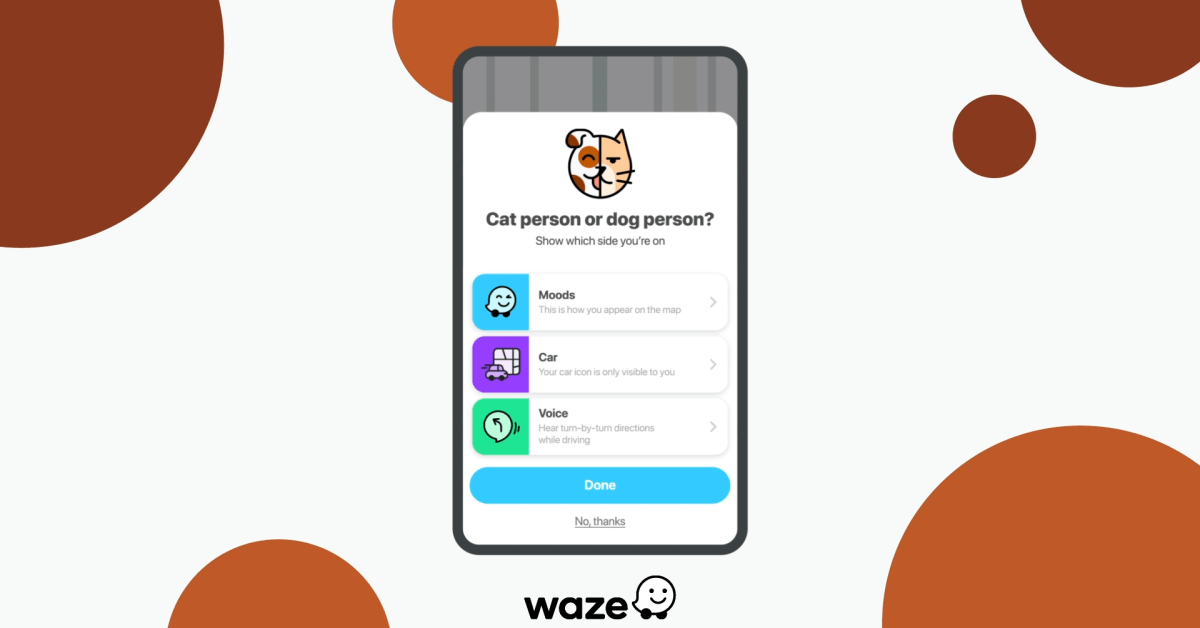
    Google Maps is the most popular mapping and navigation app in the U.S. Google also owns Waze which it purchased for a price believed to be in the $1.1 billion to $1.3 billion range. Like Maps, Waze is an app that delivers turn-by-turn directions to help users safely and quickly get from point “A” to point “B.” However, Waze uses information that is crowdsourced to help enhance the data that users receive.

    The information crowdsourced includes police presence, accidents, traffic jams, and more. While Google has taken some features from Waze and added them to Google Maps (such as showing the speed limit on the screen, and the ability to report accidents, and police presence), there are still some major differences between the two apps. Waze’s navigation is mostly suited for cars while Google Maps provides directions for those walking, driving, biking, or taking public transportation.

    In addition, the Waze UI is less detailed than Google Maps as it focuses on the driver experience instead of listing places to go, things to do, and hotels to stay at every destination (which you’ll find on Google Maps). Waze also requires an internet connection while Google Maps will work even if you’re offline. If you drive along rural roads in the U.S. and use Waze, you might want to have Google Maps installed just in case you find yourself in an area without an internet connection.

    Waze users have recently been experiencing inconsistency, especially when dealing with police reports and speed traps. These users say that they are no longer receiving a speed trap alert when they drive toward a location where one was previously reported. While the speed trap does appear on the display as you move closer to it, there is no alert which means that in order to know that a police trap is ahead, the driver has to take his eyes off of the road and put them on the display.The Waze help page includes a question from a Waze user which asks, “I have alerts and notifications selected but I no longer get notified (about police and speed traps) and .. wondering if Waze is no longer allowed to do this? Or is anyone else experiencing this?” A Googler  responded that “People should still be receiving these alerts, we’re not aware of any bugs surrounding this at the moment.”

    He goes on to say, “Do keep in mind that there is a bit of a delay (some minutes) for these to appear. Also, if several people downvote the report when they get it, it becomes more likely that the report will disappear quite quickly. There is also a system that determines how trustworthy reports are from each user. While not too likely, it could always be that someone’s reports don’t actually get shown to other users based on their history.”

    Another thing to consider is that these alerts are directional. A notification alert about a temporary speed trap that you report will most likely not result in a notification for Waze drivers motoring in the opposite direction from you, even though it will be viewable on the app.

    The big issue here is the inconsistency of the feature. One Waze user pointed out that she is hearing the app alert her by saying “police ahead, but only “50% of the time.” Hearing that the odds of receiving an alert about a speed trap before driving into that trap is the same as picking heads or tails is not going to placate Waze users who depend on the app for that early warning so that they can slow down in time and avoid receiving a ticket from their friendly neighborhood police officer.

  • AirAsia India, SpiceJet make discount offers to spur ticket bookings

    AirAsia India, SpiceJet make discount offers to spur ticket bookings

    Domestic airlines AirAsia India and SpiceJet launched disco­unt schemes on Monday, offering tickets upwards of Rs 1,122. Bookings can be made between De­c­ember 27 and 31 and the discount is for tickets between Jan­uary 15 and April 15.

    The move is ex­pe­cted to stimulate forward bookings amid the Omicron scare that has led to increased curbs across states. While travel dem­and in Dec­ember remains str­ong and airlines continue to see around 380,000 daily passeng­ers, forward bookings are looking weak. Additionally, airlines are offering waivers in date change and rescheduling fees to provide better travel flexibility to customers.

    “We have not seen an impact in December but clearly Omicron is a dampener. With rising cases, people are in a wait-and-watch mode,” said a travel industry executive. Generally, airlines launch such offers for travel beginning February or March when demand gets weak, but this time around forwarding bookings are slow given Covid-19 uncertainties, he added.

  • Samsung Clock app receives update with nice-sized list of changes

    Samsung Clock app receives update with nice-sized list of changes

    Samsung Clock is a pre-installed app found on every Galaxy device. The app features an alarm clock, a stopwatch, and gives you the day and date whether you tap on the widget or open the app. A world clock gives you the current time in major cities around the world along with the weather in these cities,, and there is a countdown timer included as well.

    Samsung has pushed out an update to Samsung Clock. The new version of the app is 12.1.05.15 and the update weighs in at 25.53MB. According to the changelist, the update will allow users to skip only one alarm repetition. In the changelist, Sammy writes “If you press the [Restart] button when the alarm repeat is turned off, the alarm will only be skipped once, and then restarted automatically.”

    The Clock app will now provide the clock function for Bixby Routines (Android 12 or above). The latter uses Artificial Intelligence and Machine Learning to figure out when you want certain features on your phone to appear based on the time of day, the user’s location, and more. For example, if you fall asleep at night without having the phone in the charger, the device will automatically close unnecessary applications and functions to preserve battery life.

    With the update, users can turn the alarm function on or off, or start the timer or smartwatch using Bixby Routines. Select the gradually increase volume option on the alarm ringtone menu and the volume of the alarm will rise gradually over time. The update also adds controls allowing users to snooze at a custom set interval between 1 minute and 60 minutes.

    The update to the Samsung Clock app adds UTC time (Coordinated Universal Time) to both the world clock and the dual-clock widget. This time zone is used by the Canary Islands, most of Portugal, and the western part of Ireland.

    In addition, day/night background colors will be used on both the dual clock and digital clock widget. If the time in a specific country is nighttime, the background of that clock will be black. If it is daytime, the background will be white. In the widget settings select Day and Night Color and the background colors will change based on the time.

    If the Galaxy phone you’re using is running Android 12, select to view the time in analog (as opposed to digital) and a second hand will become visible in the analog clock widget. Another change moves the cancel button on the timer to the left. The same change is made to the cancel button on the stopwatch.

    Lastly, users can change the position of the buttons on the notification screen from the external screen. In other words, the alarm/timer on the external screen indicates that the position of the buttons on the screen has been changed.

    To see if you’ve received the update, open the Play Store and tap your profile picture or first initial in the upper right corner. From there, go to Manage apps & device > Updates available. Tap on Update on the Clock app or Update all to start all possible app upgrades available for your phone.

    To add the Samsung Clock widget to your Samsung Galaxy phone’s screen, follow these four directions:

    1. Touch and hold (long-press) on any empty section of the Home screen.
    2. At the bottom of the screen, you should tap on Widgets.
    3. Touch and hold (long-press) on a clock widget.
    4. You’ll see images of your Home screens. While holding the clock widget you’ve selected, slide it to a Home screen that has enough empty space for the widget.