Category: General

Retail News Asia is committed to providing both local and global retailers with the latest General Retail news throughout the Asian market. This on a daily base.

  • Growth rate down for China retail sales in July

    Growth rate down for China retail sales in July

    Chinese retail sales in July rose at a slower rate than in June, although the decline was largely attributed to falling sales of new motor vehicles.

    Official government retail sales figures include motor vehicles, making it difficult to assess the true trend of ‘real’ retail sales in the market.

    Chinese retail sales in July rose by 7.6 per cent year on year, compared to a 9.8-per-cent increase in June. The growth rate was slower than analysts had been forecasting.

    July marked the 13th consecutive month of decline in China’s new-car market, affected by the imposition of stricter environmental controls and a generally cooling economy.

  • Vietjet is named Forbe’s Vietnam’s Best 50 Listed Companies

    Vietjet is named Forbe’s Vietnam’s Best 50 Listed Companies

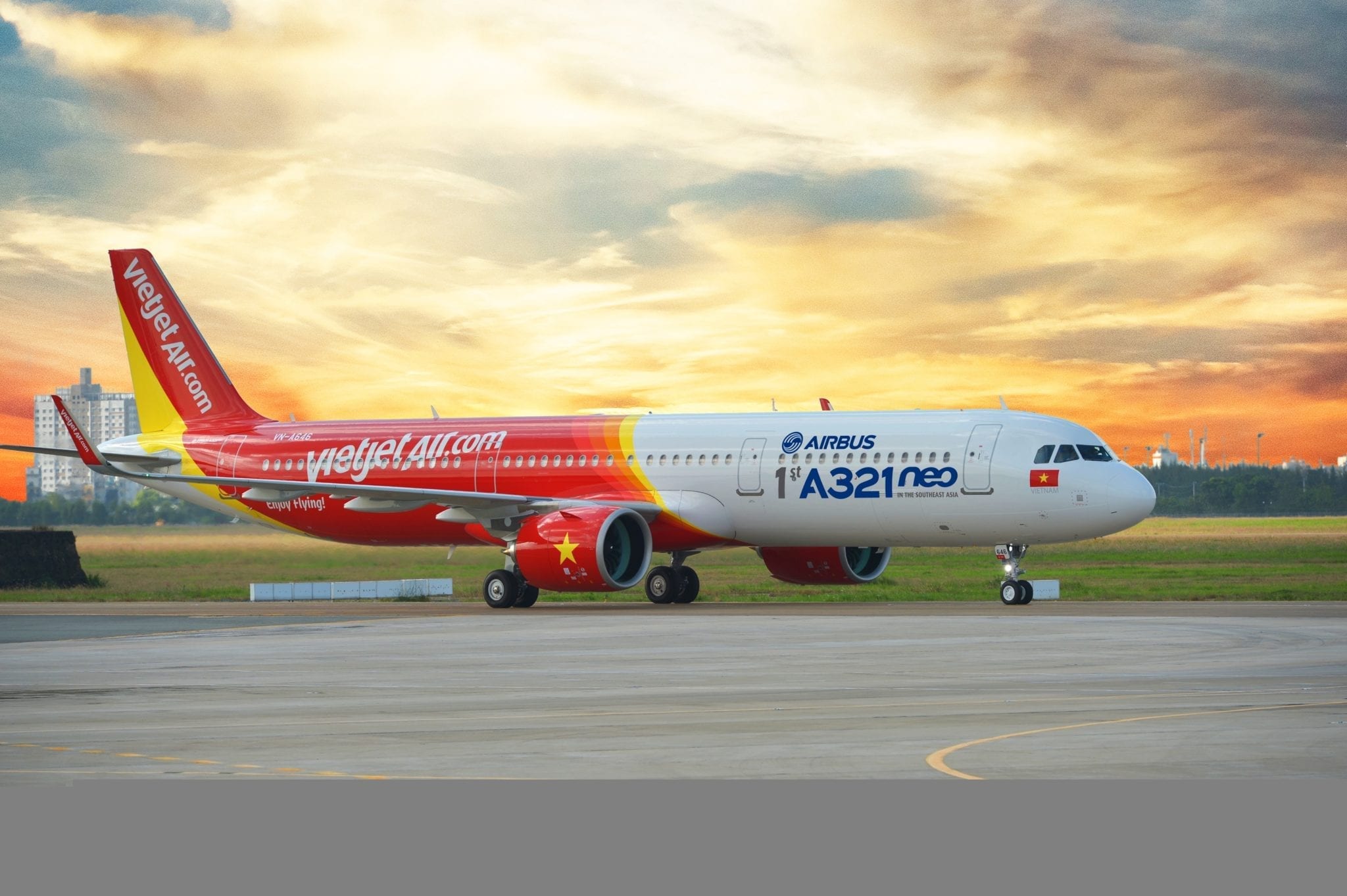
    New-age carrier Vietjet has been named one of Forbes’ Vietnam’s Best 50 Listed Companies. This is the third consecutive year that Vietjet has been included in Forbes’ “50 Best” List since it was officially listed on the Ho Chi Minh City Stock Exchange (HOSE) in February 2017. The award ceremony was held by Forbes Magazine during the Business Forum 2019 in Ho Chi Minh City on August 15.

    Forbes’ seventh “50 best listed companies in Vietnam” gathered leading companies on HOSE and Hanoi Stock Exchanges (HNX), including Vinamilk, Sabeco, FPT, Vietjet, DHG Pharmaceutical, Bao Viet, Mobile World and Vingroup. The chosen companies this year were evaluated by industry standards, based on compound annual growth rate, profit, return on equity, earnings per share growth between 2013 to 2018, branding, quality of corporate management, source of profit and the prospect of sustainable development.

    According to Forbes, the companies chosen this year has shown impressive growth. All 50 companies in this year’s list accumulated VND 127,530 billion (approximately USD 546 million) in profit after tax, an increase of 19.2 per cent year on year. The total capitalisation of the 50 companies reached USD 94 billion, equivalent to 63% of the total market capitalisation on HOSE and HNX.

    The 50 best listed companies in Vietnam this year recognised in particular the growth of the private sector, highlighting companies such as Vietjet, Vingroup, Masan and Hoa Phat. HOSE companies dominated the list with 45 companies, while five HNX companies were included.

    With outstanding business results, Vietjet’s shares have attracted the attention of investors, being listed in VN30 in the first year of its listing. In 2018, Vietjet had year of high and sustainable growth, with its revenue at VND 53,577 billion (approximately USD 2.3 billion) and profit before tax at VND 5,816 billion (approximately USD 249 million).

    In the first six months of 2019, Vietjet’s air transport revenue increased sharply by 22 per cent to reach VND 20,148 billion (approximately USD 863 million), while the pre-tax profit of air transport reached VND 1,563 billion (approximately USD 67 million), up 16 per cent year on year. Consolidated revenue reached VND 26,301 billion (approximately USD 1.1 billion), an increase of 24 per cent, and profit before tax reached VND 2,398 billion (approximately USD 103 million), up 11 per cent year on year. Vietjet operated a total of 68,821 flights and transported 13.5 million passengers in the first half of 2019, accounting for up to 45 per cent of the total number of flights operated by all Vietnamese airlines. As a result, Vietjet has maintained its leading position in domestic transport.

    To date, the new age carrier has operated 129 domestic and international routes to countries such as Singapore, Japan, South Korea, China, Indonesia, Malaysia, Myanmar, Cambodia, Thailand and Taiwan.  Vietjet also maintains the one of the highest safety and operation requirements in the world and region. With remarkable business and operation results, Vietjet’s CEO is also the first ‘self-made’ female billionaire in Southeast Asia, and the first and only Vietnamese female billionaire in Forbes’ and Bloomberg’s top lists. She has been mentioned in the world’s Top 100 most powerful women in 2017 and 2018. With all the successes of Vietjet, she was also mentioned in a research case study from Harvard University.
  • Yue Yuen to move more production into SE Asia as trade war continues

    Yue Yuen to move more production into SE Asia as trade war continues

    Hong Kong-listed footwear manufacturer Yue Yuen Industries says it expects to move more of its manufacturing from China to other Southeast Asia countries as the US-China trade conflict shows no sign of abating.

    “The US government’s plans to implement a 10-per-cent tariff on US$300 billion of exports from the PRC, which will include footwear, could further accelerate the pace of capacity migration from the PRC to Southeast Asia,” said chairman Chu Chin Lu in the management review of the company’s half-year results.

    Vietnam accounted for 45 percent of Yue Yuen’s shipments in the first half of this year and Indonesia for 38 percent. Mainland China accounts for 13 percent

    “The group will continue to migrate its manufacturing capacity from the PRC to Southeast Asia, while being mindful of the labor supply situation in countries where we operate, especially in Vietnam,” said Lu, who is also worried that continued uncertainty surrounding both the US and China’s future trade policies may impact on consumer sentiment.

    The group’s manufacturing business produced 163.2 million pairs of shoes in the six months to June 30, an increase of 2.7 percent year on year.

    The average selling price per pair was US$16.49, up by 2.2 percent.

    Sales through the company’s listed subsidiary Pou Sheng, increased by 12.3 percent returning 1.968 billion to Yue Yuen. In RMB terms (Pou Sheng’s reporting currency), revenue during the first half of increased by 19.4 percent.

    Yue Yuen reported group revenue to $5.071 billion for the half-year, up by 6.3 percent with profit attributable to shareholders up by 10.5 percent to US$165.9 million. Non-recurring profit was boosted by $19.1 million from the disposal of Texas Clothing Holding Corp.

    Lu said the group faced several headwinds during the half other than the trade war.

    “The group continued to face operational disruptions and challenges resulting from brand customers’ demands for more flexible procurement approaches and changing consumer preferences. This resulted in more volatile monthly sales orders, uneven capacity utilization, and lower production efficiency, alongside the increased complexity and versatility of product portfolios during the period,” he said.

    “To address these challenges and sustain our long-term position, we have continued to ramp-up the implementation of automated production and enhance our operating efficiency through process re-engineering to provide differentiated value-added and one-stop OEM/ODM services to customers with whom we have maintained long-term relationships. We also furthered our efforts to foster environmental sustainability, eyeing at the long-term growth viability of our business.”

    The group’s athletic footwear category outperformed all other categories as a result of the global athleisure trend, accounting for 78.1 percent of footwear manufacturing revenue in the first half of the year. Casual and outdoor shoes accounted for 19.7 percent of footwear manufacturing revenue.

  • Tata launches steel store for consumers

    Tata launches steel store for consumers

    Indian steel manufacturer Tata Steel has launched a steel retail store called Steeljunction in an attempt to create new paradigms in the industry for B2C consumers.

    The outlet will provide a “one-stop destination” for consumers intending to shop for the metal. It will showcase steel products catering to four consumer segments – Home Decor & Gifting, Home Building, Home Making, and Tools & Implements.

    The 6000sqft store promises a comprehensive product range, services, and in-store facilities. The firm’s investment is part of its strategy to build stronger customer relationships, distribution networks and brands that focus on value-added segments such as retail and help to strengthen the revenue profile.

    Apart from showcasing its own branded products, Tata Steel has also collaborated with its vendor partners to feature their premium branded products in the home-making space at this store. While the Steeljunction store will promote the look and feel of the products, customers can easily purchase them online through the Company’s e-selling platform Aashiyana, which made more than ₹100 crore (US$14.1 million) within one year of its launch.

    “Steeljunction is integral to our strategic focus on the retail segment,” said Tata Steel CEO & MD T V Narendran. “It is aimed at providing a differentiated steel purchase experience to discerning customers. Steel is the most sustainable metal and has diverse applications. This initiative will give a fillip to the consumption of steel, as products will be made available from more accessible locations.”

    The Company has a large retail business that leverages an extensive network of more than 200 distributors and 12,000+ dealers, as well as a strong portfolio of brands to sell branded steel across the country. This segment is relatively insulated from international cycles and provides strong cash flows.

    “The core purpose of Steeljunction has remained the same since 2005,” said Tata Steel VP steel marketing & sales Peeyush Gupta. “It is to provide a touch-and-feel experience to its consumers, including consultation on the right choice of product for their home building and home making needs.”

    Tata Steel’s branded products, retails and solutions business grew by 30 per cent YOY during the last fiscal year. Since inception, 1 million units of Tata Pravesh steel have been installed and more than 10,000 consumers have been served.

  • 7-Eleven Japan Experience first sales decline in a decade

    7-Eleven Japan Experience first sales decline in a decade

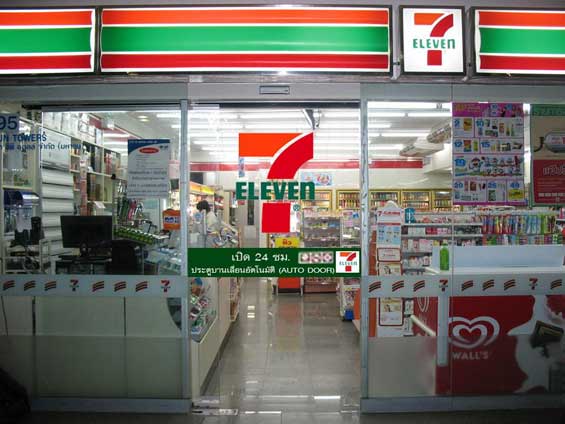
    Japanese convenience-store chain 7-Eleven has suffered its first year-on-year downturn in more than nine years.

    The decline in monthly sales throughout the chain has been attributed to heavy rains and the hack of its doomed 7Pay e-payment platform last month, which prompted customers to use rival services.

    Sales chainwide dropped 1.2 percent last month, with a 5.6-per-cent decline in same-store customer traffic. The inclement weather has also affected sales of particular items such as drinks and ice cream.

    7-Eleven’s same-store sales receded 3.4 percent this month, while the number of franchises grew 2.7 percent² to 20,990 stores.

    7-Eleven has discontinued its 7Pay service following a security breach that prompted the firm to stop the app from charging linked cards and put a block on new registrations.

    The firm has also been struggling with its 24-hour service model, with some franchisees growing increasingly uncomfortable with rising labor costs involved with round-the-clock opening hours.

  • WhatsApp close to adding fingerprint locking feature to Android app

    WhatsApp close to adding fingerprint locking feature to Android app

    WhatsApp is quietly testing new ways to make its mobile app more secure. The latest addition to the Android app could be the fingerprint locking feature, which is now being tested in the beta channel.

    WhatsApp has been working on the fingerprint locking feature for quite a few months now, but the new function is not yet ready for prime time. Previously known as Authentication or Screen Lock, the new feature can be enabled from the Settings menu under the Account / Privacy tabs.

    Keep in mind though that you will still be able to reply to messages directly from notifications, as well as answer WhatsApp calls since the app will only ask you for authentication when you want to open WhatsApp.

    Fingerprint lock will also allow users to choose when they must authenticate to use the app, but they can also choose when exactly WhatsApp will automatically lock after use: immediately, after 1 minute, after 30 minutes.

    For the time being, the new feature is available only in WhatsApp for Android beta, although you need version 2.19.221 or newer to find it in the Settings menu. If everything goes well during tests, Fingerprint Lock might be deployed to all Android users in the next couple of weeks.

  • EuroShop 2020 in Germany Sets Retail Record

    EuroShop 2020 in Germany Sets Retail Record

    Who does the real rock’ n’ roll? The mushroom heads from Liverpool or the rough boys from London? These questions split the camps in the 60s. Today it is clear: The Rolling Stones and the Beatles are the two biggest bands in pop history. Another star was also born in the 60s, wrote a success story and continues to do so today, more successfully than ever:

    EuroShop in Duesseldorf is the real rock’ n’ roller in retail!

    EuroShop 2020 not only looks back on more than 50 years of history of success, but it will be as well the 20th EuroShop. Three times 20 – lucky numbers for an outstanding trade fair!

    EuroShop is the hot spot for innovations and trends, a networking and discussion platform and a creative hub especially for retail – worldwide.

    Six months to the event, the prospects for EuroShop 2020, the World’s No 1 Retail Trade Fair, could not be any better. Next year’s EuroShop is in as high demand as ever with the Düsseldorf trade fair organizers expecting to beat the record figures of 2017. The previous event was attended by 2368 exhibitors from 61 countries on 127,598sqm of net exhibition space. Out of a total of 114,000 trade visitors from around the world, 1100 visitors traveled to Düsseldorf from Australia and New Zealand.

    More action, more drama, more emotion and better focusing on the wishes of the customers, that´s what´s necessary for retail and that´s what EuroShop already does. With its eight experience dimensions, it puts the focus on offerings tailored to specific visitor communities, a more flexible framework to operate in, and gives plenty of scope for presenting forward-looking developments and innovative products. The experience dimensions are Retail Marketing, Expo & Event Marketing, Retail Technology, Lighting, Visual Merchandising, Shop Fitting & Store Design, Foodservice Equipment, and Refrigeration & Energy Management.

    The extensive line-up of exhibitor ranges is complemented by high-caliber stages with practitioners’ lectures presented on all five exhibition days right amidst trade fair activities. These forums cover the following topics: Store Design, Retail Technology, Omnichannel, Retail Marketing, Energy Management, Retail Designers, Start-ups und Expo & Event. EuroShop’s supporting program also includes numerous specials, such as Popai Village, Ecopark, Designers Village and Italian Lighting Lounge. All specials and stages are included in the entrance fee and can be visited without advance reservation.

    EuroShop has as well its own one-stop global online information channel for expertise and communication in the international retail community, the EuroShop.mag. It offers news, interviews, reports, specialist articles, studies, photo galleries and videos on topics and trends from the international retail scene 365 days a year.

    EuroShop 2020 is open to trade visitors from Sunday 16 to Thursday 20 February 2020, daily from 10.00 to 18.00 hrs. The day ticket costs 80 euros (60 euros for online advance sale/e-ticket), the 2-day ticket 120 euros (e-ticket 100 euros) and the season ticket 180 euros (e-ticket 150 euros). The online-shop opens on October 2019.

  • Serious flaws have been discovered in WhatsApp

    Serious flaws have been discovered in WhatsApp

    During the Black Hat security conference held last week in Las Vegas, security researchers at Check Point discussed several flaws that they found in popular messaging app WhatsApp. The latter, as many of you probably already know, was acquired by Facebook in 2014 for a price north of $21 billion. One of the features that drive users to WhatsApp is its use of end-to-end encryption; this means that a message posted by a user cannot be read by anyone but the recipient. Even Facebook can’t see the message. But the flaws found by Check Point have some serious consequences for users.

    The security team noted that one of the flaws it found in WhatsApp could allow a hacker to not just read a message sent by a member, but change the message as well. I would imagine that we don’t have to tell you the implications of this. Another flaw could allow a hacker to attribute a message to another person instead of the actual sender. Again, we don’t have to spell out the chaos that could result should some attacker actually exploit this vulnerability. After all, WhatsApp has over 1.5 billion users in more than 180 countries. By 2021, WhatsApp is expected to have 25.6 million users in the states.
    Check Point also discovered that yet another flaw in WhatsApp could allow a hacker to disguise a public message as a private message. This could lull the recipient into thinking that his or her response will be private when in fact, it would be visible to others. When Check Point originally discovered these three issues last year and pointed them out to Facebook, the company was able to fix this particular problem although the first two flaws remain available for what Check Point calls “threat actors.”
    So keep in mind that just because WhatsApp has end-to-end encryption, it doesn’t mean that there aren’t any flaws that can’t be exploited for evil reasons.
  • Falling spend by mainland Chinese lowers Sogo sales

    Falling spend by mainland Chinese lowers Sogo sales

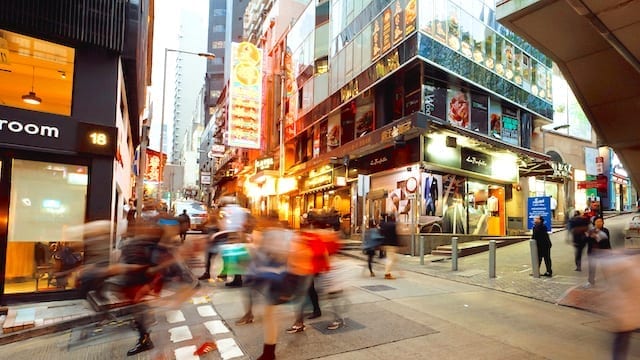
    Sogo department store parent Lifestyle International has been impacted by falling spending by mainland Chinese visitors and the early stages of the extradition bill protests.

    Direct sales at the group’s two stores in Causeway Bay and Tsim Sha Tsui were down 2.8 percent in the six months to June, while total gross sales, including those of concessions, fell by 2.4 percent.

    Executive director Lau Kam Shim said China’s economic slowdown and global political uncertainties cast a damper on the consumer spending during the six months to June. Sogo Causeway Bay recorded a 4.8-per-cent decline in sales after footfall decreased 3.7 percent, however, the average ticket size at the store remained stable at approximately $910. He said the anti-extradition protests that took place in June also played a part in bringing down the traffic footfall and sales revenue of the store.

    Despite the sluggish territory-wide retail sentiment, Sogo Tsim Sha Tsui achieved a 9.5-per-cent increase in sales during the period, having established itself as a popular shopping destination for tourists. Cosmetics and skincare products were the leading growth driver for the store, recording 14.3-per-cent growth.

    The Sogo Rewards program continued to gain traction, with membership increasing to 657,000 as at June 30.

    “The program has helped keep customers engaged and reinforced the group’s brand equity,” said Lau. Sales to members accounted for 55 percent of the total revenue at the Causeway Bay store during the period, up from 52 percent for all of last year.

    Lau said the launch of the massive HD LED screen on the street-facing facade of the Causeway Bay Sogo department store has proven to be an effective advertising platform, reinforcing the flagship’s position as a prominent retail landmark in Hong Kong.

    The group’s gross profit margin as a percentage of turnover remained stable at around 74 percent, and gross profit of HK$1.557 billion, was down 1.3 percent year on year. The net profit attributable to shareholders was $1.286 billion, up 44.8 percent, due to a positive investment income of $427 million being recorded during the period, compared with an investment loss of $56.2 million recorded for the same period last year.

    Lifestyle International expects a challenging second half of the year as geopolitical tussles and waning global growth momentum further undermines business confidence and dampens consumer spending across the globe.

    “Whilst prolonged China-US trade tensions and heightened economic uncertainties would pose challenges towards the Hong Kong economy, the city’s ongoing political and social unrest will cause further damage to the local economy, souring consumers’ appetites and suppressing investor sentiments in both the property and stock markets,” said Lau.

    “Moreover, the anticipated weakening of the Chinese currency would also weigh upon inbound tourism and the spending of Chinese tourists.”

  • AirAsia to spend millions for new jets

    AirAsia to spend millions for new jets

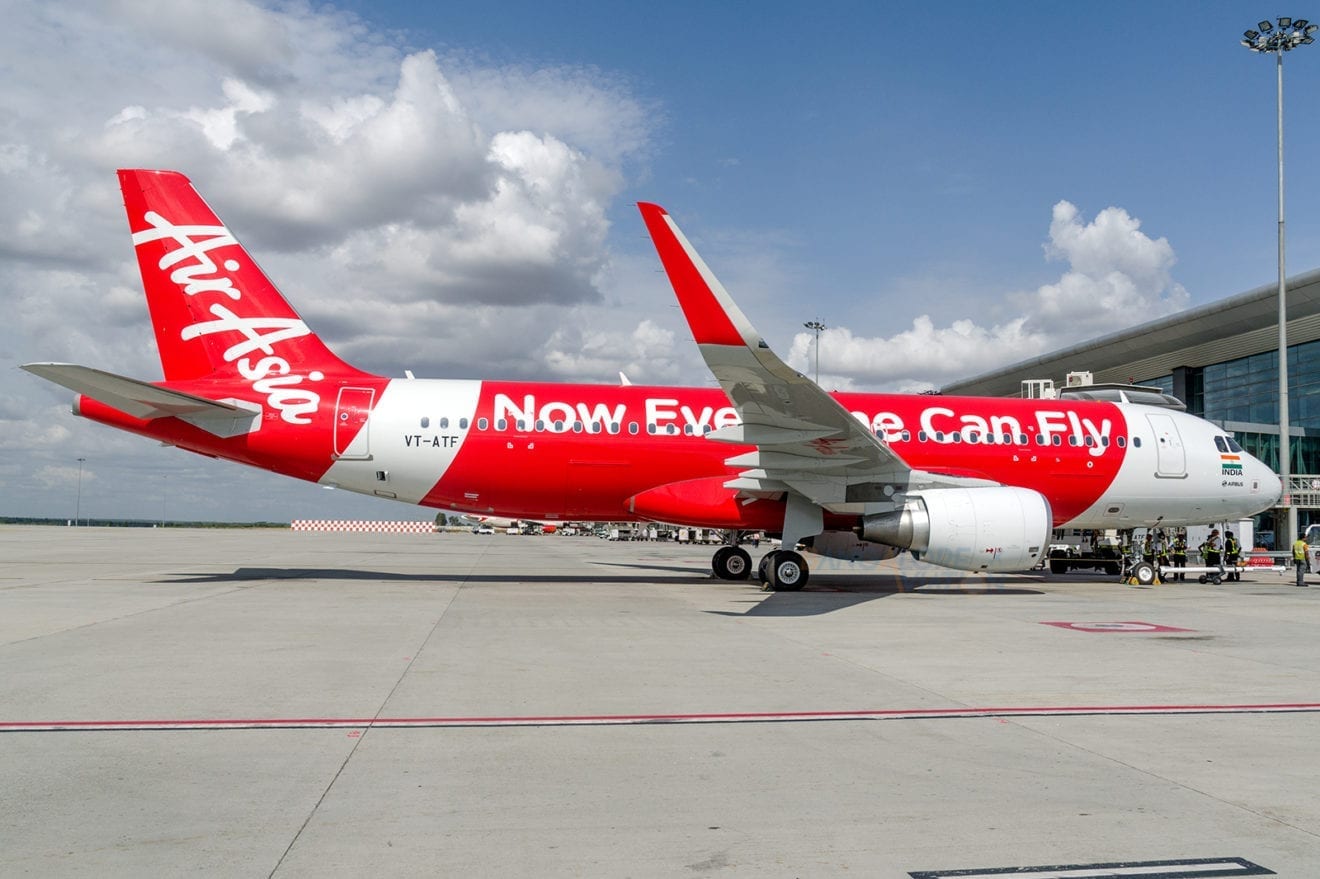
    The AirAsia Group is shelling out $350 million to acquire seven more planes for its Philippine unit, according to its chief.

    Talking to reporters in Bangkok late last week, AirAsia Group Chief Executive Officer Tony Fernandes said the move was the Malaysia-based low-cost carrier’s way of strengthening its presence in the country, as this would allow AirAsia Philippines to open new routes and bolster passenger capacity.

    AirAsia Philippines’ domestic market share currently stands at 18 percent, nearly double from 2014’s 9.7 percent.

    The local unit ended the second quarter with 23 aircraft, operating them from hubs in Manila, Cebu, Kalibo in Aklan province, and Clark in Pampanga province.

    While there is no clear timeline yet on when the group expects to reach the number of airplanes to 30, Fernandes said they have started working on it.

    Each plane would cost $50 million, according to him.

    He said they would “come close” to having 50 aircraft in the next three or four years, “which is something I never thought would be possible.”

    Fernandes is optimistic about growth opportunities for AirAsia in the country, banking on the booming tourism industry here.

    “I feel we are going to keep growing. We see so much tourism potential in the Philippines, [and not just domestically]. [W]e think many Filipinos want to travel and see the rest of the world,” he said.

    AirAsia Philippines flies to and from Manila, Cebu, Kalibo and Clark, as well as the cities of Tacloban in Leyte province, Tagbilaran in Bohol province and Puerto Princesa in Palawan province. It also has 13 international destinations from Manila, namely Kuala Lumpur and Kota Kinabalu in Malaysia; Bangkok, Thailand; Bali, Indonesia; Seoul, South Korea; Taipei and Kaohsiung in Taiwan; Shanghai, Guangzhou and Shenzhen in China; Hong Kong; Macau; and Ho Chi Minh City, Vietnam.

  • Cebu Pacific expands flights from Clark

    Cebu Pacific expands flights from Clark

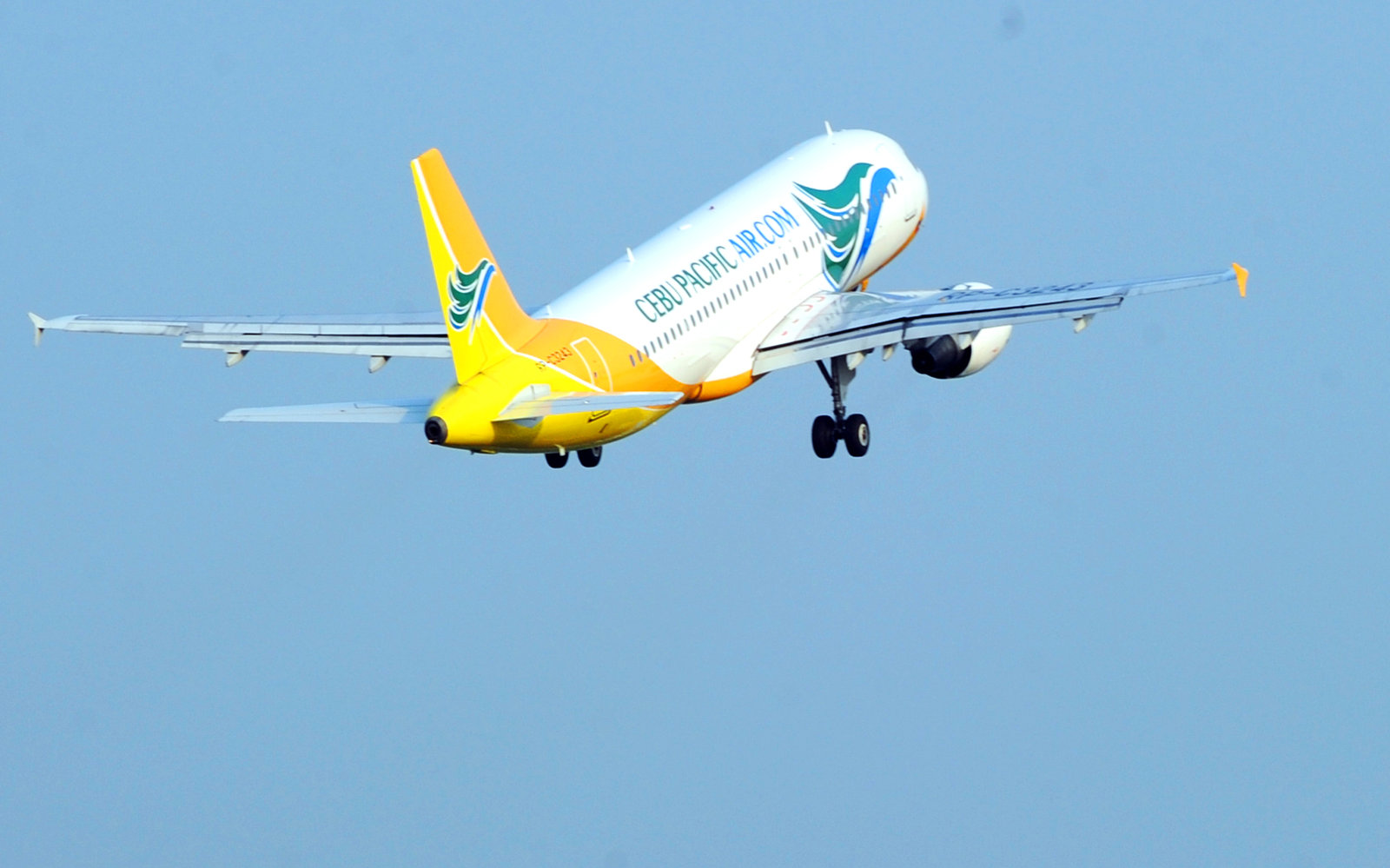
    Cebu Pacific, the country’s biggest budget airline, widened its presence at the Clark International Airport in Pampanga province with the opening on Friday of three new routes, including flights to Tokyo, Japan.

    The move opens up tourism and business opportunities for the central Luzon gateway while helping Cebu Pacific ramp up operations as it pursues an aggressive expansion strategy.

    Cebu Pacific on Friday also inaugurated daily flights between Clark Airport and Bacolod and Iloilo.

    Lance Gokongwei, Cebu Pacific CEO, outlined the company’s long history in Clark Airport, which it first tapped as a hub for daily flights to Cebu 13 years ago.

    “Since 2006 we have never stopped flying to Clark. We have always believed in the potential of Clark as a gateway to Manila, to central and northern Luzon, a hub with over 25 million residents,” Gokongwei said during the launch event.

    Cebu Pacific will also be the first airline to link Clark Airport to Narita International Airport in Japan with flights to operate four times a week.

    The new routes will help make Cebu Pacific the largest carrier in Clark Airpo

    Clark Airport is also being positioned as an alternative to the congested Ninoy Aquino International Airport in Manila.

    The Gokongweis are doubling down on their investment in Clark as the family’s JG Summit Holdings, a property, food, retail and airline conglomerate, is part of the consortium that will operate the Pampanga gateway.

    Cebu Pacific earlier announced the start of daily flights between Clark and Puerto Princesa in Palawan by the fourth quarter of 2019.

    The four new routes will boost Cebu Pacific’s total capacity in Clark by 40 percent in 2019 alone. This follows a 75-percent increase in 2018 with the launch of direct commercial air service to and from Davao and Panglao (Bohol) as well as additional frequency for the Clark-Macau route.

  • E-Mart posts first-ever loss ; restructuring lures

    E-Mart posts first-ever loss ; restructuring lures

    Korean discount chain operator E-Mart has posted its first-ever net loss, amid growing competition from online shopping rivals and e-commerce giants.

    The company’s quarterly results showed a net loss of KRW26.6 billion (US$24.7 million) between April and June, its first negative result since it was spun off from Shinsegae Group in 2011. The loss stands in comparison to a net profit of KRW94.8 billion ($77.7 million) during the same period last year.

    The company says it plans to raise 1 trillion won (US$820 million) by selling assets and will buy back stocks worth some 100 billion won to boost shareholder value.

    E-Mart says it expects its losses will to continue into the next financial period.

    “Online archrivals, such as Coupang Inc and other major e-commerce operators are forecast to expand their food category later in the year,” said Hana Financial Investment expert Park Jong-dae, “which could further weigh down E-Mart.”

  • Google’s latest build allows Android users to forget some passwords forever

    Google’s latest build allows Android users to forget some passwords forever

    Google announced that starting with the Pixel handsets, you can verify your identity with some Google services on the web by using your fingerprints or a screen lock instead of a password. While the Pixels will get this new feature today, over the next few days it will be pushed out to Android devices running Android 7 Nougat and higher. Using the FIDO2 standard, designed to improve authentication on the web (as opposed to on an Android app) users will only have to register their fingerprint or screen lock on their phone once to use it for a native app or the compatible Google services sites on the internet.

    Google points out to those worried about privacy, that fingerprints are never sent to Google’s servers and are stored securely on the user’s phone. Google’s servers do receive proof that you correctly scanned your fingerprint via a message that is disguised using cryptography. And you can test out how well this new system works by running a little test on your Android device. First, your device must be running Android Nougat or higher and contain your Google Account. The device must have a valid screen lock like a fingerprint scanner, a PIN or a pattern lock. Then, you follow these directions:

    • Open the Chrome browser on your device and go to  https://passwords.google.com.
    • Choose a site to view or a password to manage
    • Follow the instructions to verify that it is you signing in.

    So what is the advantage for Android users? Glad you asked. You won’t have to worry about having to remember a password when signing onto certain Google services sites on the web. That means that the part of your brain that stored these passwords can be freed up for more important things like pop culture trivia.

    “An important benefit of using FIDO2 versus interacting with the native fingerprint APIs on Android is that these biometric capabilities are now, for the first time, available on the web, allowing the same credentials be used by both native apps and web services. This means that a user only has to register their fingerprint with a service once and then the fingerprint will work for both the native application and the web service.”-Google

    There is nothing you need to do to set this up on your Android phone. So just sit back and clear your mind of some passwords that you won’t need to remember any longer.

  • Chinese brand ambassadors severe ties citing sovereignty

    Chinese brand ambassadors severe ties citing sovereignty

    Chinese brand ambassadors of fashion labels from Coach to Givenchy have severed ties with the companies over products which they said violated China’s sovereignty by identifying Hong Kong and Taiwan as countries.

    The brands are the latest to get into hot water over political issues in China, which has been more assertive in its territorial claims and how it expects foreign companies doing businesses in China to describe them.

    Italian luxury label Versace and its artistic director, Donatella Versace, apologised on Sunday after one of its T-shirts, depicting the territories of Hong Kong and Macau as countries, was criticised on Chinese social media.

    Coach’s China ambassador, supermodel Liu Wen, said on Weibo on Monday that she had severed her endorsement deal with the New York-based label over a similar T-shirt, which also listed Taiwan as a country even though Beijing says the self-ruled island is a renegade province.

    “I apologise to everyone for the damage that I have caused as a result of my less-careful choice of brand!” she said in a Weibo post that was ‘liked’ hundreds of thousands of times.

    “I love my motherland, and I steadfastly safeguard China’s sovereignty.”

    Coach, whose parent is Tapestry, said it had found the “serious inaccuracy” in May 2018 and had immediately pulled the T-shirts from all its global channels. It added that it “deeply” regretted the design.

    “We also reviewed our assortment to ensure compliance, and have strengthened our internal product development process to avoid the occurrence of a similar issue in the future,” it said.

    “Coach respects and supports China’s sovereignty and territorial integrity.”

    The topic “Coach” was the hottest item on China’s Twitter-like Weibo on Monday morning, receiving 1.2 billion views.

    Separately, popular Chinese boy band idol Jackson Yee said on Weibo he had severed ties with LVMH’s Givenchy after pictures of one of the brand’s T-shirts, which also listed Hong Kong and Taiwan in a similar way, received criticism.

    Givenchy was not immediately available for comment on Monday when contacted by Reuters.

    Foreign brands are under increasing pressure from Chinese consumers and regulators to fall into line on contentious issues around Chinese sovereignty and its territorial claims.

    Taiwan is self-governed and has a democratically elected leadership, but China claims the island as a breakaway province and has not ruled out the use of force to ensure unification. The question of Taiwan’s formal independence is one of Beijing’s most sensitive political concerns.

    Beijing is also facing one of its most popular challenges to Chinese leader Xi Jinping since he came to power in 2012 in Hong Kong, where demonstrators say they are fighting against the erosion of the “one country, two systems” arrangement enshrining some autonomy for Hong Kong when China took it back in 1997.

  • Telegram’s new update includes a powerful new feature for group owners

    Telegram’s new update includes a powerful new feature for group owners

    The Telegram messaging app, with its end-to-end encryption and the ability to host group chats of any size, is more popular overseas. According to Staista, at the end of March, it was the 11th most popular messaging app in the states with 2.67 million unique users each month. As of last month, it was the eighth-most popular global messaging app with 200 million monthly active users.

    Telegram announced an update that includes a new feature called Slow Mode. This allows an admin to lengthen the time a group chat member must wait between sending messages. The time period can range from no delay to as long as one hour between comments. Telegram says that it is offering Slow Mode to “make conversations in the group more orderly while raising the value of each individual message.”

    The update also adds Silent Messages. This is how you can send messages on the sly to contacts you know are attending a meeting, a class, or are in a situation where superfluous noise would be looked down on. So to have a message delivered silently, holding the send button will deliver the message without noise, even if the recipient did not enable Do Not Disturb. This feature is also available for group chats.

    Telegram is also giving group owners the ability to set custom titles. This can be done by going to Group Settings and editing the admin’s rights. In addition, videos now have a thumbnail preview and adding a timestamp to the caption will turn that time into a link. Tapping on the link will start the video from that precise moment. Telegram users sharing a YouTube video can also create a timestamp link as well. Animated emoji is now available and the stickers settings have a new toggle for looped playbacks. When toggled off, a sticker will play once and then remain static.

    Android users will notice a new attachment menu with larger thumbnails for photos and videos, making it easier for them to select media they want to share. Swiping up will reveal the entire gallery. And lastly, the new dark mode in iOS can be changed to create different background hues.

    Telegram users should find the update hitting their iOS or Android phone soon. For those who have yet to try Telegram, it can be downloaded from the App Store or Google Play Store.