Category: General

Retail News Asia is committed to providing both local and global retailers with the latest General Retail news throughout the Asian market. This on a daily base.

  • Board-game creator Cmon to open Singapore Store

    Board-game creator Cmon to open Singapore Store

    Board-game creator Cool Mini or Not – best known as Cmon – is opening a flagship store in Singapore this Saturday.

    Located on Henderson Road, the store will bring the latest board games such as Game of Thrones-inspired A Song of Ice & Fire Miniatures Game, arena-style zombie-survival game Zombicide, the Japanese mythical fantasy game Rising Sun.

    There will be a tour of the premises, a special board game auction with a chance to win some of the available games on opening day.

    The auction will feature a wide selection of board games.

    Customers can also join a small-scale competition based on the Potion Explosion game.

  • Major Update to mobile YouTube app makes life easier

    Major Update to mobile YouTube app makes life easier

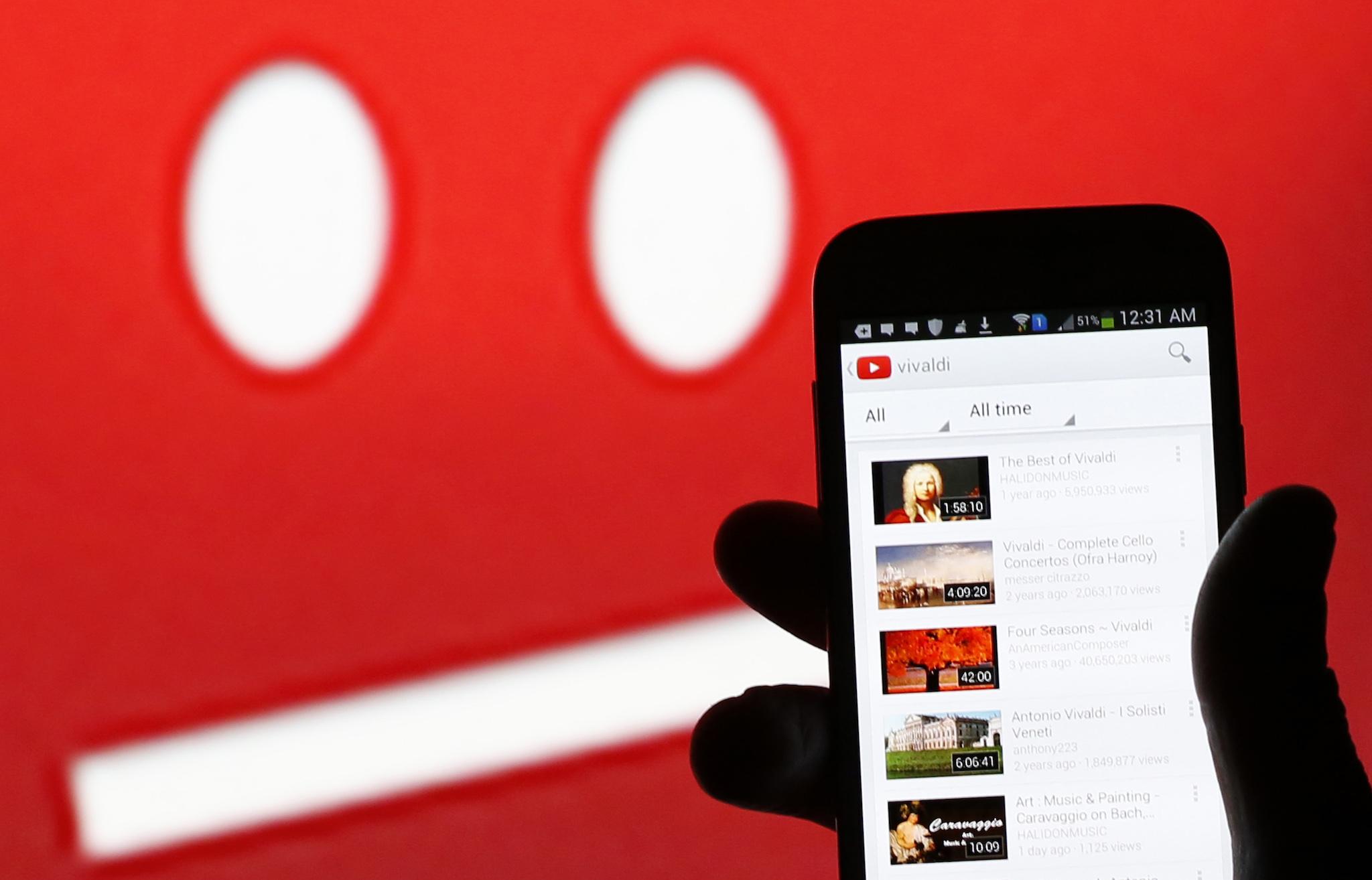
    A server-side update is being sent out to the mobile YouTube app. It doesn’t contain a major change, but for those who like to view streaming YouTube videos in fullscreen (which is done by holding the phone in landscape orientation), it does help correct a minor annoyance.

    Before the update, let’s say you were viewing a video in landscape mode and wanted to share it with someone, or give it a thumbs up or down, or even add the video to a playlist. You would have to make the switch from landscape to portrait in order to find the appropriate icon to tap on. Then, when ready to view another video, you would have to turn the phone back to landscape mode. But the powers that be at Google recognized the inherent dangers involved when a phone owner keeps changing the orientation of his device; such a move can lead to a fumble resulting in the handset kissing the asphalt or another hard surface. It is also just plain inconvenient.

    Still, it isn’t a big deal, but as Android users know, Google loves to correct minor pain points. So the update adds the bar containing the thumbs up, thumbs down, share and save icons to the YouTube UI in the landscape. To view it, simply scroll up on the screen in fullscreen mode. You will see three recommended videos overlayed on top of the screen, and directly underneath is the bar with the aforementioned icons. Note that the up and down thumbs still show how many times a video was “liked” or “disliked.”

    >The change appears on version 14.18.56 of the YouTube app for Android. Not only might it save you from dropping your phone (even surehanded NFL running backs fumble the ball without contact every now and then), over the course of a year it just might save you a few minutes of time.

  • Instagram’s standalone Direct app is Obsolete

    Instagram’s standalone Direct app is Obsolete

    Facebook has a habit of frequently testing changes (both big and small) for its extensive library of crazy popular social networking services, but while most new features added to Instagram tend to stick, enriching the app’s functionality or expanding its reach, others never get to see daylight or move past the public testing phase.

    Instagram Direct is part of the latter category, reportedly “going away” some time “in the coming month” after making a limited global debut way back in December 2017. This was actually a standalone app rather than something built directly into the main Instagram interface, but technically, the thing never got a proper, wide-scale release. Instagram (or rather Facebook) also didn’t do much to promote the service, which essentially cloned one of the core features of arch-rival Snapchat.

    Namely, Instagram Direct was largely focused on enabling message exchanges between users, with Instagram friends instantly added to one’s list upon signing up and, of course, support for fun face filters to spice up your photos and videos. If that sounds useful in any way, fret not, as Instagram Direct conversations will automatically move to the main Instagram app, where you’ll be able to continue enjoying the same messaging features as before. After all, private messaging has been supported by Instagram since 2013.

    As the company was quick to highlight in a short statement after the imminent death of the standalone Direct experience ironically started making the Twitter rounds, Instagram Direct will remain the “best place for fun conversations with your friends.” Just not in a separate app, whose tests are being “rolled back” after merely exceeding a million Android installs in Google Play and receiving largely mediocre iOS user reviews.

  • AirAsia 3.0 to help save cost and enhance revenue

    AirAsia 3.0 to help save cost and enhance revenue

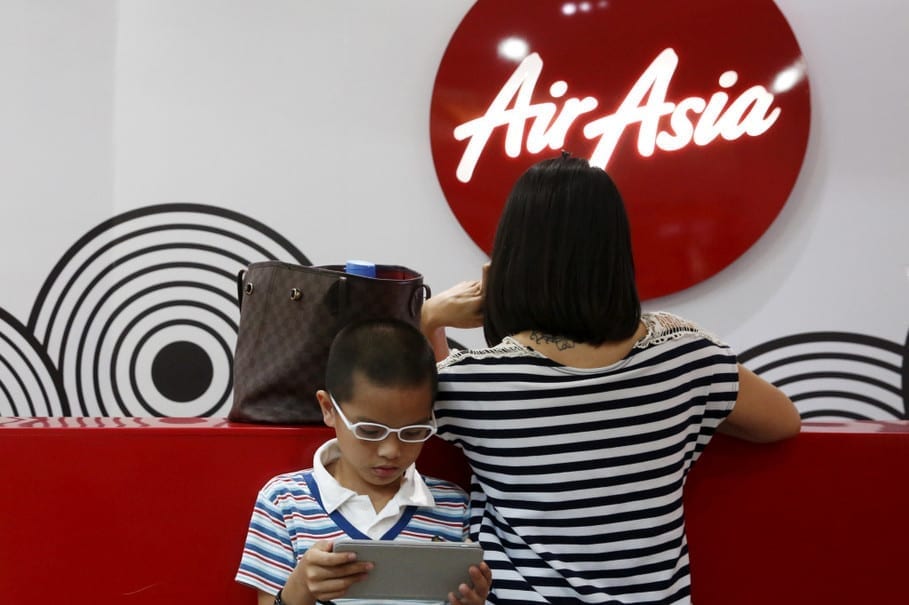
    After two years of working closely with Google and other data companies, AirAsia expects cost savings and revenue enhancement beginning next year. Group CEO Tan Sri Tony Fernandes told a group of analysts during AirAsia 3.0 investor day that he expected about 4% less fuel burnt after crunching numbers and using the right aircraft for specific routes. With hundreds and hundreds of other fuel initiatives including spare parts, he is looking at 10% to 15% cost savings by the end of 2020.

    All these initiatives to save costs and enhance revenue are part of the airline’s move towards digitization, which also allows it to be creative in its delivery and offering as well as personalize and segmentize its product offerings. This is made possible by analyzing all the data that it has.

    “On the revenue side, with all the rich data we have, we are able to serve customers better in terms of personalizing all that. We have never done promos, as we normally send e-mails, but now we will be much more proactive in filling up the planes.

    “We also now have the ability to dynamically adjust fares on the spot and all this will help us maximize revenue and save costs,’’ he added.

    As part of the AirAsia 3.0 initiative, the plan is to make the entire journey nicer and comfortable for the traveler while various new initiatives will be introduced.

    An analyst said in a report the AirAsia 3.0 plan would solidify the airline’s business via predictive maintenance, which would result in cost savings by FY20. It will enhance the online user experience by transforming AirAsia.com into all-in-one travel and lifestyle marketplace, facilitated by its mobile payment facility BIGPay.

    The carrier’s cargo arm would cover more networks while eliminating the layers in air cargo fulfillment process, the analyst said.

    Another research house said it “does not expect material earnings contribution in the near term from the implementation of the new business platforms.’’

    A foreign brokerage added that “near-term losses from these new initiatives, which are likely to drag already-thin margins in the core airlines business.’’

    AirAsia, according to Fernandes, has come a long way and was the first to revolutionize the way people travel low cost and used the Internet to sell tickets. But that did not come without skepticism and ridicule.

    Eighteen years on, AirAsia is Asia’s largest low-cost carrier that prides on online options to reach out to travelers. It has flown more than 500 million people and has 260 planes on leaseback arrangements to save cost. Ancillary income accounted for 9% of revenue back in 2008 but now it makes up 21%, or RM2bil, of revenue.

    Fernandes still sets sights on China and is working with a new partner to return to Vietnam. He is also bullish that AirAsia’s Indonesian and Philippine operations will be profitable soon.

    AirAsia group is expected to release its first-quarter 2019 results on May 29. A local research house has forecast core net profit of RM147mil (minus 59% year-on-year).

    “Management has done a good job to retain high load factors in first-quarter 2019. However, yields were exceptionally challenging in Malaysia, India, and Thailand due to softer consumer demand and stiffer competition.

    “We are also concerned on the group’s financial year 2019 growth plan to deploy a net addition of 18 aircraft. There has been no aircraft addition in first-quarter 2019, which implies that all the aircraft will be deployed in the subsequent quarters. We deem this as excessive under the current market conditions,” the research house said.

  • AirAsia Opens Jakarta-Phuket Route

    AirAsia Opens Jakarta-Phuket Route

    “Currently the traveling trend continues to increase especially in the youth market, hence demand to open unique routes is increasing as well,” said AirAsia Indonesia president director Dendy Kurniawan.

    Phuket is one of Thailand’s biggest islands in the southern side and boasts various destinations, such as Phi Phi Island, Big Buddha statue in Chalong and Phuket Old Town. The carrier is currently offering promotional fares from Rp 583,000 (US$40.35) one way that can be booked until May 26 for a travel period between July 2 and Oct. 25.

    Other direct flights served by AirAsia from Thailand to Indonesia are Jakarta-Bangkok, Medan-Bangkok and Denpasar-Bangkok.

  • Glory Days of Samsonite Sales Ending

    Glory Days of Samsonite Sales Ending

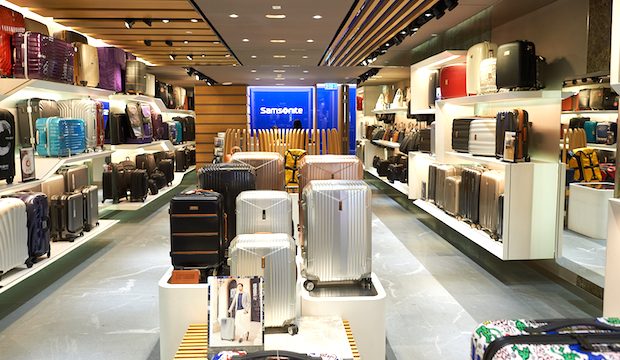
    “Economic headwinds” in the latest quarter have brought an end to the stellar run of Samsonite sales growth.

    For the March quarter, the world’s largest luggage retailer has reported a fall in sales of 2.4 per cent and 6.3 per cent when reported in US dollars. Profit attributable to shareholders slumped by 48.2 per cent to US$22.8 million.

    In Asia, overall sales fell 2.1 per cent, but the group continued to achieve net sales gains in both Japan (up 4.1 per cent) and Hong Kong (up 5.5 per cent) during the quarter.

    Last full year, net Samsonite sales were up 8.4 per cent on a constant-currency basis to US$3.797 billion in the year to December 31. Profit attributable to shareholders rose by 23.9 per cent before extraordinary items.

    The company has consistently reported quarter-on-quarter sales growth during the last several years, although this was heavily influenced by the acquisition of Tumi and other businesses over the same period.

    Commenting on the results, CEO Kyle Gendreau said economic headwinds have continued to impact a number of the company’s key markets during the first quarter, particularly the US, South Korea, Chile and the business-to-business market segment in China.

    “Excluding these four markets, our net sales grew by a healthy 3.4 per cent, driven by a 4.4 per cent increase in Asia (excluding South Korea and business-to-business sales in China) and a 2.3 per cent growth in Europe.”

    In China, a sharp decline in business-to-business orders caused net sales to decrease by 8.3 per cent year on year. Excluding business-to-business orders for both periods, net sales in China increased by 5.9 per cent, driven by a 15.1 per cent rise in direct-to-consumer sales, despite weak consumer sentiment amid concerns about trade relations with the US.

    By brand, Tumi sales in Asia soared 17 per cent and in Europe by 22.5 per cent.

    Net sales of the Samsonite brand were down by 4.2 per cent year-on-year to $373 million during the quarter, primarily due to declines in the US, China and South Korea.

  • India’s Nappa Dori Opening Store in UK

    India’s Nappa Dori Opening Store in UK

    Indian luxury handcrafted-bags and luggage retailer Nappa Dori has launched in London.

    The firm’s 1400sqft location in Seven Dials on Monmouth Street is its first in Europe, adding to its seven-store network in India and an outlet in the Maldives. It features an in-store cafe serving traditional beverages such as chai tea.

    “The high volume of tourists and locals who frequent the stylish streets of Seven Dials made it the obvious choice for our first UK and European venture,” said Nappa Dori founder Gautam Sinha.

    “This opening reflects the increase in brands selecting this unique West End destination for debut UK and European stores,” said Shaftesbury senior retail portfolio manager Addy Williams, “following in the footsteps of leading brands such as Away and Beast.”

    Nappa Dori has previously engaged in collaborations with Kiehl’s and Qatar Airways, among other partnering businesses.

  • Outlook Mobile is Getting New Features

    Outlook Mobile is Getting New Features

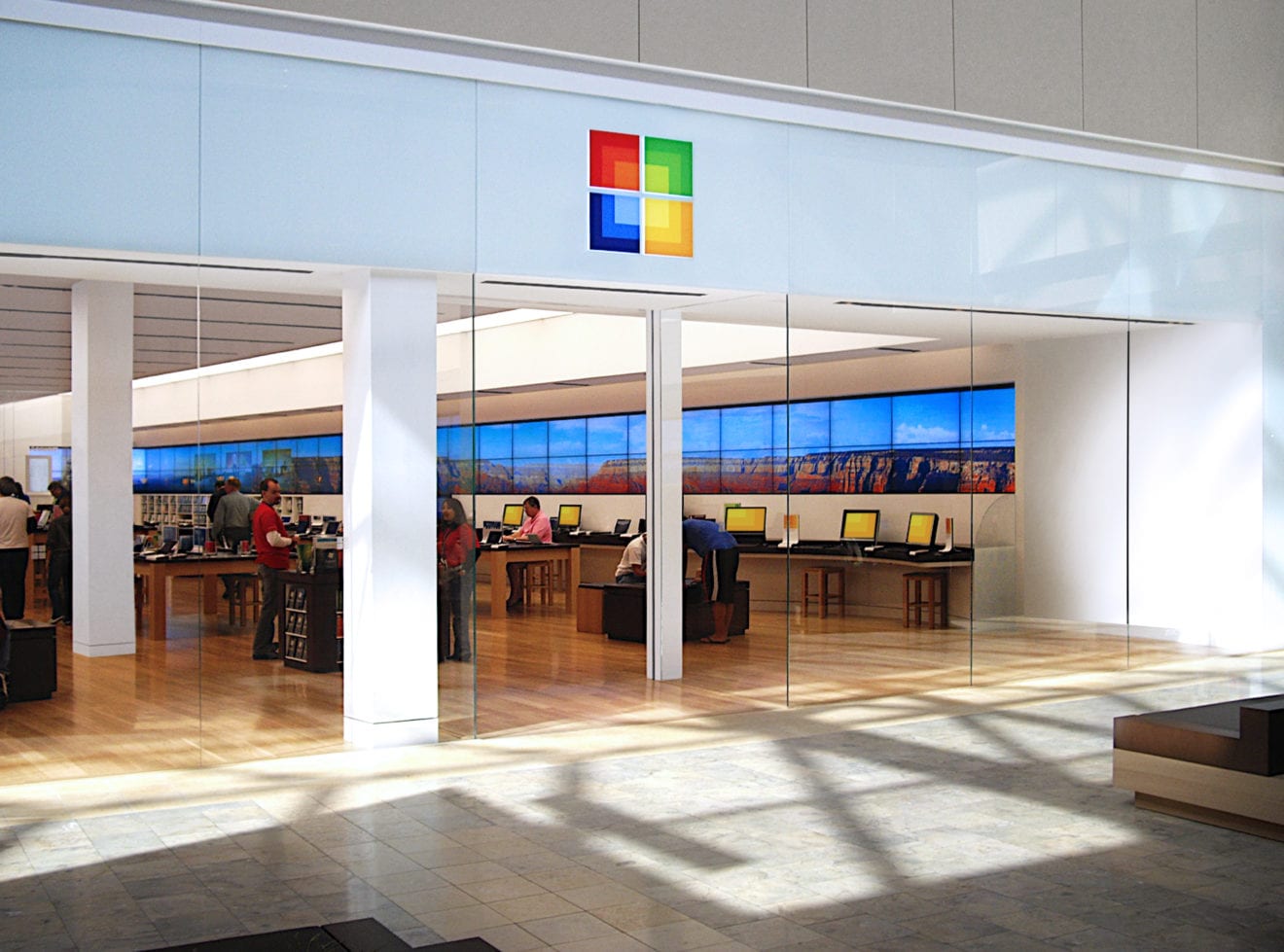
    Microsoft has just announced its Outlook mobile app is getting some new features in the latest update, which will allow users to customize their email notifications from their favorite people. On top of that, the Redmond-based company announced it will add enhancements to Outlook for Android Contacts, along with additional use of intelligent technology from Office Lens.

    The first important new feature you’ll be getting on Outlook for Android is the new special place in the sidebar that appears when you select someone as a favorite person. This will allow you to quickly access recent emails from them.

    You can now manage favorite people, folders and Outlook groups by simply tapping the pencil in the sidebar to edit Favorites. According to Microsoft, all the changes that you make to Favorite in Outlook mobile will sync with Favorites in Outlook on the web.

    Once you select your Favorites, you can set Outlook mobile to block all other notifications and let only those from your VIPs to go through, so that you can work without interruption. Also, in addition to the option to receive notifications from Focused Inbox, Focused Inbox or Other or no notifications, those who use the Microsoft sync technology for Outlook mobile can choose to be notified only when an email from one of their favorite people is delivered to the inbox.

    Several enhancements to the Outlook for Android contact card have been implemented as well. Expect additional contact details, information about where they fit into the company reporting structure and insight about who they work with courtesy to the Microsoft Graph.

    If you haven’t yet used Office Lens in Outlook, Microsoft made a video to show users how to scan a business card and convert it into an Outlook contact. It’s extremely convenient and save you a lot of time if you have several contacts that you want to add in Outlook.

  • FamilyMart is suing its Chinese partner

    FamilyMart is suing its Chinese partner

    FamilyMart is suing its Chinese partner in a dispute over royalties which could spell the end of the joint venture.

    With 2500 stores across China, FamilyMart has the second-largest network of foreign players, but the highest market share at around 8.4 per cent, according to Euromonitor data. The Chinese business, owned by Taiwan-based Ting Hsin International Group, is considered a mainland entity having had a presence there since the late 1980s.

    Japan’s FamilyMart UNY has lodged a suit in the Cayman Islands, where both companies are registered, seeking to force Ting Hsin to relinquish its 60 per cent stake in the venture, according to documents sighted by Bloomberg. It claims the Chinese company has not been fairly sharing the profits from the chain’s expansion in China.

    But Ting Hsin counters that familyMart is seeking royalty fees three times higher than rival chains such as 7-Eleven, which is also Japanese owned.

    A FamilyMart spokesperson says the company cannot comment on matters of litigation. Ting Hsin cited confidentiality agreements for not commenting.

    However FamilyMart UNY is alleging that Ting Hsin sought to reduce the royalty fee it pays for using the brand from 1 per cent of sales to 0.3 per cent or less. At one point, it allegedly withheld royalty payments for seven months.

    Ting Hsin has also been accused of failing to adequately disclose transaction data which would allow familyMart UNY to gain an accurate picture of the business’ performance in China.

  • Google Will Start Pushing More Ads on Mobile

    Google Will Start Pushing More Ads on Mobile

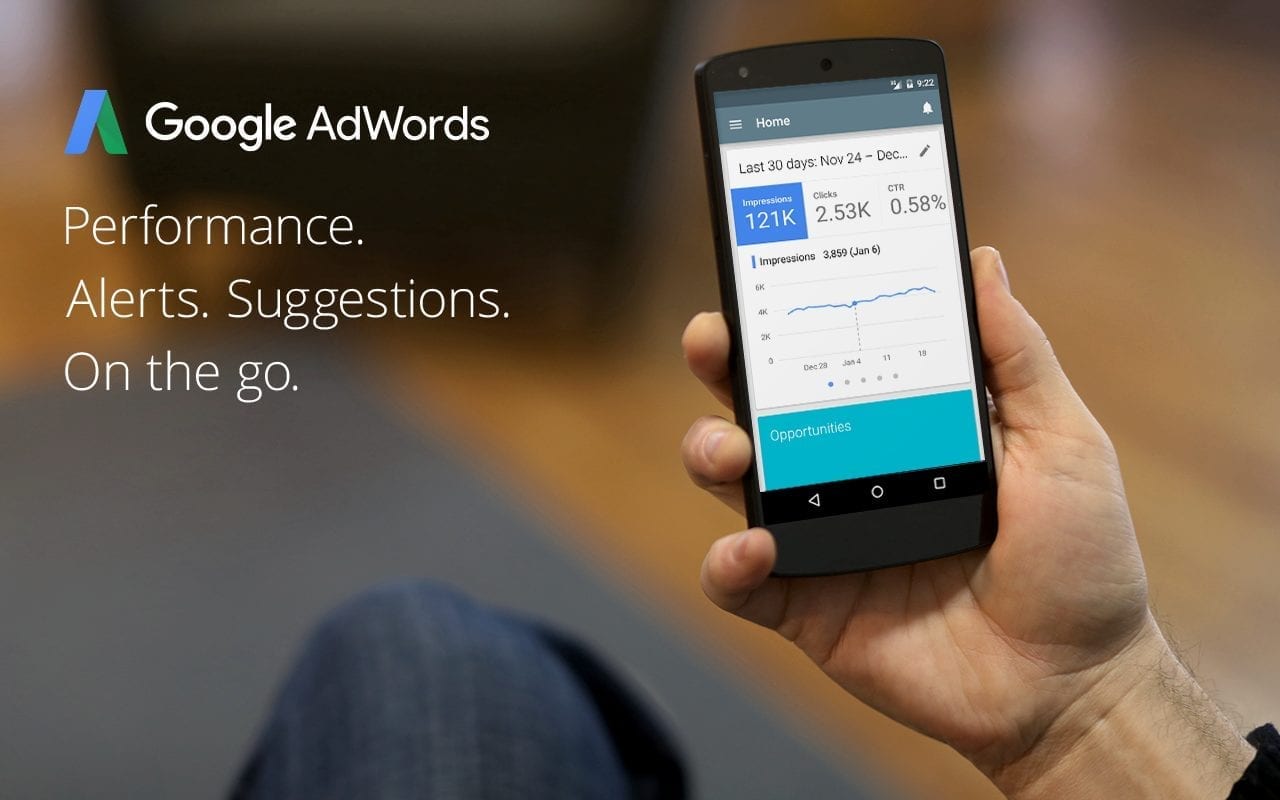
    Google has just announced that it will soon start pushing out more ads on mobile to make it easier for Android and iOS users to find information about the products they want to purchase. The so-called Discovery ads will be rolled out to all advertisers globally later this year, as a new way to reach people across Google properties when they’re looking for something specific.

    Besides Discovery ads, Google revealed that it will deliver mobile users Gallery ads, a new search ads format delivered in the form of up to eight ads that they can swipe through.

    By combining search intent with a more interactive visual format, gallery ads make it easier for you to communicate what your brand has to offer. We’ve found that, on average, ad groups including one or more gallery ad have up to 25 percent more interactions—paid clicks or swipes—at the absolute top of the mobile Search results page.

    On top of that, standard ads will now pop up in Google’s discover feed that’s implemented in many Android home screens, in the Google app, as well as on Google’s mobile homepage.

    These ads are supposed to “inspire consumers with an open canvas” and allow them to learn about new brands or products in a swipeable image carousel, which is rendered natively across all Google’s properties.

    Last but not least, Google plans to bring Showcase Shopping ads to even more of its properties, such as Google Images, the feed on Discover, and YouTube. This is a highly visual ad format that includes rich lifestyle imagery into Shopping ads.

  • Google Translate is getting an Important Update

    Google Translate is getting an Important Update

    Google Translate’s camera translation feature sounds very futuristic on paper, but in practice—so far, at least—it’s been more of a proof of concept. It’s still usable and gets the job done, but it’s far from polished and intuitive to interact with. In fact, one of the biggest hurdles of using camera translations is the fact that you need to pick the languages before initiating the camera, as there is no automatic language detection built in. This can get annoying, especially since there’s no way to change the source and target languages while looking through the viewfinder.

    All of this is soon going to change, however, and for the better. The lines of code in the latest version of Google Translate hint at a big upgrade coming to the app in the near future. Various suspected improvements include “better translation quality” and “more languages supported,” but the most important one, perhaps, is the automatic language detection that’s coming to camera translations.

    Currently, users need to pre-select their desired source and target language, initiate the camera, snap a picture, and highlight the text they want to be translated. In the future, however, this process will be more streamlined. First off, Translate will be able to automatically detect the source language as soon as you point the camera at a text, and you’ll have the ability to select the target language. Second, Google is working on an “Instant” augmented reality feature that will translate any texts immediately and display them as though they were written in the target language while you’re still looking through the viewfinder. Now that’s more like the future of seamless translation that Google has been promising for years!

    The new camera features are apparently present in Google Translate version 5.29, though they haven’t been enabled yet. This likely means that they’re dependent on a server-side switch on Google’s part. Expect them to go live in the coming weeks or months.

  • Google Assistant Will Come Up with a Fresh New Look

    Google Assistant Will Come Up with a Fresh New Look

    It appears that Google is testing a new UI for Google Assistant. Instead of the white box that pops up when the virtual personal assistant is activated, a transparent overlay with the words “Hi, I’m listening” covers the bottom third of the screen. That tells you that Google Assistant is ready to hear your question or request. At the bottom of the overlay are icons for the Update page and the virtual QWERTY keyboard, with the Google Pixel light bar underneath. Once the user gives his command to Google Assistant or swipes up, the currently used full page in white is displayed.

    Google is running a limited A/B test of the new UI, which is offered with version 9.84.10.21 of the Google app. It is unclear whether Google plans to roll this redesign out to all users, but it is interesting that no mention of this was made at Google I/O last week. It is possible that feedback generated by the A/B testing will be the final piece of the puzzle used to help Google determine whether to keep this new look for the feature.

    Google Assistant is considered by many to be the top virtual helper available with Amazon’s Alexa second and Apple’s Siri in third. Google announced last week that the next-generation version of Assistant will be able to handle tasks up to 10 times faster than the current version. There is some bad news to current Pixel owners; the next-gen Google Assistant could be exclusive to the Pixel 4. If Google sticks to tradition, the latter will be introduced in the fourth quarter of this year.

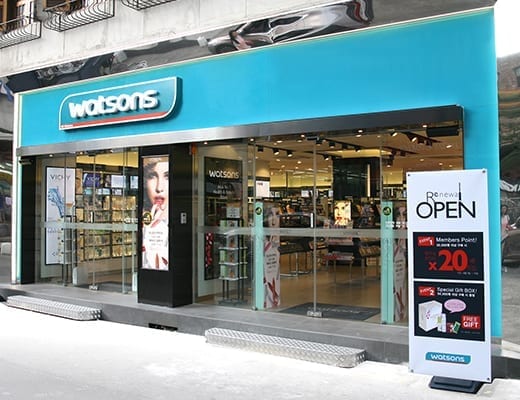
  • Watsons loyalty program Expanding for Travellers

    Watsons loyalty program Expanding for Travellers

    Watsons is about to expand its loyalty program cross-border with 8 million members in 11 cities in the Greater Bay Area the first to benefit.

    “Watsons operates in many popular travel destinations worldwide, and our customers also tell us that they would like to shop in Watsons overseas,” said group COO Malina Ngai. “Therefore, in order to bring more excitement to our members, it is logical our loyalty program goes international.”

    Members of the Watsons loyalty program in Watsons Hong Kong and Watsons China (in particular Greater Bay Area members) will be able to upgrade their membership to the One Pass-level program to enjoy benefits when they shop in any of the 660 Watsons stores in the 11 cities: Hong Kong, Macau, Guangzhou, Shenzhen, Zhuhai, Foshan, Zhongshan, Dongguan, Huizhou, Jiangmen and Zhaoqing.

    The cross-border program will be launched in other Asian markets including Singapore, Malaysia, Thailand, Taiwan and Indonesia in July.

    “Watsons has been the No.1 Pharmacy/ Drugstore brand in Asia for 10 consecutive years with more than 90 million loyalty club members, and the majority of them are frequent travellers,” said Ngai.

    Indeed, recent research of 14,000 consumers in seven Asian regions showed the average frequency of cross-border Asian travelling is 1.7 per year. Hong Kong people travel 2.2 times yearly, ranking second across Asia, preceded only by Singaporeans, who travel 2.7 times per year.

  • Auchan Selling Vietnamese Business

    Auchan Selling Vietnamese Business

    The French supermarket group’s CEO Edgar Bonte told that the group had decided to sell its 18 stores in Vietnam which currently generate sales of US$50.4 million.

    In March, Auchan Retail said its Italian and Vietnamese businesses had faced tough conditions.

    The group has since sold the Italian operation – which closed 23 stores last year – to Conrad.

    Entering Vietnam in 2015, Auchan had planned to invest US$500 million to open 300 stores.

    The stores are often located in apartment buildings, targeting local residents. Auchan Vietnam is in talks with a local retail group to acquire the business.

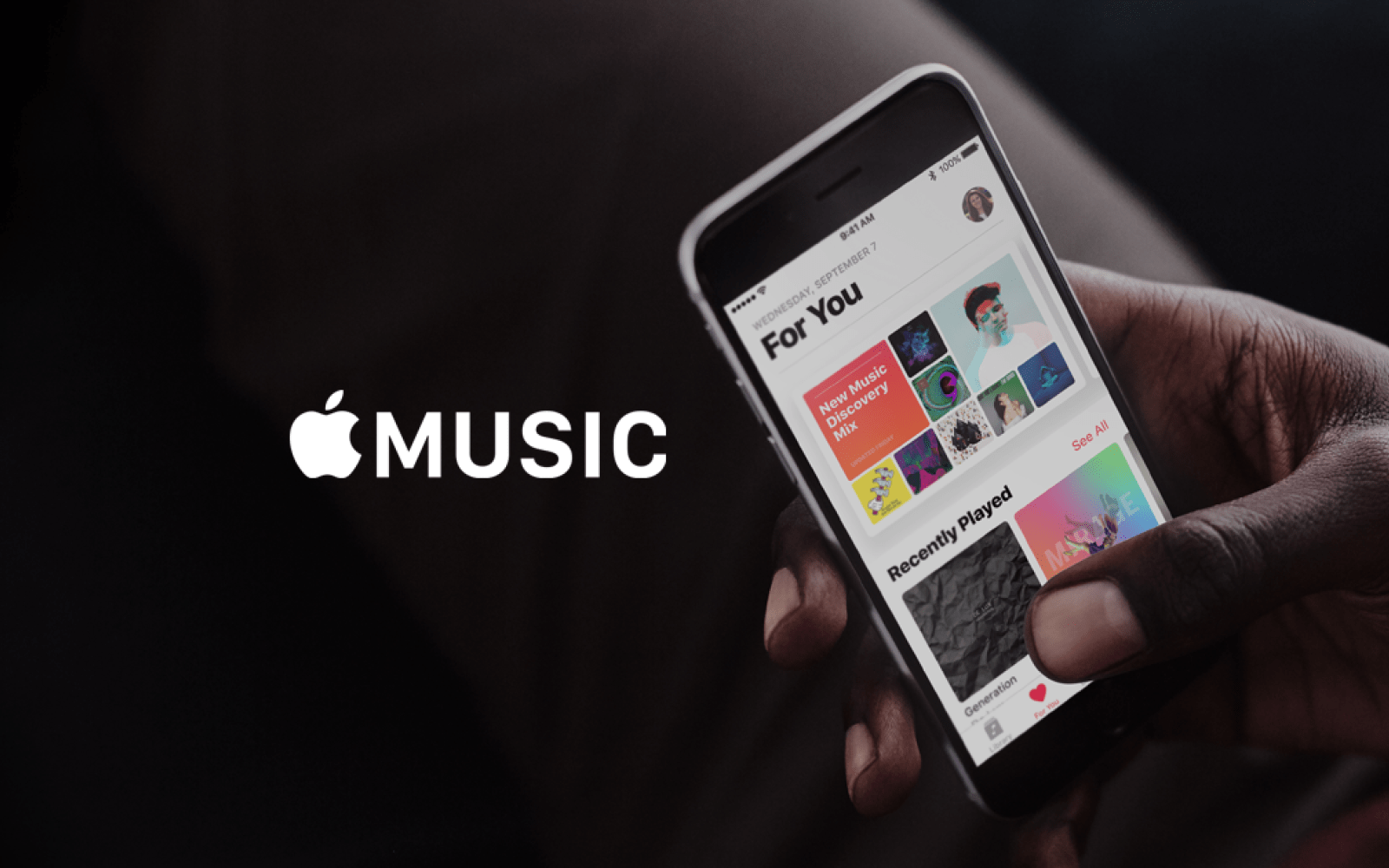
  • New Apple Music subscribers can get free four-month Plans

    New Apple Music subscribers can get free four-month Plans

    While Spotify has managed to maintain its solid lead in the thriving music streaming industry thanks to frequent deals bundling the service with other popular apps or even free hardware, the steady growth of Apple Music has come largely in the absence of discounts and free trials.

    If you didn’t feel comfortable buying certain headphones or getting certain unlimited wireless plans just to receive gratis access to a library of over 50 million songs for anywhere between 3 and 6 months, Groupon is now offering a sweet and straightforward 4-month deal with absolutely no strings attached. The only condition you need to meet to qualify for this extended trial is to be a new Apple Music subscriber.

    Meanwhile, existing users get nothing, unlike those who subscribed in the past but ditched the platform in the meantime for some reason, which is eligible for a free month of premium music streaming.

    Arguably the best thing about this promotion is that you can choose either an individual subscription or a family plan for your free four-month Apple Music trial, the latter of which naturally offers the best value, supporting up to six members on six separate accounts, each with their own playlists, settings, and preferences. Just remember to cancel your subscription if you don’t want to extend it beyond the promotional period and pay $9.99 a month for an individual plan or $14.99 a month for your entire family.

    You can do that whenever you want, but first and foremost, it might be a good idea to hurry and claim the Groupon deal before it expires. By the time of this writing, more than 25,000 people have apparently already redeemed free family subscriptions, with an additional 10,000+ new users signing up for individual plans at no charge.