Category: General

Retail News Asia is committed to providing both local and global retailers with the latest General Retail news throughout the Asian market. This on a daily base.

  • Hooters Asia puts on bold front in rent tussle

    Hooters Asia puts on bold front in rent tussle

    Despite facing eviction from its Lan Kwai Fong location for failing to pay rent, Hooters Asia still plans expansion in Hong Kong.

    Legal documents filed with the High Court on Friday on behalf of the landlord, Dor Fook Company, say the US restaurant/bar has failed to pay more than HK$1.13 million (US$145,000) in rent since April despite “repeated demands and requests”.

    Meanwhile, Hooters Asia says it still plans four more venues for Hong Kong, despite its sole outlet breaking even for the first time last month.
    Hooters signed a 10-year lease for the Wyndham Street venue in April last year, agreeing to pay $330,000 a month for the first year.

    Hooters Asia president Daniel Yong, who took over management two months ago, says he is surprised by the legal action as he has already discussed repayment with the landlord. The former manager resigned this year, leaving a “messy accounting system” and unpaid bills, says Yong.

  • Orchard Road to gain design incubator

    Orchard Road to gain design incubator

    A “design incubator” to showcase home-grown brands and designers will open in the heart of Orchard Road by the end of next year.

    This was revealed by Trade and Industry Minister S Iswaran at the Singapore Retail Industry Conference on Friday.

    He said the design incubator, to be run by retailer Naiise, will house a retail showcase and incubation space under one roof. It is expected to feature more than 60 local brands covering fashion, lifestyle products and souvenirs, and is being supported by the Singapore Tourism Board, Spring Singapore and JTC. Helping local brands go global is one of the key strategies of the Retail Industry Transformation Map launched last year.

    Local brands and designers may soon also be able to use department stores as a launchpad to showcase their products, boost their profile and expand market access. Iswaran said Spring is working with department stores to explore the incubation of local and regional designers.

    Also, the Singapore Retail Association (SRA) is embarking on a project under Spring’s Local Enterprise and Association Development Plus (Lead+) program to transform and upgrade its capabilities, the minister said. It will undertake specific initiatives to drive the adoption of retail and backend technologies among retailers, including the use of the “endless aisle” which enables retailers to showcase all their products without having to stock them in their physical stores.

    SRA will develop a website mobile portal and enhance its GoSpree shopping app launched in June.

    Government agencies are also looking at ways to enliven Orchard Road as a shopping and lifestyle destination, said Iswaran. He said a steering committee overseeing this has been set up, co-chaired by three government ministers.
    Other initiatives on the table include enhanced programming along the pedestrian malls, pop-up and permanent activations at available spaces, and making the shopping belt more pedestrian friendly.

    Iswaran said the retail industry is an important part of the republic’s economy. The sector comprises 23,000 retail establishments that chalk up about S$35 billion (US$26 billion) in annual receipts and contributed 1.4 per cent to Singapore’s GDP last year.

    As another resource for retailers, the Retail Centre of Excellence will be launched at the Singapore Management University’s Lee Kong Chian School of Business next month. It will partner retailers in addressing the gaps and challenges of the fast-changing retail landscape, Iswaran said.

  • AirAsia offers ‘red hot’ seat sale

    AirAsia offers ‘red hot’ seat sale

    Up to five million promotional seats are up for grabs in AirAsia Group’s red hot seat sale campaign. Book seats via airasia.com or the AirAsia mobile app from September 11 to 17 for travel between 1 March to 21 November 2018 to enjoy fares from as low as P17 for flights from/to Manila, Clark, Cebu, Davao, Palawan, Bohol, Kalibo, Caticlan/Boracay, Tacloban, and Iloilo.

    Also up for grabs from as low as P1,290 are promotional flights to international destinations from the Philippines to Taipei, Kuala Lumpur, Kota Kinabalu, Incheon/Seoul, Canton/Guangzhou, Shanghai, Macau, Singapore, and Hong Kong. AirAsia Philippines CEO Captain Dexter Comendador said that now is the perfect opportunity for their loyal guests and Filipino travellers to connect from many places conveniently. “We continuously add new routes and increase frequencies into our network. Exciting red hot deals await those who would like to travel overseas to over 120 destinations across all Asean countries, Asia, Australia and beyond,” he said.

    AirAsia is set to fly between Manila and Iloilo starting October 1 while direct flights between Davao and Kuala Lumpur will commence on December 21. Promotional flights from the AirAsia group’s hub in Kuala Lumpur to Australia, Japan, Maldives, and other destinations are also available.

    Big Members get to enjoy priority access and will be able to make bookings on airasia.com and redeem flights starting from zero Big Points, exclusively via the BIG Loyalty mobile app from September 10. It’s free to sign up as a BIG Member via airasia.com, airasiabig.com or BIG Loyalty mobile app to redeem promo flights during this promotion. AirAsia Group Chief Commercial Officer Siegtraund Teh said the airline firm continues to grow with more flights to even more destinations, making travel easier.

    “We want our valued guests to be able to take full advantage of our unparalleled frequency to new, exciting places, so it is our great pleasure to offer up to five million promo seats in our biggest campaign ever to help them on their way,” he said. For latest updates on promotions and activities, please follow AirAsia on Twitter (twitter.com/AirAsia) and Facebook (facebook.com/AirAsia).

    AirAsia Philippines is a wholly owned subsidiary of AirAsia Inc. which is a joint venture company among Filipino investors Antonio Cojuangco, former Ambassador Alfredo Yao, Michael Romero, Marianne Hontiveros, and Malaysia’s AirAsia Berhad. AAP operates a fleet of 17 aircraft with domestic and international flights out of hubs in Manila, Cebu and Kalibo.

    The airline operates several flights to/from Manila, Davao, Cebu, Kalibo, Caticlan(Boracay), Tacloban, Tagbilaran (Bohol), Puerto Princesa (Palawan), Clark and Iloilo in the Philippines with international flights to/from Shanghai, Taipei, Incheon (Seoul), Hong Kong, Macau, Kuala Lumpur, Kota Kinabalu, and Singapore. AAP is part of the AirAsia Group that has been awarded the World’s Best Low Cost Carrier for nine consecutive years running by Skytrax since 2009 to 2017. AirAsia, the leading and largest low-cost carrier in Asia, services the most extensive network with over 120 destinations.

    Within 15 years of operations, AirAsia has carried over 350 million guests and grown its fleet from just two aircraft to over 170. The airline is proud to be a truly Asean (Association of Southeast Asian Nations) airline with established operations based in Malaysia, Indonesia, Thailand, Philippines, India and Japan, servicing a network stretching across all Asean countries and beyond.

    The carrier was named the World’s Best Low Cost Airline in the annual World Airline Survey by Skytrax for nine consecutive years from 2009 – 2017. AirAsia is the first airline globally to collaborate with INTERPOL to implement the I-Checkit system to screen the passports of all its prospective passengers against information contained in the world police body’s Stolen and Lost Travel Documents database.


  • Vietnam’s government steps in to suspend sweeping new tax hikes

    Vietnam’s government steps in to suspend sweeping new tax hikes

    The proposed increases would make it harder for the country to hit its ambitious economic growth target this year.

    The Vietnamese government has instructed the Ministry of Finance to put on hold a series of proposed tax hikes to make life easier for local businesses and the growth target more achievable.

    The ministry is planning to increase a number of different taxes and fees, including raising value-added tax (VAT) from 10 percent to 12 percent.

    It insists that raising indirect taxes such as VAT is essential and an international norm, according to the ministry. The higher taxes were designed to make up for an inevitable shortfall that would occur when Vietnam fulfils its commitments to free trade agreements and removes import tariffs, and will also help tackle rising public debt, the ministry said.

    However, the government has said that in order for the country to reach its economic growth target of 6.7 percent this year, a goal that some experts say is unrealistic, taxes should remain unchanged for now.

    Vietnam has been working hard to realize its growth target.

    The central bank in July reduced its lending interest rate by 0.25 percent to 6.25 percent for the first time in three years to boost economic growth, as many Vietnamese companies still rely heavily on bank loans.

    In early June, the government put forward fresh plans to tap more oil and gas, despite warnings from lawmakers of becoming over-reliant on the mining industry to fuel growth.

    The Ministry of Industry and Trade will increase the amount of crude oil exploited this year by 8 percent to 13.28 million tons, and gas by 10.4 percent to 10.6 billion cubic meters. This will help add around 0.25 percent to economic growth.

    But outsiders view Vietnam’s economic prospects a bit differently.

    In July, HSBC revised down its previous forecast of 6.4 percent, saying the country’s economy is likely to grow by only 6 percent this year.

    Earlier, the Asian Development Bank raised its forecast for Vietnam’s economic growth this year from 6.3 percent to 6.5 percent, while the World Bank reversed its prediction from 6.5 percent to 6.3 percent, and the International Monetary Fund also lowered its forecast to 6.3 percent.

  • Cebu Pacific opens up baggage requirements

    Cebu Pacific opens up baggage requirements

    Cebu Pacific has announced a special deal for passengers travelling from Guam to Manila, and back — perfect for bringing “pasalubong,” or gifts, to friends and family, or shopping for Filipino delicacies to bring back home.

    Starting this September up until Dec. 15, 2017, all passengers flying between Guam and Manila who prepurchase baggage allowance of 40 kilograms will get an additional 25 kilograms, free of charge. That’s a total of 65 kilograms, or 143 pounds of check-in baggage — equivalent to the weight of a ‘balikbayan box.’ The free baggage allowance will be added upon check-in at the airport.

    “We are excited to offer Guamanians traveling to and from the Philippines a free top-up on their 40-kilogram baggage allowance, up to a maximum 25 kilograms. This will allow our guests to make room for more presents, or for Filipino treats they will surely come to enjoy. There’s less reason to worry about excess baggage, and more reason to stock up on great finds in the Philippines,” said Candice Iyog, vice president for marketing and distribution at Cebu Pacific.

    Cebu Pacific started flying between Manila and Guam in March 2016.

    CEB currently flies up to three times weekly to and from Guam, offering seamless connections to a total of 37 domestic and 26 other international destinations across Asia, Australia, USA, and the Middle East.

    Information was provided in a press release.

  • Piquadro launches Mystartup Funding Program

    Piquadro launches Mystartup Funding Program

    Piquadro is ready to promote innovation and young entrepreneurship, supporting the best business idea in the technology area applied to the luggage field and fashion accessories.

    The prizes are up to € 100K and a period of acceleration program in Silicon Valley to train and help the business development.

    Piquadro has been incorporating innovative technologies in its products: for example, for the Bagmotic capsule collection.

    The collection includes a computer backpack able to communicate with smartphones thanks to a powerbank wireless, that allows to recharge devices and to connect them with the Connequ app, created by Piquadro.

    This app manages a lot of functions, and it can be used for different purposes. It alerts in the case of theft, or loss of the luggage. It can weigh the baggage, for instance, among many other features.

    Furthermore, a lot of products present a socket integrated to the bags that allow recharging all the devices.

    Last but not least, recently a smart-lock easy to manage from smartphones has been developed.

    The aim of the Funding Program is to find innovative and exciting ideas grown outside Piquadro, to create stimulating activities in different fields.

    The contest will end with an event, in which Startups will pitch their ideas to a judging board including some internal advisors and some investors.

    Prizes for € 100.000 have been allocated for the winners, to allow a capital increase in return of percentage of shares from the company’s capital.

    Through Piquadro investment company, named PIQUBO, Piquadro has gained experience in the startup field, and it will be used to evaluate all the applications received considering the fit they may have to Piquadro company’s values.

    Piquadro is open and willing to invest in other categories but fashion and travel accessories is priority.

    Further than the investment part, Piquadro will support the winning team widely, to help with some assets and company know-how. That could go from hosting the startup in the headquarters in Italy to supporting it within the company’s network.

  • Saigon Co.op to launch retail startup TV reality show

    Saigon Co.op to launch retail startup TV reality show

    Vietnam grocery retailer Saigon Co.op has launched a TV reality show on retail startups.

    The show called “One Billion Start up With Saigon Co.op’’ aims to find and train the next generation of successful entrepreneurs. It will kick off on October 15 and run until December 31 this year.

    Broadcasted weekly on HTV9, the show expects to attract around 5000 candidates with three finalists standing a chance to receive the Grand Prize of VND1 billion (US$44,000), and become the owner of a Co.op Smile modern grocery store.

    A typical Co.op Smile store has flexible operational space suitable with urban and suburban residence and stocks 750 – 1300 products across various categories.

    Saigon Co.op aims to work with the Ho Chi Minh City government to drive entrepreneurship and make the city the birthplace for start-ups.

    Qualified challengers will compete against one another in a “common house” on specific knowledge, creativity and situation management, which are crucial factors for a successful start-up.

    “With the growing start-up trend, we are looking to encourage the younger generation to participate in the challenge to gain more knowledge towards having a successful business,” said a Saigon Co.op representative.

    During the competition, Saigon Co.op will provide competitors with useful advice, including retail business models, mobile sales tips, store design and advertising and marketing concepts to drive customers into stores.

  • Platinum Group sees gold in Chinese tourism

    Platinum Group sees gold in Chinese tourism

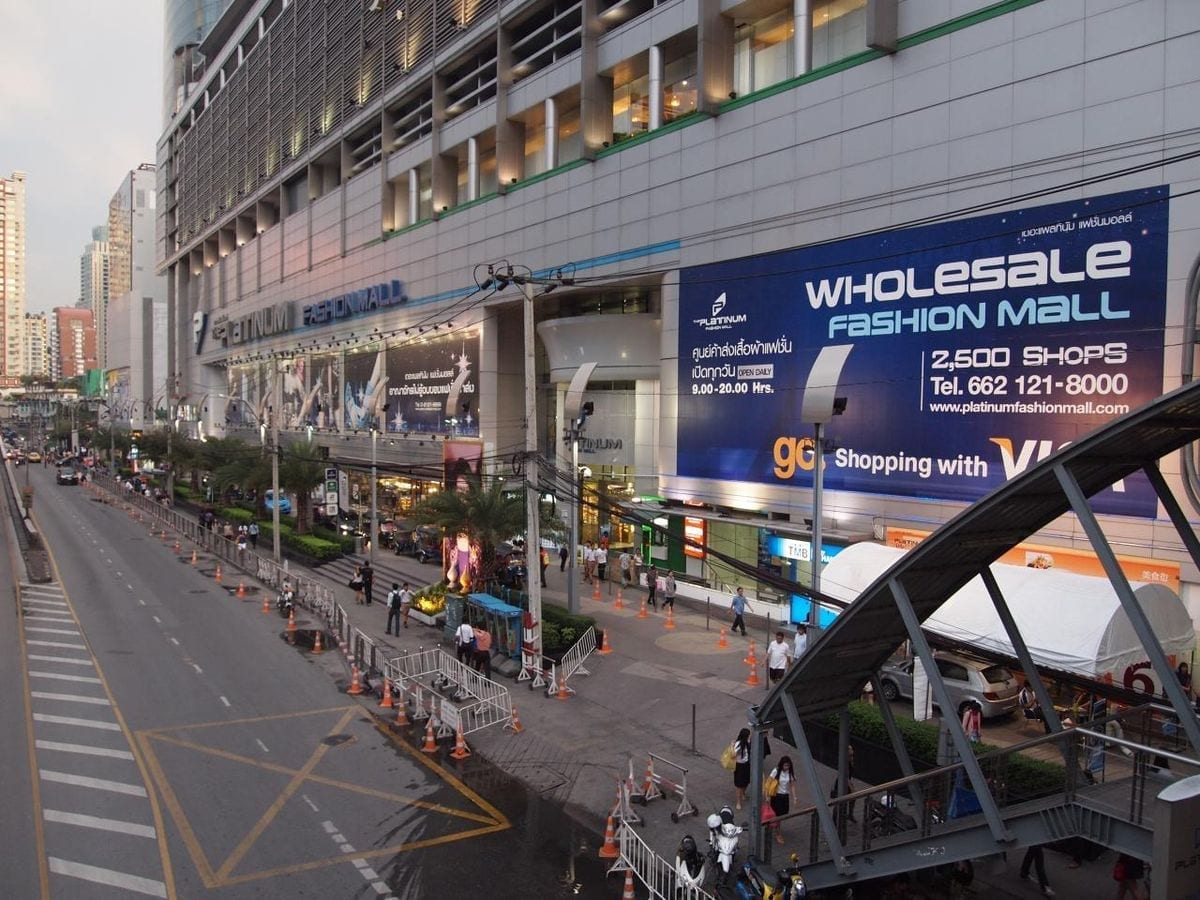
    Mall company The Platinum Group is banking on Chinese tourism to support a retail shopping centre it plans to open next year.

    With a wholesale fashion mall in Bangkok that attracts about 15 million people annually, the group is investing about THB6 billion (US$180 million) in the project, says president Chanchai Phansopha.

    “We want to transform the company from an operator of a wholesale fashion mall into a commercial property developer,” he says. The Bangkok project is part of a wider, THB11-billion investment plan that will also add hotel and office space over five years.

    Thailand last year had nearly 9 million Chinese visitors who spent an above-average $176 a head daily.

    Chanchai says he foresees double-digit growth in sales and profit, with the new mall, The Market, expected to boost revenue at least 30 per cent in 2019.

  • British Essentials, the first Hong Kong online British supermarket

    British Essentials, the first Hong Kong online British supermarket

    British Essentials is Hong Kong’s first online British supermarket that has the largest British grocery range of any supermarket in the city.

    It is also the exclusive online retailer of the Morrisons brand, which is one of UK’s leading grocery chains with almost 500 stores.

    The online supermarket in a one-stop shop meets all daily needs as it sells a broad range of groceries at competitive prices.

    It offers shoppers a complete wealth of choice between branded British groceries and Morrisons own label range, including dairy-free, gluten-free, and organic products.

    British Essentials is also a very convenient grocery shopping solution for busy Hongkongers. They can place orders anytime in the comfort of their homes and have it delivered to them across Hong Kong at their own convenience.

    As a zero-waste company, the online supermarket delivers in reusable crates and cardboard boxes which can be returned.

  • Cebu Pacific’s new menu gives in to your foodie desires

    Cebu Pacific’s new menu gives in to your foodie desires

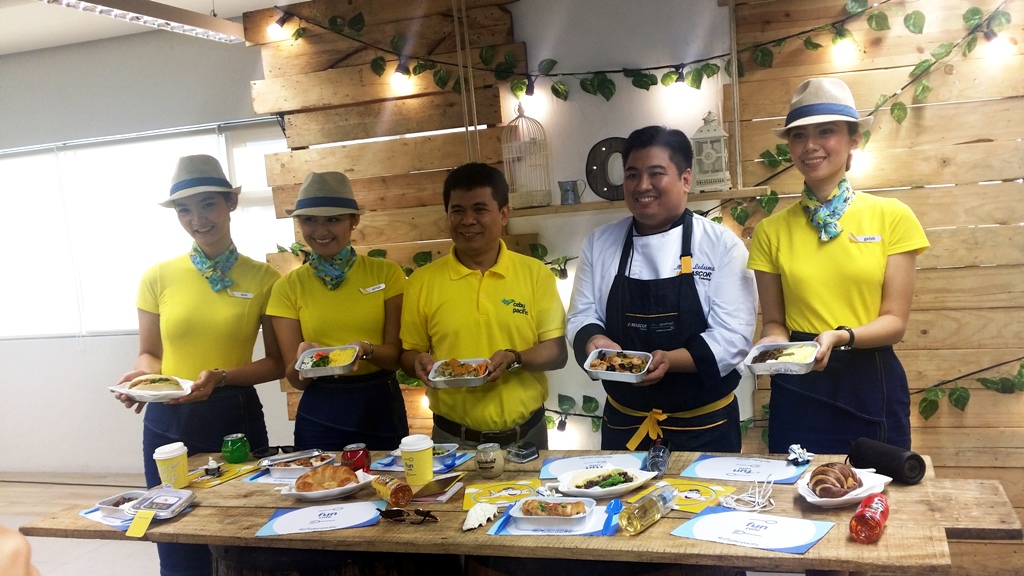
    Fliers of Cebu Pacific are in for a treat as the airline company just unveiled a new set of tasty inflight menu.

    Charo L. Lagamon, Cebu Pacific’s director for corporate communications, during a recent press event, revealed “It’s going to be part of your journey, your experience in Cebu Pacific. In September, your journey will start on board with these new flavors and treats.”

    The menu is composed of 12 new dishes ranging from light meals to satisfying rice dishes as prepared by MIASCOR-Gate Gourmet Philippines.

    Jem Calungcaguin, Cebu Pacific’s manager for inflight sales and merchandise told InterAksyon, “We’ve been continuously developing the menu for our pre-ordered meals. With the previous ones, we have received feedback from our passengers and also from our cabin crew, and we’ve taken consideration of all those insights.

    “Those insights inspired us to think maybe it’s time for us also to freshen the range because our travellers—especially the frequent ones–might have tried everything already.”

    Known for offering mostly Filipino staples, Cebu Pacific expanded their menu’s flavor profiles and incorporated Asian flavors and Western ones.

    “This one so far is the widest array of meals that we have for our pre-ordered meals. We are very excited to launch it because this time, we’re going to cater to more people and more taste palates,” Calungcaguin pointed out.

    Cebu Pacific vice president for corporate affairs Atty. Paterno Mantaring, Jr. (third from left) and executive sous Chef Mark Javier Ledesma led the unveiling of Cebu Pacific’s new inflight menu.

    The new dishes, which are all Halal-certified and adhere to the Hazard Analysis Critical Control Points (HACCP), are composed of four sandwiches, one pasta, one noodle dish, and then the rest are rice meals as developed by Chef Mark Ledesma, executive sous chef of MIASCOR Gate Gourmet Manila.

    “It’s inspiration comes actually from different destinations and flavor palates that we were trying to target,” Chef Ledesma shared during a cooking demo.

    Ledesma assured that these dishes are prepared a few hours before the scheduled flight to ensure freshness and quality.

    Cebu Pacific fliers can pre-order these dishes on all flights departing 24 hours or more from the time of booking.

    For domestic flights, the selection is limited to light snacks like sandwiches, whereas all the 12 dishes are available for international or long haul flights.

    Meanwhile, Cebu Pacific’s new inflight menu is divided into categories namely the Filipino series, Asian series, and Western series.


  • AirAsia India adds one A320 aircraft, to launch 3 new routes

    AirAsia India adds one A320 aircraft, to launch 3 new routes

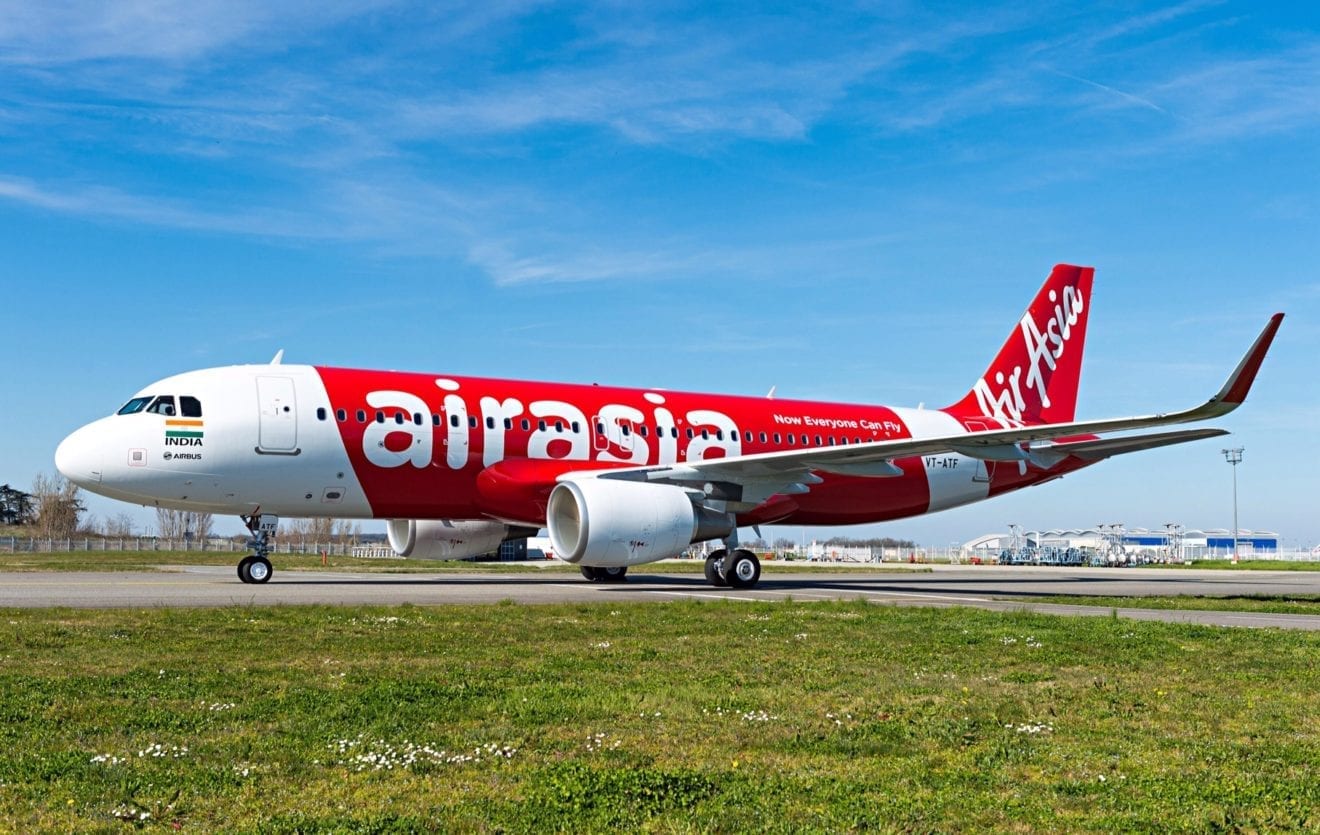
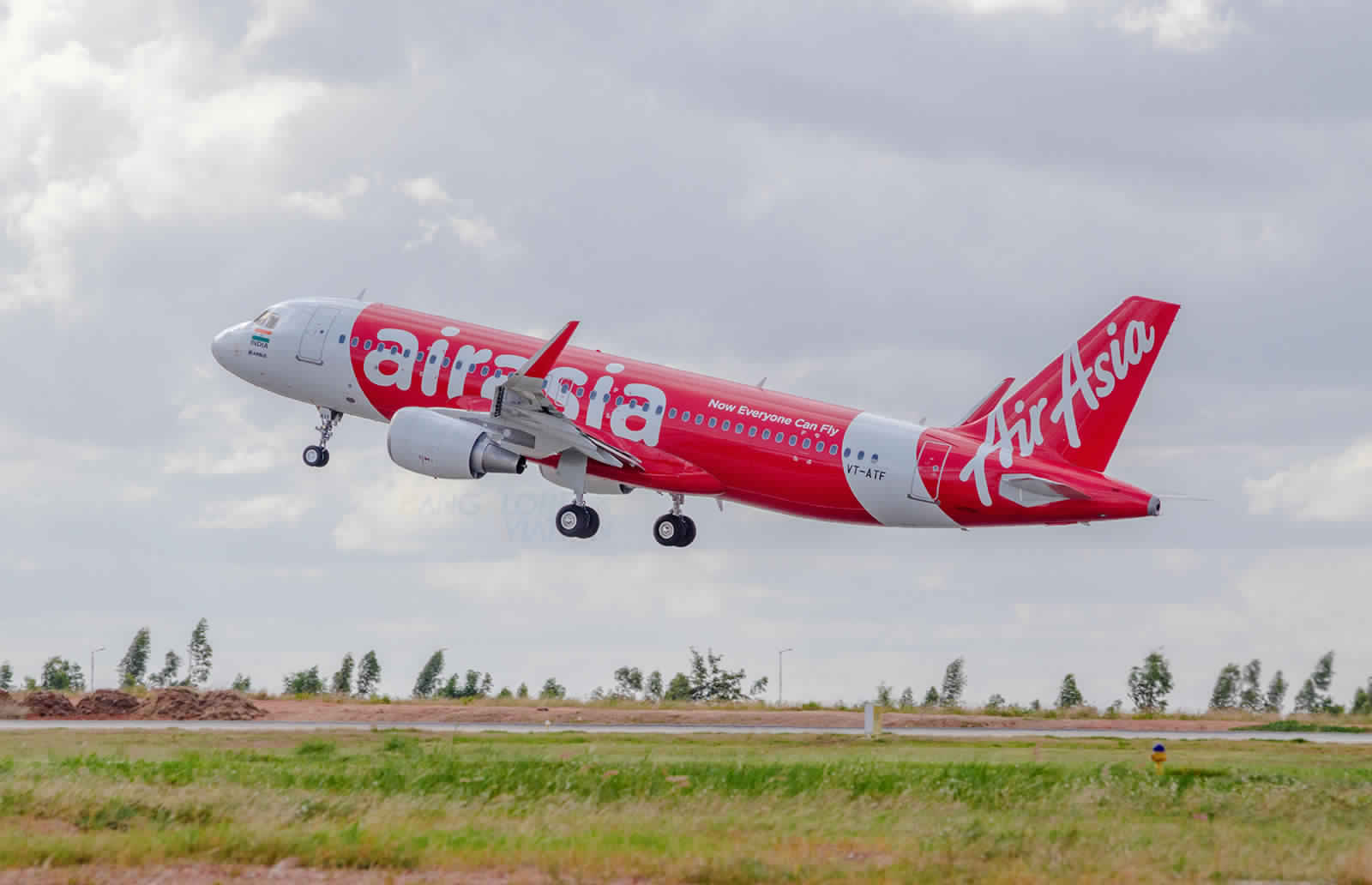
    After the success of domestic and international operations from Biju Patnaik International Airport (BPIA), Kuala Lumpur-based AirAsia Airline has decided to start another domestic flight from Bhubaneswar. The new daily flight to Ranchi will start operations from October 7.With this, AirAsia offers connectivity from the city airport to Kolkata, Bangalore, Ranchi and Kuala Lumpur. AirAsia is a major operator which uses both (domestic and international) terminals of the BPIA.
    According to airline schedule, Bhubaneswar-Ranchi flight (I51625) will take off from Bhubaneswar at 12:45 pm and reach Ranchi at 2 pm. Similarly, the Ranchi-Bhubaneswar flight (I51624) will take off from Ranchi at 10:30 am and reach here by 11:50 am. Apart from Bhubaneswar, the airline has also decided to offer daily direct flights to Ranchi from Bangalore and Hyderabad.At present, the Bhubaneswar-Ranchi ticket price is around Rs 2,300 (the fare is subject to change).
    The Malaysian carrier has two flights to Bangalore and two flights to Kolkata. Significantly, the airline which started the international operations to Kuala Lumpur in April this year gets good response from the state.

    In fact, the airline was selected for international operations by the state government through a competitive bidding. Apart from AirAsia, IndiGo, Air India, Vistara and Go Air also offer domestic connectivity from BPIA. However, AirAsia is the only airline which offers direct domestic and international connectivity from BPIA.Top officials of the Airports Authority of India (AAI) informed this daily that BPIA will have more flights soon.

    “BPIA is a potential airport and we are already in talks with different operators for starting operations from here. We also suggested to the airlines to start operations by using small aircraft,” said a top official of the AAI.

    According to officials, within two years, the passengers can expect more facilities at BPIA. The AAI has floated a proposal for a three-star hotel near the airport. The authorities have already indentified approximately 54 acres at BPIA for commercial purposes and decided to allot one acre to the three-star project.

  • Microsoft, Bosch replace local CEOs with foreigners in Vietnam

    Microsoft, Bosch replace local CEOs with foreigners in Vietnam

    Bosch’s former Vietnamese CEO is taking charge of Vingroup’s new automobile venture, while Microsoft Vietnam’s ex-chief also has a new job.

    American tech giant Microsoft and German engineering and electronics company Bosch have both assigned new foreign CEOs for their branches in Vietnam following the departures of their long-term Vietnamese executives for “personal reasons”.

    Microsoft Vietnam announced the personnel change last Thursday, saying Aung San Maung from Myanmar has been appointed as its new CEO in Vietnam, a position which had been held by Vu Minh Tri for seven years.

    The group’s communications representative said Tri officially left last month after accepting an offer to work for another company, which has not been identified yet.

    Microsoft entered the Vietnamese market in 1996. Under Tri’s management, the company has become an active investor in local information technology and education development, it said.

    Aung San Maung has been with Microsoft Vietnam since early 2013 as head of its Enterprise and Partner Group. He studied computer science in Canberra and has more than 30 years of experience working at global technology corporations, including IBM.

    Several days ago, Bosch Vietnam also announced that Vo Quang Hue had left his 10-year position as CEO. Guru Mallikarjuna from India, who has been working with the group for 12 years, has been charged with leading the company forward.

    “Hue built a strong foundation for the company in Vietnam, turning it from a representative office into one of the biggest European investors with more than 3,100 employees,” said the company, which entered Vietnam in 1994.

    While Tri’s new workplace has not been revealed, Hue has been appointed deputy CEO of Hanoi-based conglomerate Vingroup, and will take charge of its newly-established automobile venture.

    The private company, which is already a top property developer in Vietnam, has launched the construction of a $1.5 billion factory in the northern city of Hai Phong and is expected to deliver its first cars in two years.

    Hue said the new job will continue his dream of helping Vietnam become an outstanding technology center in Southeast Asia.

  • Cebu Pacific to add holiday season flights to Japan, Vietnam, Indonesia

    Cebu Pacific to add holiday season flights to Japan, Vietnam, Indonesia

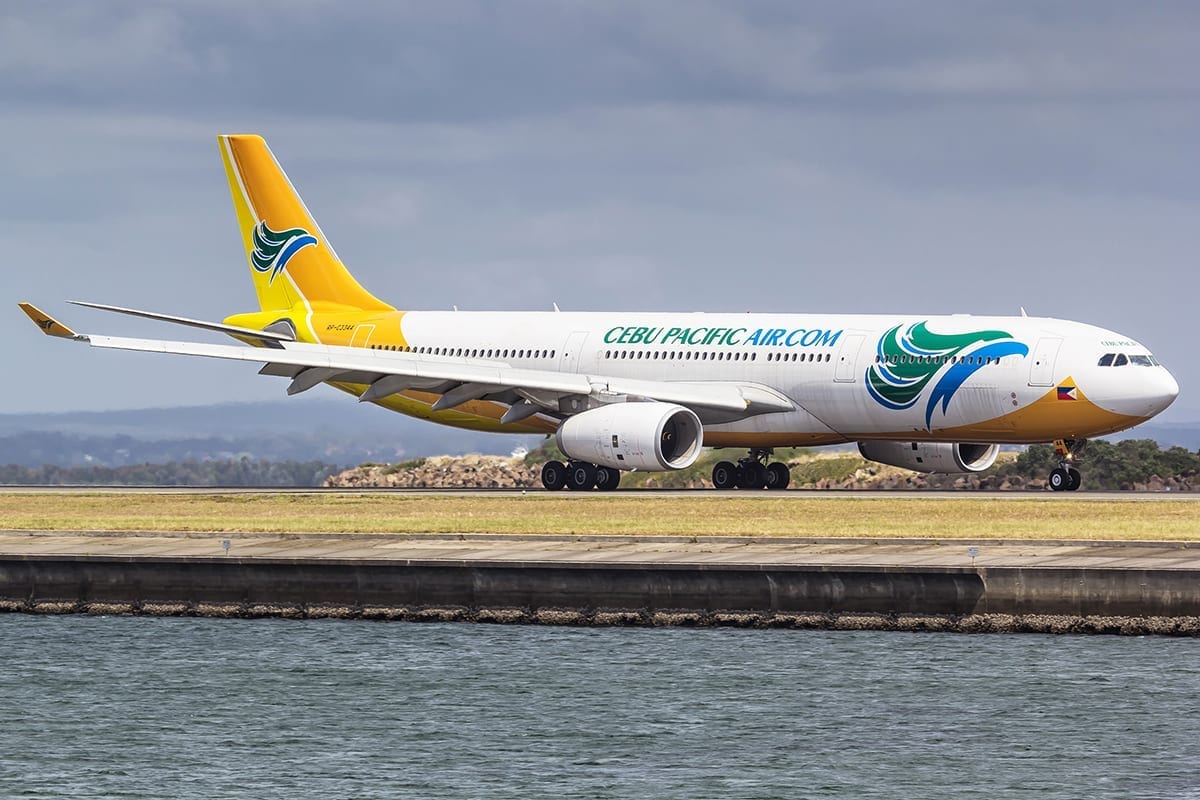
    Gokongwei-led budget carrier Cebu Pacific will add more flights to its existing Japan, Vietnam, and Indonesia routes from the 4th quarter of 2017 to the 1st quarter of 2018.

    The airline announced on Thursday, August 31, that it will start flying 6 times a week from Manila to Osaka by adding a Friday flight, starting November 3 until December 6. It currently flies to Osaka every Sunday, Tuesday, Wednesday, Thursday, and Saturday.

    The Manila-Osaka route will increase further to daily operations by December 15, 2017 to March 2018, in time for the Christmas season.

    For the Manila-Nagoya route, Cebu Pacific will fly 6 times a week (Sunday, Monday, Tuesday, Thursday, Friday, Saturday), up from the current 4 times a week (Sunday, Tuesday, Thursday, Saturday) starting October 29.

    For the Manila-Tokyo (Narita) route, the budget carrier will be flying twice a day instead of once a day starting October 29, 2017 until March 24, 2018. Cebu Pacific added that it is securing approval to fly to the Haneda Airport in Tokyo as it is closer to the city center.

    The budget carrier will also increase flights to and from Bali (Denpasar), Indonesia, from the current 4 times a week to 5 times a week starting December 4, 2017 until March 6, 2018.

    Finally, Cebu Pacific will also mount daily flights between Manila and Hanoi, Vietnam from December 1, 2017 to January 9, 2018.

    “We constantly review our route network and frequencies to respond to changing market needs and operational requirements. Depending on seasonal factors, we make flight schedule changes as necessary, while keeping in mind the bookings of our passengers, many of whom book flights way in advance,” Cebu Pacific vice president for corporate affairs JR Mantaring said in a statement.

    The airline is also planning to sell 3 Airbus A319 planes over the next year. These will be replaced by brand-new aircraft, the first of which are set to arrive by the 1st quarter of 2018.

    Cebu Pacific is awaiting delivery of 7 Airbus A321ceo planes in 2018, as well as 32 Airbus A321neo planes from 2018 to 2022.

  • Aldi, Lidl and rivals to thrive as UK discount retail market soars

    Aldi, Lidl and rivals to thrive as UK discount retail market soars

    The UK Discount Retail market is set to soar by 36.1 per cent by 2022, reaching £32.5 billion by 2022 according to research by GlobalData.

    The company’s latest report UK Discounters 2017-2022 reveals discount retailers could gain an extra £9 billion slice of the total retail market as they become a more appealing destination for consumers looking for bargains as inflation continues to squeeze their disposable income.

    “This will be good news for Aldi, Lidl and B&M Bargains which dominate the channel, with a combined share of over 70 per cent of the discount retail market,” observes Molly Johnson-Jones, senior food & grocery analyst with GlobalData Retail.

    DIY & gardening, health & beauty and homewares will deliver the strongest category growth.

    About 89.4 per cent of the UK population have shopped at a discounter in the last 12 months with food & grocery (F&G), non-discretionary household goods and health & beauty (H&B) the most popular product categories with shoppers.

    “Our report findings confirm that discounters have done an exceptional job in gaining market share of frequently purchased items by changing the perception of discounter own label products in F&G while at the same time undercutting mainstream retailers on branded items in H&B and household. This combined approach has proven to be very disruptive in the market and has contributed to their success.’’

    Food & grocery is the sector with the highest market value, worth £15.7 billion in 2017, and will grow to £21.8 billion by 2022 – taking away another £6 billion from the mainstream grocers.

    “As perception and trust in own-label has been earned by the discounters in groceries, this is the sector which the mainstream retailers should be the most concerned about as the barriers to entry have already been overcome.

    “Food & grocery has enjoyed strong growth over the past decade as even when incomes have been more pressured by inflation and lower real wage growth, people still need to buy the same amount of food. The F&G discounters have taken advantage of this by extending their range to cater for all consumer needs and growing their premium and fresh ranges to ensure that they can be a one-stop-shop for the weekly shop.”

    GlobalData forecasts DIY & gardening and homewares will grow 46.6 per cent and 42.6 per cent respectively for the period 2017-2022, as discount retailers gain market share from mainstream DIY retailers by offering consumers lower cost solutions for household maintenance and upgrades.

    “Indeed, the rollout of larger out-of-town store formats has facilitated broader ranges, providing them with more authority in the home sectors,” says Johnson-Jones.

    “Consumers are likely to perform fewer and smaller upgrades on their homes during the forecast period due to declining disposable income. This will benefit discount retailers homewares sales as they continue to improve their shopper appeal by increasing their range and incorporating greater trend influence – while ensuring affordability which is crucial for driving impulse and gifting purchases.

    “The discounters have expanded their range in the DIY & gardening market at a time when consumers are seeking reduced cost solutions for doing up their homes and gardens – B&M will particularly outperform in this area as it adds garden centres to its retail estate over the next few years,” she concluded.

  • AirAsia profit falls 73% on higher operating costs

    AirAsia profit falls 73% on higher operating costs

    Malaysian budget airline AirAsia Bhd. (5099.KU) on Tuesday posted its weakest quarterly earnings in nearly two years, as second-quarter net profit was weighed down by higher operating expenses.

    Net profit for the April-June period fell 73% to 92.5 million ringgit ($21.7 million) from MYR342.1 million a year ago, according to a local stock-exchange filing Tuesday.

    Revenue for the quarter climbed 47% to MYR2.38 billion ($557.6 million) from MYR1.62 billion the previous year.

    AirAsia, Asia’s largest low-cost airline by passenger numbers, said it was optimistic about stronger results this year, citing strong demand and stable fuel prices and foreign-exchange rates. It said it expects to achieve an average load factor of 88% in the third quarter.

    The low-cost airline said it plans to add 22 more planes to its fleet through a combination of finance and operating leases in the second half of 2017.

    Shares of AirAsia traded 0.6% higher at MYR3.30 ahead of the earnings release, outperforming the local benchmark stock index’s 0.5% drop.

    The stock was suspended from trading Tuesday afternoon pending an announcement. In April, The Wall Street Journal reported that a sale of AirAsia’s leasing business, Asia Aviation, to Korea Transportation Asset Management was imminent.