Category: General

Retail News Asia is committed to providing both local and global retailers with the latest General Retail news throughout the Asian market. This on a daily base.

  • Seoul shares close slightly lower on geopolitical concerns

    Seoul shares close slightly lower on geopolitical concerns

    South Korean stocks closed 0.13 percent lower Tuesday on concerns over North Korea’s nuclear provocations, but the decline slowed compared to previous sessions as investors engaged in bargain hunting, analysts said. The Korean won sharply fell against the US dollar.

    The benchmark Korea Composite Stock Price Index dropped 3.03 points, or 0.13 percent, to 2,326.62. Trade volume was moderate at 317 million shares worth 4.81 trillion won ($4.25 billion), with losers outnumbering gainers at 569 to 239.

    On Monday, the main bourse sank more than 1 percent as retail investors dumped local shares after North Korea claimed a day earlier that it successfully tested a hydrogen bomb that can be mounted on an intercontinental ballistic missile.

    While the main bourse continued to lose ground on Tuesday, analysts said the downward pressure was limited as institutions scooped up underappreciated shares.

    Based on past examples, foreigners and institutions tend to consider the North Korean risk an opportunity to purchase bargain shares,” said Byun Joon-ho, a researcher from Hyundai Motor Investment & Securities Co.

    Institutions scooped up a net 242 billion won, while individual investors offloaded a net 65.5 billion won. Foreigners sold more shares than they bought at 213 billion won.

    Tech shares closed bullish, with Samsung Electronics moving up 1.56 percent to 2,338,000 won. Leading chipmaker SK hynix shot up 2.64 percent to 69,900 won. LG Electronics also jumped a whopping 4.59 percent to 86,500 won.

    Carmakers closed mixed, with Hyundai Motor backtracking 1.43 percent to 138,000 won while its auto parts arm Hyundai Mobis closed unchanged at 238,500 won. Kia Motors, the country’s second largest automaker shed 2.29 percent to 34,100 won.

    No. 1 steelmaker POSCO shed 0.72 percent to 342,500 won, while Korea Zinc climbed 1.37 percent to 517,000 won. Hyundai Steel moved down 1.55 percent to 57,000 won.

    The local currency closed at 1,131.10 won against the US dollar, up 1.90 won from the previous session’s close.

    Bond prices, which move inversely to yields, ended higher. The yield on three-year Treasurys shed 0.2 basis point at 1.780 percent and the return on the benchmark five-year government bonds also lost 0.5 basis point to 1.996 percent.

  • Retail industry gets boost from Hari Raya festival

    Retail industry gets boost from Hari Raya festival

    The retail industry has shown slight improvement in the months of April to June, as compared to the first three months of the year, with the Hari Raya festival in May boosting retail sales.

    The Retail Group Malaysia reports in its latest Malaysia Retail Industry Report that in the second quarter of 2017, Malaysia’s national economy recorded another sustainable growth rate of 5.6% as compared to 4.9% for retail sales, supported by domestic demand.

    “From the supply side, the improvement was driven by broad-based expansion across all major sectors,” said the report.

    The average inflation rate during the period under review slowed slightly to 4% with the two largest increases seen in the transport and food and non-alcoholic beverages sectors. This was mainly owing to a falling fuel prices.

    Private consumption climbed even higher by 7.1% with consumers spending more on dining out, services and Internet shopping.

    “During the latest quarter, the Consumer Sentiment Index (by MIER) improved slightly to 80.7. However, it was still below the threshold level of confidence. Malaysian consumers were still concerned on their rising cost of living and remained cautious in their monthly spending,” said the report.

    The unemployment rate improved marginally to 3.4%.

    Among the retail sub-sectors, the department store sub-sector was the strongest performer in the second quarter with a strong growth rate of 15.1%. The department store-cum-supermarket sub-sector also rebounded with a growth of 4.1% after a poor performance in the earlier quarter.

    The supermarket and hypermarket sub-sector improved slightly by 0.8% with heavy price discounts by grocery retailers depleting profit margins.

    The fashion and fashion accessories sub-sector returned to profitability with a growth rate of 2.5% as compared to the previous corresponding period.

    The pharmacy and personal care sub-sector also improved on-year with a growth rate of 7.9%.

    The Other specialty stores sub-sector reported a better growth rate of 6.3% during the second quarter of 2017 as compared to the same quarter last year. This sector includes photo shops, children-related stores, second-hand goods’ stores, TV shopping channels, toys’ stores as well as restaurants.

    The Retail Group Malaysia reports that the retailers’ association are not optimistic on their businesses over the next three months. They estimate an average growth rate of 2.9% in the third quarter of 2017.

    The department store-cum-supermarket operators and department store operators are expecting declines in their growth rates of 2.5% and 1.5% respectively.

    Supermarket and hypermarket operators are expecting to maintain a 0.8% growth rate for the quarter, while retailer in the fashion and fashion accessories sector expects a growth rate of 6.1%.

    Retailers in the pharmacy and personal care sub-sector expect to maintain growth at 7.2% while retailers in other speciality stores sector expect its business to expand by 5.6% over the same period last year.

    Based on these results, Retail Group Malaysia is revising its annual growth forecast downwards from 3.9% to 3.7% with the total sales turnover estimated at RM101.4bil.

    The third quarter growth rate estimate has also been revised from 5% to 4%.

    Retail Group Malaysia is maintaining its fourth quarter growth rate estimate at 5.5%, taking into consideration the 0.3% growth achieved in the same period last year.

    “For the rest of this year, the rise of our purchasing power will continue to fall behind the increase in prices of retail goods. More retail goods are expected to raise prices because of higher fuel prices in recent months.

    “The full recovery of the Malaysian retail market is highly dependent on external economic demand and ringgit performance for the rest of the year,” it said in its report.


  • Low Production Hurting South Korea Economy

    Low Production Hurting South Korea Economy

    The recovery pace of the South Korean economy has remained feeble for months as an upturn in exports and private consumption was offset by weak industrial output, a government report said Tuesday.

    “The South Korean economy saw its exports and investment continue to rise and private consumption make a slight rebound, but its recovery pace remained lackluster due to a slowdown in the production of mining and manufacturing,” the finance ministry said in its monthly economy assessment report called the “Green Book”, Yonhap reported. The report is based on the latest economic indicators of such key factors as output, exports, consumption and corporate investment, which could provide clues as to how the economy has been fairing in recent months.

    Exports extended its winning streak to nine months, which started in November last year, thanks to stellar overseas sales of chips and petrochemical products. Facility investment rose 5.3% in June from a month earlier on increased demand for semiconductor equipment and machinery, spearheading the recent economic recovery along with exports. Retail sales moved up 1.1% on-month in June on rising demand for clothes and cosmetics, turning around from a 1.1% drop from the previous month.

    However, such gains were offset by the 0.2% on-month fall in industrial output and a 2.4% drop in construction-related investment. The finance ministry said that external downside pressures, including geopolitical risks centered on North Korea and trade issues, will weigh on the South Korean economy in the coming months.

  • Petron posts 56% jump in income

    Petron posts 56% jump in income

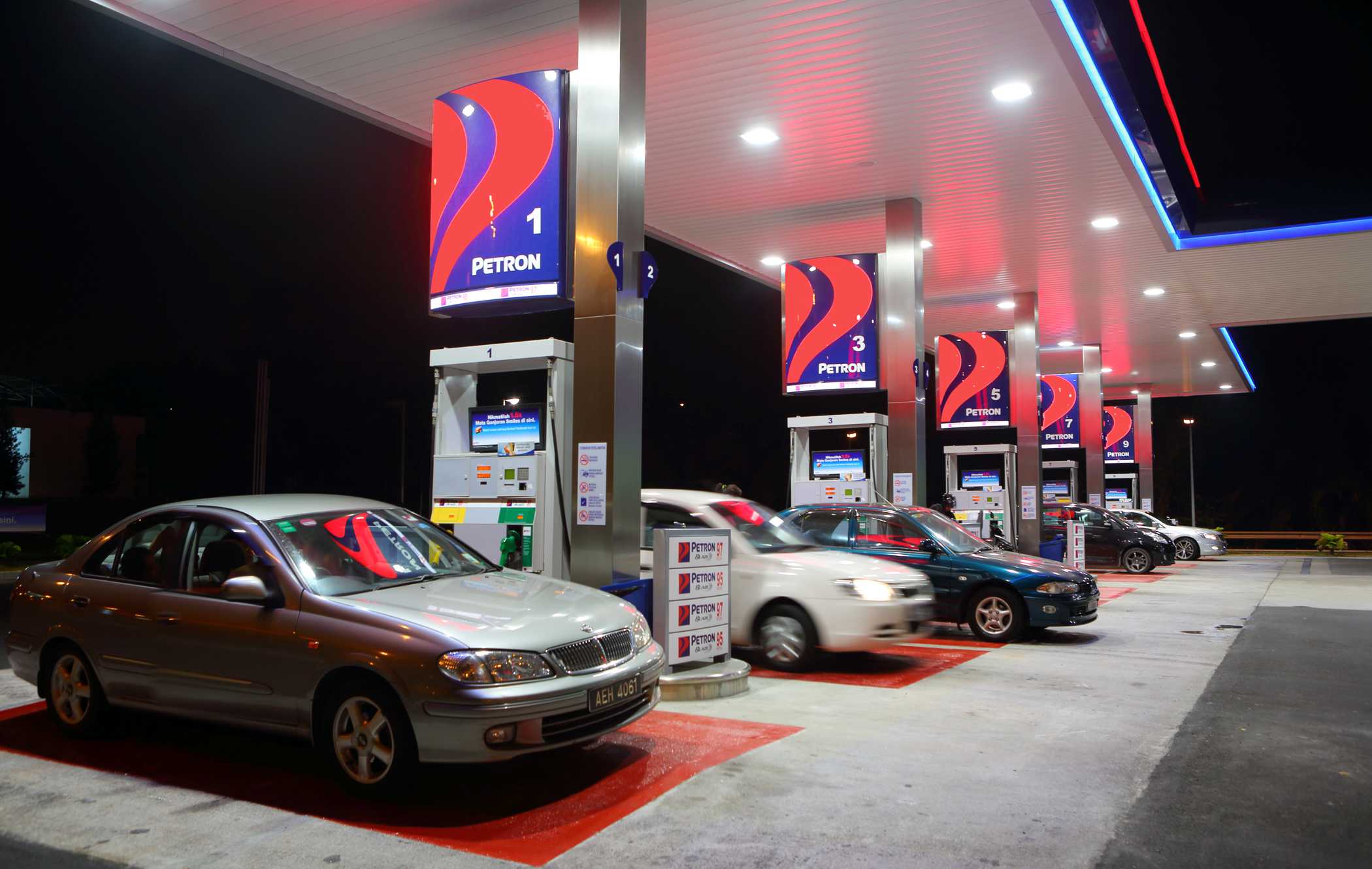
    Petron Corp. saw its consolidated net income in the first semester surge 56 percent year-on-year to P8.2 billion this year from P5.3 billion last year, despite supply issues brought about by refinery maintenance.

    The oil refiner and retailer said in the first half of 2017, it saw its crude oil inventory go down while its Bataan refinery went through a 45-day maintenance shutdown, scheduled as part of a 10-year inspection program.

    “With our upgraded refining capabilities, we derived more value and produced more profitable products,” Petron president and chief executive Ramon S. Ang said in a statement.

    “This is strongly complemented by our extensive expansion efforts in both our logistics and retail businesses,” Ang said.

    He said the strong showing during the first semester of the year was driven by a deliberate focus on more profitable segments and improved refinery production yields, while sustaining sales volumes.

    With volumes reaching record levels in 2016, Petron sold a total of 52.9 million barrels of products in the Philippines and Malaysia or just about the same as the level in the same period last year of 52.6 million barrels.

    Petron has a combined retail network of about 2,900 service stations, of which more than a fifth or about 600 are in Malaysia.

    With petrochemical sales revving up by 78 percent year-on-year, Petron saw consolidated sales revenue jump 28 percent to P207 billion in the six months to June.

    Also, operating income leaped 27 percent year-on-year to P14.6 billion from P11.5 billion.

    In both the Philippines and Malaysia, Petron is building “dozens” of service stations.

    “With the country’s economy growing at a rapid pace, we are expanding our facilities not just for the needs of today but also to ensure a reliable and continuous supply of quality fuels for tomorrow,” Ang said.

    “Our expansion projects mean more employment opportunities and economic activity, which help in nation-building,” he added.

  • Singapore Airlines: new first class, business class launch Nov 2

    Singapore Airlines: new first class, business class launch Nov 2

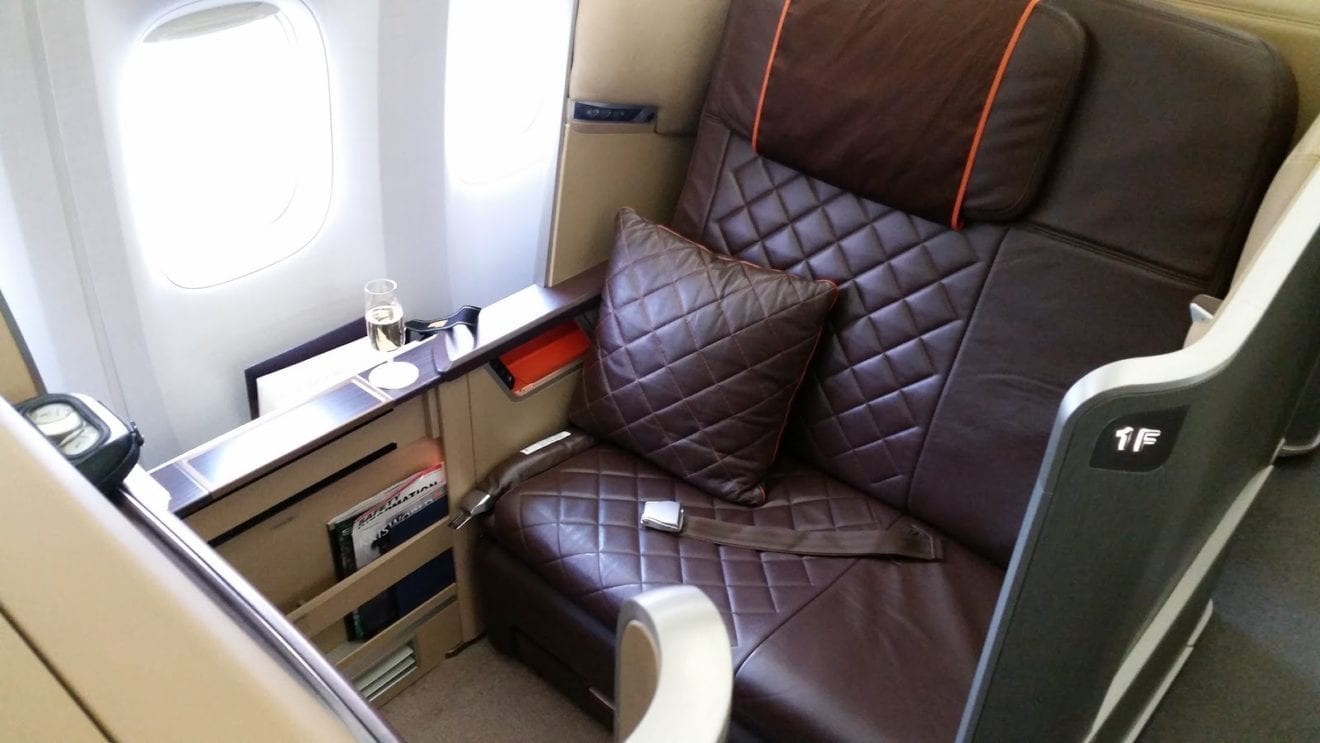
    Singapore Airlines will reveal its all-new Airbus 380 first class suites and business class seats on November 2, ahead of the delivery of the first of five new super jumbos to join the fleet.

    The Star Alliance member will unveil the new products at an international media launch held in Singapore.

    Also tipped for the grand reveal are new designs for premium economy and economy class, resulting in a tip-to-tail refresh for the decade-old design of the A380s.

    The new seats are expected to be retrofitted to most of Singapore Airlines’ existing A380 fleet.

    As previously reported, the new first class suites will be larger than their current counterparts, although there’ll be fewer of them – with between six and eight suites on the new birds, down from 12 today, although there’s speculation that the airline could also offer an oversized 1A ‘apartment’ suite.

    First class will also be relocated to the upper deck, instead of the nose of the superjumbo’s main deck.

    Arrayed behind those suites will be redesigned business class seats which will stretch all the way to the end of the upper deck.

    (This same business class seat will also appear on a new ultra-long range version of the Airbus A350 due in late 2018, which Singapore Airlines will use to restart non-stop flights from Singapore to Los Angeles, New York and a third as-yet-unnamed US destination.)

    Sydney is still believed to be earmarked as a launch route for the new Airbus A380, with London to follow.

  • Hypebeast pop-up store opens in Hong Kong

    Hypebeast pop-up store opens in Hong Kong

    Digital streetwear publication and e-commerce portal Hypebeast has opened a pop-up store in Hong Kong at The Landmark.

    Located in the Men’s Atrium, the HBX x Places+Faces pop-up store runs until September 27 and will feature weekly drops of limited-edition merchandise — including t-shirts, long sleeves and pouch bags and a special Hong Kong cap  — as well as snapshots by the London-based Places + Faces photography duo Ciesay and Soulz (Imran Ciesay and Solomon Boyede).

    “We’re constantly keeping our eyes and ears on what’s cool and trending, and showcasing different inspiration in this culture,” Kevin Ma, the founder of Hypebeast, told WWD at the official launch party, held in The Landmark’s basement.

    “We want to bring the energy of P+F, a brand we always admired and respected, turning that personality into a firsthand experience and space for more people.”

    Founded 12 years ago, Hypebeast went public last year and was recently incorporated in the U.K. and U.S.

    In 2012, it debuted HBX, an e-commerce arm that curates more than 300 streetwear brands to sell it Hypebeast readers.

    Hypebeast is looking at plans to delve into its own product directly, and will launch Hypekids for children soon.

  • Chinese firms are increasingly shopping abroad

    Chinese firms are increasingly shopping abroad

    It was a flurry of activity this month in the Chinese investment sector as the battle for market share intensifies among fashion players.

    No longer content with national domination, Chinese companies are increasingly shopping abroad as they look for ways to build their presence overseas while strengthening their reputation at home.

    This month’s deals are just the latest in a succession of rounds where Chinese firms have targeted brands based outside China’s borders.

    Menswear giant Septwolves, for instance, while the name might not ring many bells outside China, the brand’s parent company Fujian Septwolves Industry Co. Ltd. announced that it will acquire an 80 percent share in Karl Lagerfeld Greater China Holdings (KLGCH).

    Last year the firm reported a net profit of 267 million yuan ($40.5 million at current exchange). Due to KLGCH’s late entry into the market, the deal will likely provide the company with a much-needed boost thanks to its experience in distribution and local resources.

    The deal is a feather in the cap of the Fujian Septwolves chairman, Zhou Shaoxiong: not only will he gain access to the international networks of fashion icon Karl Lagerfeld, but he will also benefit from an increased international brand awareness of his Chinese portfolio.

    However, what may at first glance appear to be a prestige target is in fact a decidedly strategic investment.

    According to Jing Daily, Fujian Septwolves’s representatives suggested that its move into the accessible luxury sector could accelerate the transformation of the company’s retail model.

    Fujian Septwolves already distributes international luxury brands in China including Italian labels Versace and Canali, and in March of this year the firm diversified into media, acquiring a 30 percent minority share of Modern Media’s digital division.

    Another examples is Shenzhen Ellassay Fashion Co. Ltd. that has been building up its portfolio since 2015.

    Earlier this month it purchased a majority stake in Vivienne Tam’s China rights. The deal includes plans to open a number of stores in China before the end of the year, with further openings planned for 2018.

    Gangtai Group also purchased an 85 percent stake in Italian jewellery brand Buccellati in December 2016, while Chinese textile company Shandong Ruyi acquired British heritage brand Aquascutum, as well as a major stake in SMCP, the French company that owns contemporary brands Maje and Sandro.

    While earlier acquisitions raised some eyebrows in fashion industry circles, Booker believes that this month’s increasingly aggressive M&A pace demonstrates that many more China-based players are interested in flexing their investment muscle abroad.

  • Face scans, robot baggage handlers – airports of the future

    Face scans, robot baggage handlers – airports of the future

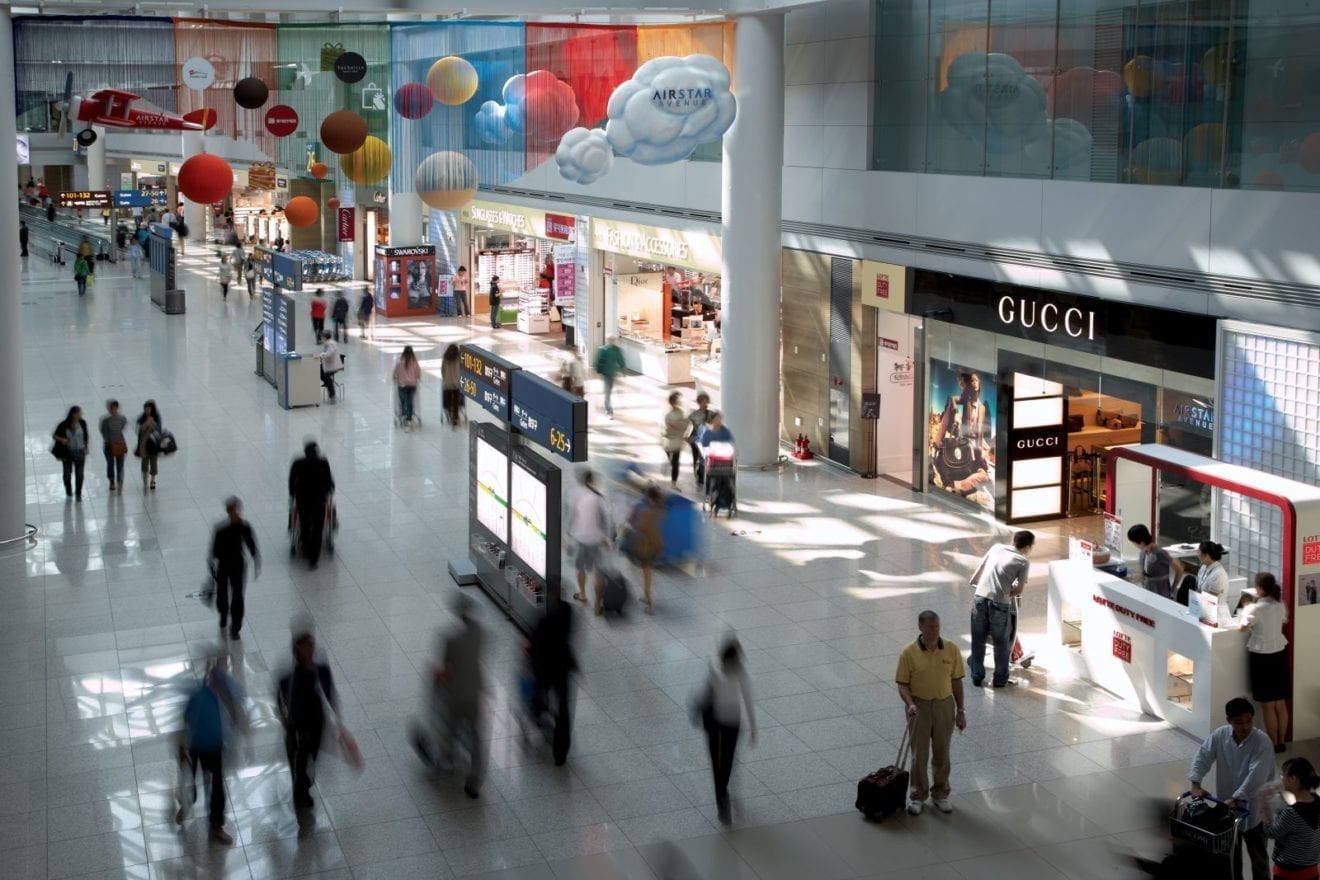
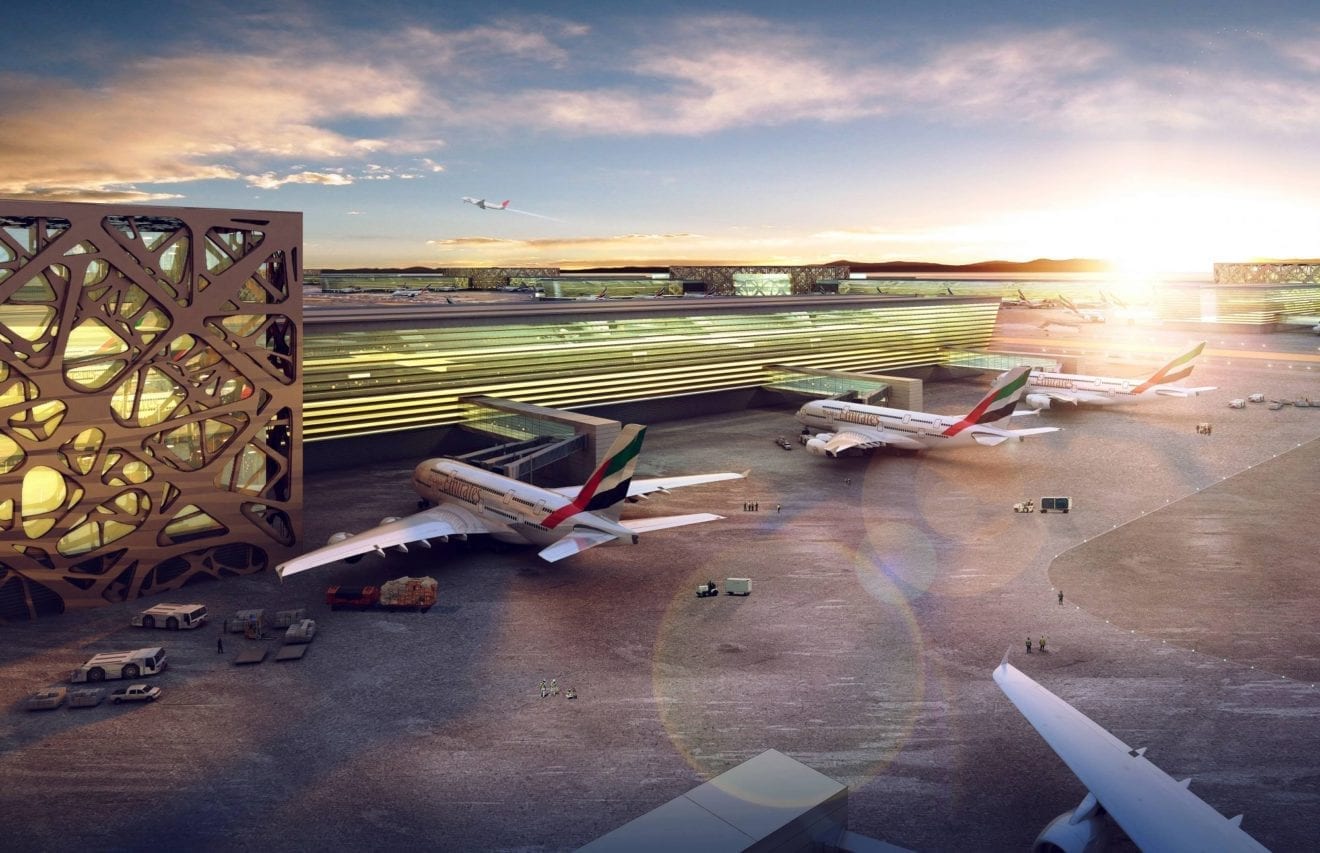
    Planners are seeking to transform the exhausting experience in ageing, overcrowded terminals into something far more pleasant. Passengers’ baggage is collected by robots, they relax in a luxurious waiting area complete with an indoor garden before getting a face scan and swiftly passing through security and immigration — this could be the airport of the future.

    It’s a vision that planners hope will become reality as new technology is rolled out, transforming the exhausting experience of getting stuck in lengthy queues in ageing, overcrowded terminals into something far more pleasant.

    The Asia-Pacific has been leading the way but faces fierce competition from the Middle East as major hubs compete to attract the growing number of long-haul travellers who can choose how to route their journey.

    The regions “are the two leading pockets of technology growth because they are really competing to be the global hubs for air transportation,” Seth Young, director of the Center for Aviation Studies at Ohio State University.

    “If I’m going to fly from New York to Bangalore, do I transfer through Abu Dhabi or Dubai or do I transfer through Hong Kong? That’s a huge, huge market.”

    But the changes also represent major challenges that could upend decades-old business models at major airports, with analysts warning operators may face a hit to their revenues to the tune of billions of dollars.

    Facial scanning in particular is generating a lot of buzz. Changi in the affluent city-state of Singapore, regarded as among the world’s best airports, is set to roll out this biometric technology at a new terminal to open later this year.

    Passengers will have their faces scanned when they first check in and at subsequent stages, theoretically allowing them to go through the whole boarding process quickly without encountering another human.

    Australia announced in July an investment of Aus$22.5 million ($17.5 million) to introduce face recognition technology at all the country’s international airports, while Dubai Airport is also trialling it.

    Robot baggage handlers

    Self-service check-in and printing of boarding passes is already common, with many people printing their passes at home or at airport kiosks, and some hubs are now introducing self-service baggage drop points.Robots are appearing at some major hubs, including at Seoul’s Incheon airport, where they carry out tasks including cleaning and carrying luggage, while Changi’s new terminal will have robotic cleaners complete with butlers’ uniforms.

    The service, which allows passengers to print and tag their baggage and then send it off on the conveyor belt, is available at airports including Australian hubs, Hong Kong, London Heathrow and Amsterdam’s Schiphol.

    Airports are also trying to overhaul their image as dreary places that must be endured in order to get from A to B, to somewhere travellers can enjoy spending time.

    Changi is building a new terminal complex called Jewel, a 10-storey development filled with shops and restaurants whose centrepiece will be a 40-metre (130-foot) indoor waterfall surrounded by an indoor garden.

    The complex will make the airport look more like a shopping mall than a traditional hub, and is aimed at cashing in on transitting passengers.

    “They are looking at retail, non-aeronautical profits,” said Shukor Yusof, an aviation analyst from Endau Analytics.

    But while hubs in Asia-Pacific and the Middle East surge ahead, airports in the United States and Europe are being left behind.

    “Europe and the US were the leading aviation markets for the last 75 to 100 years, and it’s very difficult to revolutionise your infrastructure when you are on a foundation that is 75 years old,” said Young of the Center for Aviation Studies.

    He added it was also a matter of “political will”, as emerging economies see building cutting-edge airports as a way of raising their status globally.

    Ageing hubs

    Some US and European airports are nevertheless trying to up their game.

    New York’s ageing airports have long been criticised as old-fashioned, cramped and dirty but JFK, the main international hub serving the city, hopes to shed its dire reputation with a proposed $10 billion redevelopment.

    Amsterdam’s Schiphol is aiming to become the world’s leading digital airport by 2019, and has been testing hand luggage scanners that allow passengers to keep liquids and laptops in their bags. It is also looking at biometric technology.

    Despite the buzz surrounding new technology, there are concerns that rapid innovation could threaten long-held ways of doing business.

    A report from consultancy Roland Berger warned that airport revenues from retail and parking could fall by between two and four billion dollars due to the new innovations.

    Automated, more predictable check-in procedures threaten retail outlets as passengers are likely to reduce the “buffer” they build in to trips to the airport, meaning less shopping time, while developments such as ride-hailing apps could undercut parking revenues, it said.

    Still, the landscape may not transform so quickly as many airports face difficulties in introducing new technology, from resistance to change to availability of financing, said Xavier Aymonod, a transport expert at Roland Berger and lead author of the report

  • Facebook to reject ads from pages touting ‘fake news’

    Facebook to reject ads from pages touting ‘fake news’

    The move is the latest shot fired by Facebook in its war against ‘fake news’ used to deceive instead of enlighten.

    Facebook said that pages that make a habit of linking to bogus news stories will no longer be able to advertise at the world’s leading online social network.

    The move is the latest shot fired by Facebook in its war against ‘fake news’ used to deceive instead of enlighten.

    “If Pages repeatedly share stories marked as false, these repeat offenders will no longer be allowed to advertise on Facebook,” product managers Tessa Lyons and Satwik Shukla said in a blog post.

    “This update will help to reduce the distribution of false news which will keep Pages that spread false news from making money.”

    The social network already didn’t allow ads that link stories determined to be false by third-party fact-checkers.

    “False news is harmful to our community,” Lyons and Shukla said.

    “It makes the world less informed and erodes trust.”

    Fake news became a serious issue in last year’s US election campaign, when clearly fraudulent stories circulated on social media, potentially swaying some voters.

    Concerns have been raised since then about hoaxes and misinformation affecting elections in Europe this year, with investigations showing how “click farms” generate revenue from online advertising using made-up news stories.

    “We’ve found instances of Pages using Facebook ads to build their audiences in order to distribute false news more broadly,” Lyons and Shukla said.

    Facebook and Google have been working to curtail, or at least flag, stories crafted to deceive instead of enlighten.

    Google earlier this year added a fact-checking tag to search results globally, its latest initiative to help curb the spread of misinformation and “fake news.”

    The new tags, to be used in all languages for users worldwide, use third-party fact-checkers to indicate whether news items are true, false or somewhere in-between.

    The feature debuted about the same time Facebook added a new tool in news feeds to help users determine whether shared stories are real or bogus.

  • Google brings free WiFi to Indonesia

    Google brings free WiFi to Indonesia

    Google is extending its successful Google Station program to Indonesia. The company is partnering with internet service providers (ISPs), venue owners, and system integrators in Indonesia to provide consumers with free access to Wi-Fi at railway stations, universities, and other public areas.

    The expansion of the program, which was first launched in India 18 months earlier, could bring more users online, expanding Google’s global footprint and bolstering its potential ad revenue. Google Station can, in effect, boost the country’s rising internet penetration. Internet users in Indonesia increased 51% year-over-year (YoY) in January 2017, however, internet penetration remains low, at 40%. 

    By extending the program to Indonesia, Google is likely seeking to replicate the success of its Google Station program in India:

    • Free internet access has resulted in an early uptick in daily internet usage in India.In 2016, it was found that, on average, consumers used 15 times more data each day on Google’s Wi-Fi network than they did on their cell networks.
    • Offering high-speed data for free could mean new users associate Google with fast internet. Each day, around 15,000 people use one of these stations in India to connect to the internet for the first time, according to Google India Head of Connectivity Gulzar Azad.

    Google Station is just the latest effort by the company to connect the next billion users by catering to the needs of those in emerging markets. Google has previously released products and services targeted toward these smartphone users. Just last week, Google began experimenting with a light version of its Search app in Indonesia. The company is also rolling out Android Go, a low-data and budget-friendly version of the upcoming version of Android for developing markets.

    However, Google is not alone in turning to Indonesia to build out a user base. In 2015, Facebook launched its connectivity initiative, the Internet.org mobile app, in Indonesia, to get more people online. The app includes numerous connectivity strategies, including the Free Basics app, which enables consumer access to certain

  • AirAsia sets up new holding company for Indonesian ops

    AirAsia sets up new holding company for Indonesian ops

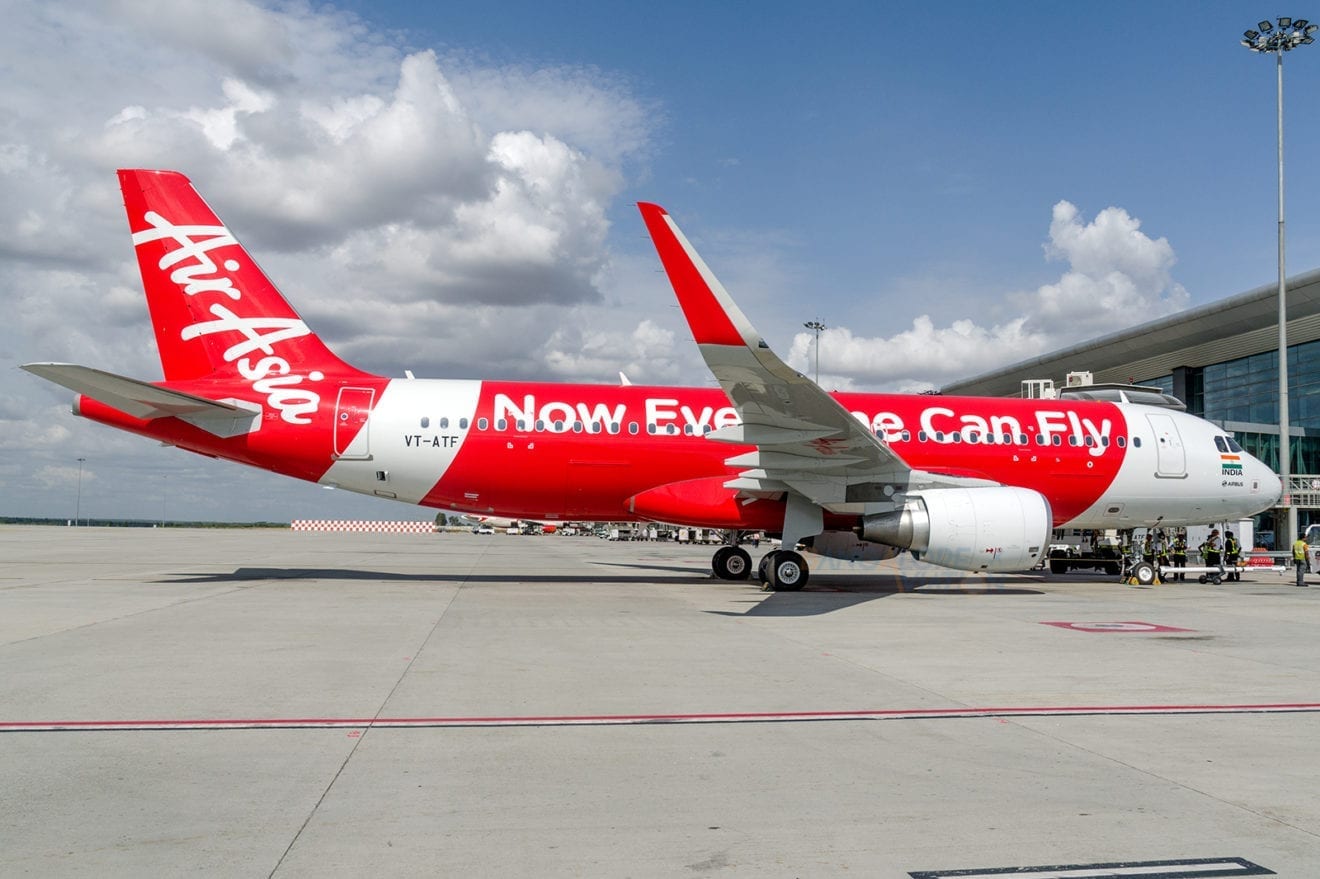
    AirAsia will partially dispose of and convert its perpetual securities investments in PT Indonesia AirAsia (IAA) into new shares in a company listed on the Indonesia stock exchange.

    The low-cost carrier said on Tuesday PT Rimau Multi Putra Pertama TBK (RMPP), will effectively become the new holding company of IAA, with 57.25% stake in the Indonesian carrier.

    At present, AirAsia has a 49% stake in IAA, while the remaining majority stake belongs to PT Fersindo Nusaperkasa (FNP) owing to a foreign ownership cap on Indonesian airlines.

    Subsequent to the exercise, AirAsia via its unit AirAsia Investment Ltd (AAIL) and FNP will own up to 48% and 49.96% equity interest in RMPP respectively.

    AAIL and FNP will subscribe for the remaining unsubscribed rights shares offered in the rights Issue after allotment for an amount up to 10.4 trillion rights issue shares in exchange for IAA perpetual securities with a nominal value of 2.6 trillion rupiah.

    Upon completion of the rights issue, the IAA perpetual securities will be converted into up to 241,067 newly issued common shares in IAA equivalent to 57.25% equity interest in the company.

    Assuming there is full public subscription to the rights issue, AirAsia will have a 21.05% indirect stake in IAA via RMPP. In the event of no public subscription it will have a indirect 27.48% stake in the Indonesian airline.

    In a separate announcement, AirAsia has proposed an internal reorganisation by exchanging the entire issued share capital of AirAsia Bhd with matching new ordinary shares in a new investment holding company called AirAsia Group Bhd.

    AirAsia Group will assume the listing status of AirAsia Bhd.

    Trading in AirAsia shares was suspended at 2.30pm on Tuesday for the remainder of the trading day. It was up two sen or 0.6% to RM3.33 on volume of 6.13 million shares done.

  • Tesco Lotus plans marketing push to bolster sluggish sales

    Tesco Lotus plans marketing push to bolster sluggish sales

    Tesco Lotus plans a major marketing push for the remainder of this year as it tries to boost sluggish sales.

    A core plank of the plan is a four-day Tesco Lotus Expo to be held at Impact Muang Thong Thani from November 9-12, the first time the retailer has sold products outside its store network.

    Chief commercial officer of Tesco Lotus parent Ek-Chai Distribution System, Sompong Rungnirattisai, says cautious spending by Thais in the first half of the year had seen the frequency of visits decline from an average of twice a month to monthly. The average check has dropped “sharply” he told the Bangkok Post, especially in the provinces where farmers were experiencing lower returns.

    But he is confident shopper sentiment will improve in coming months with the advent of the festive season.

    The Tesco Lotus Expo will feature manufacturers and producers ranging from multinational companies to One Tambon Product vendors, supplying goods from foods through to apparel and appliances. The company hopes to attract 150,000 shoppers.

    Meanwhile, Tesco Lotus will roll out price discounts across its 1900 stores nationwide, in all formats, including online.

  • AirAsia Seeks Back-Door Listing on Indonesia Stock Exchange

    AirAsia Seeks Back-Door Listing on Indonesia Stock Exchange

    The deal, which is expected to be completed in the fourth quarter of 2017, implies RMPP will become the new holding company of Indonesia AirAsia.

    Currently, AirAsia Bhd controls a 49 percent stake in Indonesia AirAsia as foreign ownership in Indonesian airlines is capped at a maximum of 49 percent. The remaining shares in Indonesia AirAsia are controlled by Fersindo Nusaperkasa. The debt-and-share-swap deal implies Fersindo Nusaperkasa also obtains a stake in RMPP. After completion of the deal AirAsia and Fersindo Nusaperkasa will own up to 48 percent and 49.96 percent, respectively, in RMPP.

    Several weeks ago Tony Fernandes, Chief Executive of the Airasia Group, still confirmed the Malaysian group’s plans to conduct an initial public offering (IPO) for its Indonesia AirAsia unit on the Indonesia Stock Exchange before the end of 2017. Therefore, the news about the back-door listing was a surprise.

    Previously, Indonesia AirAsia had already expressed its desire for an IPO in 2016 as it seeks fresh funds for further business expansion (specifically for the purchase of new airplanes and opening of new flight routes). However, domestic and global uncertainty made the airline decide to postpone the corporate move.

  • Cebu Pacific to launch flights from Zamboanga to Sandakan, Malaysia

    Cebu Pacific to launch flights from Zamboanga to Sandakan, Malaysia

    Gokongwei-led Cebu Pacific announced the bolstering of its domestic and regional connections with 4 new routes beginning October this year.

    In a statement on Wednesday, August 16, the budget carrier announced that its wholly-owned subsidiary Cebgo will start its first international route out of Zamboanga City with flights 4 times a week to Sandakan, Malaysia.

    This route, beginning October 29, will have flights on Tuesdays, Thursdays, Saturdays, and Sundays.

    “Now, the previous 14-hour travel by sea is cut down to just a 40-minute airplane ride,” said Cebgo president and chief executive officer Alexander Lao.

    Trade and Industry Assistant Secretary Art Boncato Jr also noted that the new route “would offer better service to the traveling public and open greater opportunities for trade, investment, and tourism with Western Mindanao as a growing regional gateway to the Philippines.”

    The airline noted that Cebgo would be the only Philippine carrier with direct flights between the country and Sandakan.

    There is an introductory sale for the flight – P1,299 per ticket until August 21 – with the promo travel period from October 29 to December 31 this year.

    New domestic routes

    Along with the international route, Cebu Pacific announced a new thrice weekly Kalibo-Clark flight on Mondays, Wednesdays, and Fridays, starting October 30.

    The flight will link Boracay in Western Visayas to Northern Luzon and Central Luzon via the Clark International Airport.

    The return Clark-Kalibo flight, meanwhile, will begin on October 31 and will be available Tuesdays, Thursdays, and Saturdays.

    Cebgo will also start new routes from Cagayan de Oro City (Laguindingan Airport) to Boracay (Caticlan) and Dumaguete City thrice a week beginning on October 20.

    To mark the start of the new domestic routes, Cebu Pacific announced an introductory, all-in seat sale of P599 until August 18, or while seats are available. The promo travel period is from October 20, 2017 to March 15, 2018.

  • Vietnam Airlines and Garuda agree partnership

    Vietnam Airlines and Garuda agree partnership

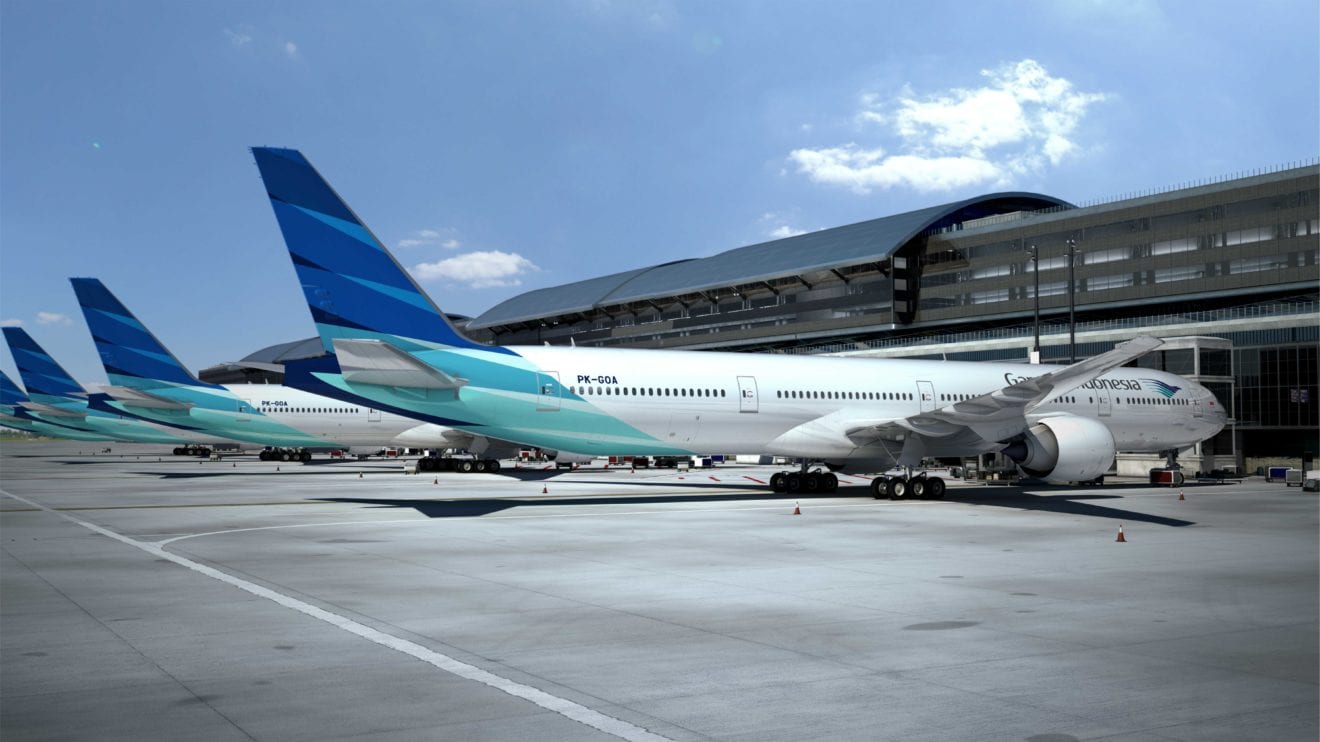
    Asian carriers Vietnam Airlines and Garuda Indonesia have agreed to an extended partnership including more codeshares and working together on MRO (maintenance, repair and operations) operations.

    The CEOs of the two Skyteam members signed a memorandum of understanding (MOU) to work more closely together during an event in Indonesia.

    As part of the deal, the carriers will extend their existing codeshare agreement on to additional routes including Hanoi-Ho Chi Minh City, Hanoi/Ho Chi Minh City-Singapore, Singapore-Jakarta/Bali and Jakarta-Bali.

    Pahala Mansury, CEO of Garuda Indonesia said: “We are pleased to announce this partnership with Vietnam Airlines which extends our network even further within the south-east Asia.

    “Vietnam is an important market for Indonesia and through this partnership we can offer increased travel options for the increasing number of passengers travelling between the two countries.”

    Vietnam Airlines CEO Duong Tri Thanh added: “This MOU takes our co-operation further in the direction of a solid and mutually beneficial partnership, helping both airlines achieve the vast potential of the market.”