Category: General

Retail News Asia is committed to providing both local and global retailers with the latest General Retail news throughout the Asian market. This on a daily base.

  • After 20 years, Pacsafe goes it alone

    After 20 years, Pacsafe goes it alone

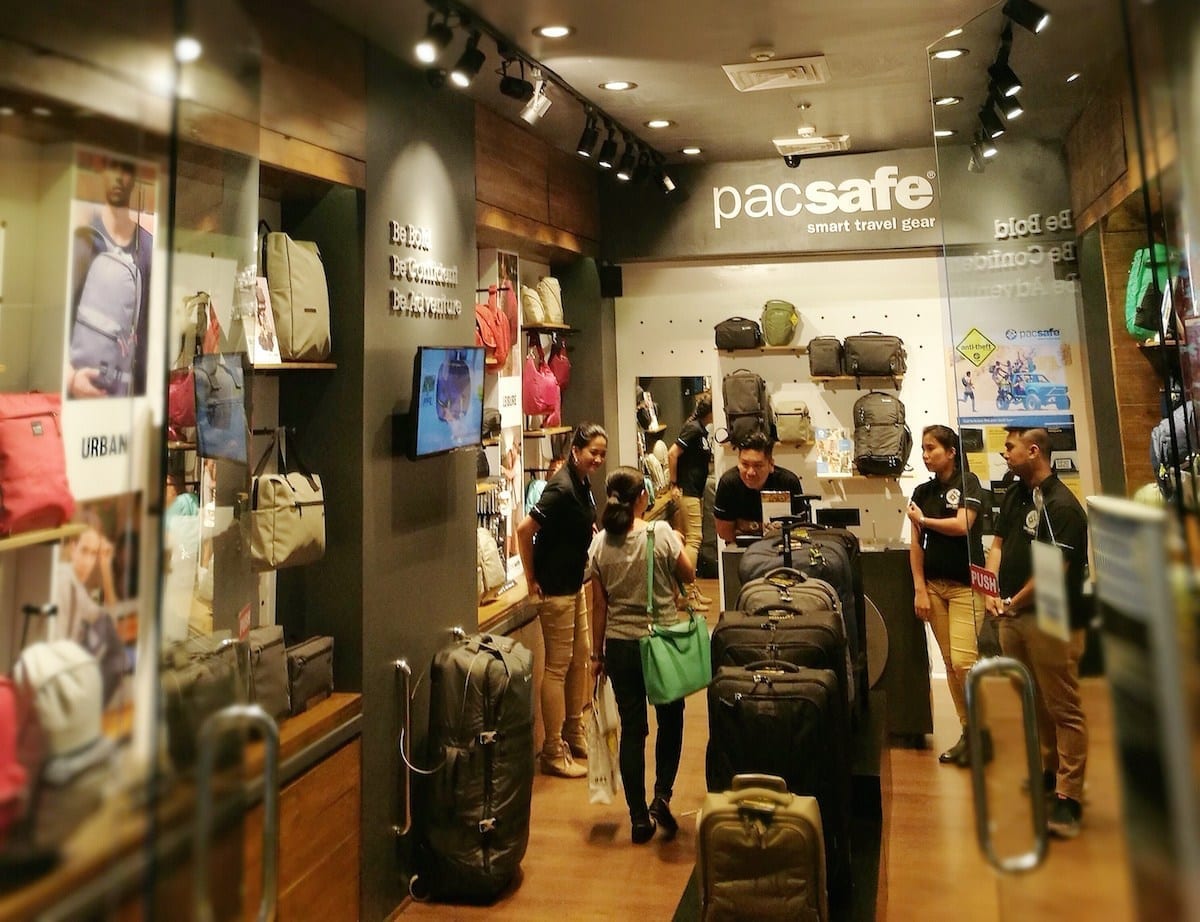
    Hong Kong’s first stand-alone Pacsafe shop has opened at Shun Tak Centre in Sheung Wan.

    Starting almost 20 years ago with one product, the company has expanded its range of travel gear featuring proprietary anti-theft features.

    Products include Carrysafe straps, Pacsafe RFID-safe pockets to safeguard credit cards from being scanned, the new Roobar locking system, Snap & Lock bag mechanisms to deter thieves, Turn & Lock security hooks, and the company’s original product, Exomesh to protect backpacks.

    “There is now soaring demand for smart and secure travel gear that can navigate the streets of Hong Kong and the globe,” says Pacsafe MD/co-founder Magnus McGlashan.

    To mark its opening, the store is offering a 15 per cent discount to customers until the end of next month.

  • GSK Shopper Science Lab opens in Singapore

    GSK Shopper Science Lab opens in Singapore

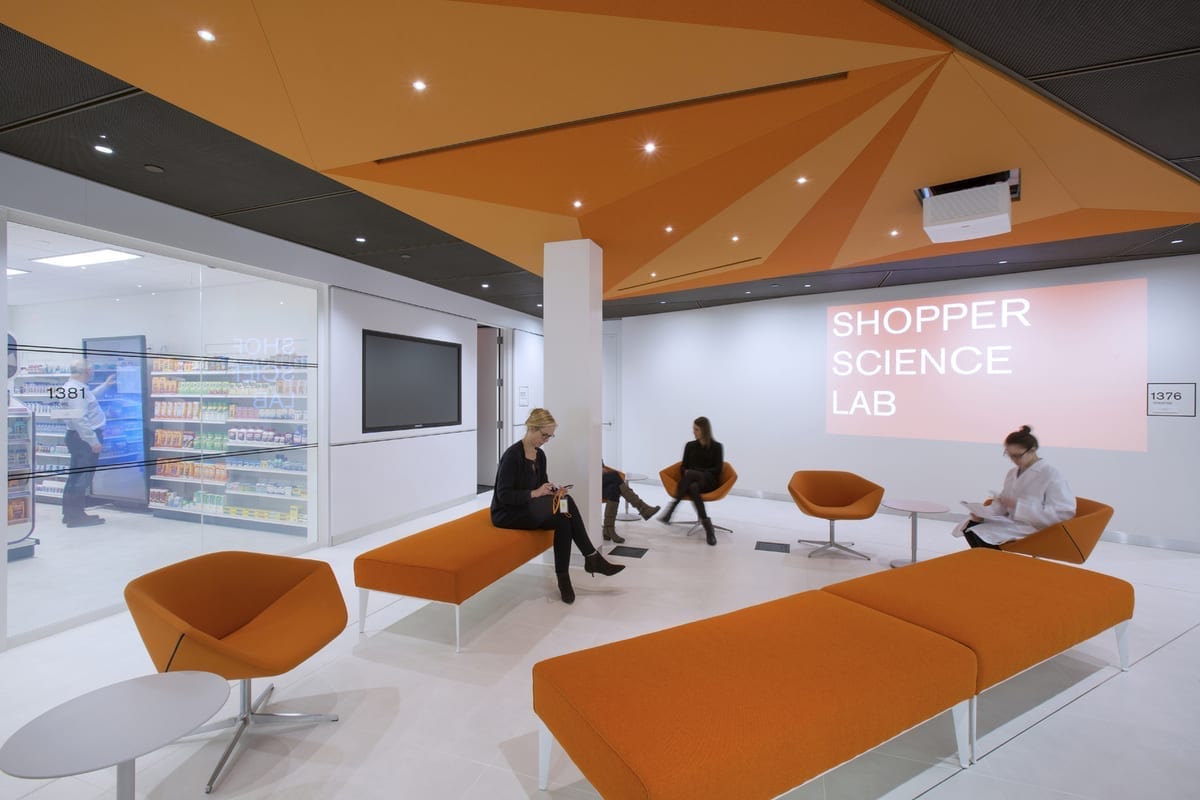
    A new GSK Shopper Science Lab opened in Singapore will help drive business growth across Asia-Pacific, the company says.

    GlaxoSmithKline (GSK) Consumer Healthcare describes the research centre as a “cutting edge facility” which will deliver unique shopper insights and collaborations with retailers.

    “The Shopper Science Lab is a world-class shopper insight facility, equipped with state-of-the-art digital technology. With virtual reality, eye-tracking, facial biometrics, and data visualisation as some of the tools employed in-house, GSK will invite its trade partners, internal business teams and researchers to use the Lab to recreate retail environments; evaluate shoppers’ responses to online and in-store initiatives; and identify winning strategies and initiatives to enhance the shopping experience,” the company said in a statement.

    “As more shoppers join the global middle class, there is an increased demand for trusted, global brands particularly in the emerging markets. The GSK Shopper Science Lab has close proximity to large emerging markets like India and China, enabling GSK and its retail partners to study diverse emerging shoppers closely, with local data collected on the ground.”

    The GSK Shopper Science Lab consists of three labs integrated seamlessly:

    • A 1215 sqft Retail Lab, an immersive retail environment that allows the re-creation of modern and traditional retail environments such as a pharmacy or supermarket, allowing GSK and its partners to quickly test and evaluate shopper responses.
    • A Digital Lab which is a collaborative space which has the ability to test stimuli such as pack designs, point-of-sale materials, brand assets, TVCs, or content across all platforms.
    • A Collaboration Room, which provides a space to convene key decision makers, enabling them to embark on virtual and fully interactive simulations that include relevant data for faster and more informed decision making.

    “Traditional market research is often time-consuming and expensive,” explained Sidharth Singh, VP of commercial excellence, GSK Consumer Healthcare Asia, Middle East and Africa. “By leveraging the latest advances in virtual reality and biometric technology, we are now able to gather insights more efficiently and effectively.”

    An example of such technology is eye-tracking glasses which can be transported to various cities to provide researchers with an indication of how shoppers shop locally. Technology such as virtual reality, tracking sensors and software that can decode the hotspots, can help analyse this highly localised data to understand shopper behaviour in diverse markets.

  • 7-Eleven Thailand passes 10,000 milestone

    7-Eleven Thailand passes 10,000 milestone

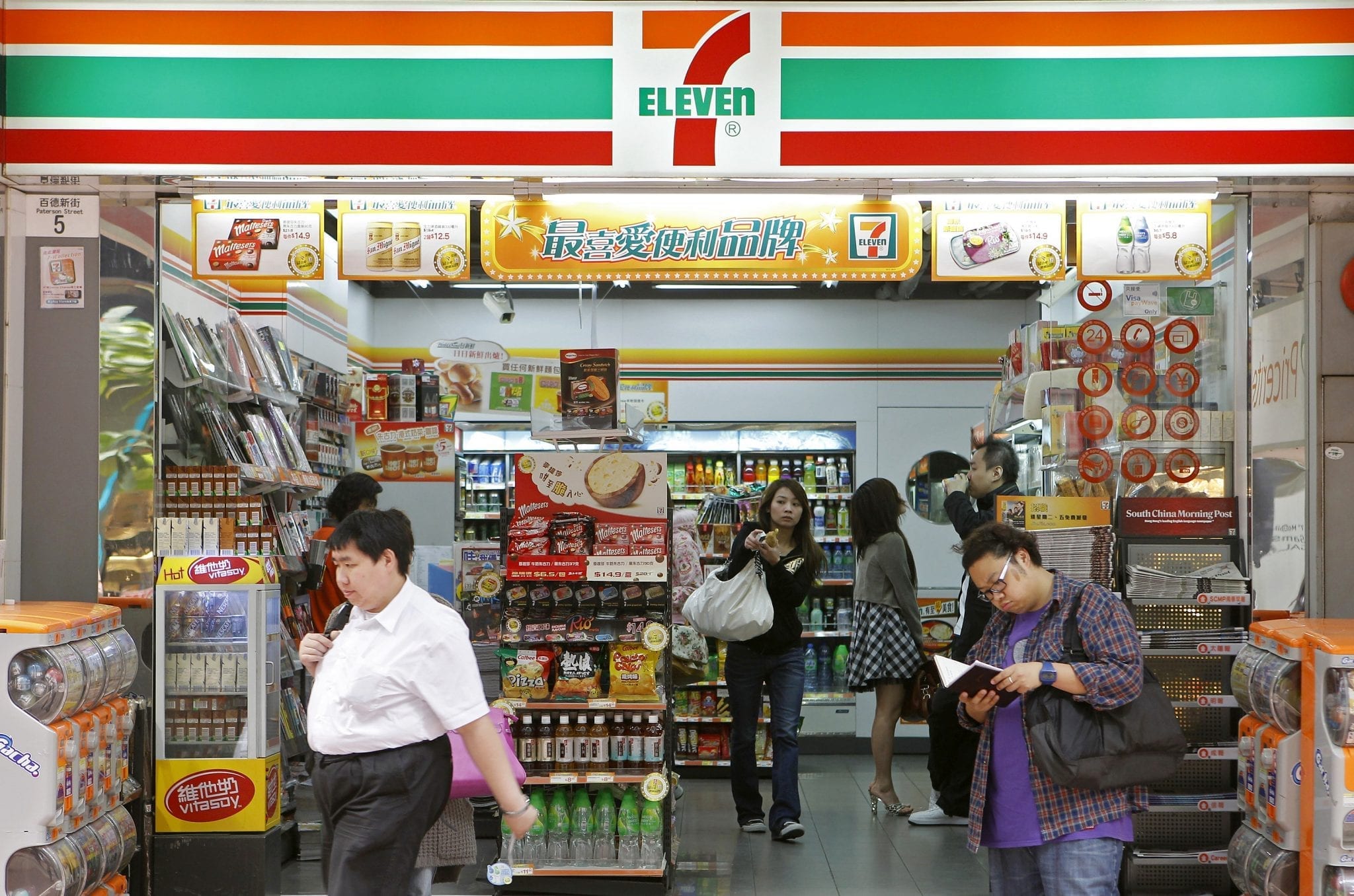
    Expansion by 7-Eleven Thailand has outpaced Japan, with the convenience store network reaching 10,007 by the end of June.

    It took CP All, under Thai conglomerate Charoen Pokphand Group, 28 years to reach the 10,000 mark since its first outlet for the Japanese brand opened.

    CP All plans to add about 700 outlets this year, hoping to reach 13,000 within the next four years. The company says it is poised to allocate 60 per cent of its planned capital expenditure of THB9.5 billion (US$286.3 million) to THB10 billion this year for store expansion and renovation.

    The franchise outpaces other Japanese convenience-store brands in Thailand, FamilyMart having 1136 stores at the end of July and Lawson 85 at the end of February.

    Regionally, 7-Eleven stores had grown to 14,699 by the end of June, accounting for nearly a quarter of the global total. Locations include Malaysia, the Philippines, Singapore and Vietnam. Japan had 19,588 stores.

  • Central Watson refreshing brand for birthday

    Central Watson refreshing brand for birthday

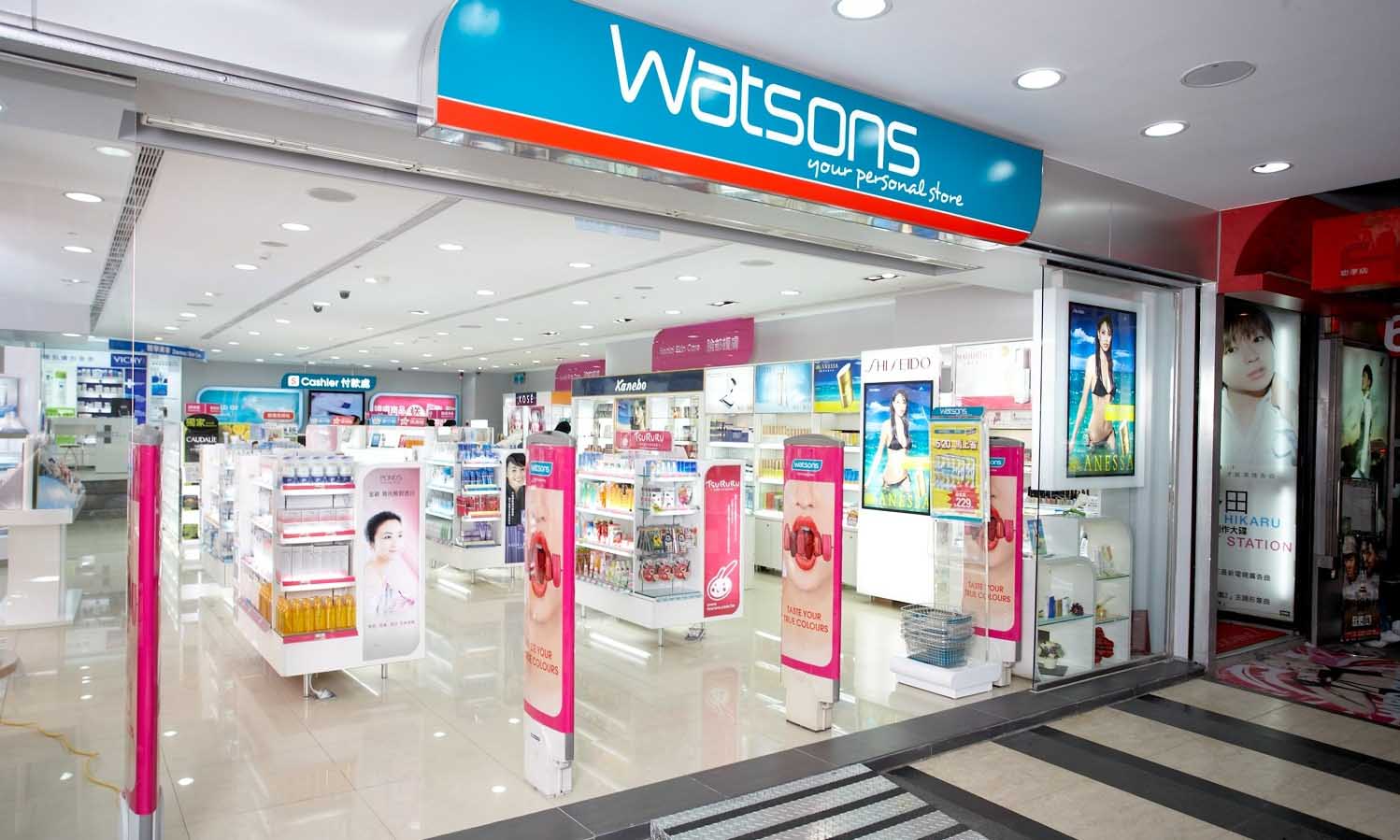
    Health-and-beauty store chain Central Watson plans to spend about THB100 million (US$3 million) this year on a “brand refreshment” as part of celebrating its 21st anniversary in Thailand.

    It aims to modernise the stores with colourful formats as well as streamline its online shopping platform.

    Part of the budget will go toward increasing digitised communication with customers, enhancing the e-commerce platform and introducing mobile apps, says MD Rod Routley.

    He says Watson customers who use multiple screens to connect with the company are starting to outnumber customers who are not digitally connected.

    Home delivery for online buyers tripled in growth last year, says Routley.

    The facelift for all formats is aimed at improving customer experience and boosting access both online and at retail outlets.

    Watson will also invest in promotion through advertising in a range of media, including out-of-home ads.
    The budget is part of the total THB500 million Watson has earmarked for business expansion this year, which is to be geared toward opening stores, developing e-commerce and investing in its own brand development.

    Central Watson has 430 stores nationwide, and the investment is expected to boost this to 467 by year-end.

  • RCG’s omnichannel strategy finds backing

    RCG’s omnichannel strategy finds backing

    RCG co-CEO’s Hilton Brett and Daniel Agostinelli have managed to inspire confidence in the market following the fall-out from their $105 million Hype DC acquisition and its subsequent $9.7 million write-down in May.

    Reporting its first full year of trading since the deal with Accent Group last year, Brett acknowledged that the purchase of the brand, which he said was an “outstanding business” at the time, was a “bad deal”.

    But shareholders forgave management, sending RCG’s share price up almost seven per cent by late Monday trading, despite Hype’s impairment leading to a 2.6 per cent decline in headline net profit.

    It appears as though Brett’s omnichannel credentials, touted at length in an investor call on Monday morning, have resonated with those concerned about how established players are bolstering the lines before Amazon lands.

    Competitor Footlocker, which has seen its market value slide over 27 per cent since reporting a 6 per cent decrease in Q2 comparable sales in the US last week, has been flagged by analysts as a loser in Amazon’s recent distribution deal with Nike, raising concerns about RCG’s future.

    Brett denied that there’s a strong comparison to be made between Footlocker and RCG-owned The Athlete’s Foot, Skechers, Platypus, or Hype DC and believes that having 40 per cent of company own-brand lines, as well as its ambition to generate 15 per cent of sales through online within two years, position the business well.

    “The rise of e-commerce and the arrival of Amazon into the Australian marketplace have been topics of considerable media interest in recent months and several retailers have made significant public statements on their readiness or otherwise to deal with the perceived threat,” Brett told shareholders.

    “RCG’s own omnichannel strategy predates the media hype and our management team has long recognised the importance of delivering true world class omnichannel experience to customers.”

    RCG is one of an increasing number of high-profile retailers backing similar strategies against Amazon, including Super Retail Group, Baby Bunting, Greencross and Woolworths.

    The company will fire on all cylinders to sure up the system in FY18, rolling out endless aisles as well as click-and-collect and click-and-dispatch, delivery fulfilled from stores, throughout its entire 430 strong network.

    Online currently represents five per cent of total sales, which means there’s substantial work to be done if RCG wants to hit its 15 per cent target without cannibalising in-store performance.

    The channel grew 79 per cent during FY17 though, driven by the opening of three new e-commerce sites and initial click-and-collect trading in Platypus and Skechers.

    Two new e-commerce sites have been launched so far in FY18, with another two to come throughout the year.

    Three-hour delivery will also become a reality under the click-and-dispatch model and will be enabled across “most major population centres” through an unnamed third-party partner.

    The reach of that delivery is also set to increase, up 36 per cent this year and set to grow from a long-term target of 120 Skechers stores (current 67) and 100 Platypus stores (current 91).

    A net 15 stores are slated to open in FY18, none of which will be Hype DC, with management of the opinion that the existing 65 stores are sufficient.

    Brett reckons Skechers and Platypus are returning the best results at the moment, but Vans, which has come into-trend with younger shoppers through its latest product line, has been growing quickly in recent months, offset somewhat by a slowing down in Adidas.

    “Adidas is still very strong, it just doesn’t have the heat that it had only twelve months ago, what we’re seeing is that Vans has just exploded, particularly in the last three months and it’s early days,” Agostinelli said.

    Hype DC is now back to positive LFL sales, having declined one per cent in FY17, on a strengthening in the last two months of the year carrying through to initial FY18 trading.

    Brett declined to provide any specific earnings around individual brands, citing intensifying competitive pressures, but did say that he was optimistic about a stabilisation of Hype’s position in its Accent Group division, with the introduction of Vans products into its stores helping things along.

    There remain concerns among analysts, however, that promotional intensity may crimp margins, which increased 2.3 per cent for Accent Group and declined 5.1 per cent in RCG’s own brand division during FY17.

    Brett said RCG has no intention of getting into the downward spiral of discounting, committing to being a “full price” retailer that will clear stock when it needs to.

    “[Competitors] have certainly done some quiet aggressive discounting over the last week in some of our [categories]…ultimately competitors have to make a decision about whether they’re going to run their business for the long-term benefits of shareholders or short-term,” he explained.
  • Wilcon Depot launches third Visayas branch

    Wilcon Depot launches third Visayas branch

    Home improvement retailer Wilcon Depot has opened its 38th store, in Talisay City, Negros Occidental.

    It is the brand’s third branch in the Visayas region following its branch at Mandaue City in Cebu.

    A special feature is the Design Hub where customers can create room layouts using 3D computer software, which produces a product list and cost estimate.

    Like other Wilcon stores, services include free parking, tile-cutting and delivery. Customers with a Wilcon Loyalty Card are offered promotional exclusives.

    Wilcon’s exclusive brands include Direct Hardware, Franke Kitchen Systems, Grohe and Kohler, Koller, and Pozzi.

    Its tile gallery features Grespania and Rocersa products, while furniture features the Heim and Heritage brands. There is also the new lighting brand Alphalux.

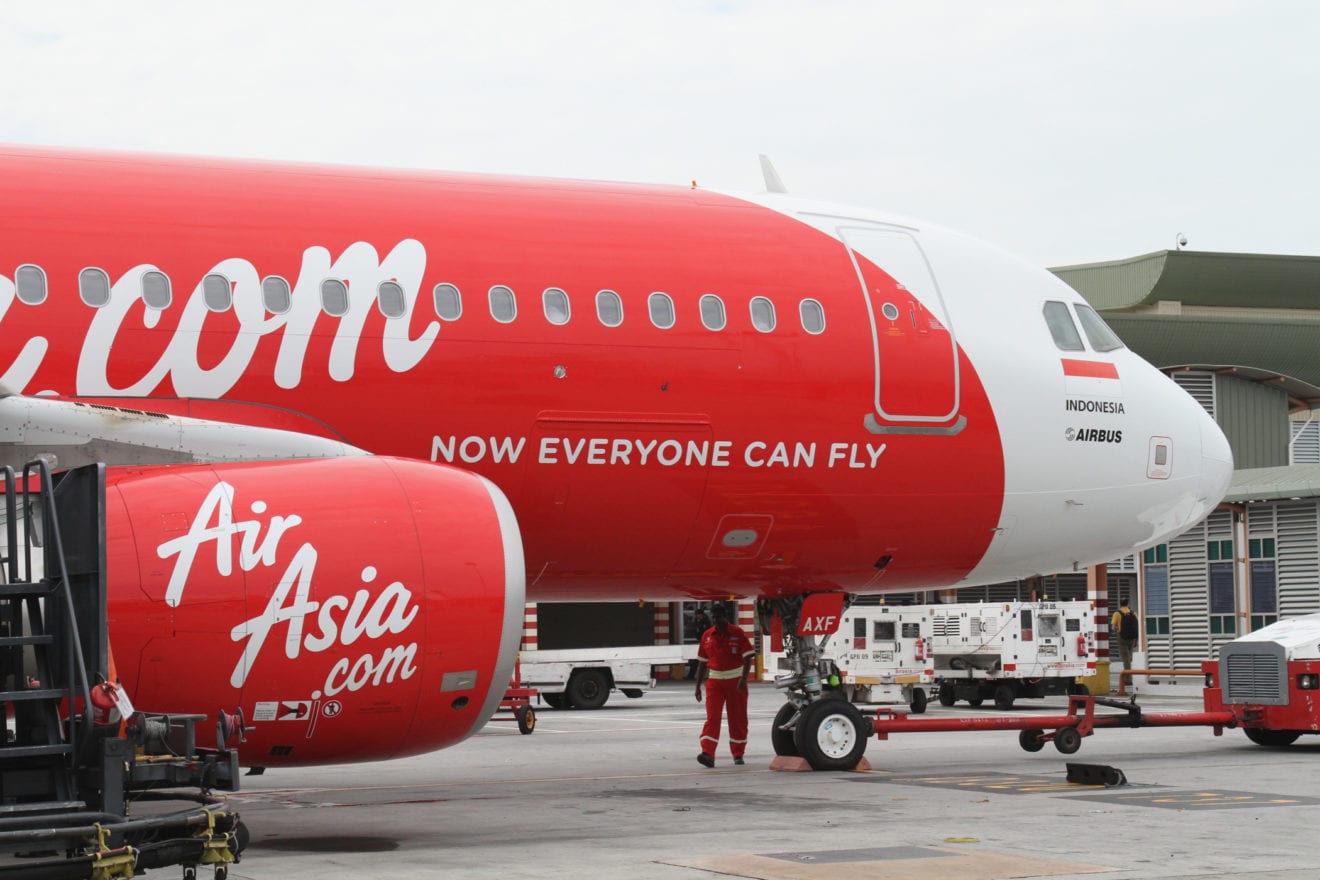
  • AirAsia plans flights from Davao to China, South Korea

    AirAsia plans flights from Davao to China, South Korea

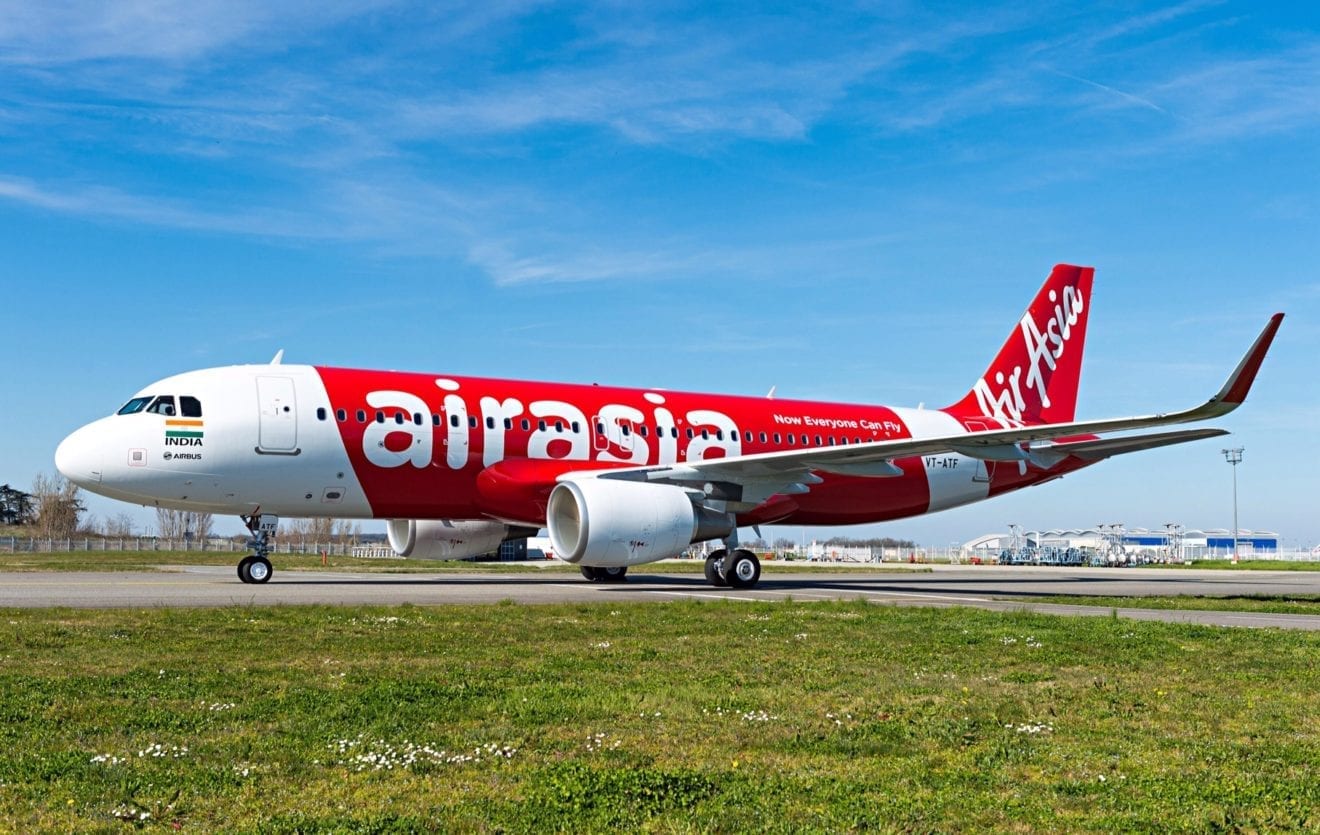
    AirAsia expressed interest in expanding its services in the Philippines to include flights from Davao City to key cities in China, Korea and Malaysia, Department of Finance says in statement.

    THe deparment had issued the statement on Monday citing results of meeting between Philippines Finance Secretary Carlos Dominguez and AirAsia Group CEO Tan Sri Tony Fernandes.

    Fernandes said on Monday the lowering or scrapping of airport or departure tax in small airports will help realize airline’s expansion plans in Philippines.

    Dominguez will look into possibility of airports selling or leasing gates to airlines at different rates depending on landing times, in lieu of imposing airport taxes.

  • Vietnamese shoppers no longer the world’s thriftiest

    Vietnamese shoppers no longer the world’s thriftiest

    Consumer spending seems to be on the rise with less people interested in saving. Vietnamese consumers have just lost their crown as the world’s most avid savers to penny-pinching shoppers in Hong Kong after three years reigning supreme, according to the latest report on consumer confidence conducted by Nielsen, a global information and measurement company.

    During the first half of this year, only 63 percent of surveyed Vietnamese shoppers said they would put their spare cash into savings, comparing to the 76 percent who said they would save during the same period last year.

    Around 80 percent of people in Hong Kong said they chose to save money rather than spending it on leisure activities, figures from Nielsen revealed.

    The Vietnamese are still securing money for the future, but they are also spending more on leisure activities.

    “Vietnamese consumers’ lifestyles are evolving fast and consumers are more willing to spend on big items to upgrade their living,” said Nguyen Huong Quynh, managing director of Nielsen Vietnam. “This reflects their strong desire for a better life.”

    Saving requires a stable job, which is still a top priority for Vietnamese people. For half of the respondents, securing a position at a company is a big deal.

    “A financial guarantee is considered one of the top priorities among Vietnamese consumers,” Quynh added. “Hence, job stability as well as economic prospects directly influence the level of consumer spending. This explains why job stability is important to Vietnamese people.”

    Vietnam’s Consumer Confidence Index in the second quarter this year reached 117, helping the country secure fifth position on the global optimism table. Indexes above 100 indicate optimism.

    This is also a five-year high for the country, suggesting that Vietnamese consumer sentiment is improving. The surge illustrates the optimistic perception of personal finance and immediate spending intention, the report said.

    It should be noted that the index is calculated by Nielsen based on respondents with online access in 60 countries.

  • Japan department stores see sales ease

    Japan department stores see sales ease

    Department-store sales in Japan fell 1.4 per cent last month on a same-store basis because of weak clothing and food sales, reports the Japan Department Stores Association.

    Sales at 229 stores run by 80 companies totalled ¥547 billion (US$5 billion), says the association. Sales decreased as most of the stores had moved their summer sale period to June, pushing down sales of clothes that would have sold well in July during a discount period.

    Accounting for 29.8 per cent of overall sales, the clothing category declined 5 per cent while there was a 2 per cent drop for food items, furniture and other home-use items.

    Among 10 major cities, Nagoya recorded the highest fall, 4.8 per cent, and Hiroshima a 3.4 per cent drop from July last year.

  • AirAsia and CAE extend business relationship

    AirAsia and CAE extend business relationship

    AirAsia and CAE have concluded a sale and purchase agreement concerning the Asian Aviation Centre of Excellence (AACE), which is currently a 50:50 CAE-AirAsia joint venture. The transaction of US$100 million (including earn-out) will give CAE full control over AACE’s three training centres – located in Sepang, Malaysia; Singapore; and Ho Chi Minh City, Vietnam – as well as its share of the Philippine Academy of Aviation Training (PAAT), a joint-venture training centre between AACE and Cebu Pacific, located in Manila, Philippines.

    “CAE and AirAsia have been close partners since 2004, and we created AACE together in 2011. This new agreement is a natural evolution of our relationship and a win-win for both organizations,” said Marc Parent, CAE President and Chief Executive Officer. “It allows AirAsia to concentrate on its core business by completely outsourcing its training needs to CAE, and it allows CAE to expand its footprint in Asia Pacific, the fastest-growing aviation market.”

    CAE will remain AirAsia Group’s exclusive training partner. The largest low-cost carrier in Asia has extended its existing contract for all training requirements for AirAsia and for that of its affiliates in support of all aircraft types it operates up until 2036.

    “We’ve had CAE as our training partner of choice for many years now and it has been a great success. Our first MPL cadets trained by CAE are now flying as captains, and we put our full trust in CAE to fulfill our training needs at the highest quality level, as we continue to grow,” said Tony Fernandes, Group Chief Executive Officer of AirAsia. “AirAsia is rich in assets but our core business is passenger service and ancillary, and we will continue to regularly dispose of non-core investments and dividend most of it out, subject to board approval. This stake sale is just part of our long-term plan to monetize all our assets. We are also working on several other divestments of valuable assets including our leasing arm, which is imminent.”

    Marc Parent added: “We are very proud of what we have accomplished with AirAsia in creating AACE. We’d like to thank AACE employees for setting the standard and creating a great training experience, and we welcome them to CAE. Together we will continue to shape the future of training.”

    AACE offers training for pilots, cabin crew, maintenance engineers, technicians, and ground services personnel on the Airbus A320, A330, and Boeing B737NG platforms.

    The closing of the transaction is subject to customary closing conditions, including regulatory approvals. TD Securities acted as financial advisor to CAE.

  • Shaver Shop up on debut year profit growth

    Shaver Shop up on debut year profit growth

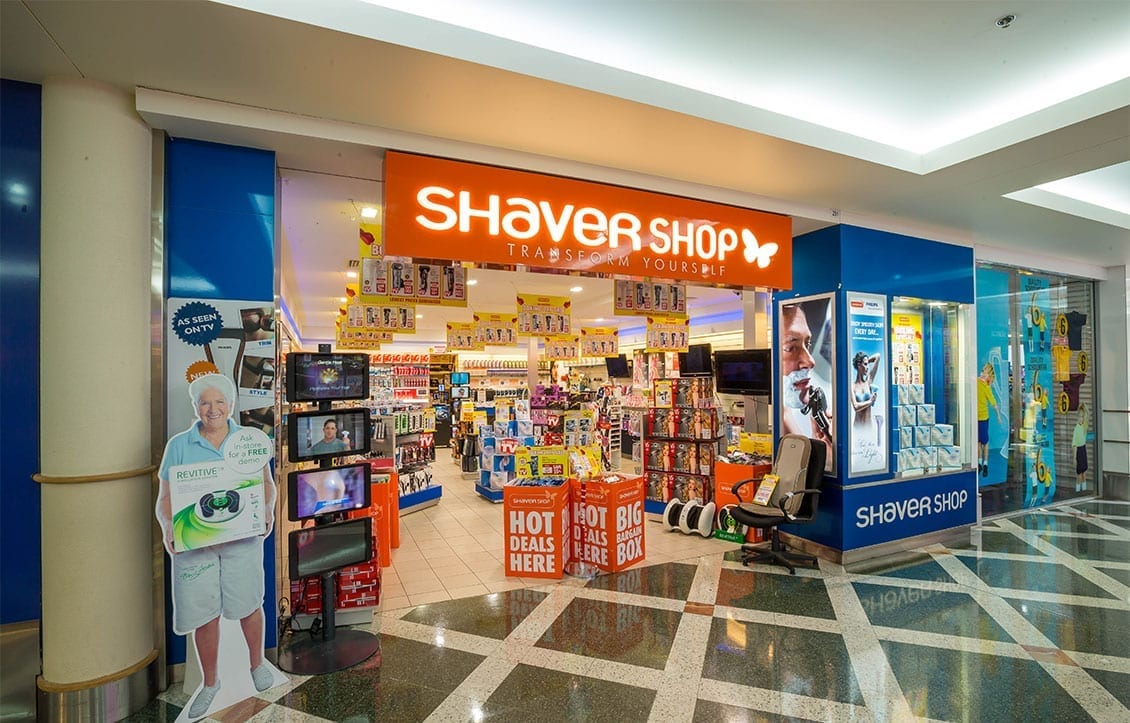
    Shaver Shop shares are trading higher after the grooming products specialist lifted its full-year profit and revenue in its first year on the Australian share market.

    The company says its pro forma profit rose 20.7 per cent to $9.1 million in the year ending June 30, 2017, while its revenue lifted 33.6 per cent to $142.6 million.

    Statutory profit was $9 million, up from $3.9 million the previous year when profits were hit by costs related to its IPO.

    Chief executive Cameron Fox says that despite a “tough” retail environment, Shaver Shop’s same store sales grew by 6.2 per cent in 2016/17, partly through the new sales channel it began offering in the second half to Australian customers who purchase bigger quantities of products to resell.

    Shaver Shop’s online sales improved by 9.4 per cent to $11.7 million, which the company says was helped by a new website launched in February.

    The group’s retail network also grew, with the opening of eight new stores and the buying back of seven franchises, bringing its total number of stores to 95, with 13 franchise outlets remaining.

    Looking forward, Fox said Shaver Shop had made a strong start to 2017/18 and was optimistic about how its upcoming festive season promotions will perform.

    But, he said, supply uncertainty for the company’s recently introduced resale channel means its same store sales are likely to moderate.

    Shaver Shop will pay a fully franked final dividend of 2.4 cents.

    Its shares were trading 6.25 per cent higher at 68 cents at 1418 AEST.

  • Cebu Pacific waives rebooking fees

    Cebu Pacific waives rebooking fees

    After serving more than 150 million passengers in over two decades, Cebu Pacific has decided to waive fees on rebooking or flight changes as part of its push to improve customer experience.

    Passengers who decide to change flight schedules within 24 hours from booking will no longer have to pay rebooking fees of as much as P2,800.

    In the past, passengers who make changes on their bookings were required to pay P1,500 for domestic flights, P2,300 for short-haul flight and P2,800 for long-haul international flights.

    For bookings that require changes in the flight sequence, penalty fees will also be waived.

    For example, if a passenger booked a Manila-Cebu flight, and then needs to change this to Cebu-Manila, the cancellation fee is waived.

    The same applies for Sum of Sectors (SOS) or  “Through Fare” bookings, which are basically two connecting flights treated as one.

    For instance, a passenger books a Virac-Manila-Cebu flight and needs to change this to Cebu-Manila-Virac, the cancellation fee is waived.

    Penalty fees will also be waived for direct flights changed to SOS booking and vice versa.

    While the rebooking and cancellation fees are waived, however, passengers who make such flight changes will still need to shoulder the fare difference.

    The waiver on the rebooking and cancellations fees is applicable across all booking channels of Cebu Pacific, whether through a travel agent, ticket office and call center.

    Ancillary services, such as seat selection, baggage allowance and preordered meals, are also fully transferrable to other guests and flights at no extra cost.

    “Rebooking and cancellation fees have been a key concern for passengers, especially those who have been able to avail themselves of low fares. This will benefit them as it truly makes flying with Cebu Pacific more affordable,” Cebu Pacific Vice President for Corporate Affairs Paterno S. Mantaring said.

    The airlines has also updated all its booking systems to make exemptions from the Ninoy Aquino International Airport (Naia) Terminal Fee, or the International Passenger Service Charge (IPSC) applicable on bookings made via the Cebu Pacific mobile app and web site.

    The move is seen benefiting thousands of overseas Filipino workers (OFWs) who book flights on Cebu
    Pacific to get to their job sites.

    Aside from OFWs, pilgrims with authorization from the Philippine Sports Commission and guests who have been issued an exemption certificate are also exempted from paying the IPSC, provided valid documents are presented.

    Cebu Pacific flew 10.1 million passengers in the first half of  2017.  Cebu Air Inc. saw its profits down in the first half of the year, as the rise in revenues failed to offset the spike in expenses.

    The company’s net income stood at P4.34 billion in the first six months of 2017, a 43.6-percent drop from P7.68 billion last year, as a result of slower revenue growth versus bigger expenses.

    In the same comparative periods, revenues increased by 7.7 percent to P35.66 billion, from P33.09 billion, fuelled by its passenger revenues of P26.62 billion.

    Expenses, on the other hand, rose 16.6 percent to P29 billion due to the rise in average jet-fuel prices in 2017, coupled with the weakening peso against the greenback.

    As of end-June, the Gokongwei-led airline operates a fleet of 61 planes, serving 66 domestic routes and 38 international routes from its hubs all over the Philippines.

  • Exposing the cost of lost sales

    Exposing the cost of lost sales

    Lost sales can be an enormous drain on a retailer’s profitability. Apart from the the direct loss of gross profit, there is also a pretty good chance that the customer won’t come back, could share negative stories about their experience and so on. The life-time cost of losing one lost sale could actually multiply out several times higher than just the gross profit alone.

    As consumers, we can all think of examples when we’ve left a store, with full intention of making a purchase, empty handed. For whatever reason – poor service, poor range, out-of-stocks – we’ve gone elsewhere.

    For retailers, the good news is that these things can be addressed. I don’t intend to talk about customer service as it’s a topic well covered. However, the cost of out-of-stocks is not so well understood.

    Think of a bakery that sells on average 20 loaves of bread in the last hour of the day. If the baker starts the last hour with exactly 20 loaves of stock, on average they’ll sell out just on closing time. Perfect!! Unfortunately for the baker, the 20 average sales is an average – it’s not going to happen every single time. The actual data might be made up of say, 10, 20 and 30 loaves over three days, which on average is 20.

    On the quiet day, the baker will sell 10 and have 10 left over. The cost to the business is the production cost of the loaves thrown out x 10. Say $1 x 10 = $10.

    On the busy day, the baker will have lost 10 sales, so the cost to the business is the lost profit. Say ($4 – $1) x 10 = $30.

    On the day the baker sells 20 exactly, there is no cost.

    Given that each scenario has a one third chance of happening, the cost on average works out to be:

    0.33 x $10 + 0.33 x $0 + 0.33 x $30 = $13.20

    If the baker carried 30 loaves into the last hour, the cost would be

    0.33 x $20 + 0.33 x $10 + 0.33 x $0 = $9.90

    Much better to carry the extra 10 loaves.

    With accurate data and a bit of statistics, you can create some incredibly powerful models to help calculate the cost of lost sales. One technique is using Monte Carlo Simulation, which takes its name from its famous namesake casino. The technique uses random numbers to represent the probability of an event occurring (just as the baker identified that one third of the time they would sell 10 loaves of bread).

    Here’s an example that fashion retailers might identify with:

    Imagine that the size curve of your customers is exactly 1:1:1:1:1:1 (that is, sizes 8, 10, 12, 14, 16 and 18 are all equal). You know this because you have lots of aggregate data (either lots of stores or lots of styles). We can now simulate customers coming in through the door wanting to buy the latest style. You’ve only bought one pack (6 units in the given size ratio). As there are six units and each is an equal probability, we can use a dice to run the simulation.

    Each roll represents a customer coming in and each number on the dice represents their size. Roll one will never be disappointed as we are fully stocked so they make a purchase. However, we are now sold out of one size already. Roll two has a 1/6 chance of being disappointed (roll two equals roll one) and a 5/6 chance of being able to buy (roll two is different to roll one).  Roll three has a 2/6 chance of being disappointed and only a 4/6 chance of being able to buy. After six rolls of the dice, the chance of customers coming into the store exactly as per the size curve (ie that you have rolled one and only one of each of the numbers on the dice) is just 1.5 per cent.

    Without going into the details, the chance of having rolled any number twice in six rolls is 13 per cent. This is the chance of losing one customer. The chance of rolling other combinations, eg three of one, two sets of doubles and so on, make up the balance of the probability and represent losing even more sales.

    The reason we lost sales wasn’t because the size curve was incorrect but because averages calculated using large data sets breakdown when applied to small data sets.

    What should the retailer do? The answer to that question is going to depend on the real life scenario. Gross Margin, cost of transferring from another stores, cost of unit replenishment, cost of extra stock etc all come into the equation. For example, carrying an extra pack of stock goes a long way to meeting the need of the first six customers (you can still get stock-outs but the probability is reduced) but now the retailer has to clear the remaining six items.

    It’s always a fascinating exercise and well worth the time spent in building a model that represents the particular circumstances.

    You might be shocked at how much lost sales are costing your business.

  • Vietjet announces Ho Chi Minh City and Jakarta route launch

    Vietjet announces Ho Chi Minh City and Jakarta route launch

    Vietjet today announced the launch of a new international route connecting Ho Chi Minh City with the Indonesian capital of Jakarta. The announcement ceremony was witnessed by high-ranking dignitaries from Vietnam and Indonesia on the official visit of His Excellency Mr. Nguyen Phu Trong, General Secretary of the Communist Party of Vietnam to Indonesia. The new route will meet the increasing demand for travels between the two countries and boost regional trading and integration.

    The Ho Chi Minh City (HCMC)-Jakarta route, a three-hour journey, will operate daily from December 20, 2017. The HCMC-Jakarta flight departs from HCMC at 20:40 and arrives in Jakarta at 23:40 (local time). The return flight takes off at 01:40 (local time) and lands in HCMC at 04:40.

    Mr. Dinh Viet Phuong, Vietjet’s Vice President, said: “Since its inception, Vietjet has been developing friendly and professional flight services in operating key international routes, helping connect Vietnam’s main business and tourism hubs with foreign destinations, including Jakarta. With its mission of making air travel approachable and possible for everyone and building a future in the air, Vietjet’s new route from HCMC to Jakarta will boost ties between these two economic, cultural and financial hubs, thus helping to boost regional trading and integration.”

    Jakarta is famous for its own distinctive multicultural style, amazing cuisine and colorful tourism attractions. It also serves as a gateway to the country, which offers the world “Consistency in Diversity”. The Indonesian archipelago boasts UNESCO-listed world heritages such as Borobudur and Prambanan, Komodo National Park, Ujung Kulon National Park and Sumatra rainforest and, of course, breathtaking ‘paradise’ islands, such as Bali, one of the world’s most incredible beach destinations.

    In turn, Ho Chi Minh City will be the country’s doors to Indonesian visitors travelling in Vietnam, which also boasts UNESCO-listed world heritages and incredible beaches. The capital city of Hanoi is an incredible historic city with a rich culture and unique atmosphere. Other cities and destinations include the former imperial capital, Hue, a wonderful, romantic destination, the city of Da Nang, where there are stunning beaches and the wonderland of Quang Binh province, home to the largest caves in the world. As the country’s largest economic, financial and modern tourism hub, Ho Chi Minh City is a destination in its own right, one that visitors will find is as sweet and charming as it is dynamic and entertaining.

    With its high-quality services, special low-fare tickets and diverse ticket classes, Vietjet offers its passengers enjoyable flights with a dynamic and friendly flight crew, comfy seats, delicious hot meals, special surprises as part of the inflight activities and amazing ticket fares during the daily “12 pm, It’s time to Vietjet” promotion.

  • Reject shop continues slide, but predicts uptick

    Reject shop continues slide, but predicts uptick

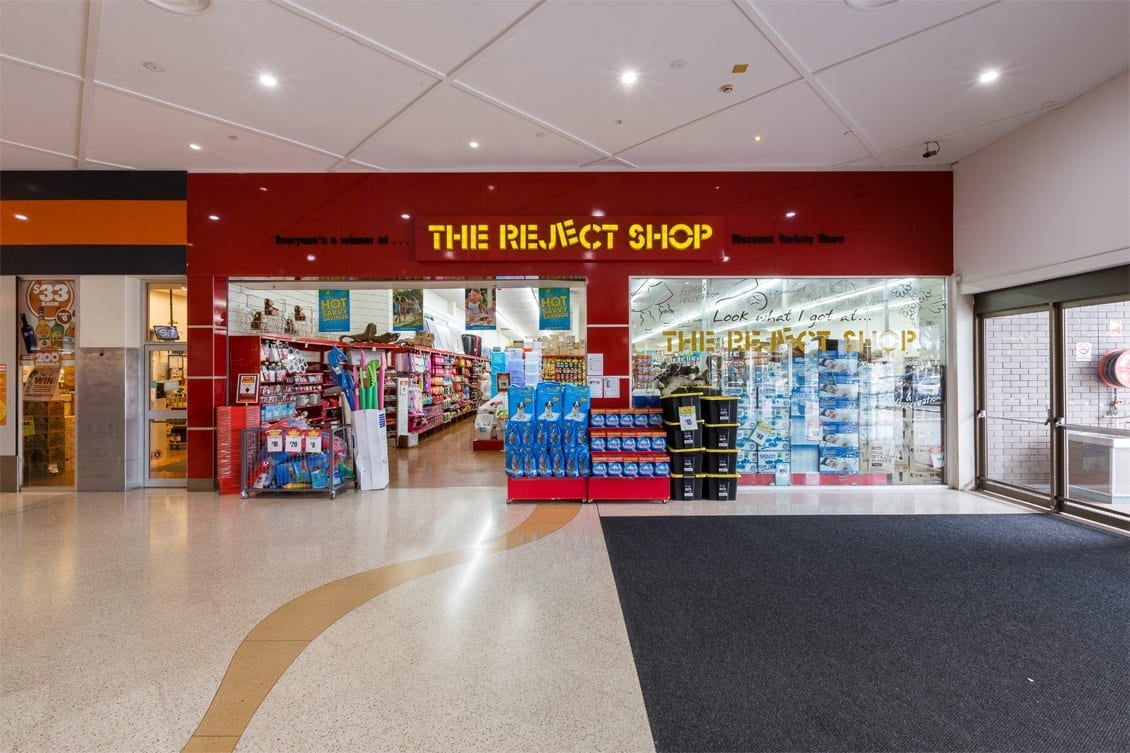
    Struggling discount retailer, The Reject Shop has booked another decrease in profits and earnings, with comparable sales declining in the first weeks of FY18, despite strength in the June-half.

    Net-profit-after-tax decreased by 27.8 per cent to $12.3 million for the year ended 30 June, in line with guidance provided by the company in April.

    Total revenue increased by 1.2 per cent on a 52-week year-on-year basis to $794 million on trading from six additional stores in the network opened during the year, but earnings earnings before interest and tax (EBIT) declined by 25 per cent to $18.6 million on a 1.6 per cent decline in comparable store sales.

    Sales strengthened in the June-half, increasing by 2.5 per cent on a comparable store basis, but was overshadowed by weakness in the first half, driven by what CEO Ross Sudano said was “poor management” of merchandise.

    Sudano said foot traffic had suffered as customers had reacted poorly to the frequency of inventory changes in stores, with an overhaul of merchandising in the second-half resulting in a reduction of new product flowing into stores and an improvement in the availability of key legacy lines.

    Despite strength in May and June, sales have dipped back into negative in the first weeks of FY18, declining by 3 per cent on a comparable basis; however Sudano remains confident trading will pick up, outlining a $16 – 17 million NPAT guidance for 1H18.

    “While this has been an extremely challenging time in the retail industry, our business has emerged through this period in better shape and well placed to deal with the impacts of the external factors that influence retail,” Sudano said.

    “The financial performance for the year has been significantly impacted by the combined effects of weak consumer confidence and execution issues … we have implemented actions to address this, including better managing promotional activity and the frequency of change in store, reinvesting in our key everyday lines.

    “We are confident that our continuing initiatives to improve sales, along with the positive effects expected from the promotional activities planned from September, will see the company return to positive comparable sales growth during the half, albeit at a low level,” he continued.

    Continued weakness in Western Australia and poor trading in the ACT had a material impact on the result, as management invested in a range of cost saving programs, including demand forecasting and power management systems, as well as initiatives to streamline supply chain processes.

    “Two years into the change program we are on we’ve made progress however sales growth remains our key opportunity as we come to the end of phase one and begin phase two we have made progress in understanding our customers and the development of a clear, customer focused merchandise strategy,” Sudano told investors on Wednesday morning.

    Investors remain concerned about the outlook for The Reject Shop, with intensifying competition in Western and South Australia from Aldi and the prospective entry of Amazon standing to pile on the pressure for the struggling business.

    But Sudano remains confident in the outlook for discount retailing in an Amazon Australia, noting that in overseas markets such as the US discounters have been performing well relative to other retail segments such as department stores.

    “Competition has been a constant for us and yes Amazon represents one more competitor, albeit a very good competitor, but our analysis of markets like the UK, US and Canada shows there is a clear role for discounters, even with the rapid growth of Amazon those businesses have been able to continually grow year-on-year,” he explained.