Category: General

Retail News Asia is committed to providing both local and global retailers with the latest General Retail news throughout the Asian market. This on a daily base.

  • I’m Startice takes Korea to BigBox Mall

    I’m Startice takes Korea to BigBox Mall

    It is the global chain’s first outlet in Singapore and the third in Southeast Asia. On the mall’s second floor, its products range from cosmetics to food and household wares. Online buyers can also pick up their products at the store.

    BigBox says the store is an initiative by the South Korean government to promote the nation’s goods internationally. I’m Startice also has outlets in China, Indonesia, the US and Vietnam.

    Many cosmetic brands not available in other Singapore shops feature at I’m Startice, such as Dr Young, Klayuu and Mogong Dodook, reports Yahoo! Lifestyle.

    Beauty and food products are among the store’s bestselling items, says store manager Jenna Sim.

  • AirAsia trains crew to spot human traffickers

    AirAsia trains crew to spot human traffickers

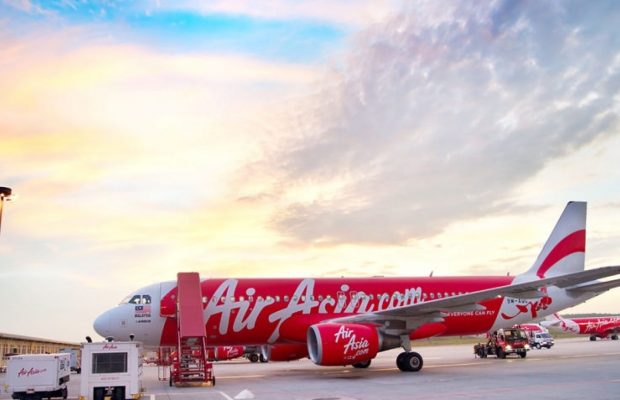
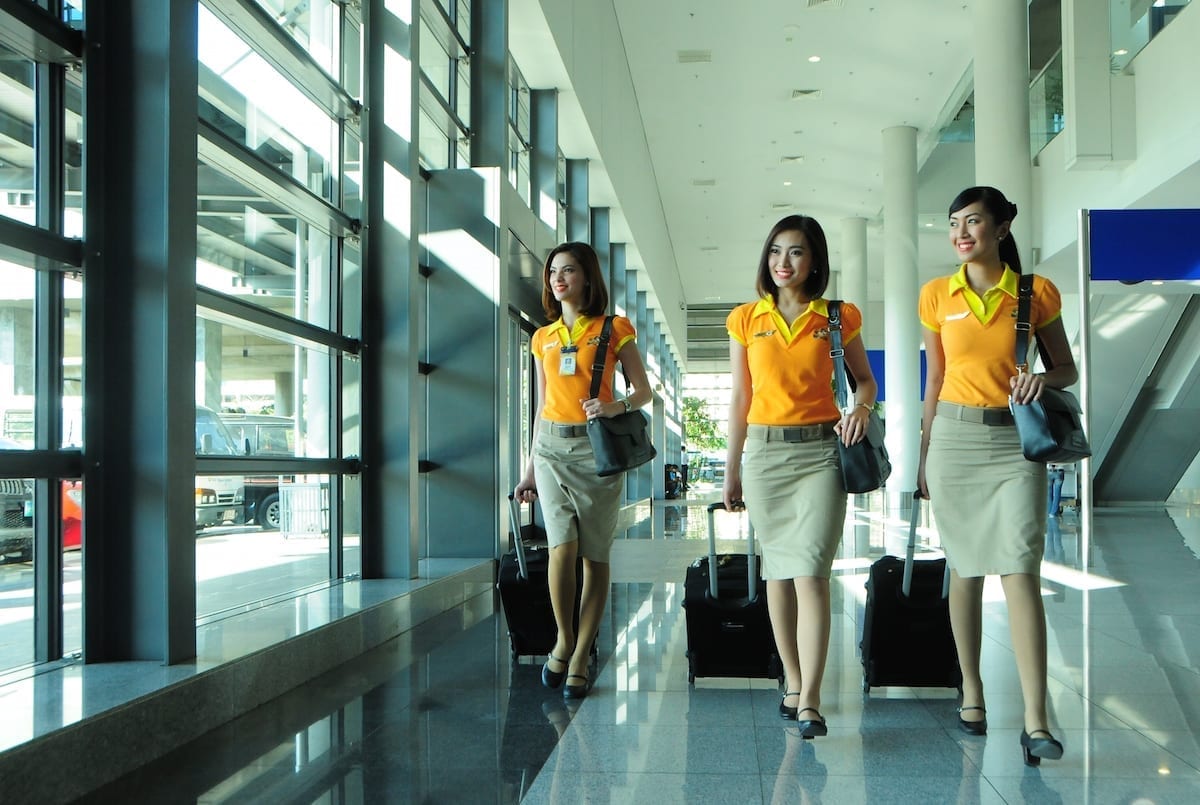
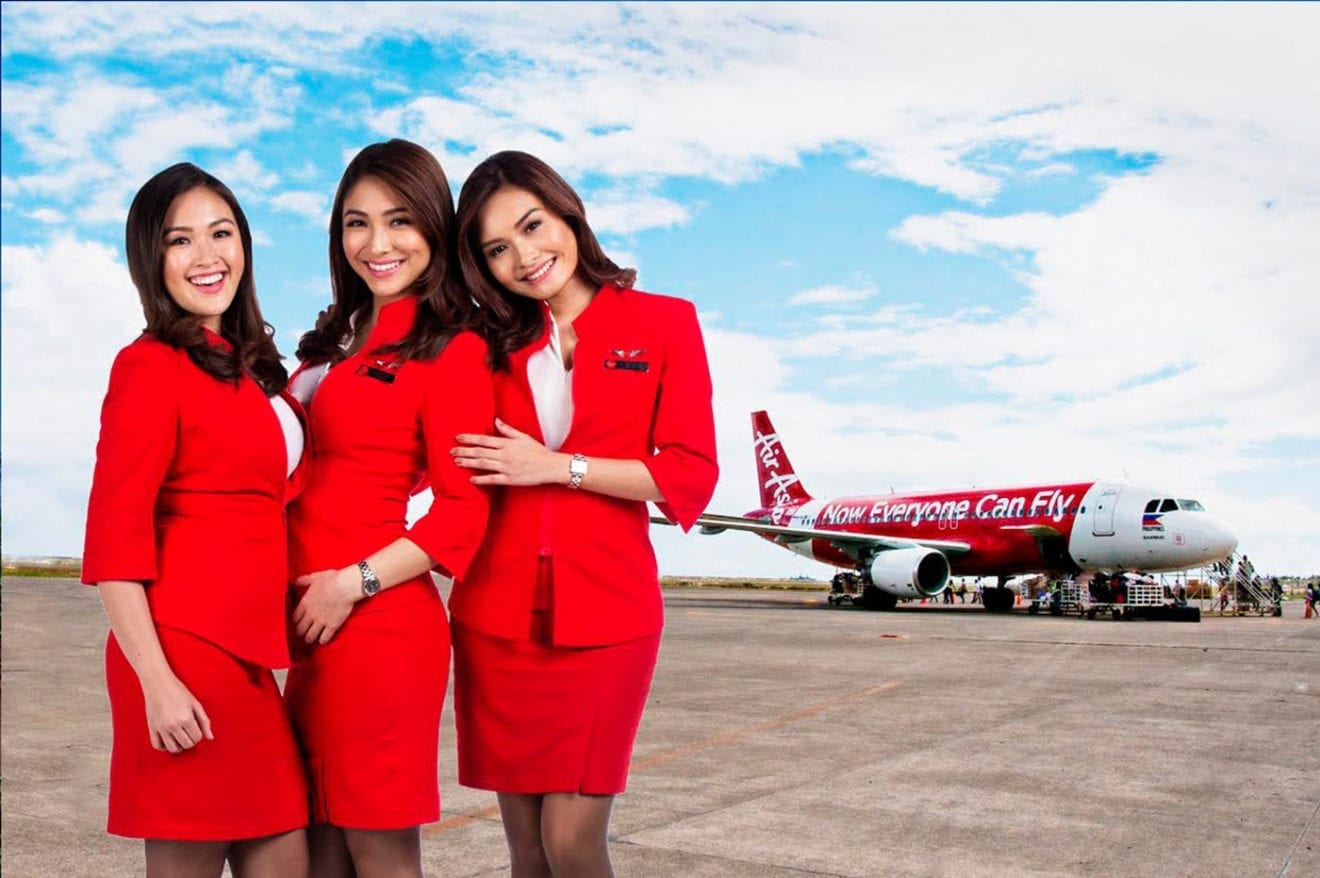
    AirAsia, the biggest budget carrier in Asia, is training thousands of its staff to fight human trafficking, becoming one of the first airlines in the continent to crack down on the global crime.

    Companies have come under increased pressure to tackle human trafficking, with an estimated 46 million people living in slavery and profits thought to be about US$150 billion.

    Planes are a key part of the illegal business, as criminal gangs transport thousands of children and vulnerable people by air each year for redeployment as sex workers, domestic helpers or in forced labour.

    The United Nations has urged airlines to step in and look out for the tell-tale signs of trafficking.

    Kuala Lumpur-based AirAsia, which flies millions of passengers annually to more than 110 destinations, said it was planning to train between 5,000 and 10,000 frontline staff, including cabin crew.

    “We like to be able to have our staff know what to do if somebody comes up to them and says ‘I need help’,” said Yap Mun Ching, the executive director of AirAsia Foundation, the airline’s philanthropic arm, which is driving the initiative.

    “Sometimes (the victims) don’t know they have been trafficked. They realise it only when they are on their way and they want to be able to get help. Most of the time they don’t know who to turn to,” she told the Thomson Reuters Foundation.

    AirAsia has teamed up with US-based Airline Ambassadors International, a group that trains airline staff on trafficking, for the initiative, which kicked off this week at the airline’s four main hubs – Kuala Lumpur, Bangkok, Jakarta and Manila.

    All are hotspots for trafficking.

    The group said signs of trafficking include young women or children who appeared to be under the control of others, show indications of mistreatment or who seem frightened, ashamed or nervous.

    The UN Office on Drugs and Crime urged airline bosses at a summit in June to train flight crews to help combat human trafficking, the first time the aviation industry has held global discussion on the issue.

    While some training of airline staff to spot and report potential trafficking is mandatory in the United States, it is not widespread across the industry.

    So far, more than 70,000 US airline staff have been trained under a programme that began in 2013.

    Asia has some of the worst offenders of human trafficking.

    Countries such as Thailand, Myanmar and Laos are listed by the United States on a trafficking watch list for not meeting the minimum standards needed to end the crime.

  • Consumer confidence up in August

    Consumer confidence up in August

    New Zealand consumer confidence rose in August with little sign that a cooling housing market is hurting consumer sentiment.

    The ANZ-Roy Morgan consumer confidence index rose to 126.2 in August from 125.4 in July.

    Of that, the current conditions index was unchanged at 124.9 and the future conditions measure rose 1.3 points to 127.1.

    ANZ Bank New Zealand chief economist Cameron Bagrie said that on a seasonally adjusted basis, confidence rose to its highest level since July 2014 and that Thursday’s survey shows consumers remain in a “buoyant mood”.

    The consumer confidence survey follows the release of business confidence for July which showed a net 19 per cent of firms surveyed in the ANZ Business Outlook expect general business conditions to improve over the coming year, down from 25 per cent in June.

    The latest housing data from the Real Estate Institute showed a sharp slowdown in house sales with volumes dropping 25 per cent nationwide last month compared to July 2016, with Waikato sales dropping 32 per cent and Auckland sales down 31 per cent.

    Bagrie noted, however, the moderation across the housing market “is not taking the wind out of consumers’ sails”.

    Among other things, house prices outside of Auckland are still lifting, albeit more modestly and “outside of the housing market, jobs are plentiful, and commodity prices are strong – it’s no accident that the South Island (excluding Canterbury) is now the most upbeat region”.

    ”The Budget put $2 billion on the table for families and the election lolly scramble is underway,” he said.

    A net 12 per cent of those polled felt financially better off than they did a year ago.

    For the economy as a whole over the next 12 months, a net 25 per cent expected better times financially.

  • Najib launches AirAsia’s Langkawi-Shenzhen flight

    Najib launches AirAsia’s Langkawi-Shenzhen flight

    Datuk Seri Najib Tun Razak launched AirAsia’s direct flight from here to Shenzhen, China.

    The new route is expected to further develop Langkawi as a world-class tourist destination.

    AirAsia Group chief executive officer Tan Sri Tony Fernandes thanked Najib for officiating the direct flight on Saturday.

    “Last year, the Prime Minister launched our direct flight from Guangzhou to Langkawi.

    “Leadership takes courage and it is courageous leadership shown by the Prime Minister to support AirAsia in reducing the airport tax which for years Malaysia Airports had resisted.

    “Today, we see that value of his brave leadership. Direct international tourists have increased from 83,754 in 2015 to 187,433 in 2016 – an increase of 120 per cent.

    “This represents a contribution of RM300mil to GDP, based on the 12 times multiplier effect,” Fernandes said in his speech.

    He said 2016 was the first time when international tourists outnumbered domestic tourists.

    “We are driven by this and already this year we have flown over a million tourists to Langkawi with our 238 weekly flights from Langkawi.

    “But we want to get to the three million mark and contribute a large part to the Langkawi Development Authority’s (LADA) target of RM9bil revenue.

    “Our vision is that we will make Langkawi as connected as Phuket, if not greater.”

  • Japan economy posts longest expansion in over a decade

    Japan economy posts longest expansion in over a decade

    Economy expansion was driven by robust domestic demand and capital spending. Japan’s economy grew 1.0 percent in the April-June period, notching up its sixth straight quarter of growth and its longest economic expansion in over a decade, government data showed Monday.

    The growth in Japan’s GDP — 4.0 percent at an annualized rate — blew past market expectations for a 0.6 percent rise, and was well up from a 0.4 percent expansion in the first quarter, according to figures from the Cabinet Office.

    The world’s number three economy has been picking up steam, mainly on the back of a surging exports including smartphones parts and memory chips, with investments linked to the Tokyo 2020 Olympics also giving growth a boost.

    But the latest GDP figures were driven by robust domestic demand and capital spending, which offset a quarterly decline in exports.

    Private consumption picked up 0.9 percent in the second quarter — individual spending accounts for more than a half of Japan’s GDP.

    The labor market is tight and business confidence is high but efforts to lift inflation have fallen flat despite years of aggressive monetary easing by Japan’s central bank.

    The latest reading nonetheless means Japan’s economy has had its best string of gains since 2006, during the tenure of popular former prime minister Junichiro Koizumi.

    Monday’s figures are good news for the current prime minister Shinzo Abe — whose brief and underwhelming first term as Japan’s premier came directly after Koizumi.

    A string of short-term leaders followed before Abe swept back to power in late 2012 on a pledge to reignite Japan’s once-booming economy with a plan dubbed Abenomics.

    The scheme — a mix of huge monetary easing, government spending and reforms to the economy — stoked a stock market rally and fattened corporate profits.

    But critics have cast doubt on the plan, as heavily-indebted Japan grapples with low birthrates and a shrinking labor force.

    Abe has seen his public support rating plummet in the past few months over an array of political troubles, including allegations of favoritism to a friend in a business deal.

    Japan has been struggling to defeat years of deflation and slow growth that followed the collapse of an equity and property market bubble in the early nineties.

    The Bank of Japan, aiming to create two-percent inflation as a key part the growth bid, now expects to reach that goal by sometime in the year to March 2020 — four years later than planned.

    Falling prices can discourage spending by consumers, who might postpone purchases until prices drop more or look to save money instead.

    That puts pressure on businesses, creating a cycle in which firms then cut back on expanding production, hiring new workers or boosting wages.

  • Strong first half for Circle K Hong Kong parent

    Strong first half for Circle K Hong Kong parent

    Despite weak retail market sentiment, Convenience Retail Asia’s Circle K Hong Kong convenience stores and Saint Honore bakeries achieved solid first-half comparable-store sales growth.

    CRA’s interim results show an increase of 9.9 per cent in core operating profit and a 10.2 per cent rise in net profit, mainly because of effective marketing for Circle K Hong Kong and continuing improvement in the Saint Honore business, says CEO Richard Yeung Lap Bun.

    During the six months, the group’s turnover increased 3.8 per cent to HK$2.427 billion (US$310.2  million), with turnover for conveniences growing 4.9 per cent to $1.9 billion, and comparable-store sales growing 4.6 per cent year on year.

    Bakery turnover eased 0.9 per cent to $491 million, with 5.9 per cent growth in comparable-store sales, offset by fewer festive products sales in Hong Kong.

    Gross margin and other income as a percentage of turnover increased by 0.4 points to 36.3 per cent despite competition in the retail market and high manufacturing costs. The group says improvement in the efficiency of Saint Honore factory production was one of the key contributors to the margin growth.

    Overall, the group’s core operating profit reached $70 million while net profit was $57 million.

    O2O strategy

    Membership of Circle K’s O2O CRM program “OK Stamp It” exceeded 750,000 by the end of June. The digital marketing platform was launched in the third quarter of last year as part of a strategy to attract smartphone-savvy consumers and convert online traffic into store traffic. Users download an app to access e-stamp offers and incentives, then visit a Circle K Hong Kong store to redeem them.

    At the end of the half-year, CRA operated 331 Circle K stores. Six were opened in the first half while a similar number were closed. Near the end of last year, Circle K opened its first flagship store, in Causeway Bay. This offers a self-service cafe with free high-speed Wi-Fi internet access and mobile phone charging.

    The number of Saint Honore stores in Hong Kong and Macau was also constant at 98, with four openings and four closing during the first half. There were also 43 Saint Honore stores in Guangzhou and Shenzhen.

    At the end of June the group’s O2O digital retailing platform FingerShopping.com featured more than 1500 brands and about 25,000 stock-keeping units. Beauty and personal care continued to be the anchor category, while the baby-and-family and healthcare categories showed strong growth.

    Gross merchandise volume growth was 20 per cent during the period while membership grew by 300 per cent to 552,000.

  • Japanese airline partnering in Changi Airport food court

    Japanese airline partnering in Changi Airport food court

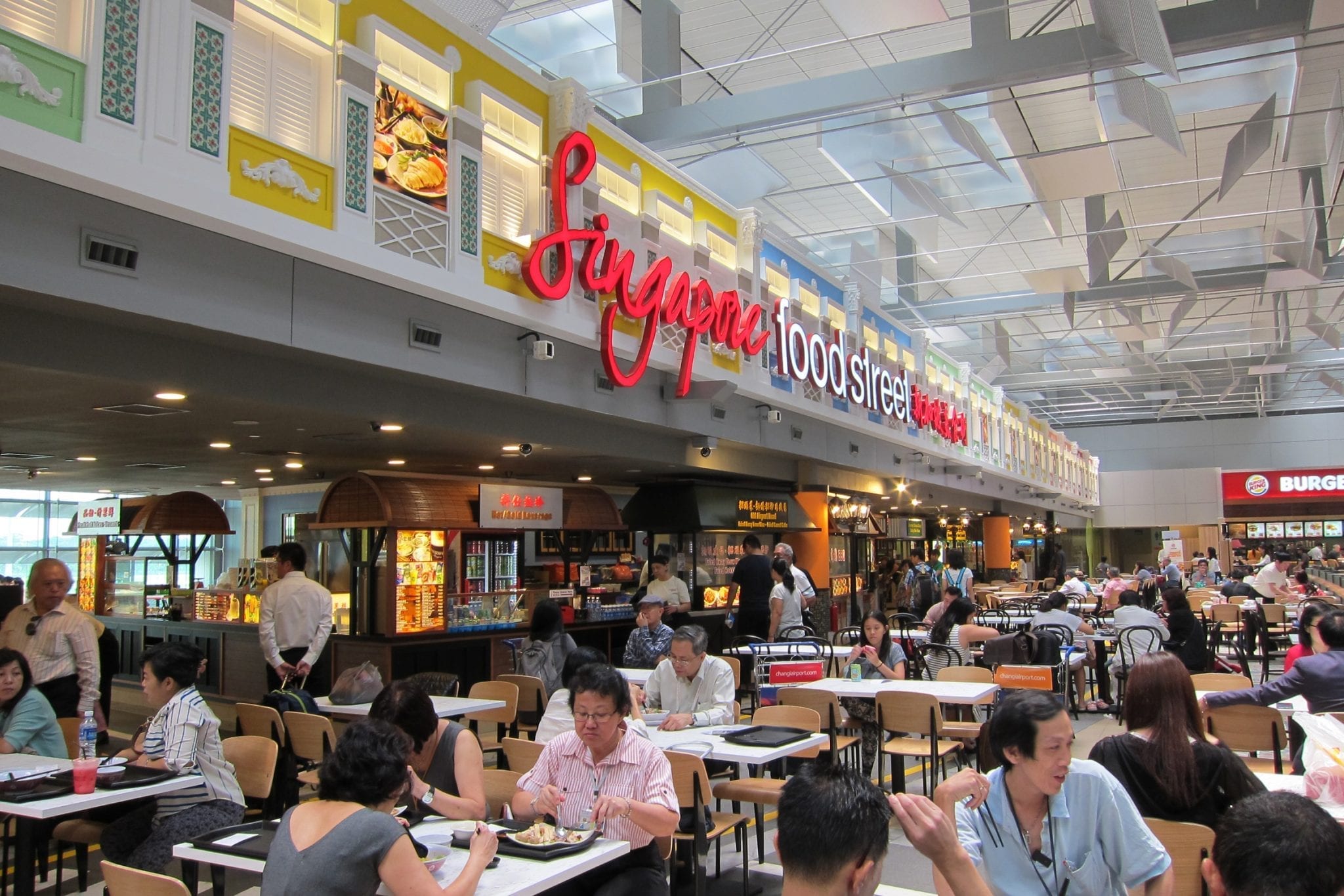
    A Japanese airline with a Singapore partner will open an all-Japanese food court at Changi Airport by the end of this year.

    Japan Gourmet Hall Sora is a joint venture between a subsidiary of All Nippon Airways (ANA) and specialty consultant Komars Group. It takes over the space formerly occupied by Seafood Paradise and Fish & Co in the public area on the third floor of Terminal 2.

    It is the first time the airport has awarded a lease for two amalgamated units, says Changi Airport Group (CAG).

    With a floor area of 721 sqm and an estimated seating capacity of 300 people, Japan Gourmet Hall Sora will be the largest restaurant space in Changi Airport. No official opening date has been set, but an ANA Trading spokesperson says the target is early November.

    ANA says there will be six Japanese restaurants in the food court, serving such fare as okonomiyaki pancakes as well as ramen, and tendon and seafood bowls. Customers will be able to order at multiple restaurants and pay for everything in one transaction.

    With its partners, ANA will be investing about ¥200 million (S$2.5 million/US$1.8 million) into Japan Gourmet Hall Sora. The lease will be for three years with an option to extend for another three. The venture will be run SG Retail, the ANA Trading/Komars JV.

    ANA Trading says it chose Changi Airport for the project because of its size, passenger count and its winning of the Skytrax World’s Best Airport title last year.

    “We are planning to expand the business to other Asian countries, based on the success of the project,” a spokesperson says.

  • AirAsia Flies Jakarta-Macau Route

    AirAsia Flies Jakarta-Macau Route

    AirAsia, a Malaysian low-cost airline with a branch in Indonesia, made its first Jakarta-Macau flight on Aug. 7.

    Transportation Minister Budi Karya Sumadi has welcomed the new route, saying it will also reinforce Indonesia’s tourism sector.

    “We will continue to support AirAsia in developing new international routes,” Budi said in a statement, adding the ministry has requested airport operators Angkasa Pura I and Angkasa Pura II to cut fees for landing.

    “It will become a stimulus for AirAsia to further develop its routes to various tourism destinations in Indonesia,” he said.

    “This flight is the fifth after our flights to Jakarta from Penang [Malaysia], Singapore, Bangkok [Thailand] and Kuala Lumpur [Malaysia],” AirAsia Indonesia chief executive Dendy Kurniawan said.

    Flights are operated three times a week on the Jakarta-Macau route. In September one more will be added.

    “A fourth of foreign tourists visiting Indonesia in 2016 were brought by Air Asia. The Jakarta-Macau route will improve the connectivity between Indonesia and southern Chinese cities, meaning more tourist arrivals,” Tourism Ministry’s deputy for foreign tourism marketing development.

  • AEON gives prize Honda City from campaign “AEON Summer Cool & Safety Drive 2017”

    AEON gives prize Honda City from campaign “AEON Summer Cool & Safety Drive 2017”

    Ms. Saranya Pipoppinyo (right), Vice President, AEON Thana Sinsap (Thailand) Public Company Limited,  has recently awarded Ms. Sukarn Parnmart (left), 1st prize winner, a Honda City S-CVT car worth 589,000 baht from the ” AEON Summer Cool & Safety Drive  2017″ campaign. AEON launched the campaign for AEON cardholders who purchased air conditioners and refrigerators from 1st March 2017 to 31st May 2017 or applied for an installment plan to buy tyres, rims and car accessories from 1st March 2017 to 30th April 2017.

  • Cebu Pacific announces new routes, promo fares

    Cebu Pacific announces new routes, promo fares

    Budget carrier Cebu Pacific on Wednesday announced new domestic and international routes, in efforts to increase connectivity within the country and the region starting October.

    In an emailed statement, Cebu Pacific said it will start flying to and from Kalibo in Aklan and Clark in Pampanga.

    The thrice-a-week Kalibo-Clark flight will begin on October 30, 2017 with flights on Mondays, Wednesdays, and Fridays. Meanwhile, the return Clark-Kalibo flight will start on October 31, 2017 on Tuesdays, Thursdays, and Saturdays.

    Cebu Pacific subsidiary CebGo will start Cagayan de Oro-Caticlan and Cagayan de Oro-Dumaguete routes on October 20, 2017.

    CebGo will also operate its first international route out of Zamboanga with flights going to Sandakan, Malaysia starting October 29, 2017.

    Flights will be available on Tuesdays, Thursdays, Saturdays, and Sundays.

    “Sandakan has had centuries of trade and cultural linkage with the southern Philippines, and we are especially proud to put in place infrastructure to further enhance these ties,” CebGo president and CEO Alexander Lao said.

    “Now, the previous 14-hour travel by sea is cut down to just a 40-minute airplane ride,” he added.

    In line with the new routes, Cebu Pacific said it will offer an introductory all-in seat sale of P599 for all domestic trips until August 18, 2017, with a travel period starting October 20, 2017 to March 15, 2018.

    Flights from Zamboanga to Sandakan will also be on sale at P1,299 until August 21, 2017. The travel period will be from October 29, 2017 to December 31, 2017. 

  • Trump attacks Amazon on Twitter over tax and jobs

    Trump attacks Amazon on Twitter over tax and jobs

    Having a large market share is not illegal in the US – but that hasn’t stopped ill-informed US president Donald Trump from launching an extraordinary attack on Amazon on Twitter.

    In a new tweet on Wednesday, Trump said Amazon was causing “great damage to tax-paying retailers,” and costing jobs.

    “Towns, cities and states throughout the US are being hurt – many jobs being lost!” Trump tweeted.

    The unexplained attack, which appeared to have no contextual relevance, follows earlier attacks during the election campaign during which he promised to pursue the company for antitrust violations should he be elected.

    “Believe me, if I become president, do they have problems. They’re going to have such problems,” Trump said in February 2016.

    But, as Bloomberg points out, in the US it is not illegal to have a large market share. While online retailing is growing in volume and in share of the total retail industry in the US, Amazon accounts for 30 per cent of e-commerce sales. Every other retailer in the US has the opportunity to sell online and Walmart, especially, is mounting an aggressive challenge to Amazon’s market share. Other online retailers have 70 per cent of the market.

    In short: shoppers are spending less in physical stores and more online. They are not shifting from malls to Amazon, per se, as Trump appears to be stating. Furthermore, Amazon is expanding offline, starting to open physical stores. It has also acquired Whole Foods Market and plans to expand that business.

    Trump has clearly not researched Amazon’s effect on the economy, either, before tweeting. Firstly, Amazon is collecting sales tax in every state where it is levied – just like every brick-and-mortar retailer (although third-party sales over its platform, accounting for about 50 per cent of sales through its portals, remain exempt via a loophole).

    Secondly, Amazon has promised to hire more than 100,000 new staff in the US by 2018, countering some of the jobs lost through America’s shrinking ranks of retail stores.

    “In some cases, fired department store workers are ending up at Amazon fulfillment centres,” observed.

  • New Balance Singapore goes high tech

    New Balance Singapore goes high tech

    New Balance Singapore has introduced 3D foot-scanning technology in the latest of its eight brand stores (its shoes are also available from a range of authorised retailers).

    At New Balance at The Paragon, the US brand’s Stride ID technology scans a customer’s foot then recommends for the best shoe model and fit. The system also stores the customer’s data, which can be accessed online or on the brand’s app Stride ID.

    Meanwhile, the store has become the exclusive Singapore retailer for the new New Balance 574 Sport Tier 1 sneaker.

    New Balance began as a Boston-based arch-support company in the early 1900s, developed into a specialised shoe manufacturer in the 1970s and has grown to become an international athletic products company.

  • Thai 7-Eleven parent CP All reports sales, profit gains

    Thai 7-Eleven parent CP All reports sales, profit gains

    Same-store sales shrank 1 per cent for CP All, which runs Thailand’s 7-Eleven stores, during its second quarter despite gains in both consolidated revenue and net profit.

    Net profit was up 10 per cent year-on-year to reach THB4.647 billion (US$139 million) while revenue grew 5.3 per cent to THB120.6 billion. Convenience store sales grew 5.7 per cent to THB69.3 billion, boosted by Siam Makro’s THB6.1 million contribution.

    Gross profit rose 7.7 per cent to THB25.8 million, largely because of increased sales of higher-margin products. This advanced gross margin to 22.2 per cent from 21.8 per cent for the same period last year.

    For the first half, revenues rose 6.6 per cent to total THB2.3 billion, mainly driven by 6.7 per cent growth in sales revenue and services income. Net profit was THB9.4 billion, up by 13.9 per cent.
    Of total revenue, Siam Makro contributed 36 per cent, similar to the figures for the same period last year.

    Convenience stores accounted for 77 per cent of profit before tax, down from 78 per cent for last year’s first half, while membership-based trade accounted for 23 per cent, up from 22 per cent. Average spending per ticket was THB67 and there were 1194 customer visits per store each day.

    With 700 outlets added over the past year, the total reached 10,007 at the end of June – the world’s second-largest network of 7-Eleven stores after Japan. CP’s long-term goal is 13,000 stores by 2021, and it says expansion has been on track.

    Most stores (86 per cent) are stand-alone while the others are in PTT gas stations.

  • Philippine 7-Eleven stores to expand food, services offer

    Philippine 7-Eleven stores to expand food, services offer

    Philippine 7-Eleven stores will be adding new concepts and initiatives over coming months to help differentiate from rival c-store chains.

    Parent Philippine Seven Corporation, revealing its trading figures for the first six months which included a decline in net profit from P472.3 million to P446.4 million year-on-year, said higher sales in the second half reduced the rate of decline from 13.3 per cent in the first quarter to 5.5 per cent in the second quarter. Same-store sales rose by 1.2 per cent in the second quarter, compared with a 2.5 per cent decline in the first.

    Total retail sales rose 16.9 per cent due to network growth to P18.1 billion. The company added 347 stores during the six months, taking the total to 2087.

    While revealing few details of the planned new initiatives, Philippine Seven said it would be launching new food and beverage options to stand out from other fast-food options consumers had.

    The company also plans to expand its merchandise assortment and add new services reflecting growing customer demand for  innovation and convenience in many categories.

    Meanwhile, the company continues to pursue opportunities to expand  its network.

    “The company… continues to invest in opening new stores in existing and new markets even if competition had slowed down,” it said in its results statement.

  • Muji Japan adds groceries, mini-house to flagship

    Muji Japan adds groceries, mini-house to flagship

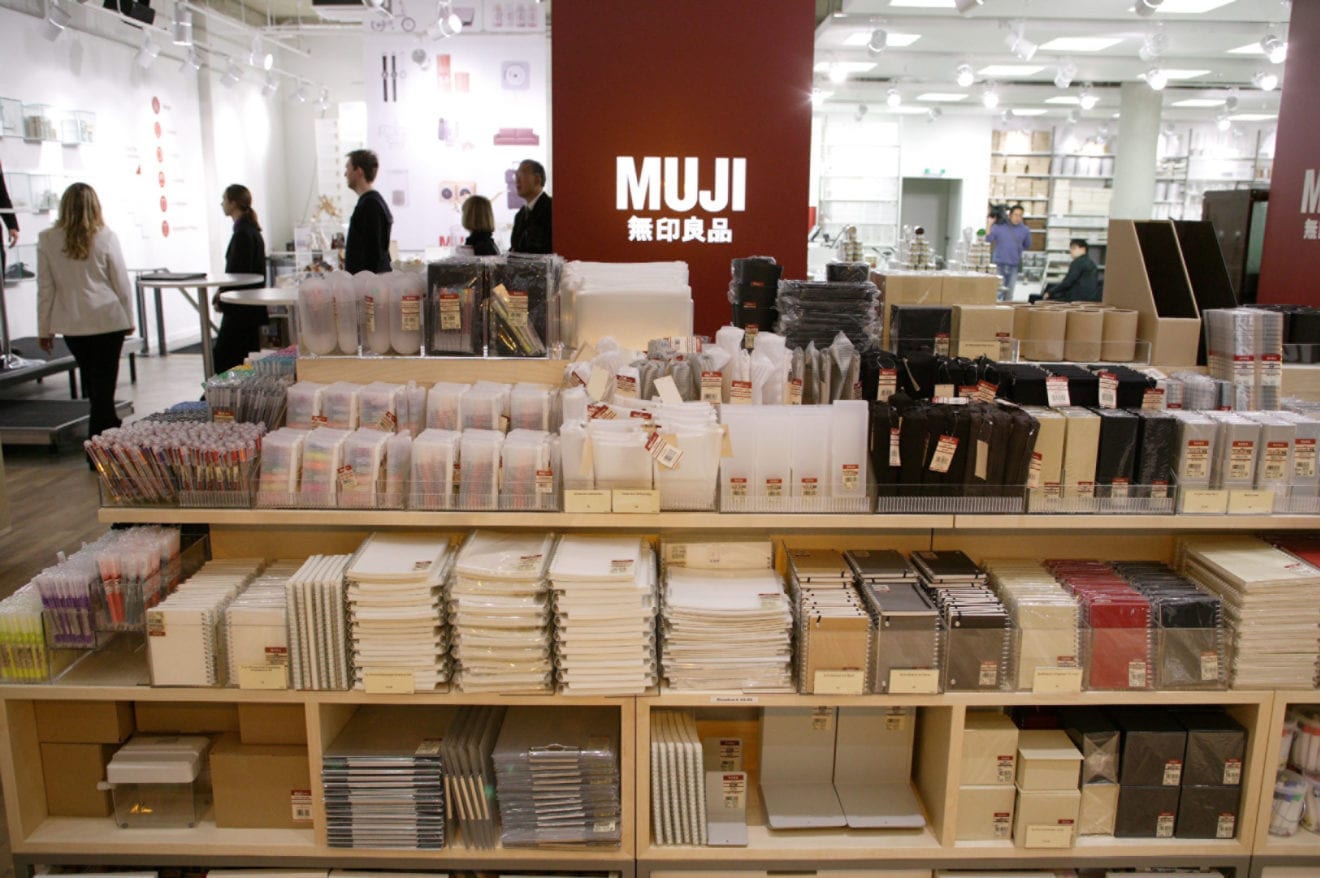
    In a redesign, housewares company Muji Japan has added groceries and even a miniature house to its global flagship store in Tokyo.

    It draws its inspiration from the core necessities of survival: food, shelter, clothing and food, reports Curbed.com.

    “Among the basic lifestyle needs, food is the most fundamental and indispensable aspect,” says the store’s opening announcement.

    This is why the flagship is the first Muji store in the world with a fruit and vegetable market. All the produce, grown with little or no fertiliser or pesticides, is sourced directly from growers who add notes to customers near their items. There are also 300 grocery items such as spices and snacks.

    A second-floor cafe serves bread and soup made from the produce available downstairs.

    On display is a simple Muji Hut – a tiny black timber house with interior designers on hand to answer questions. Its one room is fitted out as a music room and retreat.