Category: General

Retail News Asia is committed to providing both local and global retailers with the latest General Retail news throughout the Asian market. This on a daily base.

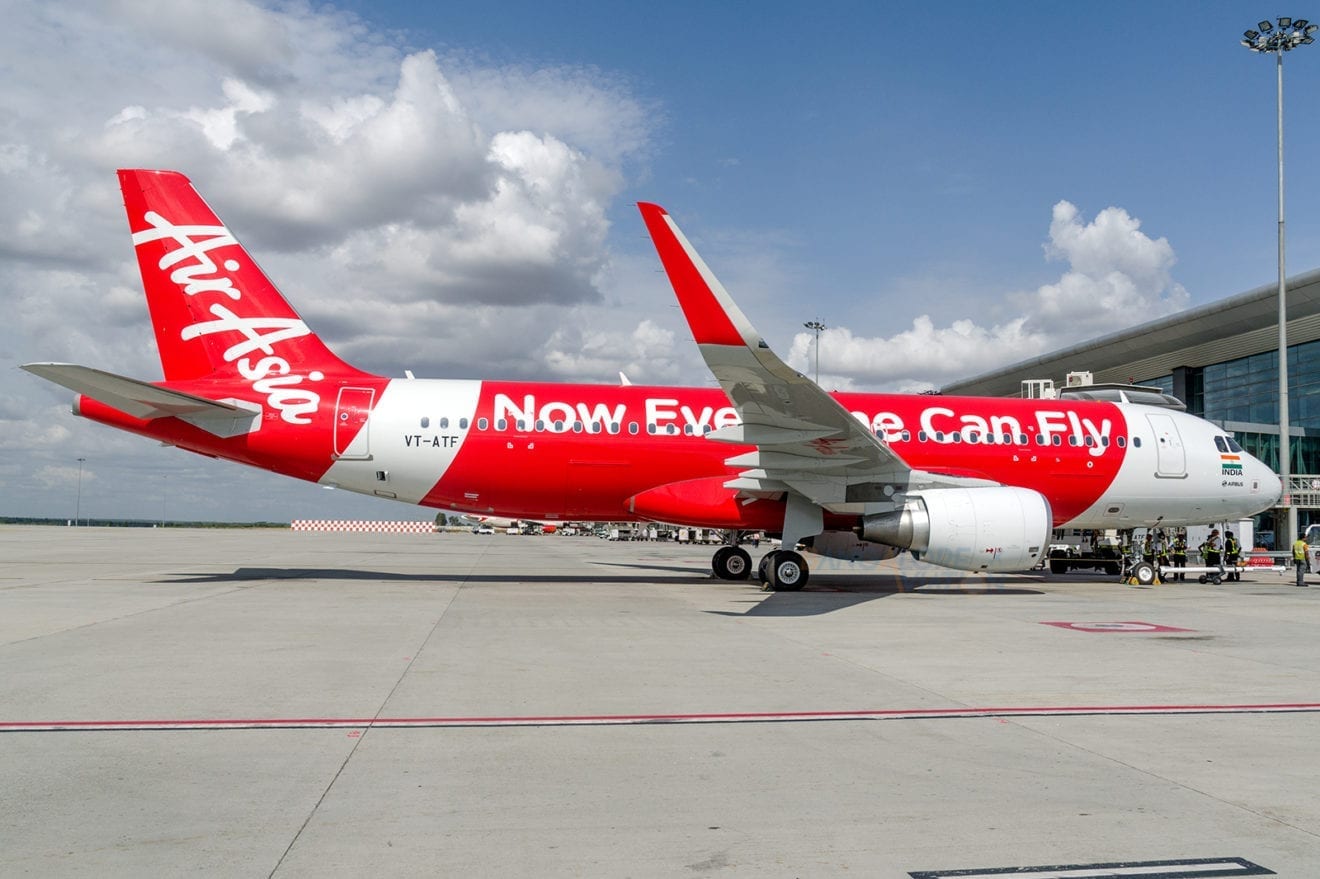
  • AirAsia India In Expansion Mode, Adds New Aircraft And Route

    AirAsia India In Expansion Mode, Adds New Aircraft And Route

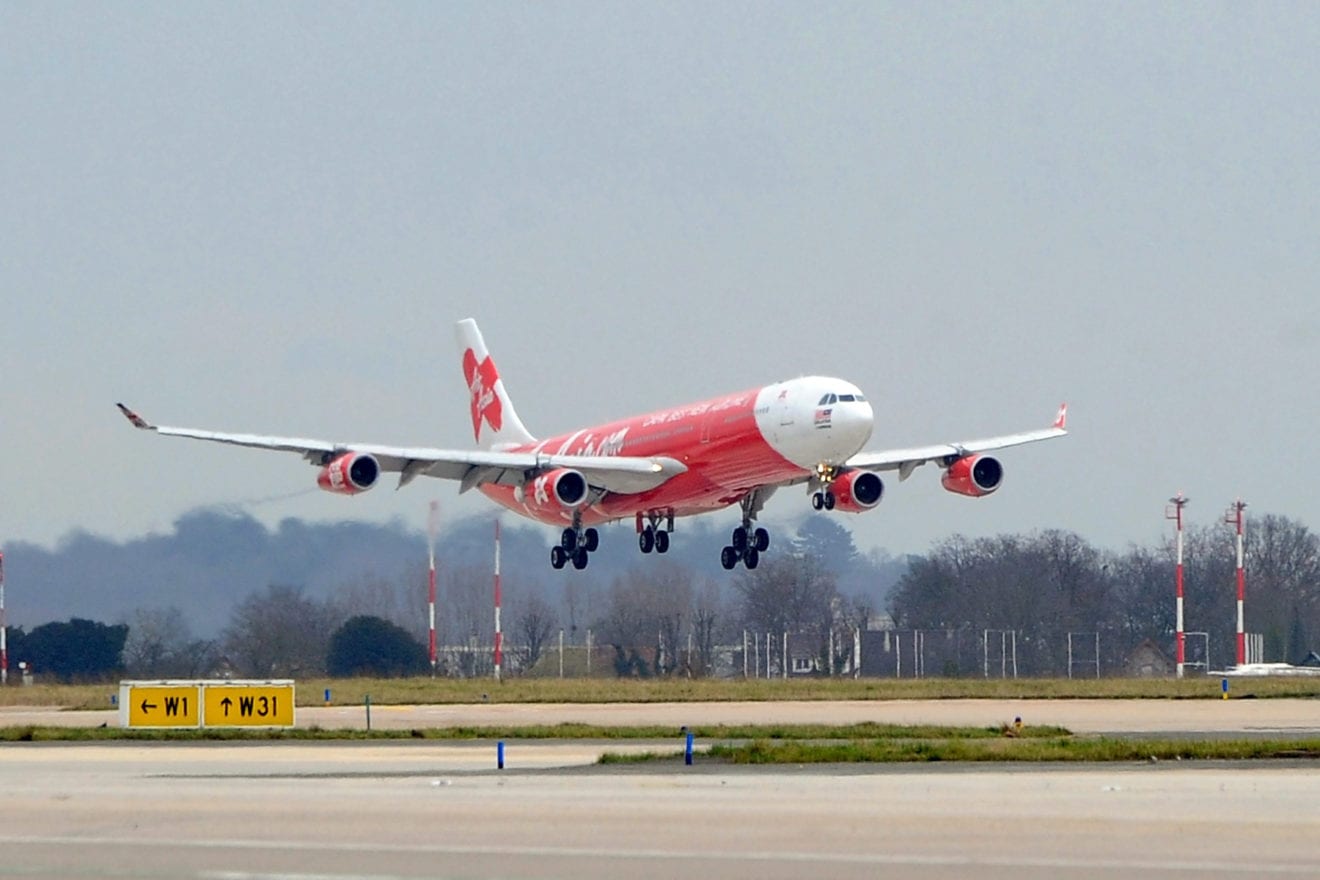
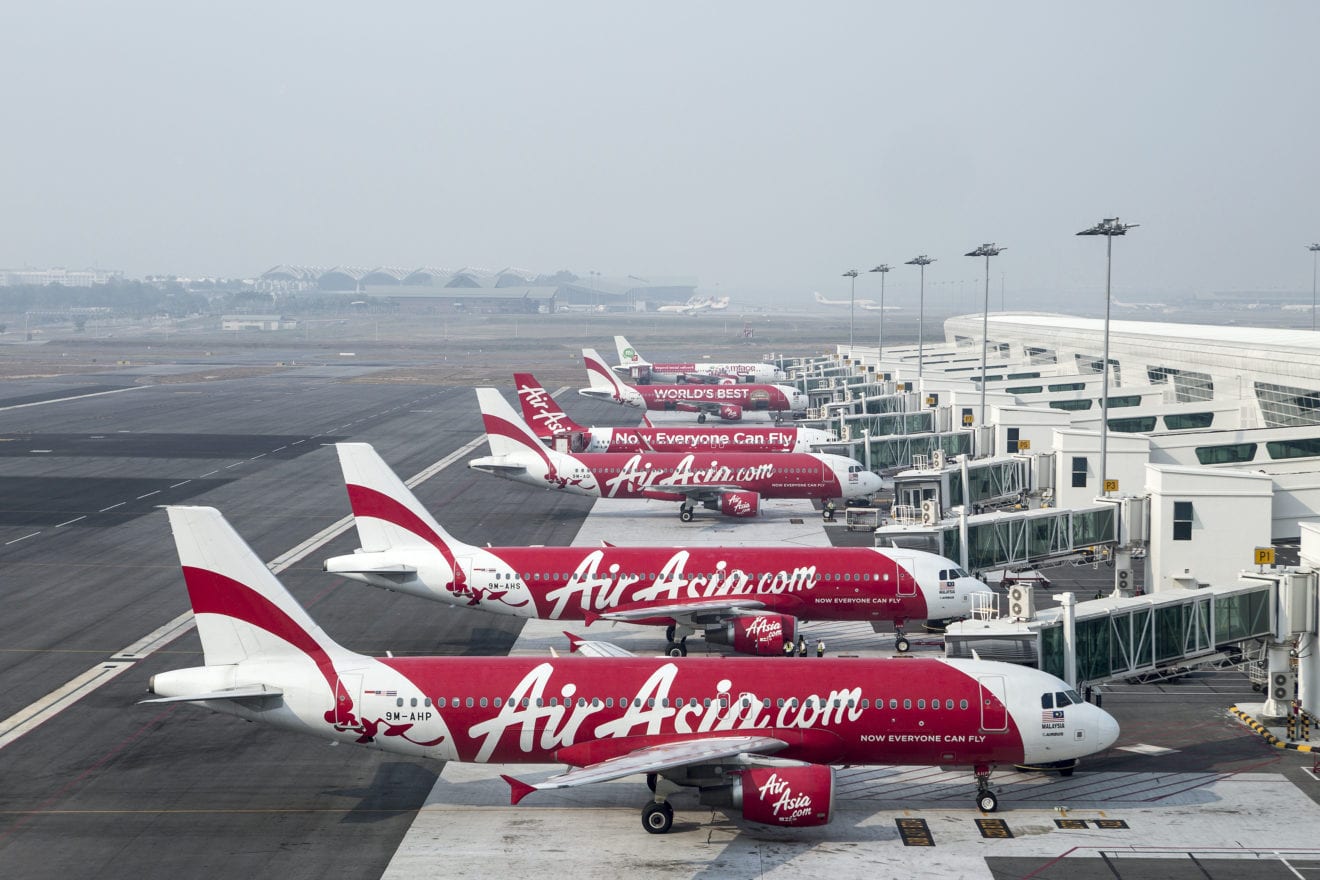
    Low-cost carrier AirAsia India has inducted a new aircraft (Airbus A320) to its fleet taking the total to 12. Focusing on its expansion plans, the airline has announced a new Hyderabad-Jaipur route which will be operational from September 1. AirAsia India has also added additional flights on Bengaluru-Bhubaneshwar and Kolkata-Bhubaneshwar routes “keeping in mind the government’s vision for regional connectivity,” it said in a release. The new AirAsia India aircraft will be stationed in Bengaluru, it added.

    “We received great reception in less than a month of starting the operations to Bhubaneshwar and are happy to intensify by adding another flight. We strive to provide connectivity to India’s key and under-served routes,” AirAsia India Managing Director and Chief Executive Officer Amar Abrol said.

    The airline currently flies to 16 destinations with its hubs in Bengaluru, New Delhi and Kolkata covering Kochi, Goa, Jaipur, Chandigarh, Pune, Guwahati, Imphal, Vizag, Hyderabad, Srinagar, Bagdogra, Ranchi and Bhubaneswar.

    Meanwhile, AirAsia announced the launch of direct flights between Tiruchirappalli and Bangkok at starting fares of Rs. 3,399 for a one-way journey. “AirAsia plans to continually penetrate the Indian market in the latter half of 2017 as it is a major market with great growth potential, especially as Bangkok and Thai cities have proven popular destinations for Indians,” Thai AirAsia, Commercial Director, Santisuk Klongchaiya said.

    Booking of tickets started from July 31 and will be open till August 13 for travel between September 29 and August 28, 2018. Currently, AirAsia offers direct flights to Thailand from Chennai, Bengaluru, Kolkata and Kochi.
  • Domestic air carriers post huge profits in H1

    Domestic air carriers post huge profits in H1

    Domestic airlines posted huge revenues and profits in the first half of 2017 following a 19.5% year-on-year growth of the aviation market with the number of air passengers reaching 30.3 million, according to the Civil Aviation Administration of Vietnam (CAAV).

    There are currently 63 foreign airlines from 25 countries and territories operating international flights to and from Vietnam.

    On the domestic market, four domestic airlines namely Vietnam Airlines, Vietjet Air, Jetstar Pacific Airlines and VASCO are operating 52 domestic air routes connecting Hanoi, Danang and HCMC with 18 local airports. Local and foreign carriers also have conducted chartered flights to Can Tho, Dalat and Vinh among others.

    Vietnam Airlines and Vietjet Air, two domestic largest airlines, both posted huge revenues and profits in the year’s first half.

    Vietjet’s business report for the first six months of 2017 released last week shows that both revenue and profit of the airline far exceeded the plan.

    In particular, Vietjet posted revenue of over VND10.7 trillion (nearly US$472 million), up 45.1% compared to the same period last year, and reaching 108% of the six-month plan. Its pre-tax profit amounted to nearly VND1.1 trillion, up 46% year-on-year.

    Vietjet is operating 73 domestic and international air routes. The number of people flying with Vietjet in January-June totaled 8.27 million, a rise of 22.4% year-on-year.

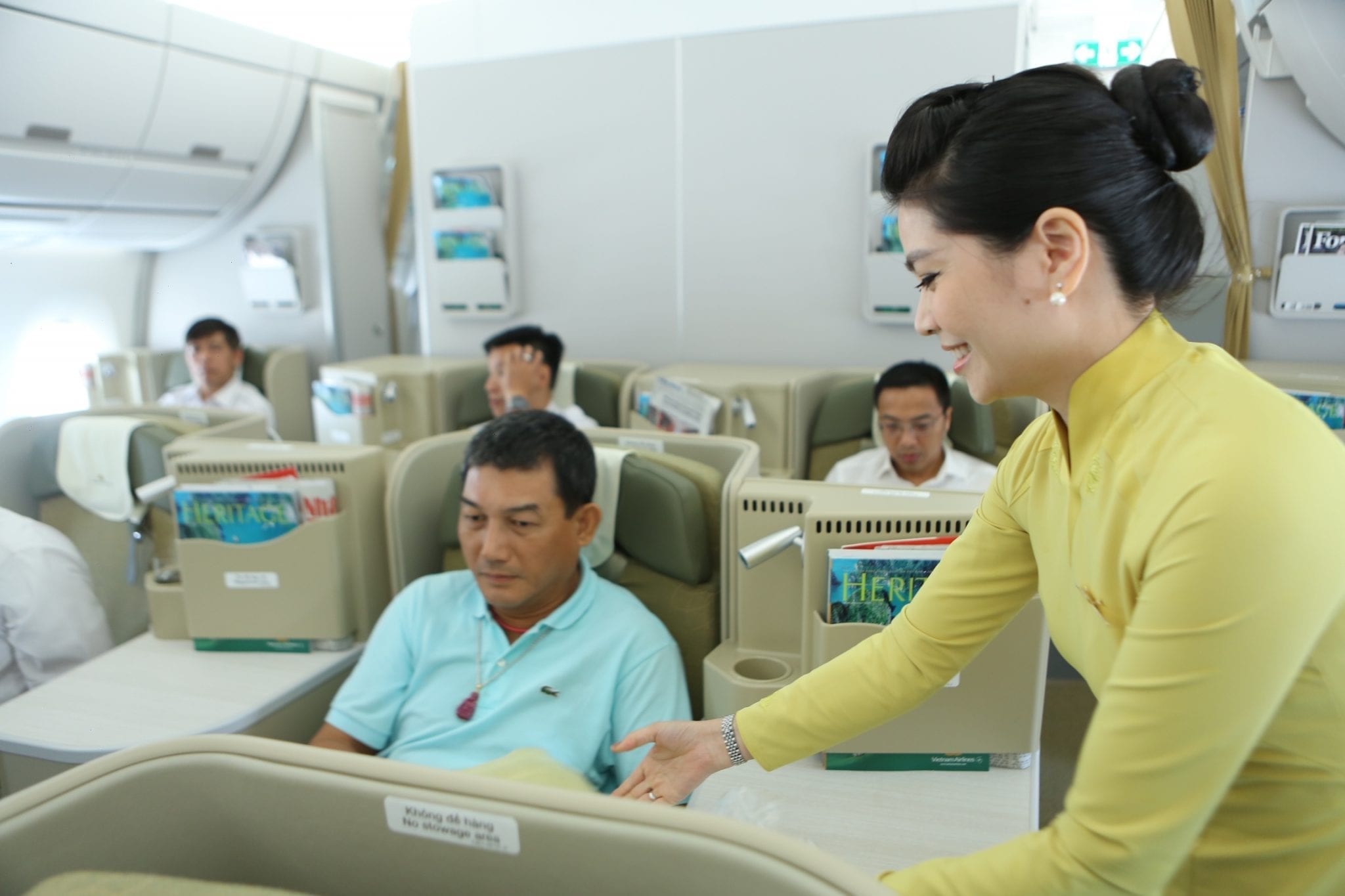
    Meanwhile, the national flag carrier Vietnam Airlines served nearly 10.3 million air passengers in the first six months of 2017, increasing by 6% compared to the same period last year.

    The airline’s revenue totaled nearly VND43 trillion, up 18% year-on-year, and pre-tax profit was estimated at VND830 billion, 51% of the year’s plan.

    As of mid-2017, Vietnam Airlines had a fleet of 11 Boeing 787-9 and seven A350 aircraft.

    The growth of the domestic aviation market is forecast to slow down in the coming time but double-digit growth will be achievable.

    However, the business performance of the airlines may be affected when the country’s biggest airports, Noi Bai and Tan Son Nhat, are partially closed for repair and upgrade by the end of this year.

  • Aldi enters TV cooking space

    Aldi enters TV cooking space

    Supermarket chain Aldi has signed up to its first TV cooking show sponsorship deal as the German retailer escalates its market share fight with local behemoths Coles and Woolworths.

    Aldi will feature its pantry on Channel Seven’s new production, Hell’s Kitchen, hosted by celebrity chef Marco Pierre White.

    White is a former guest judge on rival Ten Network program, MasterChef, which has had a partnership deal for the past nine years with Coles.

    Aldi’s deal with Hell’s Kitchen follows its sponsorship of Nine Network renovation show, The Block, in 2015.

    The discount retailer has stepped up its media strategy, with new a branding campaign launched in May adding to sponsorship of kids’ soccer.

    In May Aldi said it had almost 10 per cent of Australia’s $80 billion plus supermarket sector.

    In the past 12 months, Aldi has also increased its range by about 100 new products and spent more than $75 million on lowering grocery prices during the first months of 2017.

    More recently, the German giant signed up to the Australian Government’s voluntary Tax Transparency Code (TTC).

    The discount supermarket retailer said it has ‘consistently maintained an open and positive working relationship with the Australian Taxation Office,’ and that since achieving profitability in the Australian market, has paid on average 31 per cent of pre-tax profits to the ATO.

  • Vietjet Generated USD84.7 million Group Profit before Tax in 1H2017

    Vietjet Generated USD84.7 million Group Profit before Tax in 1H2017

    Following its 1H2017 unaudited separated financial statements released last week, Vietjet Aviation Joint Stock Company (HOSE code: VJC) has released its unaudited group financial statements for 1H2017, charting surpassed growth in targets as compared to the same period last year.

    Accordingly, overall revenue for 1H2017 stood at USD730.7 million, an increase of around 31 per cent compared to the previous period. Revenue in 2Q2017 on the other hand reached USD503.0 million, an increase of 89 per cent year-on-year.

    The group profit before tax in the second quarter was USD66.1 million while the group profit before tax in the first half of 2017 stood at USD 84.7 million, a 44.7 per cent increase year-on-year.

    Moreover, the growth in passenger carriage on international routes increased by nearly 130 per cent, making it the main driving force behind the quarter growth. Also, revenue in aviation carriage in 1H2017 stood at USD478.9 million, an increase of 45.1 per cent compared to the same period last year. The company’s profit before tax from aviation carriage reached over USD48.6 million, an increase of 46 per cent year-on-year.

    In 2Q2017, Vietjet received five more brand-new A321 aircraft from Airbus, generating USD250.6 million in revenue from aircraft sales. As of 30 June 2017, Vietjet’s total assets were USD1.13 billion, a 50.8 percent increase; while owners’ equity reached USD355.04 million, an increase of 130 per cent year-on-year.

    The airline also successfully optimised its operation costs as its cost of Available Seat-Kilometer excluding fuel (CASK ex-fuel) continued to decrease to 2.23 US cents compared to 2.43 US cents in the same period last year. Furthermore, the Revenue per Available Seat-Kilometer (RASK) increased from 4.29 US cents to 4.42 US cents. This puts Vietjet among the most efficient carriers in the world.

    As of 30 June 2017, Vietjet operated 30 A320 aircraft and 15 A321 aircraft on 73 domestic and international routes, an increase of 13 routes compared to that of 31 December 2016.This is equivalent to an increase of 37.7 per cent year-on-year, an achievement of the year’s target by 110.6 per cent

    The airline conducted a total of 49,151 flights with 8.27 million passengers, charting an average load factor of around 88 per cent and an increase of 22.4 per cent year-on-year. Vietjet also recorded a technical reliability rate of 99.55% and on-time performance rate of 85.7%. Other index rates for operation safety, technical operations and ground operations were among the highest in the Asia-Pacific region.

    Vietjet also broke ground for the construction of the Vietjet Aviation Academy in the Saigon Hi-Tech Park in District 9, Ho Chi Minh City, Vietnam. The first element of the academy – the full flight simulator is expected to be operational in the next 12 months.

    On July 25, Vietjet and Japan Airlines (JAL) reached a formal comprehensive partnership agreement with the aim of improving customer convenience and operations and service quality while enhancing the corporate value of both companies.

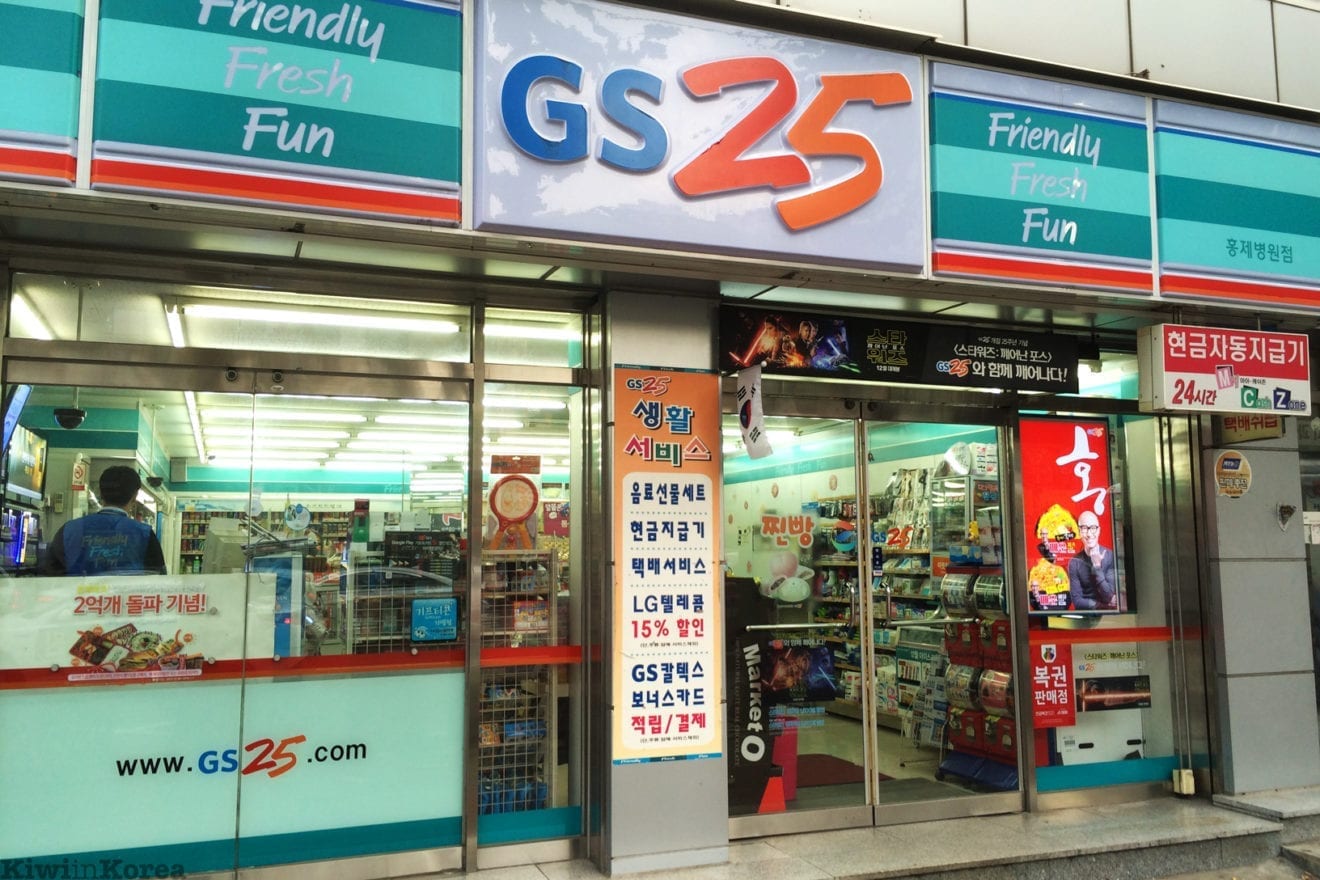
  • Korean convenience store chain GS25 to enter Vietnam

    Korean convenience store chain GS25 to enter Vietnam

    South Korea’s GS25 convenience store chain is about to make its Vietnam debut after forming a joint venture with Son Kim Group.

    Vietnam will be GS25’s parent GS Retail’s first foreign market, with the first store scheduled to open before the year ends.

    “We received requests from many countries, including China and other Southeast Asian countries, to export our brand,” a GS Retail spokesman said.

    “After months of research, we concluded that Vietnam had the largest potential for growth.”

    GS Retail, holds 30 per cent of the JV, will sign a master franchise agreement with the JV later to receive royalties on trademark rights and operation.

    GS Retail and Son Kim worked together on Vietnam’s VGS home shopping in the past.

    Vietnam’s large population and rising consumer spending have encouraged a number of international convenience stores to come.

    In June, 7-Eleven stepped into the market and now has four locations in Ho Chi Minh City.

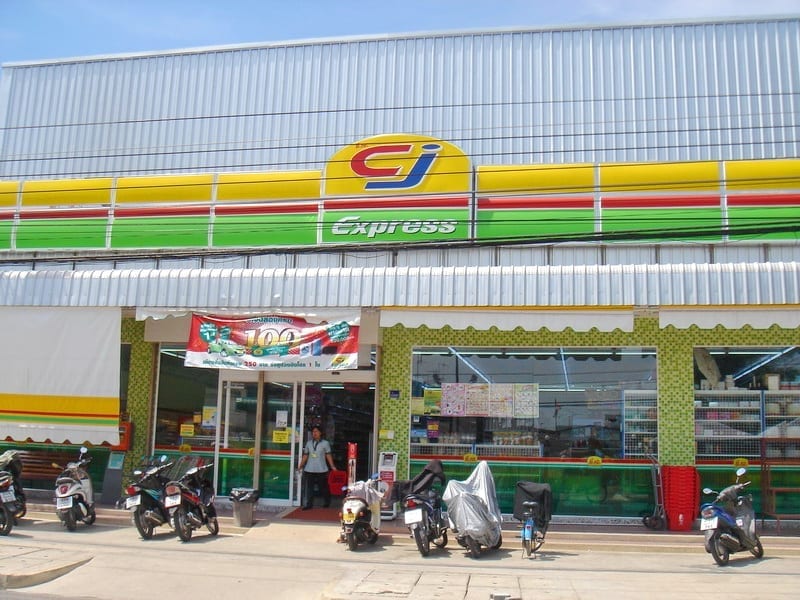
  • CJ Express to invest THB4 billion in expansion

    CJ Express to invest THB4 billion in expansion

    CJ Express, which runs convenience stores and supermarkets, plans to invest THB4 billion (US$120 million) in doubling the size of the business.

    Its aim is to be earning THB20 billion in sales by 2020, says MD Sathien Setthasit.

    He says about THB3.7 billion will be used to open 370 stores and supermarkets this year through to 2020. This would bring store numbers to 600 within the next three years.

    The remaining THB300 million will be spent on store renovations and other upgrades.

    Sathien says he is confident the investment will help boost sales to THB10 billion this year, up from THB7.4 billion last year.

    This year the company has added stores in the central region and in a 250km radius from Ratchaburi province, where it has its distribution centre.

    CJ Express is owned by the same stakeholders as energy-drink maker Carabao Group, but the two businesses are run separately. Sathien, who is also a Carabao Group founder, acquired CJ Express about four years ago.

    He says CJ Express is quite strong in the central region and helps support sales of Carabao Dang energy drinks.

    There are plans to expand CJ Express outlets to the northeast, which supports about 30 per cent of Thailand’s energy-drink market.

    Sathien says CJ Express will join forces with Topvalue, a wholly owned e-commerce site, in this year’s fourth quarter.

  • AirAsia, Indonesian tourism ministry in joint marketing pact

    AirAsia, Indonesian tourism ministry in joint marketing pact

    Indonesia’s Ministry of Tourism and AirAsia have announced a collaboration in marketing in terms of brand advertising, promotional activities and activations across various touch points including, digital, print, radio, in-flight branding, consumer selling travel fair and more.

    The launch of the collaboration was held in Shah Alam, and was attended by Judi Rifajantoro, professional staff to the minister for tourism infrastructure, Indonesian Ministry of Tourism; Robert D. Waloni, senior adviser to the minister for air accessibility, Indonesian Ministry of Tourism; Aireen Omar, CEO of AirAsia Bhd; and Rifai Taberi, commercial director of Indonesia AirAsia.

    “Under the joint promotion for the media campaign, we hope AirAsia will cater more travellers to Indonesia and more people especially Malaysians can experience Indonesia thanks to AirAsia’s numerous routes. This is obviously part of a much broader agenda of collaboration with airlines and the community,” said Rifajantoro.

    Aireen said, “This partnership could not be more timely as we have been seeing a robust demand for Malaysia and Indonesia. In 2016, we have flown more than four million guests between both countries to contribute significantly to the tourist arrivals last year and this is only a fraction of the great potential we can achieve.

    “We look forward to this commitment with the Ministry of Tourism Republic of Indonesia and we are confident that we can further increase more tourist traffic and income for both countries.”

    AirAsia connects Malaysia with Indonesia with more than 350 times weekly flights to 15 different cities such as Banda Aceh, Bandung, Bali, Jakarta, Lombok, Medan, Pekanbaru, Palembang, Padang, Pontianak, Semarang, Solo, Surabaya, Makassar, and Yogyakarta.

    The airline recently added more frequencies to several routes in Indonesia and has launched direct flights from Kuching, Sarawak, to Pontianak.

    In conjunction with the partnership, AirAsia is offering promotional fares for flights into Indonesia, starting from RM79, for bookings made from yesterday until Sunday, for immediate travel until Feb 25, 2018.

  • Profit lift for Sheng Siong Group

    Profit lift for Sheng Siong Group

    Supermarket chain Sheng Siong Group had a 6.1 per cent increase in net profit to S$16.1 million (US$11.8 million) for its second quarter, to the end of June.

    It attributes this to higher gross profit generated by revenue growth and improved gross margin, partially offset by higher running expenses because of increased activity.

    Revenue grew by 6.8 per cent year-on-year of which 5.2 per cent was contributed by new stores, 0.9 per cent by comparable same-store sales and 0.7 per cent by Loyang Point and The Verge stores.

    Growth in same-store sales improved on the first quarter’s “flattish” growth, mainly because of improved consumer sentiment, but was offset by a drop in footfall of stores in areas affected by the slowdown in the oil and gas industry, the Tampines store’s renovation and the Woodlands store, where most residents in nearby blocks affected had moved. Excluding the contraction from the Woodlands store, comparable same-store sales growth would be 1.2 and 1.7 per cent for the first and second quarters respectively.

    Gross margins increased to 26.6 per cent for the second quarter (26.1 per cent in the same quarter last year), mainly because of input cost being lowered by efficiency gains derived from the central distribution centre, a higher level of supplier rebates, and a better sales mix of higher-gross-margin fresh versus non-fresh produce.

    The store at The Verge was closed in the third week of June, and The Woodlands store may be closed in October instead of August, as the HDB is redeveloping the area. Both these stores accounted for 7.6 per cent of the first half’s revenue.

    The group has entered into a lease for a new shop of about 4000 sqft (370 sqm) at Fajar Road, Bukit Panjang, and successfully bid for a new HDB shop of about 12,000 sqft in Woodlands Street. The stores are expected to be open in September and October respectively.

    An extension of the distribution has been started, to add another 50,000 sqft of storage space in the third quarter of next year.

    Renovation of a supermarket to be run by a subsidiary in Kunming is expected to be complete in September.

  • Boots to open the largest flagship store in Myeongdong

    Boots to open the largest flagship store in Myeongdong

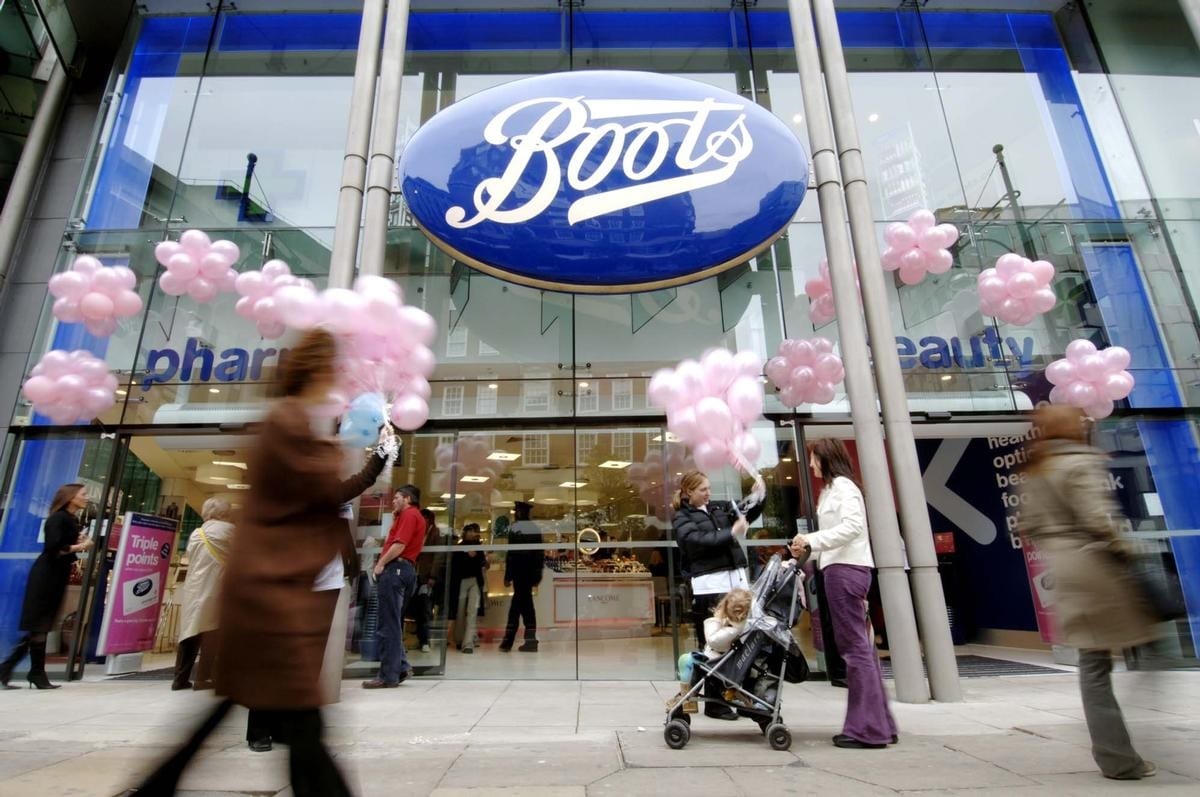
    E-Mart opened its booth flagship store in Shinhan Financial Center building in Myeongdong on July 28. Boots is the UK’s no.1 drugstore brand, with more than 13,300 stores in 11 countries around the world.

    The booth store is the largest of domestic H & B stores with a size of 1284 square meters (about 388 pyeong). The store consists of four floors ranging from floors 1 to 4 on the ground. Currently, only three floors are partially open.

    The first to third floors are operated as H & B sales spaces. The 4th floor plans to create a K-pop studio and a cafe. Considering the characteristics of Myeong-dong commercial area, many foreign tourists will be able to buy products related to Korean entertainers and it will be opened at the end of next month.

    The first floor is composed of color cosmetics brands such as Mac, Shuuemura, and Benefit. On the second floor are hair and body care products such as Aveda and Renefurterer, and on the third floor are skin and health care brands such as Biotherm, Darphin and Dermalogica.

    Each floor sells its own brand of boots (PL) products for each Kategori such as No. 7 and Soap & Glory. This large boots store was located on where is only 50 meter away from the Olive Young Myeongdong store, which is the largest store.

    In Myeong-dong, where there is much demand for tourists, it is anticipated that Korean version of H & B Olive Young and Boots, with high recognition by foreigners will fight a fierce battle. Especially, it is easy to compare merchandising and price while shops are located side by side.

    Olive Young is the number one player in the market with annual sales of KRW 1.127 trillion as of last year. There are more than 800 stores nationwide. Boots opened Starfield Hanam in May, and it also introduced a small store at express terminal.

    The number of stores nationwide is three including Myungdong-dong, which opened this time.

  • Cebu Pacific launches new flights from Davao

    Cebu Pacific launches new flights from Davao

    Davao is now more connected within domestic destinations as Cebu Pacific Air (CEB) launched on Thursday, July 27, at the Marco Polo Hotel Davao two more flights between Davao and the cities of Dumaguete and Tacloban harnessing over 10 million-strong combined market.

    The airline, starting last Wednesday, July 26, is now flying three times a week (Monday, Wednesday, and Friday) between Davao and Dumaguete and four times a week (Tuesday, Thursday, Saturday, and Sunday) from Davao to Tacloban and vice versa starting Thursday, July 27. Department of Tourism assistant secretary Eden Josephine Davaid, in a statement, said with over eight million tourist arrivals in Mindanao, and Western and Central Visayas key areas (Dumaguete and Tacloban) one million combined tourist arrivals, the new connections will serve over 10 million tourists, both domestic and foreign. “Plus we add Cebu cities and provinces 700,000 tourists and Masbate’s 250,000-strong tourist arrivals, endless opportunities await with this newly-launched route,” David said.

    CEB corporate communications director Charo Lagamon said with the new routes, Davao’s position as one of the airline’s hubs in Mindanao is strengthened. Representing Davao City Mayor Sara Duterte-Carpio, Councilor Danilo Dayanghirang said these direct flights answer the market’s growing need for inter-island connectivity. The routes, he said, is reflective of the competitiveness and reliability of CEB. “It will not only increase tourists and trade among three cities, it will make the residents closer with each other,” Dayanghirang said quoting Duterte-Carpio. Davao City Tourism Operations Officer head Generose Tecson said the launching of new routes are a welcome development for all three cities.

    “It opens more avenues for business and tourism arrivals, for Davao most especially. Being the gateway in Southern Mindanao, everyone going around has to touch base with our city first,” Tecson said. Dumaguete City Mayor Felipe Antonio Remollo, for his part said, the city tourism offices of the cities will work closely to promote tourism in each city, thus, inviting more tourists.

    “To cater the growing number of tourists, we will continue to encourage investors to put up hotels, convention centers to accommodate the people,” Remollo said adding Dumaguete has a bed capacity of over 5,000 rooms. He added that with the air link between Davao and Dumaguete, connectivity between Mindanao and Siquijor will be enhanced. The flights will be carried by the Cebgo fleet of ATR aircraft. Aside from the direct Davao flights, CEB also launched flights between Cebu and Masbate, Zamboanga and Cotabato, and Cagayan de Oro and Zamboanga. Dayanghirang, however, asked the airline to push more routes to and from Davao.

    One of the routes pushed is the Davao-Bohol air link. “We hope to launch more routes to and from Davao City,” Lagamon said. Go Hotels, a sister company of CEB also operates in Dumaguete, Tacloban. Davao City as Mindanao hub Lagamon reported that for 21 years, CEB have a seamless network (direct and connecting flights) linking Davao to six hubs, 37 domestic destinations and 26 international routes. “We are launching 894 flights per week to and from Mindanao,” she said. This year, Lagamon said, CEB targets to serve 20 million passengers. For the first quarter of this year, a total of 4.8 million passengers were already served by the airline amounting to P6.8 billion revenue, 55 percent of the total revenue are from domestic market share.

  • AirAsia offering up to 45% discount in latest campaign

    AirAsia offering up to 45% discount in latest campaign

    AirAsia is offering discounts of up to 45% on local and international flights in its latest campaign – Buy More, Save More.

    From today until Aug 6, travellers can get 15% off flight bookings for one passenger, 25% off for two passengers, 35% off for three passengers and 45% off for four or more passengers on the same booking.

    Travellers can also get a 20% discount via a Fly-Thru flight booking or opt for the AirAsia X Premium Flatbed.

    The promotion is available for travel between Feb 26 and Aug 28, 2018.

    “This promo has something for everyone. Whether you prefer to travel alone or with your family or friends, we will get you to the destination for less,” said AirAsia group chief commercial officer Siegtraund Teh.

    The low-cost carrier flies to more than 120 destinations across Asia, Australia and New Zealand, the Middle East and the United States.

  • Cheers launches first unmanned, cashless store in Singapore

    Cheers launches first unmanned, cashless store in Singapore

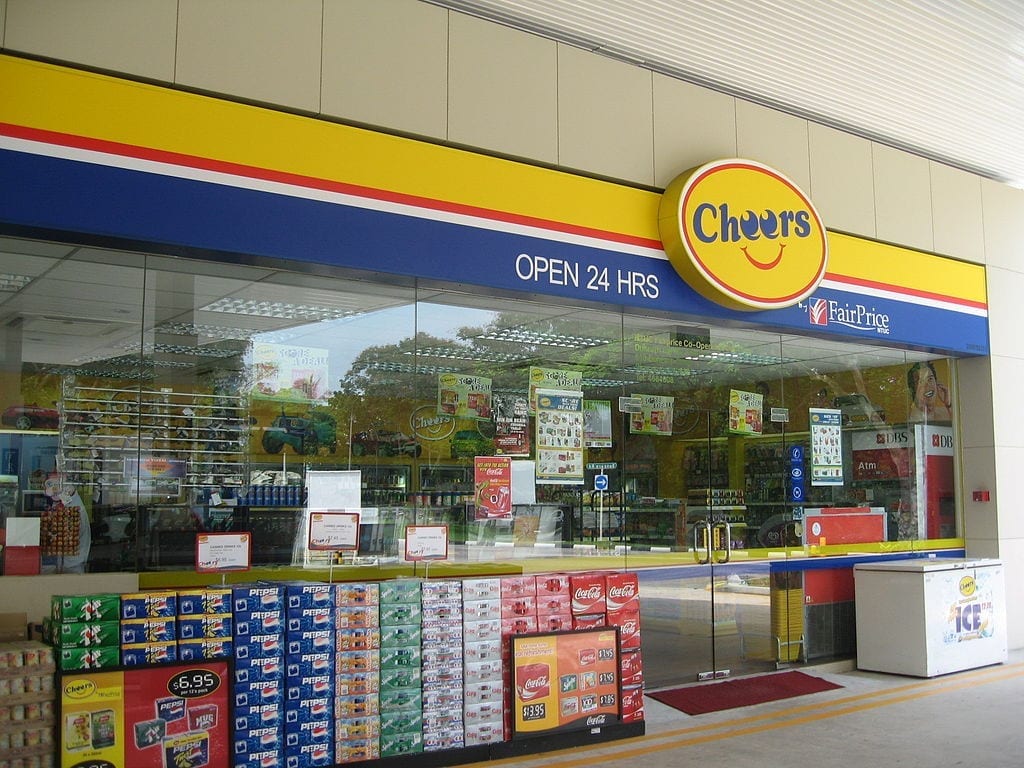
    The Cheers outlet at Nanyang Polytechnic (NYP) looks like its a normal store – with shelves and fridges stocked with food and drinks – except there is no cashier or assistant in sight.

    The convenience store, fully managed by NYP students, is fitted with at least 10 closed-circuit cameras.

    Customers use a QR code found on the free “Shop It Yourself” mobile app to gain entry to the store. The doors lock automatically after entry.

    The store also features a unified self-checkout system that accepts various cashless payment modes, eliminating the need for multiple payment terminals.

    Customers can pay using Nets, credit card, ez-link, mobile and contactless payment.

    The outlet is also the first convenience store to accept Nets payment by QR code, a new form of payment that utilises DBS Paylah, OCBC Pay Anyone and UOB Mighty.

    There are also three vending machines dispensing ready-to-eat foods ranging from pastries and pizza to fried rice and hor fun.

    At the back end, a system tracks stock levels and automatically places orders when stocks are low.

    This unmanned format saves Cheers 180 man hours per week.

    At the launch of the store on Friday (July 28), Minister for Trade and Industry S. Iswaran said the move by Cheers “raises the bar of what it means to be a convenience store of the future… (and) affirms that local retailers are more than equal to the task of remaining relevant and competitive”.

    This is especially the case when local retailers are now up against the likes of Amazon Prime Now, launched earlier this week, which uses artificial intelligence technology and offers delivery within two hours, he said.

    Mr Seah Kian Peng, chief executive of NTUC FairPrice which runs Cheers, said the store is a step towards offering a “differential and innovative retail concept”.

    “To stay competitive and relevant, a key approach is to provide value-added services that cater to the needs and convenience of customers,” he said. “Besides challenging industry norms, this store also aims to cultivate a self-service culture in Singapore.”

    The store will be fully run by NYP’s School of Business Management students specialising in retail, with help from their lecturers and advisers from Cheers. Over 50 of them will be selected annually and deployed in several batches throughout the year to run the store.

    Instead of having to man the store at the front end, the students will “move up the value chain… (and) take a more strategic approach to drive the success of the store”, said NYP principal Jeanne Liew.

    For example, they will use data and video analytics to study purchasing behaviour and customise the store’s inventory accordingly.

    The store at NYP opens from Monday to Friday between 7.30am and 7.30pm.

    Cheers plans to pilot another unmanned convenience store in Tampines by the end of August.

  • Help for Singapore start-ups in Indonesia

    Help for Singapore start-ups in Indonesia

    Singaporean start-ups eyeing the Indonesian market can now look to a new innovation hub in its capital. Block71 Jakarta, a 1,500 sq m facility in the Kuningan district, officially opened its doors yesterday to 24 businesses from both countries. Operations had begun in March.

    The hub, a tie-up between the National University of Singapore’s entrepreneurial arm NUS Enterprise and Indonesia’s Salim Group conglomerate, will host conferences, business competitions and other start-up events.

    It is based on Singapore’s Block71 in Ayer Rajah Crescent.

    NUS Enterprise chief executive Lily Chan said: “Block71 Jakarta is open to all start-ups and entrepreneurs who are keen to explore the Indonesian market. In particular, we strongly encourage companies that are developing innovative technology solutions with the potential to scale globally to apply.”

    Start-ups are also expected to be able to tap the global networks of investors and industry players that NUS Enterprise and Salim Group are plugged into.

    The group’s executive director, Mr Axton Salim, said in a statement: “We have embarked upon this initiative as we want to support entrepreneurs as well as encourage new developments in Indonesia.

    “The Salim Group’s networks and experience will facilitate the entry of start-ups and innovations to the local market and benefit the community here.”

    His family business deals in a diverse array of sectors, with its units including real estate, telecommunications and manufacturing.

    Among the Singapore start-ups that have ventured into Block71 Jakarta is the pslove company, which sells heat patches to alleviate menstrual cramps. Founder Tan Peck Ying told: “As a consumer product company, we go where the demand is. For the past couple of months, we have been getting multiple requests from Indonesia and this is a natural move for us.”

    The Indonesian start-ups at Block71 Jakarta include 8villages, a social enterprise that provides rural farmers with a mobile information platform to communicate and do business.

    Minister for Trade and Industry (Trade) Lim Hng Kiang, who officiated the hub’s opening ceremony yesterday alongside his Indonesian counterpart, said: “Block71 Jakarta will be a launch pad for Singapore entrepreneurs and innovators to build ties with the Indonesian start-up community. We hope Block71 Jakarta will foster a healthy two-way exchange of ideas, innovation and expertise.”

  • Impact’s The Portal offers restaurants and retail space

    Impact’s The Portal offers restaurants and retail space

    The managers of the Impact Exhibition and Convention Center have opened a four-story commercial building to house retail stores and other facilities for locals, exhibitors and visitors alike.

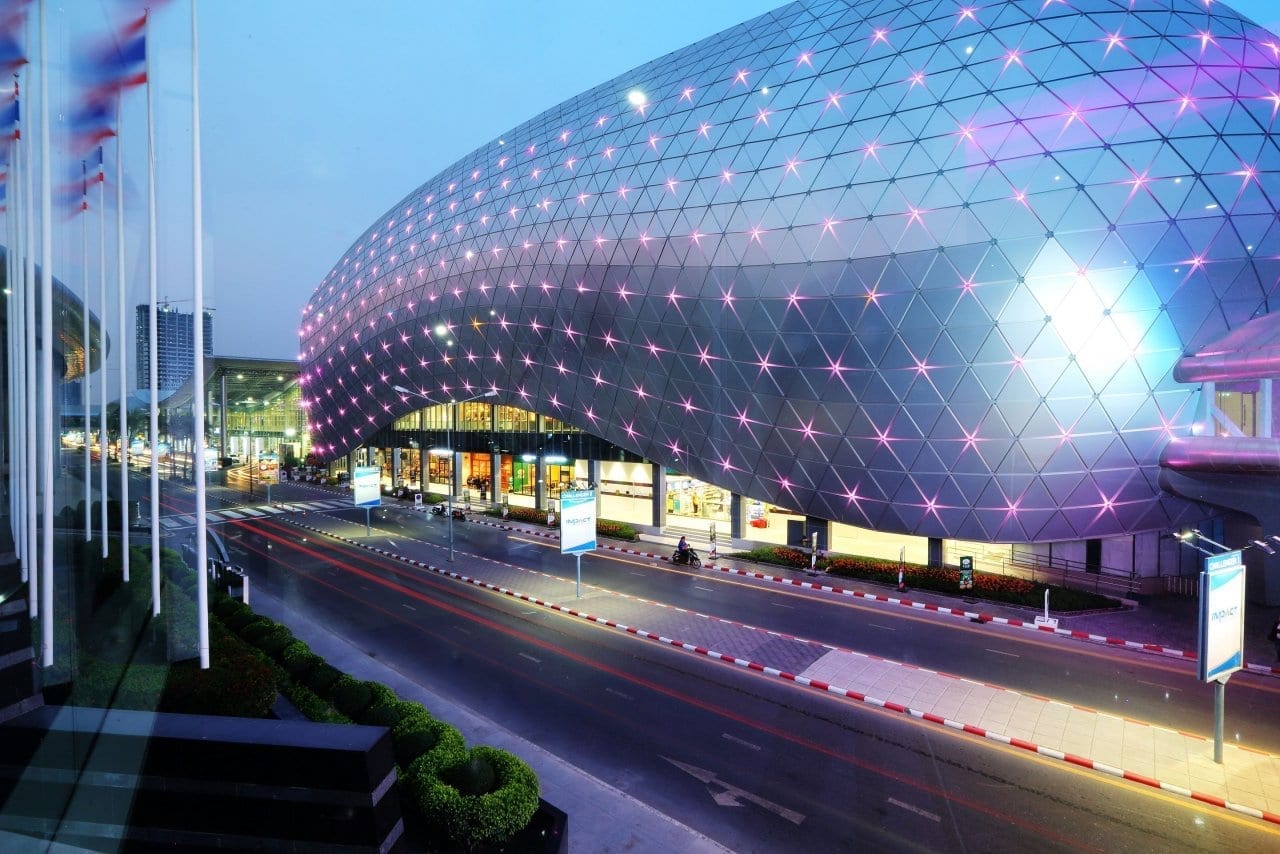
    Dubbed The Portal Lifestyle Complex, the futuristic-looking building connects to the Impact Arena, Impact Challenger and Impact Exhibition Center via link bridges. It houses retail stores, a foodcourt, restaurants and brand-name outlets as well as providing a lifestyle venue for the general public visiting Muang Thong Thani, an outlying suburb of Bangkok.

    Paul Kanjanapas, Impact Exhibition Management MD says the building, which cost about THB600 million to construct, is a response to a growing demand for exhibition space and services.

    The curved design of the exterior was inspired by “the movement of undercurrents” according to a statement.

    A number of retail, food and beverage and service companies have leased space, including Burger King, The Pizza Company, After You, Watsons, Thai Ticket Major, Isan@Arena, Tsubohachi Express and Hong Kong Suki. The retail areas are open from 10am to 8pm.

    The third floor of The Portal Lifestyle Complex features a large food arena and the top floor the 1500 sqm Portal Ballroom, offering an elegant function area.

  • New Hua Du Supercenter buys vending machine group

    New Hua Du Supercenter buys vending machine group

    Chinese supermarket chain New Hua Du Supercenter has acquired a vending-machine company just weeks after Alibaba and Auchan launched self-service convenience stores.

    Based in Fujian, the chain says it has signed an equity-swap agreement with Beijing Ubox Online Technology Corporation. Under the deal, Ubox, which runs more than 57,000 vending machines – more than any other similar company – will be absorbed into New Hua Du.

    New Hua Du has a market value of RMB5.7 billion (US$850 million), smaller than its new subsidiary Ubox, which is valued at RMB6.5 billion. New Hua Du’s profit last year rebounded to RMB54 million from a loss of RMB373 million a year earlier, driven in part by the three e-commerce companies it acquired.

    “The acquisition comes at a time when staffless retail is hot,” says Haitong Securities analyst Wang Liting. “The deal will enable integration between supermarkets and smart vending machines.”

    After Amazon.com launched its Amazon Go self-service shop last year, Chinese companies have taken up the staffless shop concept with Alibaba Group Holding opening Tao Cafe in Hangzhou and Groupe Auchan introducing BingoBox in Shanghai.

    Wang says the vending-machine market has significant potential in China. Ubox’s profit last year more than doubled to RMB81 million.